
 USD
USD GBP
GBP
 EUR
EUR







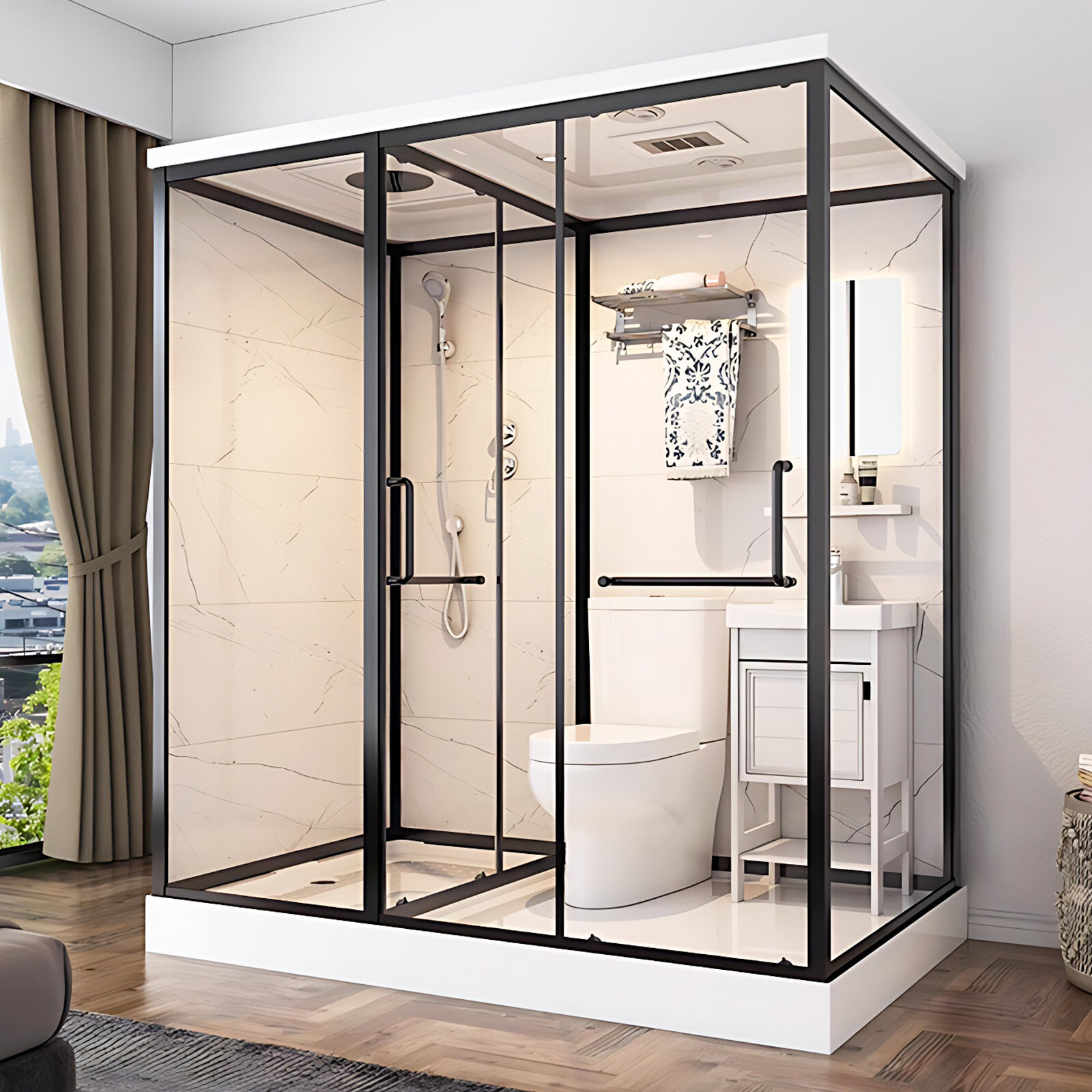


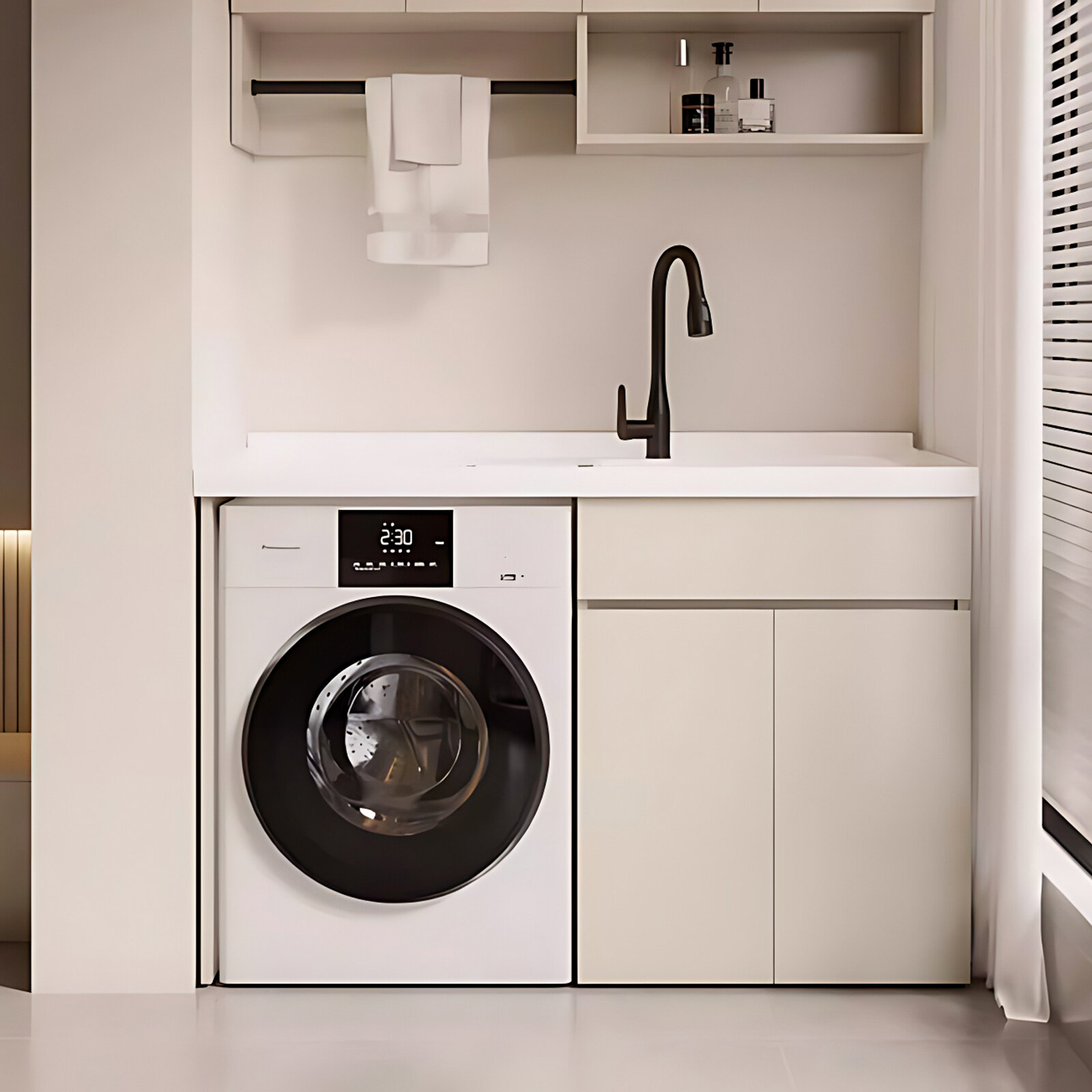
























Detailed steps and precautions for installing a washbasin!
Ceramic pedestal basins are a simple yet stylish type of washbasin, often used and installed in smaller bathrooms. Because they conceal all drainage fittings within the basin pedestal, they offer a very clean and minimalist look. The performance and long lifespan of ceramic basins depend not only on the quality of their materials and manufacturing process but also significantly on the installation technique and quality. How to install a washbasin? Today, we'll share the installation steps and precautions for ceramic pedestal basins!
1. Detailed installation steps for the washbasin
(1) After assembly, place the base basin on the ground where it will be installed. Make sure the top surface of the basin is level and close to the wall. Mark the positioning holes for the basin and column on the wall. It is important to ensure the basin and column are aligned for easier subsequent installation;
(2) After marking the above, you need to carefully remove the basin and then use an impact drill to drill holes at the marked locations. Note that the diameter and depth of the holes should be sufficient for installing screws; they should not be too shallow or too deep, as this is not suitable for installing the basin.
(3) After drilling, expansion granules need to be inserted at the marked locations, and then the screws are fixed to the ground and wall respectively. The screws on the ground protrude about 25mm, and the screws on the wall protrude about 34mm, which is equal to the thickness of the product mounting port;
(4) After installing the screws, the basin faucet and drainage device need to be installed. When installing the drain pipe, in order to prevent water leakage, you need to wrap the raw material tape around the appropriate position of the drain pipe. The same principle is to prevent leakage. The glass glue must be applied to the edge of the column and the basin, fixed to the ground, and then the basin is placed on the column so that it makes smooth contact with the column. Pass the screw through the mounting hole of the basin, insert the washer, nut and other accessories into the screw in sequence, tighten the nut with a wrench until the electric ring contacts the basin, and finally put on the decorative cover. This completes the installation of the basin faucet;
(5) Next, you need to install an angle valve and flush out any residue in the inlet pipe. You can use a hose to connect the angle valve to the washing machine's faucet. Select the appropriate drain pipe based on its type. If there is a cold water pipe, connect the hot and cold water pipes according to the markings;
(6) Finally, a mildew-proof silicone sealant should be used between the top of the basin and the wall, and between the contact surface of the column base and the ground to prevent the contact parts from becoming moldy or breeding bacteria due to moisture. This completes the installation of the base basin.
2. Precautions for installing a washbasin
Based on the above description, it seems that the installation of a washbasin is relatively simple and can be done by oneself. However, the quality of installation is also related to the details of installation, so there are some things to pay attention to during installation.
(1) Before installing the washbasin , the wall and floor tiles should be installed and the water inlet pipe and sewage pipe should be reserved to facilitate the subsequent installation;
(2) The washbasin should be installed on a hard, flat wall, and attention should be paid to the location of the drain and water inlet. It is not suitable for installation in irregular spaces;
(3) When fixing the basin mounting holes with expansion screws, do not tighten them too much to prevent damage, but of course they should not be too loose so as not to achieve a tightening effect. Of course, it is best to tighten them correctly.
(4) When installing and using the toilet, care must be taken to avoid strong impacts to ensure its service life.