
 USD
USD GBP
GBP
 EUR
EUR
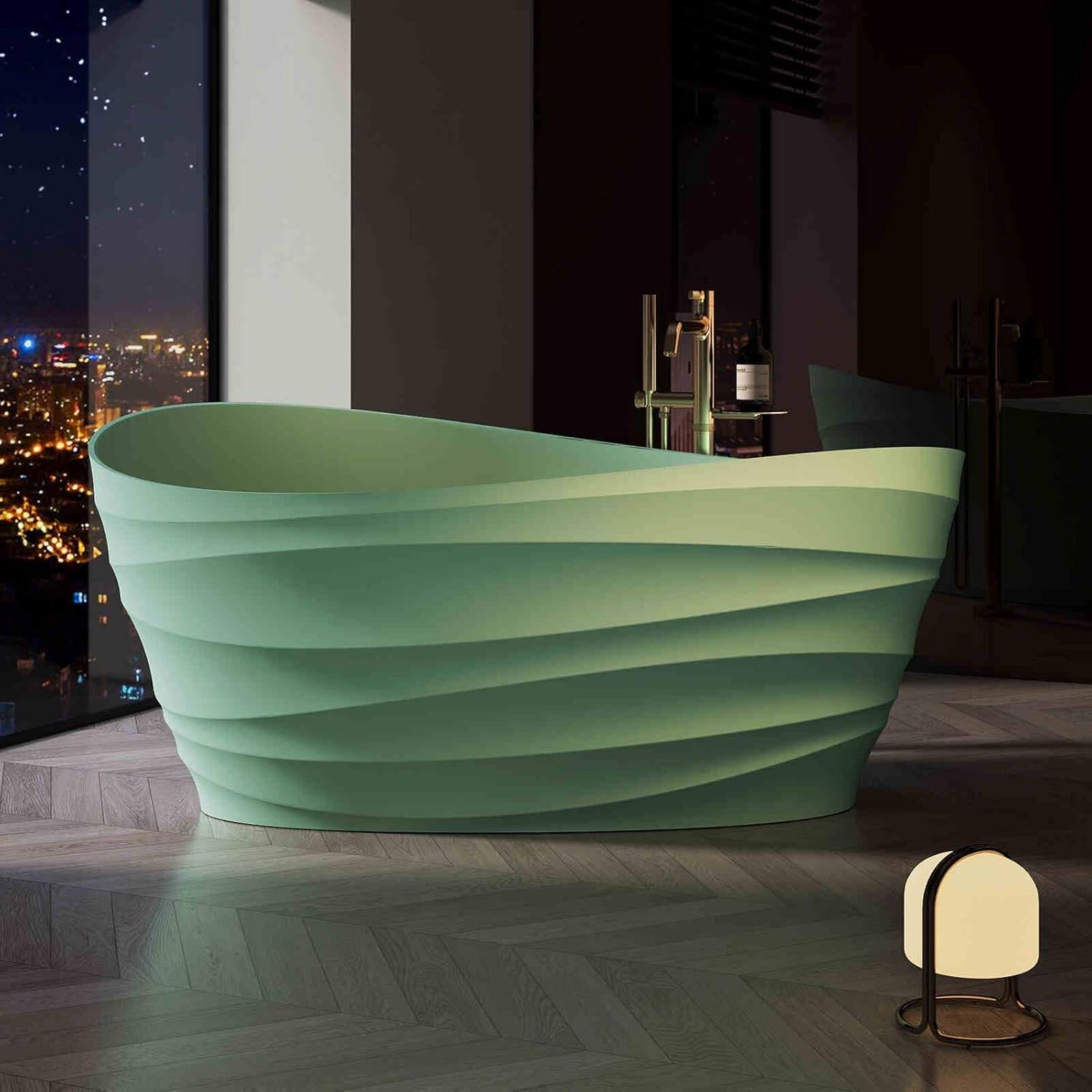

Why should you buy a high-quality acrylic bathtub?
1. Bathtub type
First, you need to determine the type or style of your bathtub. The type you choose is largely related to your overall design preferences, but also to your bathing habits, available space, and installation preferences. For example, even if you love the classic look of an acrylic clawfoot bathtub , you might not have a suitable bathroom to accommodate it. The main types of acrylic bathtubs available include built-in, freestanding, clawfoot, recessed, walk-in, corner, spa bathtubs, and left/right-hand configurations. As you can see, there are many types of bathtubs to choose from, so you'll need to do some research, do some bathtub studies, and figure out the overall style of bathtub you need.
2. Usage Requirements
How you intend to use your bathtub plays a significant role in your choice. While the general purpose of buying a bathtub is bathing, there's more to it than that. Do you plan to enjoy a long soak, or is it intended for use in a children's bathroom? The answers to these questions will help you determine the style, features, and size, among other things. For example, if you intend to keep your child's bath time as short as possible, a deep soaking bathtub isn't a wise choice. You'll want to choose one that's relatively short for ease of use.
3. Aesthetics and Design
Acrylic basins come in a variety of shapes, sizes, colors, and finishes. This means you have the freedom to decide on the appearance and design features. If you want something modern and stylish, you can opt for elegance. Before you start comparing prices, understand your design preferences; this will help narrow down the many choices on the market.
4. Size and weight
When it comes to buying a bathtub, size is a big issue. Buying a bathtub that's too big happens more often than you think, so determining the official dimensions is the first step. Even if you're replacing an old bathtub and using the correct location, be sure to take measurements. In addition to the physical dimensions, you also need to consider the weight of the bathtub. Large soaking tubs with many features are significantly heavier than basic acrylic models, meaning they will be more challenging to handle. Even if you hire a professional contractor for installation, a heavier bathtub will make installation more challenging. Another helpful tip for choosing the right bathtub size is to consider the performance of your water heater. Bathtub sizes range from the 70s to the 450s, so determine if your water heater can handle approximately two-thirds of the hot water.
5. Installation and Configuration
Built-in bathtubs are the most common, but that doesn't mean they're easy to install. Built-in bathtubs are among the most difficult to install because they require a frame before sealing and connecting to the drain. Freestanding bathtubs are the easiest to install, followed by clawfoot and recessed bathtubs. This is by no means a one-person job; in most cases, it's best to hire a professional plumber/contractor. Regardless of the installation method chosen, close attention must be paid to the drain pipe configuration. There's nothing better than buying a bathtub with a right-side drain, only to find the drain pipe is actually on the left. This is an easily avoidable problem-simply confirm the plumbing configuration before purchasing the bathtub.
6. Flooring type
The common assumption is that all bathtub floors are smooth, but that's not true. Some of the best acrylic bathtubs come with textured floors to prevent slipping. This is important to consider because bathtubs with textured floors are more hygienic than using bath mats on smooth bathtub surfaces.
7. Additional features and accessories
Beyond textured floors, a host of other features can enhance the overall bathing experience, especially when relaxation is paramount during your playtime. Some acrylic bathtubs are simply a bathtub, while others are different, featuring features like a jet and neck/back grooves for added comfort. But as always, the more features added, the higher the cost.