
 USD
USD GBP
GBP
 EUR
EUR









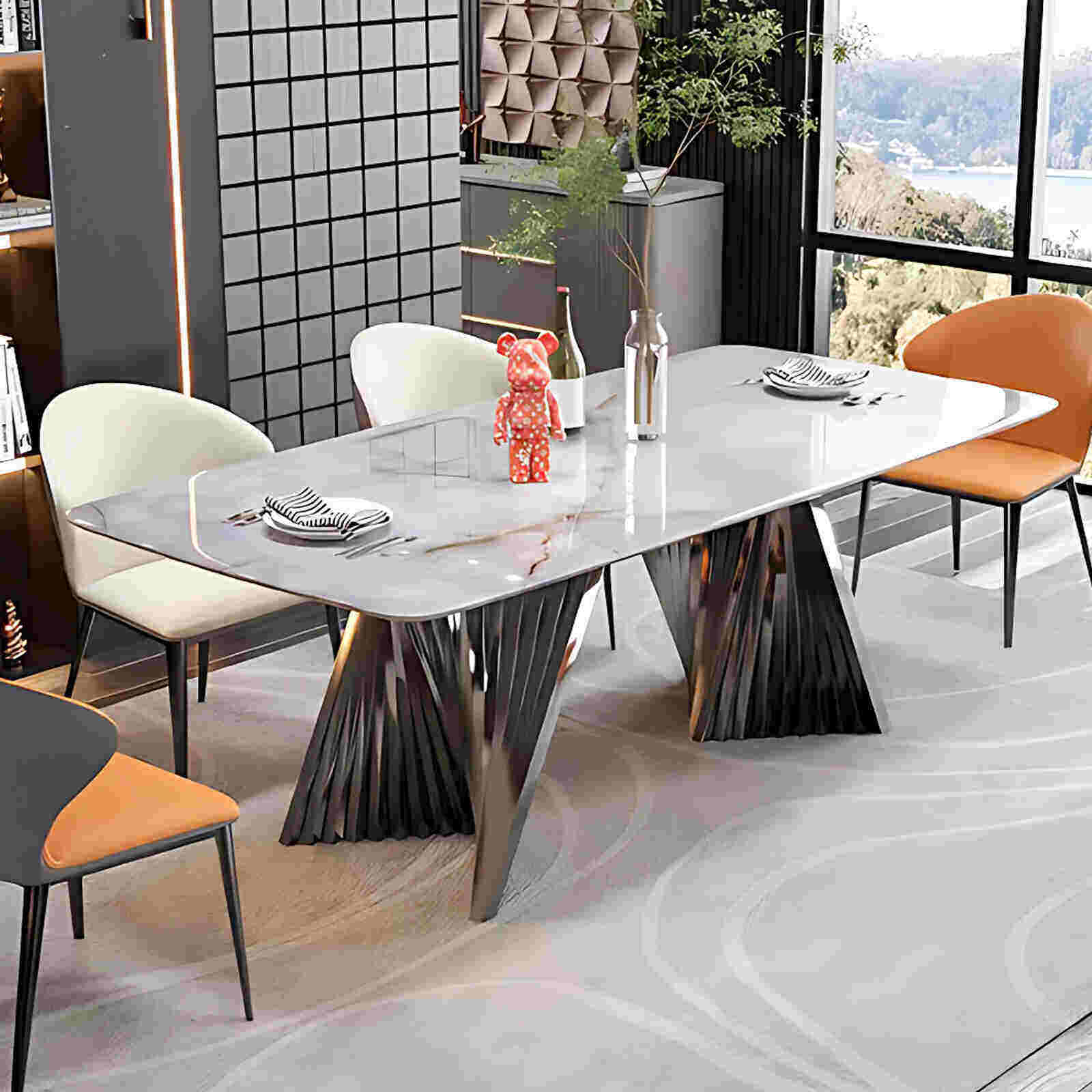
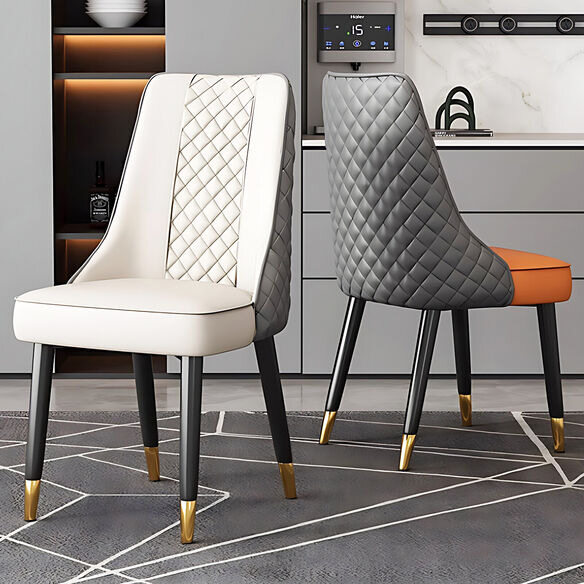
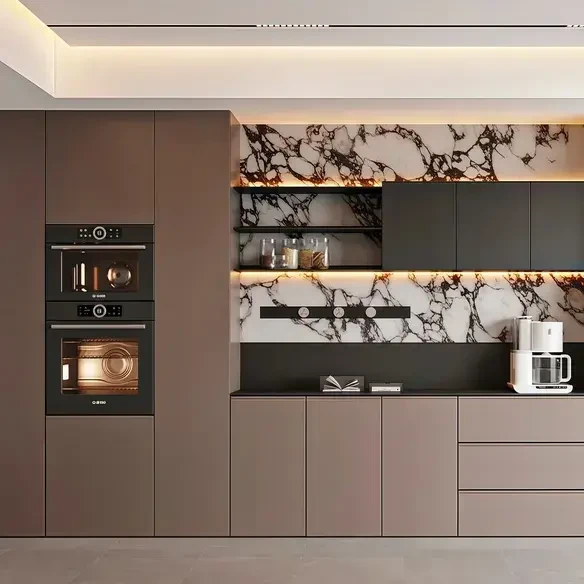







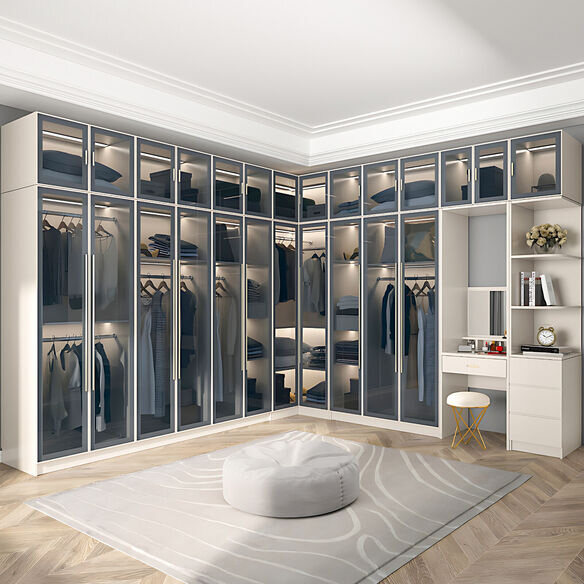







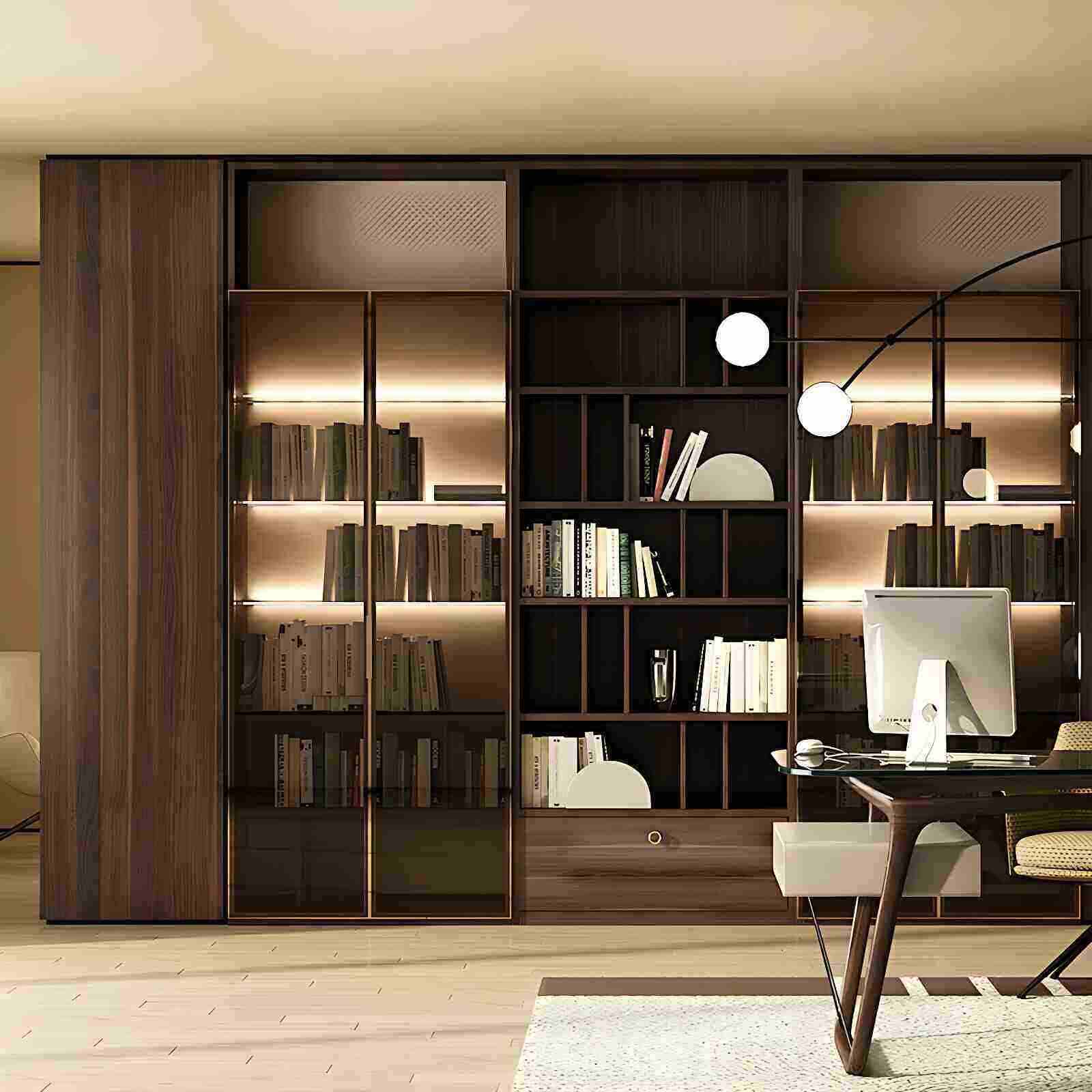

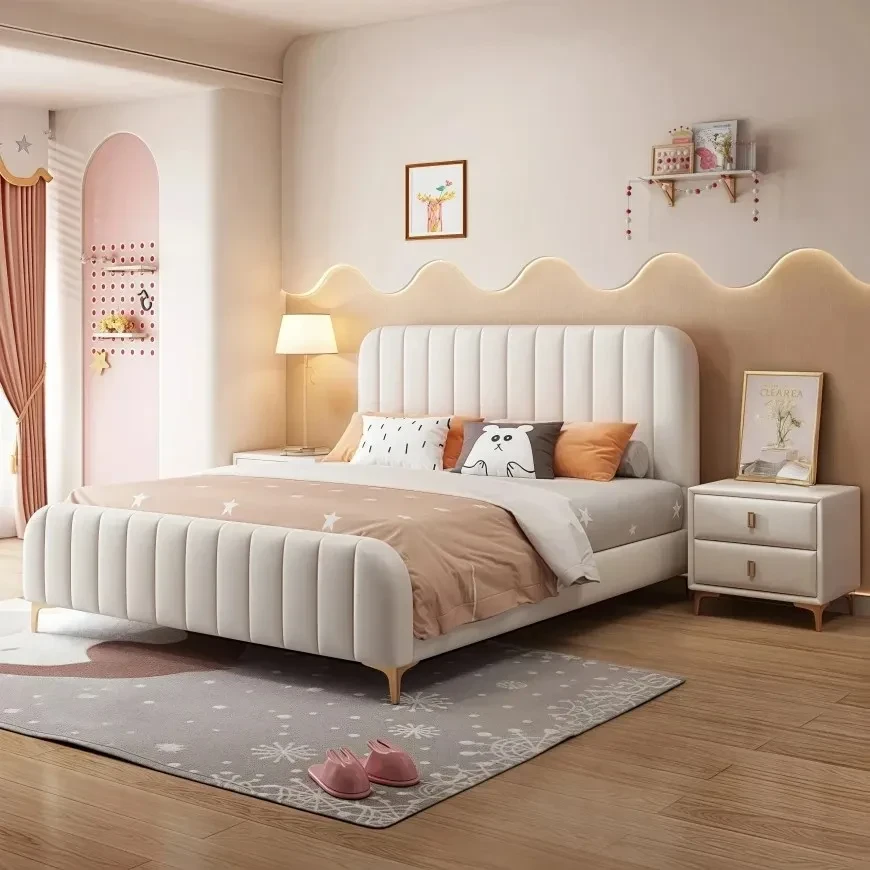
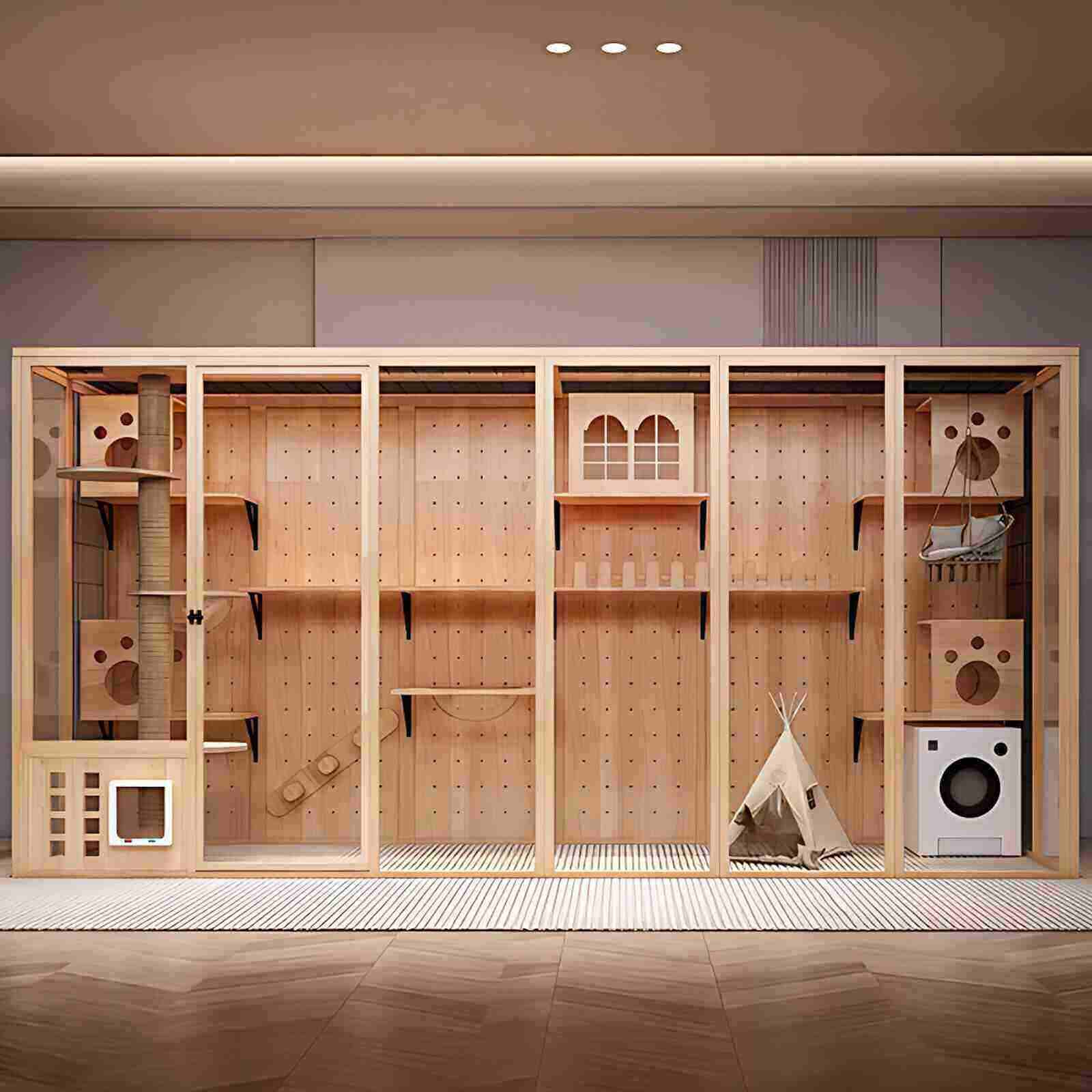
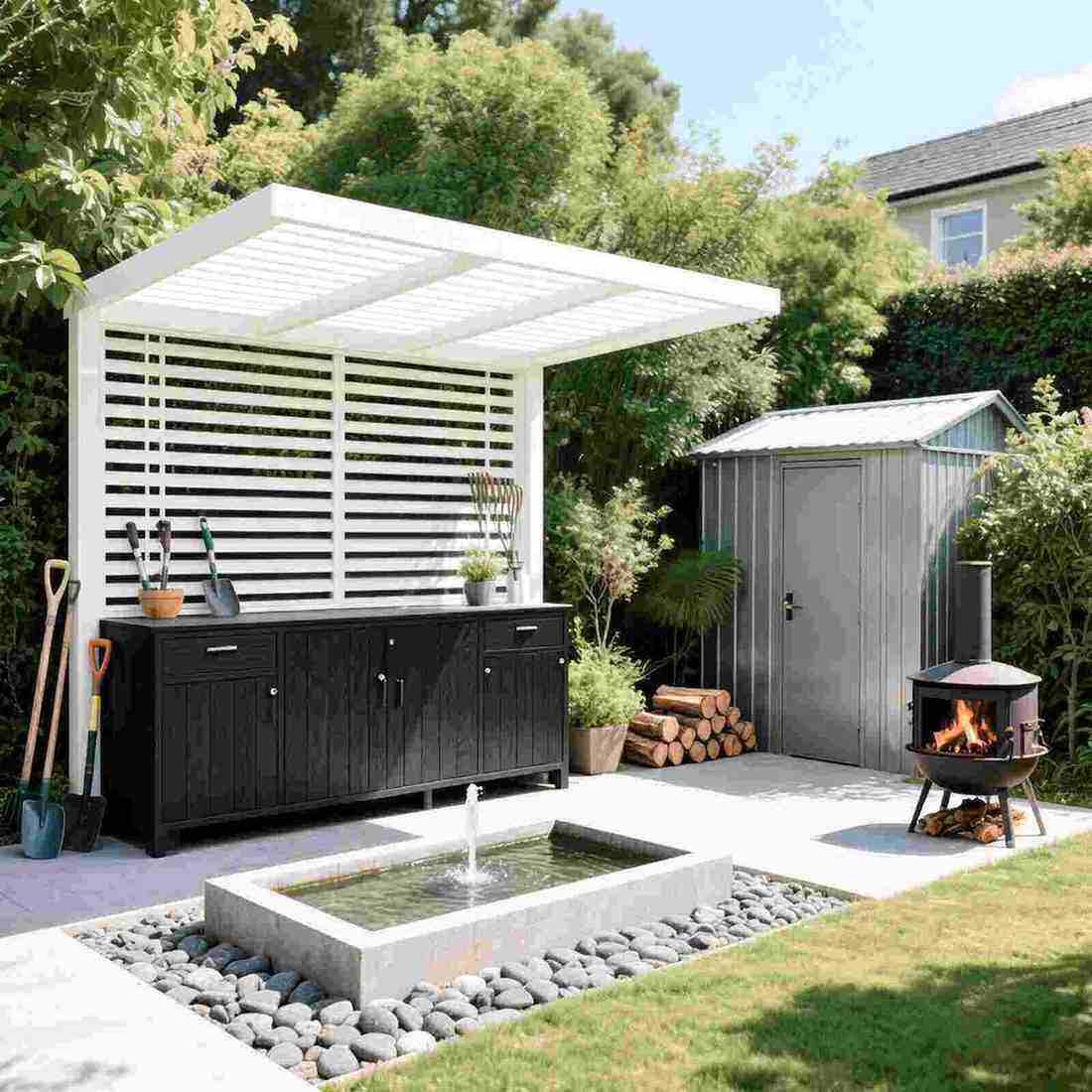
For many first-time home renovators, the process can feel overwhelming, as they have no prior experience with the entire renovation process. The market is flooded with a dazzling array of building materials, leaving them completely unsure where to begin. However, generally speaking, selecting building materials isn't as difficult as people imagine. Once you learn the selection methods, you can easily distinguish the quality of the materials. China Building Materials Network, as a professional building materials service provider, offers step-by-step guidance on how to choose the perfect building materials for your needs.
Tip 1: Learn to identify the basic quality of wood-based panels
For beginners, the most crucial thing is to learn how to identify the quality of a board by observing its surface. This involves directly touching it with your hands and observing it with your eyes to see if there are any obvious flaws. At the very least, you should check the flatness and smoothness of the surface, as well as for any glue seepage or surface contamination, such as localized blackening or yellowing. Through comprehensive observation and identification, select boards with no cracks, fissures, knots, bark inclusions, resin pockets, or resin channels. The natural warping of the entire board should be minimized, and you should also avoid sanding through caused by improper sanding processes.
Tip 2: Be good at observing the texture and structure of the board.
In the panel market, the grain structure of veneer is generally straight, with a very regular distribution of patterns. Natural wood veneer, on the other hand, features natural wood grain, with more flexible and irregular patterns. High-quality panels should offer a pleasing aesthetic experience, with a fine and uniform material structure, bright color, and beautiful grain. The grain of matching panels and inlays should be arranged according to a certain pattern, with the wood color tending to be similar, and the seams nearly parallel to the edges.
Tip 3: Learn to analyze the structural characteristics of the board material.
High-quality boards have a very stable adhesive layer structure with no delamination. There will be no bulging or delamination between the surface veneer and the substrate, or between the layers within the substrate.
Tip 4: Understand the eco-friendly performance of the boards.
Choose boards with the lowest possible formaldehyde emissions. You can smell the boards to see if they emit a pungent odor. If the smell is strong, it means the formaldehyde emissions are higher, the pollution is more severe, and the harm is greater.