
 USD
USD GBP
GBP
 EUR
EUR










This achievement represents a breakthrough in the technology of physical compression enhancement and modification of wood, and innovatively developed controllable laminar compression of low-density wood.
The position and thickness of the compression layer are controllable.
Using this technology, the surface or any layer of low-density wood that needs to be reinforced can be selectively compressed and strengthened according to the requirements of wood product processing and use, while the rest remains uncompressed, thus achieving precise control over wood compression reinforcement.
The solid wood layered compression technology mainly solves three technical problems: precise control of the compression layer position, precise control of the compression layer thickness, and fixation of compression deformation.
Top: Photo of solid wood; Bottom: Soft X-ray photo
Density distribution map
Low compression ratio and low volumetric loss
The compression rate can be reduced to below 20%, effectively reducing volumetric loss caused by compression compaction. In terms of large-scale production, a continuous production method for layered compressed timber has been developed, and suitable production equipment for layered compressed timber has been manufactured, resulting in a low-cost production process and solving the cost problem of large-scale production.
The performance of compressed wood is significantly enhanced.
Regardless of whether the compression layer is located in the surface or middle layer, the density of the compression layer can reach over 0.8 g/cm³. For poplar surface-compressed wood, the density of the compression layer can reach over 1.8 times that of the control wood, and the hardness can reach over 2.4 times that of the control wood. The moisture absorption and resilience rate of the wood is reduced to 1.34%. Compared with the raw material, the tangential dimensional stability under high temperature and high humidity conditions is improved by over 46%, and the dimensional stability under high temperature and low humidity conditions is improved by over 80%.
Wide range of applicable materials
Solid wood lamination compression technology is applicable to a wide range of wood species. After process adjustments, it can be used for the vast majority of coniferous and hardwood species. By utilizing the unique colors, textures, and other characteristics of different tree species, a rich variety of products can be produced to meet diverse consumer needs.
From left to right: Populus tomentosa, Okoume, and Cannoly.
Density distribution map
The processing and products are green and environmentally friendly.
The processing and products are green and environmentally friendly. Lamination compression is a physical modification technology for wood. The process is completed under hydrothermal control, without the addition of any chemical agents, resulting in no pollution or emissions, and is therefore green and environmentally friendly.
The production process is simple and the cost is low.
The production process of laminated compressed timber is simple, and the processing cost mainly includes the volume loss of timber during compression, the energy cost of heating and cooling the press, and labor costs.
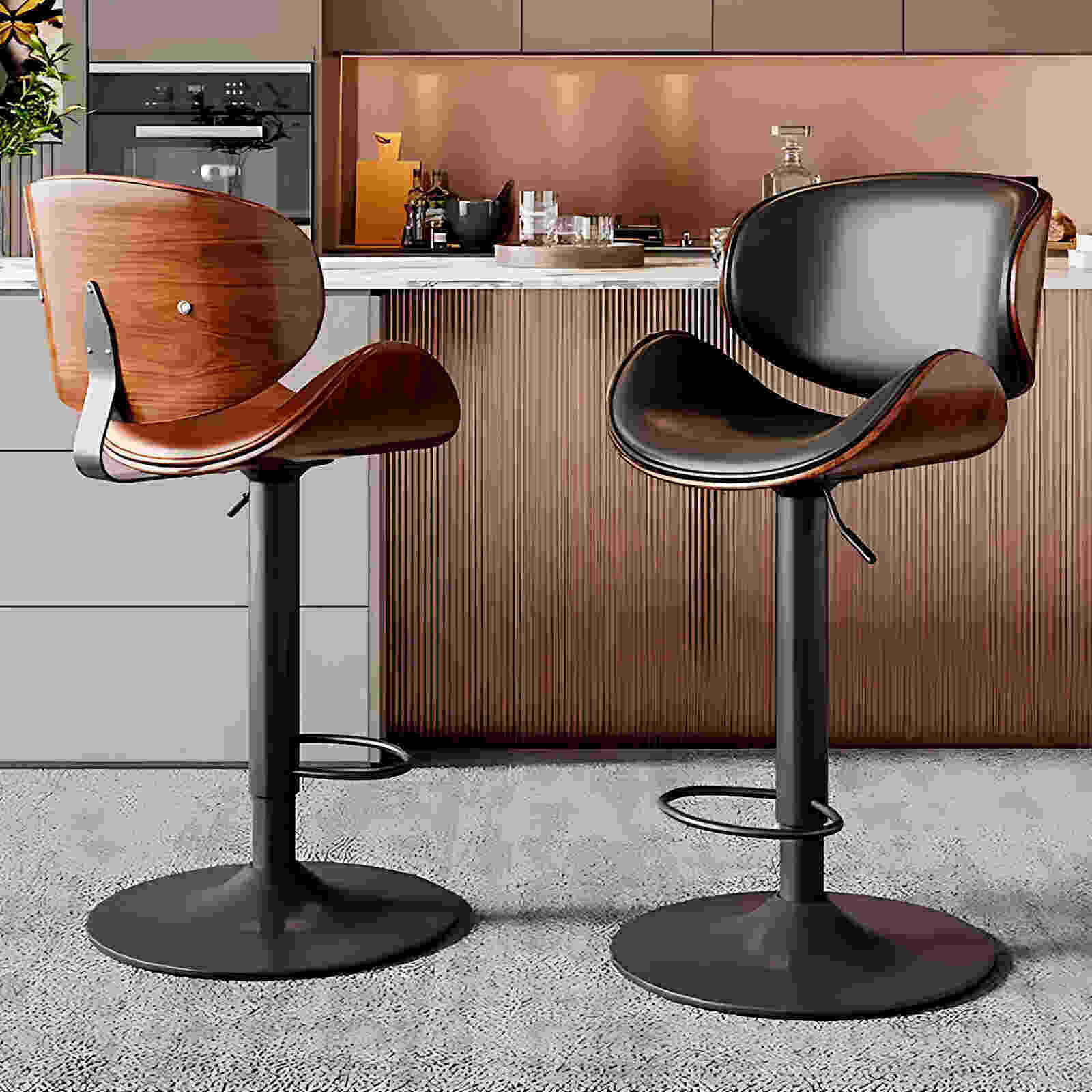
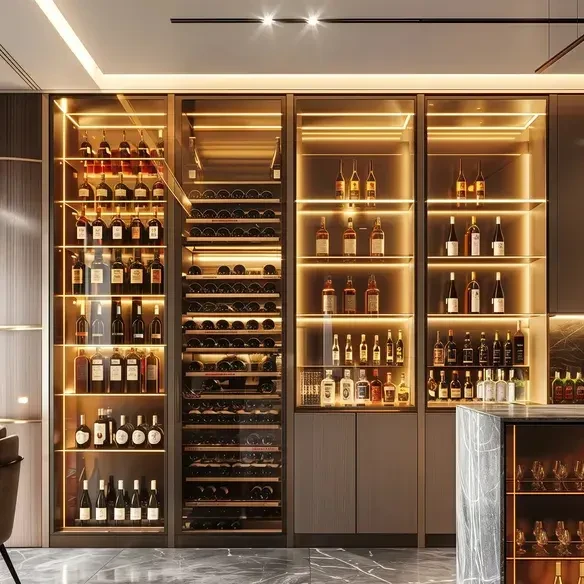
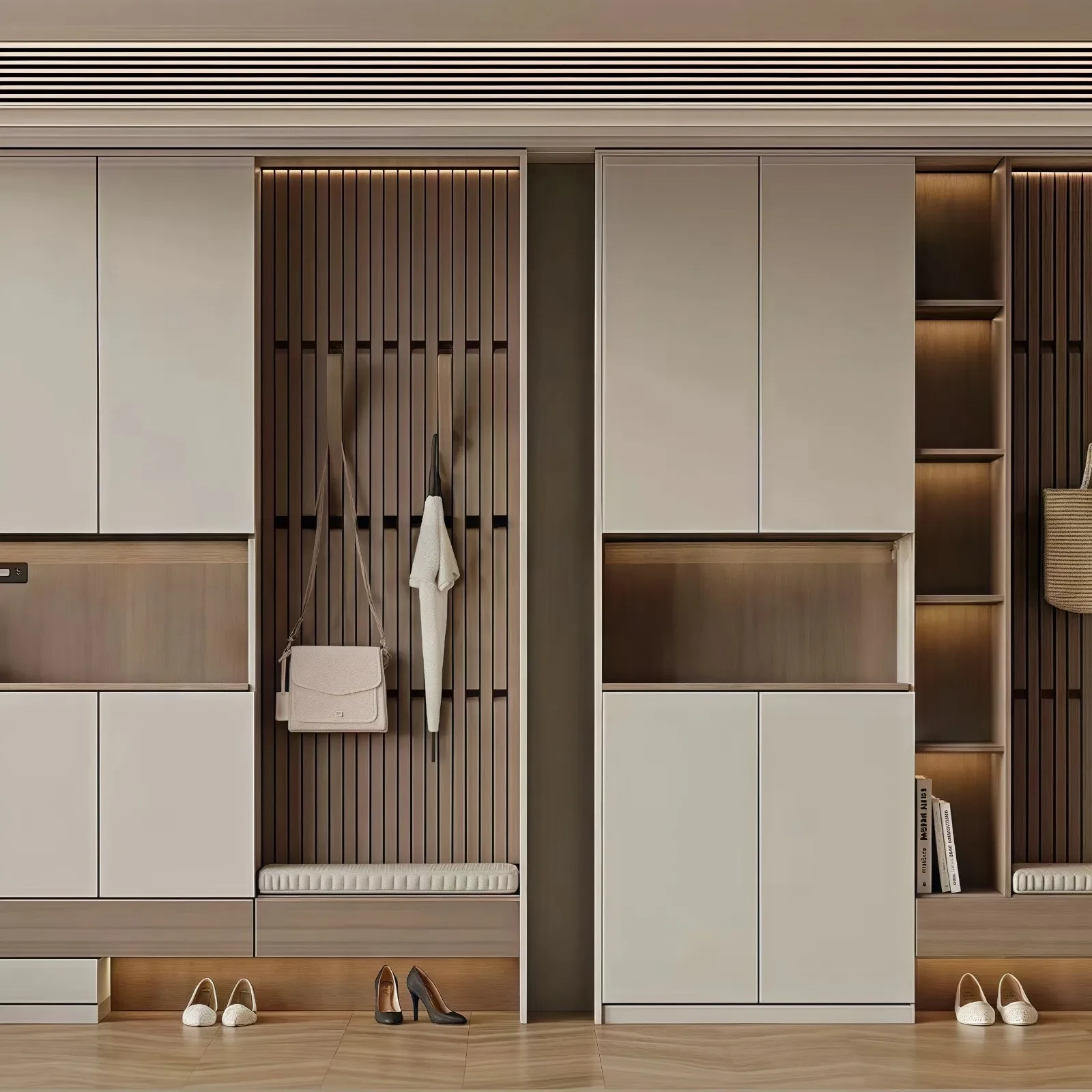
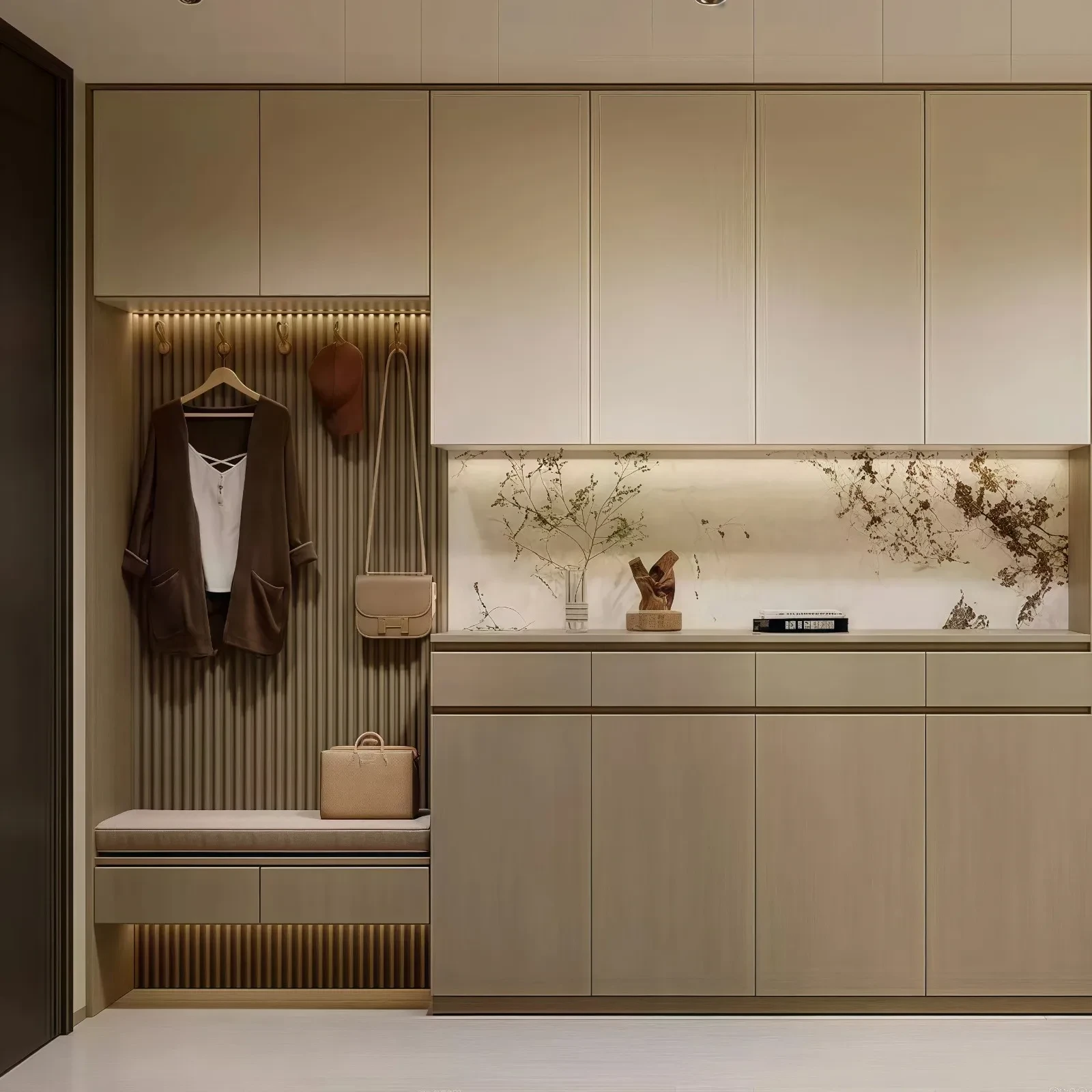
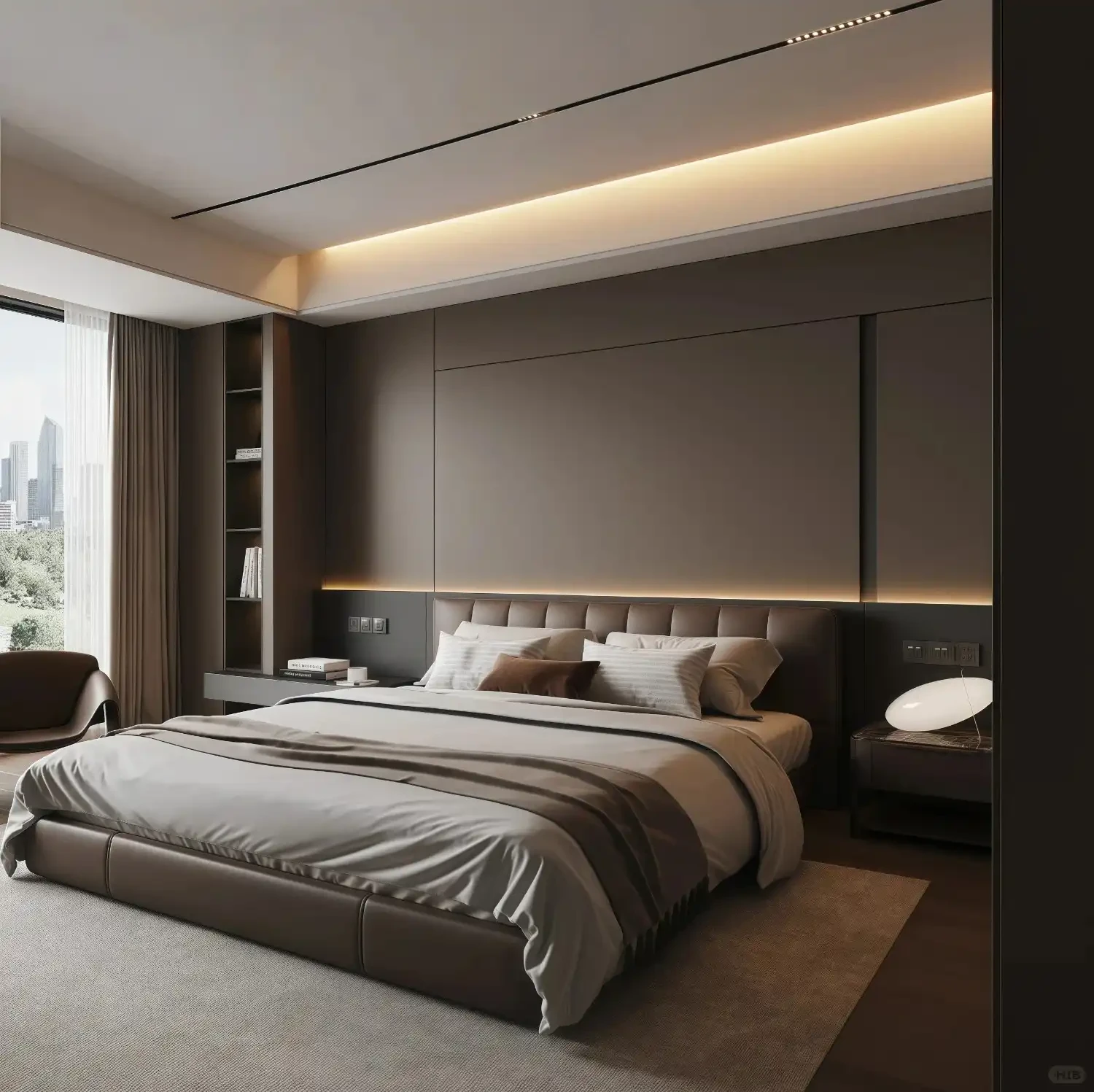
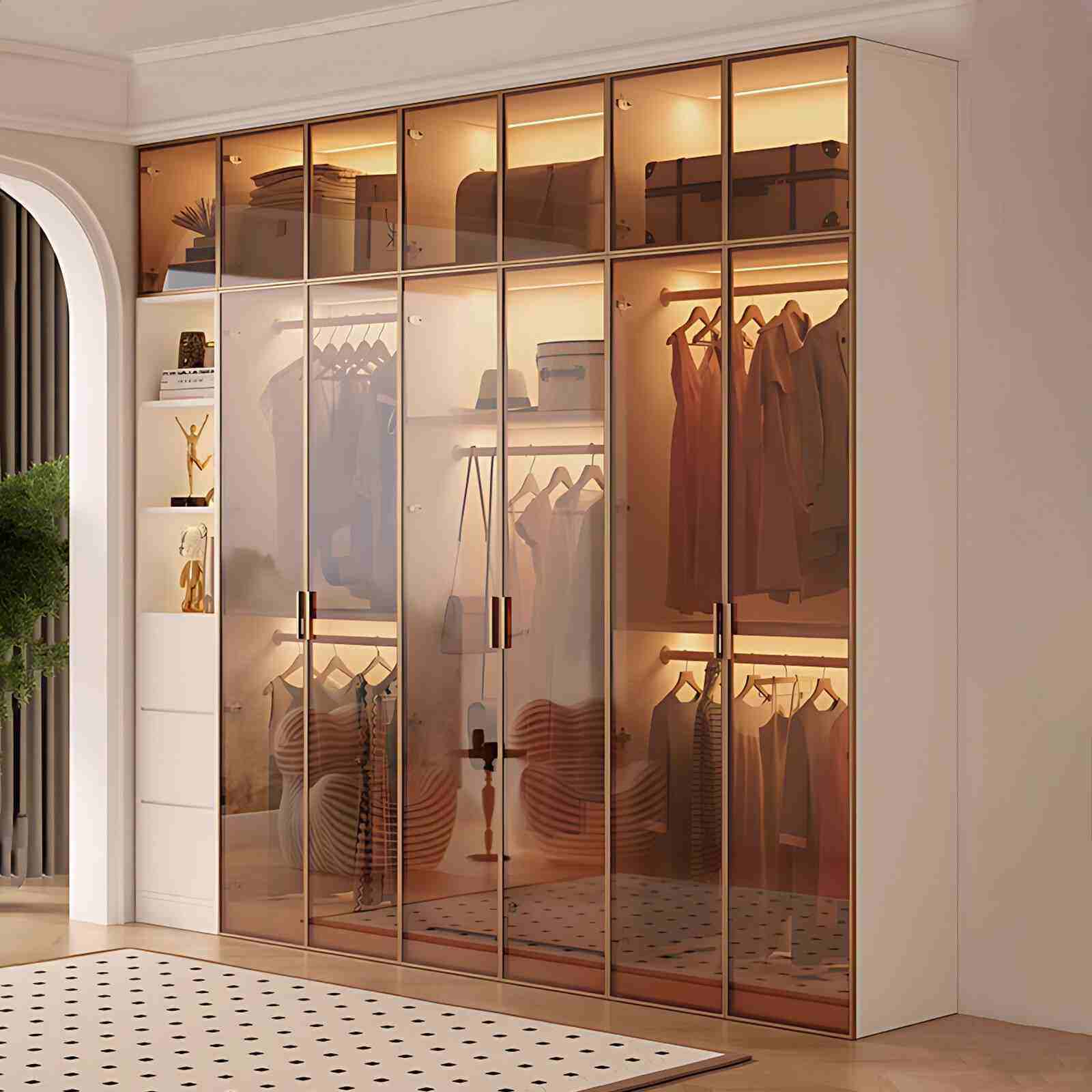
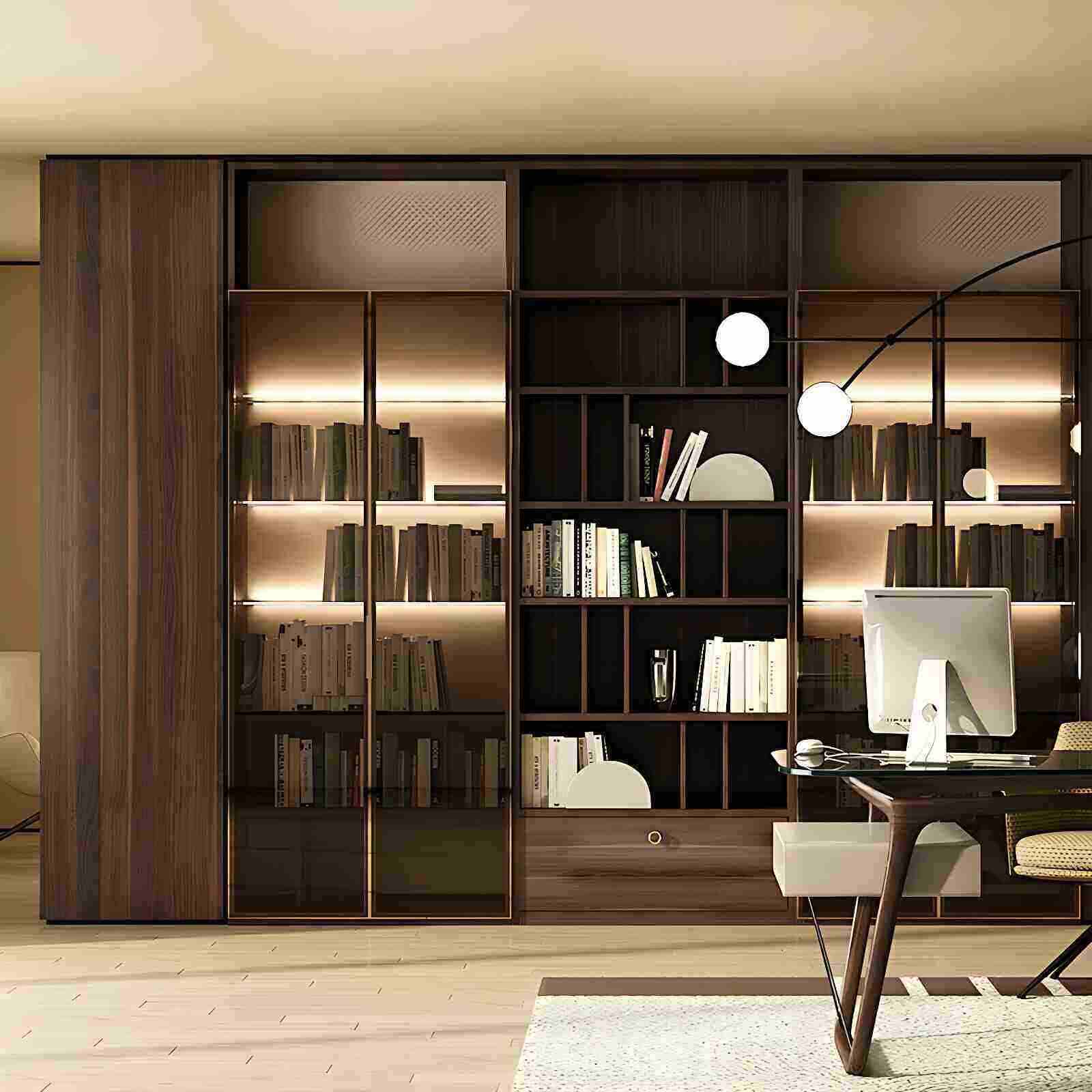
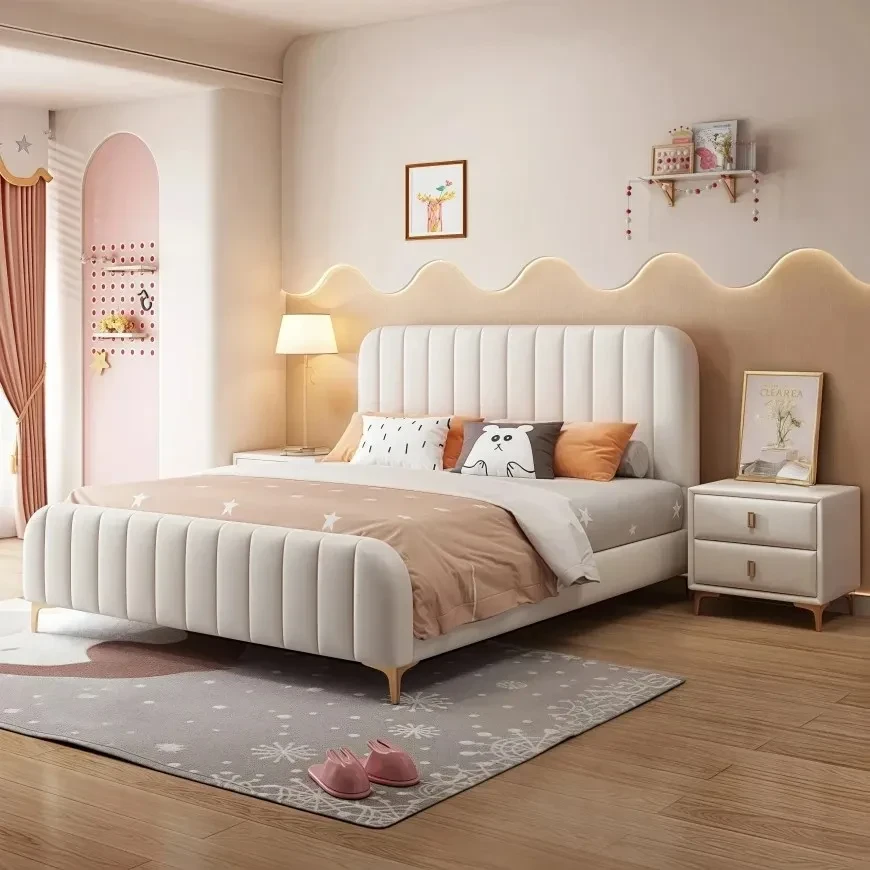
The furniture and flooring in the picture are made of 100% poplar laminated compressed wood.
Through environmentally friendly modification treatment, the performance of plantation timber can meet the requirements for manufacturing high-quality solid wood furniture, flooring, and other wood products. This not only effectively solves the resource shortage problem of solid wood flooring and furniture materials, but also allows low-density timber to be used directly as furniture and flooring materials. It also provides a new way to utilize fast-growing timber, promotes the cultivation of plantation timber forests, helps forest farmers increase their income and become wealthy, and fully realizes the economic and social benefits of developing plantation forests.