
 USD
USD GBP
GBP
 EUR
EUR

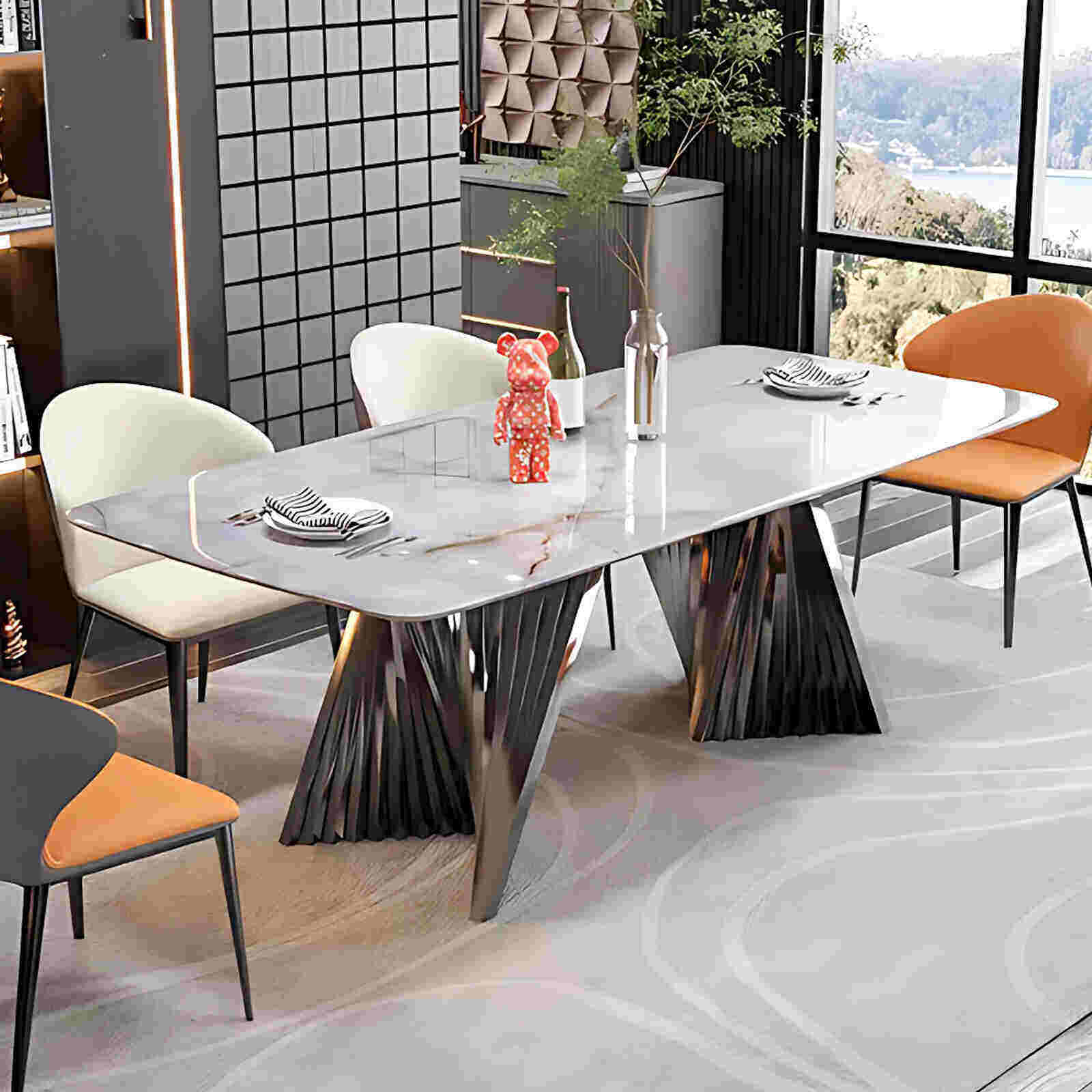
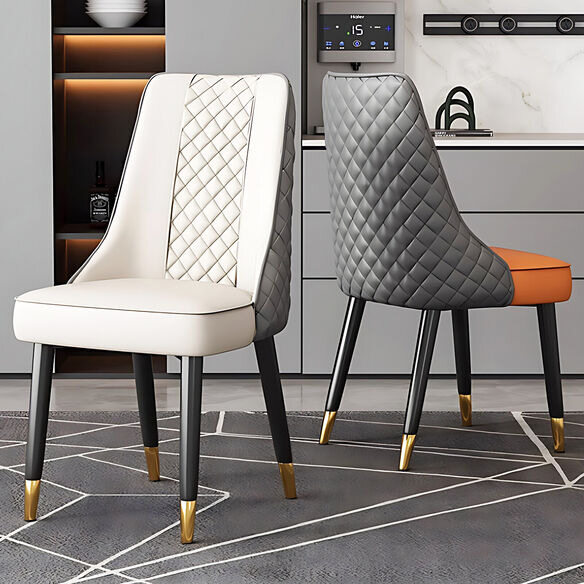
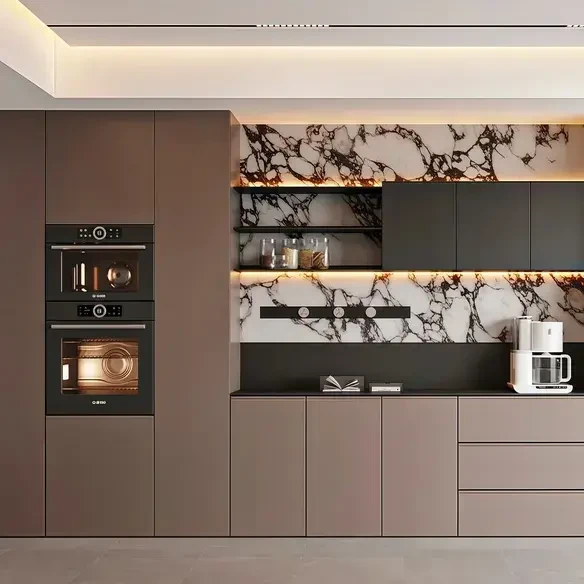
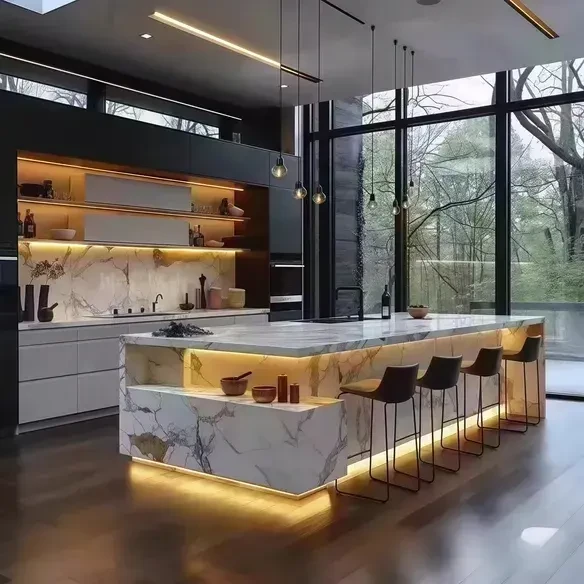
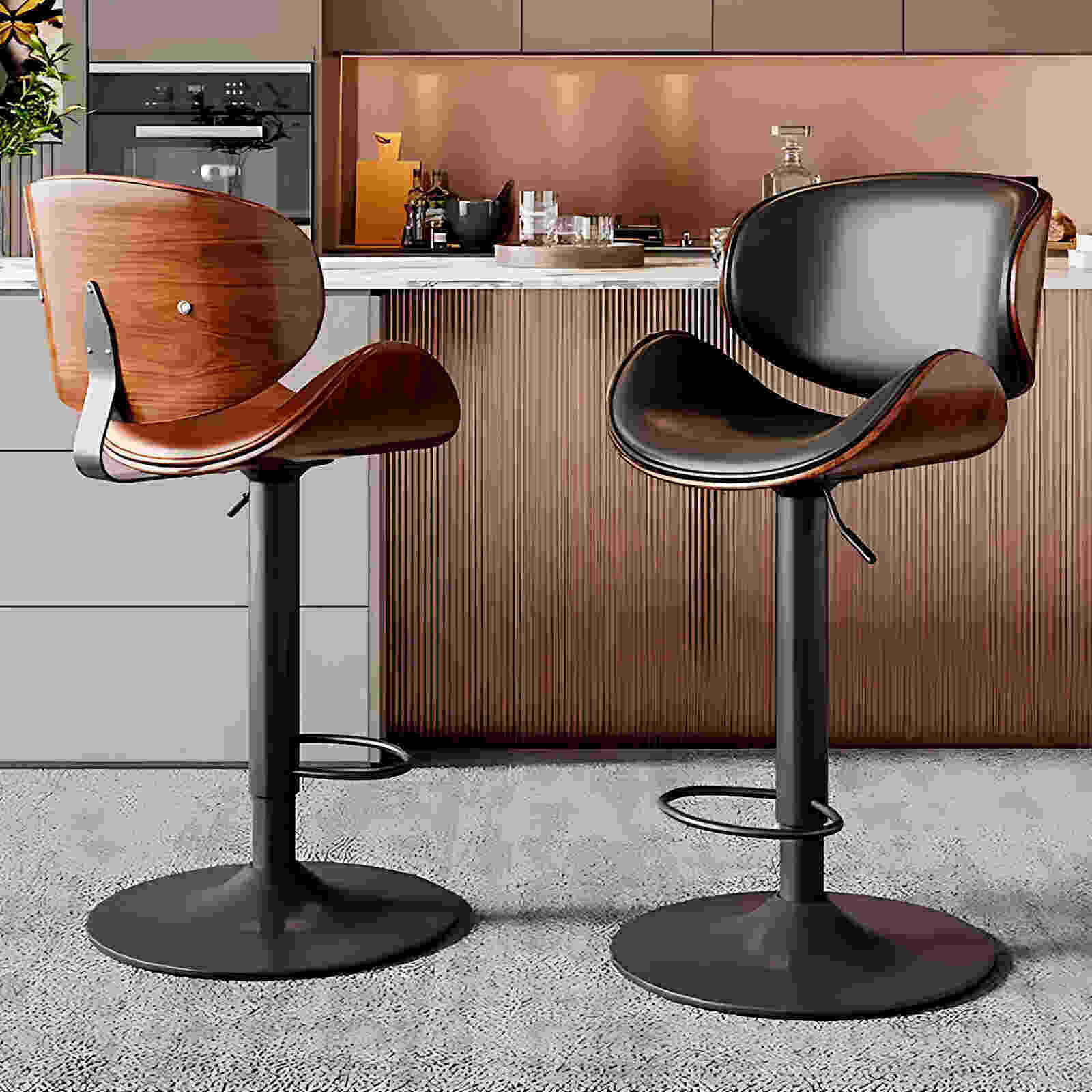
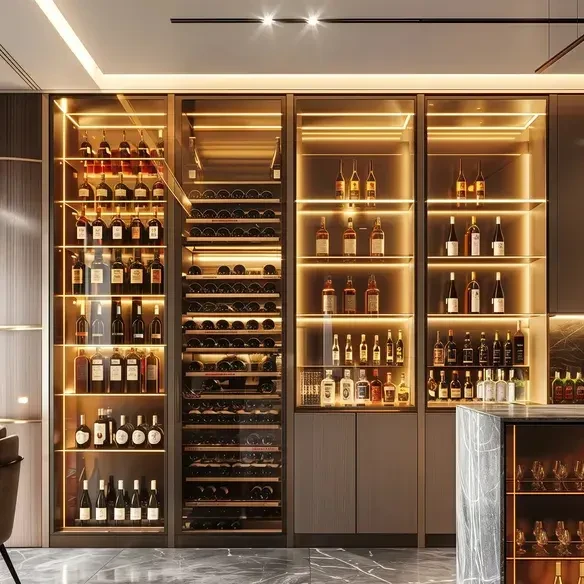
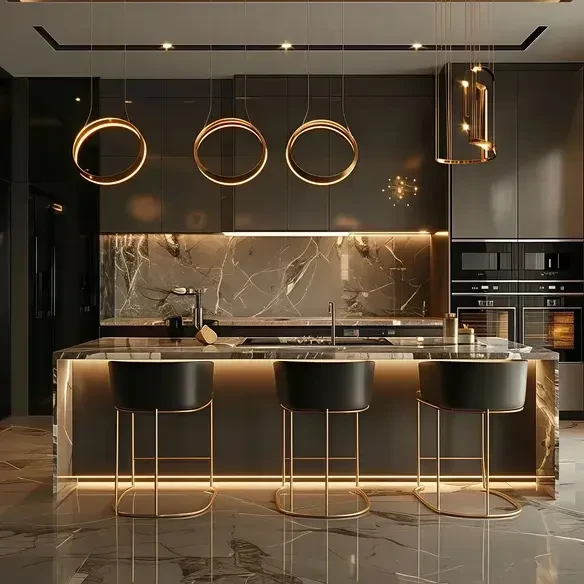
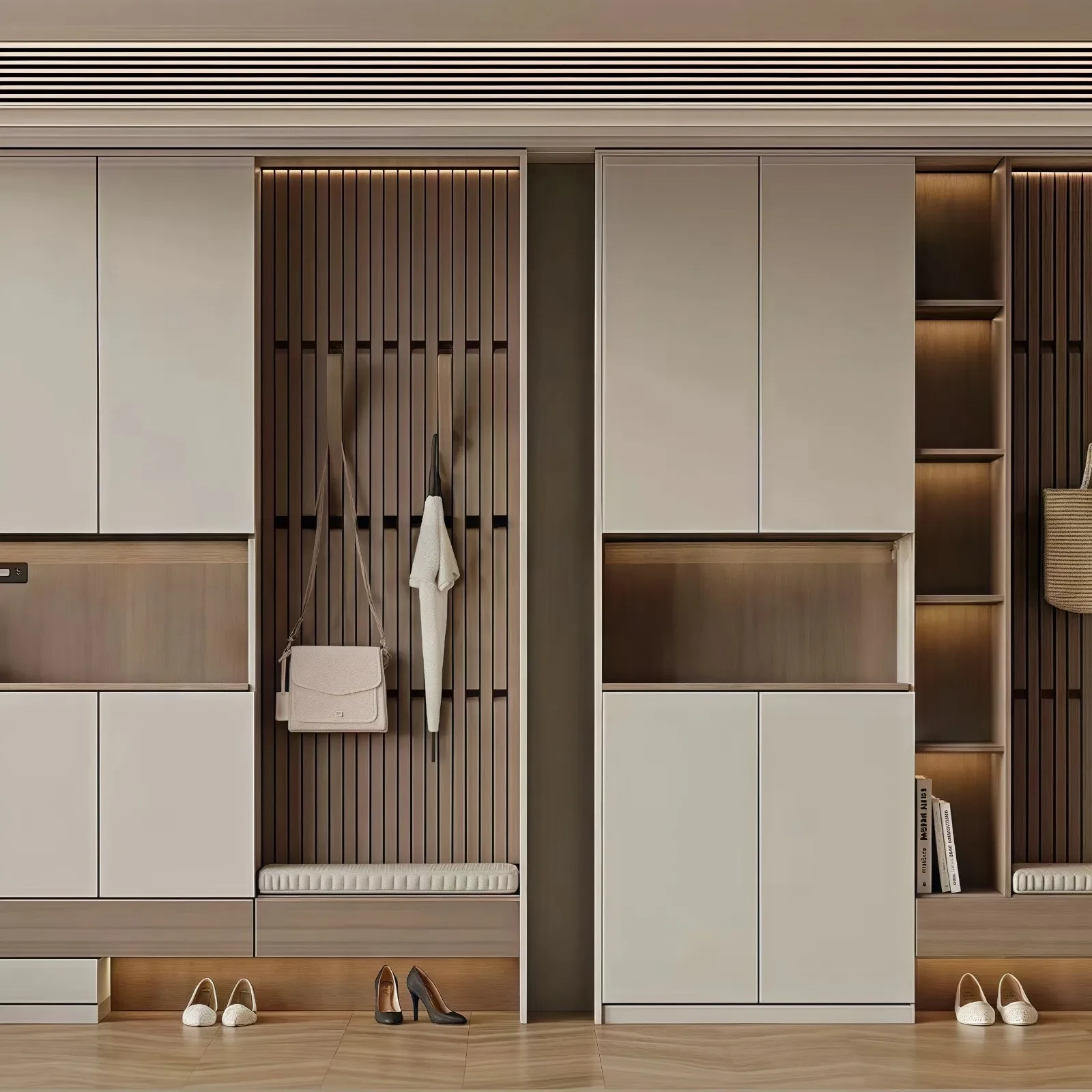
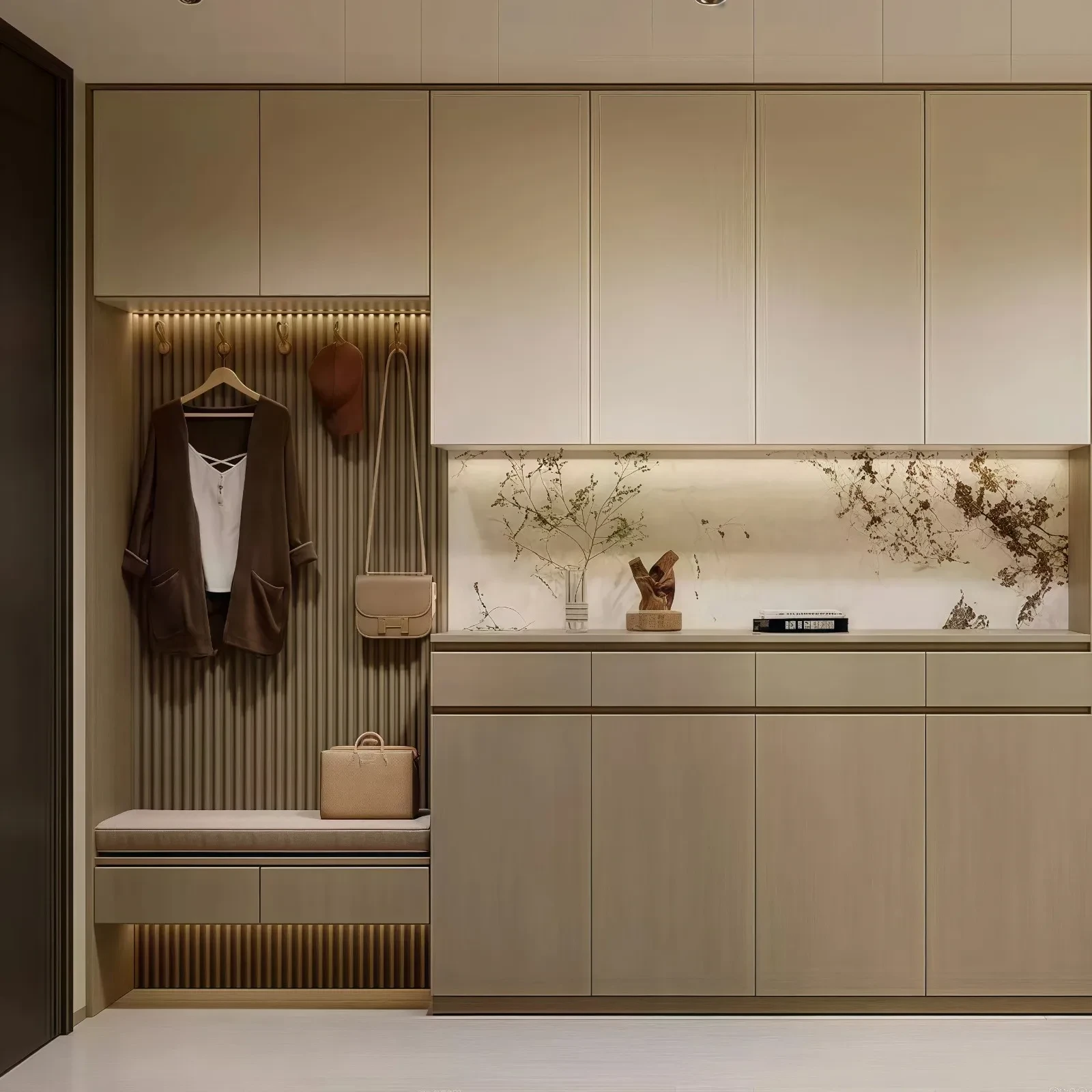
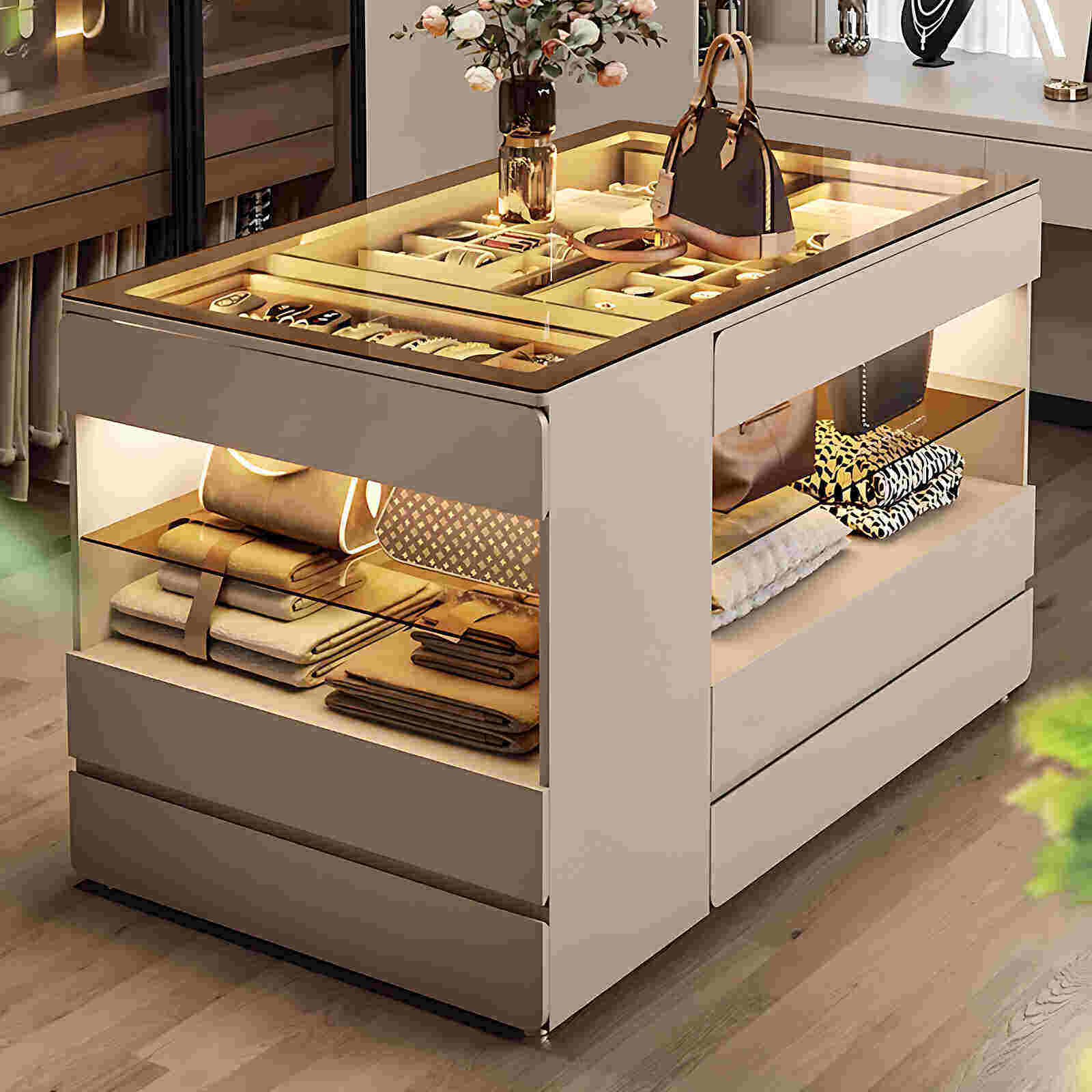
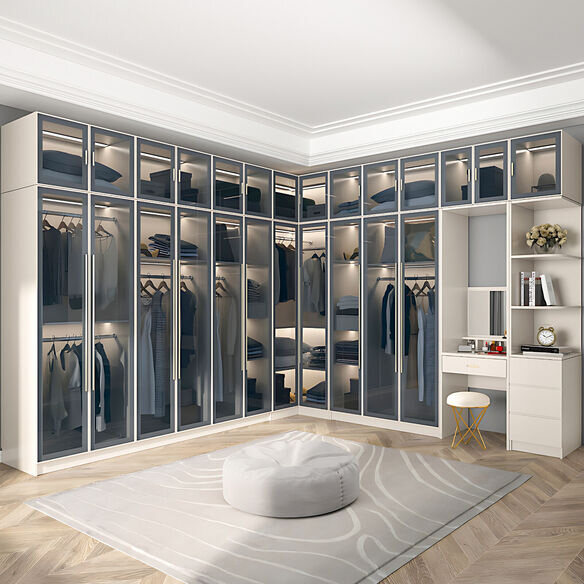
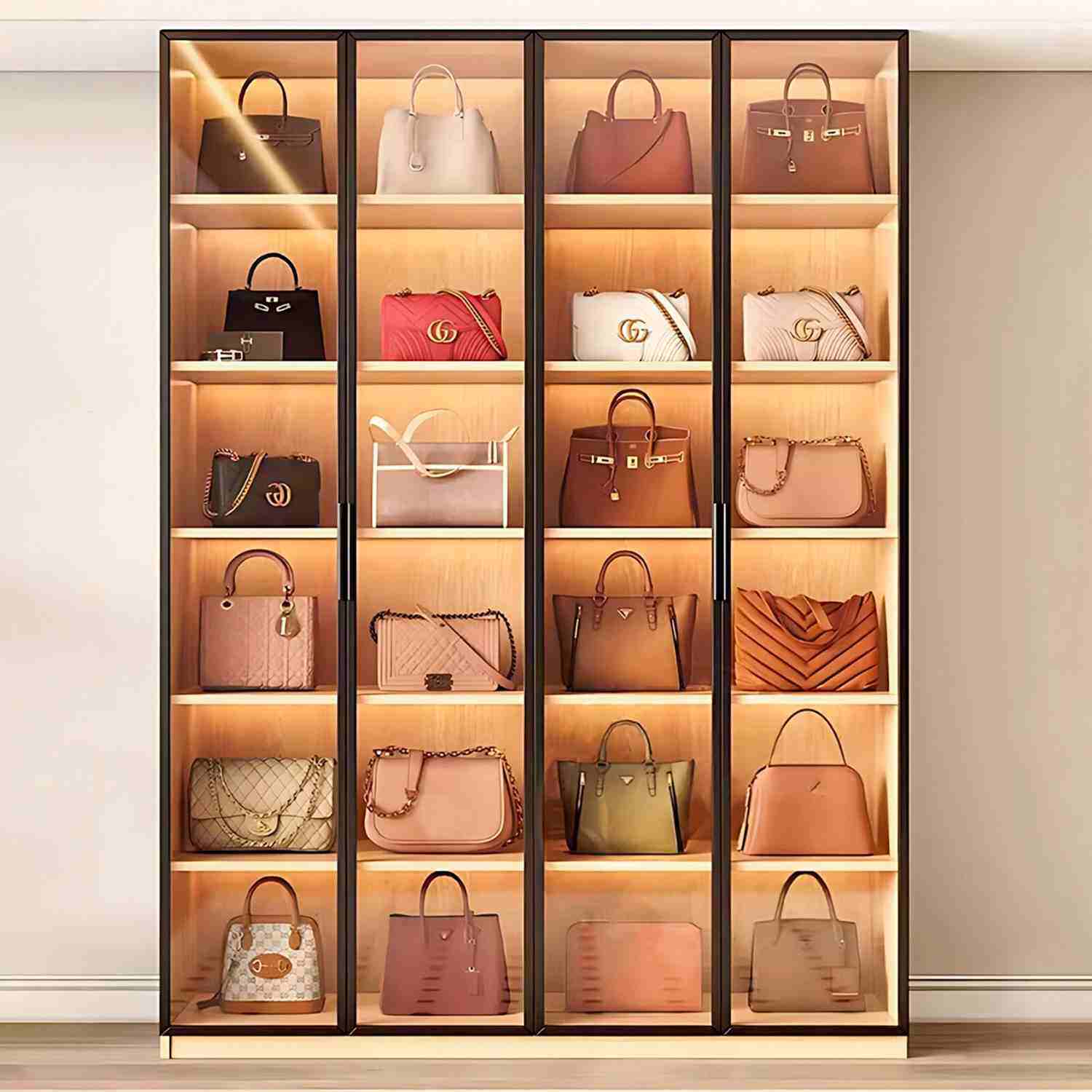
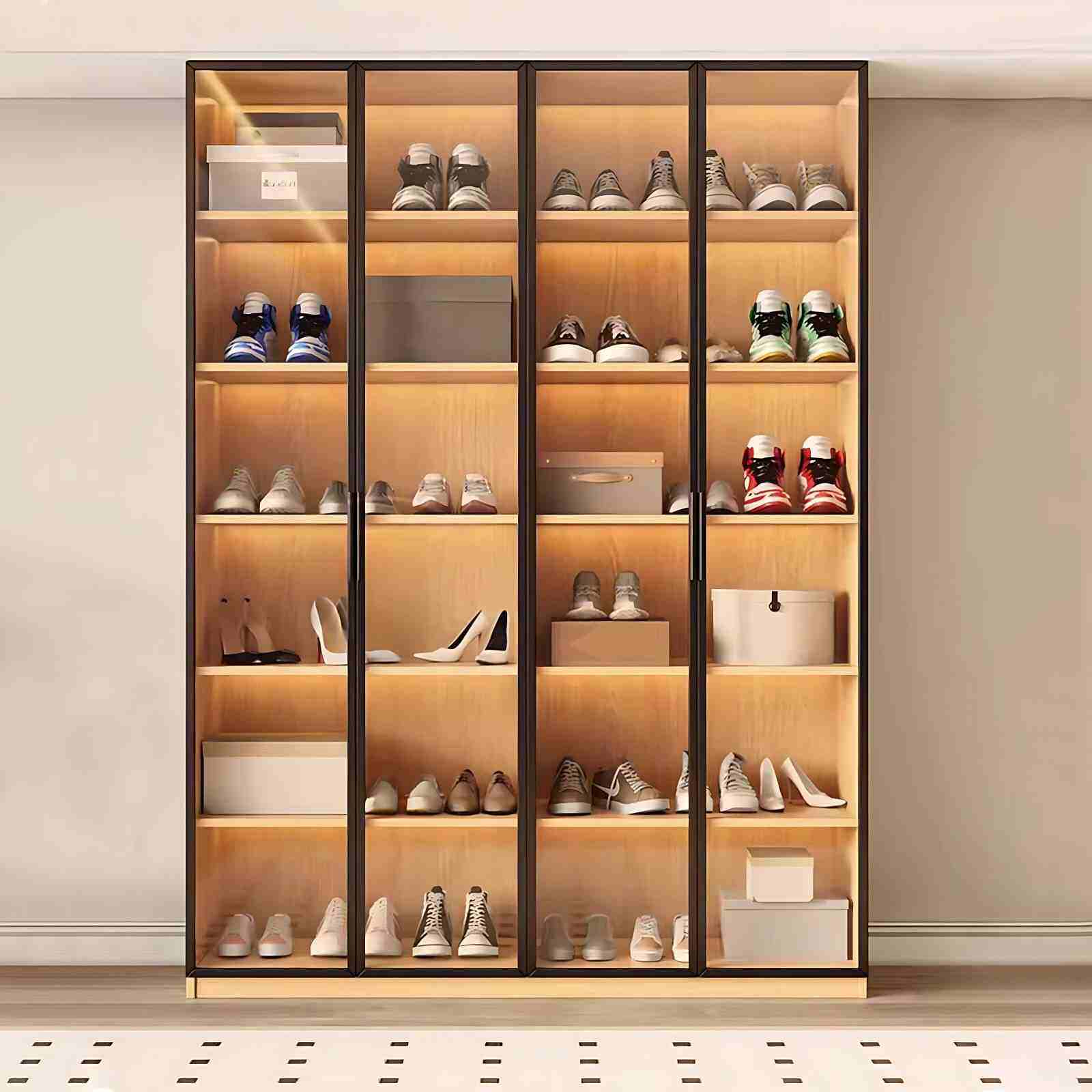
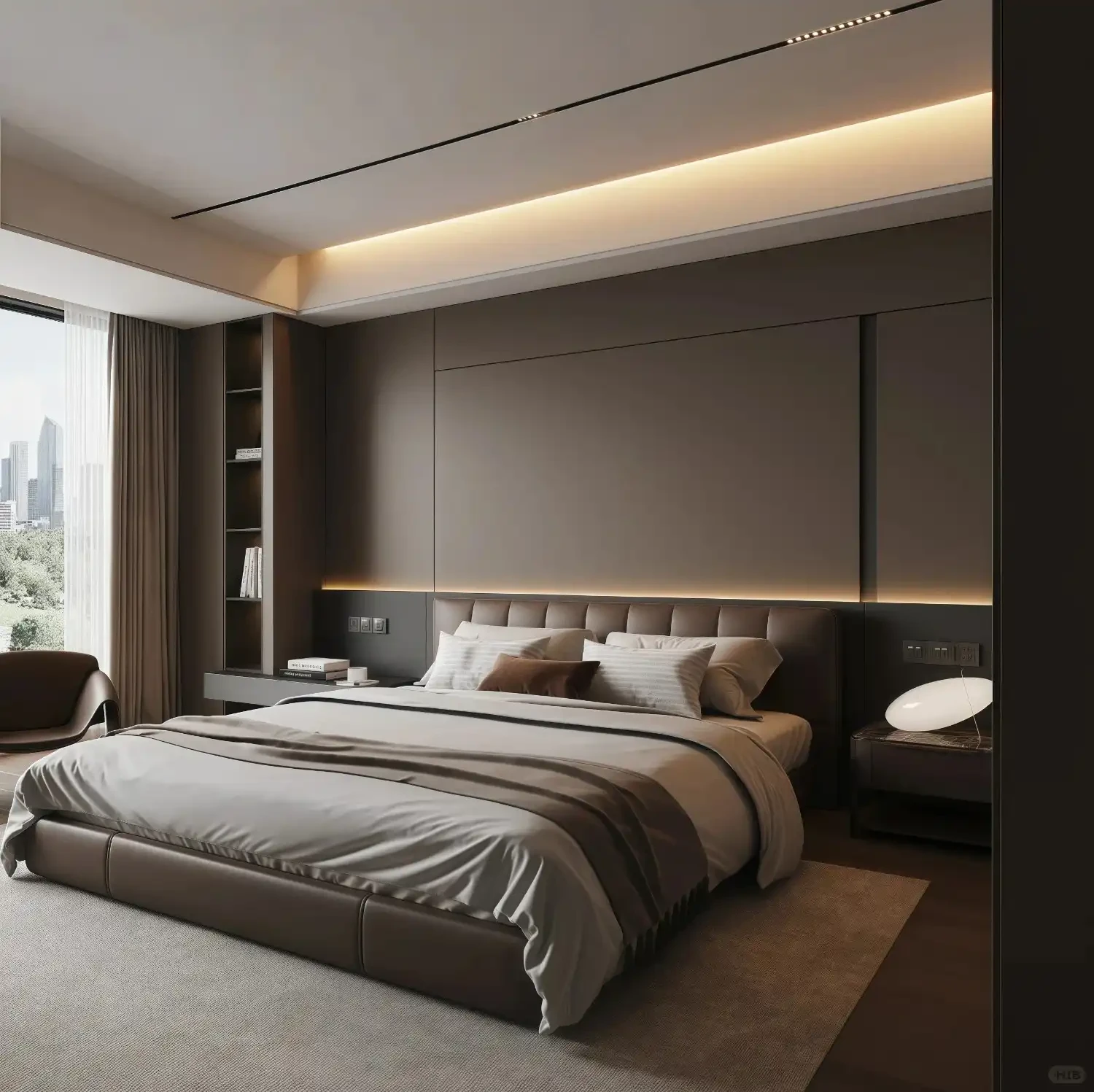
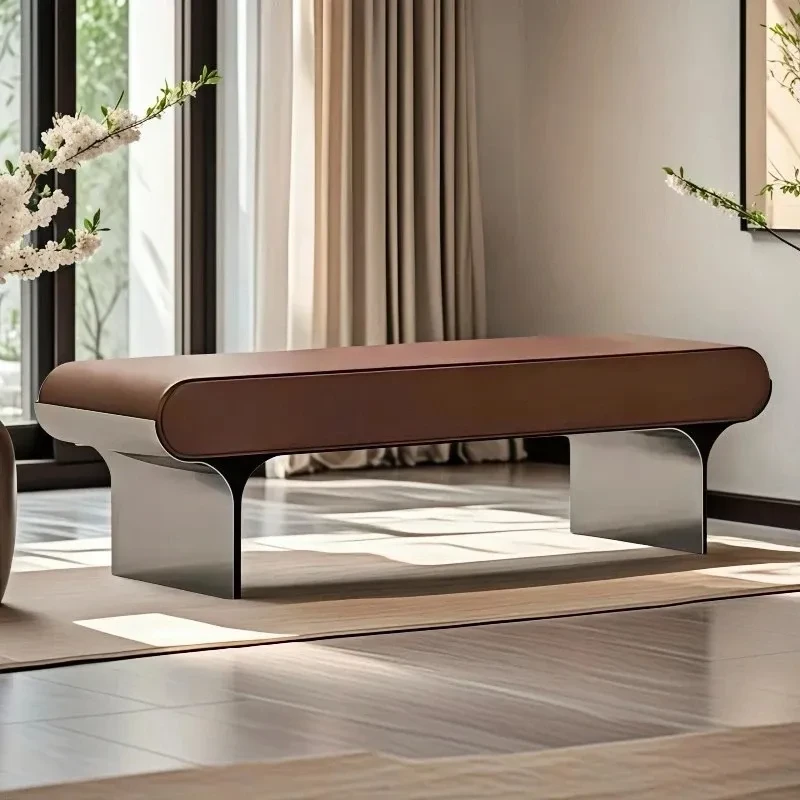
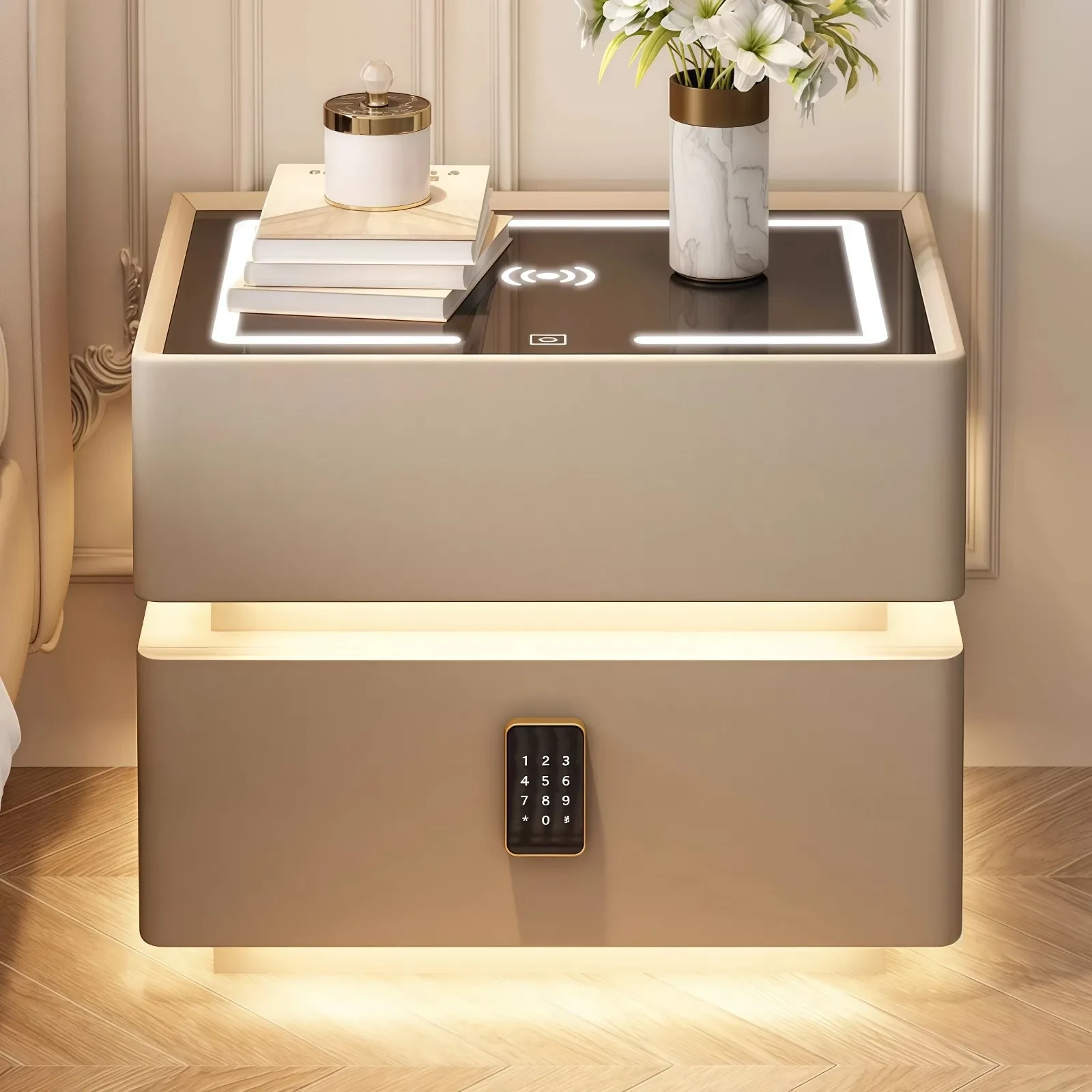
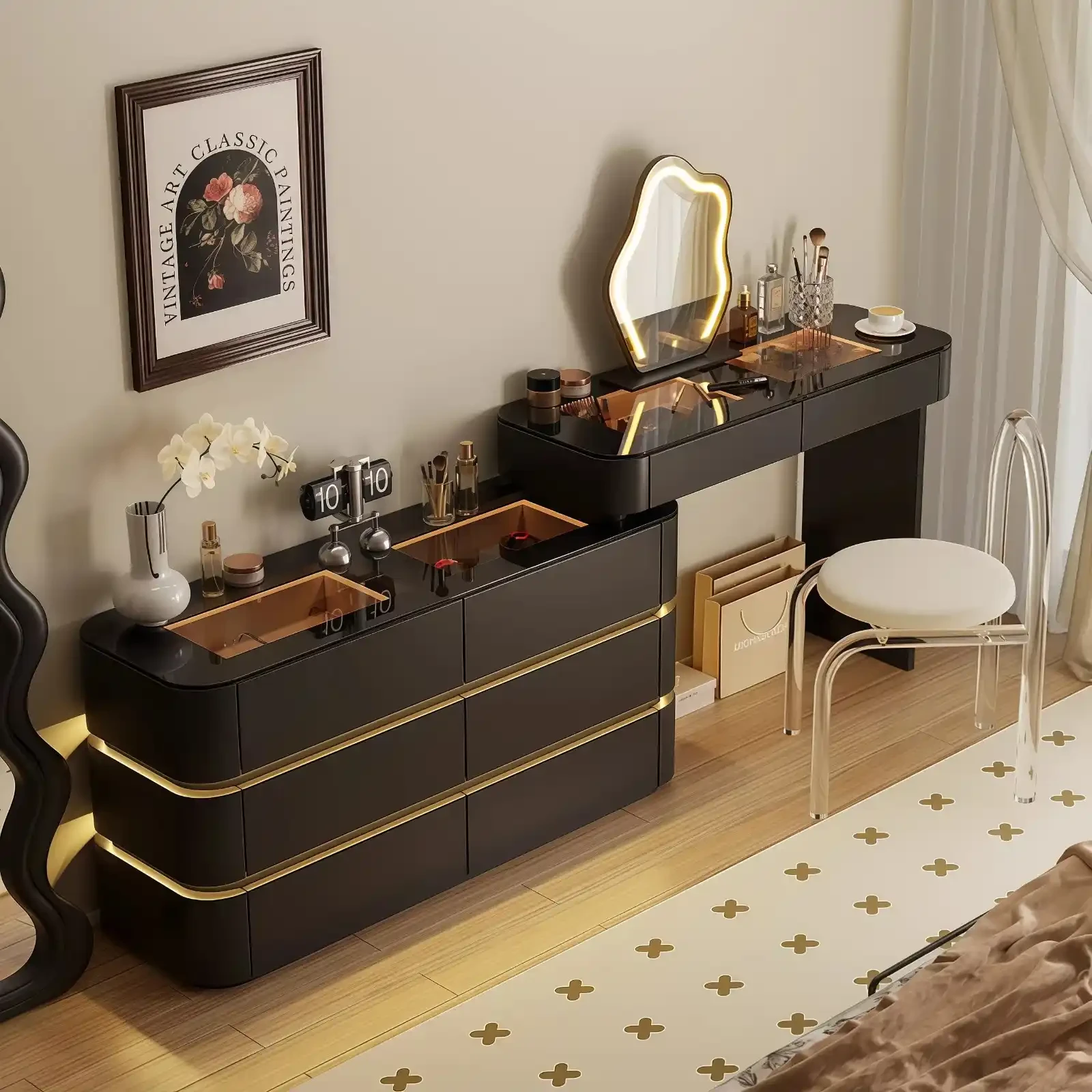
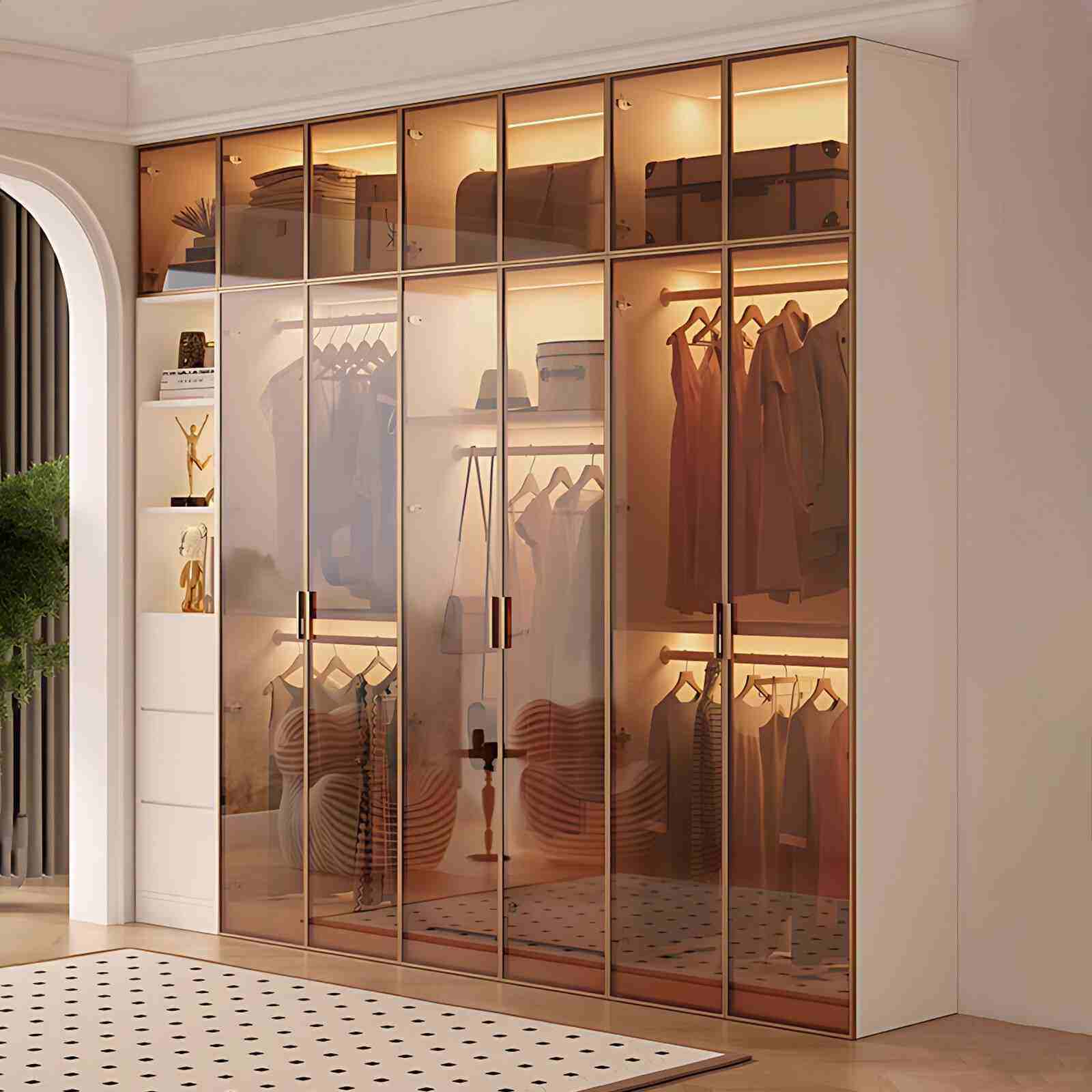
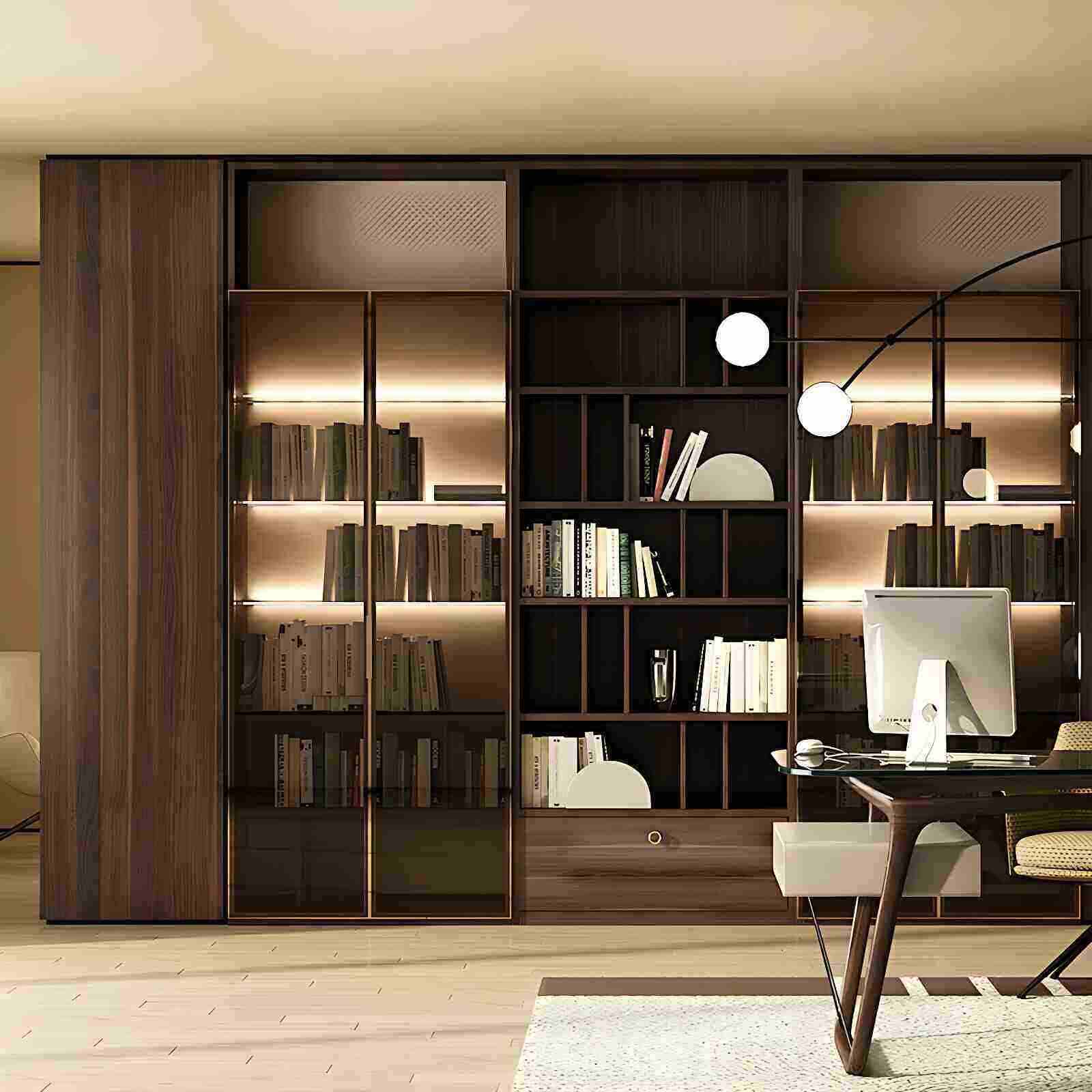
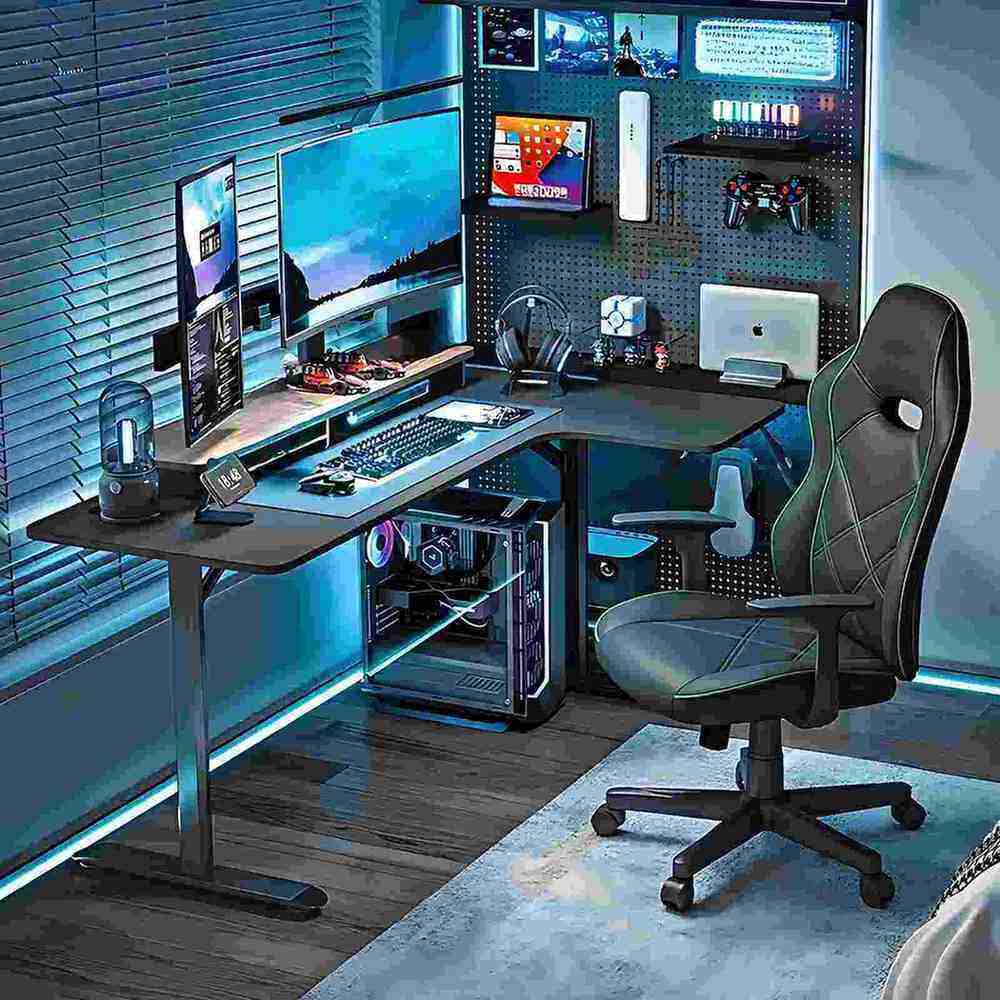
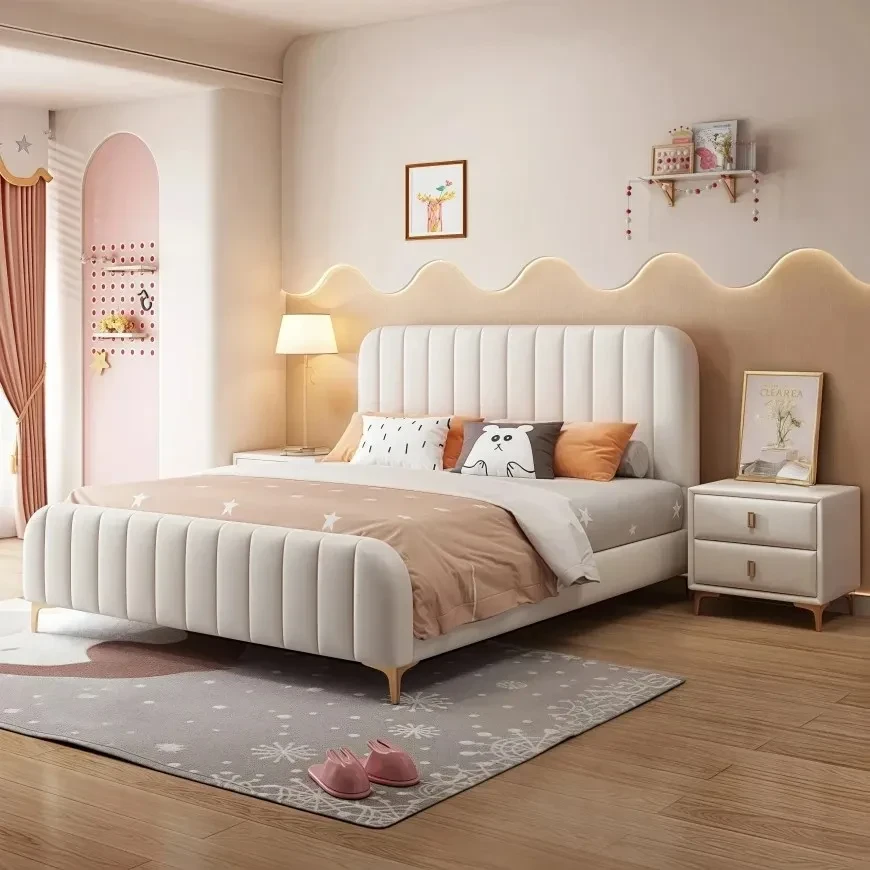
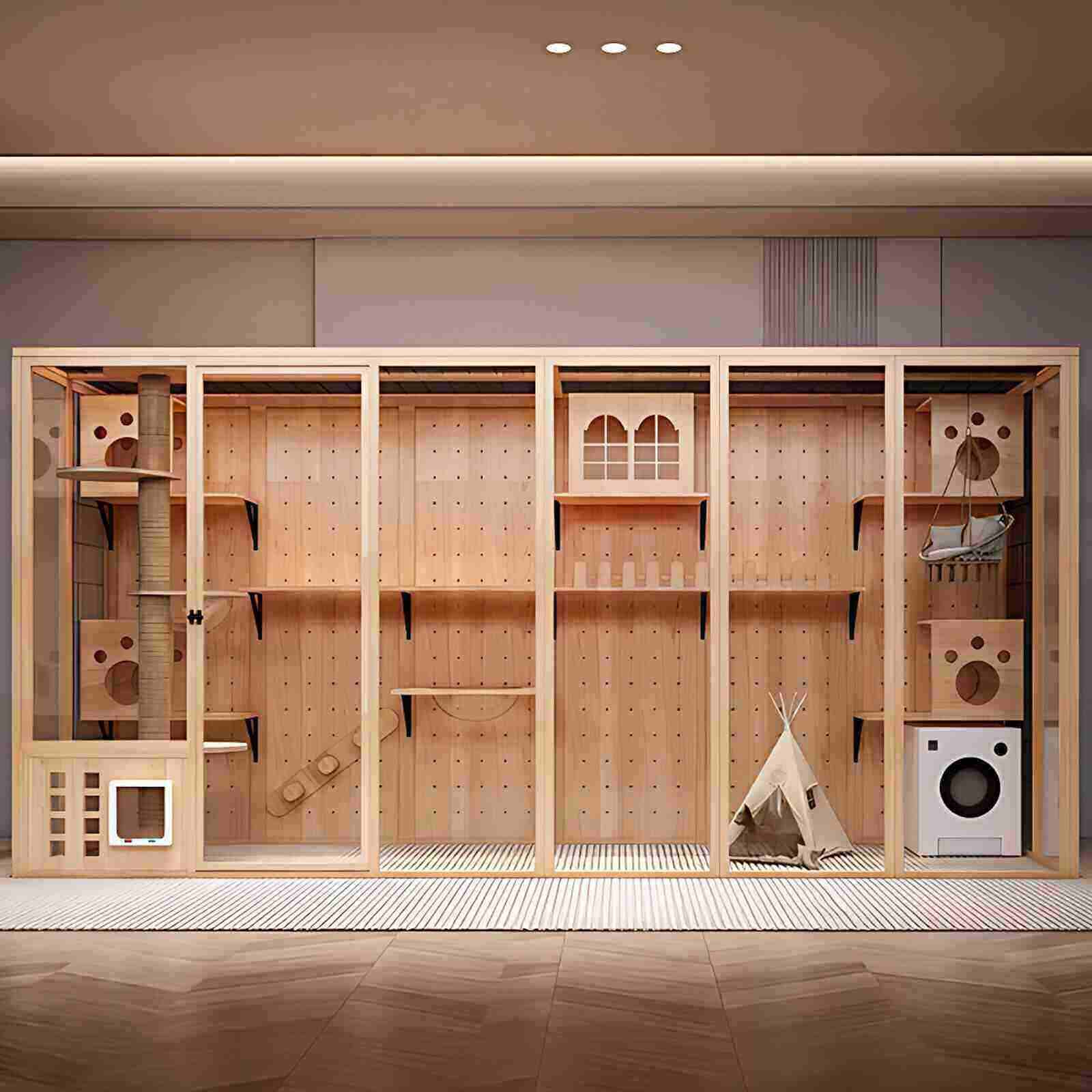
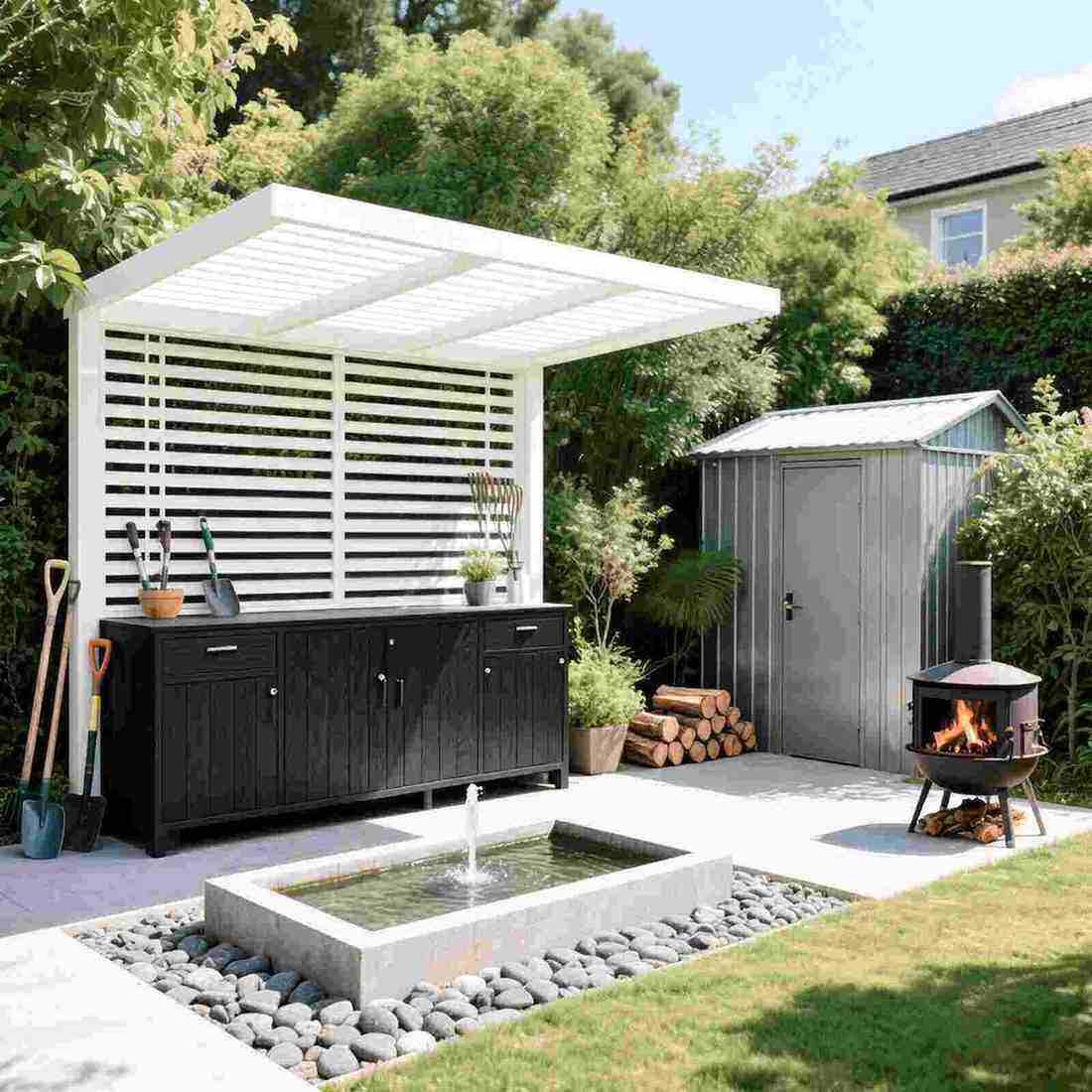
New home decorators often feel overwhelmed by the dazzling array of building materials available. So, what are the differences between various types of boards, and what are their uses, advantages, and disadvantages? Below, BanCai.com will provide you with a comprehensive and systematic understanding of different types of building materials.
Classification of wooden boards
If classified by material, the most commonly used boards in the current market are solid wood boards and engineered wood boards. Engineered wood boards can be further divided into solid boards, plywood, fiberboard, decorative panels, fire-resistant boards, and so on, based on their manufacturing process.
Several varieties of wood boards
1. Solid wood boards. Solid wood boards are made from whole pieces of wood. They are durable, environmentally friendly, and have a very natural surface texture. They are relatively expensive and are commonly used for flooring and furniture. When choosing solid wood boards, it's important to examine their surface. High-quality solid wood boards are dried and degreased before being sliced, so their surface will not have defects such as rot, dead knots, wormholes, or cracks.
2. Finger-jointed board. Also known as engineered wood, laminated lumber, or finger-jointed timber. It is mainly made by splicing together small, deeply processed solid wood pieces, similar to interlocking fingers. The joints between the boards are serrated, like ten fingers interlocking, hence the name finger-jointed board. Because the wood strips have a natural cross-linking ability, there is no need to use excessive glue or adhesives. The biggest advantage of finger-jointed board is its extremely high natural environmental friendliness. It is also very easy to process, allowing for cutting, drilling, sawing, and shaping. However, its biggest disadvantage is that it is very prone to warping and cracking.
3. Plywood. Plywood, also known as laminated board, is commonly referred to as thin-core board in the board industry. It is mainly made of three or more layers of one-millimeter-thick veneers or thin sheets glued and hot-pressed together. It is currently the most widely used material for handmade furniture in the board market. Plywood can be divided into six categories according to thickness: 3mm, 5mm, 9mm, 12mm, 15mm, and 18mm. Its structure has excellent strength and is very stable. Because it contains a large amount of glue, proper edge sealing is necessary during construction to prevent contamination. When purchasing, pay attention to its wood grain, gloss, and smoothness. Also, check for bubbling or delamination, excessively large gaps in the core board, consistent surface color, and the presence of cracks, wormholes, dents, stains, or defects.