
 USD
USD GBP
GBP
 EUR
EUR
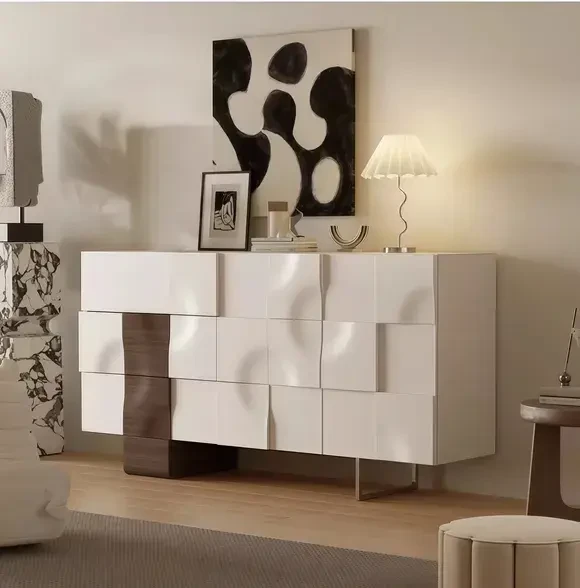
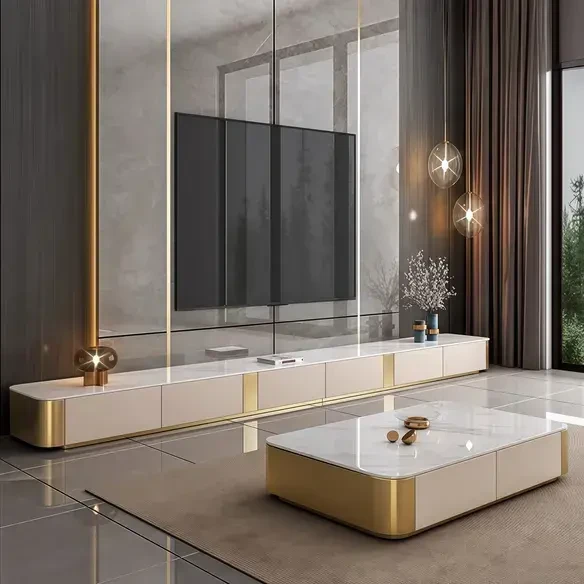
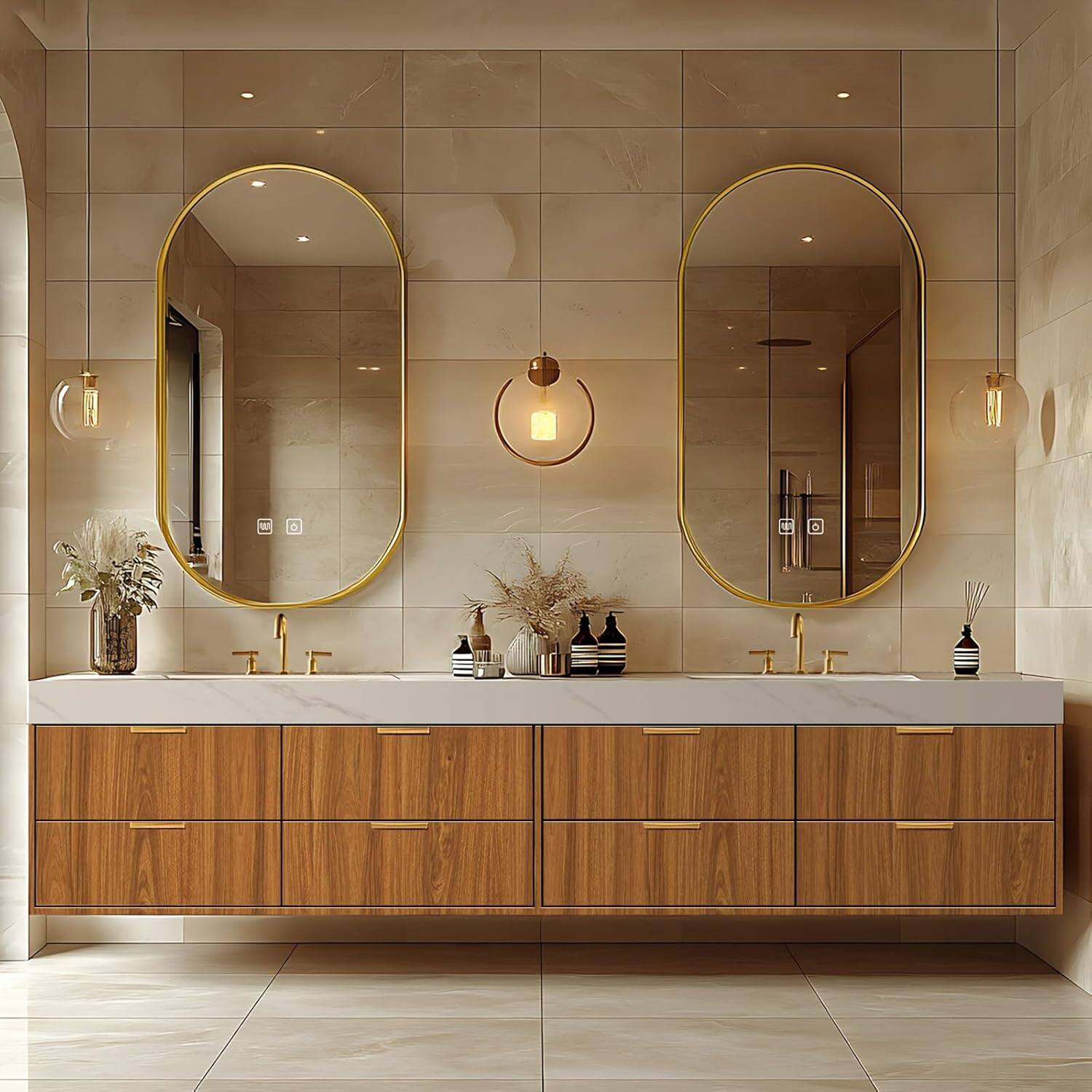
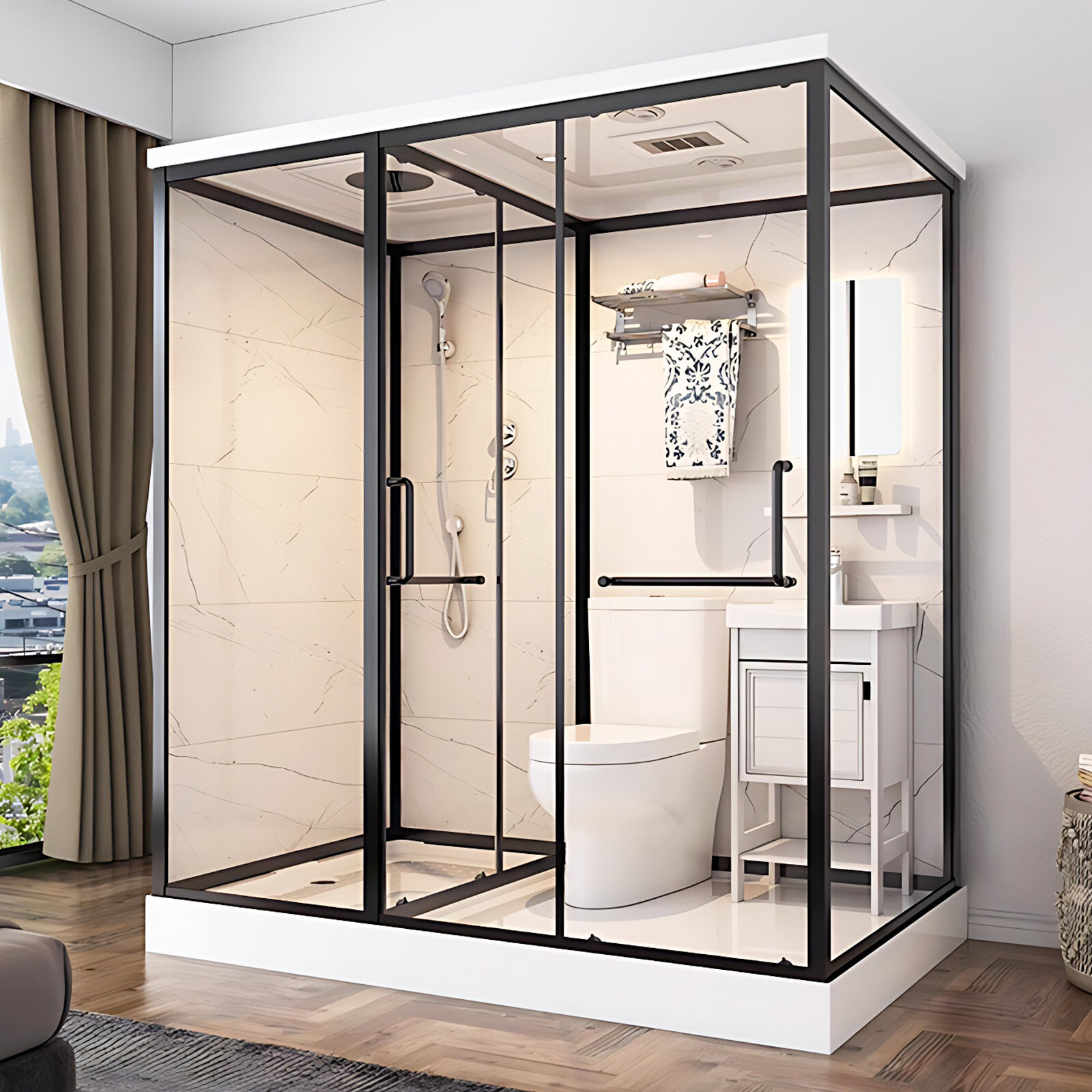
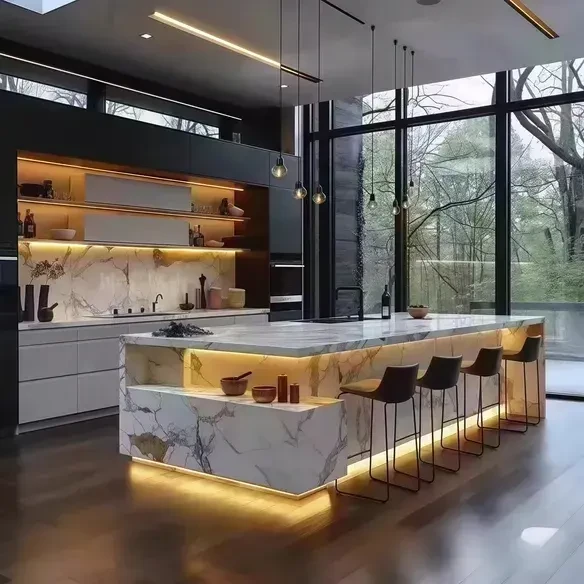
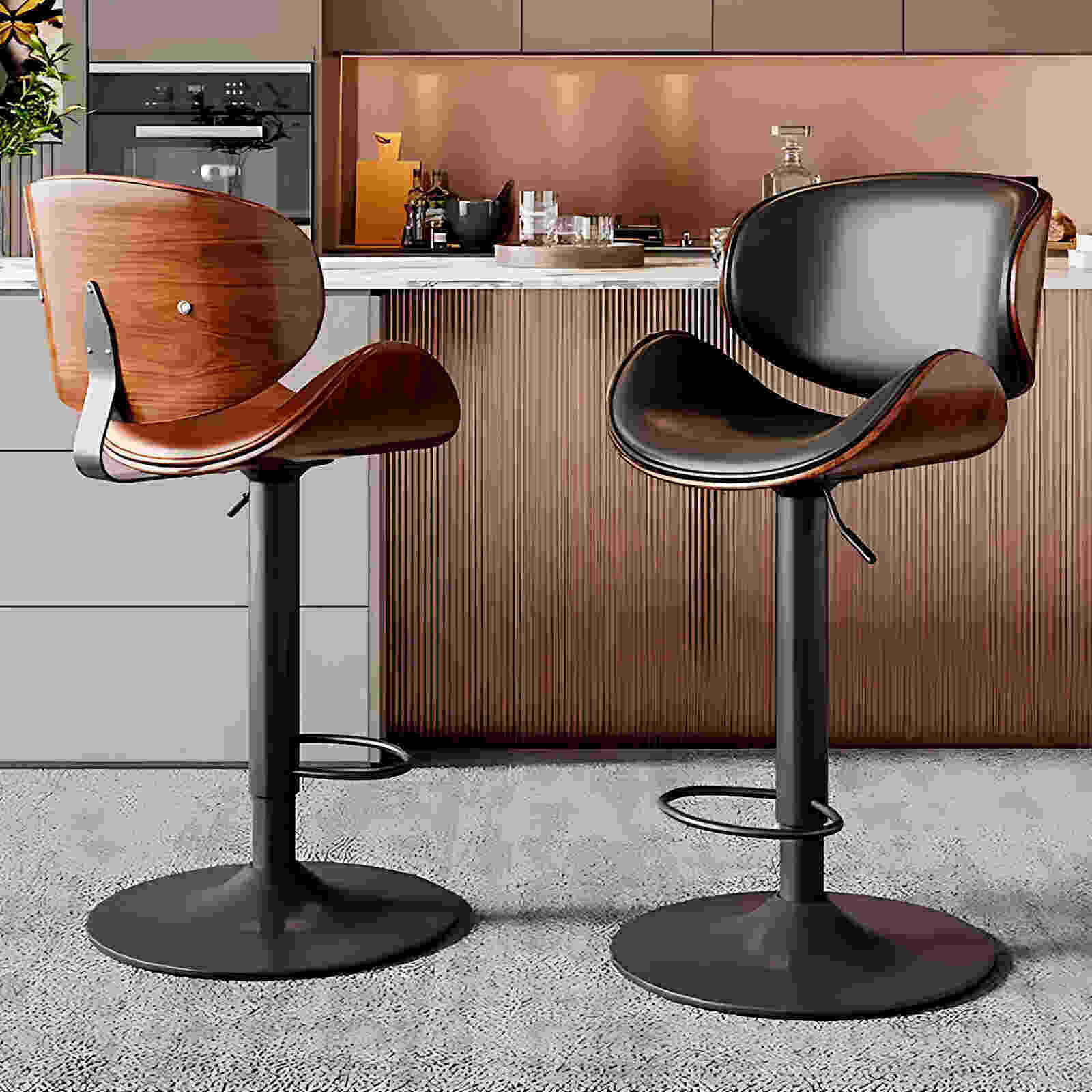

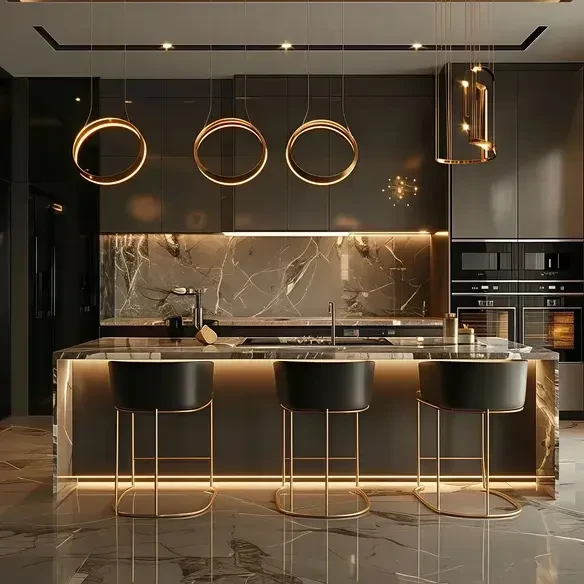

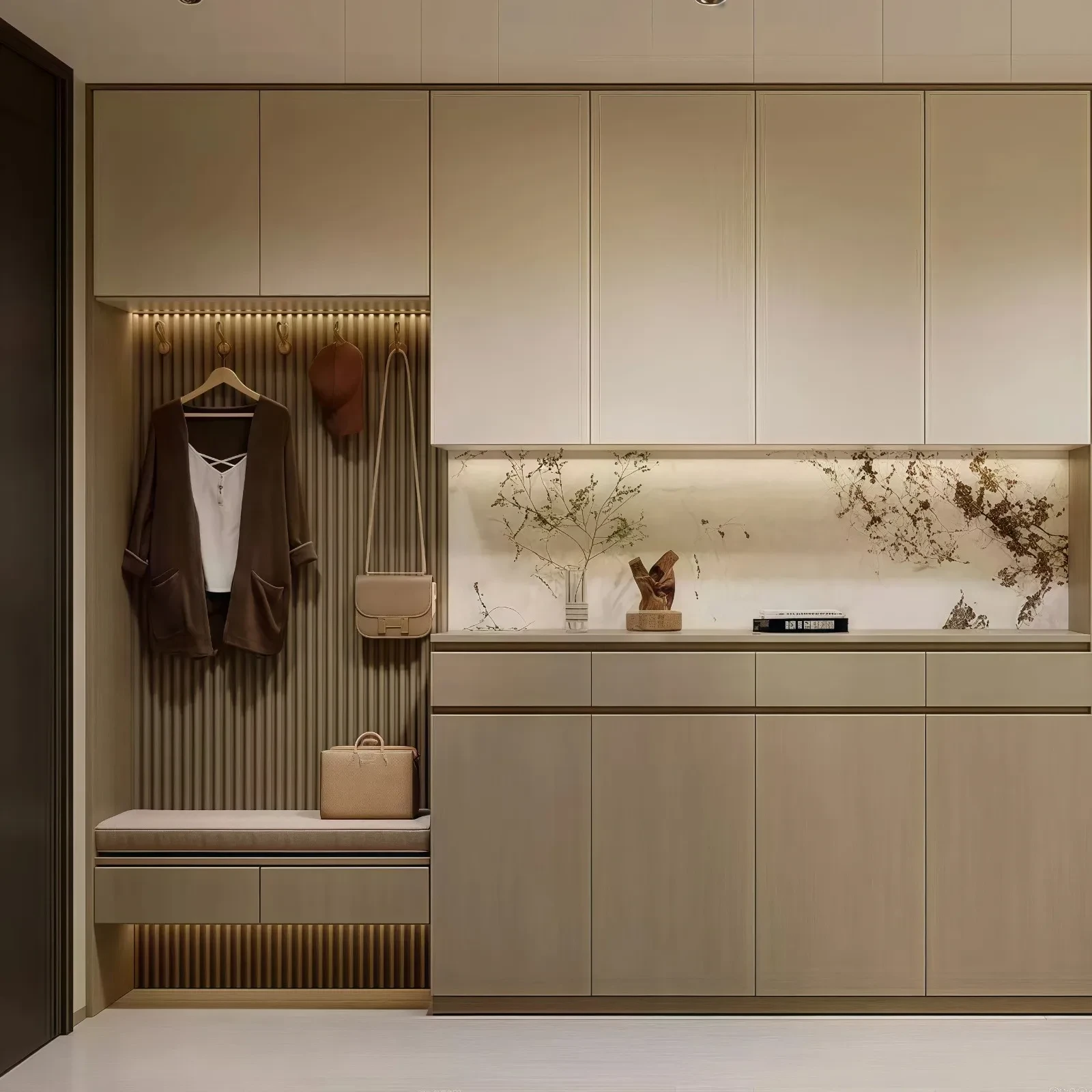




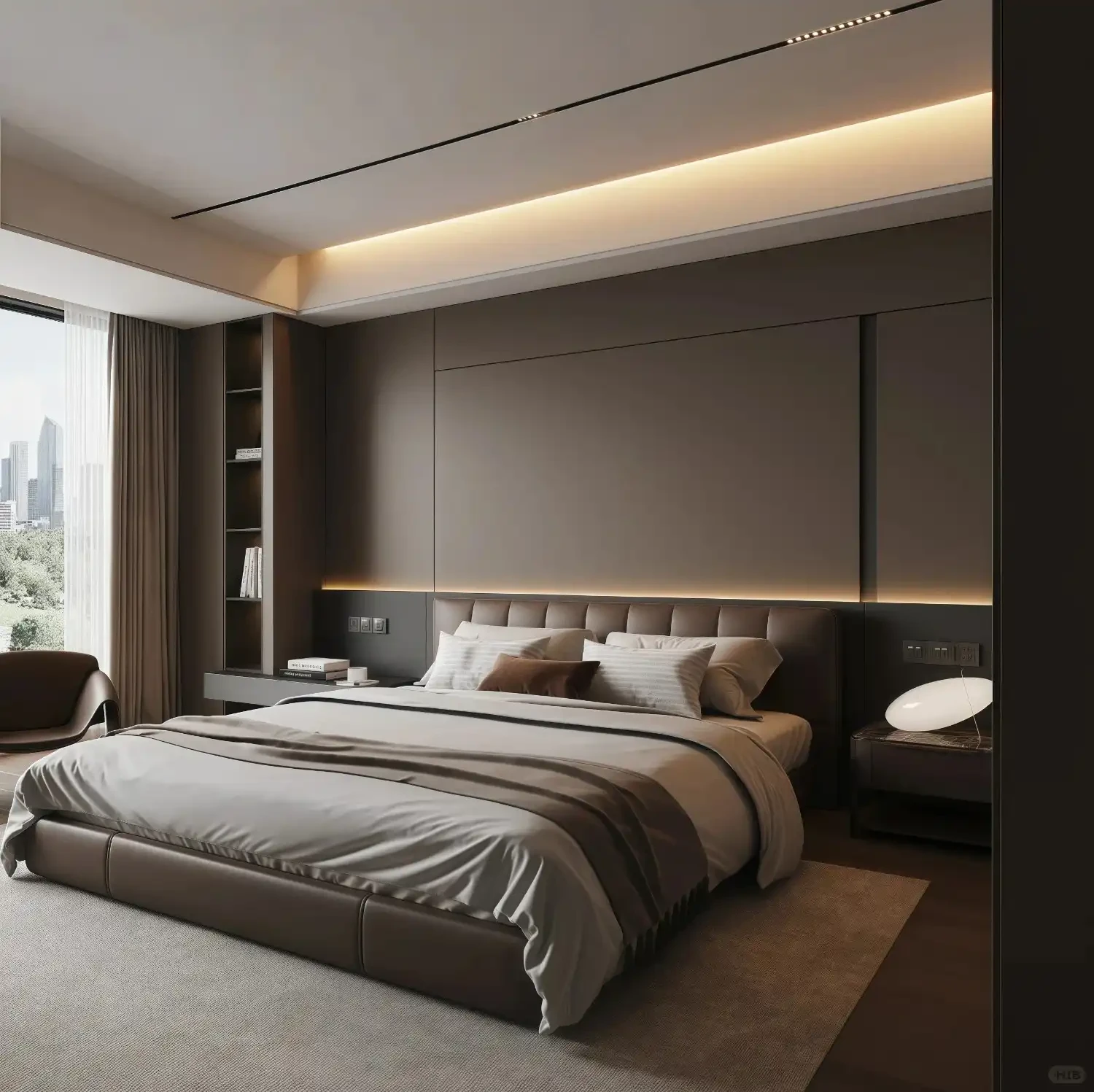
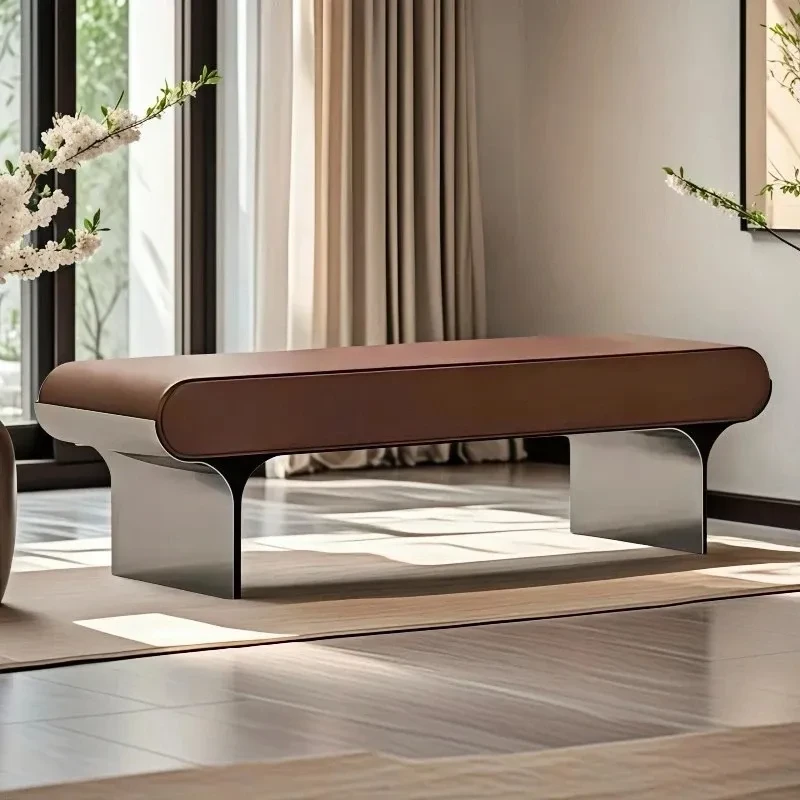
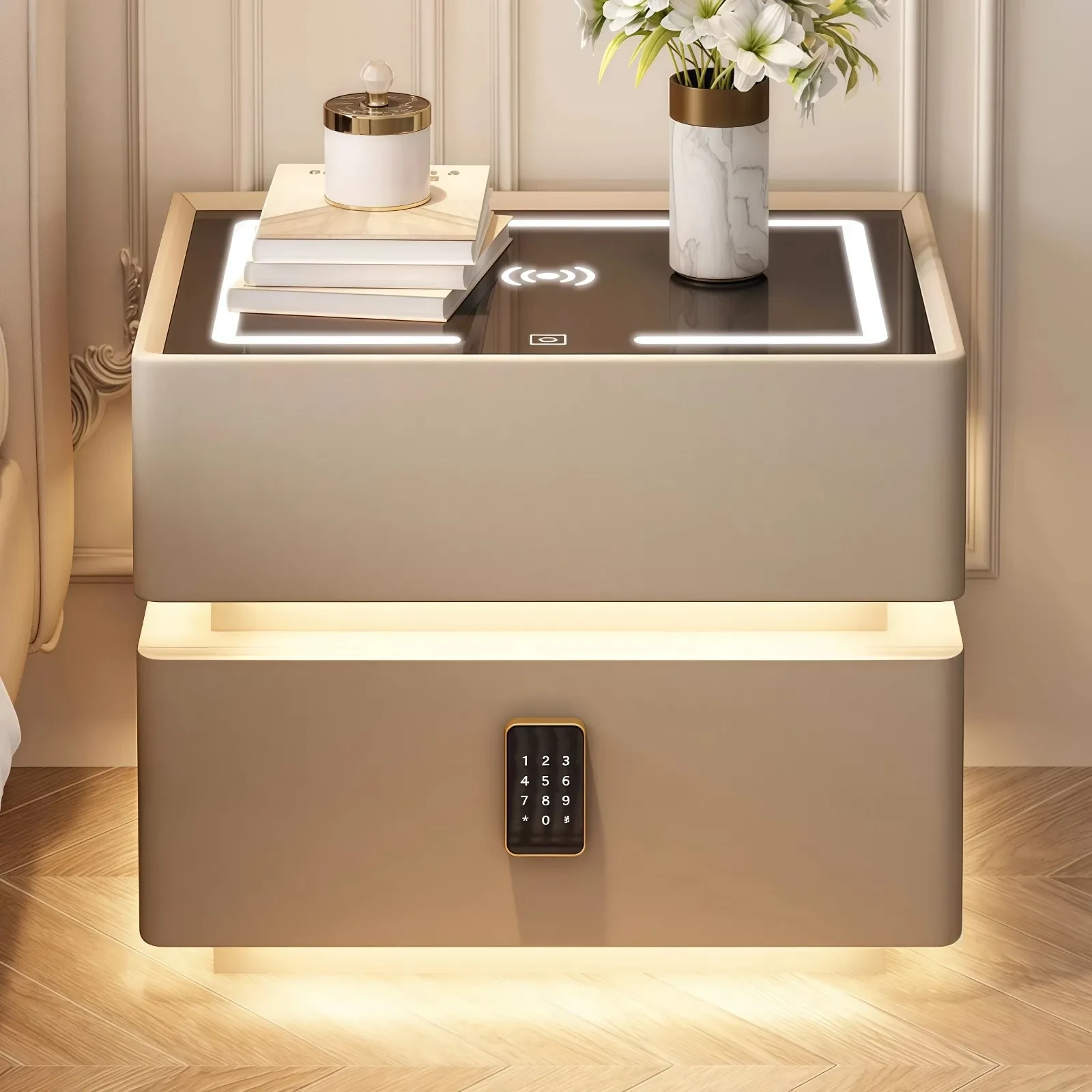
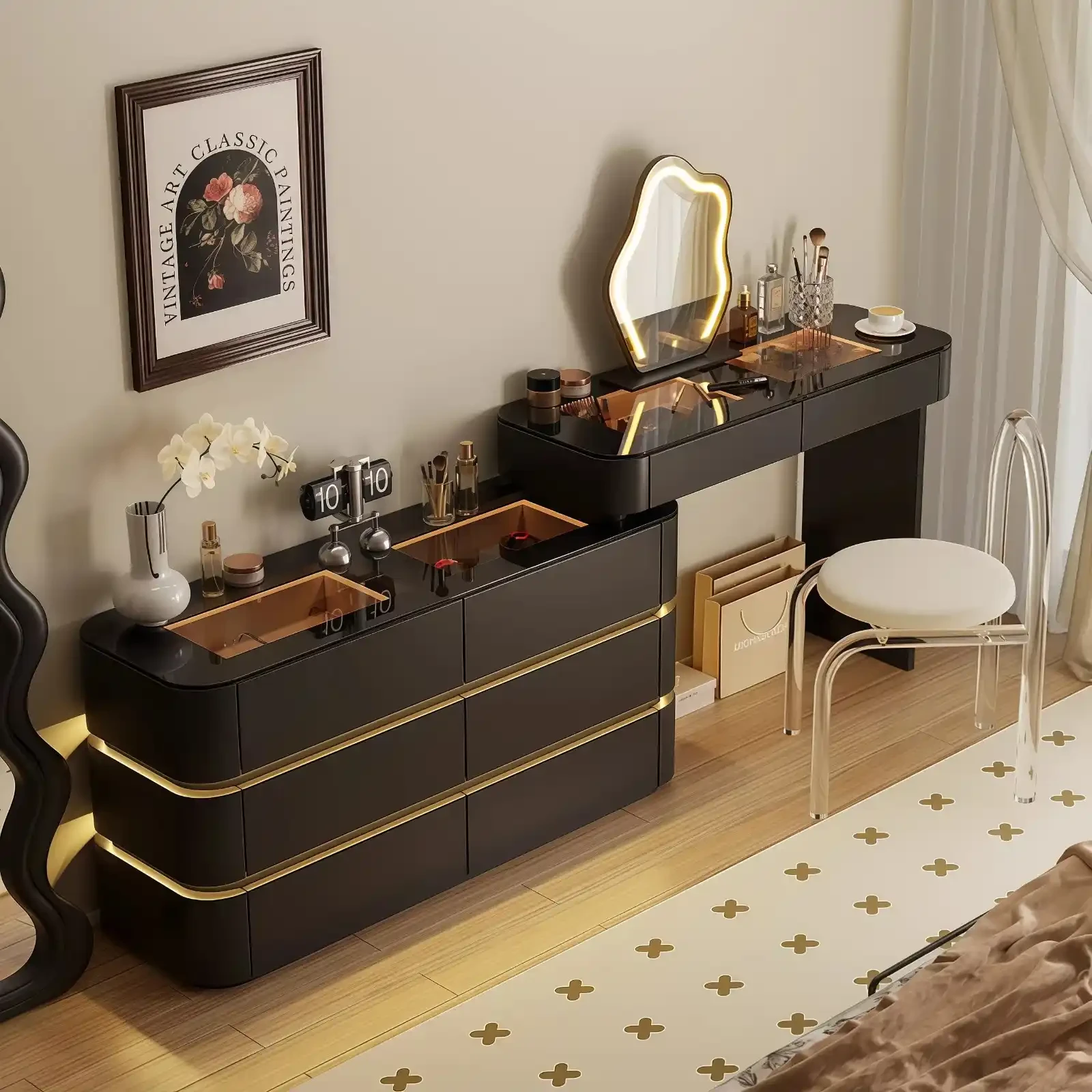

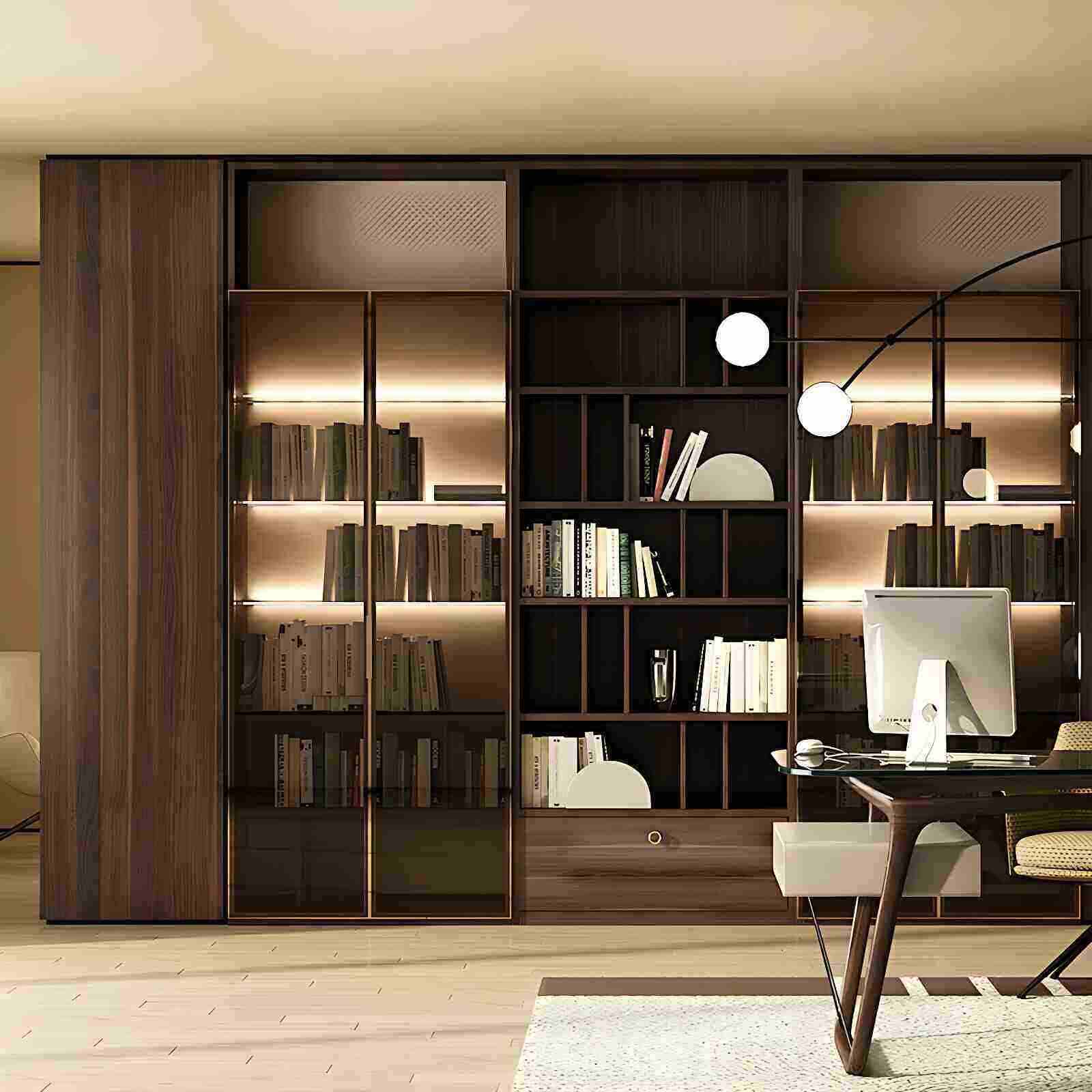

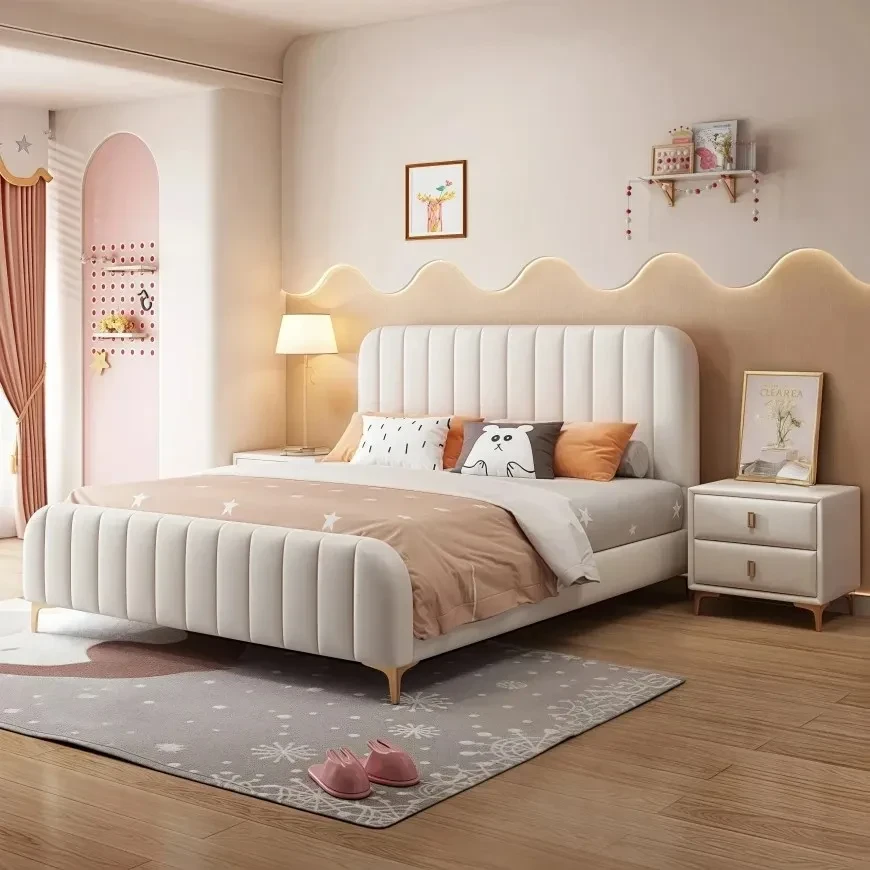
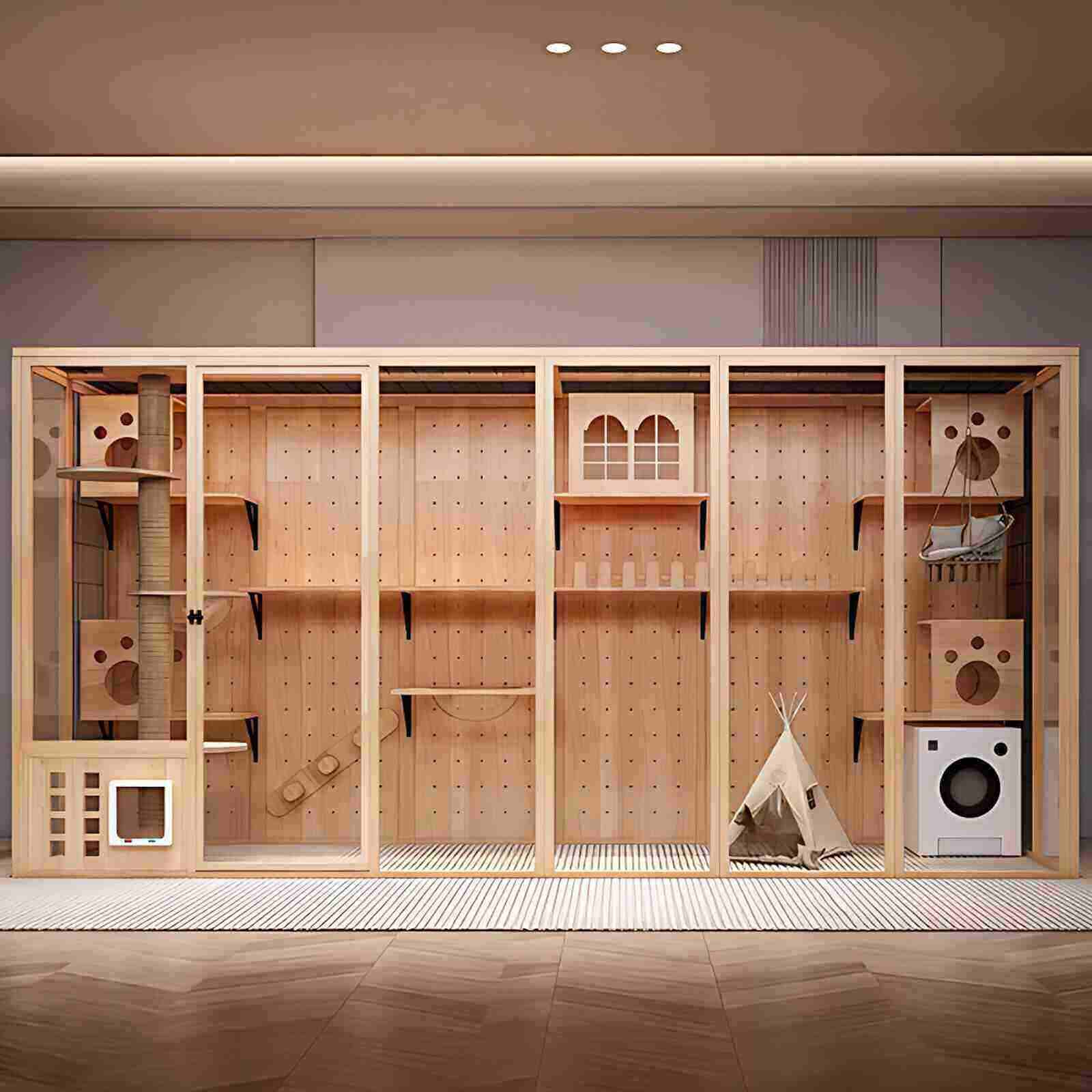

As people's pursuit of quality of life increases, environmentally friendly building materials are the most favored and recognized when choosing home decoration materials. Although considerable effort is spent carefully selecting these materials, the problem of indoor pollution still persists. This has led to various understandings and opinions regarding indoor pollution, with differing viewpoints. However, there are some misconceptions about indoor pollution. The building materials website, which specializes in providing building materials services, believes that indoor pollution cannot be solely attributed to building materials and furniture, nor can it be effectively solved or avoided simply by opening windows for ventilation. Below, the building materials website will help you understand some common misconceptions about indoor pollution.
Myth 1: Harmful substances produced during interior decoration mainly come from wood panels and furniture, not adhesives.
Most natural wood and plants are actually non-toxic, but the production of boards and furniture must be made by gluing wood together. The glue used contains a large amount of harmful gases such as formaldehyde and benzene. Therefore, the toxic substance in home decoration is ultimately the glue, not the wood. Moreover, generally speaking, furniture boards are only a part of home decoration and can also be considered a source of toxicity in home decoration.
Myth 2: The main components of glue are formaldehyde and benzene, and there are no boards that are free of formaldehyde and benzene.
With the continuous improvement of technology in the board manufacturing industry, formaldehyde- and benzene-free healthy plant-based adhesives have passed the inspection and certification of the National Environmental Protection Product Quality Supervision and Inspection Center and have been put into mass production. In the future, they will successfully replace chemical adhesives containing formaldehyde and benzene. Therefore, the prospects for environmentally friendly boards are extremely broad.
Myth 3: Plastering walls will not cause pollution.
Walls are the most important area in home decoration, occupying a large area and covering every room. Double-flying powder is not toxic in itself, but a large amount of chemical glue is used when mixing putty, thus creating a source of toxicity. At the same time, people mistakenly believe that plastering is a minor matter, which leads to the use of a large amount of inferior glue, thereby aggravating the deterioration of indoor air quality.
Myth 4: After renovation, opening windows for ventilation will remove toxic substances.
Because chemical adhesives are used in wood-based panels and furniture, they release toxic gases such as formaldehyde. The formaldehyde in the adhesive can be released for 5 to 15 years, and simply opening windows for ventilation is not enough to remove the formaldehyde.