
 USD
USD GBP
GBP
 EUR
EUR
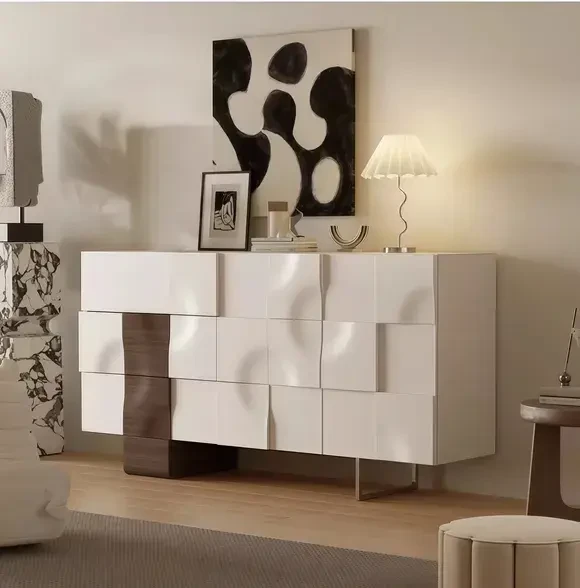
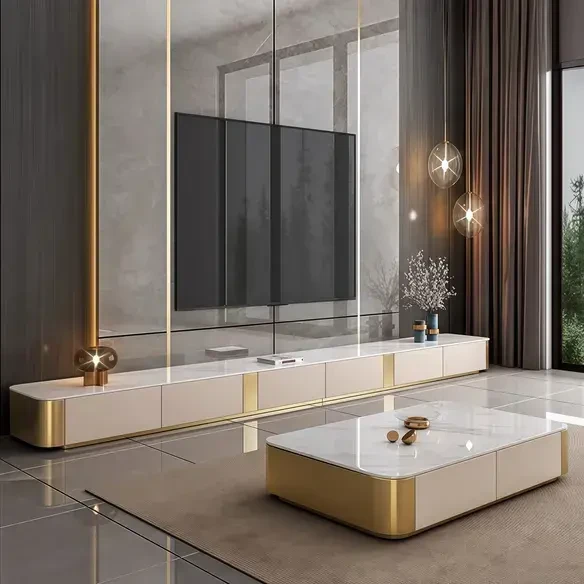
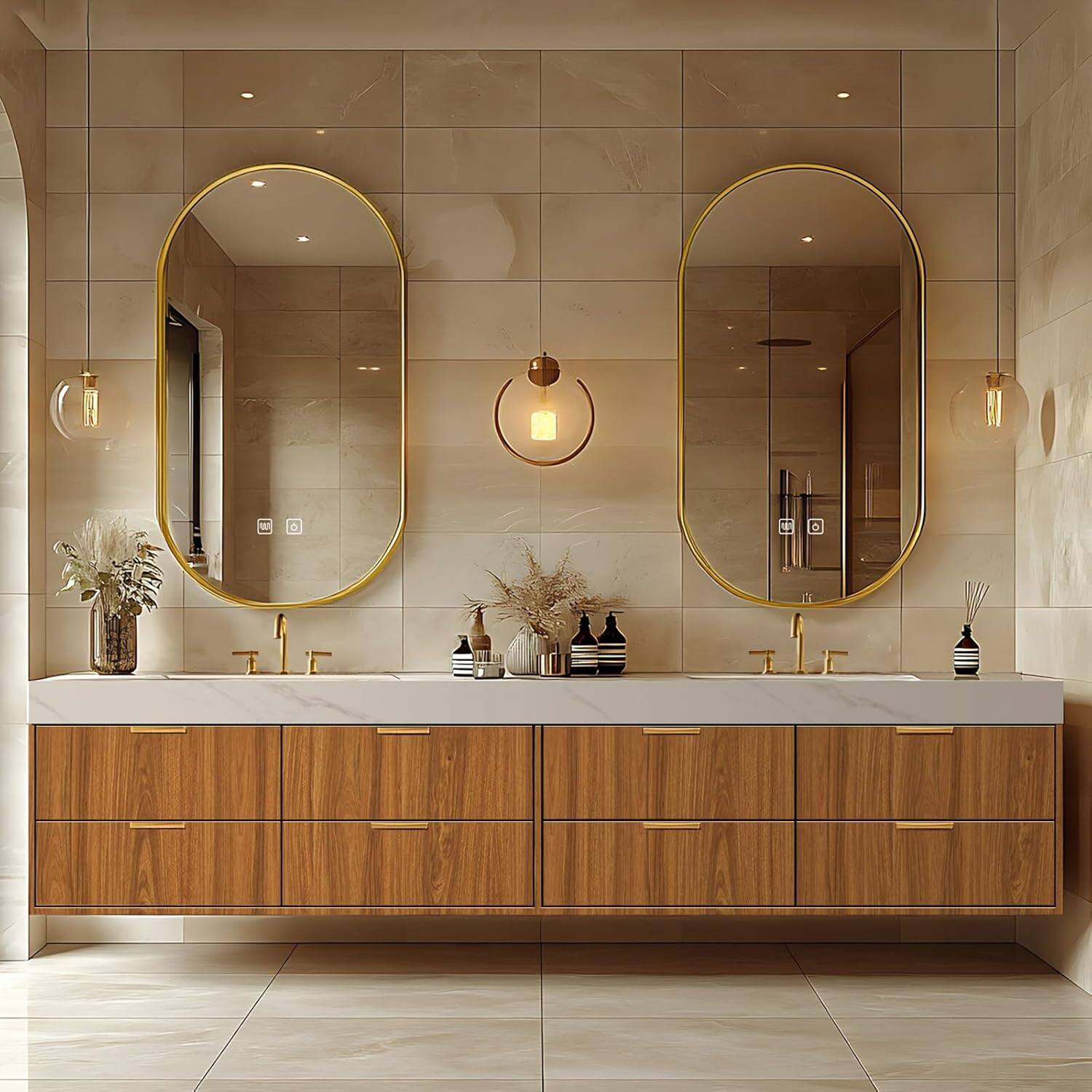
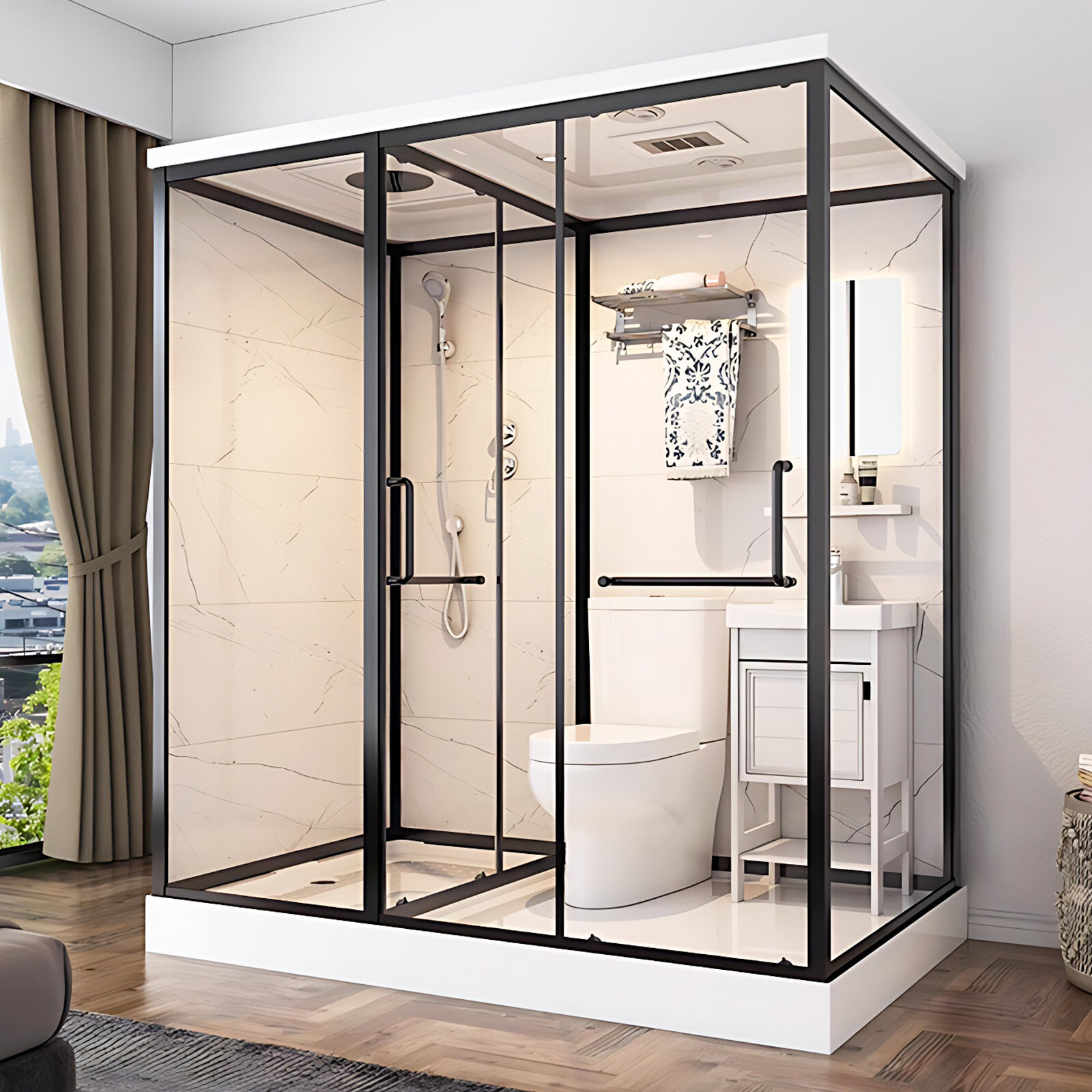
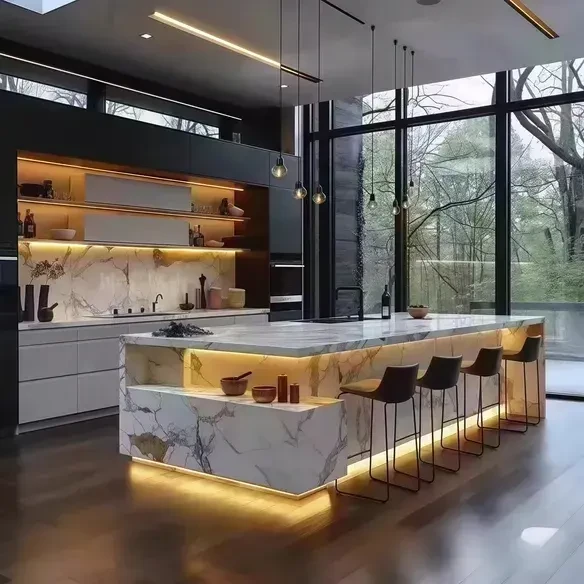
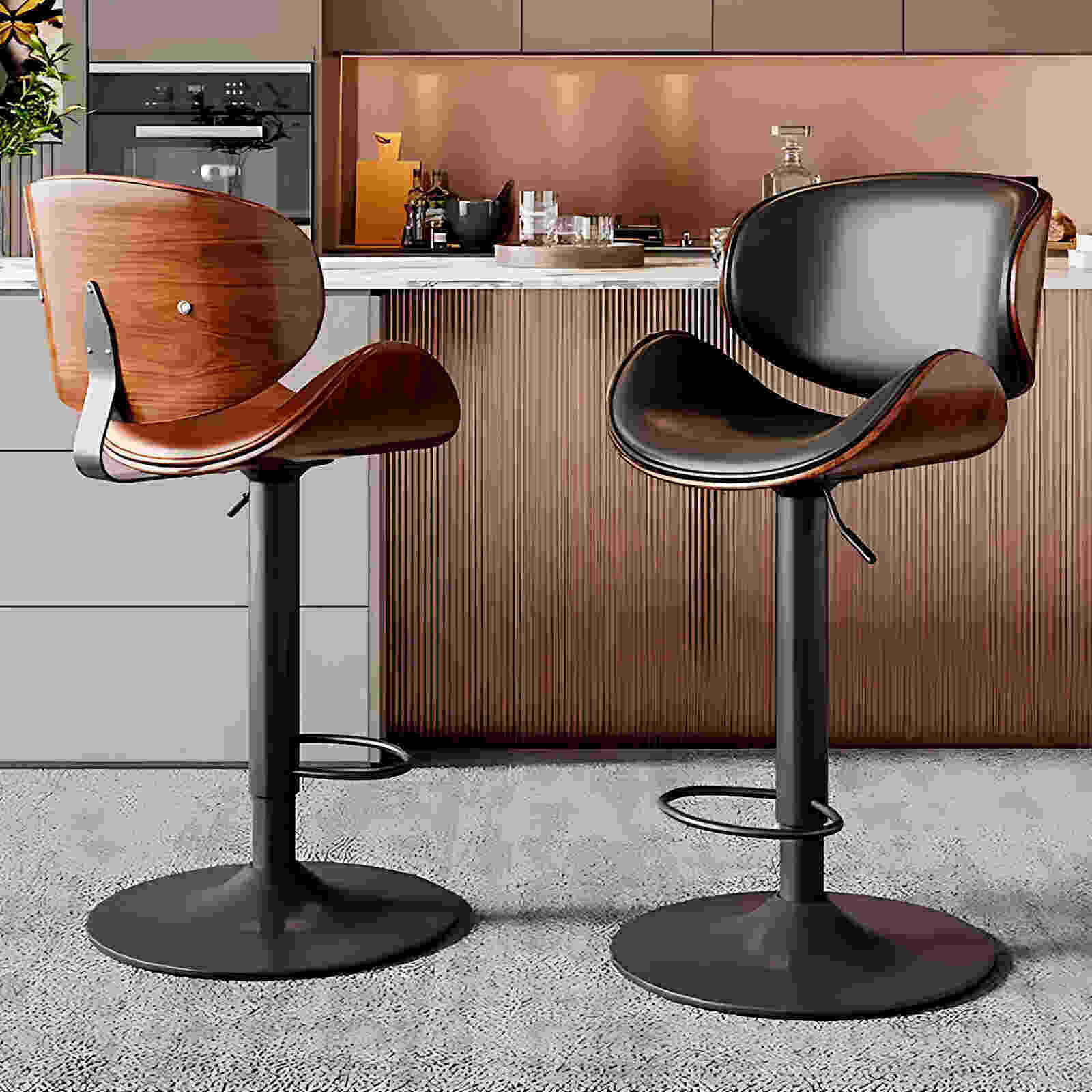
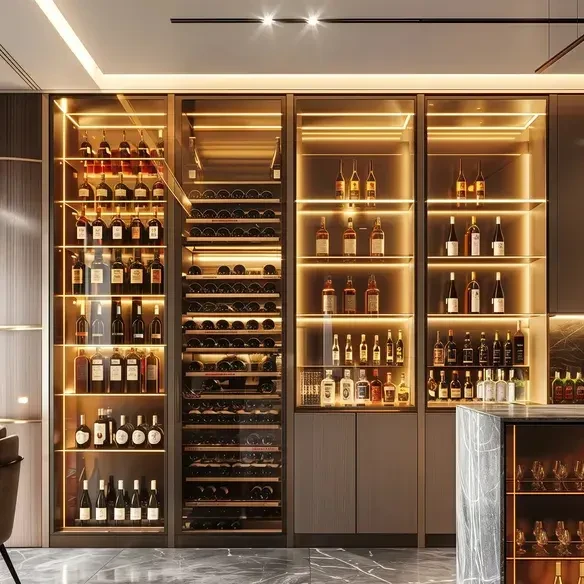
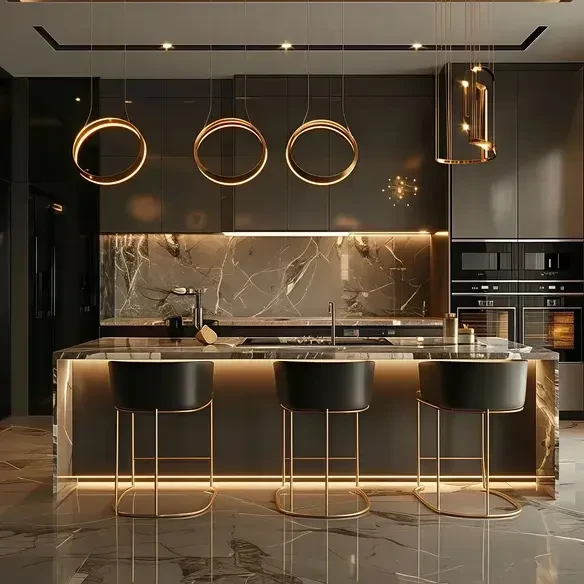
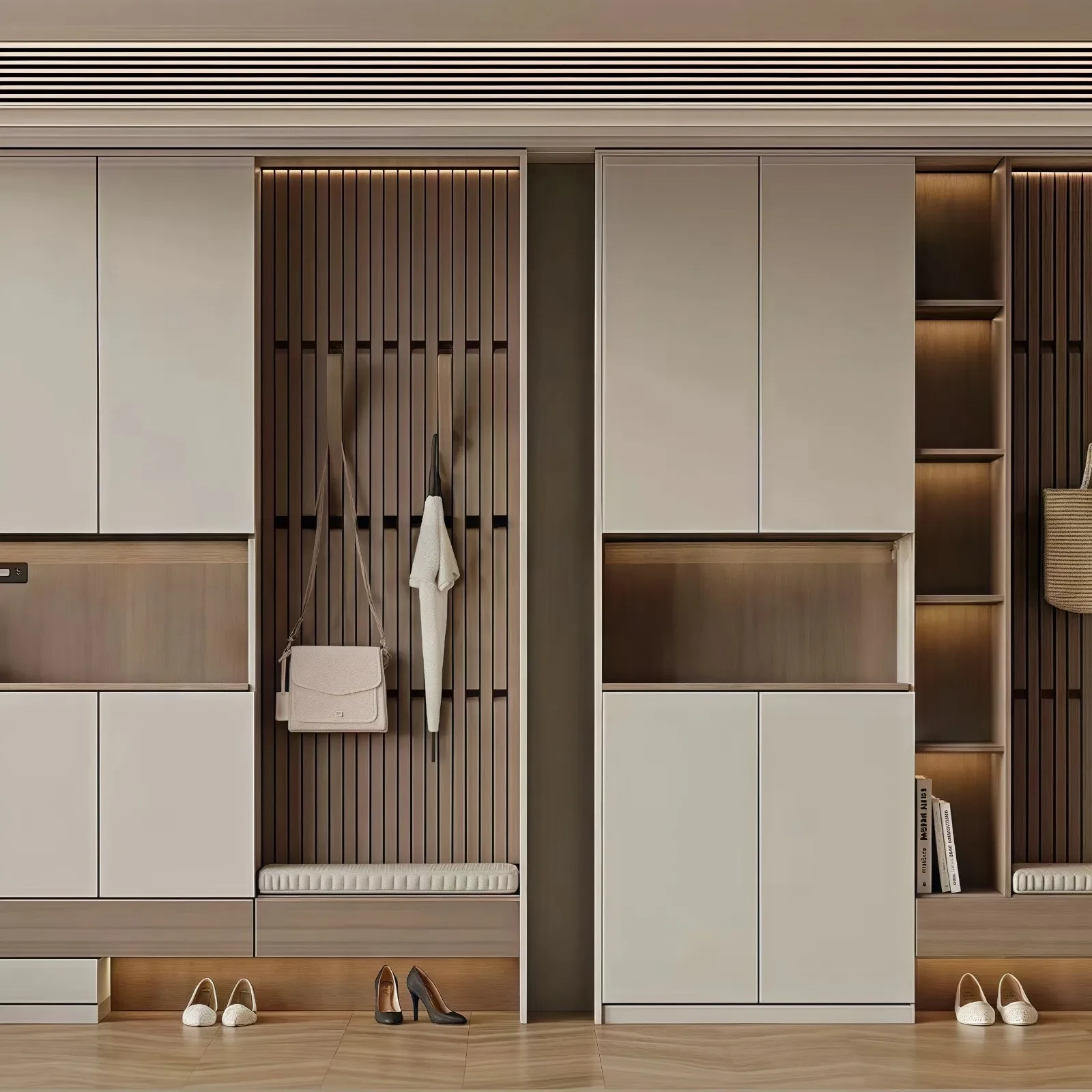
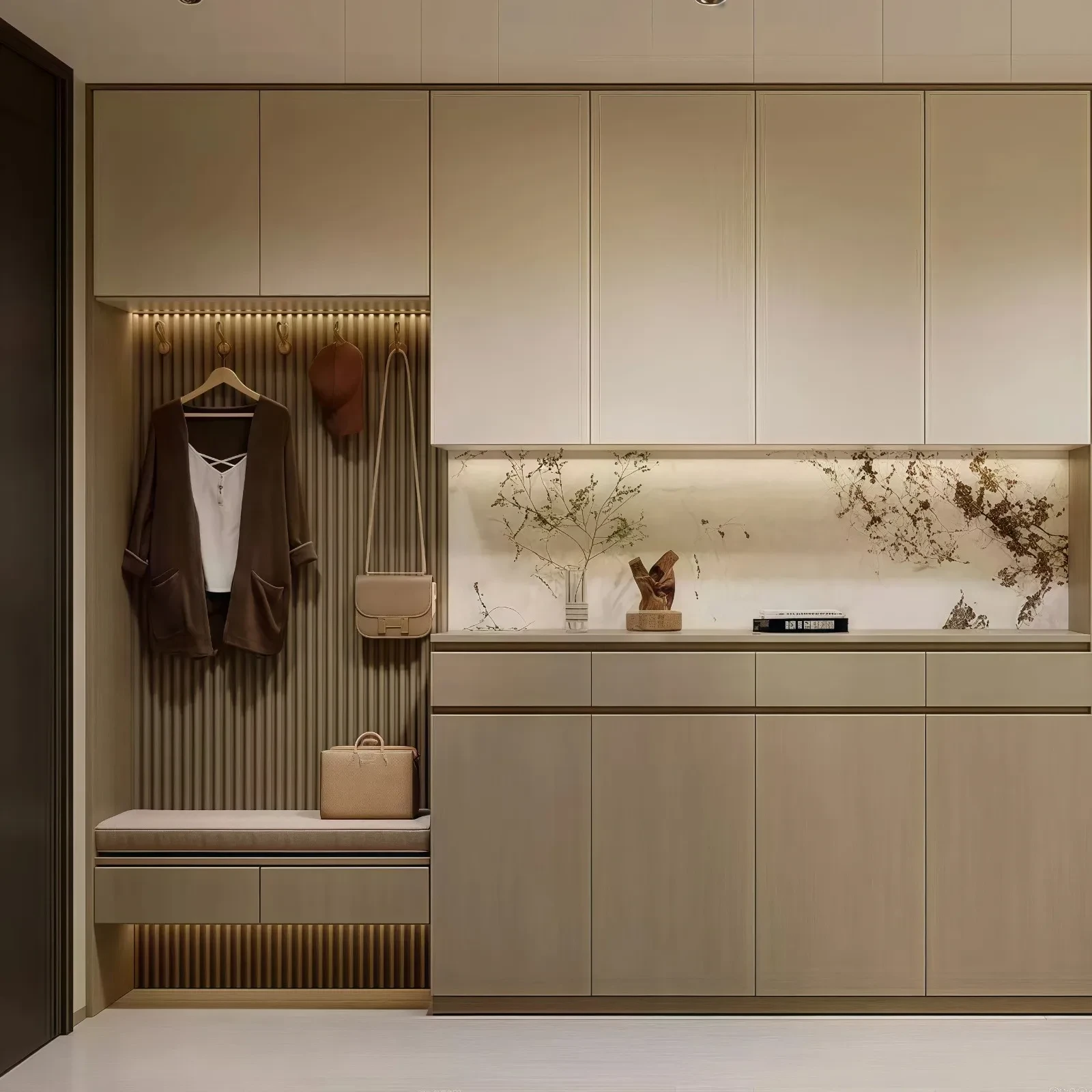
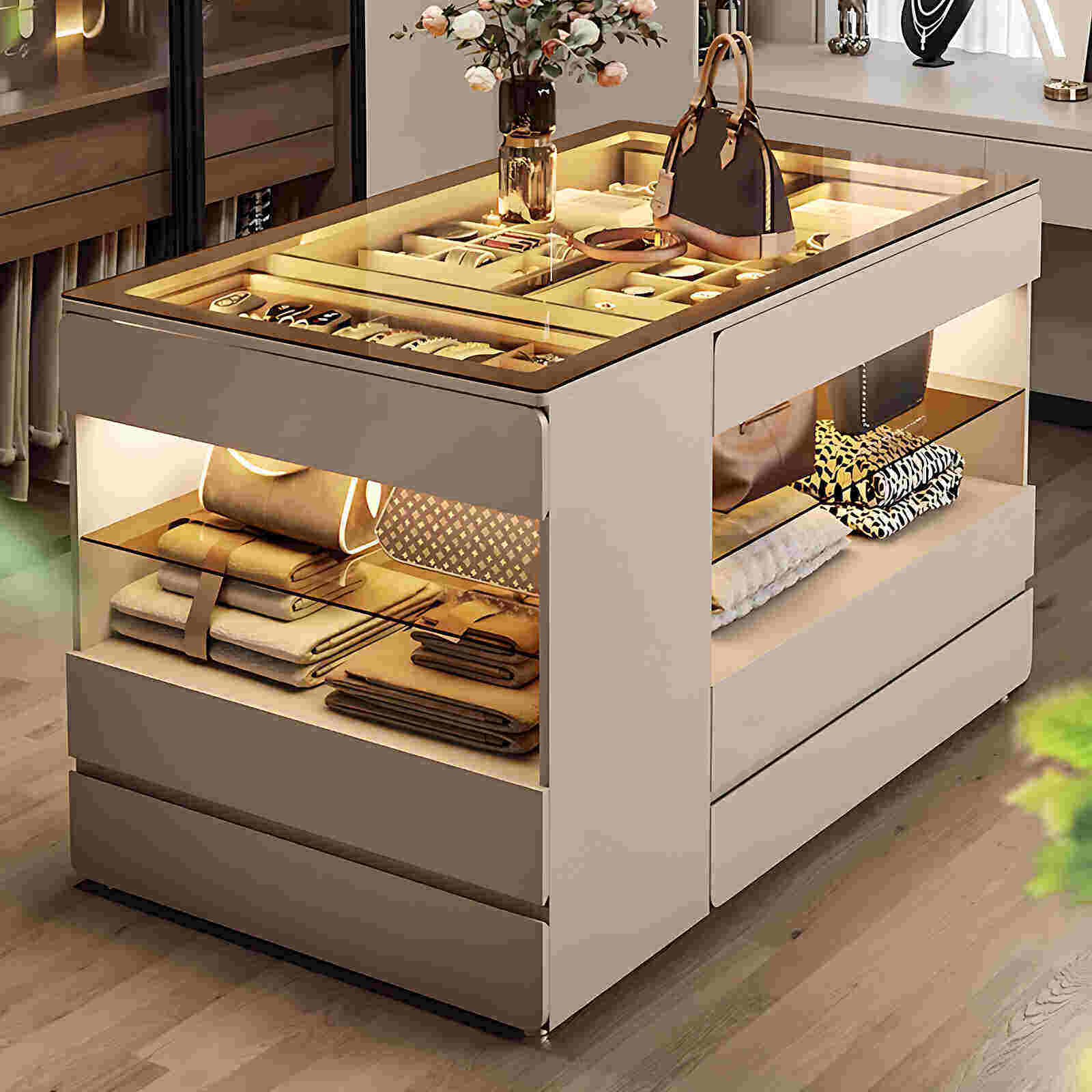
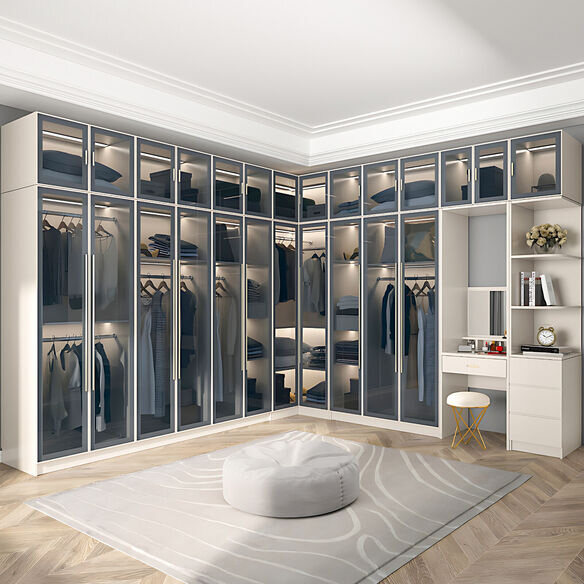
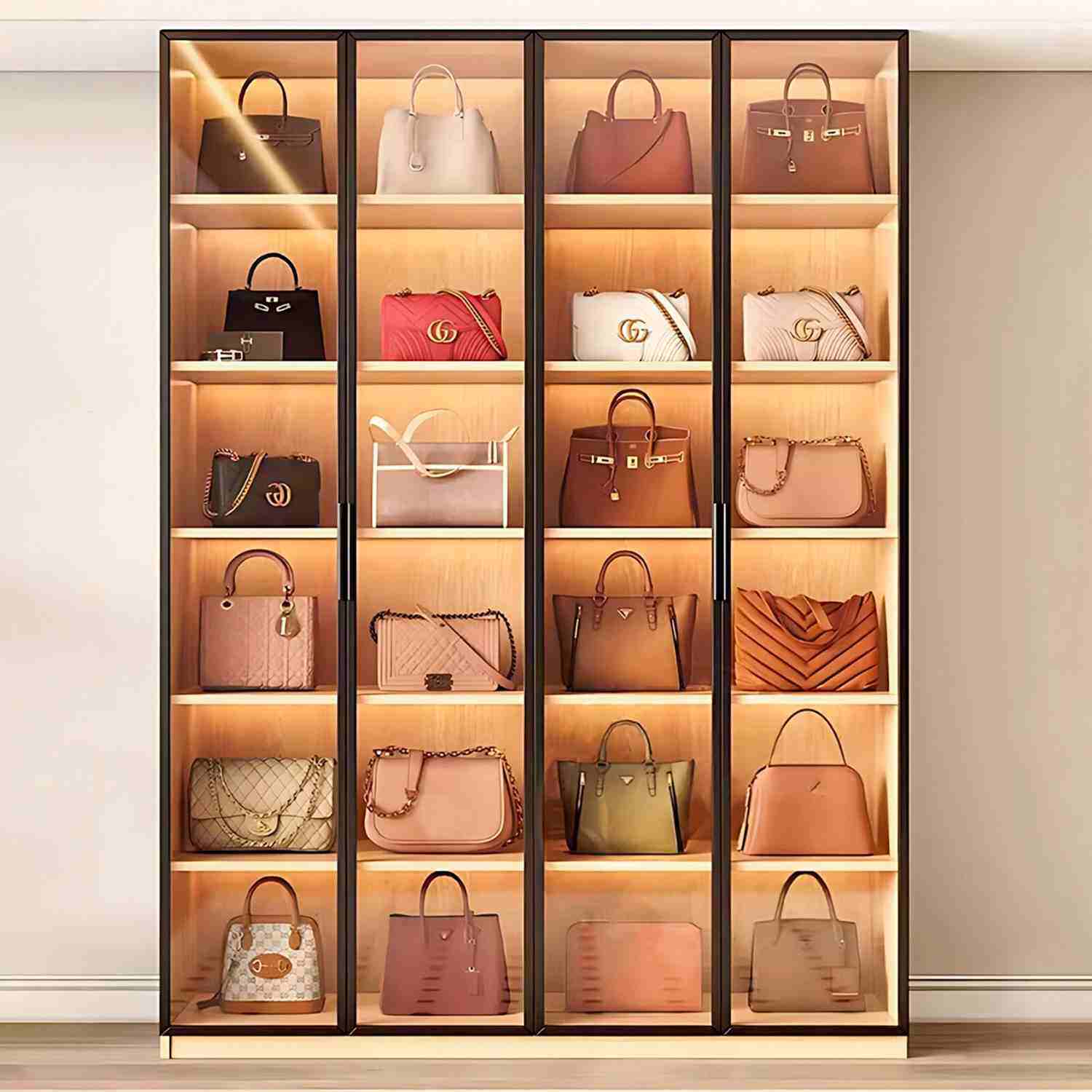
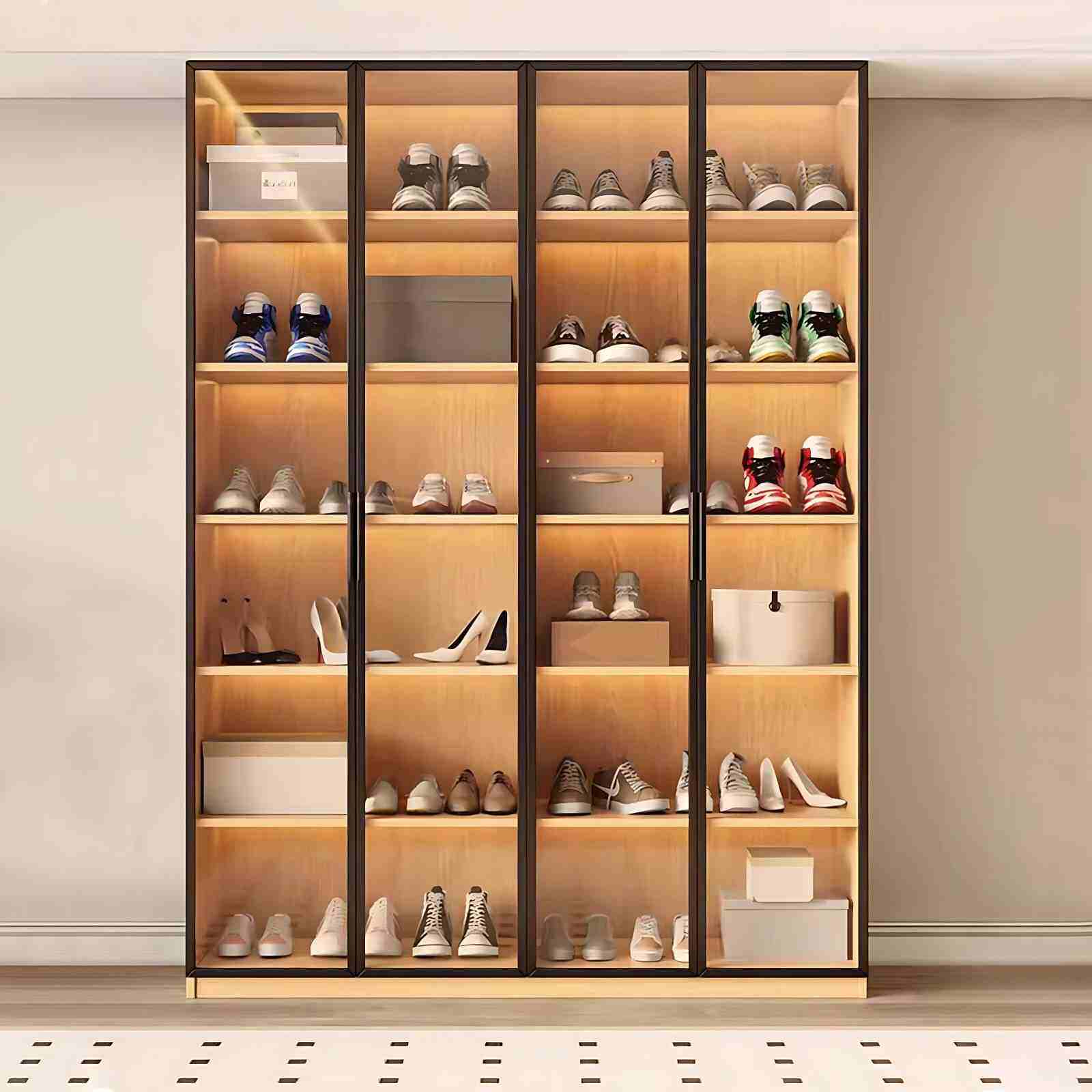
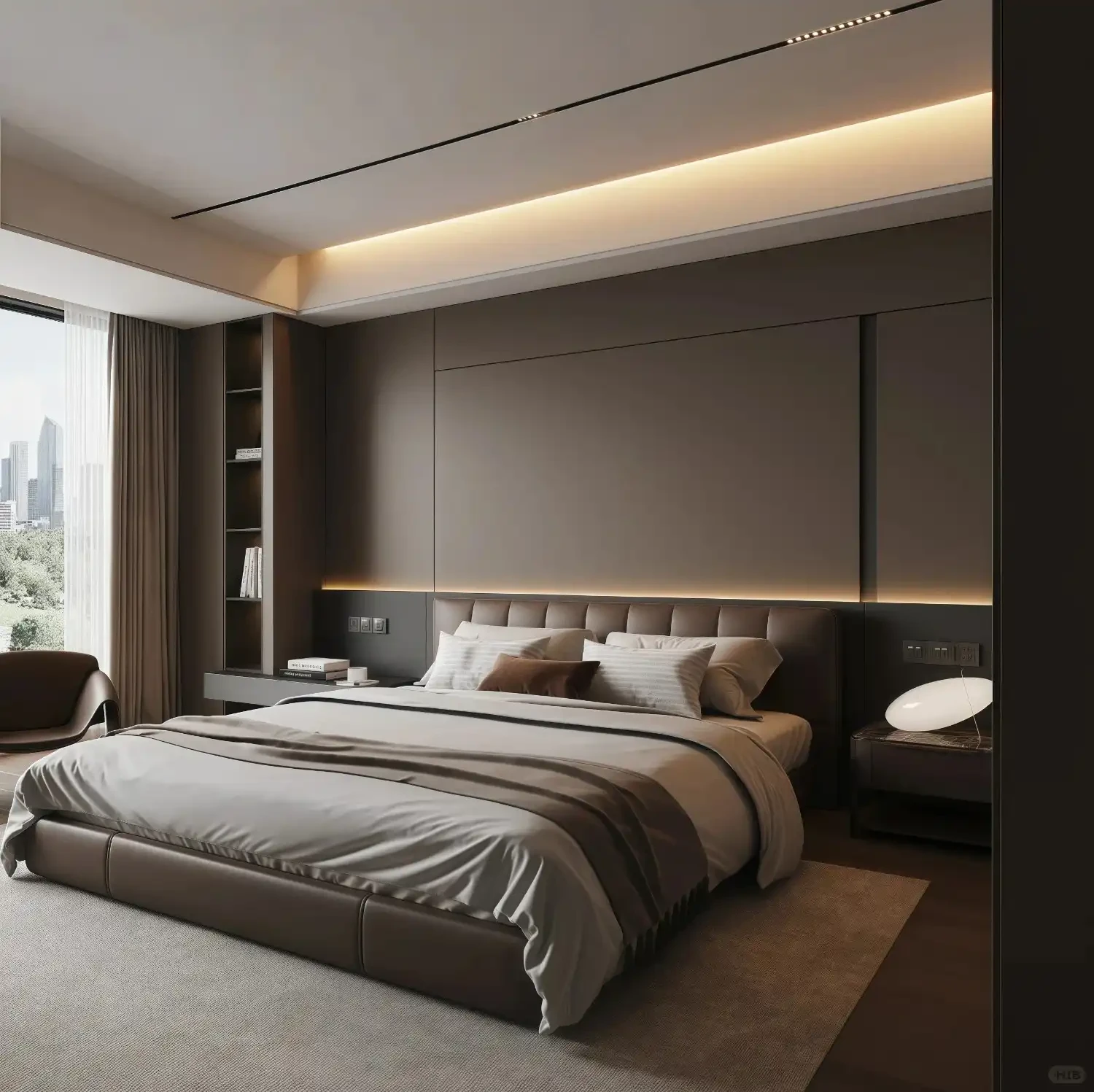
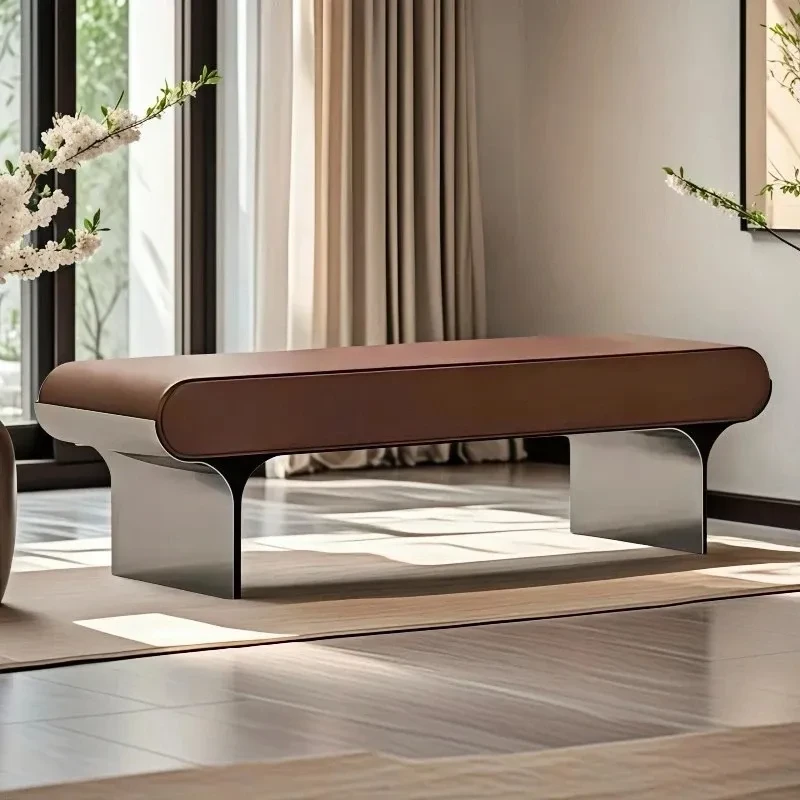
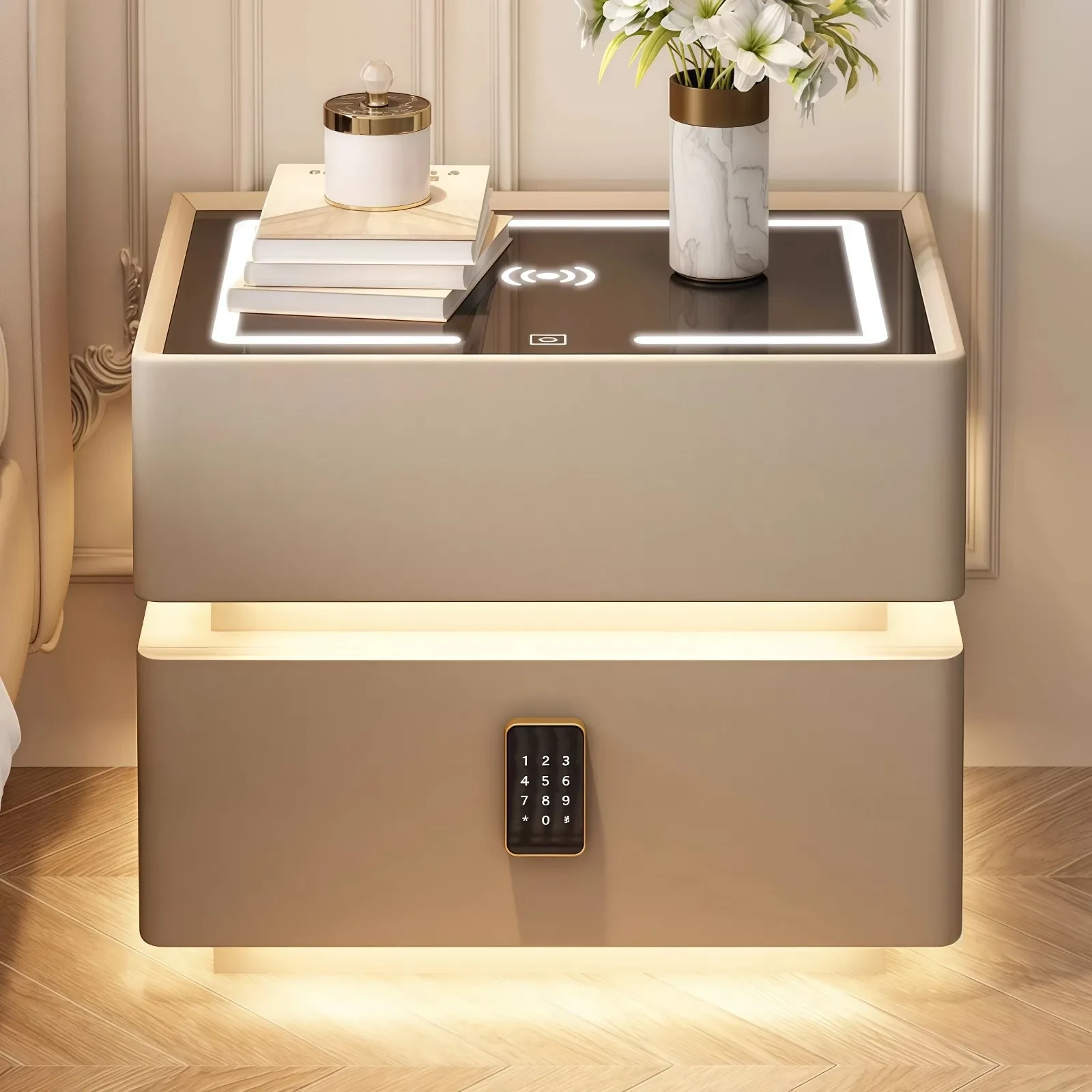
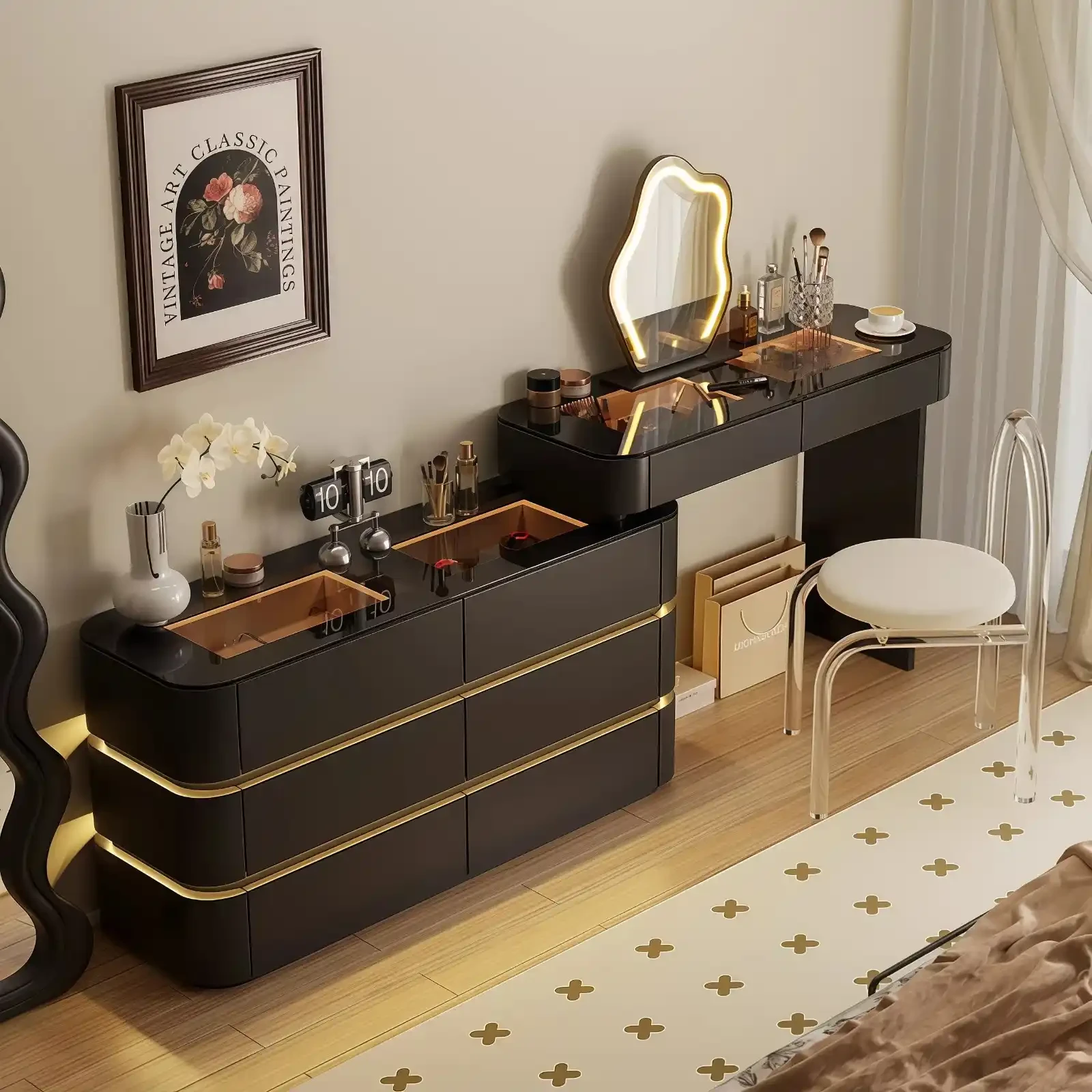
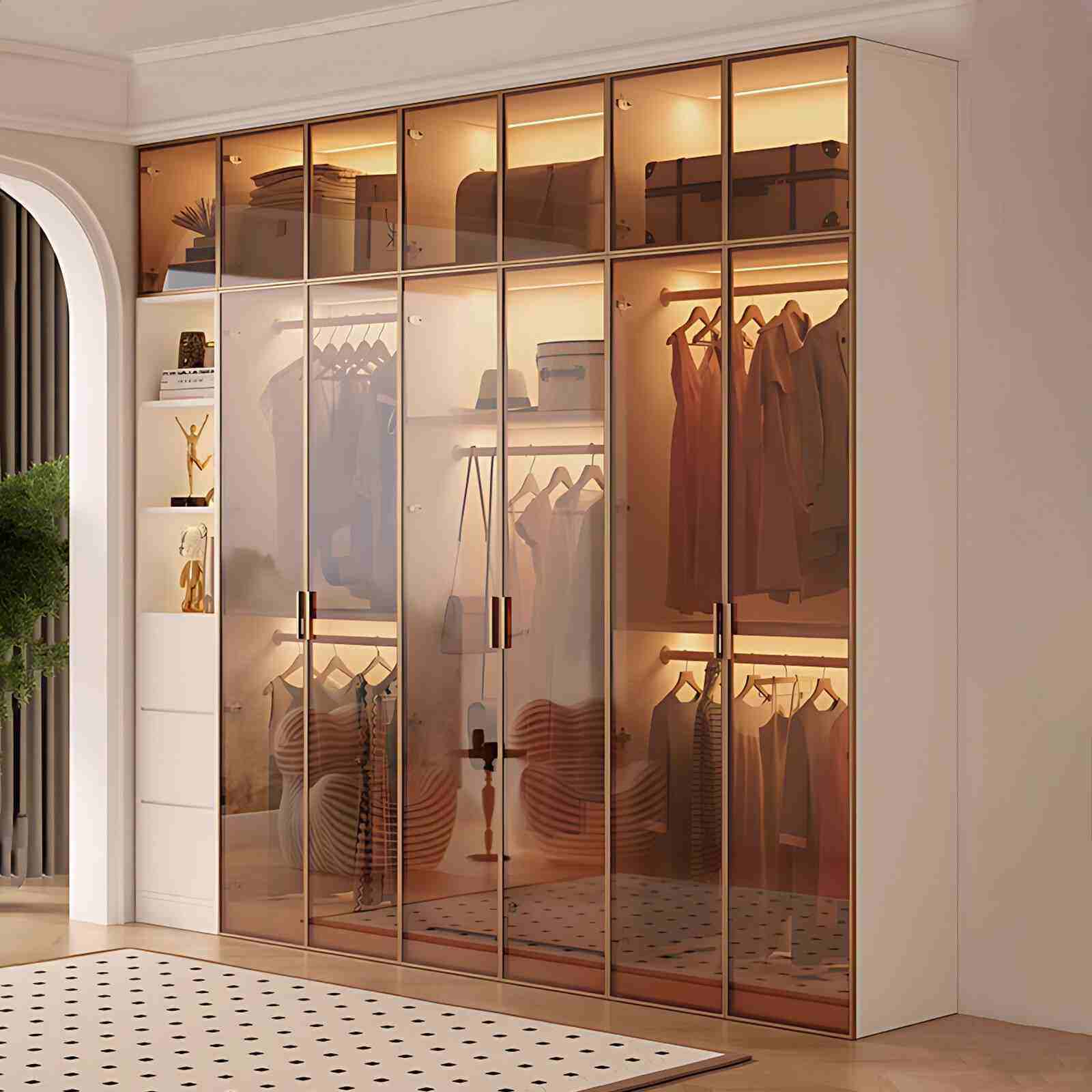
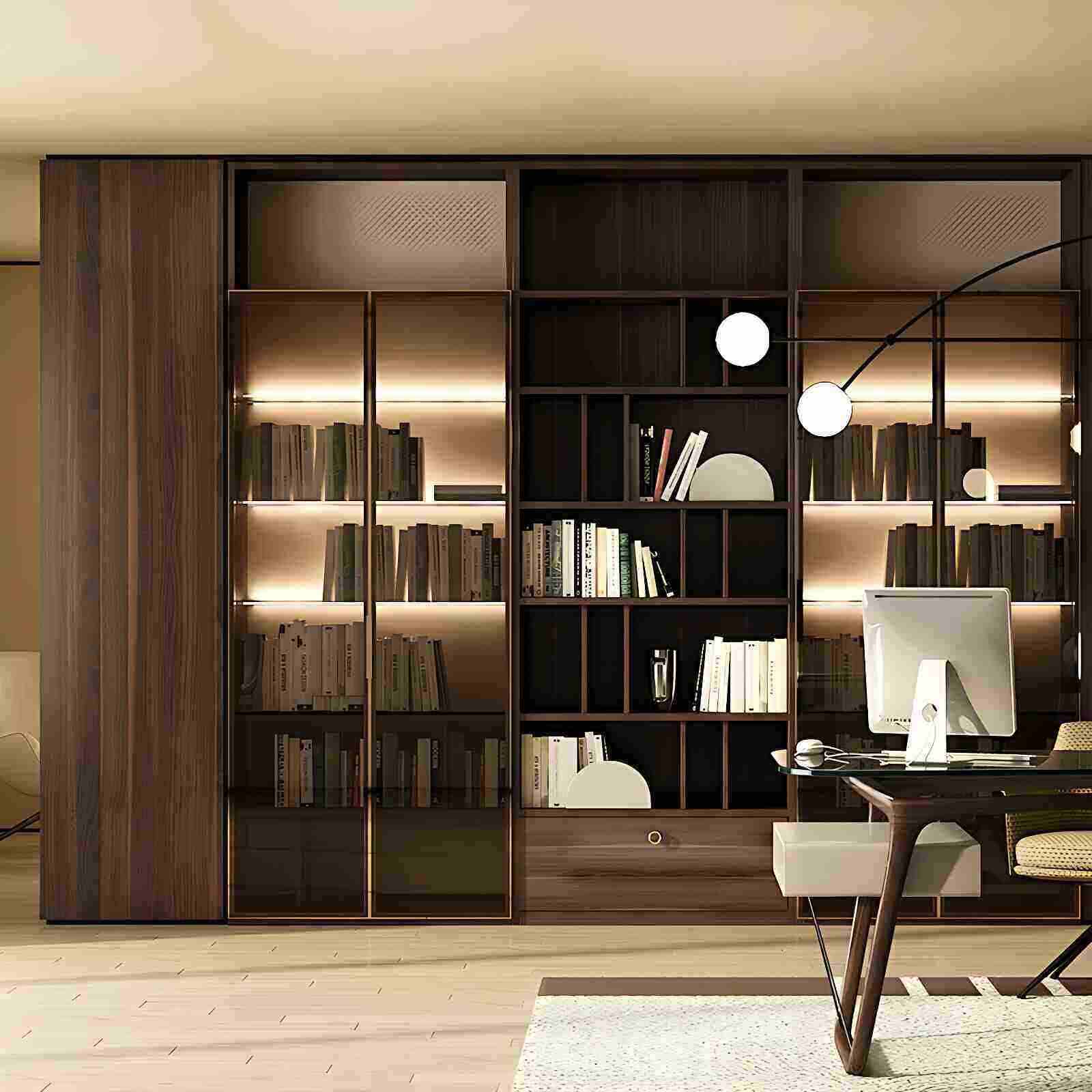

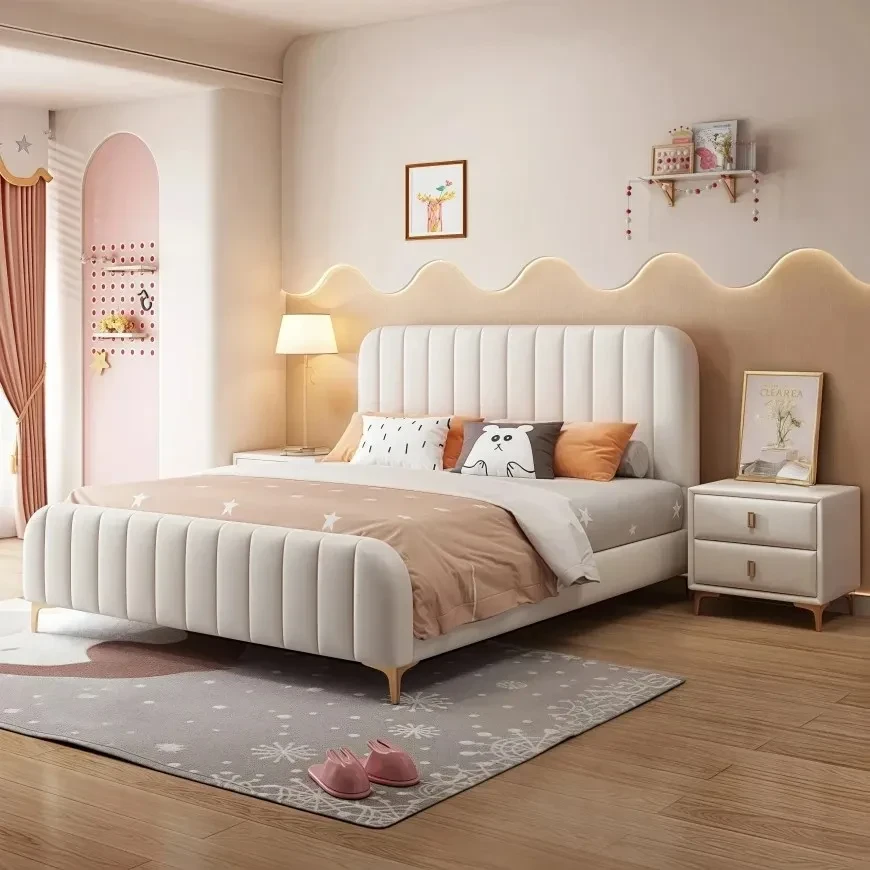
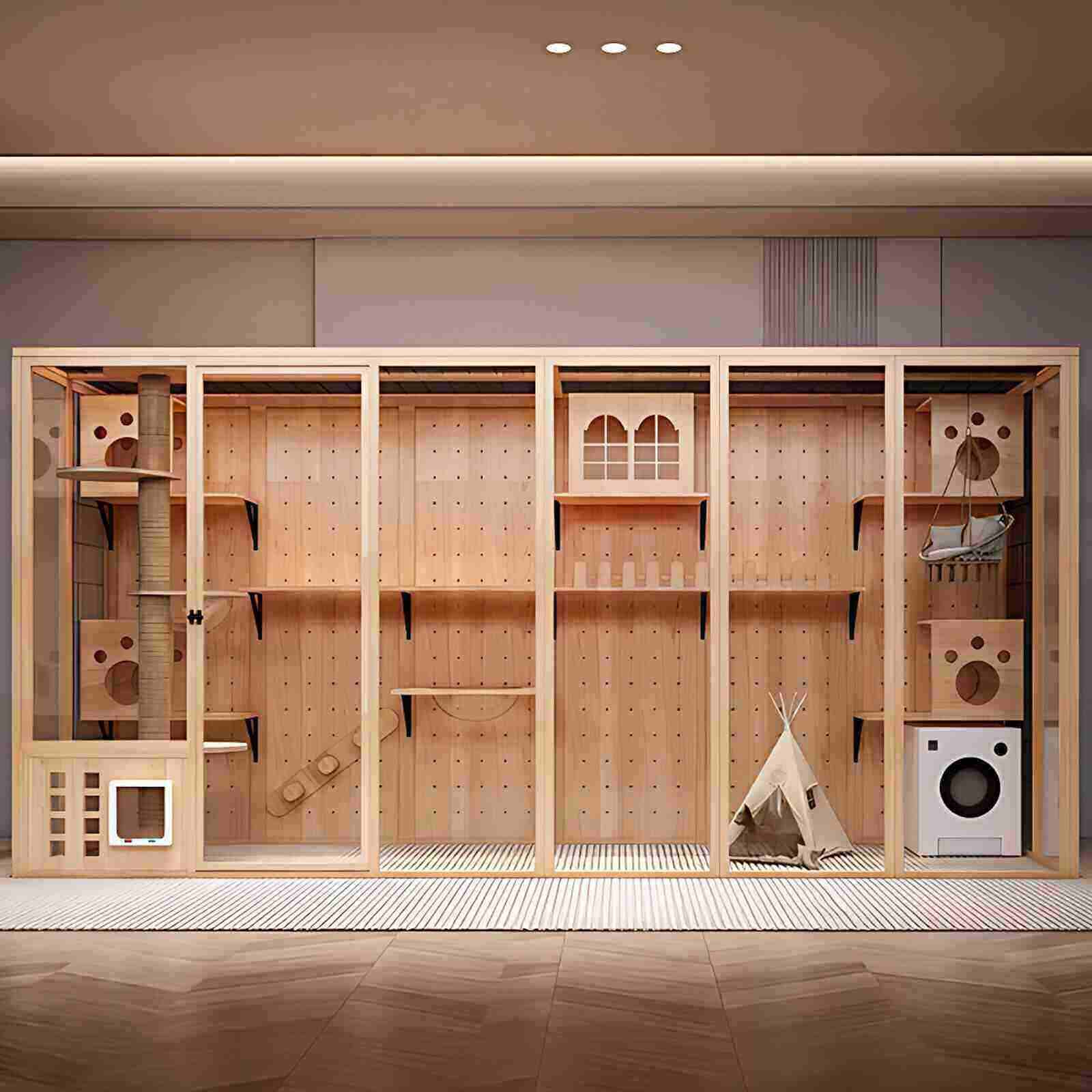
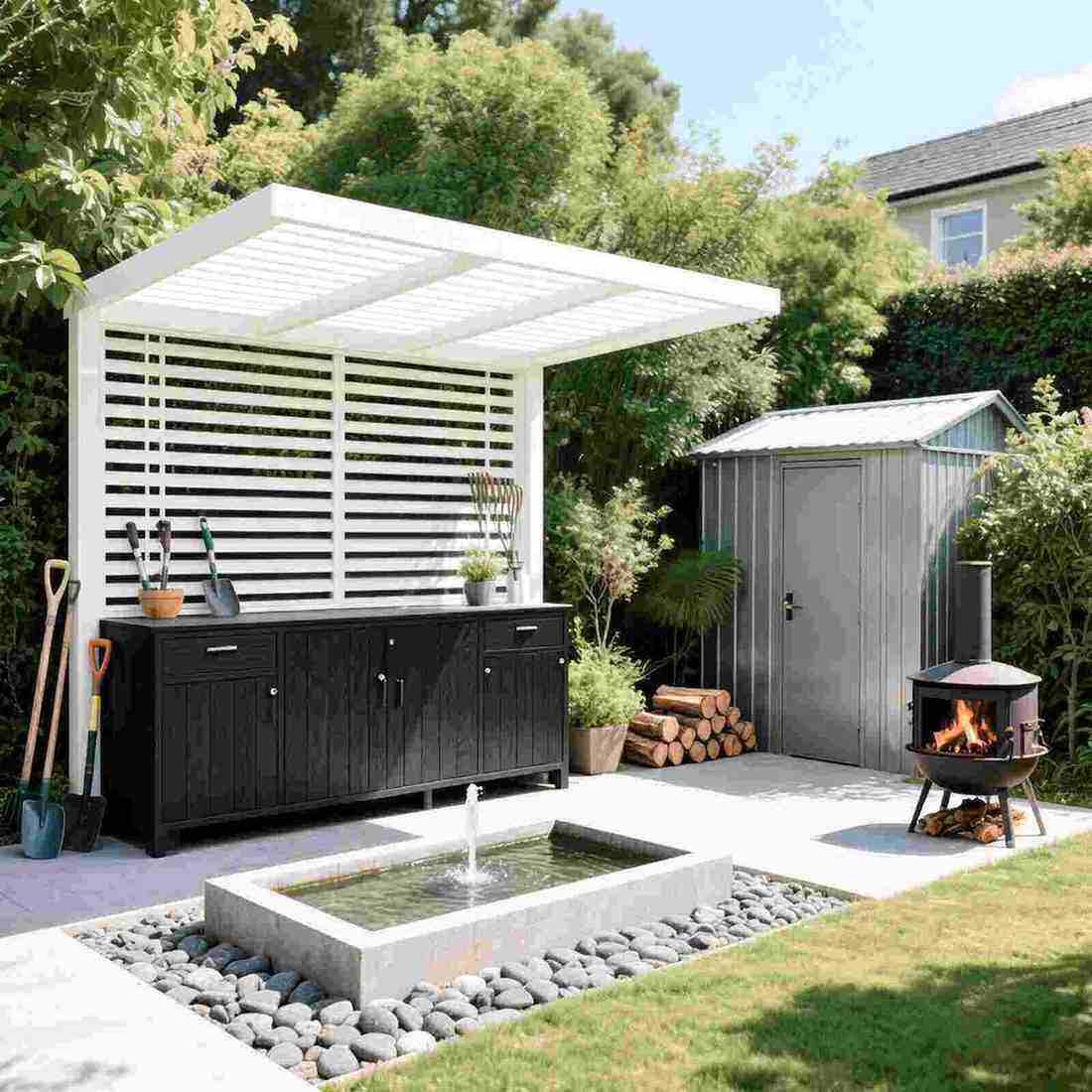
In recent years, OSB boards have begun to emerge in the home improvement industry and are gradually gaining widespread application. Today, let's talk about the advantages and various applications of OSB boards.
OSB boards have unparalleled advantages over traditional boards in terms of formaldehyde emission, processability, fire resistance, and structural stability. OSB boards also differ from traditional boards in that they have a wide range of applications, including building materials, interior decoration, furniture manufacturing, and flooring substrates.
Europe adopts the EN300 standard, and China formulates its own standards with reference to European standards.
OSB/1: General purpose non-load-bearing board material for interior finishing materials and furniture under dry conditions;
OSB/2: Load-bearing plate, used in dry conditions;
OSB/3: Load-bearing plate, used in damp conditions;
OSB/4: Load-bearing sheet material, used in damp conditions.
Application Interpretation:
Decoration industry
OSB/2 is mainly used in buildings, halls, and homes. It is an upgraded replacement for MDF, plywood, and blockboard.
Packaging industry
OSB/3 is an ideal material for aseptic export packaging, requiring no fumigation, providing moisture protection, and being pressure and impact resistant.
Furniture industry
OSB/2 – Due to its reconstituted wood structure, it has excellent load-bearing capacity, dimensional stability, and processing performance, making it suitable for furniture making;
Construction Engineering
OSB/3 – Used for interior and exterior structural and decorative materials, concrete formwork, etc.
Flooring industry
OSB/3 is the base material for engineered wood flooring, replacing MDF, plywood, and particleboard. It is moisture-proof, has stable performance, and does not deform.
OSB Applications in Light Steel Villas:
OSB boards for walls are recommended to be 9-12mm thick.
For roofing, a thickness of 12-15mm is recommended for OSB boards.
For floor slabs, a thickness of 15-18mm is recommended.
OSB boards are made from carefully selected Australian pine as the base material. Australian pine has a uniform structure, with consistent density, thickness, and strength within the board, free of voids and knots. It has average shrinkage efficiency, and is free from warping and deformation. The wood has good nail-holding power, strong permeability, and is very easy to treat with preservatives, drying, curing, and staining. Australian pine is a high-quality material with medium density, uniform structure, average shrinkage efficiency, and strong stability, and it has good screw-holding power.
OSB boards are made from pine wood, which purifies the air. Its subtle, fresh woody scent can bring a refreshing mood, help relieve stress, and promote blood circulation. It also has antibacterial, disinfectant, and anti-inflammatory properties. The imported MDI adhesive used in the boards contains no formaldehyde, ensuring that no formaldehyde is added during the manufacturing process, making it as environmentally friendly as solid wood.