
 USD
USD GBP
GBP
 EUR
EUR
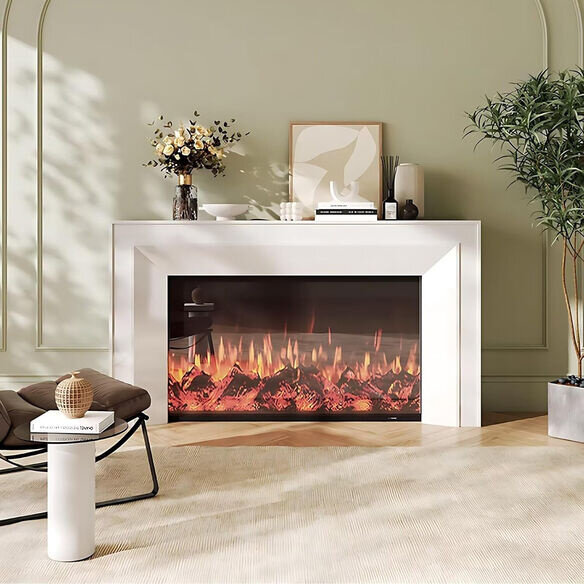
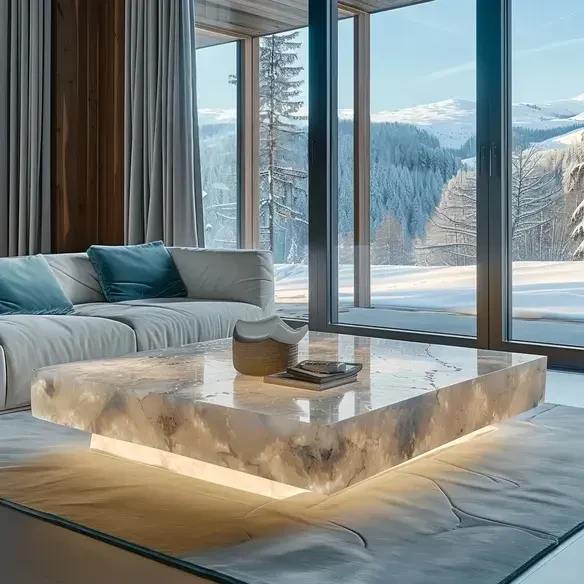
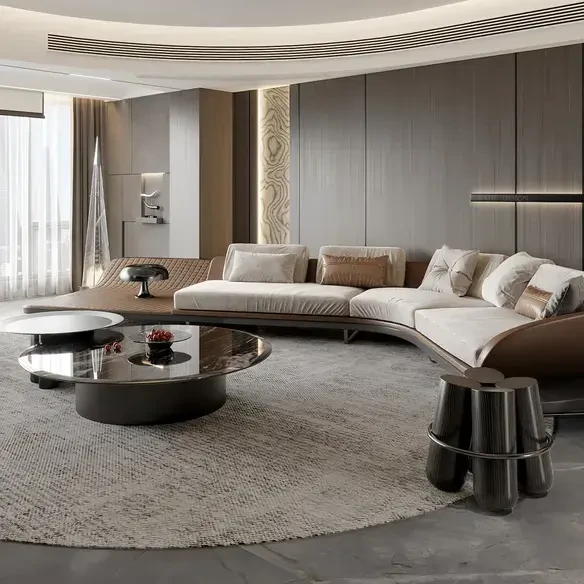
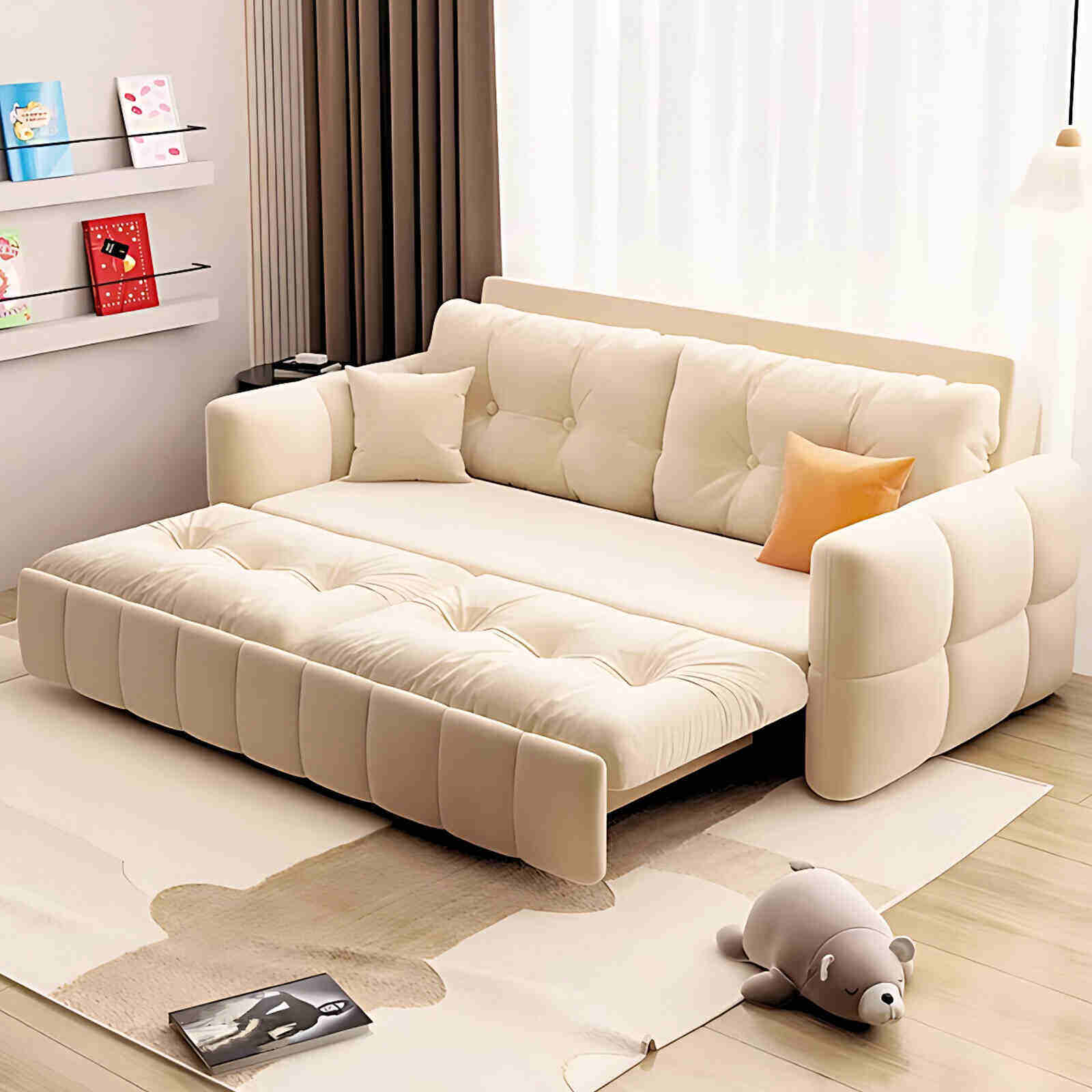
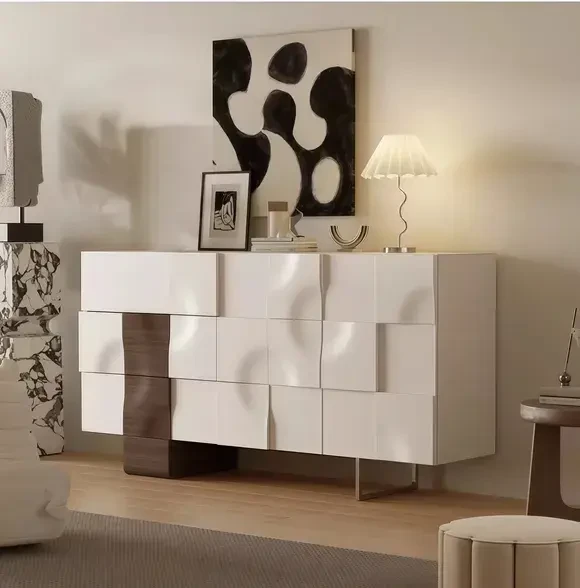
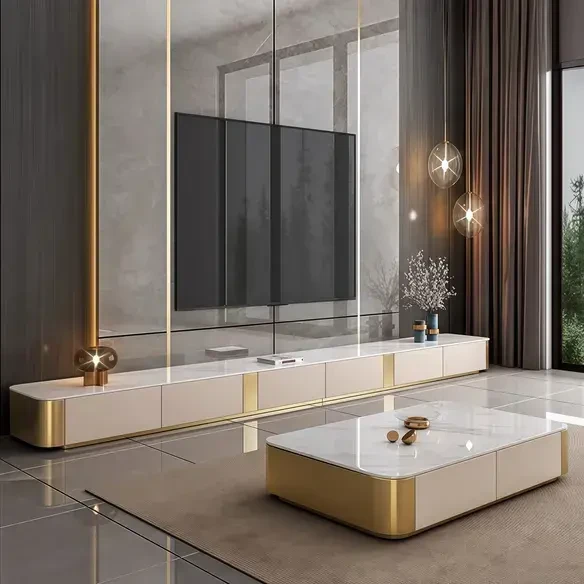
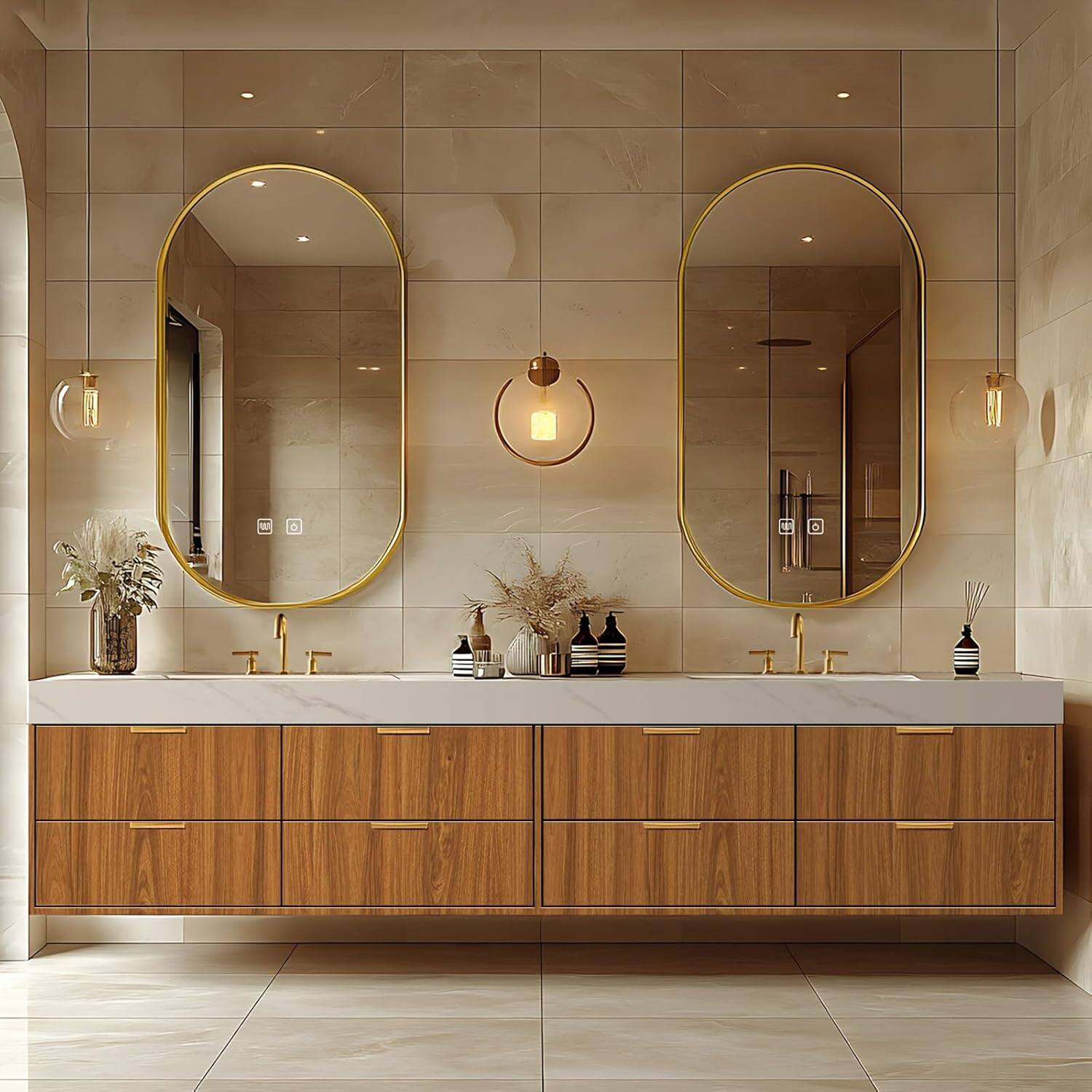
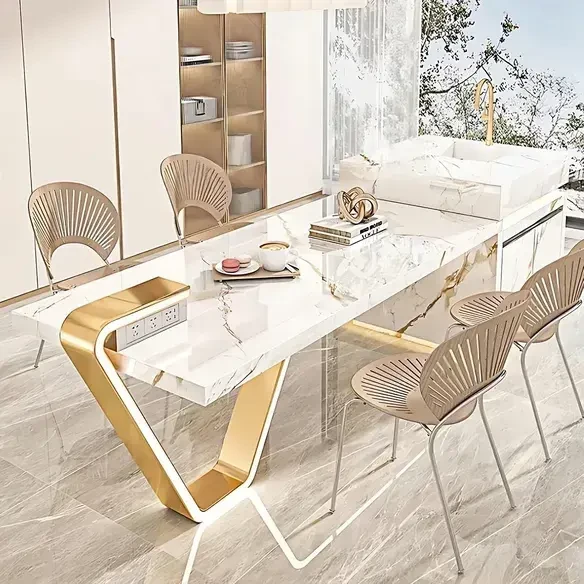
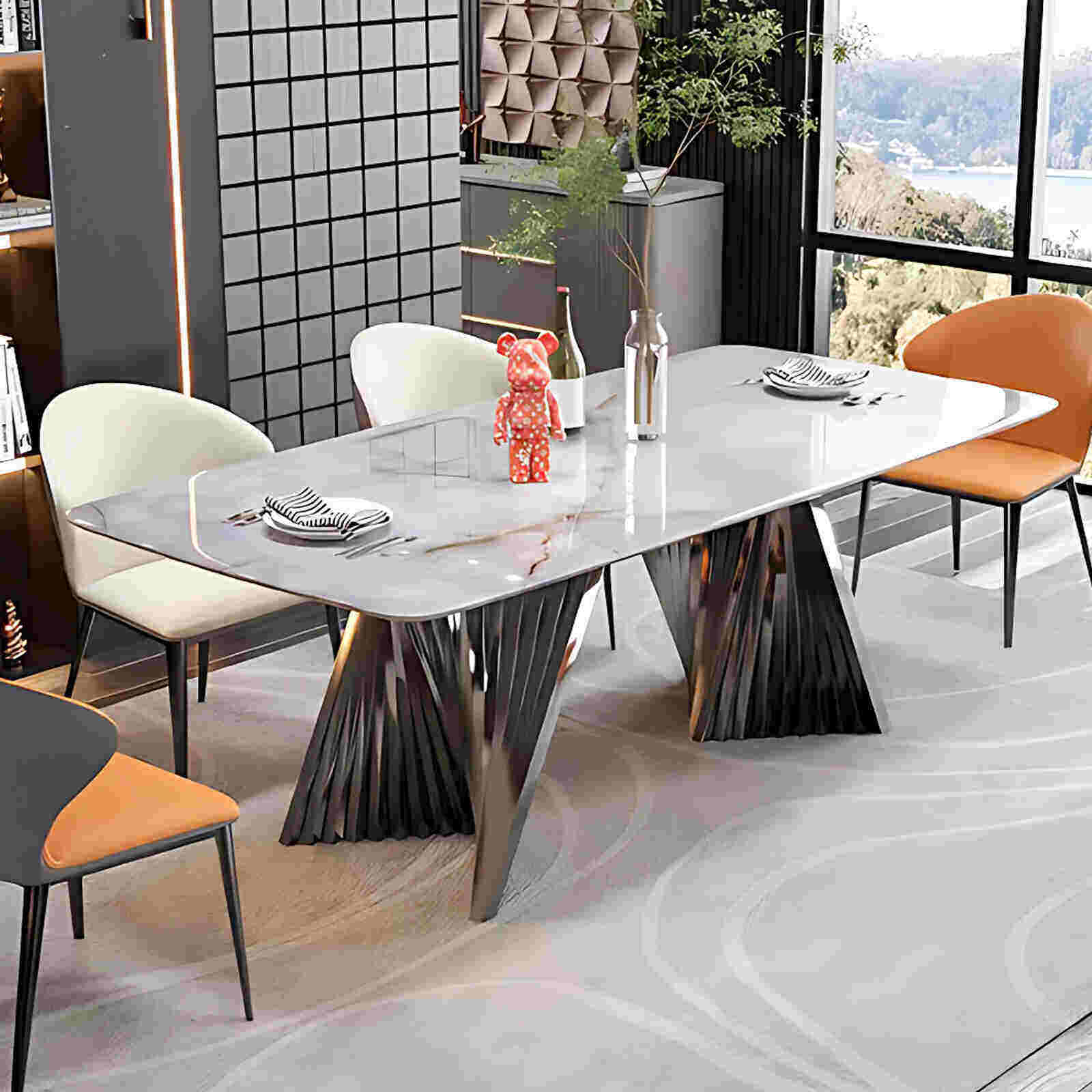
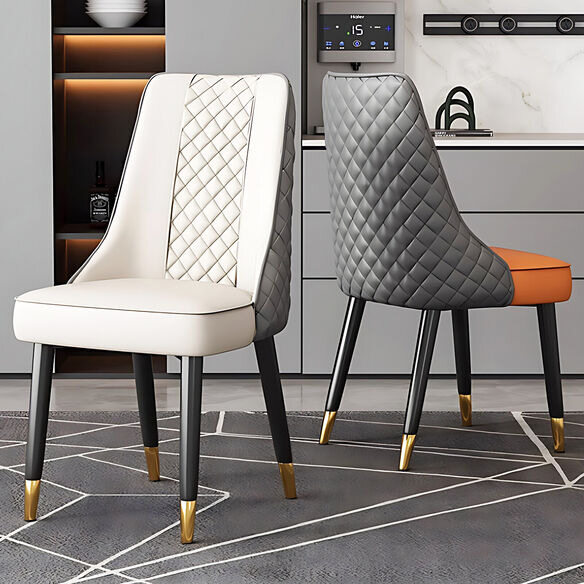
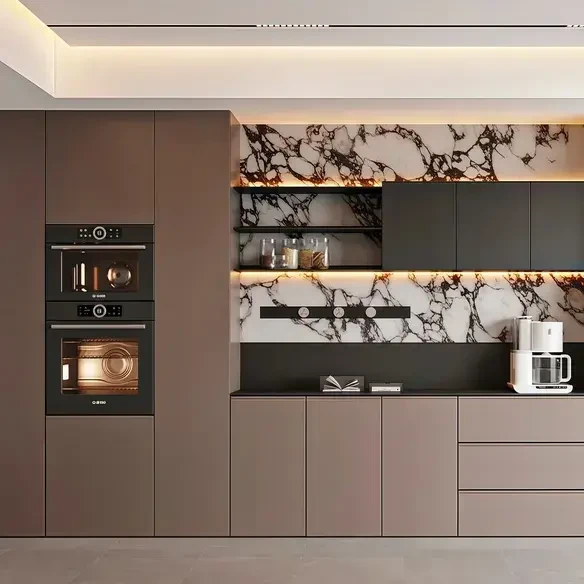
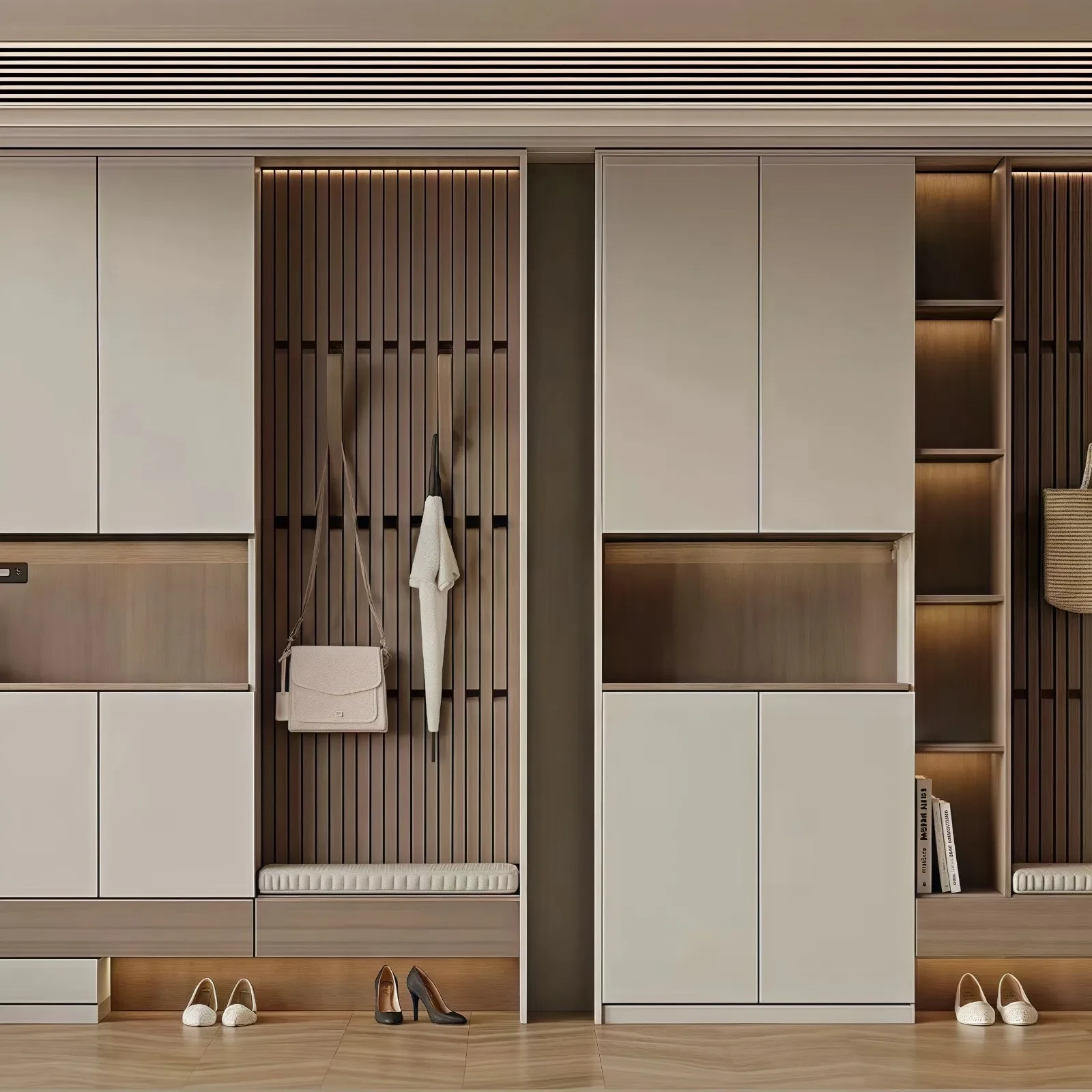
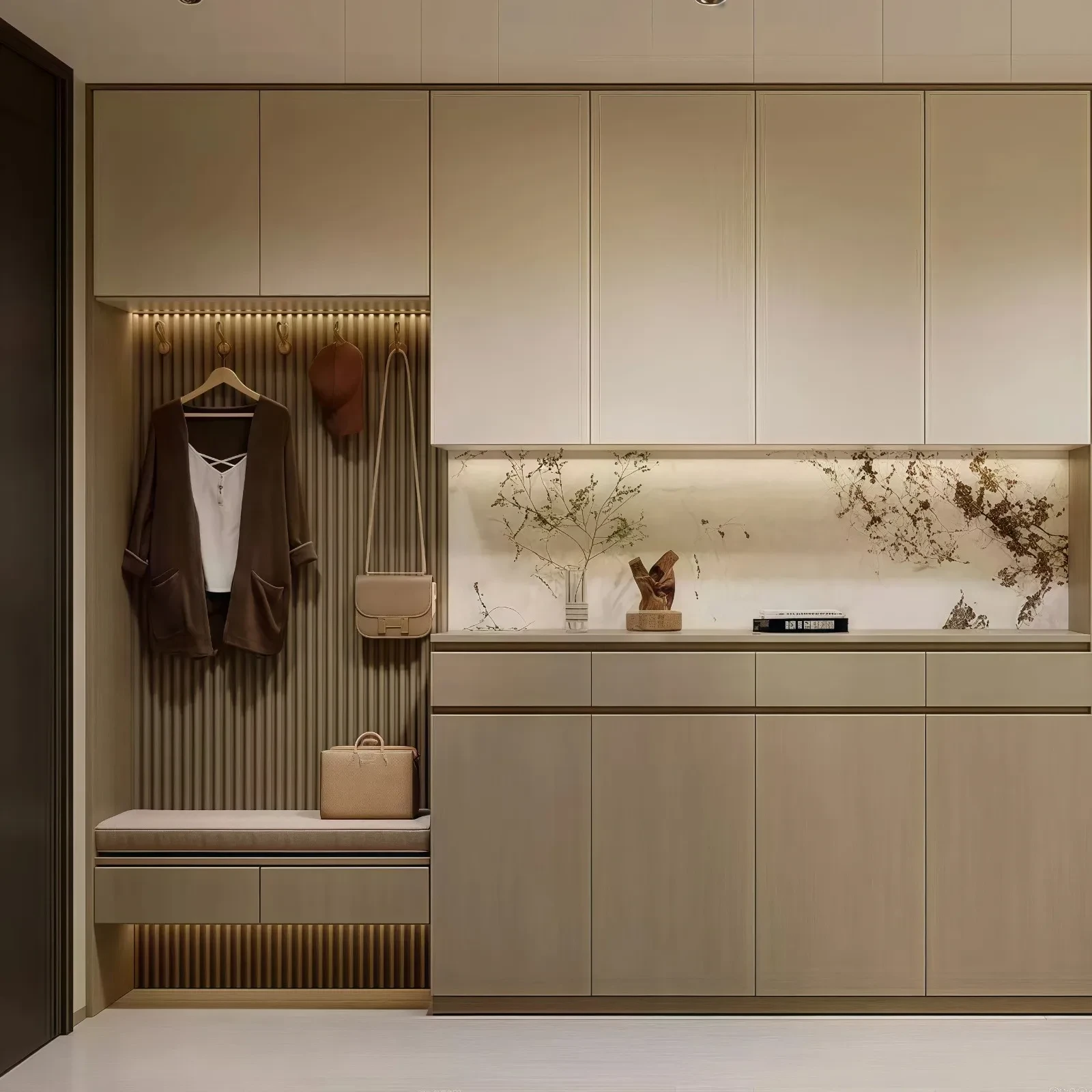
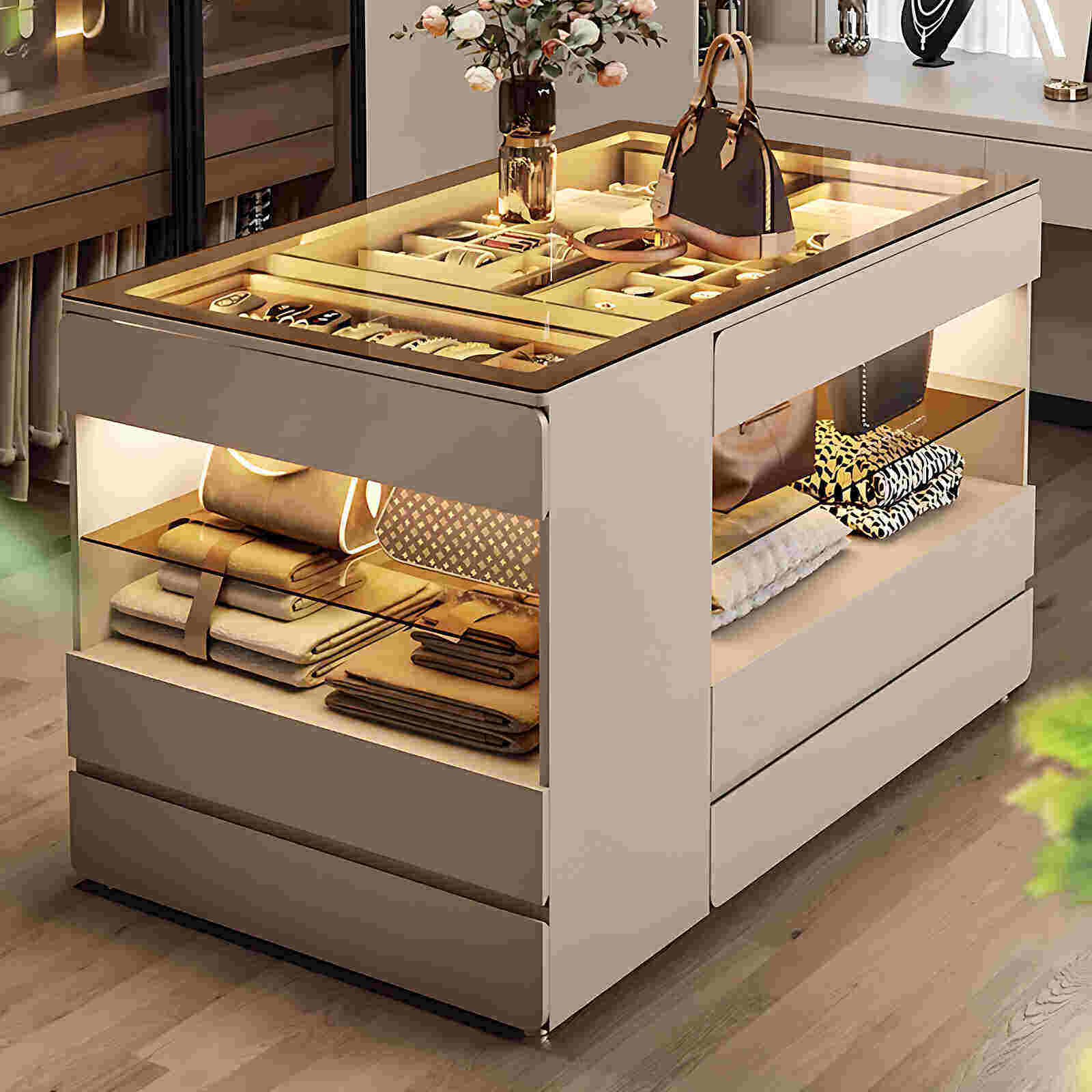
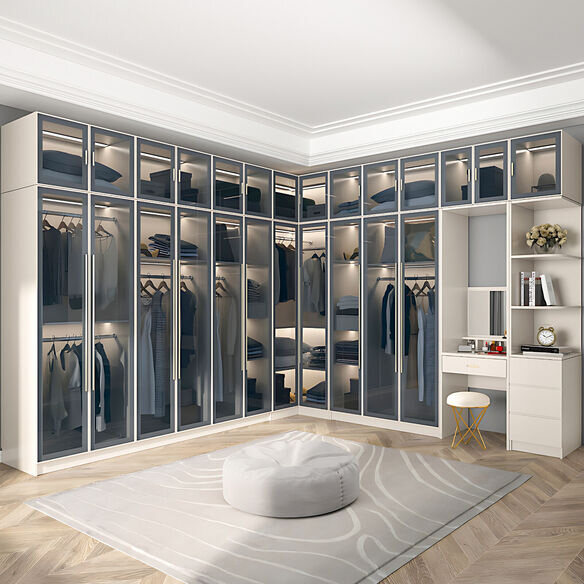
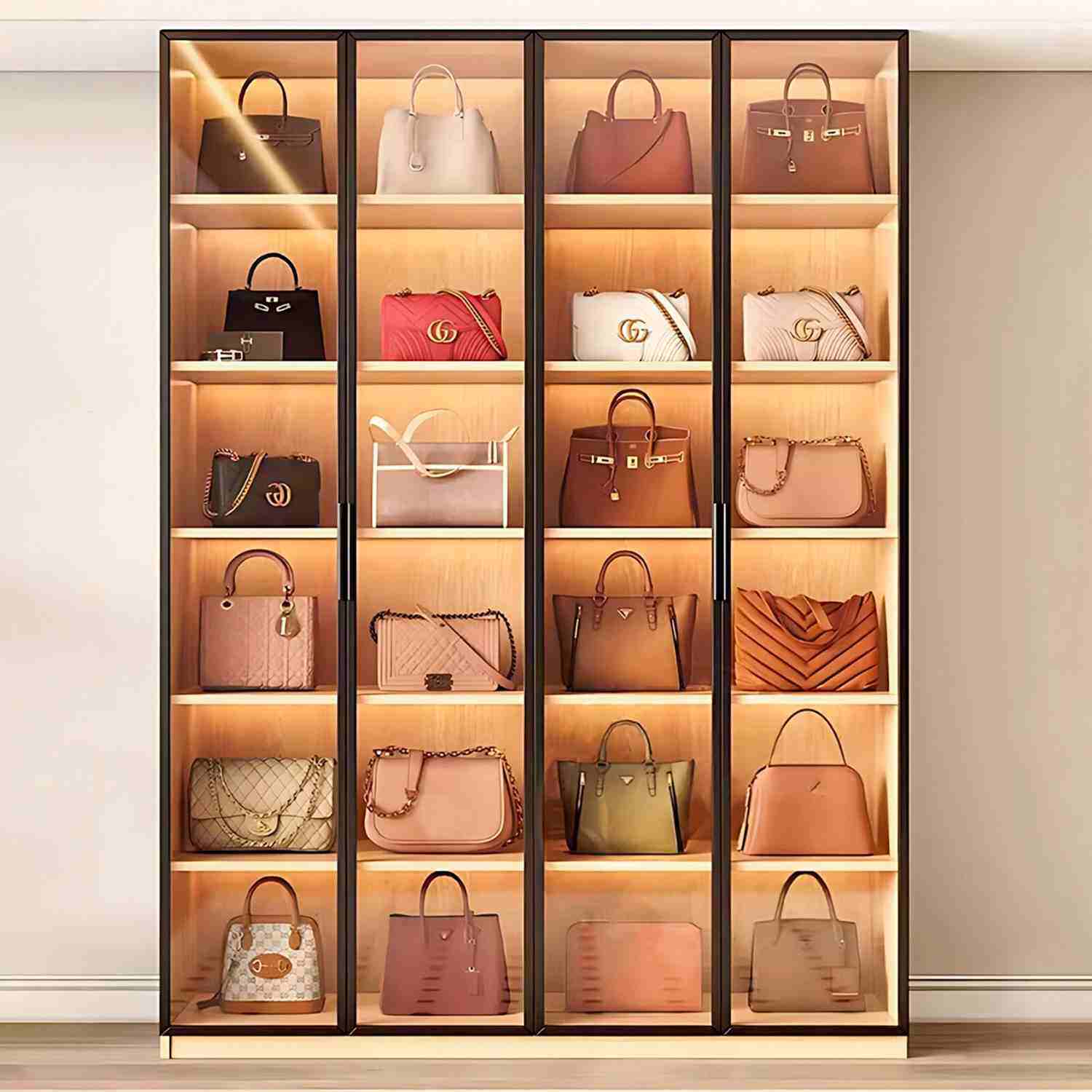
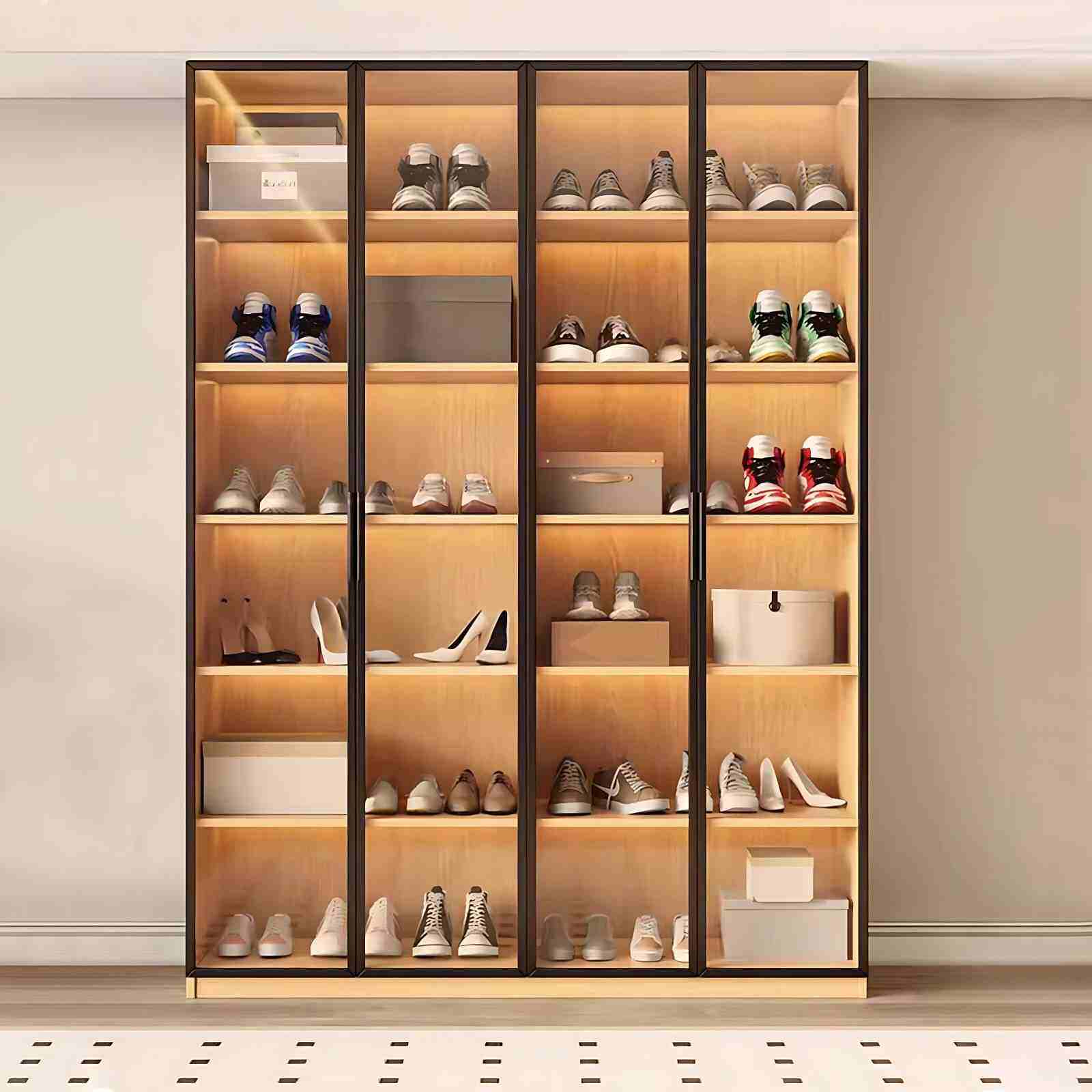
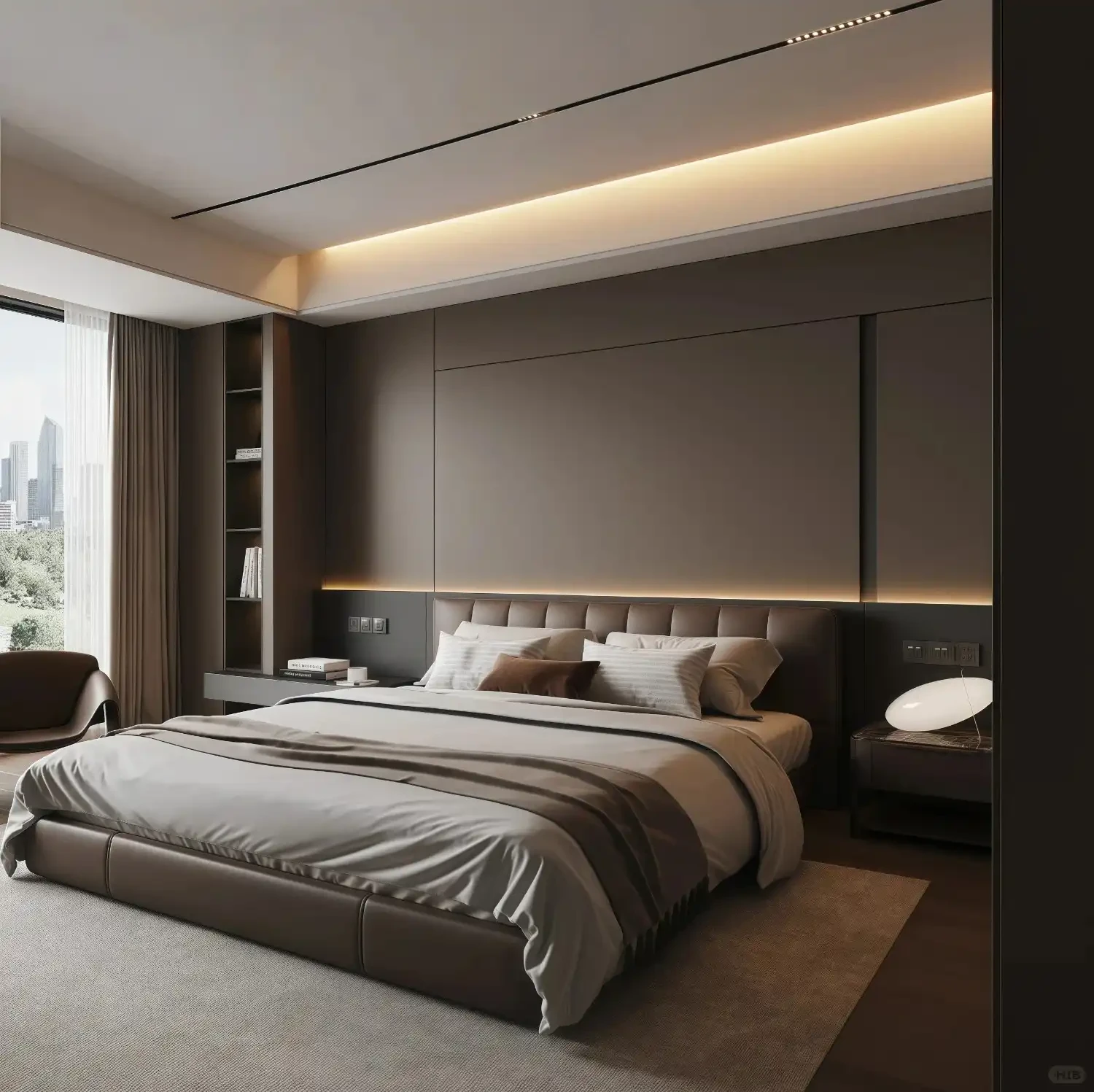
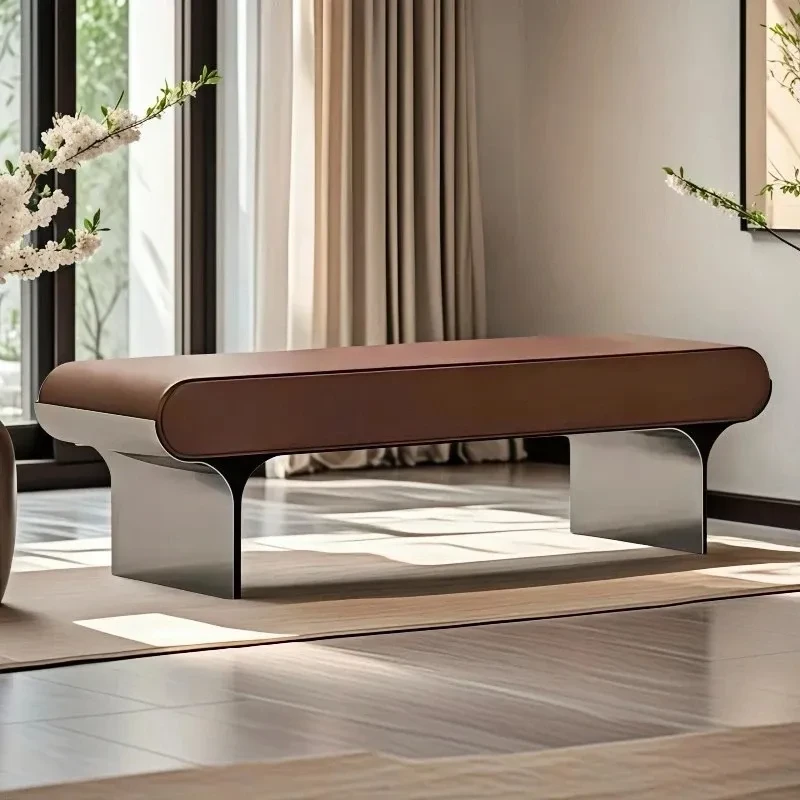
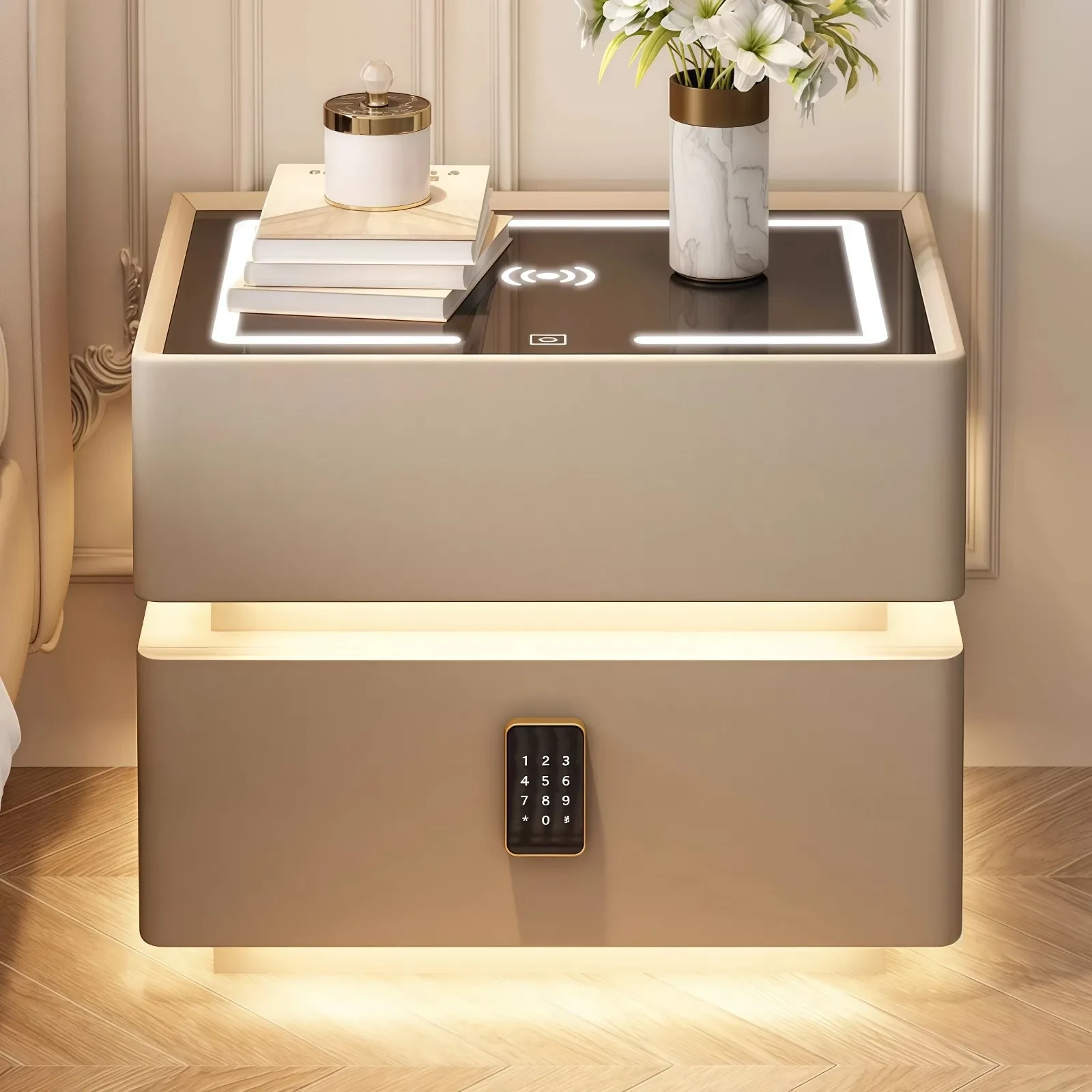
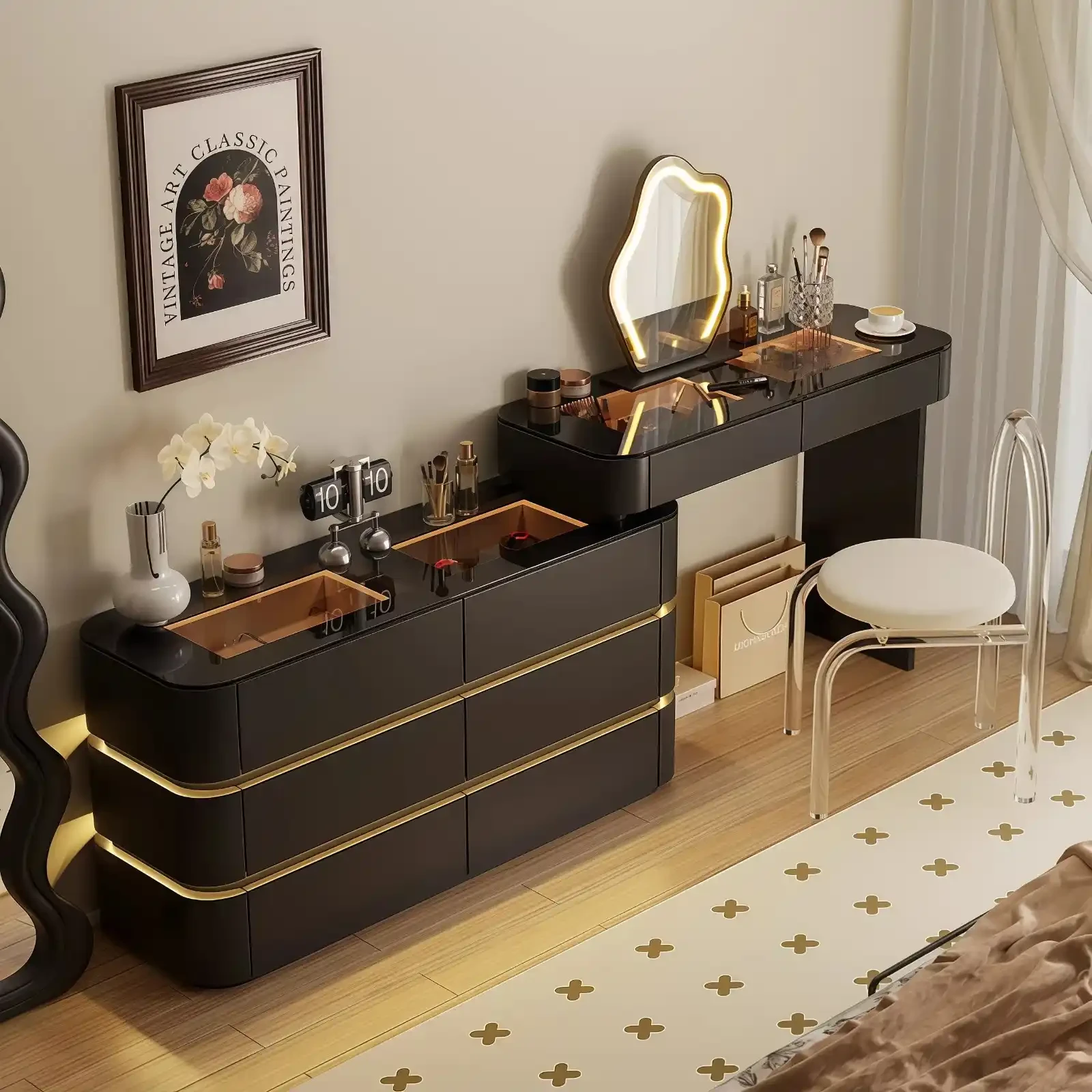
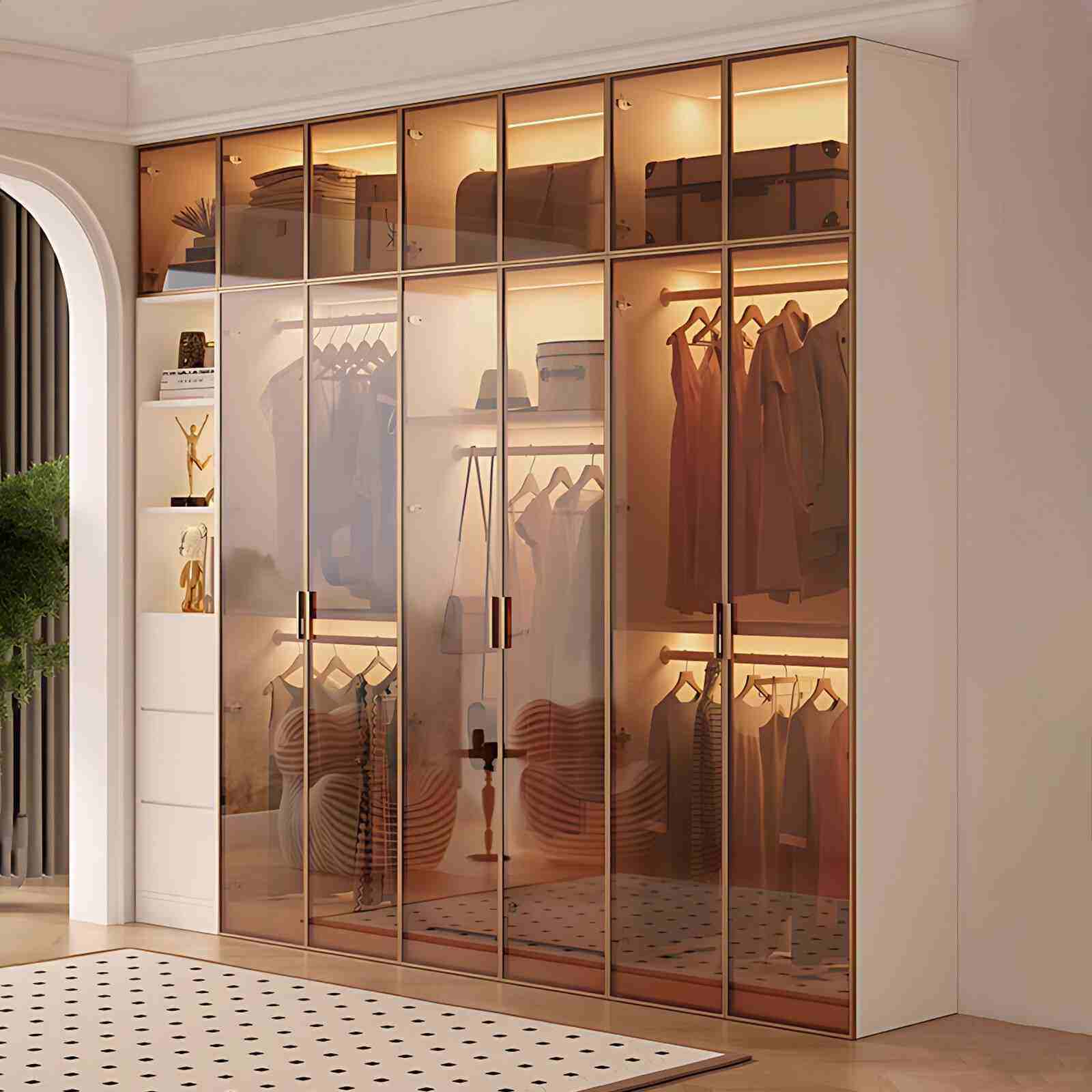
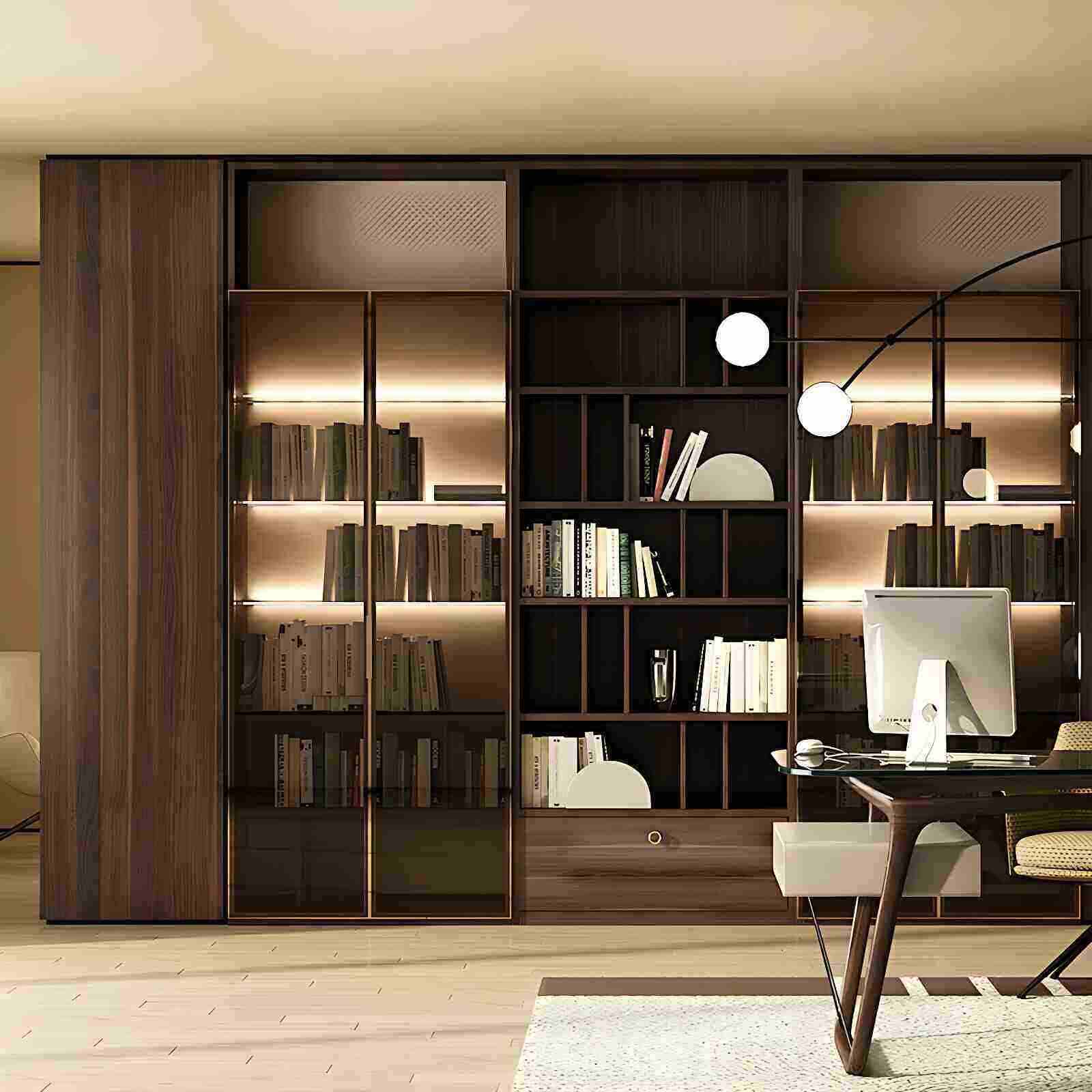
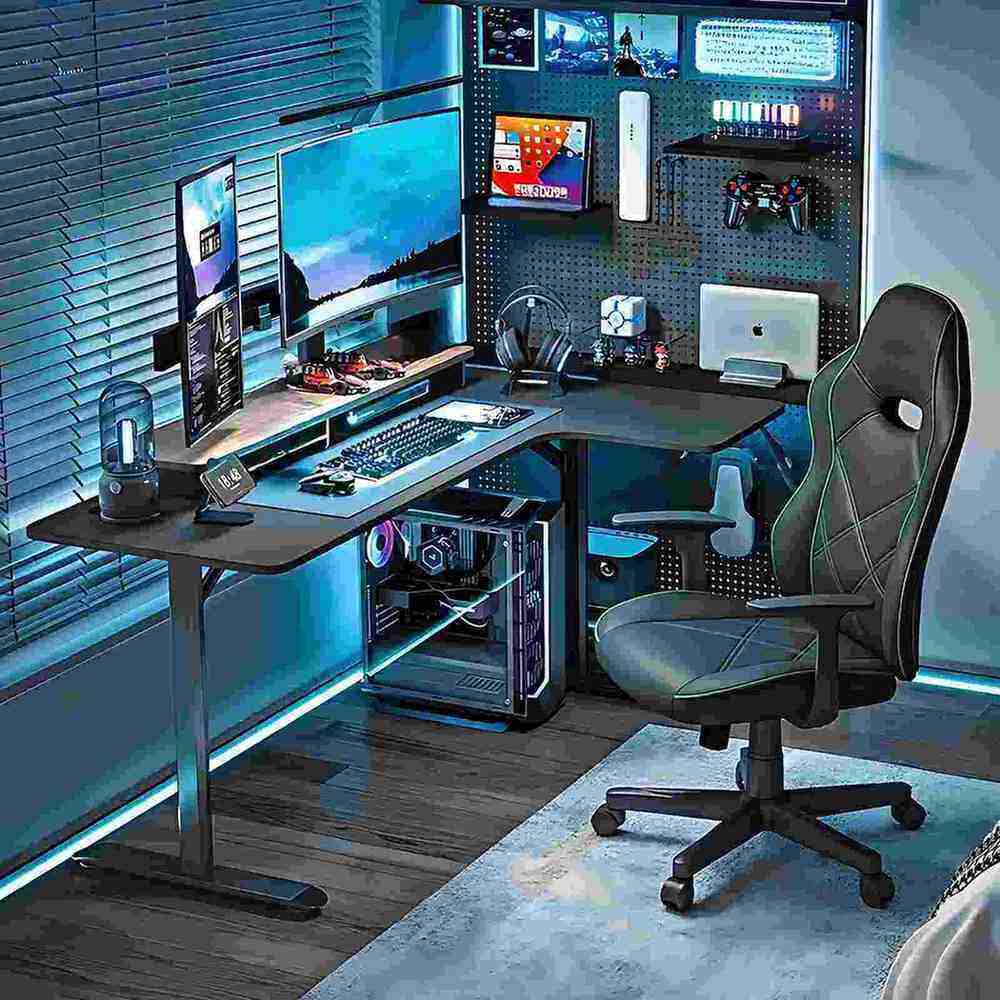
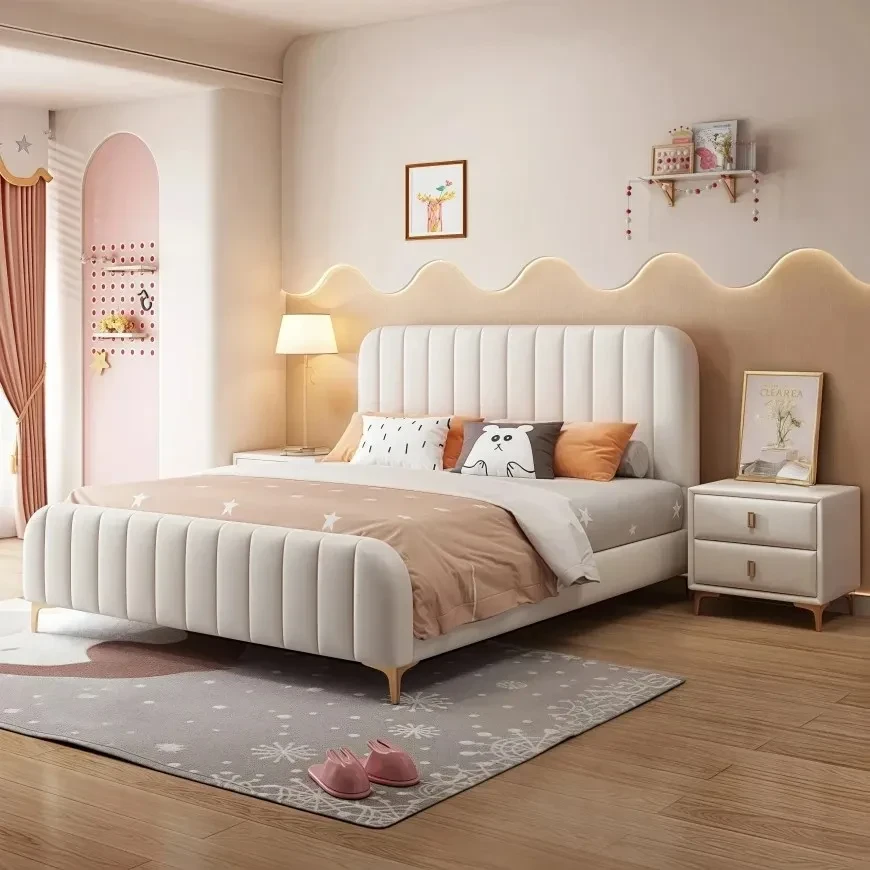
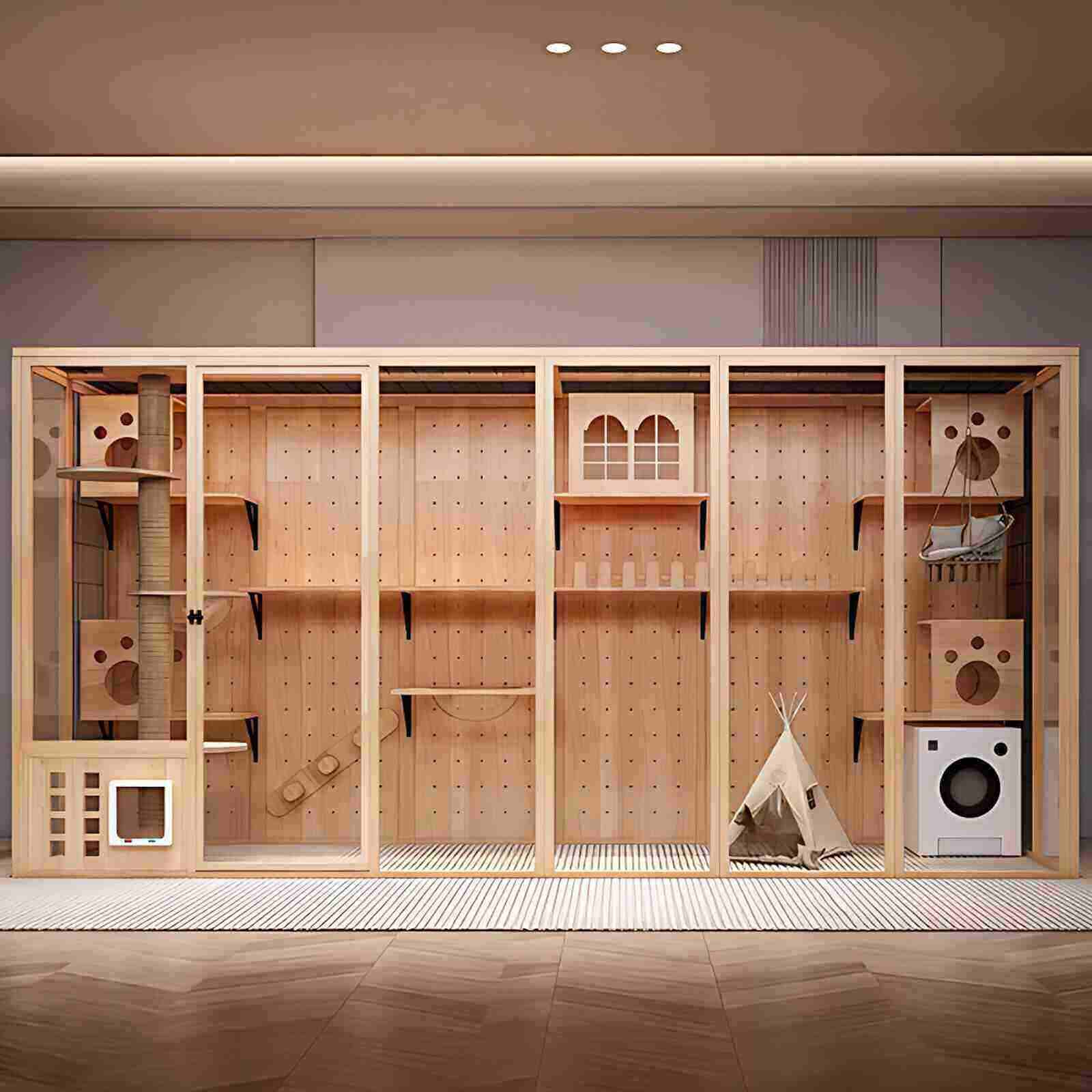
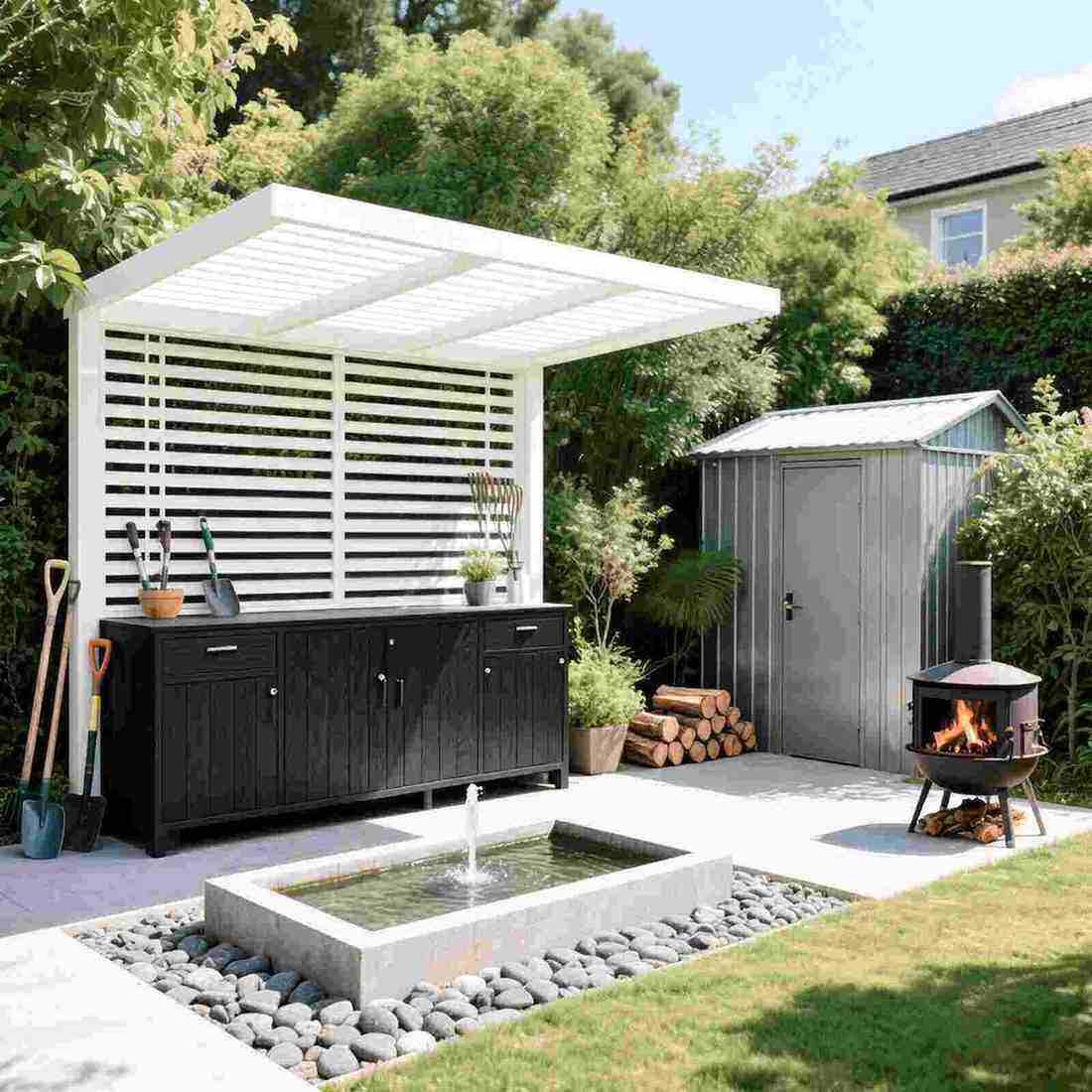
Good furniture is inseparable from good boards; boards are the basic material and play a decisive role in the finished furniture. Many people have their own ideas about their desired home decoration style and color scheme, but they get a little confused when it comes to choosing the specific type of board.
Today, Zhoubao will introduce six common types of wood-based panels to help you understand their characteristics in more detail.
1. Solid wood board
Solid wood boards are wood panels made from whole pieces of timber (logs). They are generally classified according to their actual material (timber), and there are no uniform standard specifications. Solid wood boards are distinguished from many non-solid wood boards, such as plywood and pressed board made from wood processing scraps, crop straw, rice husks, peanut shells, etc. Solid wood boards are sturdy and durable, with natural grain patterns, and often possess the unique aroma of natural wood. They have good moisture absorption and breathability, are beneficial to human health, and do not cause environmental pollution, making them a high-quality material for making high-end furniture and decorating homes.
2. Multi-layer board
Multi-layer plywood, also known as laminated board, is a sheet material made by rotary cutting logs into veneers or slicing timber into thin sheets, and then gluing them together with adhesives. It typically uses an odd number of veneer layers, with the grain direction of adjacent veneers glued perpendicular to each other. Due to its reasonable structure and fine processing, the product is characterized by its resistance to deformation and high strength.
3. Ecological board
Eco-board, also known as melamine board, is a decorative board made by soaking paper with different colors or textures in melamine resin adhesive, drying it to a certain degree of curing, laying it on particleboard, moisture-resistant board, medium-density fiberboard, plywood, blockboard or other solid wood boards, and then hot-pressing it. Therefore, it is often called melamine board.
4. Solid wood veneer OSB board
Oriented Strand Board (OSB), also known as oriented strand board, is a new type of board that originated in Europe and rapidly developed internationally in the 1970s and 80s. Its application in furniture has seen unprecedented growth, with many large furniture companies starting to use OSB in their production. Its popularity among consumers stems from its formaldehyde-free production, durability, lighter weight compared to furniture made from medium-density fiberboard (MDF), and better moisture resistance and screw-holding power.
5. MDF (Medium-density fiberboard)
Medium-density fiberboard (MDF) is a type of board made from wood fibers or other plant fibers. The fibers are prepared, coated with synthetic resin, and pressed under heat and pressure. MDF is easily finished; various paints and coatings can be applied evenly, making it a preferred substrate for painted finishes. MDF is also an aesthetically pleasing decorative board. Various wood veneers, adhesive films, decorative panels, thin metal sheets, melamine boards, and other materials can be glued to its surface. Hard MDF, after punching and drilling, can also be made into sound-absorbing panels for use in building decoration projects. It has excellent physical properties, uniform material, and does not suffer from dehydration issues.
6. Plywood
Blockboard is a type of engineered wood product made by splicing strips of logs together to form a core, and then gluing natural rotary-cut veneers onto the outside. The outermost veneer of blockboard is called the face veneer, the innermost veneer is called the middle veneer, the core layer is called the core board, and the small strips of wood that make up the core board are called core strips. The grain direction of the core strips is specified to be the longitudinal direction of the board. Blockboard is made by heat-treating high-quality natural wood boards (i.e., drying in a kiln), processing them into strips of a certain size, and then splicing them together using a splicing machine. After splicing, each side of the board is covered with a layer of high-quality middle veneer and face veneer, and then pressed together using cold and hot presses.