
 USD
USD GBP
GBP
 EUR
EUR


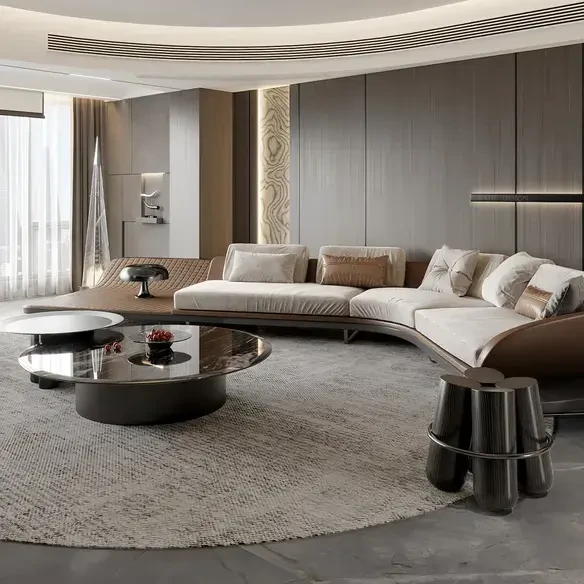
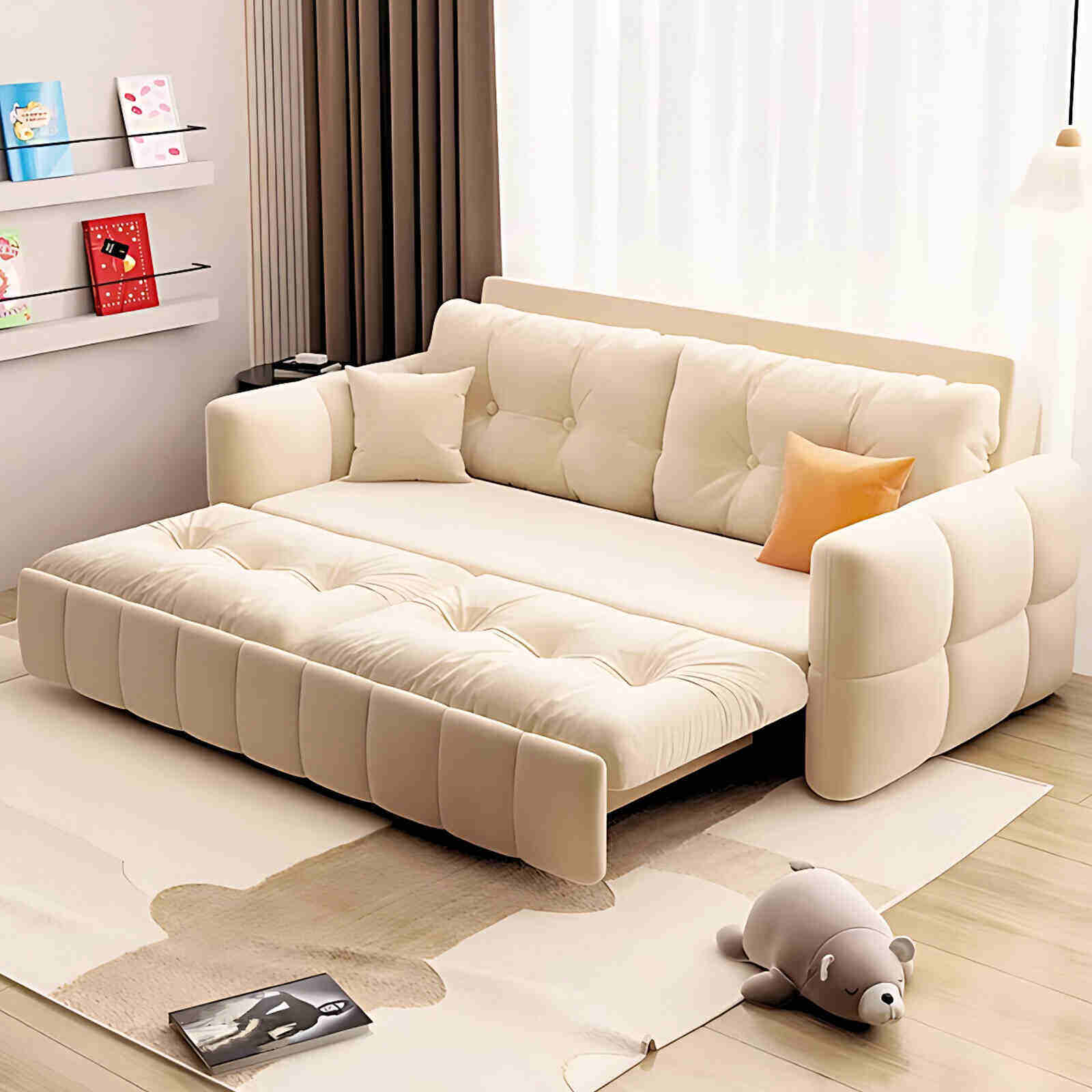
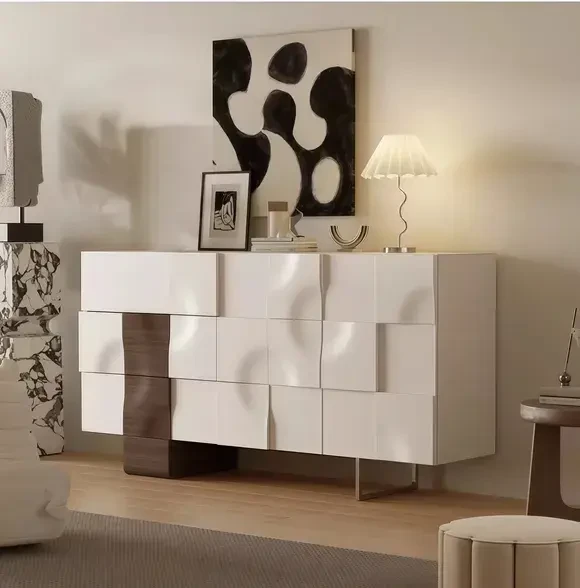

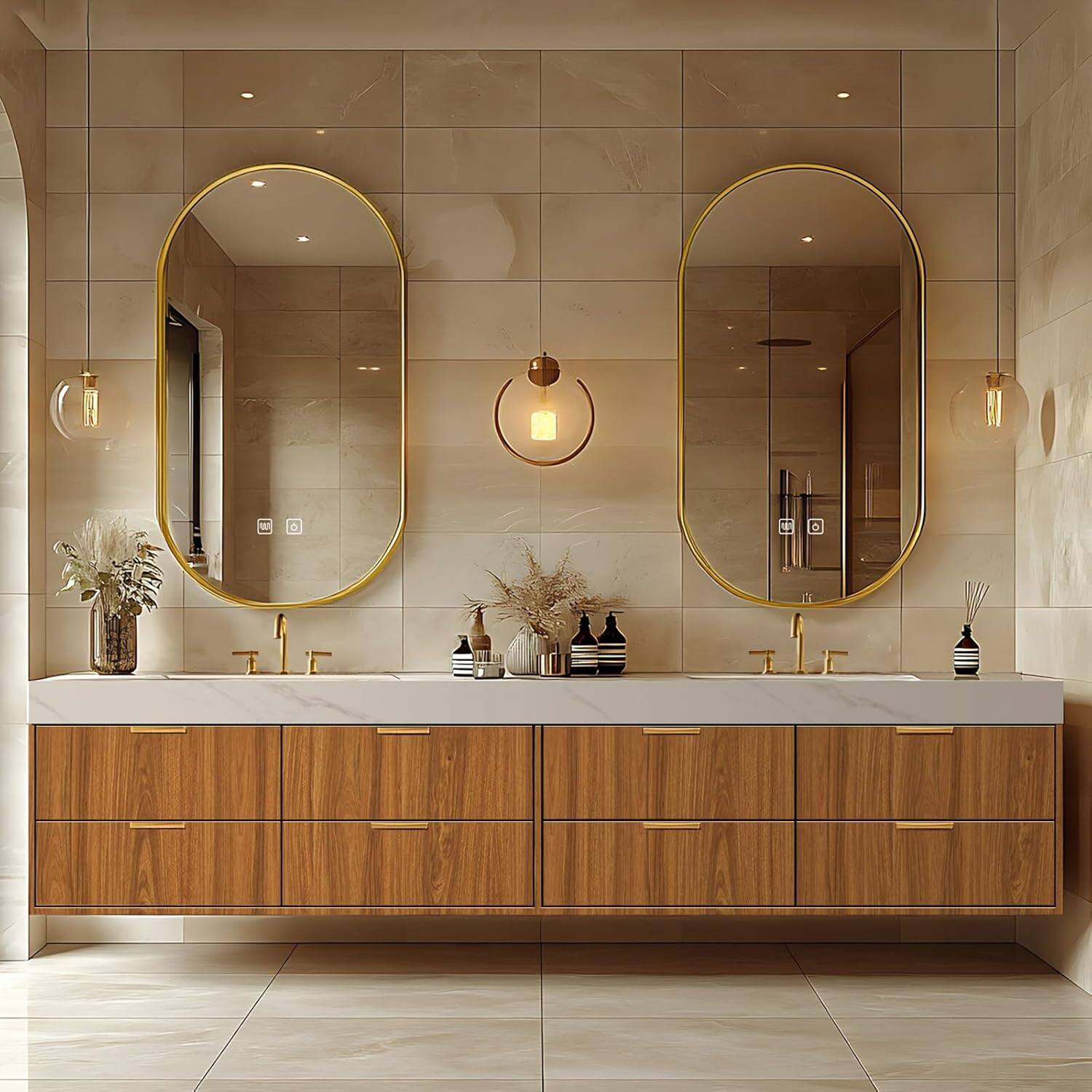







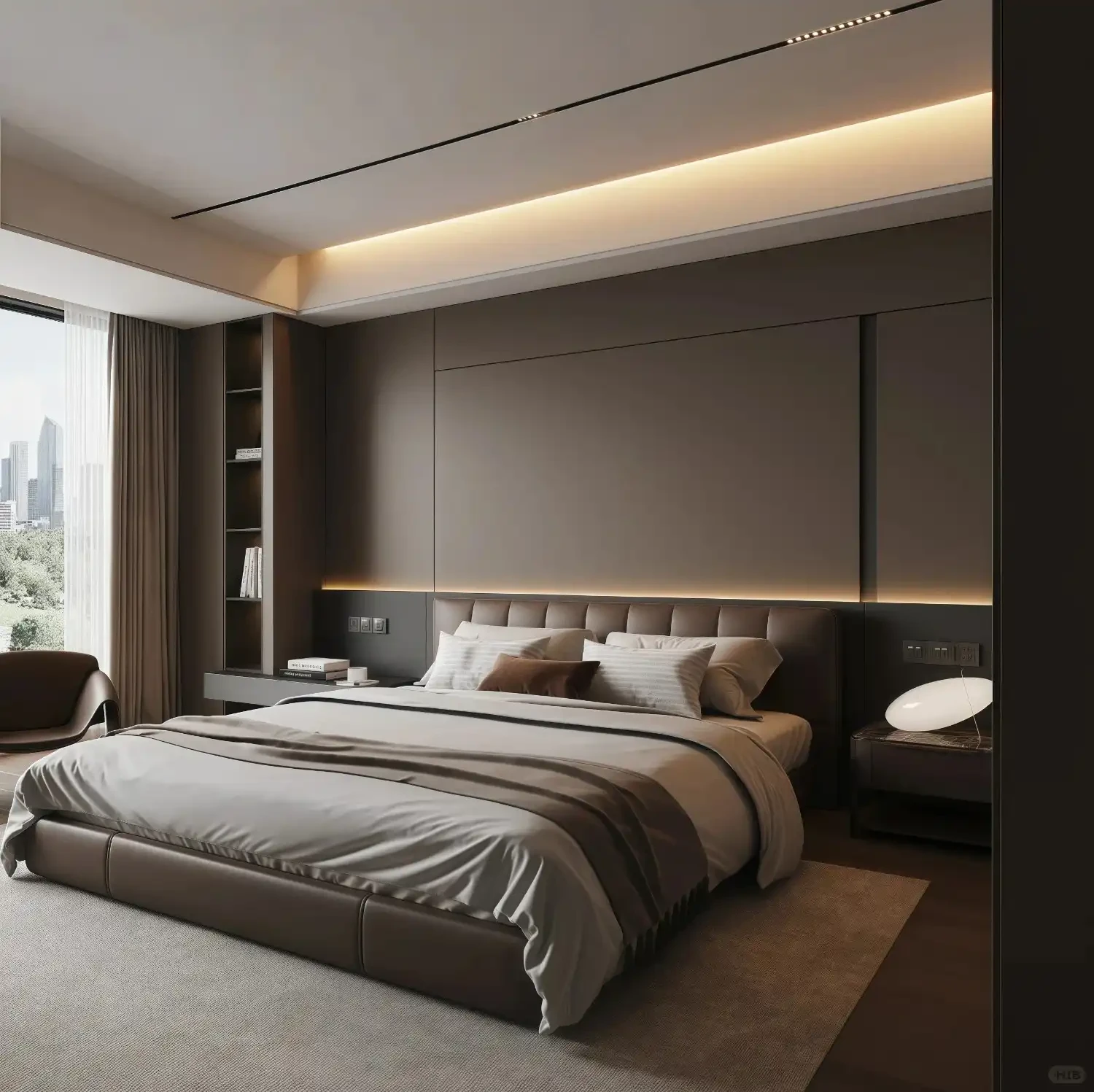


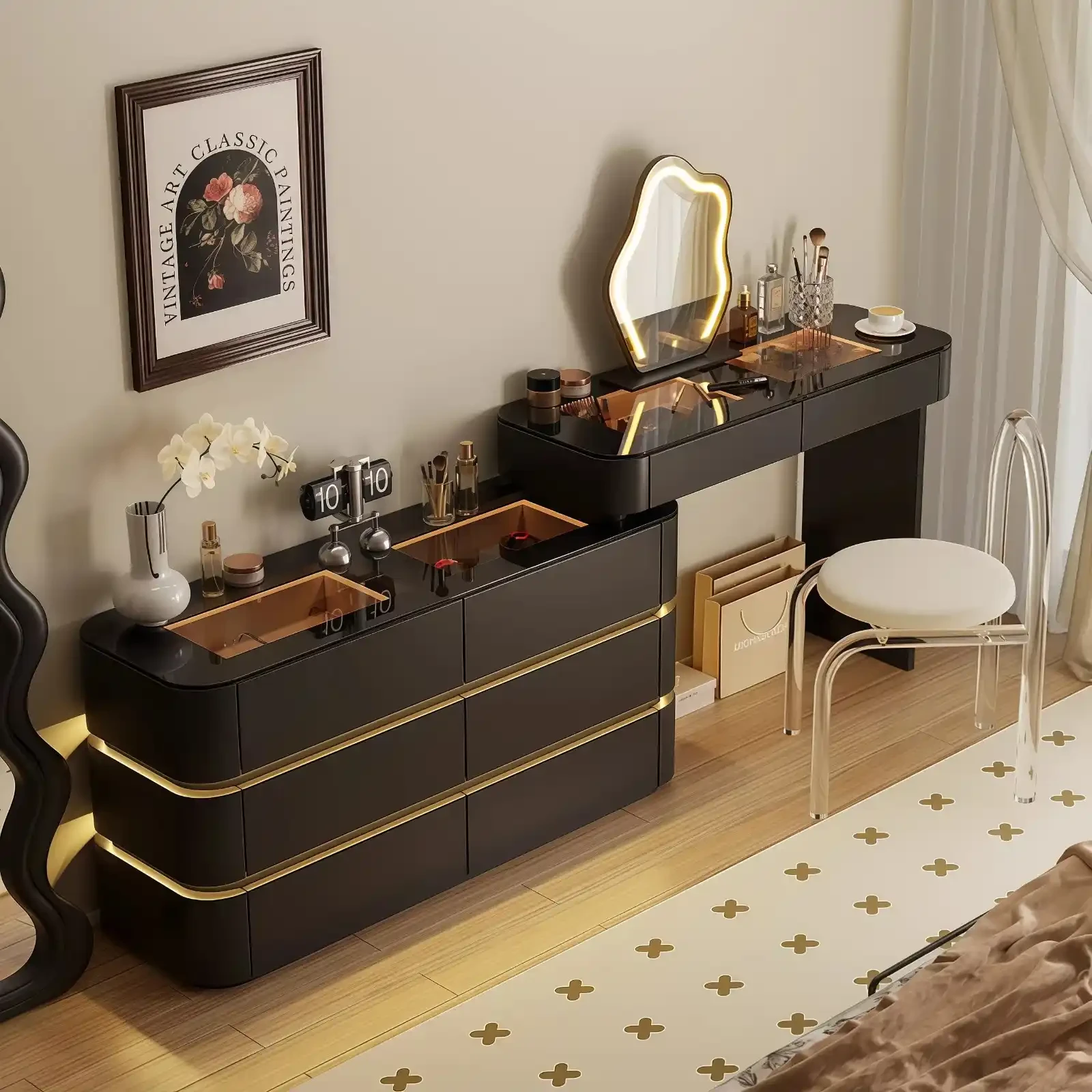
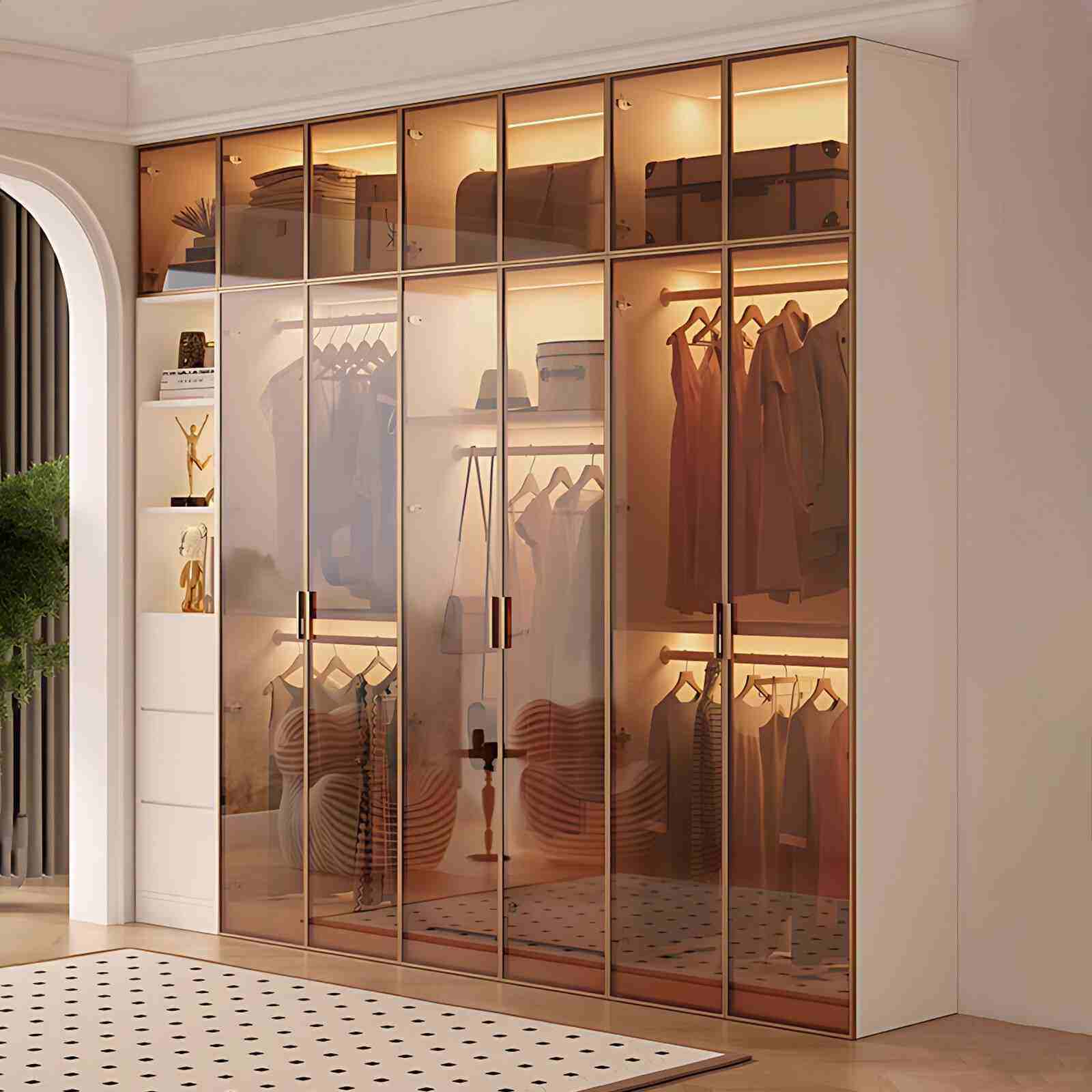
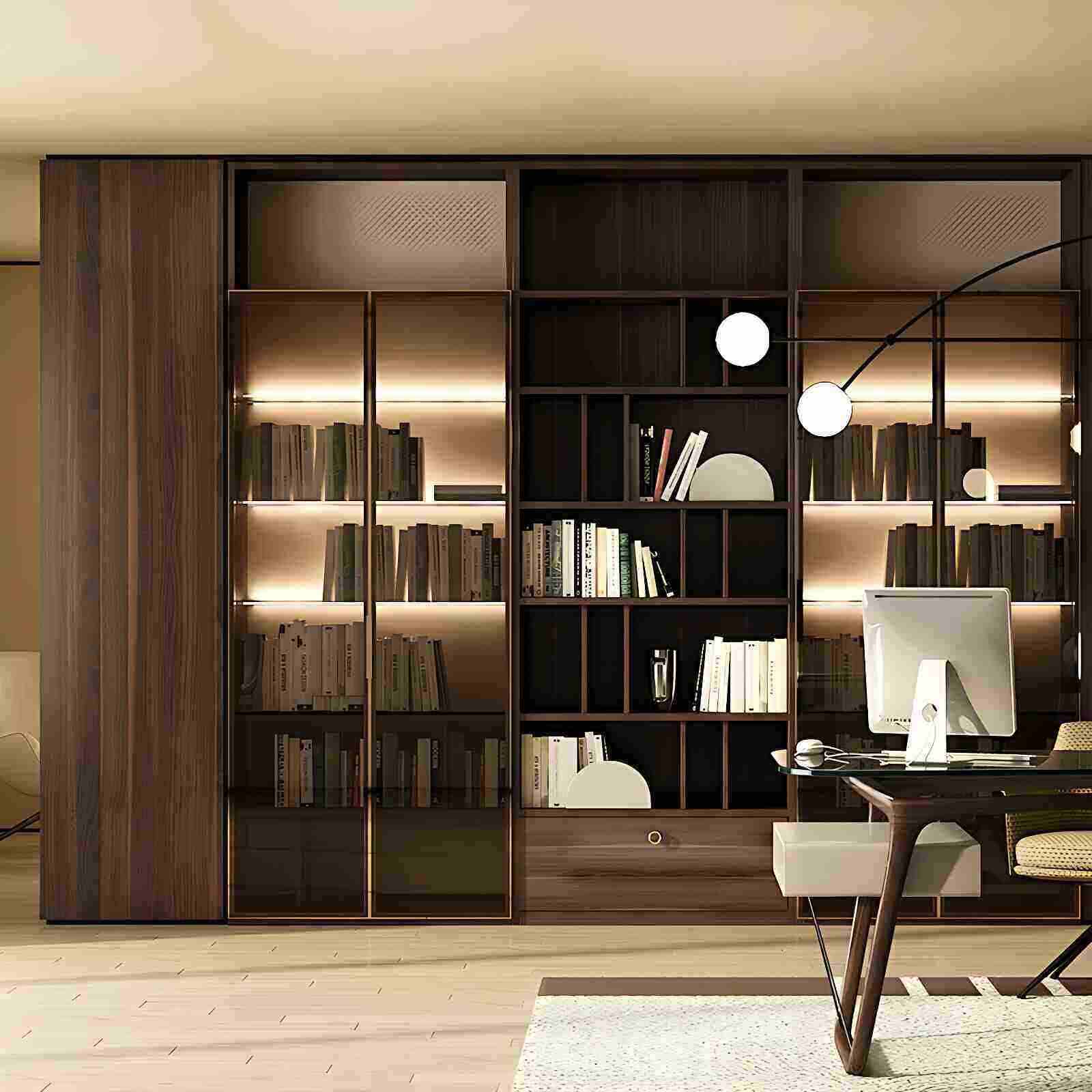


In the early 19th century, the British Romantic painter and engraver James Ward's watercolor sketch, *An Ancient Oak*, is considered the first portrait of a real tree in the Western art tradition. Even then, oak was used to make furniture and clockwork ornaments, and some pieces have survived to this day as highly sought-after "antique furniture" in the art world. James certainly couldn't have imagined that a single acorn that fell from a tree during the Renaissance would possess such vibrant life, enduring for two centuries alongside his painting.
As a common hardwood, oak has been widely favored by architects and engineers for centuries. The oak cantilevered roof of Westminster Hall in London, England, has been in use since 1393, and many ancient temples in Japan also demonstrate the durability of wood (such as Todai-ji Temple in the previous post). Coniferous woods are not to be outdone; the Urnes Stellate Church in Norway, built in the 12th century, uses warm-toned old pine wood that not only embodies early Nordic Christian culture but also makes an indelible contribution to European architecture.
The profound influence of wooden architecture on culture is not limited to Europe; it is even more pronounced in China. The Yingxian Wooden Pagoda in Shanxi Province, as the oldest existing wooden pagoda in China, is considered one of the "Three Great Towers of the World," alongside the Leaning Tower of Pisa and the Eiffel Tower. It is also the tallest existing wooden pavilion-style Buddhist pagoda. The entire pagoda used 3,000 cubic meters of red pine wood, and its overall structure is entirely made of wood, without nails or rivets. The pagoda employs 54 different types of bracket sets (dougong), earning it the title of "Museum of Ancient Chinese Architectural Dougong."
From Chinese mortise and tenon joints (link here) to North American prefabricated timber structures (Issue 3, 2018), from the walnut roof of the Starbucks Reserve Roastery in Shanghai (link here) to the Toronto Tree Tower (Issue 4, 2018), the past year's issues of *Asia Panel & Furniture* magazine have introduced numerous architectural and interior decoration applications and case studies featuring wood elements. Modern timber-framed architecture and traditional timber-framed architecture share a common cultural and humanistic spirit, just as the globally popular New Chinese and Simple European home decoration styles inherit the essence of traditional Chinese and European styles. Wood, sculpted by the times, has been endowed with distinct characteristics and meanings in different periods.