
 USD
USD GBP
GBP
 EUR
EUR









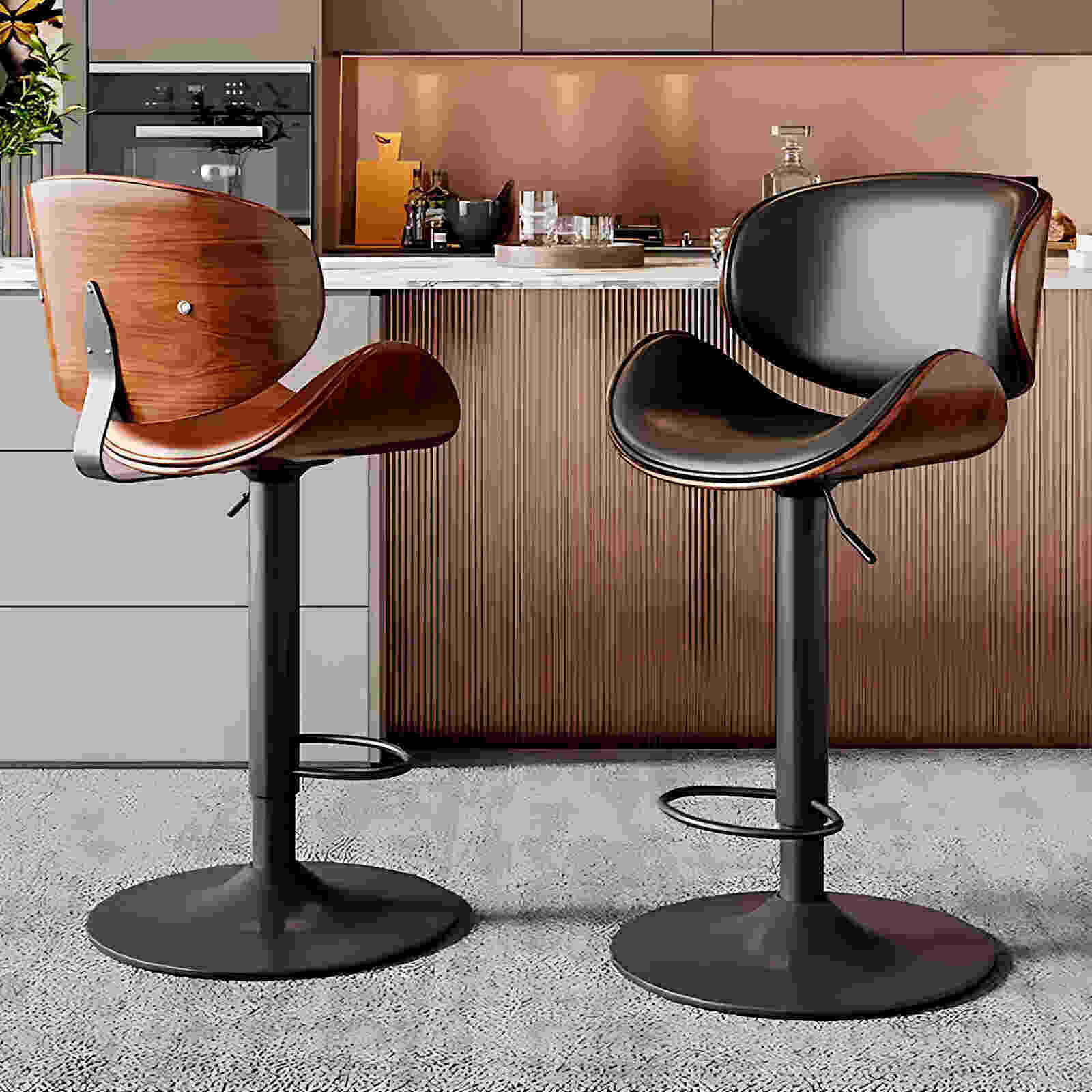


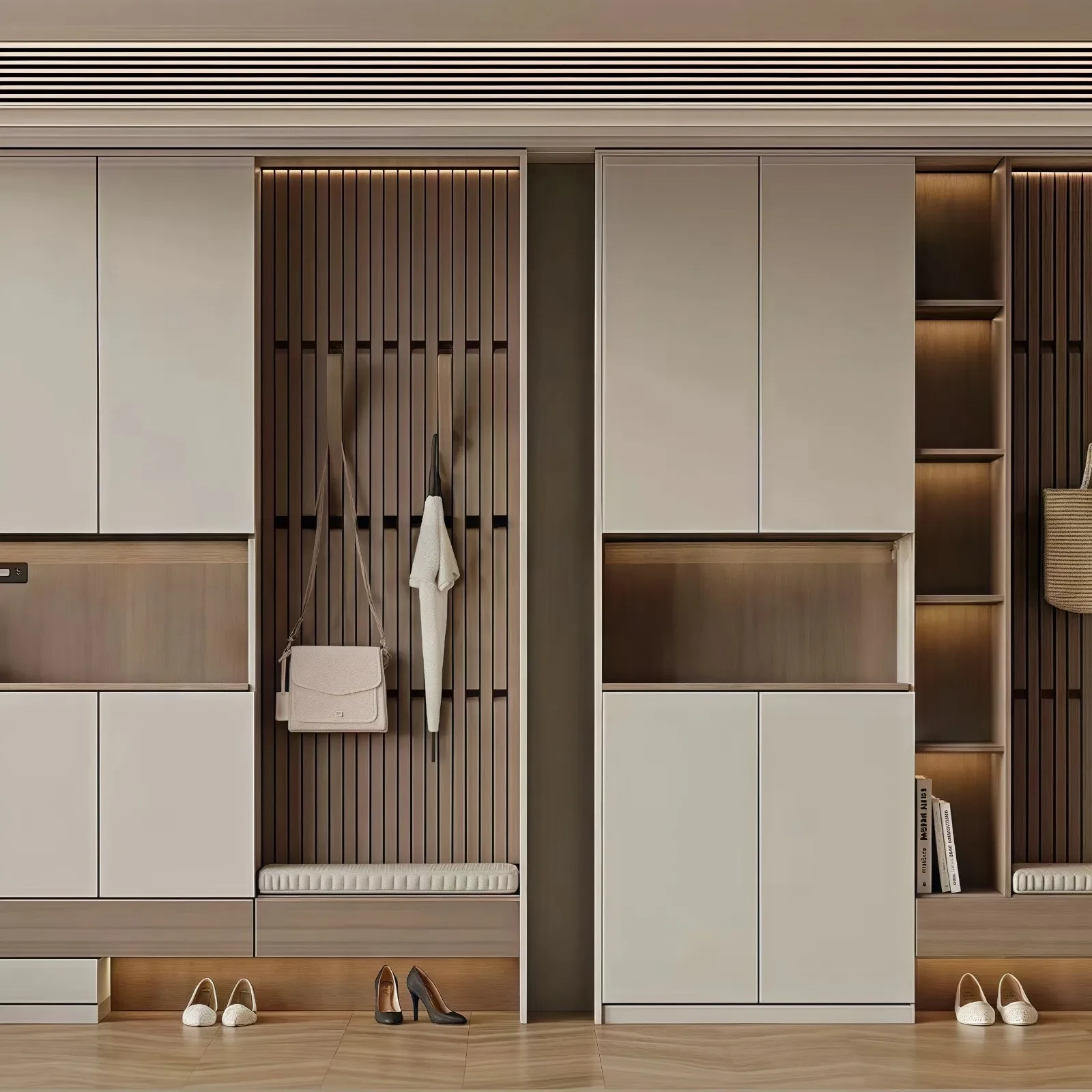
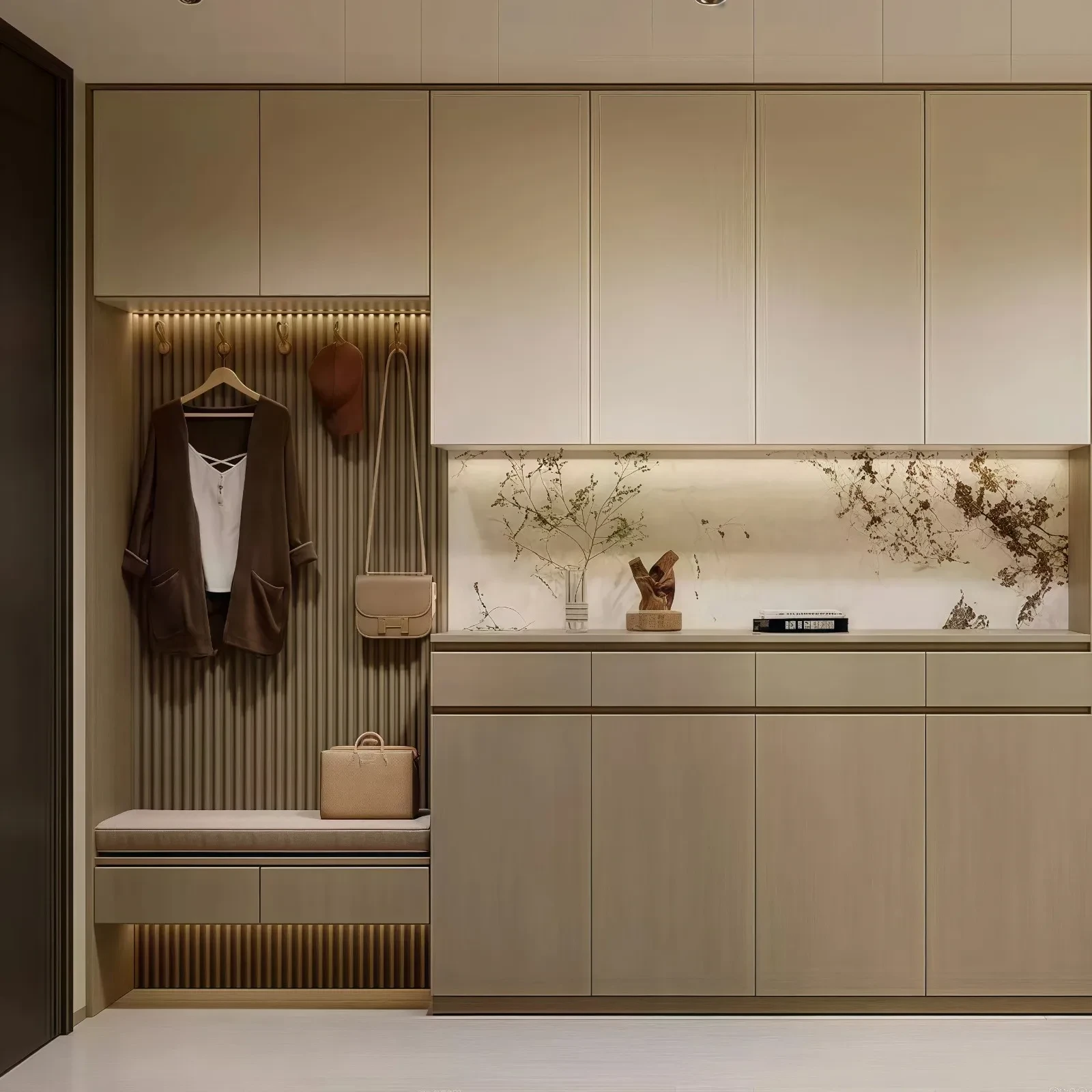








The imbalance between timber supply and demand is a prominent issue in the interior decoration and furniture industries. In 2016, the output value of China's furniture industry above designated size reached 856 billion yuan, with wooden furniture accounting for approximately 64% of the total furniture output value. The annual demand for timber in my country's wood products industry alone exceeds 100 million cubic meters. However, my country's dependence on imported timber is currently approaching 50%, exceeding the warning threshold. With increasing global emphasis on environmental protection, more precious tropical tree species will be included in the CITES Convention, leading to a decrease in imported high-quality timber. Therefore, developing new technologies for processing and utilizing softwoods, addressing the problems associated with using plantation timber in interior decoration and furniture manufacturing, and replacing high-quality precious timber resources with plantation timber resources are crucial ways to resolve the timber resource supply and demand imbalance.
Plantation timber grows rapidly, but it suffers from drawbacks such as softness, low density, high variability, poor dimensional stability, and poor surface processing properties, which greatly limit its application, especially its inability to be used directly in solid wood furniture production. Therefore, softwood modification and enhancement technologies have become an important research topic in the processing and utilization of plantation timber.
Solid wood compression densification technology can significantly improve the physical and mechanical properties of wood, and is an effective method for physical modification of wood. The traditional compression densification method is to soften low-density wood as a whole and then increase its density by compressing it with a press. That is, to compress and densify solid wood or boards as a whole, its most prominent drawback is that it will cause a lot of wood volume loss.
The solid wood layered compression described in this article is a novel physical modification technology for wood, also known as solid wood layered compression reinforcement technology under hydrothermal control. Using this new technology, the parts that need to be reinforced can be selectively compressed and strengthened, while the remaining parts can still basically maintain the inherent natural characteristics of the wood. This achieves precise control of wood compression, greatly reduces wood volume loss, and opens up new directions for the utilization of low-density wood.
I. Research and Development Progress of Solid Wood Layered Compression Reinforcement Technology
Research on layered compression reinforcement technology for solid wood began with an accidental discovery during experiments in 2010: under specific experimental conditions, compressed and densified wood exhibited a distinct high-density layer, forming in the central layer of the solid wood board. Subsequent repeated experiments and verifications confirmed the reproducibility of this phenomenon. Theoretically, if a compression layer can appear in the central layer, it should be able to appear in any layer along the thickness direction. Following this basic line of thought, the research group systematically studied the formation mechanism of layered compression, the density distribution, color changes, surface hardness, wood hardness, bending strength, modulus of elasticity, and other physical and mechanical properties of layered compressed wood, as well as dimensional changes under hygroscopic conditions and the compression deformation fixation parameters under normal pressure heat treatment and pressurized heat treatment, thus forming a complete theoretical system for layered compression reinforcement.
Building upon fundamental theoretical research, further research and development was conducted on pilot-scale experiments, large-scale production experiments, and large-scale product processing technologies. A layered compression technology system for various low-density fast-growing timbers, including coniferous and hardwood species, was established. Collaboration with enterprises resulted in the development of products such as solid wood flooring, office furniture, and home furniture. Laboratory and pilot-scale experiments were conducted at the Experimental Center of the Wood Industry Research Institute of the Chinese Academy of Forestry. Large-scale production trials with an annual output of 100,000 to 400,000 m² and the processing of layered compressed wood products were completed at six enterprises, including Jiusheng Flooring Co., Ltd. A dedicated exhibition area was also established in Jiusheng Flooring Co., Ltd.'s exhibition hall.
To date, 9 patents have been applied for, including 2 authorized invention patents and 1 authorized utility model patent. 2 invention patents have entered the substantive examination stage, 3 new invention patent applications and 1 utility model patent application have been filed. 1 achievement has been recognized by the State Forestry Administration, 1 second prize of the Liang Xi Science and Technology Award has been won, and several graduate students have been trained.
II. Technical Characteristics and Product Performance of Solid Wood Laminated Compressed Form
After more than seven years of continuous research and exploration, innovative breakthroughs have been achieved in the formation of compression layers, precise control of compression layer position, precise control of compression layer thickness, fixation of compression deformation, development of production equipment, and continuous production methods for layered compressed wood.
Solid wood layered compression reinforcement technology and its products have the following characteristics:
1. Low compression ratio and minimal volumetric loss. For low-density (density less than 0.5 g/cm3) plantation timber, traditional whole-piece compression methods for densification and reinforcement require a compression ratio of over 50% to meet the requirements for solid wood furniture, flooring, and other materials, resulting in high compression ratios and high costs. Solid wood layered compression reinforcement technology only compresses the parts requiring reinforcement, leaving the rest largely uncompressed. While meeting product performance requirements, the compression ratio can be reduced to below 20%, only 40% of that of traditional whole-piece compression technology, effectively reducing volumetric loss.
3. The processing and products are green and environmentally friendly. Laminated compression is a physical modification of wood. The process is completed under hydrothermal control, without the addition of any chemical agents. It is pollution-free and emission-free, and basically maintains the original natural properties of wood. Compared with other wood composite materials, it has the characteristics of being green and environmentally friendly.
6. Low processing cost. The production process of laminated compressed solid wood is simple. The processing cost mainly includes the wood compression loss (which can be controlled below 20%), the energy cost of heating and cooling the press, and labor costs (after forming an automated production line, only one person is needed per press plus material transport personnel). In the trial production cost of a laminated compressed wood production line with an annual output of 300,000 m2, the heat source consumption cost during the compression process is 10 yuan/m2, and the drying cost plus the pressure heat treatment cost is 15 yuan/m2. Compared with the relatively inexpensive solid wood boards such as merbau, birch, and oak currently popular in the market, laminated compressed solid wood reinforced boards have a significant price advantage (Table 1).
Table 1. Cost Comparison Between Layered Compressed Reinforced Timber and Commonly Used Solid Wood Flooring Materials
7. Wide range of applications. Laminated compressed reinforced wood exhibits high dimensional stability and surface hardness, requiring no special painting processes, and its performance is almost equivalent to high-quality hardwood. It can be directly used in the processing and production of solid wood flooring, antique flooring, and underfloor heating flooring; after sanding, it possesses a texture similar to precious hardwood and can be used to create exquisite, high-quality solid wood furniture; after being processed into horizontal planks, it can replace fiberboard and particleboard, requiring no veneer and can be directly used in the processing of panel furniture; after shaping, it can be directly used to process the cabinet bodies and doors of pure solid wood cabinets.
III. Social, Economic and Environmental Significance
In his report to the 19th National Congress of the Communist Party of China, General Secretary Xi Jinping proposed establishing and improving a green, low-carbon, and circular economic system, constructing a market-oriented green technology innovation system, and forming a spatial pattern, industrial structure, production mode, and lifestyle that conserves resources and protects the environment. The research and development approach of solid wood layered compression technology is highly consistent with the green and environmentally friendly concepts proposed at the 19th National Congress of the Communist Party of China. Specifically, it is reflected in the application of high-quality physical modification technologies for plantation timber to achieve coordinated development of resource conservation and environmental protection, as well as the environmental friendliness of the modified technologies and products and the needs of industrial upgrading.
Plantation timber is renewable and multifunctional, supporting a vast potential ecological industry and a circular forestry industry. According to the results of the Eighth National Forest Resources Inventory, my country has nearly 69.33 million hectares of plantation forests, ranking first in the world. Fully utilizing my country's abundant plantation timber resources, through technological innovation, can improve the quality of plantation timber and reduce timber processing costs to meet the growing market demand for solid wood furniture and other wood products. This will also help promote the development and transformation of my country's wood products processing industry.
Solid wood layered compression reinforcement technology is applicable to all low-density timber. After modification, it improves the material's performance, giving timber that was previously low in density, soft, and lacking in dimensional stability excellent processing and usability, allowing it to be directly used in wood product manufacturing. It can provide a technology platform for using low-quality plantation timber in solid wood furniture manufacturing, increasing the added value of plantation timber by more than 50%. This can effectively alleviate the shortage of high-quality hardwood in my country, reducing imports and dependence on them. Upon completion, the project will establish a complete intellectual property system encompassing technology, patents, and standards, which will enhance the market competitiveness of my country's furniture industry and promote industrial upgrading and product innovation for furniture companies.
During the project implementation, we will collaborate with leading enterprises in the industry to conduct productive demonstrations, promotions, and outreach, so that the research results can be effectively applied as soon as possible, providing technical support for the transformation and upgrading of the furniture industry.
The widespread application of this technology has broad social, economic, and environmental significance.
1. It helps address the shortage of timber resources. The latest appendices to the Convention on International Trade in Endangered Species of Wild Fauna and Flora (CITES), which came into effect on January 2, 2017, increased the number of endangered wild tree species prohibited from import and export to over 260. These include many dense and valuable hardwood species closely related to the wood products industry, leading to a further shortage of timber for solid wood flooring and furniture. Furthermore, the comprehensive ban on logging in domestic natural forests has further reduced the amount of domestically produced timber suitable for flooring and furniture. Utilizing my country's abundant plantation timber resources and employing solid wood layered compression reinforcement technology for physical modification to meet the performance requirements for manufacturing high-quality solid wood furniture, flooring, and other wood products is an effective way to solve the resource shortage problem for solid wood flooring and furniture.
2. It helps meet the market demand for wood products. With economic and social development and the continuous improvement of people's living standards, the market demand for solid wood products is increasingly strong, and the requirements for the environmental performance of materials are becoming increasingly stringent. Solid wood layered compression reinforcement technology uses physical modification methods, without any chemical additives during the process, completely solving the formaldehyde release problem of traditional wood composite materials. Layered compressed wood has high dimensional stability, effectively overcoming the deformation problem of solid wood underfloor heating flooring, and playing a positive role in promoting the development of the underfloor heating flooring industry.
3. It is conducive to promoting the cultivation of plantations and increasing the income of forest farmers. The direct use of low-density timber for furniture and flooring provides a new way to utilize fast-growing timber, which will drive the market demand for large-diameter plantation timber, thereby promoting the cultivation of plantation timber forests, increasing the income of forest farmers, and playing a positive role in targeted poverty alleviation and the comprehensive building of a moderately prosperous society.
About the author: Huang Rongfeng is a researcher at the Wood Industry Research Institute of the Chinese Academy of Forestry.