
 USD
USD GBP
GBP
 EUR
EUR



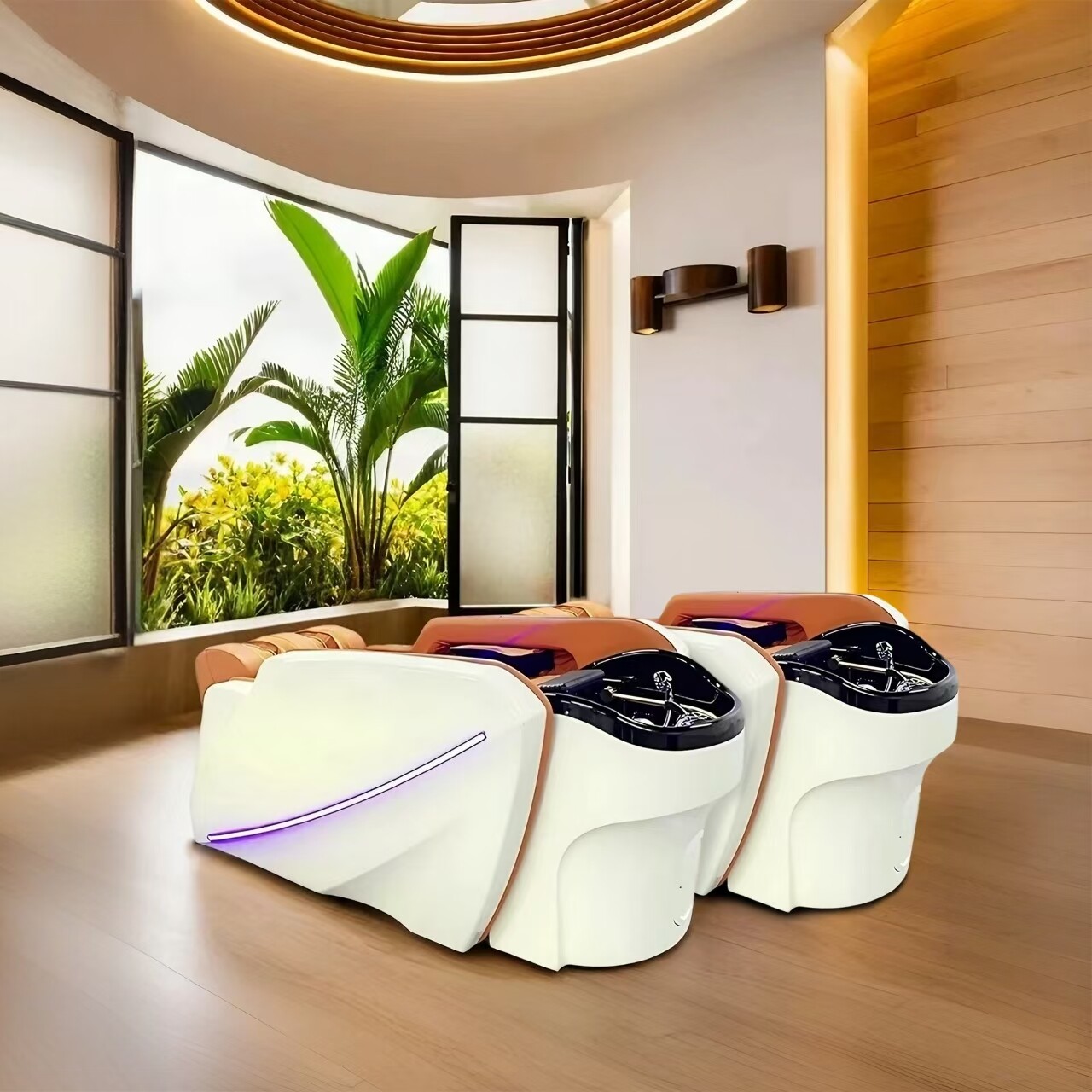
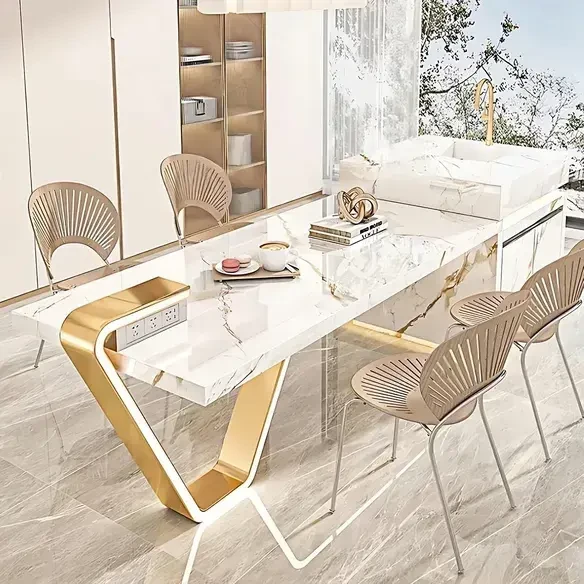
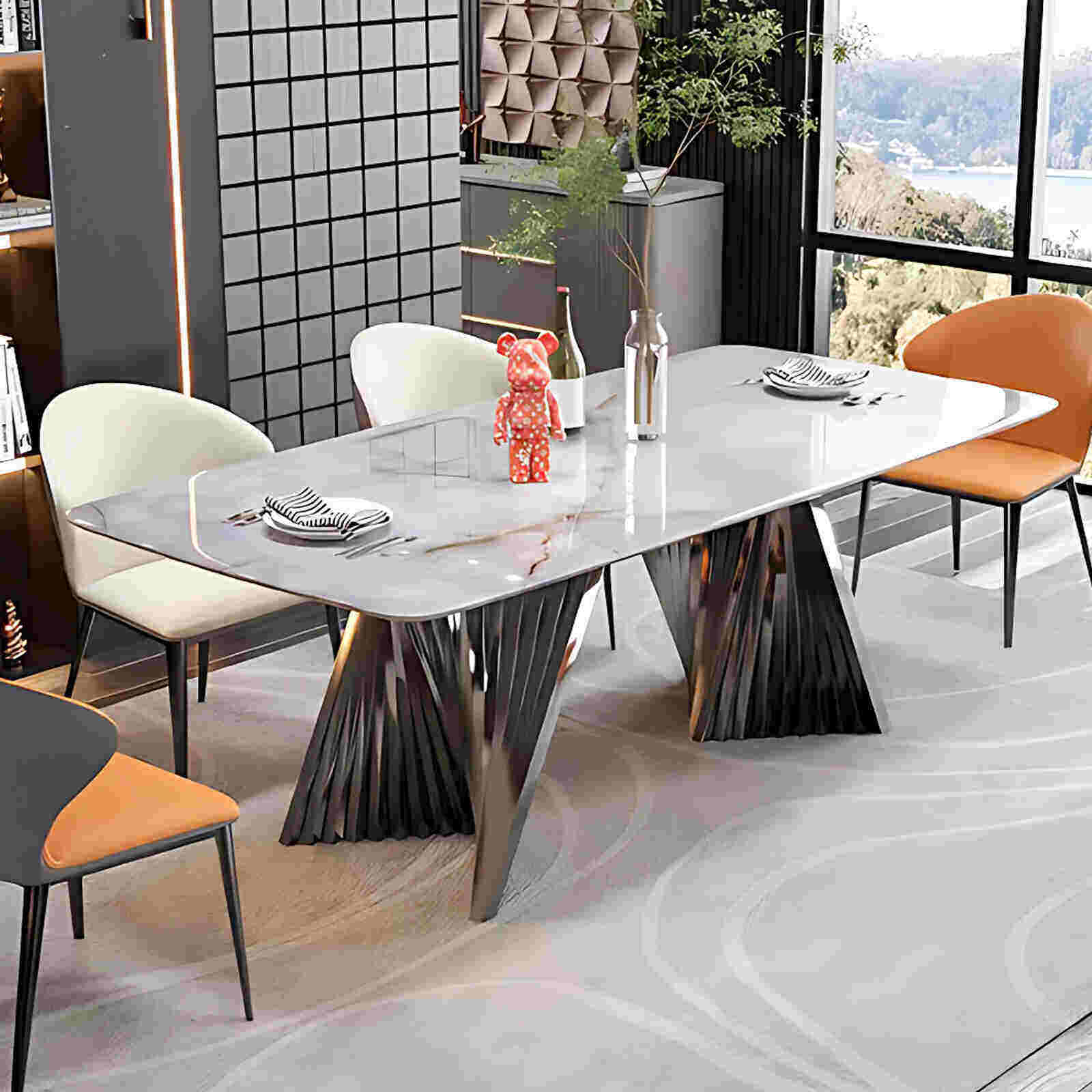
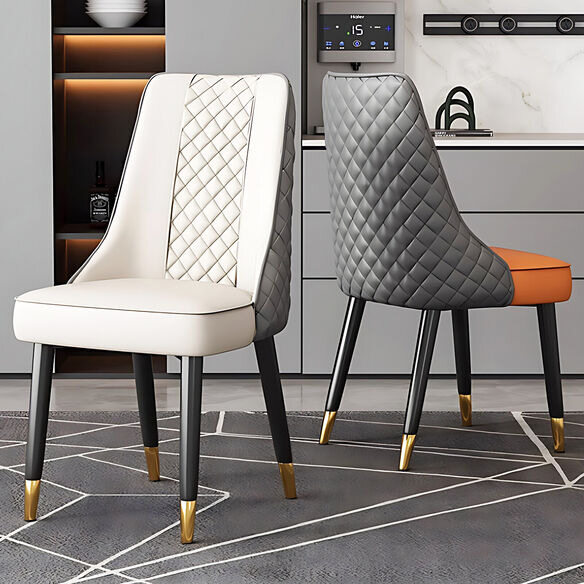
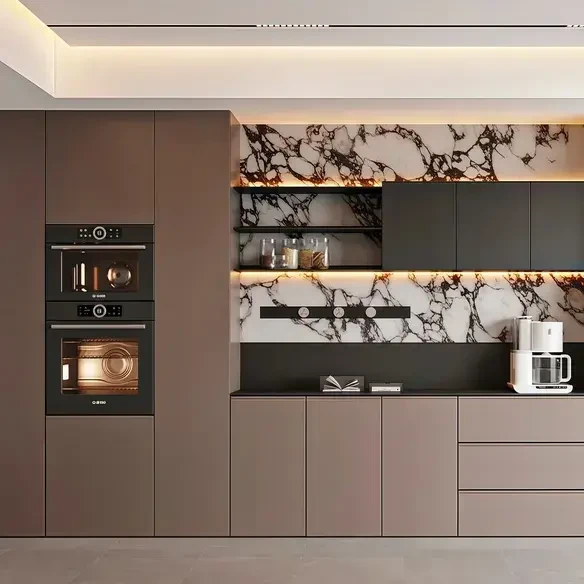
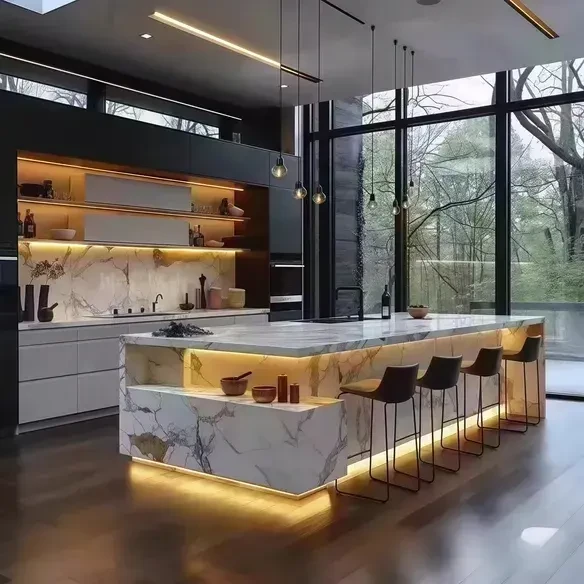



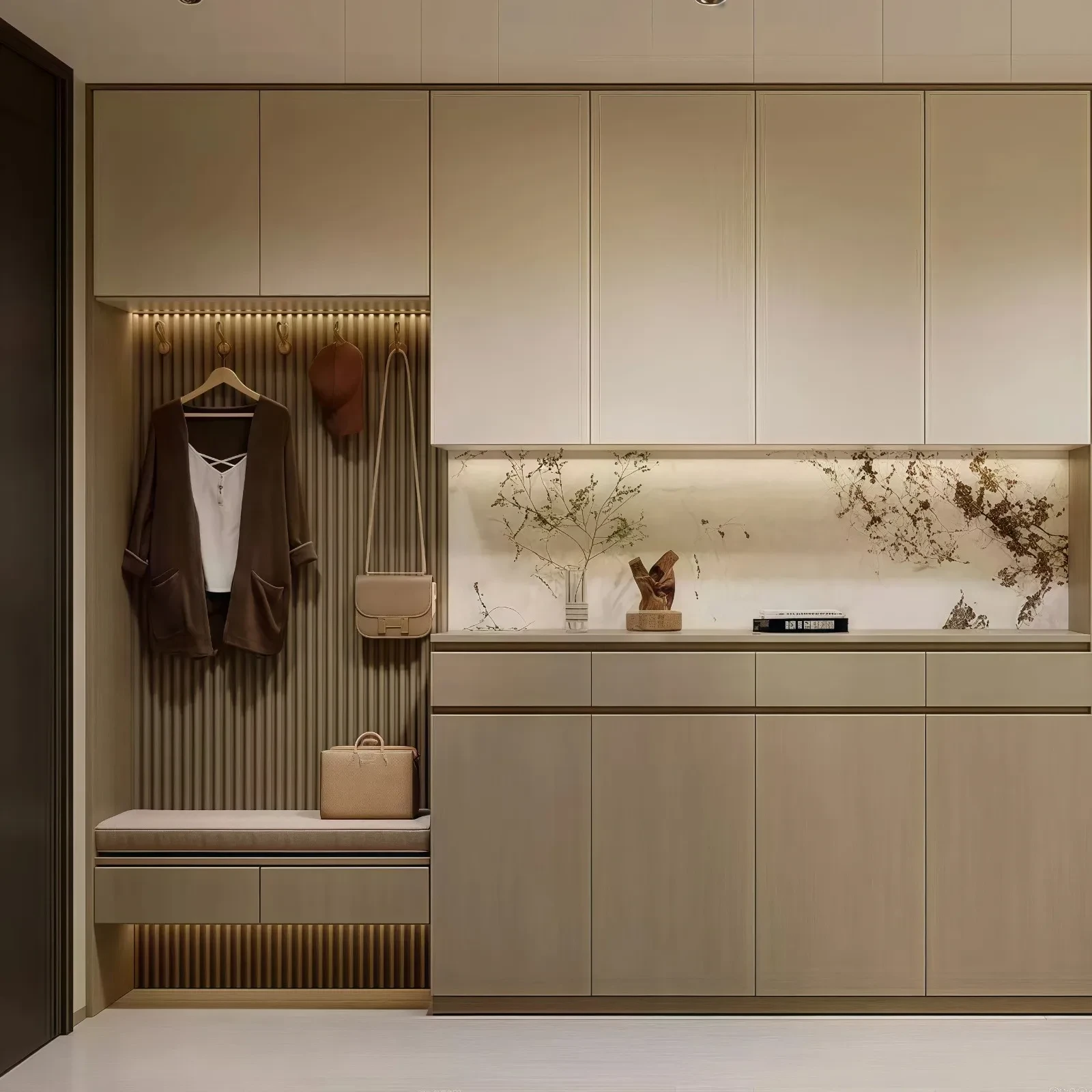







When browsing home improvement markets, all the salespeople will lavish praise on their own brands, highlighting only their strengths. Without tools to see the internal structure of the wood panels used in furniture, how can we judge the true quality of the boards? Here are a few tips: ask the salespeople the following questions while they're explaining the products to get a general idea of the actual quality:
1. What type of wood is used for the core of the board?
Salespeople often claim their wardrobe boards have strong nail-holding power, but the exact strength and extent of that strength are somewhat vague. One crucial factor determining nail-holding power is the quality and properties of the wood used in the core. Currently, my country has 800 commercially available wood species, graded accordingly, with higher grades indicating superior overall properties. Composite core boards generally offer stronger nail-holding power and stability than particleboard.
2. How many processes are involved in the board manufacturing process?
Small workshops typically have limited manpower and resources, resulting in very simple and rough processes. This can lead to uneven core splicing, knots, and warping, all of which negatively impact the user experience. In contrast, boards from large manufacturers undergo dozens of processes before reaching the market, thus addressing these issues during the manufacturing process. Choosing reputable brands or top ten board brands is a simple way to select high-quality boards.
3. What kind of adhesive was used?
Currently, 90% of wood-based panels use urea-formaldehyde resin, which is not inherently problematic. As long as the formaldehyde content is controlled below 0.124 mg/m³, they are considered environmentally friendly. However, if inferior urea-formaldehyde resin is used, the formaldehyde content can easily exceed the standard. It's advisable to request a test report from the manufacturer for screening.
Qianshan genuine wood board soybean glue is healthier
If the board uses plant-based soybean glue with zero formaldehyde additives, then there is basically no need to worry about the formaldehyde exceeding the standard.