
 USD
USD GBP
GBP
 EUR
EUR
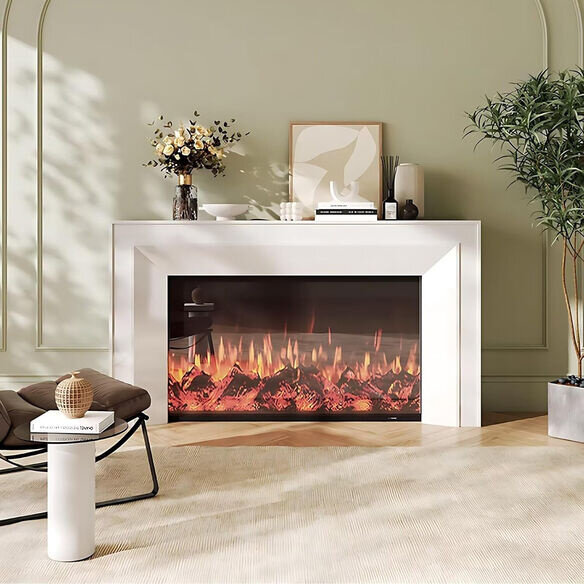

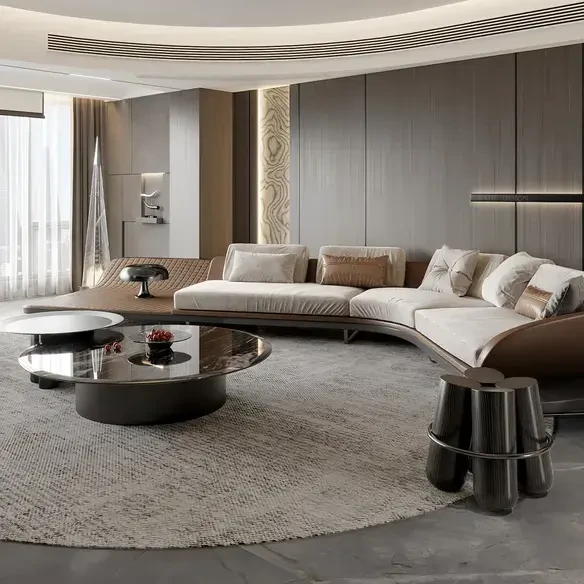
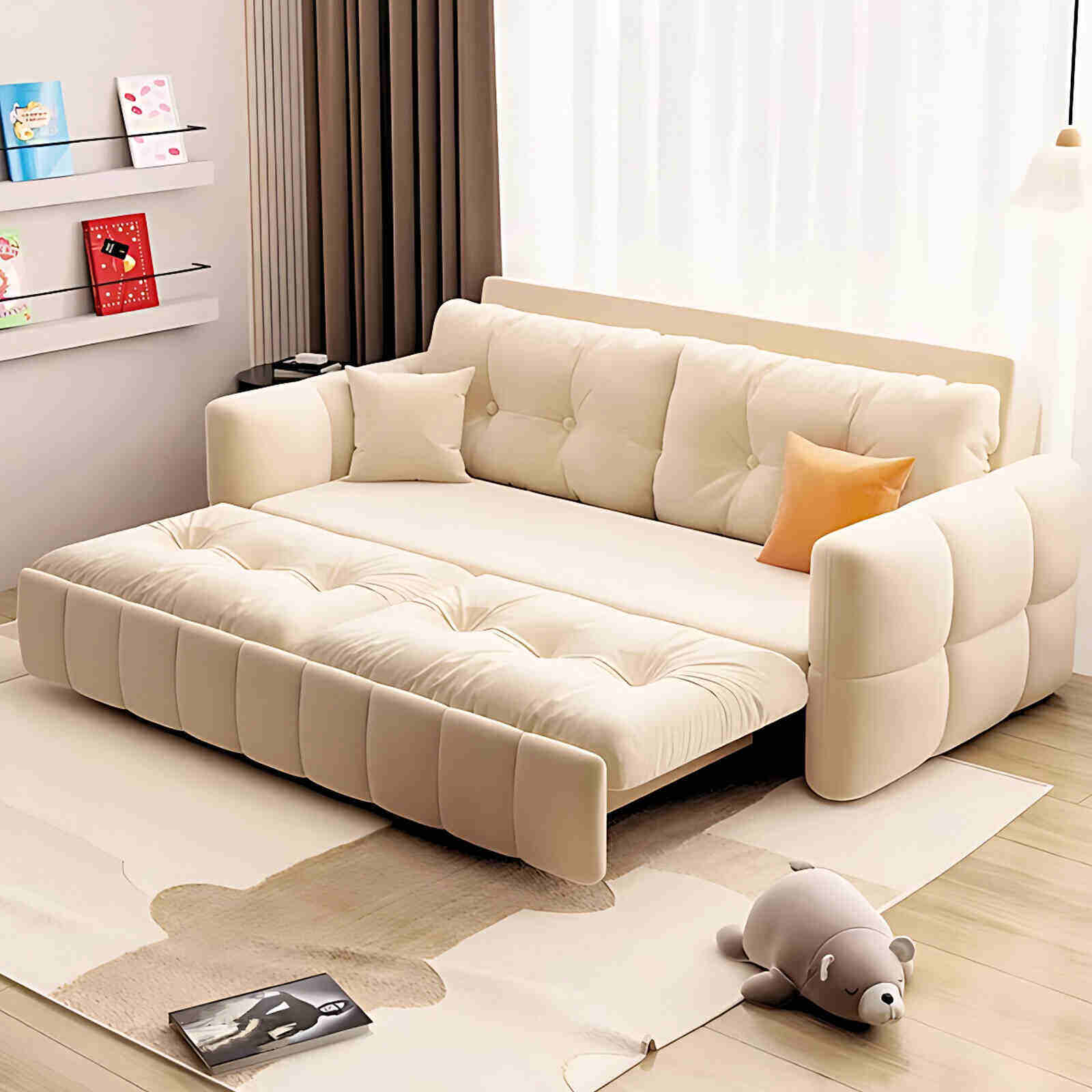
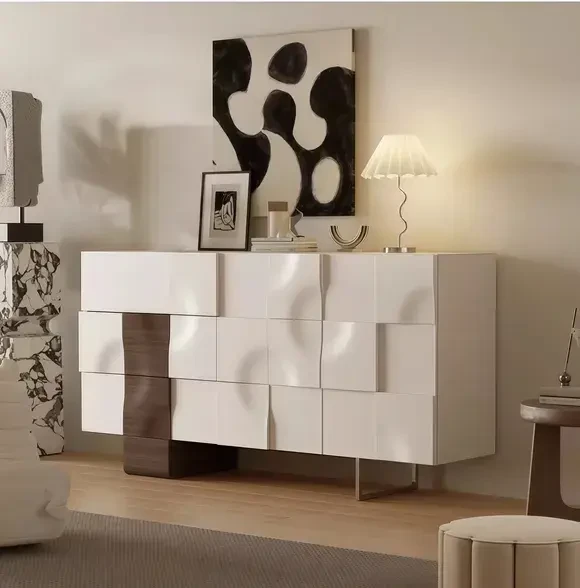


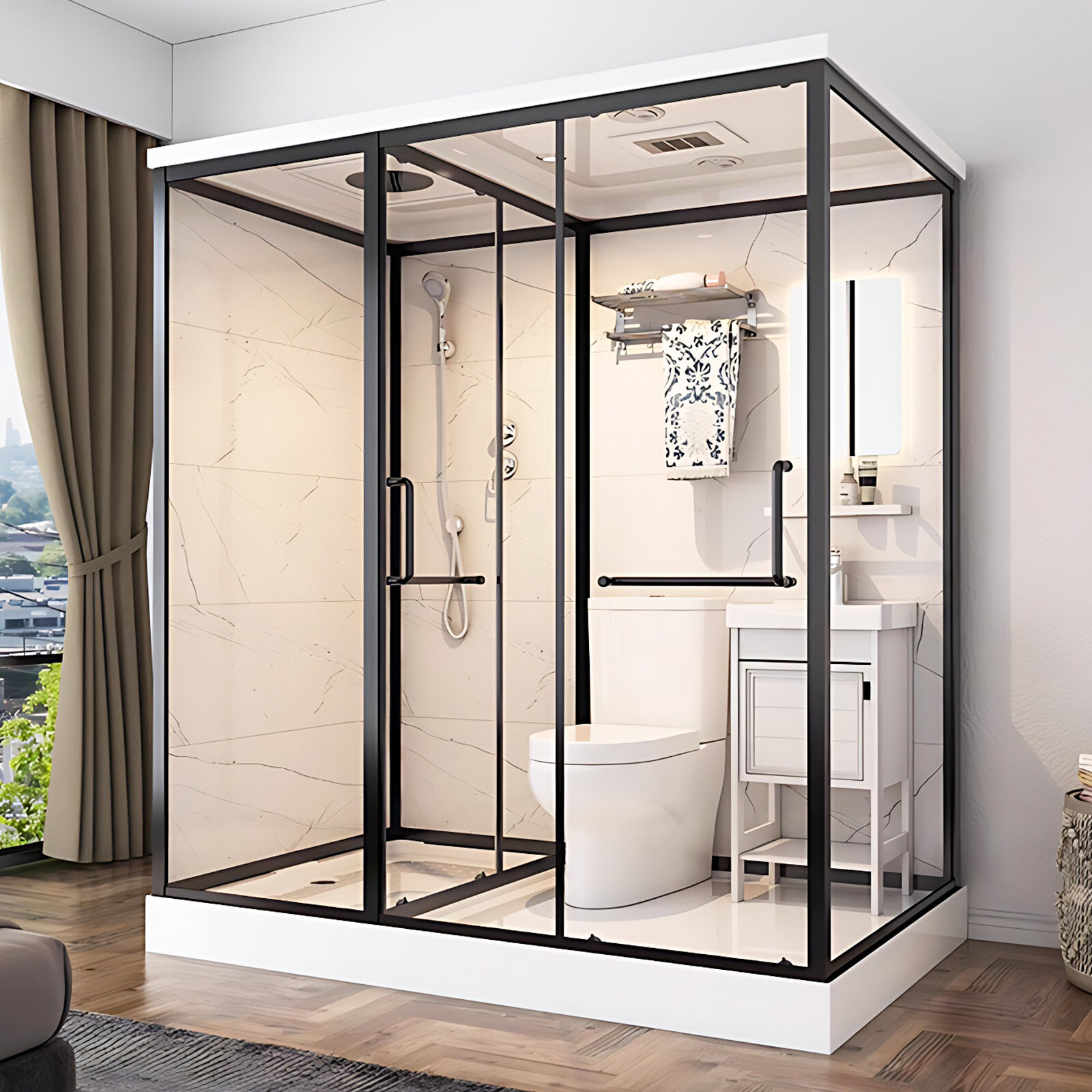
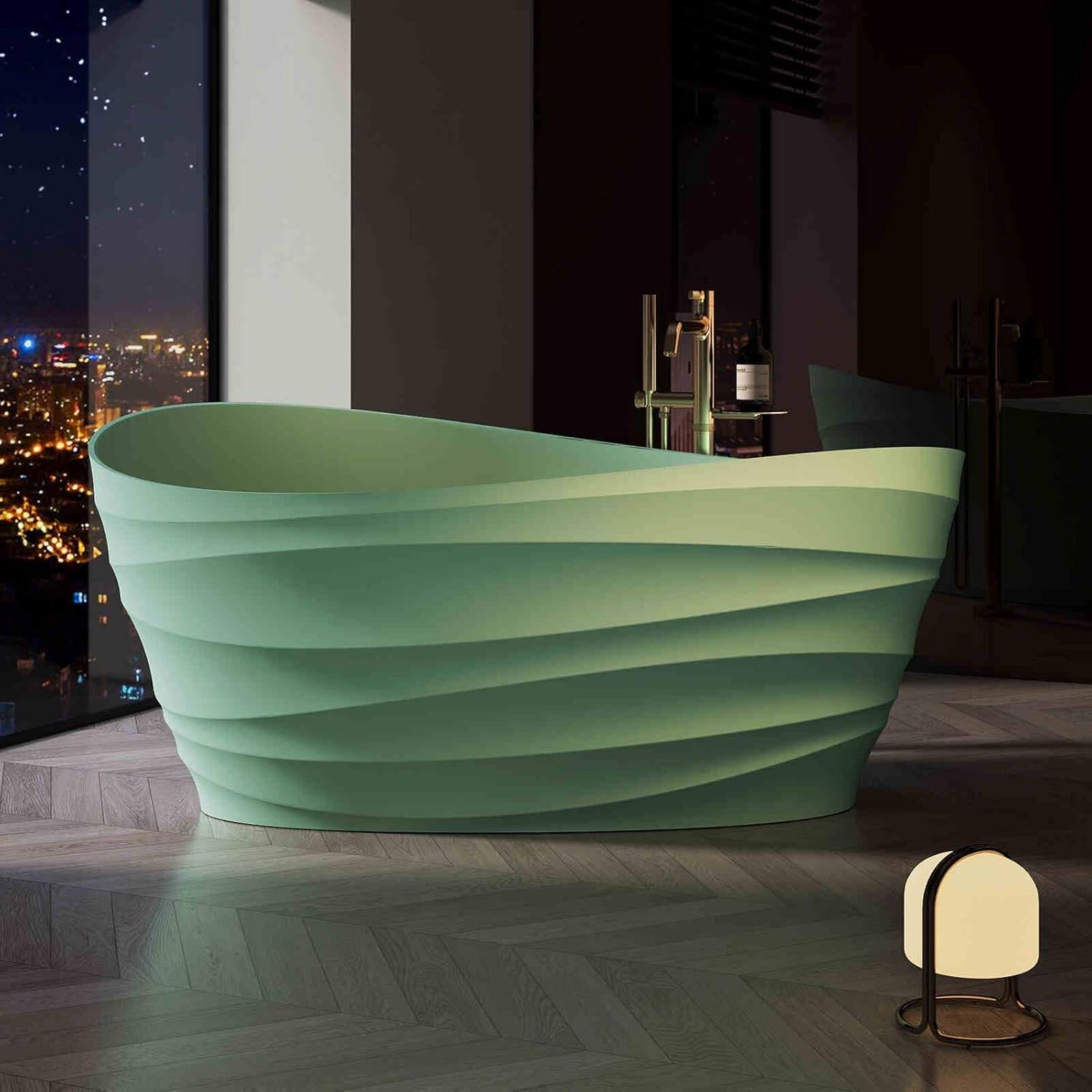
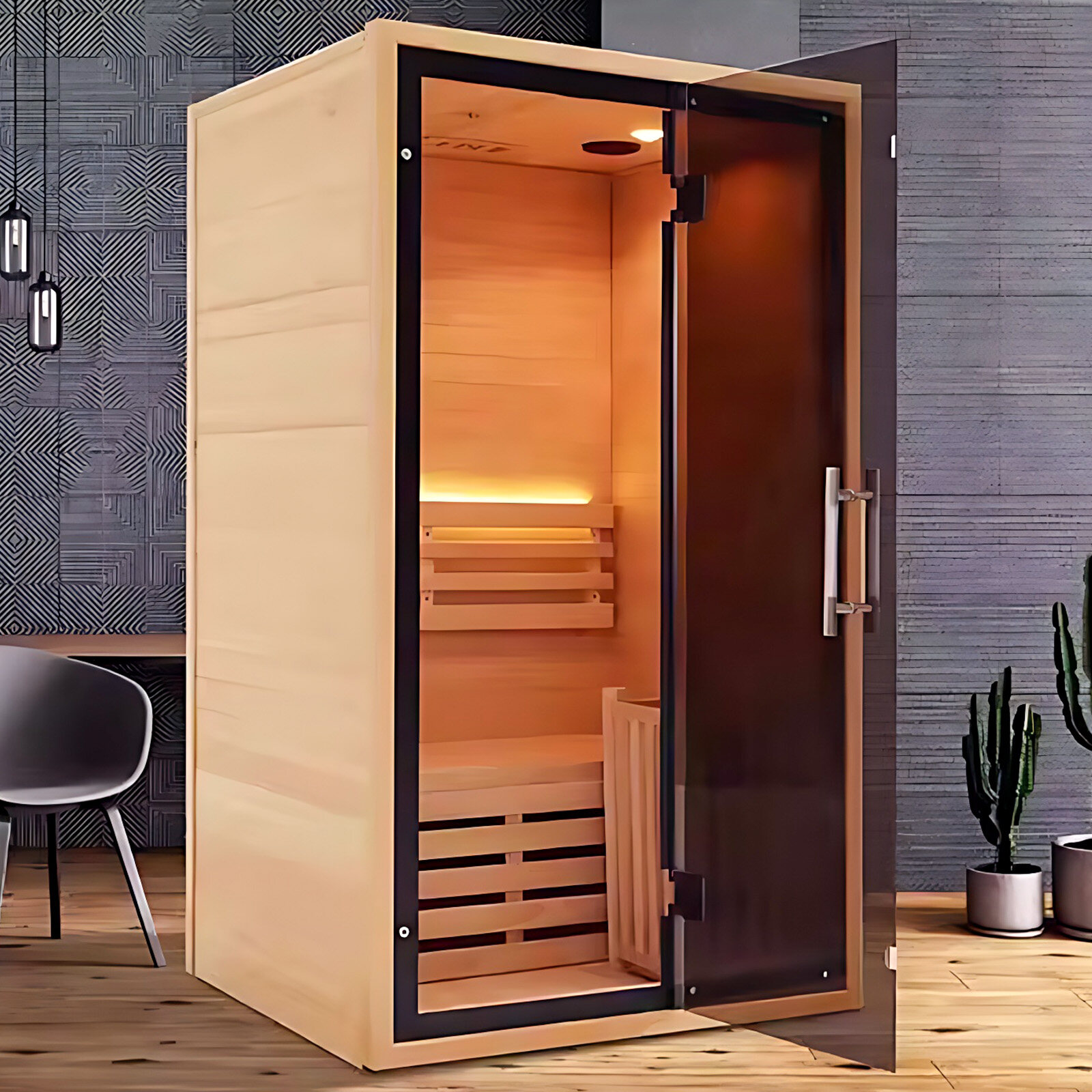
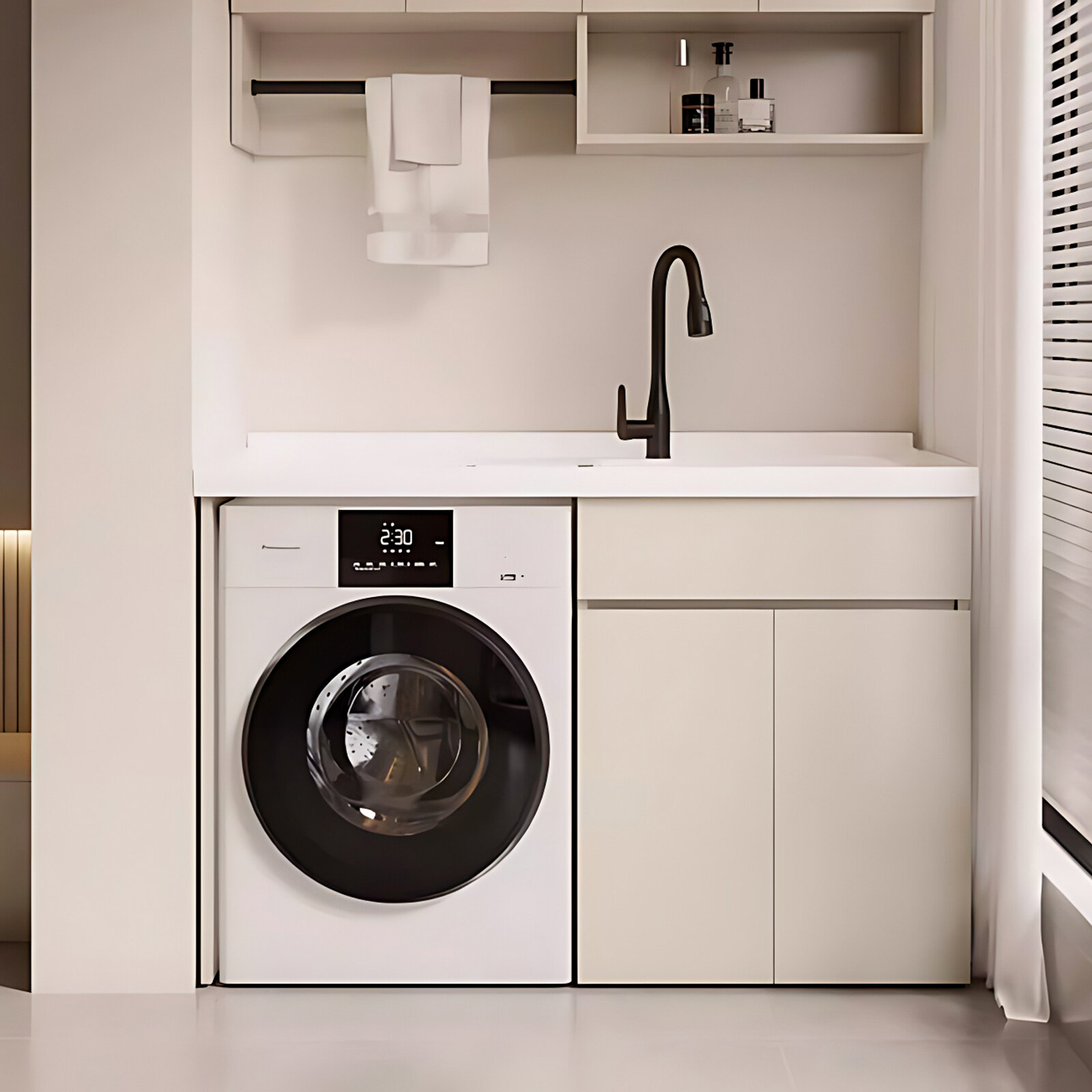
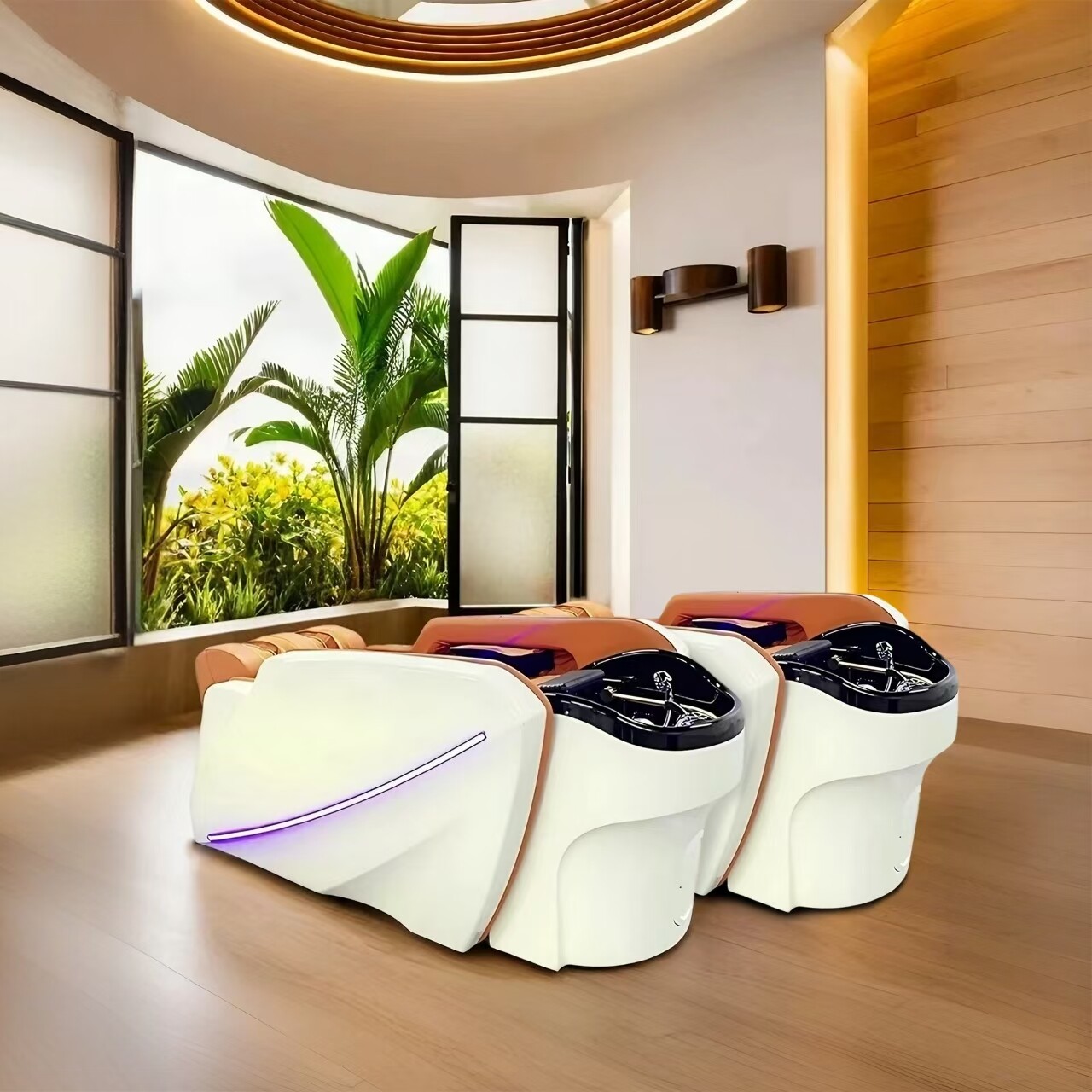

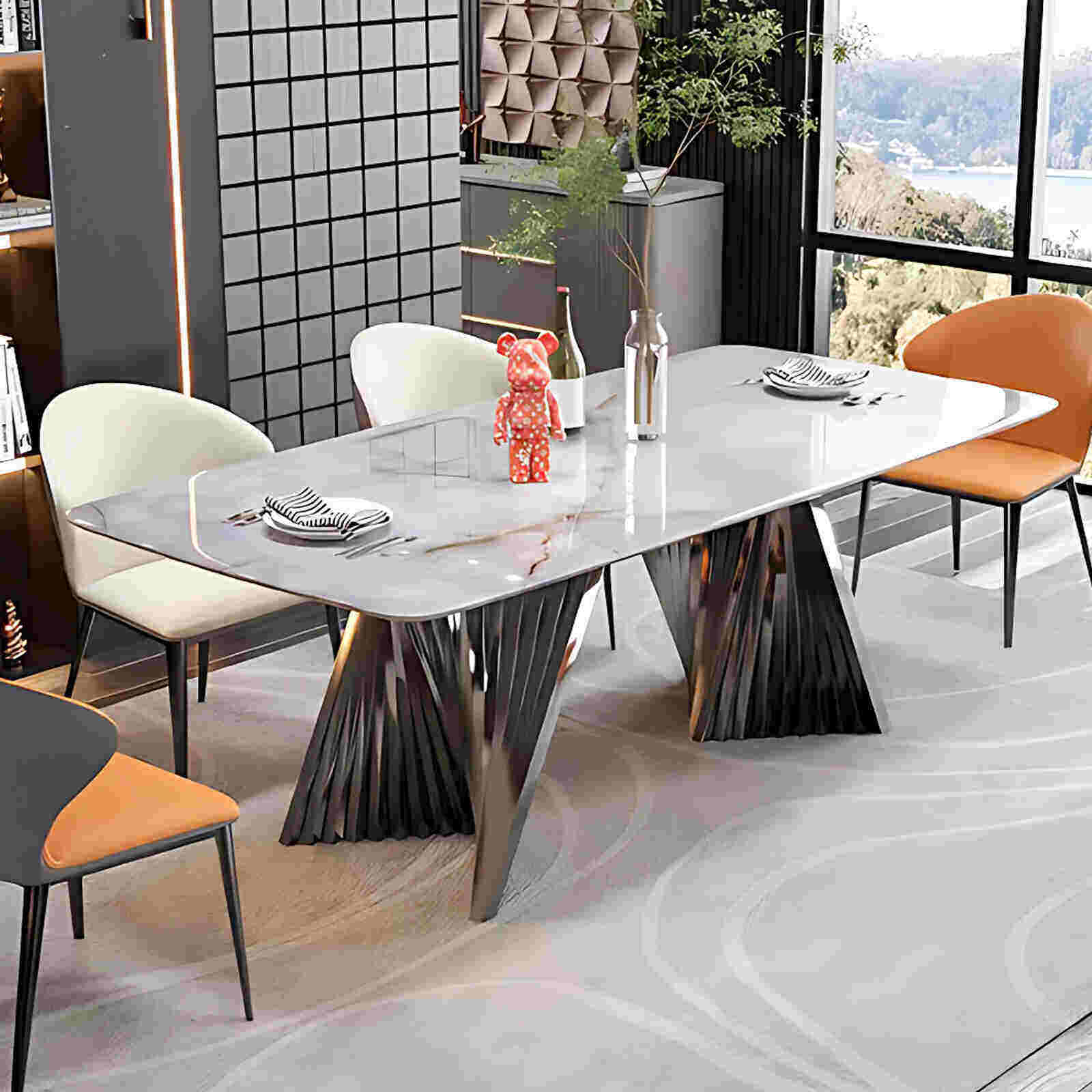
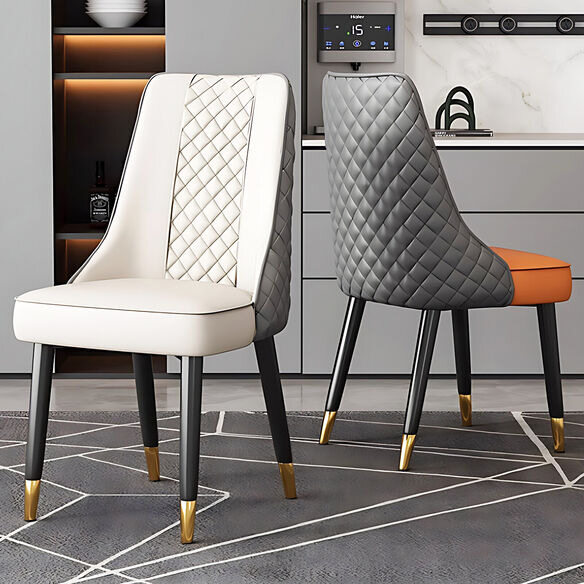
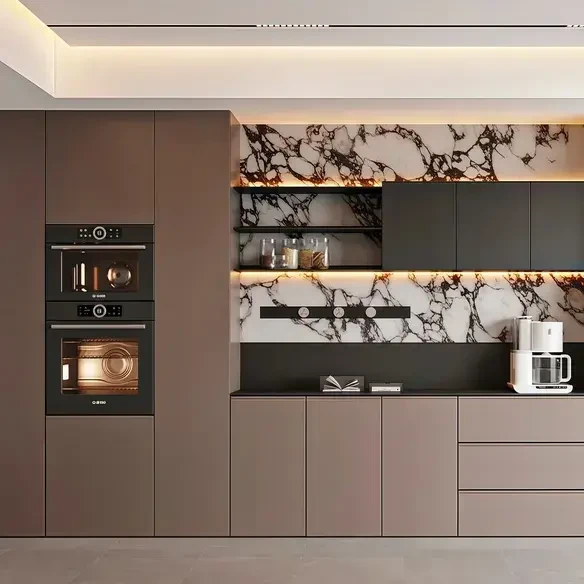

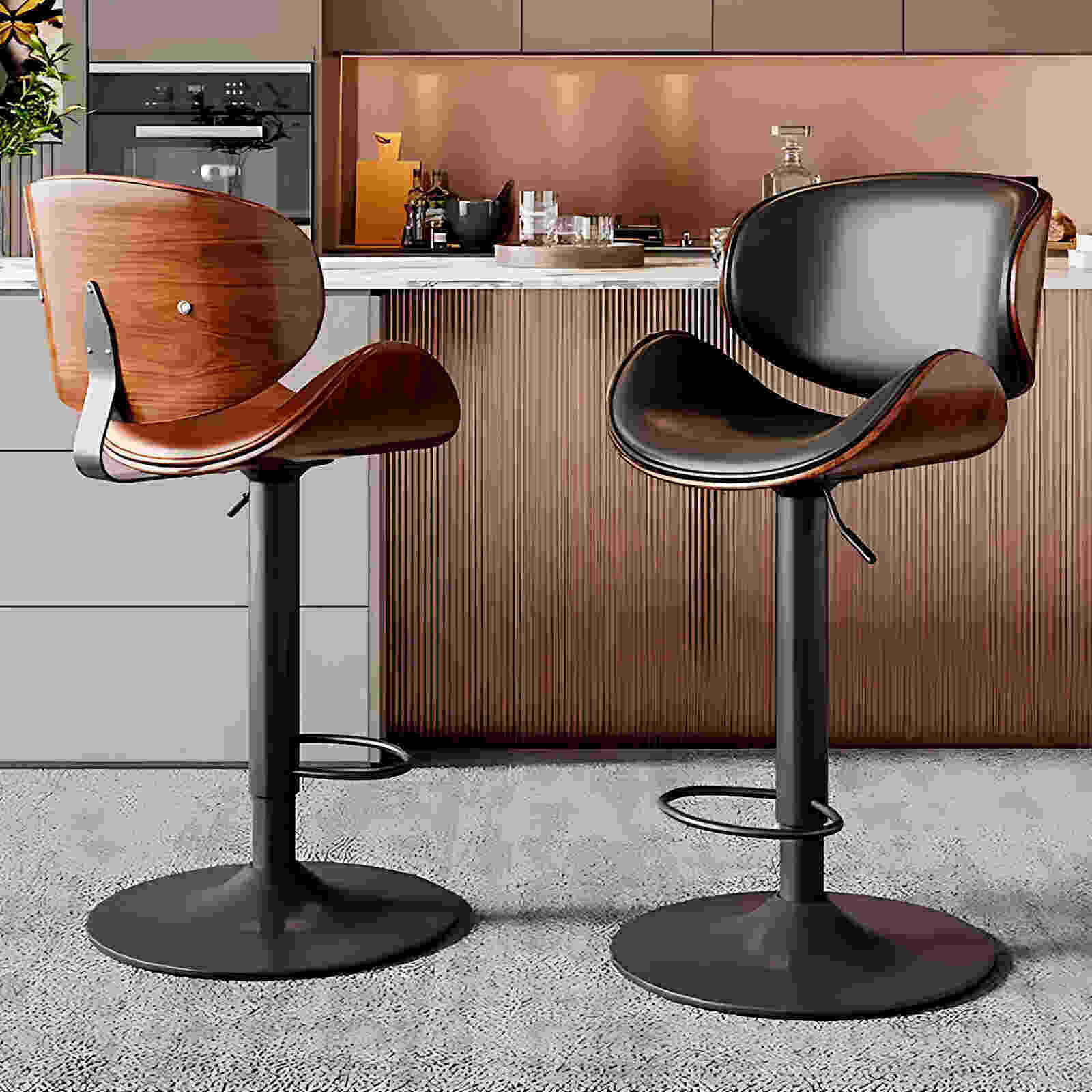
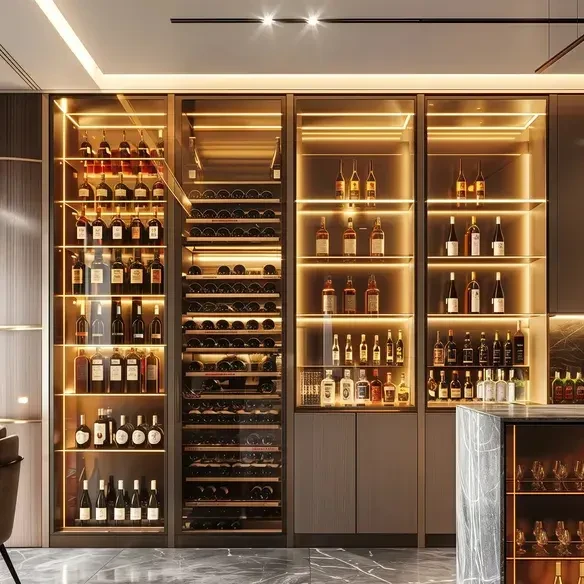

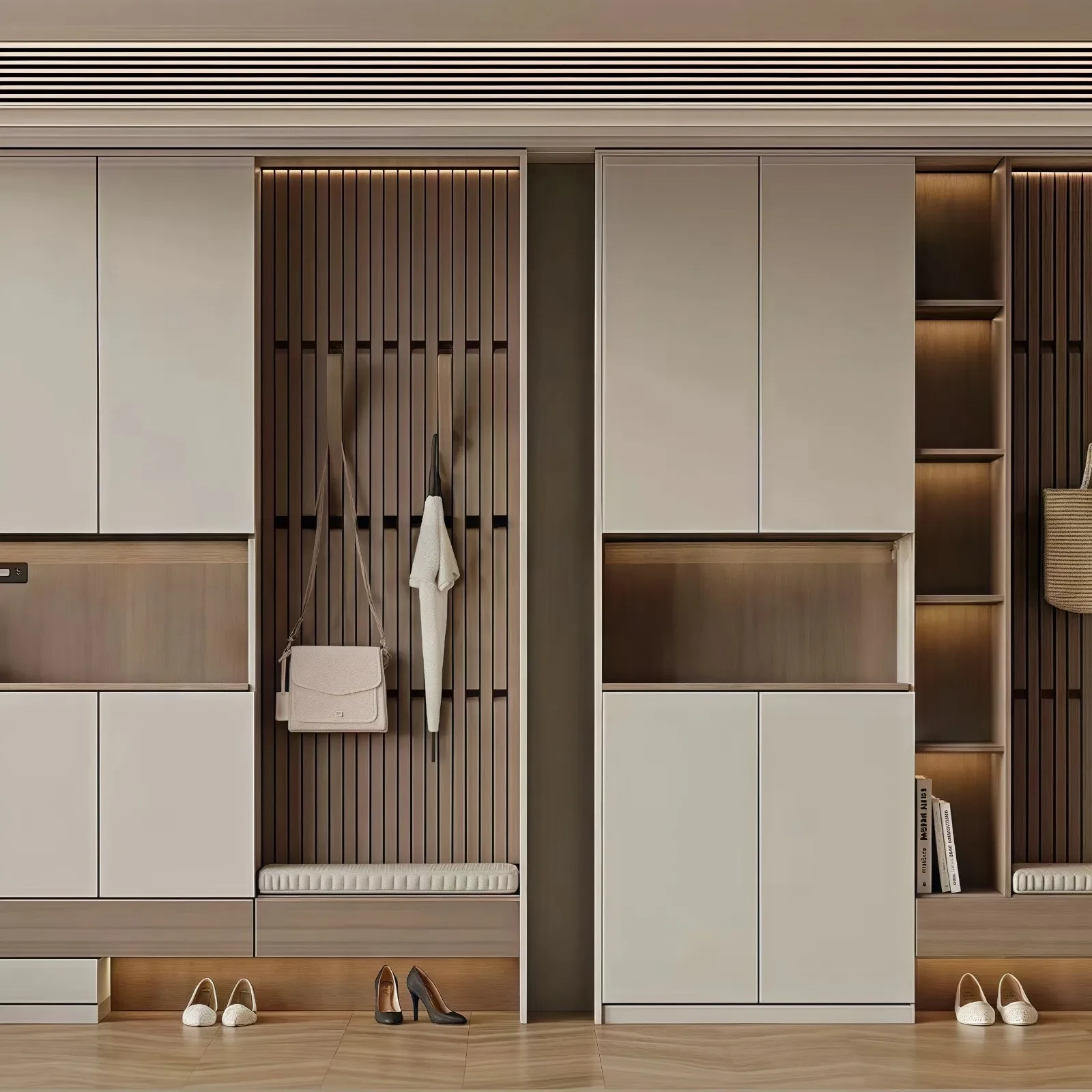
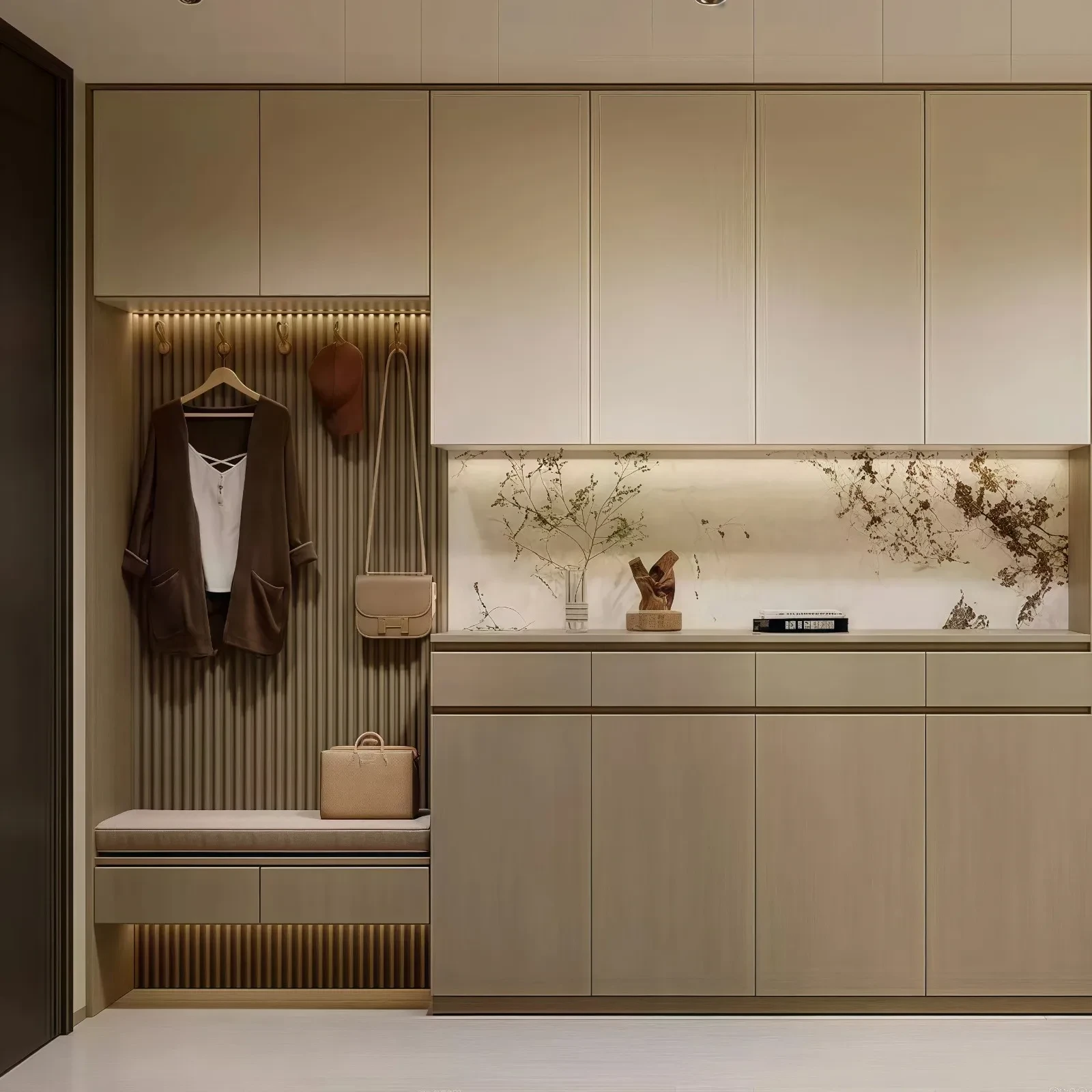
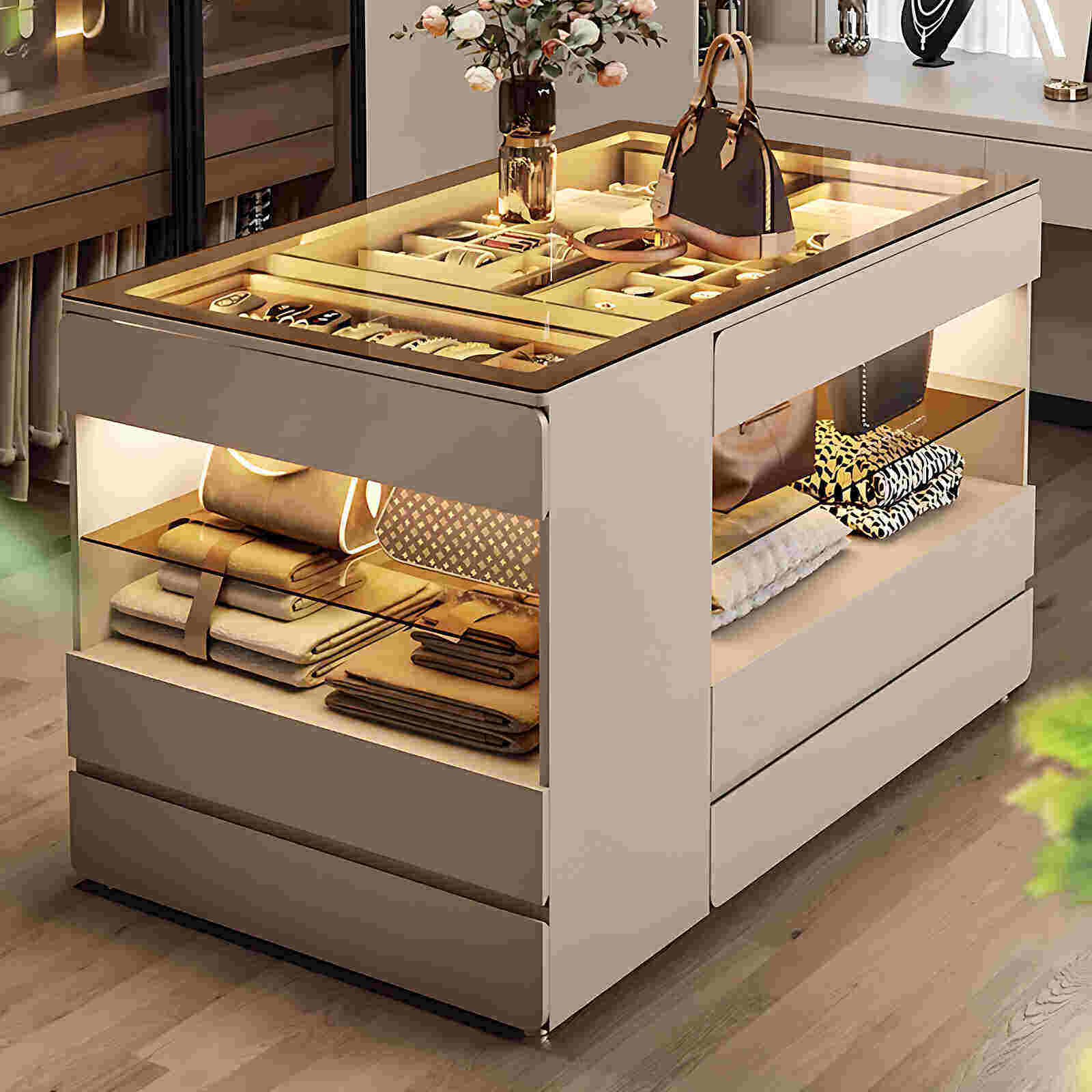
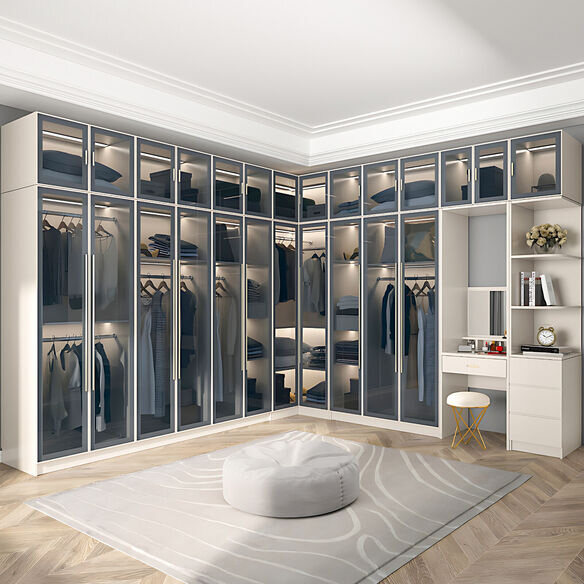
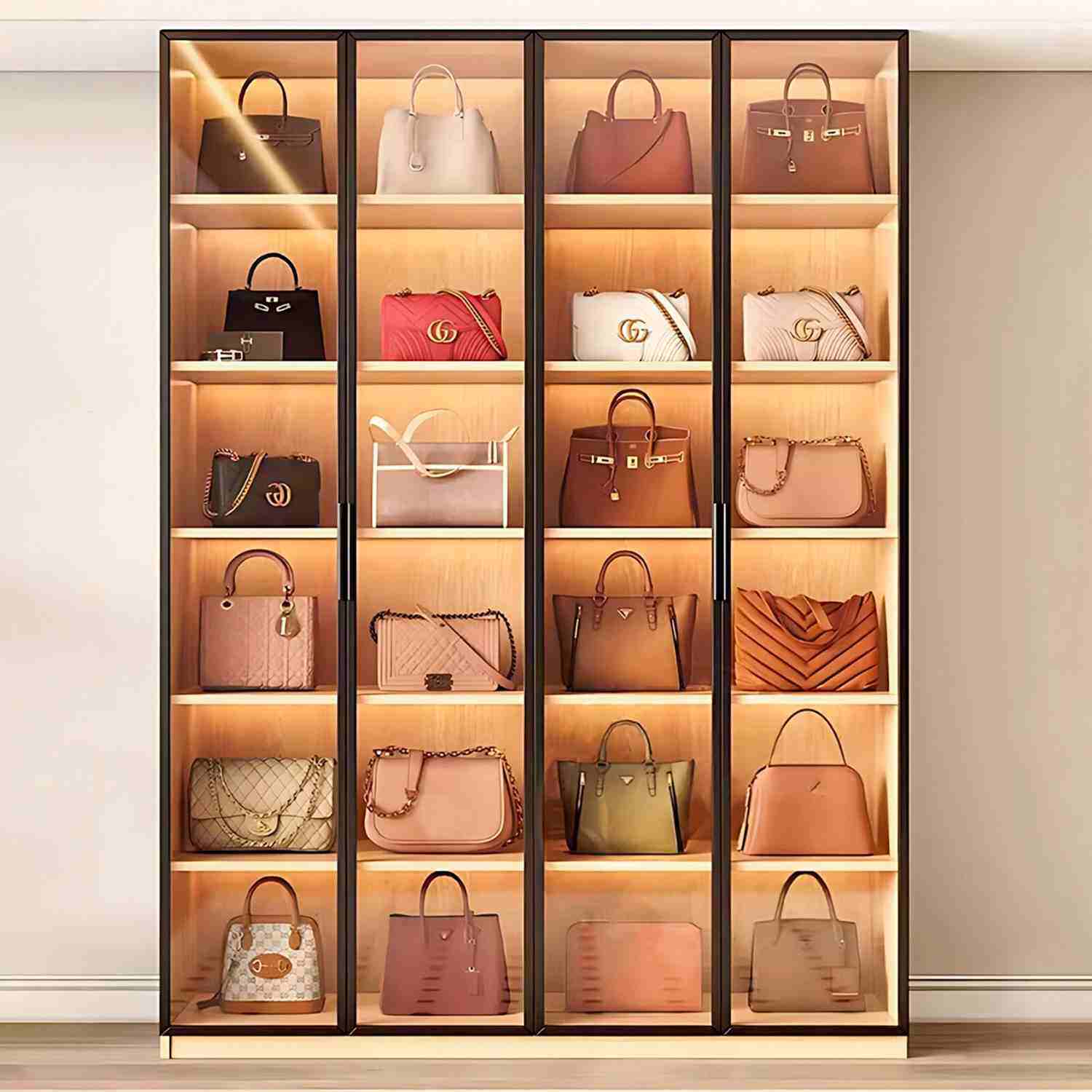
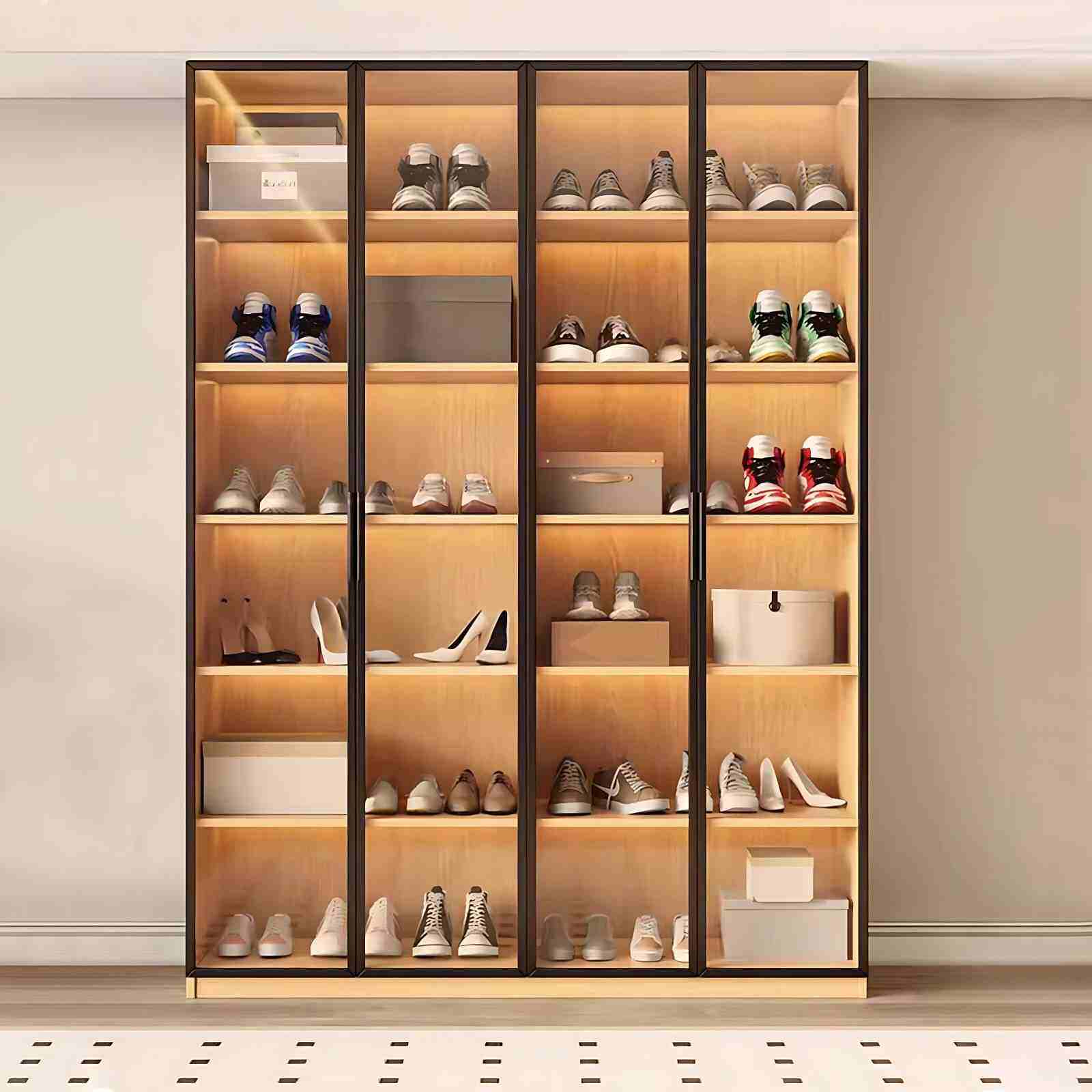
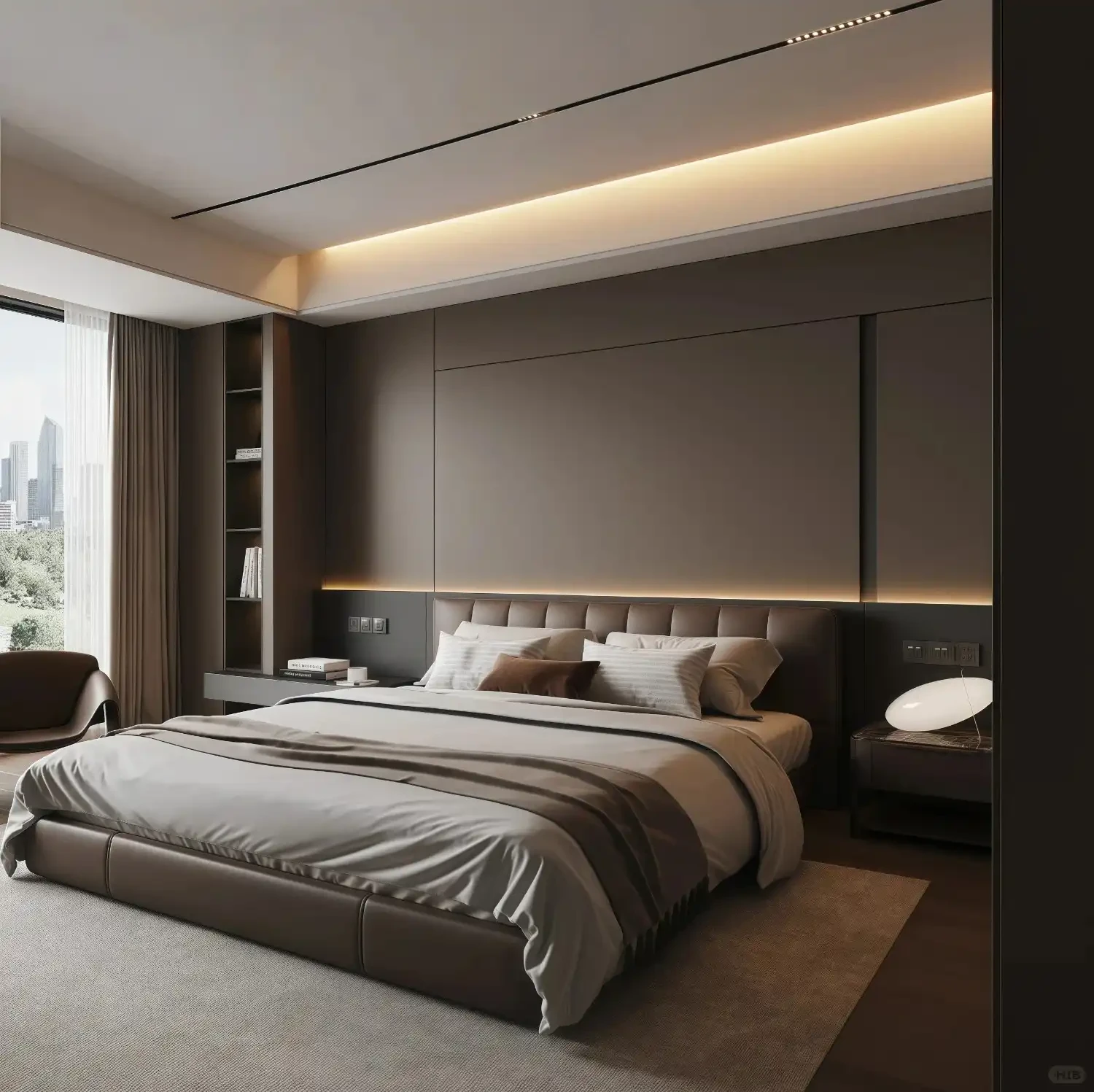
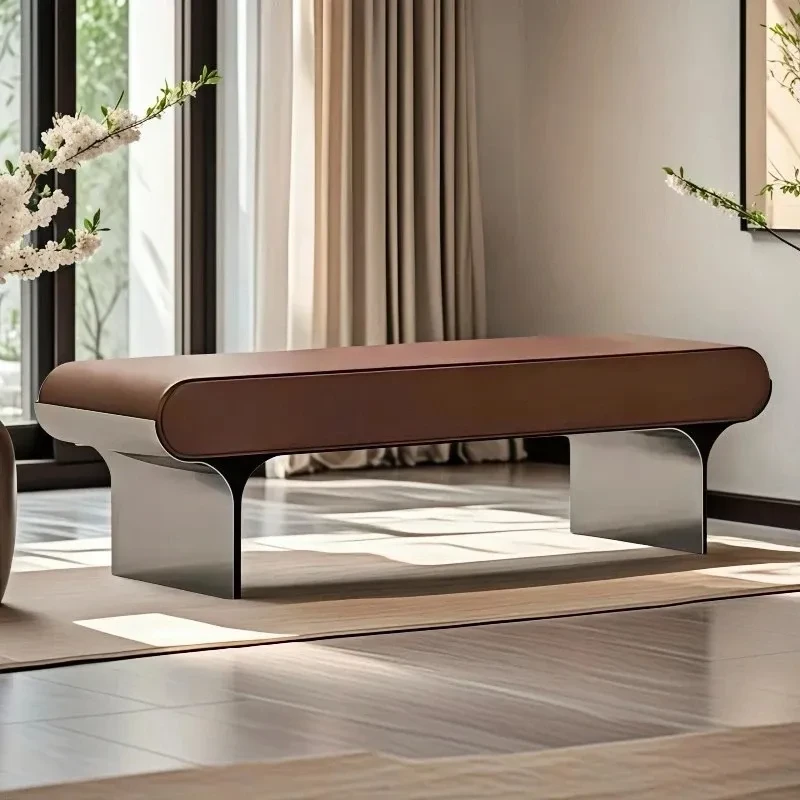
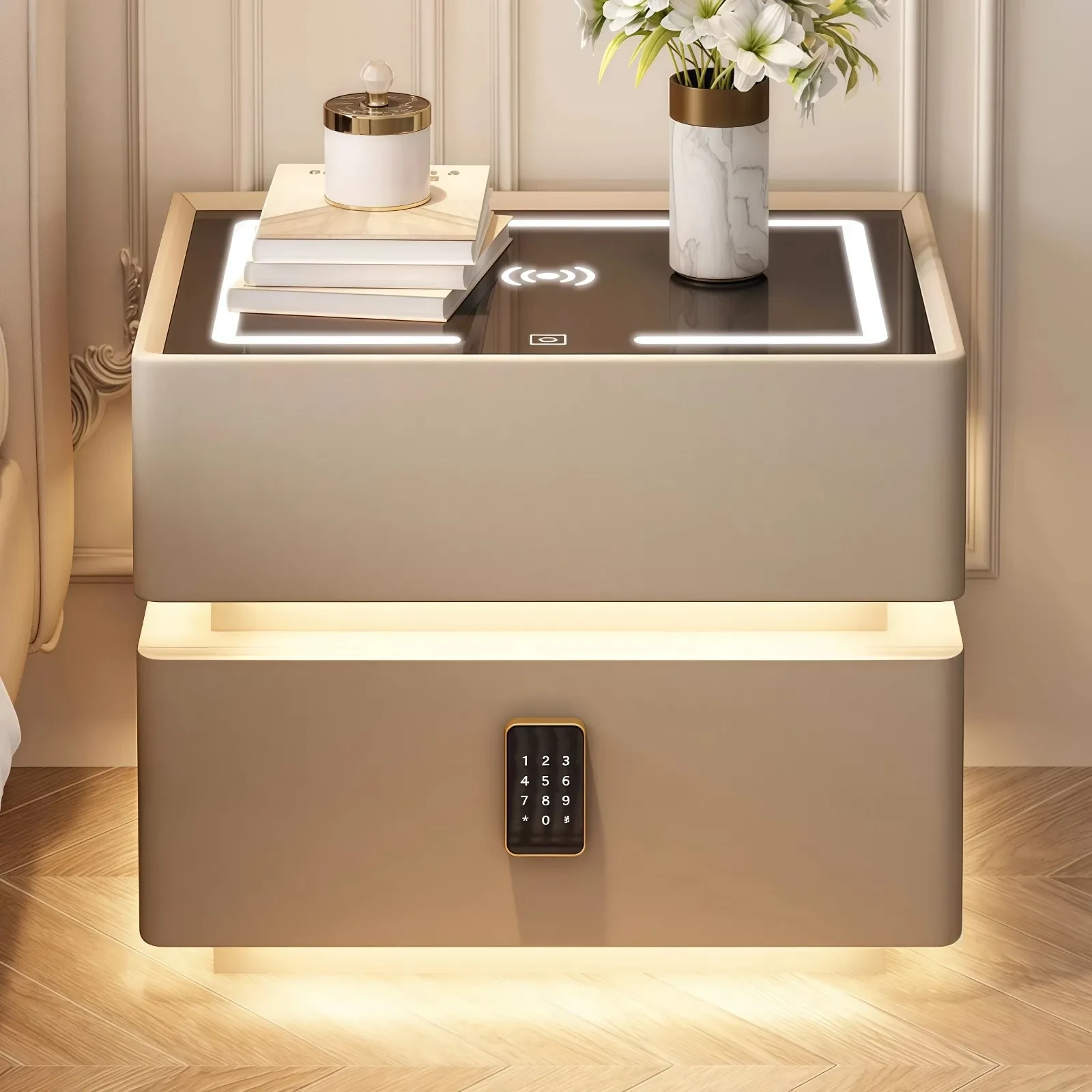
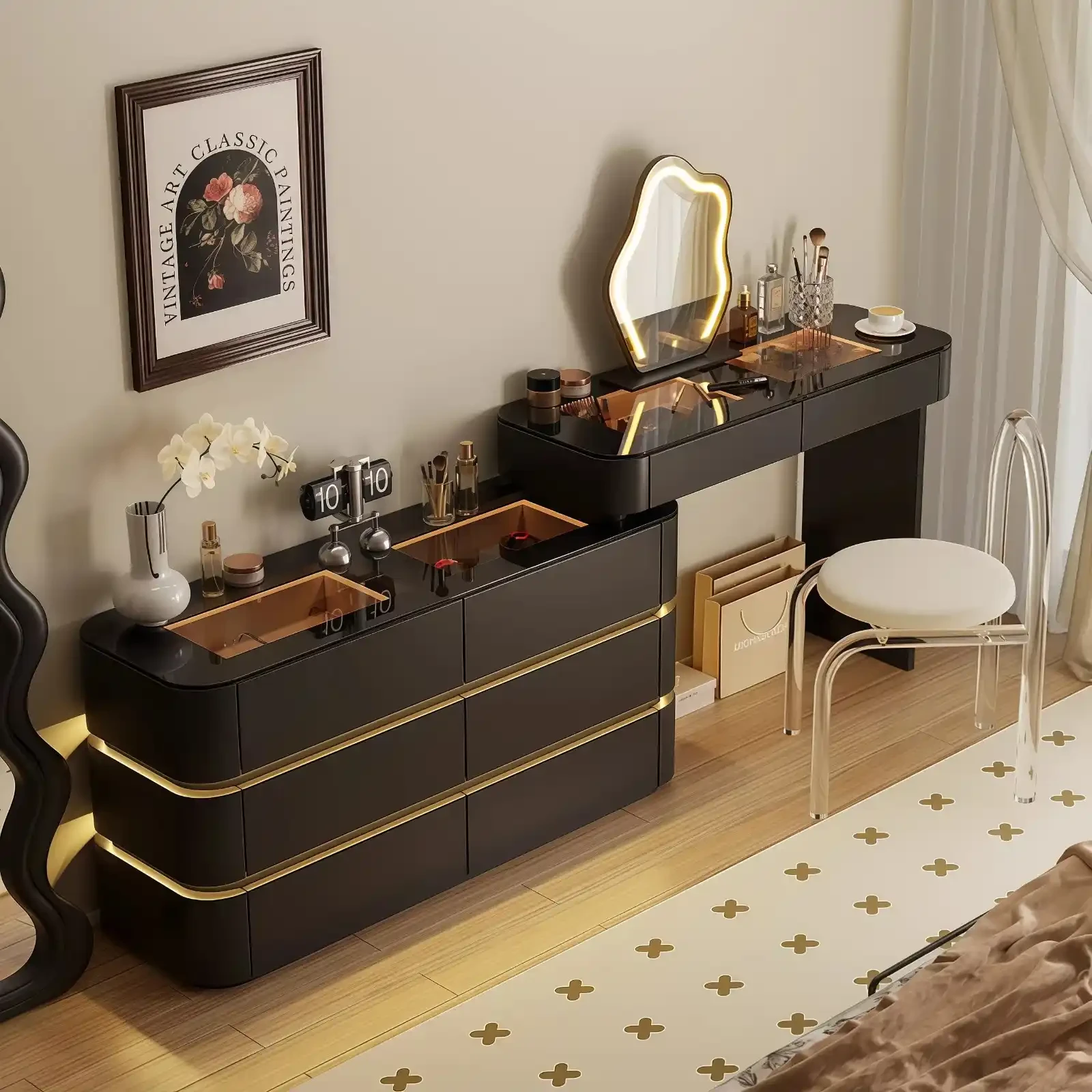
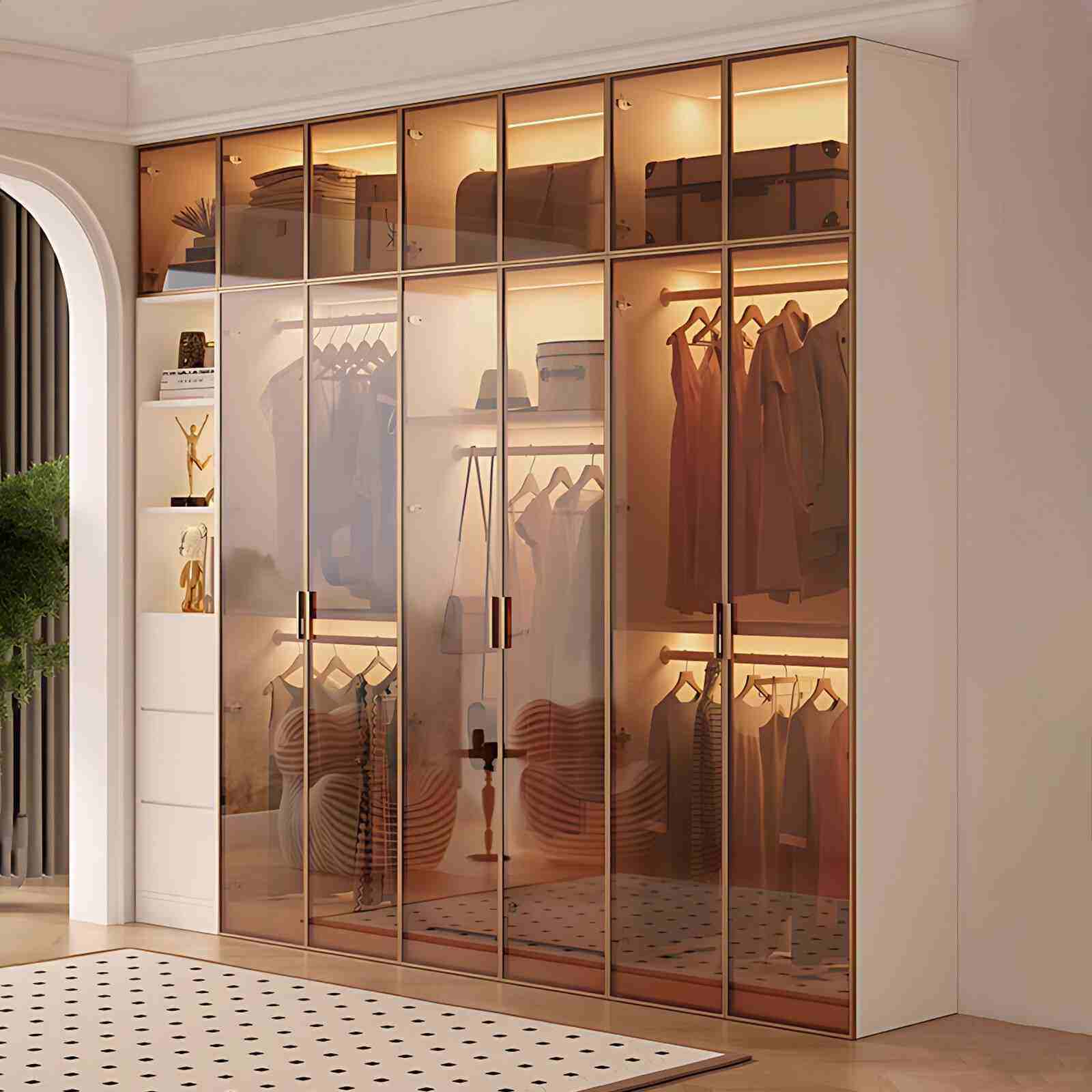
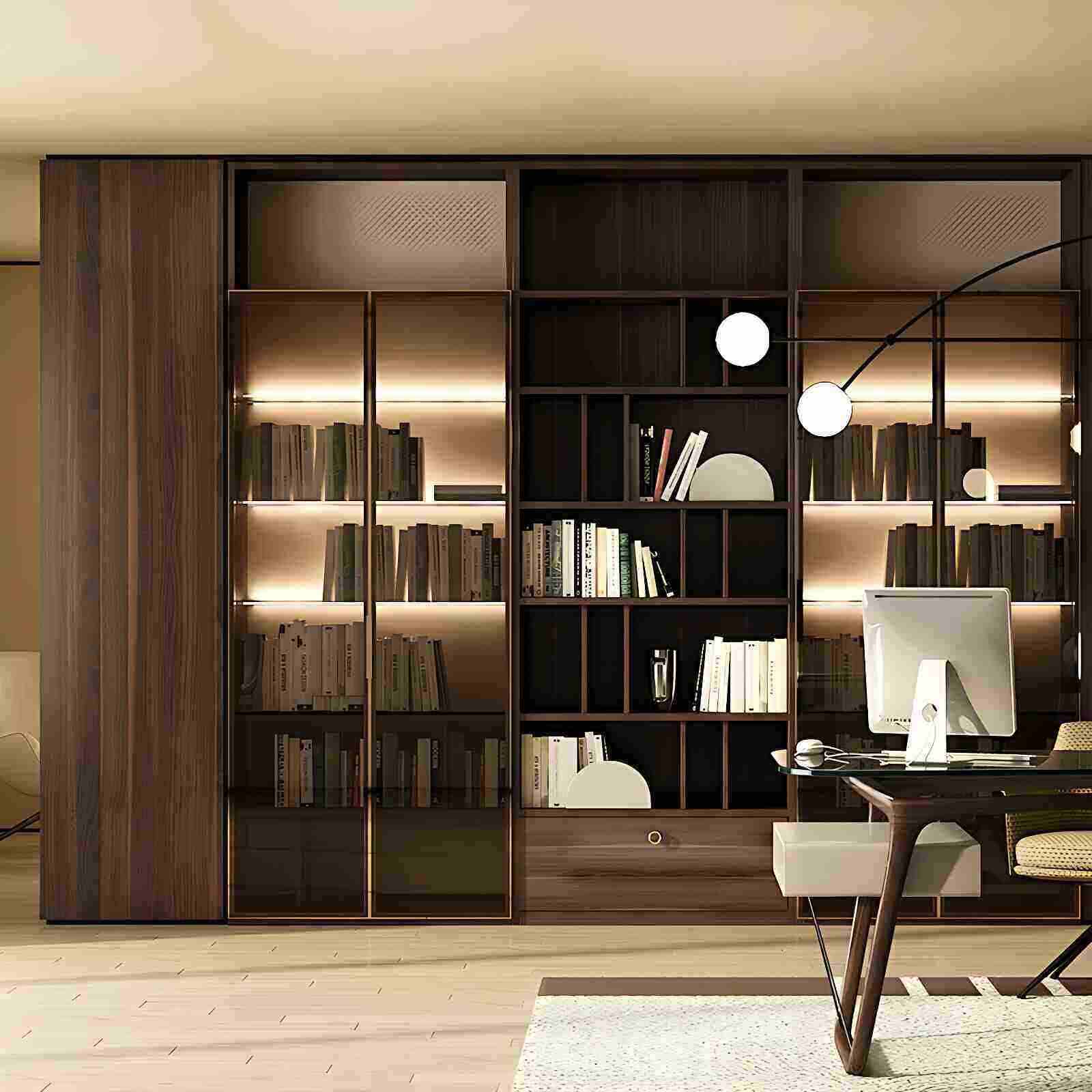
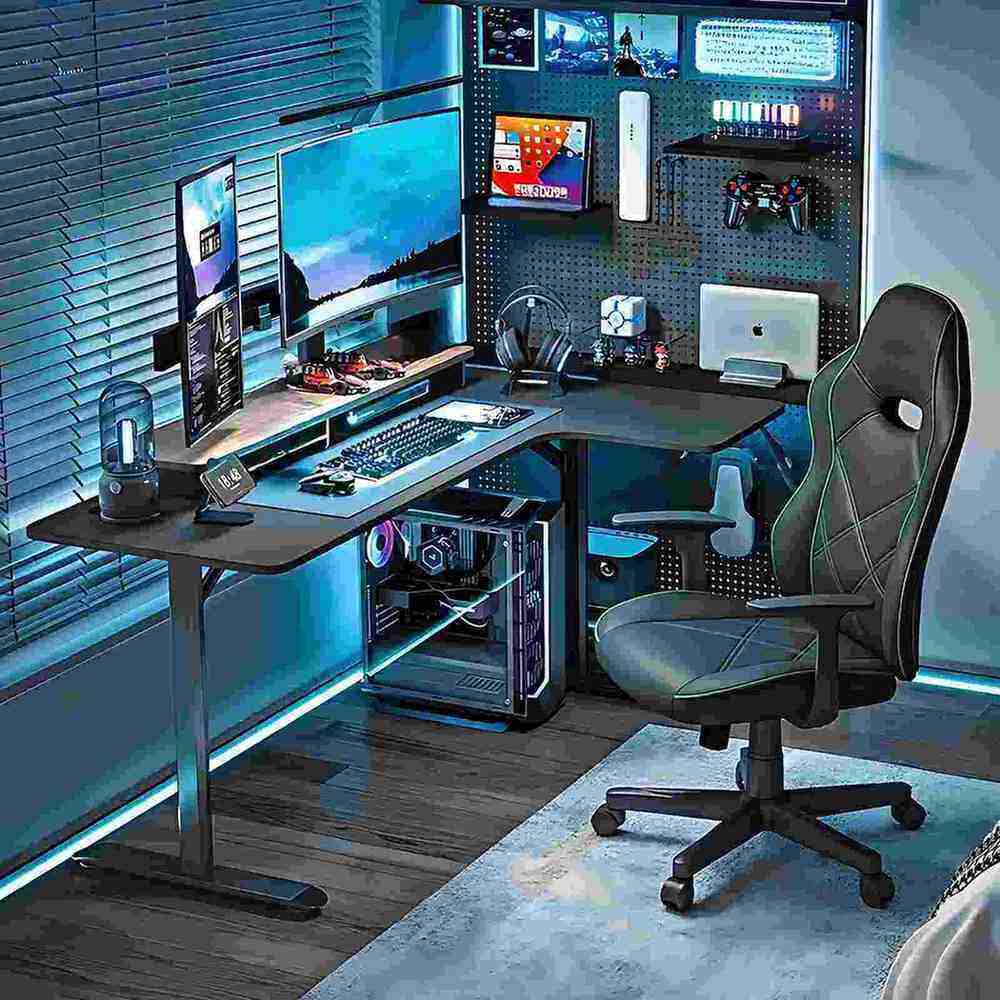
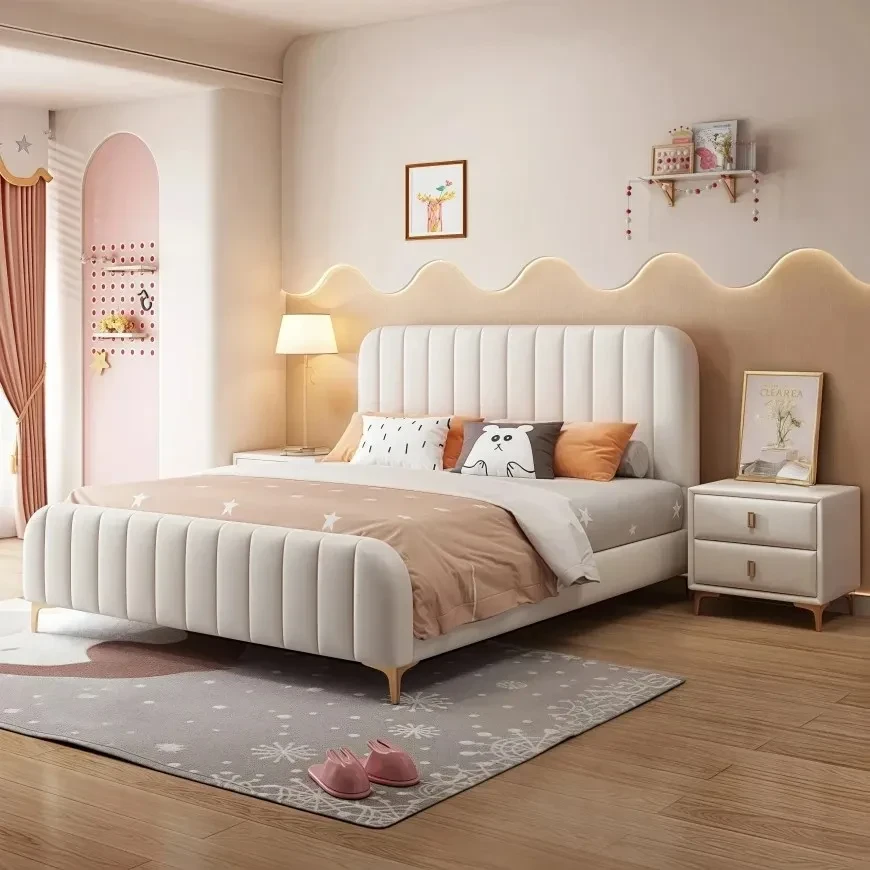
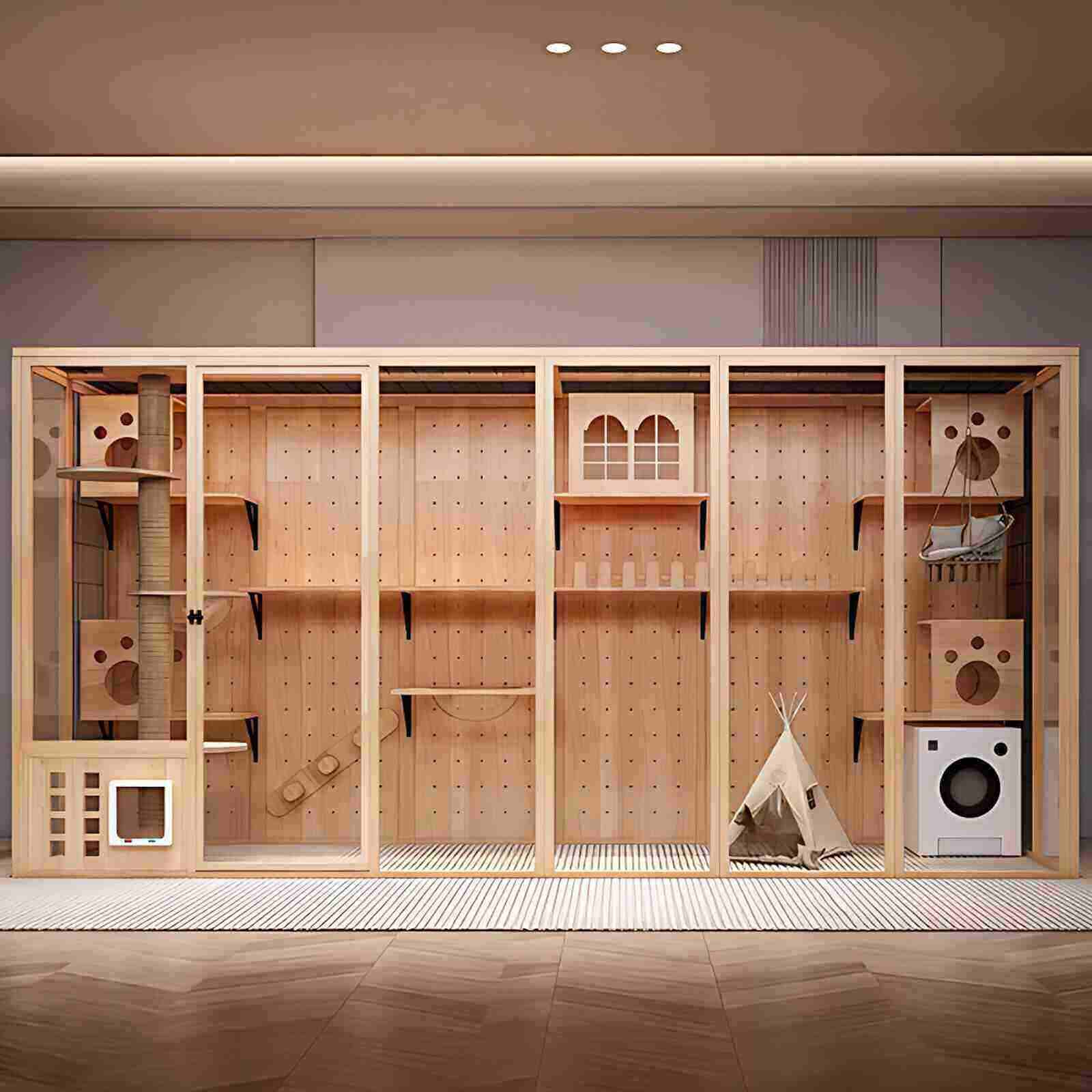
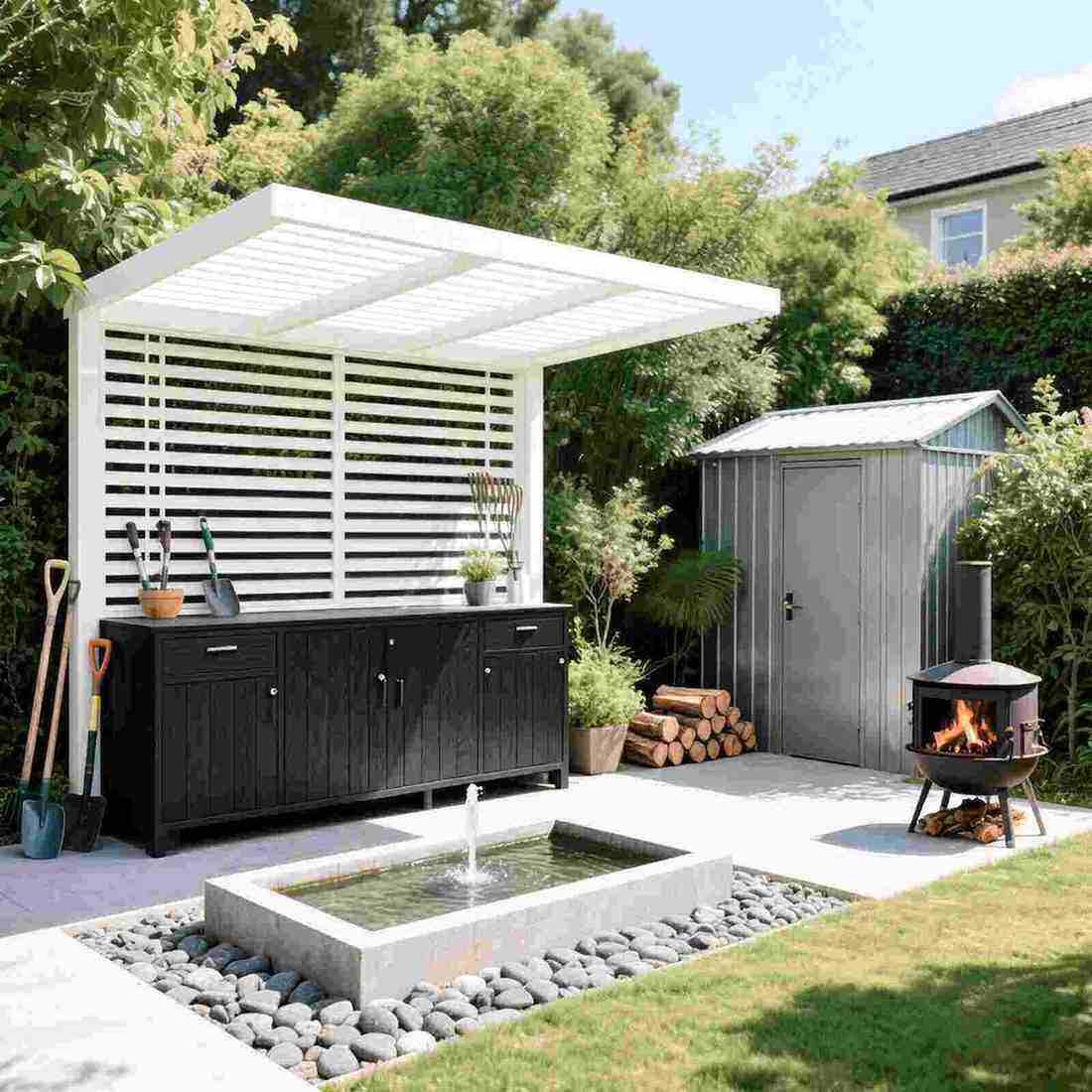
Demountable panel furniture is a popular choice among consumers who enjoy a challenge and seek personalized furniture.
For consumers, this not only increases their sense of participation in home design, but also allows them to adjust the space where furniture is used according to their needs.
For factories, modular panel furniture is convenient to transport and eliminates the need for on-site installation.
Demountable panel furniture
Demountable panel furniture, in the furniture industry terminology, is called KD panel furniture.
Disassembly and assembly is a concept relative to complete assembly.
So-called disassembled furniture refers to furniture products where all parts are disassembled, processed, and packaged into boxes, along with installation instructions and hardware accessories.
After purchasing the individual parts, customers can assemble them themselves using the instruction manual.
This type of modular furniture is suitable for customers with strong hands-on skills and some assembly experience, as they can assemble it quickly and well.
At the same time, the included assembly instructions must be accurate and easy to understand.
Compared to fully assembled furniture, KD furniture offers several advantages: it allows for the selection of appropriate materials based on the installation location, employs a simple and efficient furniture structure design system in manufacturing, enables quick assembly and disassembly, allows for free combination of structural forms, allows for appropriate adjustment or expansion of functions, and reduces transportation costs and difficulties in logistics.
In addition, modern young consumers pursue individuality and freedom. The assembly of disassembly-and-assemble furniture allows them to incorporate their own personalized designs and brings a sense of satisfaction and accomplishment when the furniture is assembled, which is a selling point that attracts consumers.
Demountable panel furniture is popular among consumers both at home and abroad due to its advantages such as small packaging size, good quality and low price, various styles, and reduced logistics costs.
However, because the parts are processed in disassembled form, structural problems such as missing drill holes and missing parts in the packaging can easily occur during the processing, thus affecting consumers' assembly.
Common quality problems of modular panel furniture
Based on my nearly twenty years of experience in quality control, I have summarized four main common quality problems in modular panel furniture:
1: Too many scratches and dents were caused by the transfer of parts during the production process;
2: Structural issues in product assembly, such as missing drill holes or missing grooves;
3: Missing parts/accessories, such as parts/hardware/instruction manuals not being included in the packaging;
4. Product color difference issue.
Because the product consists of disassembled parts, the painting process is affected by the environment and the characteristics of chemical products. Different parts are produced at different times, which can cause color differences after the product is assembled.
Key points for quality control of modular panel furniture
As a quality control personnel, the control of panel quality must be implemented throughout the entire production and processing process. From the entry of raw materials into the factory and warehouse, to product manufacturing and processing, including equipment management, process control, quality inspection, and finally product packaging and delivery, every link is related to whether the final product can satisfy the customer, and no detail can be overlooked.
Ensure raw material quality
The quality control department should set clear requirements for the quality characteristics of raw materials, develop a complete incoming material inspection process, improve relevant inspection documents and record forms, and ensure that inspection personnel record and retain the information as required to ensure traceability of the source.
For chemical materials such as paint and adhesives, suppliers must be required to provide test reports regularly. The company must also regularly take samples from the bulk orders provided by suppliers and send them to third-party testing companies for testing to ensure that the paint and adhesives meet the customer's requirements.
Do a good preliminary planning
In the early planning of product quality (APQP), the first step is to set up the production process flow, identify key processes, and implement key controls.
In addition, the frequency of inspections and spot checks should be clearly defined, and inspections should be carried out strictly in accordance with the prescribed frequency. For key components, full inspection may even be required.
In addition to process technology, the status of machinery and equipment must also be monitored, especially key machinery and equipment that have a significant impact on product quality or are prone to problems.
Preventing drilling errors
One major drawback of modular furniture is the potential for errors in drilling and grooving, leading to structural problems during assembly. To address this, it's crucial to strengthen process control.
For example, in the drilling process, we first require QC personnel and on-site managers to confirm the first piece.
Employees conduct self-inspection based on the first piece sample during production, and QC personnel also refer to the first piece sample during routine inspections and spot checks.
When producing the first product of each shift, the employee puts the first sample on the machine and drills it again to check if the machine is misaligned. Production only begins after QC confirms that it is normal.
The grooving process can also be carried out in this way.
Supervise the circulation process
To address the issue of product scratches and dents, we must first strengthen our employees' awareness of product protection, requiring them to handle products gently and stack them face-to-face during production.
In addition, clean the work surface and machine thoroughly. You can use an air hose or air gun to clean the dust and impurities on the work surface and machine.
Factories with the necessary resources can arrange assembly line production according to the process flow, using conveyor belts to replace traditional manual handling, thus reducing the chance of bumps and scratches.
Strictly control color difference
Product color difference is a significant factor affecting customer satisfaction, and it is a quality issue that customers can directly perceive.
To address the issue of color difference in products, the first step is to ensure that the material processing is done properly. Only when the base material is uniform can products with consistent colors be produced in the subsequent coloring stage.
During the painting stage, segmented color swatches can be installed on the painting line. Each station on the production line must operate strictly according to the segmented color swatches. If a difference is found between the product color and the color swatch, the line must be stopped immediately for handling.
Another detail is that when packaging and shipping, the packaging needs to be color-matched.
For example, components such as the top and bottom drawer panels of a filing cabinet, and the left and right door panels of a computer desk, must be packaged in pairs if there are obvious differences between them.
Prevent packaging errors
Due to the large volume and complex nature of factory packaging, it's easy for parts to be missed. To solve this problem, in addition to requiring carefulness and patience from packaging and inspection personnel, some simple techniques can be used to effectively prevent mistakes.
First, it is recommended to check the quantity of product accessories according to the order quantity or the daily production task quantity.
For example, if the packaging line's task for today is to produce 1000 sets of finished filing cabinets, then the materials controller will first count all the materials for the 1000 sets of filing cabinets and hand them over to the packaging department. After packaging is completed, it must be confirmed that all materials have been emptied; otherwise, there may be instances of missing accessories.
Alternatively, an electronic scale can be placed on the packaging line with an acceptable value set. If the value exceeds or falls below the acceptable value, the electronic scale will sound an alarm, indicating a problem with the box. QC personnel will then remove the box from the packaging line and open it for inspection.
For lightweight hardware parts, an electronic scale should be used to weigh and determine the quantity when packaging the hardware.
Summarize
Despite the popularity of whole-house customization in recent years, modular furniture, which combines performance, aesthetics, and individuality, remains a favorite among young consumers.
With the rapid development of technology and equipment in the furniture industry, coupled with information-based and lean management, the existing problems of modular furniture can be further controlled and resolved, and the products are more likely to gain customer recognition and favor.
About the author:
Pan Zhi graduated from Shantou University with a degree in Business Administration. He has been working in the furniture industry for nearly twenty years since 2001. He has held positions such as Quality Engineer, QA Supervisor, Production Supervisor, Production Manager, and Quality Manager at several well-known domestic furniture companies. He is extremely familiar with the production processes and quality control of panel furniture, solid wood furniture, and hardware furniture. He has a deep understanding of quality management tools, such as the seven QC tools, 8D, APQP, FMA, PDCA, etc. He has independently led the ISO9000 quality management system certification for several companies and is also familiar with the social responsibility, anti-terrorism, and quality audit processes and standards for overseas clients. He excels at process optimization, efficiency improvement, and quality enhancement in the furniture industry.