
 USD
USD GBP
GBP
 EUR
EUR
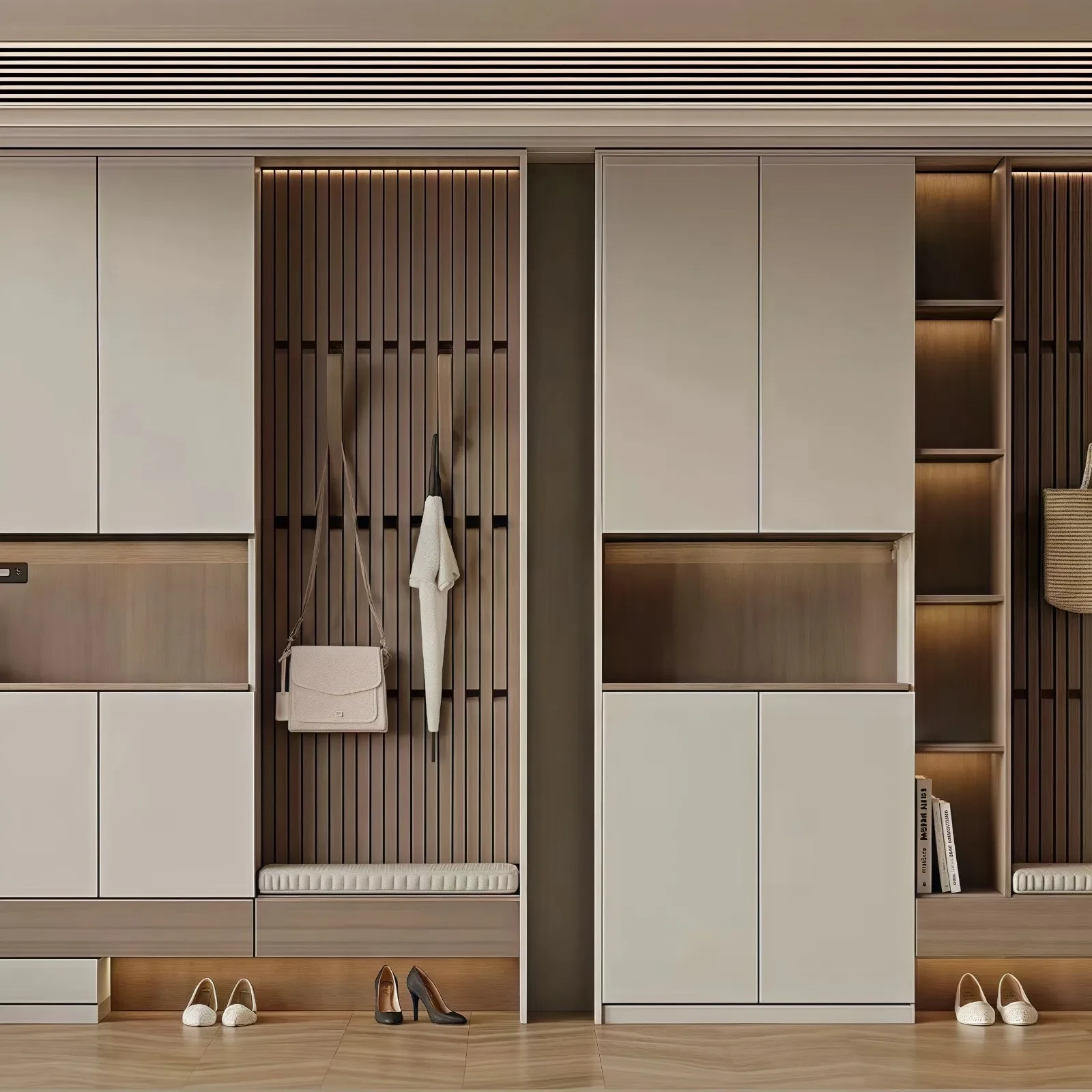
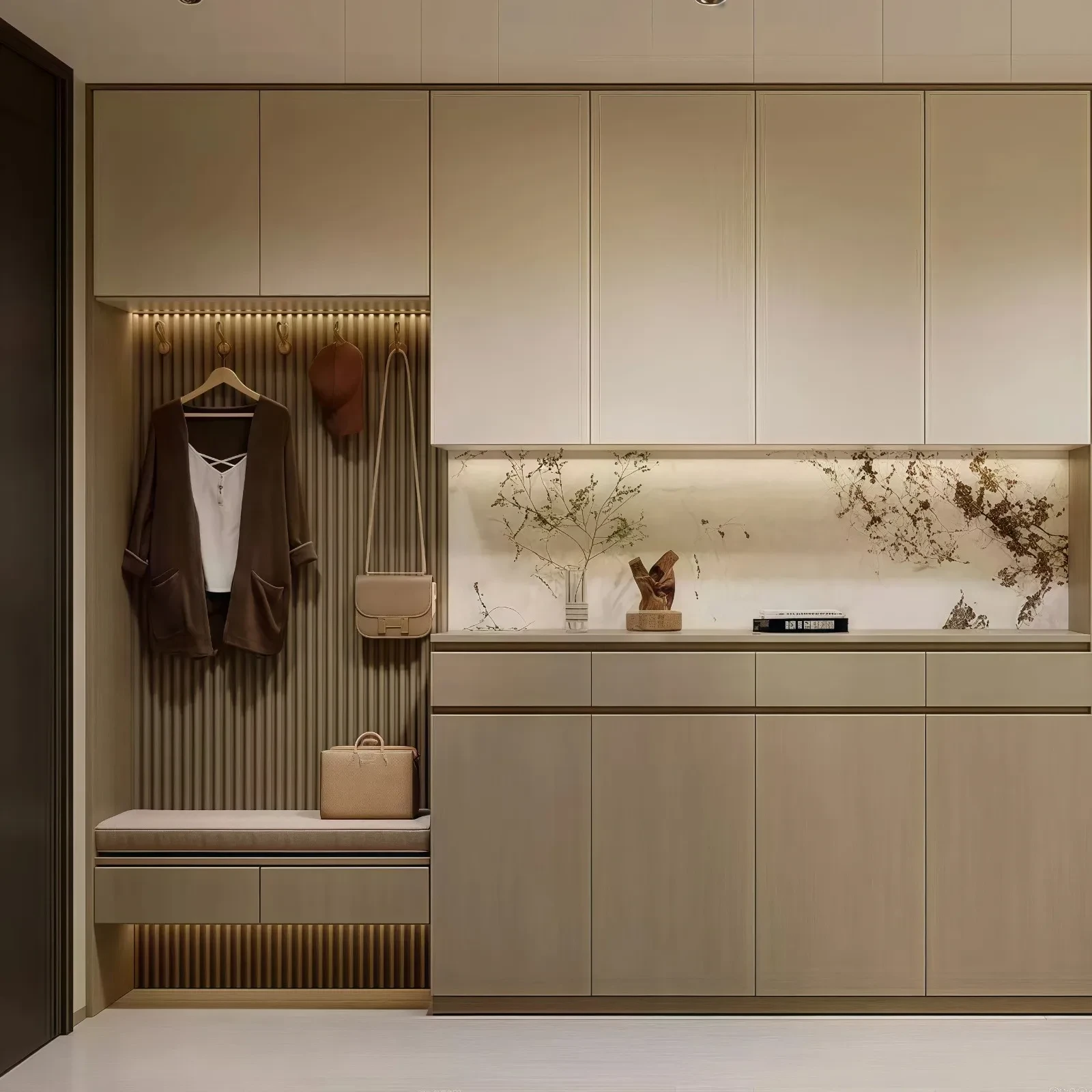
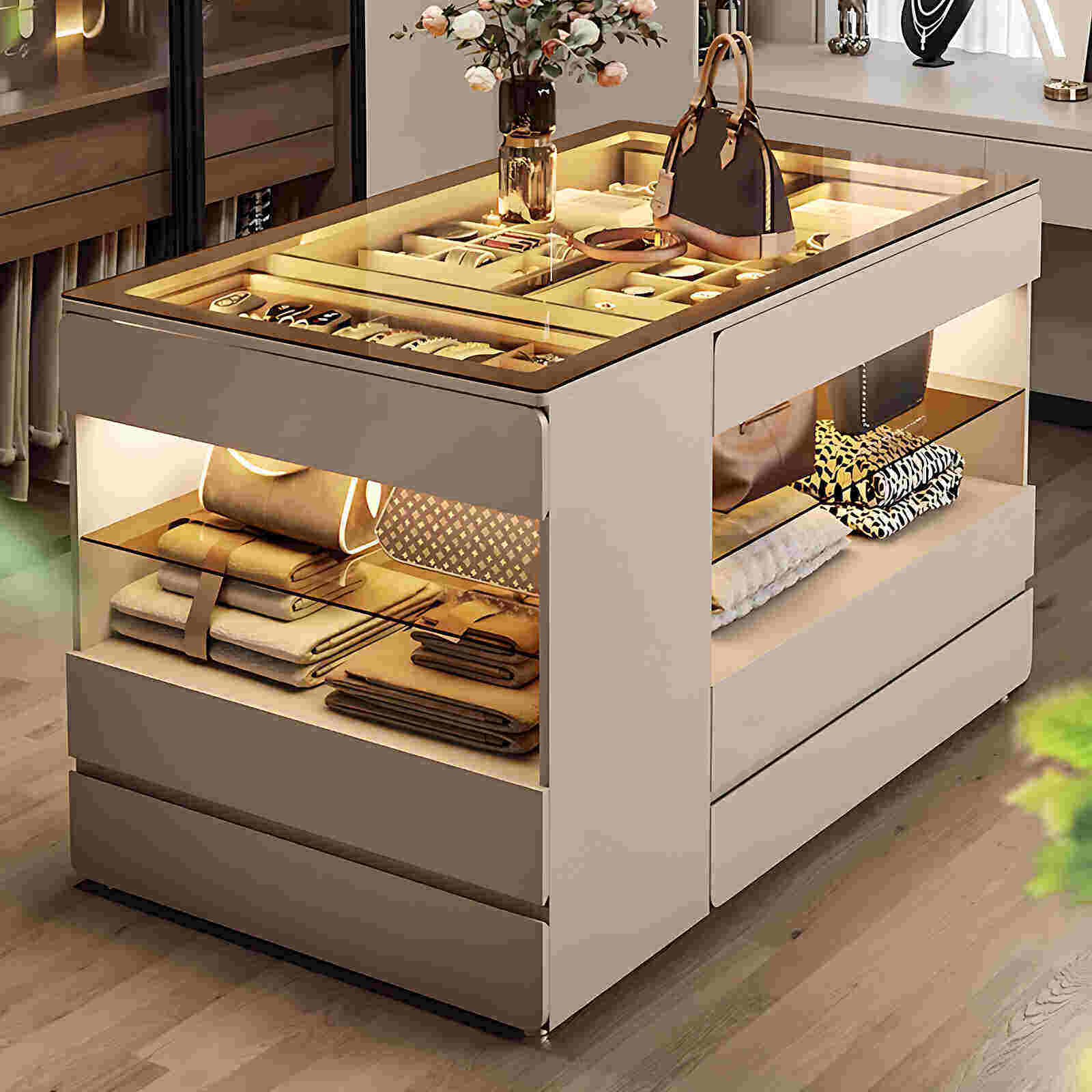
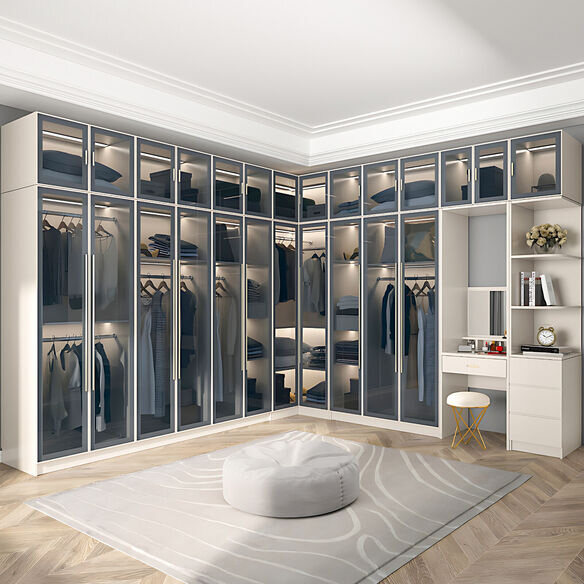
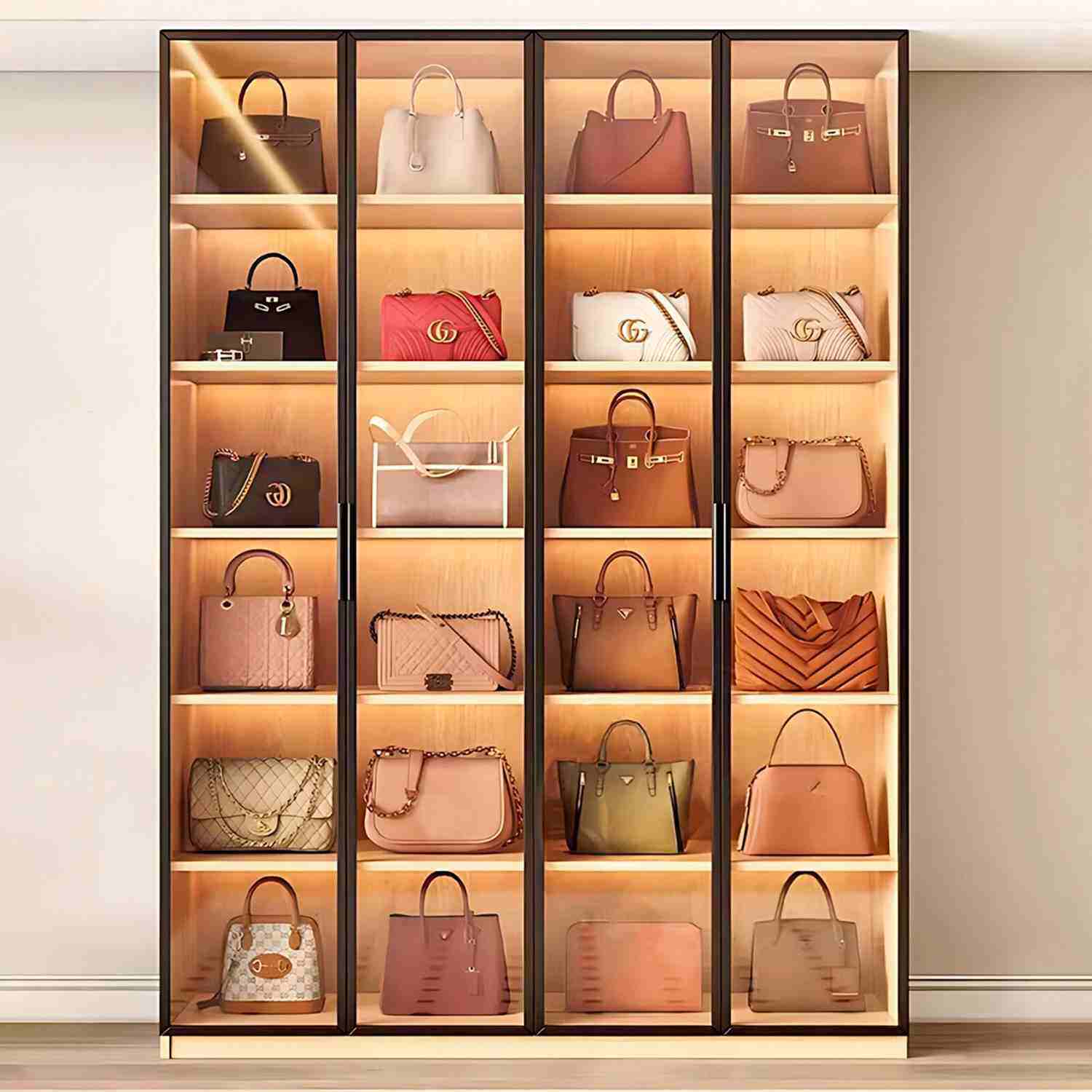
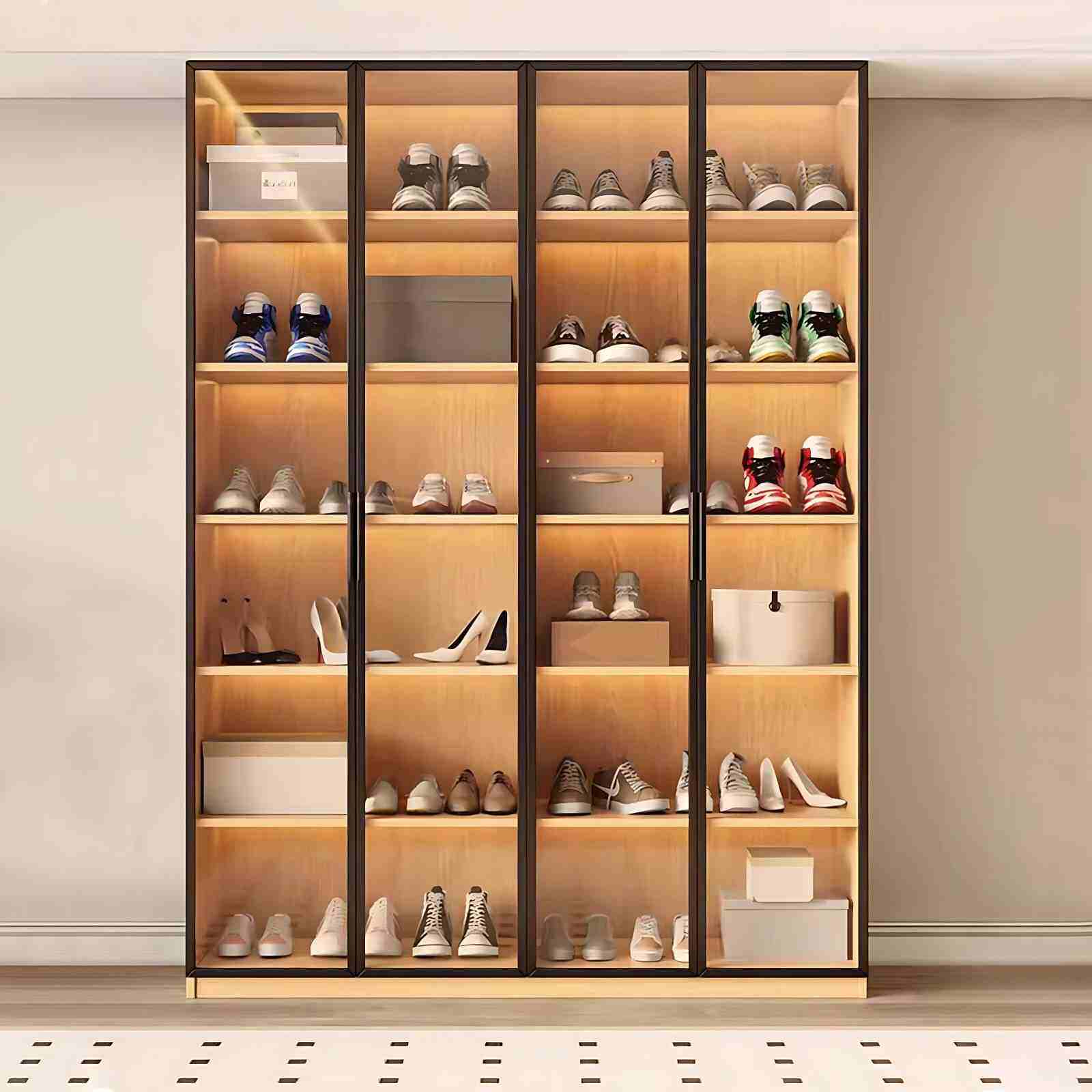
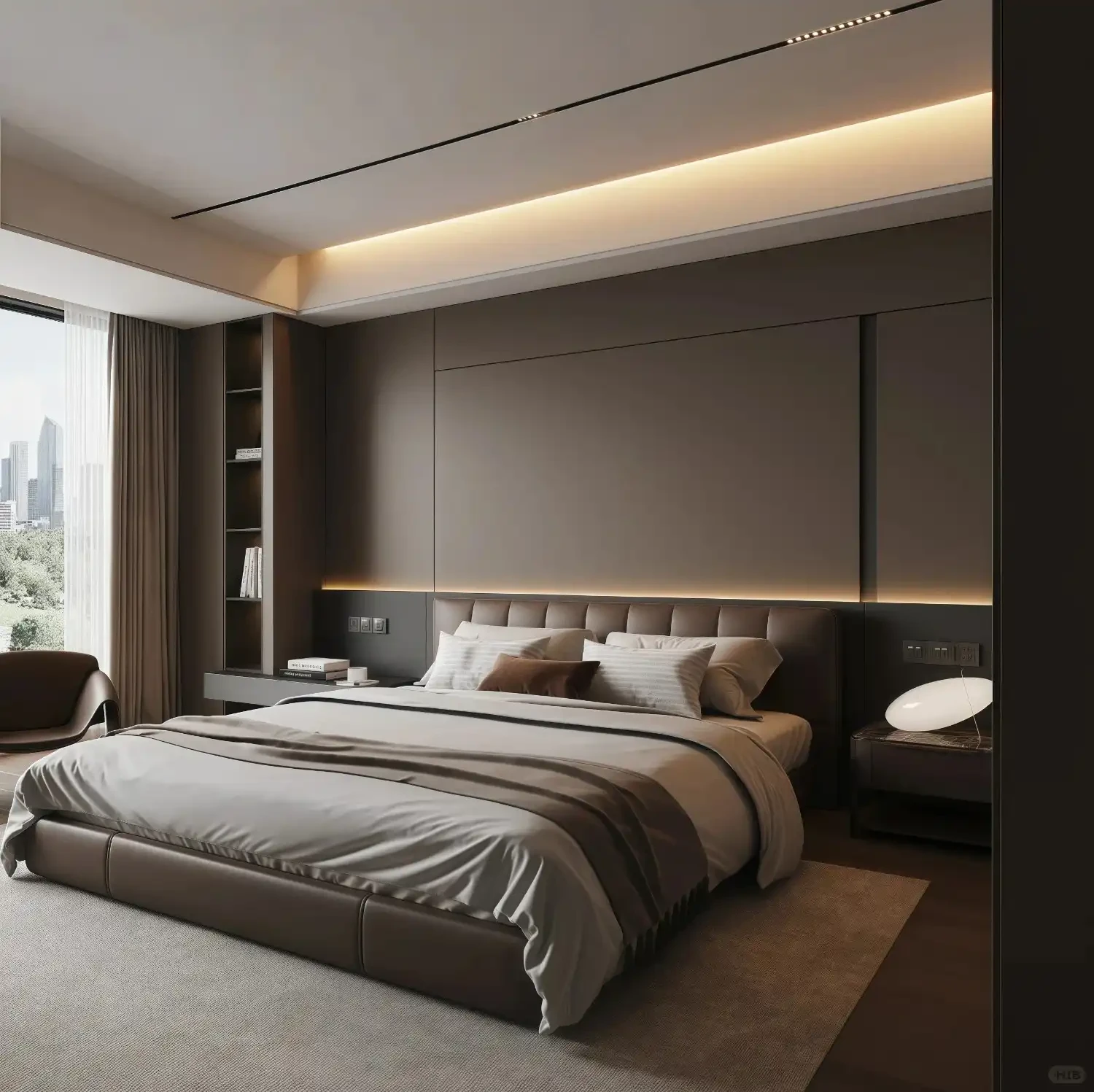
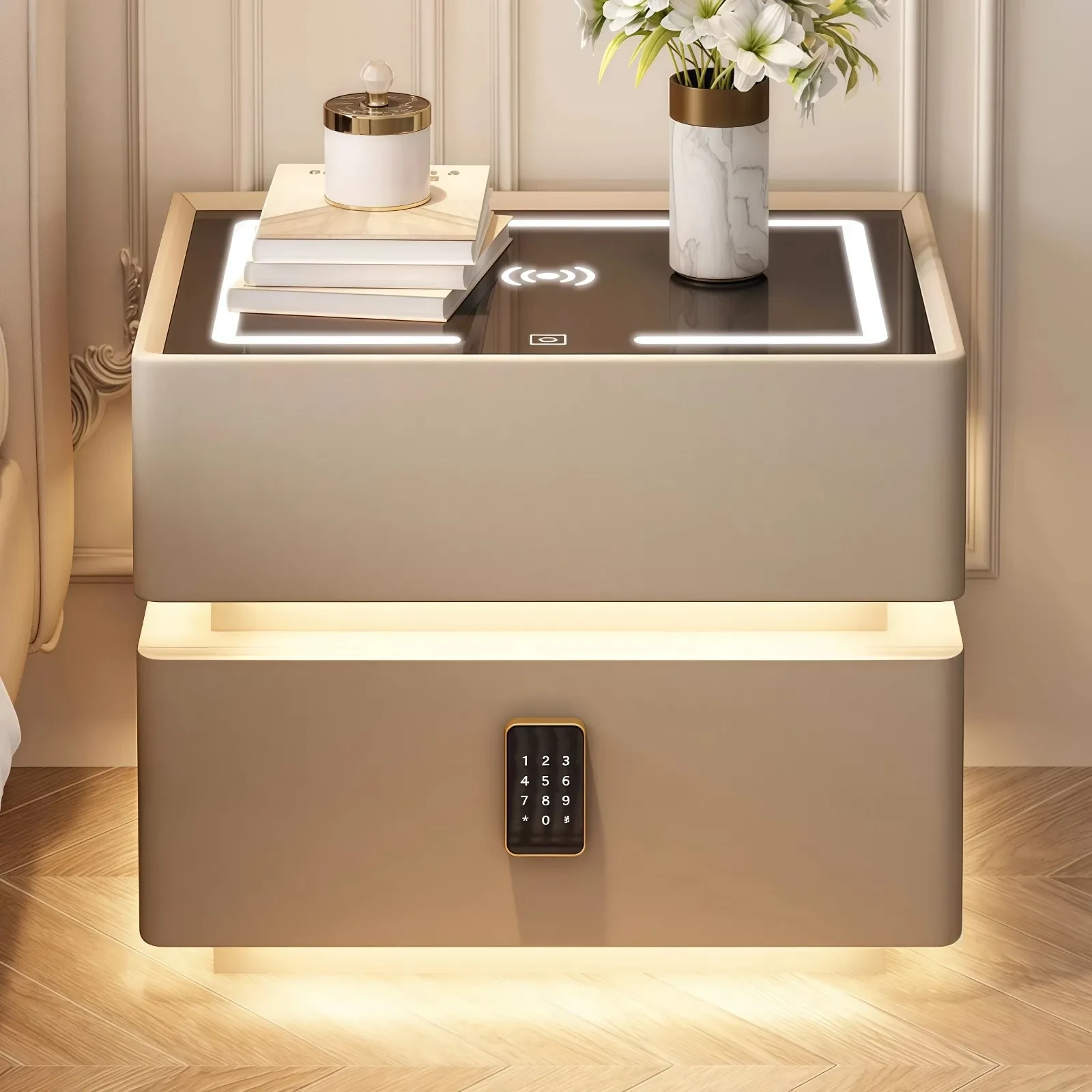
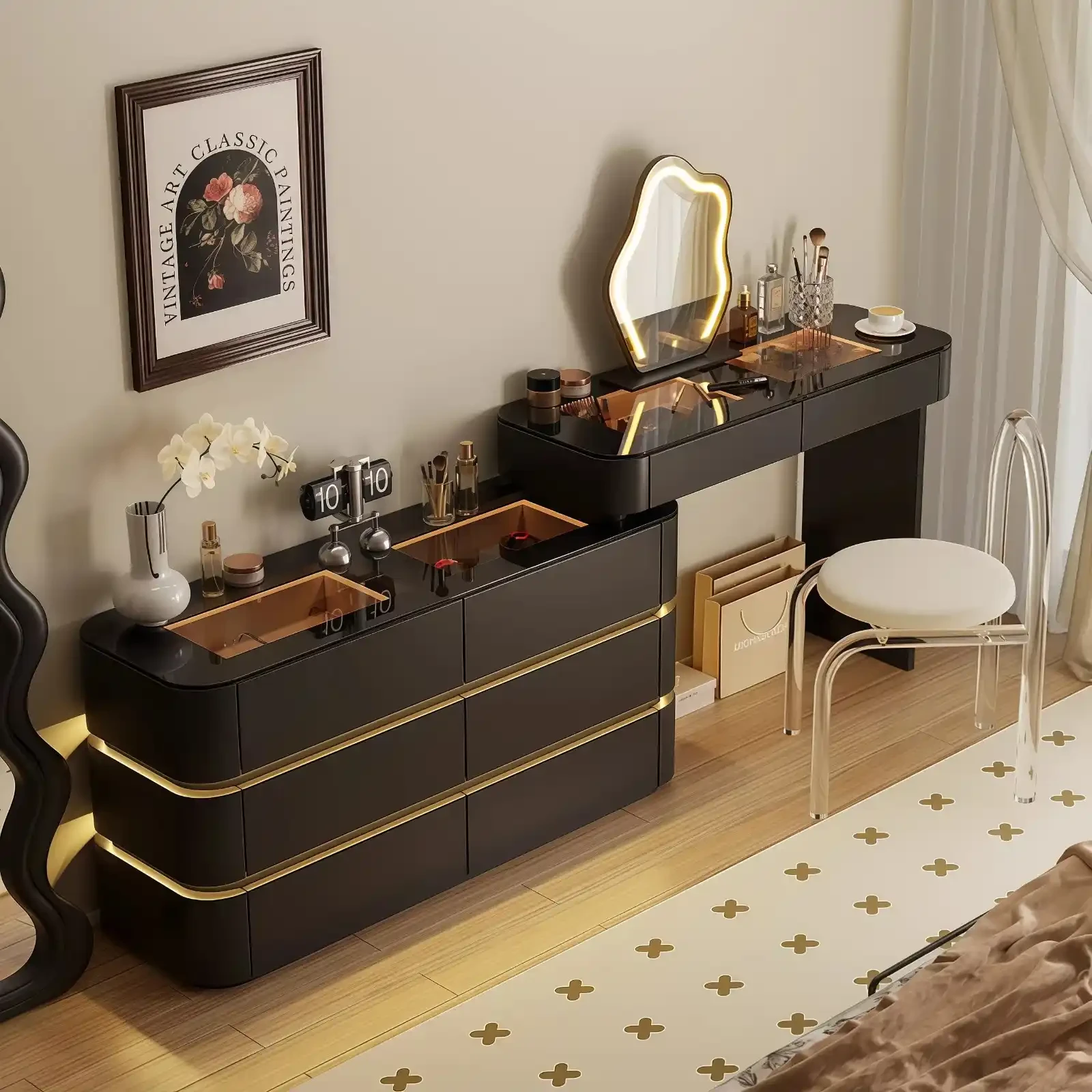
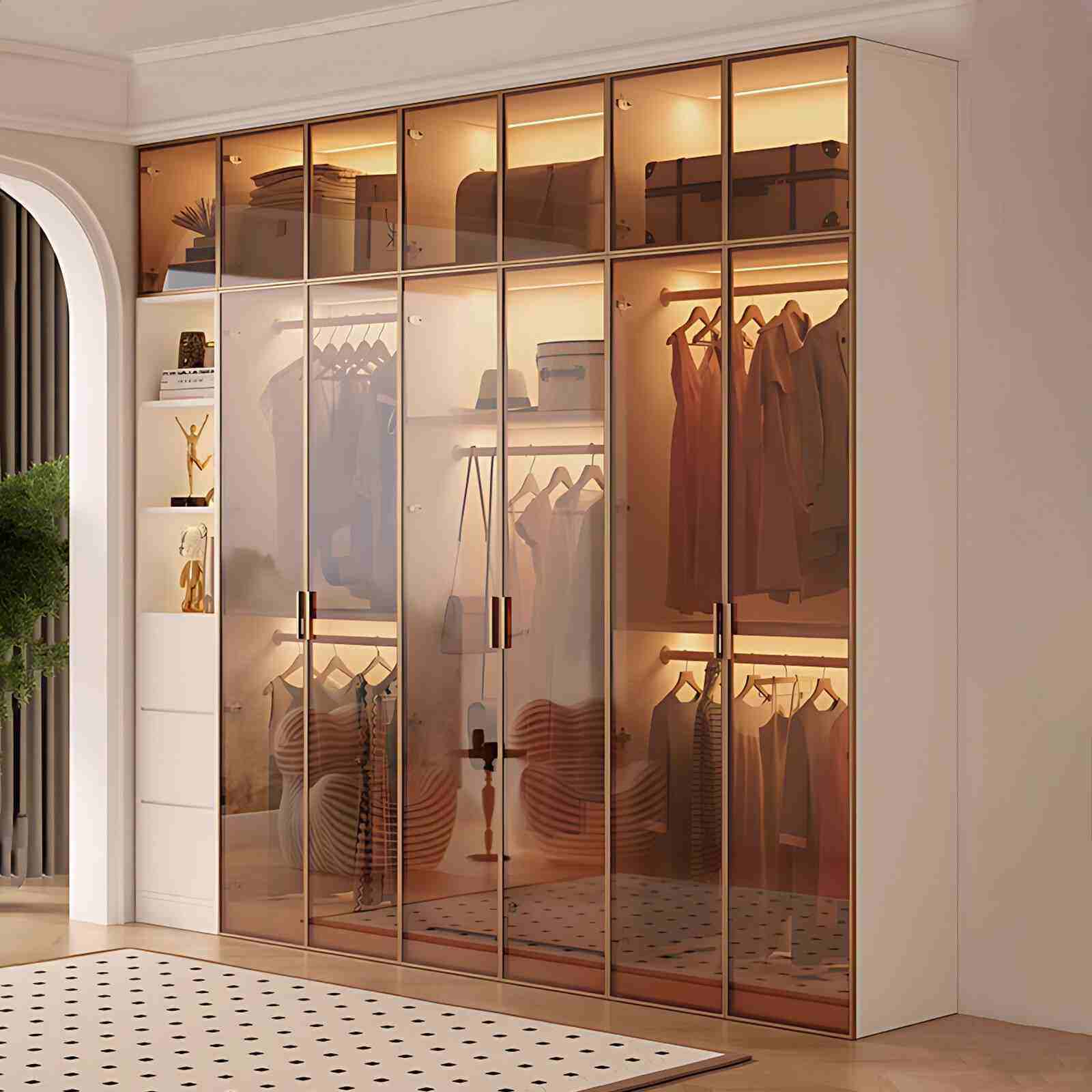
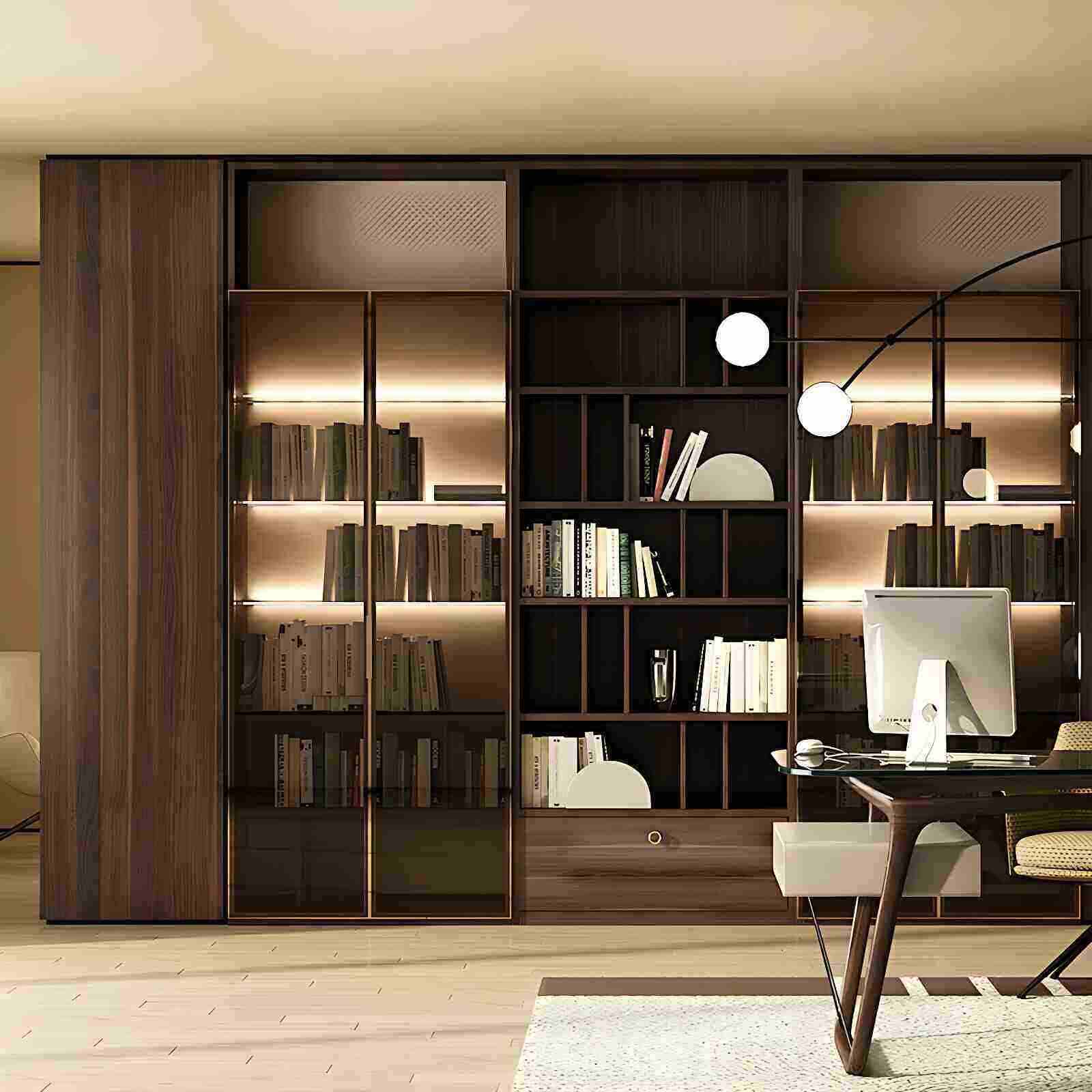

The survey results above show that many people still have questions and confusions about OSB boards, LSB boards, and Australian pine boards. Below, Xiaozhou will teach you two quick ways to distinguish between OSB boards, LSB boards, and Australian pine boards.
Here are a few tricks to see through it at a glance.
First, look at the name.
OSB is an abbreviation for Oriented Strand Board, which is similar to LSB, but they are not the same type of board. After OSB was introduced to China, it was commonly translated as "欧松板" (Ousong Board), which sounds similar to "澳松板" (Australian Pine Board), but they are not the same type of board either.
II. Look at the surface
If what you see at first glance is a large planer blade, then it must be an OSB board.
OSB board, also known as oriented strand board, is made by processing flat, narrow shavings (40mm-120mm long, 5mm-20mm wide, and 0.3mm-0.7mm thick) along the wood grain using specialized shaving equipment. These shavings are then dried, glued, and laid out in a crisscross pattern using specialized installation equipment.
3. Look at the side
Both LSB and Australian pine boards have a layer of fine shavings on the surface, the difference being the size of the shavings. Based on shaving size, the ranking of the three types of boards is: OSB board > LSB board > Australian pine board.
LSB board, also known as oriented strand board, is a five-layer structure with oriented strands. The inner core consists of three layers of oriented strands laid in a crisscross pattern. Compared to OSB board, it has finer materials on the top and bottom layers, resulting in better flatness and making it easier to finish. It is widely used in the production of full-height cabinet doors.
Australian pine board, also known as particleboard, is mainly made from peeled Australian radiata pine logs and has a faint pine scent. It features a three-layer structure: the inner core is in the form of wood shavings, while the top and bottom surface layers are made of fine fibers, resulting in high internal bonding strength. Each board undergoes high-precision sanding to ensure a smooth and flat surface, making it suitable for furniture panel finishing.
Besides the obvious differences mentioned above, OSB boards, LSB boards, and Australian pine boards also share some common features, such as: being healthy and environmentally friendly, having stable performance, odorless rosin, strong load-bearing capacity, strong nail-holding power, and being easy to process without wasting materials.
In terms of application scope, all three are suitable for whole-house spaces. Among them, OSB boards, depending on their product grade, have different load-bearing capacities and environmental adaptability, and can also be used in building structural materials, interior decoration materials, packaging boxes, train carriages, etc.
Based on the above three methods
Now you won't be confused when you encounter the "three siblings of the board industry" anymore ! What other types of boards confuse you?