
 USD
USD GBP
GBP
 EUR
EUR










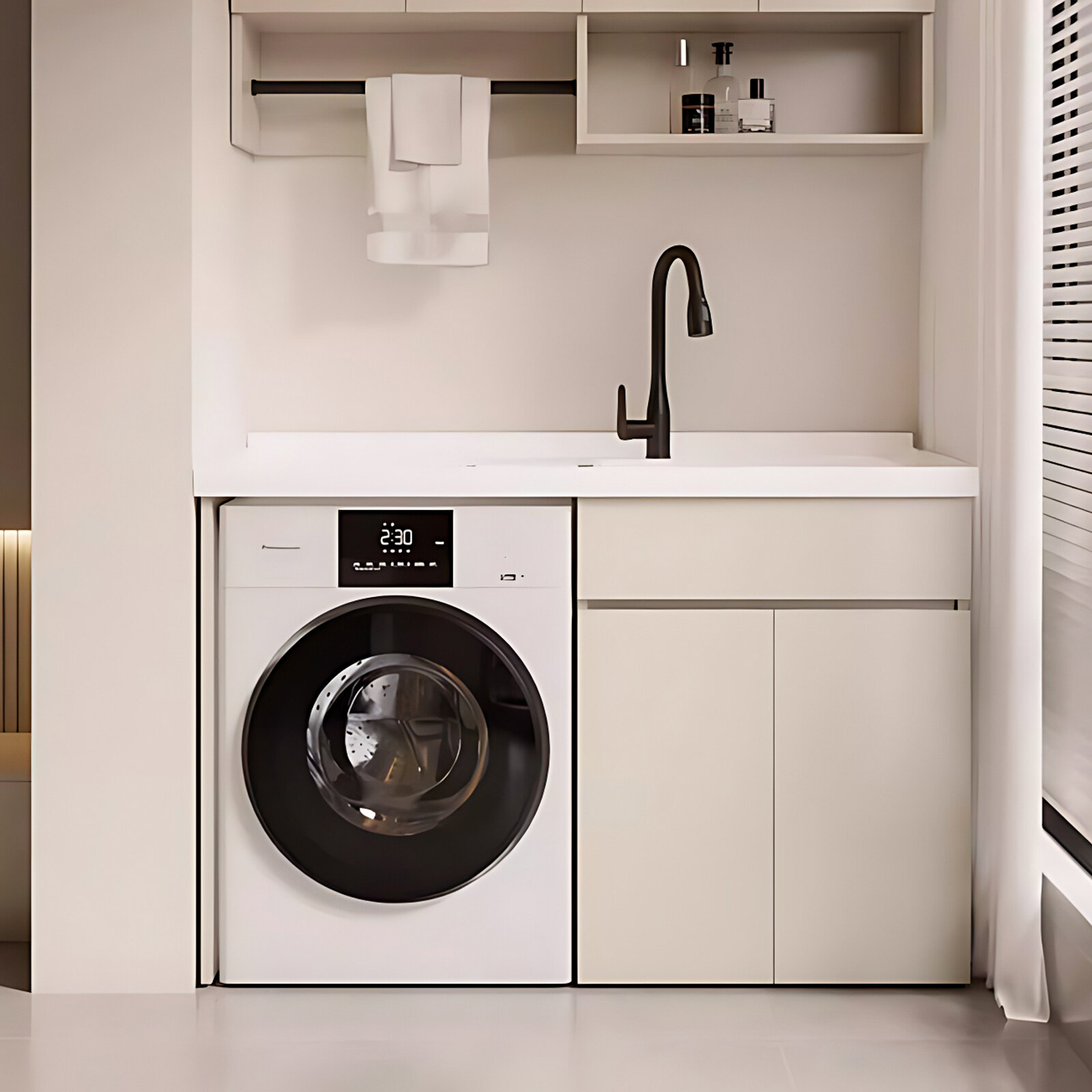
























How to clean an artificial stone washbasin?
We know that artificial stone products are known for their strength and durability, but without regular maintenance, they can still suffer damage. Therefore, if you have artificial stone bathroom fixtures at home, it's important to know some care tips. Below, Langdi Sanitary Ware will introduce how to clean artificial stone washbasins.
1. Operational characteristics
Many people who want the look and custom design of natural stone think of products made of artificial stone. Artificial stone products are cheaper and lighter than those made of natural stone, making them popular with modern families. However, they require maintenance during daily use. When caring for artificial stone bathroom fixtures, it's important to know that using corrosive cleaners or cleaning solutions containing hard abrasive particles can easily damage the outer shell.
Calcium deposits easily form on the inner surface of washbasins, a condition that cannot be prevented even with a fine filter. If you have a washbasin made of light-colored artificial stone, it is strongly recommended to avoid leaving unfinished coffee, beet juice, and other stains on its surface. If the washbasin is not cleaned immediately, persistent stains and grime will begin to form at the bottom, making it difficult to clean in the future. Additionally, over time, faucets can cause surface corrosion. Rust stains are among the most difficult to remove.
2. Assess the degree of contamination before cleaning.
For particularly stubborn stains, it is recommended to keep a special detergent for cleaning composite surfaces on hand. Using them is very simple: apply a small amount of detergent to the entire surface of the sink, rinse after 10 minutes. Similarly, any chlorine-based bleach is also a good way to combat persistent stains and grime.
Cleaning is more effective when using melamine sponges, which produce special foam. As the foam forms, one fragment of the sponge opens while another closes, creating a balance of rigidity and elasticity. This type of sponge can clean almost any surface.
3. Cleaning agents
Before purchasing detergent, ensure it is free of caustic alkalis and acids. For example, it is not recommended to use liquids or gels to clean artificial stone under any circumstances; specialized artificial stone sink cleaners are generally available at hardware stores.
(1) Pemo Lux
This tool will ensure the purity of the washbasin and eliminate unpleasant odors. However, it is recommended not to apply the powder directly to the surface of the washbasin. It must be mixed with water beforehand to ensure the consistency of the slurry.
(2) Chlorine-containing cleaning agents
This sink cleaner will not damage the stone surface; instead, it helps to effectively remove lime deposits from the stone. For routine maintenance behind the sink, liquid detergent can be used to clean kitchen utensils. With regular use, stains and grime will not remain on the sink surface.
(3) Citric acid
This product is for use only on lightweight artificial stone. It perfectly removes stains and rust from various staining liquids. To use, apply lemon juice or a concentrated citric acid-like substance to the stained area. Leave it for 5-10 minutes, then rinse the surface thoroughly with plenty of water. Alternatively, thin slices of lemon can be used to leave the stain on the spot for a short time.
(4) Use baking soda water
You can clean black, greasy films and other contaminants. It's important to dissolve the baking soda in water beforehand and keep it at a thin consistency. Next, apply the mixture to a cloth and distribute it around the sink. Adding baking soda is not recommended. Leave it on for a few minutes, then rinse the surface. You can repeat this process.
4. Clean limescale
Water is frequently present in kitchen spaces, which can cause limescale buildup. A reliable and quick way to solve this problem is to use a specialized cleaner containing a composite material or a common vinegar solution. Therefore, the specialized cleaning solution should be applied to the entire surface of the sink after 10-20 minutes – then rinse thoroughly.
When cleaning with acetic acid solution, you can follow these steps:
(1) Wear rubber gloves;
(2) First soak the sponge in a 9% vinegar solution;
(3) Wipe the contaminated area with a sponge;
(4) Wait 5 to 7 minutes;
(5) Rinse the surface with water at room temperature;
(6) Wipe the entire surface with a dry, soft cloth.
5. Prevention and Usage Techniques
To keep your sink looking its original appearance, here are some tips to help you.
(1) First, do not neglect preventive measures. After cooking, immediately remove food residue and wipe the surface with liquid tools from the kitchen utensils. This will prevent bad stains or dirt from appearing on the surface.
(2) If you wipe it dry regularly, it will be more difficult for limescale to accumulate on the sink.
(3) The surface needs constant maintenance. Polishing and grinding should also be performed regularly.
(4) Using baking soda can clean stubborn dirt. It will also help to whiten the surface and achieve a whiter stone tone for polishing.