
 USD
USD GBP
GBP
 EUR
EUR
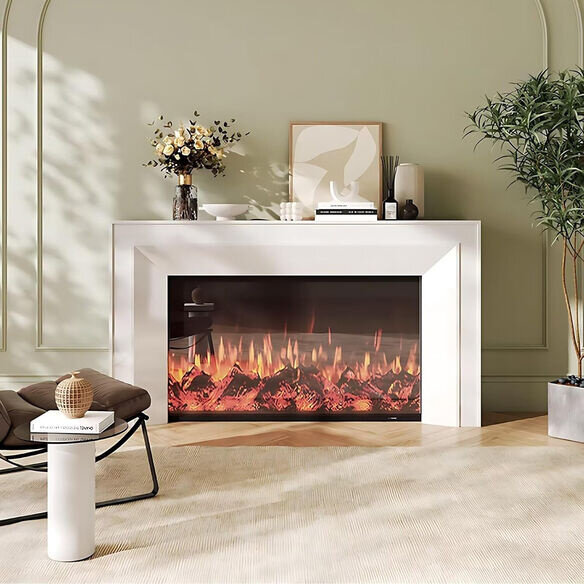


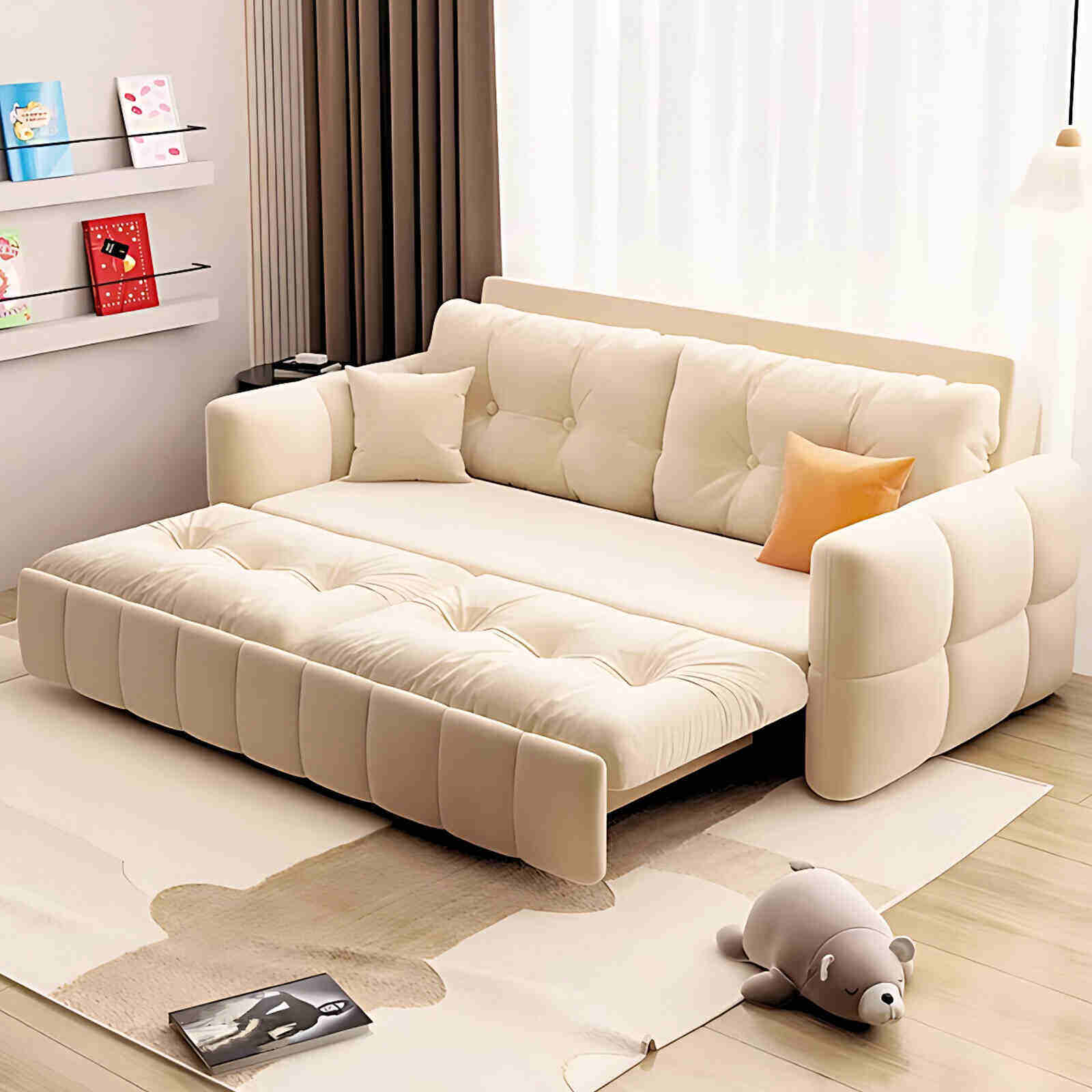
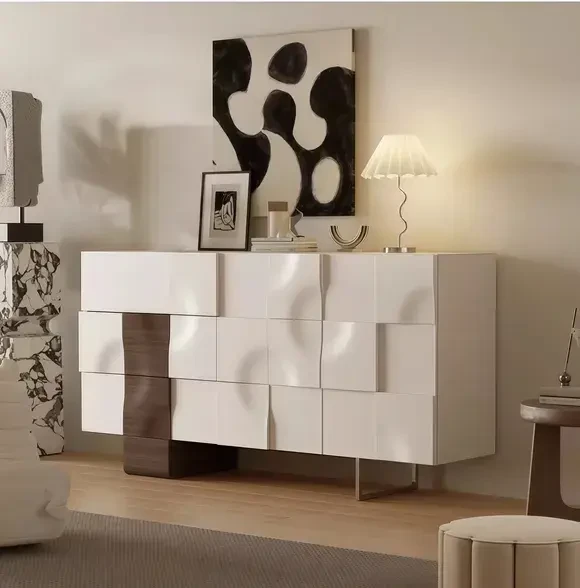


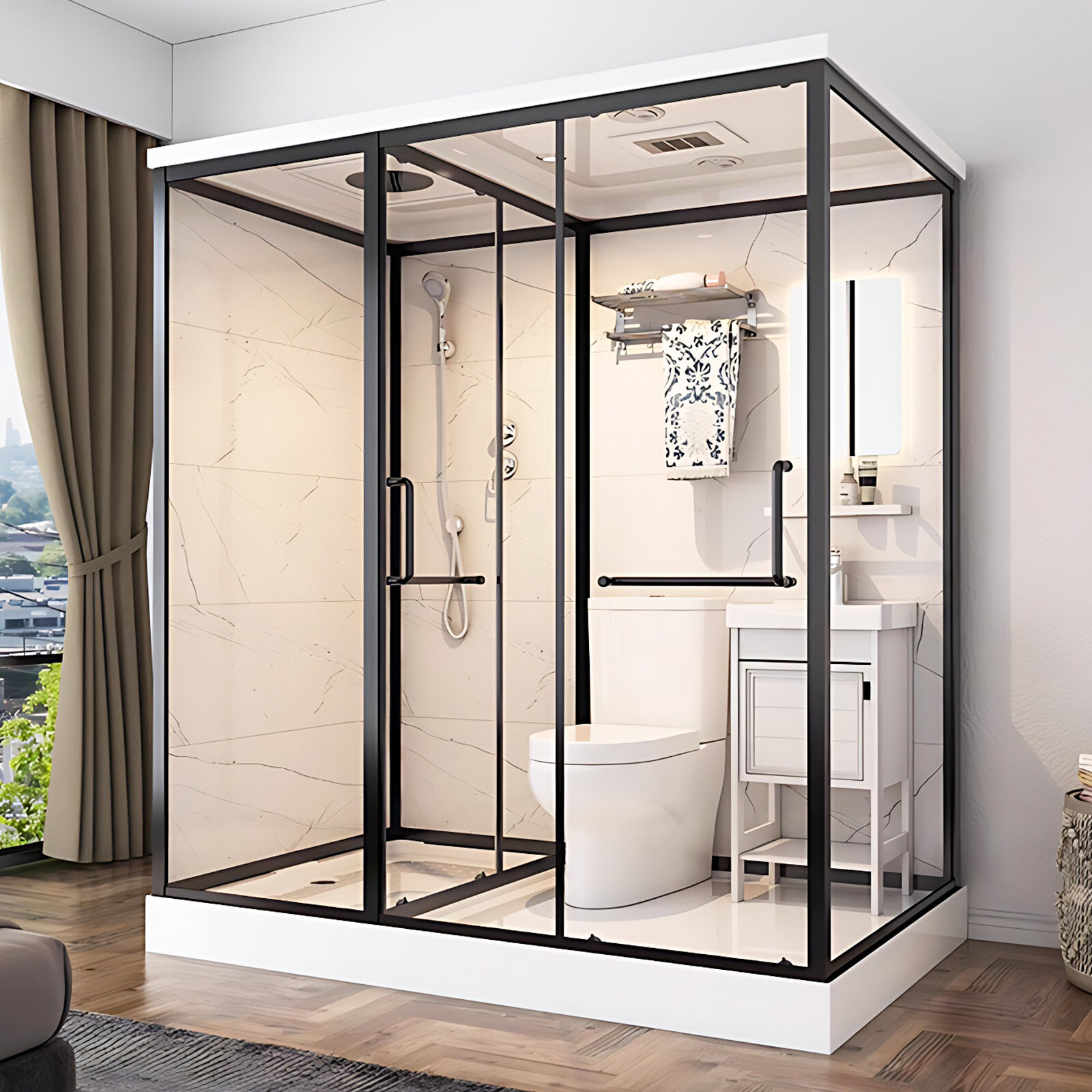


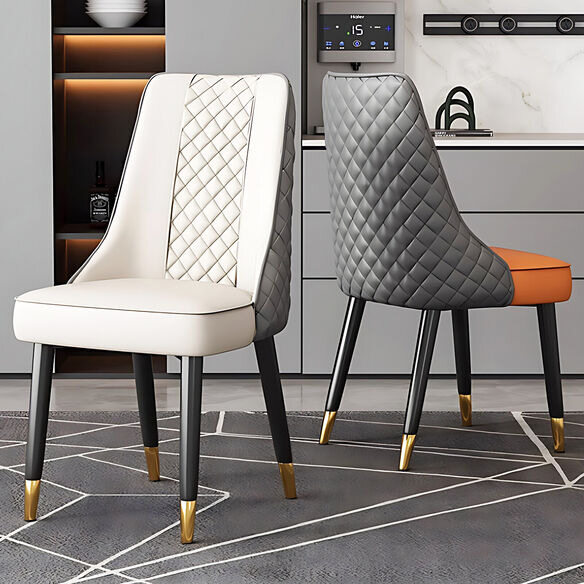
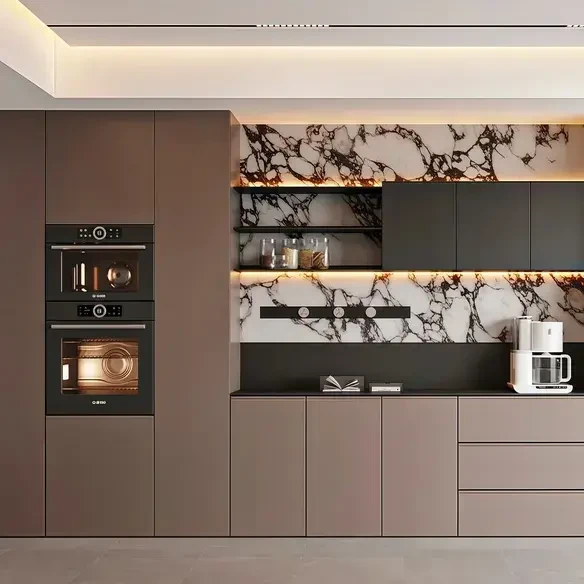
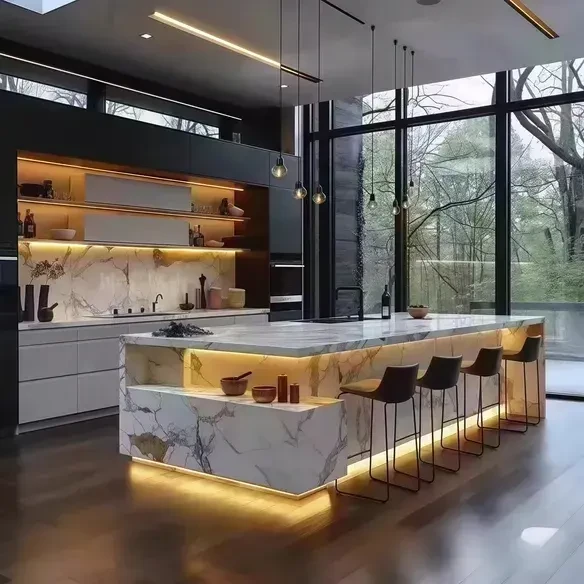
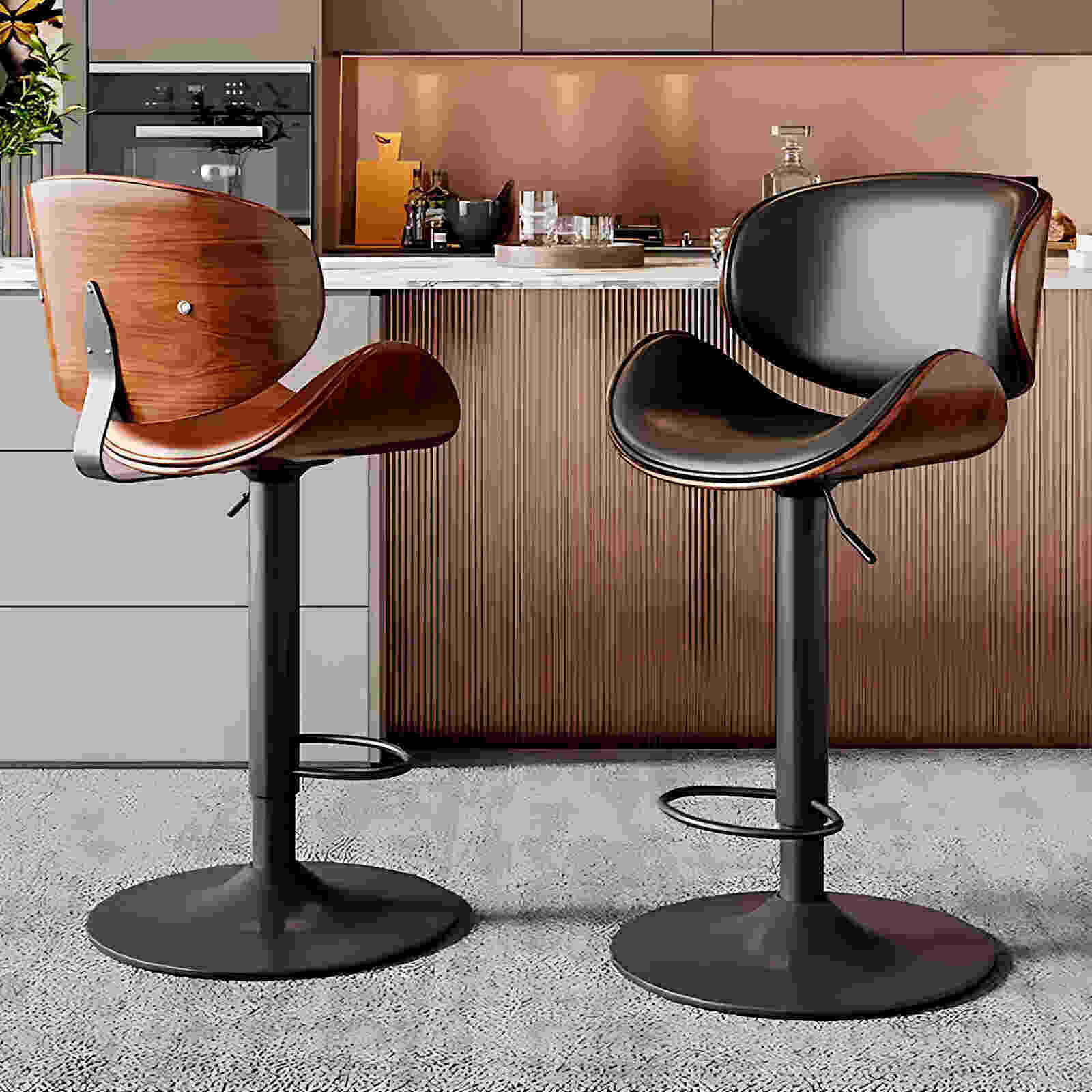



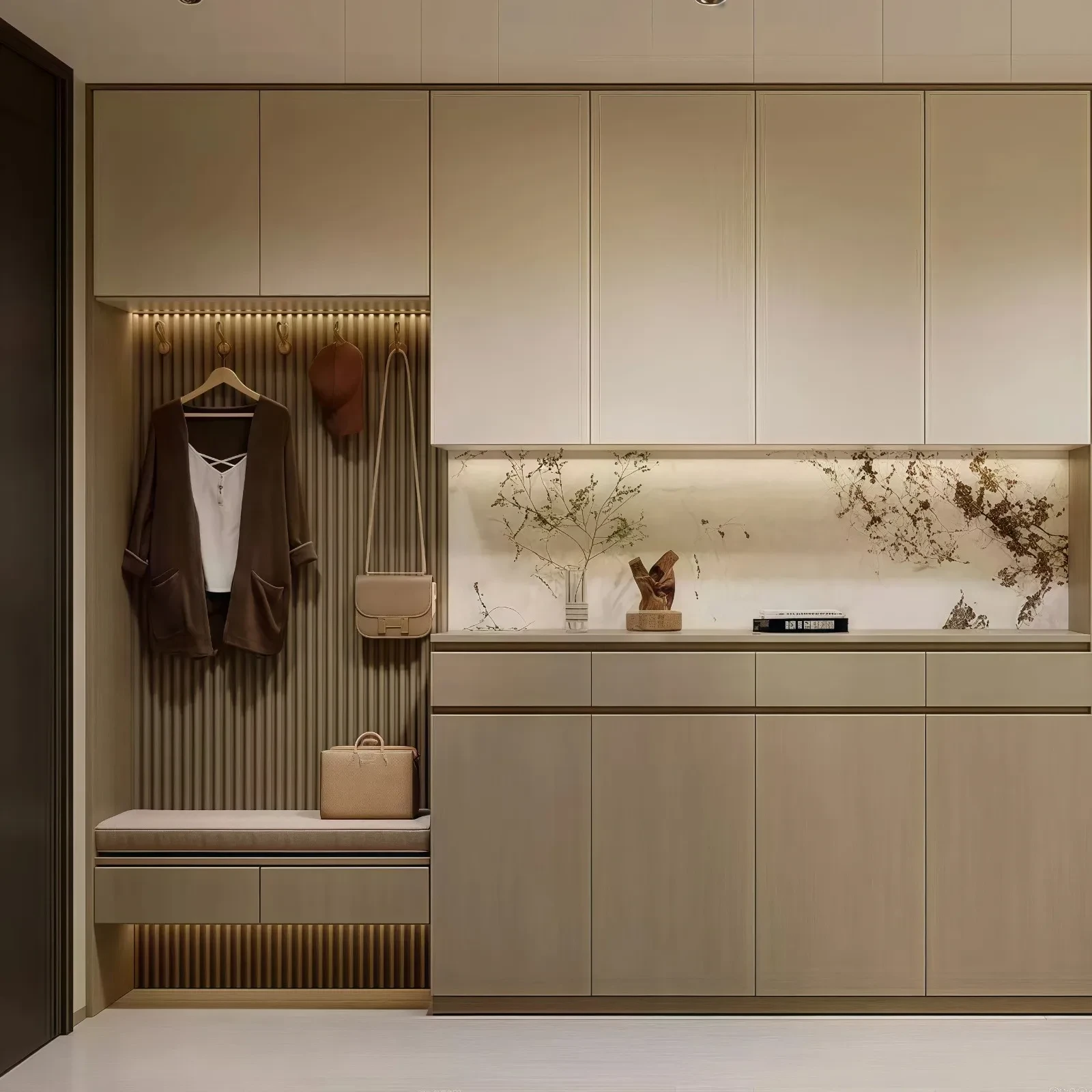
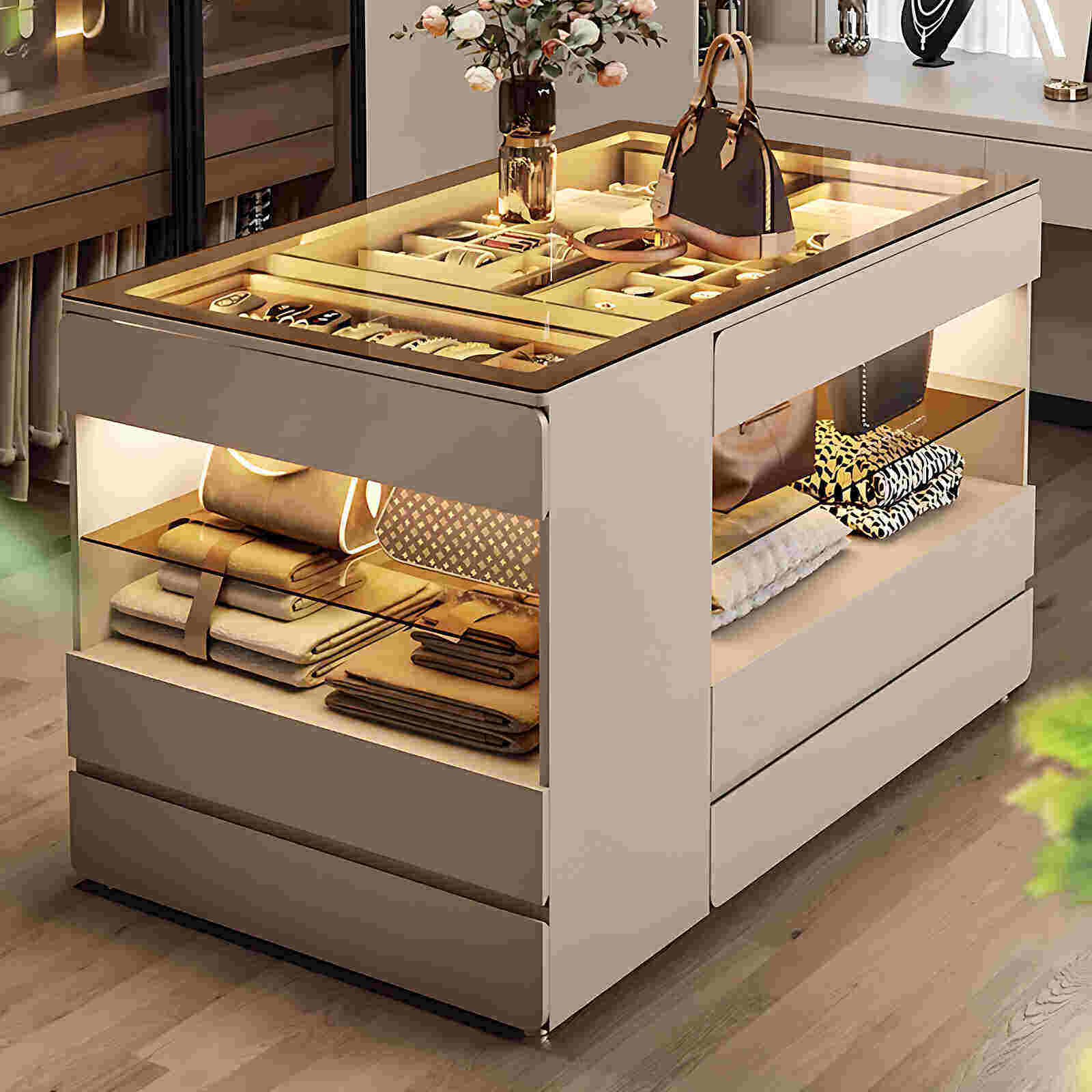

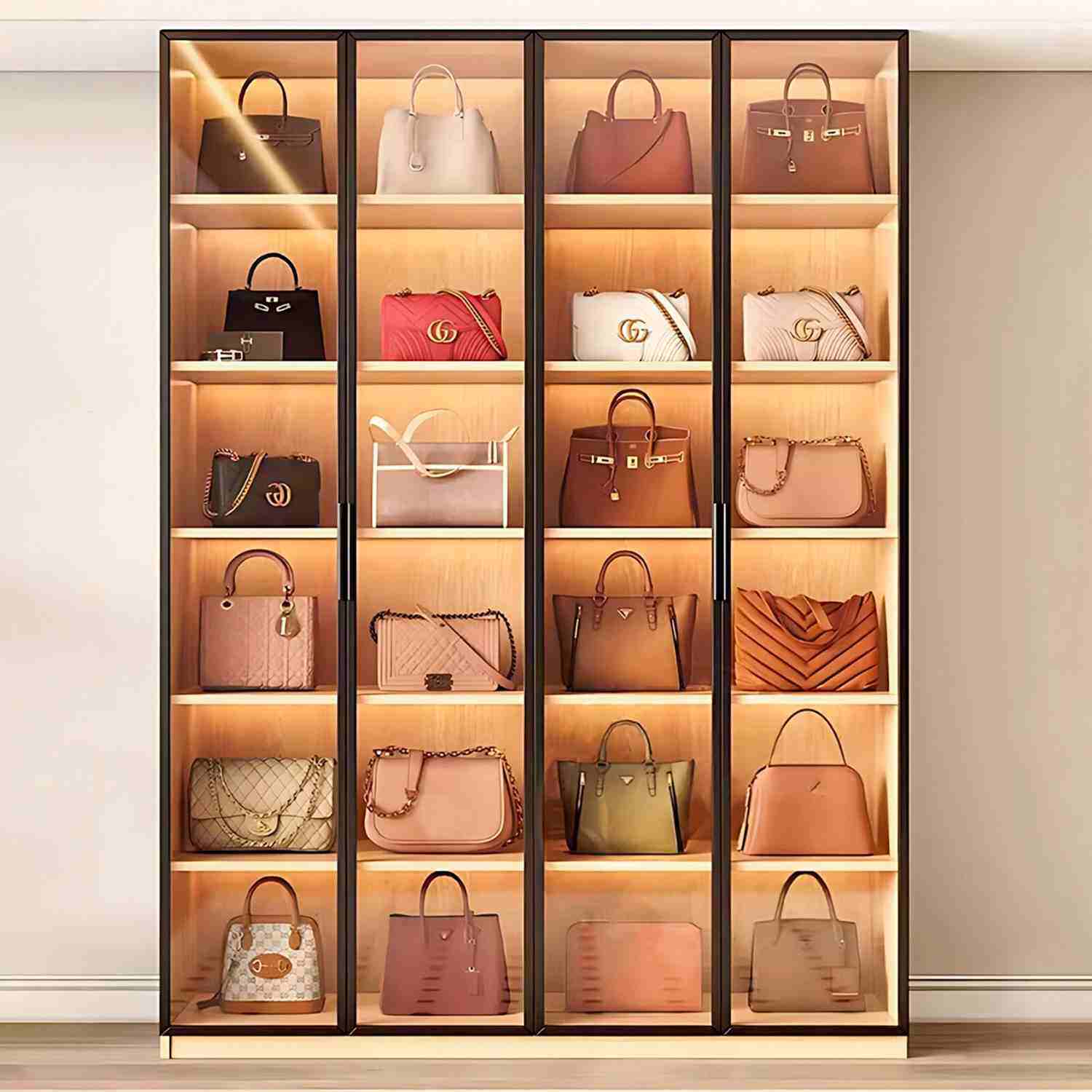

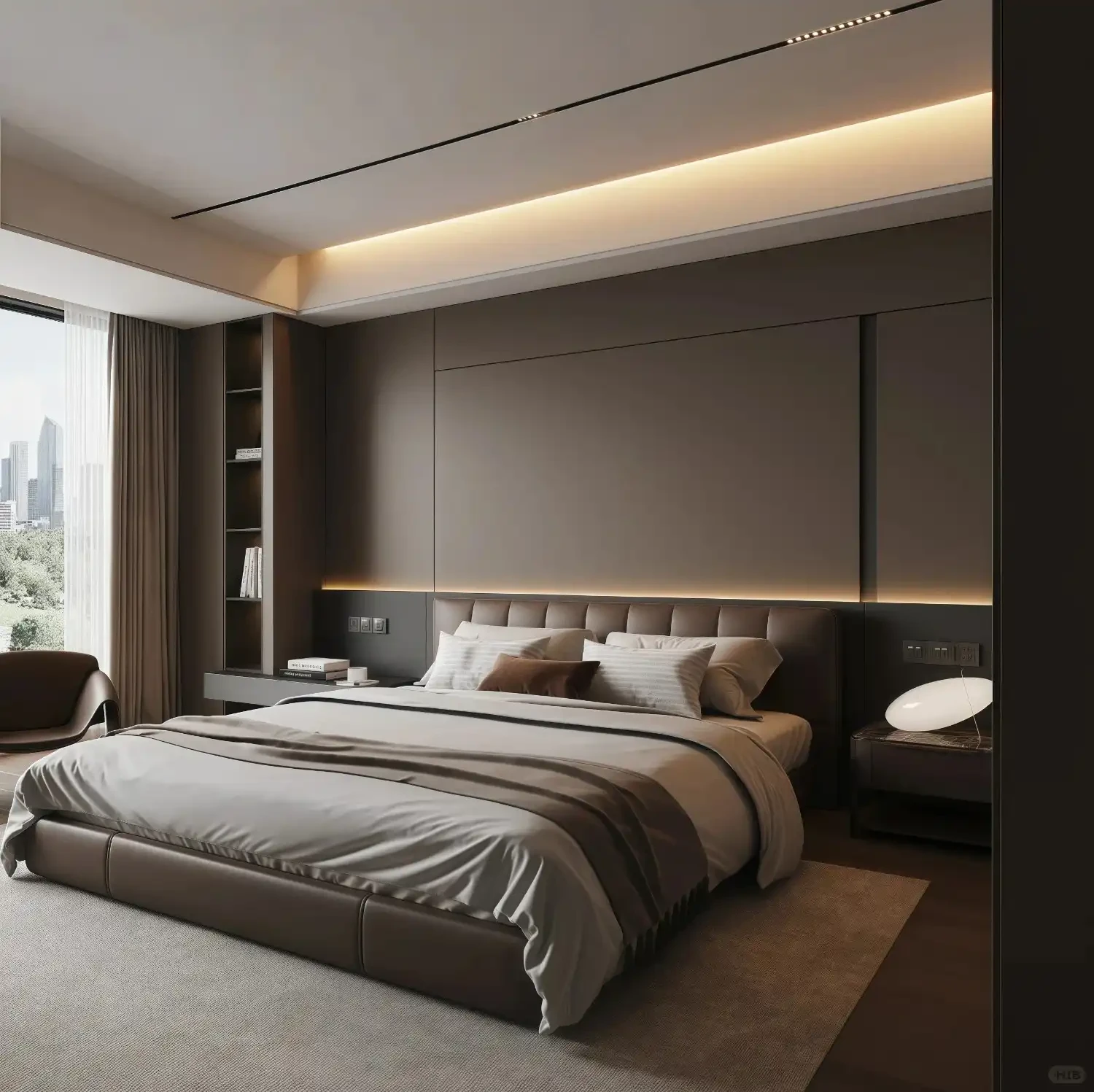




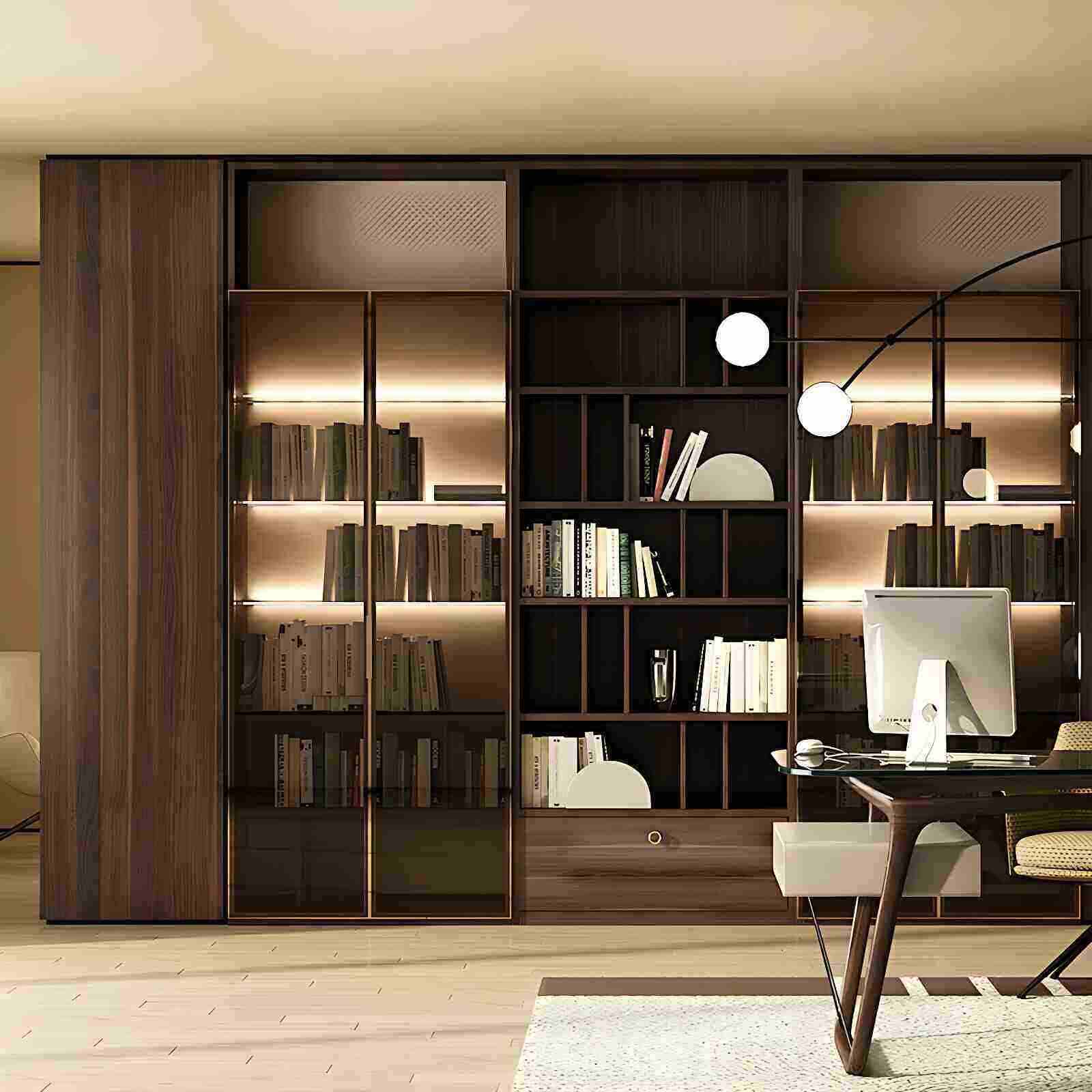

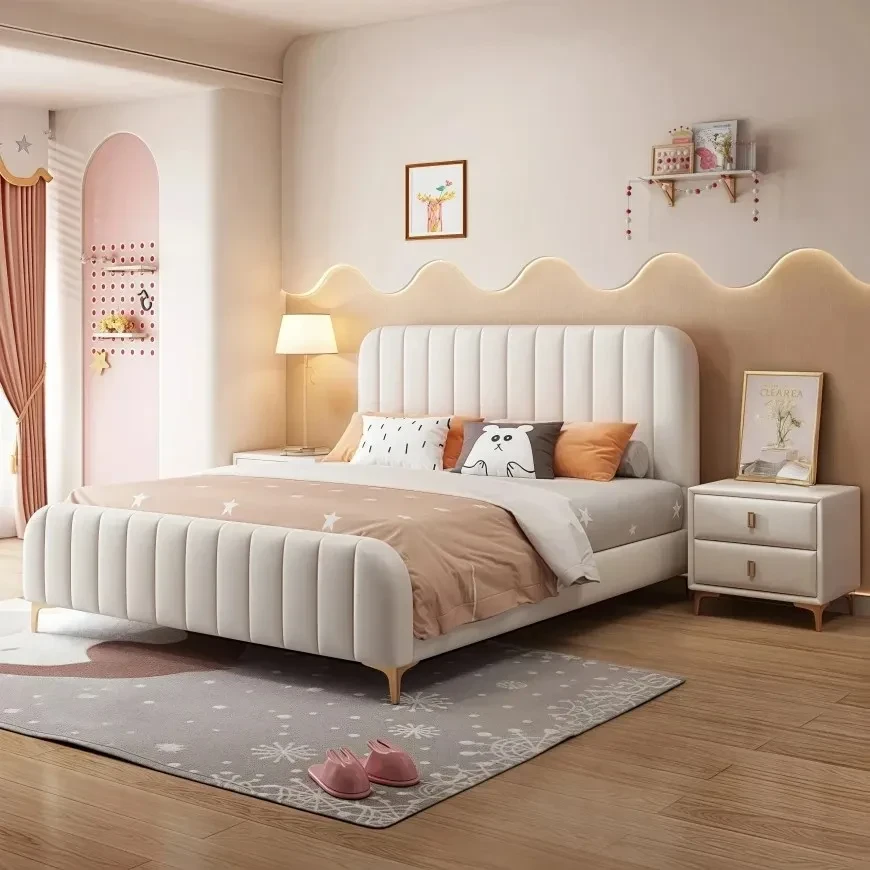
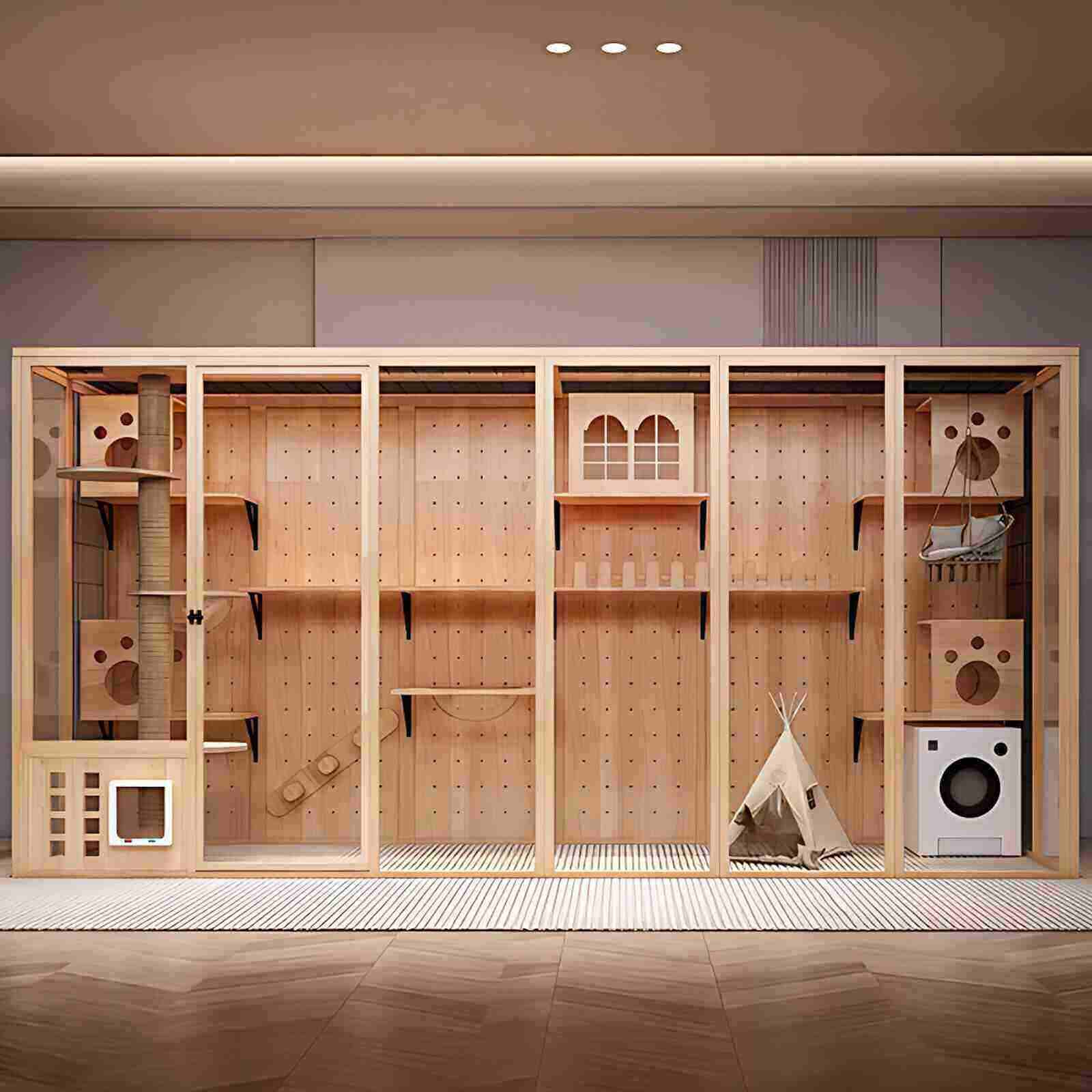

Plywood is indispensable for interior decoration, highlighting its importance. The quality of plywood directly affects the quality of the renovation; poor-quality plywood can create safety hazards, while good-quality plywood ensures a beautiful and safe home. Therefore, choosing the right plywood is crucial. Below, we'll introduce how to choose plywood to help you select the right materials.
How to Choose Plywood
1. Recognize major brands
When choosing plywood, it's best to select a well-known brand. Such brands tend to be more influential and reputable. If you're unfamiliar with a brand, you can research it online beforehand. Big brands value their image and brand worth, and therefore tend to prioritize quality and service, which reduces the risk for homeowners.
2. Pay attention to the signs.
When purchasing plywood, always check the packaging and promotional materials for official product markings. Due to market irregularities, many smaller brands often forge inspection reports to deceive consumers, making exaggerated claims about their products when the reality is quite different. Therefore, consumers should ask the dealer for the original inspection report to avoid being scammed.
3. Distinguish between genuine and counterfeit products by price.
Plywood is almost always used in home renovation, and its quality is related to the environmental protection factor of the home decoration. Substandard plywood will release formaldehyde exceeding the standard. Therefore, you should not blindly try to save money when choosing plywood. Generally, the market price of better quality plywood is between 120 yuan and 280 yuan.
4. Smell for any odor.
If the plywood emits a pleasant wood scent, it indicates that the formaldehyde release is low; if the odor is pungent, it indicates that the formaldehyde release is high, and it is recommended not to purchase such materials.
Uses of plywood:
Good quality plywood has many advantages, such as high strength, good nail-holding performance, hard texture, and sound and heat insulation. This type of board is often used in the production of furniture, false walls, partitions, doors and windows, and curtain boxes, and is an indispensable material in decoration.
Advantages and disadvantages of plywood:
Advantages: Plywood is relatively simple to process, has good nail-holding power, is sturdy, and has heat insulation properties. Moreover, the interior of plywood is made of solid wood strips, so the requirements for processing equipment are not high, and on-site construction can be carried out, which is convenient.
Disadvantages: Plywood uses urea-formaldehyde resin in its production, resulting in a relatively high formaldehyde release; many manufacturers cut corners in the production of plywood, leading to reduced nail-holding power; different materials in the solid wood strips inside the plywood result in different densities, which can easily lead to warping and deformation if not properly handled, affecting its use and appearance; and because the surface of plywood is relatively rough, surface treatment is relatively troublesome.