
 USD
USD GBP
GBP
 EUR
EUR
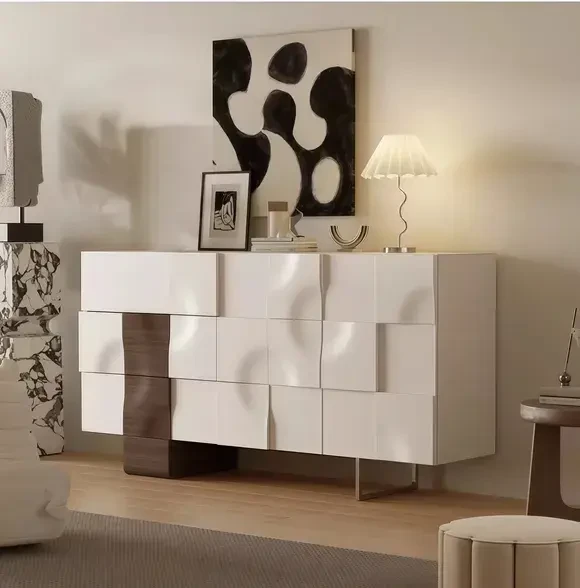
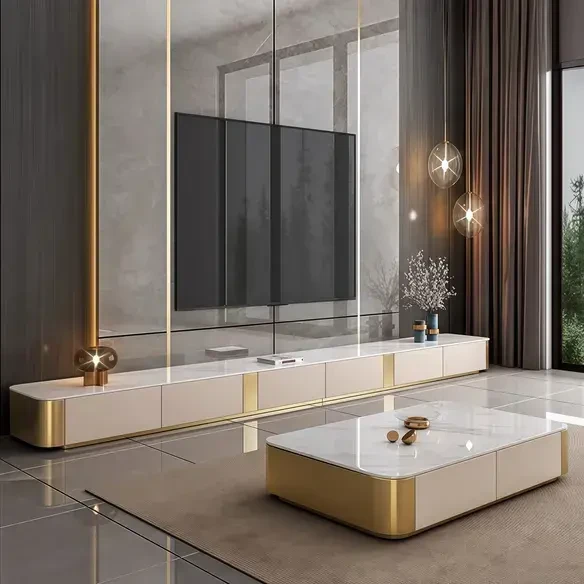
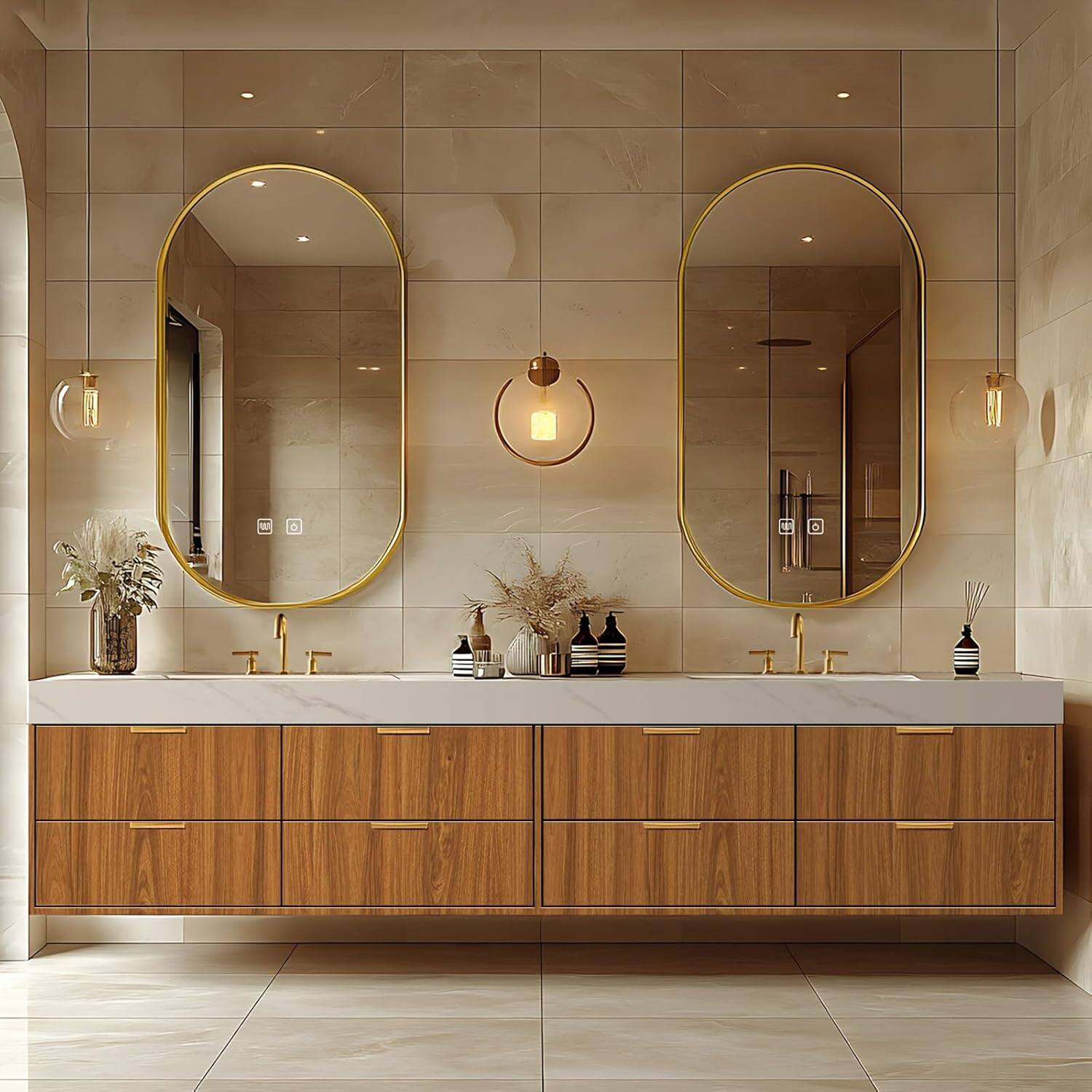
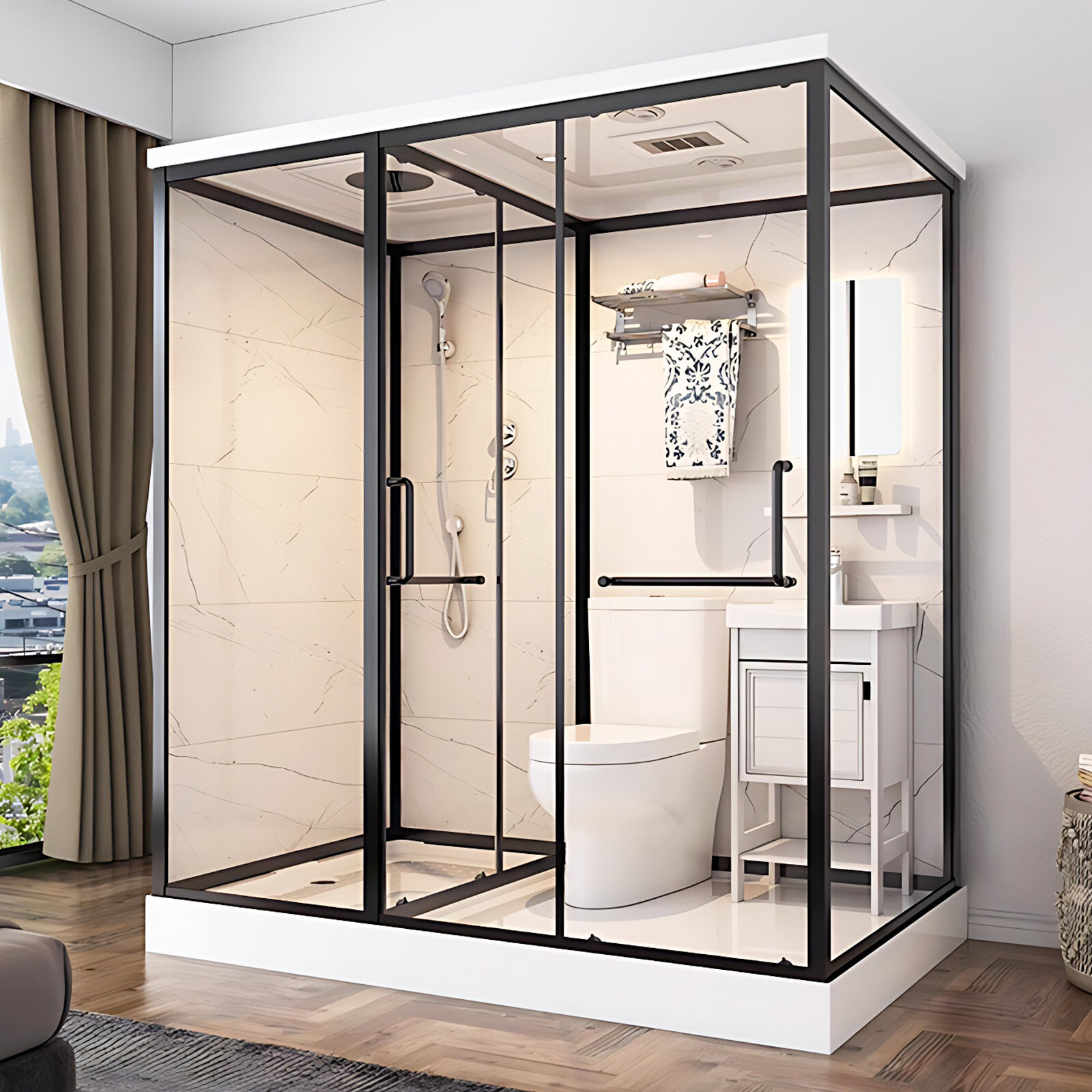
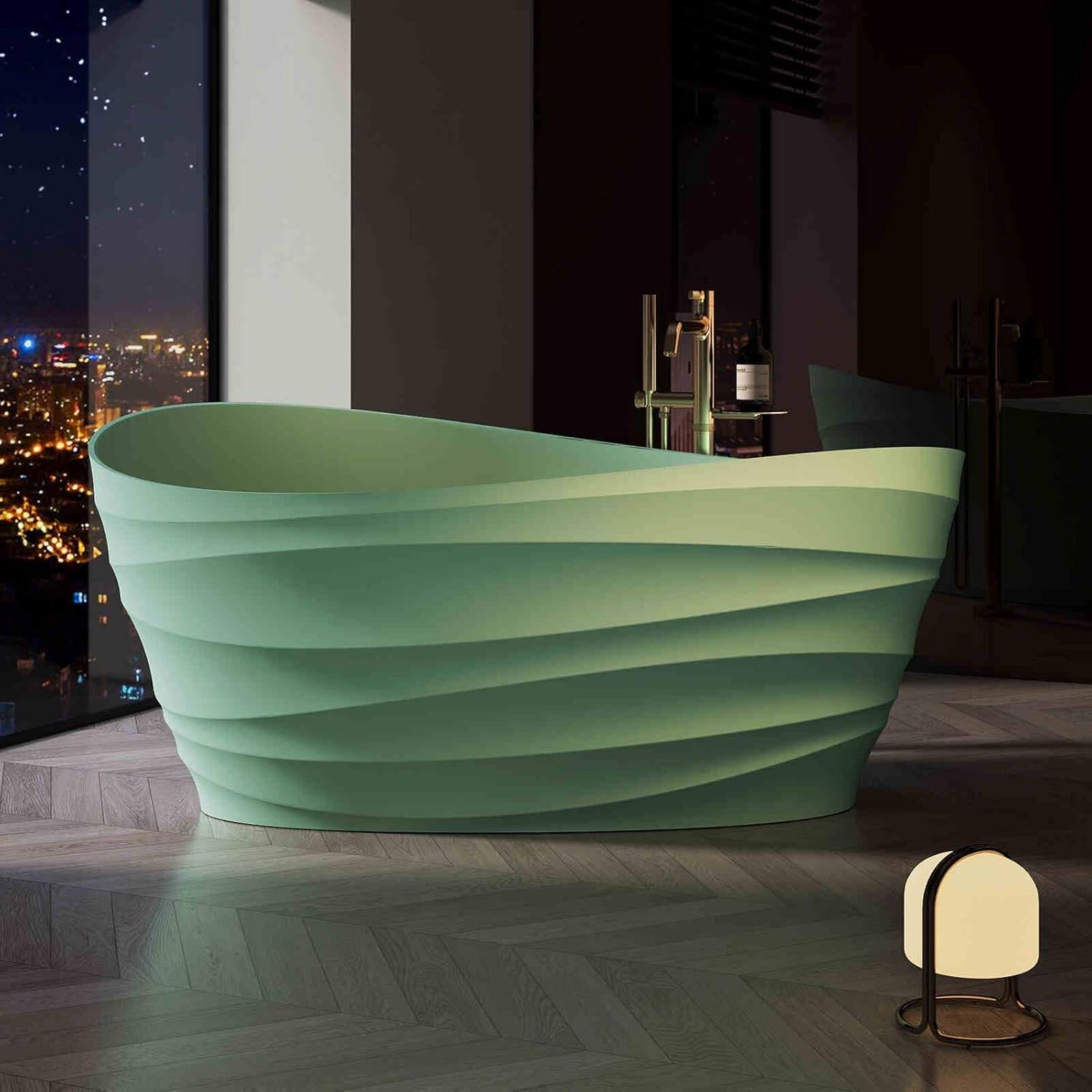
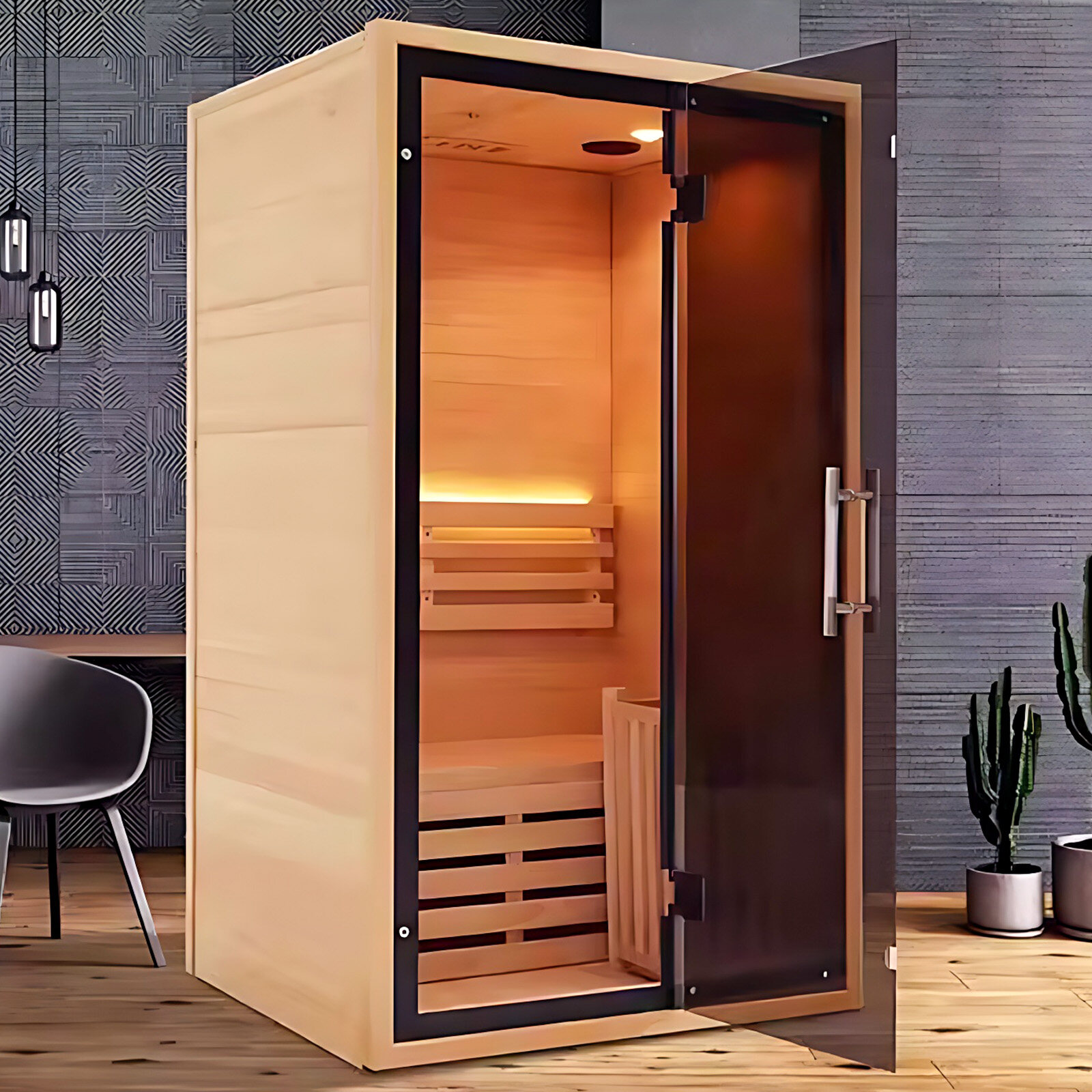
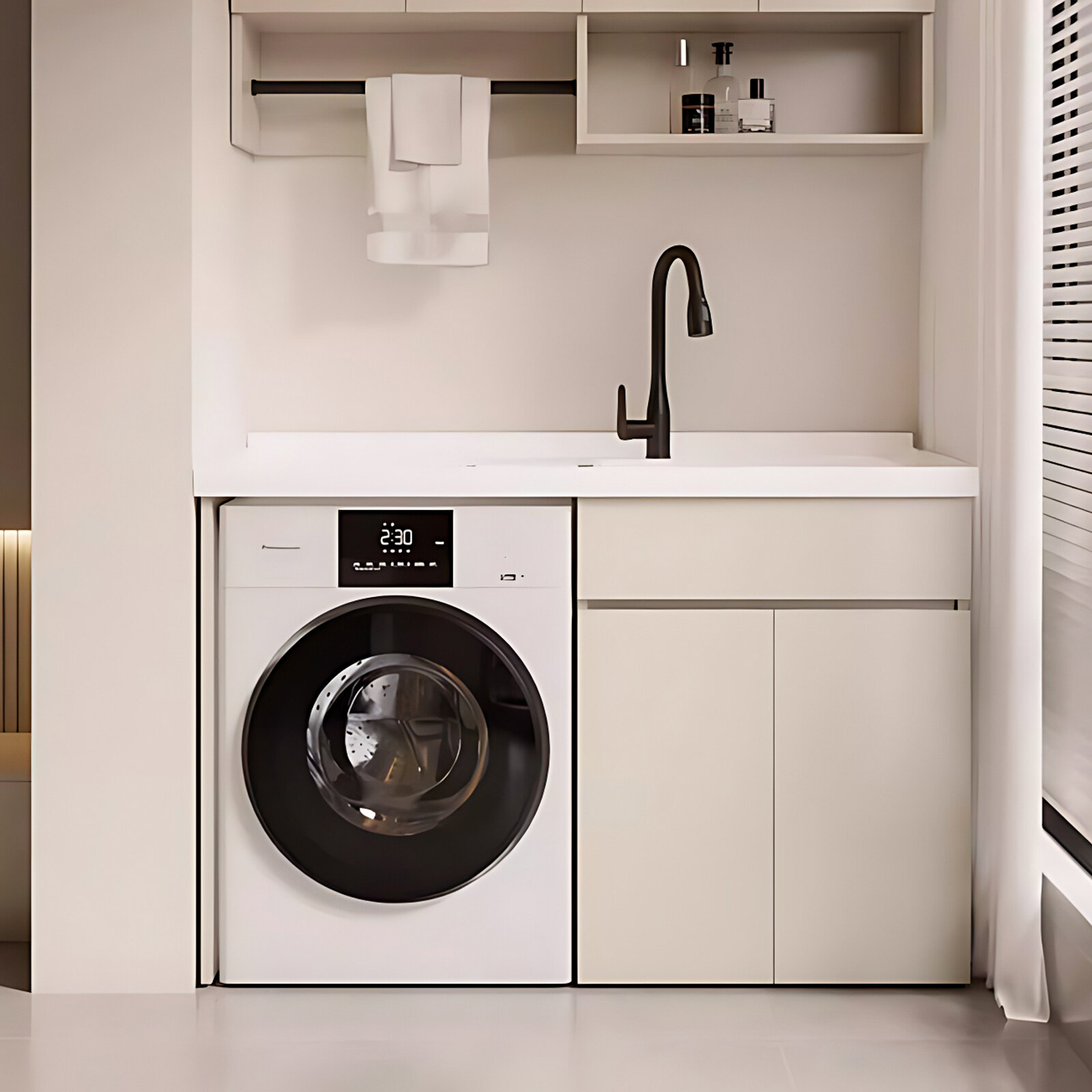
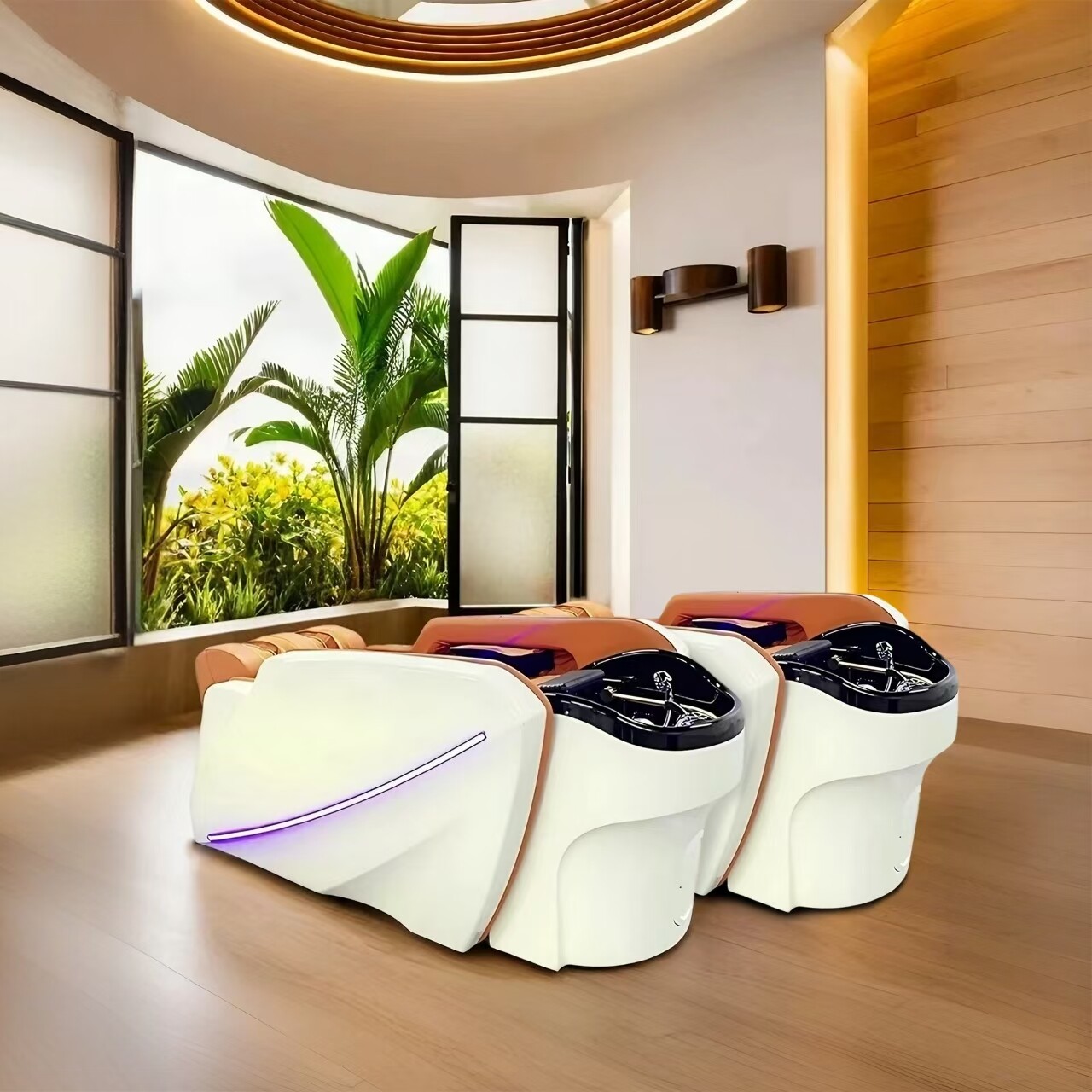
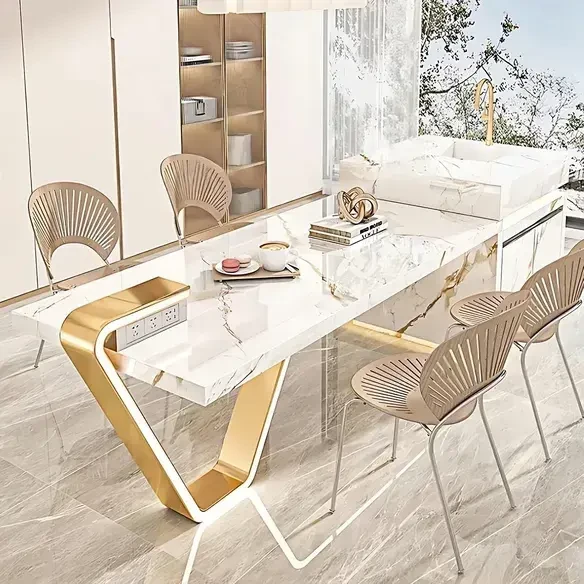
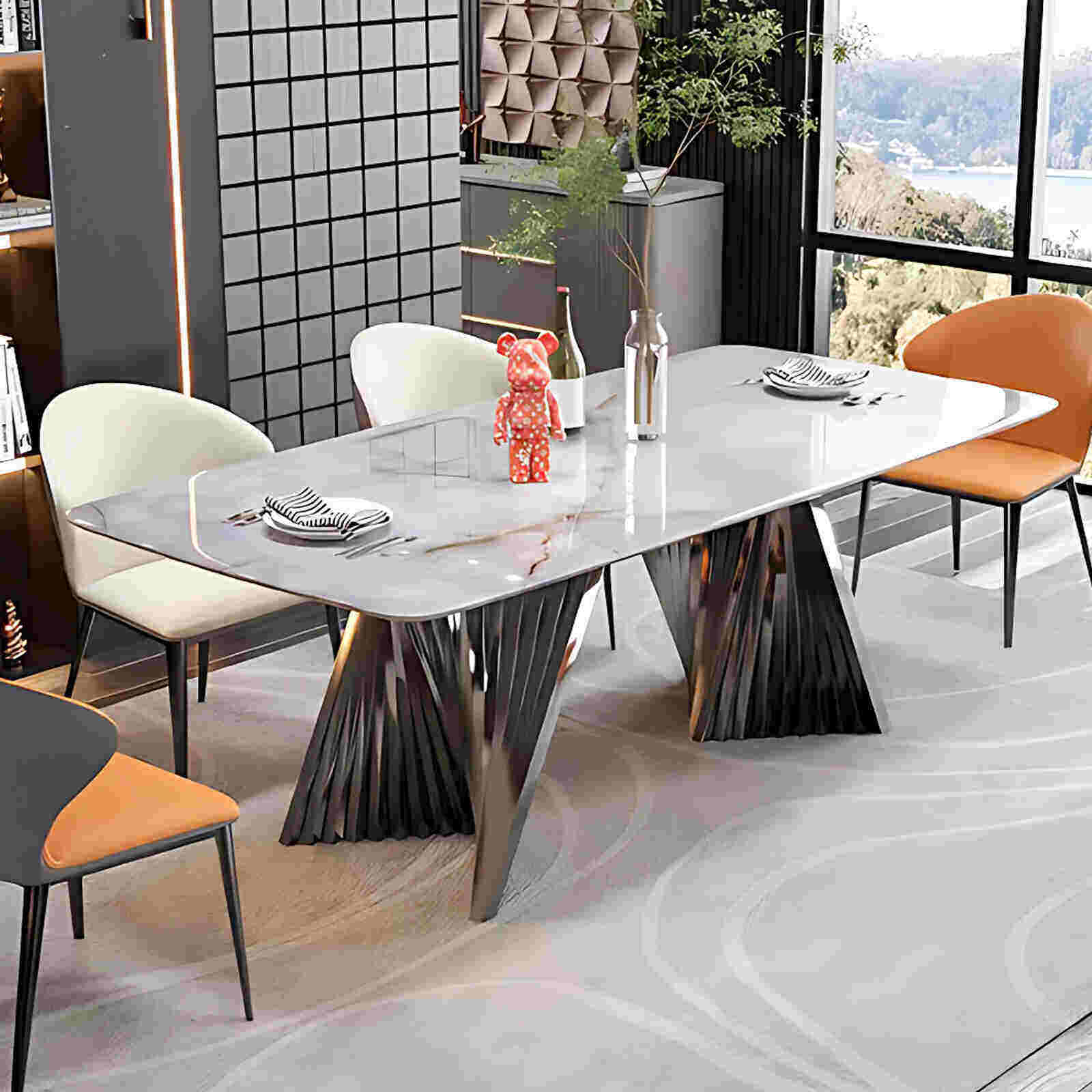
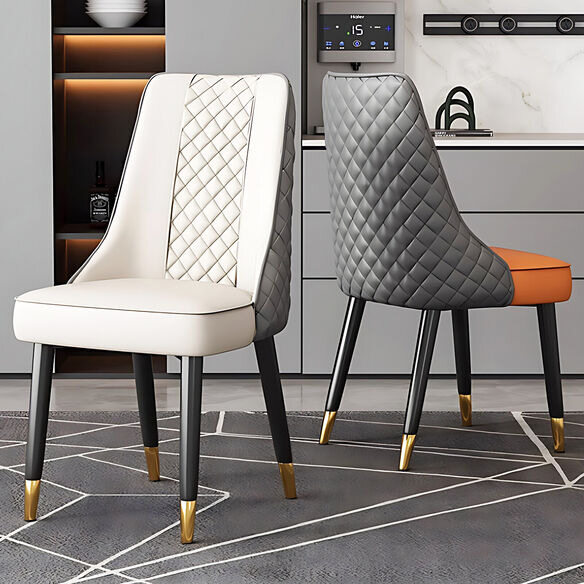
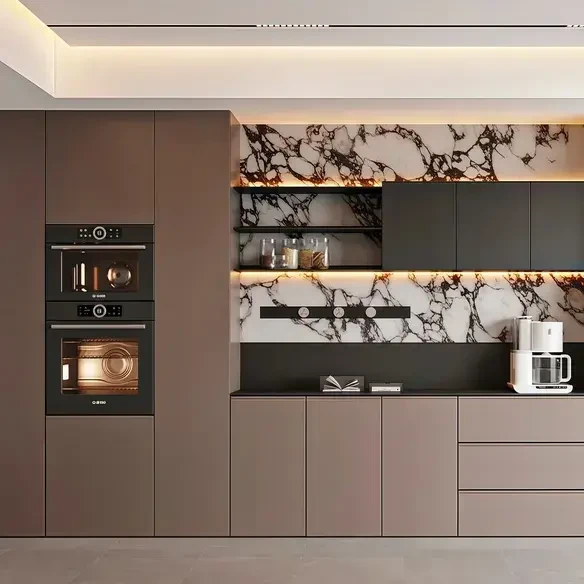
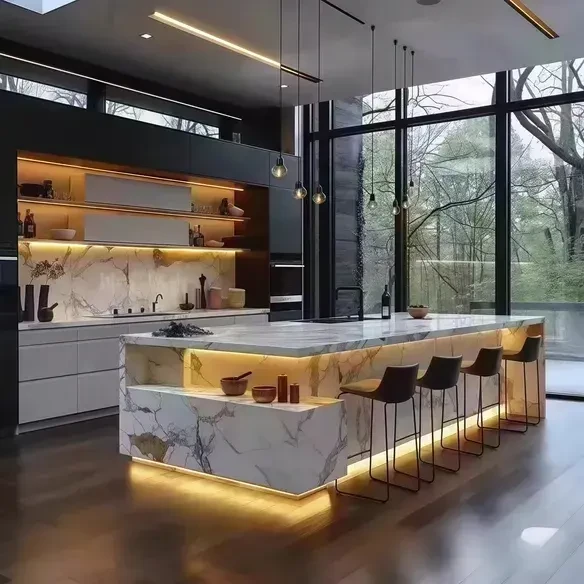
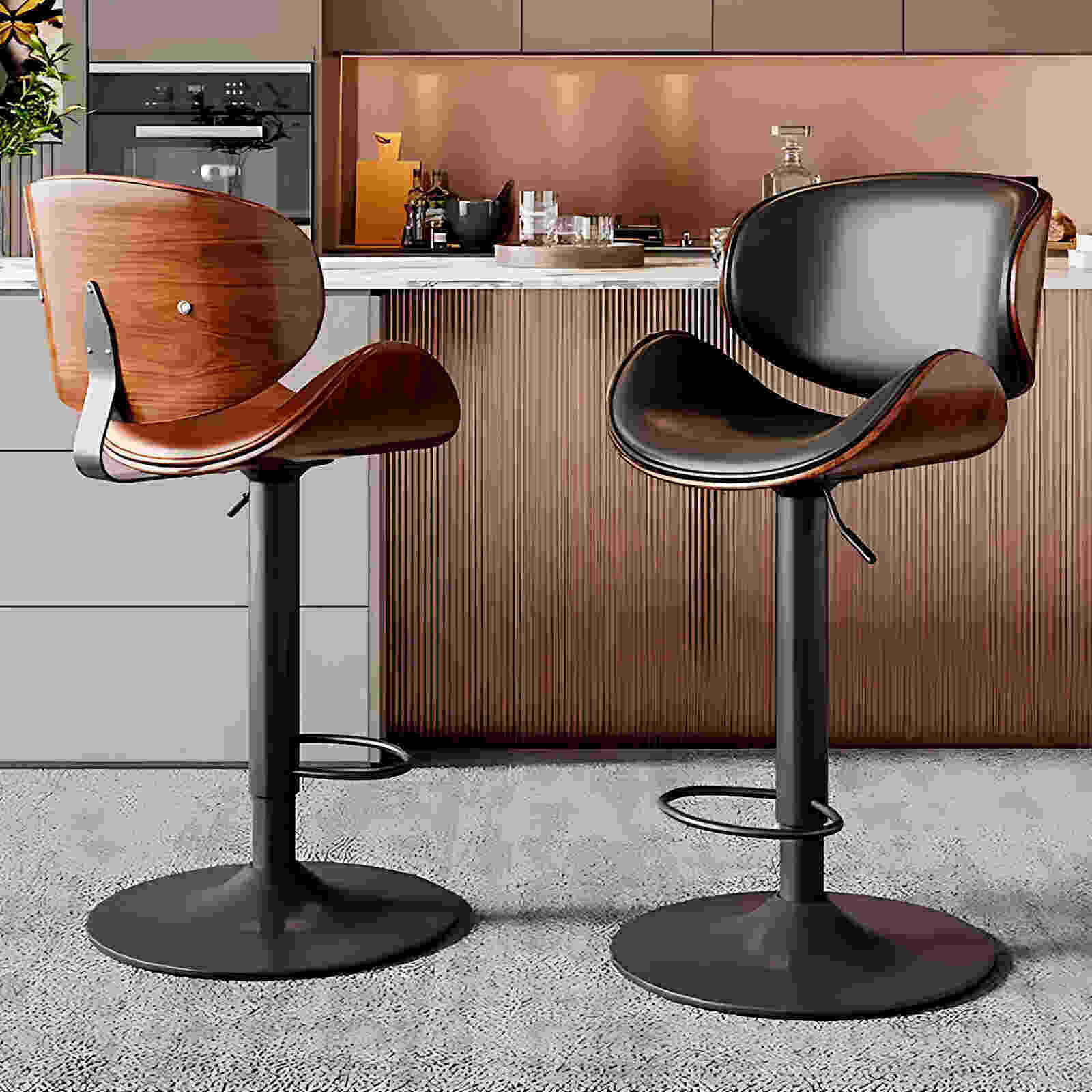
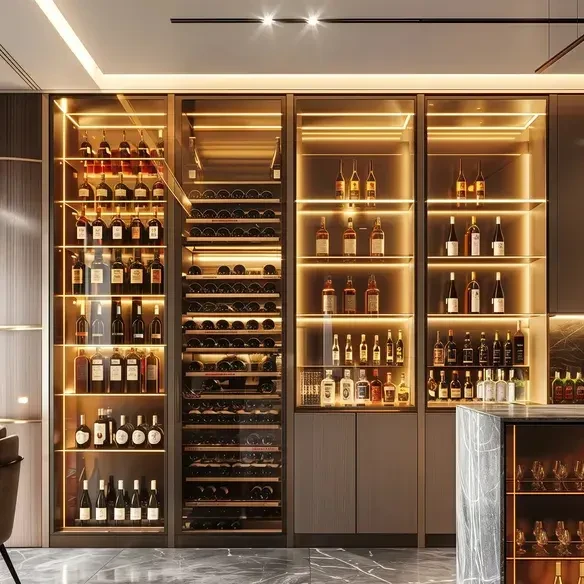
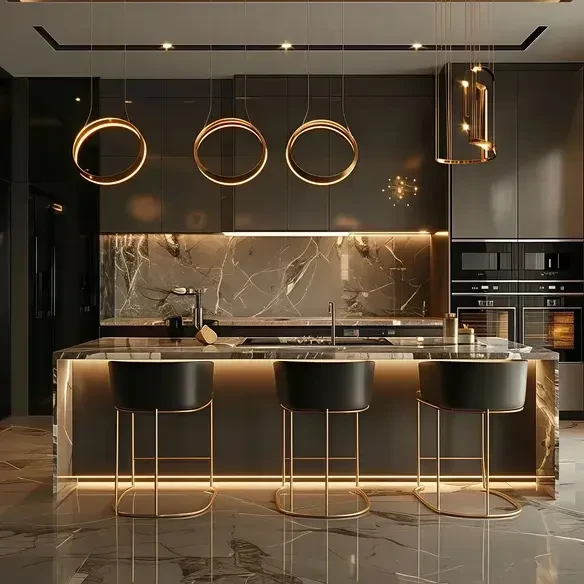
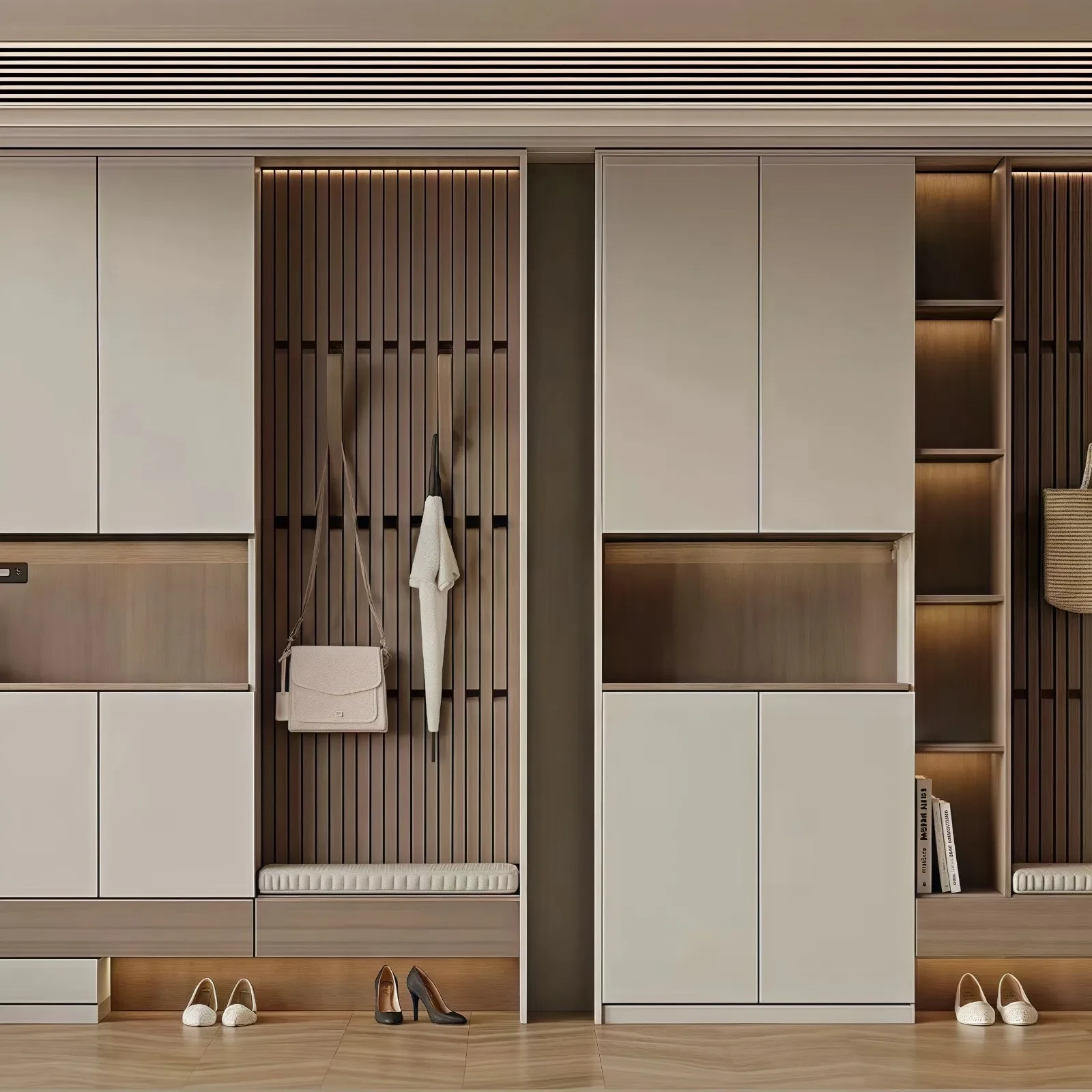
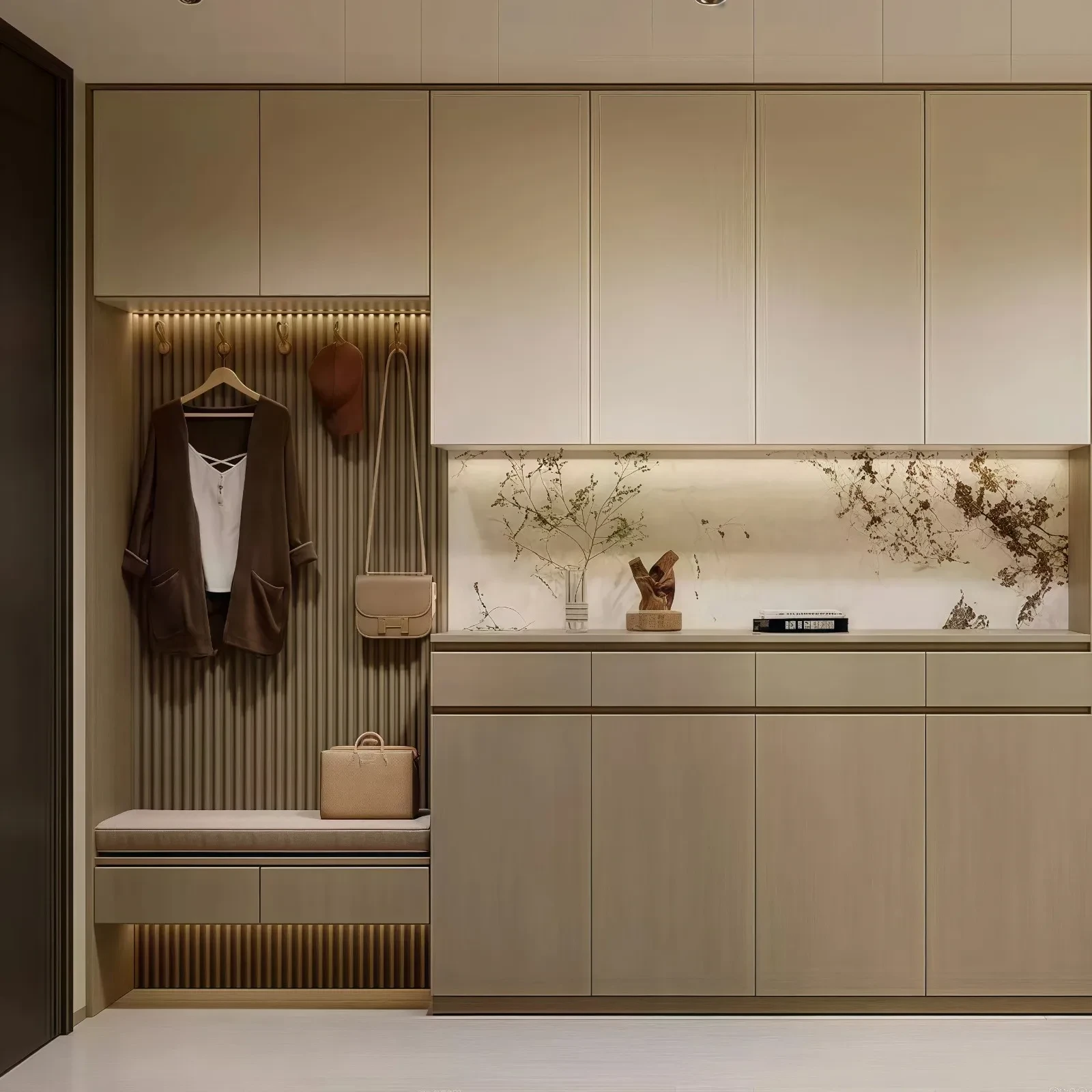
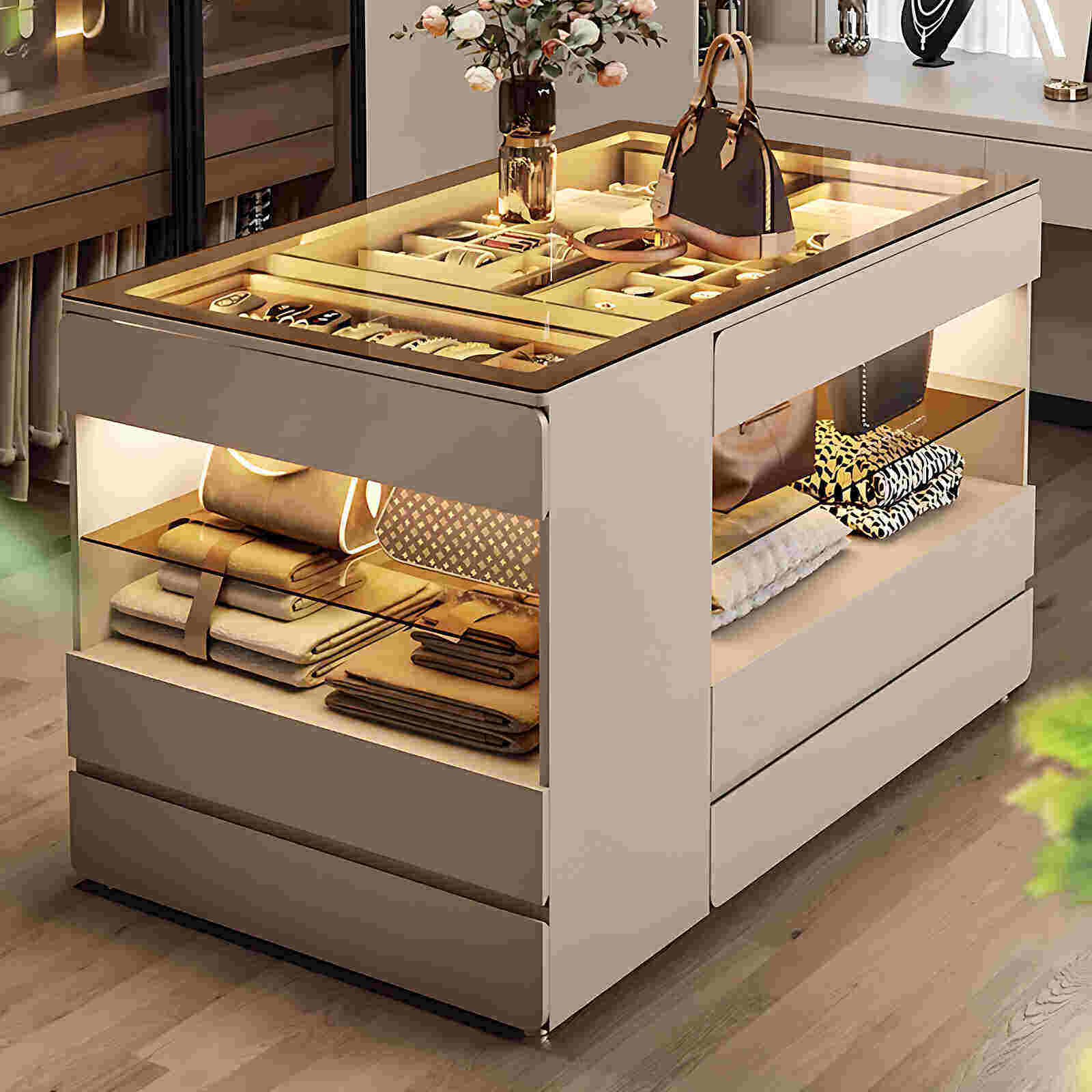
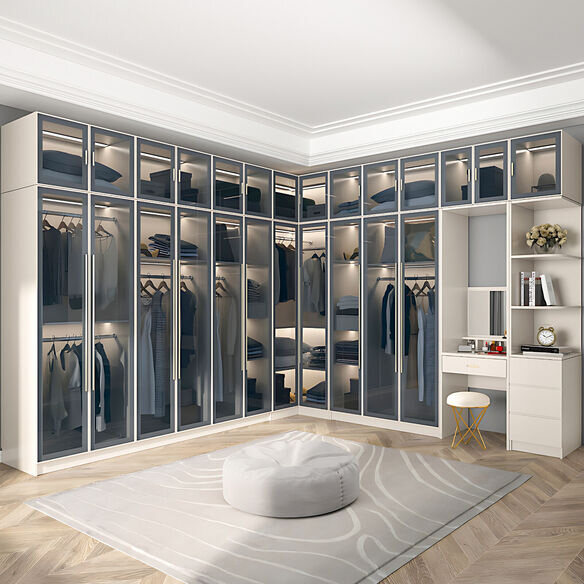
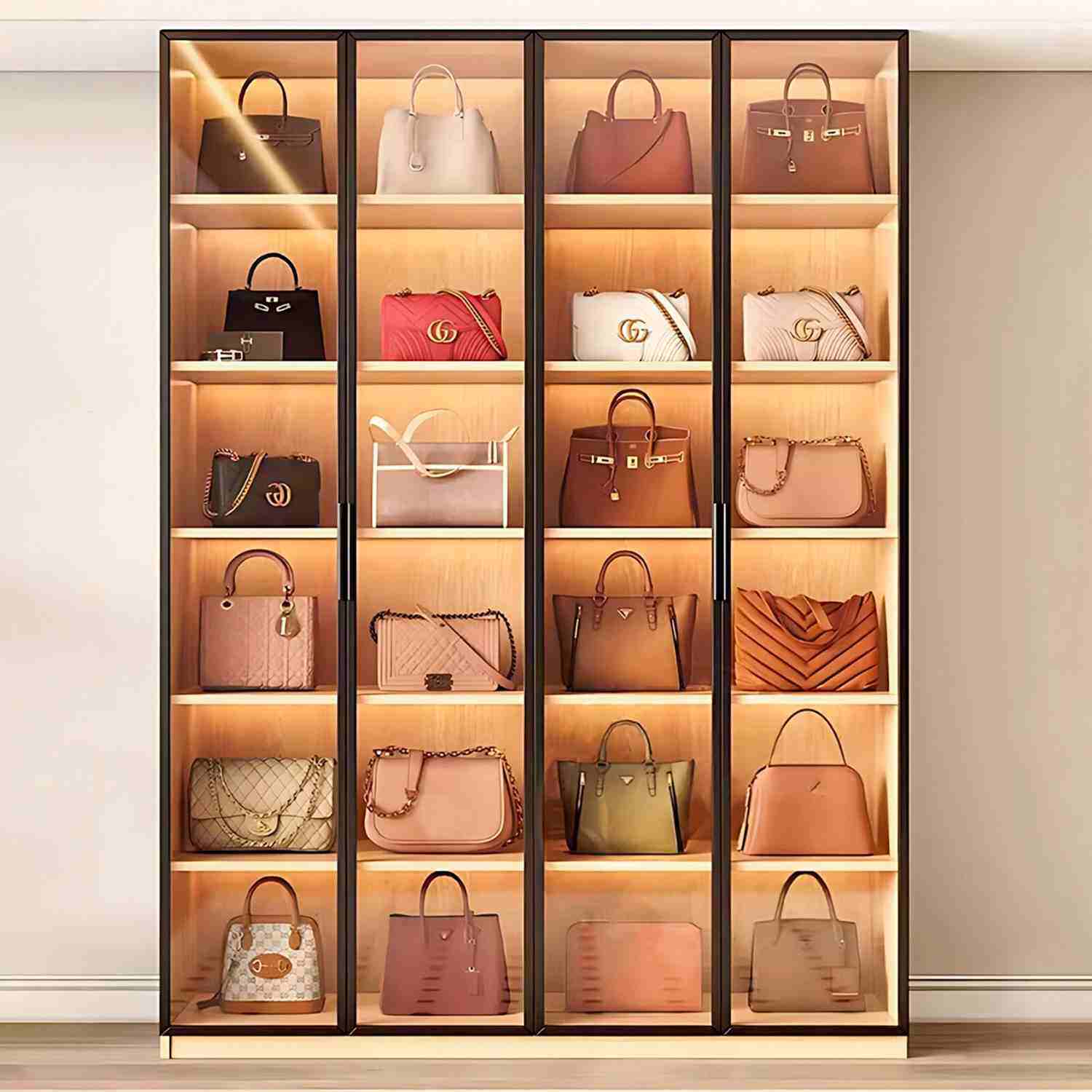
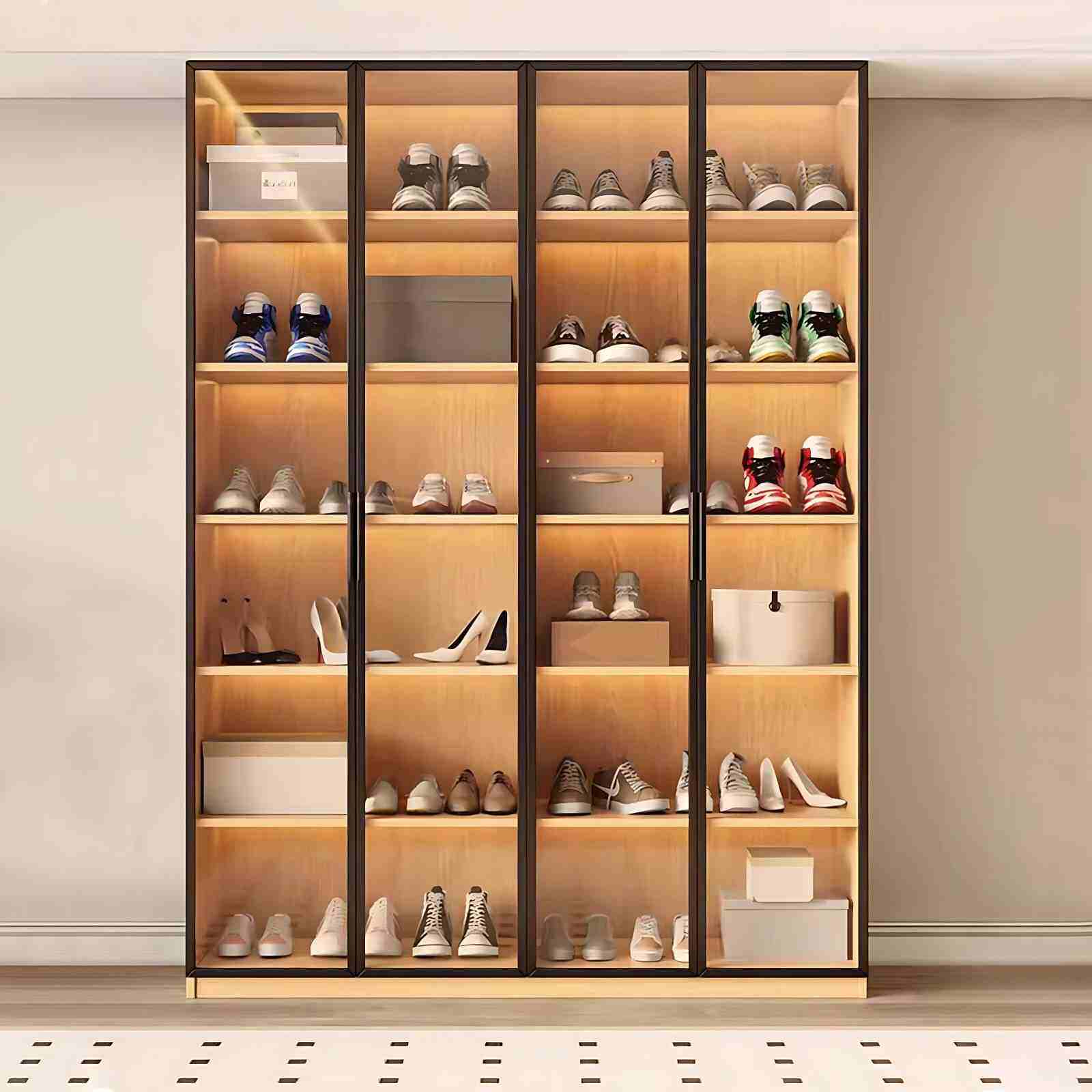
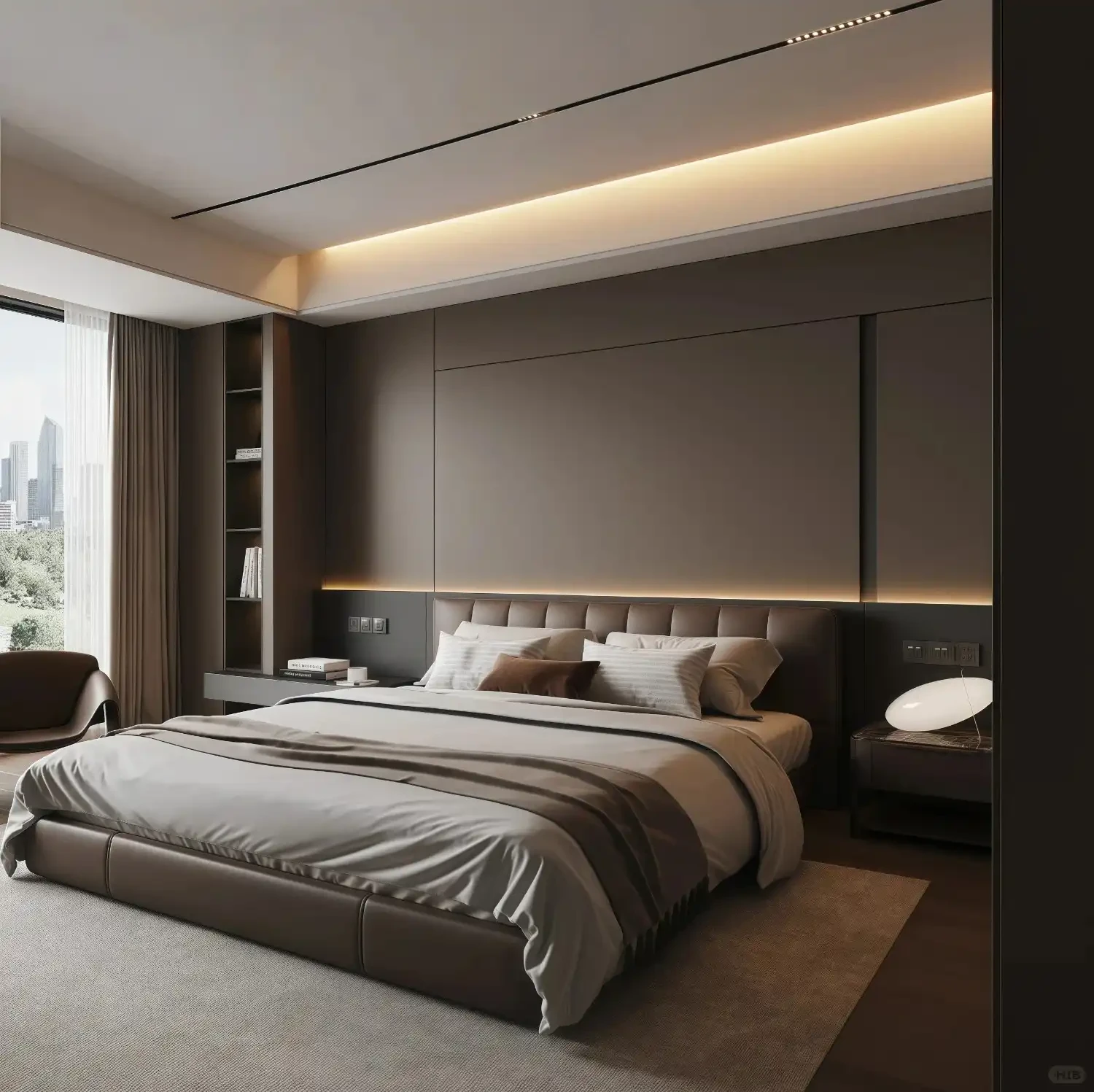
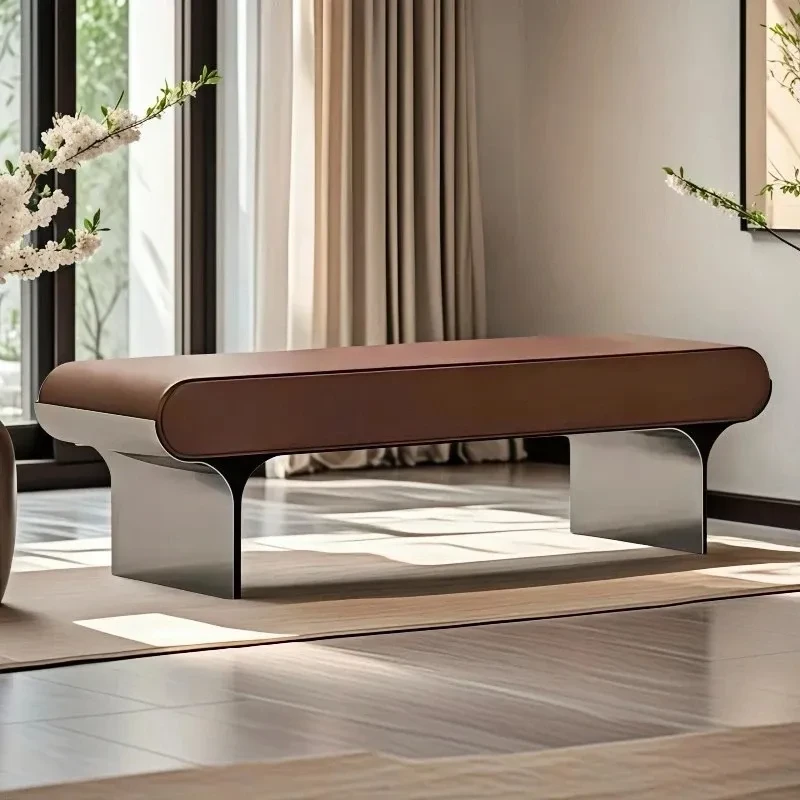
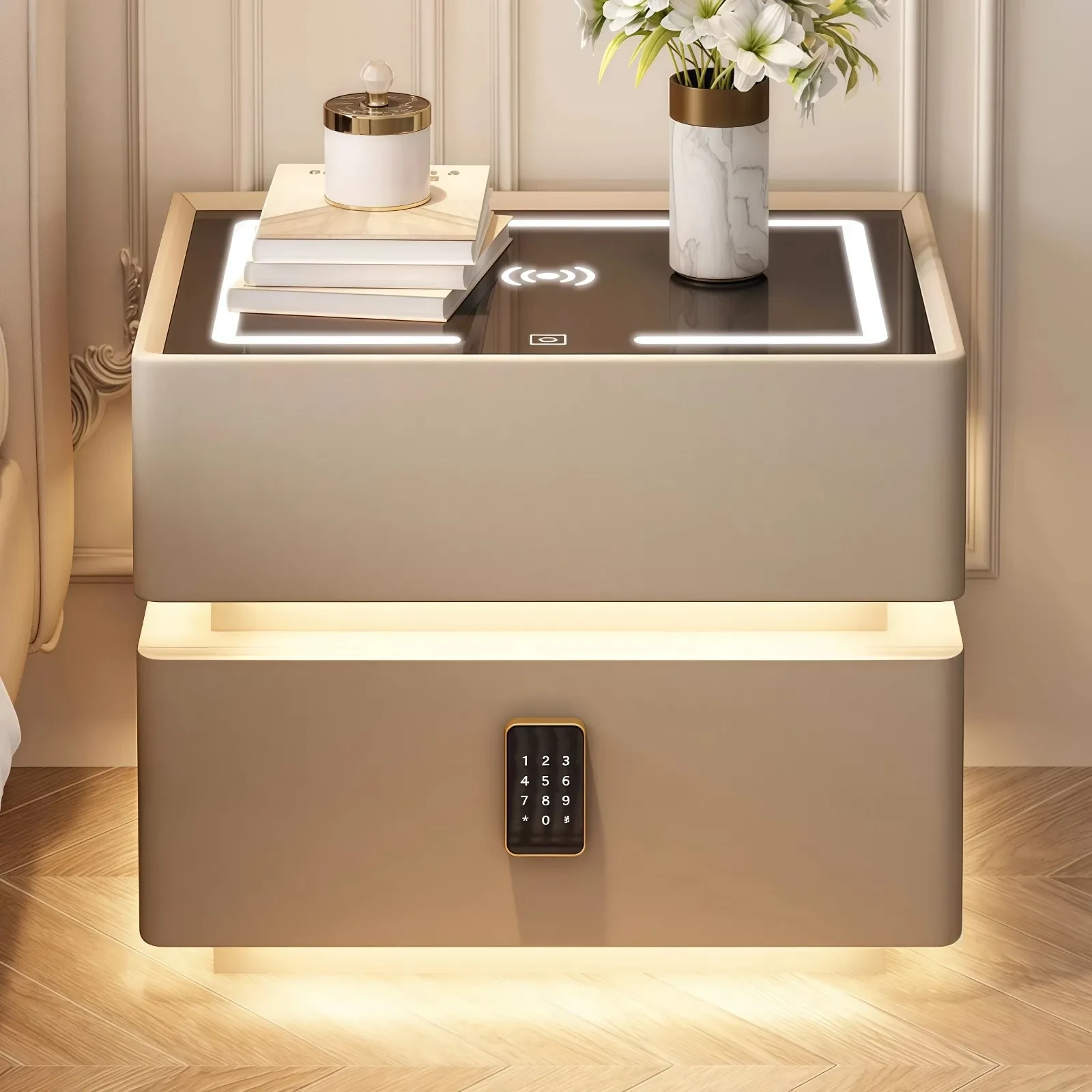
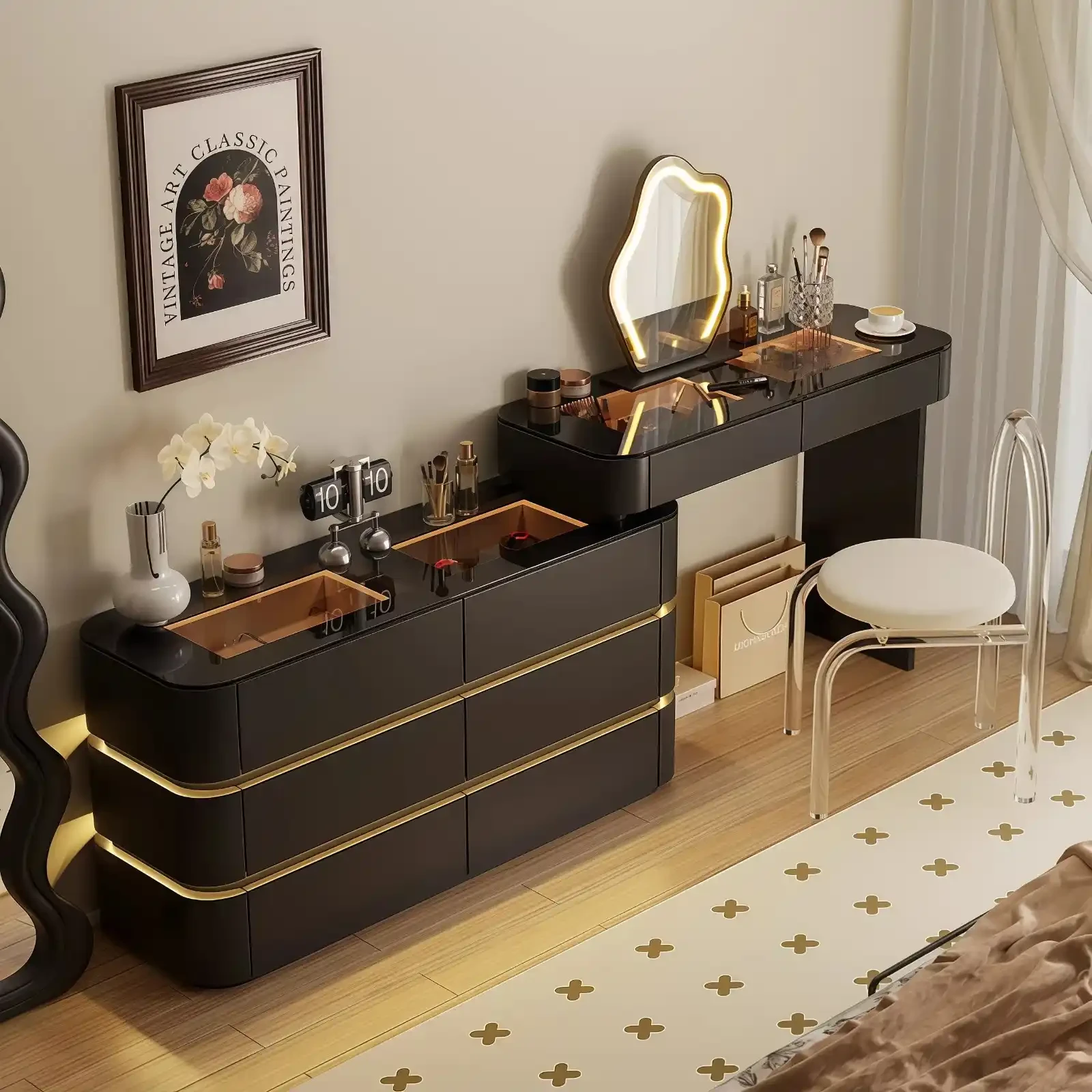
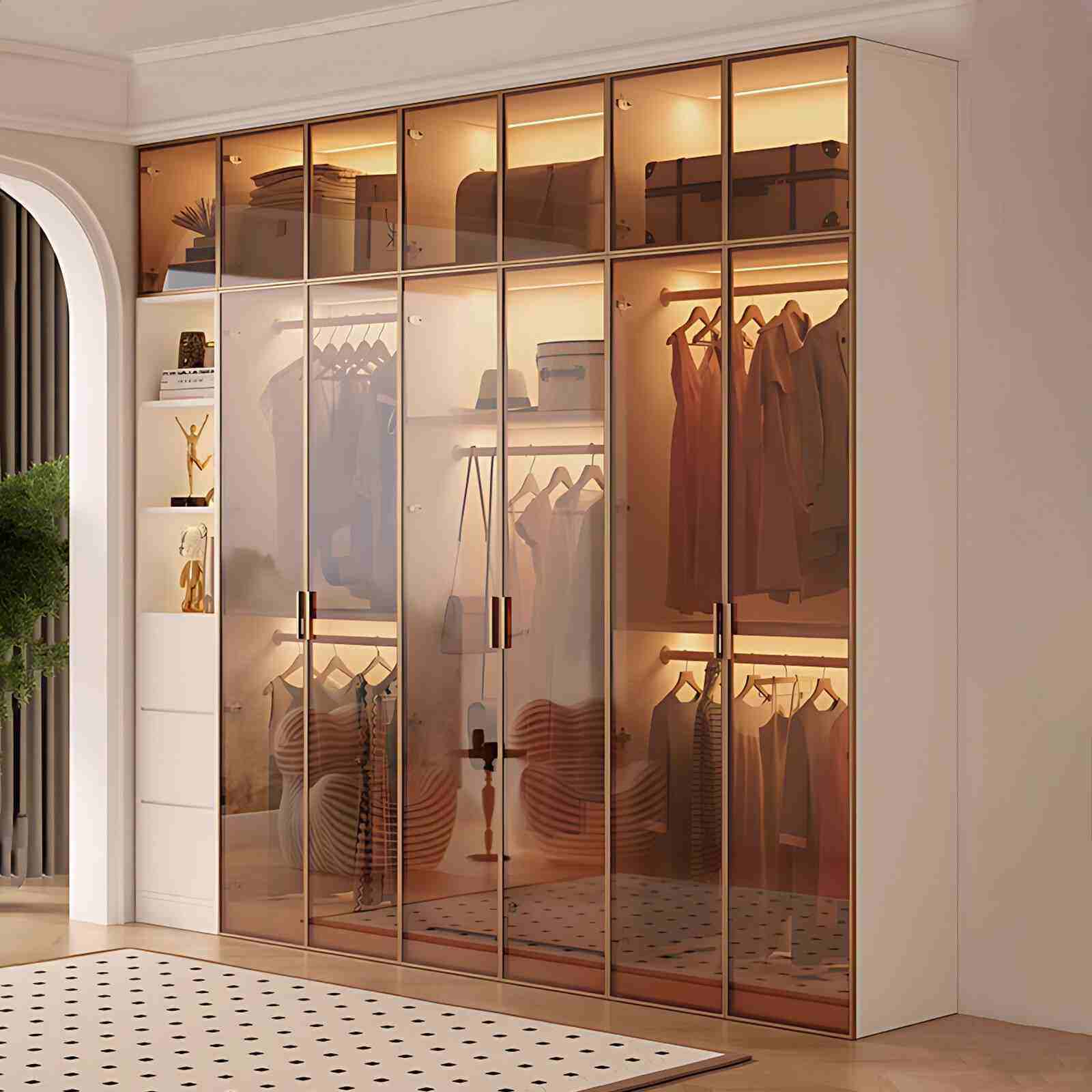
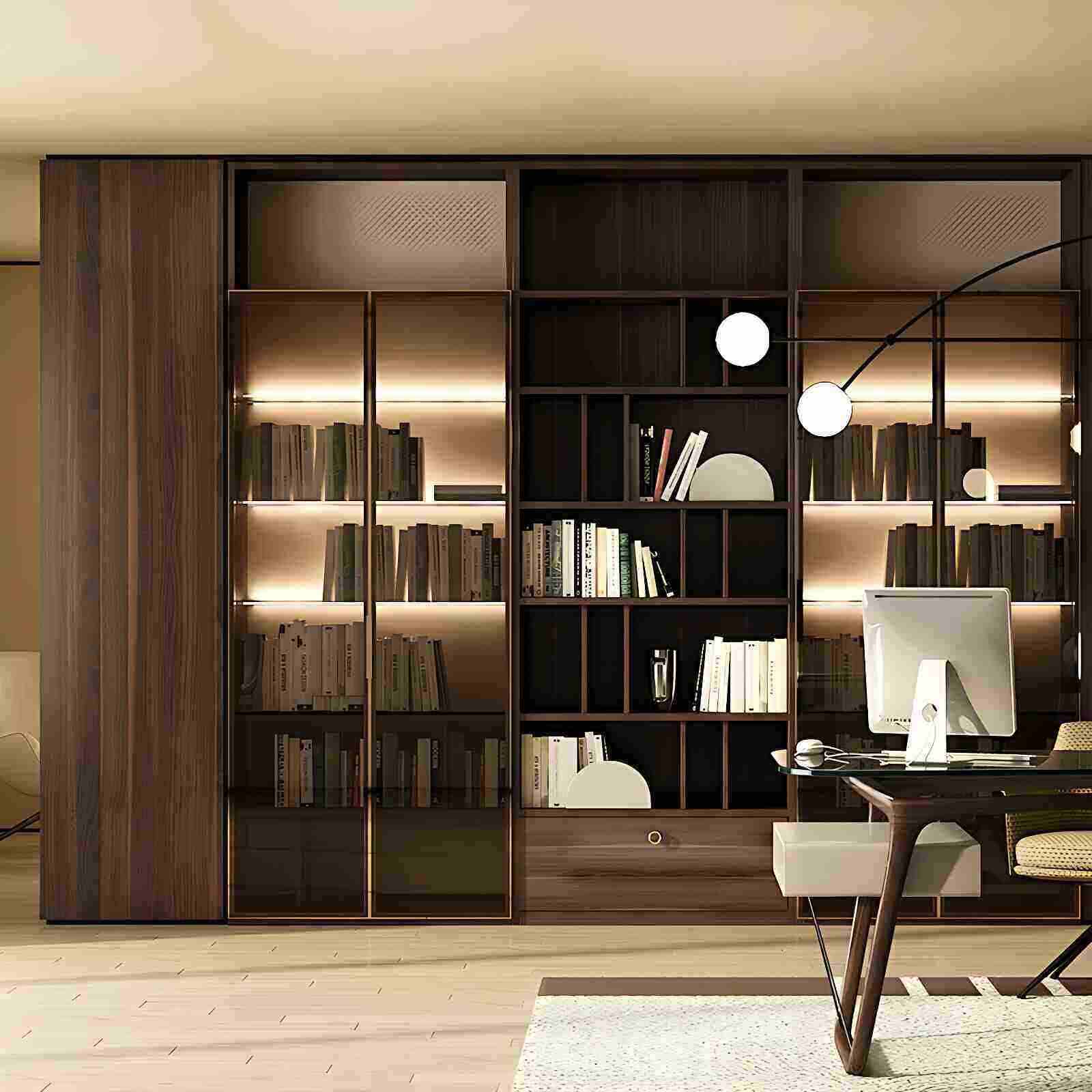
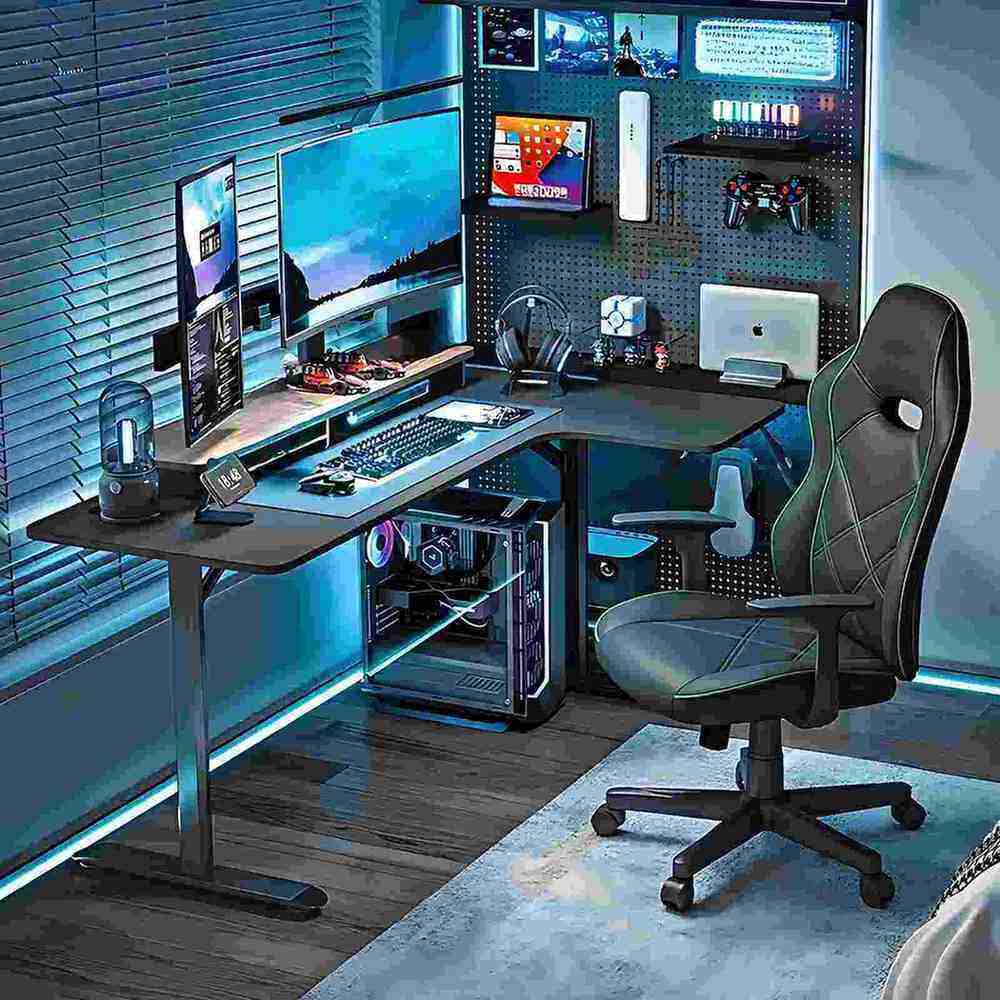
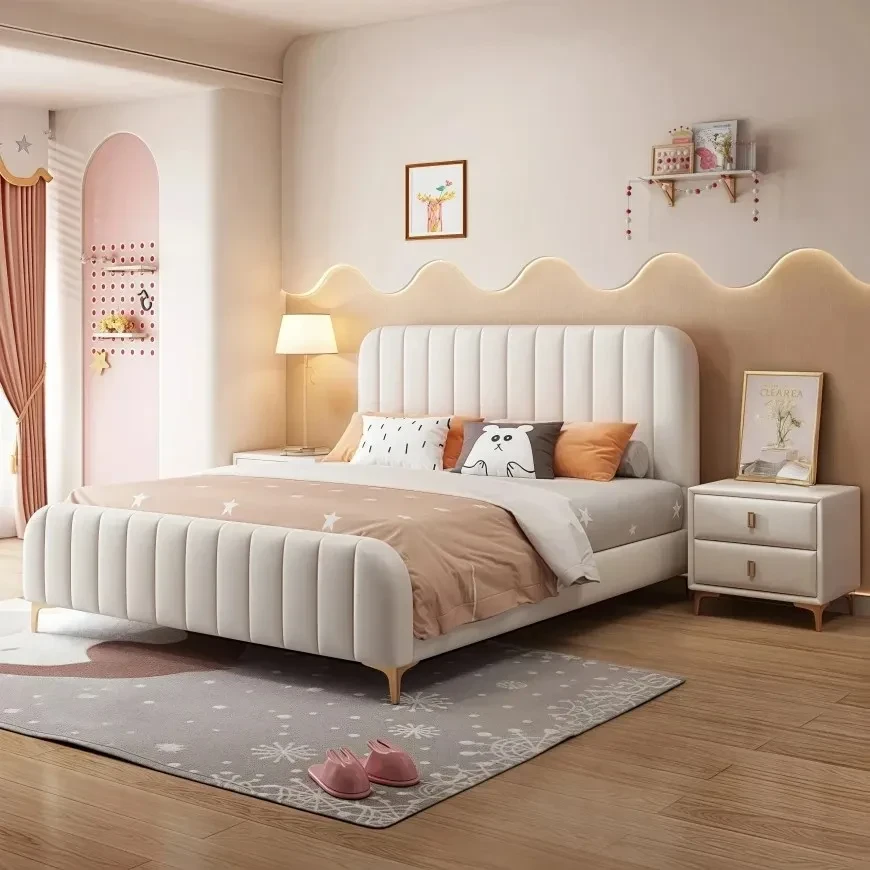
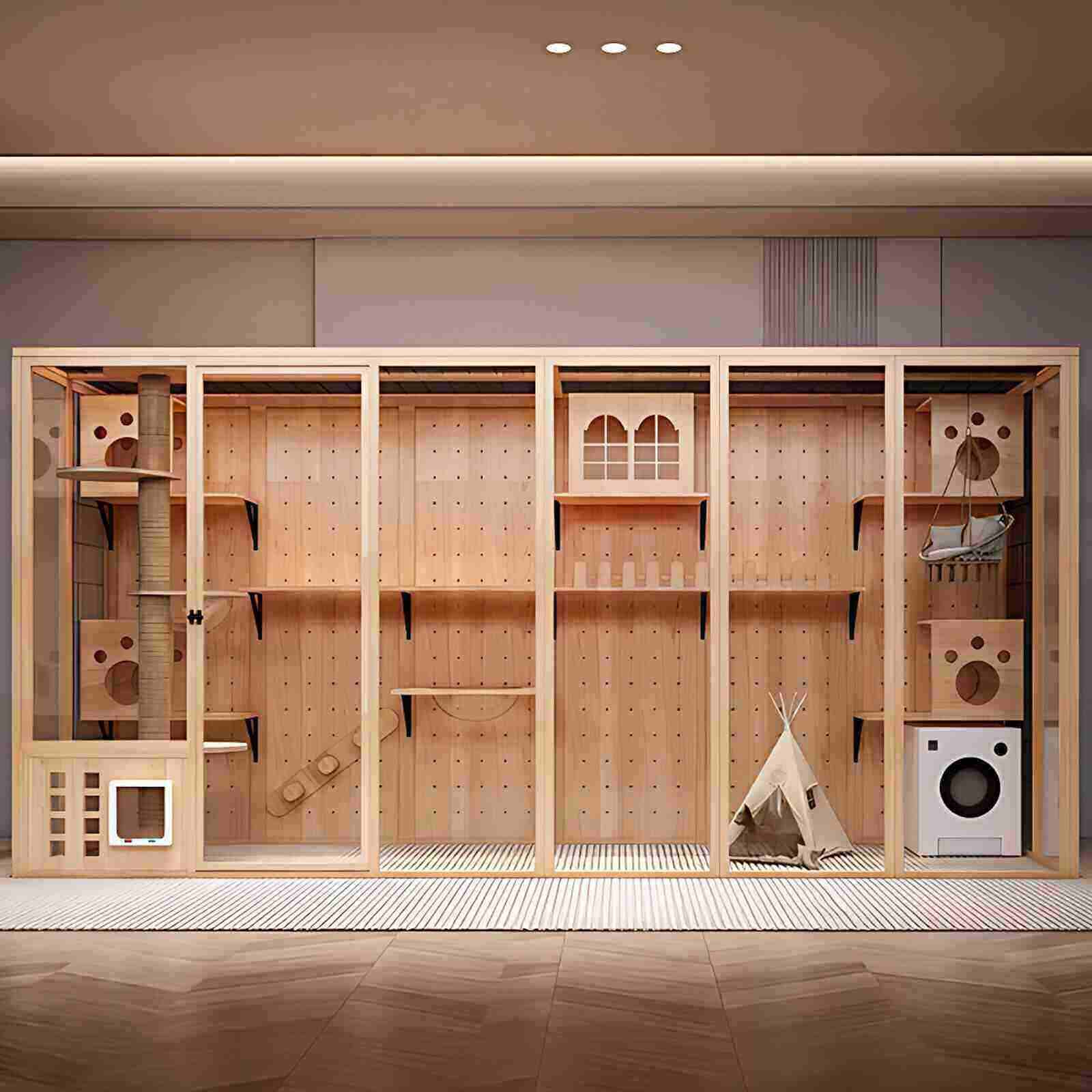
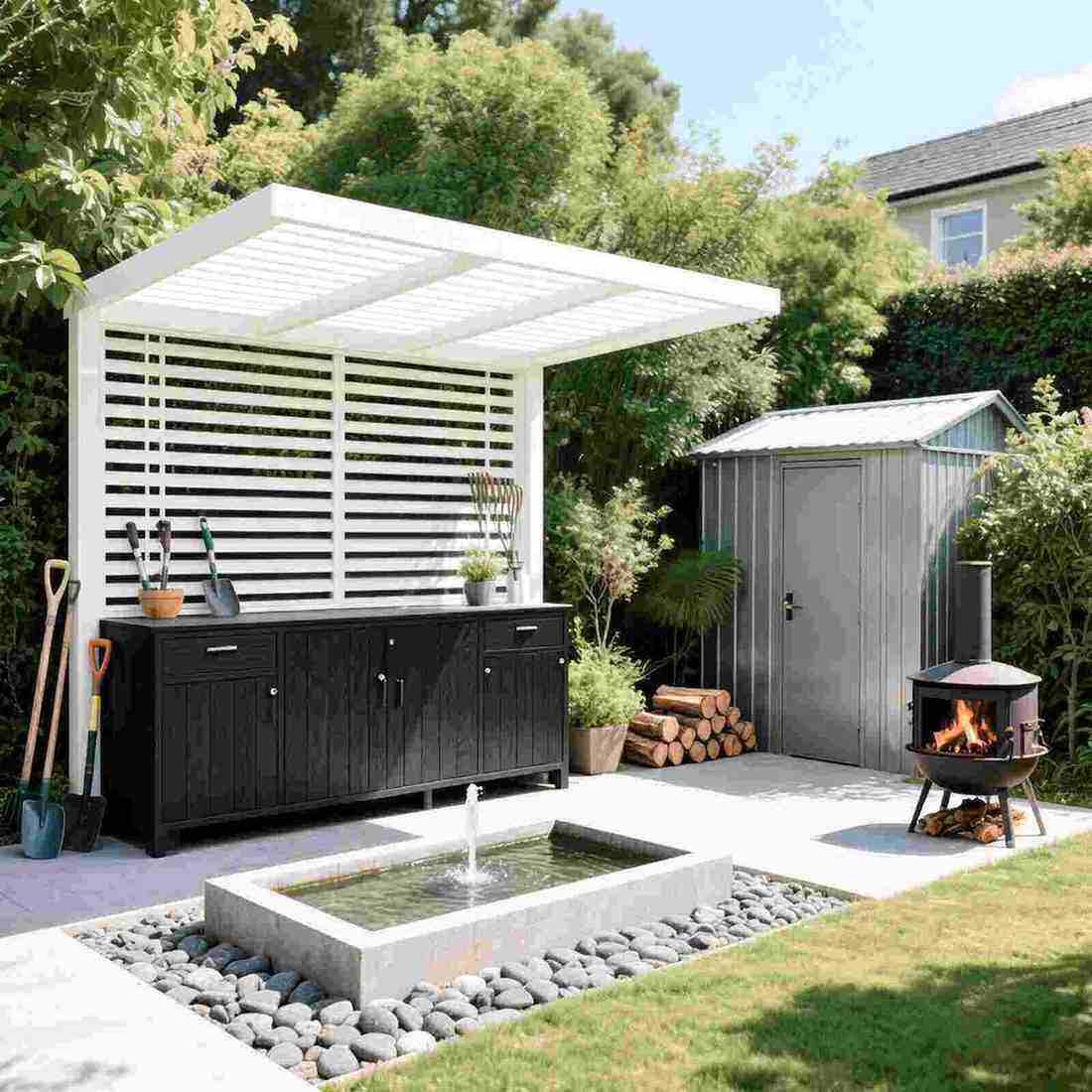
With the popularization of environmental protection concepts, environmentally friendly boards have flooded the entire board market. Formaldehyde-free, zero-carbon, waterproof, fireproof, and environmentally friendly decorative materials have a wider range of applications compared to traditional boards. They can be used in special locations such as waterproof areas, fireproof areas, outdoor areas, and acid and alkali resistant areas. So, what kinds of environmentally friendly boards are there? Below, we will introduce some commonly used environmentally friendly boards.
1. Solid wood boards
Solid wood boards are made from whole pieces of timber. These boards are sturdy, durable, and have natural grain, making them a top choice for furniture making. However, due to their high cost and demanding manufacturing process, they are not commonly used in furniture production. Solid wood boards are generally classified according to their actual wood type and do not have standardized specifications. Aside from flooring and door panels, most other wood products used are engineered wood products.
2. MDF (Medium-density fiberboard)
MDF, also known as fiberboard, is a type of engineered wood product made from wood fibers or other plant fibers bonded together with urea-formaldehyde resin or other suitable adhesives. Based on its density, it is classified into high-density fiberboard (HDF), medium-density fiberboard (MDF), and low-density fiberboard (LDF). MDF is soft, impact-resistant, and easy to process. However, because China's standards for high-density fiberboard are several times lower than international standards, the quality of MDF used in my country still needs improvement.
3. Particleboard
Particleboard is a thin board made primarily from wood chips, mixed with glue and additives, and then pressed together. Based on the pressing method, it can be divided into two categories: extruded particleboard and flat-pressed particleboard. The main advantage of this type of board is its low price. Its disadvantages are also obvious: poor strength. It is generally unsuitable for making larger furniture or furniture with structural requirements.
4. Fireproof board
Fire-resistant boards are decorative panels made primarily of siliceous or calcareous materials, mixed with a certain proportion of fiber materials, lightweight aggregates, adhesives, and chemical additives, and manufactured using autoclaving technology. They are a new type of material that is increasingly used, and their application is not solely due to fire resistance. The installation of fire-resistant boards requires high-quality adhesives, and good quality fire-resistant boards are more expensive than decorative panels. The typical thicknesses of fire-resistant boards are 0.8mm, 1mm, and 1.2mm.
5. Wood-plastic composite board (WPC)
Wood-plastic composite (WPC) boards are high-tech products manufactured using advanced technology and equipment. Their tensile strength, flexural strength, flexural modulus, impact strength, and Vicat softening temperature all meet or exceed international advanced standards. WPC products are non-toxic, corrosion-resistant, moisture-proof, sound-insulating, heat-insulating, weather-resistant, and aging-resistant. They can be sawed, planed, nailed, drilled, and riveted like wood, and can replace currently available materials for decoration and renovation that emit toxic gases.
Currently, many brands of wood-based panels on the market promote environmental protection concepts, but consumers may not be able to truly ascertain whether their panels are truly environmentally friendly. The above are five common types of environmentally friendly wood-based panels introduced by the editor. Truly environmentally friendly panels allow you to use them with peace of mind and ensure your health.