
 USD
USD GBP
GBP
 EUR
EUR
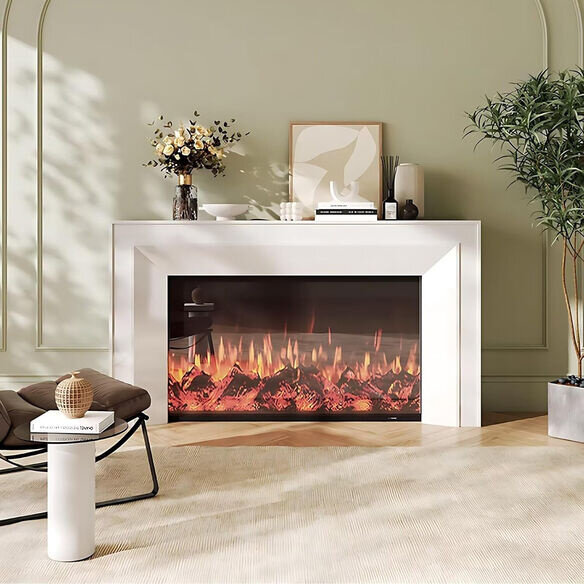
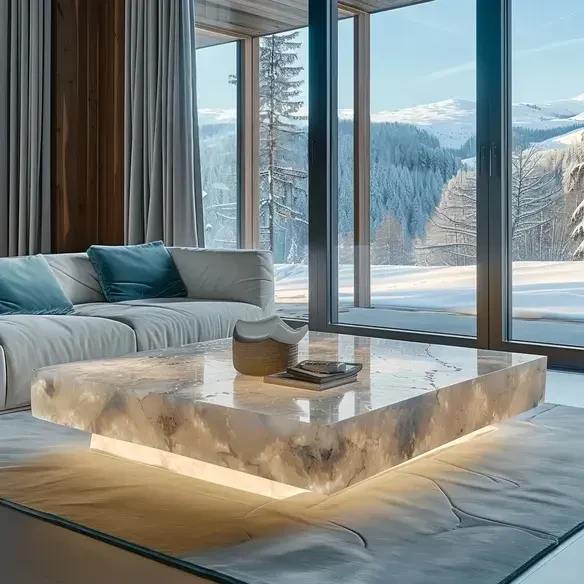
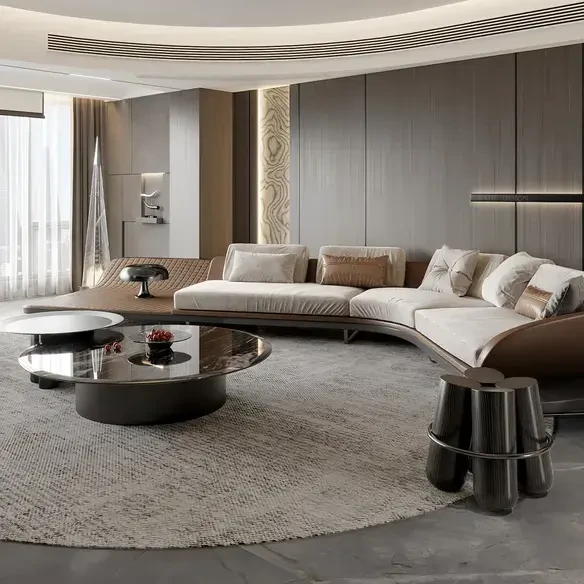
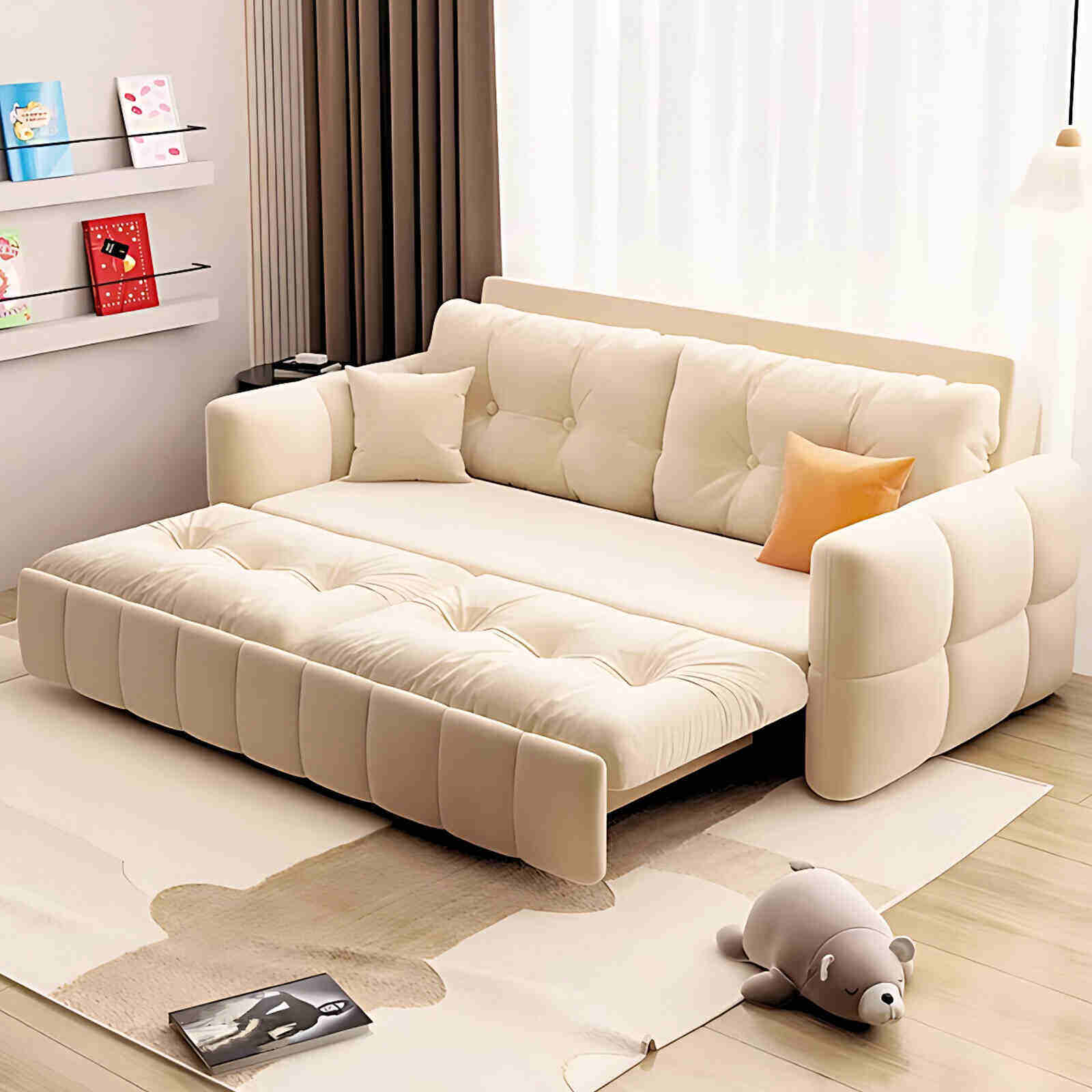
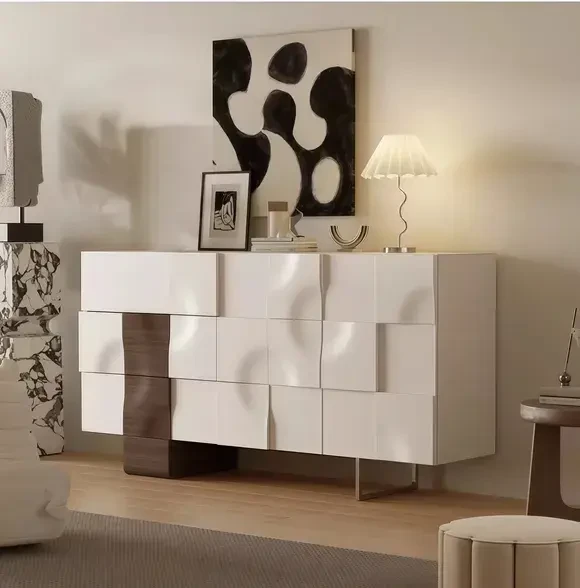
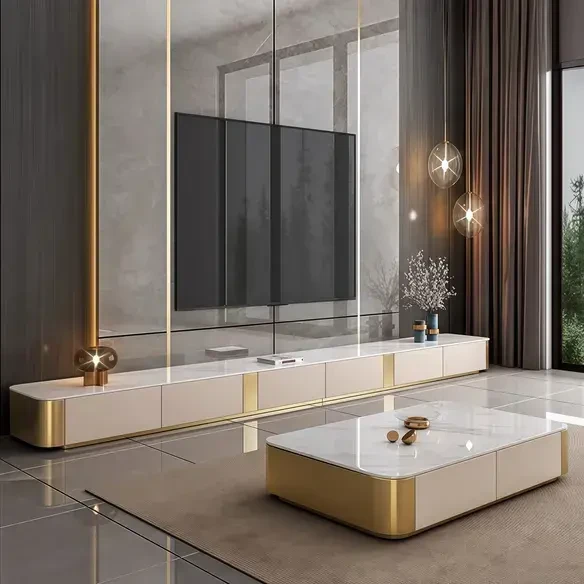
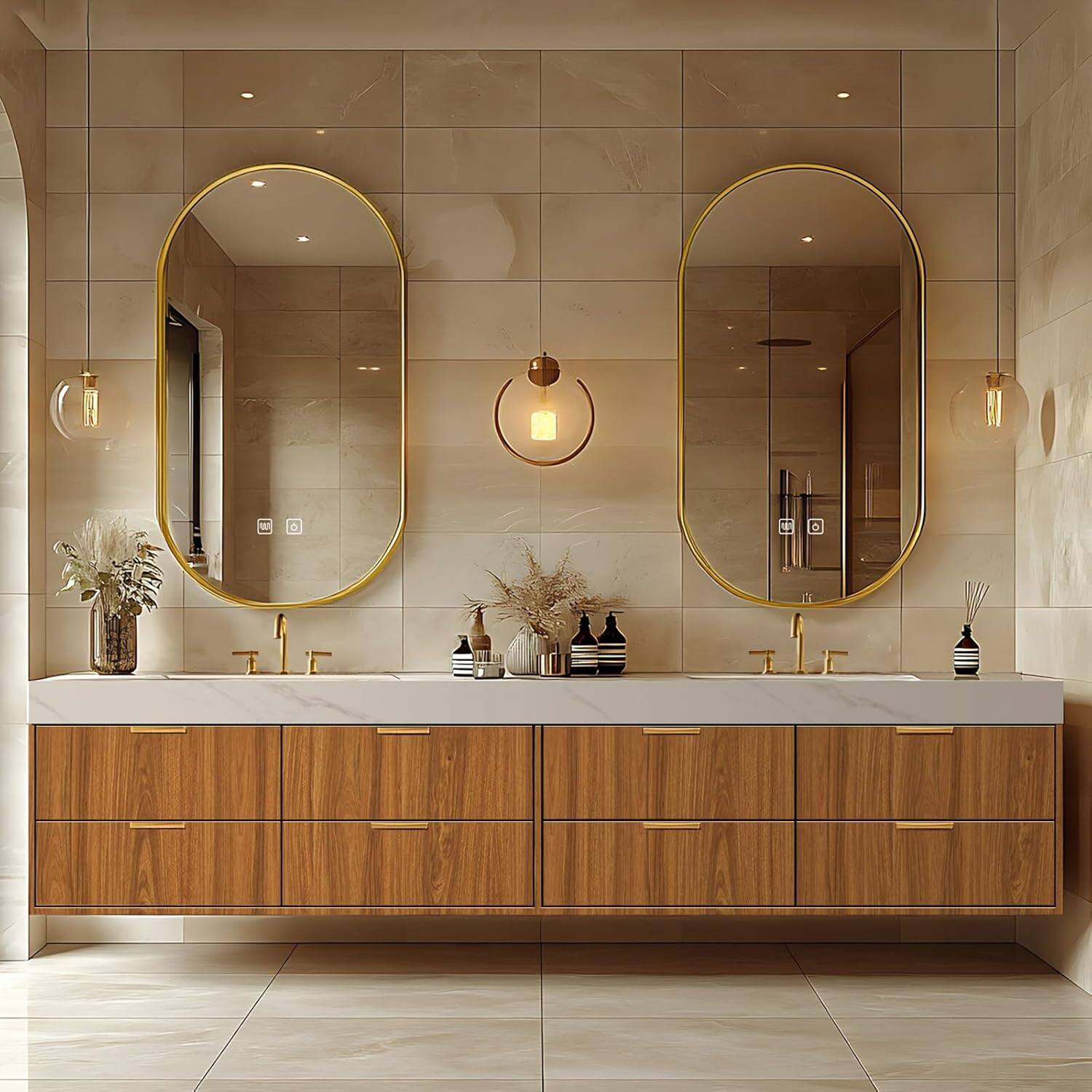
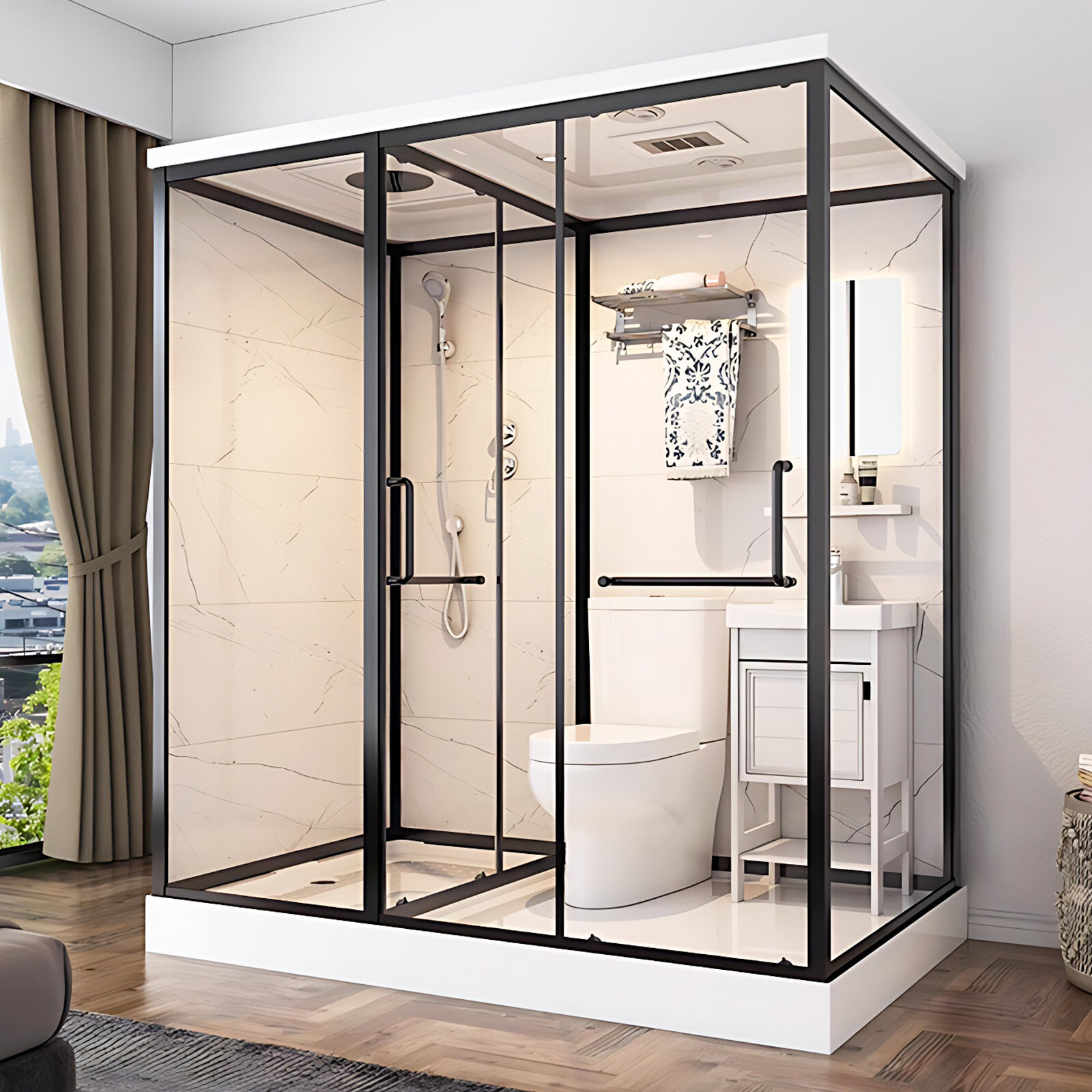
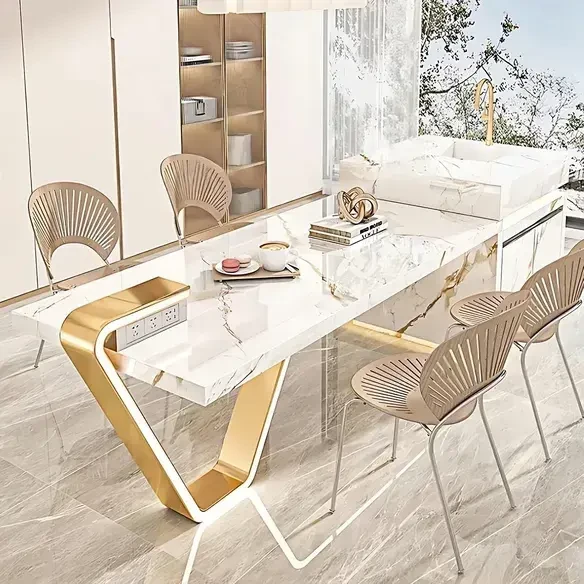
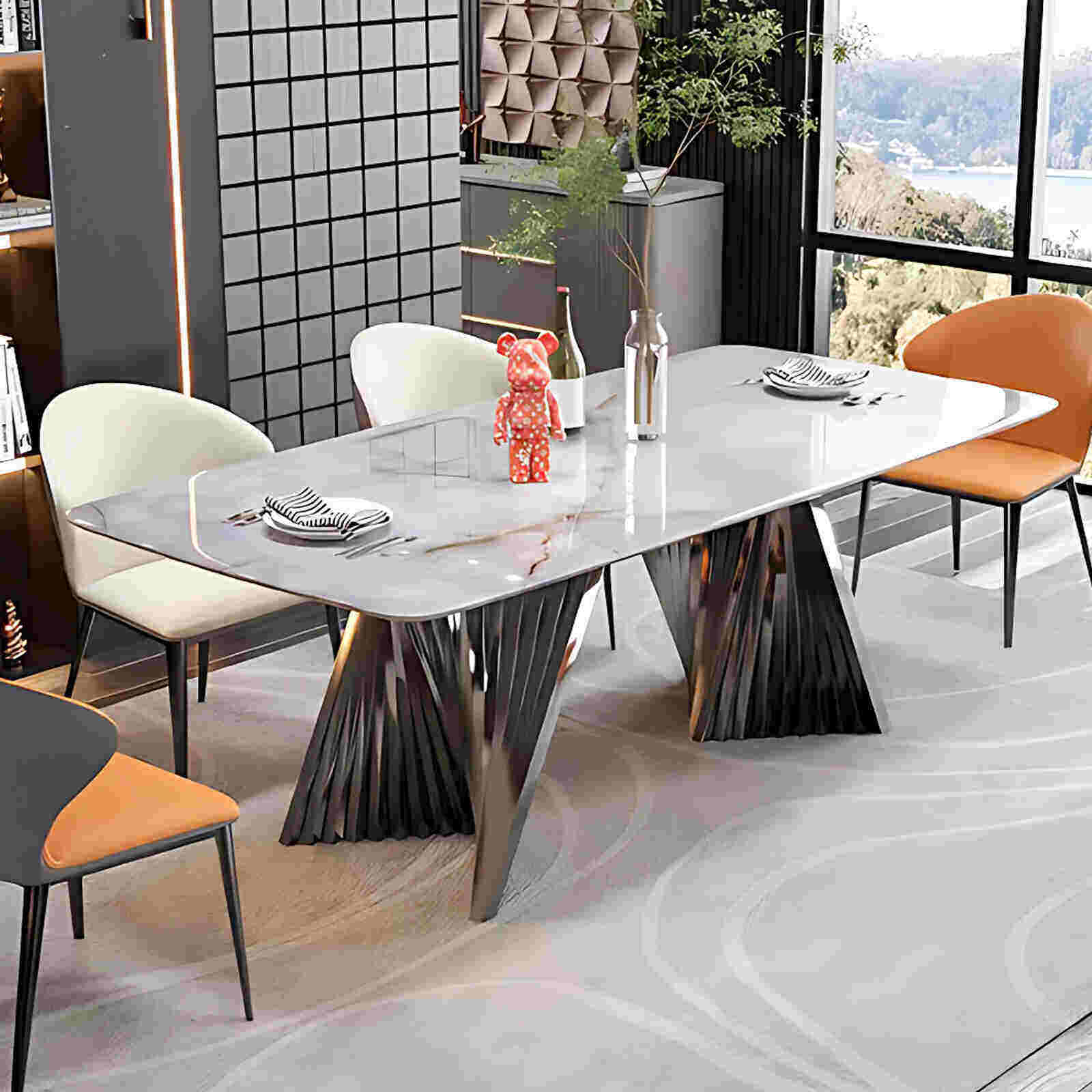
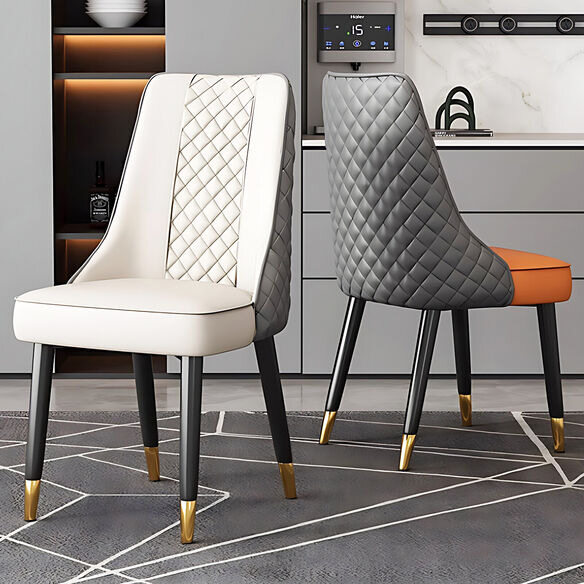
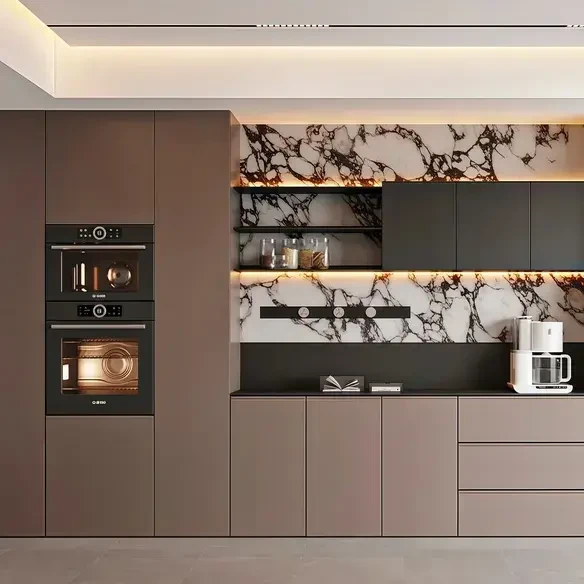
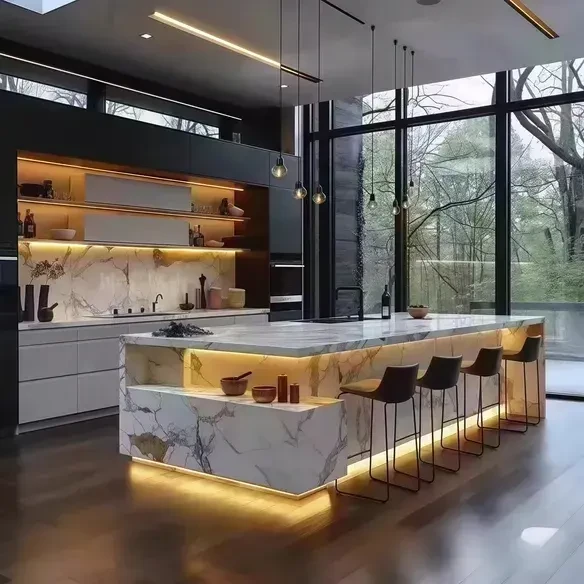
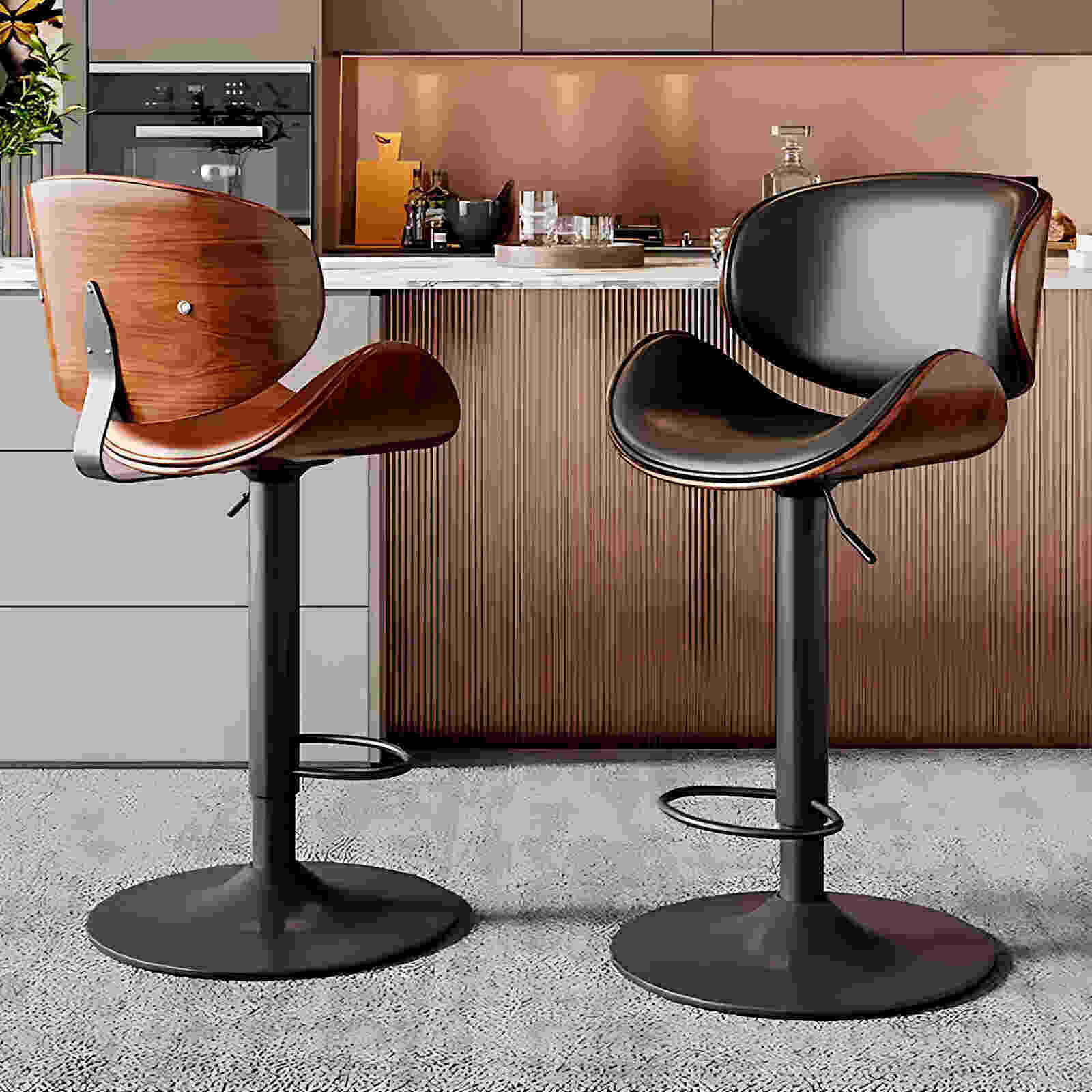
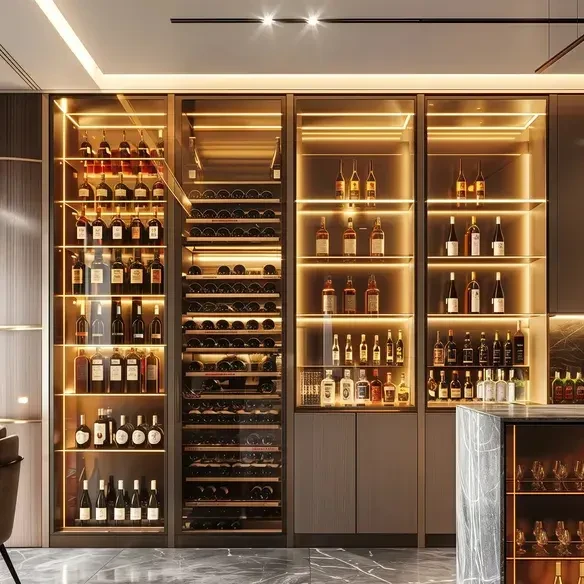
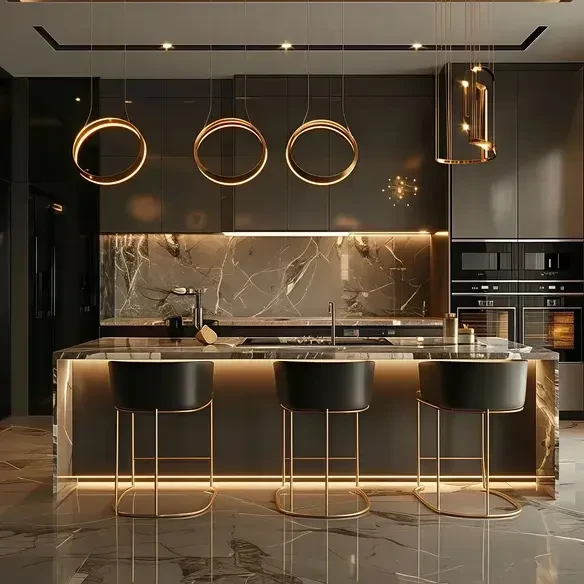
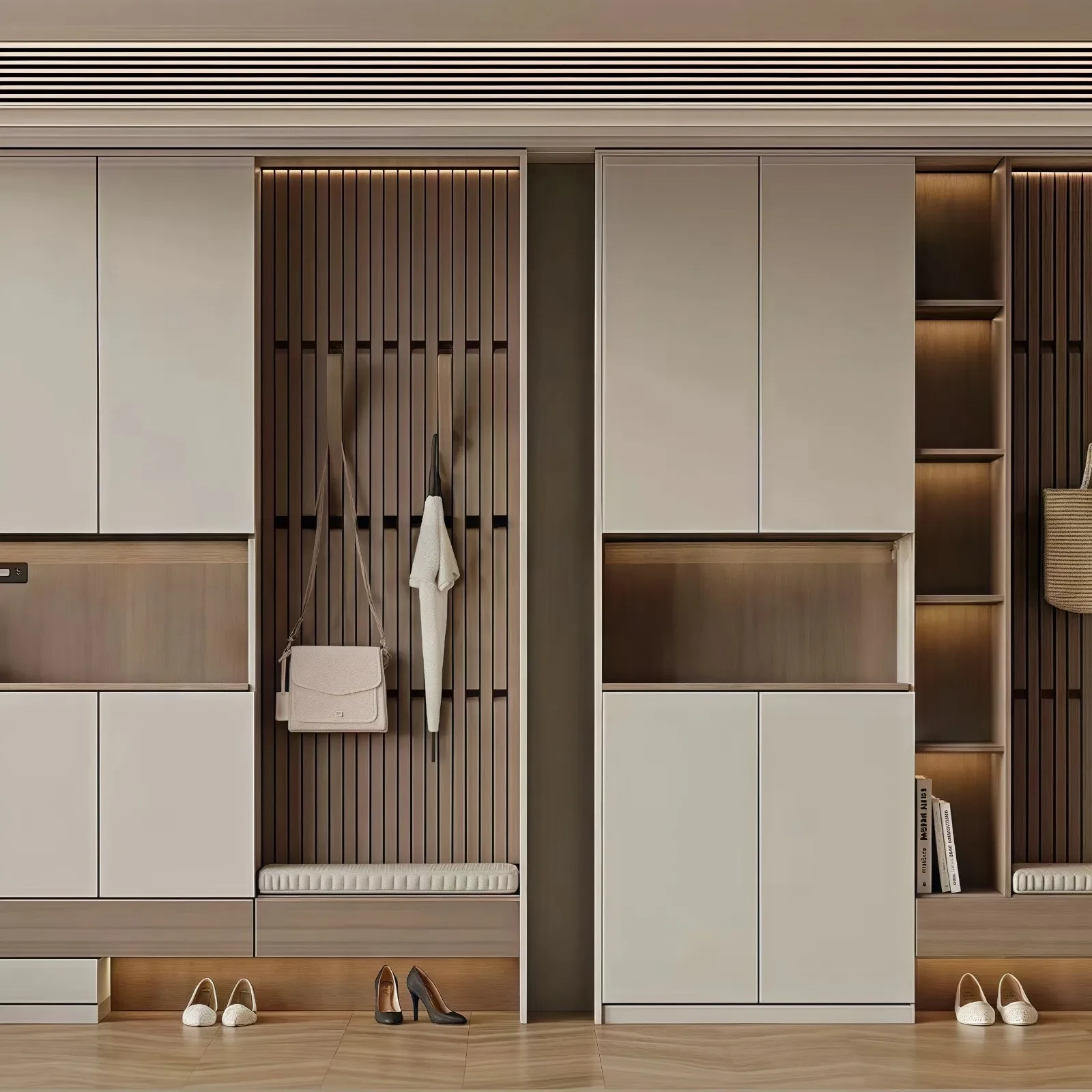
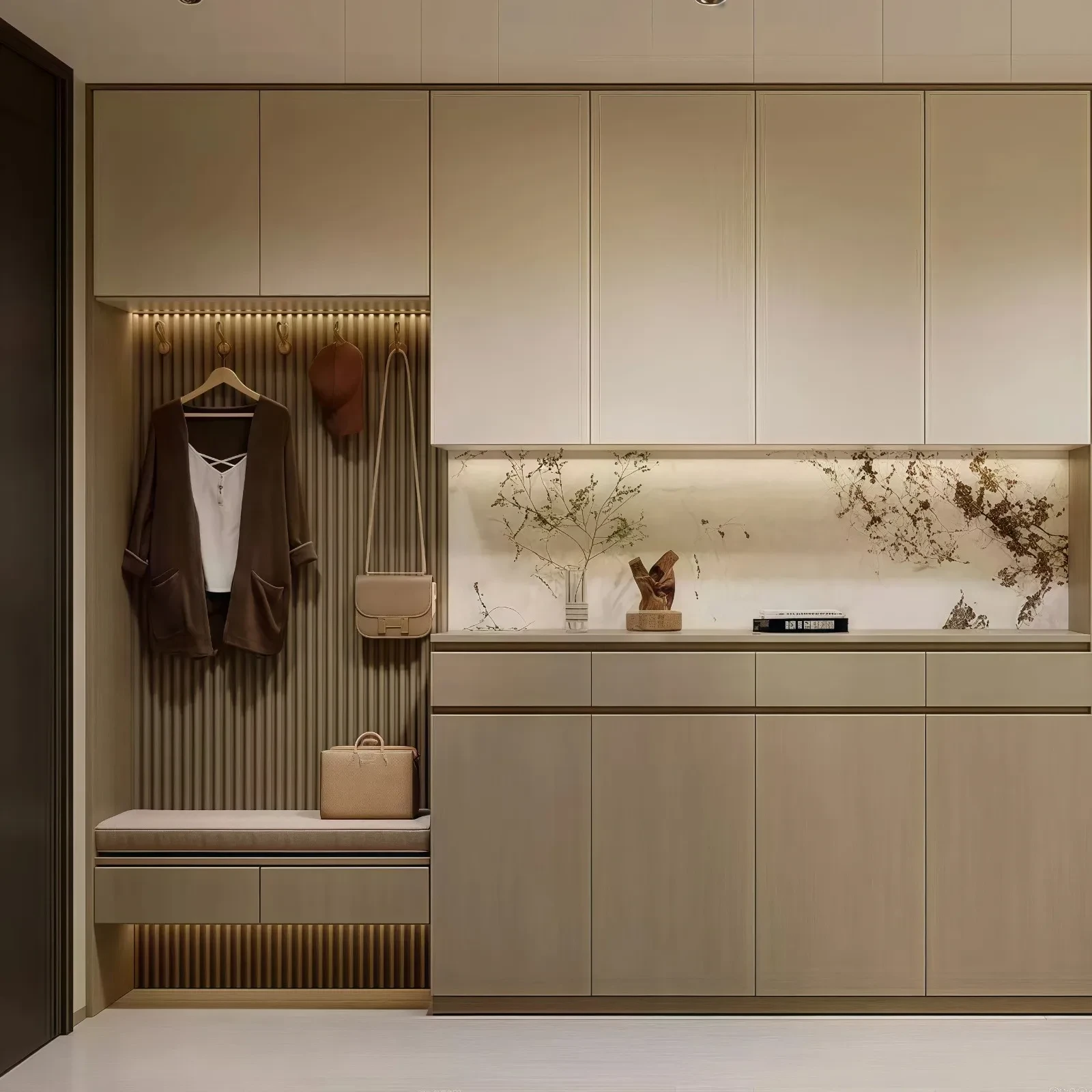
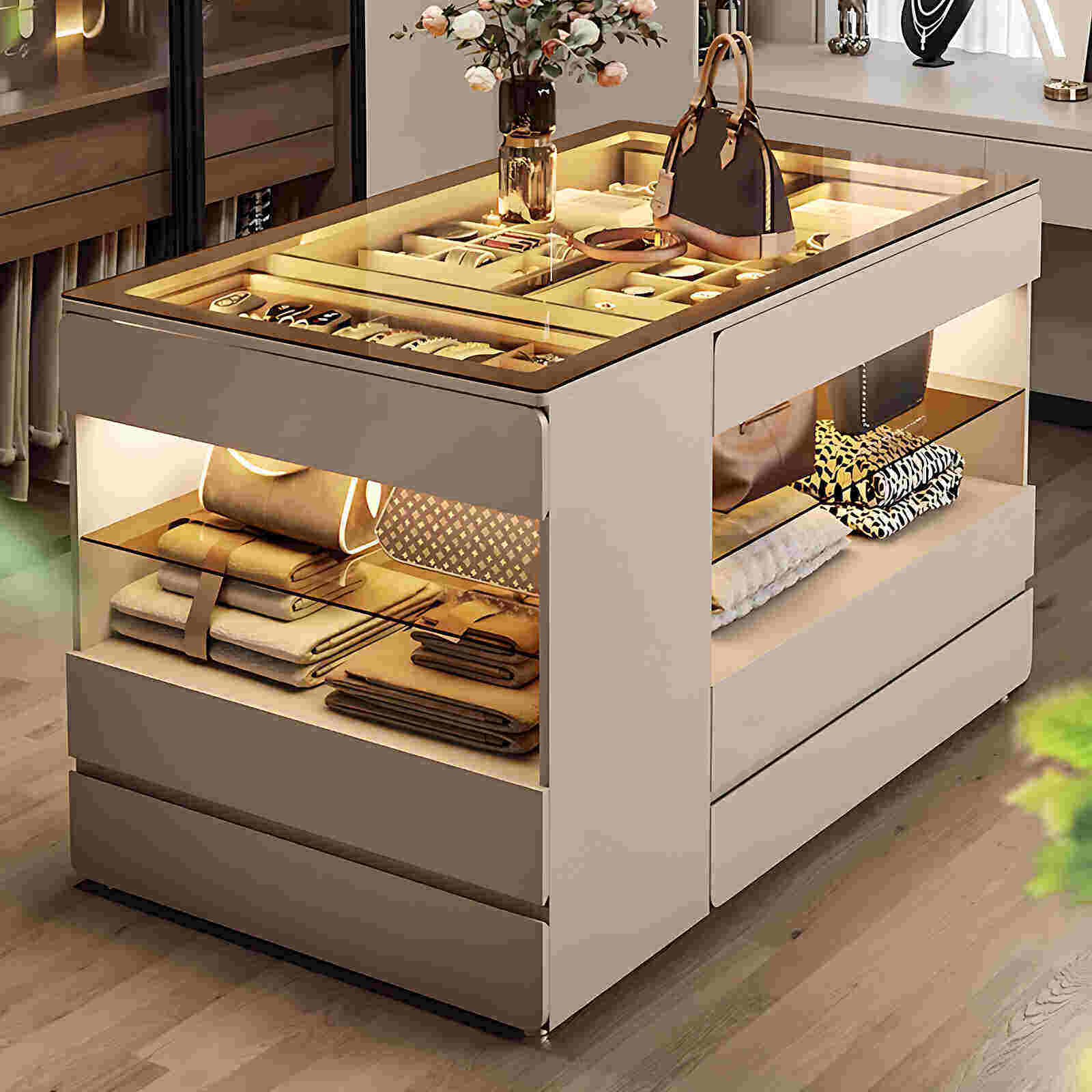
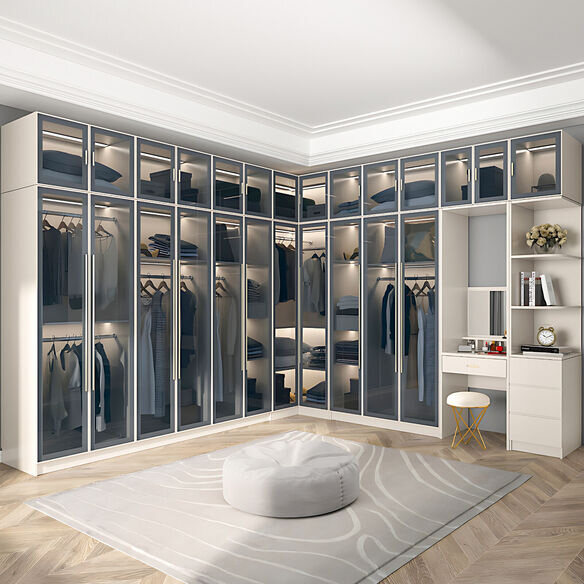
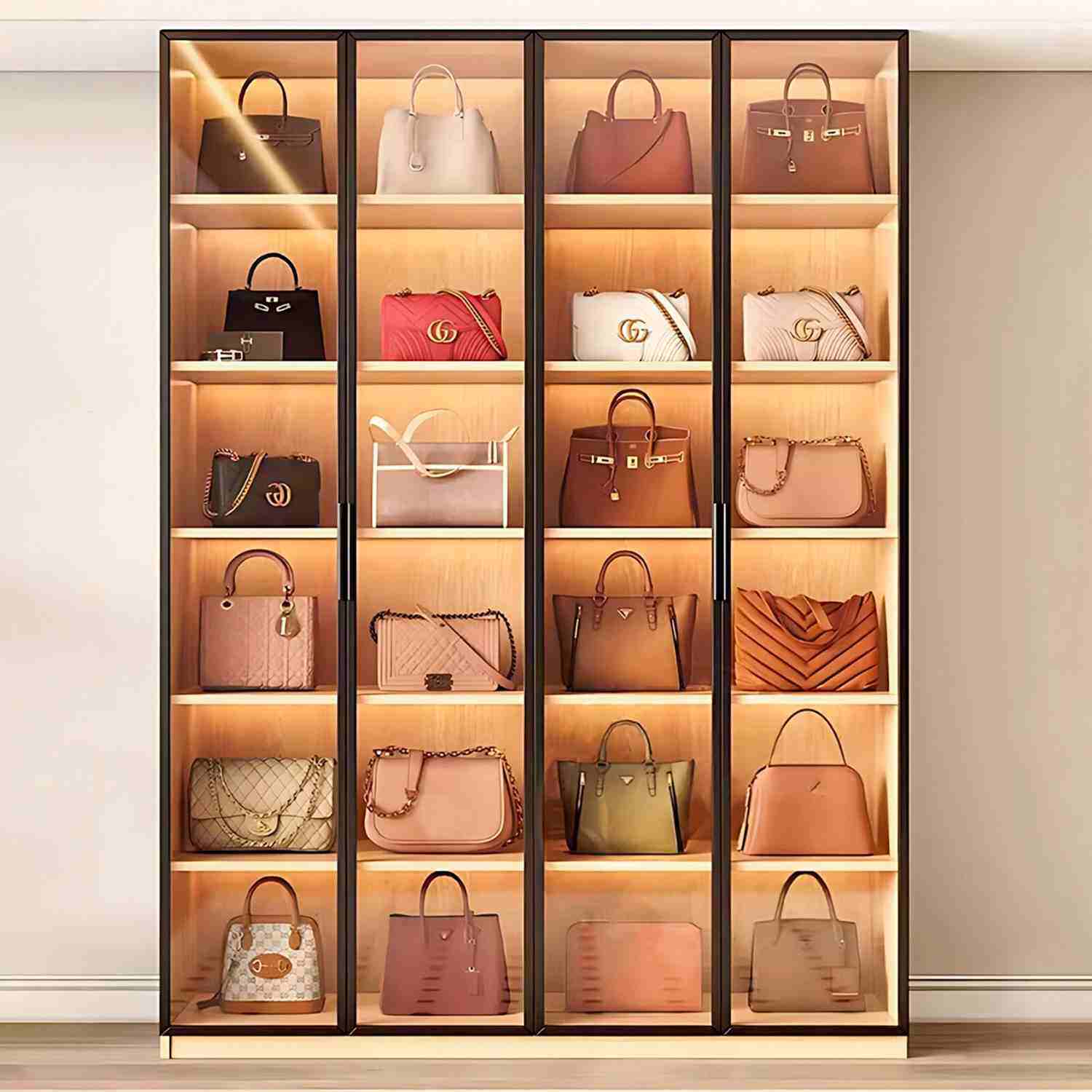
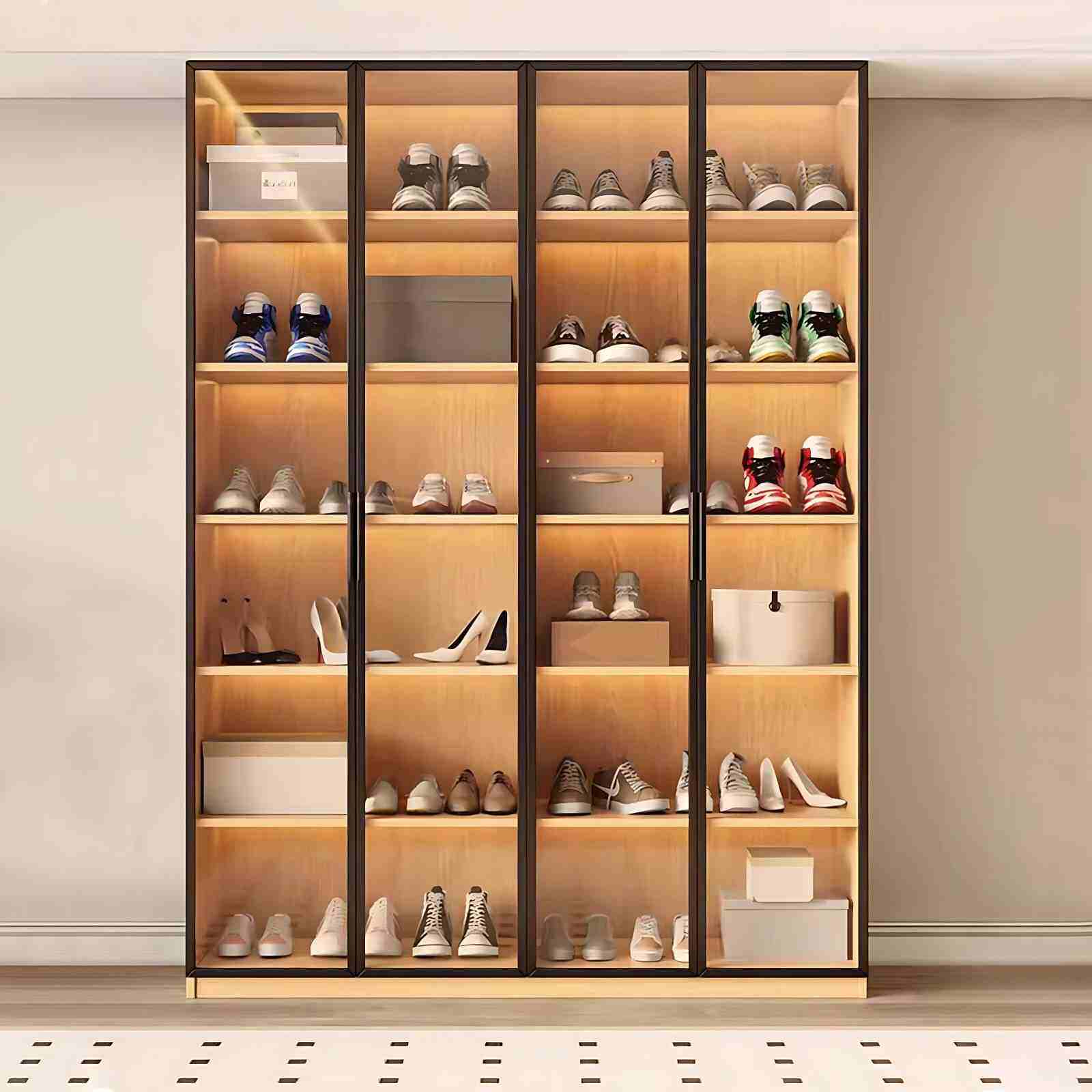
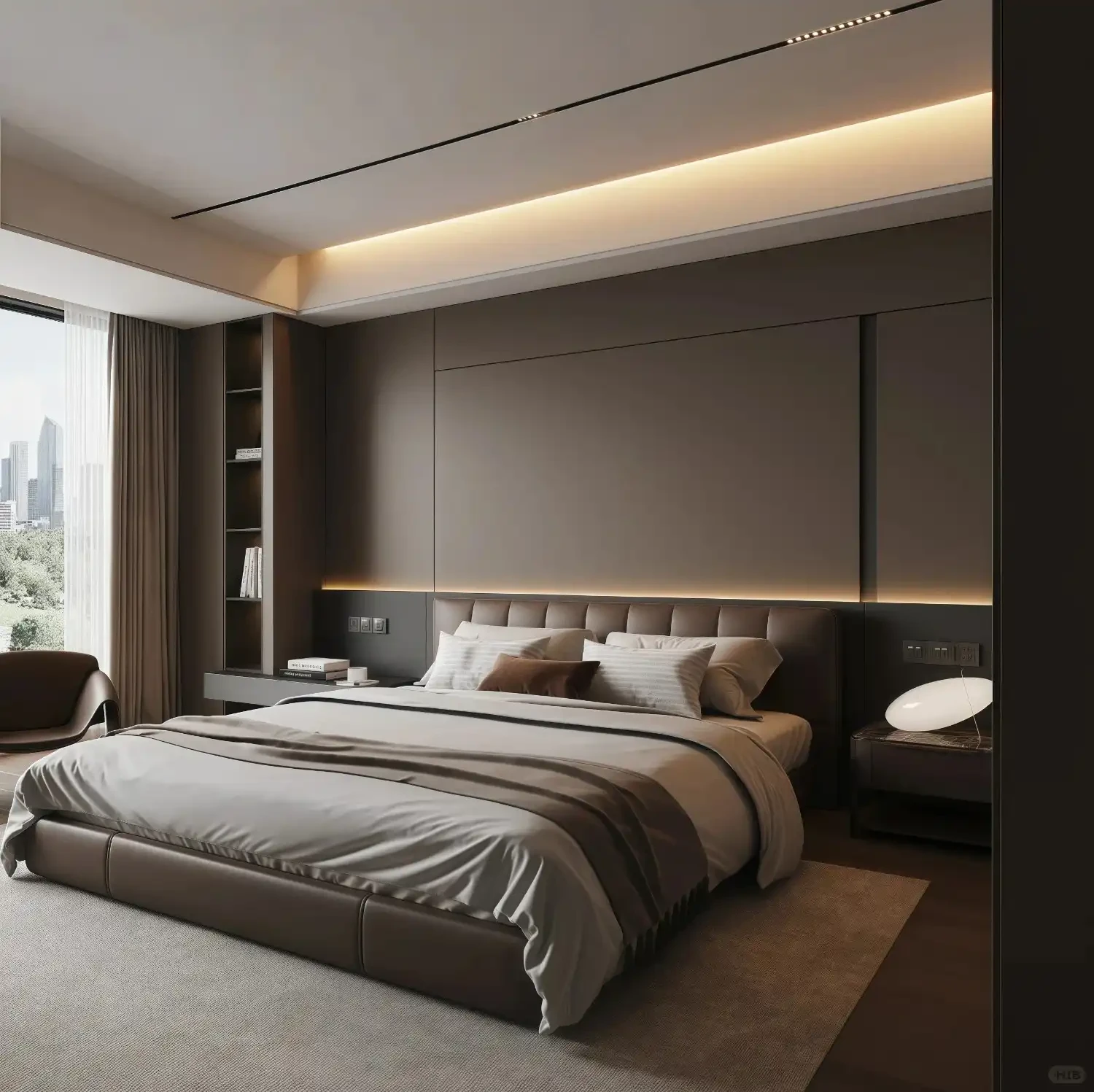
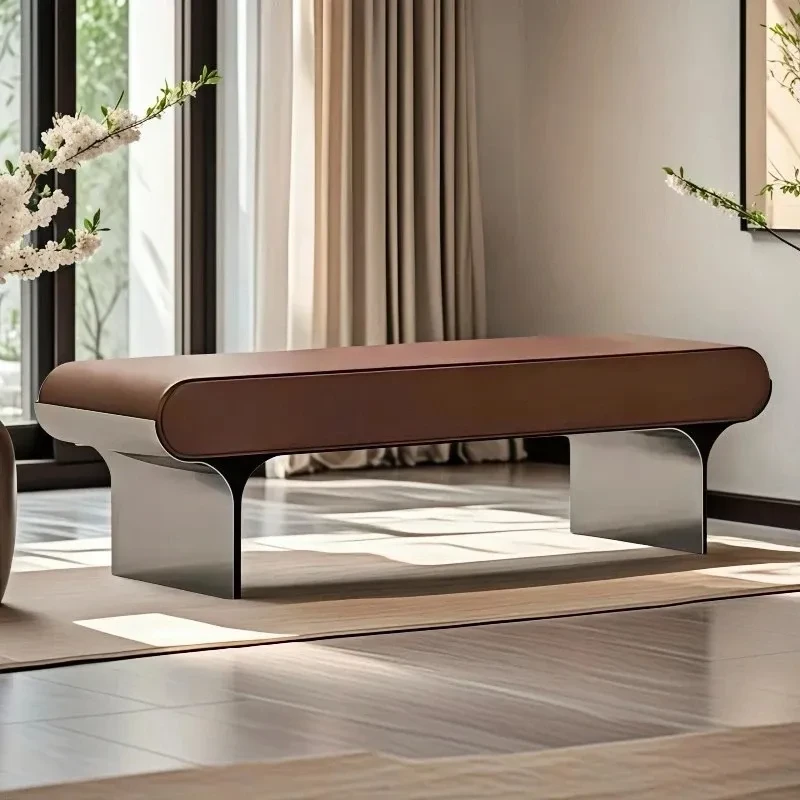
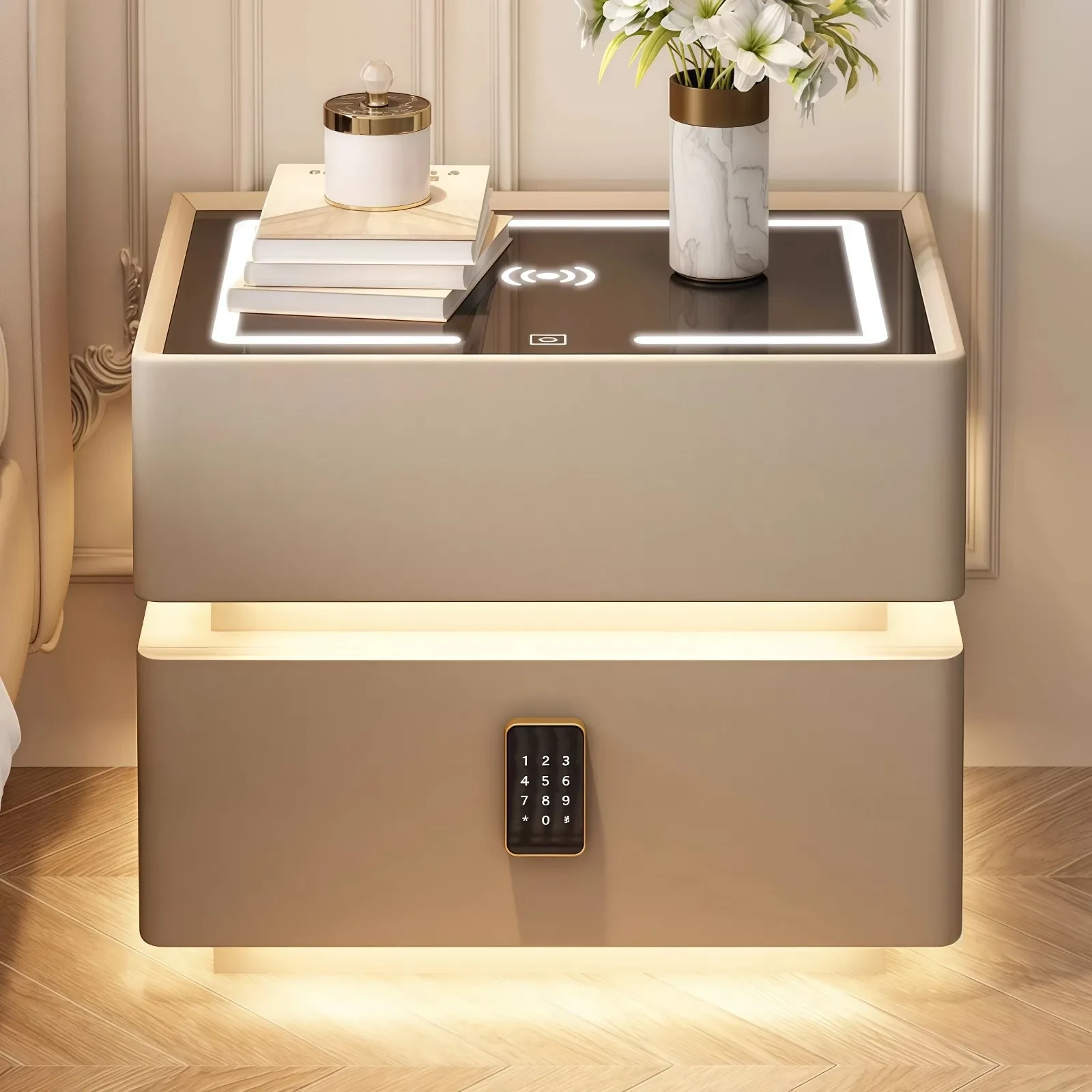
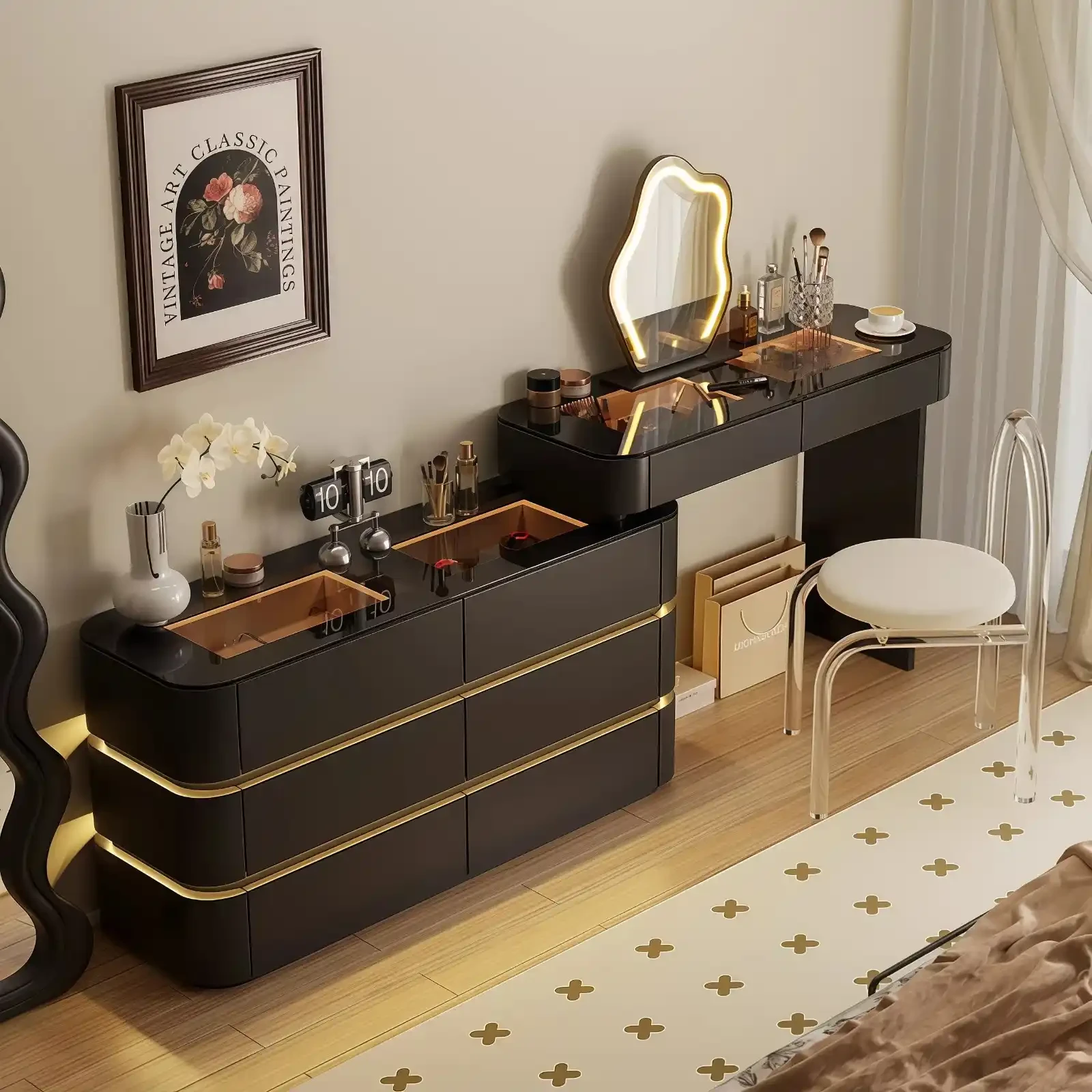
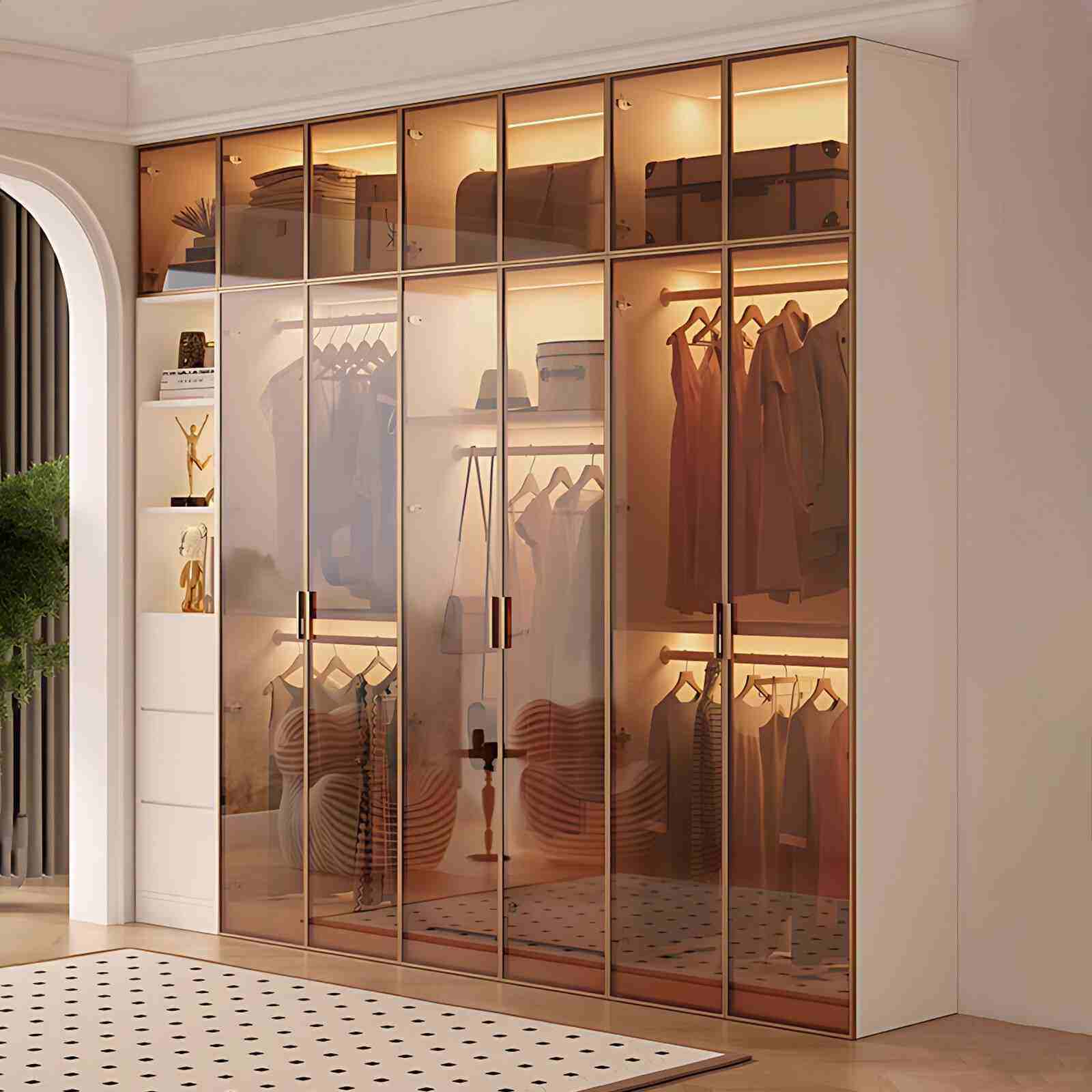
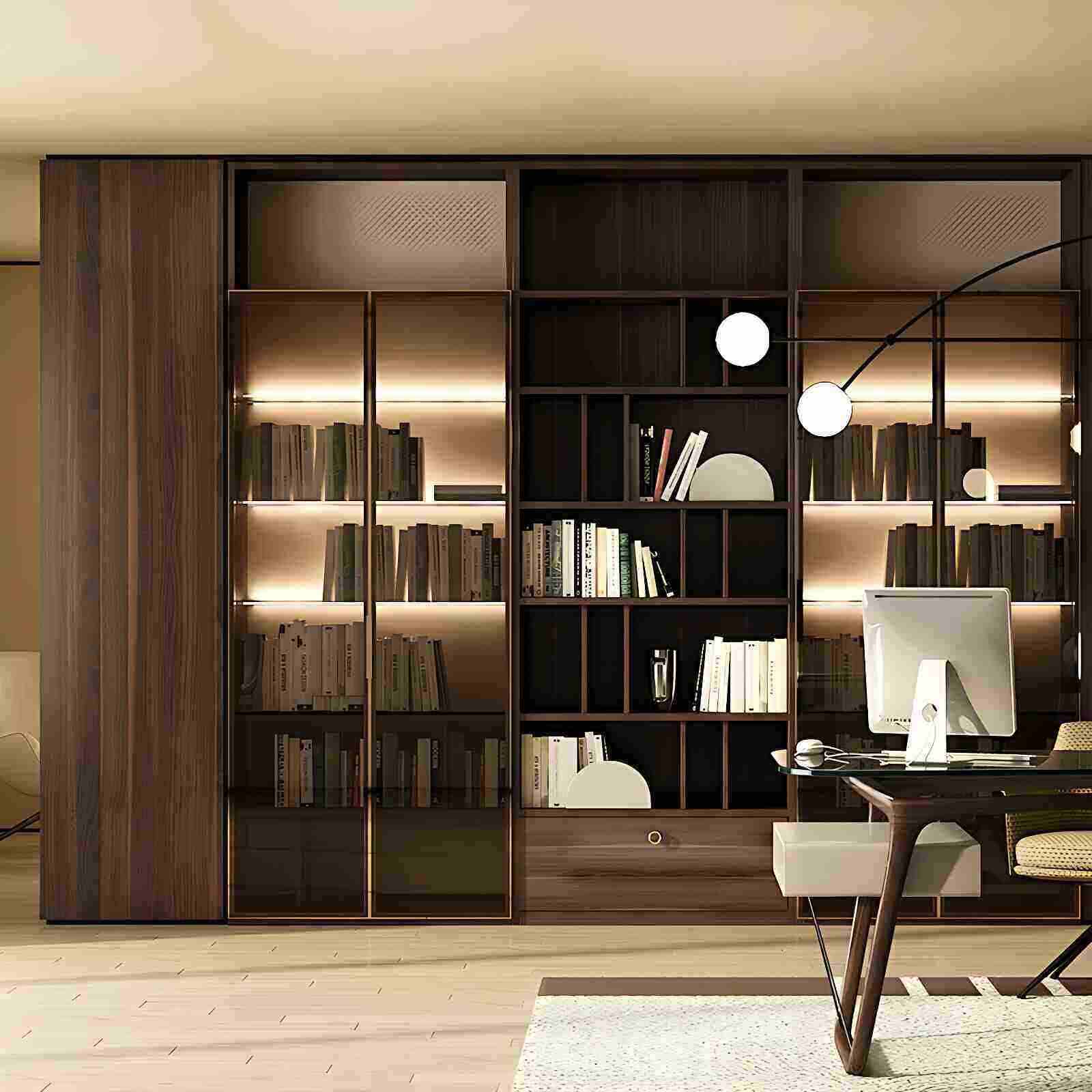
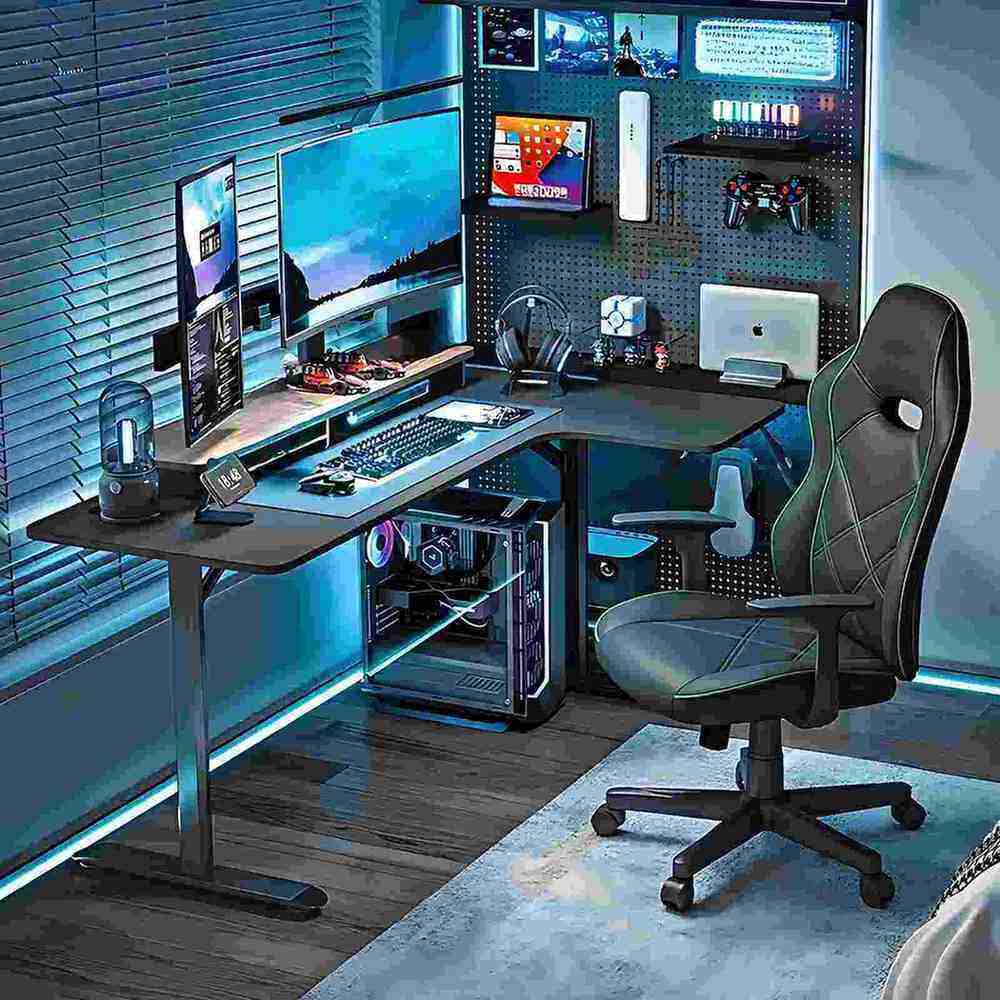
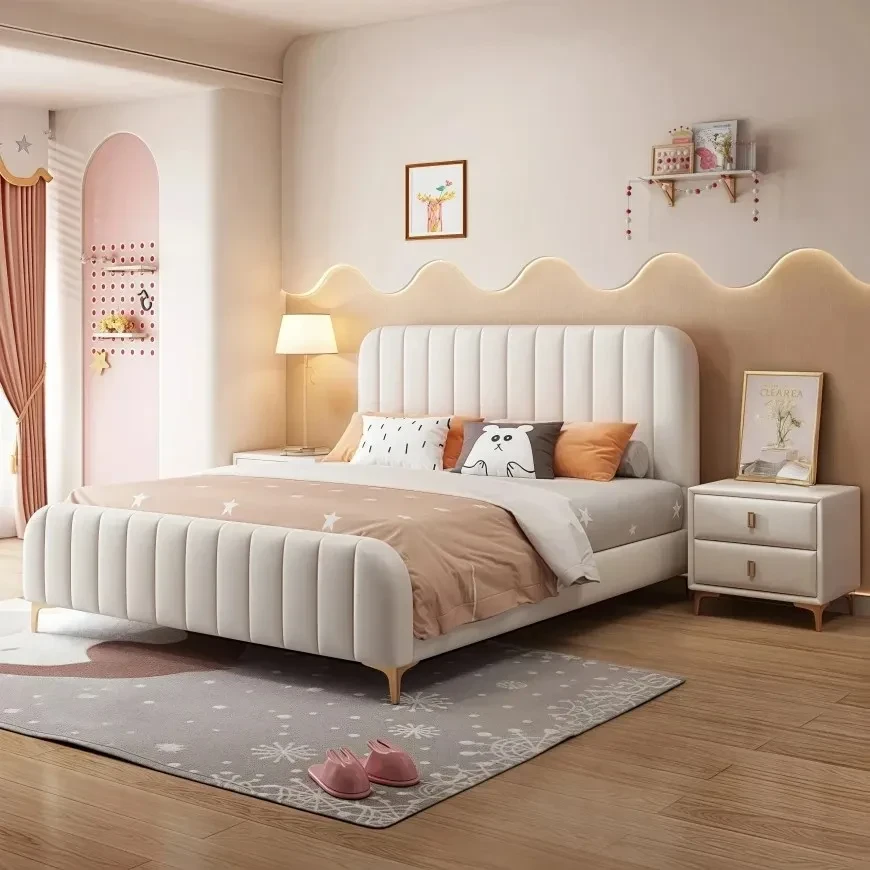
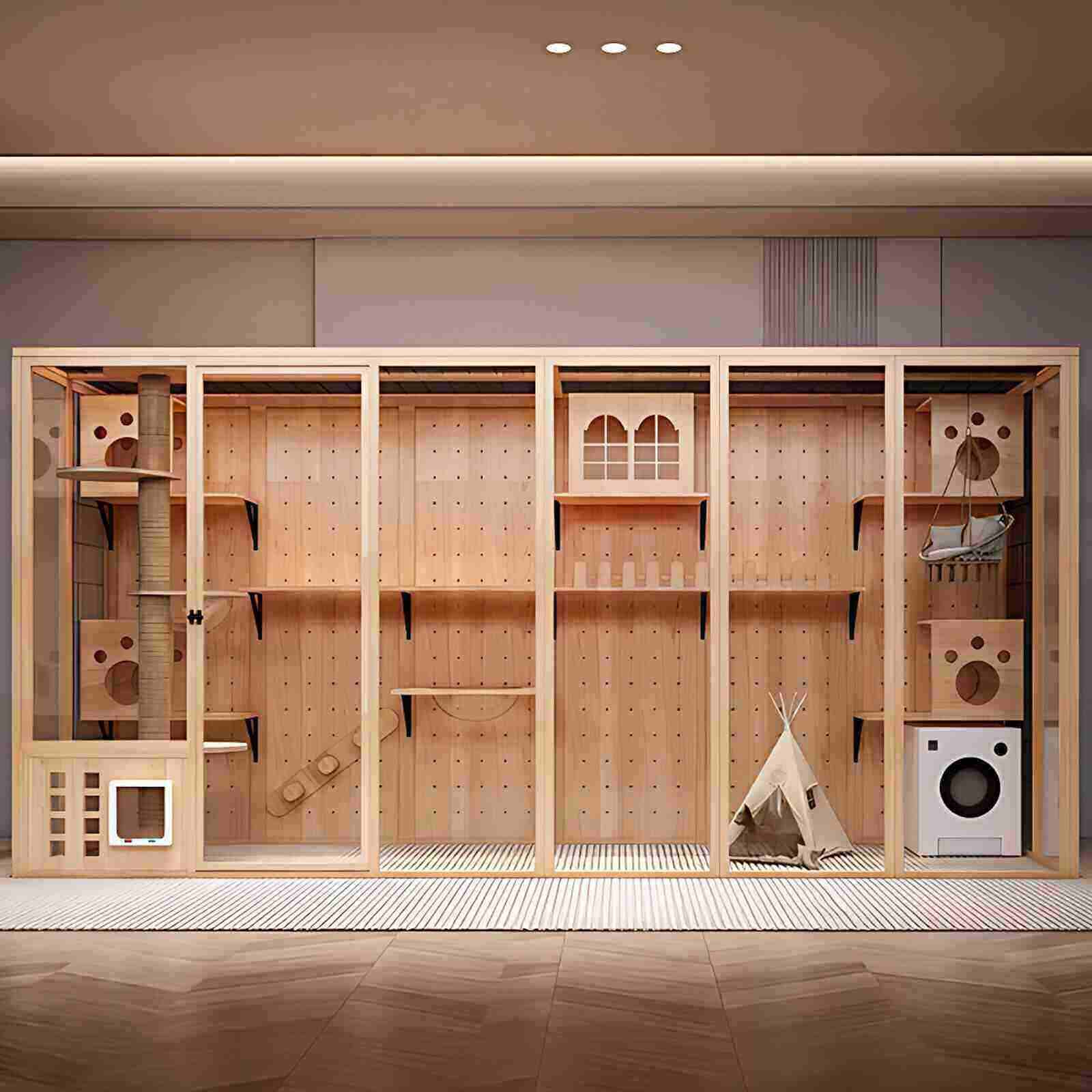
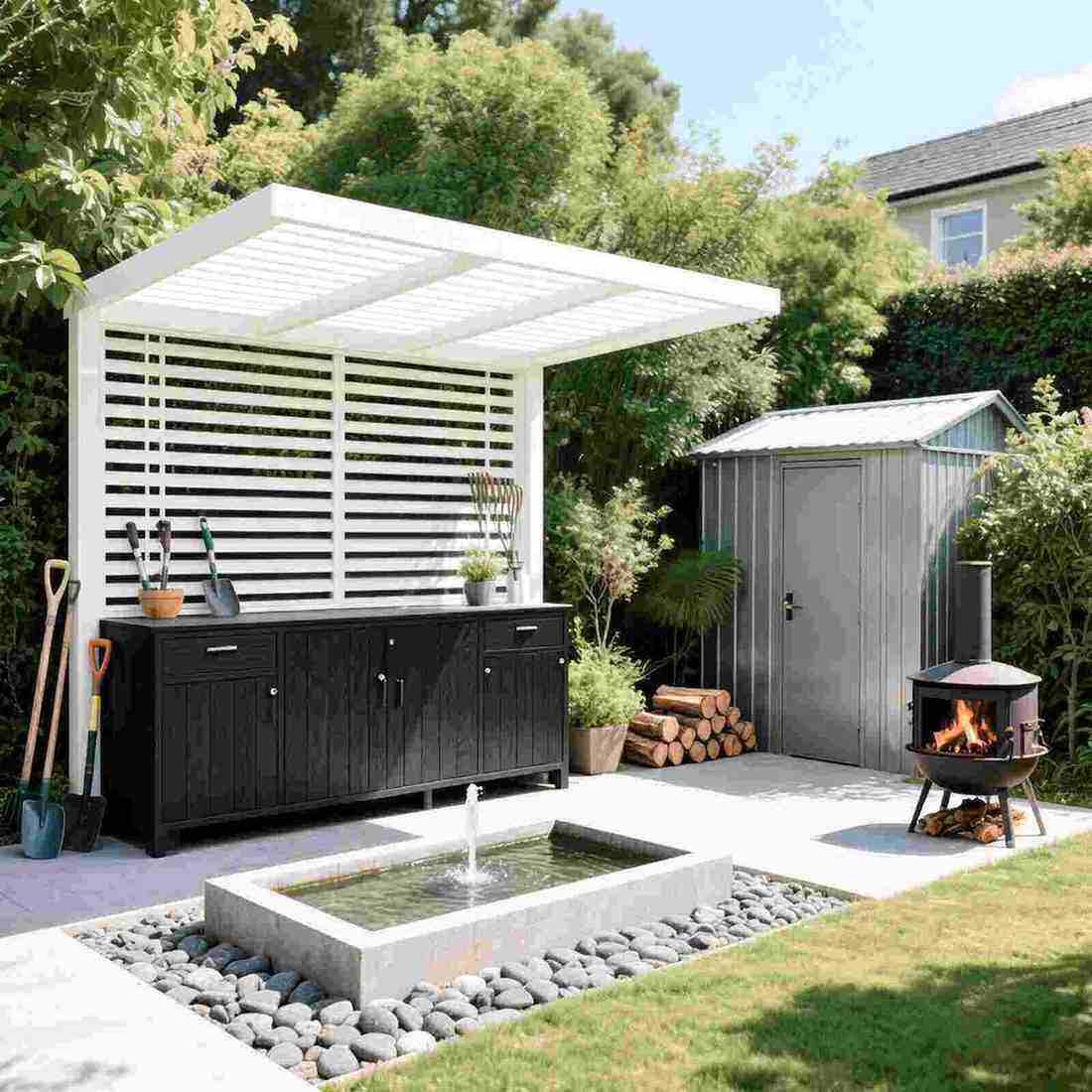
So-called eco-friendly boards are made by pressing melamine decorative paper onto solid wood boards (plywood and multi-layer boards) at high temperatures. Compared with traditional products, eco-friendly boards prioritize environmental protection, safety, low carbon footprint, and are paint-free, making them popular with carpenters and furniture manufacturers. In the past two years, many eco-friendly boards have appeared on the market, with significant price differences and varying quality, making it difficult for consumers to choose.
Two factors affecting the cost of eco-friendly boards
1. Surface paper
Paper can be divided into ink-based paper and pigment-based paper, also known as imported paper and domestic paper. Ink-based paper has vibrant colors, more like natural wood, contains a high amount of melamine, making it less prone to fading and giving it a stronger three-dimensional effect. It is also more expensive. Pigment-based paper is far inferior, costing only half as much as imported paper. Small factories generally use pigment-based paper to reduce costs. Eco-friendly boards use only imported ink-based paper, which is durable and does not fade.
2. Raw materials
Whether it's square timber or material with bark, hollow core, or cavities directly affects the final price of eco-boards. Whether compared to traditional plywood with decorative panels and paint, or to particleboard and MDF, eco-boards offer ample reasons to choose them. You get what you pay for; consumers need to be discerning. Spend your money wisely and get quality products.
How to choose a better product
1. Consider environmental protection
Ecological boards, as the name suggests, are not environmentally friendly. Currently, manufacturers in this industry can only control the quality to E0, but E1 ecological boards are already quite environmentally friendly and suitable for use in any situation.
2. Check the flatness
Testing method: In a slightly dimly lit area, observe the 2.44-meter-long side at a 45-degree angle. Check for unevenness and the visibility of the three seams and sanding marks on the surface. This is not a hard and fast standard, but it reflects a manufacturer's manufacturing capabilities.
3. Observe carbonization
Check the surface for dry or wet patterns. In home decoration, this is called carbonization. If the surface of the board has shiny, crystalline dots or blocks, it will turn black over time or the surface will show signs of paint fading. These are all signs of dry or wet patterns. These characteristics reflect the factory's level of process control and are one of the important issues reflecting the quality of the board.
4. Observe the fading.
Paper fading is relatively less likely to occur with ink-based paper, which has a stronger three-dimensional effect. Pigment paper is much less effective at fading (similar to the difference between paint and coating). Testing method: Stack two boards, offset, and expose them to sunlight for several hours. Observe whether there is a color difference on the bottom board.
5. Check for cracks.
Cracking and blistering of the boards are definitely quality issues caused by poor bonding strength and substrate, and there is no other explanation. This can be observed from any angle.
6. Examine the paper.
To check if the paper is completely solidified, it's like not fully cooking rice. You'll see the surface is susceptible to staining, feels slightly cottony to the touch, and appears to have a hazy, foggy appearance. Ideally, it should feel metallic. Testing method: Apply shoe polish, lipstick, or a marker to the surface, wait a few minutes, and see if it can be completely wiped off.
7. Thickness difference detection of the entire board
Testing method: Use calipers to measure the thickness at multiple points on an eco-board. An error of 0.6mm is considered normal, but this requirement can be relaxed for home decoration.
8. Check for deformation.
Board deformation reflects the manufacturer's manufacturing capabilities and indicates insufficient static bending strength. Generally, slight deformation of the top two sheets in each bundle is normal before the boards are made into finished products. Deformation after the boards are made into wardrobes or other finished products (excluding large hinged doors) is a quality issue. Inspection method: Visual inspection.
With 20 years of dedicated focus on panel research and development, we are committed to pioneering fashionable home furnishings in the industry. We actively integrate various advantageous resources, advocate the concept of enjoying life, and utilize high-quality, environmentally friendly products as our foundation. We have built a high-quality network of exclusive stores, a strong standardized and systematic service system, and a team with shared values. We actively implement a "one-stop" service for environmentally friendly decorative materials packages. We are dedicated to becoming a new generation of fashionable home furnishing service provider.