
 USD
USD GBP
GBP
 EUR
EUR







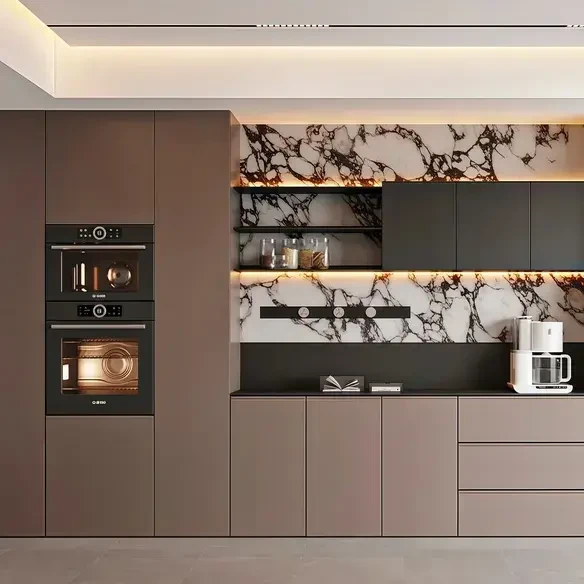
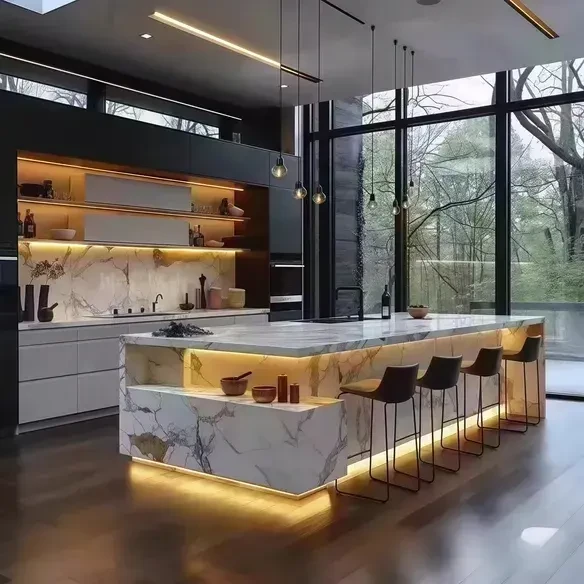



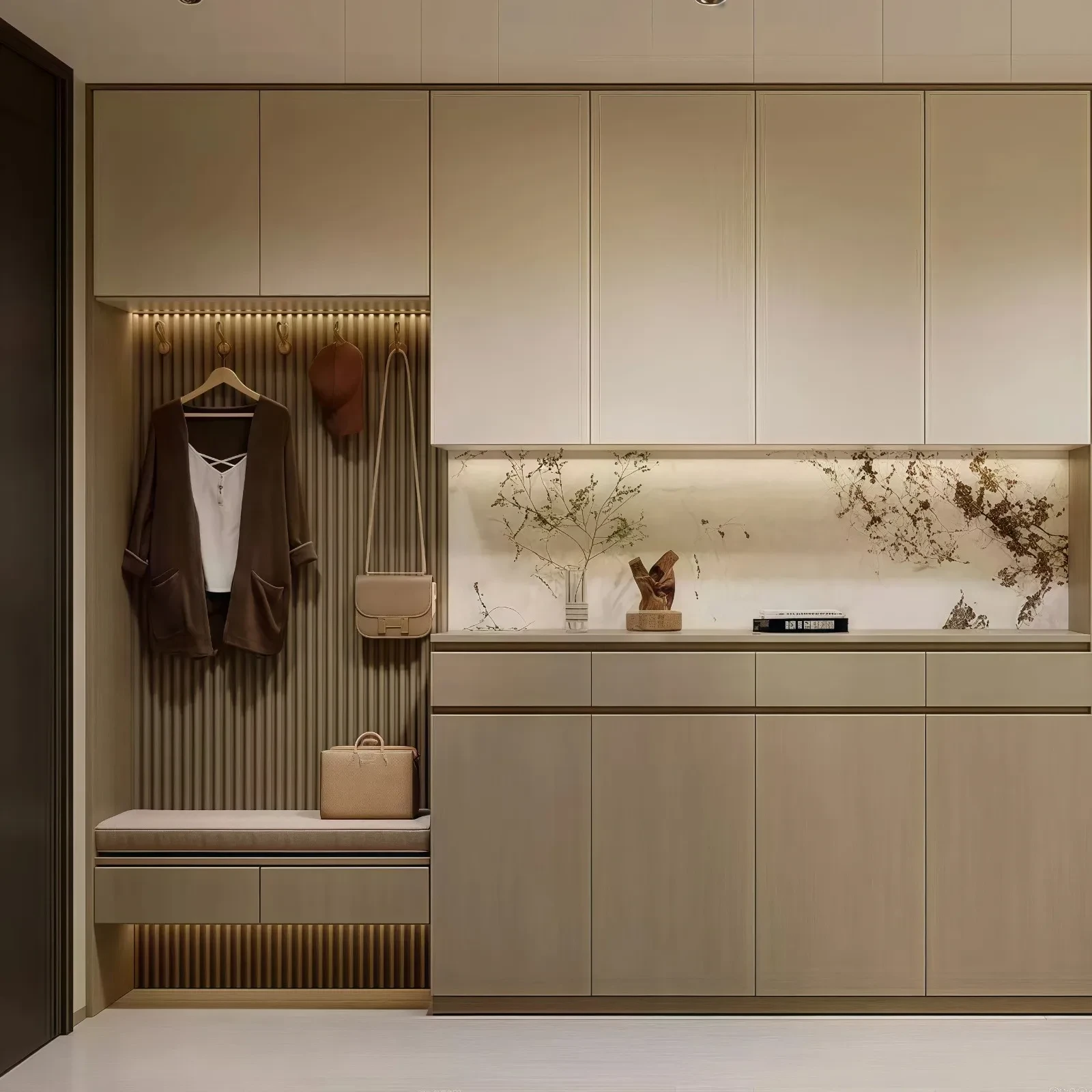



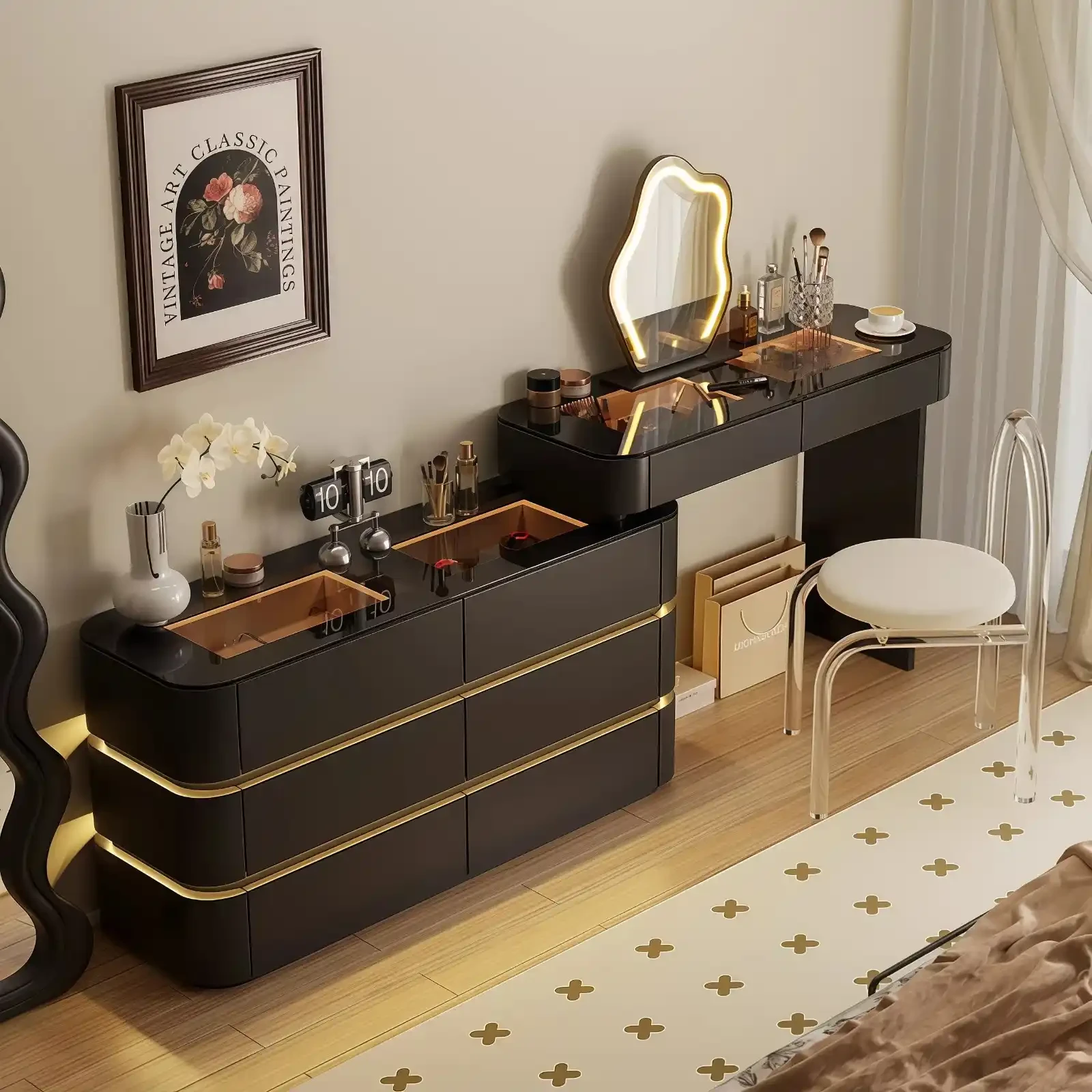

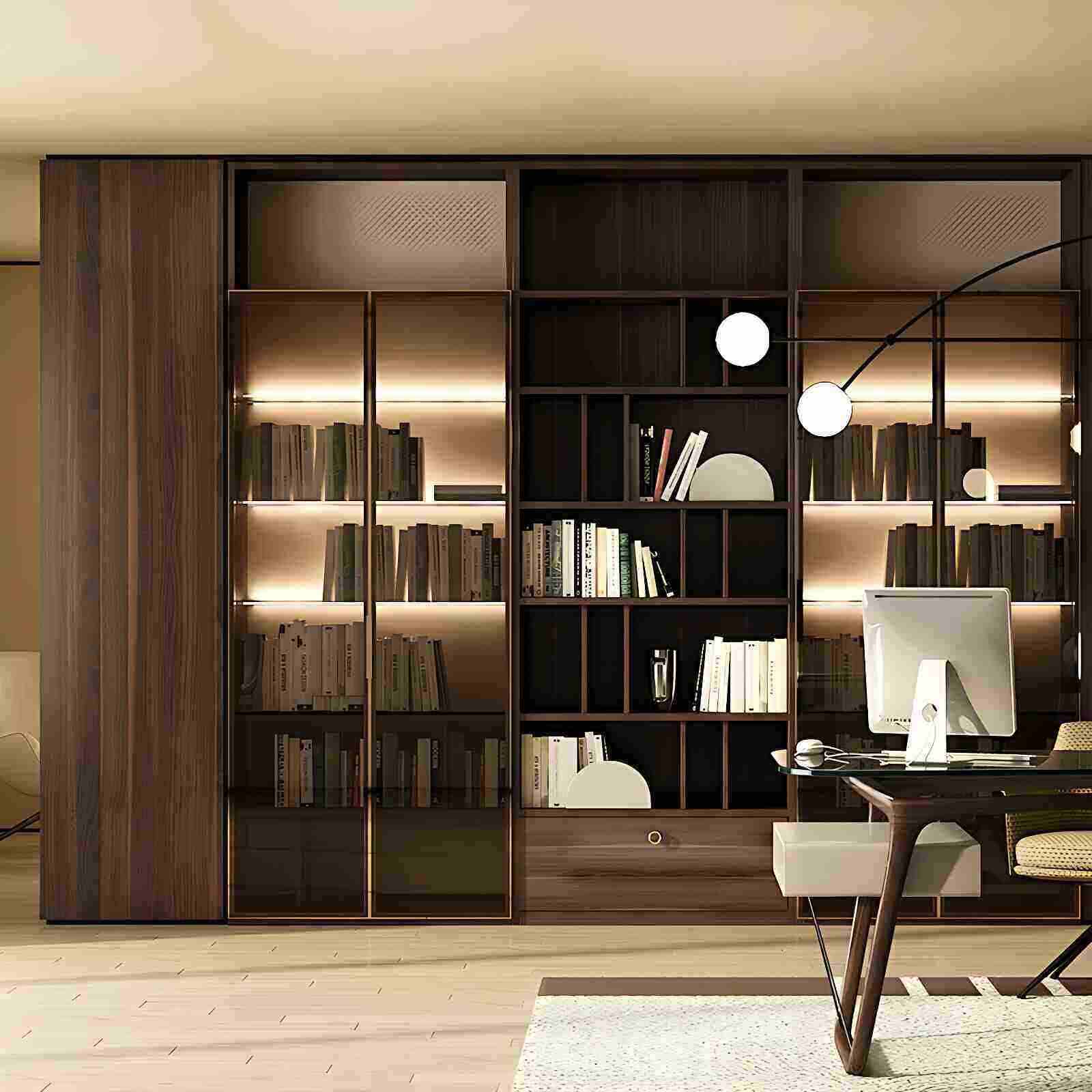


Many families dedicate a room as a study when decorating their homes. Even those with smaller rooms will set aside an area in the living room for studying and working, using bookshelves, cabinets, curtains, or other partitions.
There's a lot to consider when arranging a custom-made cedar eco-board bookcase in a study to better reflect the homeowner's personality and taste. Let's explore this together with some real-world examples:
Introduction to fir core ecological board:
Fir wood is a common, economical, and relatively durable type of wood in our lives, and eco-board is a popular new type of board material. Fir eco-board, specifically, is an eco-board with a core of fir plywood, combining the advantages of both fir and plywood. Compared to eco-boards using particleboard, moisture-resistant board, or other materials as the base material, fir eco-board's natural wood characteristics meet human requirements for natural eco-boards. It is lightweight, has good nail-holding power, is not easily deformed, has high strength, and possesses sound absorption and heat insulation properties. Furthermore, its wear resistance, corrosion resistance, acid and alkali resistance are all excellent.
Generally, the walls and ceiling of a study should be painted in elegant, bright, and soft light colors, such as light blue, light beige, or light green. The floor should be made of wood flooring or carpet, while the walls should ideally be covered with a sound-absorbing material like shell powder to create a quiet environment.
For curtains, light-colored sheer curtains that can block out light while still allowing some light to pass through are generally more suitable. High-quality, soft Venetian blinds are even better, as strong sunlight will become warm and comfortable when refracted through the curtains.
The furniture in the study mainly consists of a writing desk and bookshelves, ensuring ample storage space for books. The depth of the bookshelves should ideally be 30 centimeters; excessive depth wastes materials and space and makes retrieving books inconvenient. The shelves and dividers of the bookshelves can be adjustable to accommodate different book sizes.
The function and layout of a study vary from person to person. Bookshelves and desks can be arranged parallel to each other, vertically, or connected to the ends or middle of the bookshelves to form a reading and writing area. The versatility of study layouts changes their form and style, keeping things fresh and engaging.
In a large study, a full set of bookshelves along one wall serves as a backdrop, paired with a unique writing desk in front, reflecting the study's dynamism and ambition. For a slightly larger study, bookshelves made of cedar plywood of varying heights can serve as the main feature.
The size and investment in a study are generally determined by the room's dimensions, the owner's profession, status, and the number of books they own. If the room area is limited, the space can be expanded; the choice should also be based on the owner's financial capacity. Generally, a study should prioritize practicality and simplicity, and does not necessarily require a large investment.