
 USD
USD GBP
GBP
 EUR
EUR
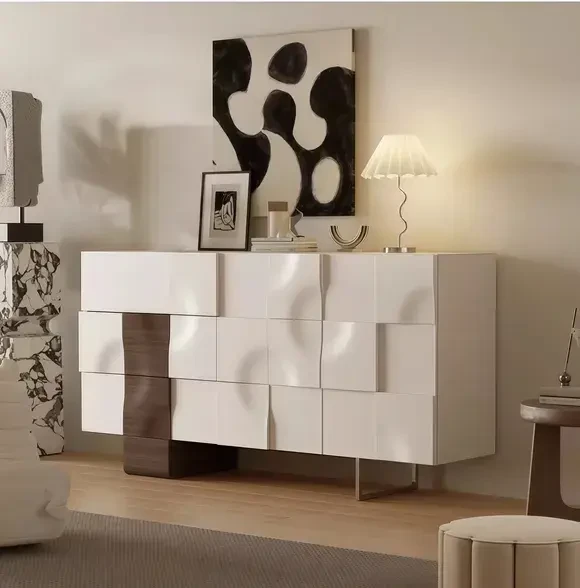

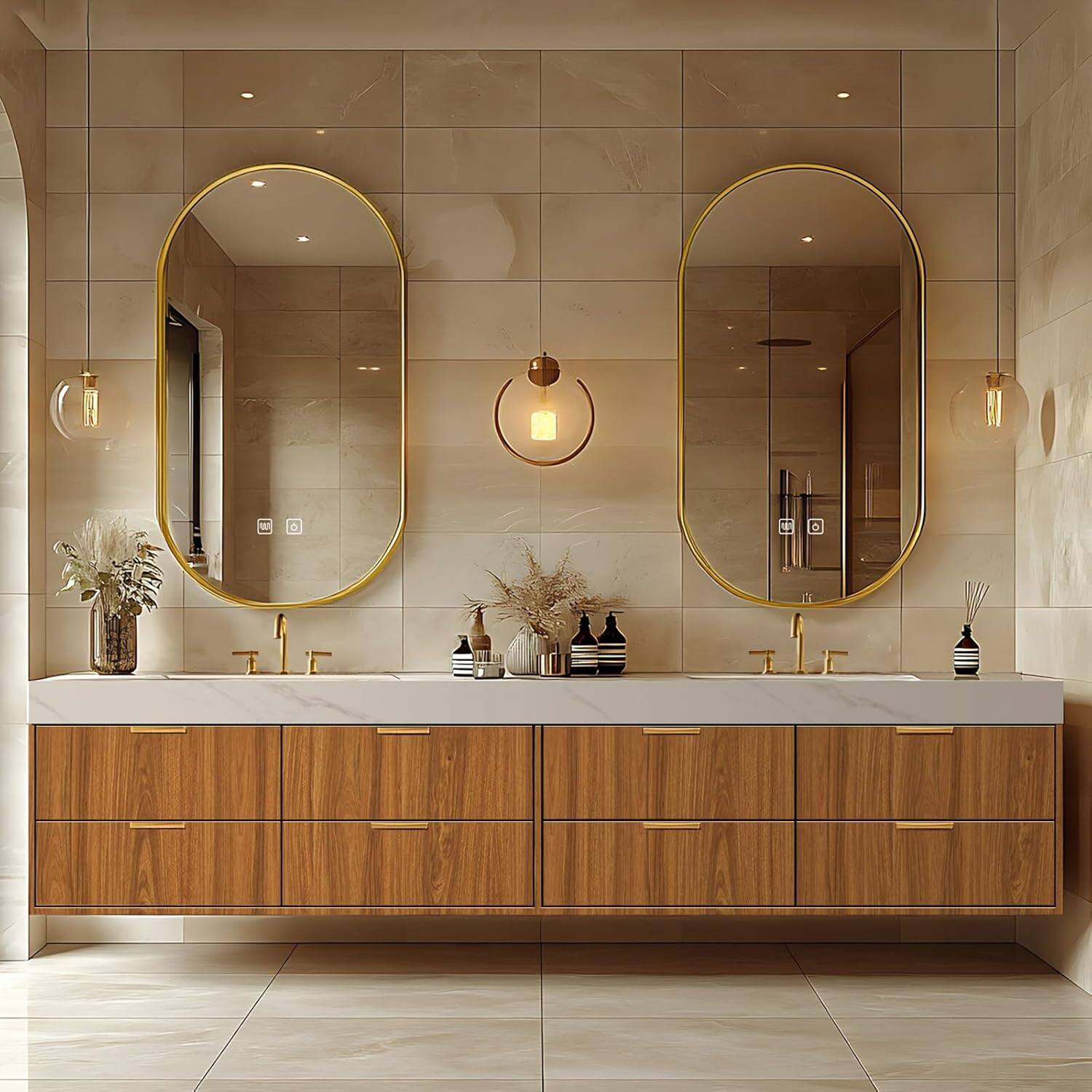
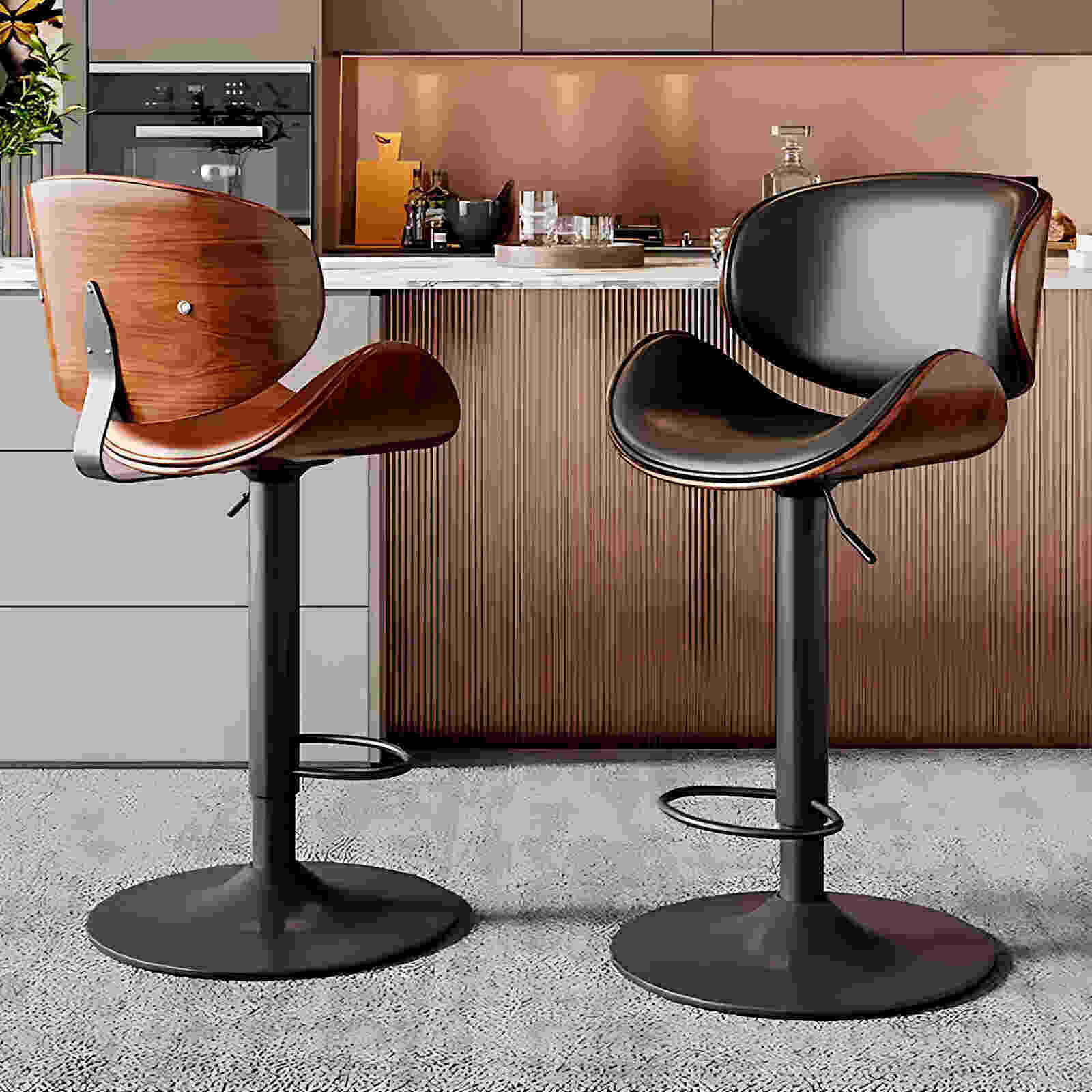
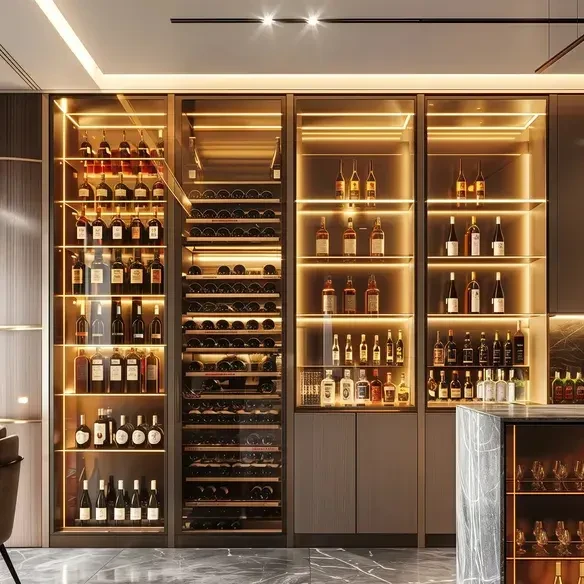
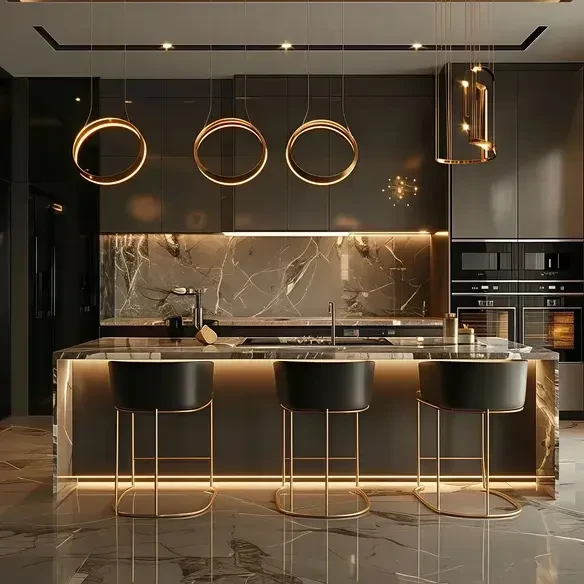
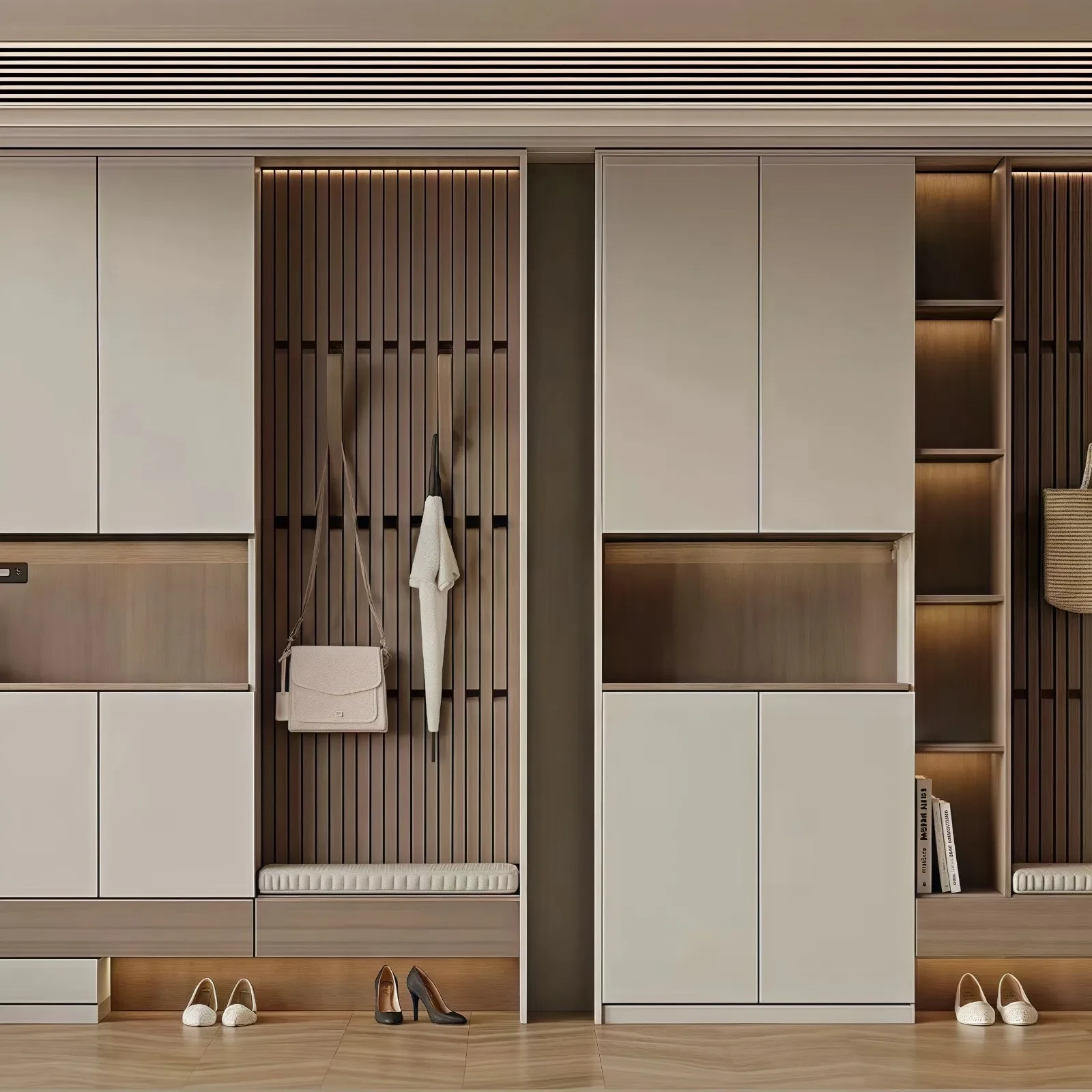
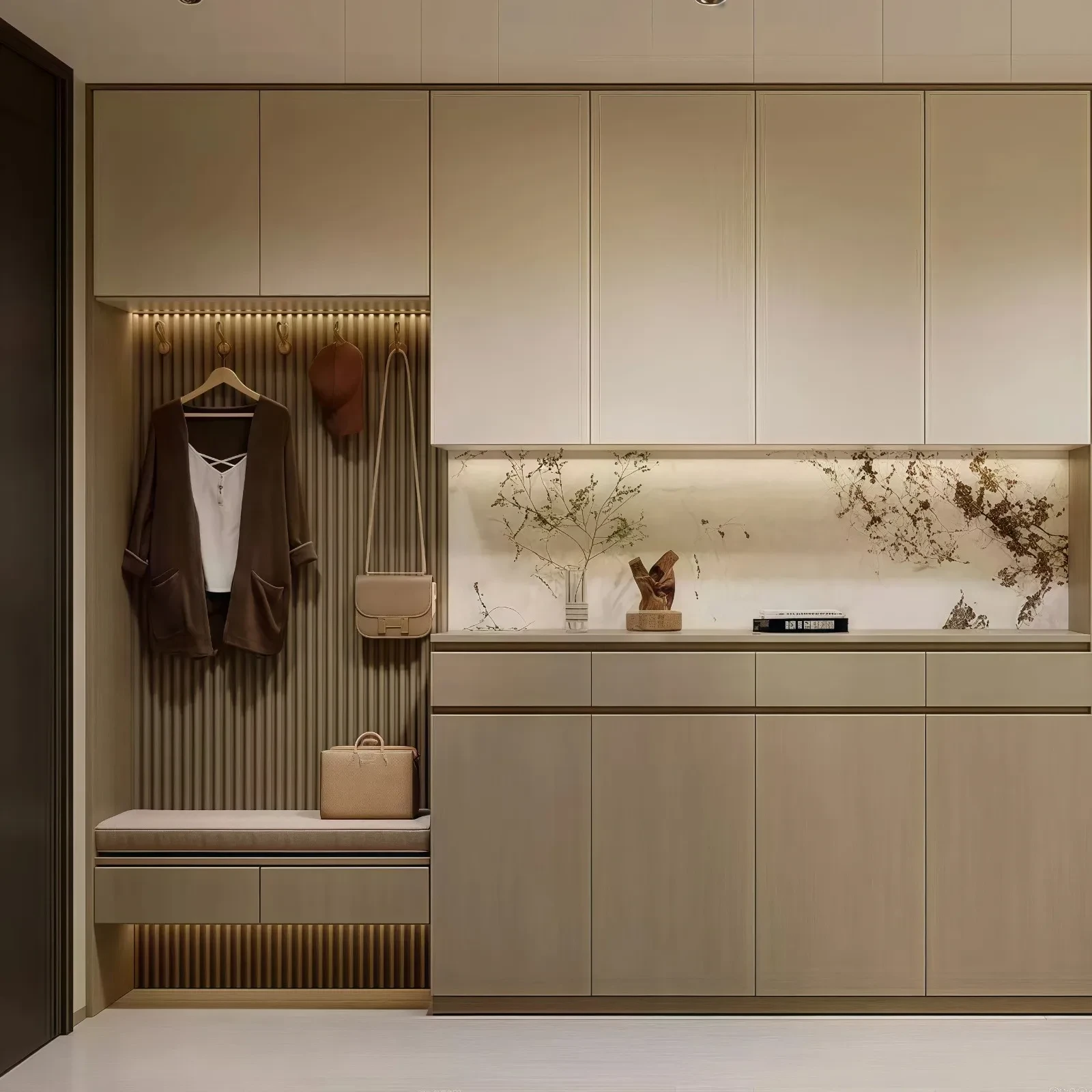
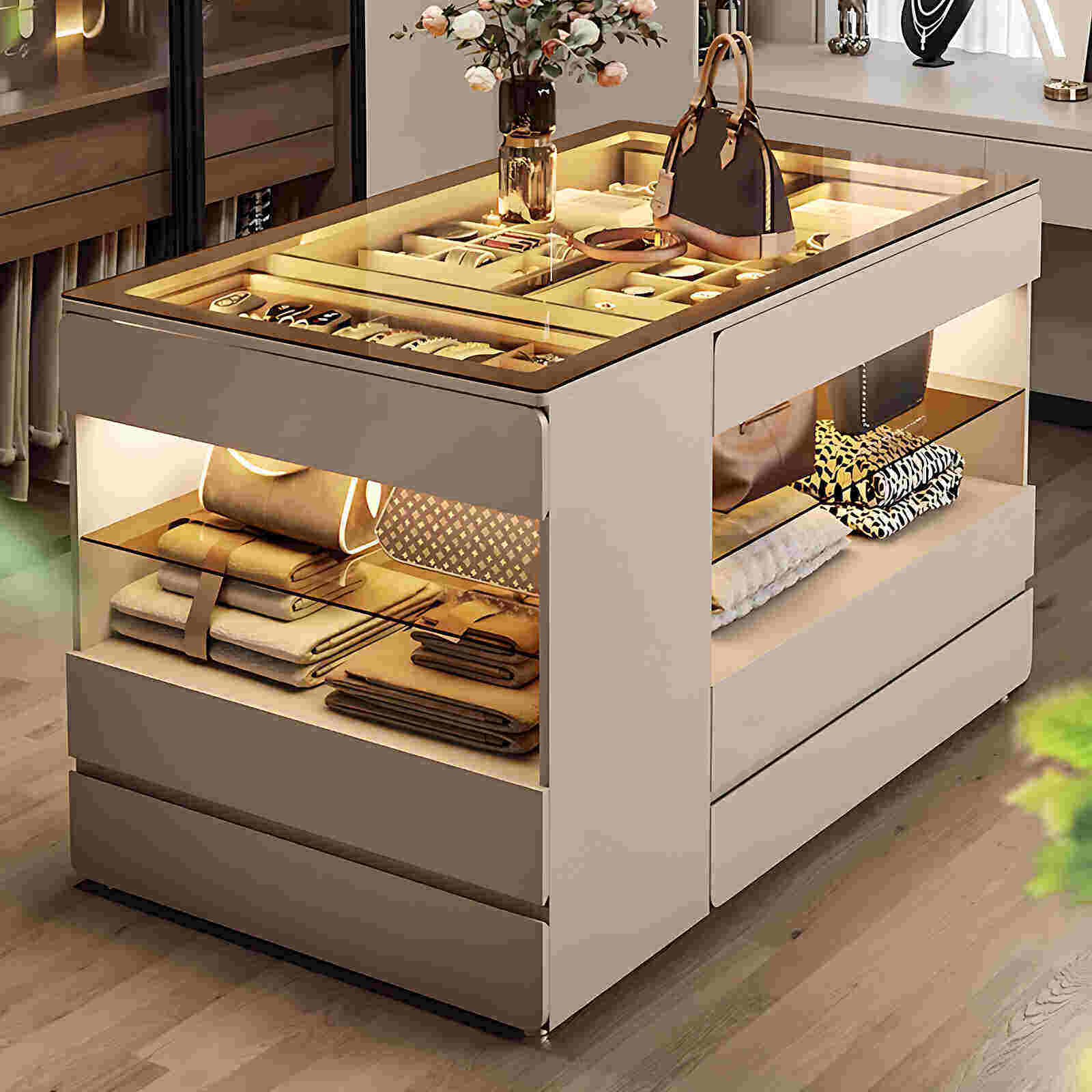
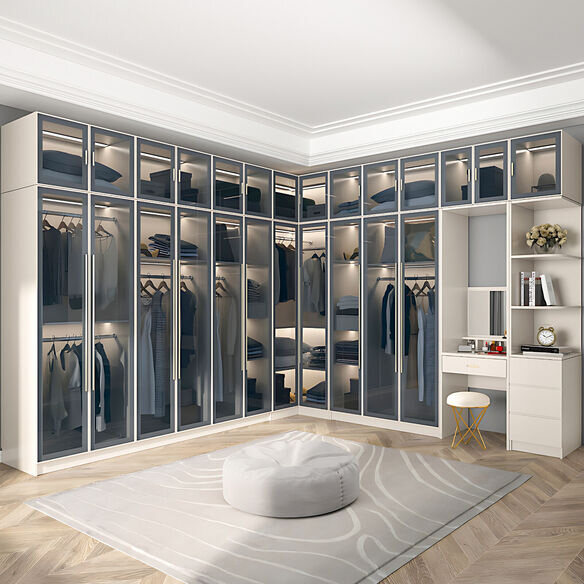
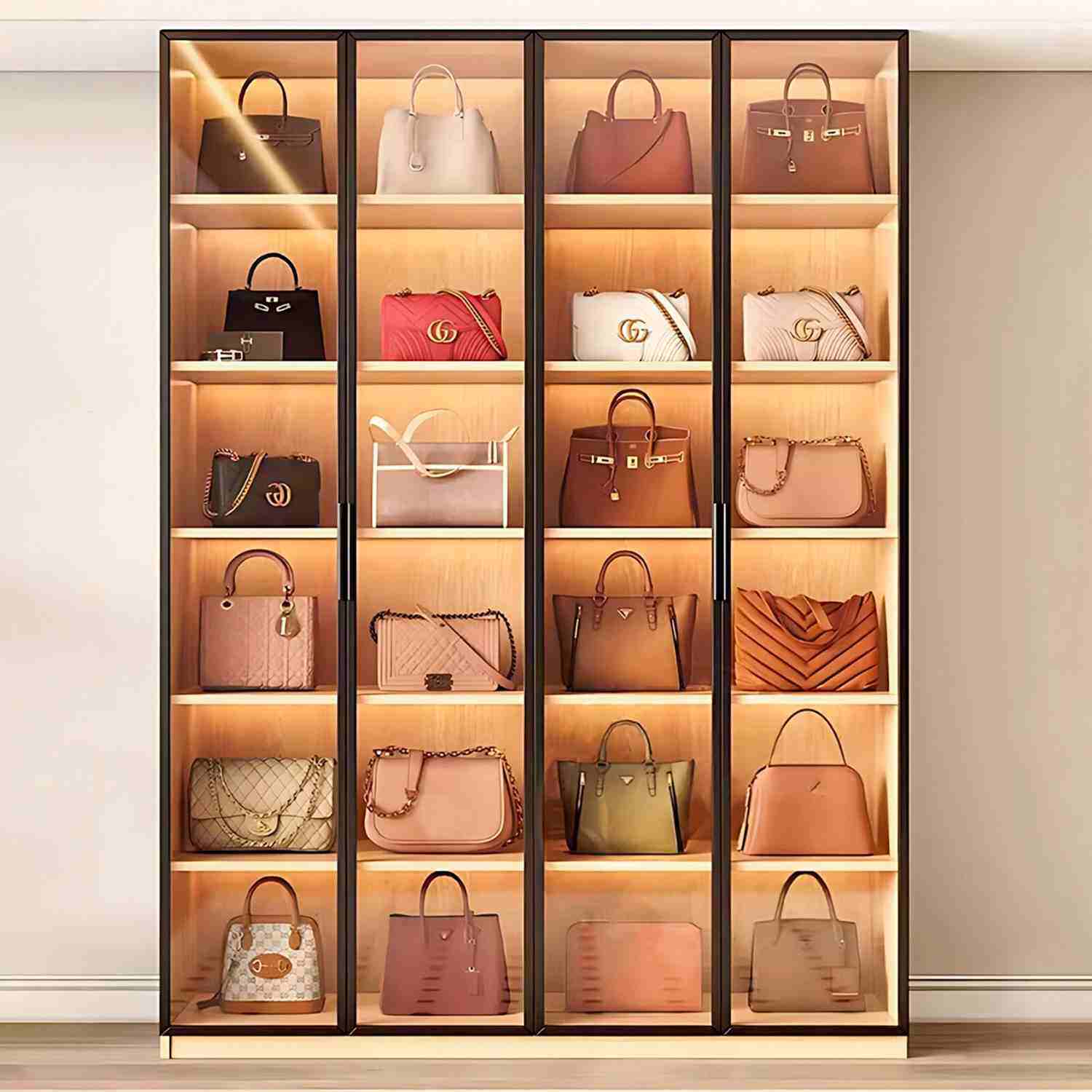
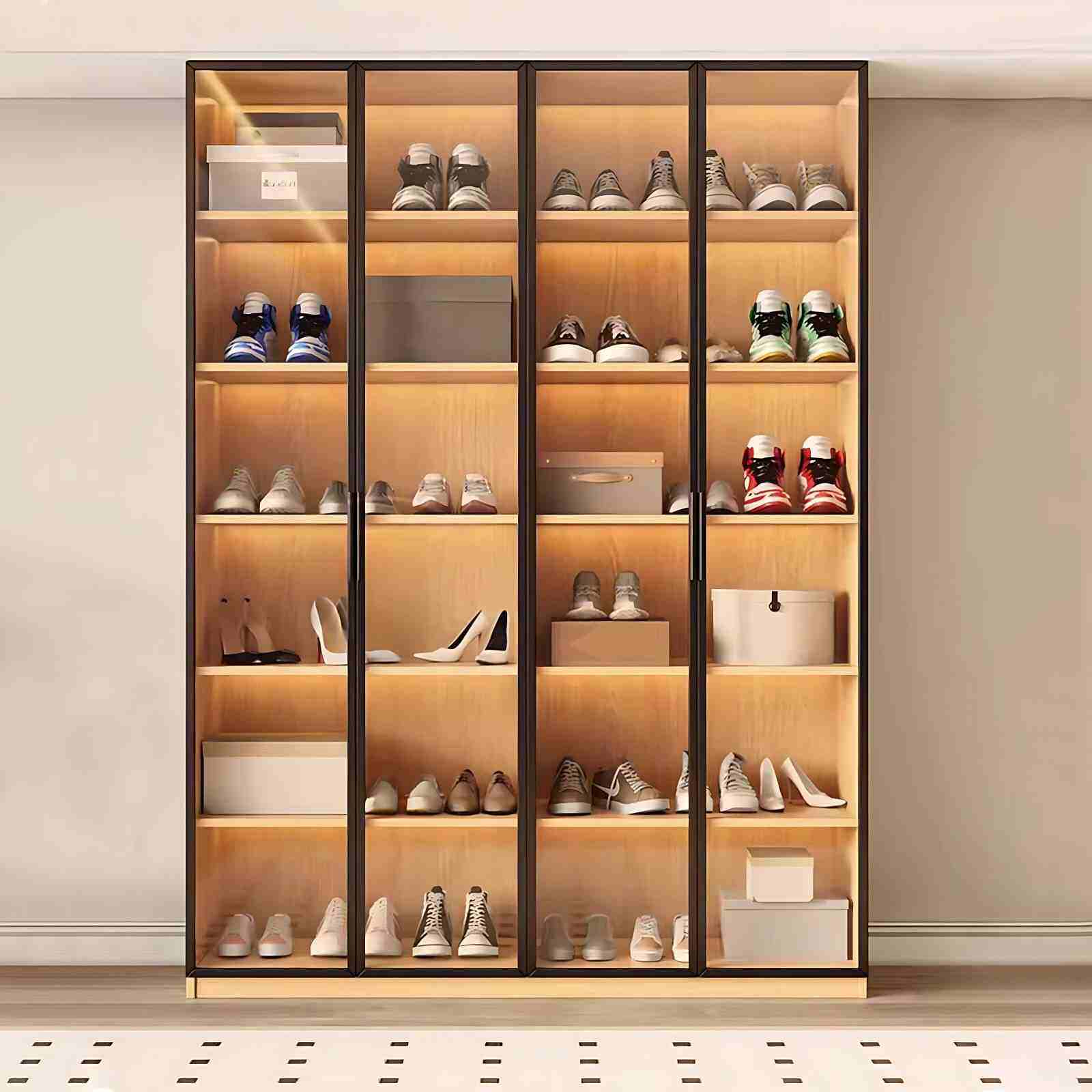
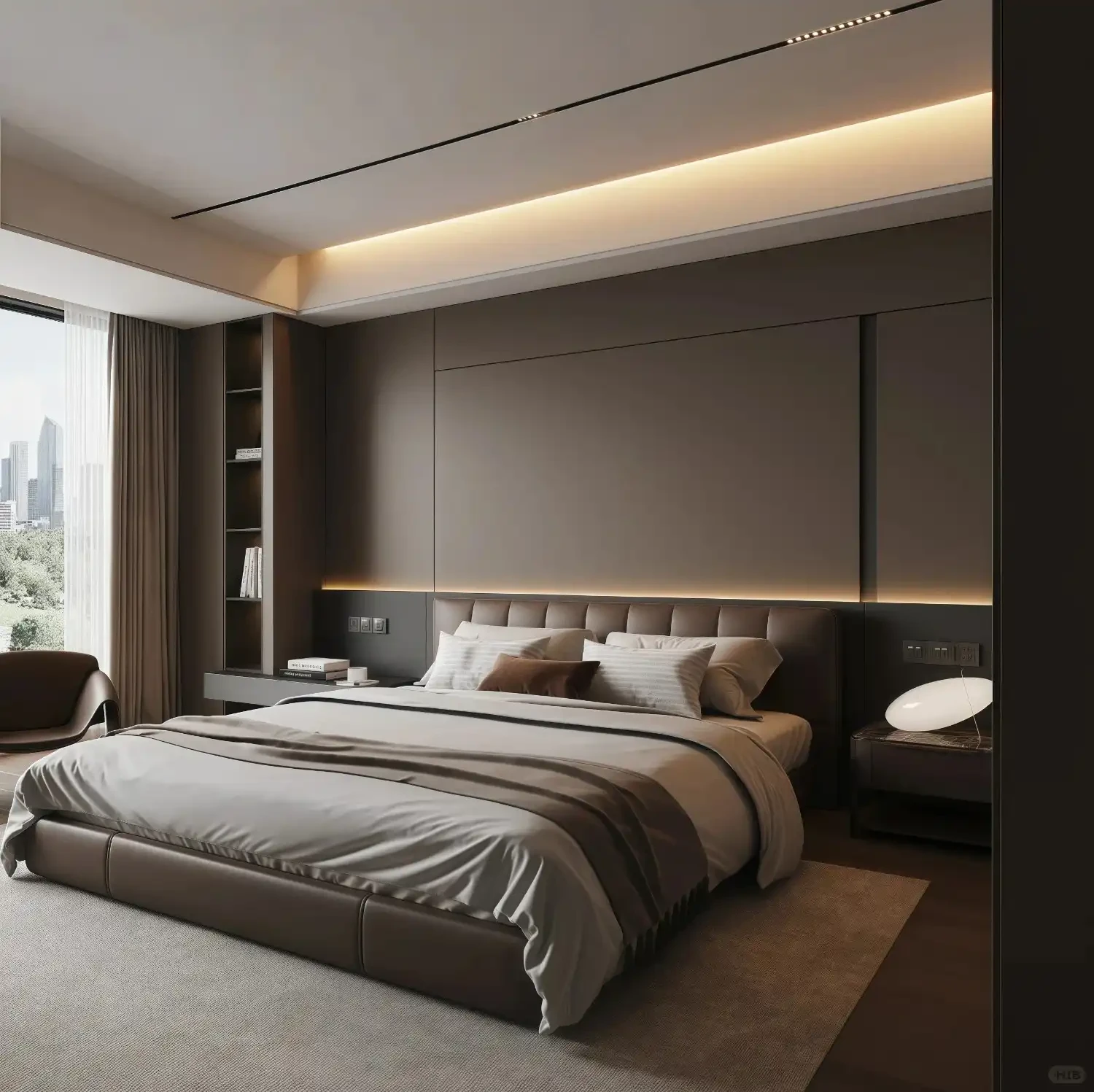
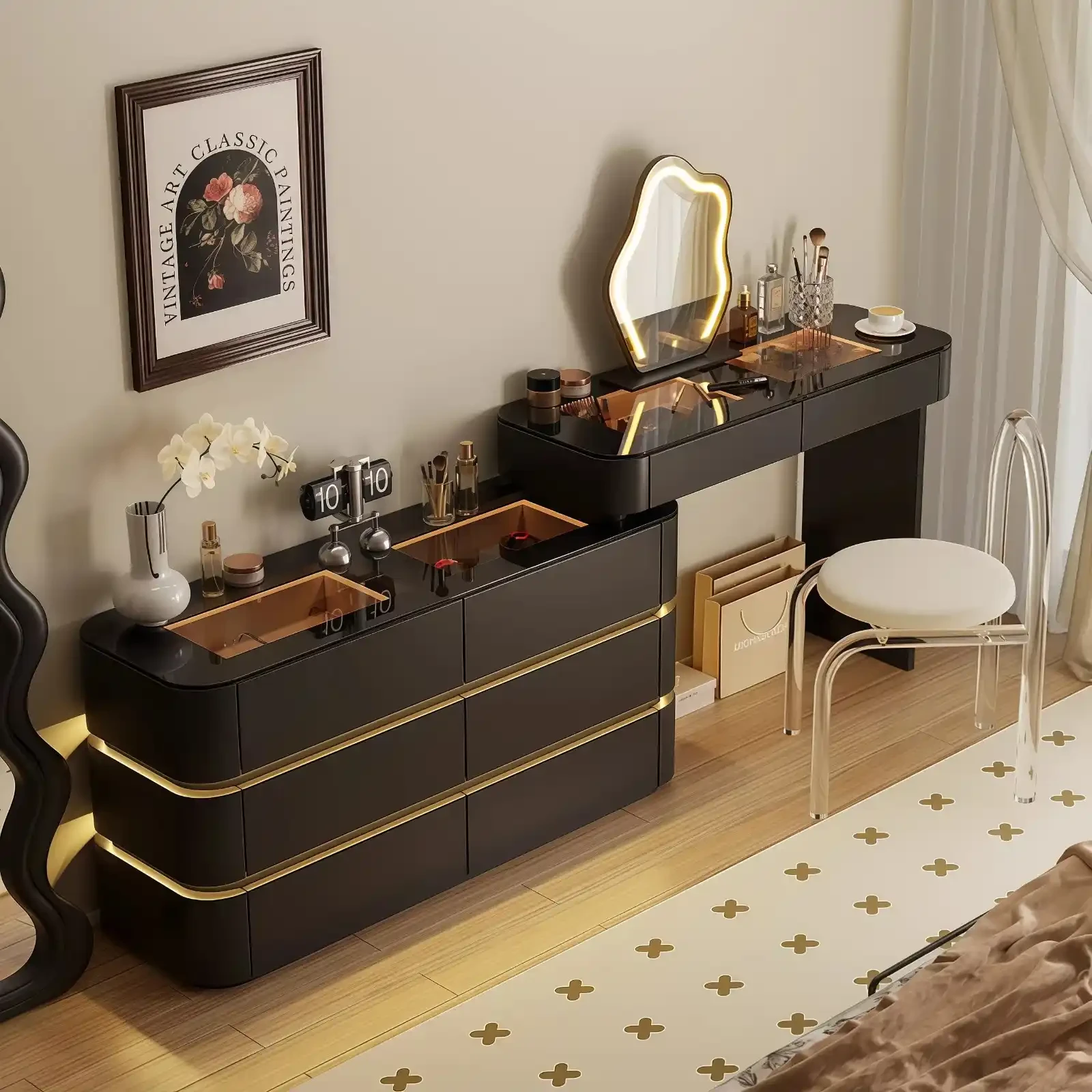
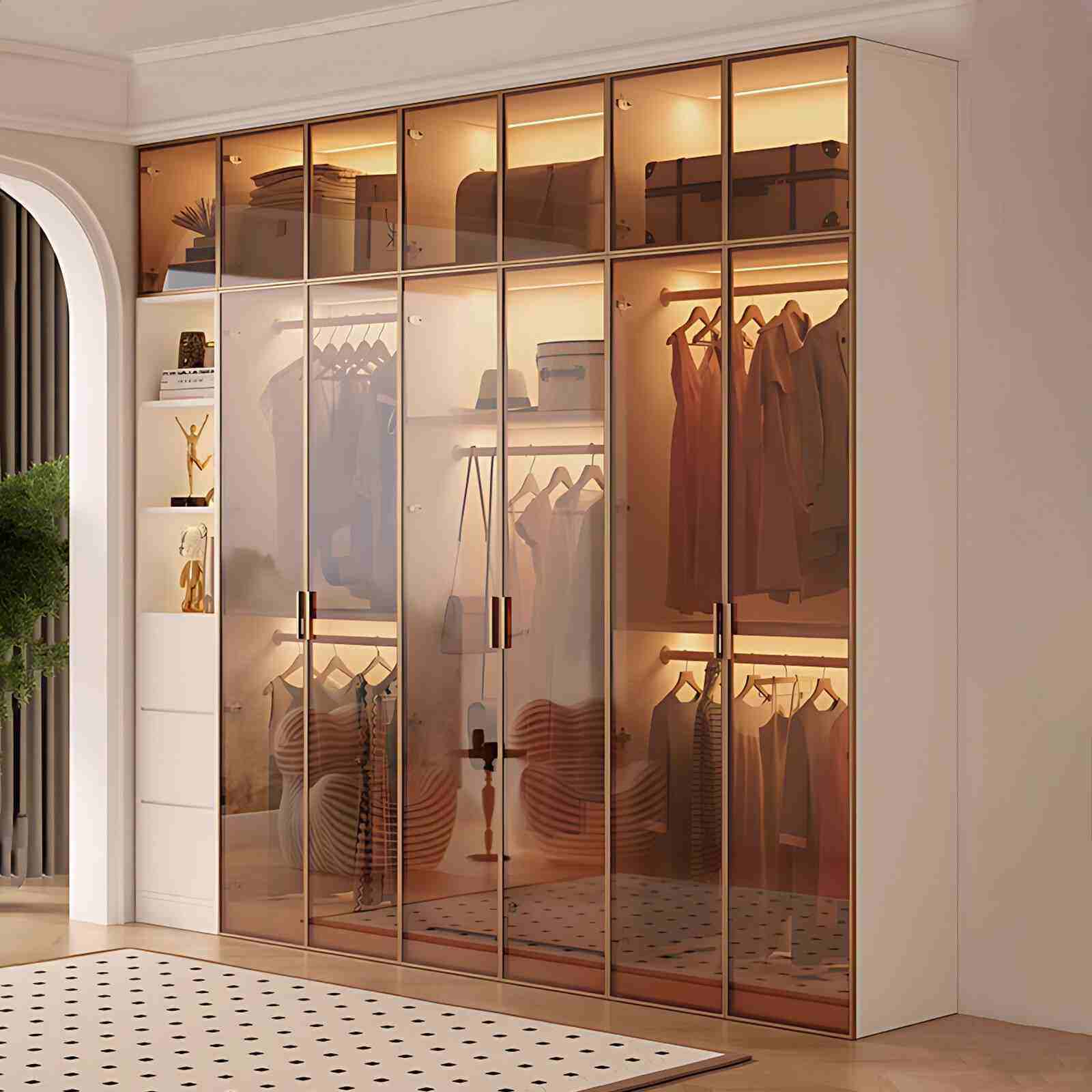
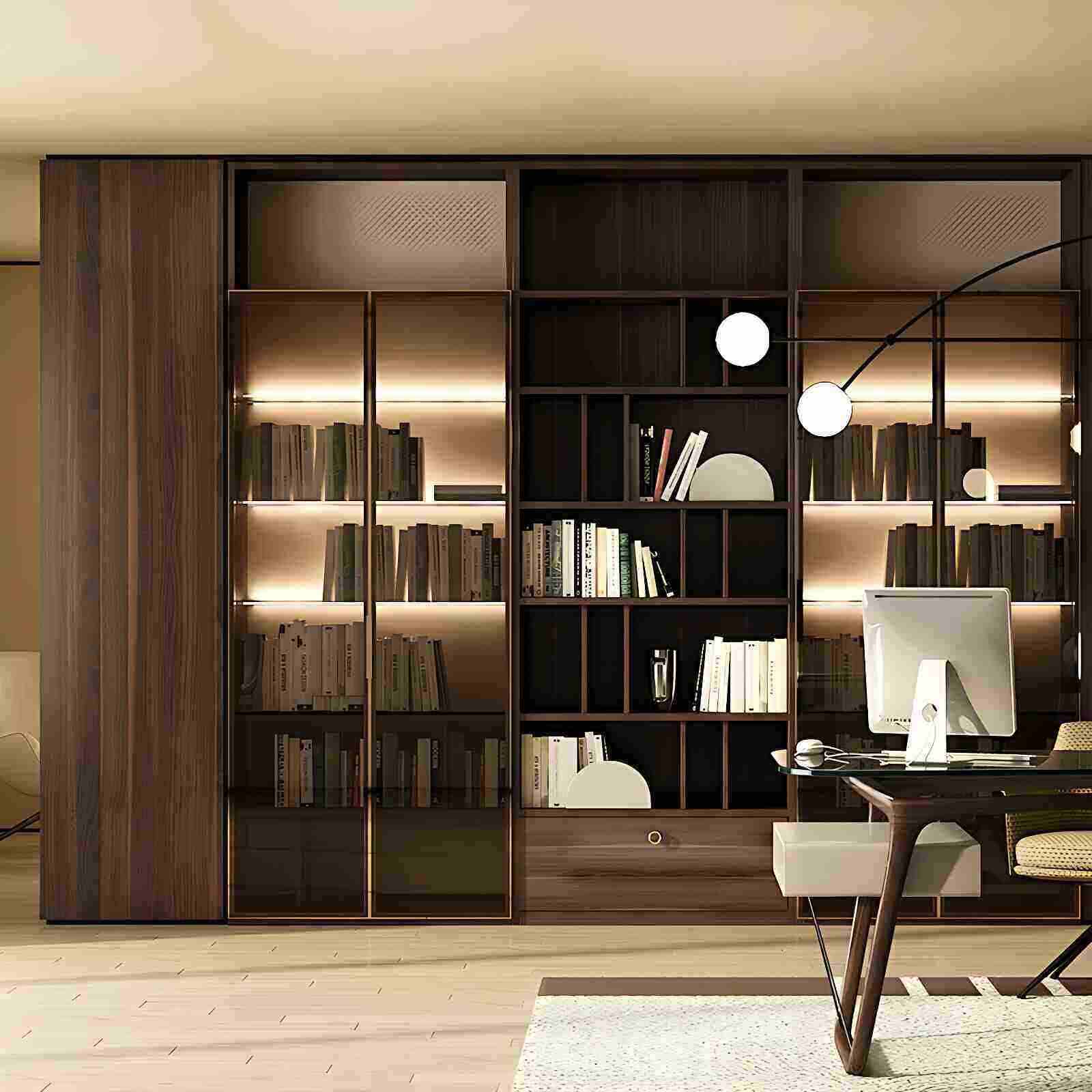
In addition to practicality and style, custom wardrobes
The most important part is the board material.
Therefore, it is essential to choose durable and environmentally friendly materials.
Only then can you have a safe and secure home environment.
So how should we choose?
Below are ten top brands of wood-based panels: Goodwife Wood-based Panels
Here are five tips to share with you.
1. Check the material of the board.
The way to distinguish them is by looking at the cut surface of the board. MDF has fine fibers tightly bound together, resulting in high density, high glue content, and a lower environmental protection coefficient; while particleboard is composed of small wood particles with an intricate and cross-linked structure, resulting in stronger nail-holding power and a longer service life.
2. Examine the substrate of the board.
As long as the free formaldehyde content in the board is ≤0.5mg/L, it meets the E0 environmental protection standard. E0 is currently the highest environmental protection standard for eco-friendly boards according to national standards and related testing, posing no harm to human health. Another advantage of eco-friendly boards compared to other boards is that they are paint-free. Not needing to paint reduces the emission of toxic and harmful substances from paint, making them more environmentally friendly.
3. Examine the veneer of the board.
Some custom wardrobes may look decent on the surface, but a light scratch with a fingernail will leave noticeable marks. These wardrobes often use the same low-priced boards with melamine or decorative paper veneers, which have poor wear resistance. Good custom wardrobes, on the other hand, typically use thicker, high-temperature and high-pressure treated, environmentally friendly melamine-faced panels with high surface strength, making them more resistant to wear and scratches.
4. Check the edge banding of the boards.
Good custom wardrobes use precision panel saws to cut the boards, ensuring no chipping on the edges. Edge banding effectively prevents moisture from penetrating the board. Some manufacturers lack professional equipment, resulting in rough cuts and noticeable chipping on the edges. Some even cut corners, only banding the front edge of the board. Unbanded edges easily absorb moisture from the air, causing the board to swell, leading to wardrobe deformation and shortening its lifespan.
5. Check the thickness of the board.
The standard cabinet body board thickness is 18 mm, but some manufacturers use boards with a thickness of 16 mm in order to reduce costs, but tell consumers that it is 18 mm. Therefore, we would like to remind everyone to pay attention to this.