
 USD
USD GBP
GBP
 EUR
EUR
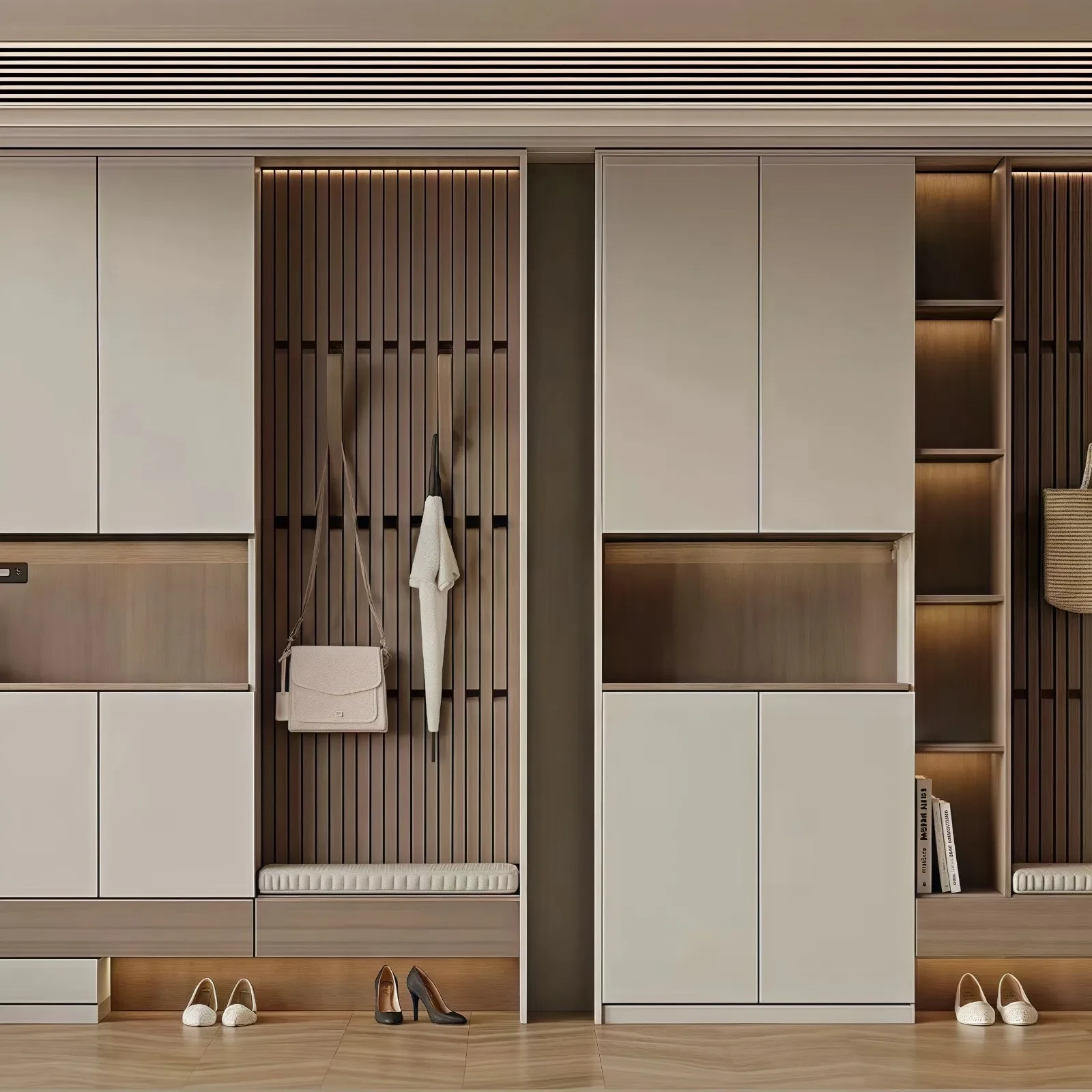
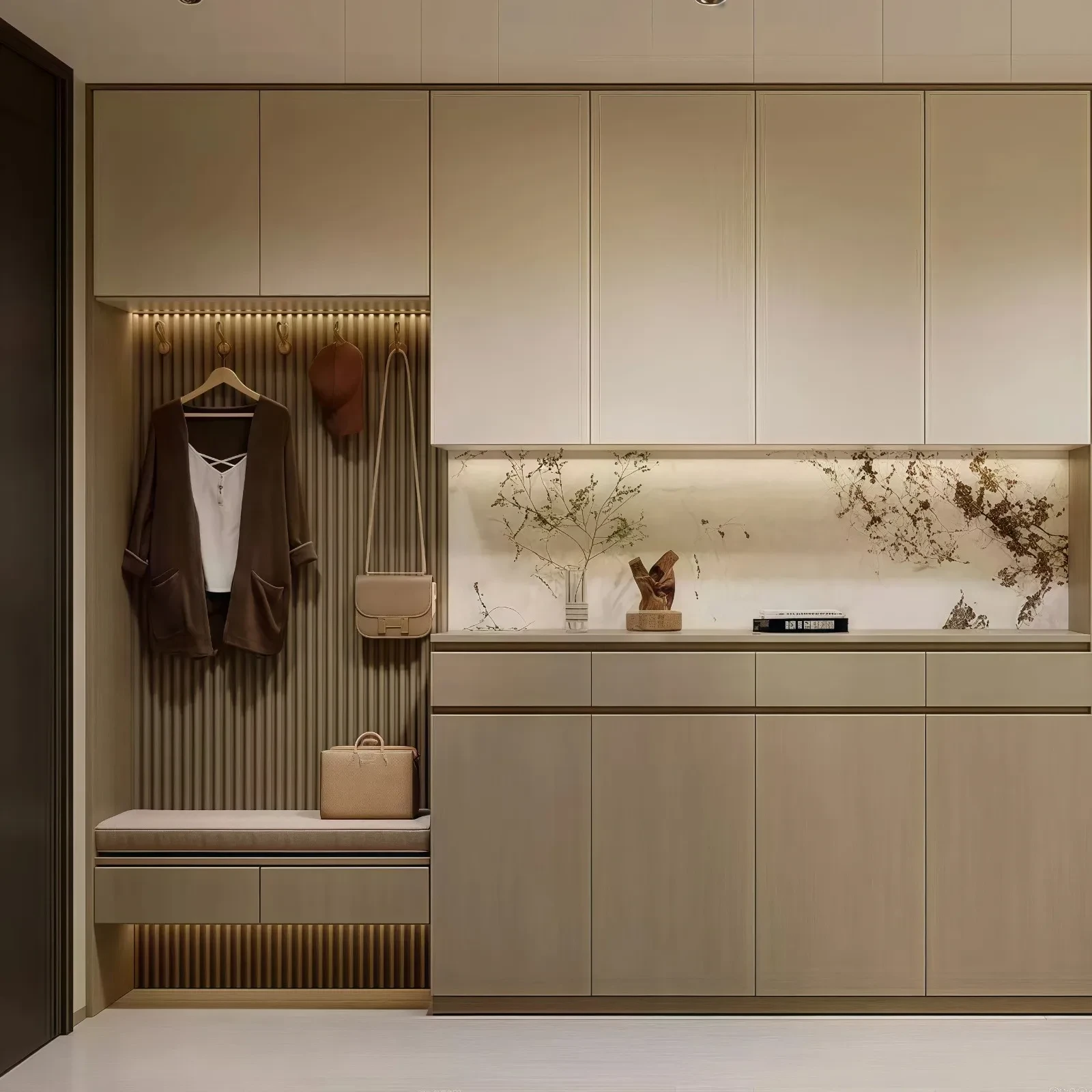
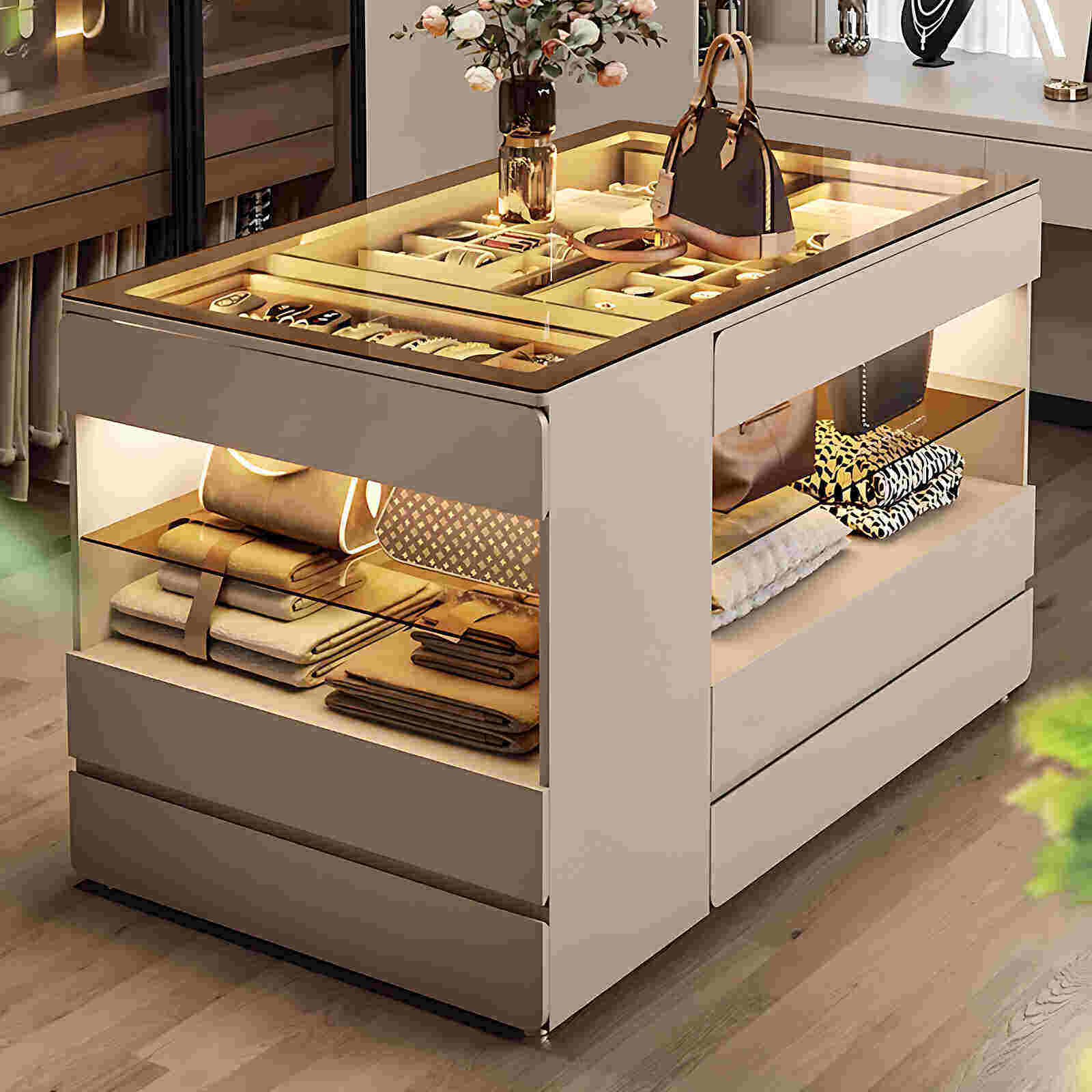
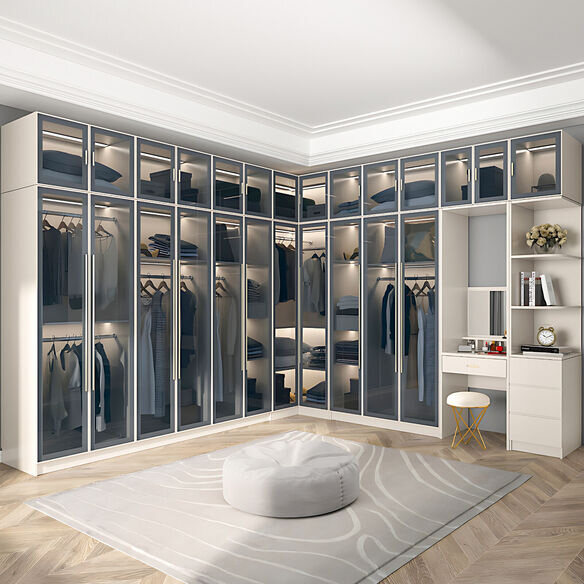
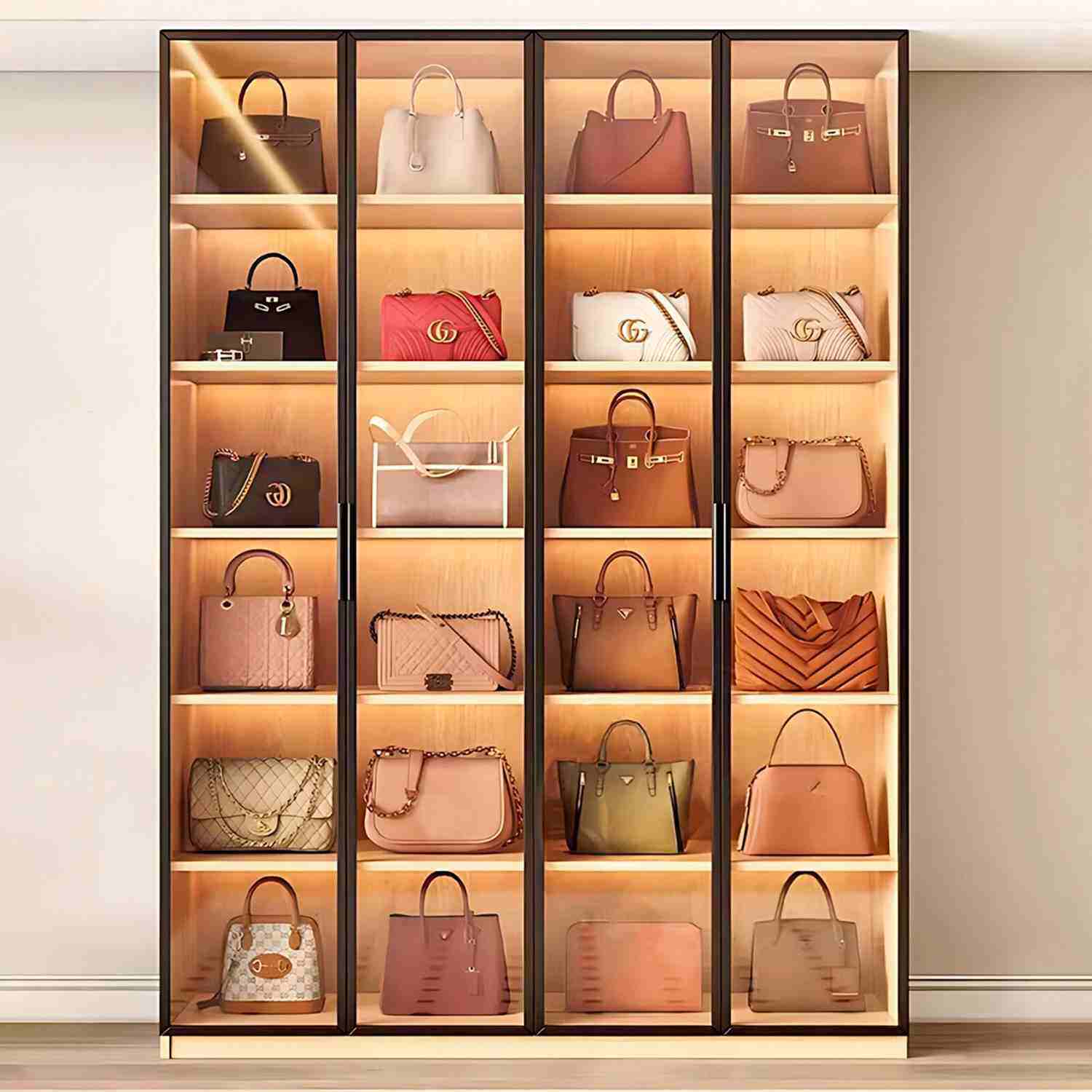
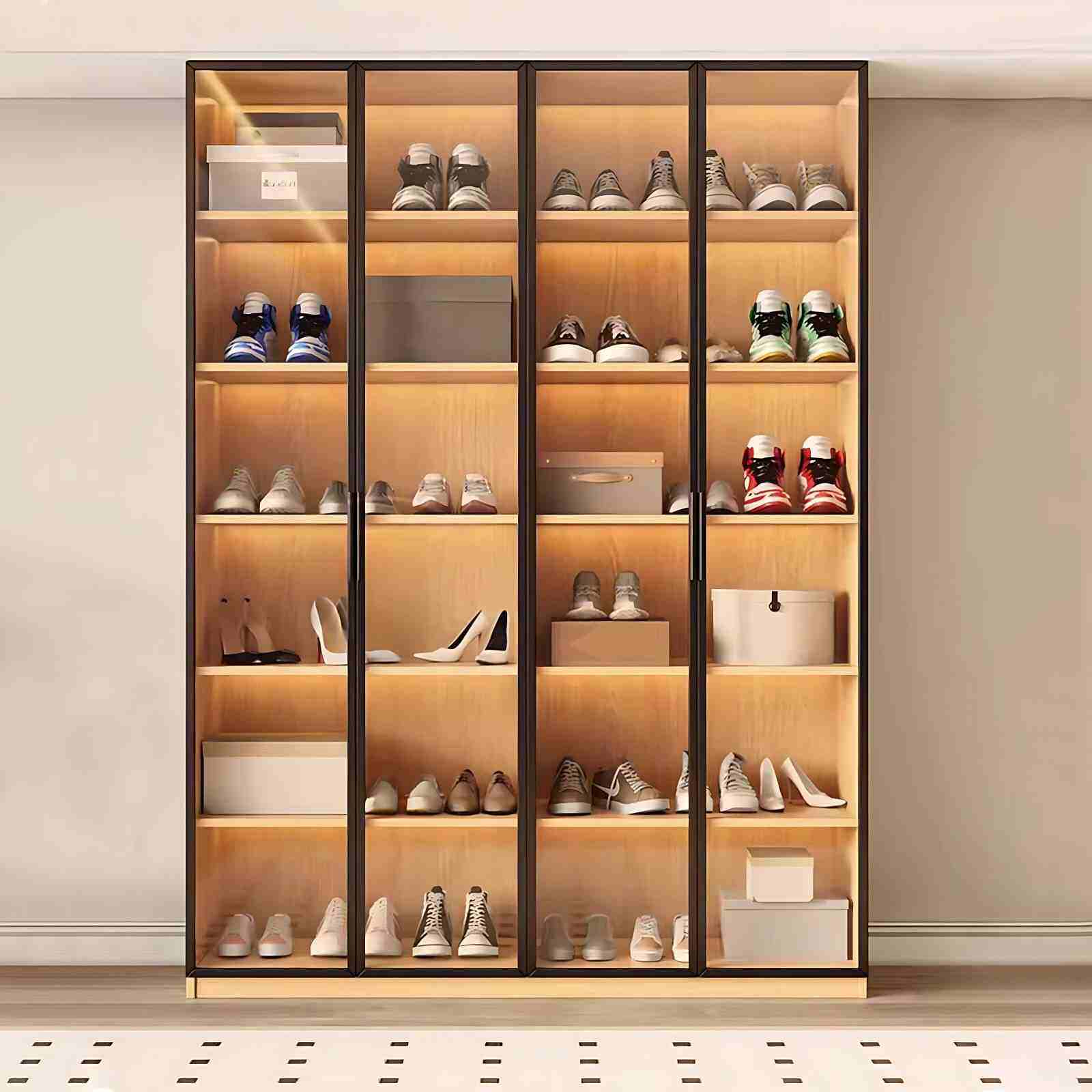
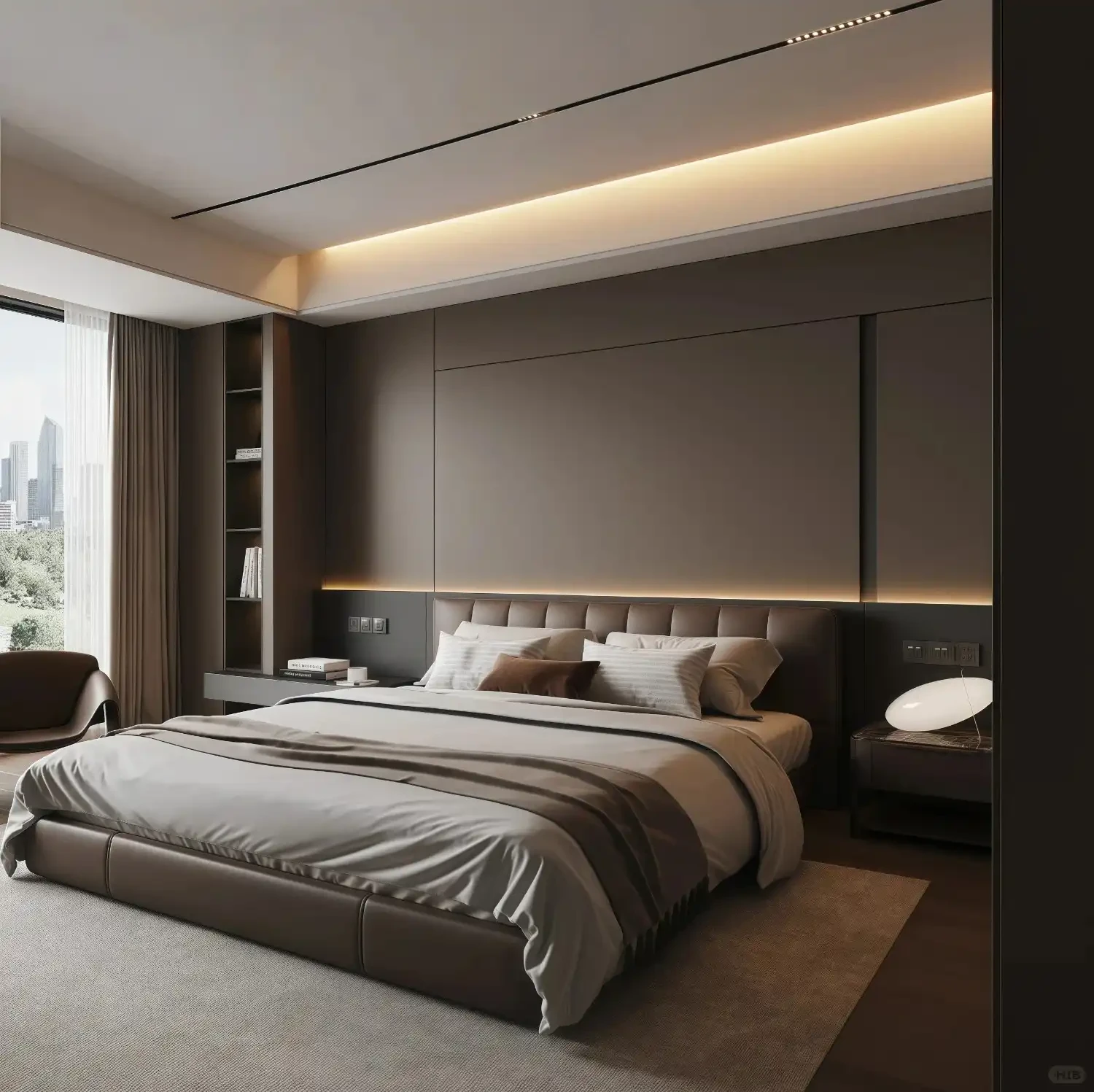
Every morning, I open my closet to find my clothes a complete mess, and I can't find what I'm looking for for ages, which really puts me in a bad mood. Actually, the problem might just be with the design of my closet. If the closet were designed properly, my clothes wouldn't be such a mess!
1. Wardrobe Structure
A good wardrobe is not just about having enough space to hold all your clothes; its design is even more important. The size of a wardrobe's storage space is actually determined by its internal structural design.
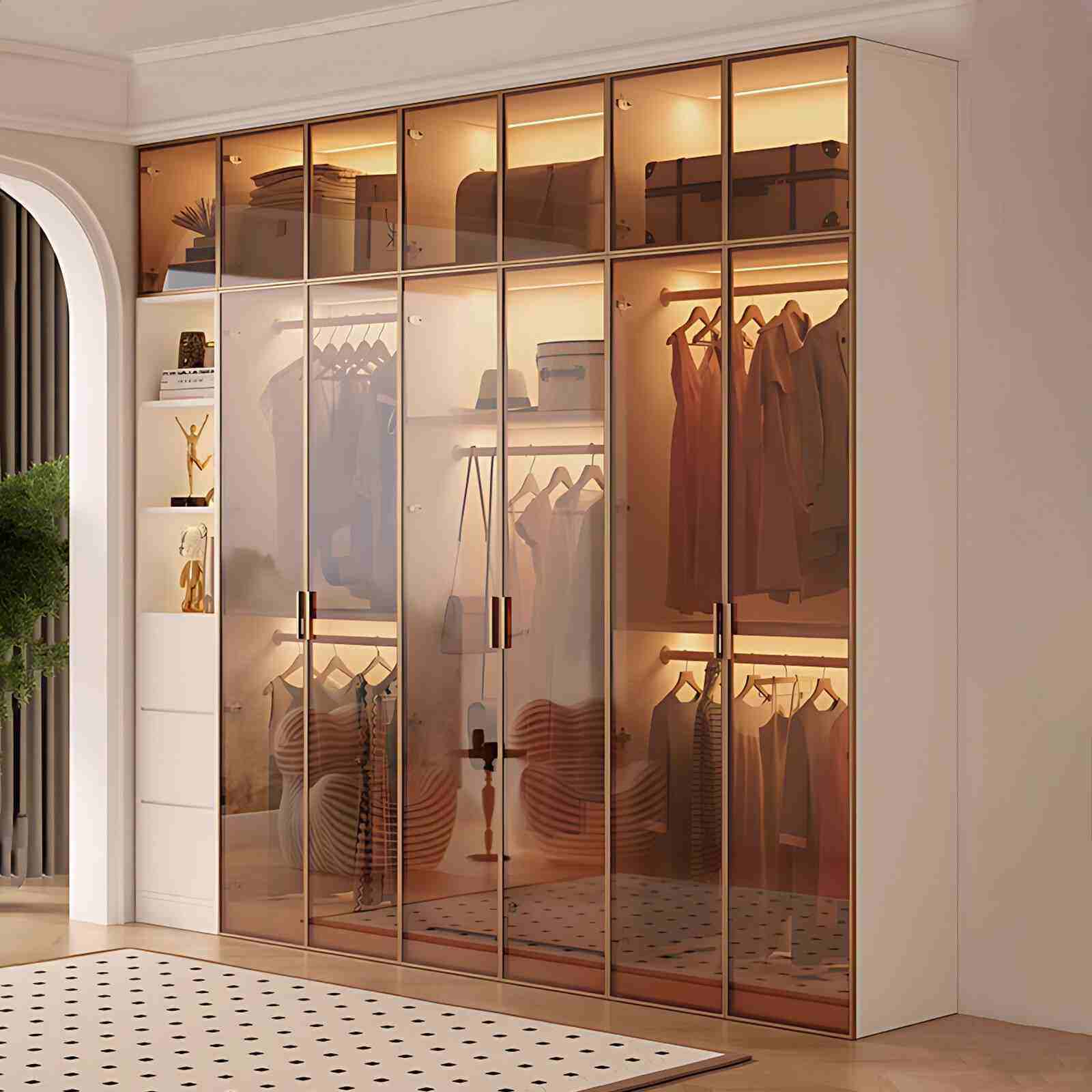
A common structure abroad is a two-tiered design. The upper tier holds out-of-season clothing or bedding that are used infrequently, while the middle tier has a hanging rod, and the lower tier is left completely empty, with storage tools used to fill the space as needed.
Based on this, storage and layout can be adjusted according to factors such as season and number of people.
Of course, everyone's needs are different, and there is no single structure that is absolutely suitable for everyone. Therefore, if you are buying a wardrobe in the market, you can try to choose the simple and flexible structure mentioned above; while if you are having it custom-made, you can arrange it according to your actual needs.
2. Wardrobe dimensions
Wardrobe design also needs to conform to ergonomic principles. The optimal range of motion for people when organizing items is generally based on the range of arm movements when standing. Therefore, wardrobe design usually divides the wardrobe into different areas according to human movement and ease of use.
In terms of specific dimensions, items smaller than 650mm are generally placed there; items between 650mm and 1850mm are designed for frequently used seasonal clothing; and items larger than 1850mm are designed for infrequently used items and out-of-season clothing. This rule applies to the placement of all kinds of items.
Besides the placement of areas, the dimensions of each storage space in a wardrobe are also important. Based on basic parameters such as a woman's arm being about 1.5 meters high when outstretched horizontally and perhaps 2 meters high when raised, and the length of a men's suit jacket being approximately 85 cm and the width 90 cm; and trousers being about 70 cm when half-folded and about 130 cm when laid straight, we can roughly determine wardrobe dimensions that conform to ergonomics and clothing sizes.
Wardrobe depth is typically between 530mm and 620mm. For women, a depth of 580mm is generally suitable. Including the doors, the entire wardrobe is about 600mm wide, which is sufficient for storing clothes. A baseboard with a height of at least 70mm should be provided at the bottom of the wardrobe for moisture protection and heat insulation.