
 USD
USD GBP
GBP
 EUR
EUR
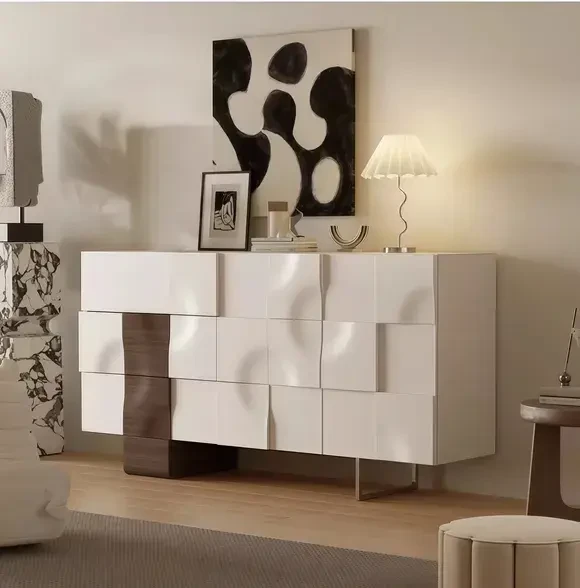
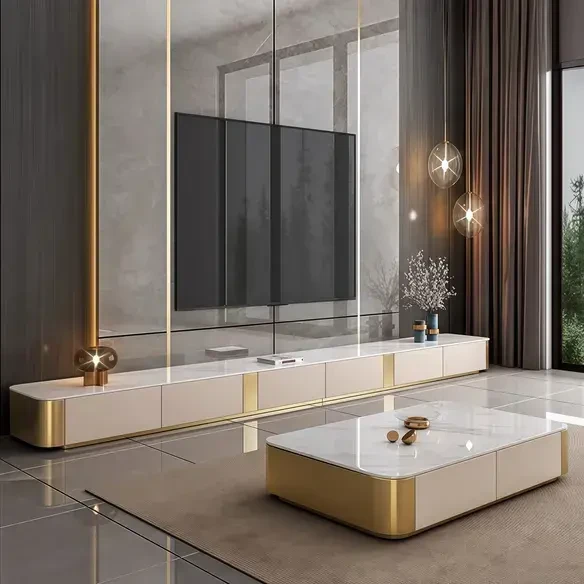
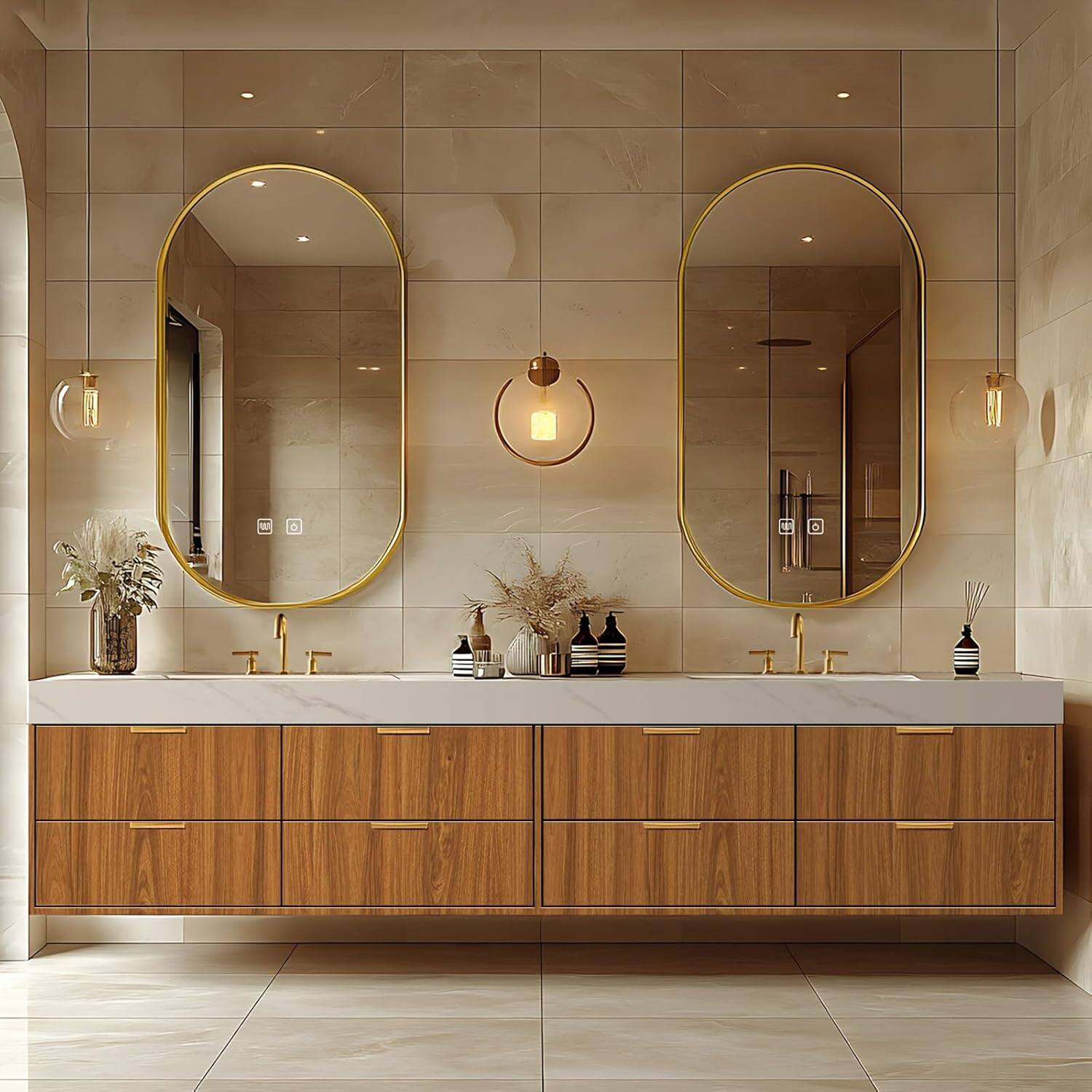
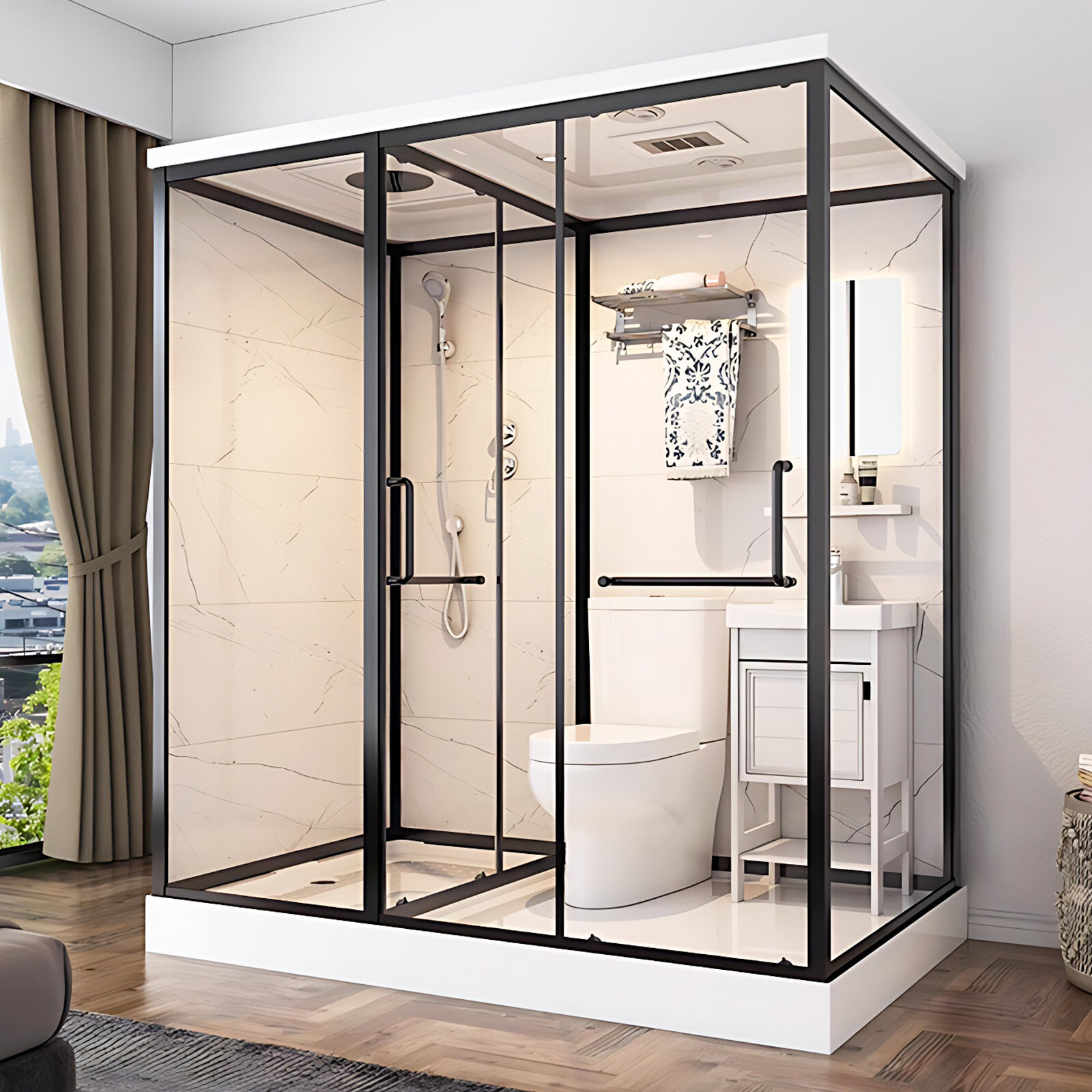
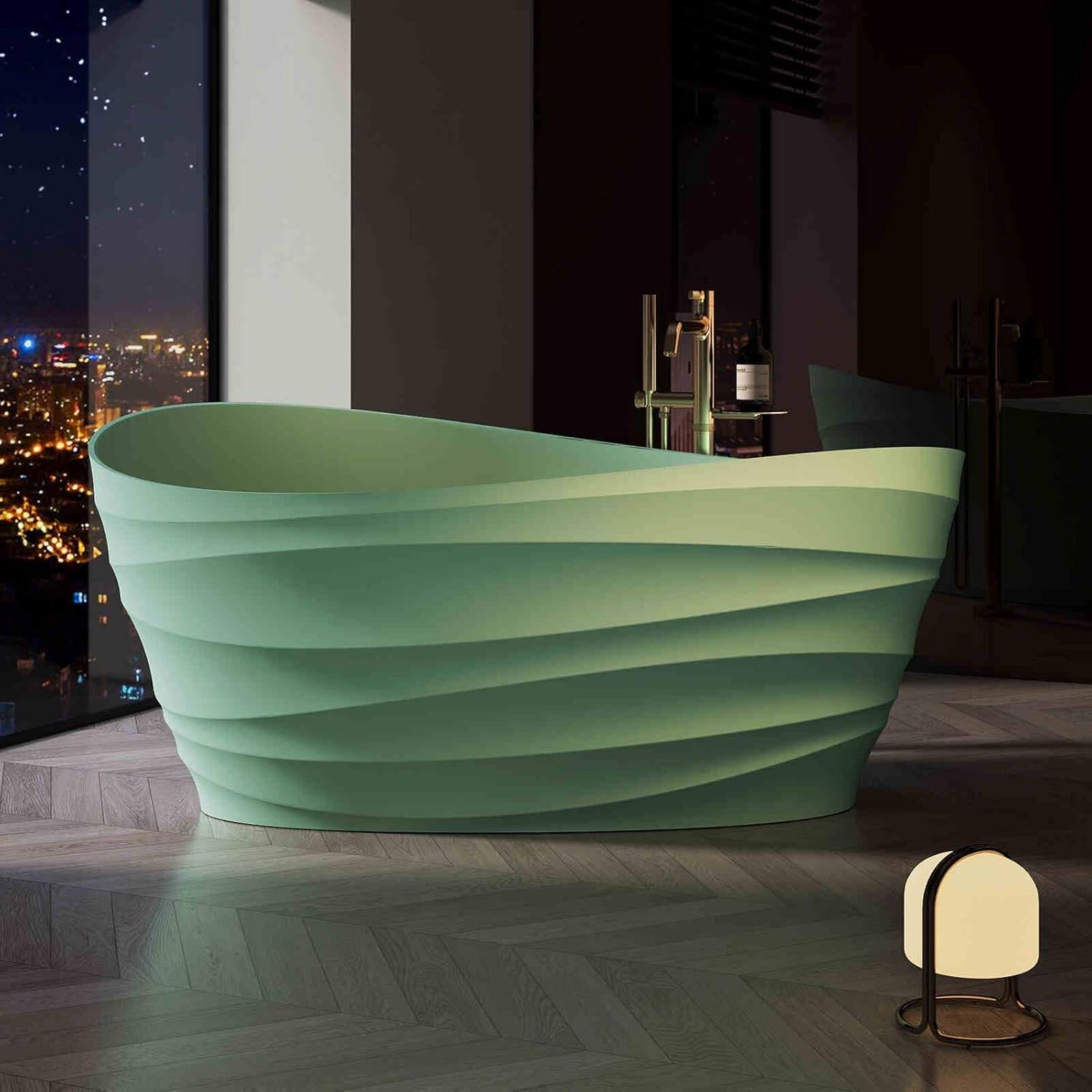
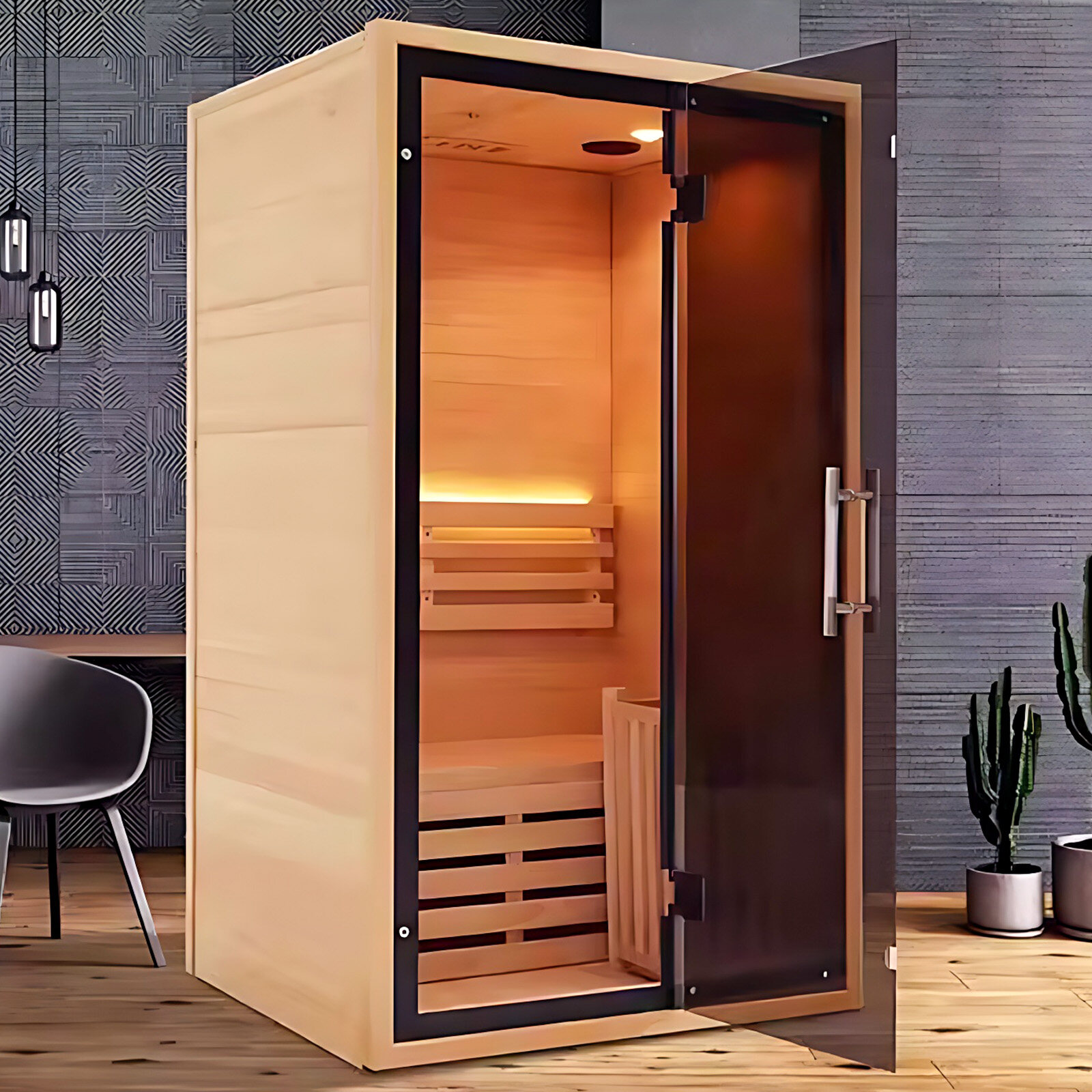
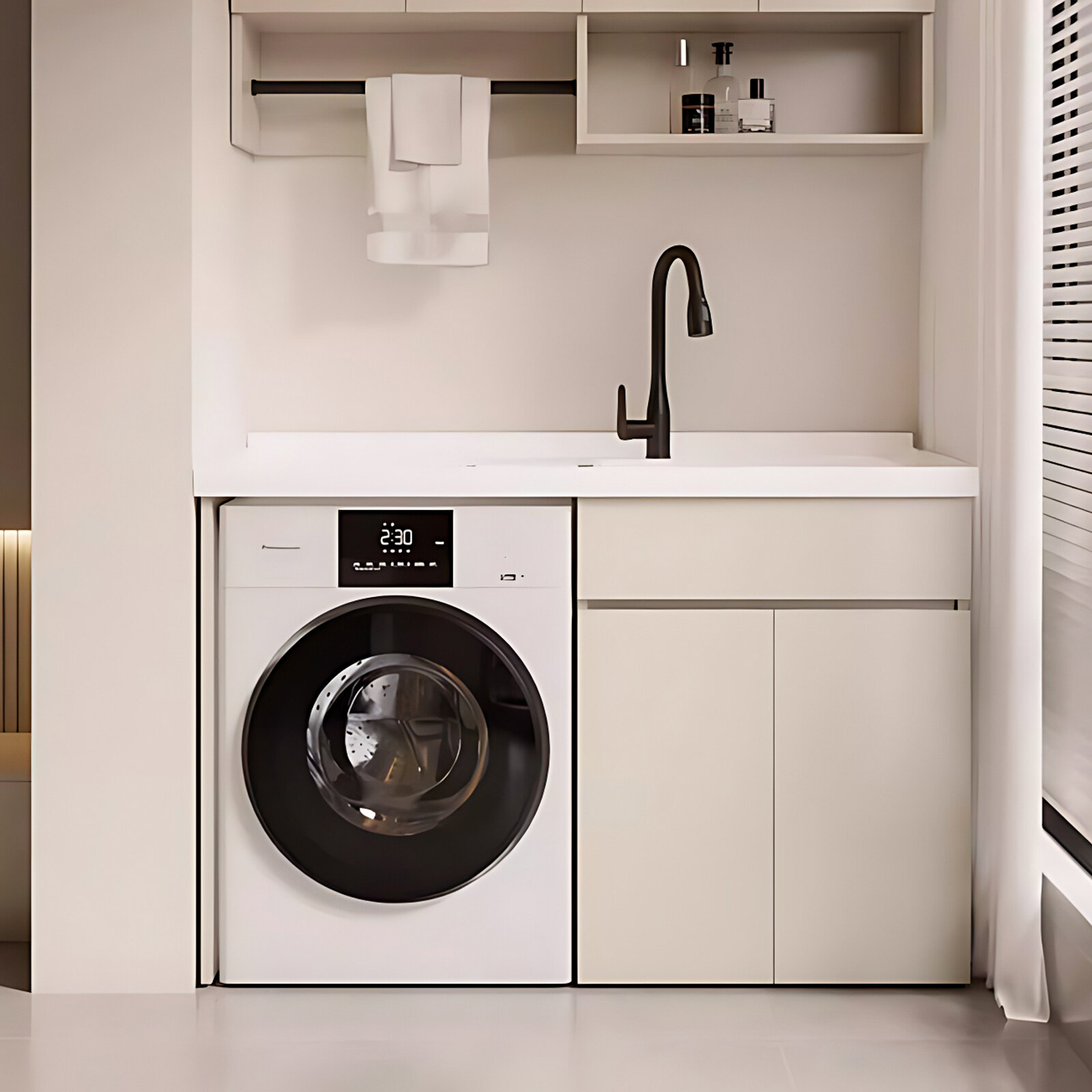
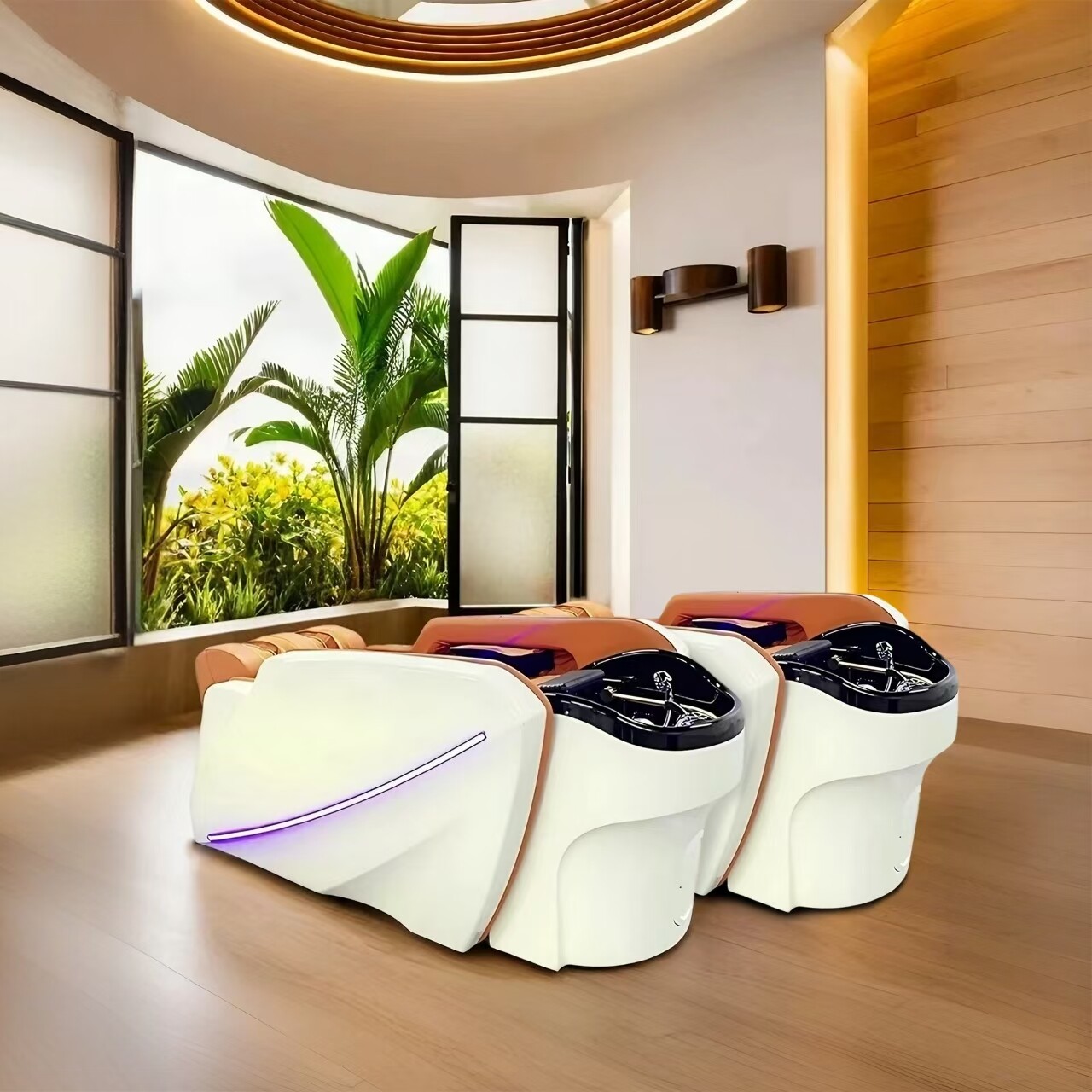
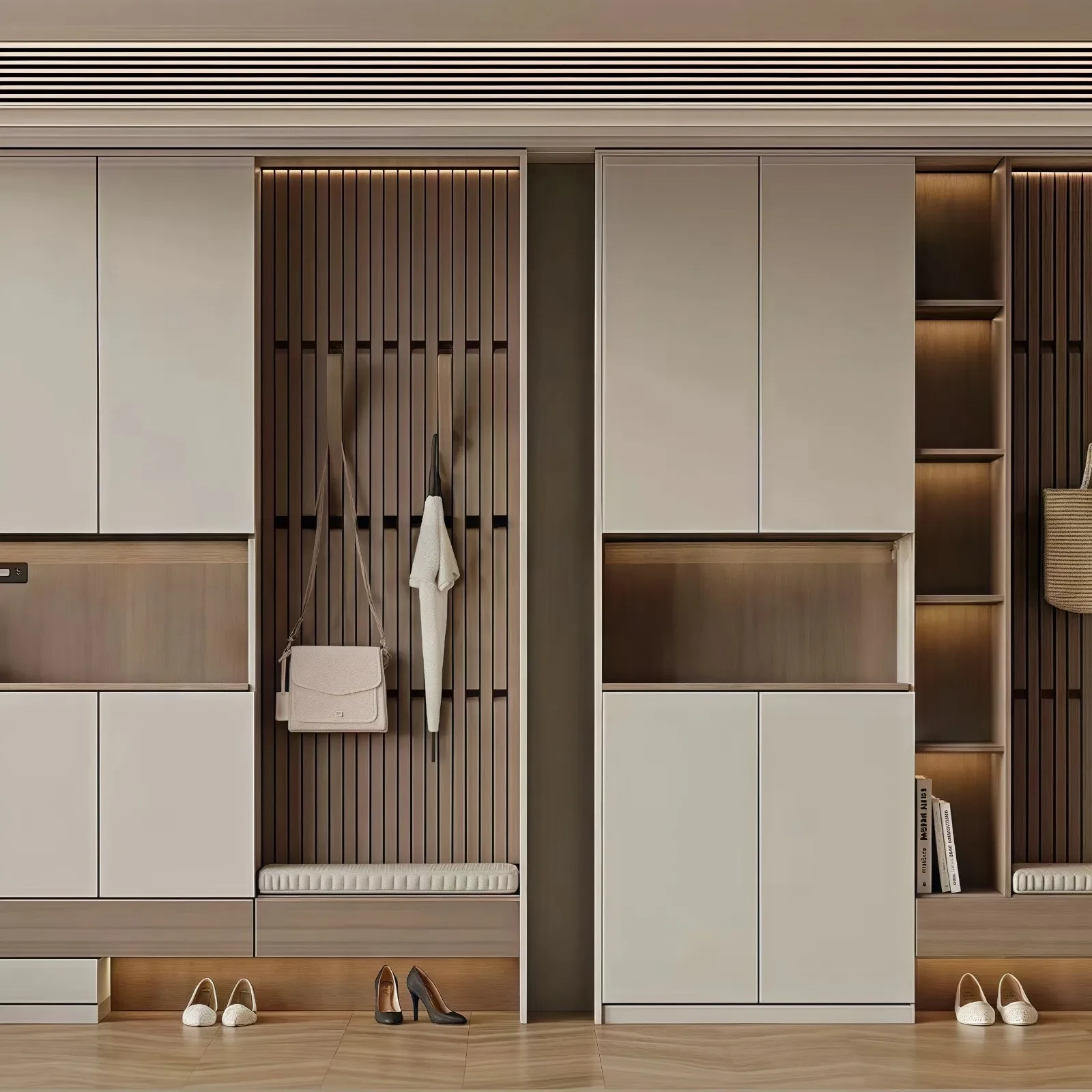
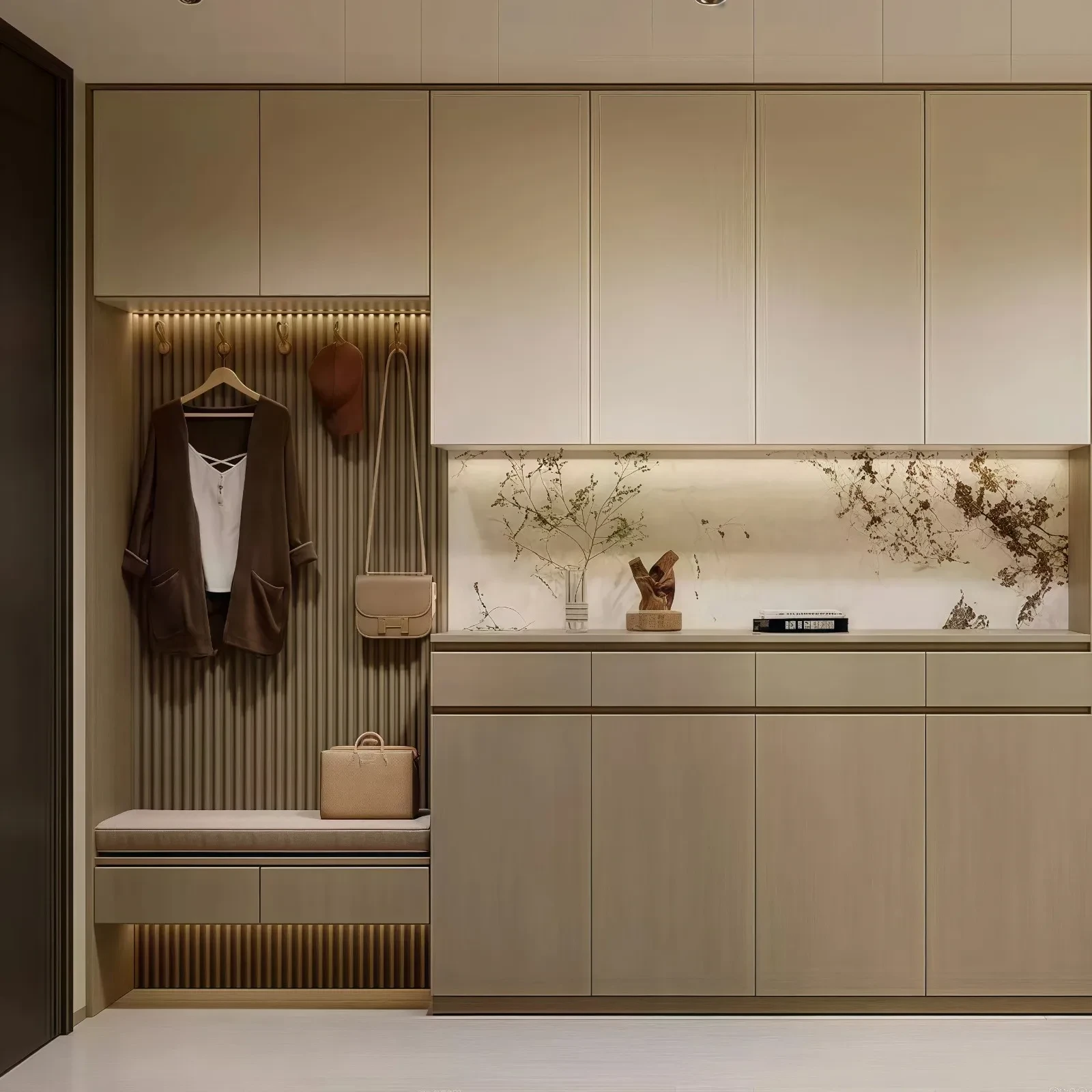
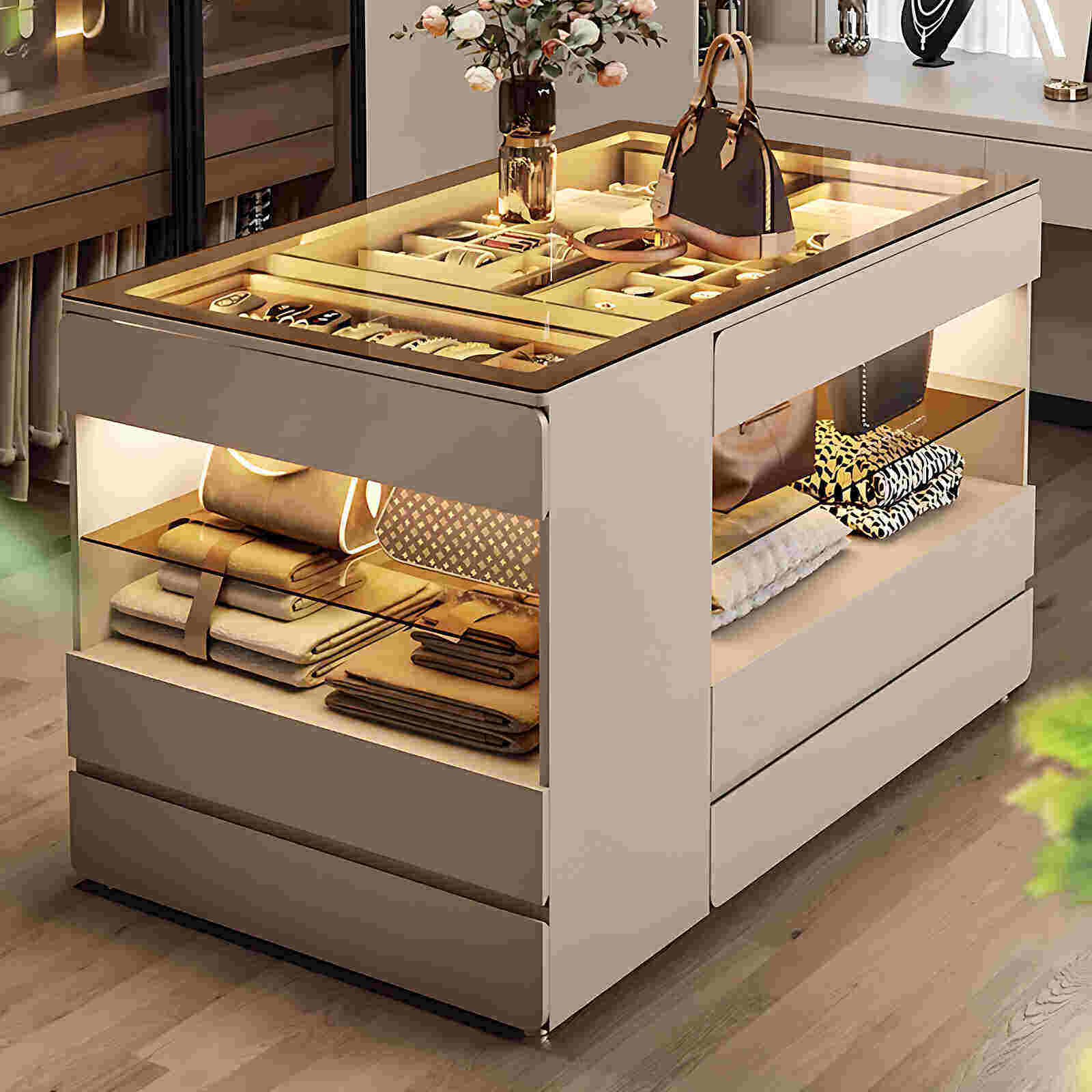
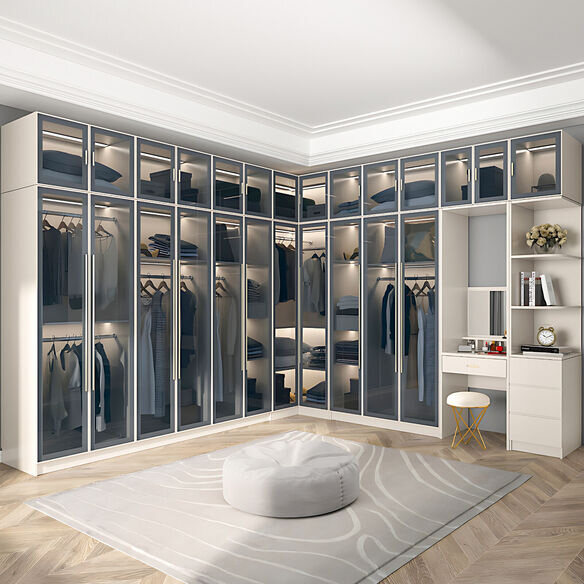
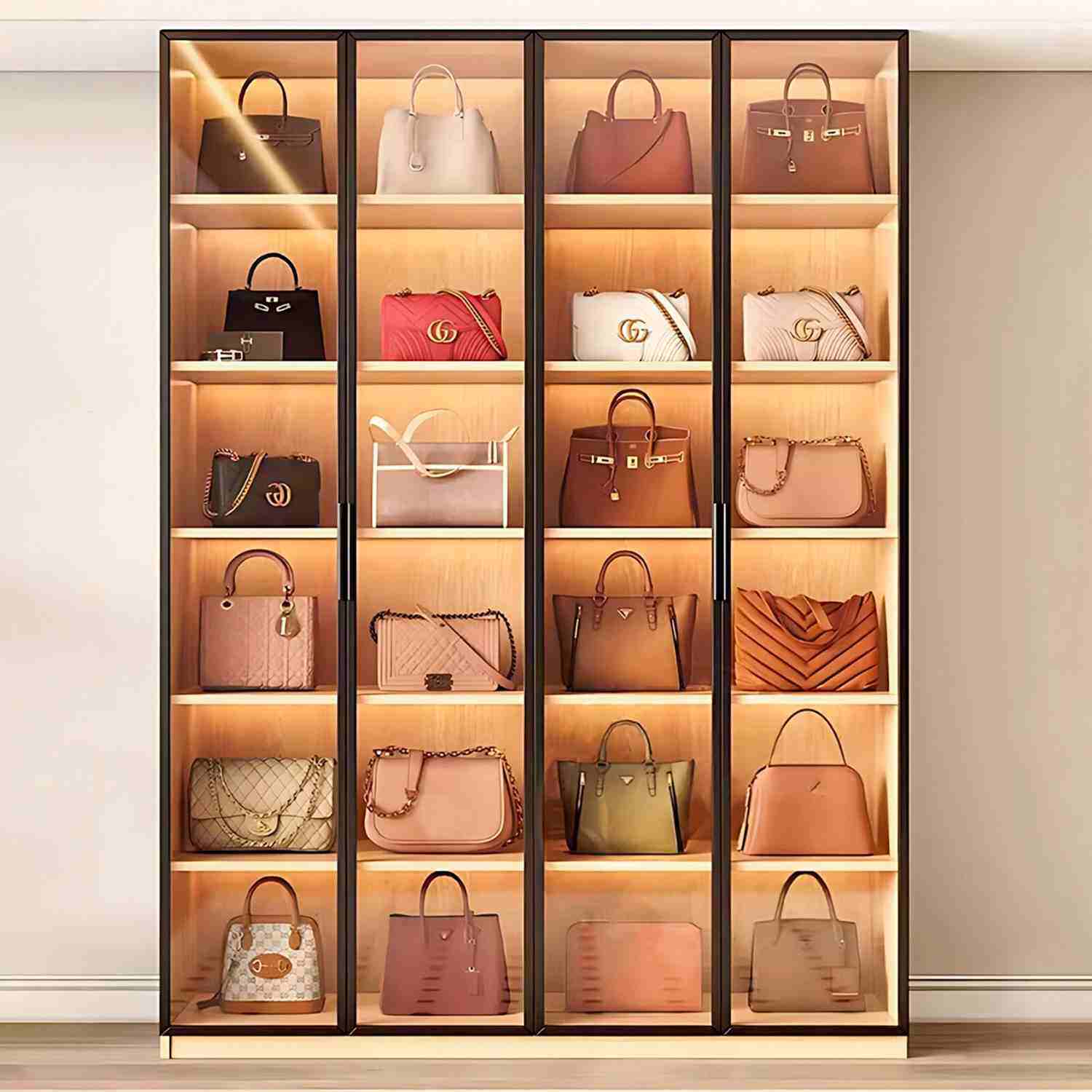
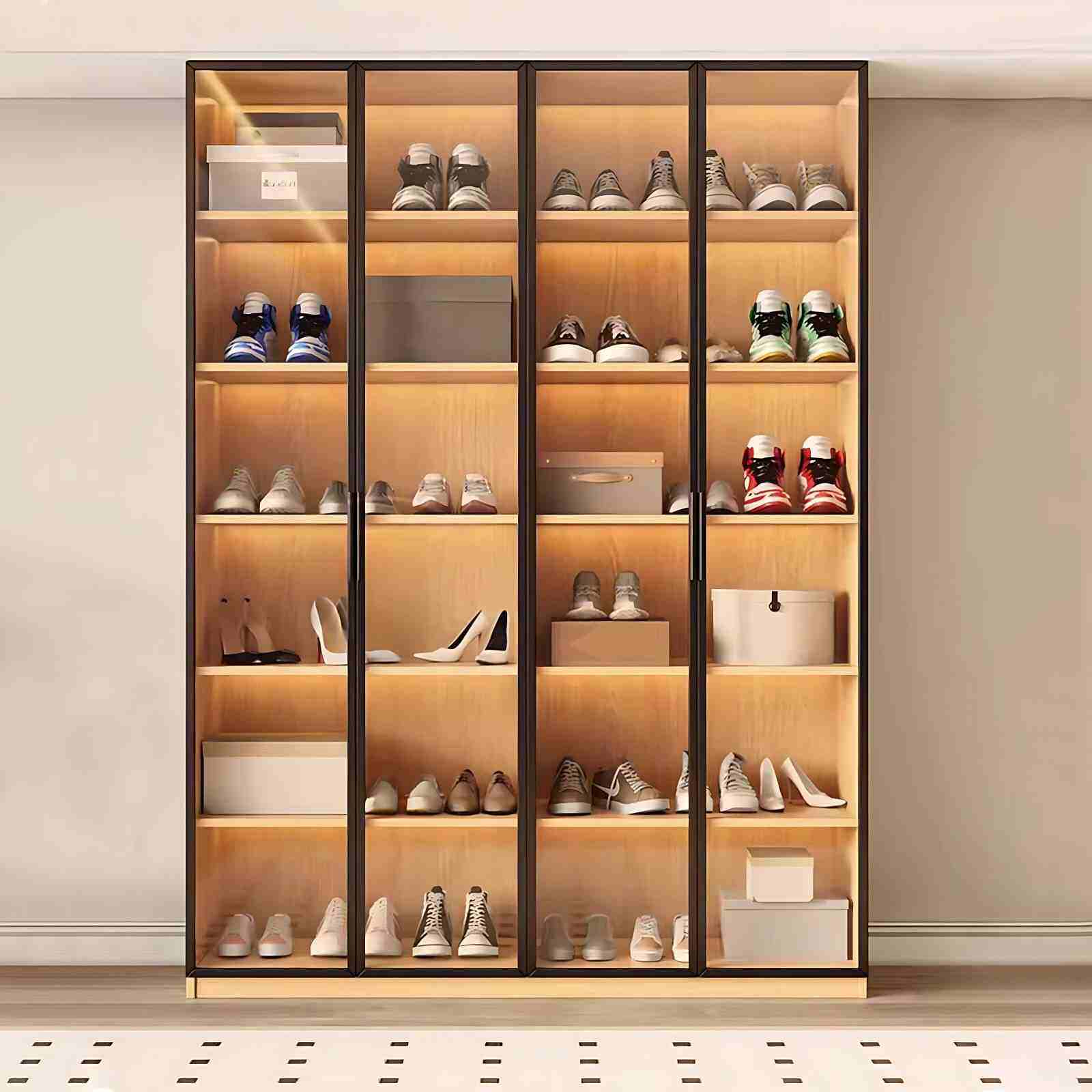
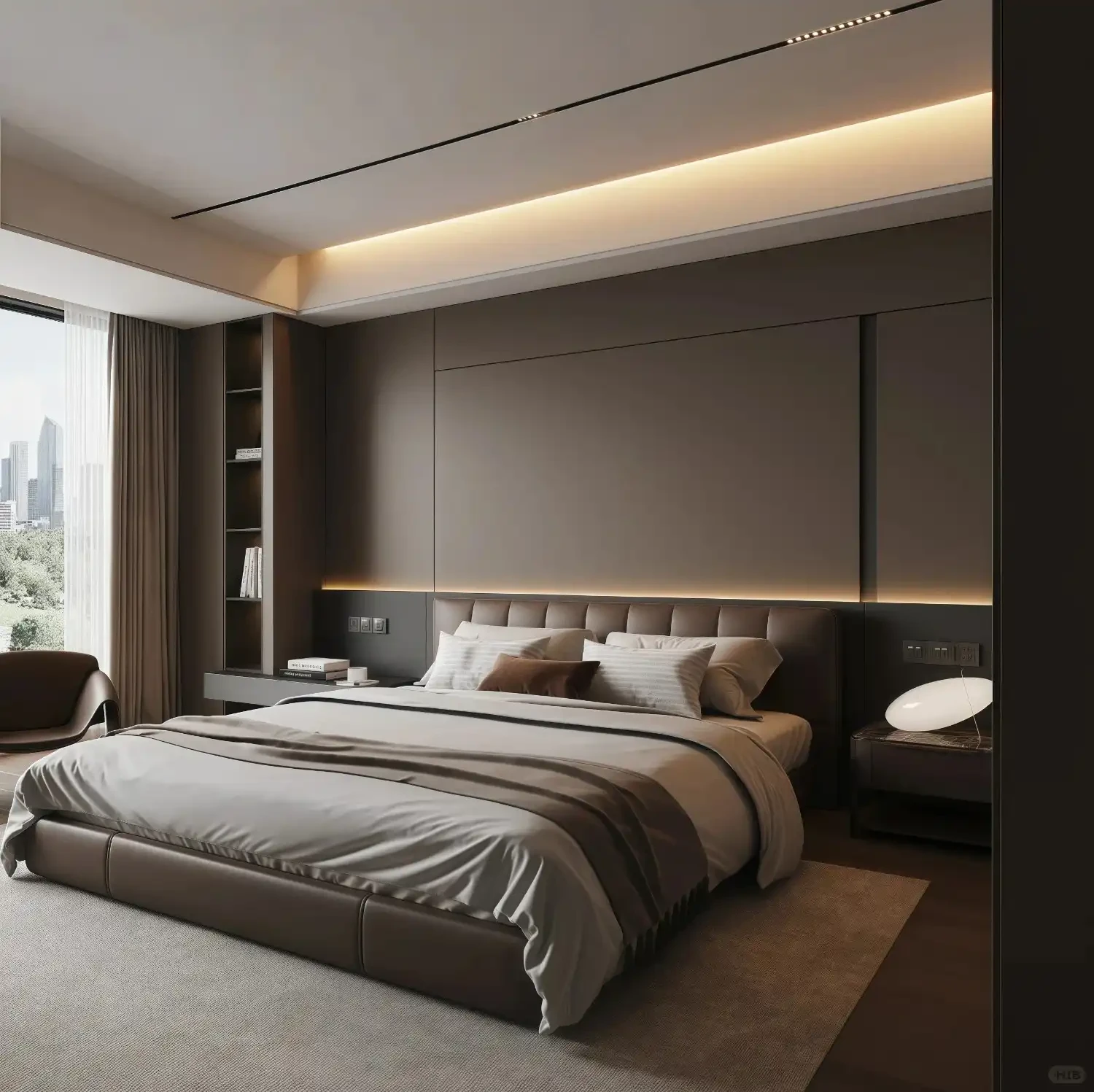
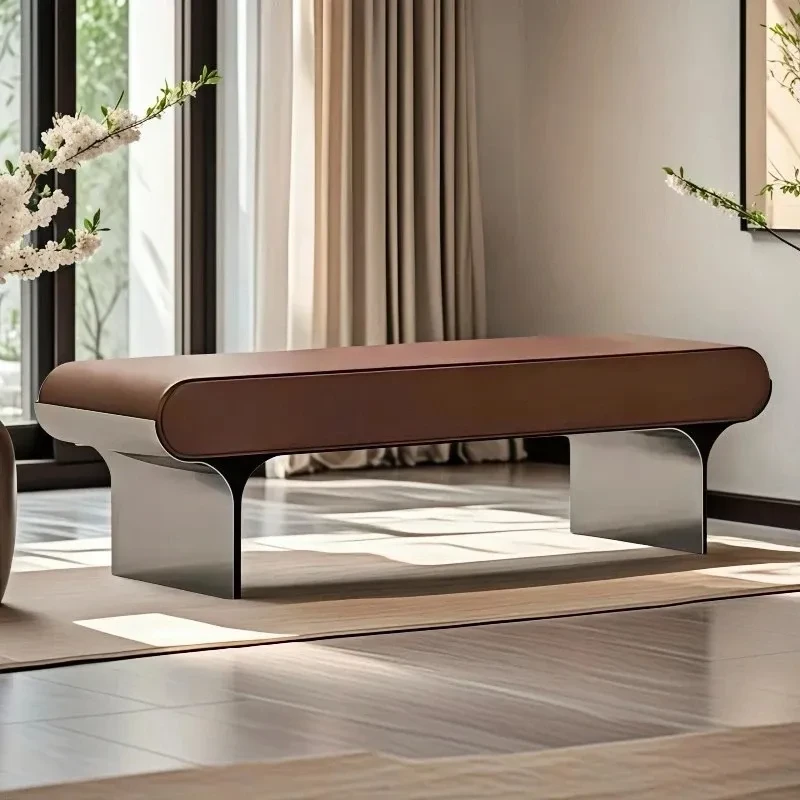
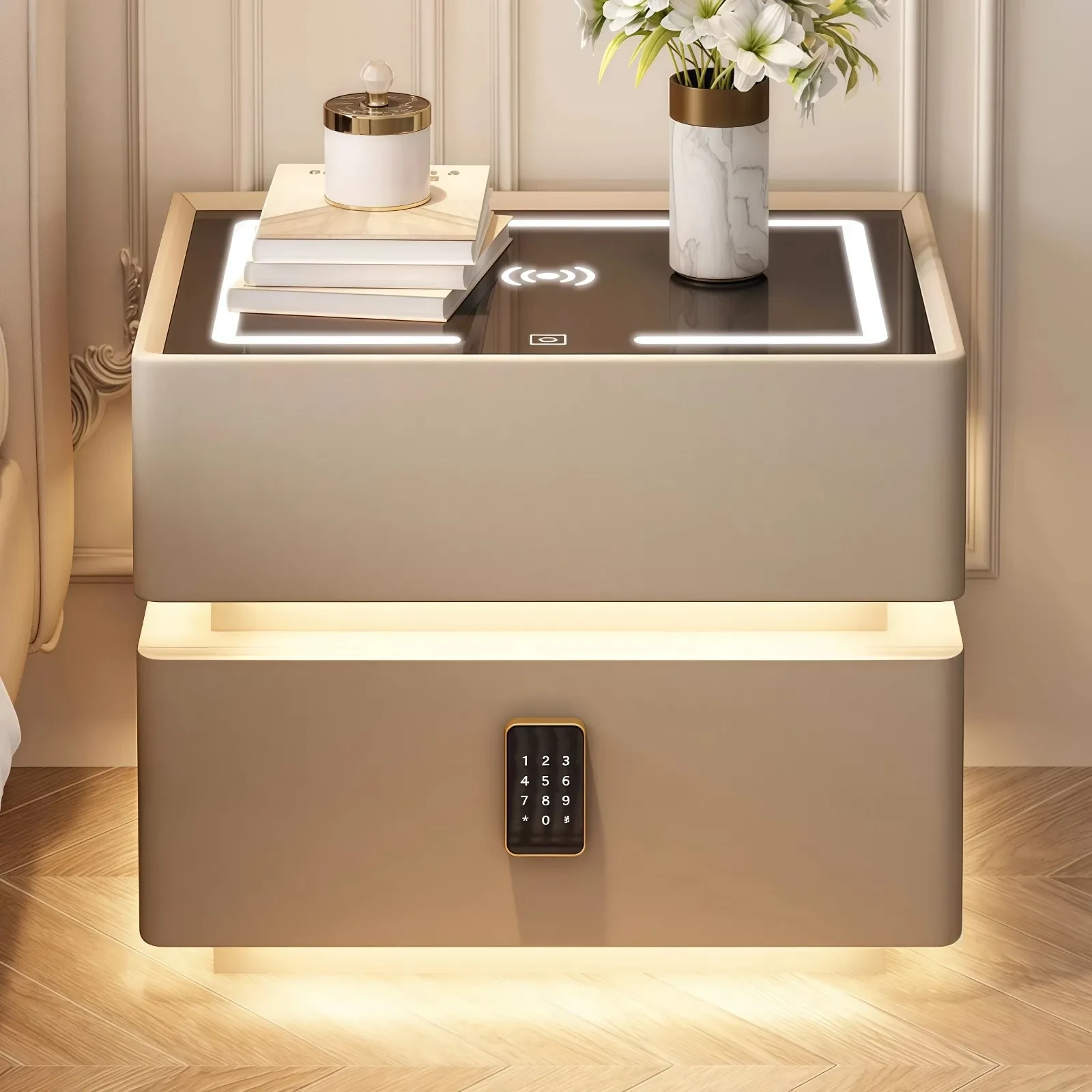
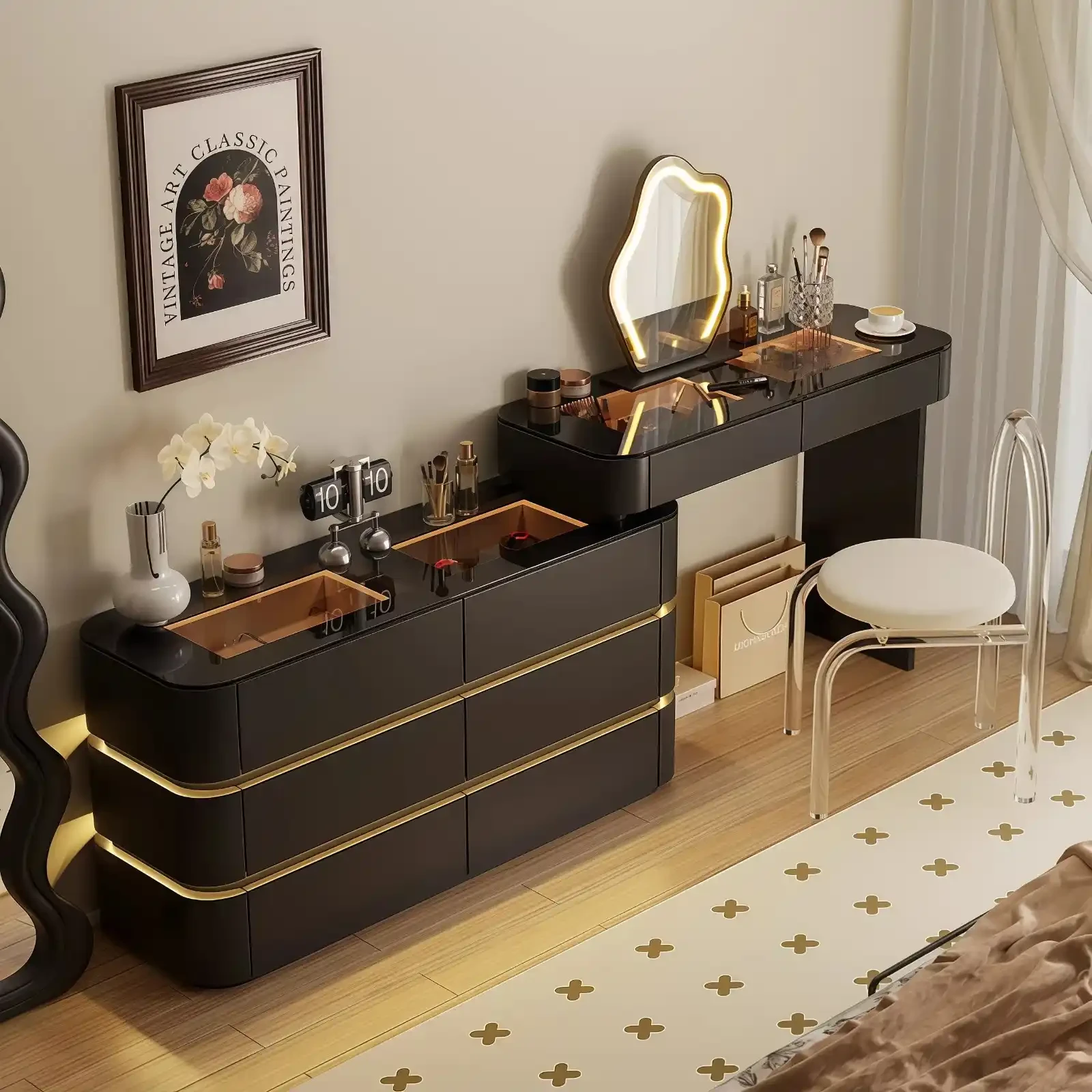
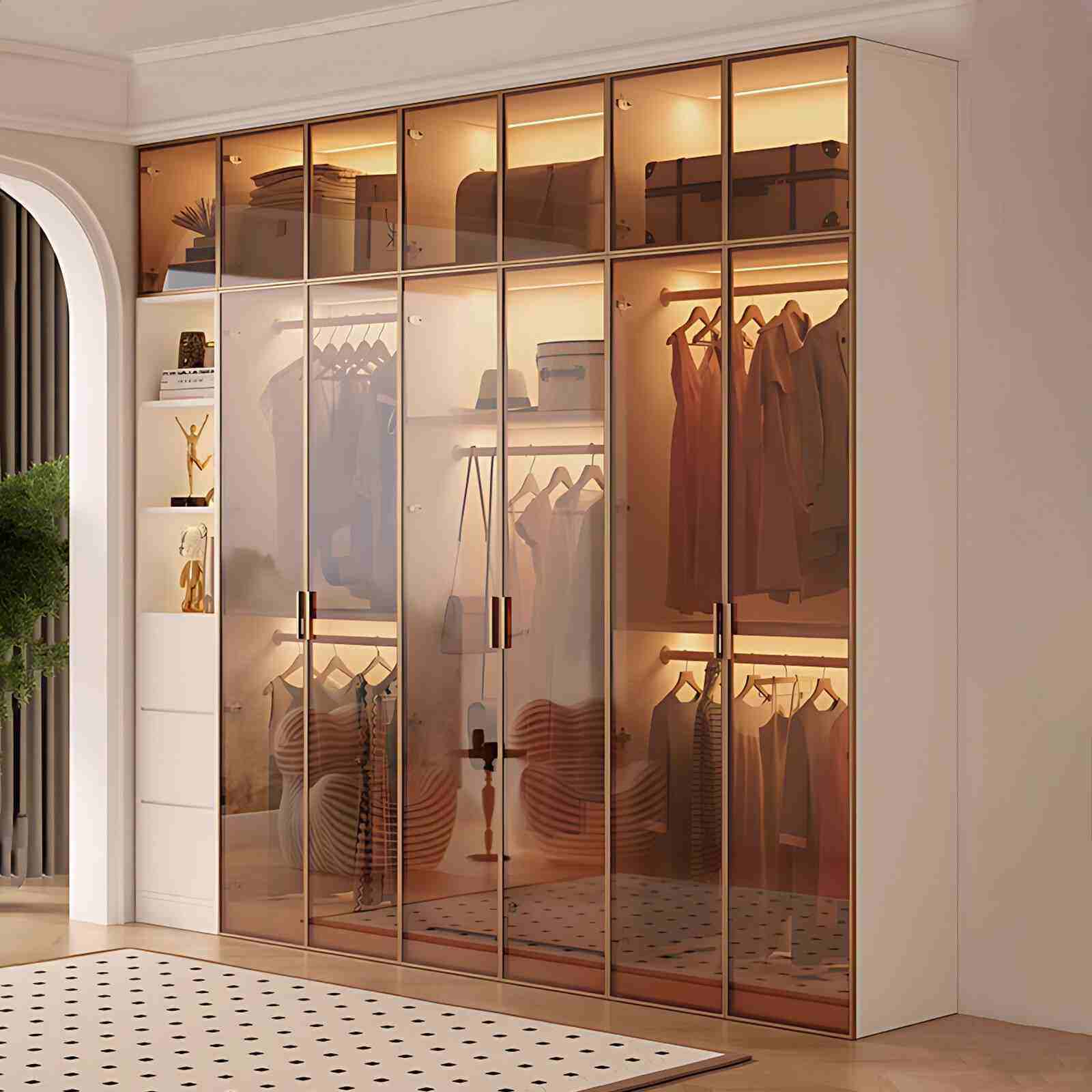
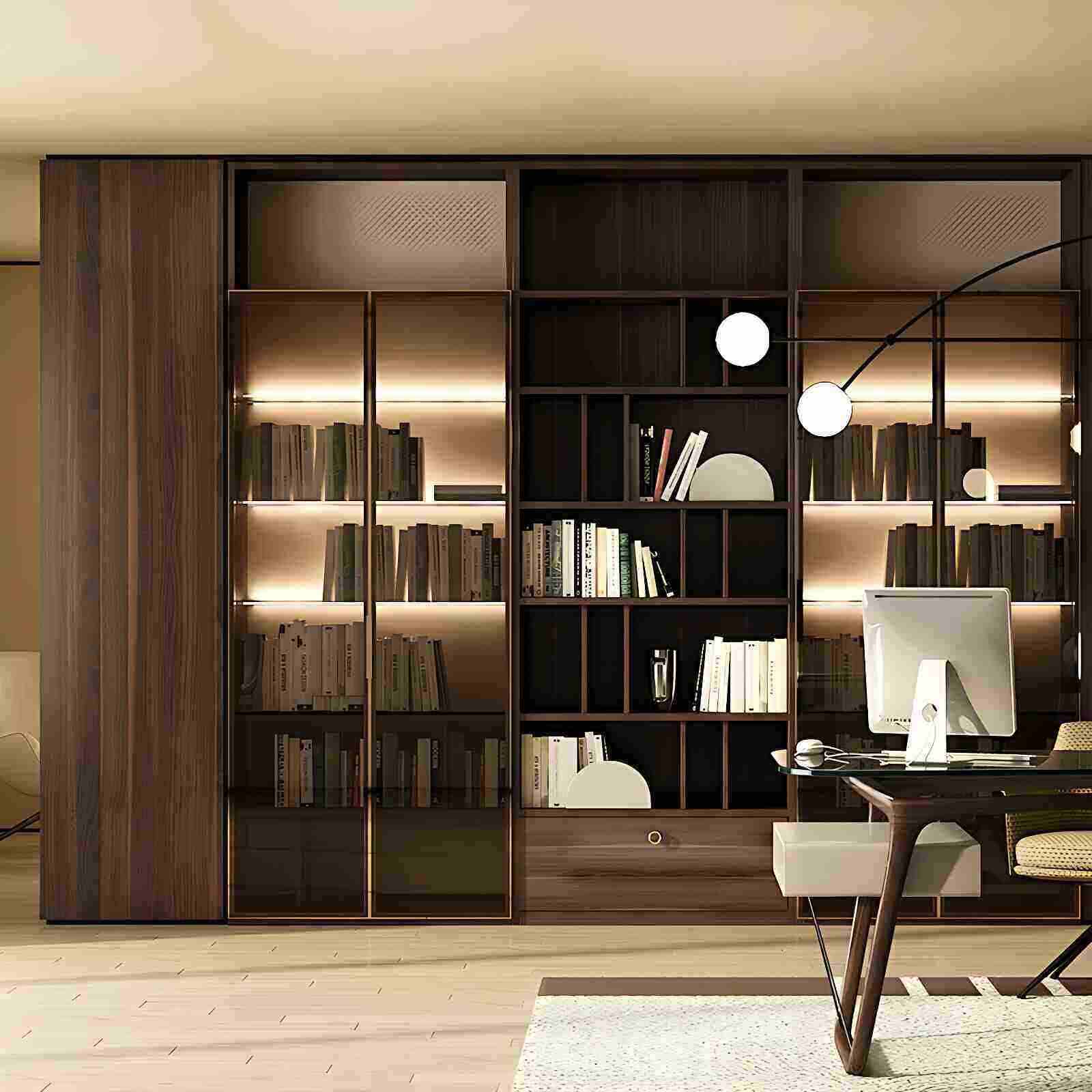
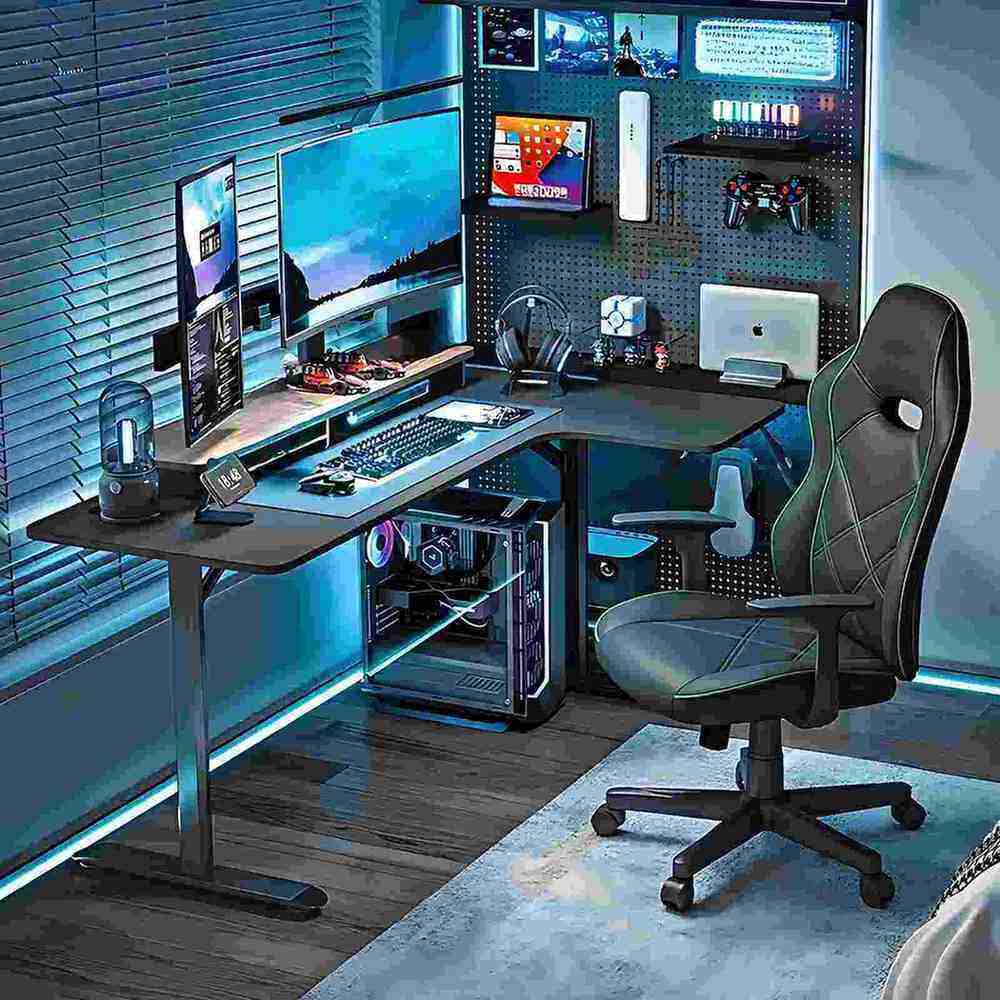
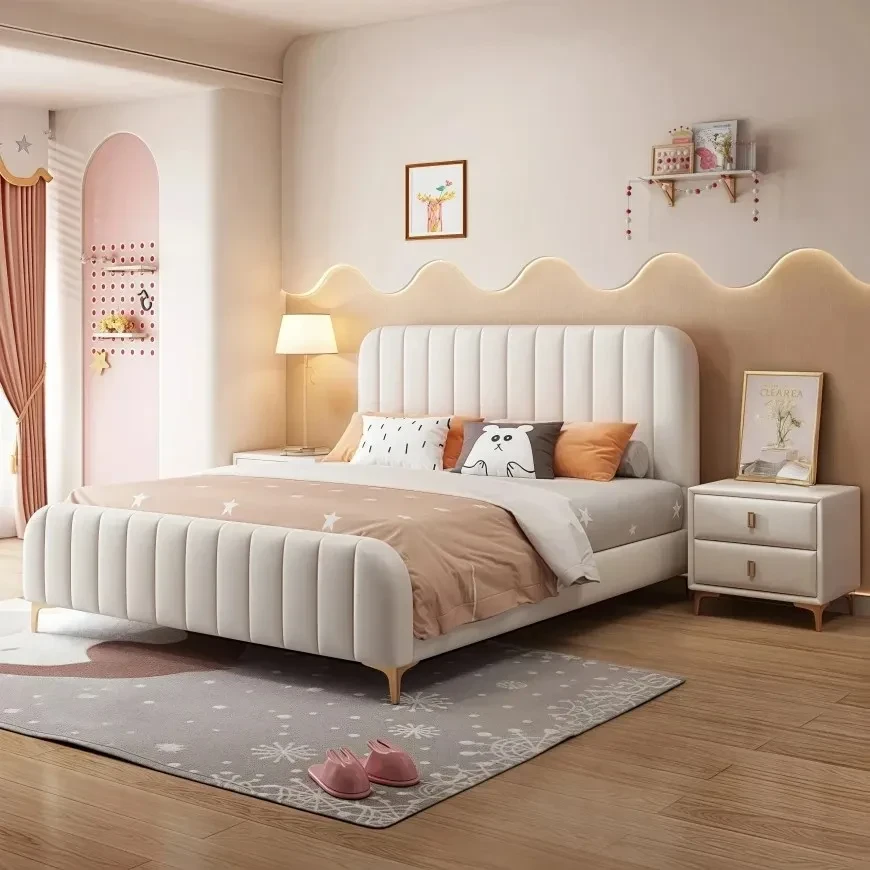
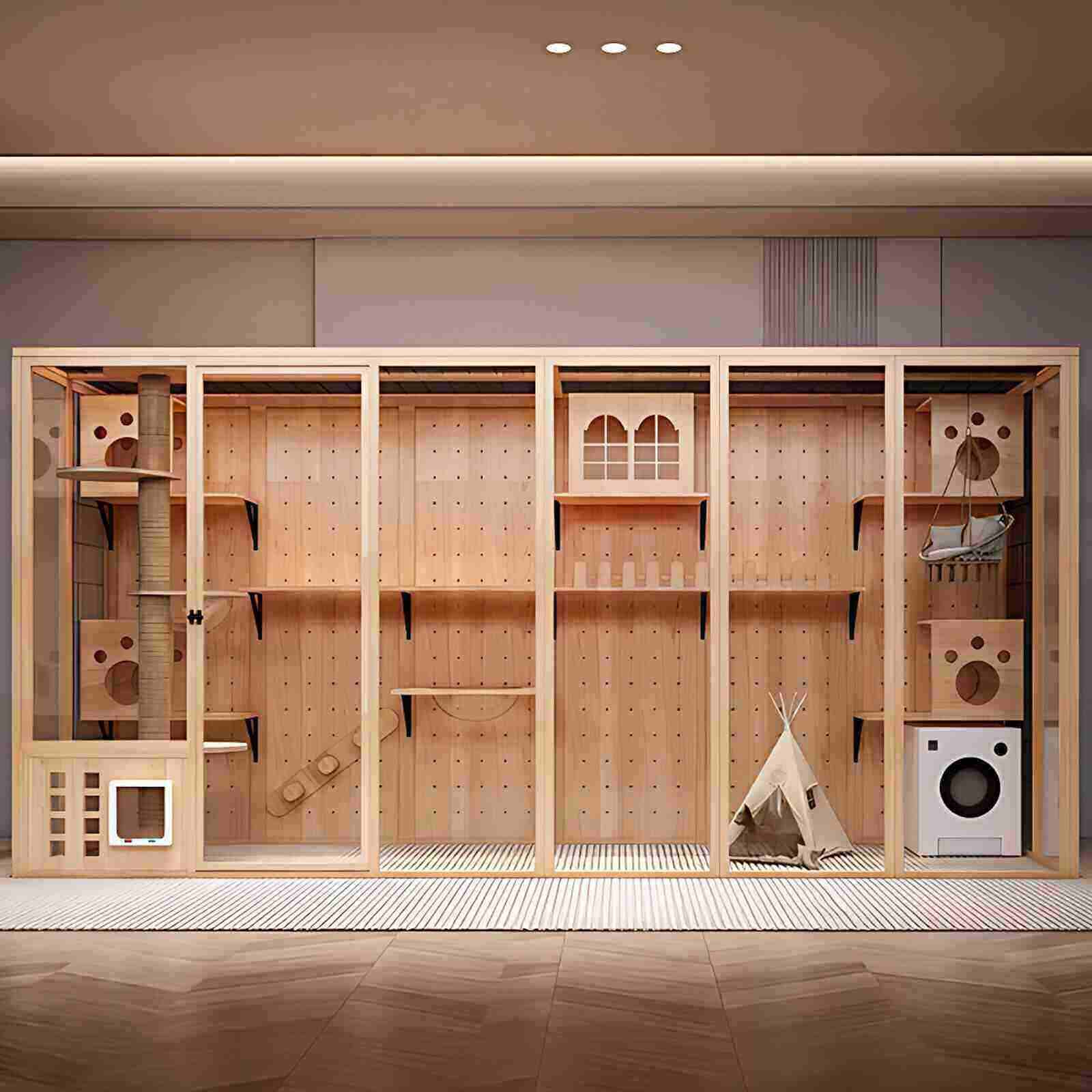
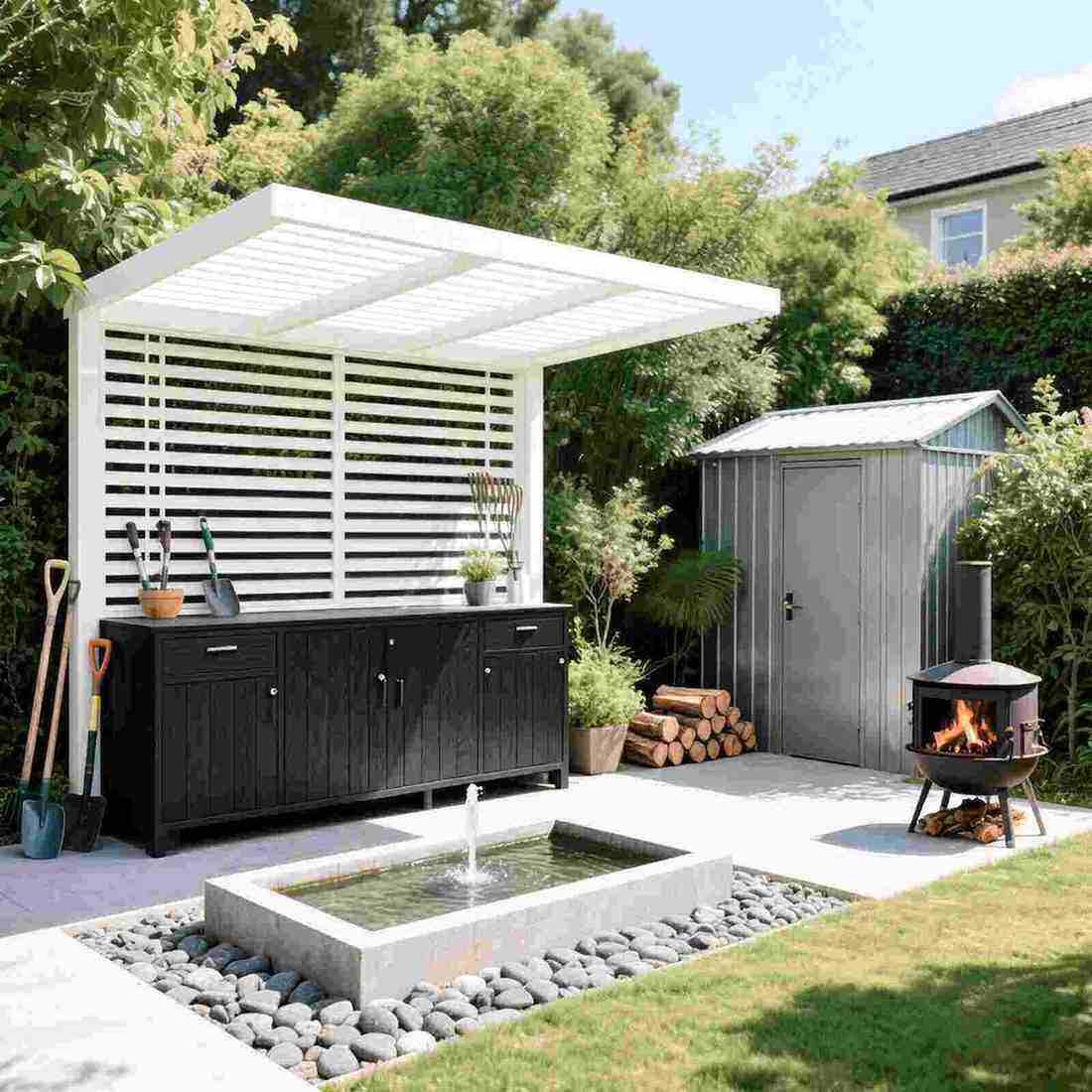
According to the "Spot Inspection Report on Air Quality of Newly Decorated Residential Buildings" released by the China Building Decoration Association in 2014, the air quality in Chinese residences is seriously substandard, with an average formaldehyde exceedance rate of 70%-80%! Because excessive formaldehyde poses a significant health risk, especially to children, and in severe cases can even lead to leukemia and death, and with the increasing proportion of engineered wood products in home decoration, formaldehyde exceeding standards has become a major concern for homeowners. Currently, the excessive formaldehyde release from engineered wood products is mainly due to cost considerations; choosing inferior adhesives can significantly reduce costs, but this results in a substantial increase in formaldehyde release.
Formaldehyde release has long been a persistent problem in the engineered wood products industry. This is because the manufacture of traditional engineered wood products requires the use of urea-formaldehyde resin adhesives, which use formaldehyde as a raw material. Even with the best adhesives available today, the produced boards will still not meet the "zero formaldehyde" standard due to trace amounts of formaldehyde naturally present in the wood. However, since natural wood contains a certain amount of formaldehyde, this means that trace amounts will not harm human health. Therefore, consumers can choose boards that are very close to "zero formaldehyde."
According to national standards, boards with an environmental protection rating of E1 or higher can be used for interior decoration. Tuantuan Yuanyuan E1 grade ecological boards utilize a unique patented adhesive formulation with high-solids content resin, ensuring superior physical and mechanical properties of the boards. This also ensures that the free formaldehyde content meets the highest global environmental protection requirements. Furthermore, Tuantuan Yuanyuan boards incorporate the latest technology, adding solid formaldehyde-reducing powder before the core layer mixing machine to further reduce the formaldehyde content within the board.
Experts point out that achieving near-zero formaldehyde emissions in wood-based panels requires a two-pronged approach: first, using more environmentally friendly adhesives to eliminate formaldehyde at its source; second, conducting formaldehyde emission testing on the products to ensure quality control and guarantee that only compliant products are sold. Therefore, simply using high-quality adhesives cannot guarantee 100% formaldehyde emission levels; more stringent testing is necessary before products are released to the market. Consequently, the environmental protection level of Tuantuan Yuanyuan wood-based panels far exceeds the market average.
Environmentally friendly building materials can be identified from the following aspects:
1) Smell for any pungent odor.
2) Check if there is a certificate issued by a national authoritative body.
3) Is the adhesive used environmentally friendly?
Of course, consumers rarely buy wood-based panels directly during home decoration. However, modern furniture, cabinets, and wardrobes widely use engineered wood panels, making it difficult for many consumers to find satisfactory and healthy furniture. Actually, it's quite simple. First, choose furniture from well-known brands. This method may not guarantee 100% environmental friendliness, but major brands have strong financial backing and use high-quality panels. Second, look for environmentally friendly panels, such as those from Tuantuan Yuanyuan.