
 USD
USD GBP
GBP
 EUR
EUR
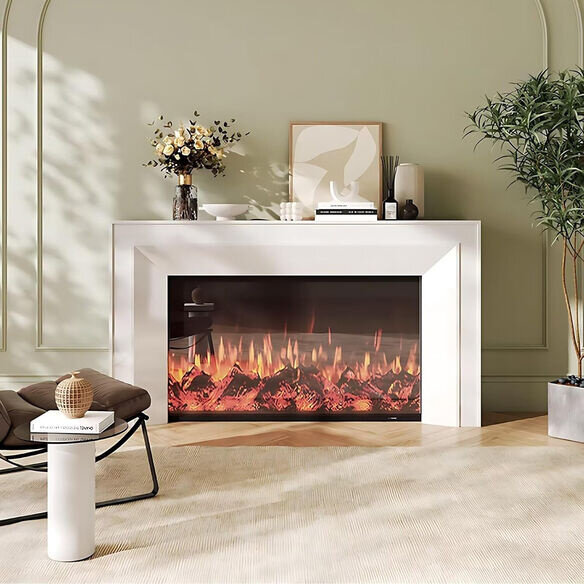
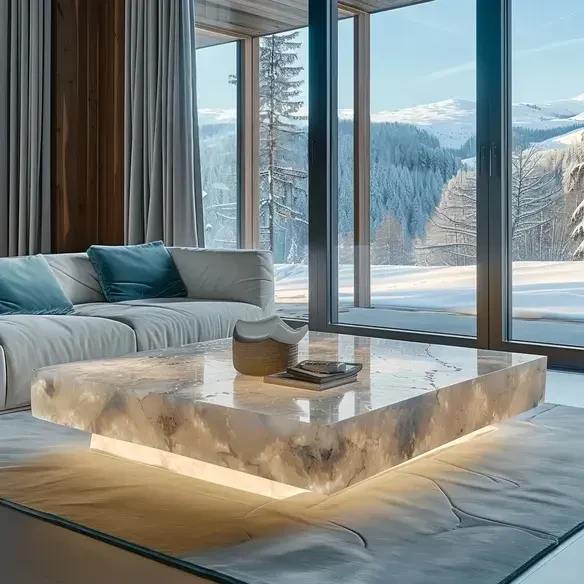
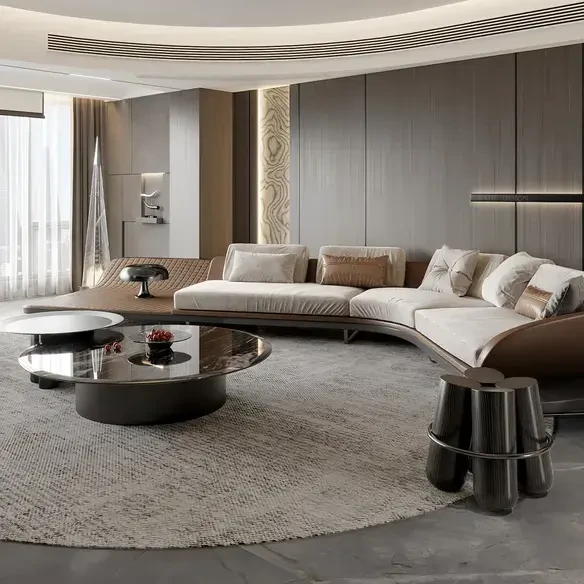
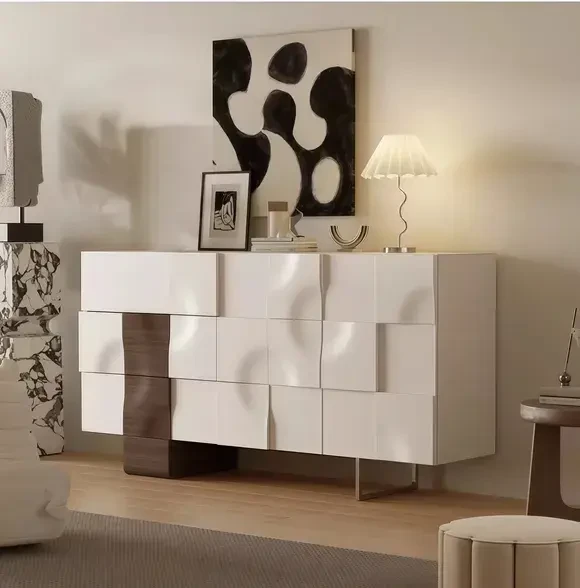
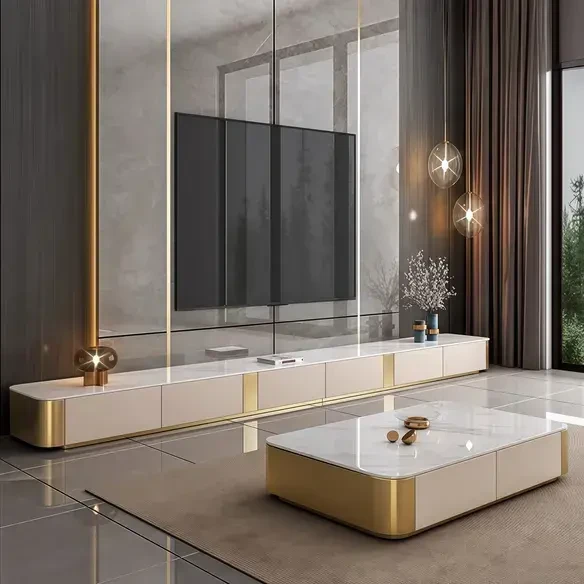
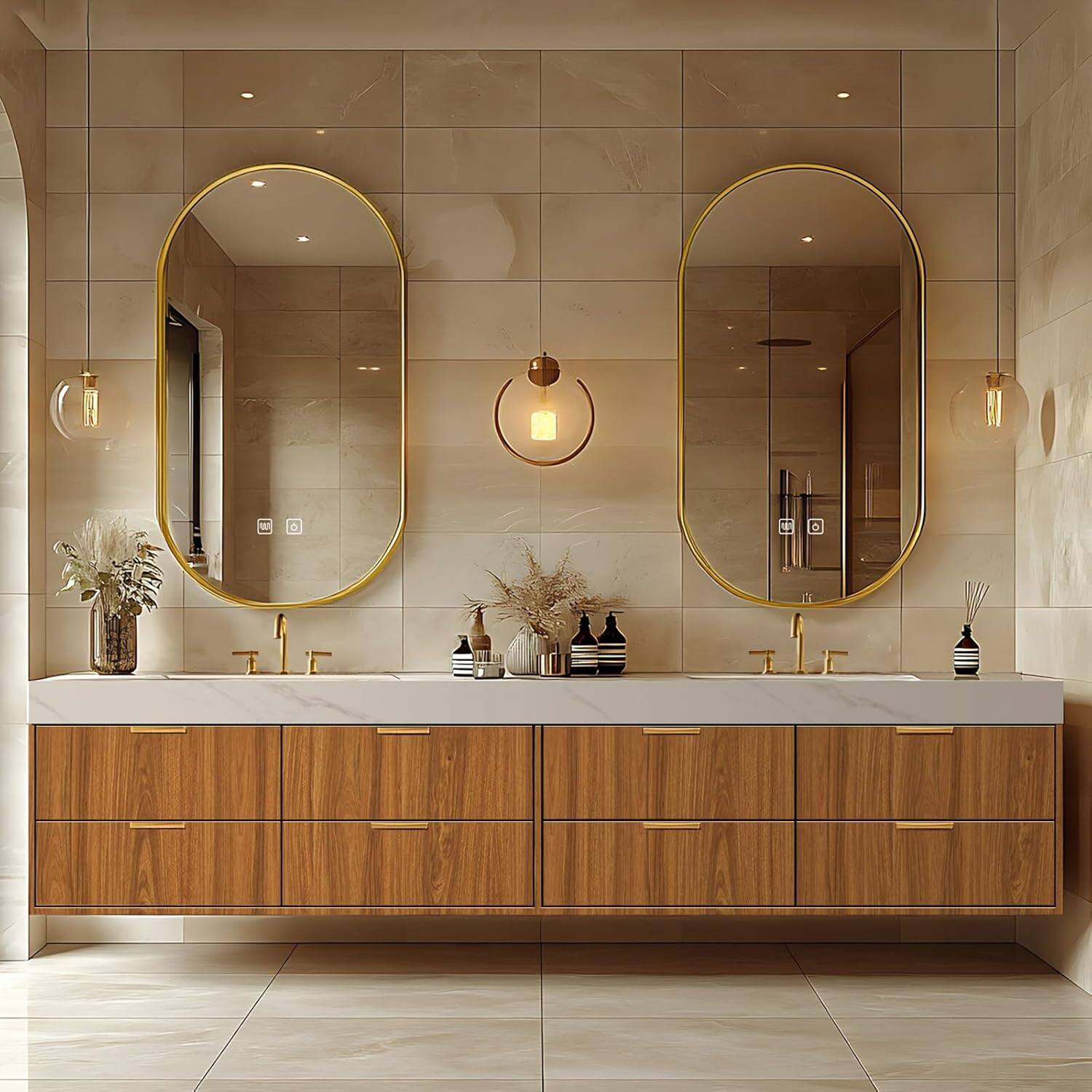
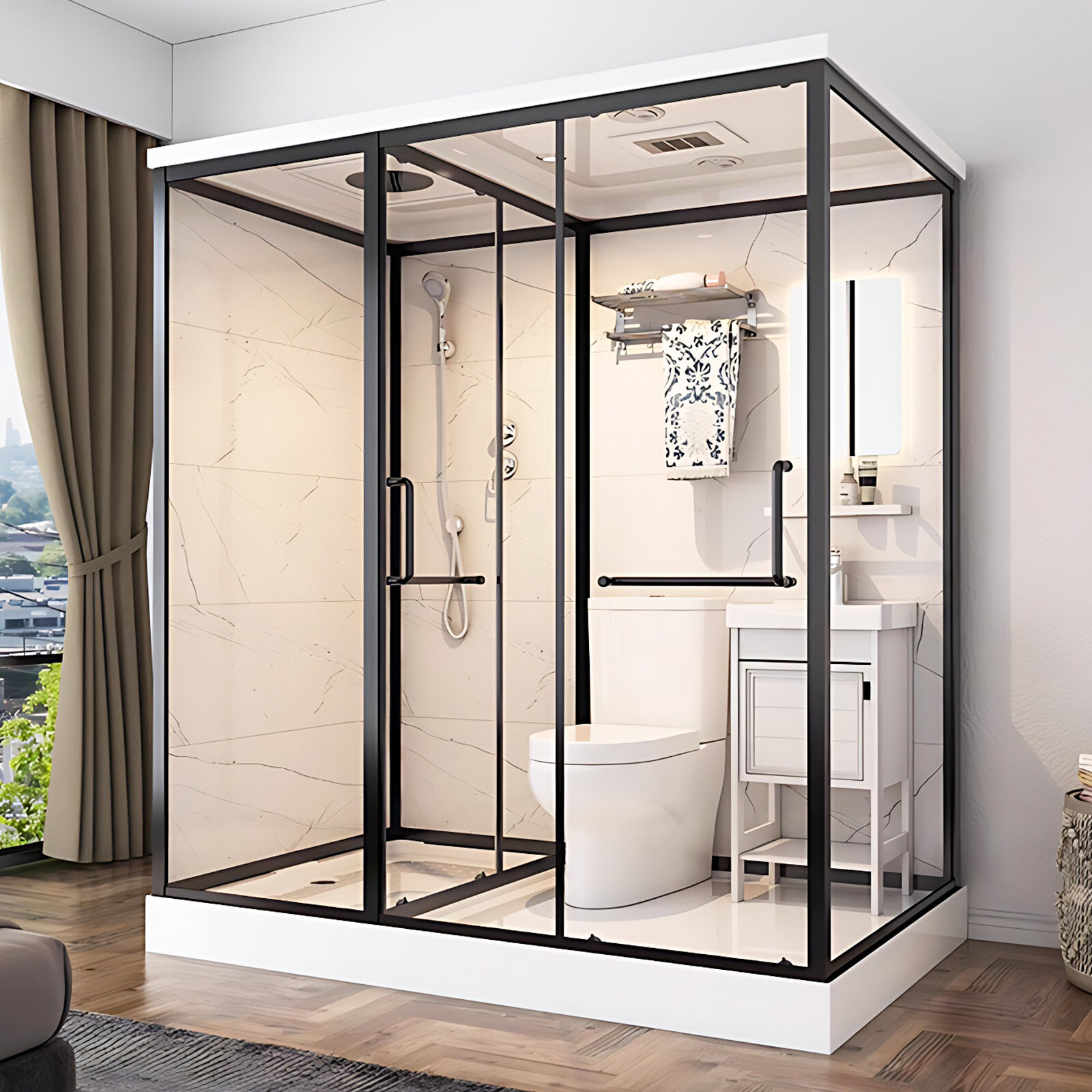
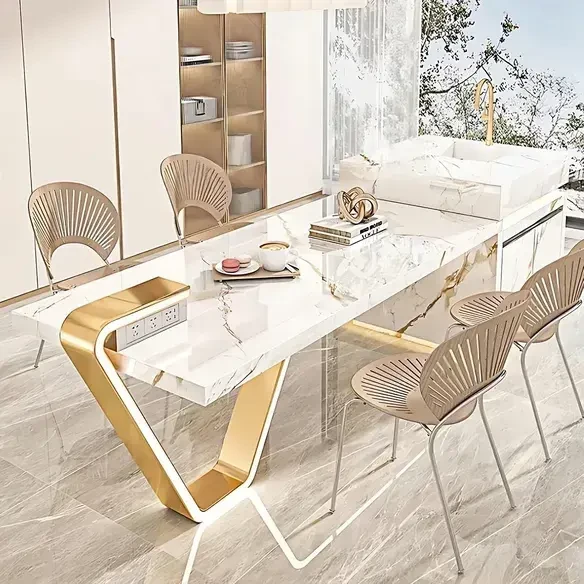
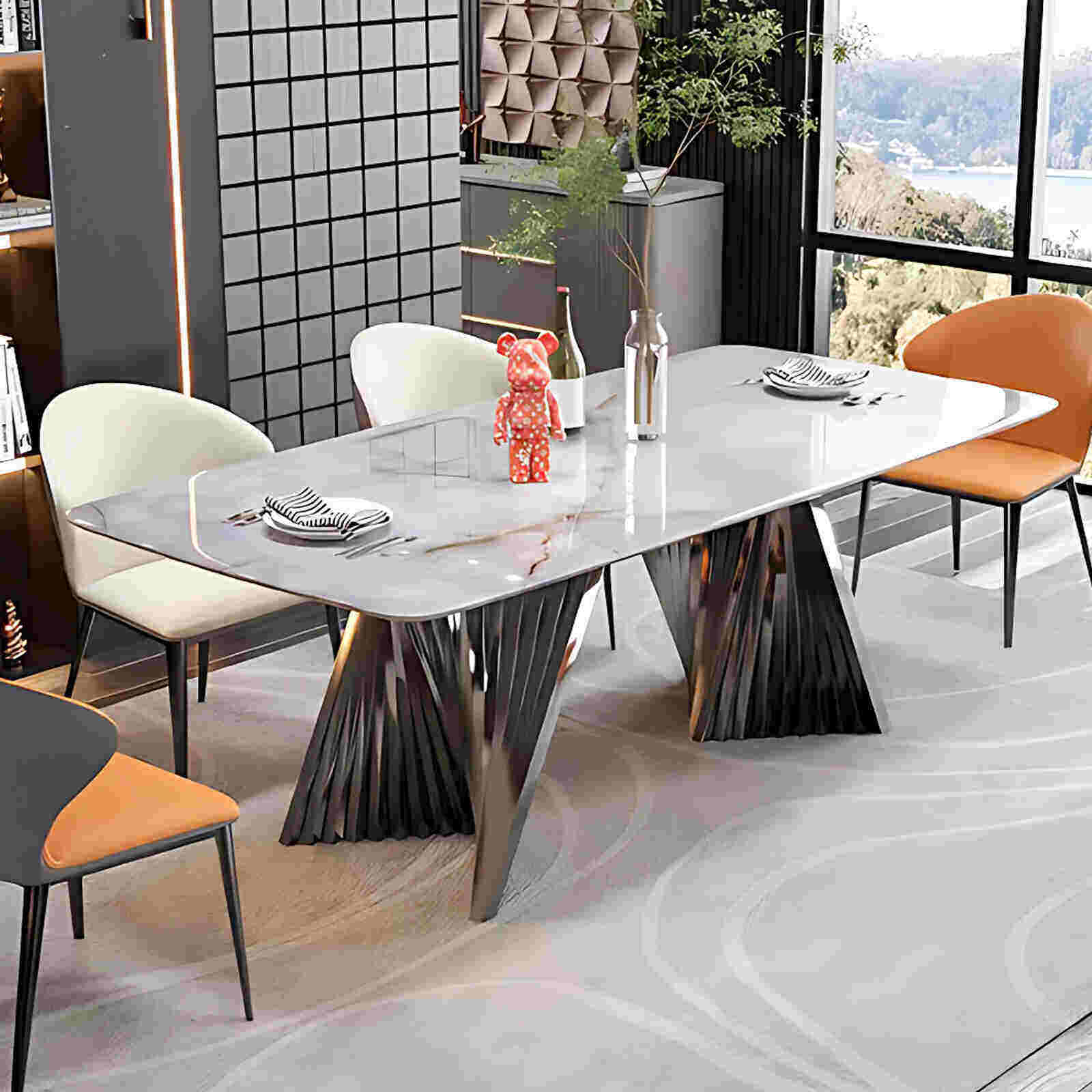
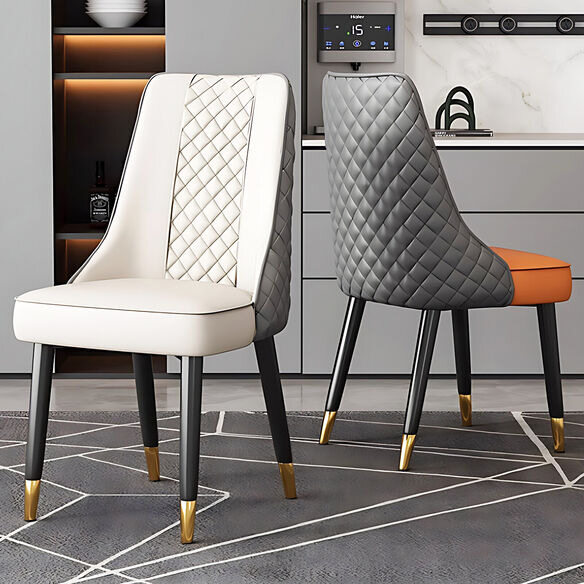
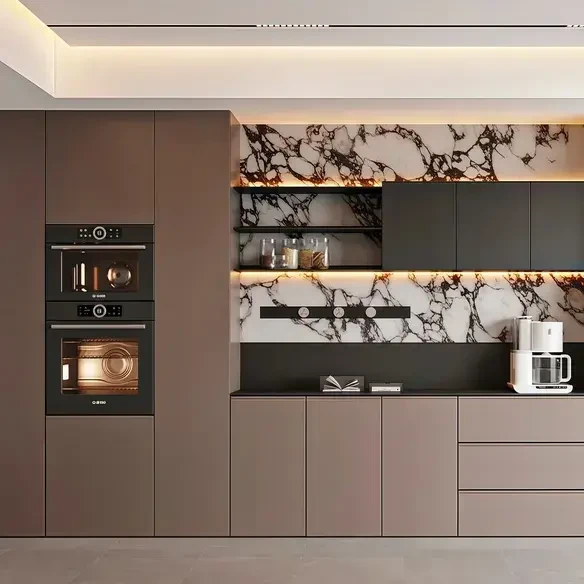
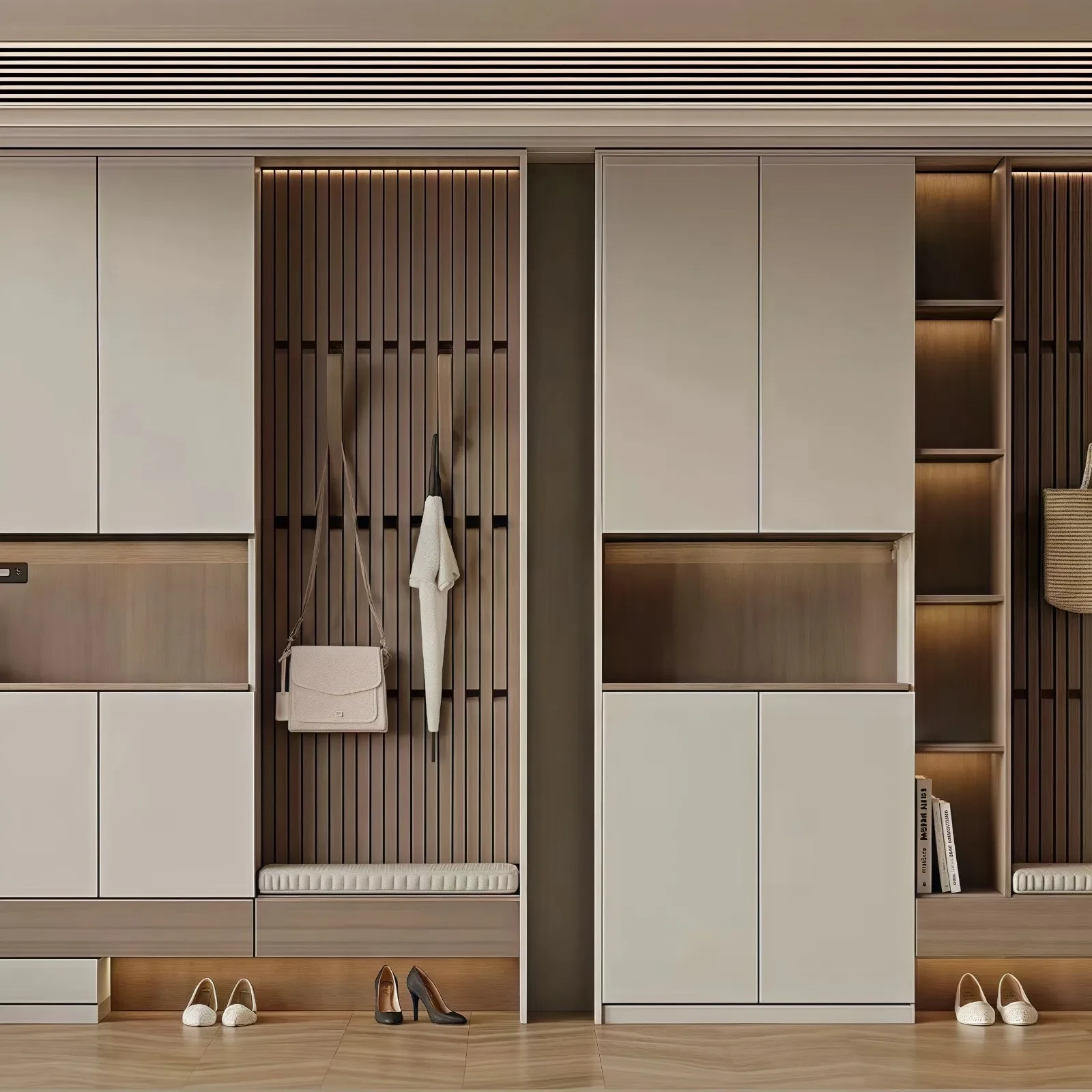
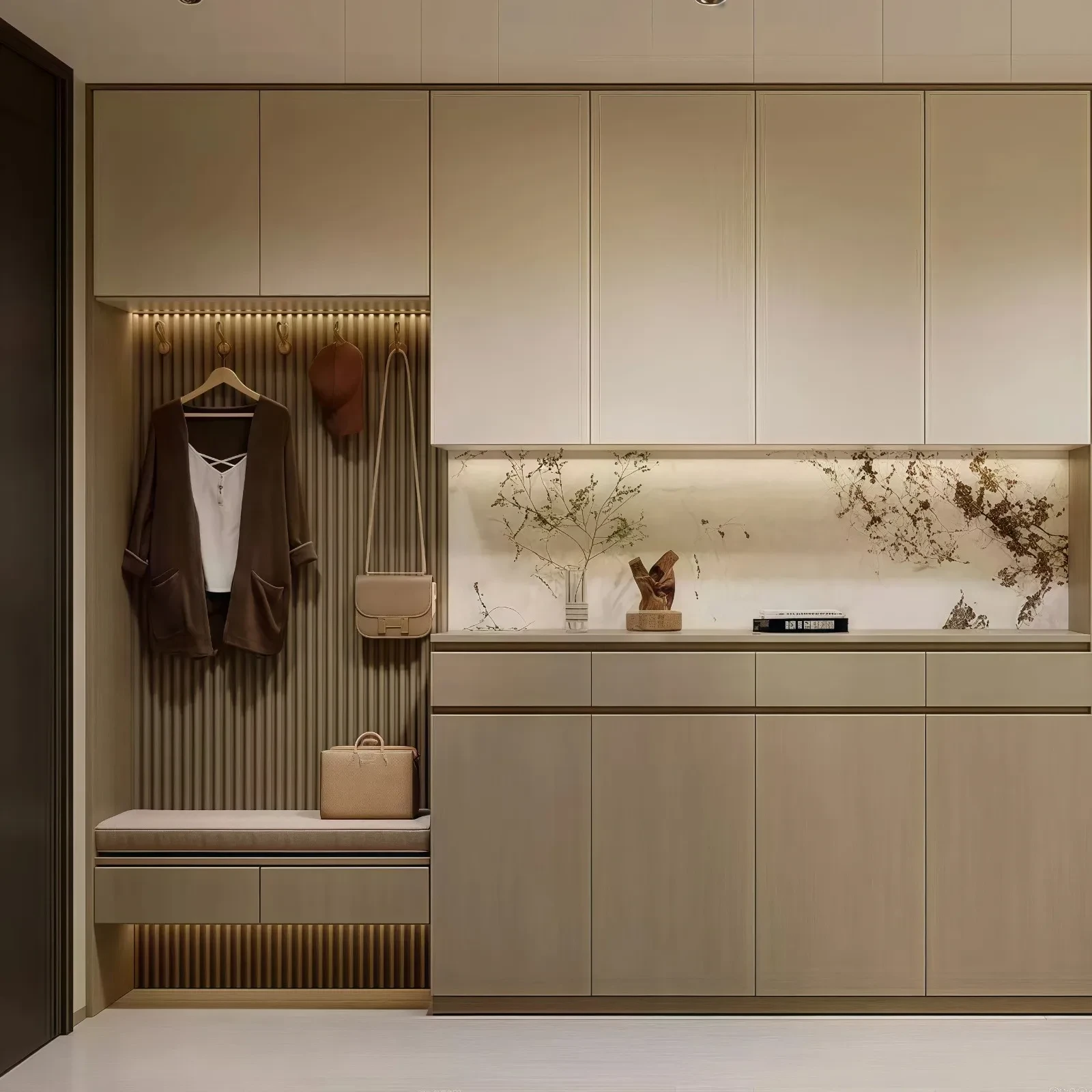
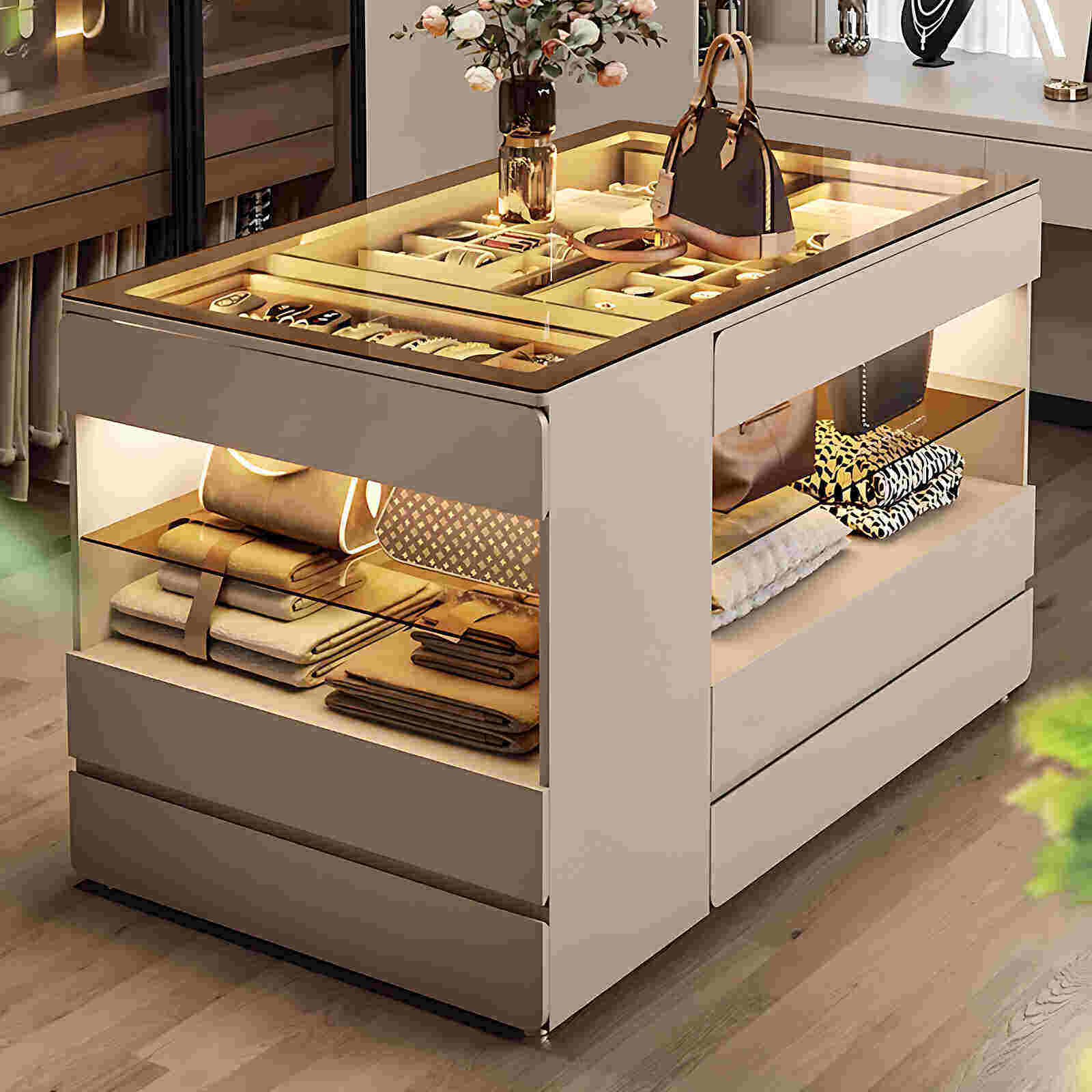
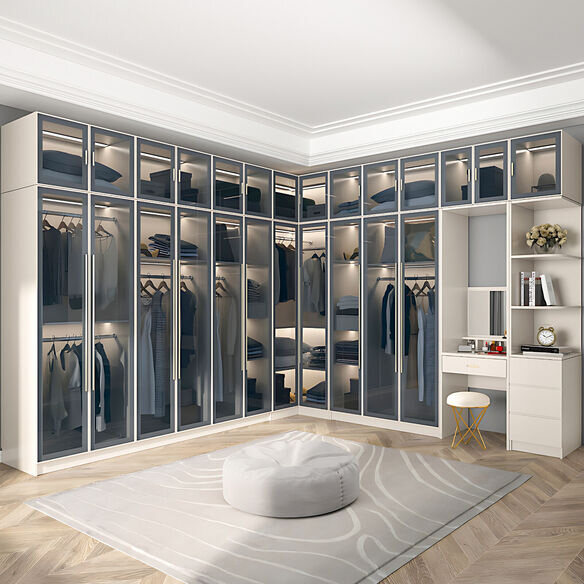
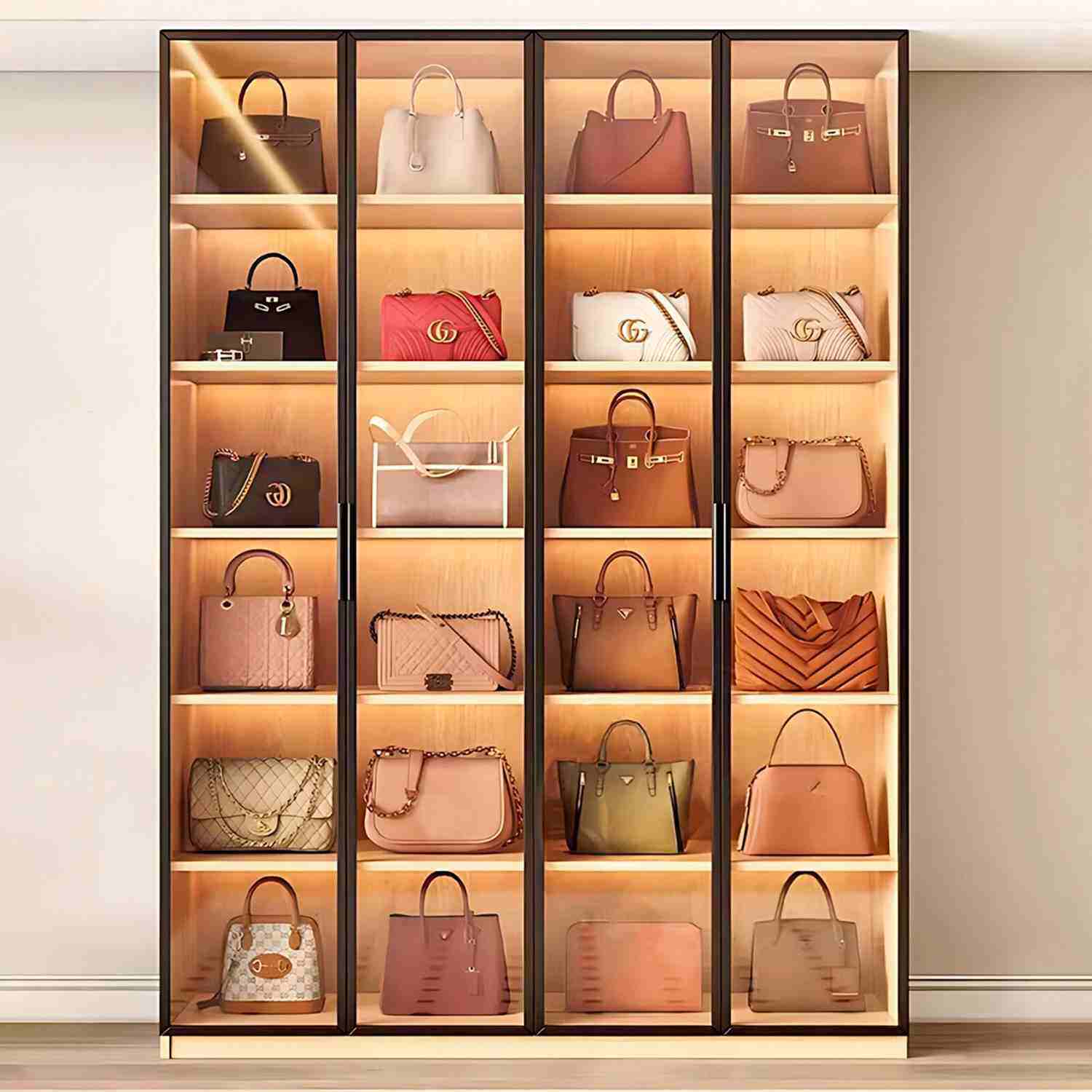
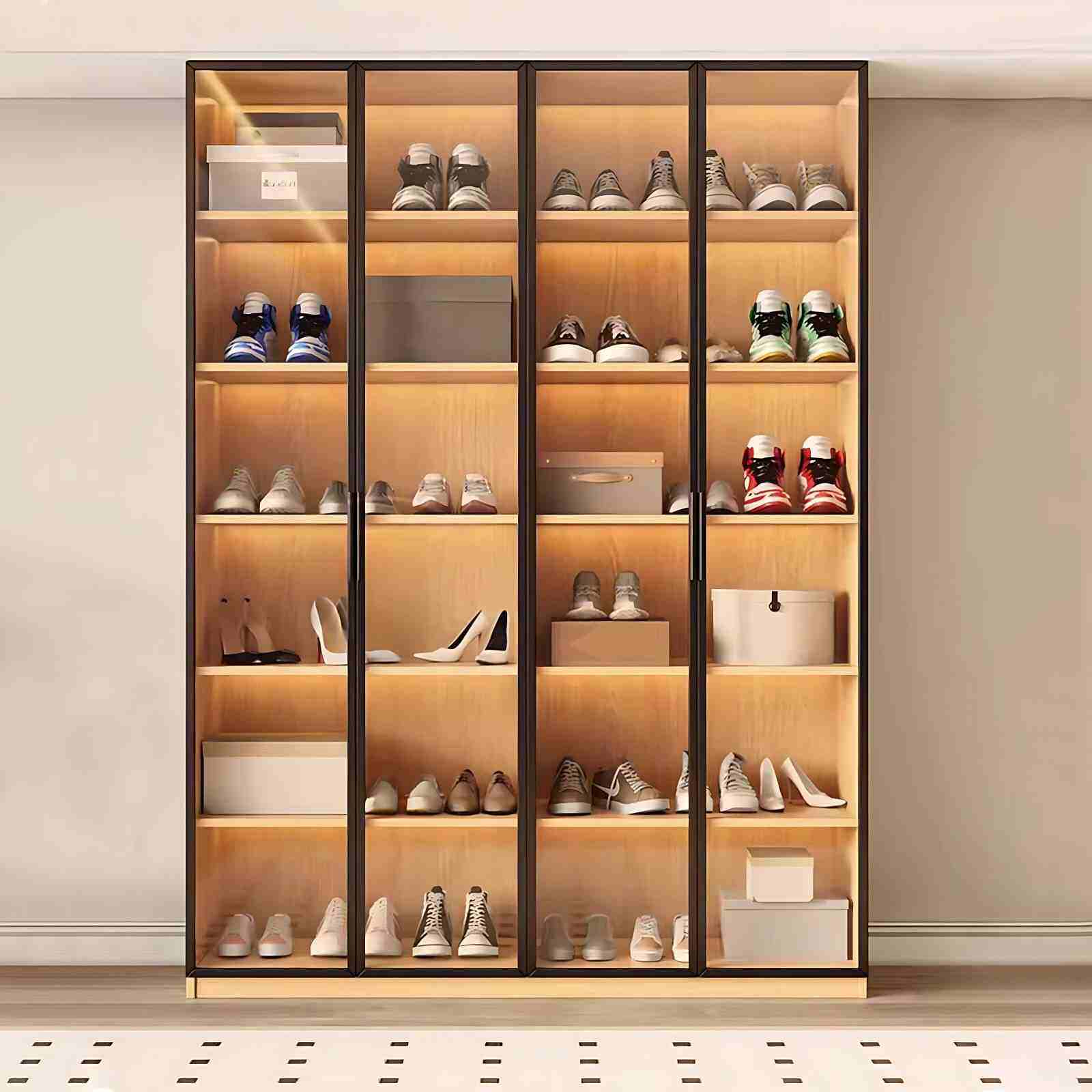
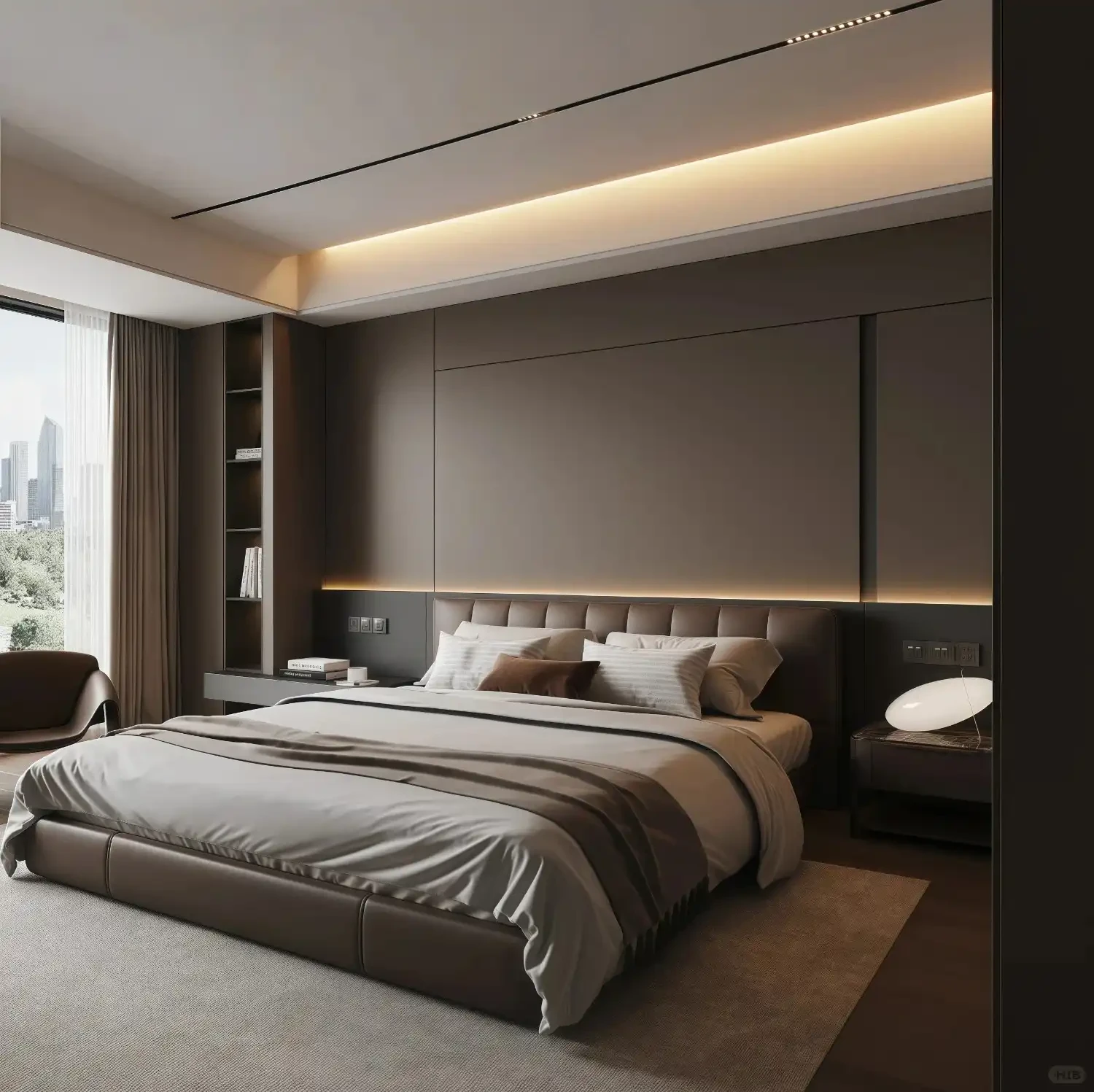
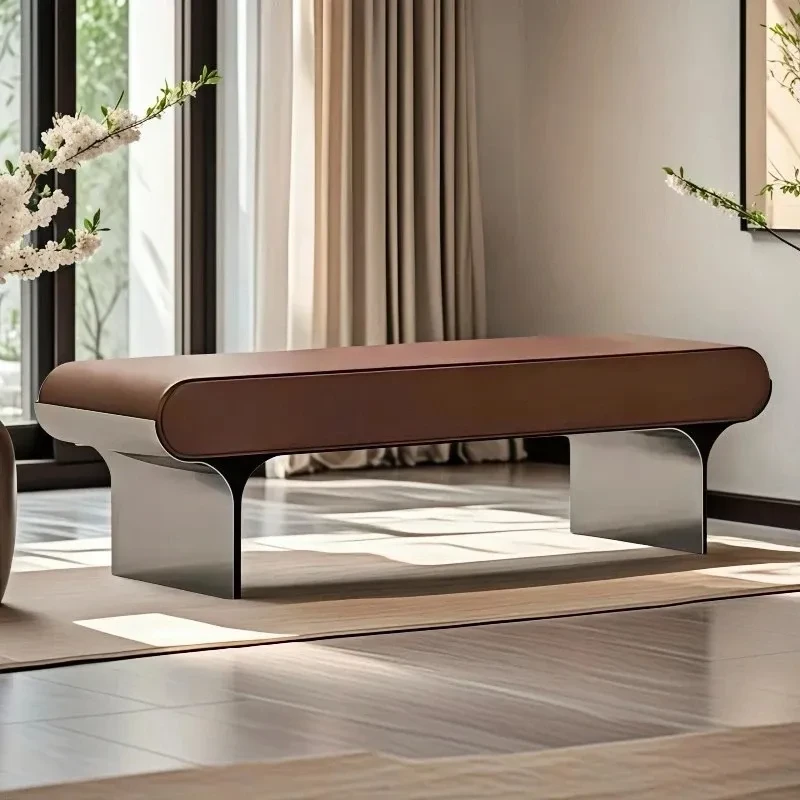

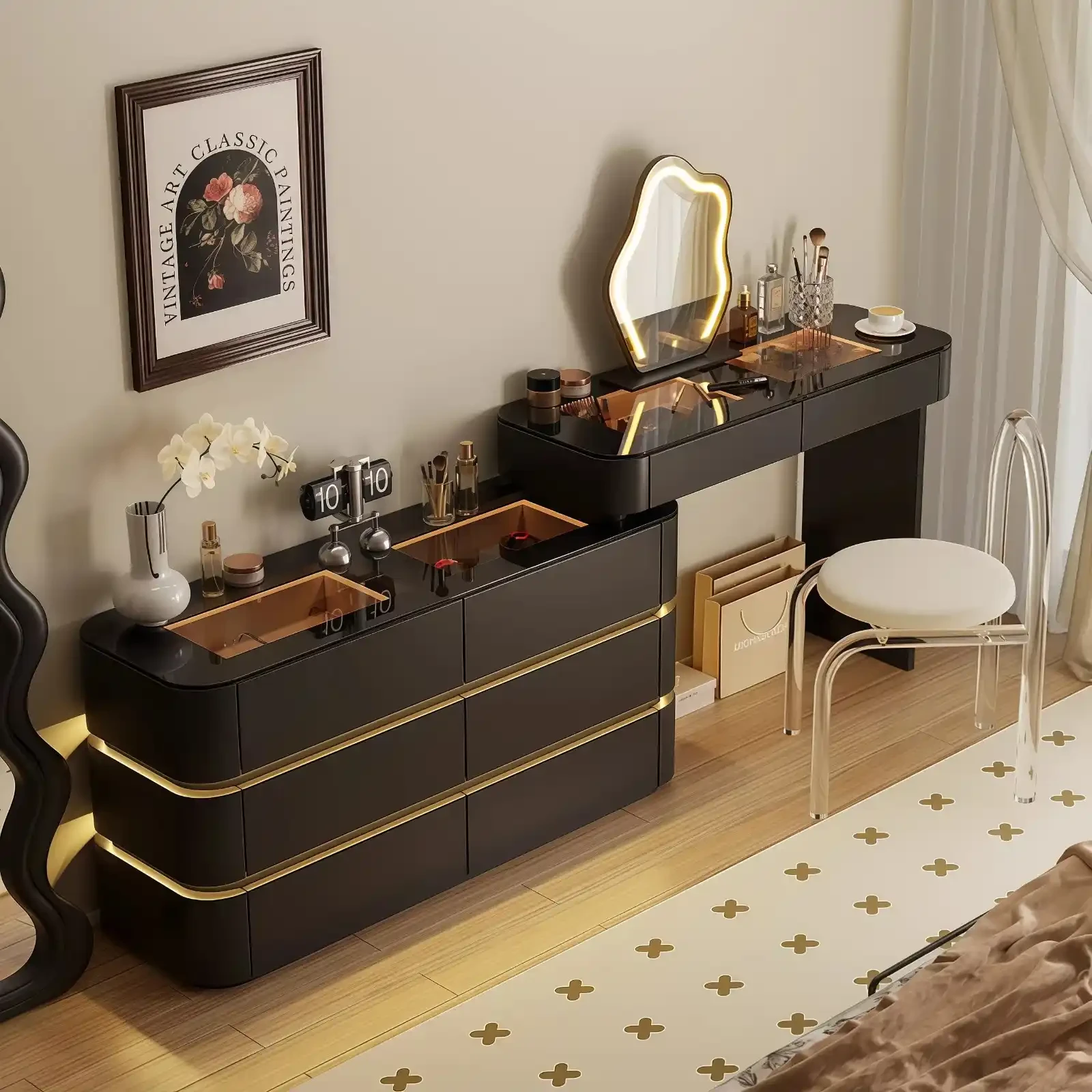
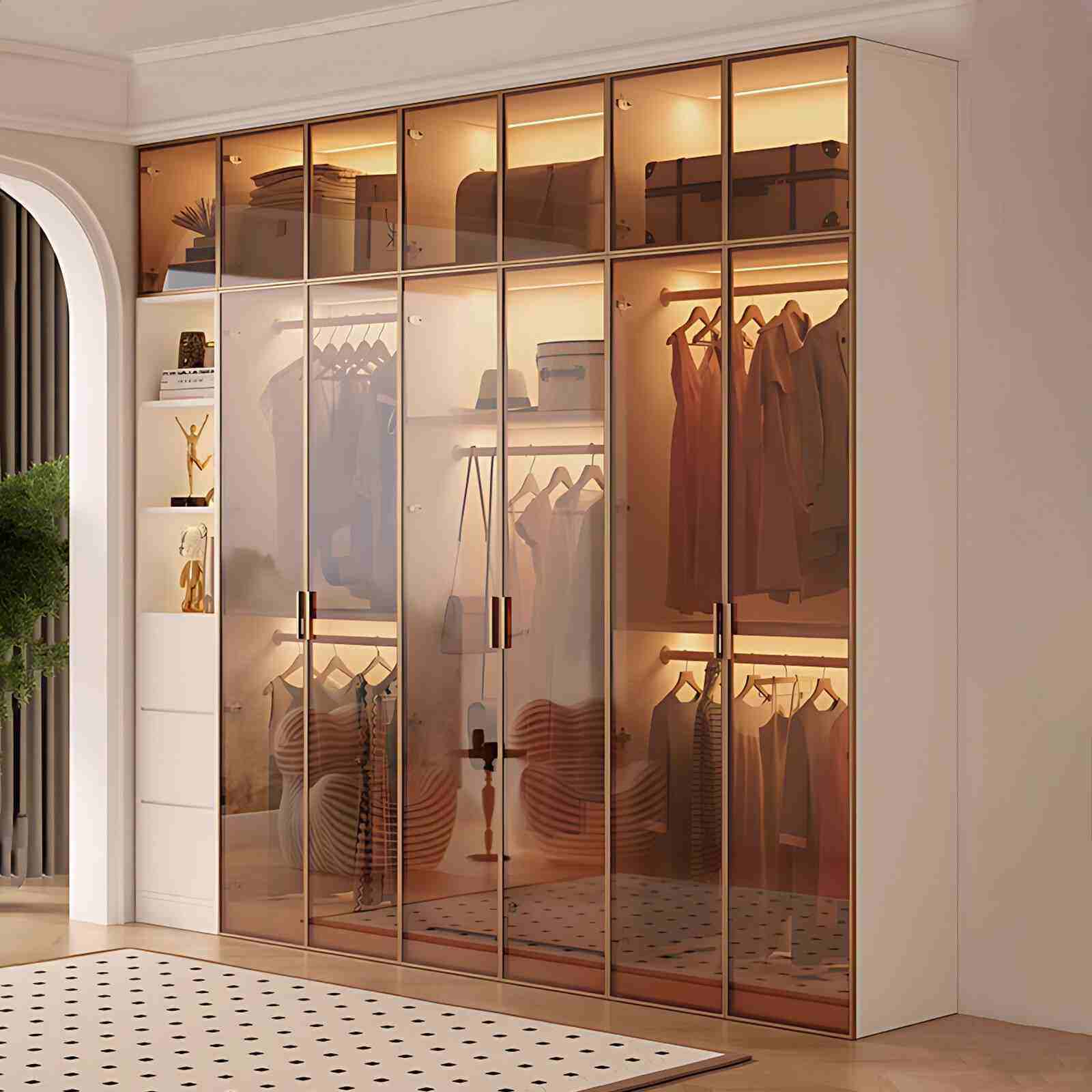
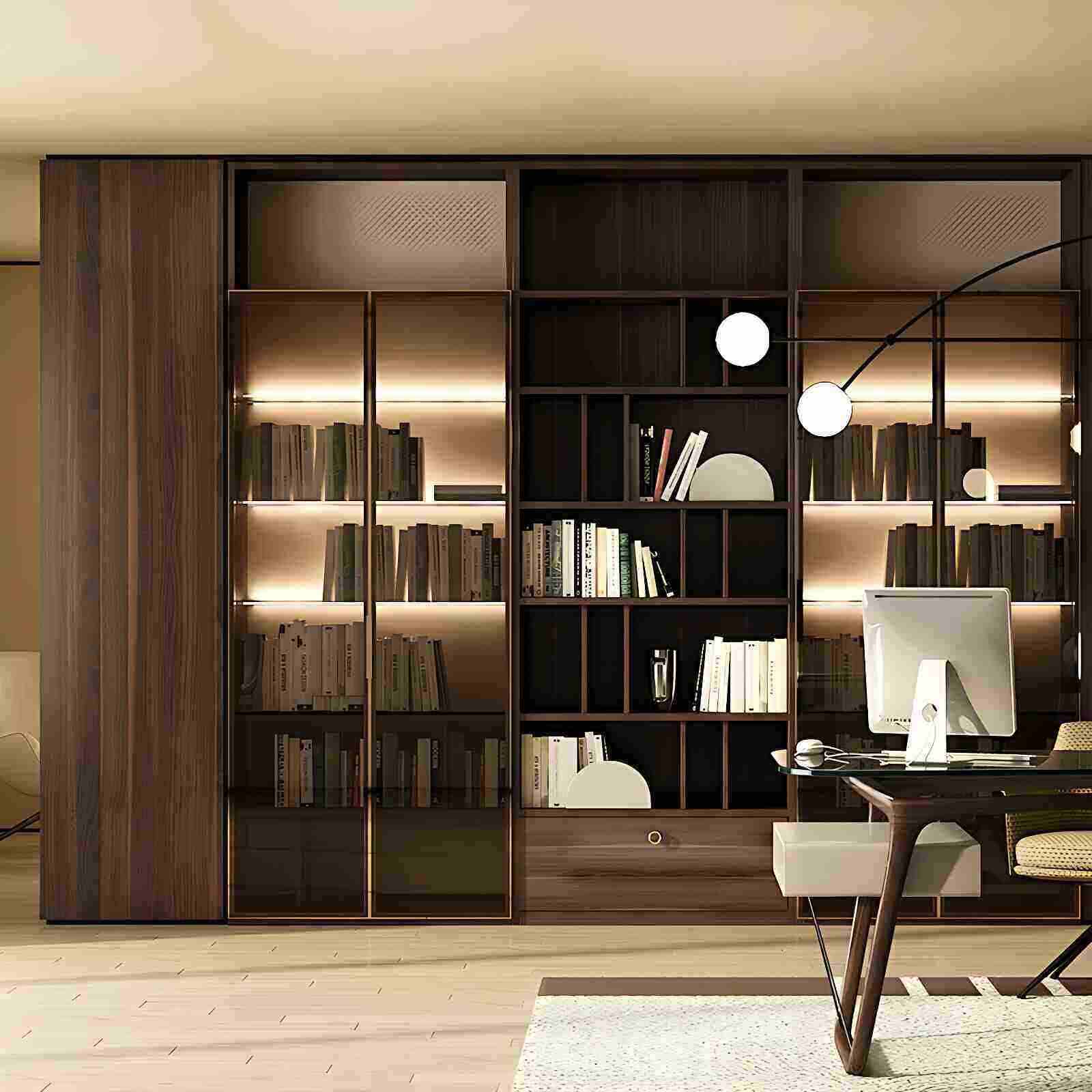

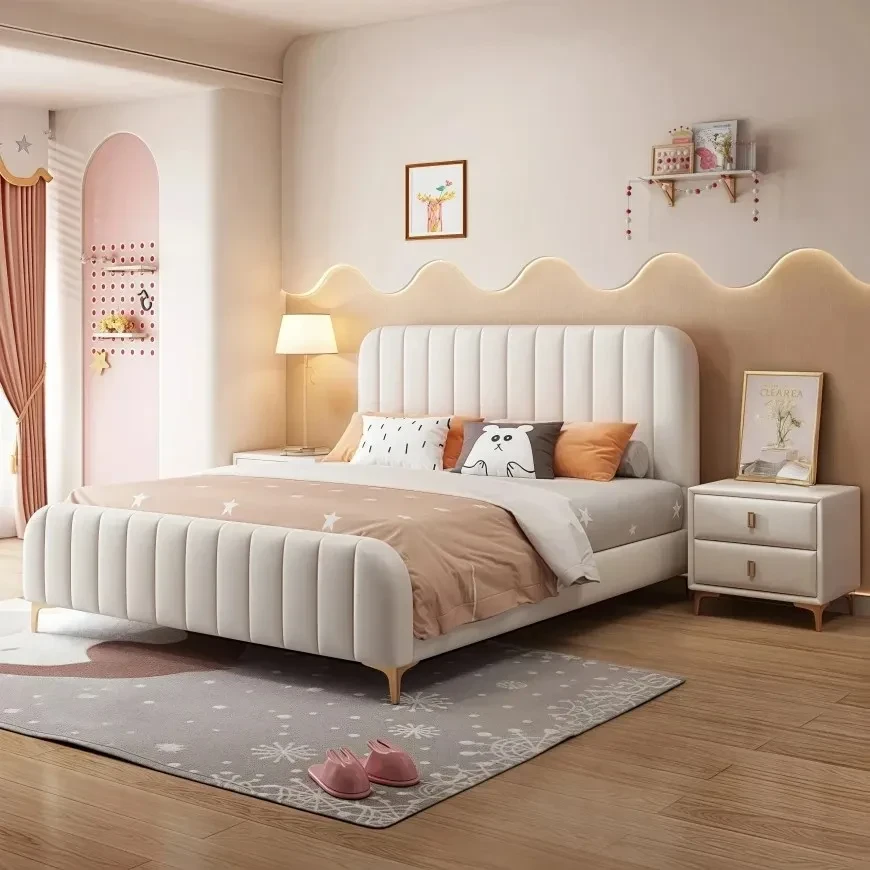
As fire safety requirements for construction projects continue to rise, the demand for fire-resistant decorative building materials is also increasing. Fire-resistant decorative building materials on the market are basically divided into two categories: one is organic decorative materials, also known as fire-retardant boards, made from wood or natural plant fibers; the other is Class A non-combustible inorganic boards, also known as non-combustible boards, made from siliceous or calcareous materials and possessing excellent fire resistance. Let's explore the differences between fire-retardant boards and non-combustible boards.
Different fire resistance
Fire resistance is the biggest difference between fire-retardant boards and non-combustible boards.
Fire-retardant boards (including Qiannianzhou fire-retardant plywood, fire-retardant OSB boards, etc.) have a fire resistance rating of B1. In the presence of open flames or high-temperature environments in the air, B1-rated materials are extremely difficult to ignite. If they do ignite, they can slow down the burning rate, reduce the intensity of the fire, and effectively prevent the spread of fire. And when the fire source is removed, the fire will quickly stop.
Non-combustible boards are different. Non-combustible boards have a fire rating of Class A. They will not burn or ignite. They can self-extinguish under a hanging combustion test. The carbon, nitrogen, and phosphorus elements they contain can absorb, dilute, and block the oxygen of the fire source, so that the flame cannot be maintained and can extinguish itself.
Different application areas
Fire-retardant boards have a thin veneer surface with a relatively rough texture and are commonly used in interior decoration for partitions, walls, and ceilings. Non-combustible boards, on the other hand, are decorative fire-resistant building materials with a smooth, flat surface, vibrant colors, and a metallic finish. They are often used in public places, high-rise buildings, subways, and other locations requiring high safety. Fire-resistant boards and crystal rock boards are excellent examples of non-combustible boards.
Different product structures
In addition, fire-retardant boards are mostly made of fibrous or porous materials. Flame retardants are infiltrated into the solid wood veneer to inhibit and prevent the board from burning, thus achieving a fireproof effect. The surface is also a thin wood veneer with a rough surface. Non-combustible boards are made from siliceous or calcareous materials. The structure is usually a dense plate-like structure, which is not easy to burn. The surface has a layer of fire-resistant material, which can effectively block flames. Moreover, non-combustible boards have a wide variety of colors and unique textures. In addition, non-combustible boards are also very wear-resistant and scratch-resistant, waterproof, and not easy to mold.
In general, both fire-retardant and non-combustible boards are excellent fire-resistant building materials, but they have different meanings and application scenarios. The construction industry should select appropriate materials based on actual needs to achieve better fire resistance and safety performance.