
 USD
USD GBP
GBP
 EUR
EUR
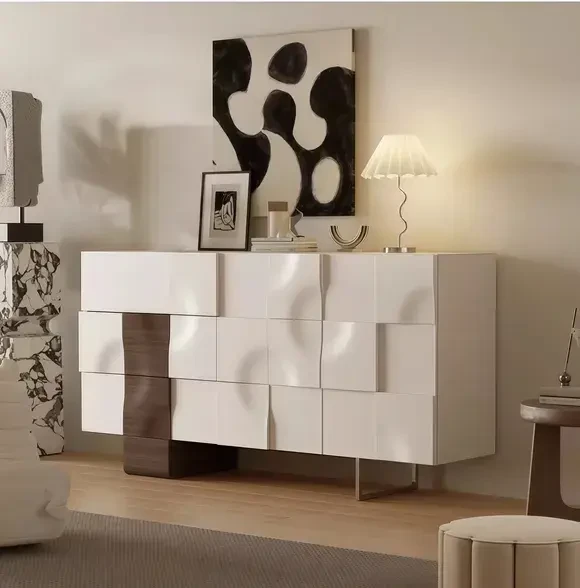
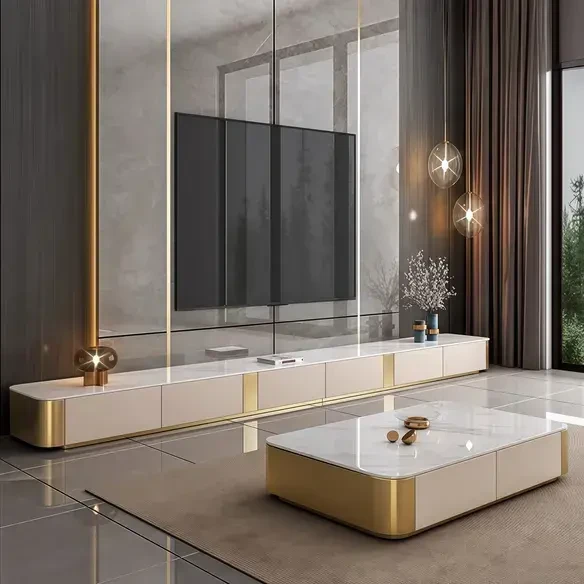
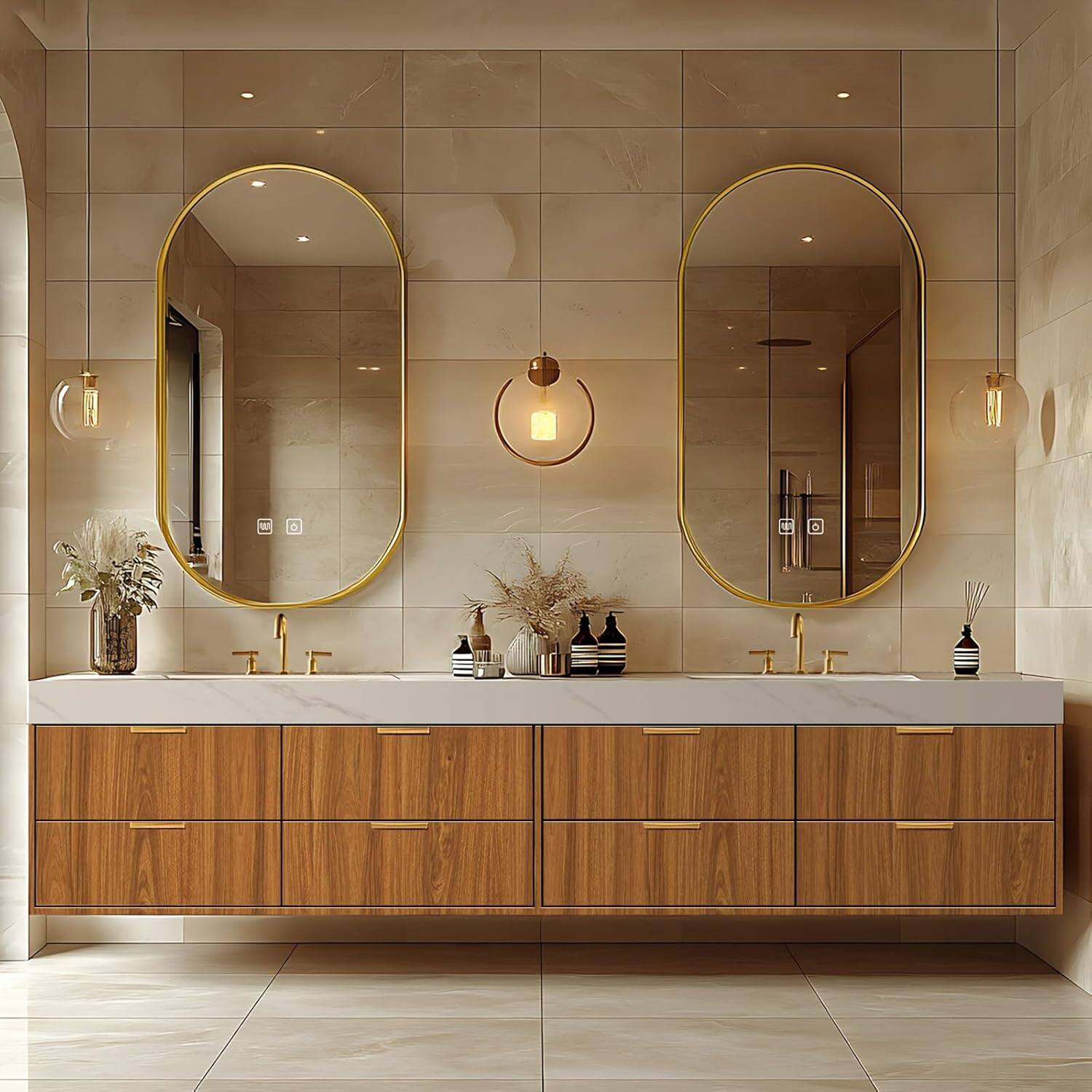
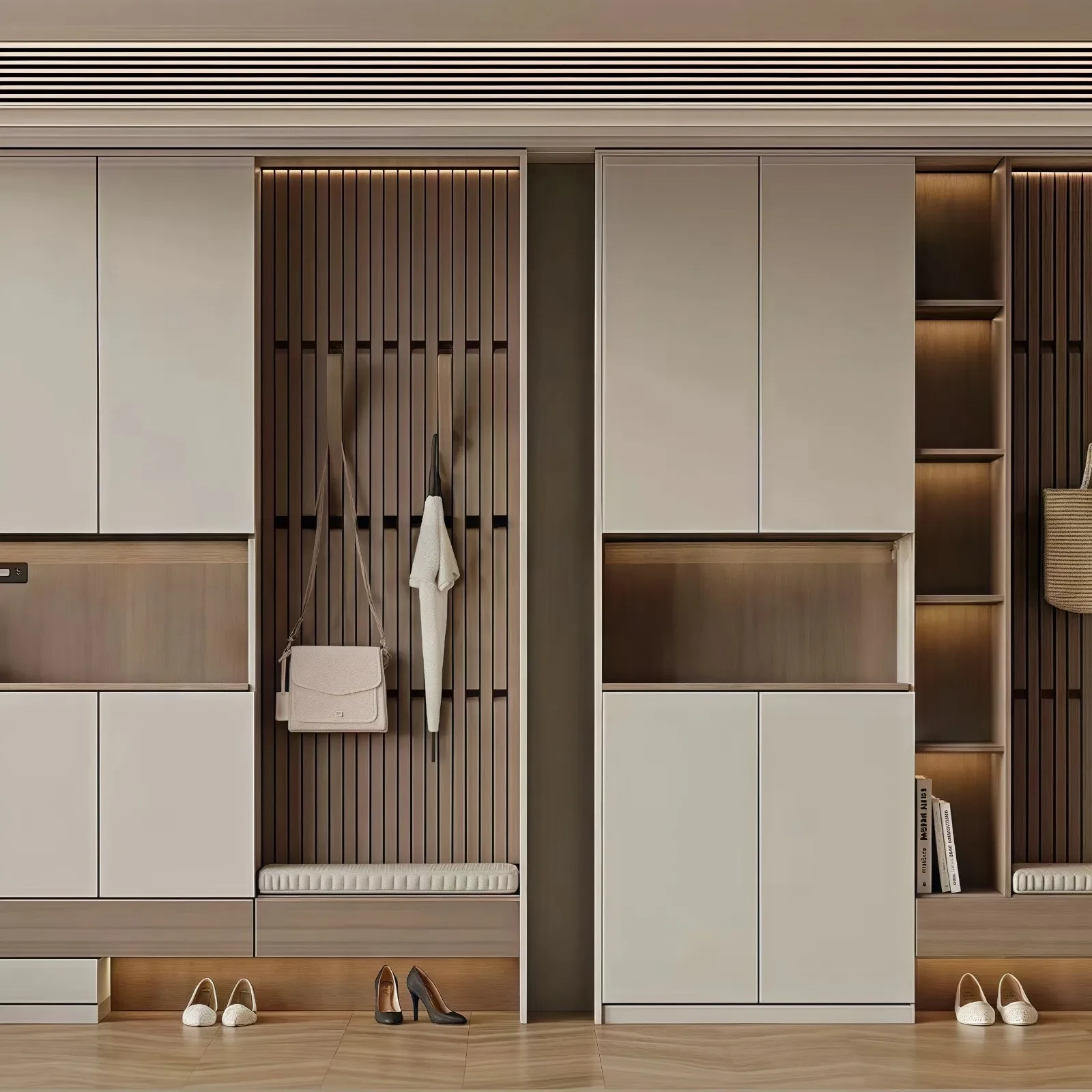
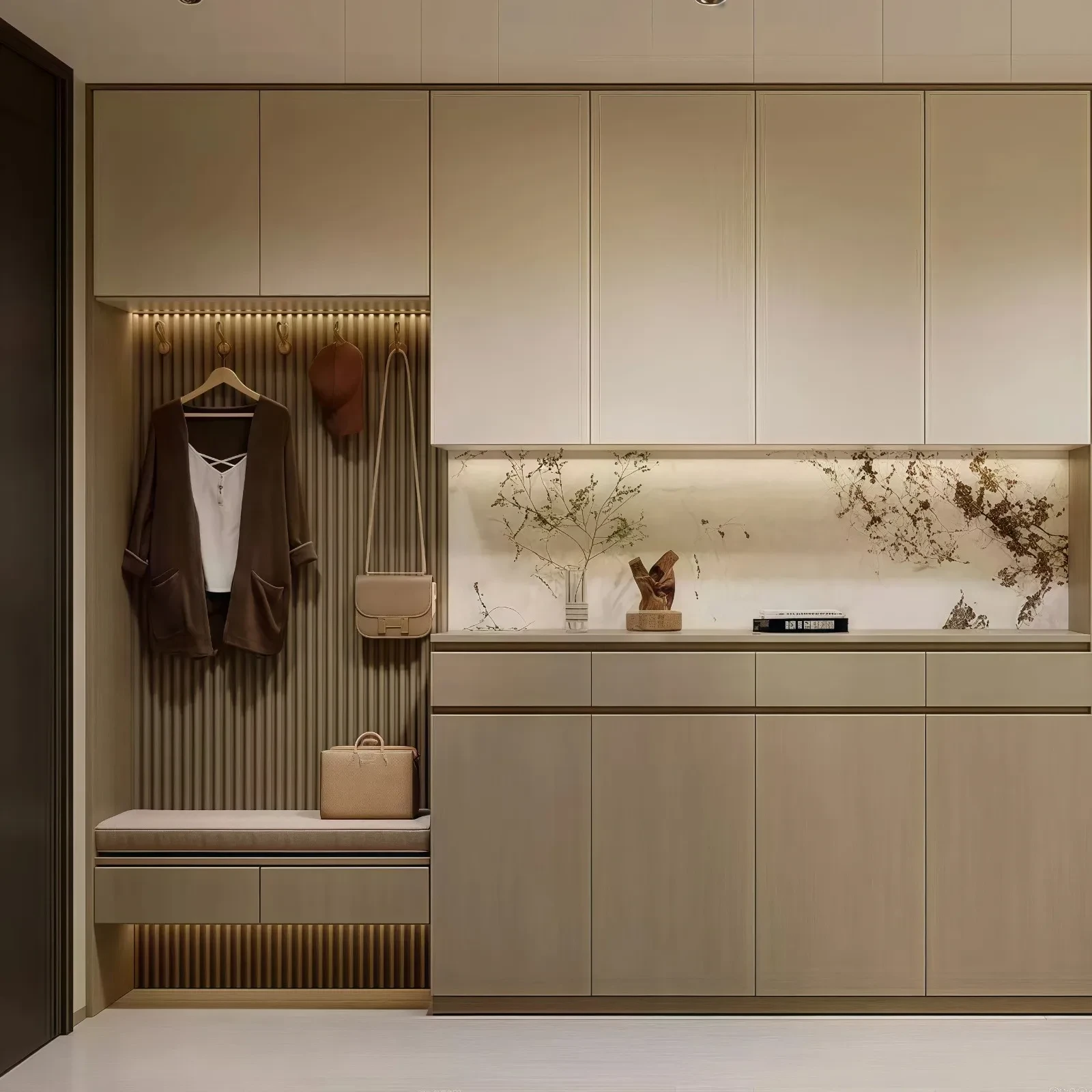
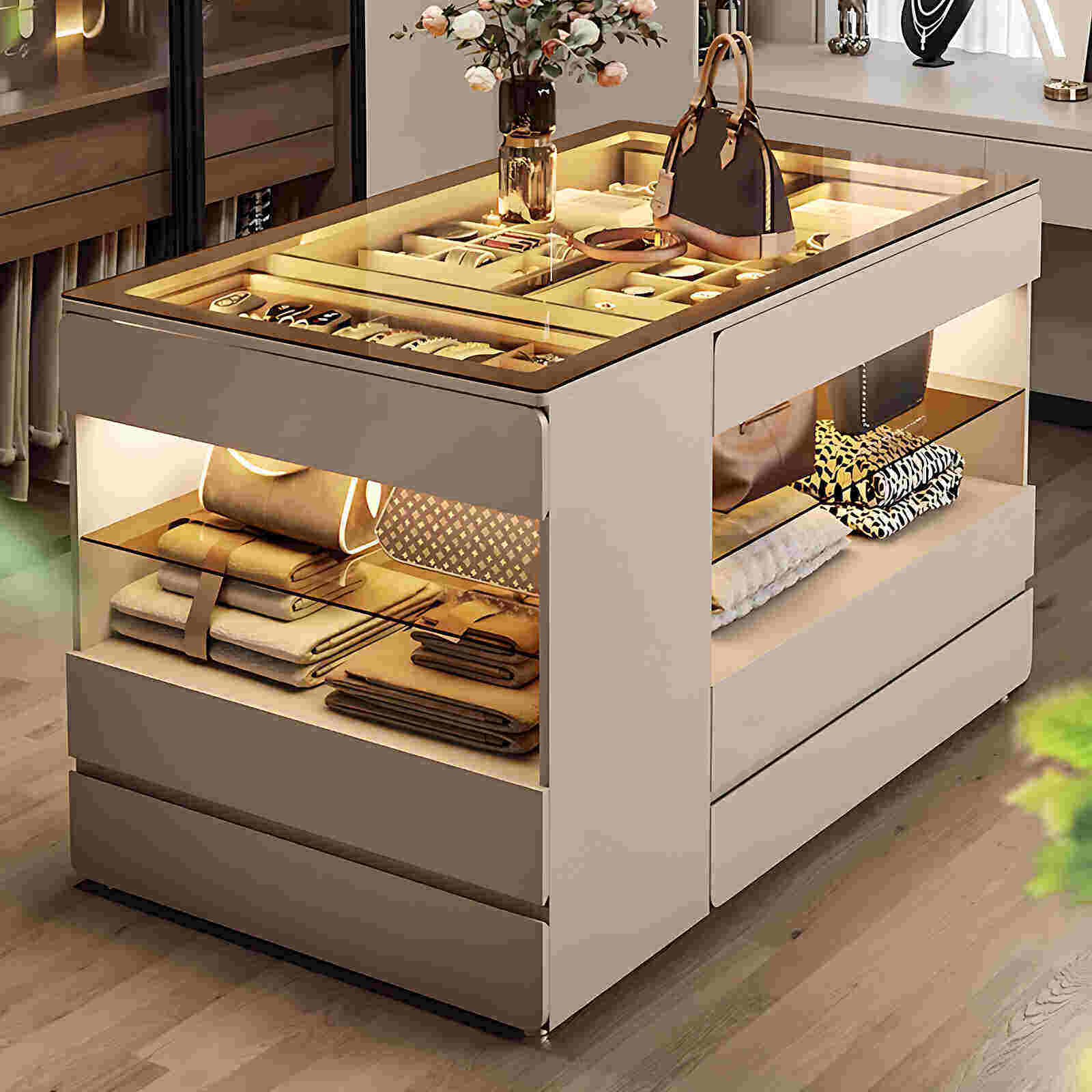
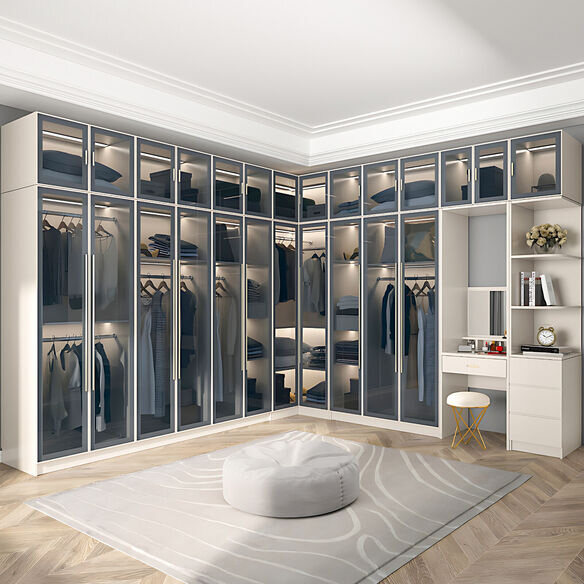
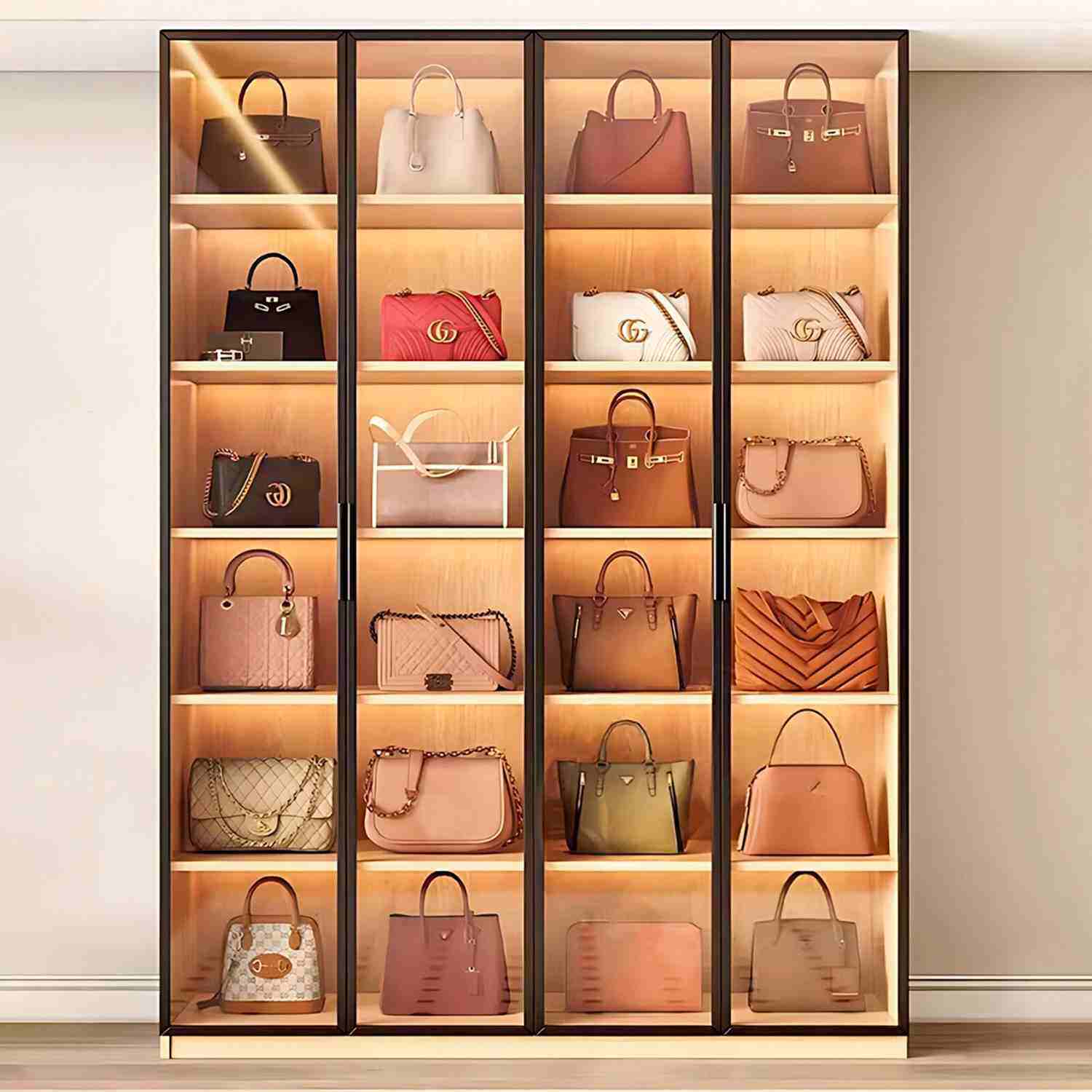
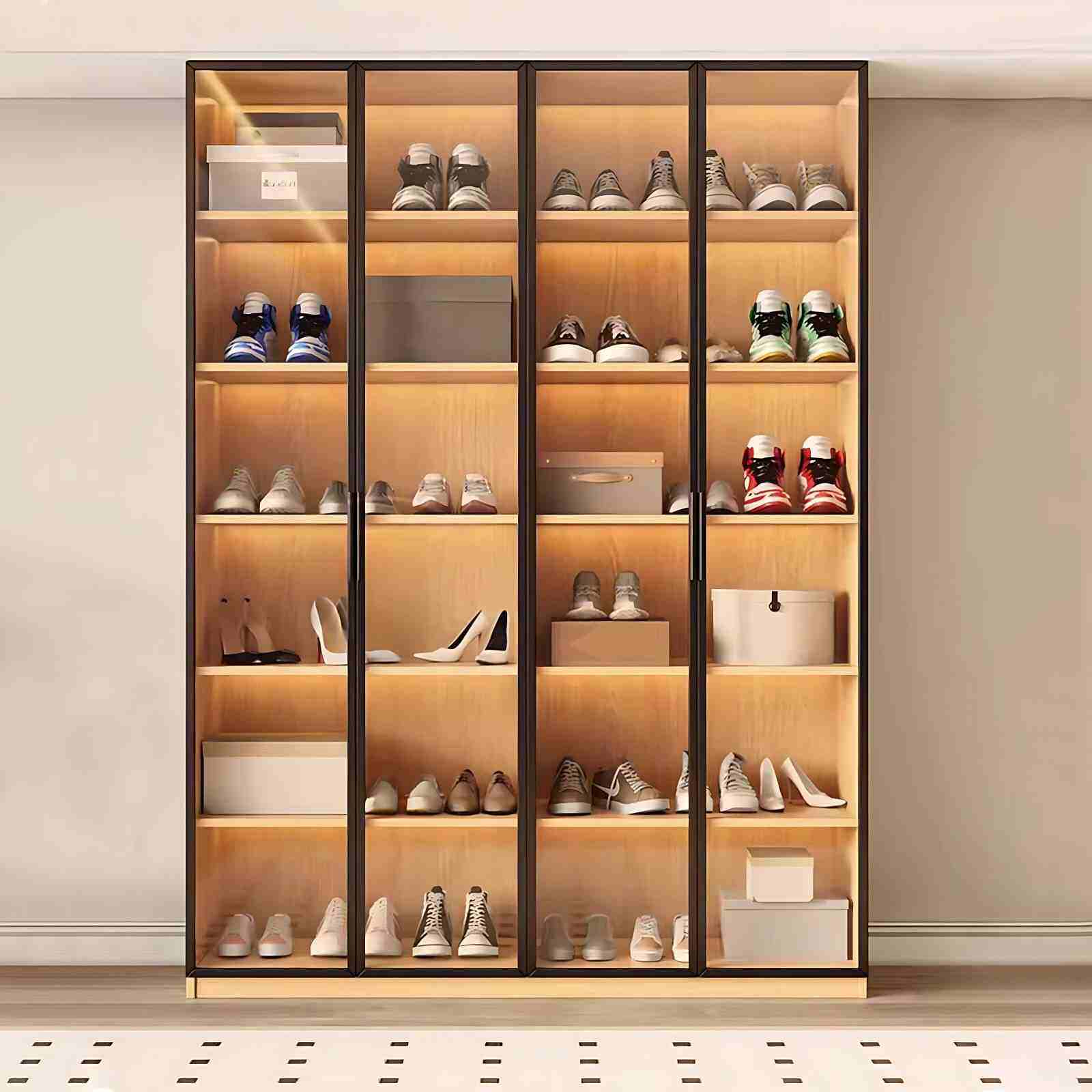
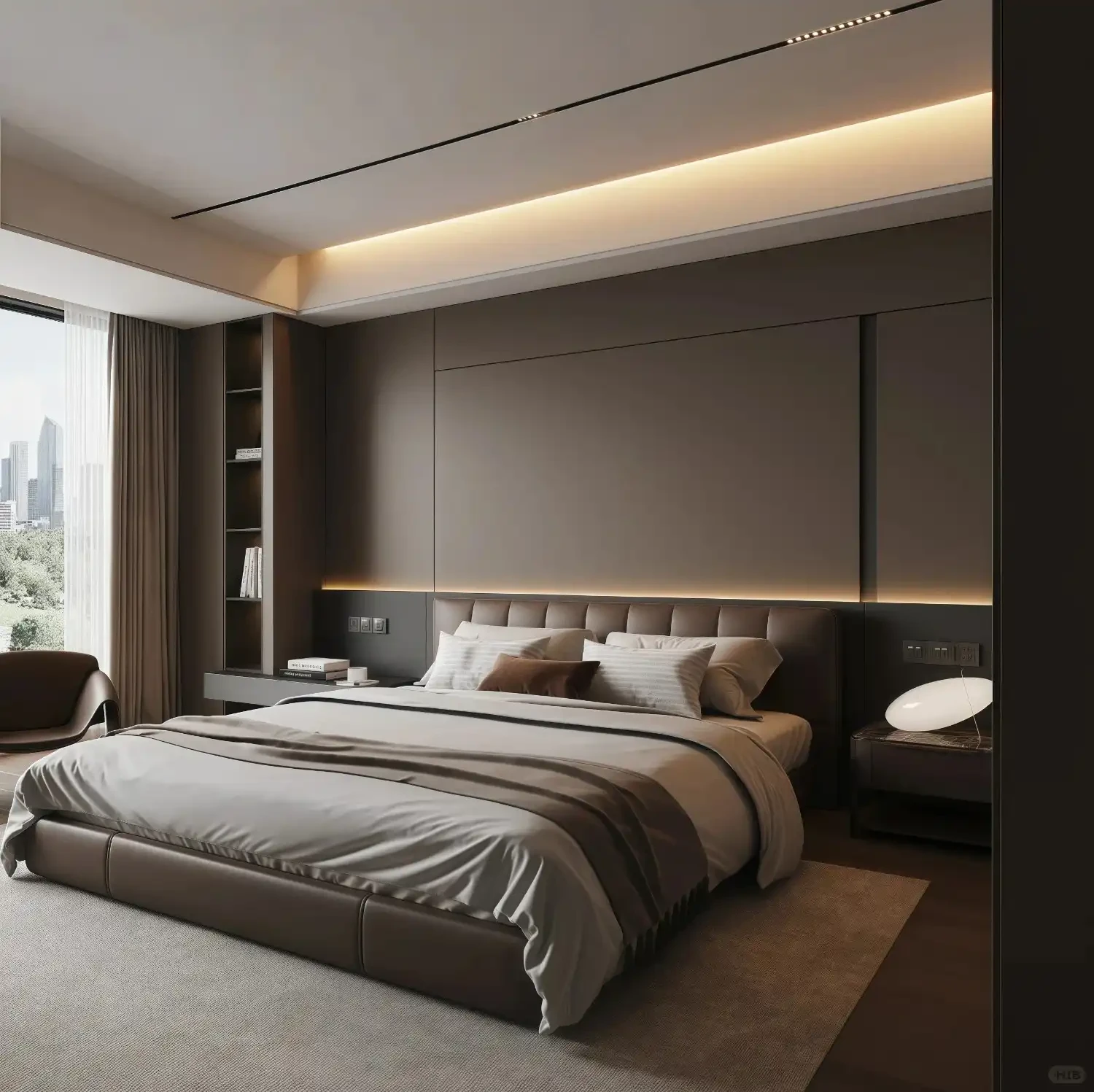
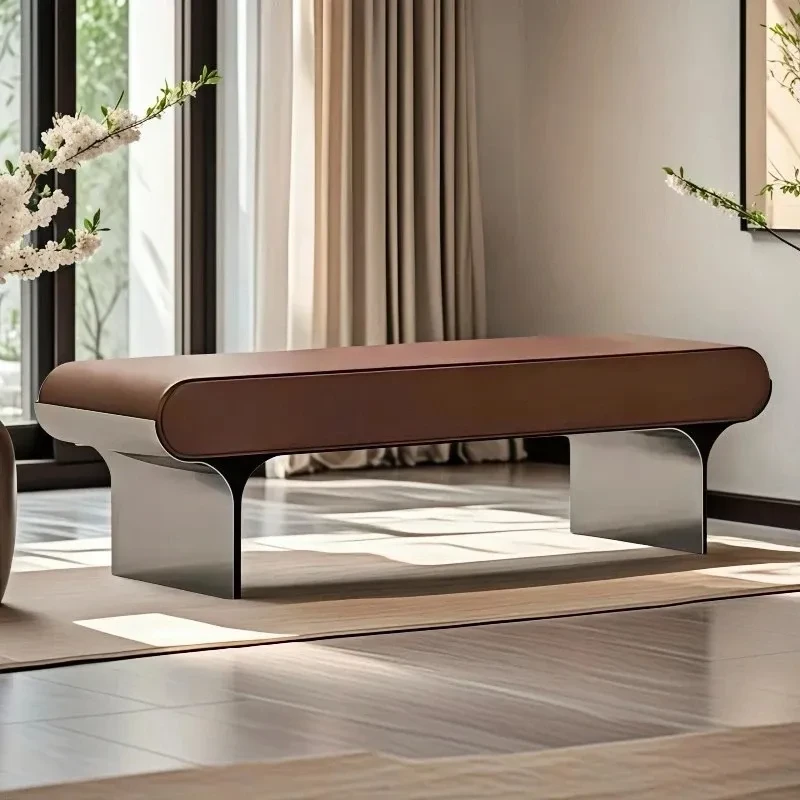
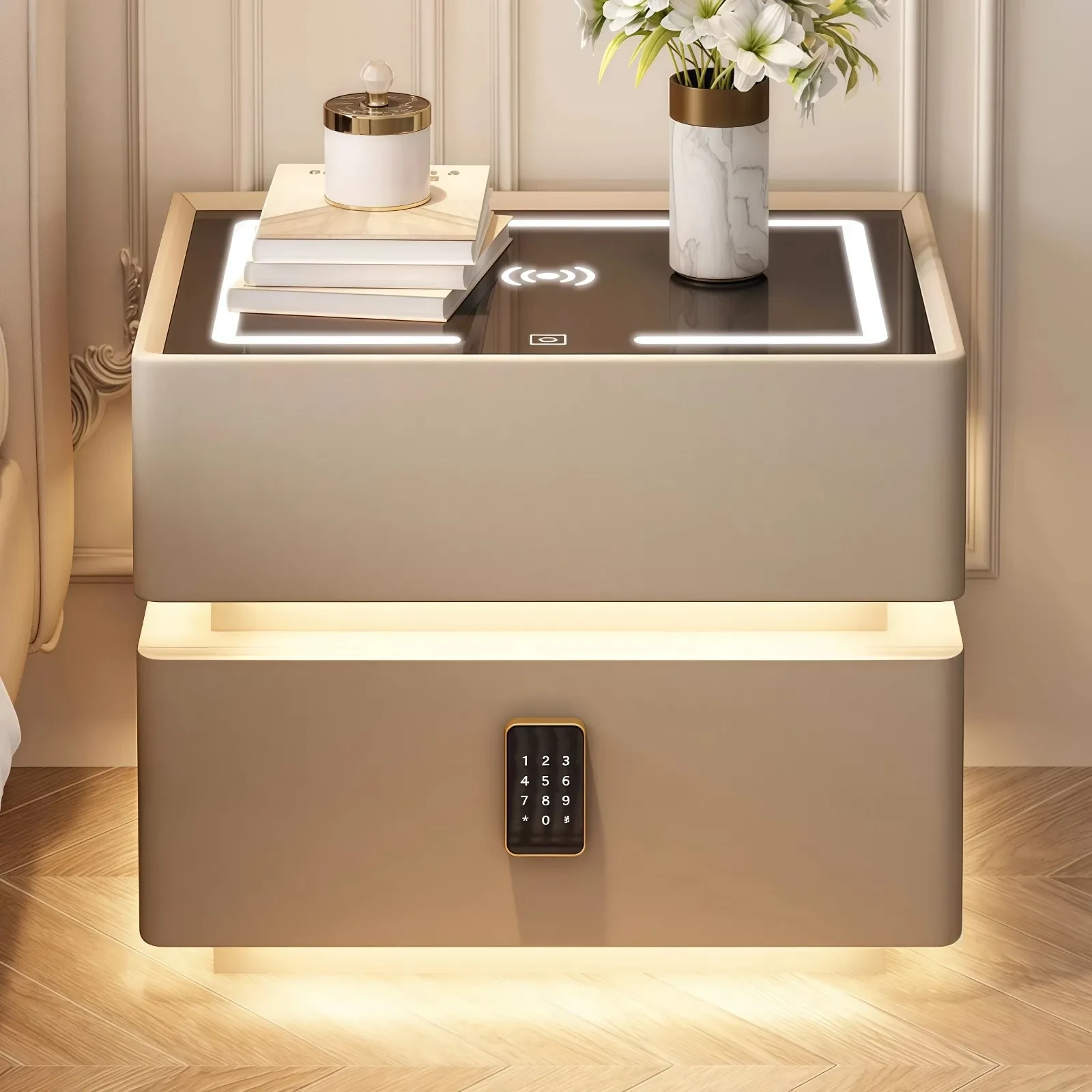
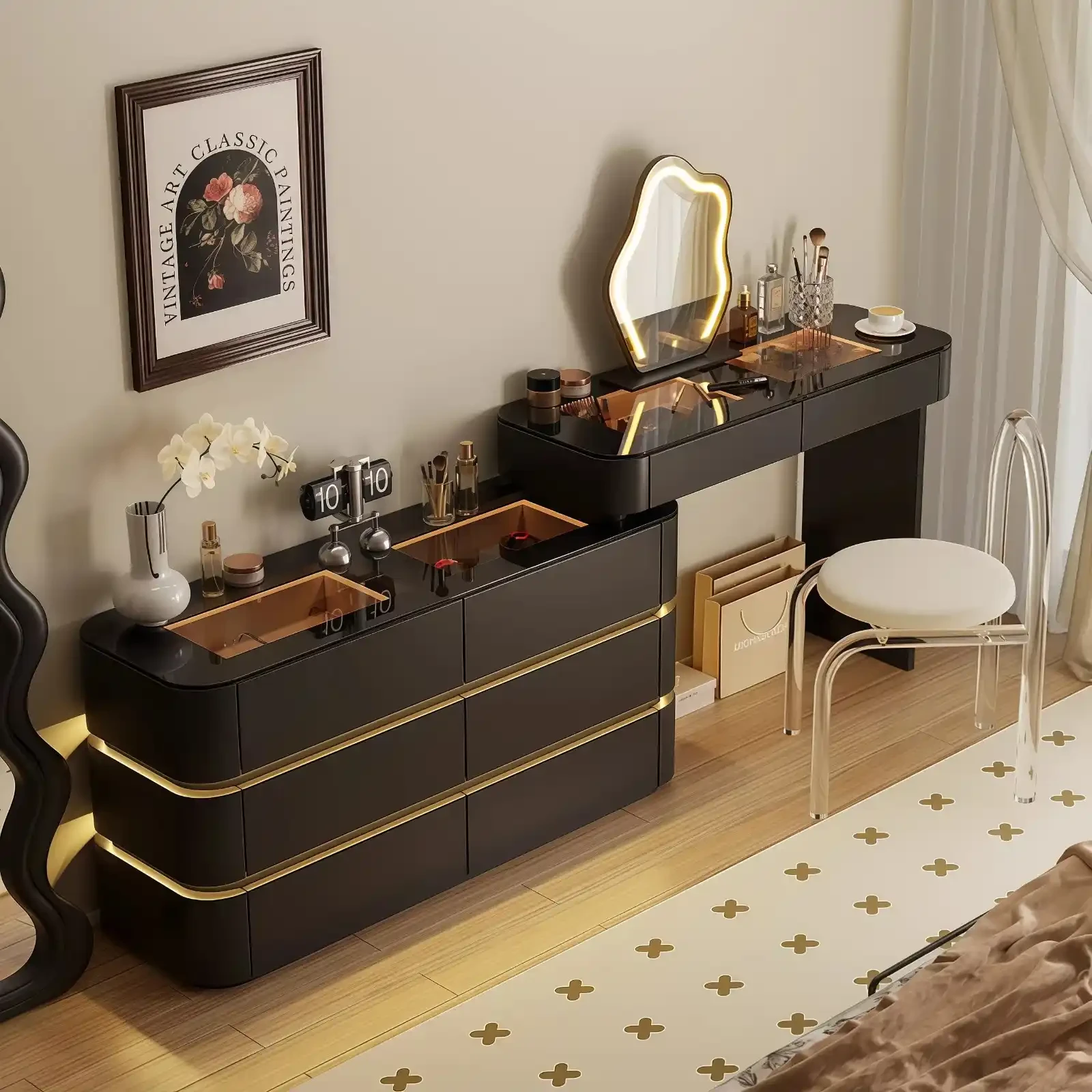
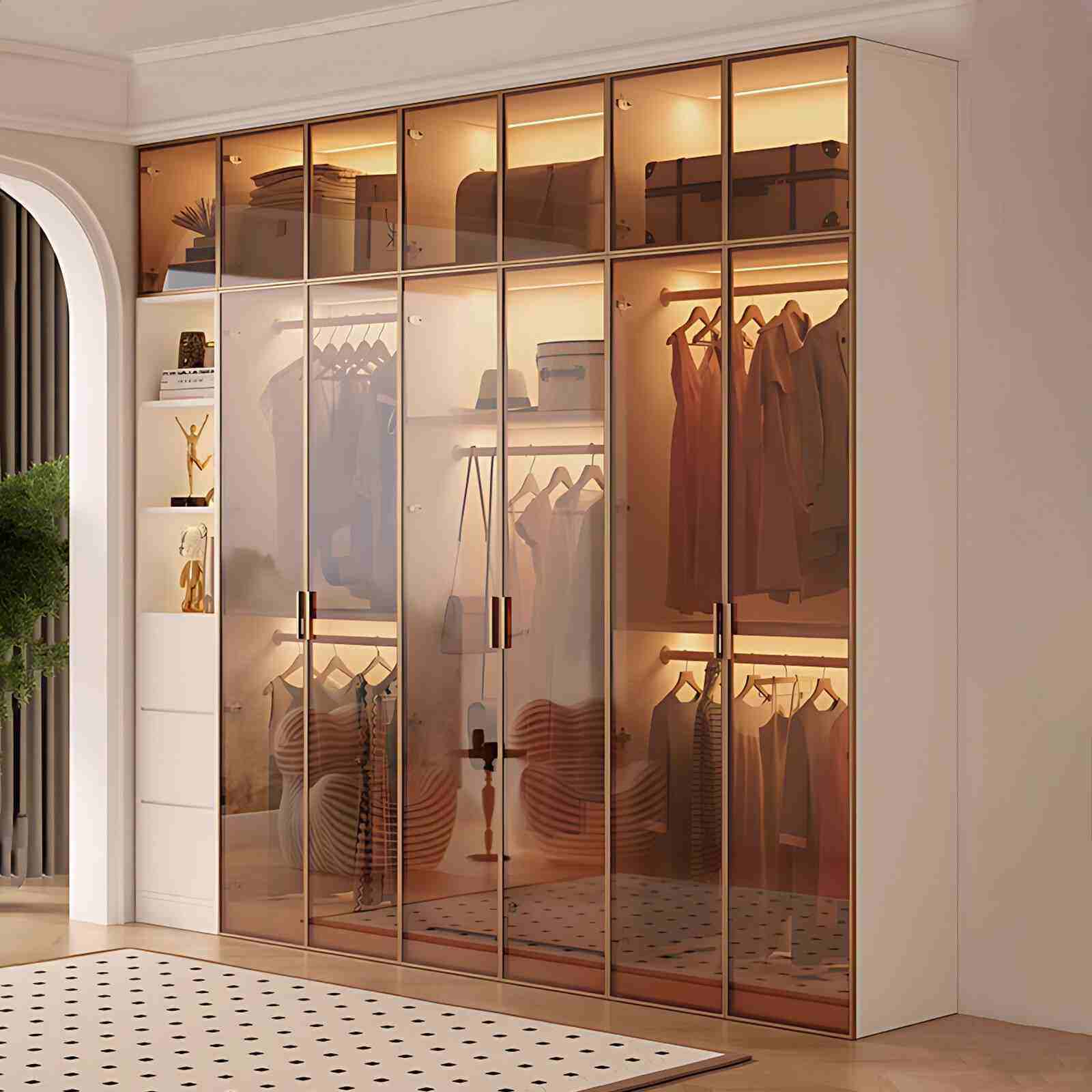
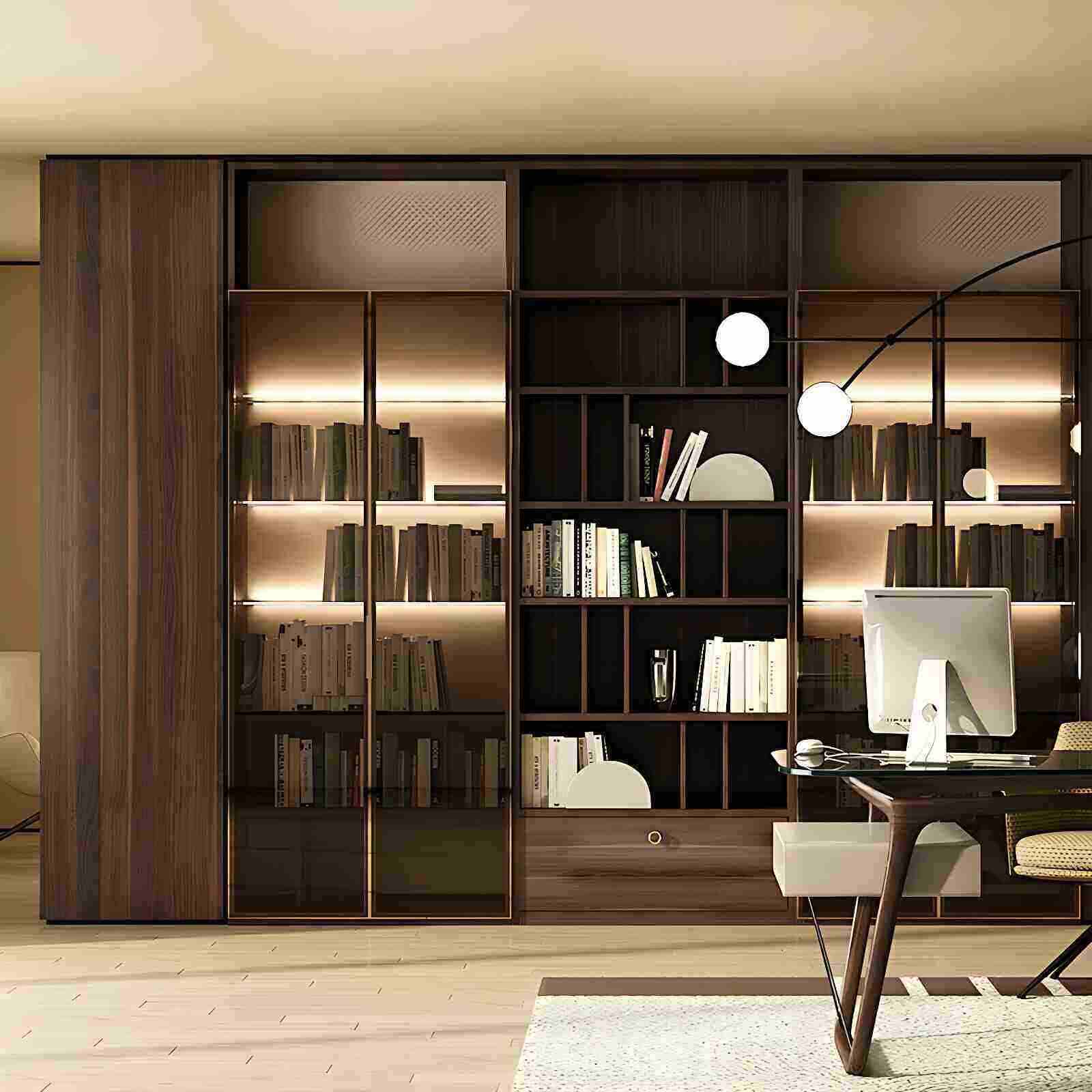

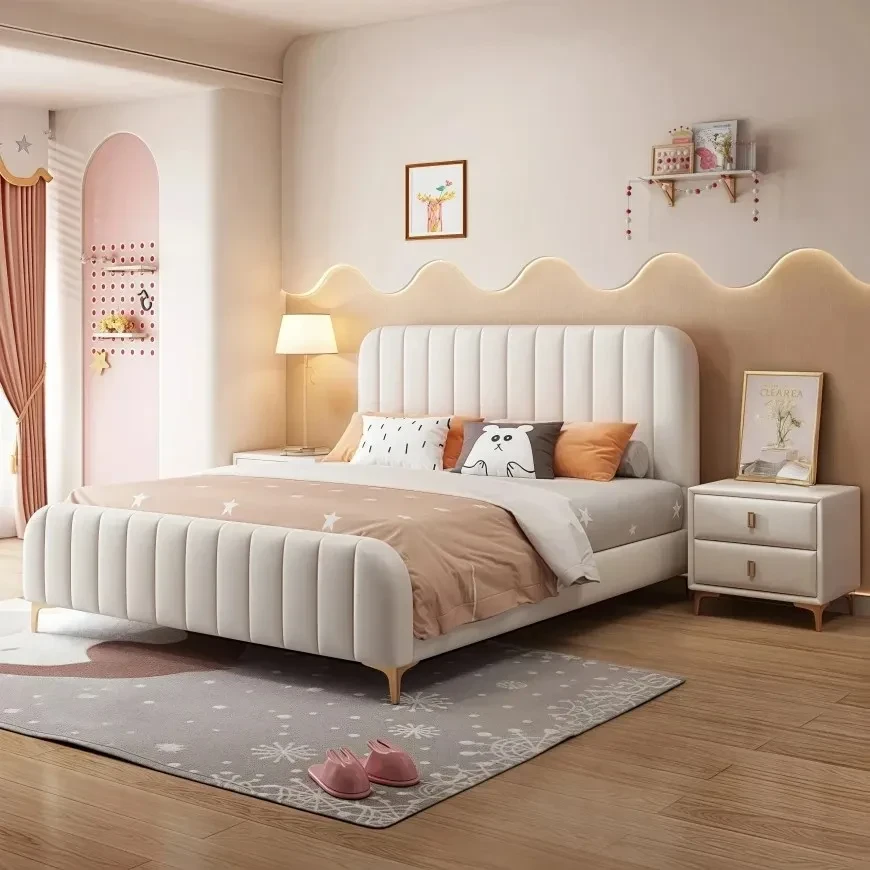
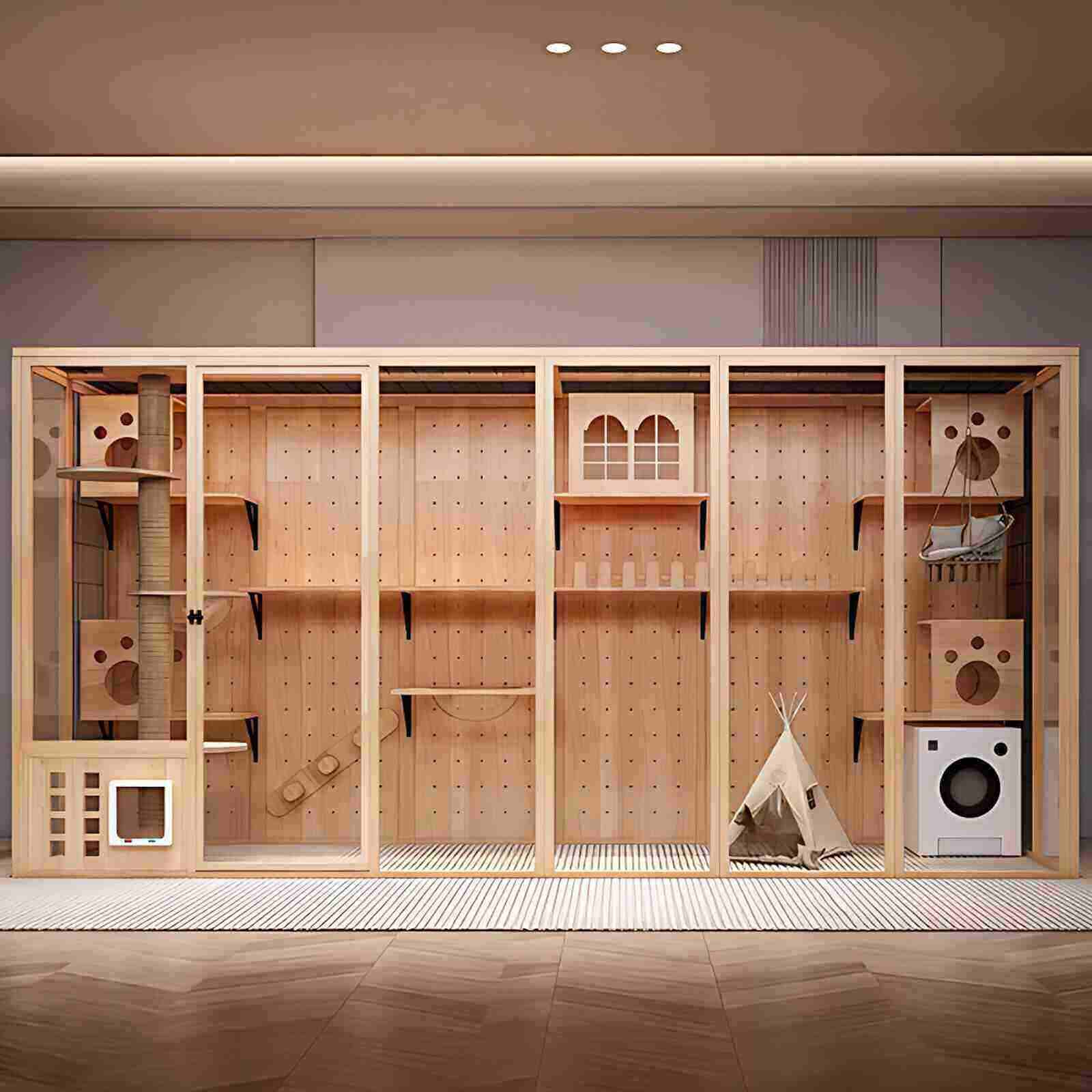
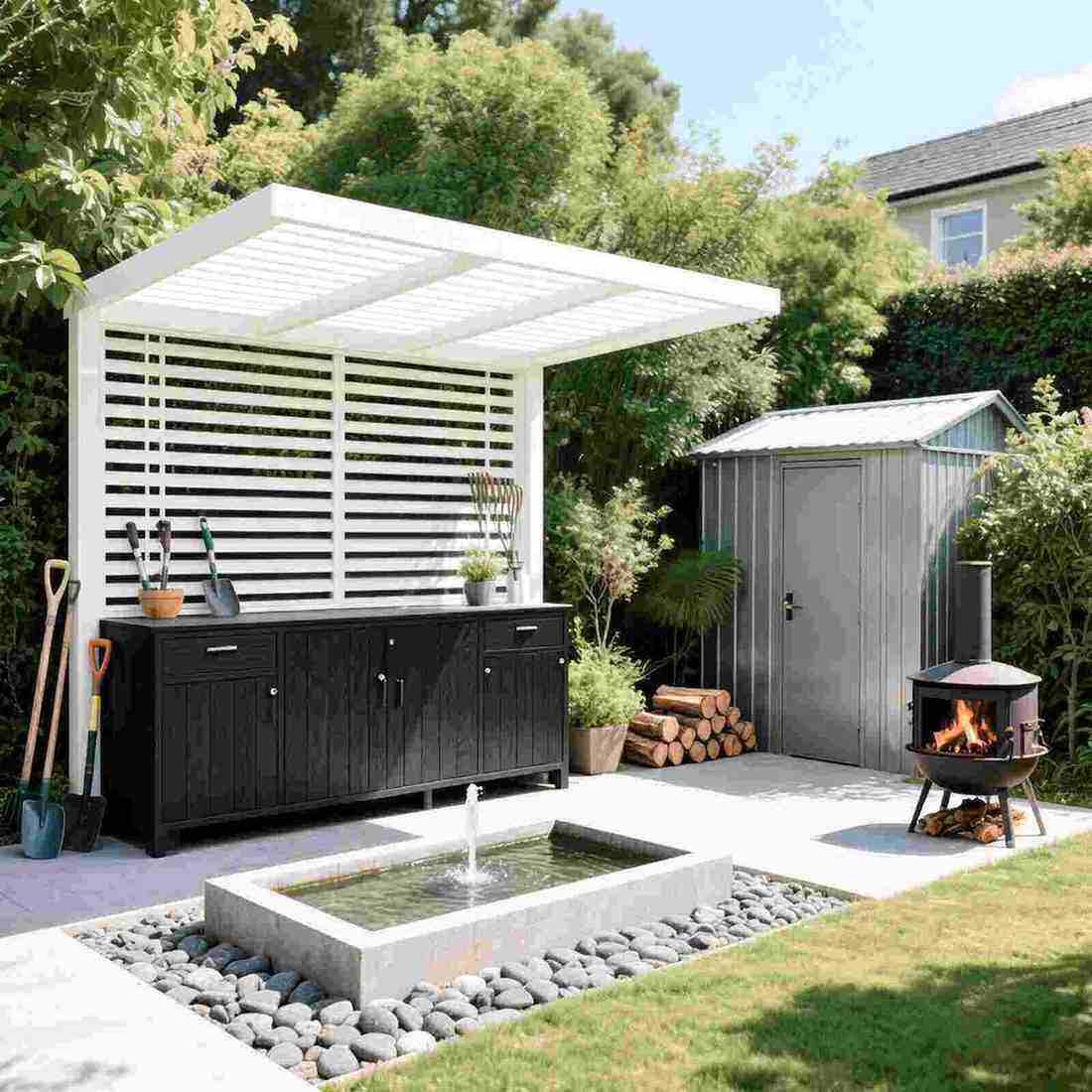
Decoration materials are indispensable for decorating our homes, so there are many kinds of decoration materials on the market. Eucalyptus plywood , in particular, is one of the most expensive materials in decoration. What are the advantages of eucalyptus plywood? What are some tips for choosing solid wood plywood? Let's take a look at the information provided by the home decoration editor.
I. Advantages of Eucalyptus Multi-layer Board
1. Eucalyptus plywood, excellent stability. Solid wood plywood uses an intricate layout, which gives it the necessary strength and excellent stability.
2. Affordable price: Multi-layer solid wood boards are much cheaper than solid wood boards.
3. Eucalyptus plywood is easy to maintain. The surface of solid wood plywood is coated with paint, which has a certain degree of wear resistance. Moreover, it does not require much effort to maintain. Even if it is not waxed for two or three years, it can still maintain a certain gloss.
4. Eucalyptus plywood is not suitable for carving. Many industry professionals are aware that plywood is not suitable for surface carving. Carving will result in rough edges, so it is not recommended.
Second, how to choose solid wood multilayer boards.
1. When purchasing multi-layer solid wood boards, we should pay attention to the surface layer. Most of them are composed of two parts: a solid wood surface layer and a solid wood core layer. The quality of the surface layer has a significant impact on the appearance and lifespan of the multi-layer solid wood board. Usually, the surface layer is made of carefully selected wood through multiple processes, and there will be no problems such as rot, dead knots, or wormholes on the surface. However, we should not be too demanding about small live knots and color differences on the surface layer.
2. When selecting solid wood multi-layer boards, we mainly consider the weight and thickness of the base layer. Heavier boards generally have higher quality and denser base materials. Poplar and pine are the most common base materials for solid wood multi-layer boards on the market. The thicker the base layer, the higher the price, and the stronger the board will be after installation.
3. When purchasing, we should pay attention to the quality of the paint, which also has a certain impact on the lifespan of solid wood multilayer boards. Among the commonly used floor paints such as PU and UV, it is best to choose solid wood multilayer boards with wear-resistant paint, which will make maintenance easier.
4. When selecting solid wood multi-layer boards, we should check the bonding performance. The bonding quality directly affects the effect and lifespan of the boards. Solid wood multi-layer boards are made by applying adhesive and then hot pressing. When selecting, we can smell for any pungent odor and check the product inspection report.
5. Check if the back panel and surrounding edges are sealed: To prevent warping, high-quality flooring usually has the back panel and surrounding edges coated with paint, effectively reducing moisture absorption. Inferior flooring often has exposed substrate on the back and sides, with more burrs, dents, and glue seepage, making it prone to warping and deformation. Check the locking system: Choose click-lock flooring, which requires no glue, is easy to install, and has tighter seams, making it less likely to separate during use. Tongue-and-groove flooring requires glue for installation, is less environmentally friendly, is prone to loosening and separation, and is not easily disassembled and reused.
The above information provides some insights into the advantages of eucalyptus plywood and how to select solid wood plywood. To purchase the best materials, we must focus on the selection process.
2. How is the quality of poplar plywood?How about Yang'an wood multilayer board?
1. Poplar plywood has strong compressive strength, is not easily deformed or cracked, has a very small shrinkage and expansion system, and has good indoor temperature and humidity regulation capabilities. The surface can display natural wood grain, and the surface is very simple. Compared with solid wood, it can make up for some of the natural defects of natural wood, such as narrow width, deformation, and large differences in longitudinal and transverse mechanical properties.
2. Poplar plywood is made by applying resin glue during the production process and then pressing it under high temperature and pressure in a hot press. Therefore, in terms of environmental protection, formaldehyde will be released to some extent, and the glue will also cause pollution, but it is a type of engineered wood with a low glue content.
3. How about poplar plywood? Poplar plywood also has a price advantage, and it is more economical compared to expensive solid wood boards.
3. What are the advantages of eucalyptus plywood? How to choose eucalyptus plywood?Nowadays, there are many types of building materials available for decoration. Different areas of a home require different building materials to meet our specific needs. For example, eucalyptus plywood...
As everyone is familiar with, eucalyptus plywood performs very well in terms of fire resistance and moisture resistance. However, when choosing eucalyptus plywood, it's important to understand its advantages and how to select the right type.
I. What are the advantages of eucalyptus plywood?
1. In terms of product advantages, it is environmentally friendly, using solid wood and multi-layer boards as raw materials. The raw materials are all solid wood, meeting our decoration needs, mainly using small-diameter materials. It is dimensionally stable; multi-layer boards can improve the anisotropy defects formed by wood under natural growth conditions, improving dimensional stability. It is not easily deformed or cracked; multi-layer boards are made from high-quality precious wood and then processed under high temperature and pressure. It has the characteristics of not being easily deformed or cracked, overcoming the two major defects of solid wood boards: deformation and cracking.
2. Its characteristics include high strength and good flatness, meeting our needs. The production process and raw material selection of multi-layer boards determine their unique quality. Manufactured through several processes such as cold pressing, hot pressing, and sanding, it ensures high strength, good needle-holding power, and high flatness. It is easy to process and produce finished products. Multi-layer boards have precise thickness, close to solid wood, and do not require special processing machinery, saws, or processing techniques. They are easy to process and shape. Multi-layer boards are three-layer or multi-layer board materials made by rotary cutting wood segments into veneers or slicing wood squares into thin sheets, and then gluing them together with adhesives. They typically use an odd number of veneer layers glued perpendicularly to each other.
II. How to Choose Eucalyptus Plywood
1. First of all, plywood, also known as multi-layer board, is a commonly used material in furniture making and meets our needs. Typically, the plywood veneer and inner veneer are symmetrically arranged on both sides of the core layer or panel. Common types include three-ply and five-ply. Plywood improves wood utilization and is a major way to conserve wood.
2. Secondly, it's important to understand the manufacturing methods of eucalyptus plywood. Initially, three manufacturing methods were disclosed for plywood: Clearance Hole, Build-Up, and Partially Hole (PTH). Due to the time-consuming nature of Clearance Hole manufacturing and its limitations in achieving high density, it wasn't widely adopted. While Build-Up offers the advantage of high density, its complex manufacturing process meant that the demand for high-density plywood wasn't as urgent, leading to its relative obscurity. However, with the increasing demand for high-density plywood, it has recently become a focus of research and development for various manufacturers. The PTH process remains the mainstream manufacturing method for plywood.
3. Finally, let's discuss the manufacturing process of eucalyptus plywood. As is well known, the manufacturing method for plywood generally involves first creating the inner layer pattern, then using printing and etching to create single- or double-sided substrates, which are then inserted into the designated interlayer spaces. Afterward, they are heated, pressurized, and bonded together. The subsequent drilling process is the same as the through-hole method used in double-sided plywood. These basic manufacturing methods are not significantly different from those dating back to the 1960s. However, with the maturation of materials and process technologies (such as pressing and bonding techniques, improvements in solving the problem of glue residue during drilling, and improvements in film), the properties of plywood have become more diverse.
Eucalyptus wood is what I'm introducing to you, so you can choose the right material when selecting it.
4. What are the characteristics of eucalyptus plywood? How to choose eucalyptus plywood?Wood panels are a great choice for home decoration, as they can enhance the overall effect. They are also an economical option.
Eucalyptus plywood
Eucalyptus plywood is something everyone is familiar with. However, when making a selection, it's important to understand its characteristics and how to choose the right plywood. This will help us make a better choice.
I. What are the characteristics of eucalyptus plywood?
1. In terms of characteristics, three manufacturing methods were initially disclosed for multilayer boards: Clearance Hole, Build-up, and Plated Through (PTH). Clearance Hole was very time-consuming to manufacture and limited in its ability to achieve high density, so it was not practical. Build-up, due to its complex manufacturing process and despite its advantage in high density, remained relatively unknown because the demand for high density was not as urgent. However, recently, with the increasing demand for high-density circuit boards, it has once again become a focus of research and development for various manufacturers. Clearance Hole remains the mainstream manufacturing method for multilayer boards.
2. Information needed. Multi-layer boards are made by rotary cutting logs into veneers or slicing timber into thin sheets, which are then glued together with adhesives to form three or more layers. They typically use an odd number of veneer layers, with the grain direction of adjacent layers perpendicular to each other. Multi-layer boards, also called plywood, are a common material in furniture making. Usually, the surface veneer and inner veneer are symmetrically arranged on both sides of the core layer. Common types include three-ply and five-ply boards. This is a major way to conserve timber.
II. How to Choose Eucalyptus Plywood
1. First, look at the surface layer. Multi-layer solid wood flooring consists of two parts: a solid wood surface layer and a solid wood core layer. These are both very important, as the quality of the surface layer determines the flooring's appearance and lifespan. The surface layer is made from carefully selected high-quality wood that has undergone drying, degreasing, and conditioning processes before being sliced. The surface should not have defects such as rot, dead knots, wormholes, cracks, or bark inclusions. However, small live knots are acceptable, as this is a natural property of wood.
2. Secondly, consider the bonding performance. Bonding quality directly affects the finish and lifespan. For multi-layer solid wood flooring to meet our needs, adhesives are used to coat the boards and then hot-press them together. Bonding quality can be reflected by two performance indicators: immersion peeling and bond strength. To check for environmental friendliness, besides smelling for any pungent odor, you should request the seller to provide a product inspection report so that you can identify the responsible party if problems arise.
3. Also, consider the paint. The quality of the paint on the floor surface directly affects the lifespan of the floor. It's important to understand all these factors. Among various floor paints such as PU and UV, wear-resistant paint is best suited to the characteristics of multi-layer solid wood, making it easier to maintain. Examine the subfloor: heavier boards indicate better quality and denser pressing of the subfloor. Currently, most multi-layer solid wood flooring on the market uses poplar, pine, and birch for the subfloor. The best subfloors use imported Dipterocarpus wood, which offers excellent stability.
Eucalyptus plywood is also suitable for our decoration, but we need to choose high-quality products to meet our decoration needs.