
 USD
USD GBP
GBP
 EUR
EUR





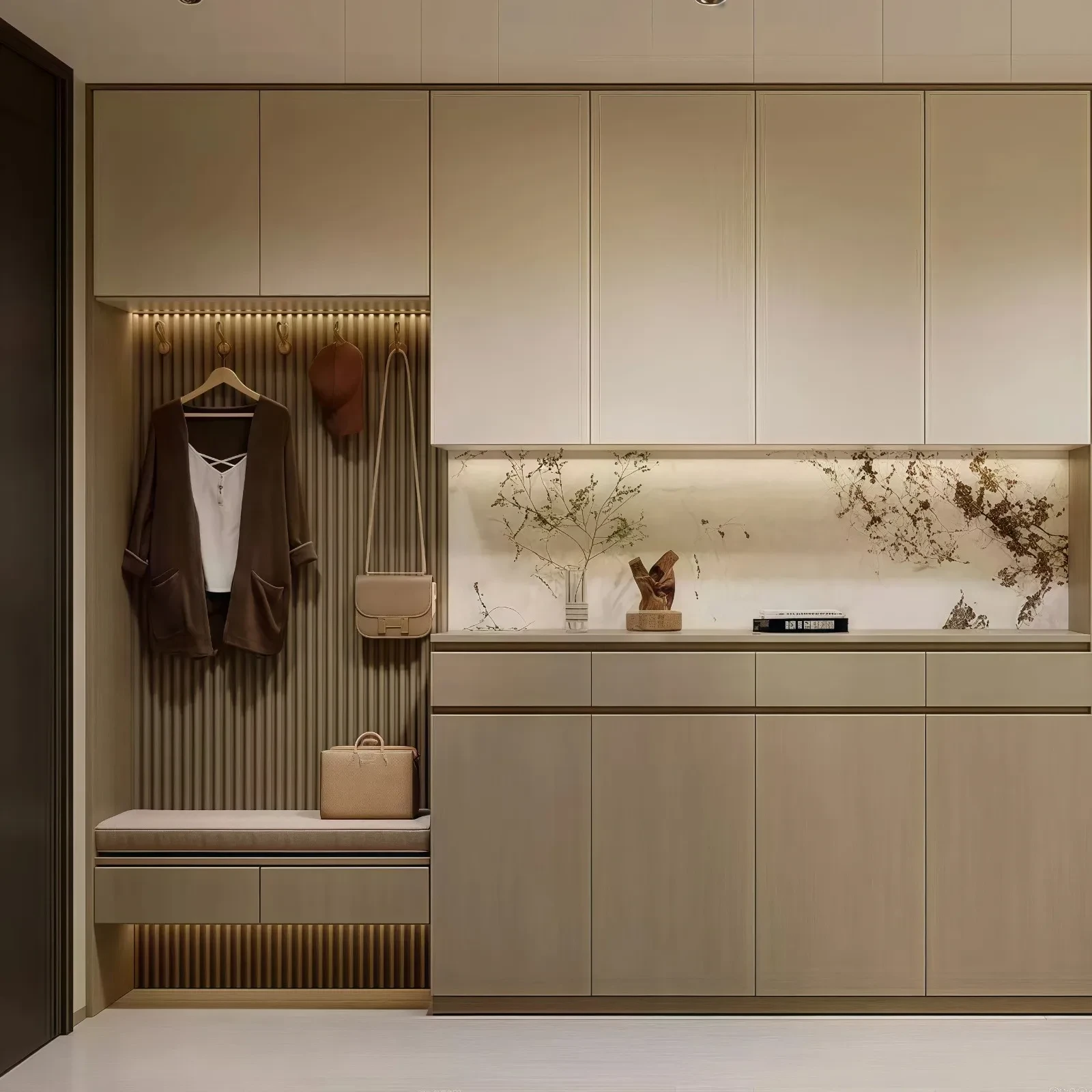
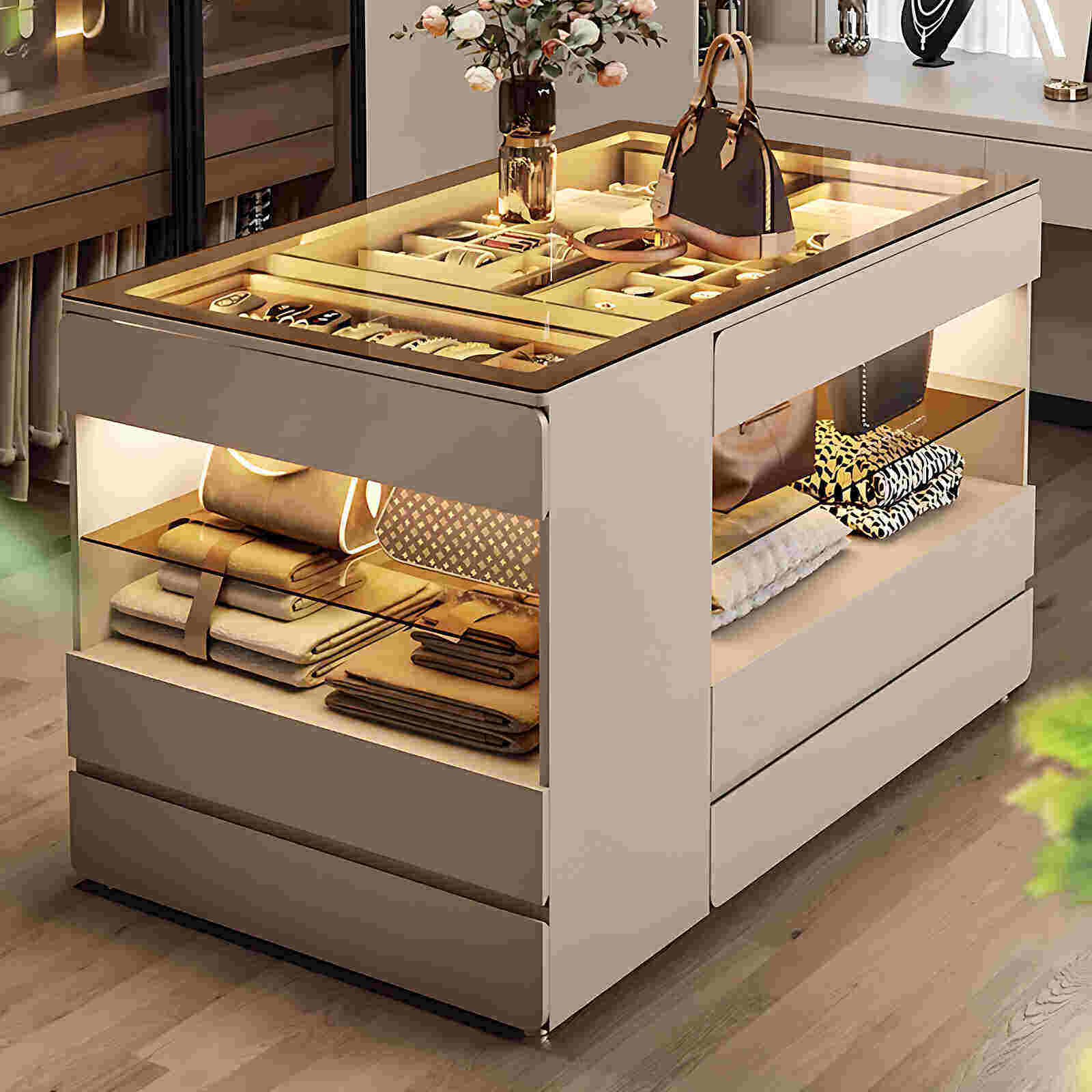
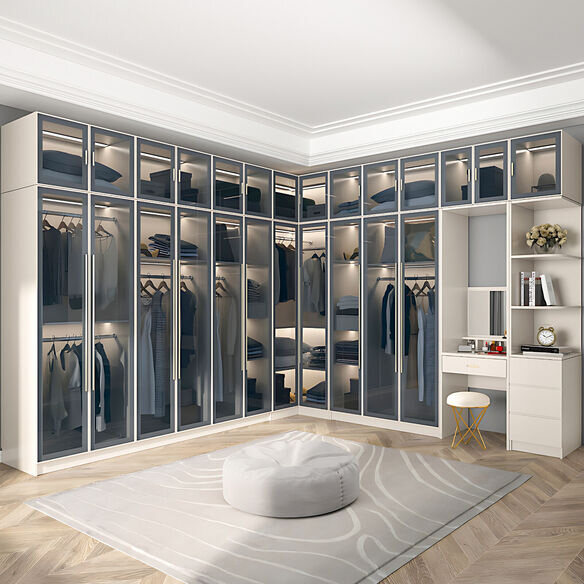
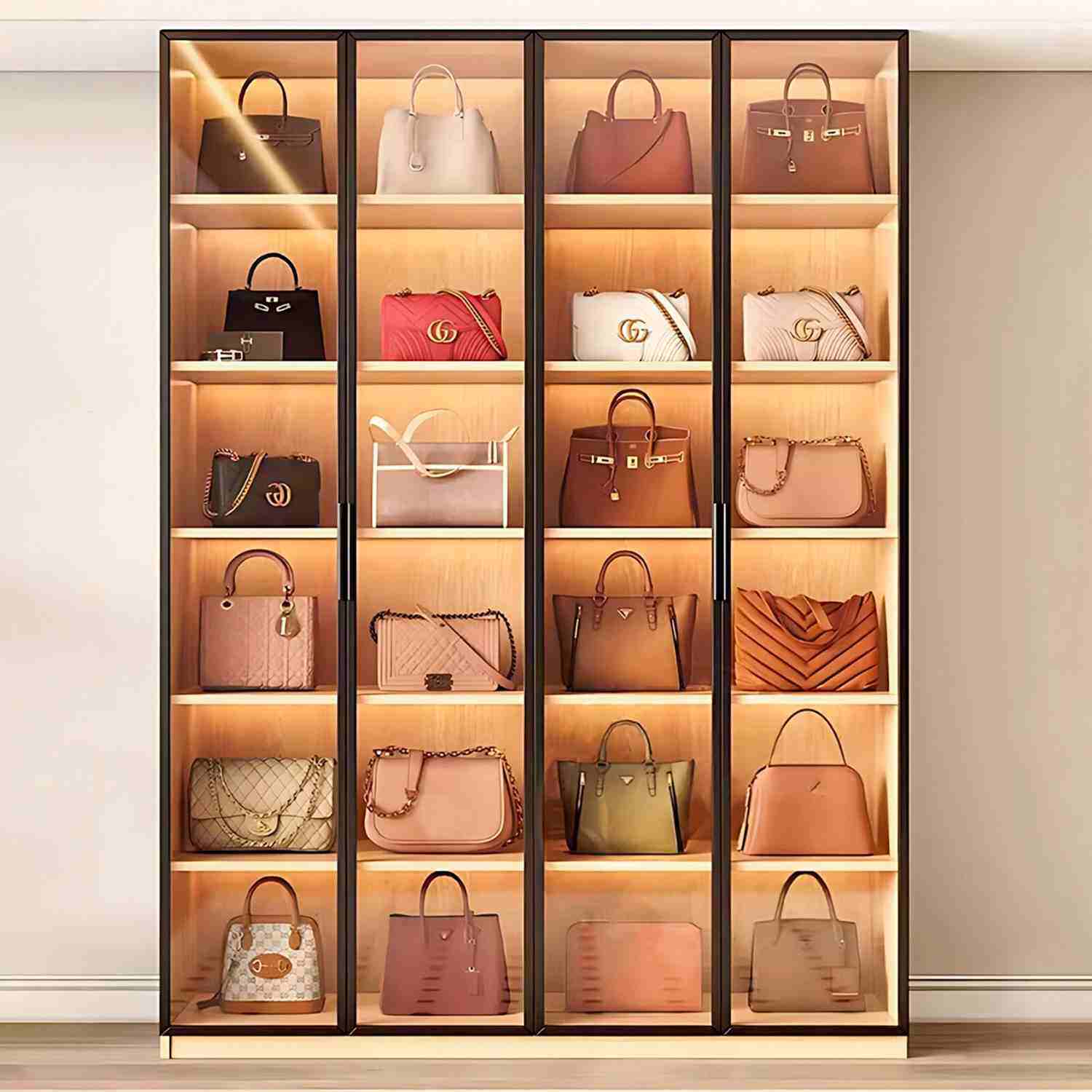
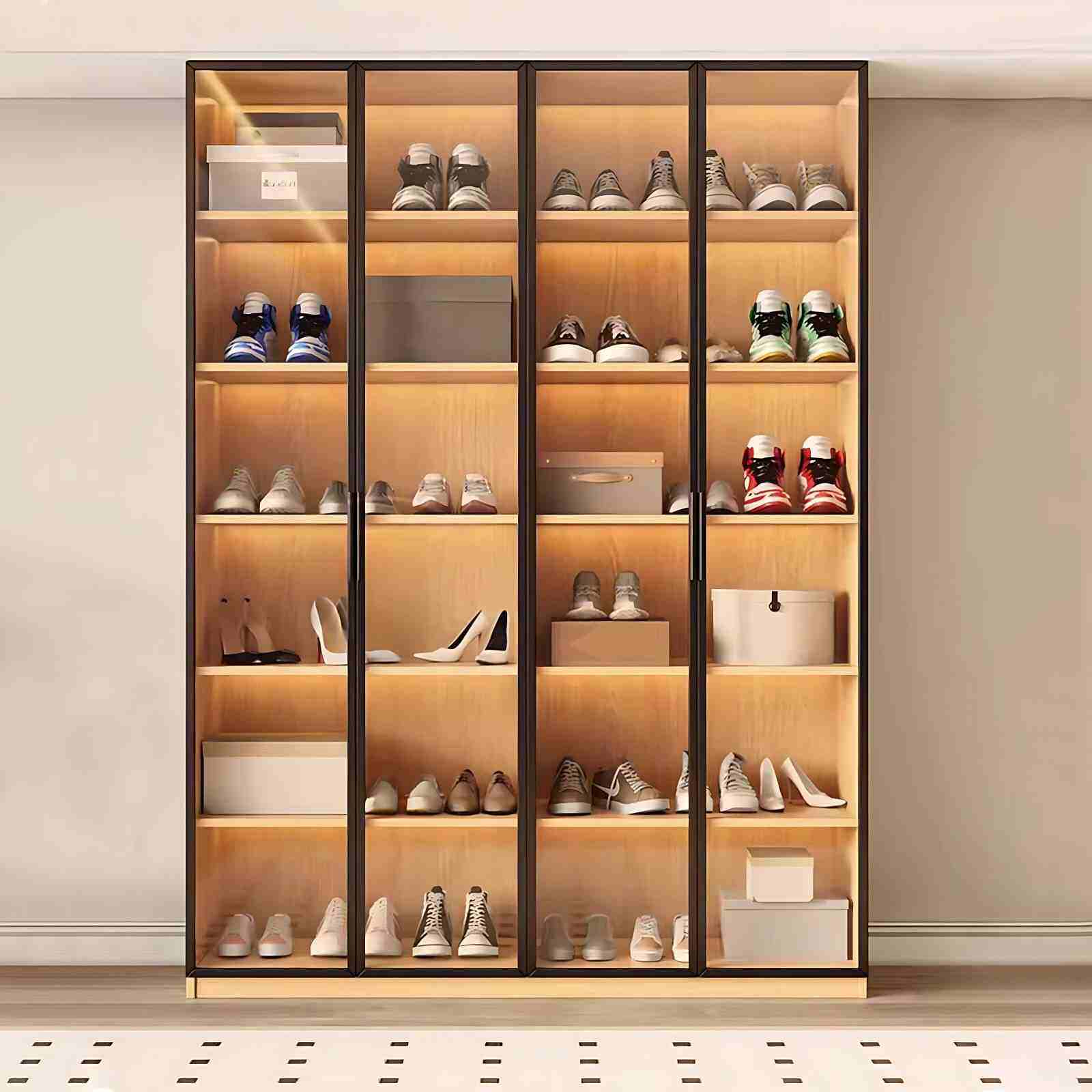
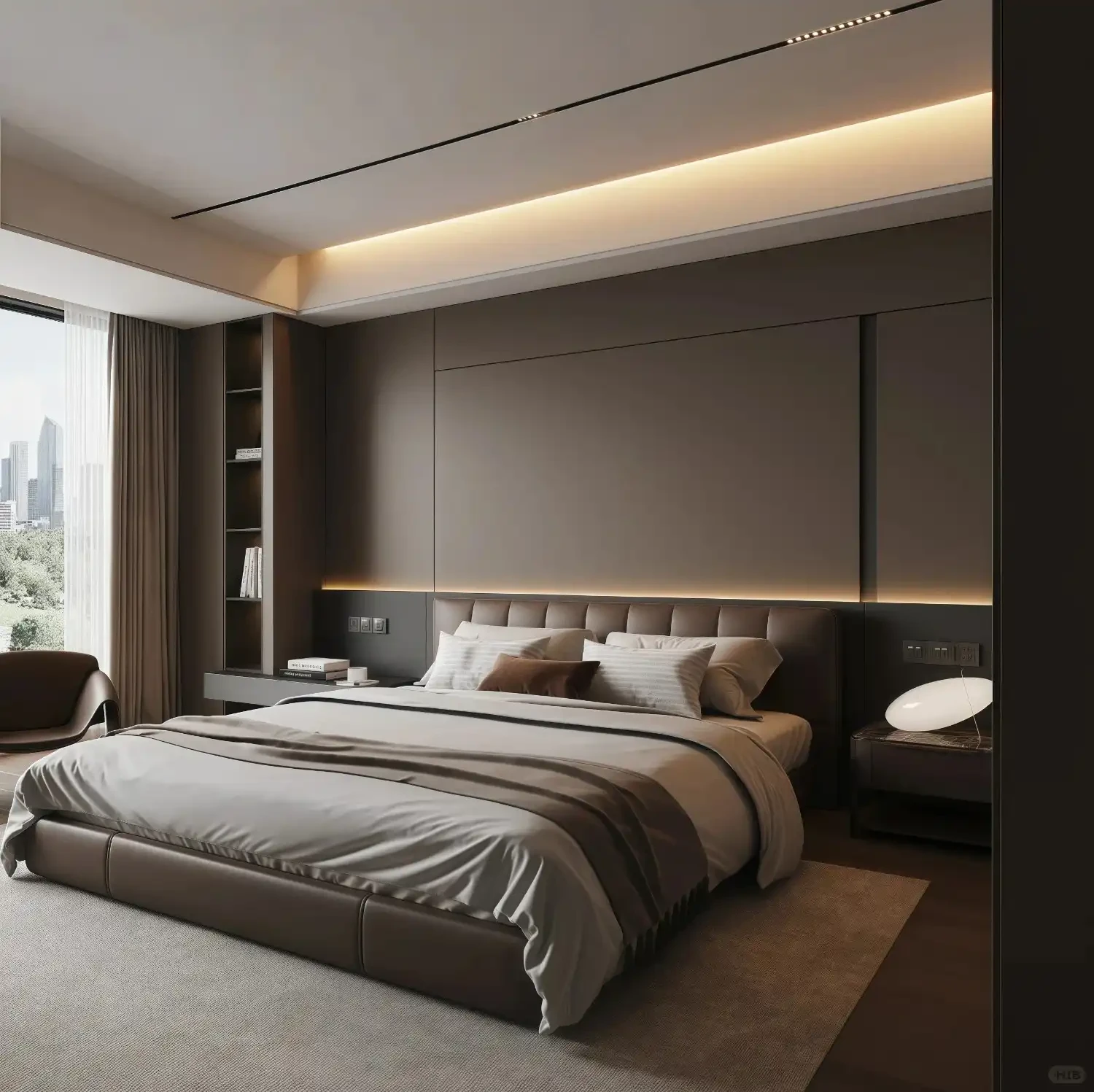
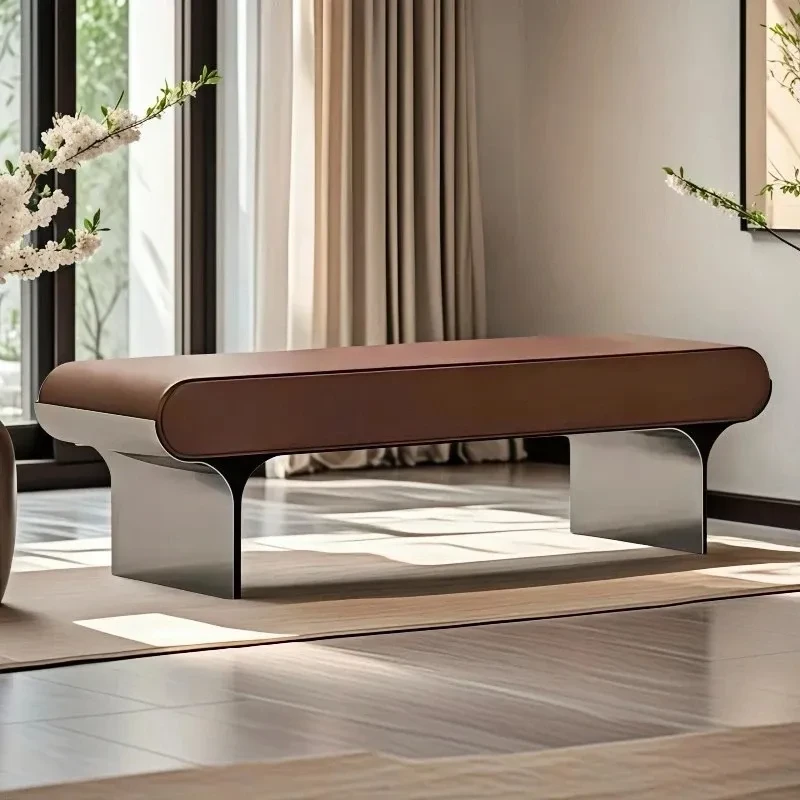

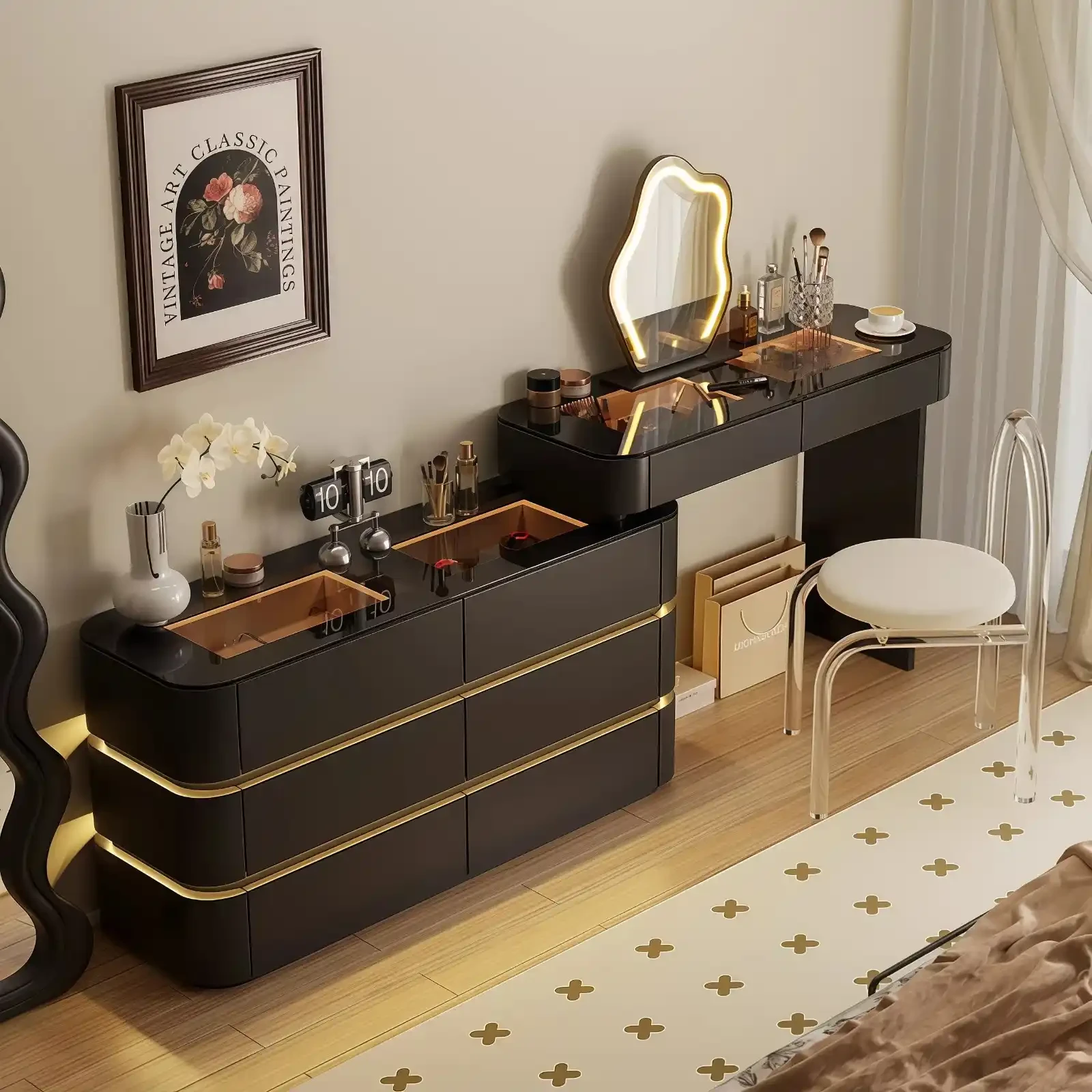

Plywood is an indispensable base material for home decoration, with an annual output of over 10 million cubic meters in my country, holding a pivotal position. As one of the drafting units for the revision of the national standard for plywood, DaWangYe Plywood has continuously exerted its efforts and achieved excellent results in the fields of plywood production and research and development.
▲ is a drafting unit for the revision of the national standard for plywood.
Next, let Xiaoye guide you through a deeper understanding of plywood↓↓↓
01. Definition of plywood
Blockboard, also known as plywood or core board, is a special type of plywood made by splicing wood strips or using hollow boards as the core, covering both sides with two or more layers of plywood, and then pressing them together with glue.
02. Structure of plywood
It mainly consists of two layers of veneer and a core. The core is made of wooden strips of a certain standard size spliced together, and the whole board is made of two veneers with a wooden board glued and pressed in between.
▲ Woodworking board structure diagram
03. Wood species used in plywood
Medium plate: Thickened lauan, for better stability and stronger nail-holding power;
Core materials: Golden fir, fragrant cedar, Malacca wood, poplar and other materials, all dried in a computer numerical control drying kiln to ensure accurate moisture content, preventing expansion and deformation.
▲The wood used for plywood is of excellent quality.
04. Advantages of plywood
More solid
The core material is made from carefully selected small square timbers from Indonesia and Malaysia, and is seamlessly spliced using an imported fully automatic splicing machine, resulting in a dense and neat structure that ensures better solidity and stronger nail-holding power.
Super flat
Using an imported fully automatic mid-panel splicing machine, unevenness such as overlapping and separation of cores is avoided. After three sanding processes by an imported high-precision sander, the flatness of the whole board is more than ten times better than that of ordinary woodworking boards on the market.
High strength
After undergoing an ultra-high temperature and ultra-high pressure pressing process at 120˚C, the adhesive fully penetrates, dehydrates, polymerizes, and cures, significantly improving the bending strength and bonding strength of the plywood.
Anti-deformation
We use imported computer numerical control constant temperature heat transfer oil hot press and digital moisture meter to strictly control the moisture content of the core board to match the average moisture content of the place of use, so as to ensure that the plywood is stable and resistant to deformation.
05. Application of plywood
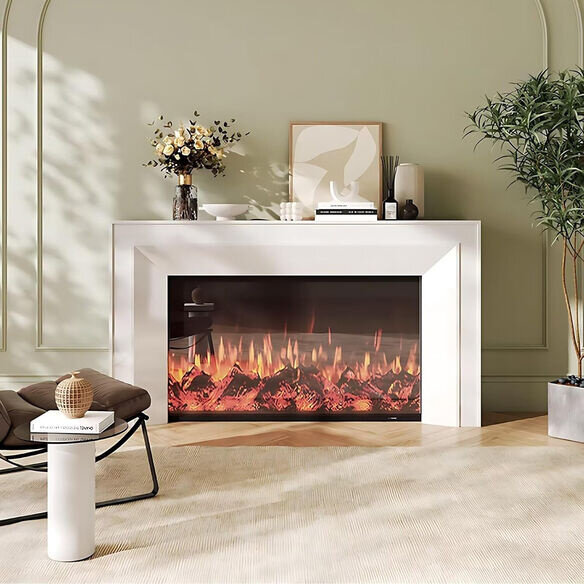
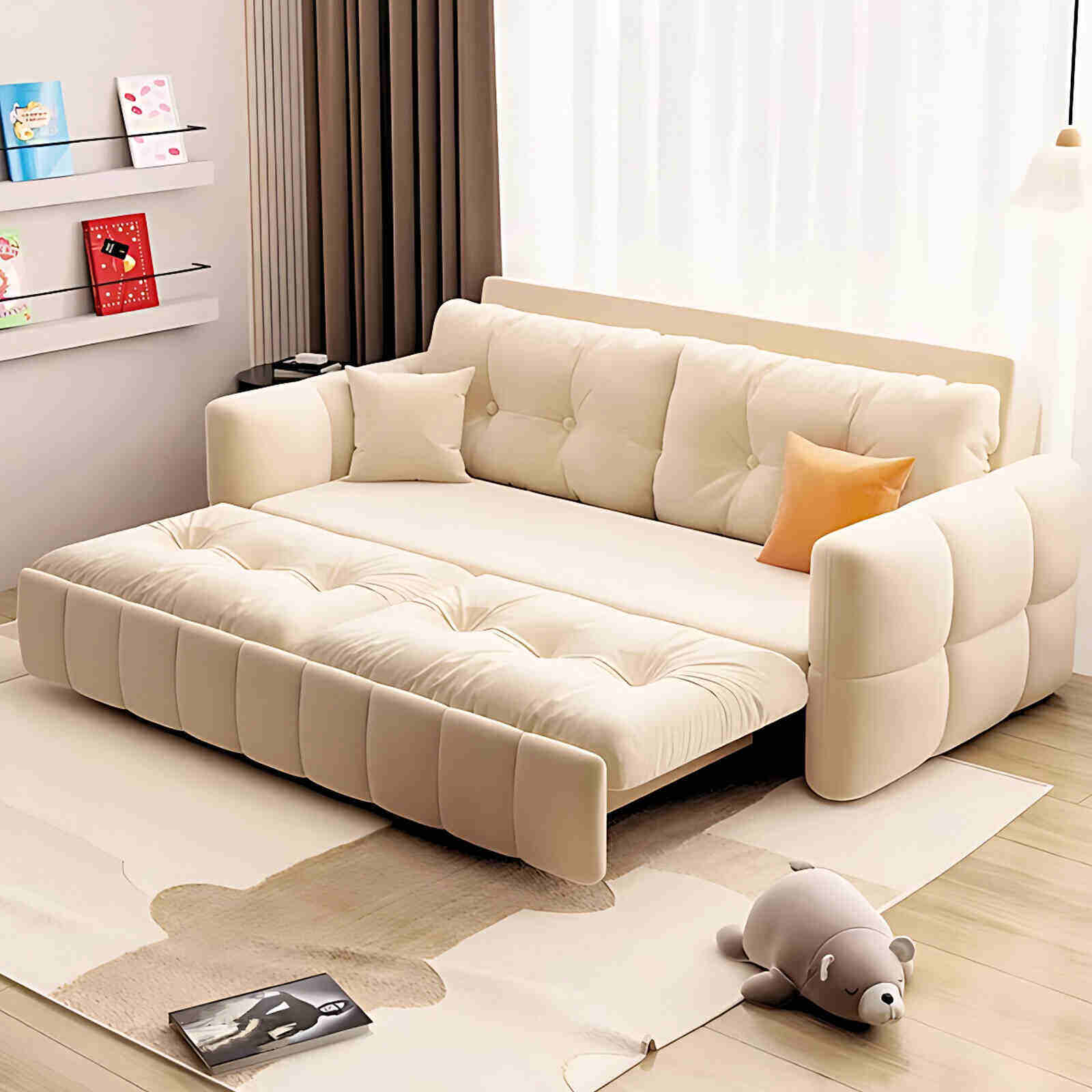
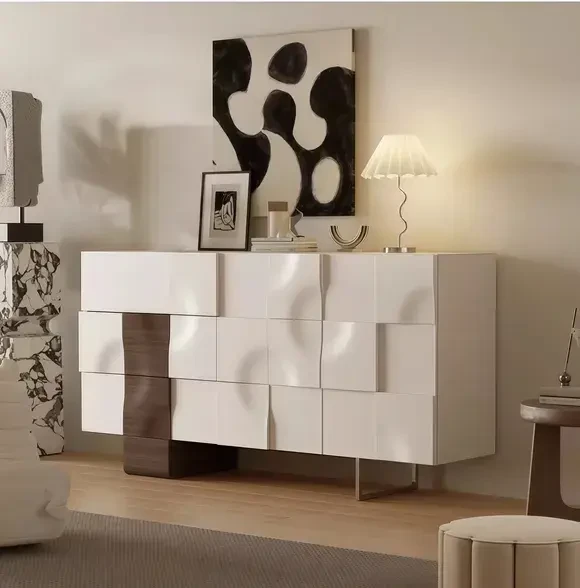
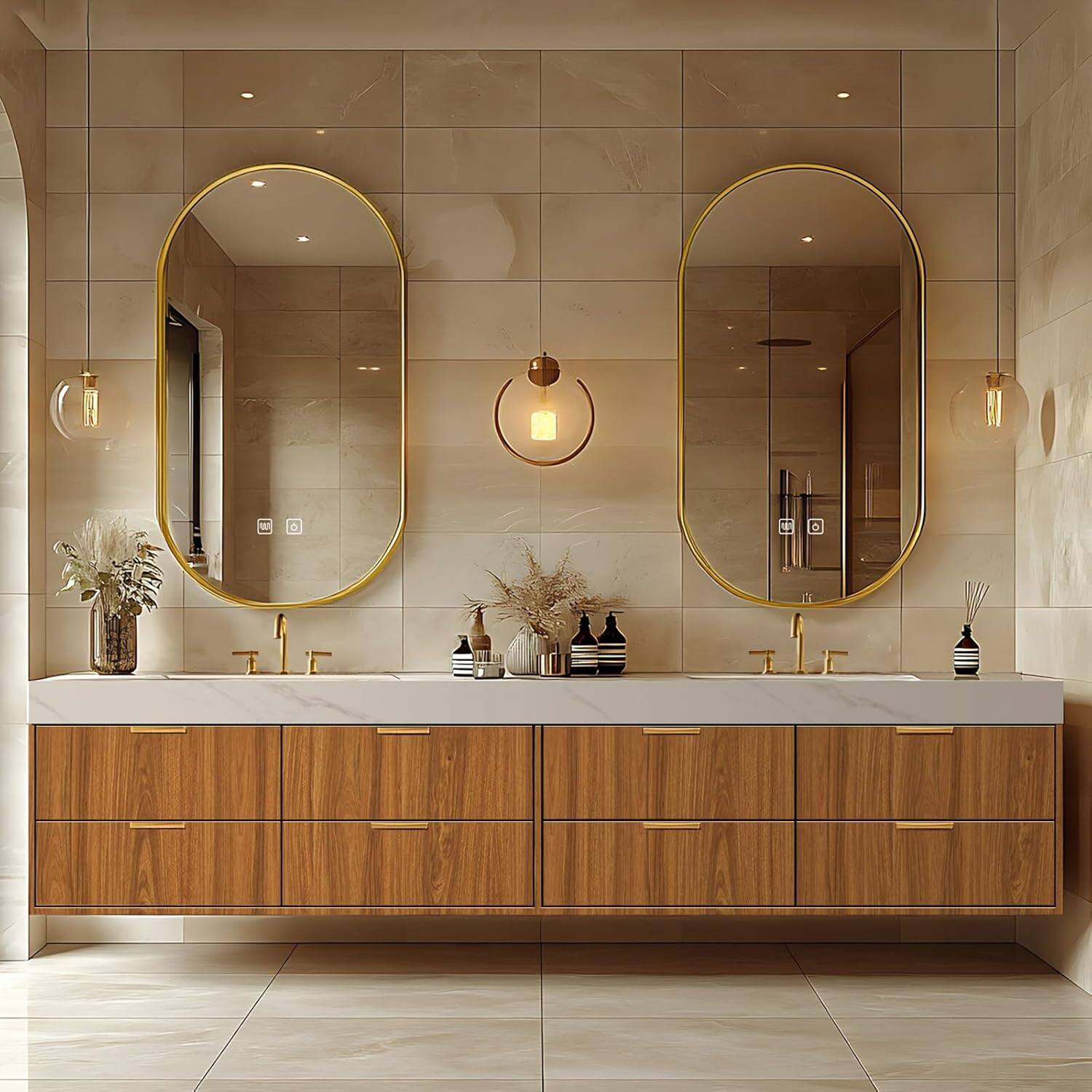
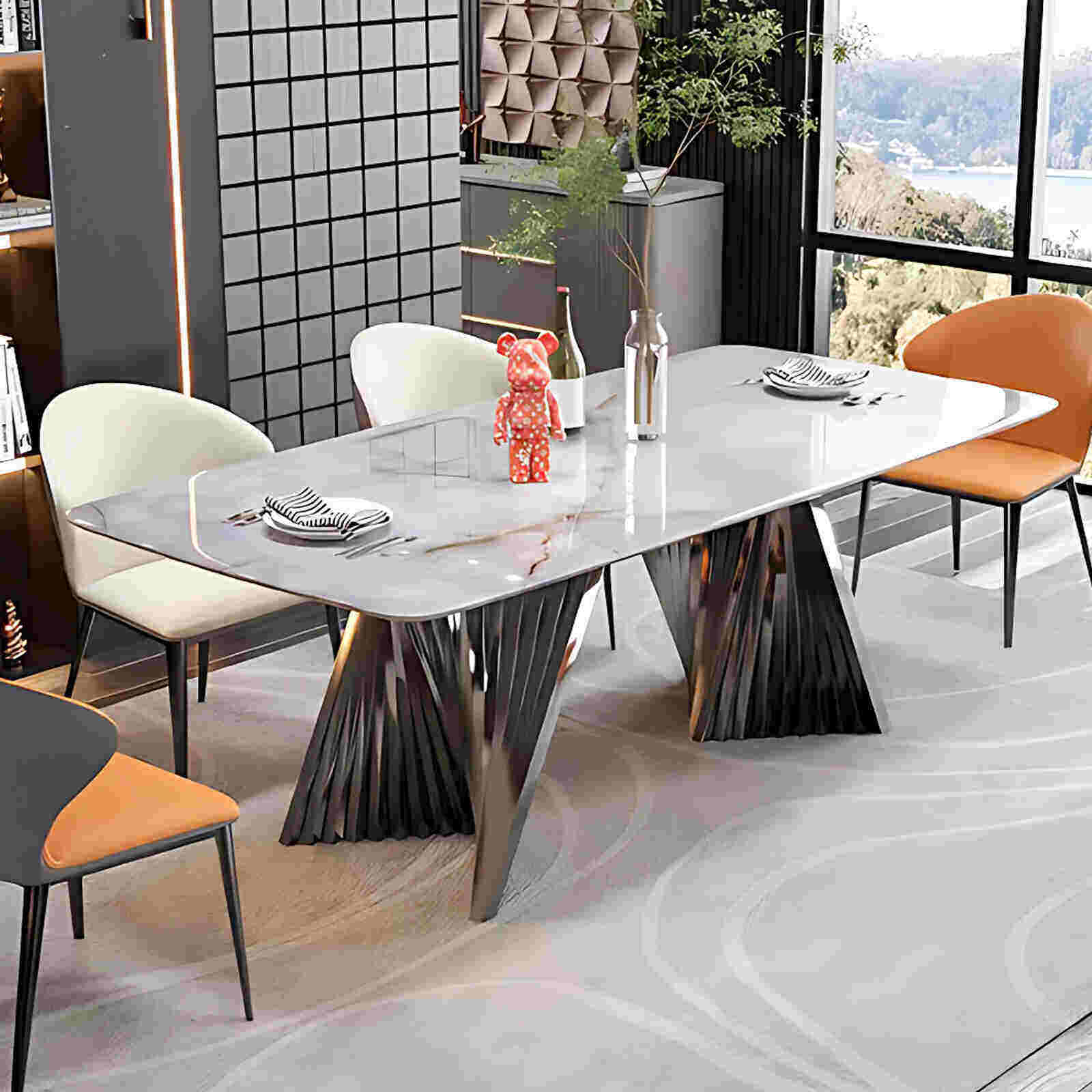
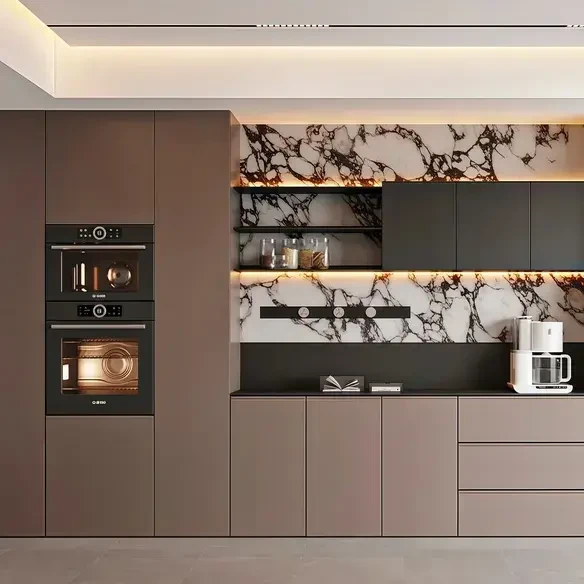
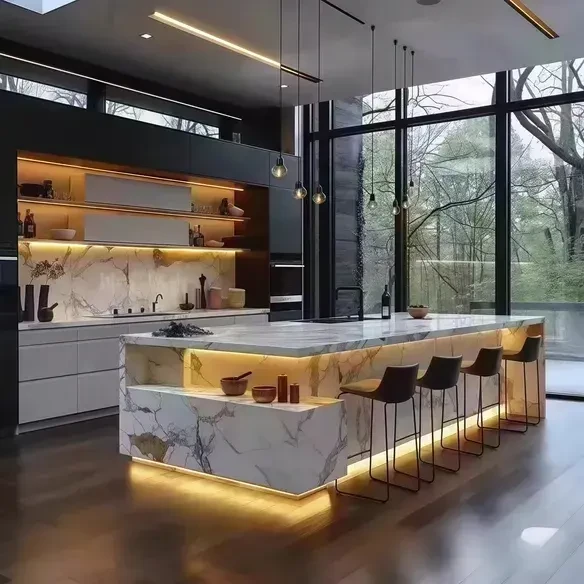
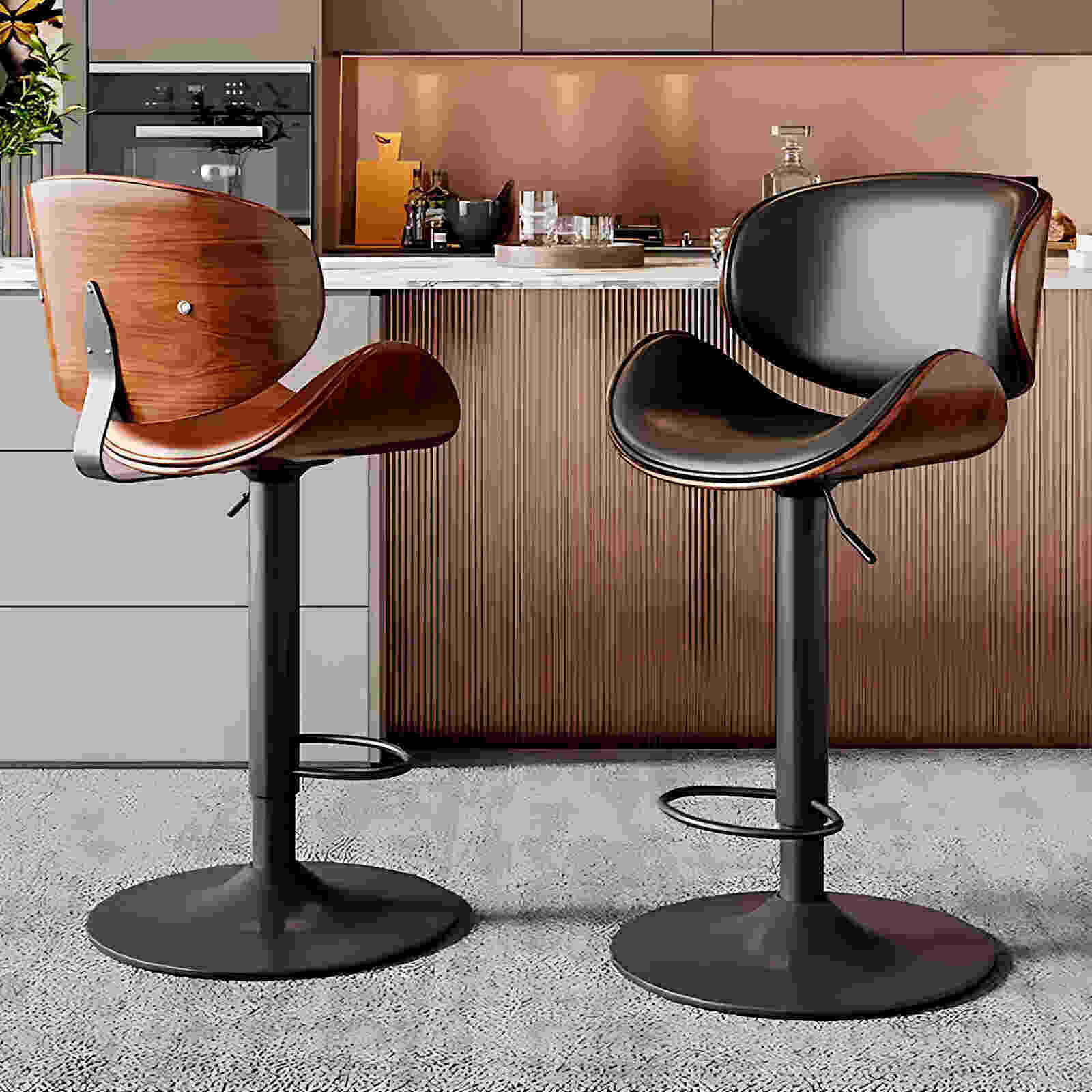
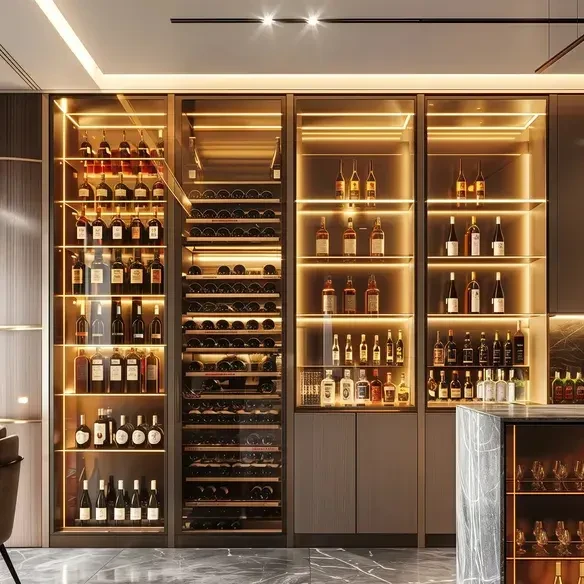
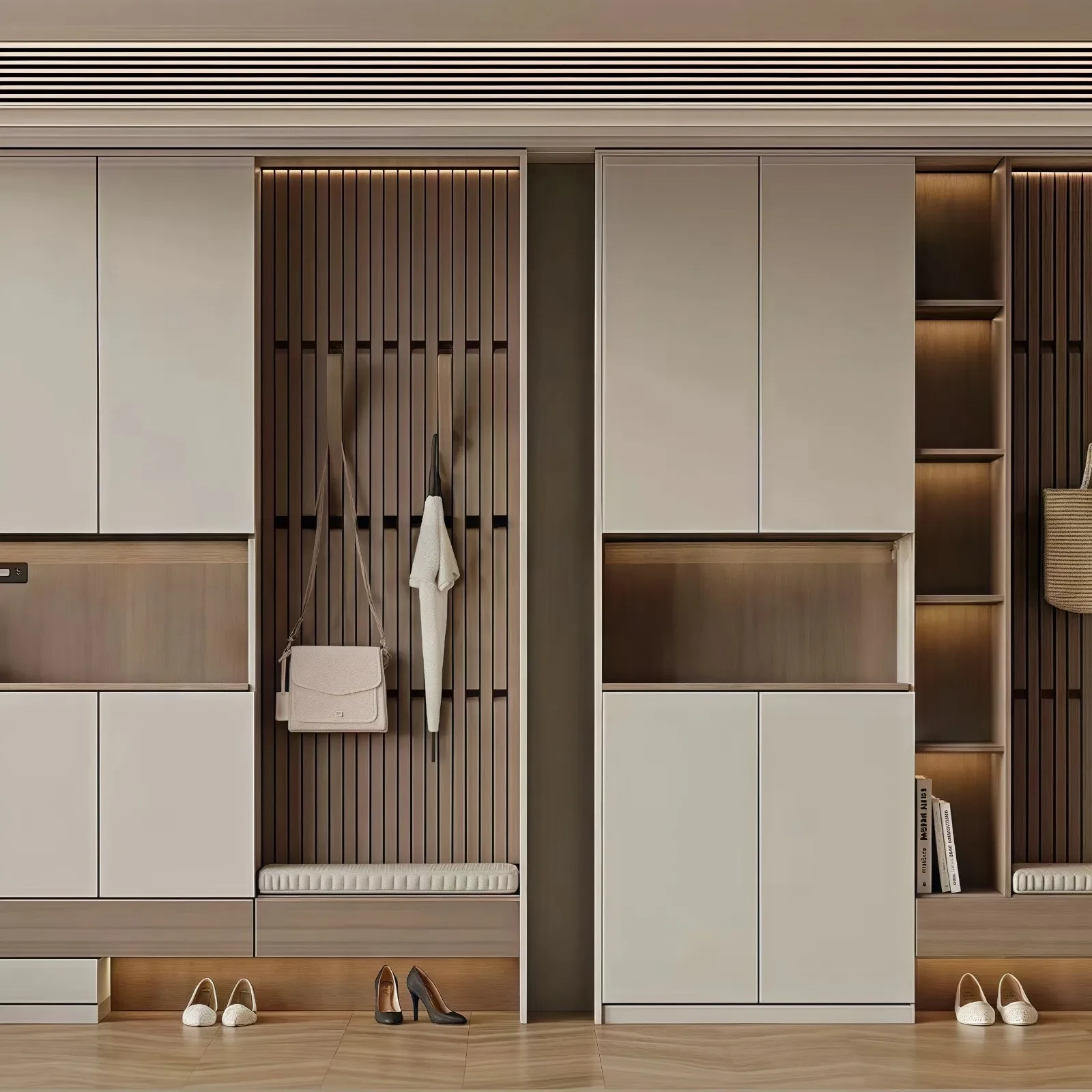
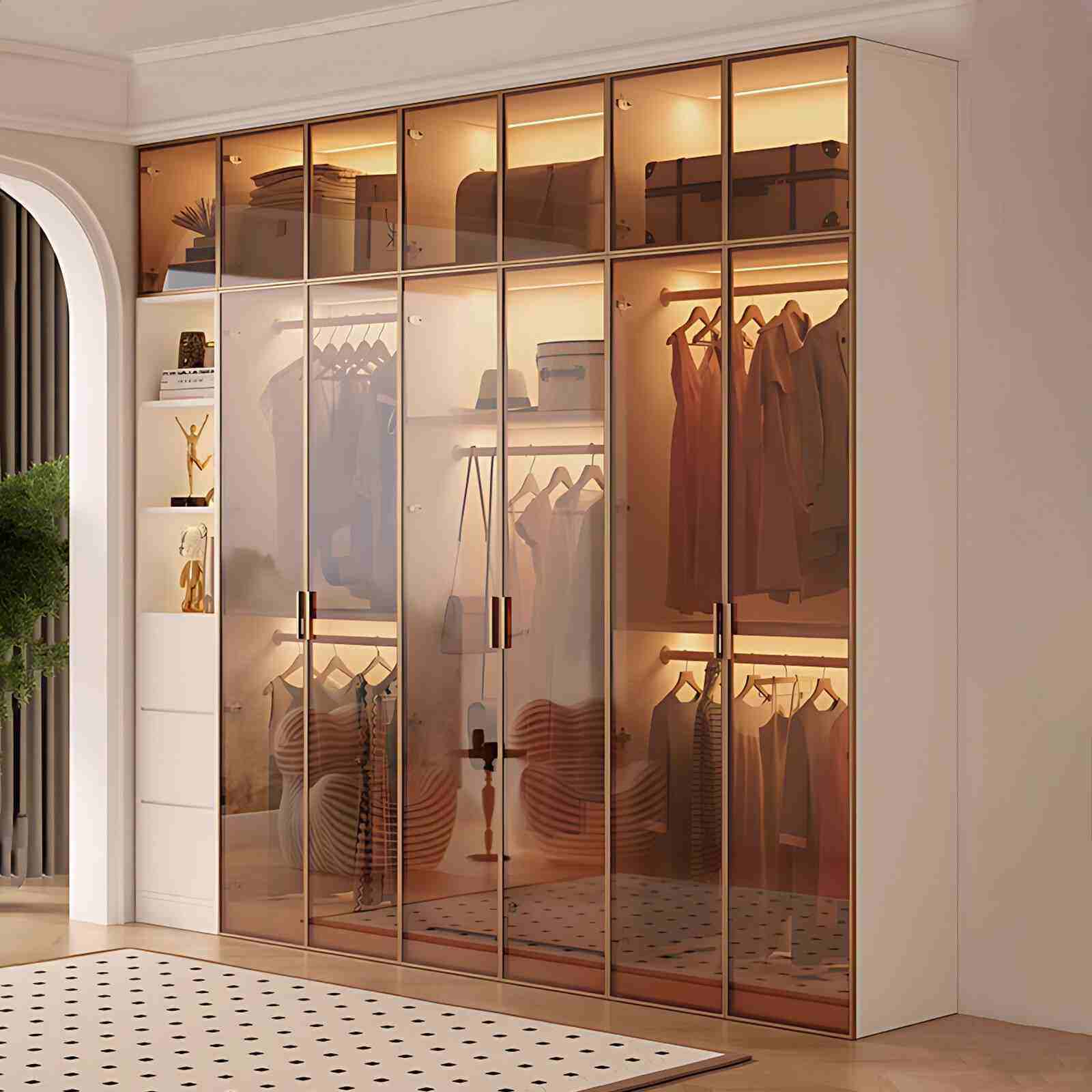
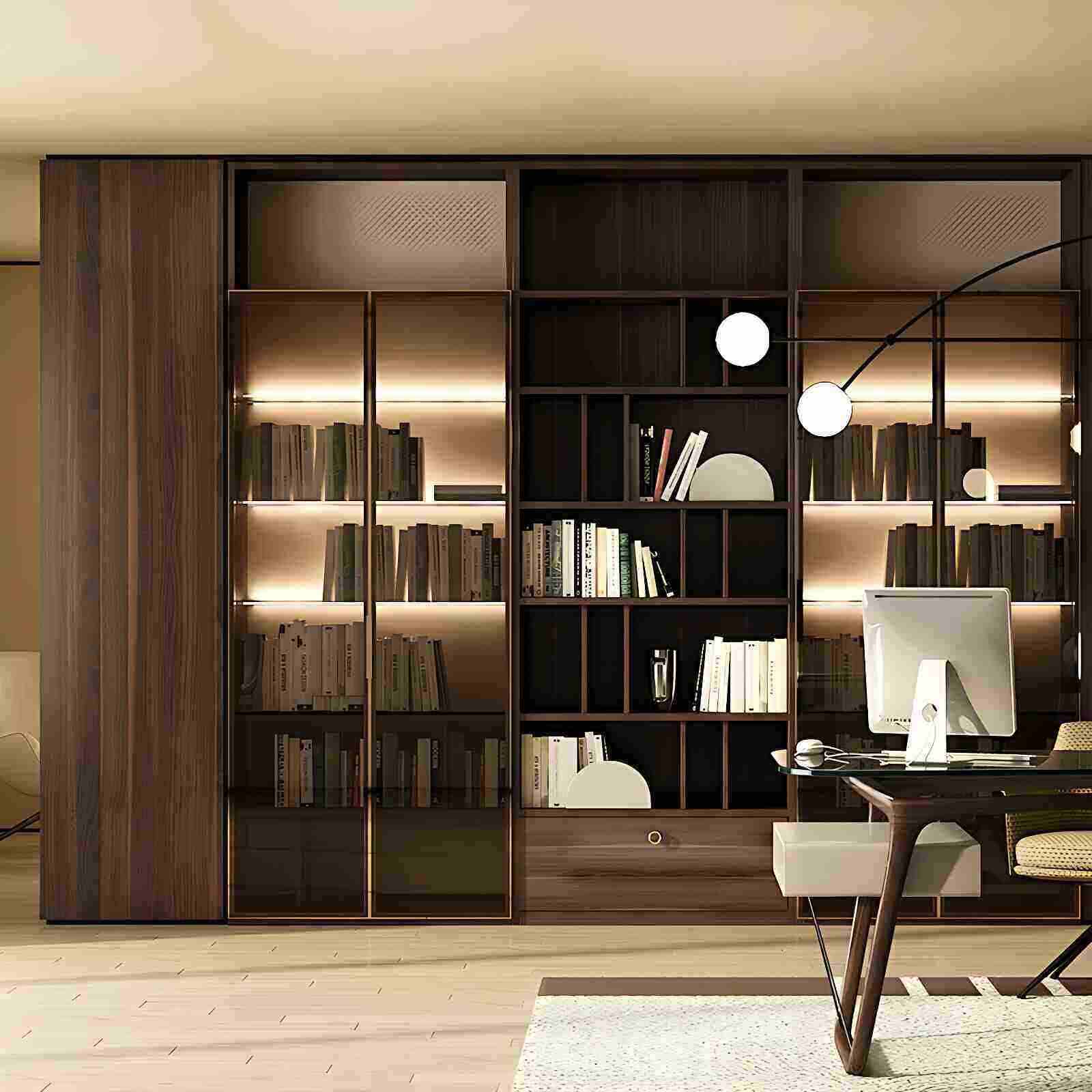
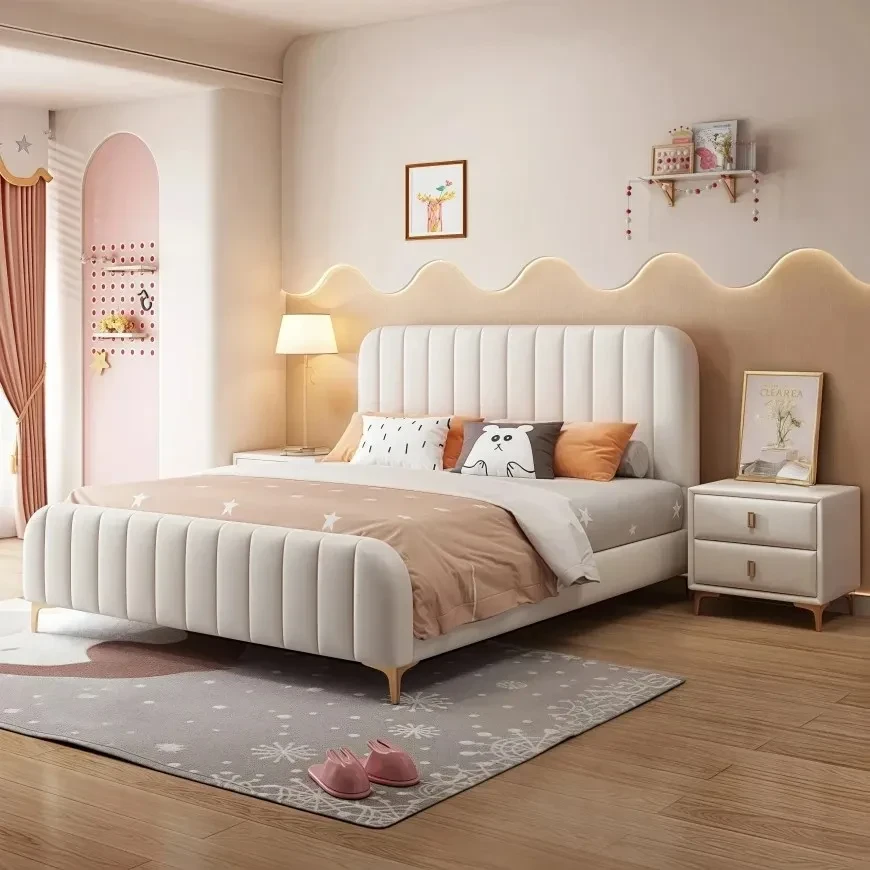
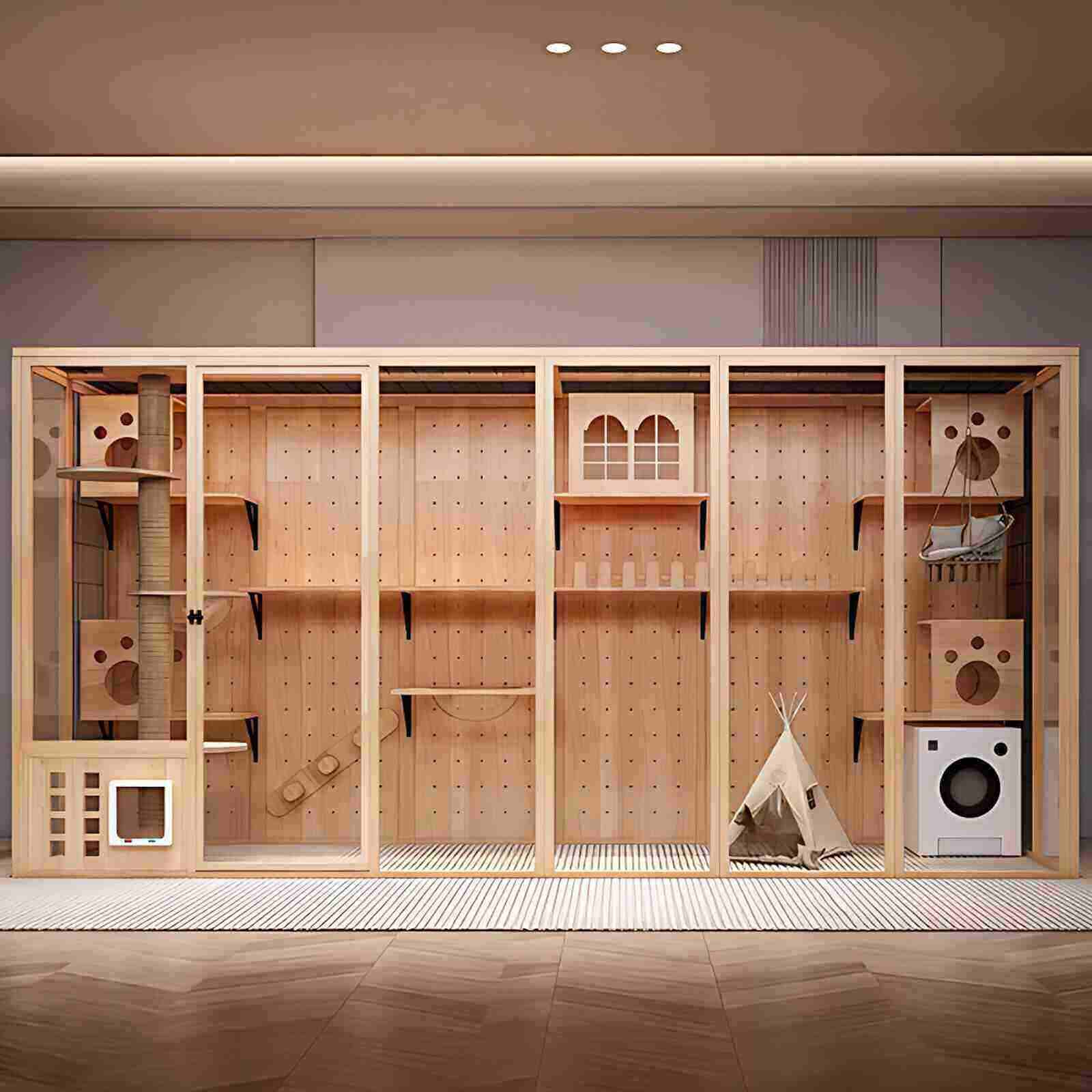
Plywood is mainly used in the production of furniture, partitions, wall panels, etc. The following sample pictures are real-life decoration pictures of plywood and the basic application effect of home decoration bookshelves. Later, the homeowner can also add their favorite surface effects to easily change the home style.
Real-life decoration photos of plywood
06. Quality of plywood
Plywood undergoes rigorous quality inspection before leaving the factory and entering the market. Inspections by an authoritative quality and technical supervision testing institute show that the plywood fully complies with the requirements of standard GB/T 5849-2016, exhibiting excellent levels in moisture content, transverse static bending strength, and impregnation peeling performance. In particular, in environmental testing, the formaldehyde emission level is 0.019 mg/m³, far exceeding the national standard (≤0.124 mg/m³), creating a safe and healthy living space for homeowners.
▲ Woodworking board test report