
 USD
USD GBP
GBP
 EUR
EUR







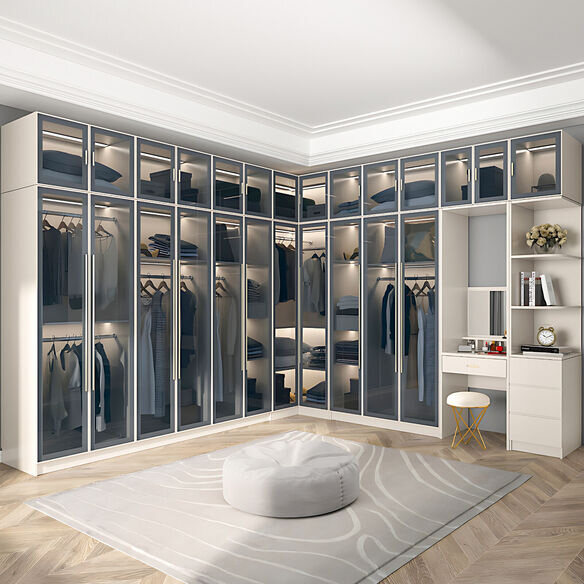

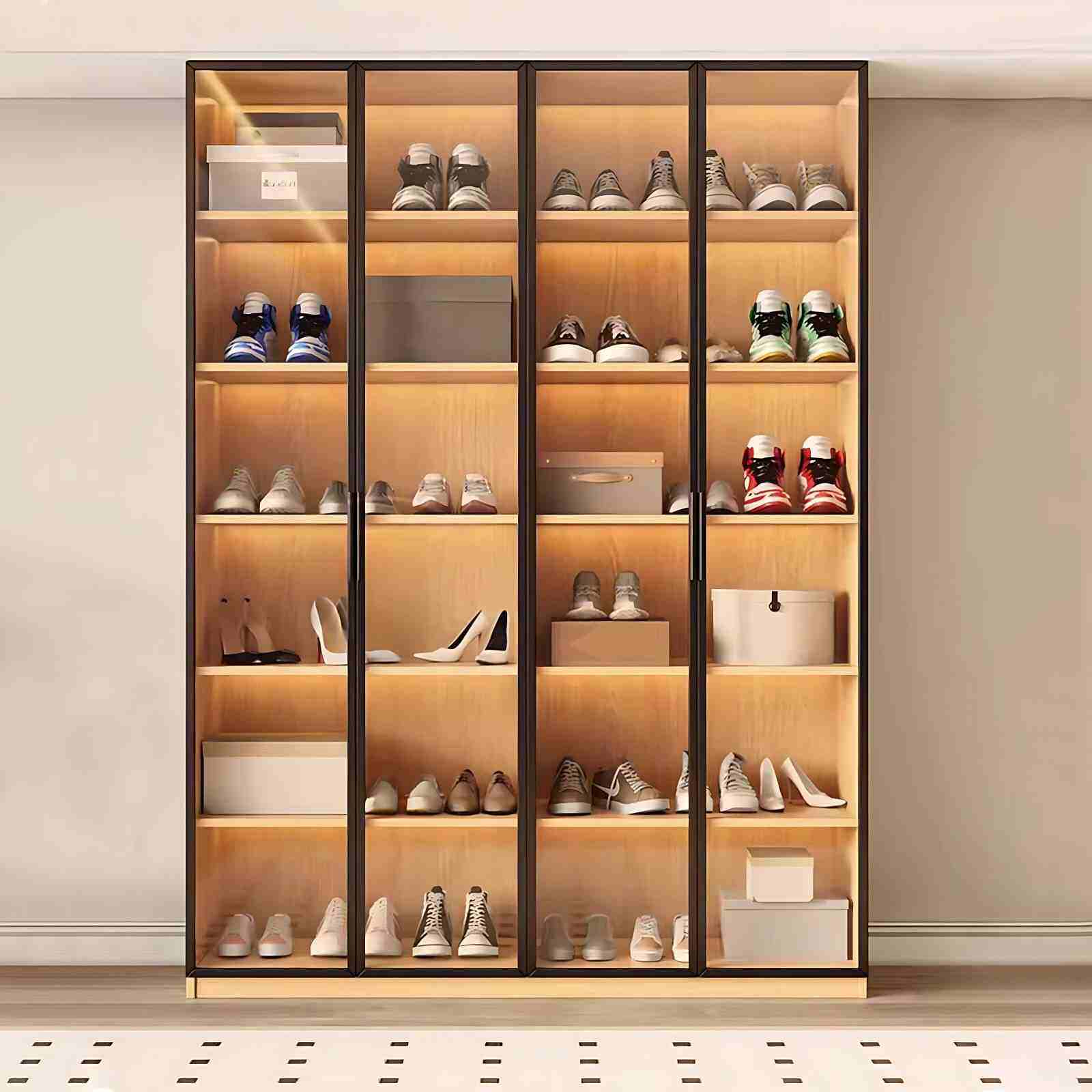
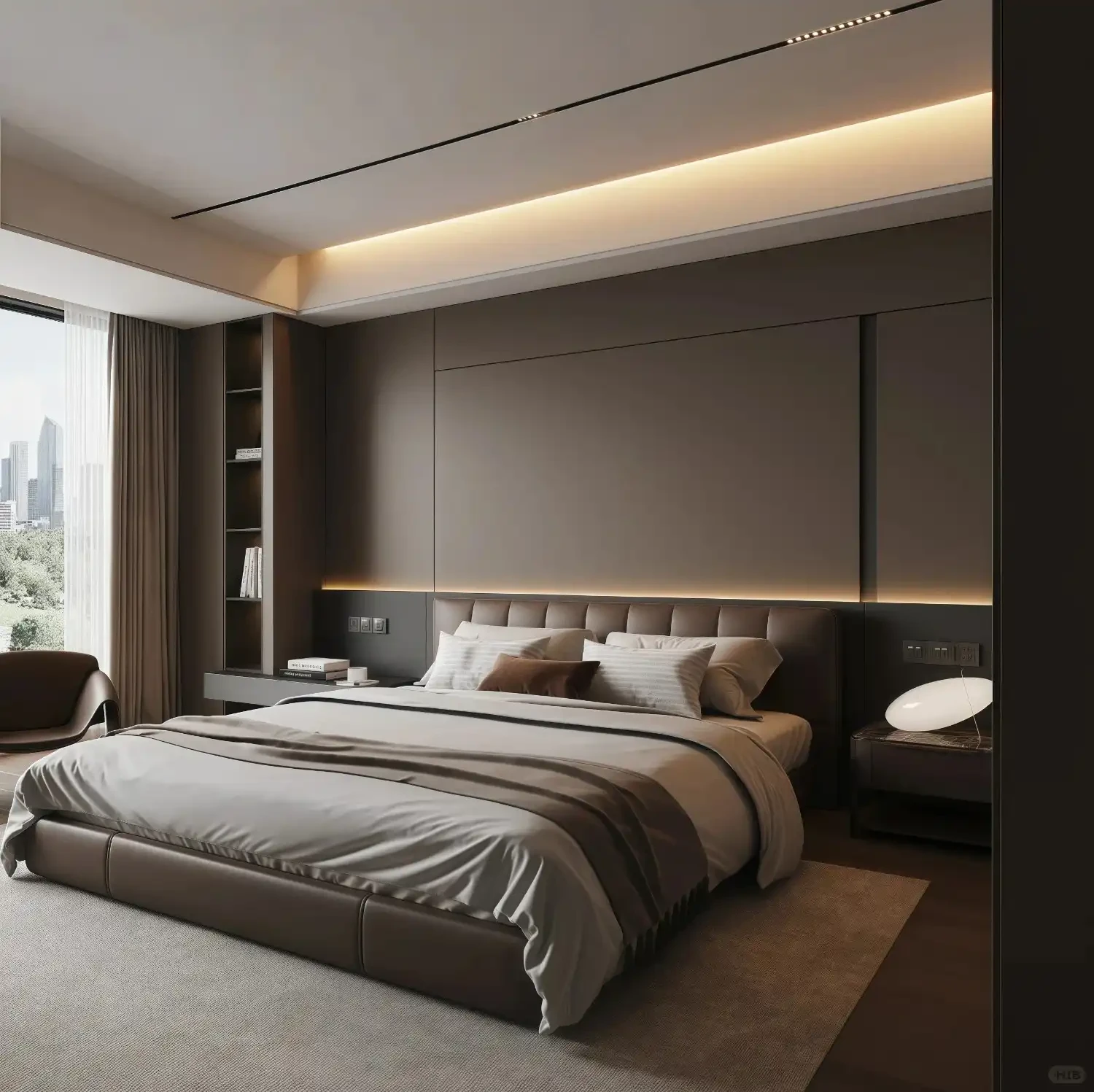



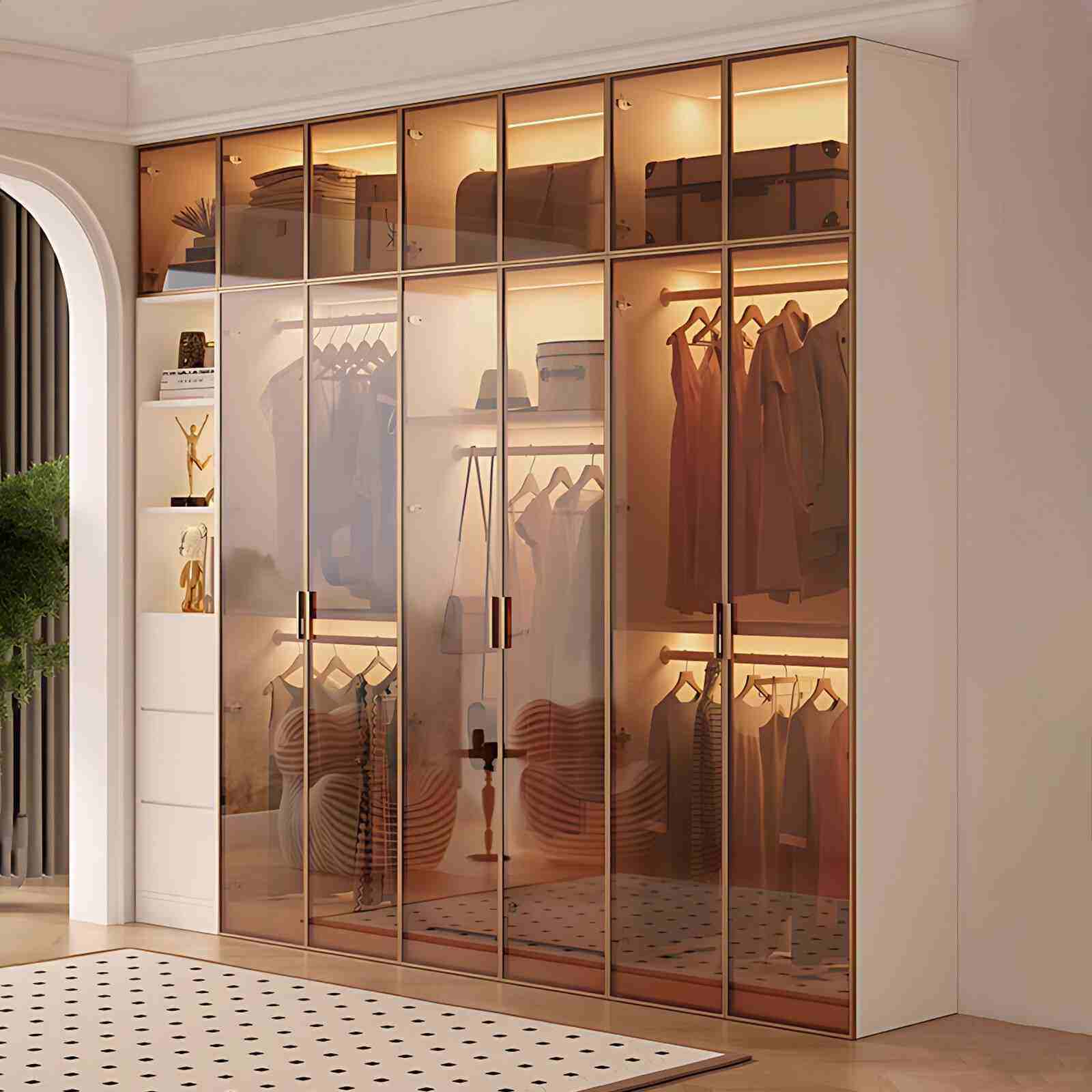

Oriented strand board (OSB) restructures the wood grain, resulting in superior mechanical properties, durability, moisture resistance, and dimensional stability compared to ordinary particleboard. It boasts advantages such as a low coefficient of expansion, minimal deformation, excellent stability, uniform material composition, and high screw-holding power, making it unmatched by traditional particleboard, plywood, and blockboard. Shouguang Luli Wood Industry Co., Ltd. primarily produces formaldehyde-free OSB and surface-finished OSB, with an annual output of 300,000 m³.
1. Structure of Surface-Applied Oriented Strand Board Products
Surface-compatible oriented strand board (OSB) is made by pressing fine particles onto the top and bottom surfaces of ordinary OSB. It effectively utilizes wood processing scraps and smaller timber, saves production costs, improves resource utilization, and overcomes the defect of OSB where large wood chips cannot be directly surface-coated.
Oriented strand board (OSB) with decorative finish is produced by using a graded (diamond roller) spreading machine to evenly spread fine particles on the upper and lower surfaces of the board blank, resulting in a smooth and flat surface with high decorative properties. The core layer is made of multiple layers of large particleboard laid in an oriented manner, so it has both the characteristics of OSB and can meet various surface finishing requirements.
2. Surface-finishable oriented strand board (OSB) manufacturing process
2.1 Material preparation
1) The timber is conveyed to the drum peeling machine via a chain feeder.
2) The peeling machine adopts frequency conversion speed regulation. The speed of the roller is adjusted according to the peeling situation of the wood to ensure the peeling quality.
3) The stripped bark is transported to the thermal energy plant as fuel. After stripping, the wood is fed into the long wood shaving equipment via belt conveyor, chain feeder, and transverse wood pulling machine to shave oriented shavings. The quality of the shavings plays a decisive role in the quality of the oriented shavings that can be finished.
4) Wood scraps and small timber are chipped and planed to produce fine wood shavings.
2.2 Drying
1) The wet wood shavings produced by the long wood chipper are transported to a wet wood shavings silo with a volume of 460 m3 for storage to ensure uninterrupted subsequent production.
2) The wet wood shavings are dried in a single-channel dryer that is 30 m long and 6 m in diameter. The drying medium comes from the hot flue gas of the thermal energy plant, which was introduced from GTS Energy in the United States. It adopts fully automated control and is interlocked with the control of the drying system. It can accurately control the heat of the hot flue gas, ensure the qualified moisture content of the wood shavings, and provide stable high-temperature heat transfer oil for the hot pressing system.
2.3 Screening
After being dried by the drying system, the wood shavings are conveyed by a belt conveyor to a drum screen for screening. The wood shavings are screened into three sizes: large wood shavings (30-160 mm long, 10-80 mm wide, and 0.4-1.0 mm thick) are sent to the surface dry material silo as surface wood shavings; smaller wood shavings (15-120 mm long, 5-50 mm wide, and 0.4-1.0 mm thick) are sent to the core dry material silo as core wood shavings; and the fine wood shavings are screened again by a gyratory screen, then ground by a grinder and stored as fine material surface layer in a fine material cylindrical silo.
2.4 Applying adhesive
1) The dry wood shavings of the surface and core layers stored in the dry material silo are weighed by a belt scale and then fed into the surface and core layer drum mixer for mixing. The fine wood shavings are fed into the fine material mixer for uniform mixing.
2) After mixing with adhesive, the wood shavings are fed into two surface dry wood shaving metering bins and one core dry wood shaving metering bin via scraper chain conveyor and screw conveyor, respectively. Fine wood shavings are fed into two fine material metering bins via belt conveyor.
2.5 Paving
Five metering bins automatically and evenly control the amount of wood shavings fed into the board. Five laying heads then precisely lay the shavings, with fine shavings evenly laid as the top and bottom surface layers, two layers of long, large shavings arranged longitudinally in the middle, and the core layer of shavings arranged transversely. This crisscrossing arrangement of shavings gives the oriented strand board (OSB) extremely high dimensional stability and static bending strength. Both the board surface and edges have strong screw-holding power. At the same time, it restructures the wood grain, eliminates the influence of wood stress on processing, and provides excellent processing performance.
2.6 Hot pressing
1) After the paved slabs are trimmed longitudinally, they enter the pre-pressing machine for pre-pressing. The pre-pressed slabs then enter the continuous hot press.
2) Before entering the continuous press, the slab is weighed by a high-precision slab scale and a mobile density scanner is used to detect the density distribution of the slab, thereby ensuring the stability of the product's density.
3) The slab is hot-pressed under the combined action of temperature and pressure using a continuous flat pressing method.
2.7 Raw board treatment
1) The hot-pressed raw board is trimmed at the edges and then sawn laterally.
2) The raw boards to be sawn are detected and monitored by an online bubble detector and a thickness measuring instrument. After the qualified raw boards are sawn laterally, they are cooled by a flipping machine and then longitudinally sawn in the middle before entering the stacker for stacking.
3) The online inkjet printer performs continuous automatic inkjet printing on the board surface and edges, and the inkjet content can be flexibly adjusted according to the user's needs.
4) The dimensions of the surface-finished oriented strand board can be flexibly adjusted according to user needs. It can be cut in the middle longitudinally without longitudinal sawing, and the maximum width is 2,550 mm.
5) Sanding is performed according to the customer's different uses. The sanding machine selected is the Sufuma high-precision sander, and the thickness deviation of the sanded board is ±0.05 mm.
3. Features of Surface-Applied Oriented Strand Board
Green and environmentally friendly. Surface-coated oriented strand board (OSB) uses isocyanate (MDI) adhesives in its production process, which do not contain aldehydes, benzenes, or other substances harmful to the human body, ensuring that OSB has excellent health and environmental performance.
It has good dimensional stability. The surface-finished oriented strand board has a 5-layer structure, with fine particles on the top and bottom layers, and the core layer with particles arranged horizontally and the middle layer with particles arranged vertically, giving it good impact resistance and bending resistance.
It has good waterproof performance. Isocyanate (MDI) is insoluble in water, and oriented strand board (OSB) made from isocyanate has good waterproof and moisture-proof properties.
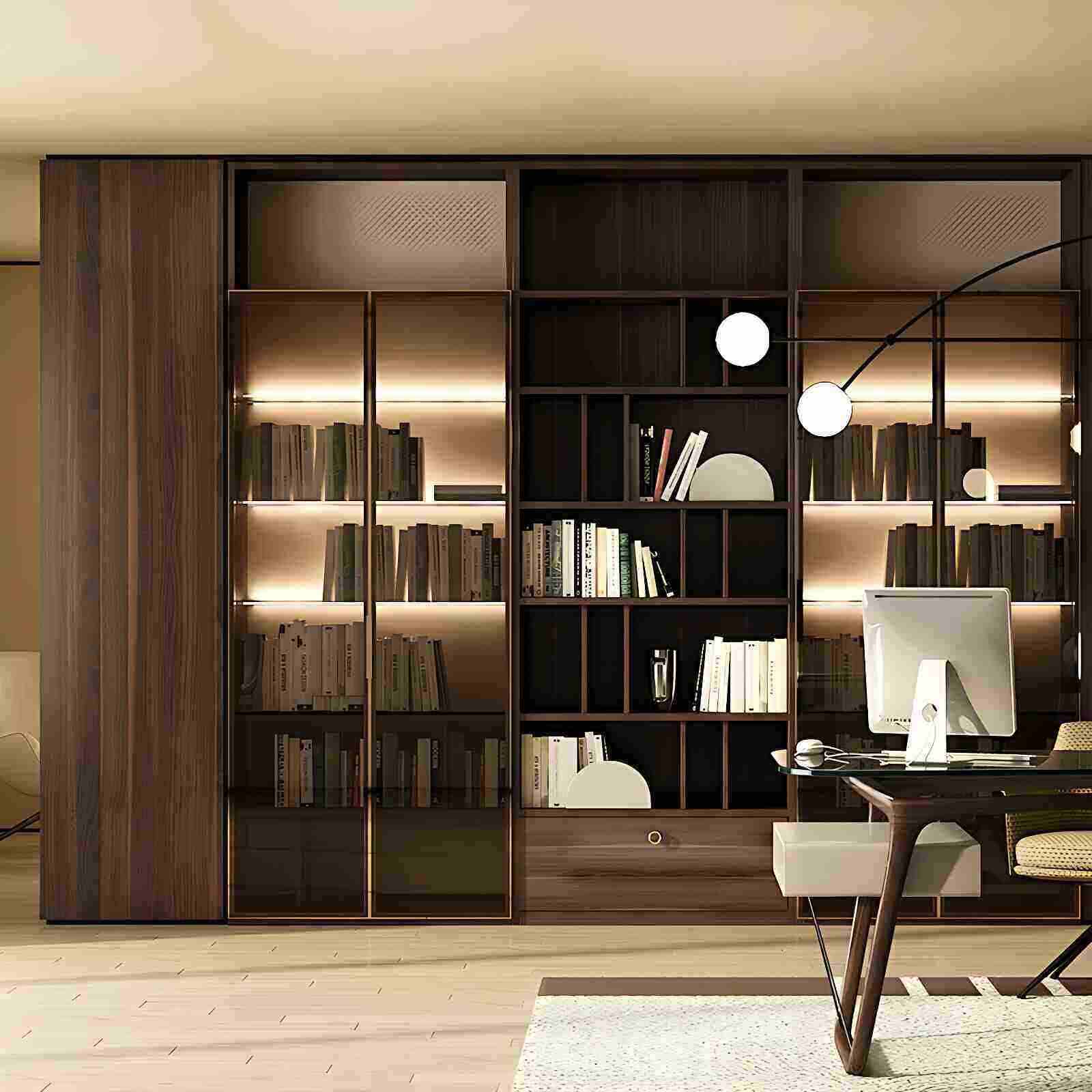
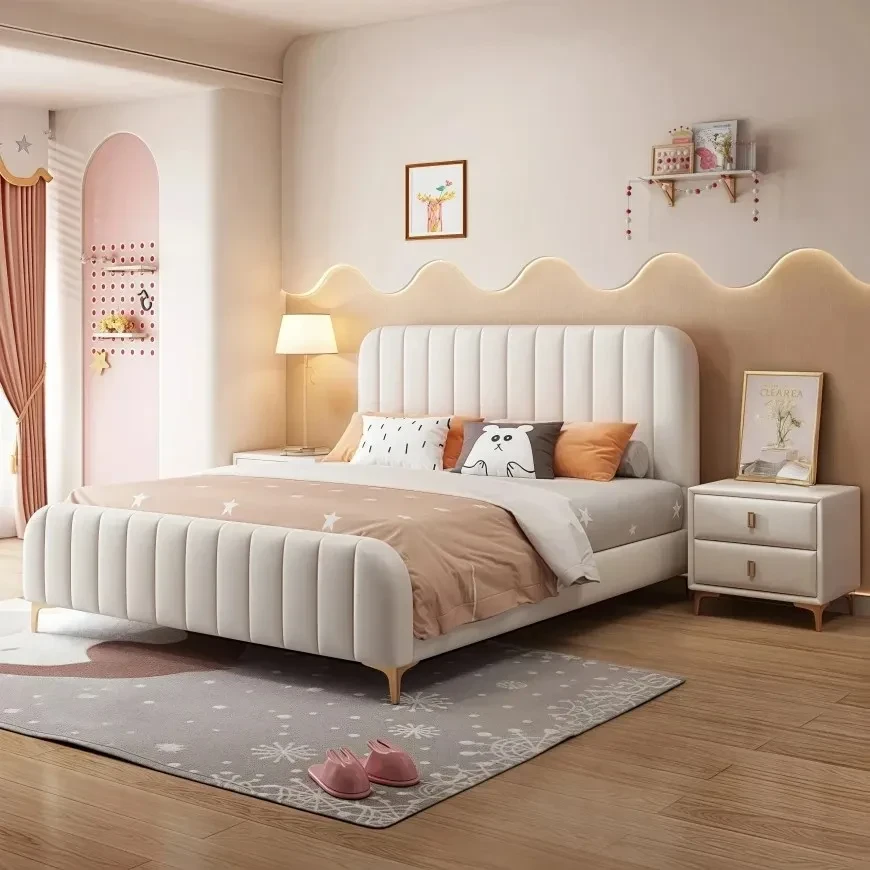
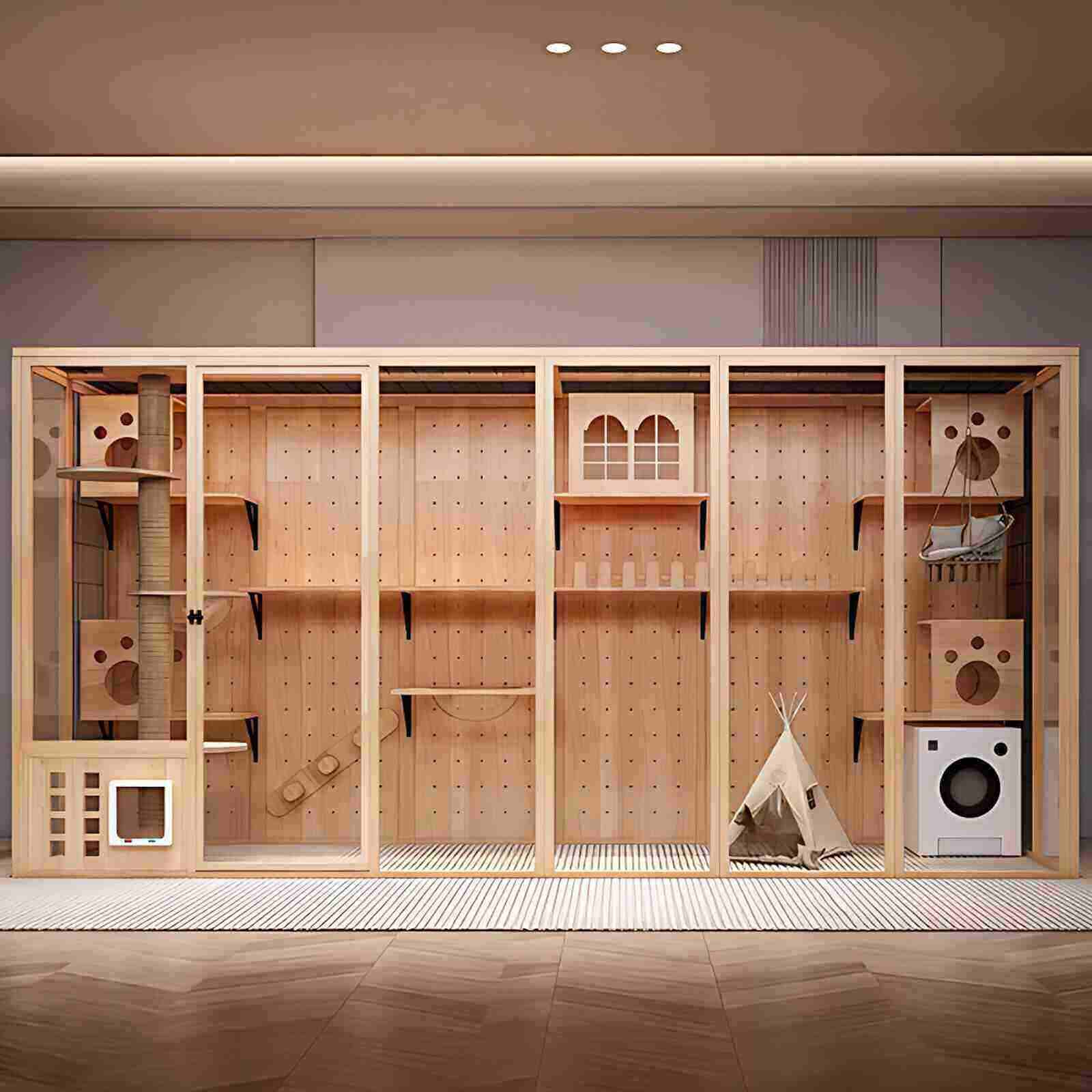
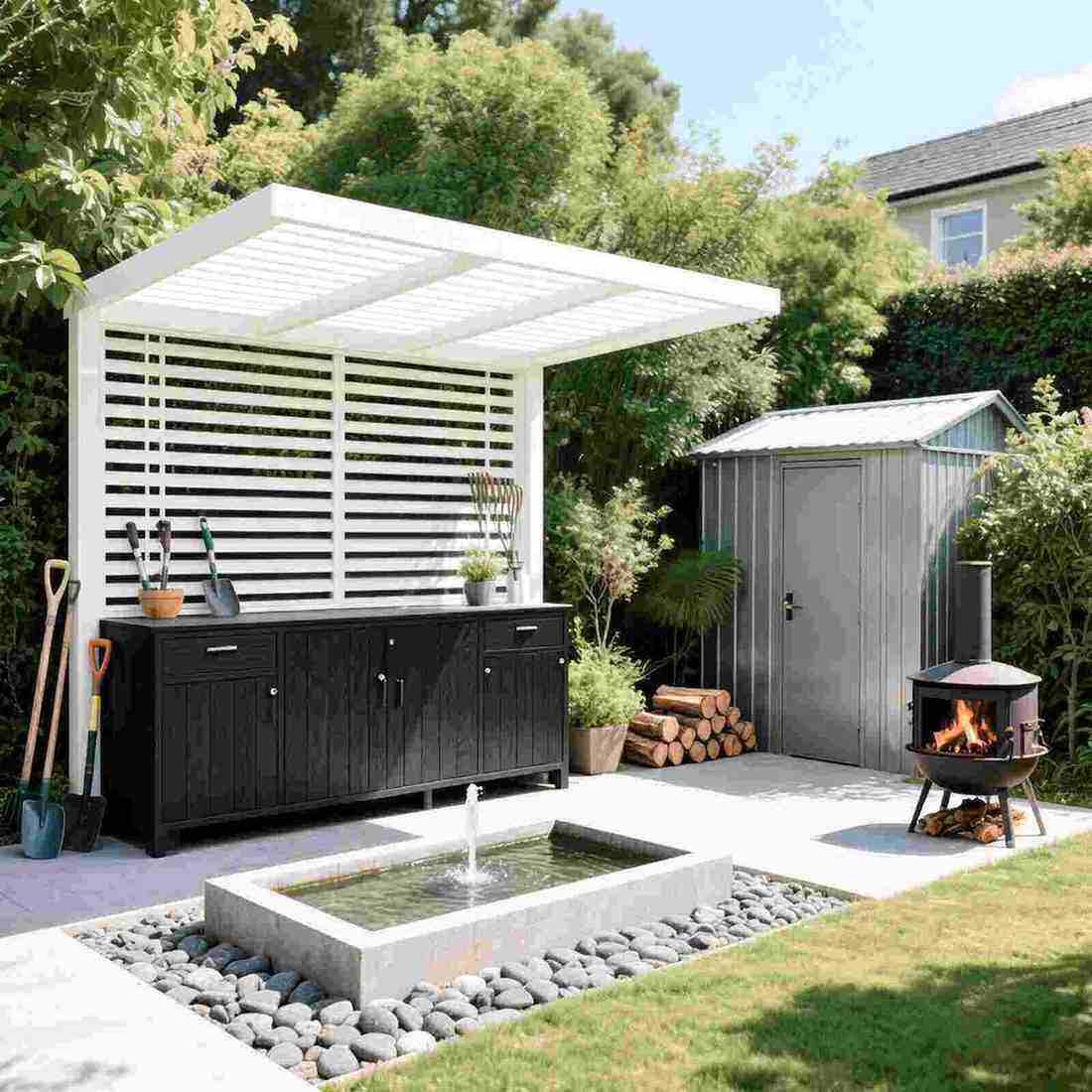
Oriented strand board (OSB) with decorative finishes has a wide range of applications, including home decoration, furniture manufacturing, and surface finishing, and its market prospects are promising.
Author: Guo Zhiwu
Company: Shouguang Luli Wood Industry Co., Ltd.
Source: China Wood-based Panels, Issue 12, 2018
Introduction: This article introduces the product structure, manufacturing process, and characteristics of surface-finishable oriented strand board (OSB).