
 USD
USD GBP
GBP
 EUR
EUR
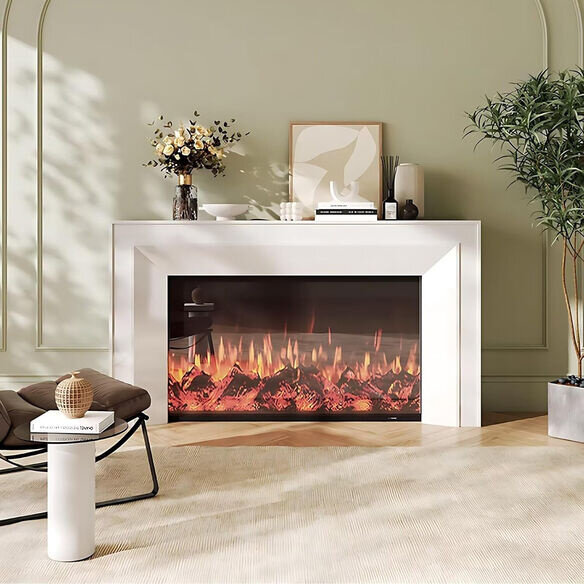

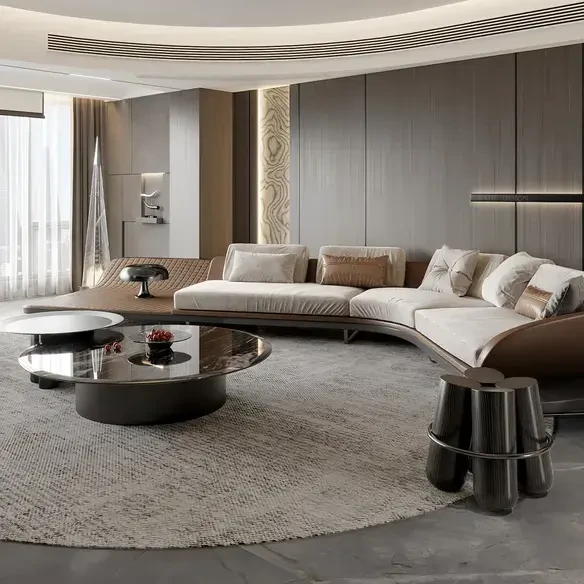
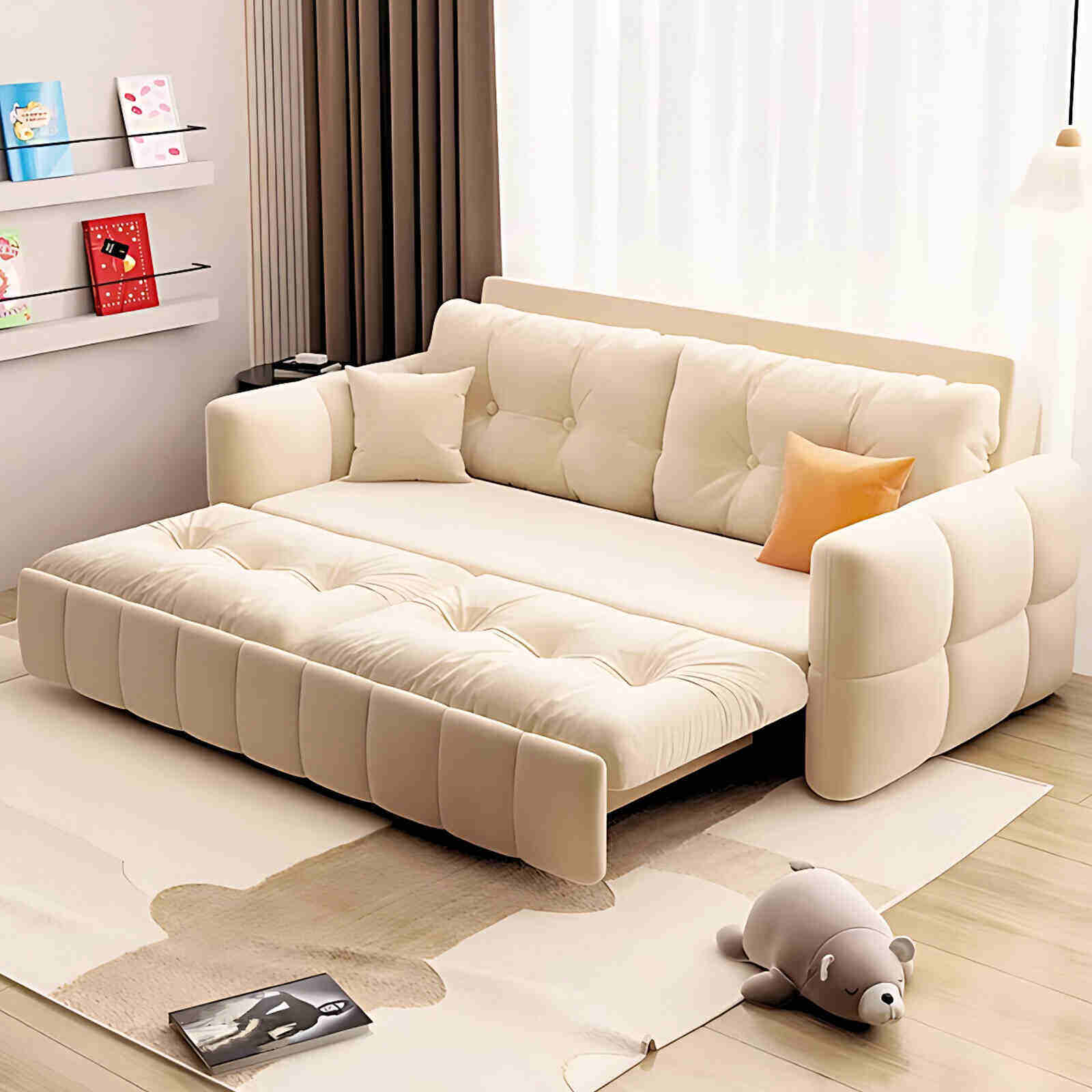
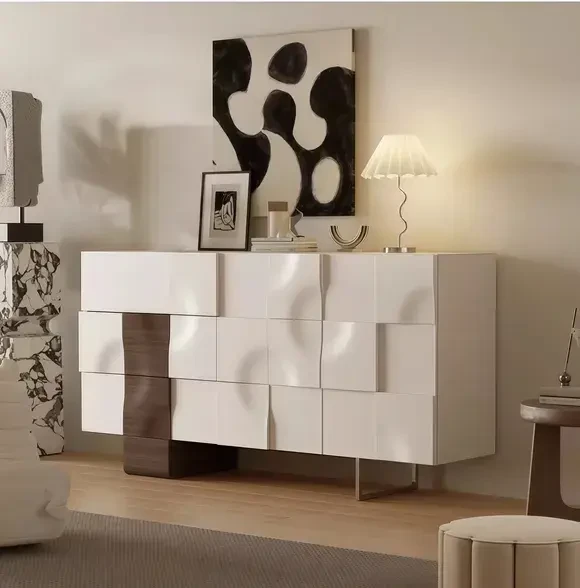
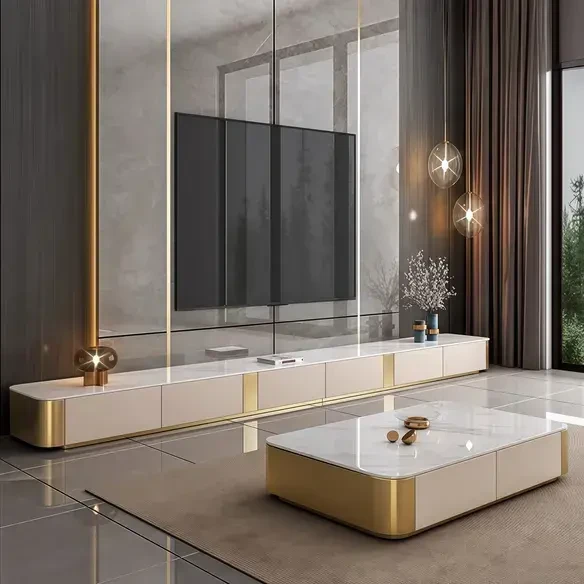
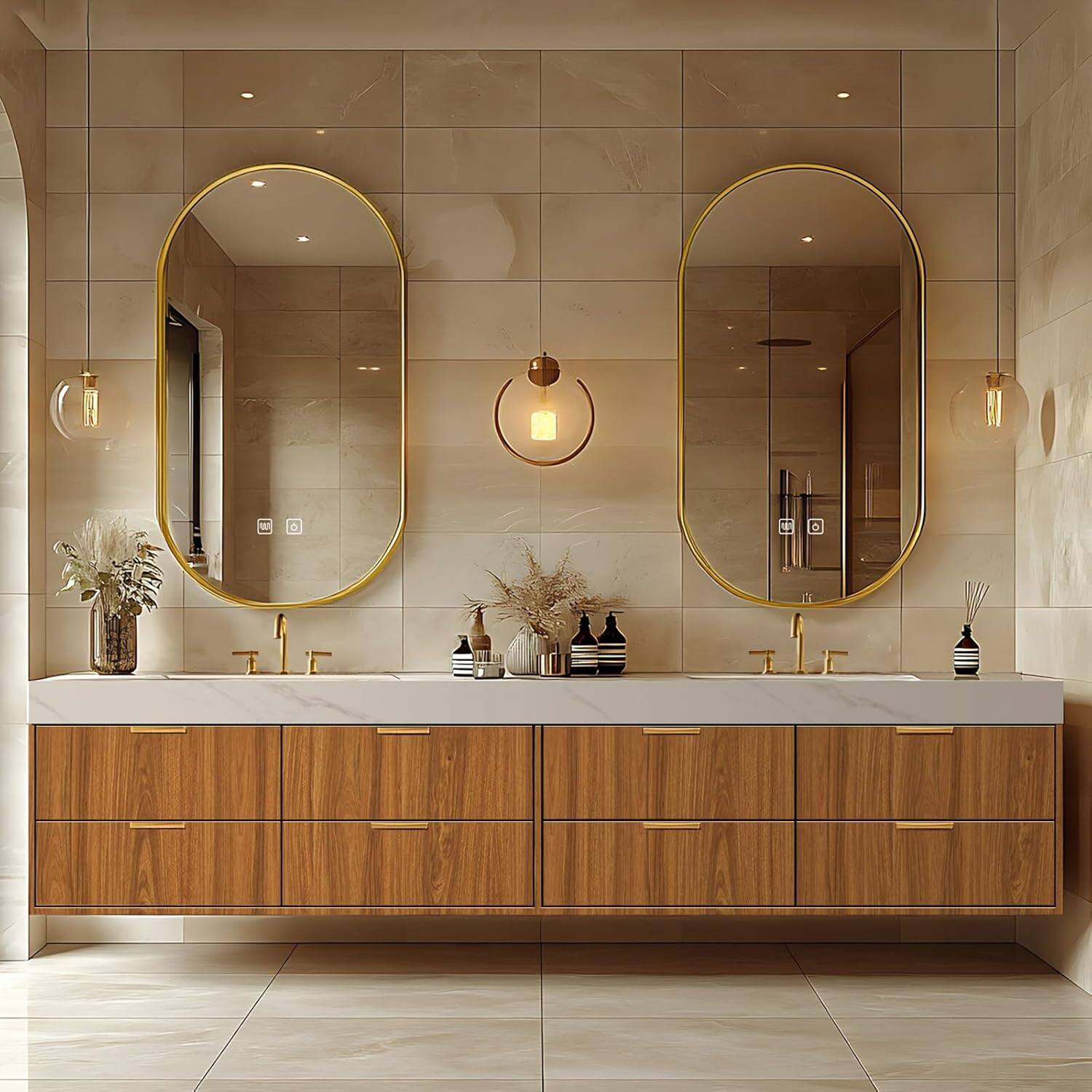

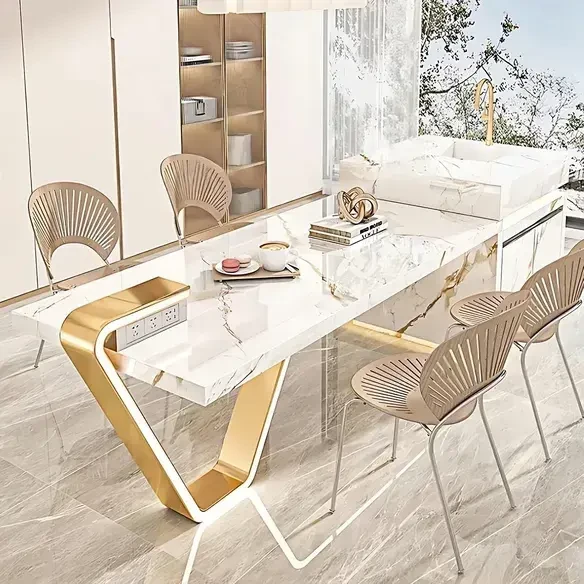
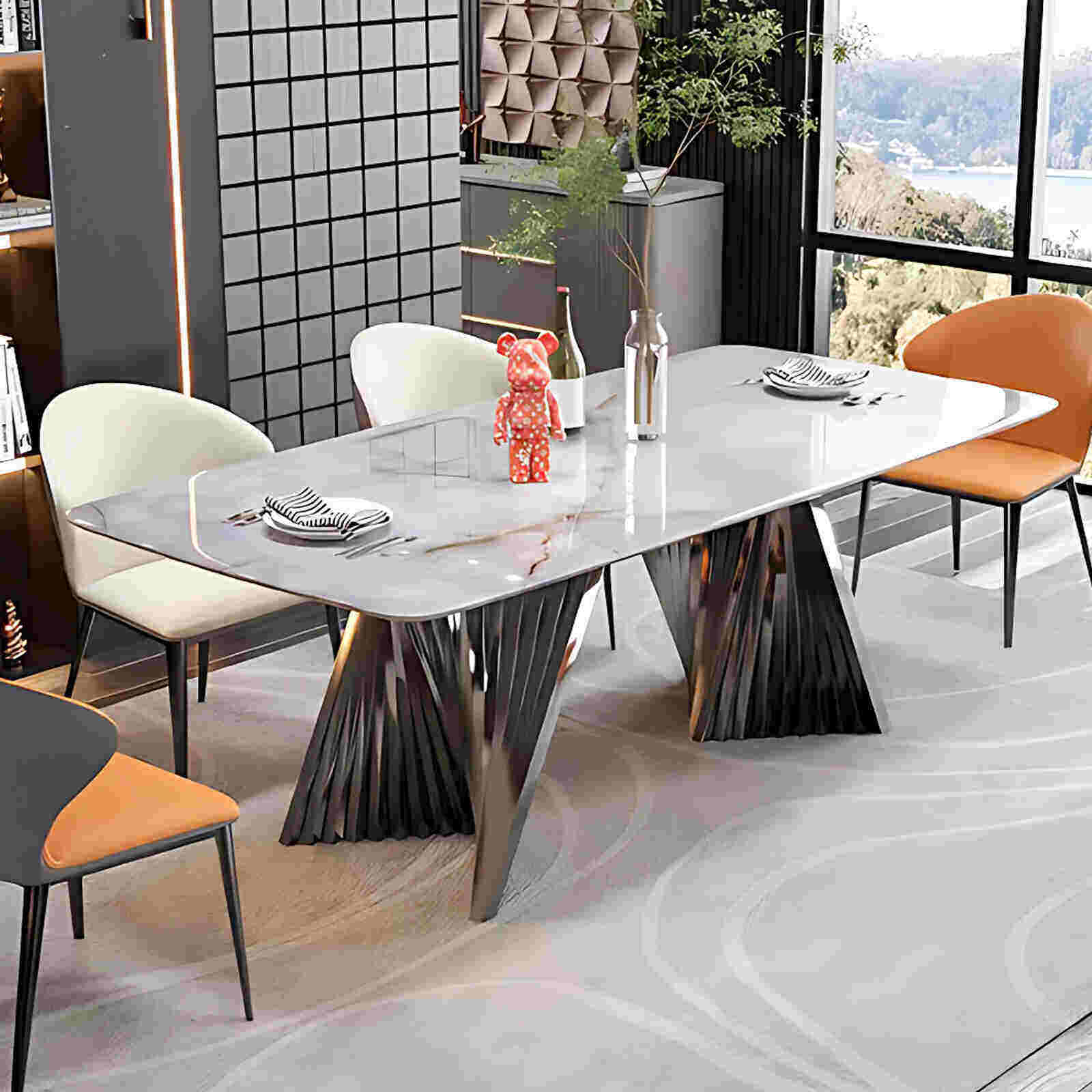
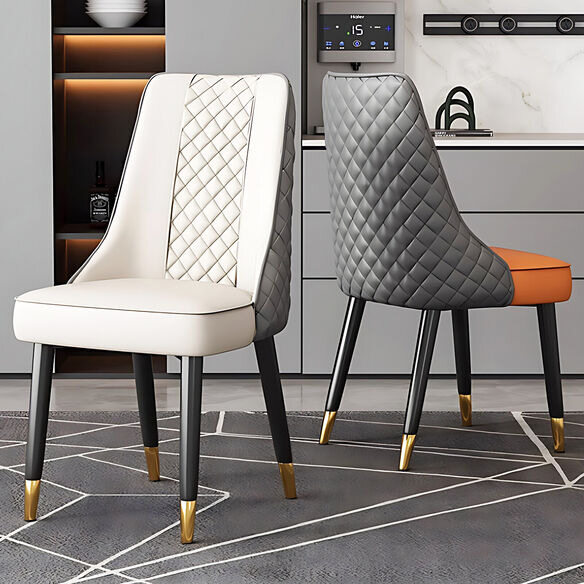
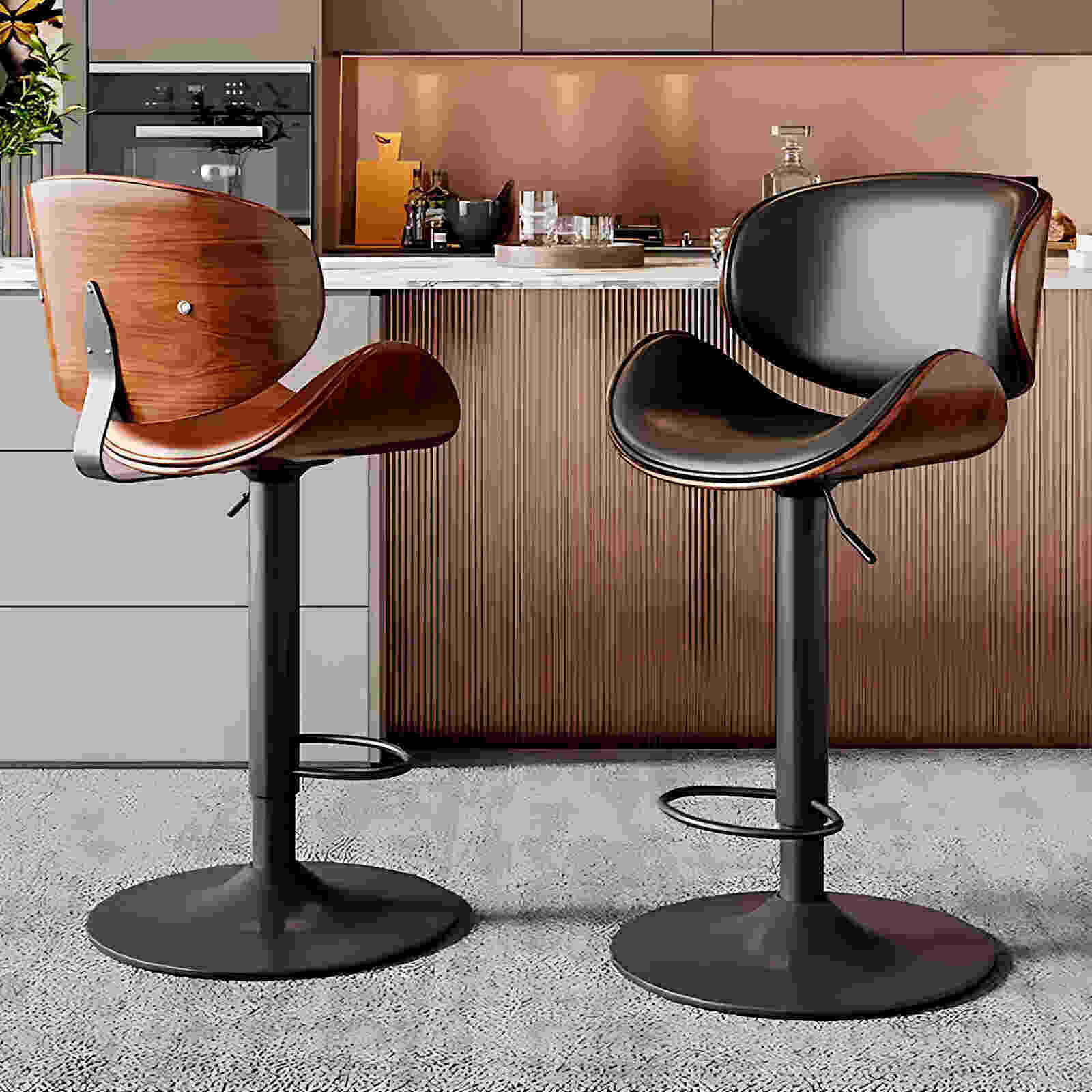
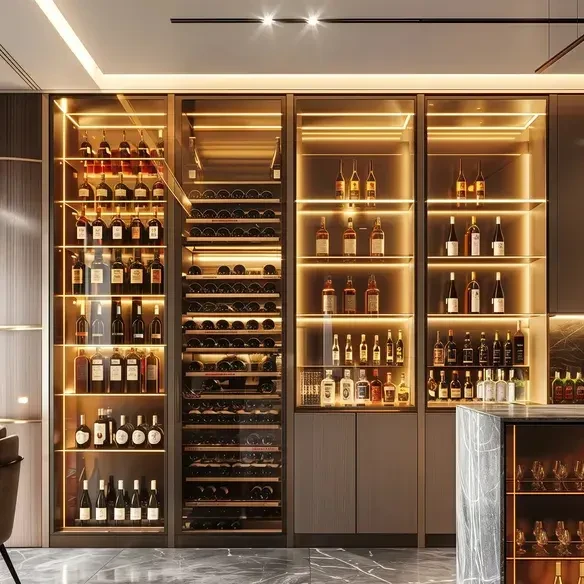
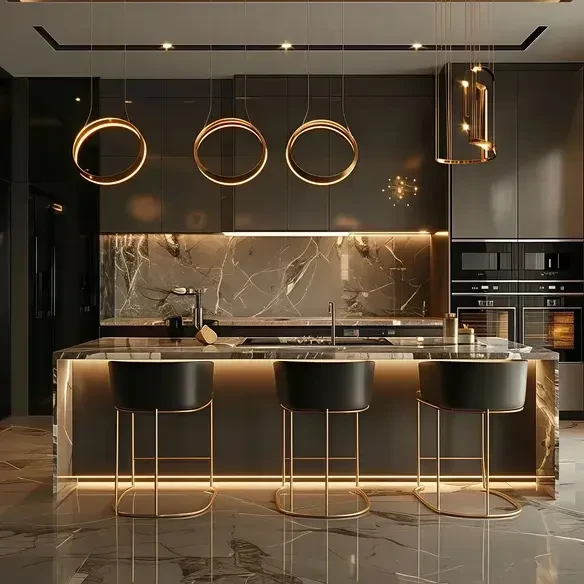
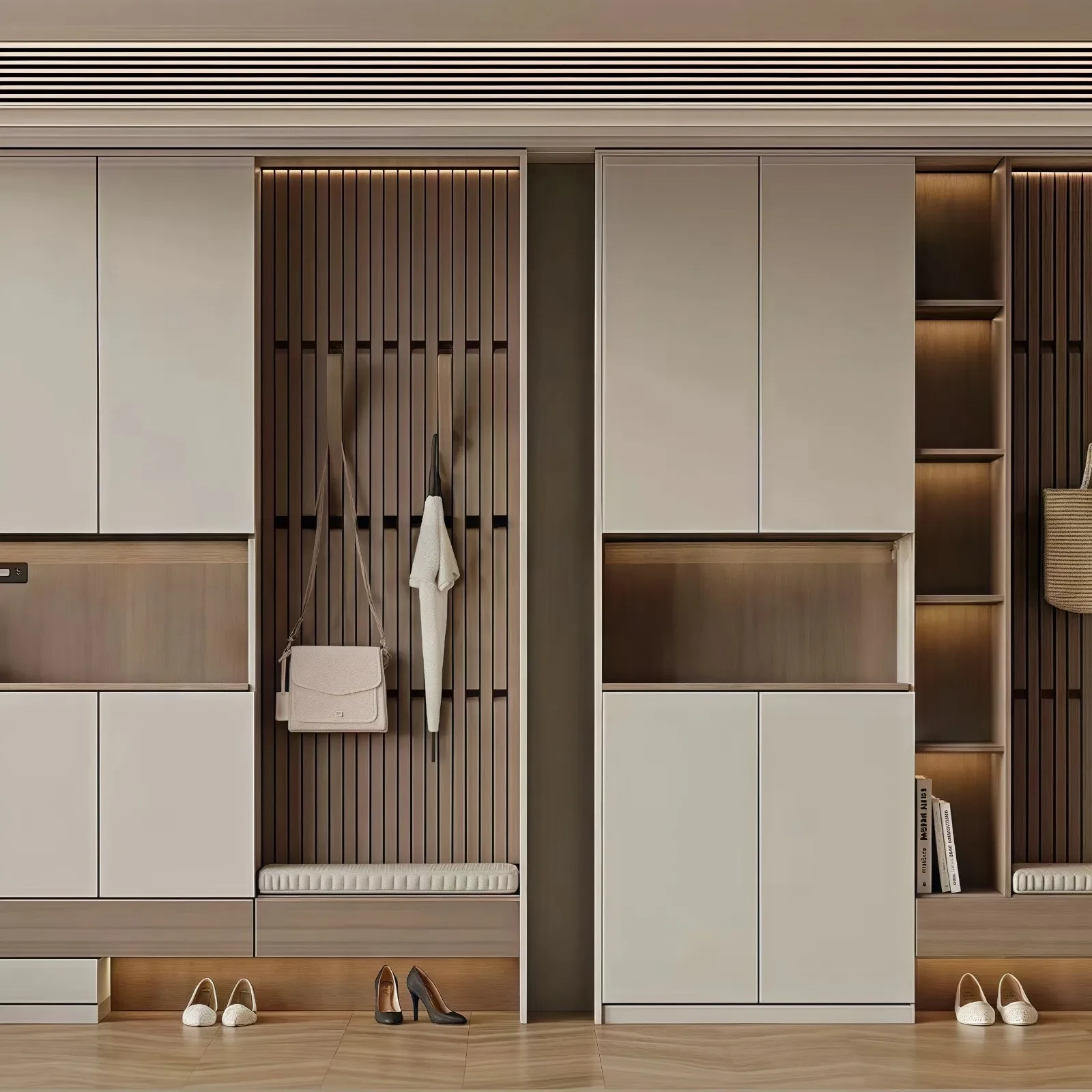
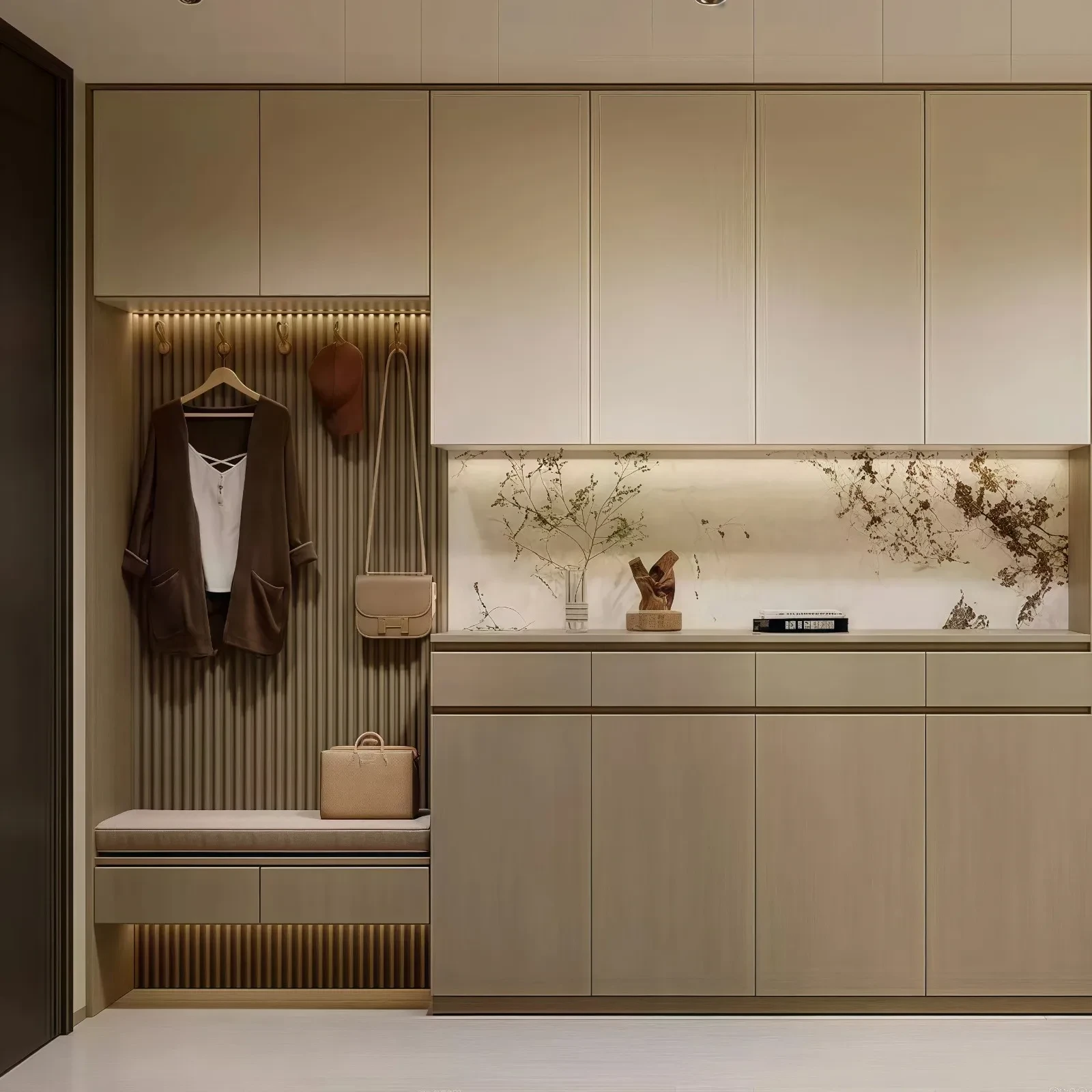
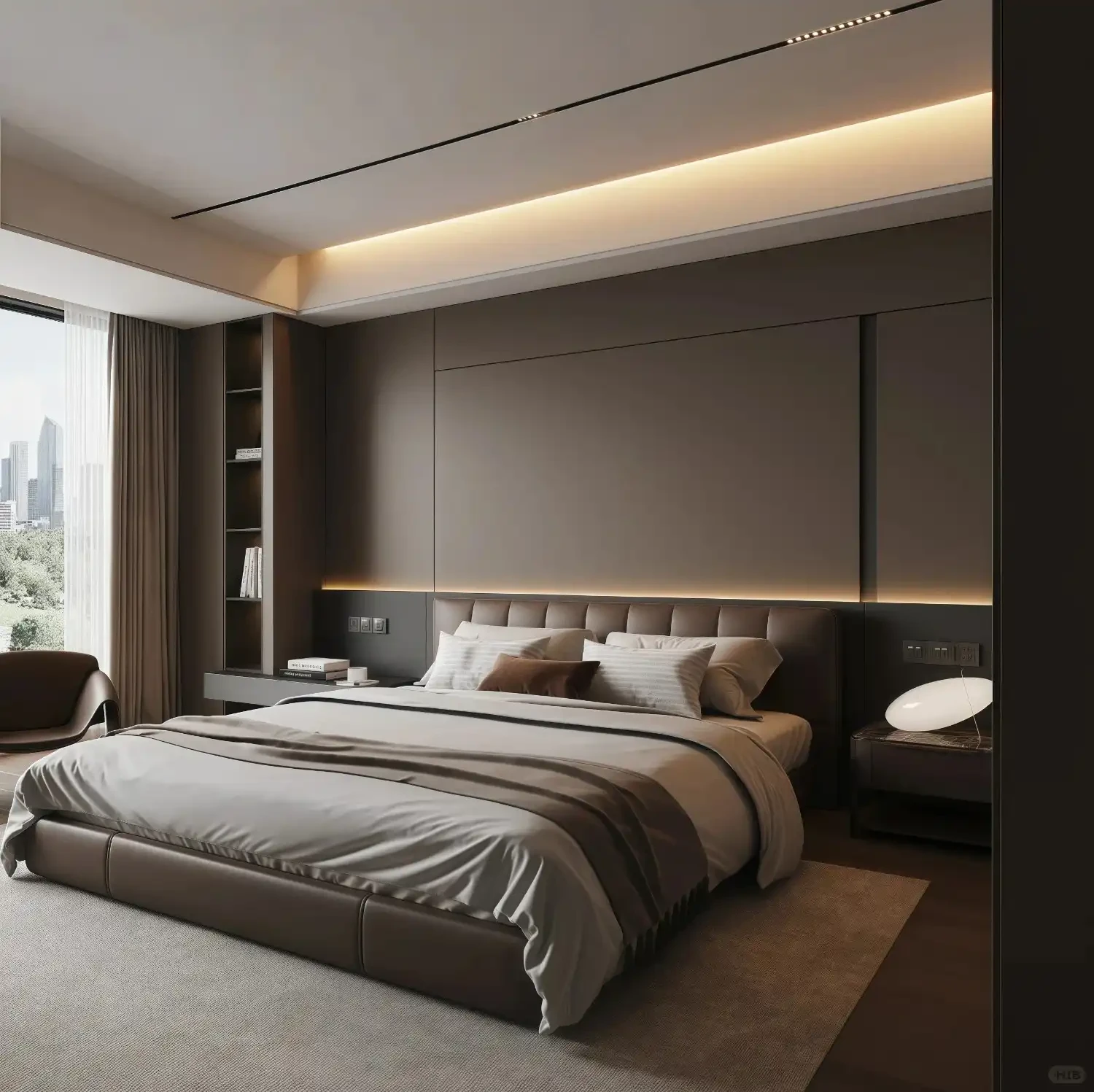
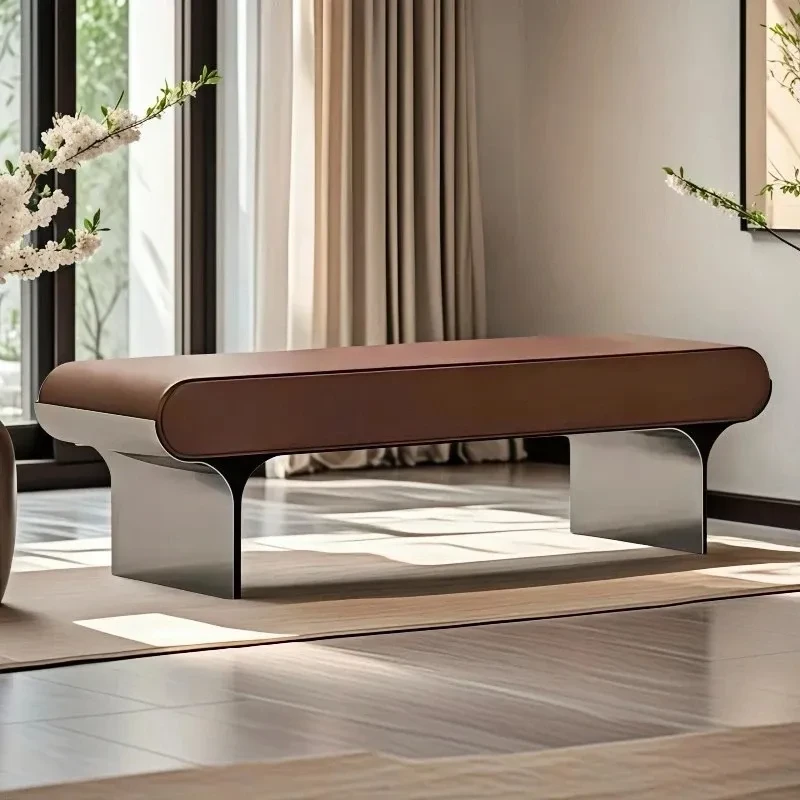
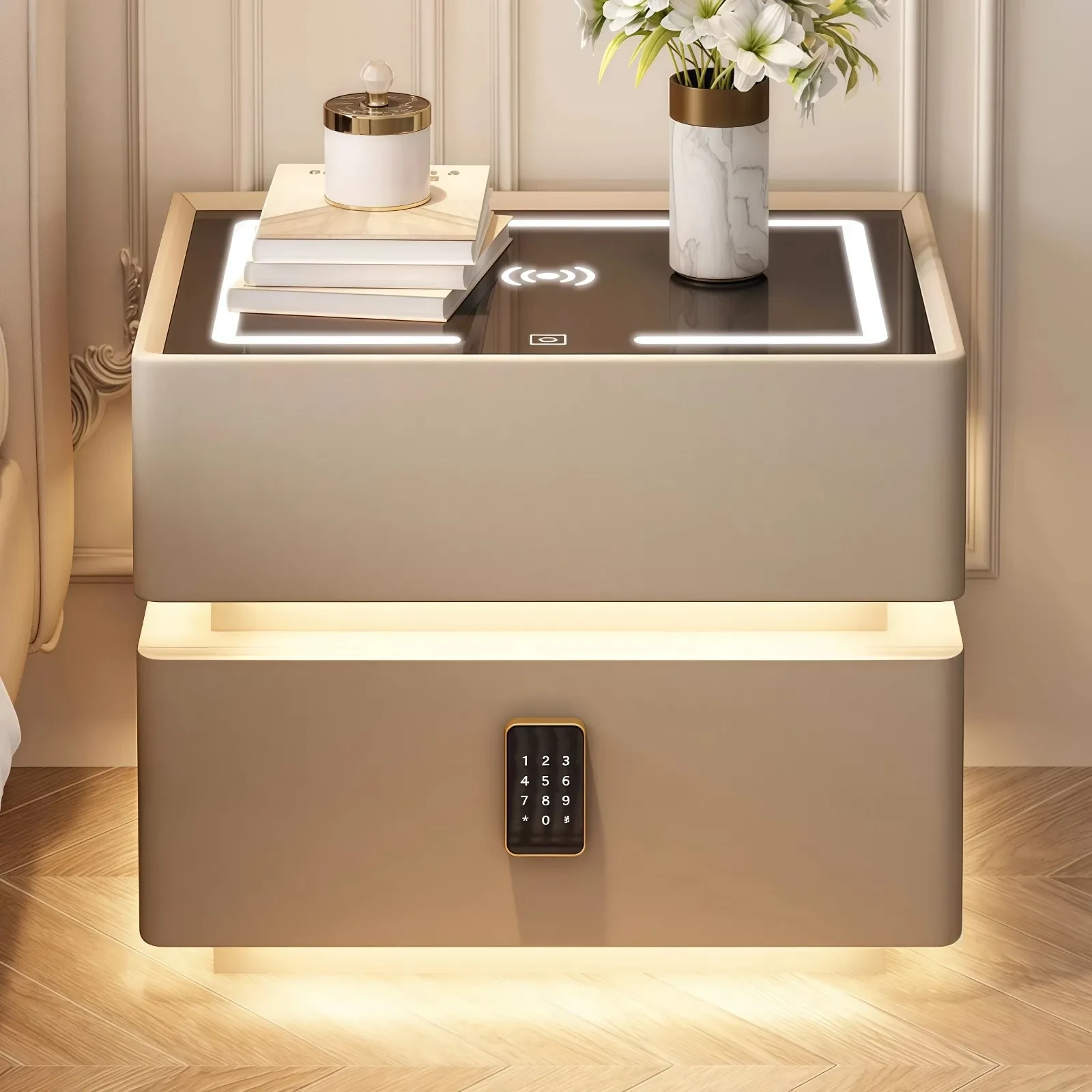
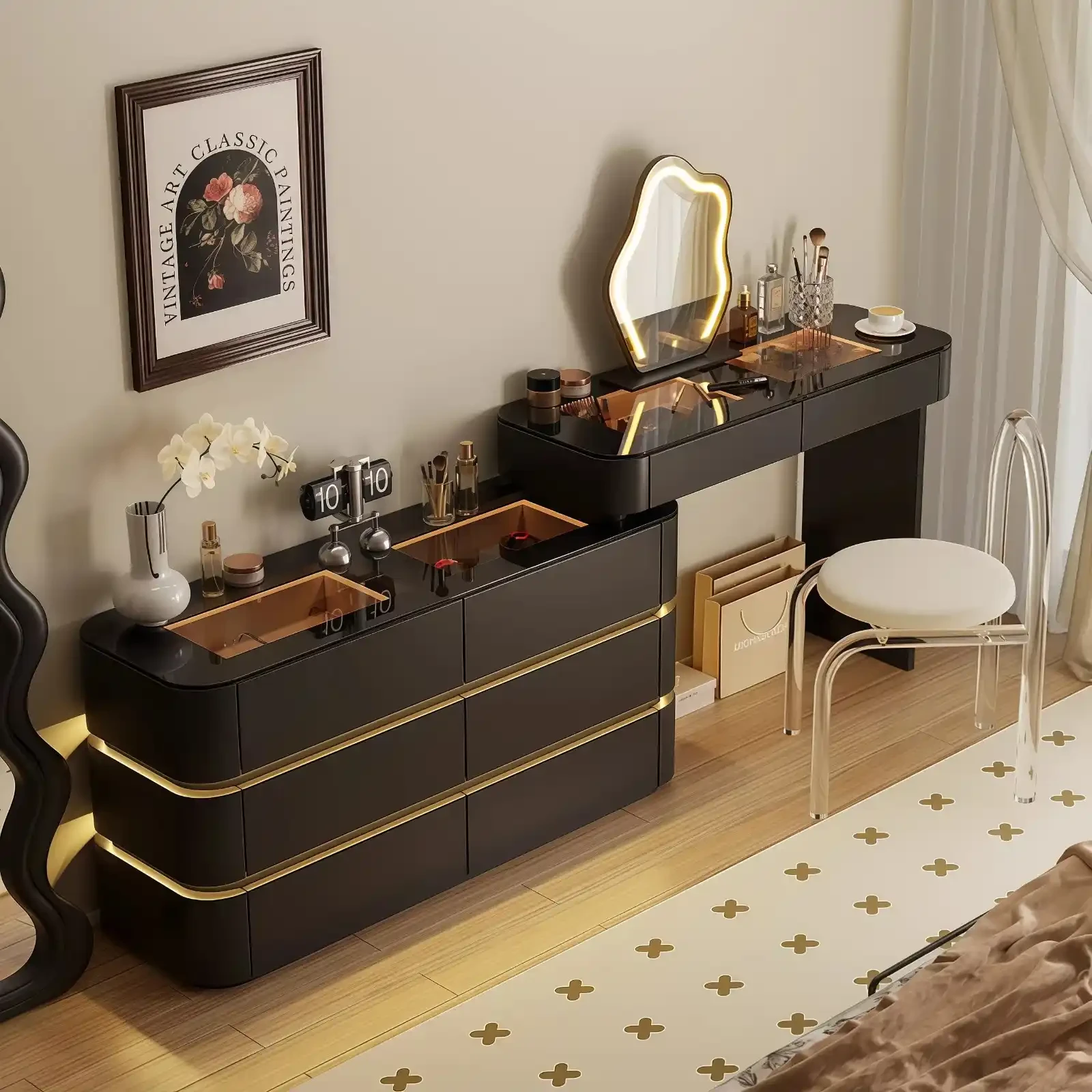
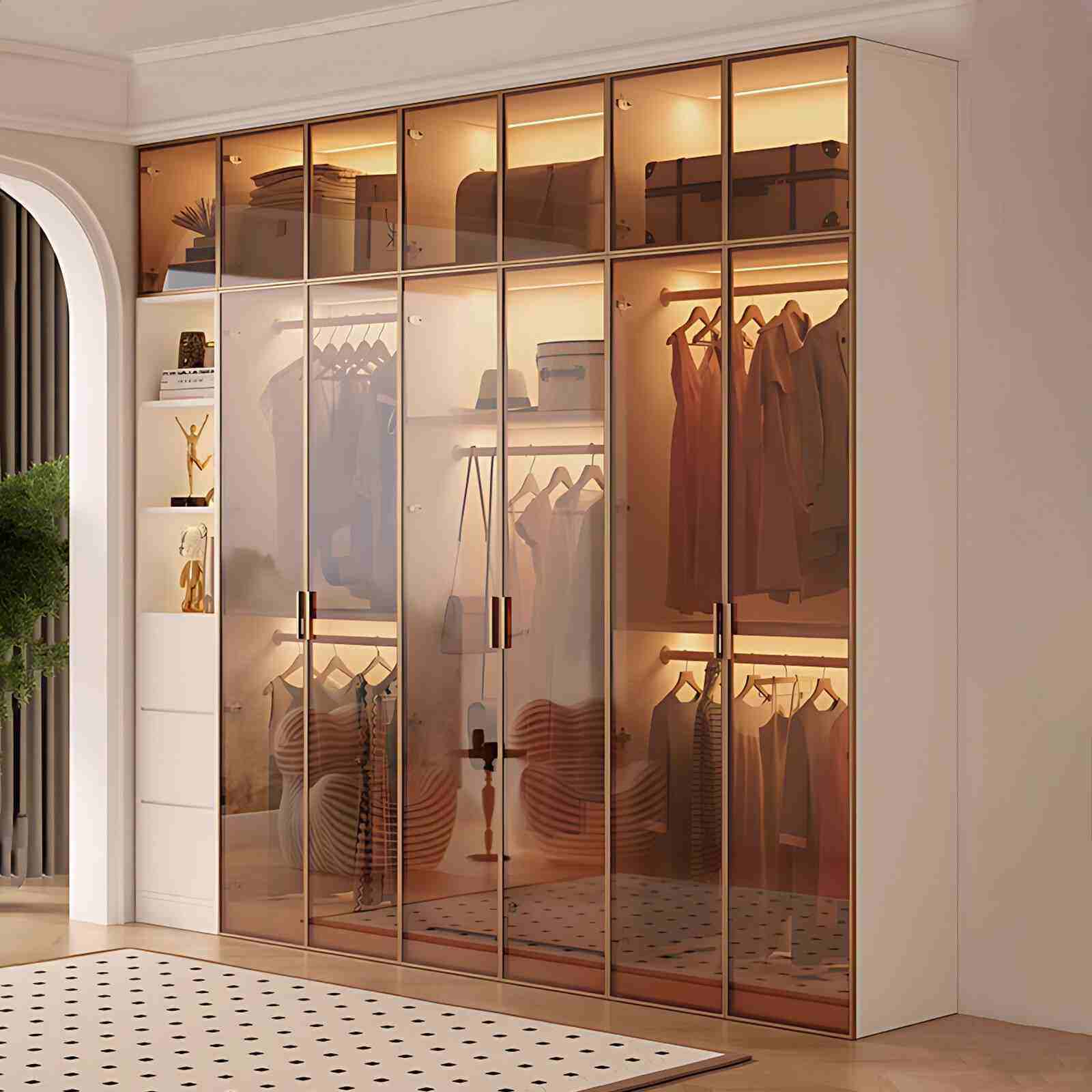
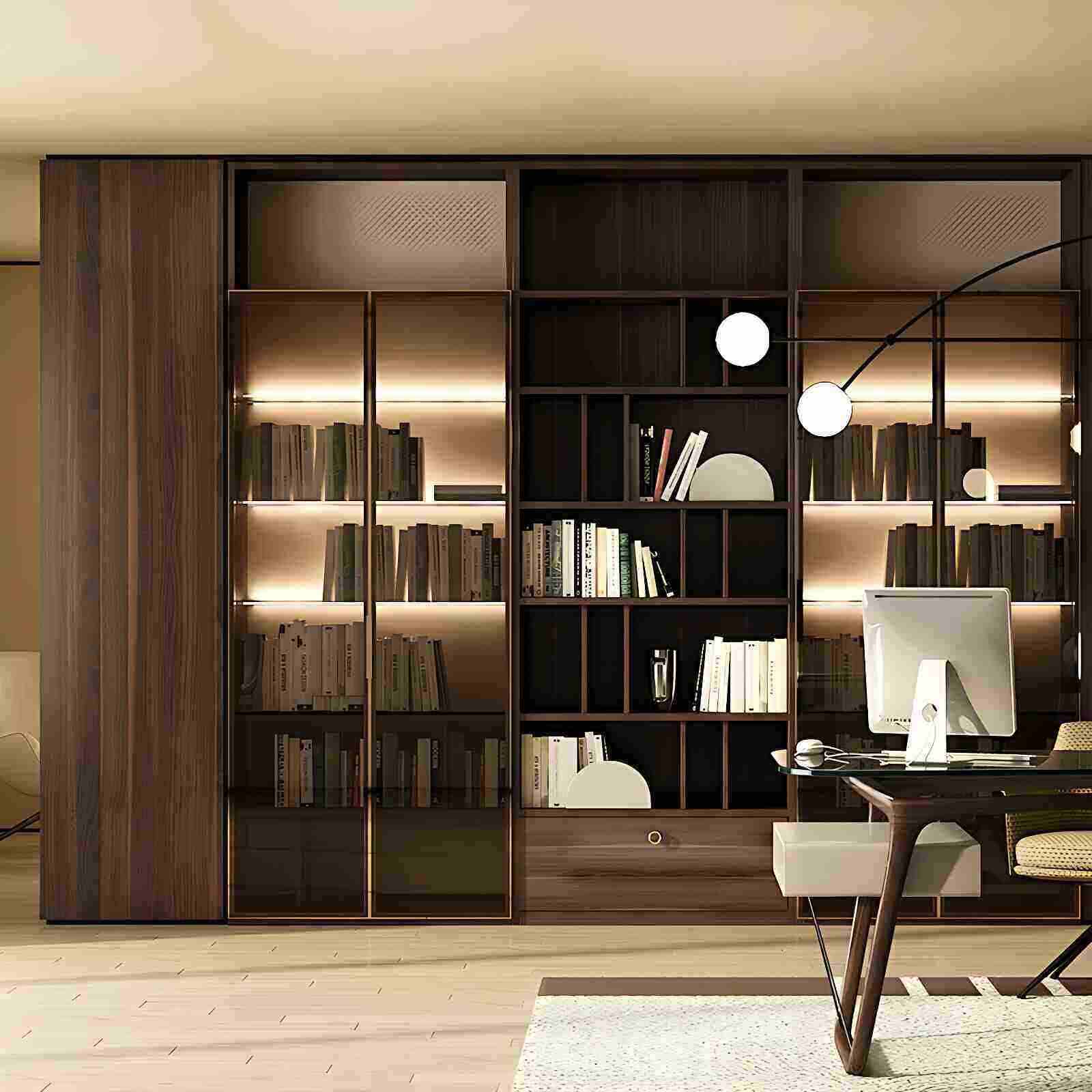


Rosewood furniture originated from the couches that appeared at the end of the Han Dynasty. Through continuous use, refinement, and improvement across various dynasties, it flourished in the Ming Dynasty and has remained popular ever since. Rosewood furniture is like a noble and elegant gentleman, possessing a dignified and refined temperament and a luxurious yet tasteful charm. It has been deeply loved by people for thousands of years. Because the average consumer doesn't know much about rosewood furniture, they often feel that its exorbitant prices are prohibitive. However, rosewood furniture isn't actually that expensive. In China, Burmese rosewood is currently the most recognized and popular wood, and one of the most influential woods. Its approachable price, unique fragrance, and various health benefits are widely appreciated; its fresh and elegant fragrance is said to aid sleep. Moreover, the ever-changing grain patterns of Burmese rosewood make it truly irresistible.
Then there are rosewood, sandalwood, and huanghuali. For rosewood, the first step in distinguishing any wood is to smell it. This is the wood's identity card; different woods have different smells. Rosewood has a slightly acidic smell, sandalwood has a sandalwood scent and is also called sandalwood sandalwood, while huanghuali has a unique fragrant rosewood scent. The second step is to look at the wood grain and the thickness of the dark streaks. Why is looking at the wood grain the second step? Because there are so many woods with similar grain patterns, such as the most obvious tiger-skin pattern of Burmese rosewood, and the ghost-eye pattern of huanghuali, just like there are many people who look very similar. The third step is to look at the color and the size of the pores. Distinguishing wood requires combining multiple aspects. How can you choose the furniture you truly like from the numerous styles and mixed quality of the rosewood furniture market? Here, we have compiled nine common misconceptions to help you avoid being too blind when purchasing rosewood furniture.
Myth: The bigger the style, the better; the heavier the material, the better.
Chinese classical furniture emphasizes the beauty and proportion of form and lines. Rosewood furniture, in particular, prioritizes four key elements: form, material, craftsmanship, and aesthetic appeal. Therefore, bigger isn't always better; it depends on the intended use and context. Large pieces should convey grandeur, while small pieces should exude refinement. Furthermore, heavier pieces are not necessarily better or more valuable.
Myth 2: Focusing too much on whether it is purely handmade
The production of rosewood furniture should be a combination of machine and handcraft. For example, mortise and tenon joints must be executed with absolute precision, which requires machine work. However, machine-made carvings tend to appear stiff and lifeless, necessitating the refinement of skilled craftsmen to imbue them with greater spirit and charm.
Myth 3: Buying mahogany furniture is for its value to increase.
As a treasure of traditional Chinese culture, the appreciation of rosewood furniture is a natural process. When purchasing rosewood furniture, we should approach it with a calm mind, enjoying the taste and pleasure it brings. There's no need to constantly focus on price fluctuations and become anxious about gains and losses.
Myth 4: Rosewood furniture must be placed in a set with Chinese-style decoration.
Beauty is universal; beautiful things can transcend space, national borders, and eras. If your home has modern decor, adding a few pieces of mahogany furniture can create a unique charm. Besides, a fine piece of mahogany furniture is the best form of decoration.
Myth 5: Unfurnished furniture is always trustworthy.
The term "bare-finished" refers to furniture that is sanded but not painted, waxed, or stained before being sold. However, not all bare-finished furniture is without flaws. If you truly want to buy genuine rosewood furniture, it is recommended to visit the manufacturer in person to see the actual unfinished pieces; that will give you the best peace of mind.
Myth 6: Only following the rules exactly is the best approach.
Ming and Qing dynasty furniture represents the pinnacle of Chinese furniture development, and most antique-style furniture seen on the market today imitates these classic designs. From a collector's perspective, authentic antique reproductions are the best. However, furniture is ultimately a household item, and comfort should be a priority. Furthermore, innovation is essential for any art form to achieve its brilliance across different eras.
Myth 7: Buying rosewood based on its name because you don't understand the material.
There are many names for rosewood furniture on the market now. The reason for this confusion is that merchants take advantage of most consumers' lack of professional knowledge, associating these woods with precious woods to elevate their status. Consumers should be reminded to learn more about rosewood basics and not be misled by fancy names.
Eight common misconceptions: focusing on materials rather than workmanship
Many customers only care about the material when buying rosewood furniture, unaware that the quality of rosewood furniture is 30% material and 70% craftsmanship. Good material is only the foundation; without good workmanship, it's just a pile of wood. Only rosewood furniture made with excellent materials, exquisite craftsmanship, and both form and spirit is worth owning.
Nine common misconceptions: focusing only on the authenticity of the wood while ignoring its quality.
Even for rosewood furniture made from the same type of wood with similar craftsmanship, prices can vary significantly depending on the size of the wood used and its quality. Therefore, customers must pay attention to the size of the wood, whether there are any splices, and the number of panels joined together, as these factors all affect the price.