
 USD
USD GBP
GBP
 EUR
EUR
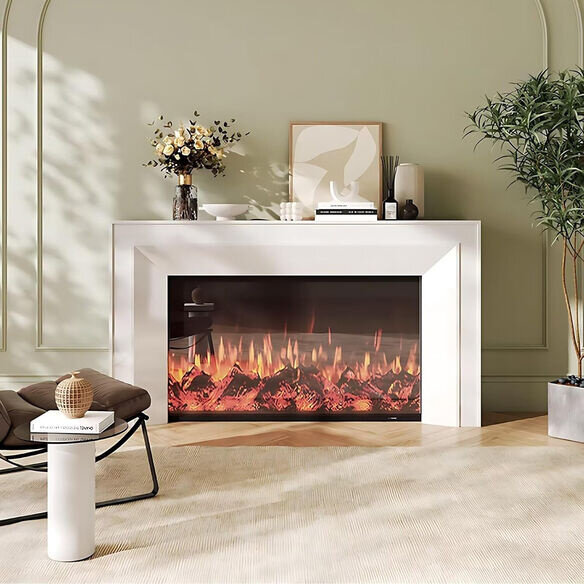
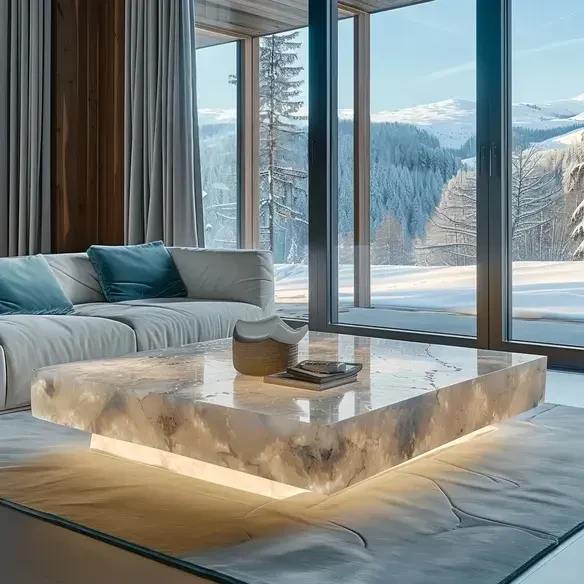
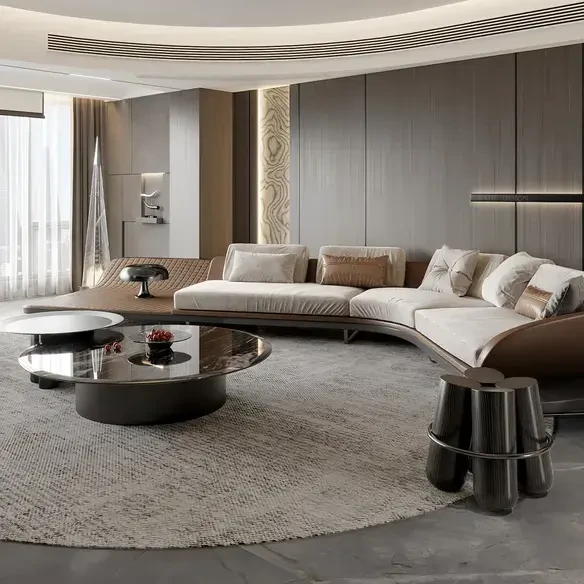
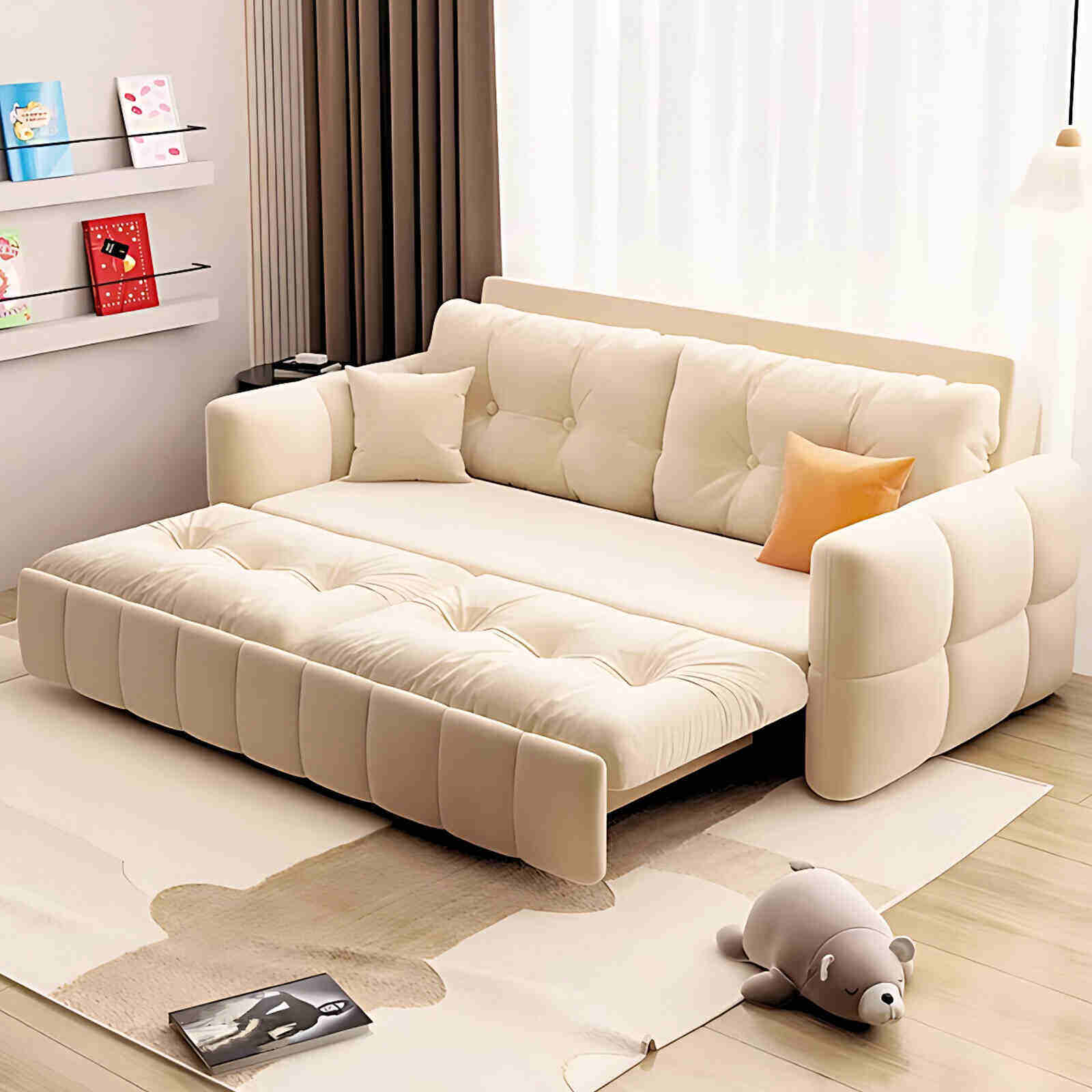
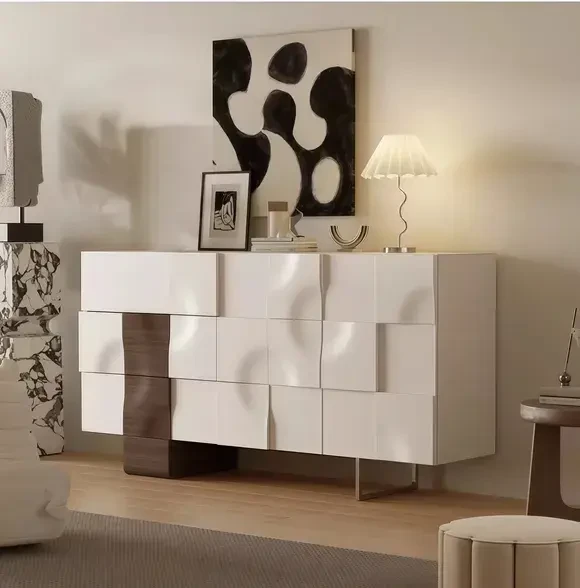
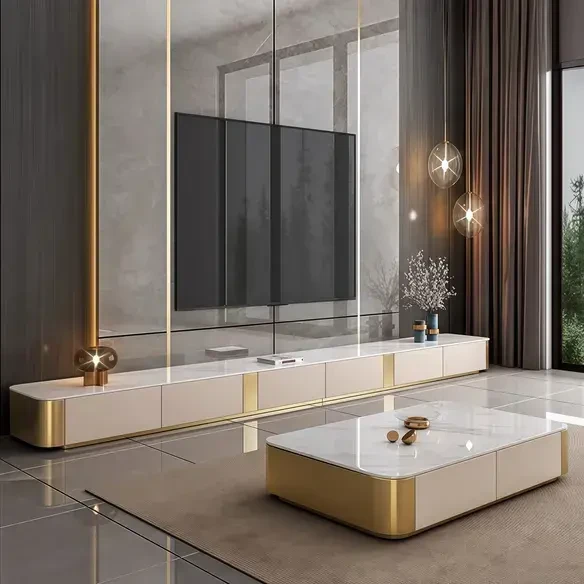
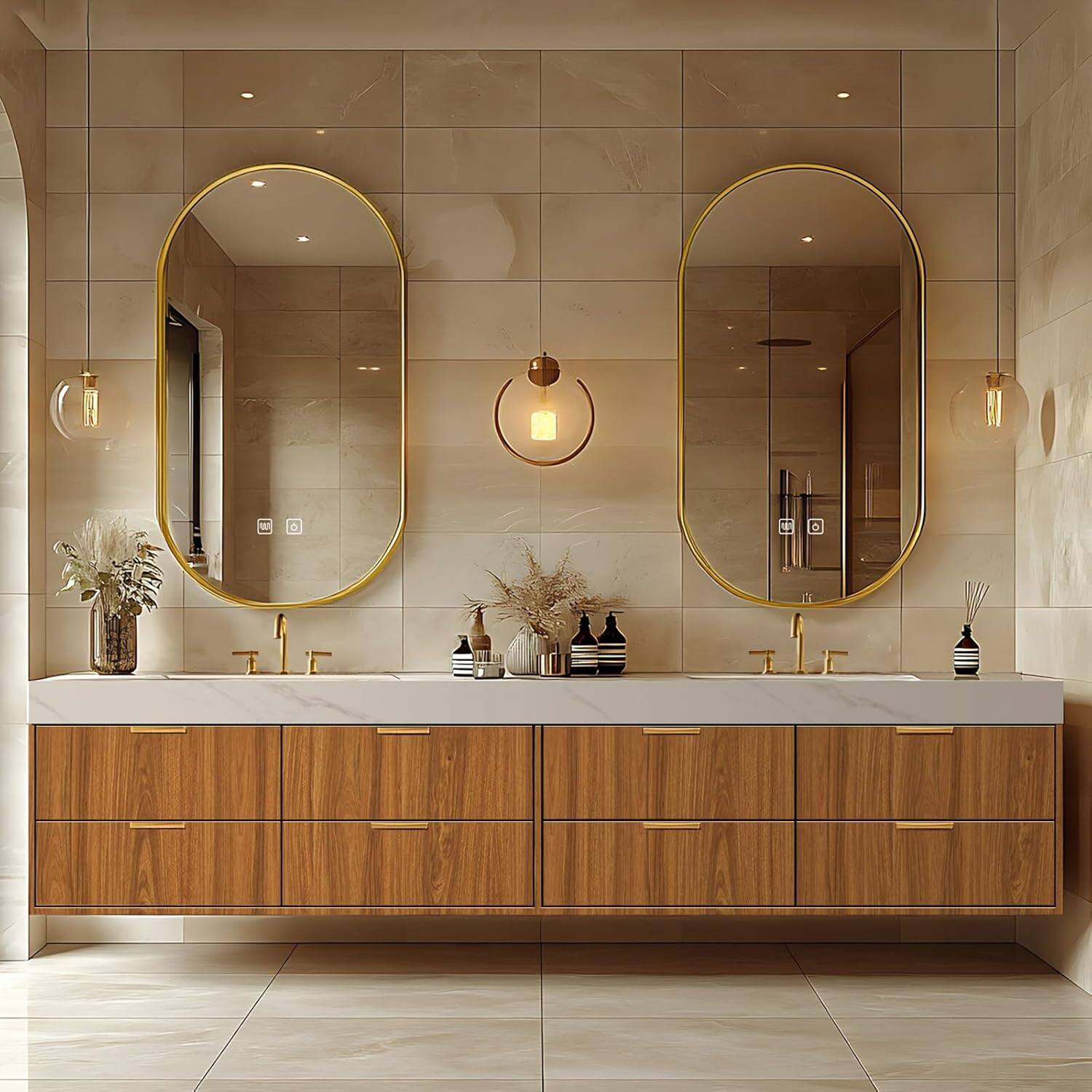
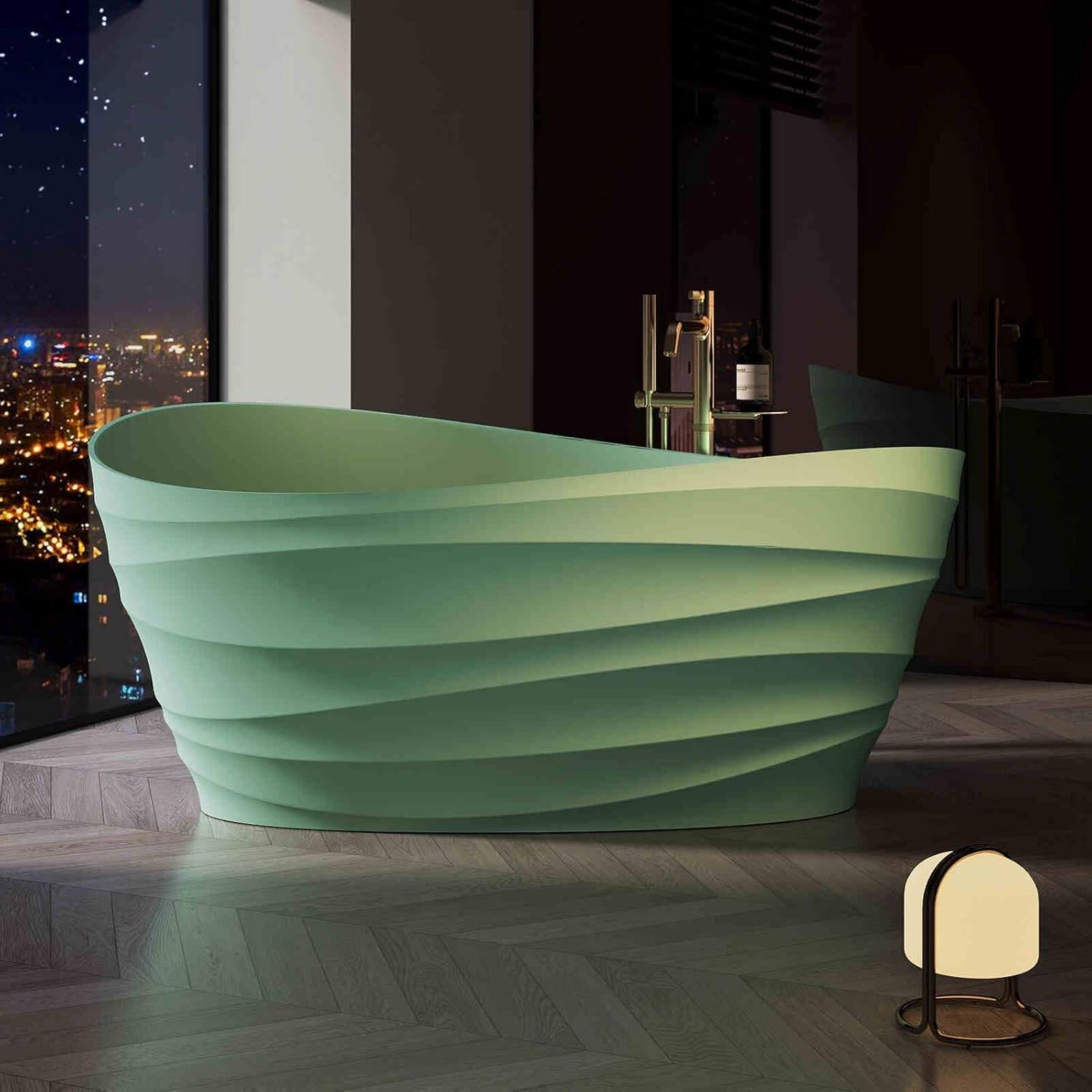
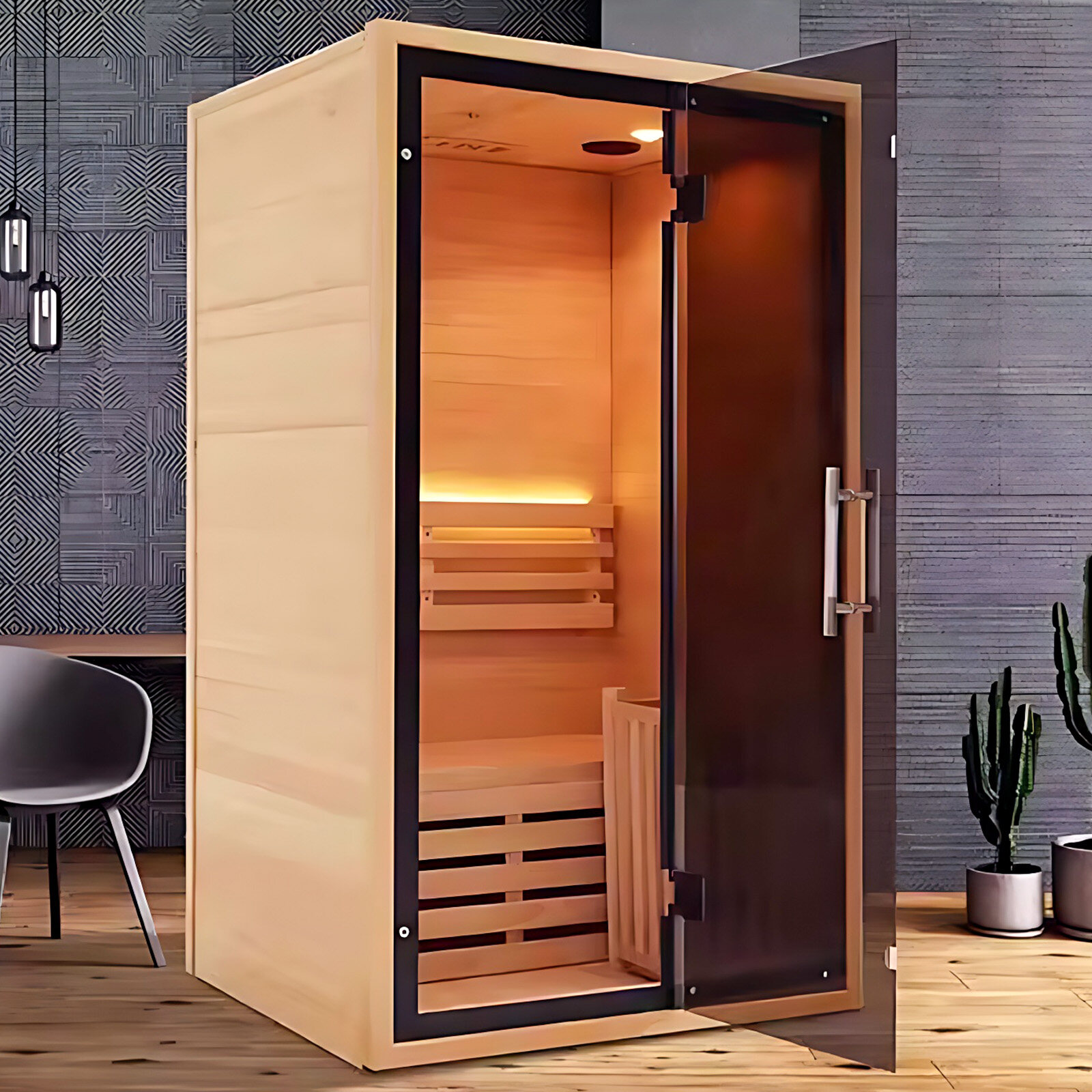
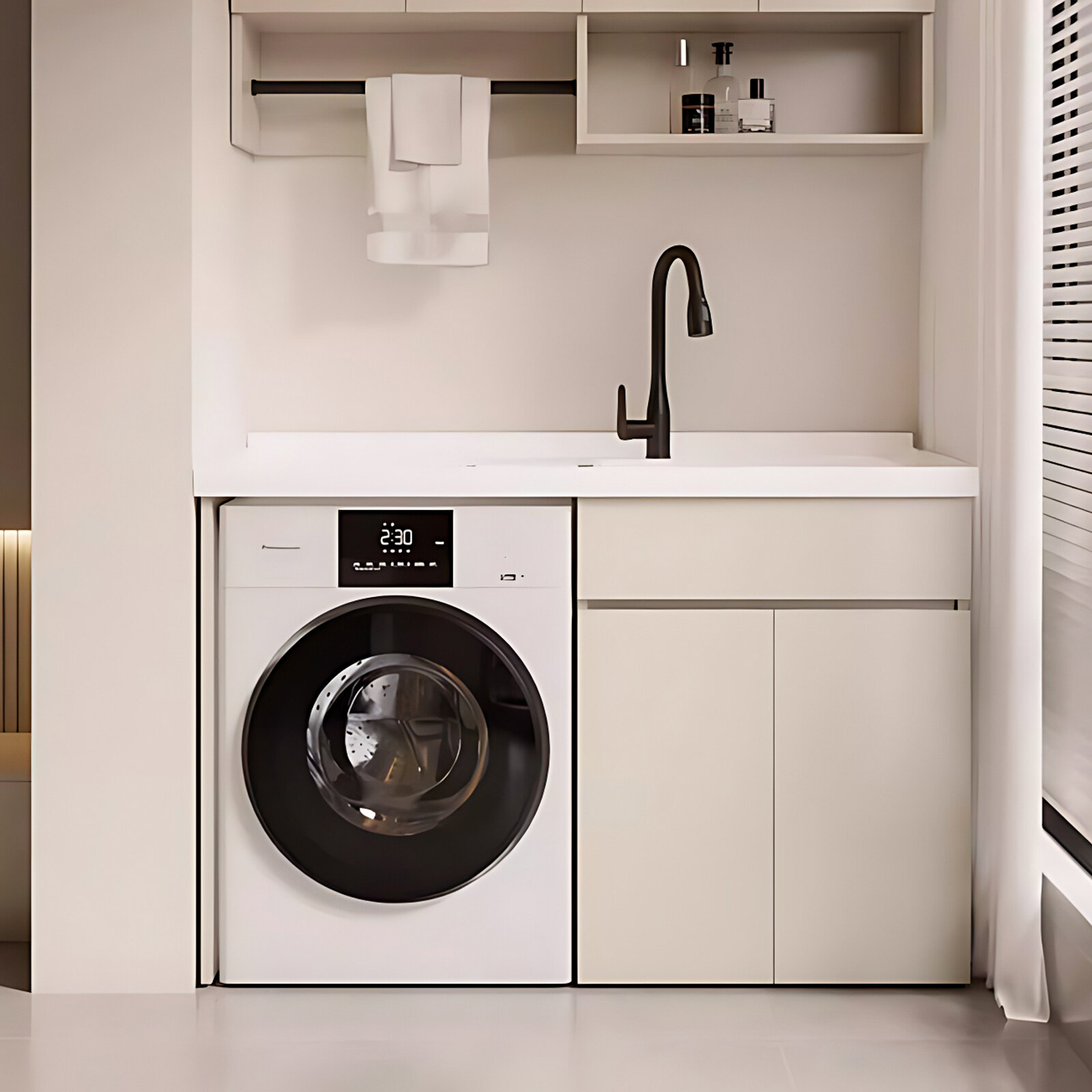
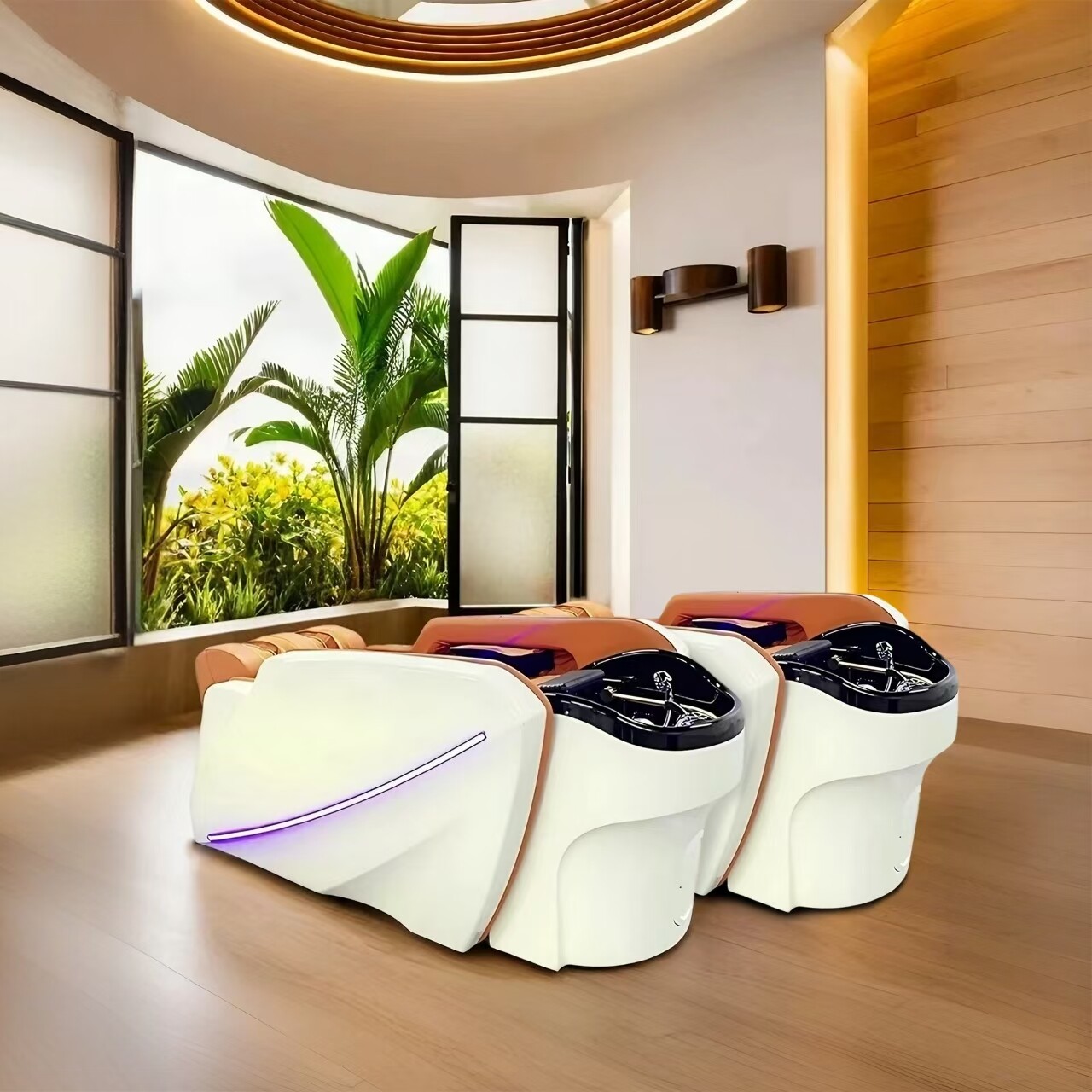
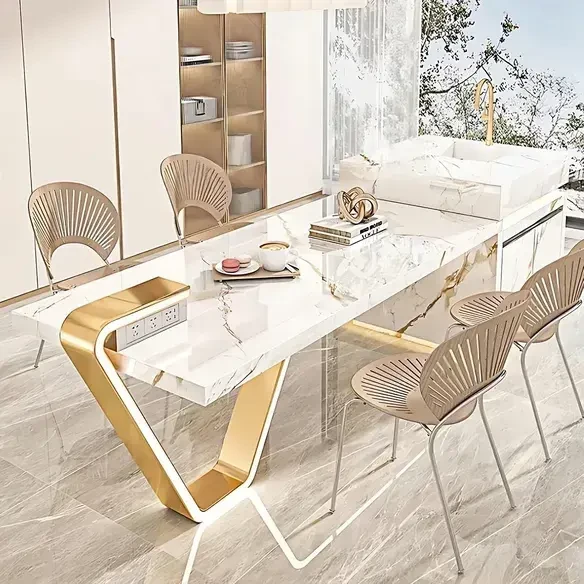
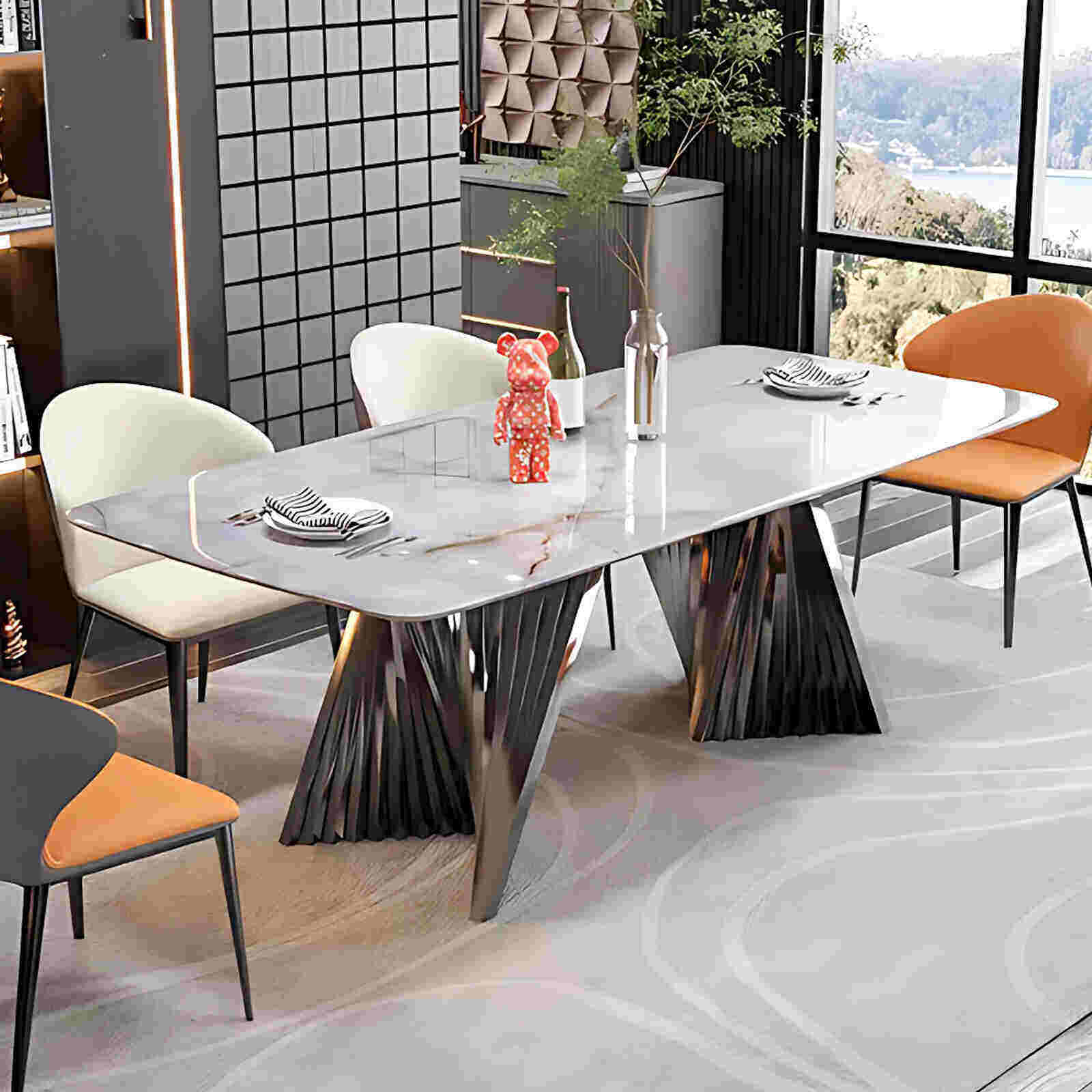
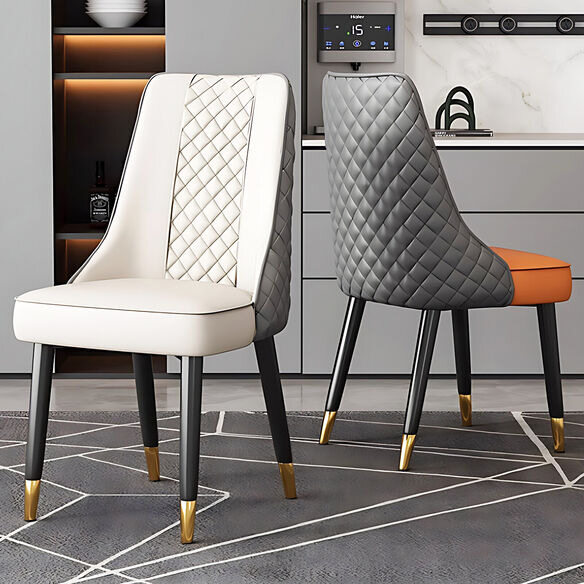
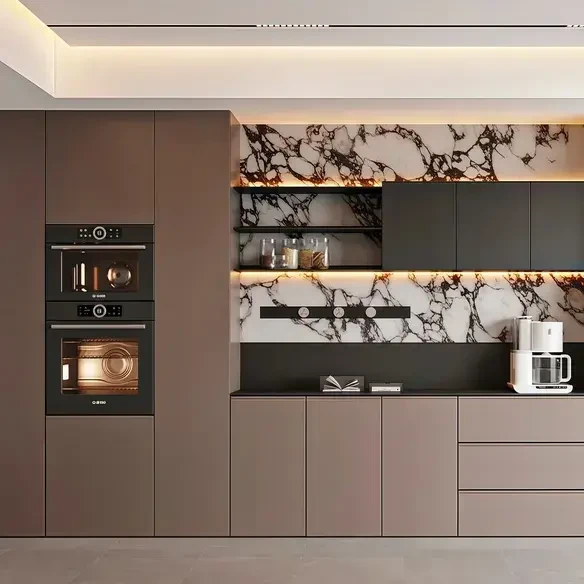
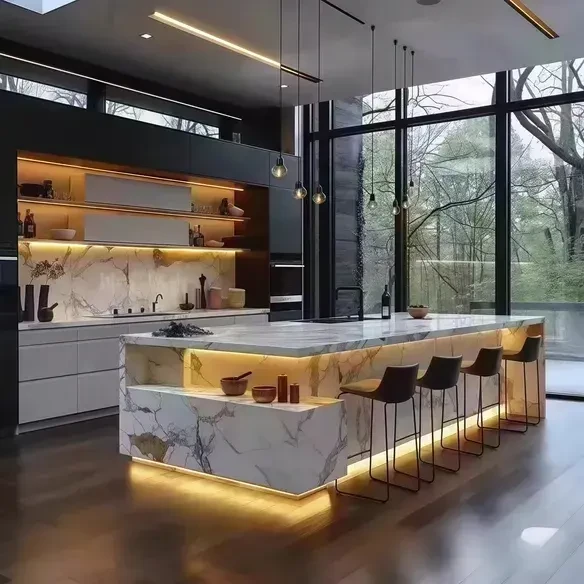
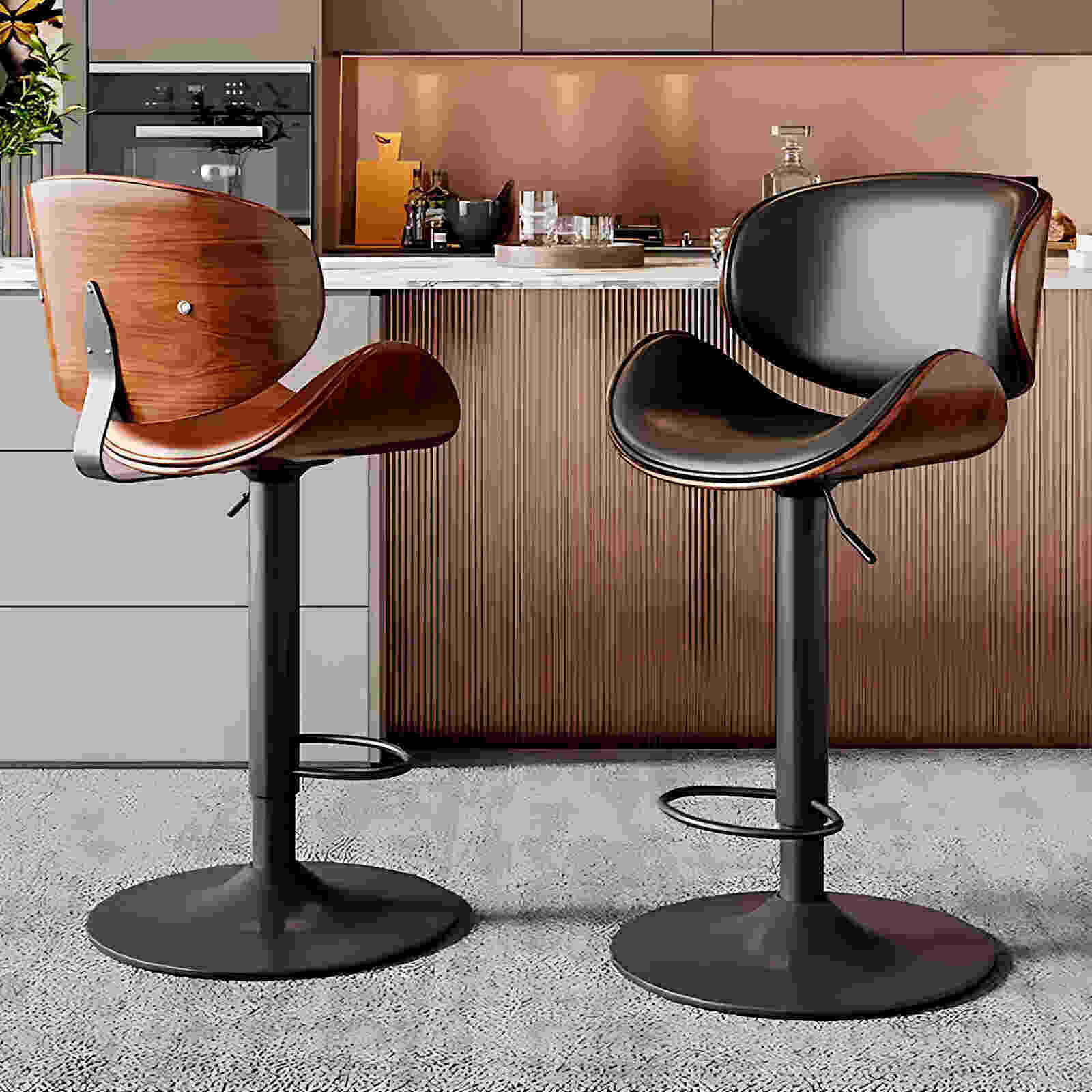

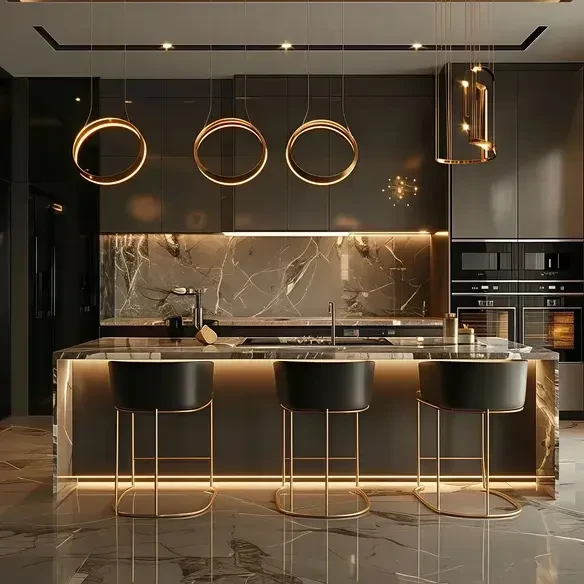
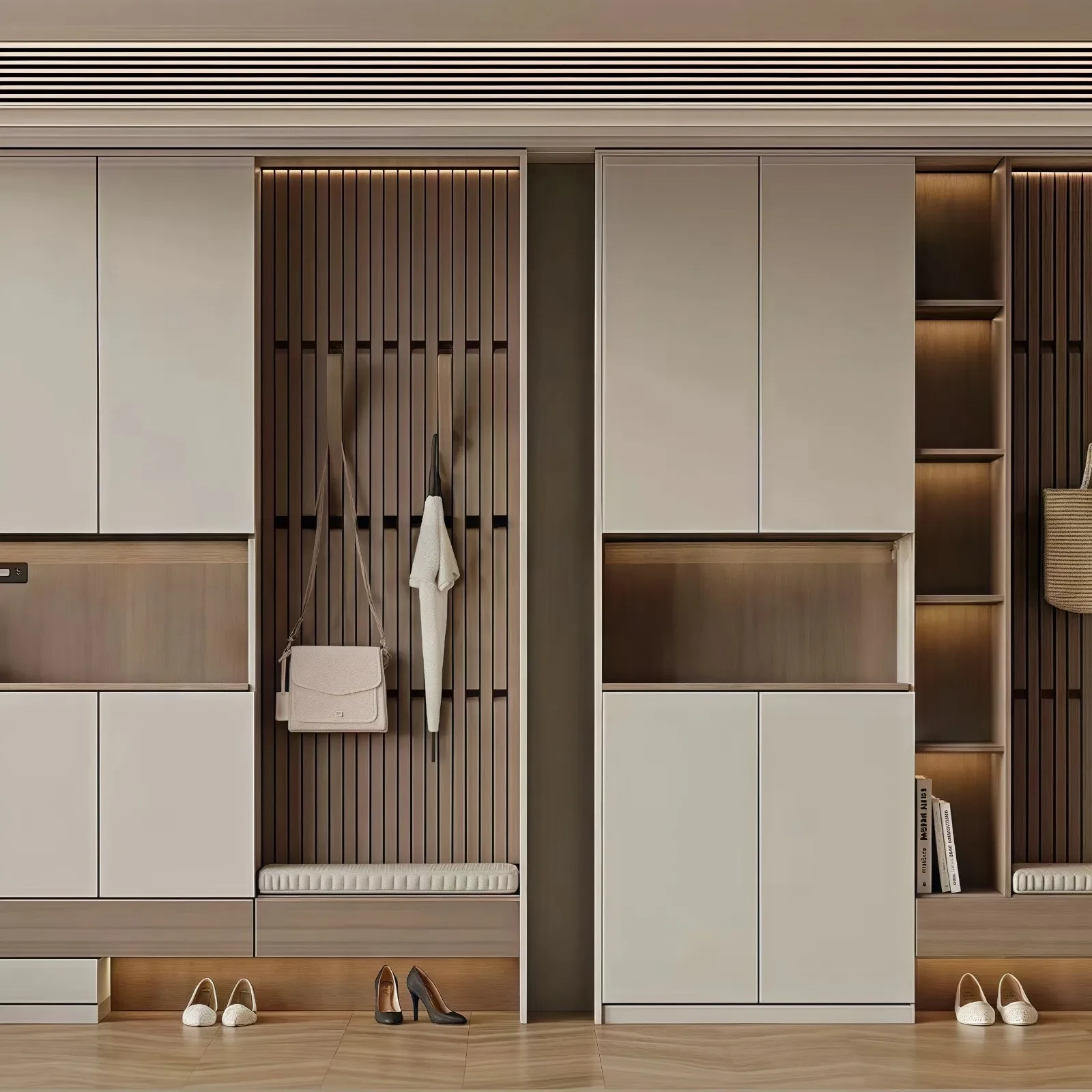
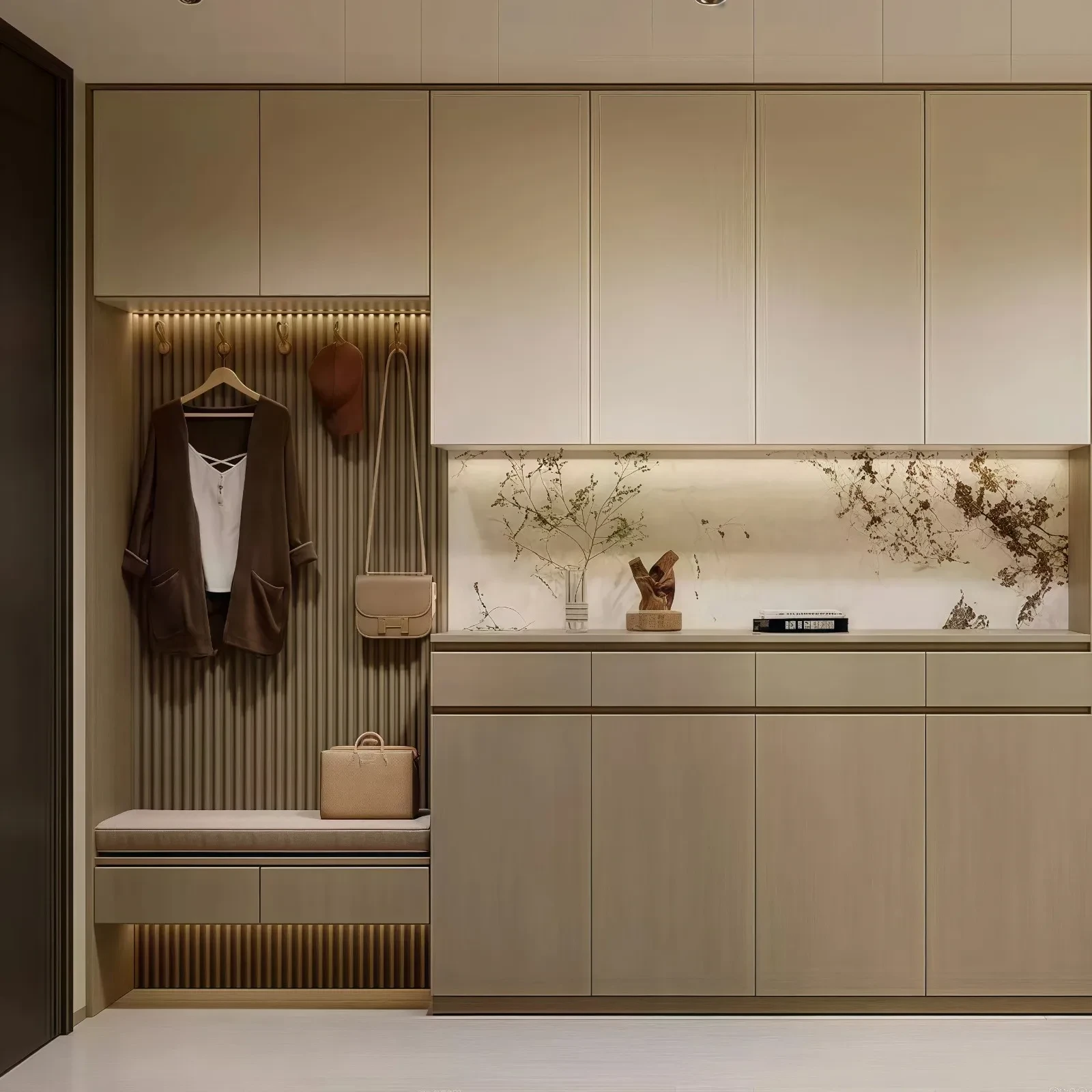
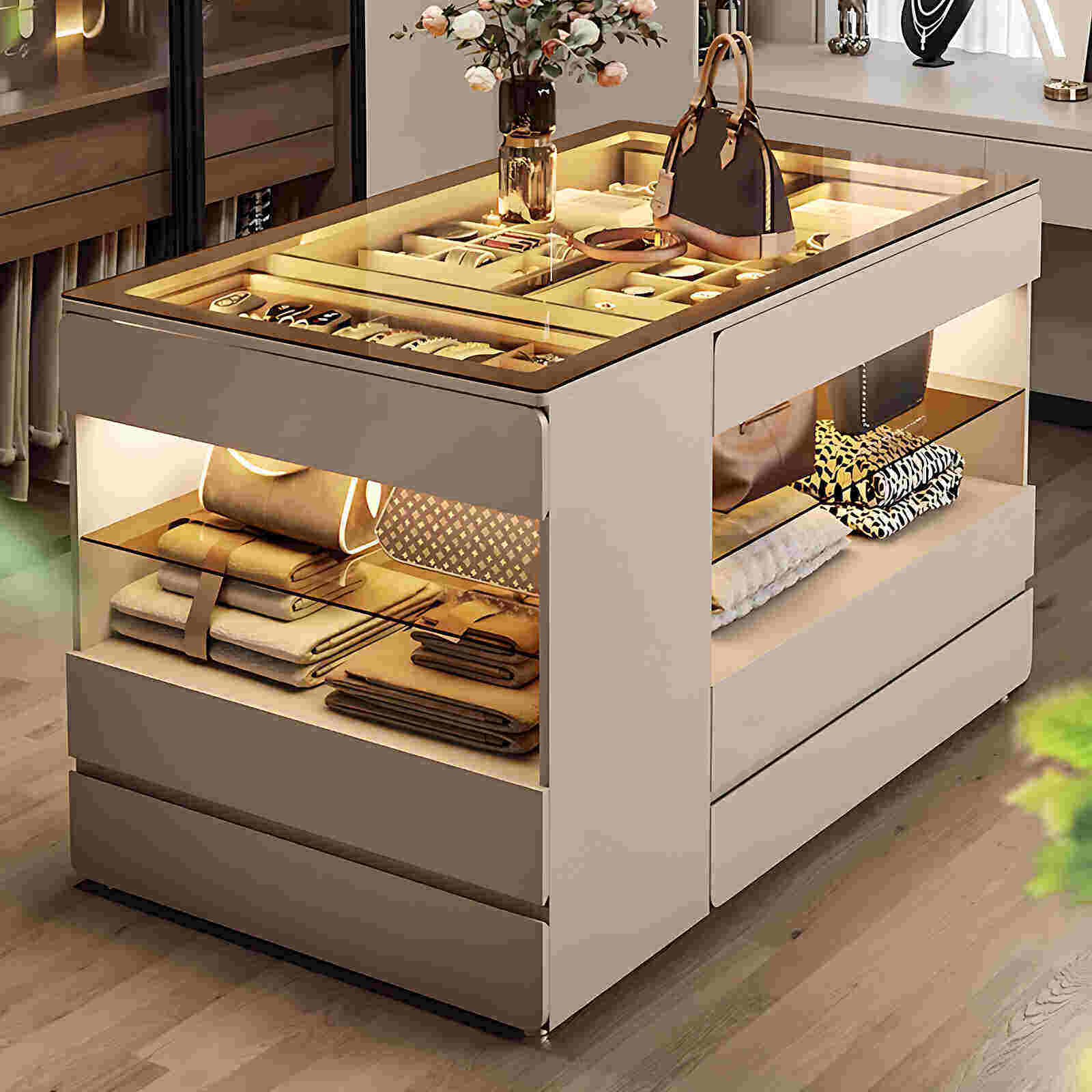
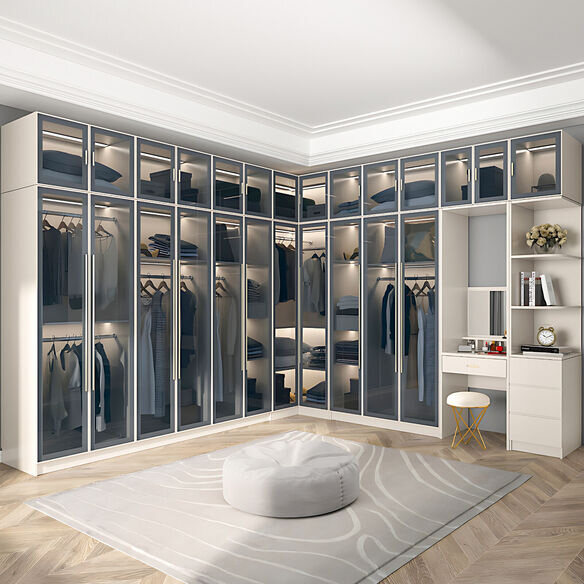
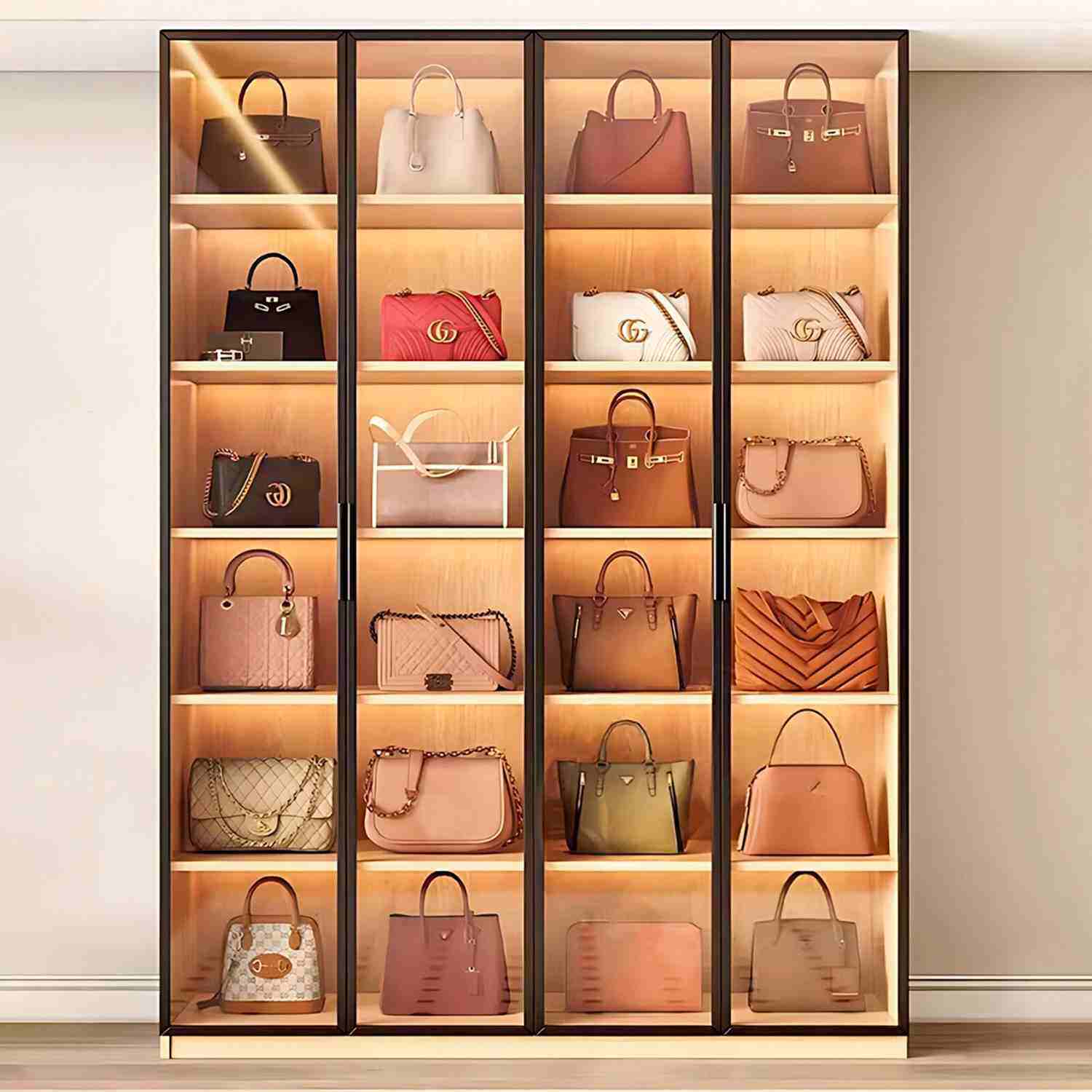
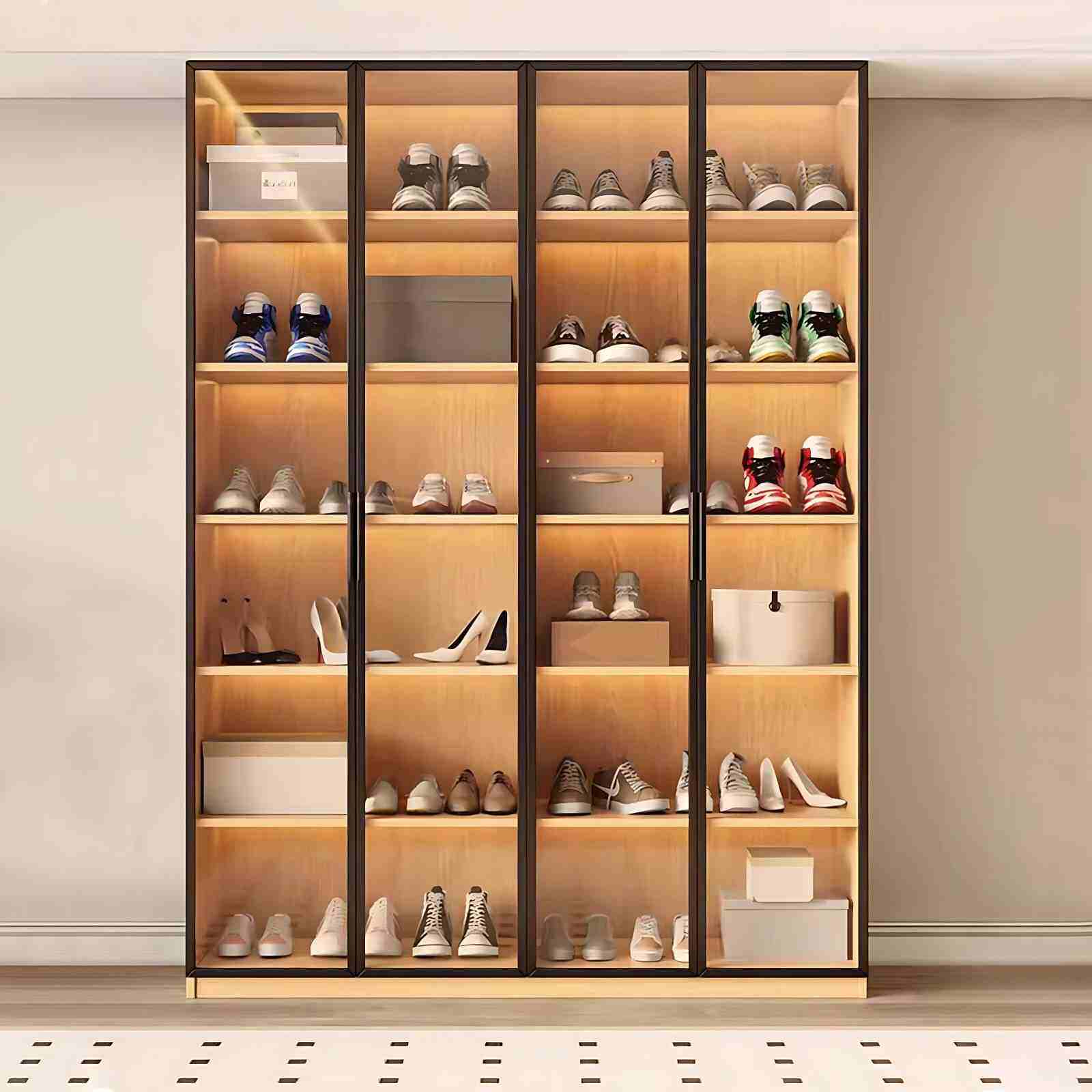
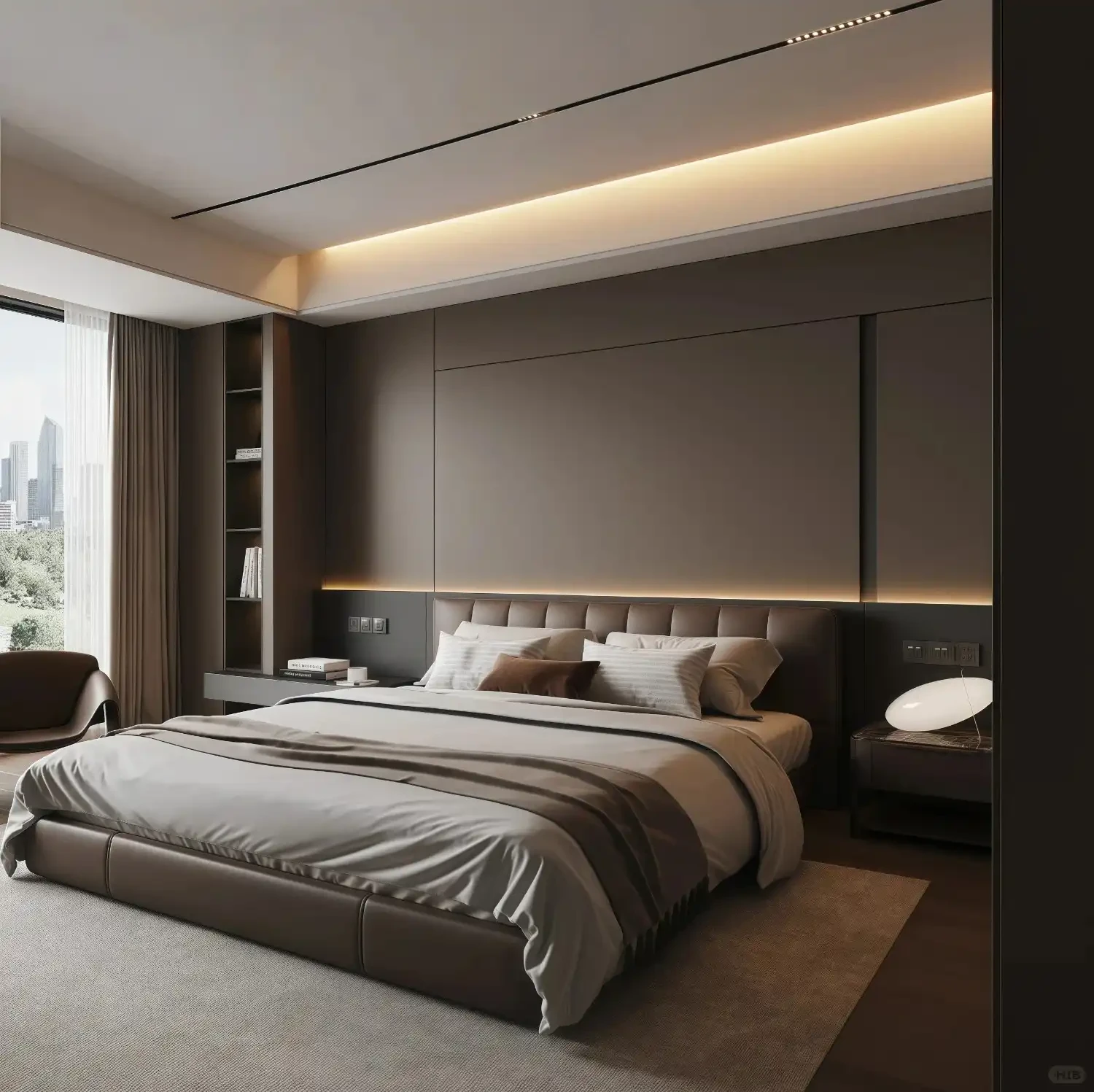
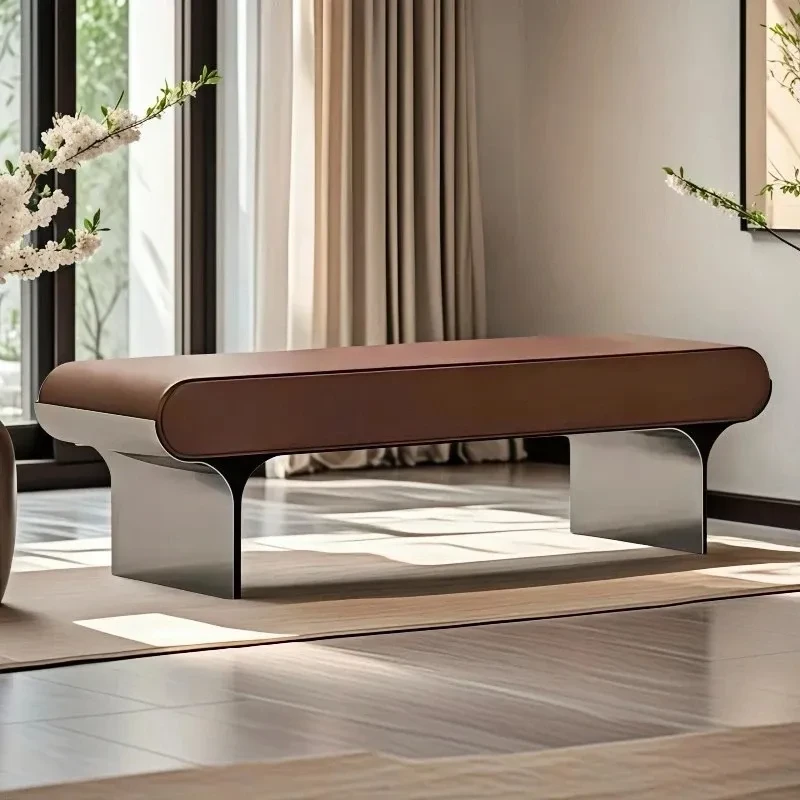
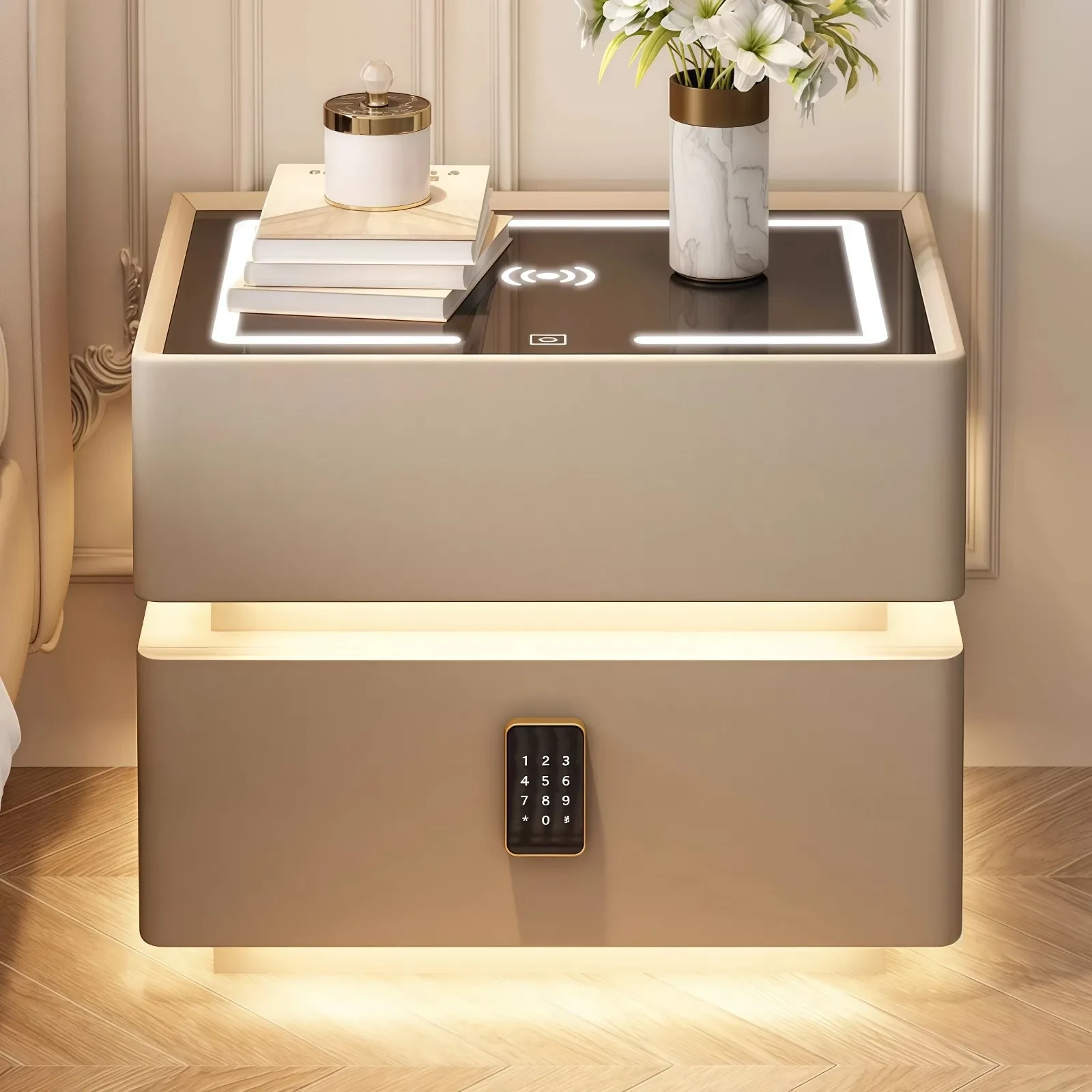
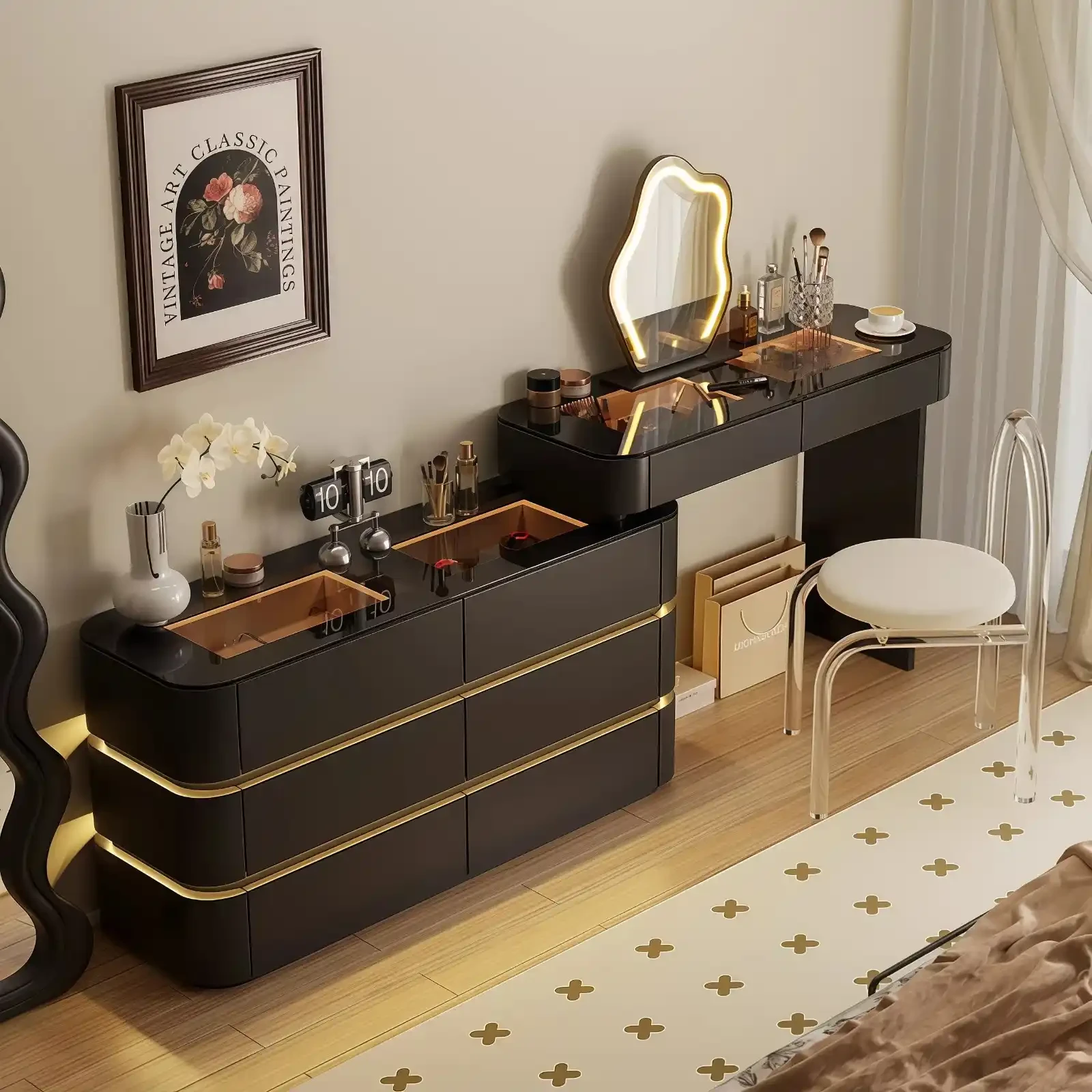
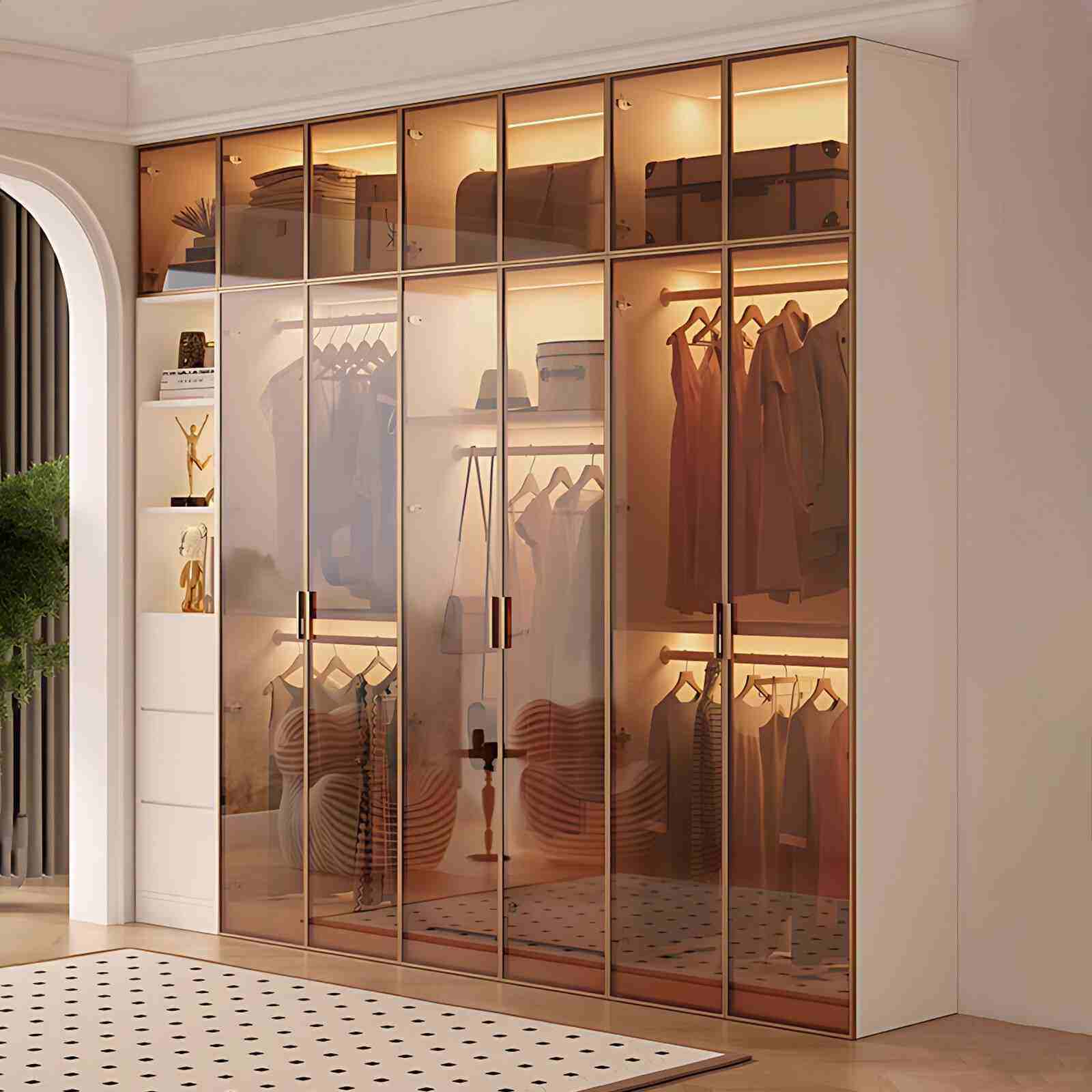
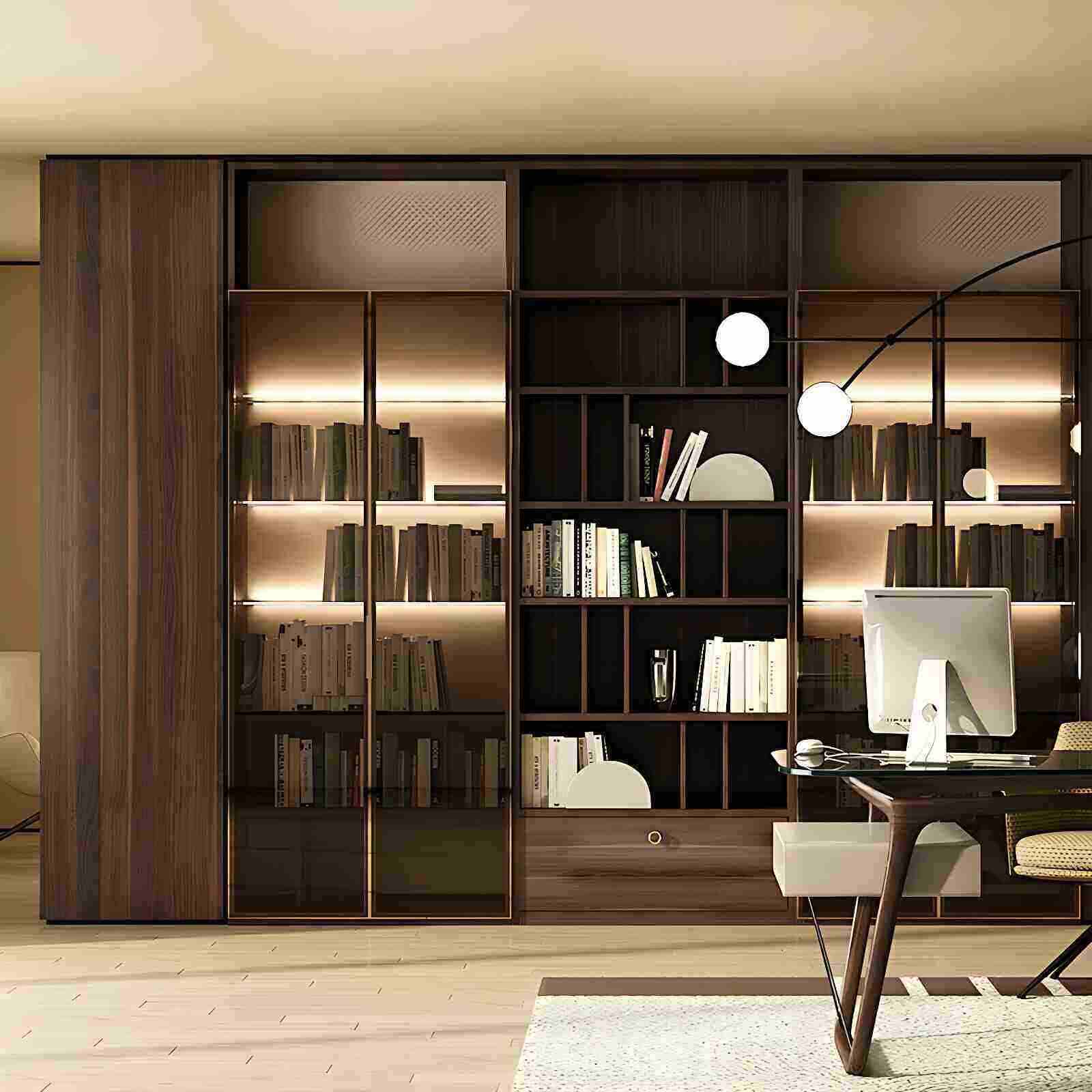
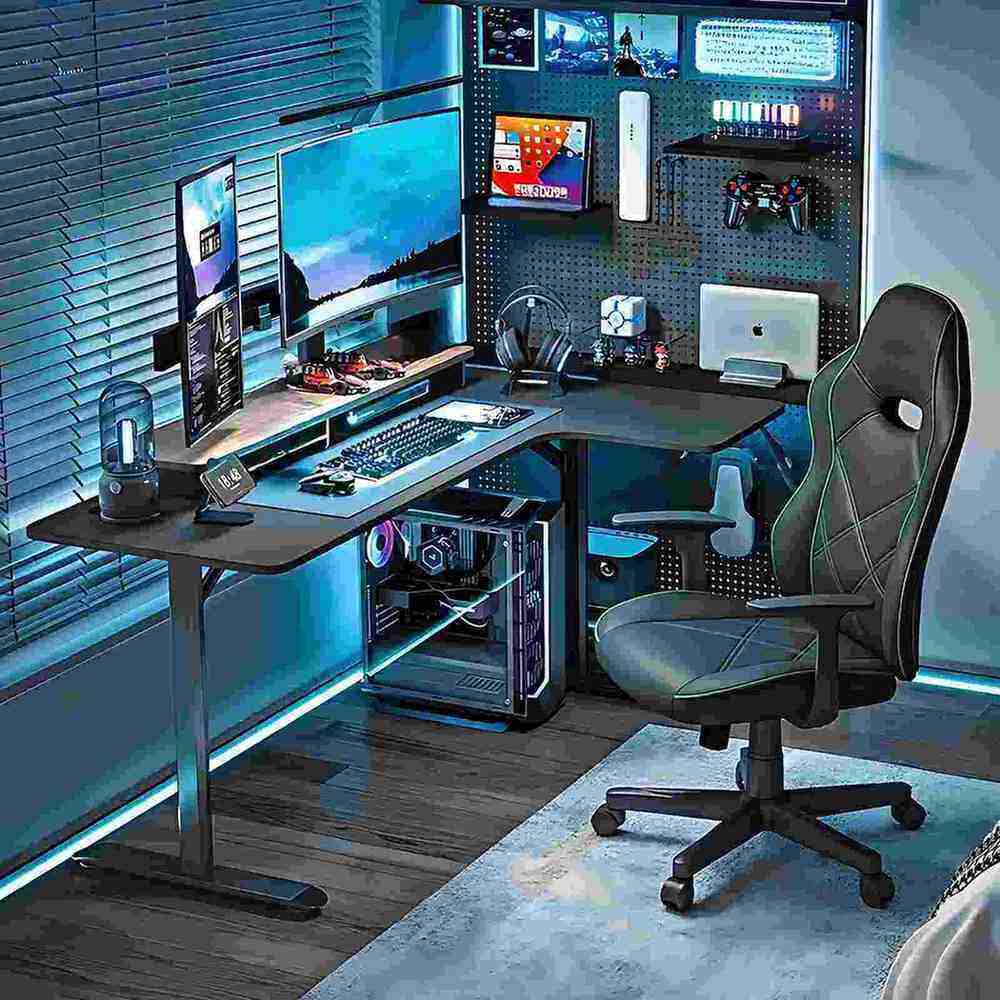
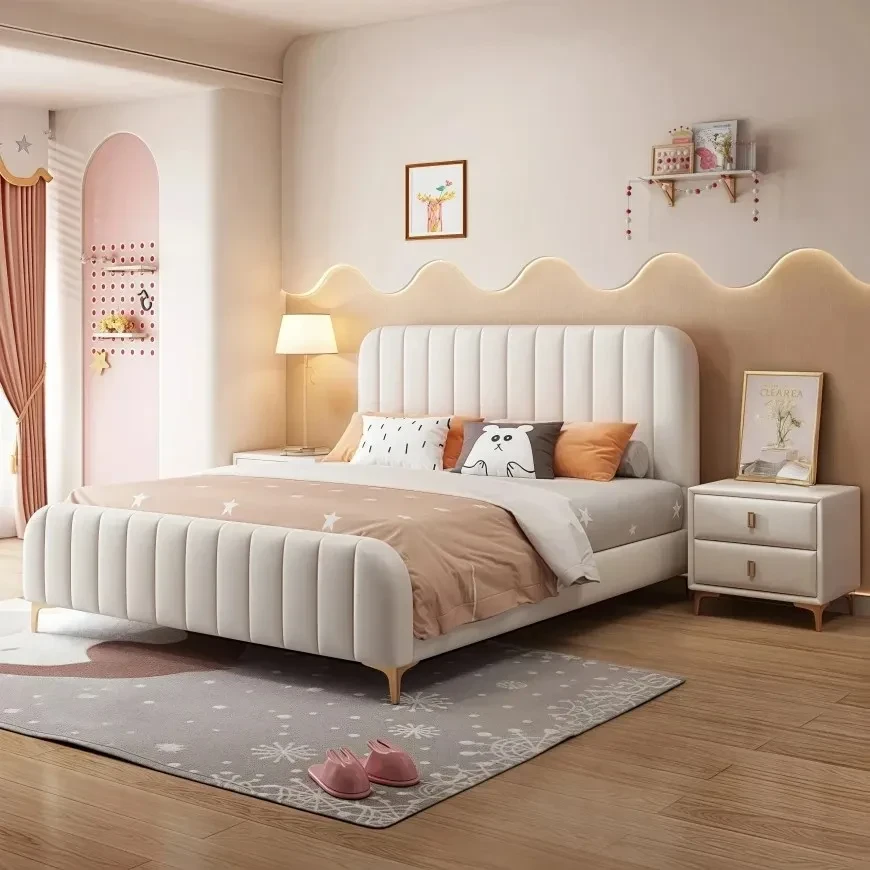
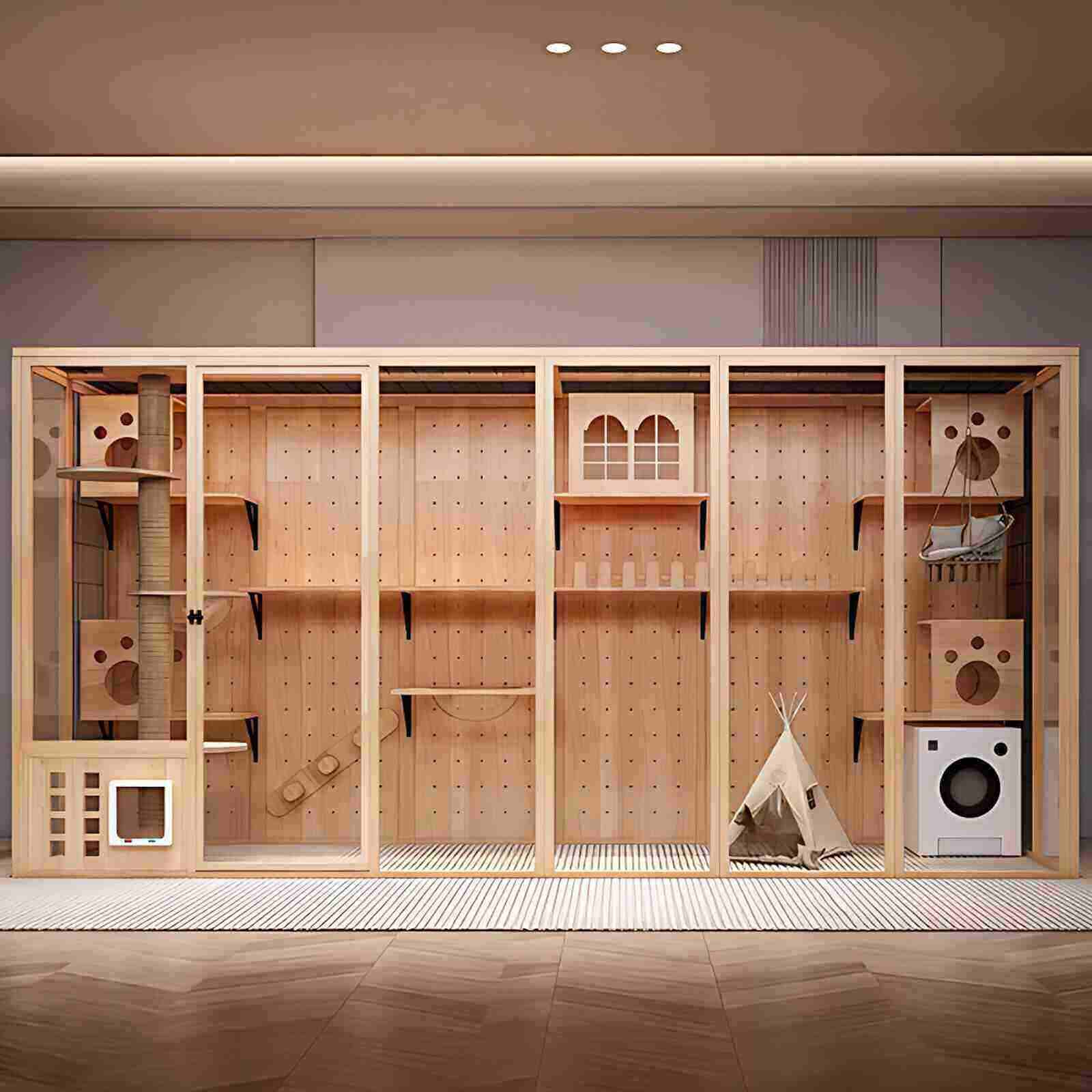
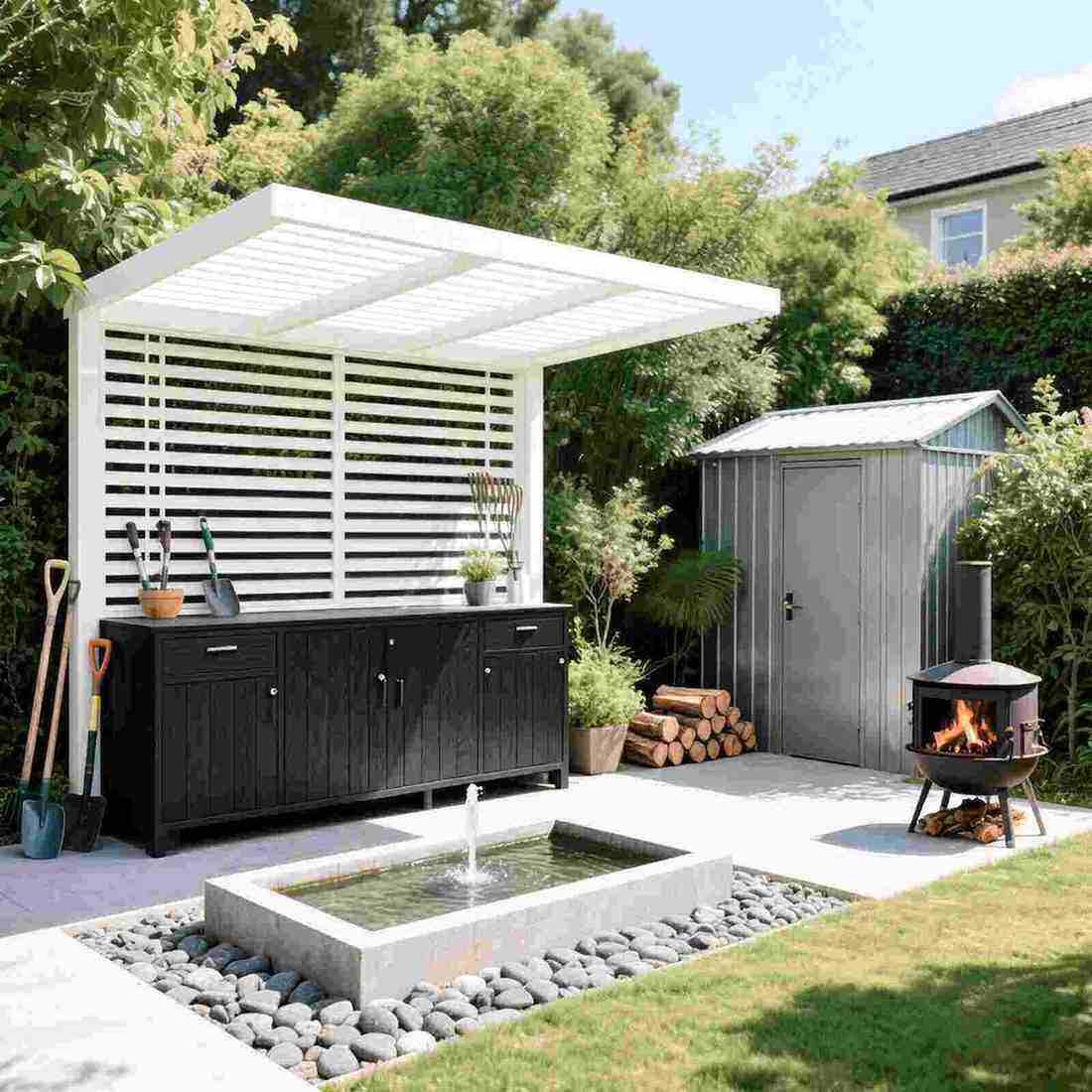
In recent years, many people have opted for whole-house customization during interior design to enhance their home comfort and create personalized furniture that better suits their lifestyle. However, whole-house customization also has its pitfalls. Do you know how to inspect a whole-house customized home? Let's discuss this today.
01. Check whether the boards are consistent with the contract.
When inspecting a custom-made furniture piece, the first step is to verify that the boards match the contract. This can be done by shining a UV light on the logo or checking the trademark on the surface. In addition, we need to examine the cross-section of the boards to see if they meet the requirements, paying particular attention to the thickness. We should compare the thickness with the contract to see if it's 9mm, 15mm, or 18mm, as different thicknesses have different prices. Finally, we need to compare the colors of the custom furniture with the color samples we selected. When comparing colors, we need to check not only the overall color scheme of the custom-made furniture but also the colors of every detail, such as cabinet doors, drawers, and tabletops.
02. Are there any bumps or scratches on the edges of the board surface?
During transportation and installation, custom-made furniture may experience bumps and scratches. Therefore, during acceptance, we need to carefully inspect the edges of the boards for any signs of damage. Damage or scratches could affect the appearance of the custom-made furniture and even its usability.
03. Inspect the edge banding of the boards.
The quality of edge banding can be judged by whether the edge banding strip is smooth and thick, and whether there are any peeling or cracks. If the edge banding is not tight enough, it will affect the appearance. Currently, the most common edge banding for boards is EVA, PUR, and laser. Among them, laser edge banding is more expensive and less popular. Compared with EVA and PUR edge banding, although both use glue, PUR edge banding uses less glue and is more environmentally friendly and has a smoother finish.
04. Inspect all hardware components.
When inspecting custom-made furniture for the whole house, the quality of the hardware must be carefully checked, as it affects the lifespan of the furniture. It is necessary to check not only whether the brand and quantity of the hardware are consistent, but also to check the opening and closing of cabinet doors and drawers to see if there are any jams or abnormal noises. Only when there are no problems can the acceptance be confirmed.
05. Check the flatness of the cabinet doors.
There are two ways to check this. First, check if the cabinet doors are on the same plane. The method is simple: close a row of cabinet doors and run your hand along them to feel the gap between the two door panels. If there is an unevenness, it will be very obvious. Second, check if the top and bottom of the cabinet doors are level. Run your hand along one end of the top or bottom of the cabinet door to the other end to make a judgment. In some cases, serious unevenness can be seen with the naked eye.