
 USD
USD GBP
GBP
 EUR
EUR

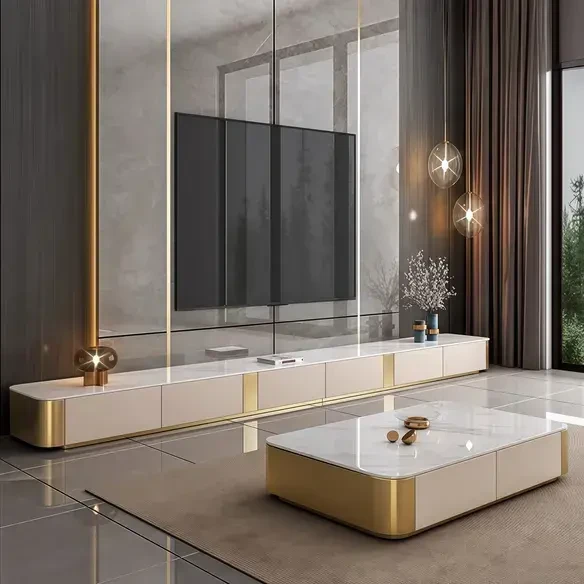
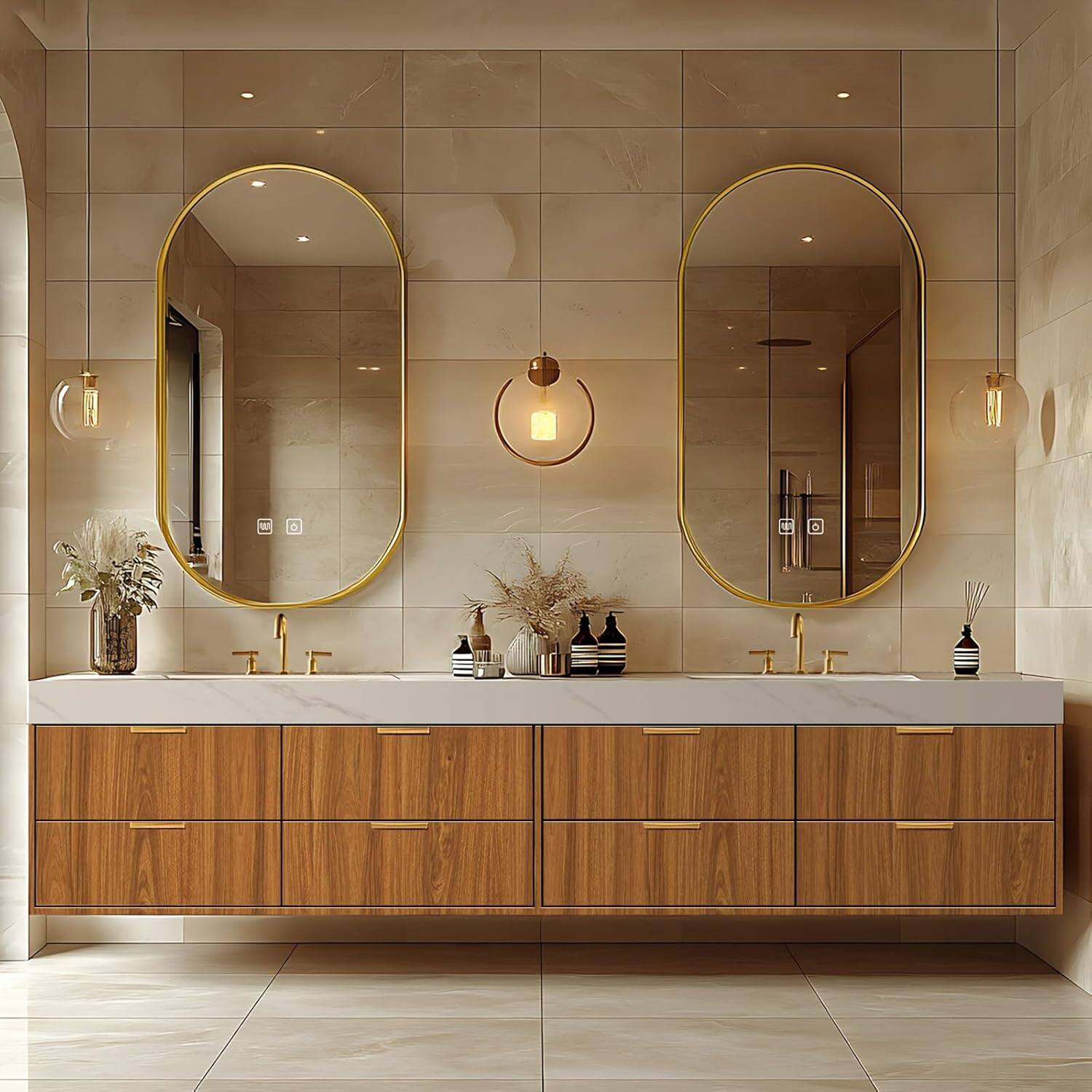
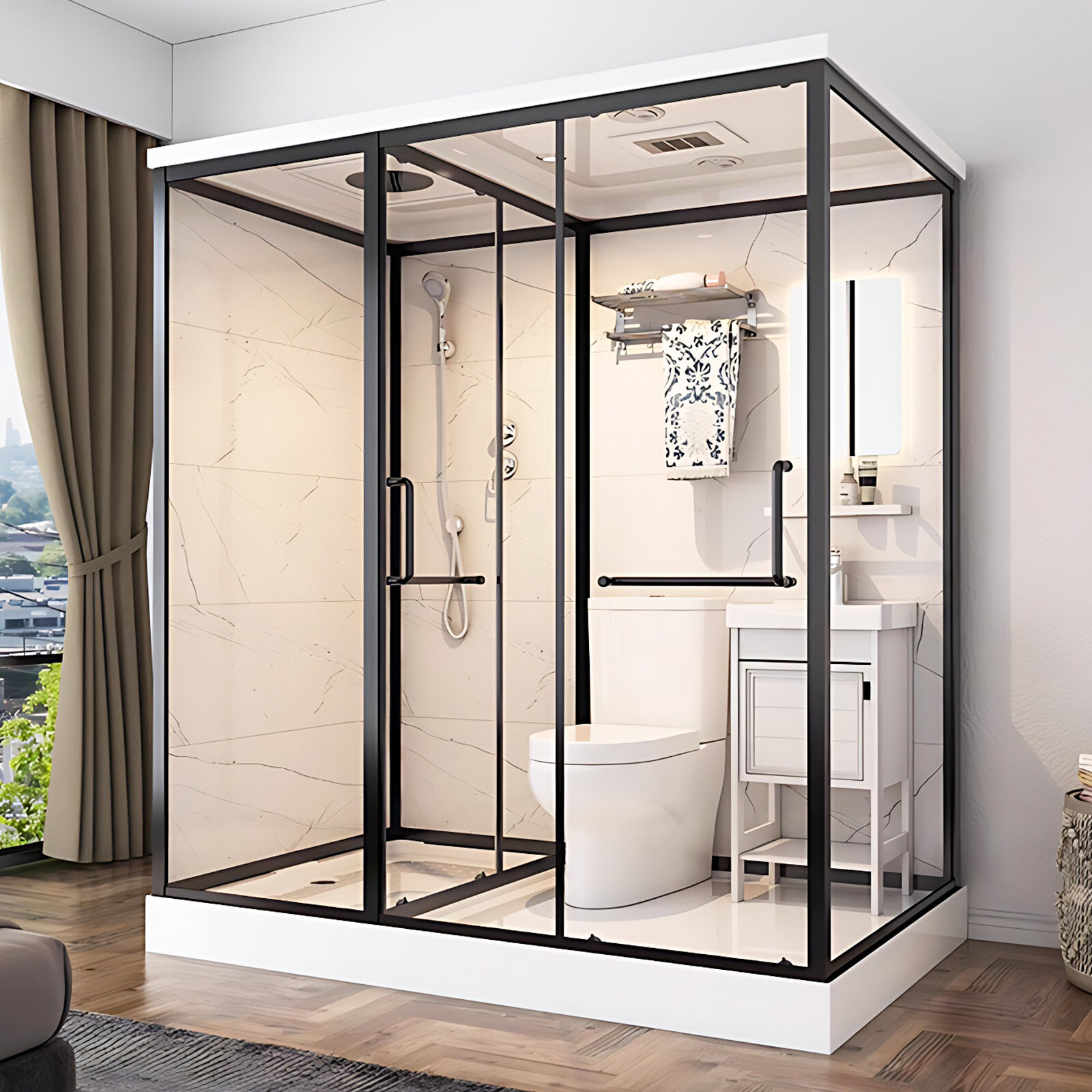
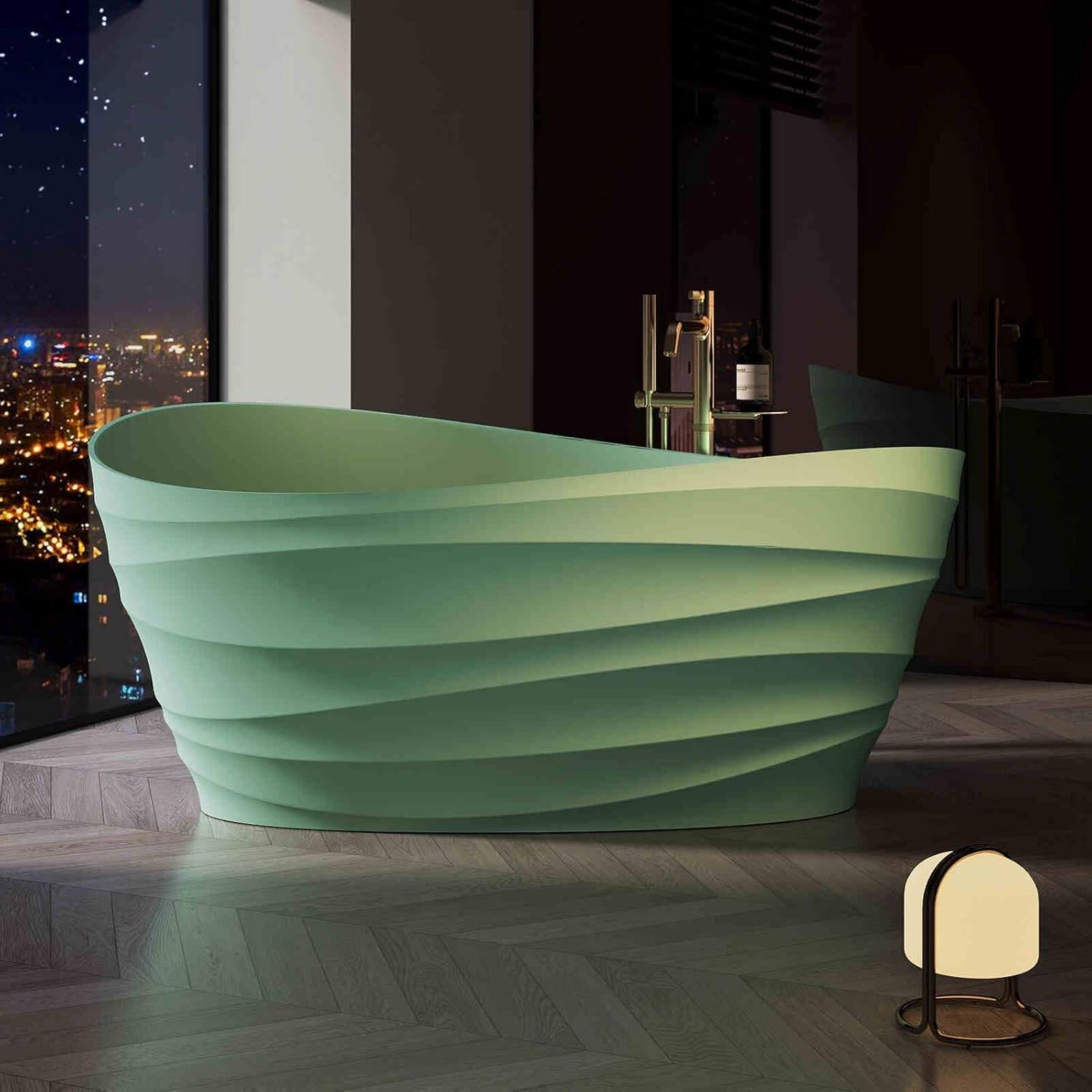
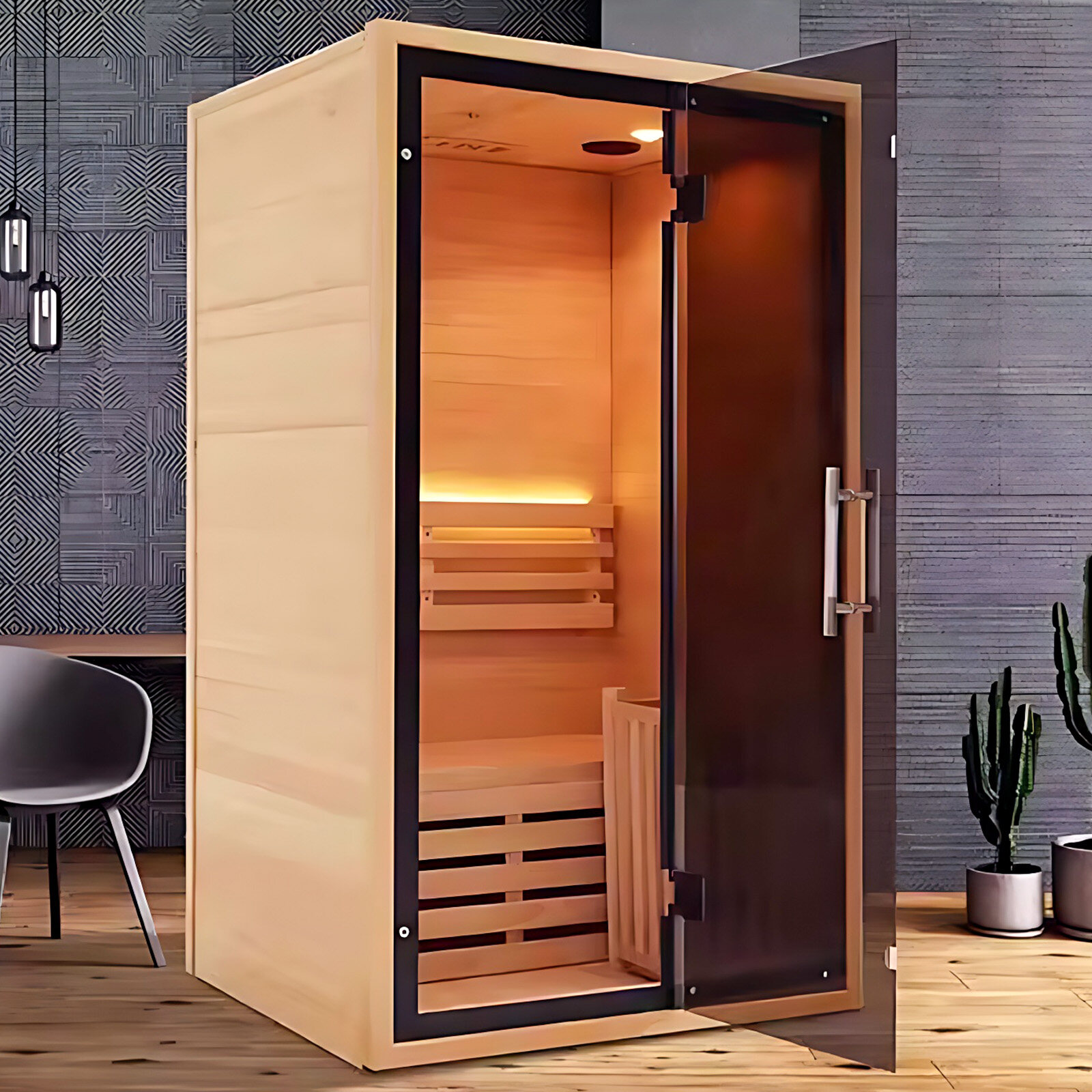
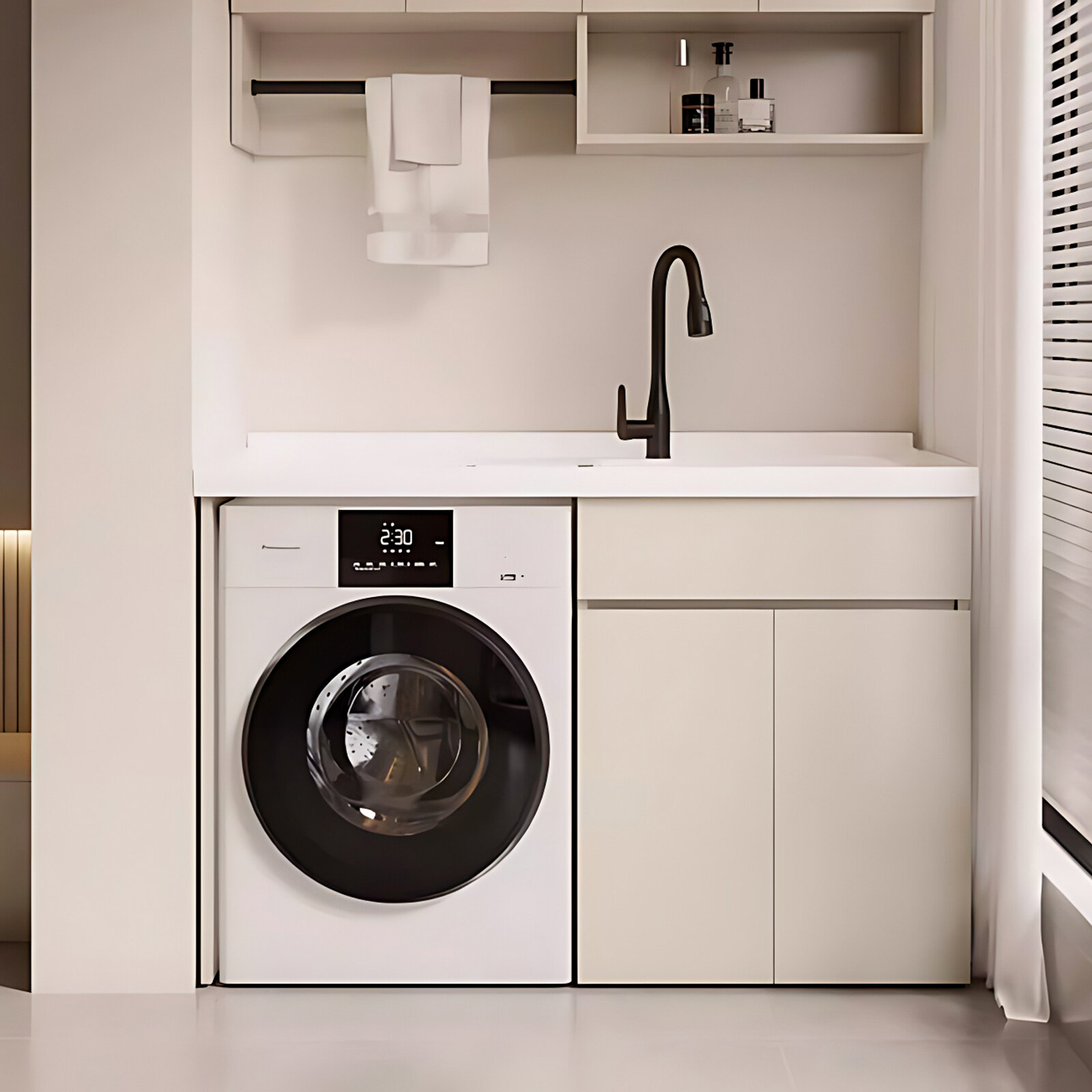
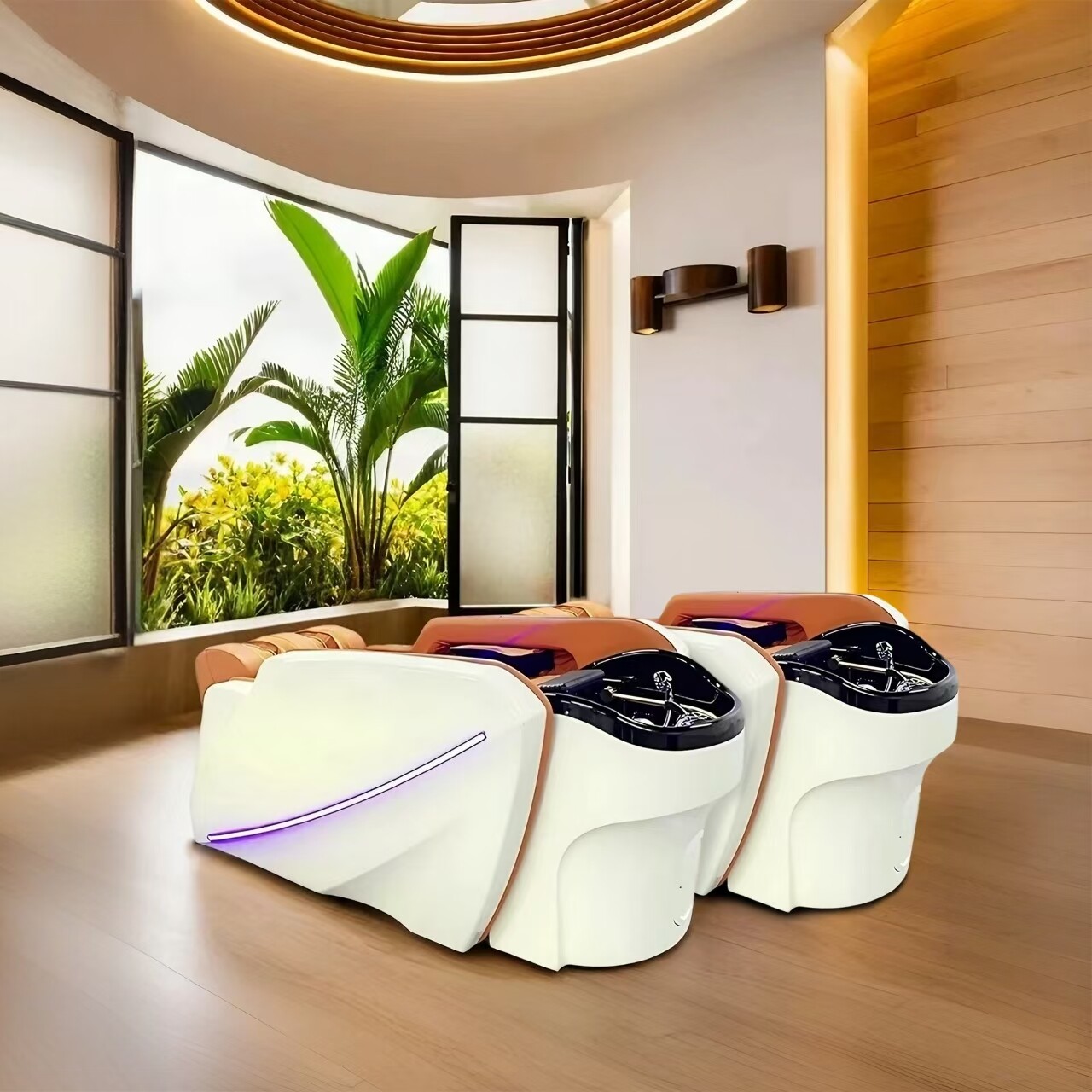
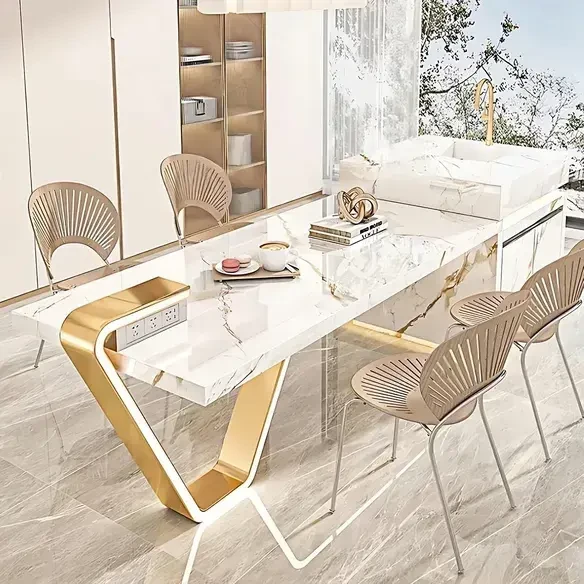
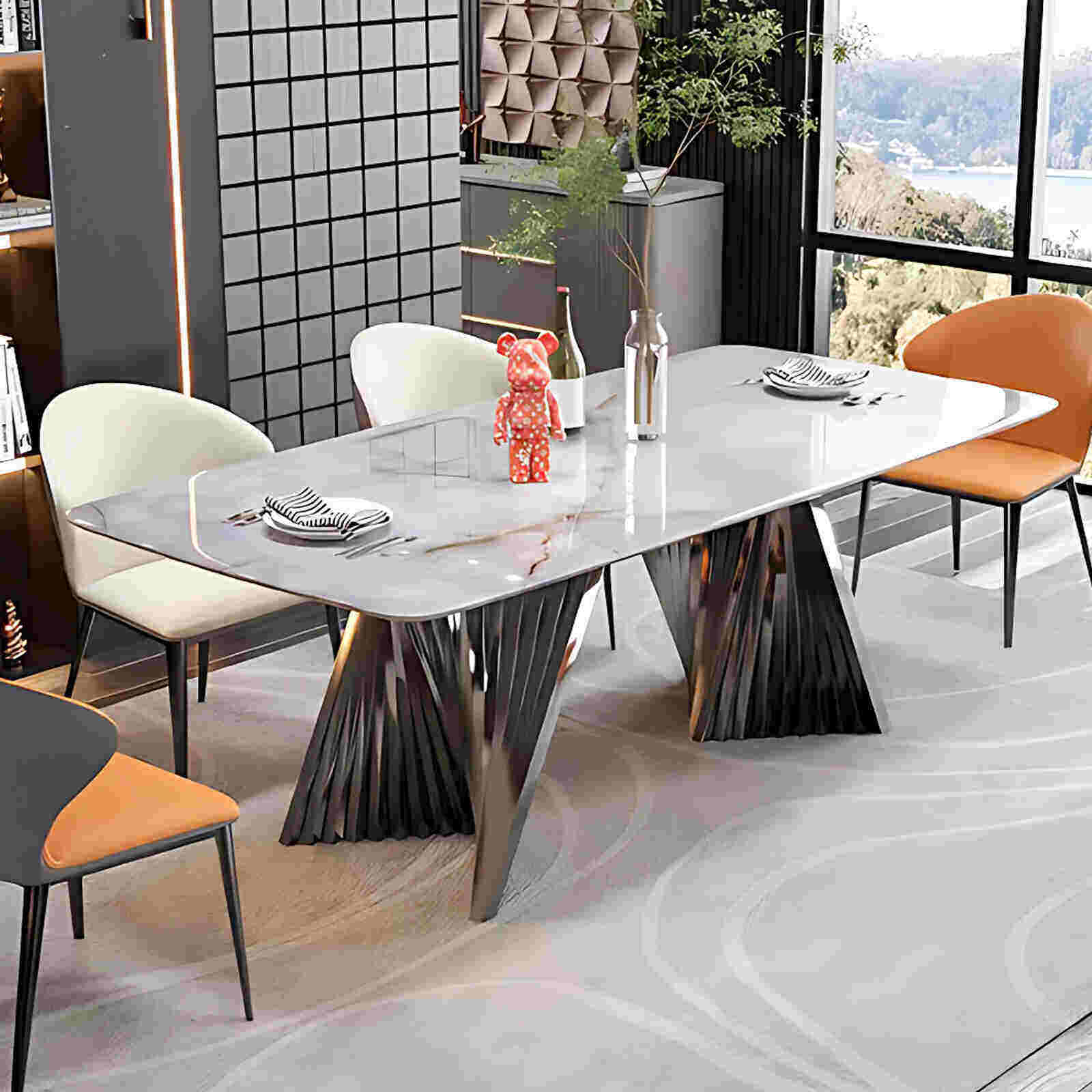
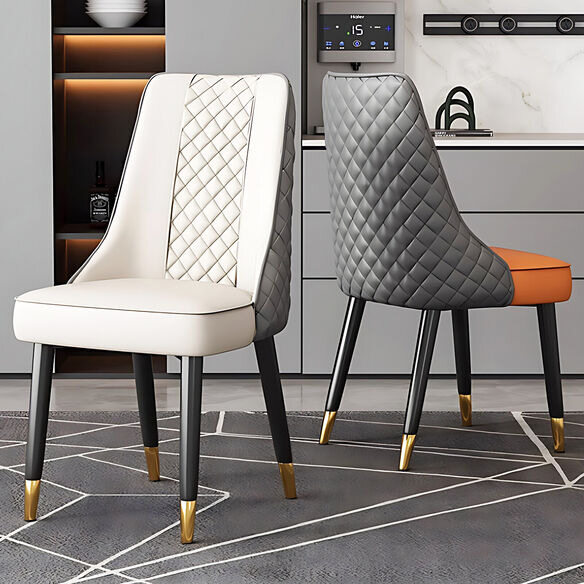
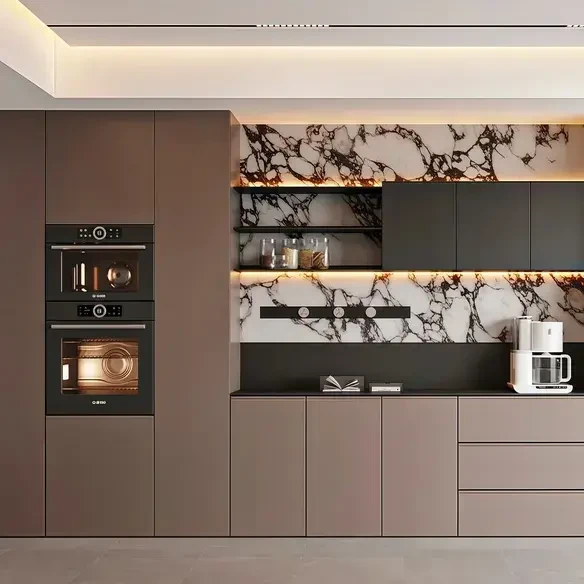
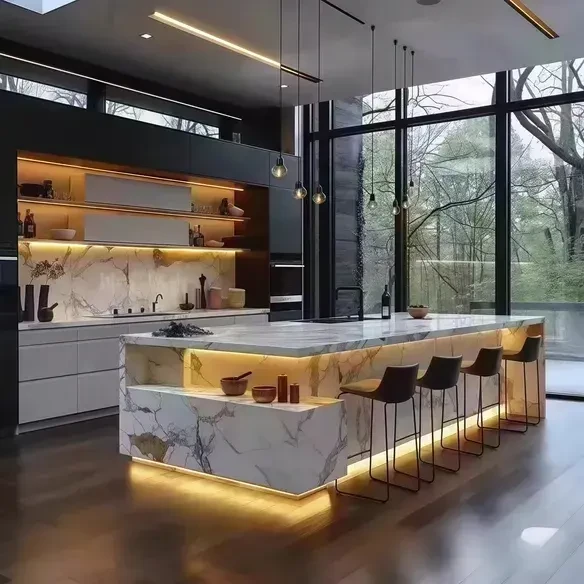
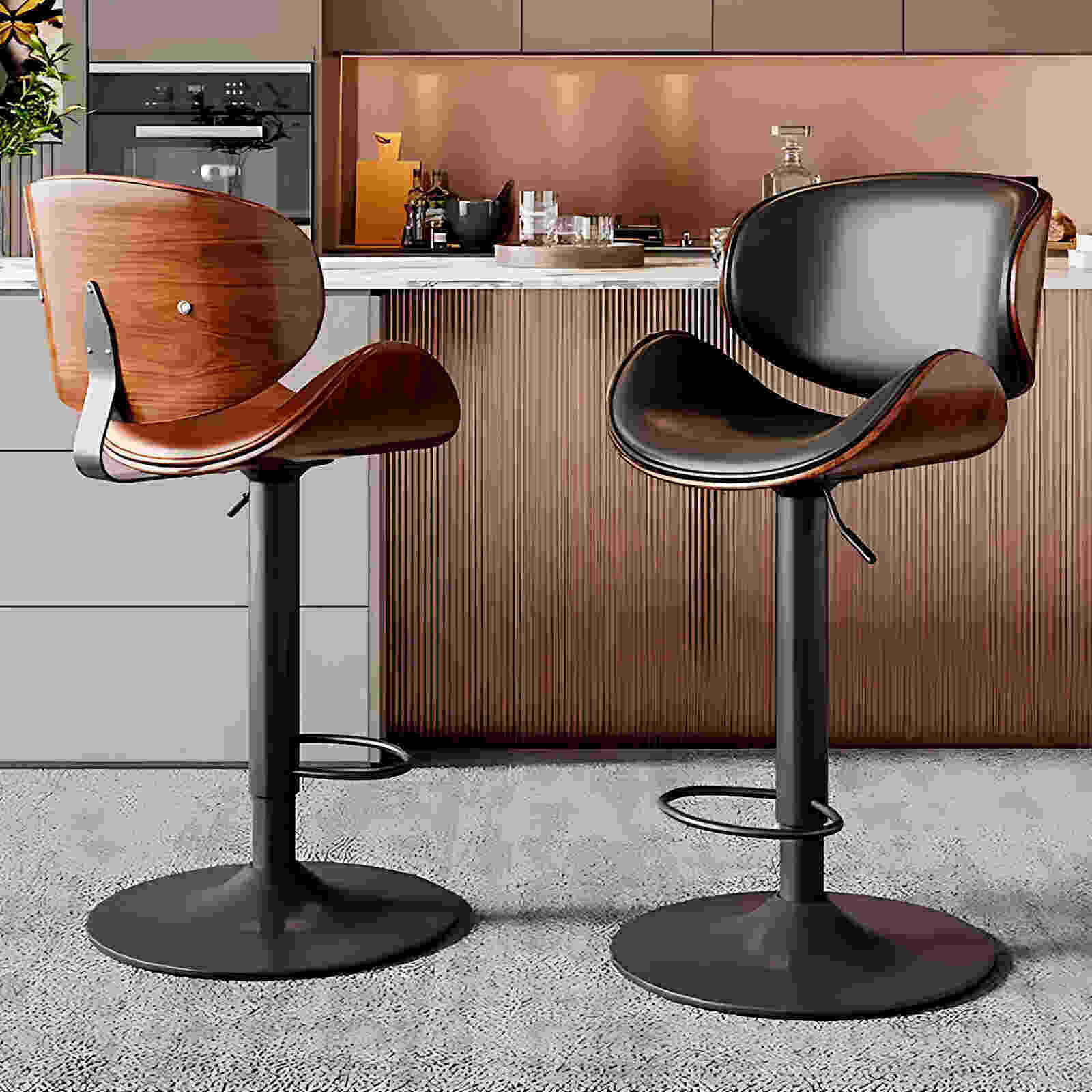
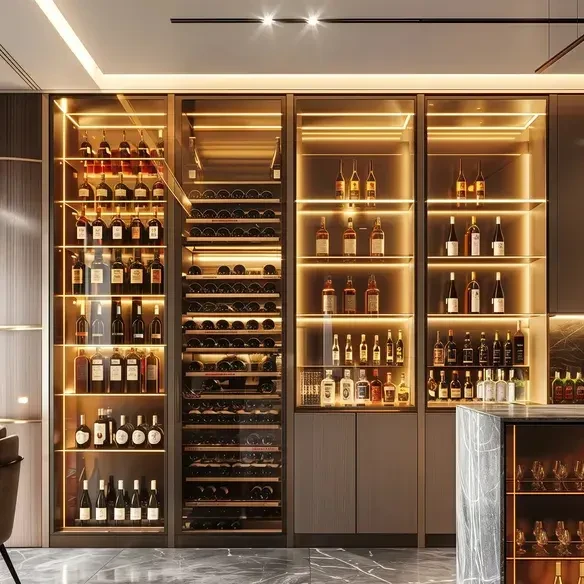
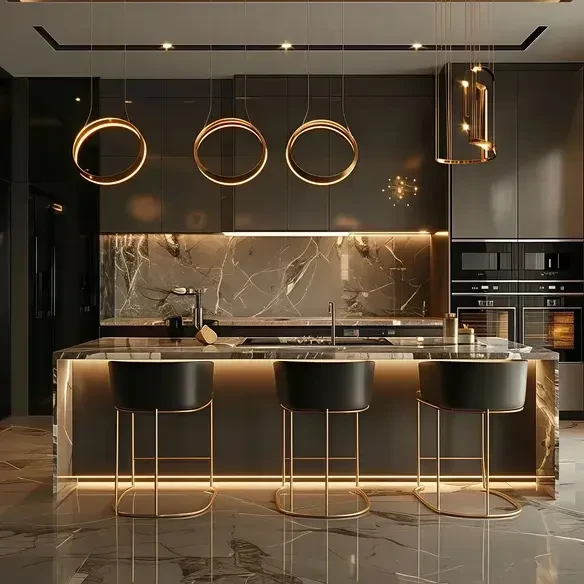
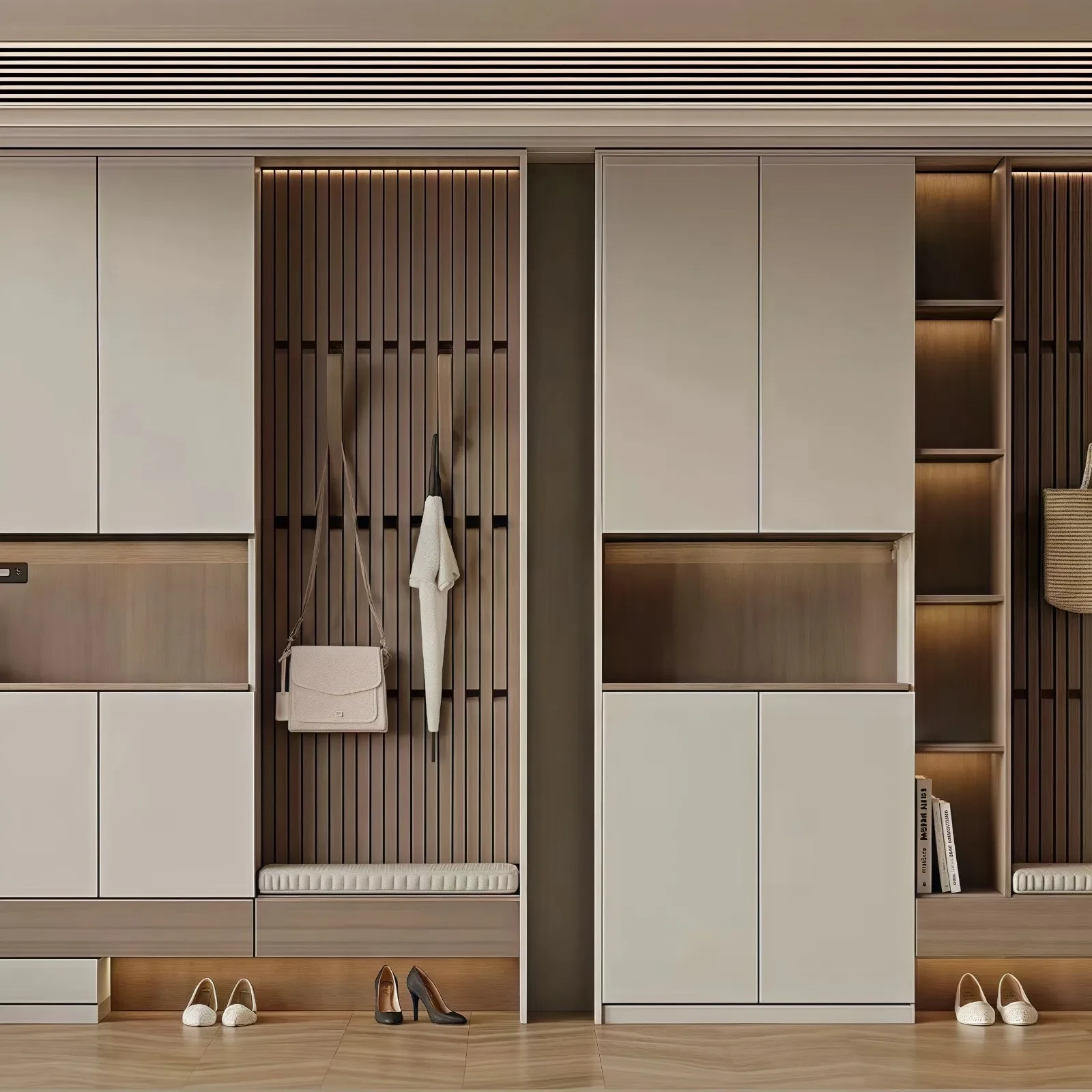
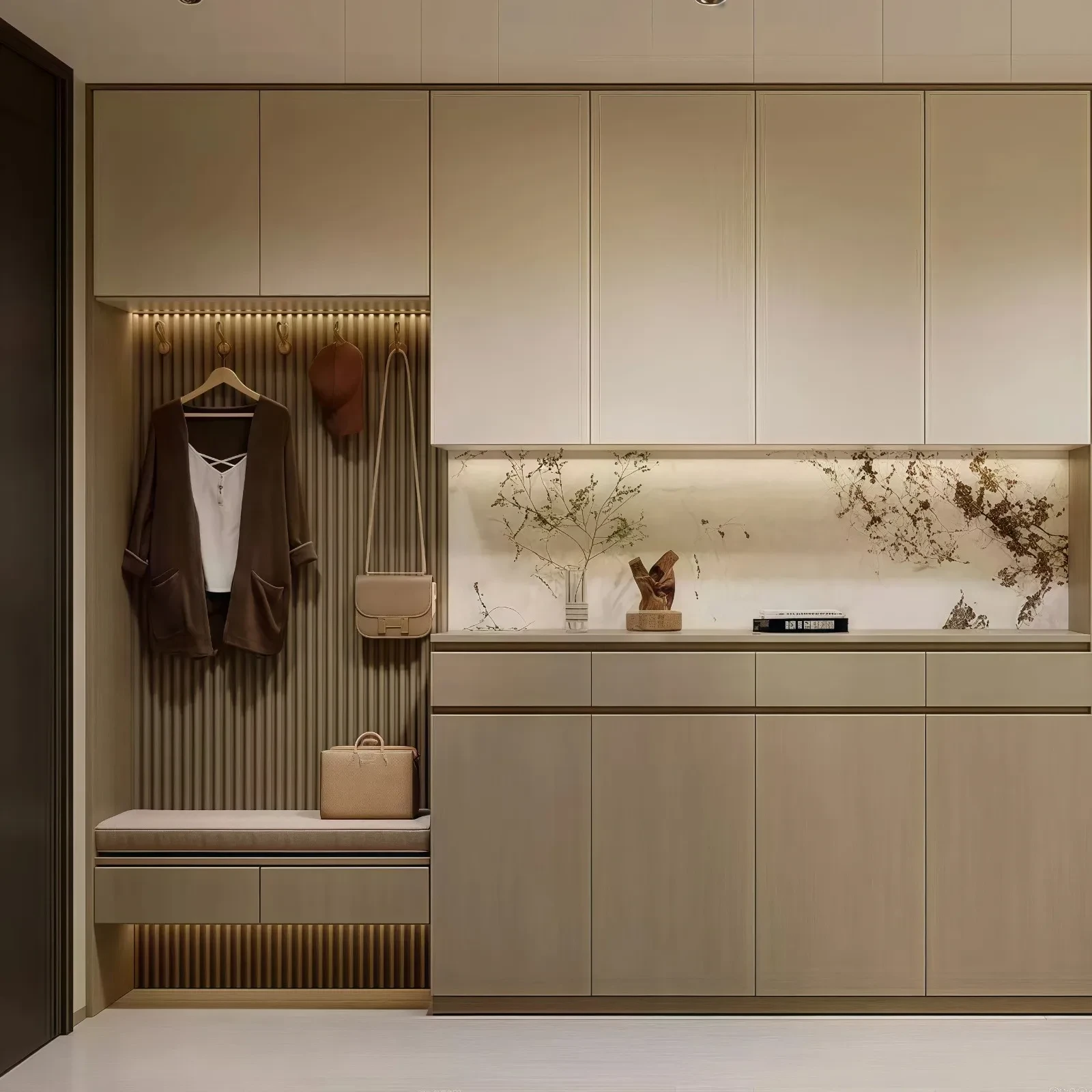
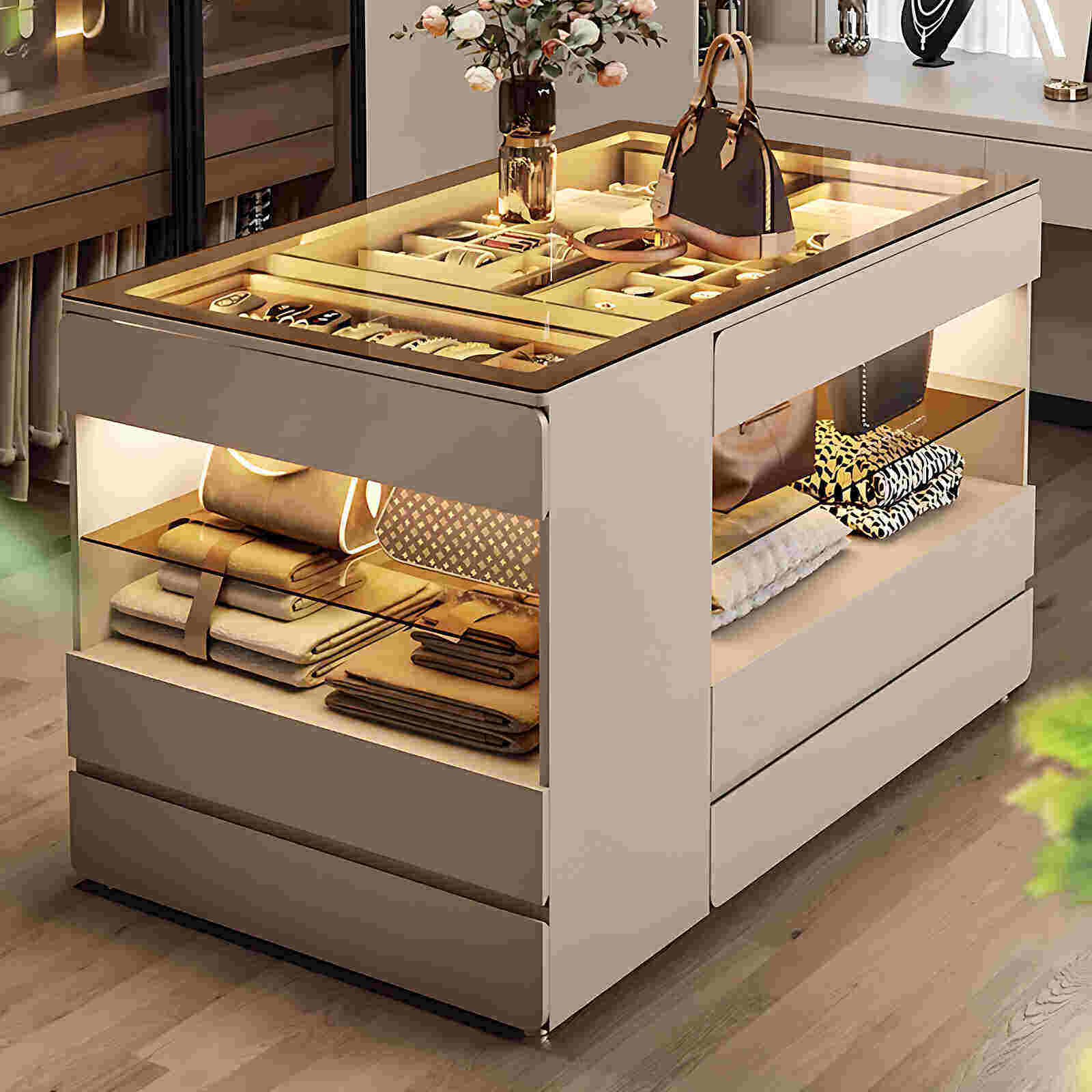
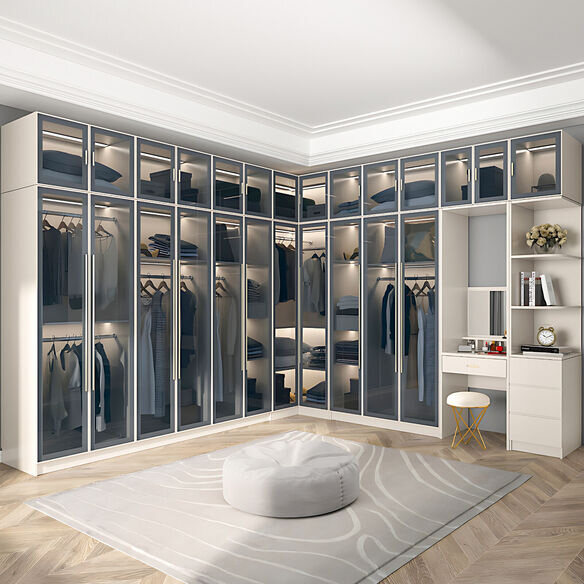
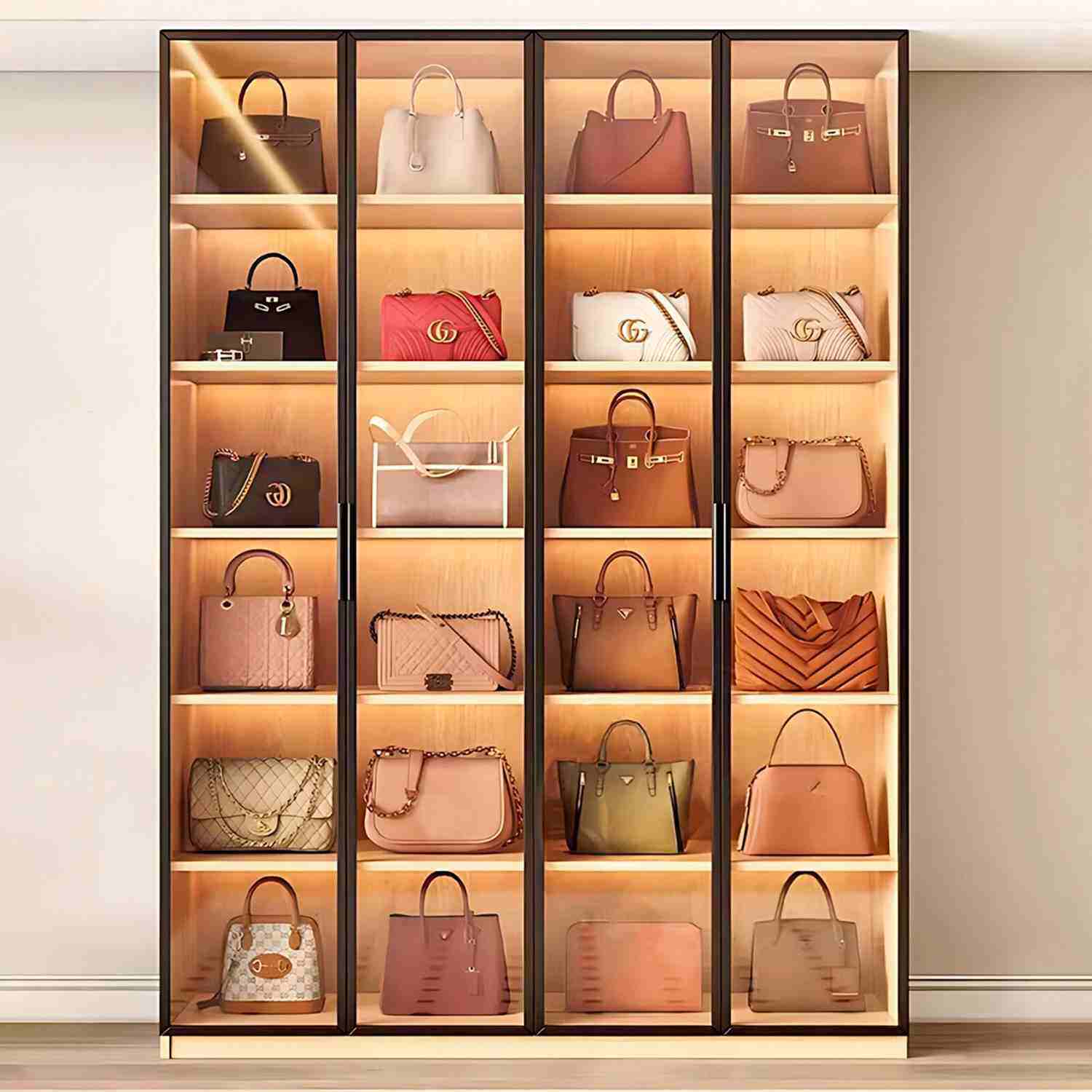
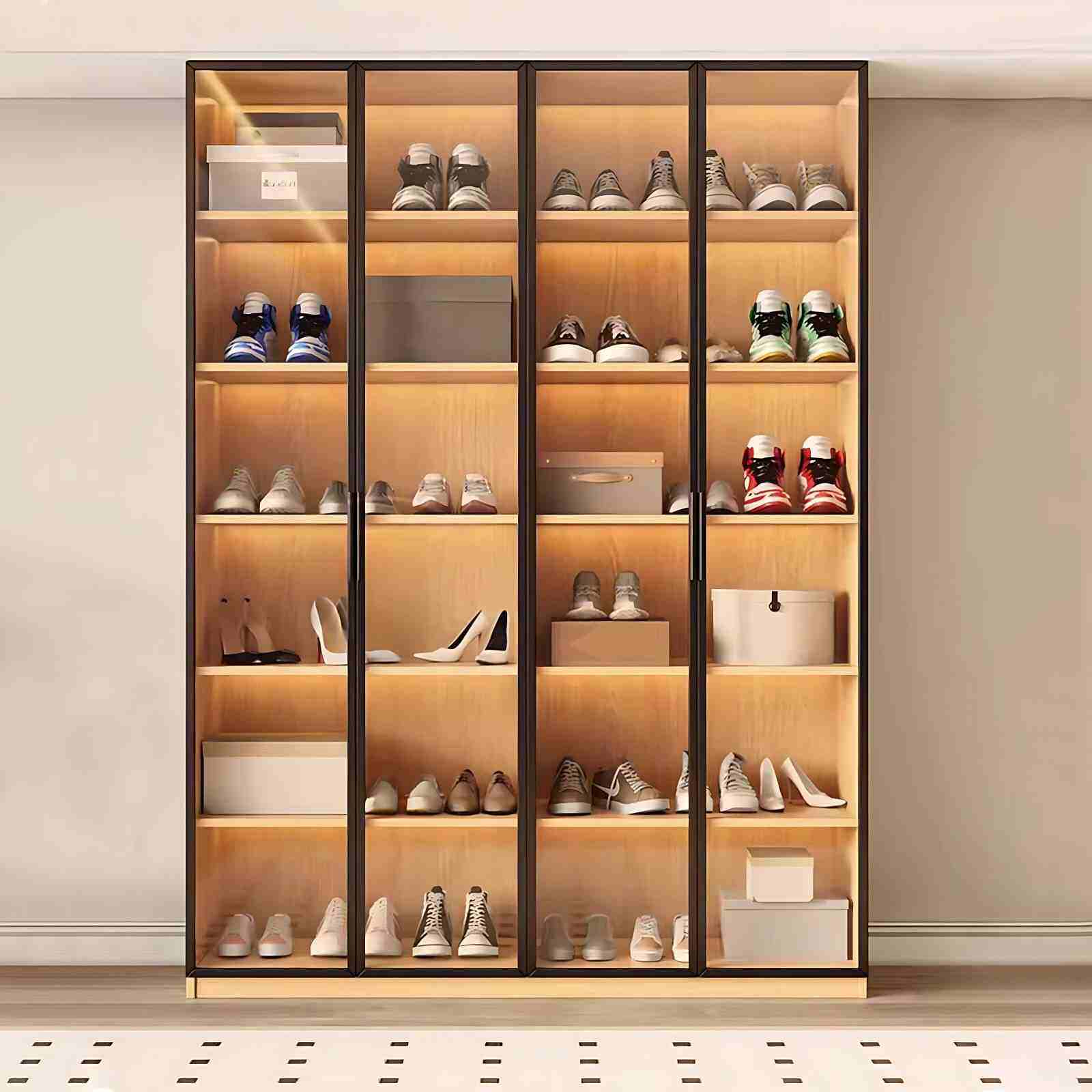
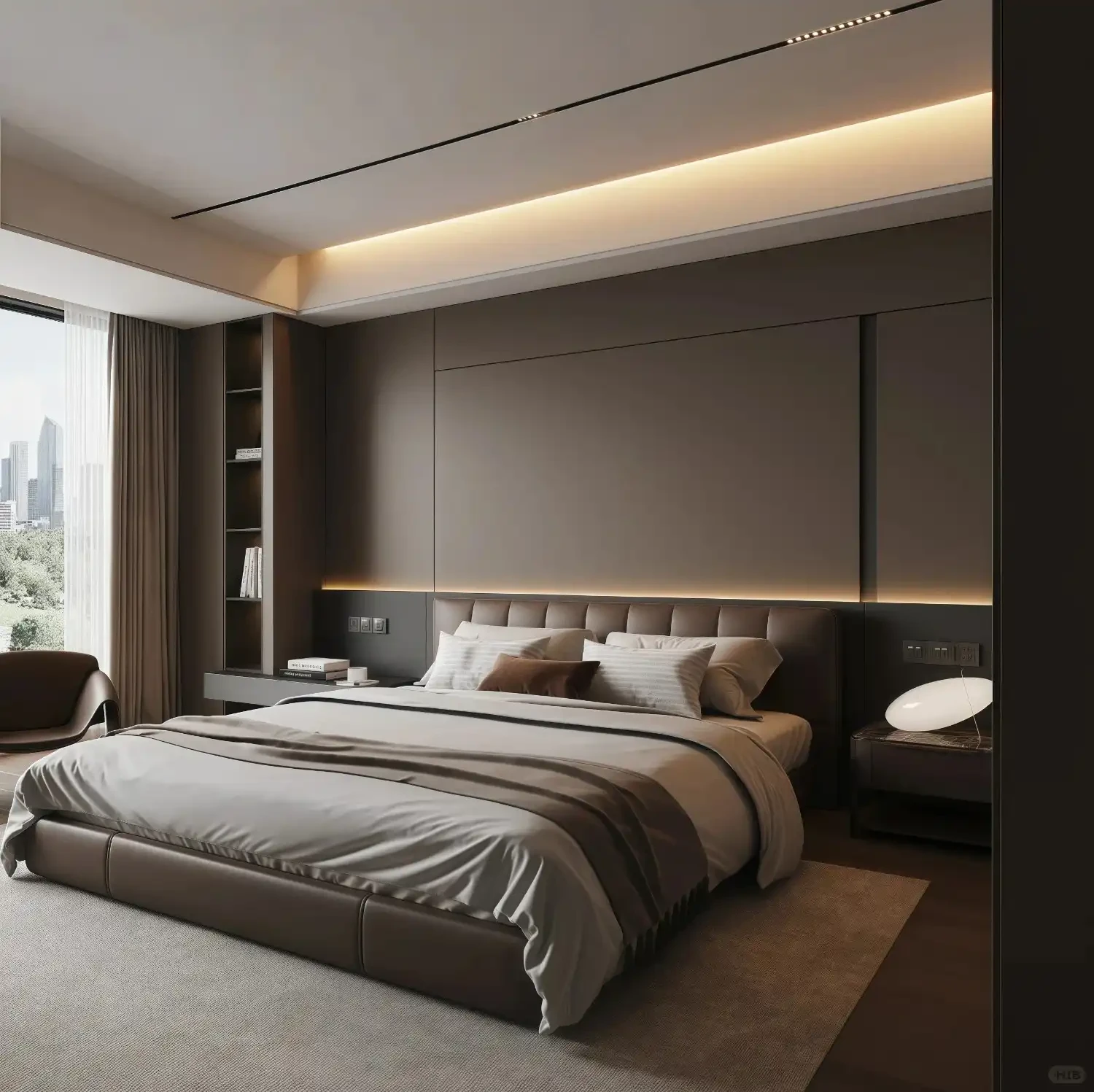
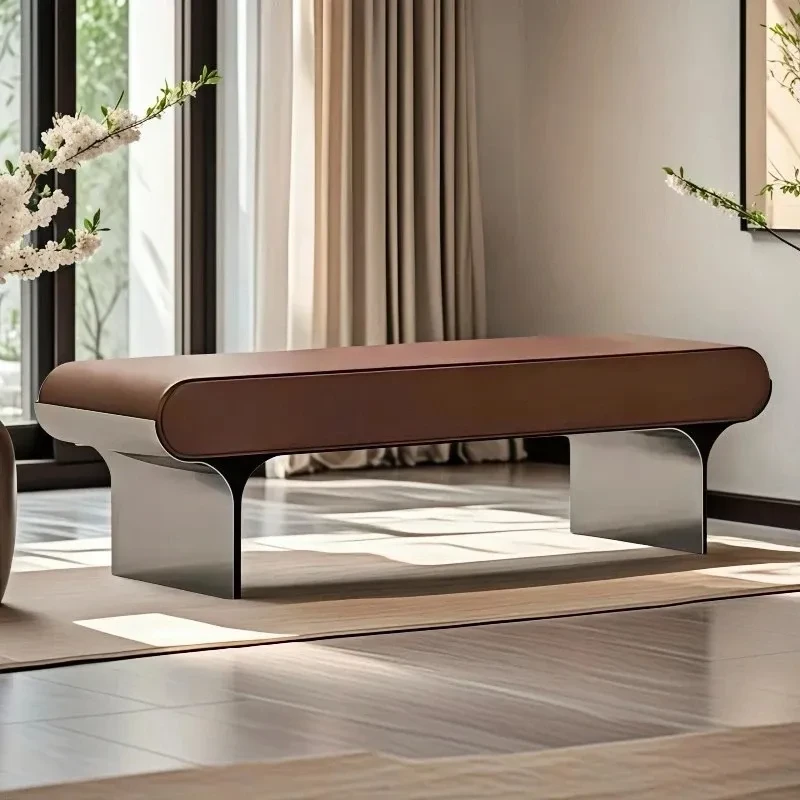
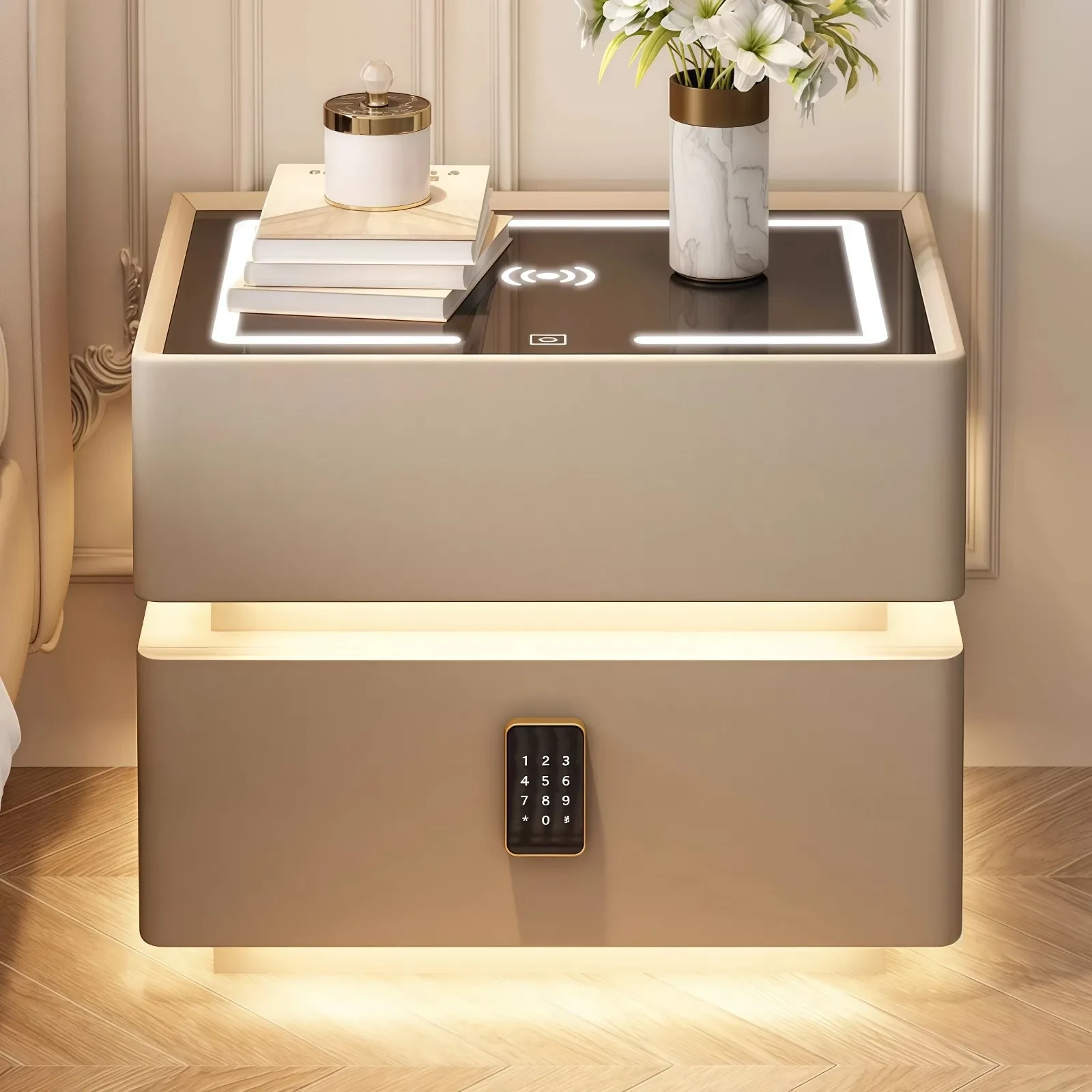
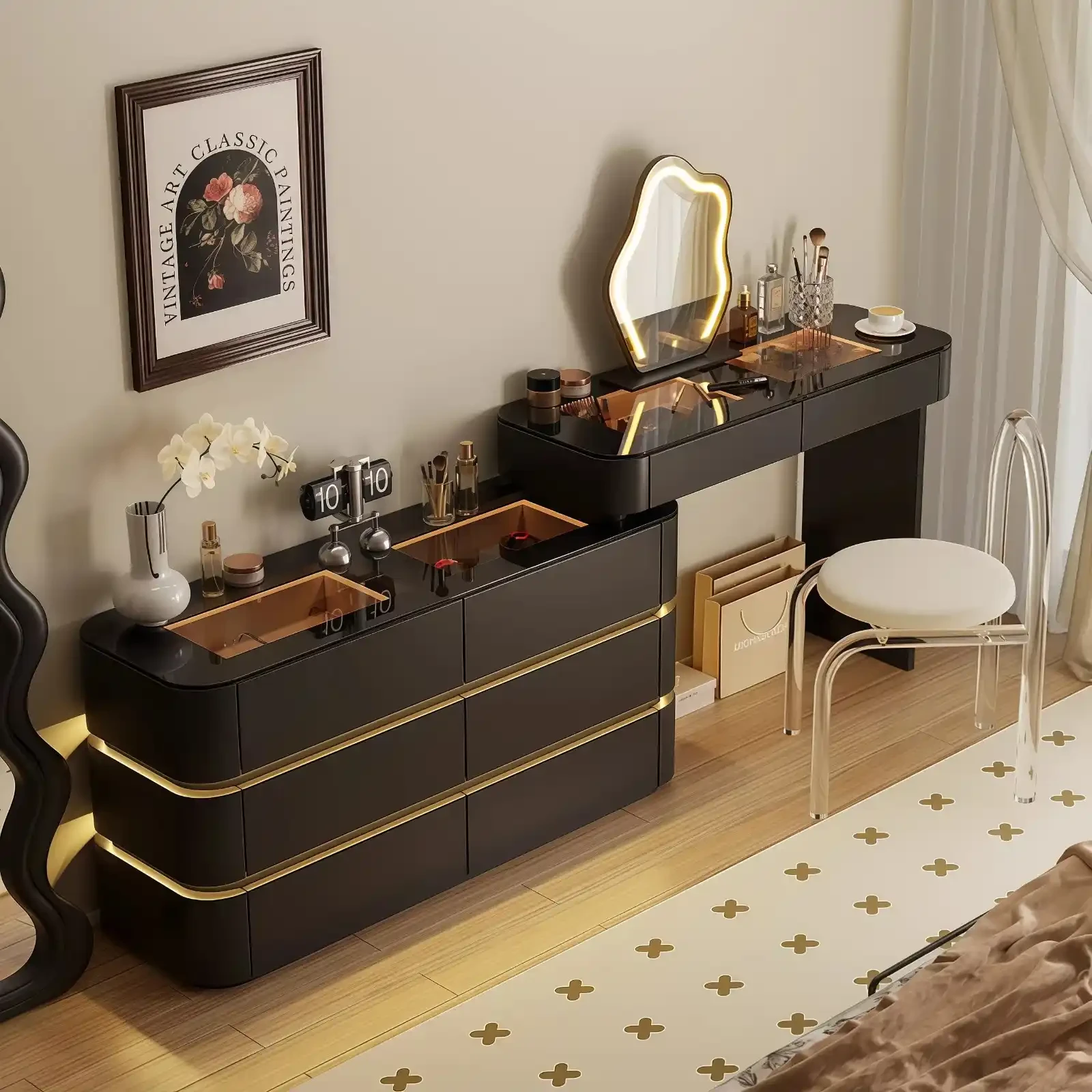
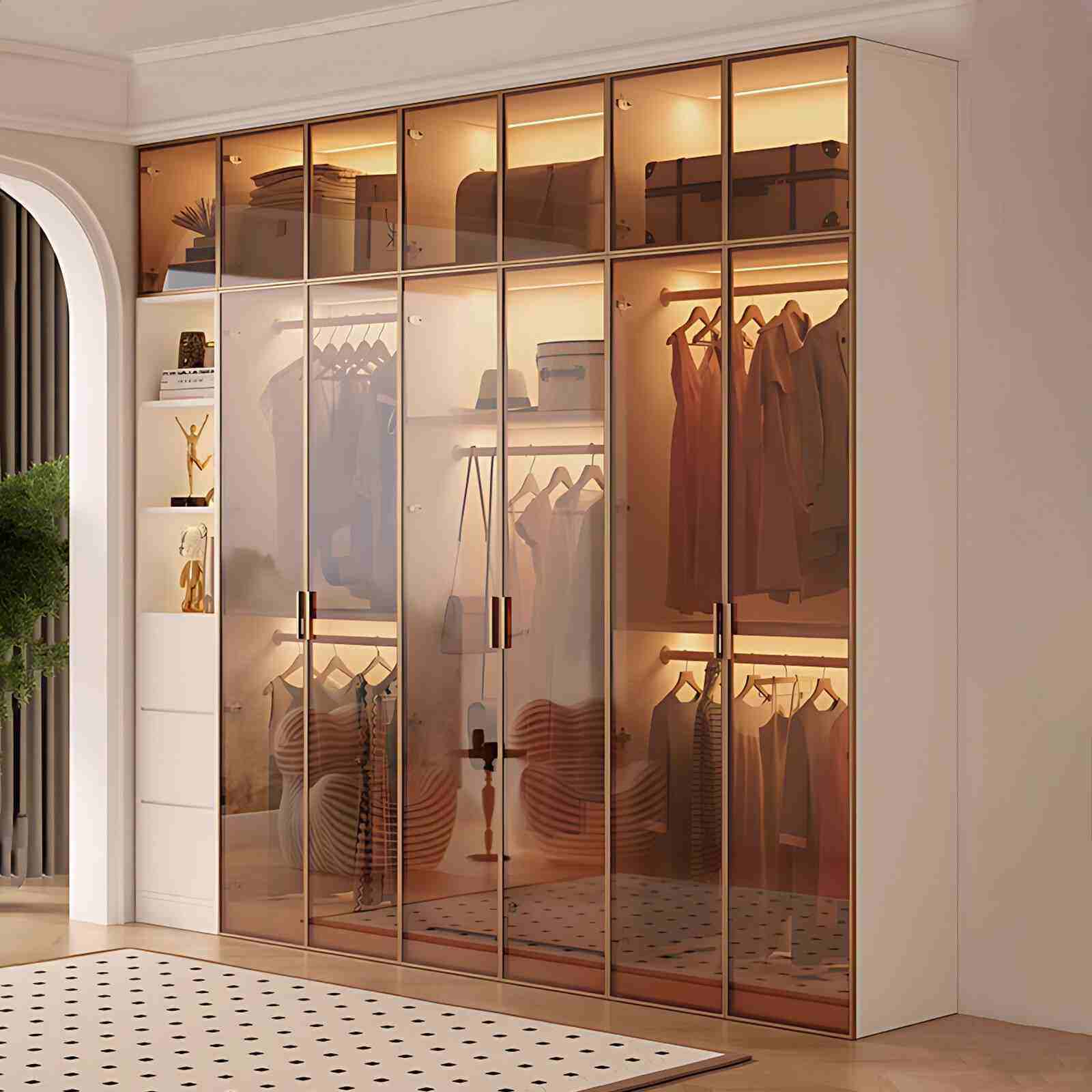
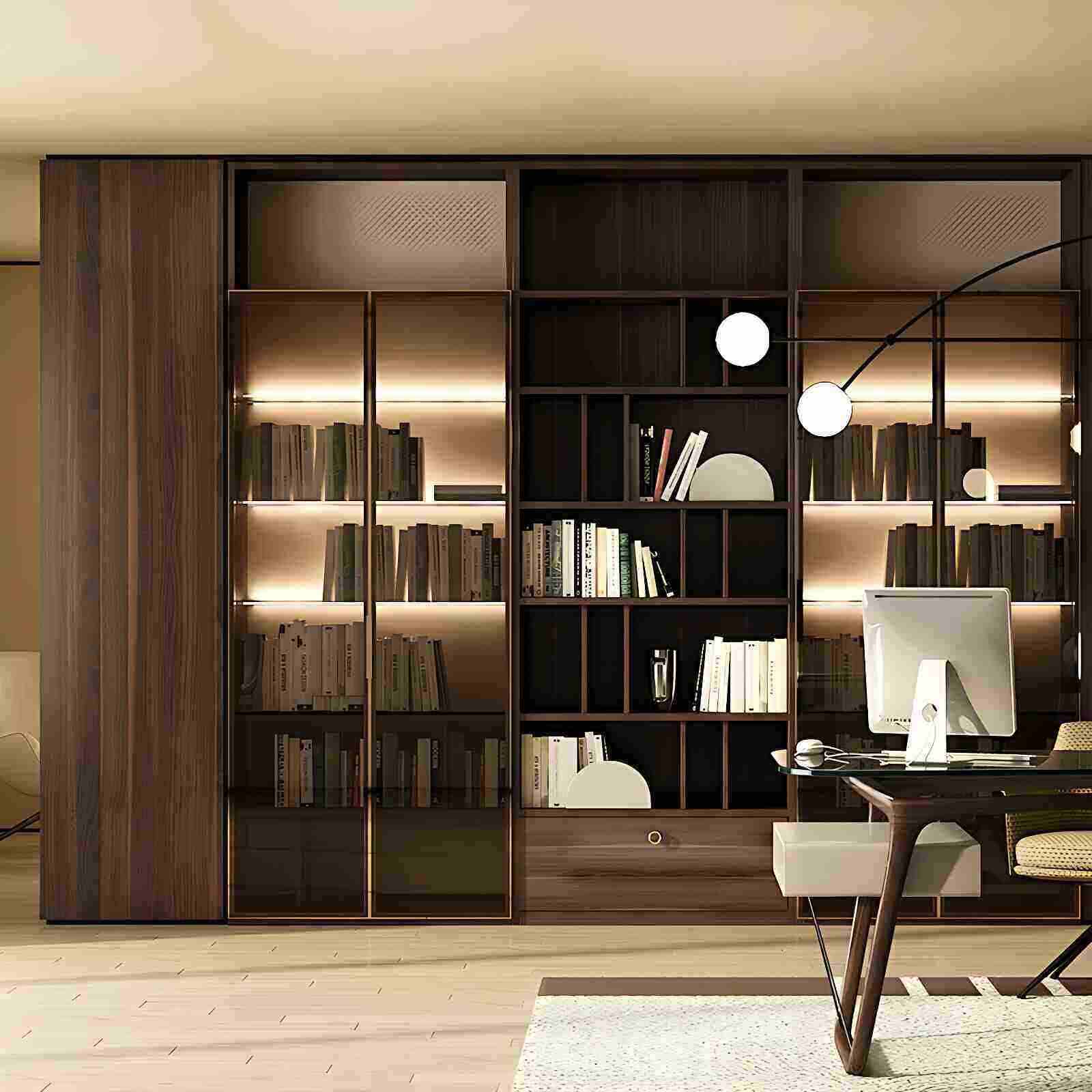

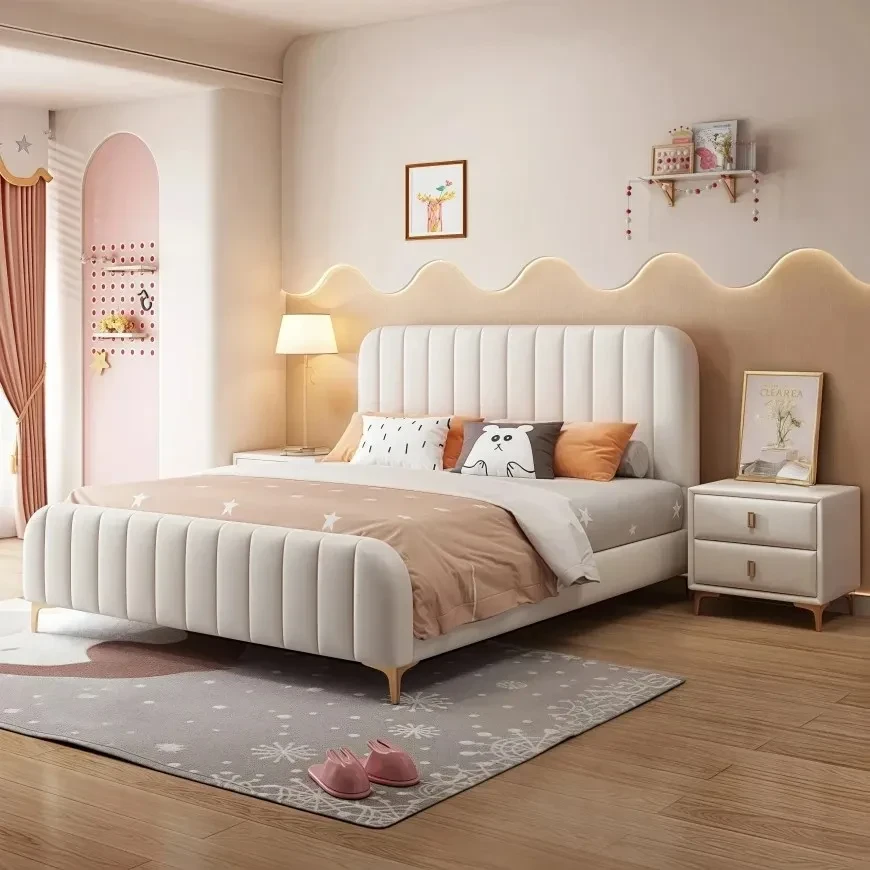
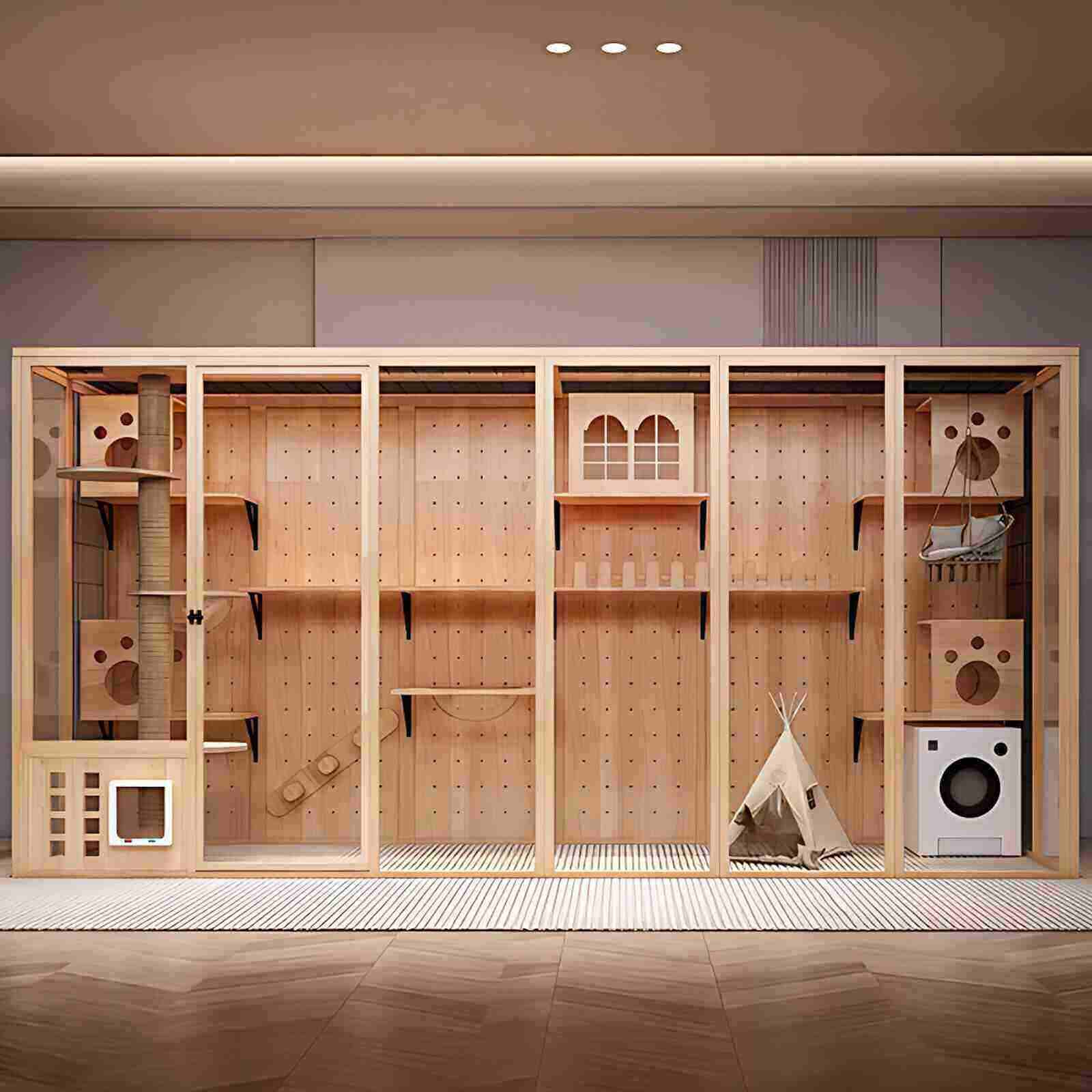
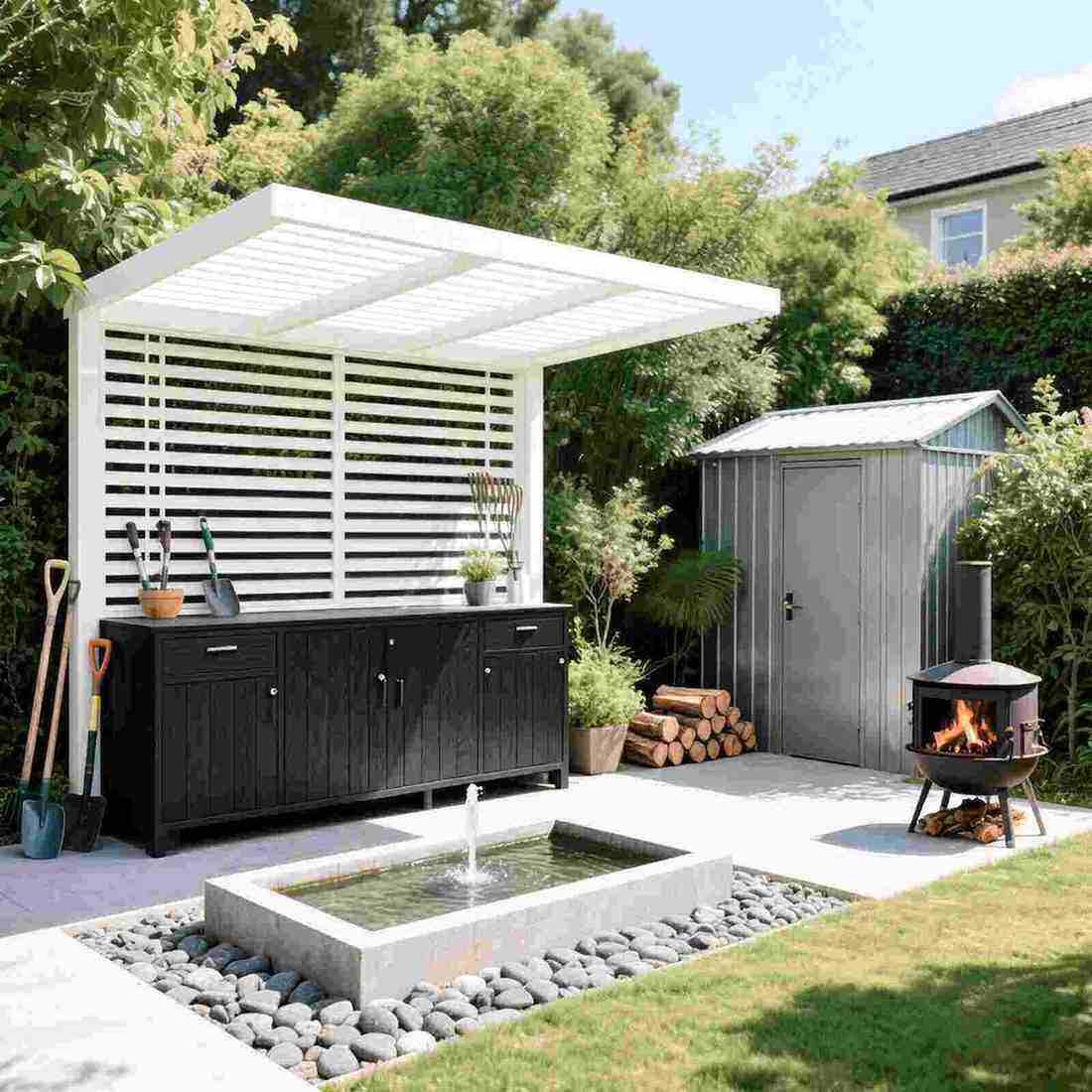
In our daily lives, we've all come into frequent contact with plywood, also known as multi-layered board. How is it multi-layered? Why is it made into multi-layered board? What are its uses?
Today, Qiangyi and everyone will work together to unveil the mystery of plywood layer by layer, starting from its internal structure.
Plywood structure
Plywood, simply put, is made by arranging multiple layers of veneer in a certain grain direction, bonding them together with adhesive and pressing them under heat to form a base plate, and finally covering the base plate with a suitable decorative paper.
veneer
Veneer is the main component of plywood, generally made from logs rotary-cut or sliced, and its thickness is usually between 0.5 and 3 mm. High-quality veneer is generally between 1.6 and 1.8 mm thick, and Qiangyijia's veneer falls within this range.
The grain direction of two adjacent veneers is perpendicular to each other, and this structural design greatly enhances the strength and stability of the plywood.
adhesive
Adhesives are key to holding veneers together tightly. Commonly used adhesives in plywood production include urea-formaldehyde resin, phenolic resin, and melamine-formaldehyde resin. In recent years, some new environmentally friendly adhesives have also emerged, such as the Lingmei glutinous rice adhesive currently used by Qiangyijia.
Decorative paper
Decorative paper is the "face value" of plywood. It is typically made by impregnating and drying base paper before laminating it onto the outermost layer of plywood. It comes in a wide variety of types and textures, including wood grain, stone grain, and solid colors, catering to different consumer preferences for interior design styles.
Qiangyijia offers over 100 different decorative paper patterns to meet various decorating styles.
The use of plywood
The common structure of multi-layer boards is an odd number of veneer layers, such as three, five, seven, or nine layers. The reason for using an odd number of layers is that it allows for a more uniform distribution of stress in all directions, avoiding internal stress imbalances caused by symmetrical layer numbers, thus preventing warping and deformation of the board during use.
The origin of multilayer boards
The origins of plywood can be traced back to ancient times. Initially, in order to make full use of wood resources and reduce wood waste, people processed wood into veneers and then glued them together. They discovered that the resulting boards had significantly improved performance, and thus plywood gradually developed. With continuous technological advancements, the production process of plywood has become increasingly mature, and its applications have become more and more widespread.
Advantages of multi-layer boards
Multi-layer boards have many advantages. First, they are strong; the interlocking structure of multiple veneers allows them to withstand significant pressure and tension, making them less prone to breakage. Second, multi-layer boards offer good stability; their dimensional changes are minimal under varying temperature and humidity conditions, unlike some solid wood boards which are easily deformed by environmental factors. Furthermore, multi-layer boards are easy to process, allowing for various sawing, planing, drilling, and other processing operations to meet diverse decoration and furniture making needs.
Qiangyi Glutinous Rice Board
Qiangyi glutinous rice board is also a type of multi-layer board. It is made of 9 layers of single boards arranged in a cross pattern, using Lingmei glutinous rice glue, and is formed by self-cooling and heating for up to 24 hours.
Glutinous rice board far surpasses ordinary multi-layer boards in terms of environmental protection, stability, and many other properties. When combined with a wide variety of decorative papers from Qiangyijia, it can perfectly fulfill its purpose whether making wardrobes, cabinets, or for interior decoration, and it is also more durable and long-lasting.
Qiangyi has been deeply involved in the plywood industry for 21 years, possessing unparalleled expertise in plywood production and R&D. Qiangyi consistently adheres to the principles of environmental protection first and quality paramount, committed to providing the highest quality products and creating a healthy, comfortable, and warm home for every consumer!