
 USD
USD GBP
GBP
 EUR
EUR
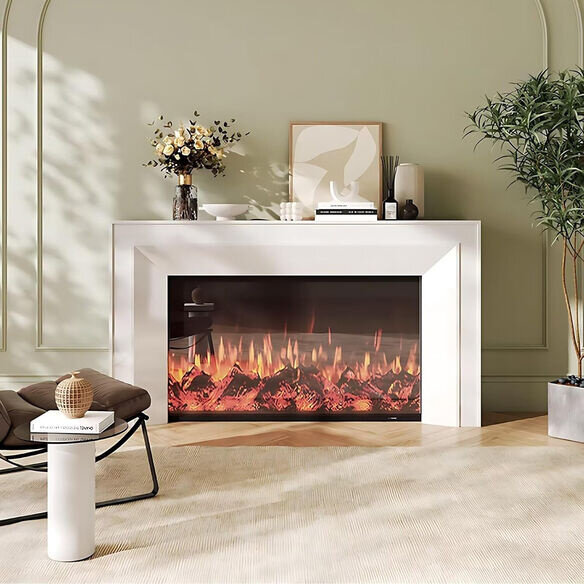
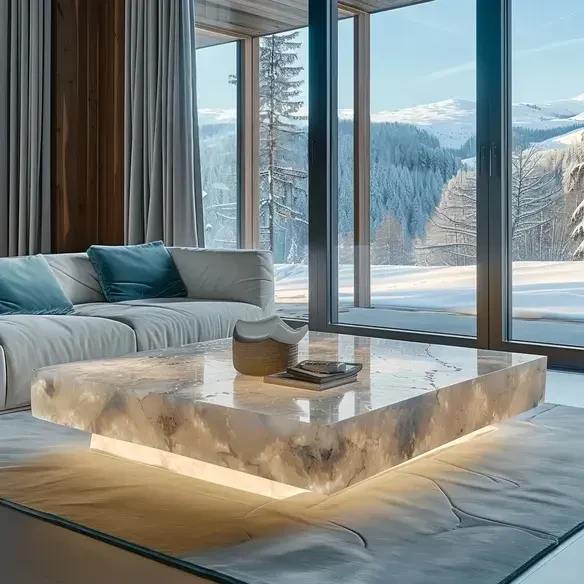
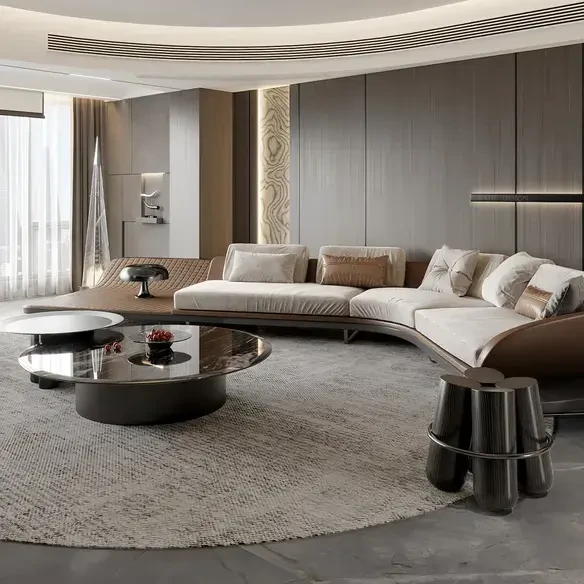
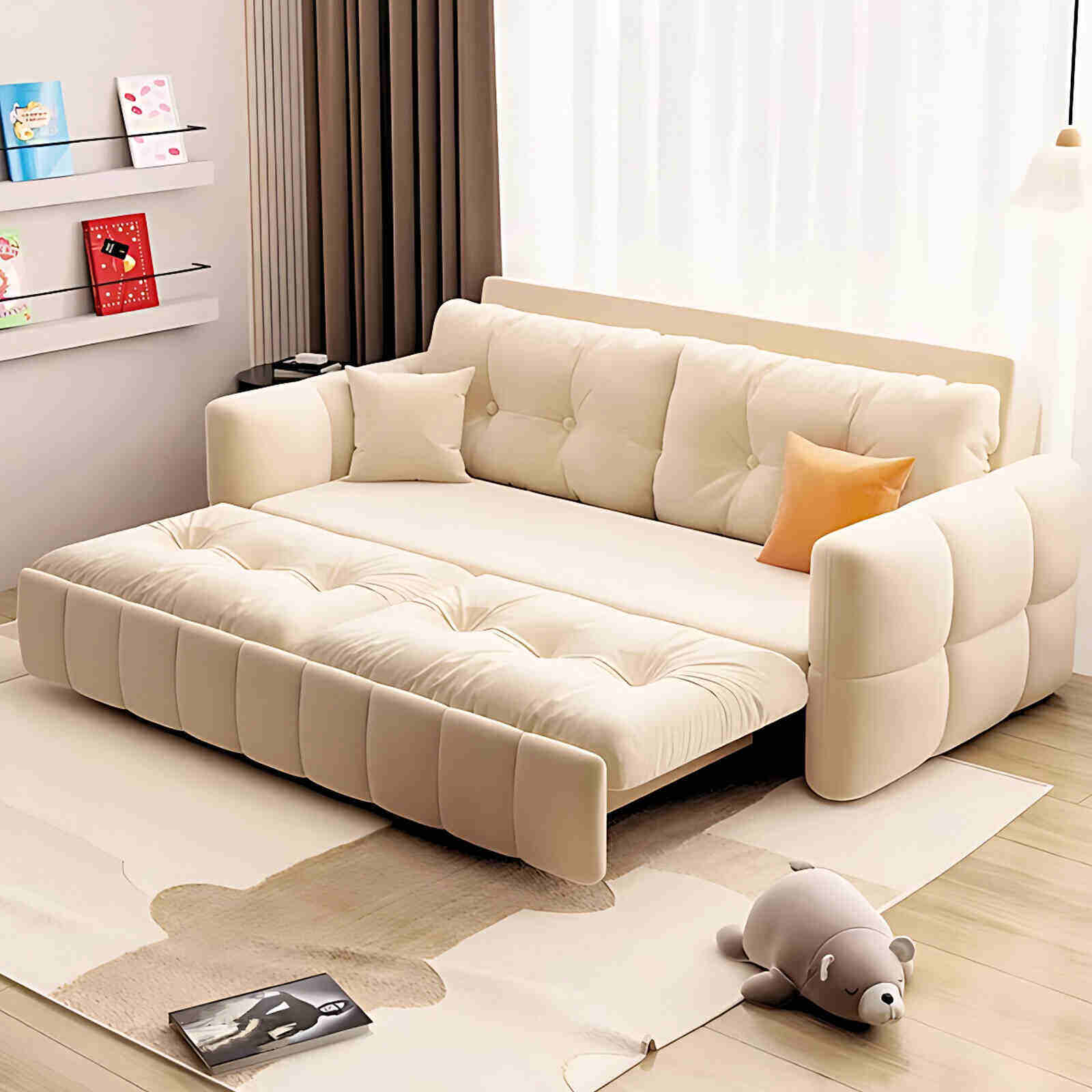
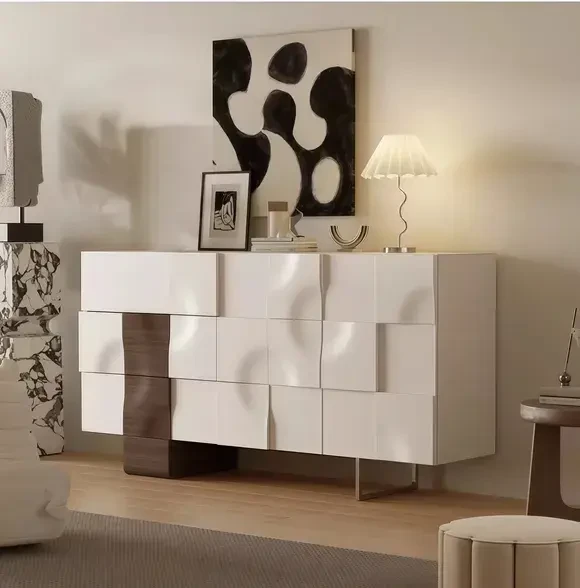


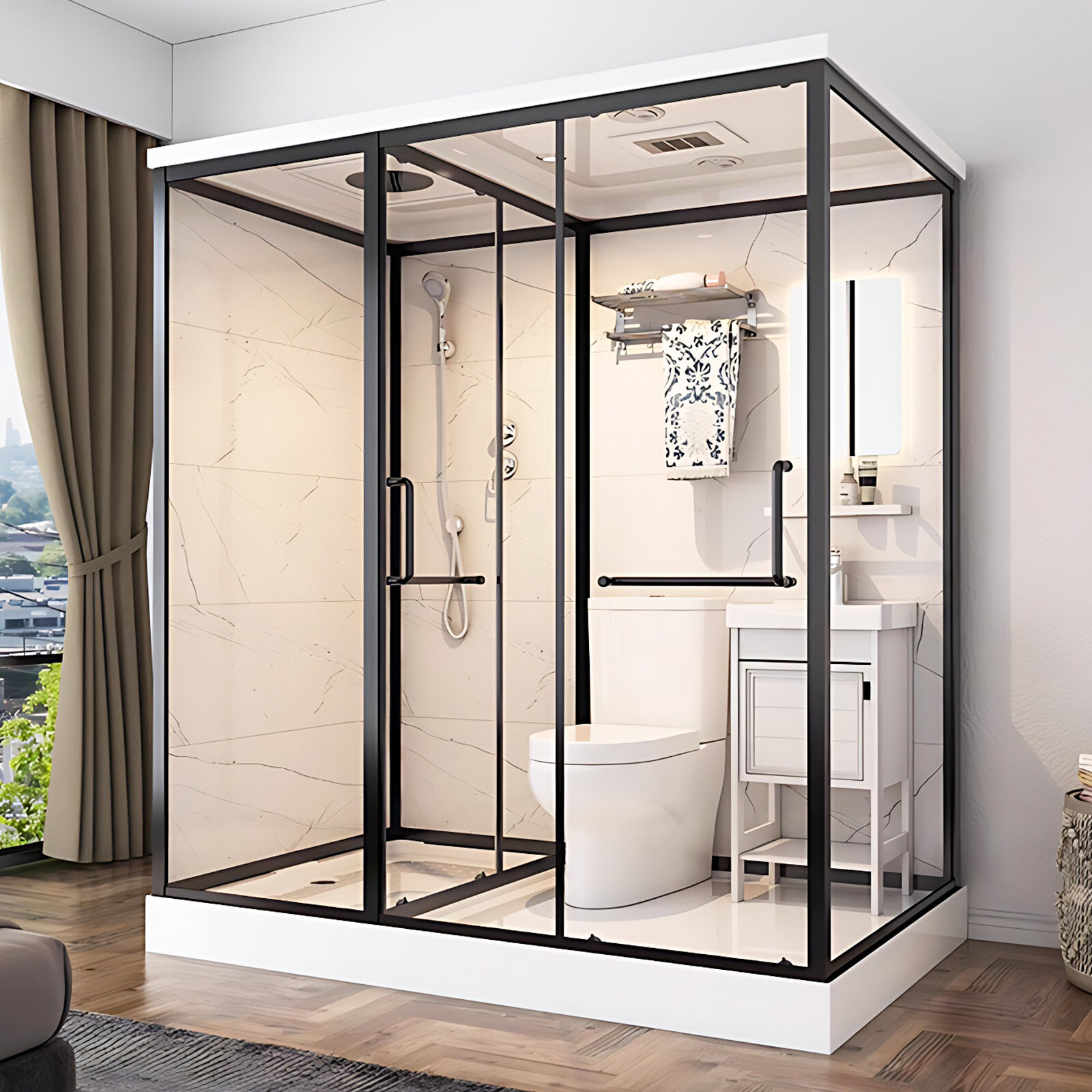
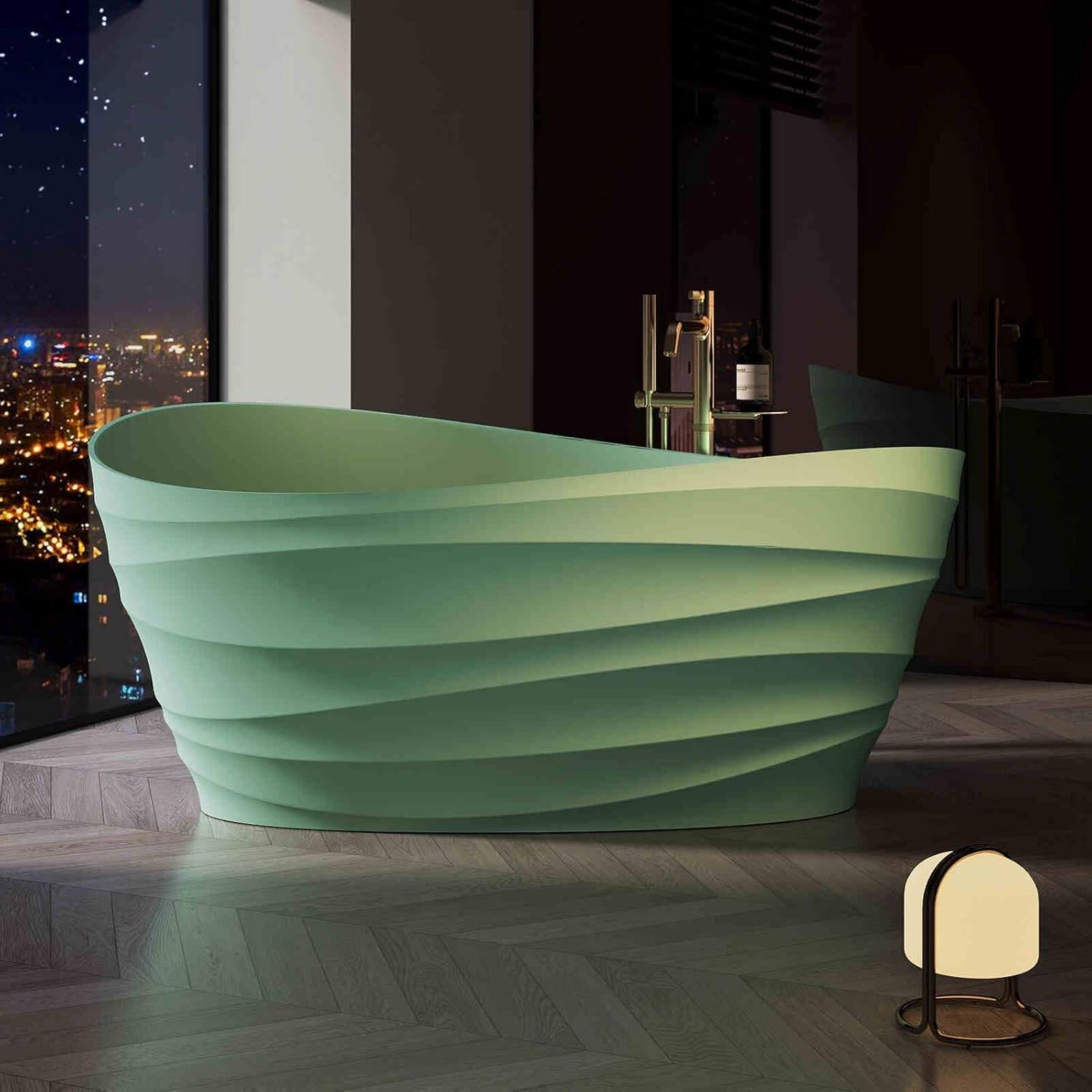
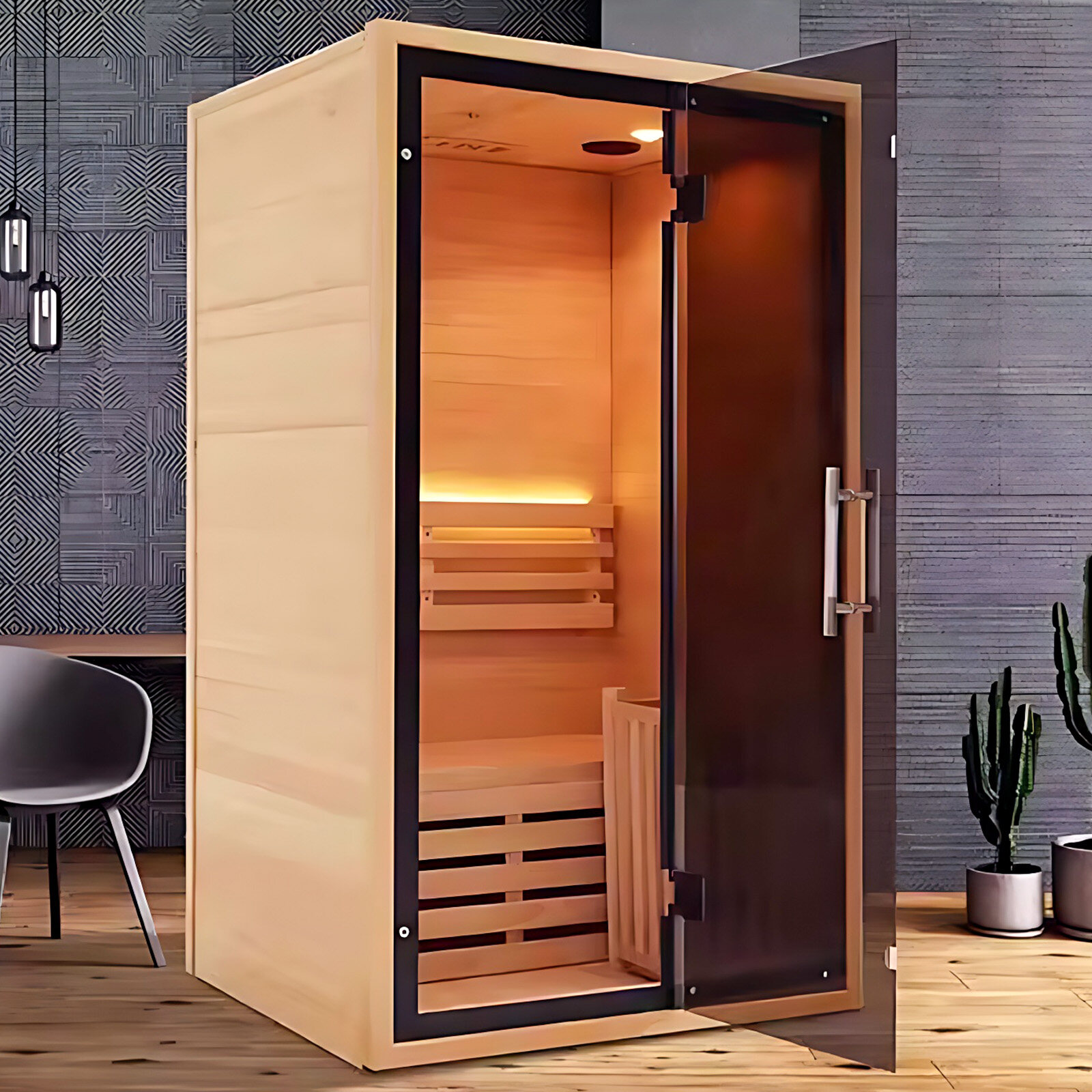
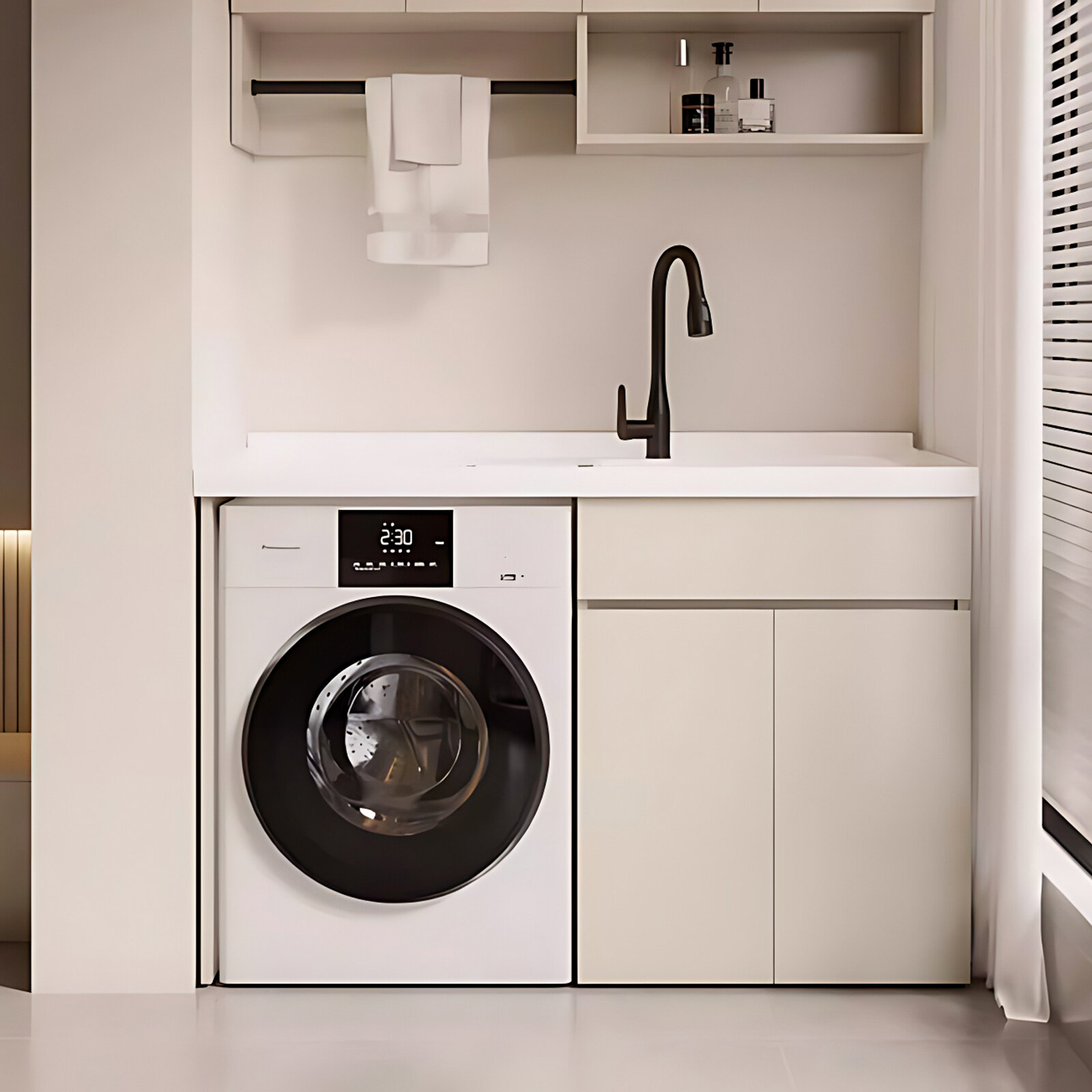
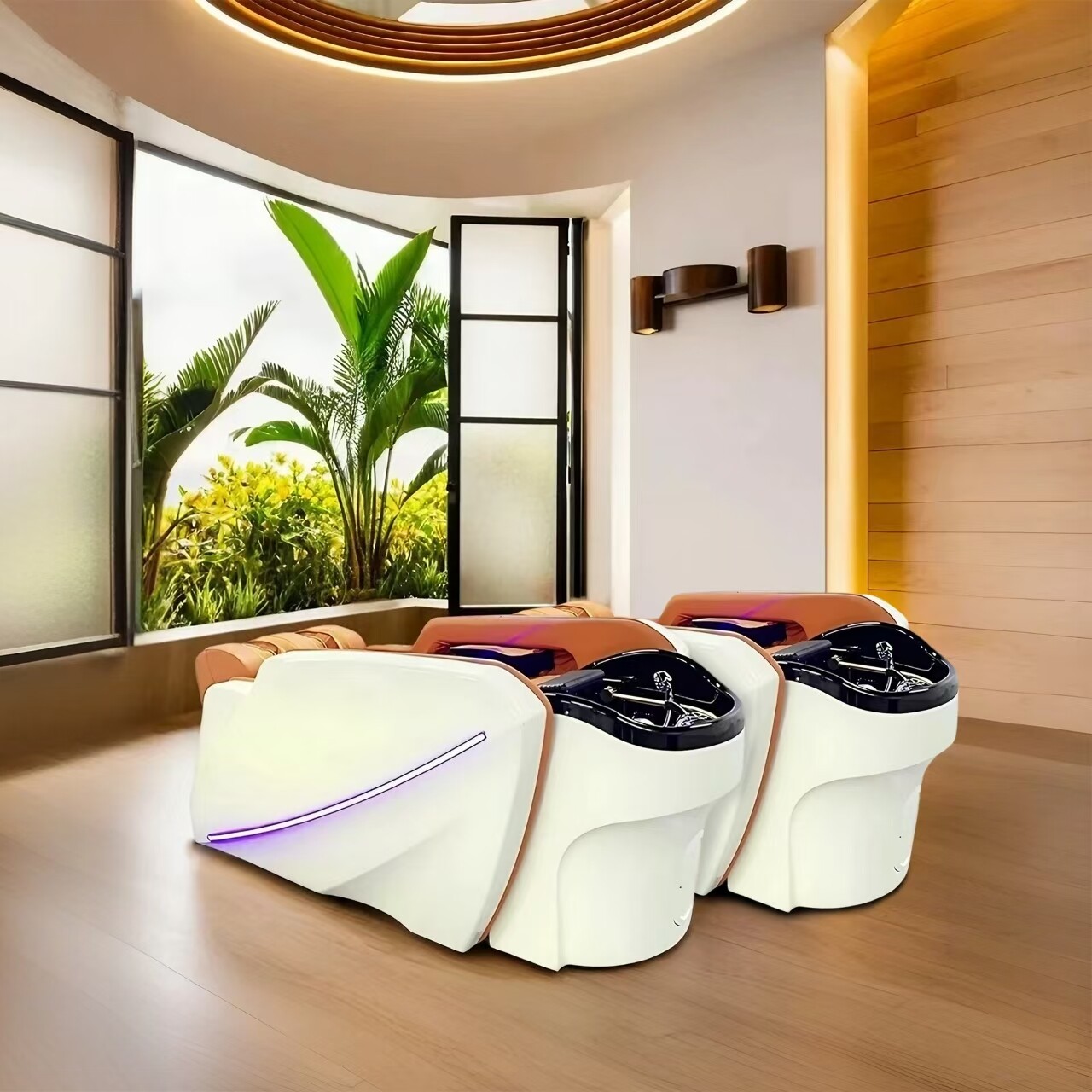
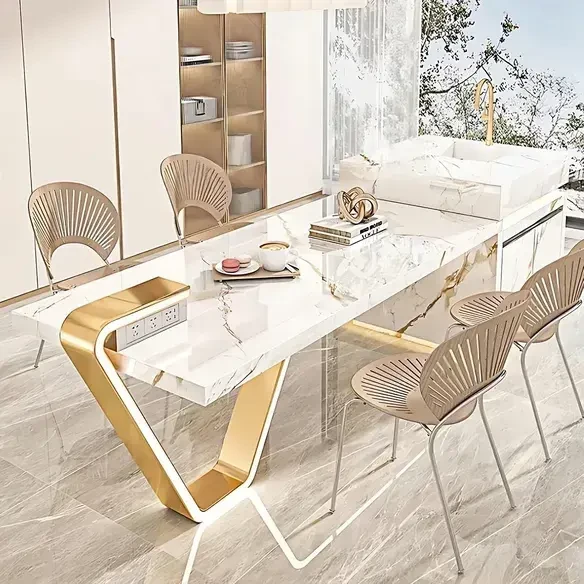
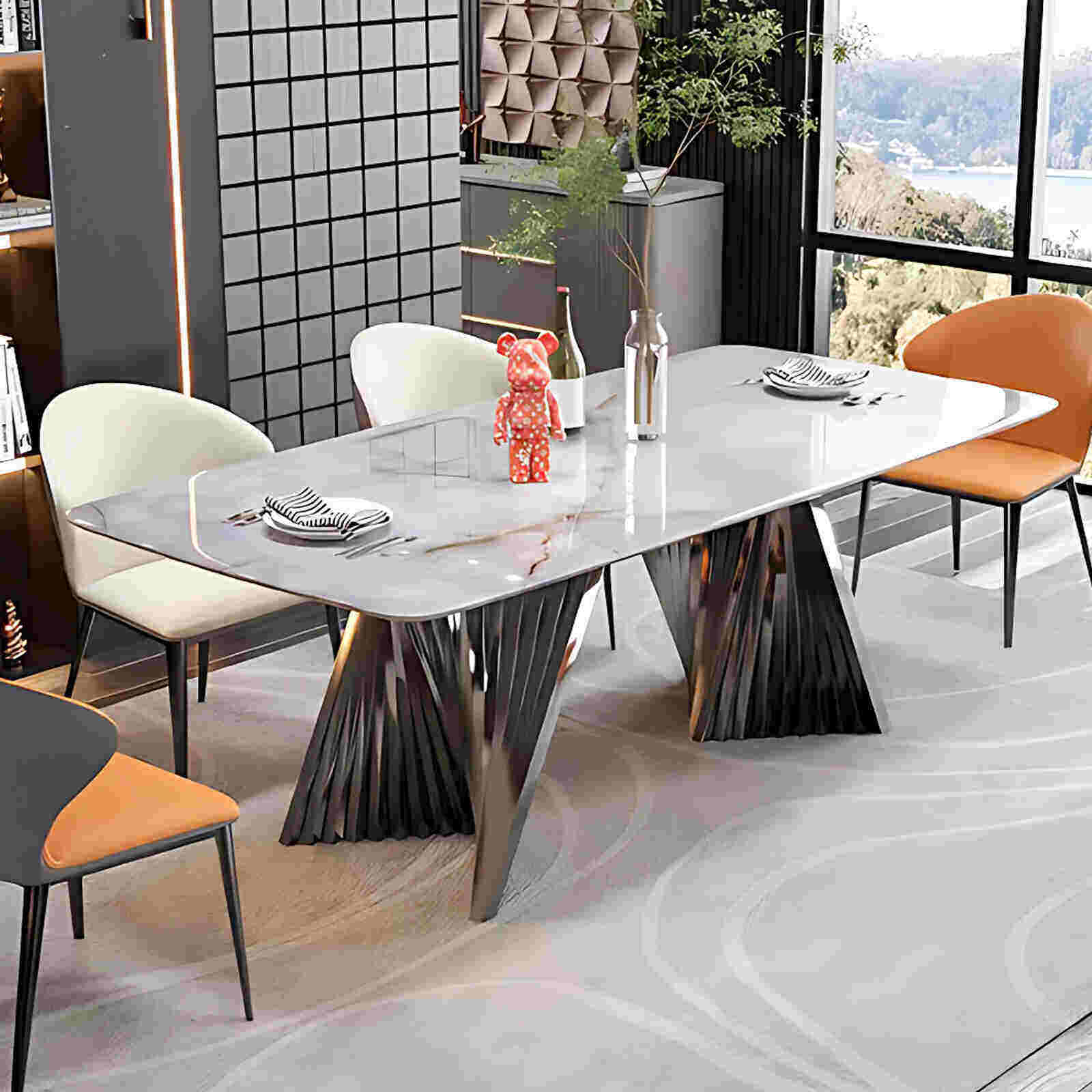
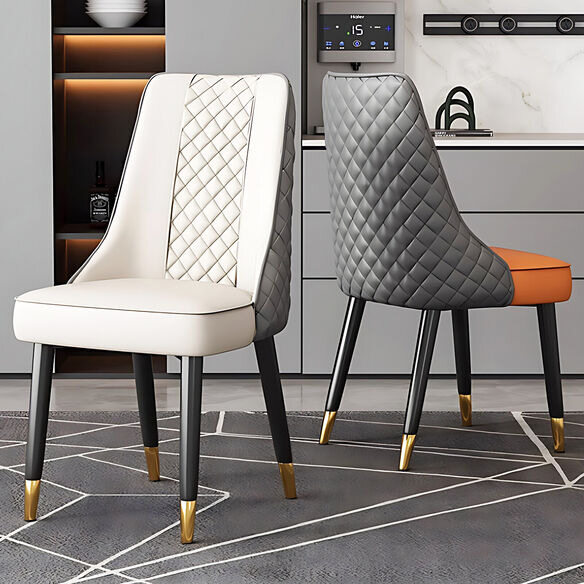
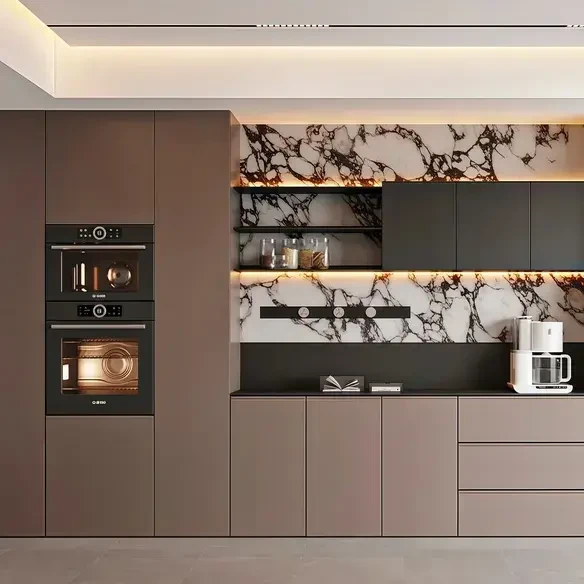
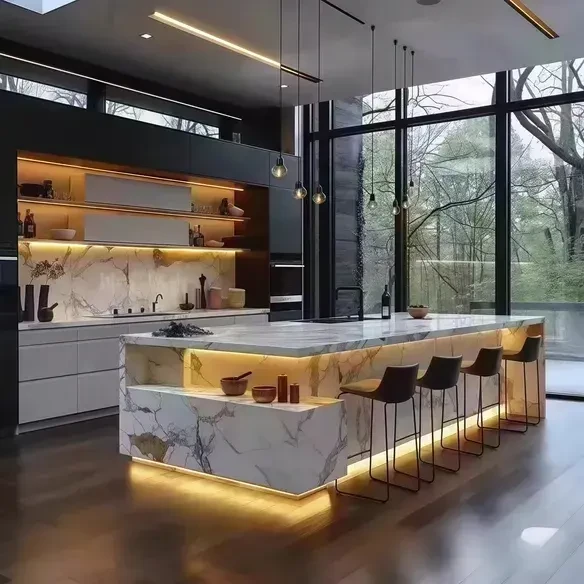
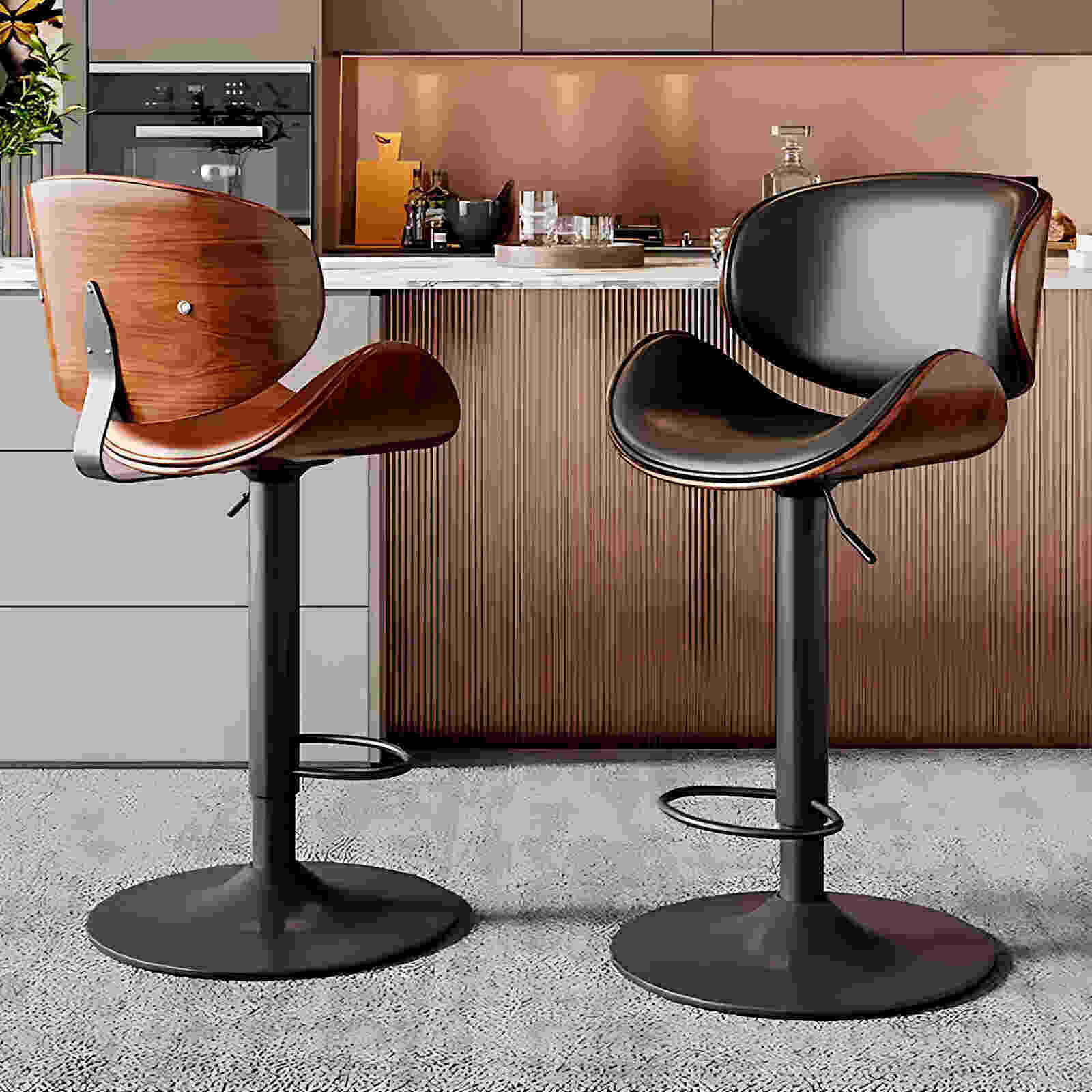








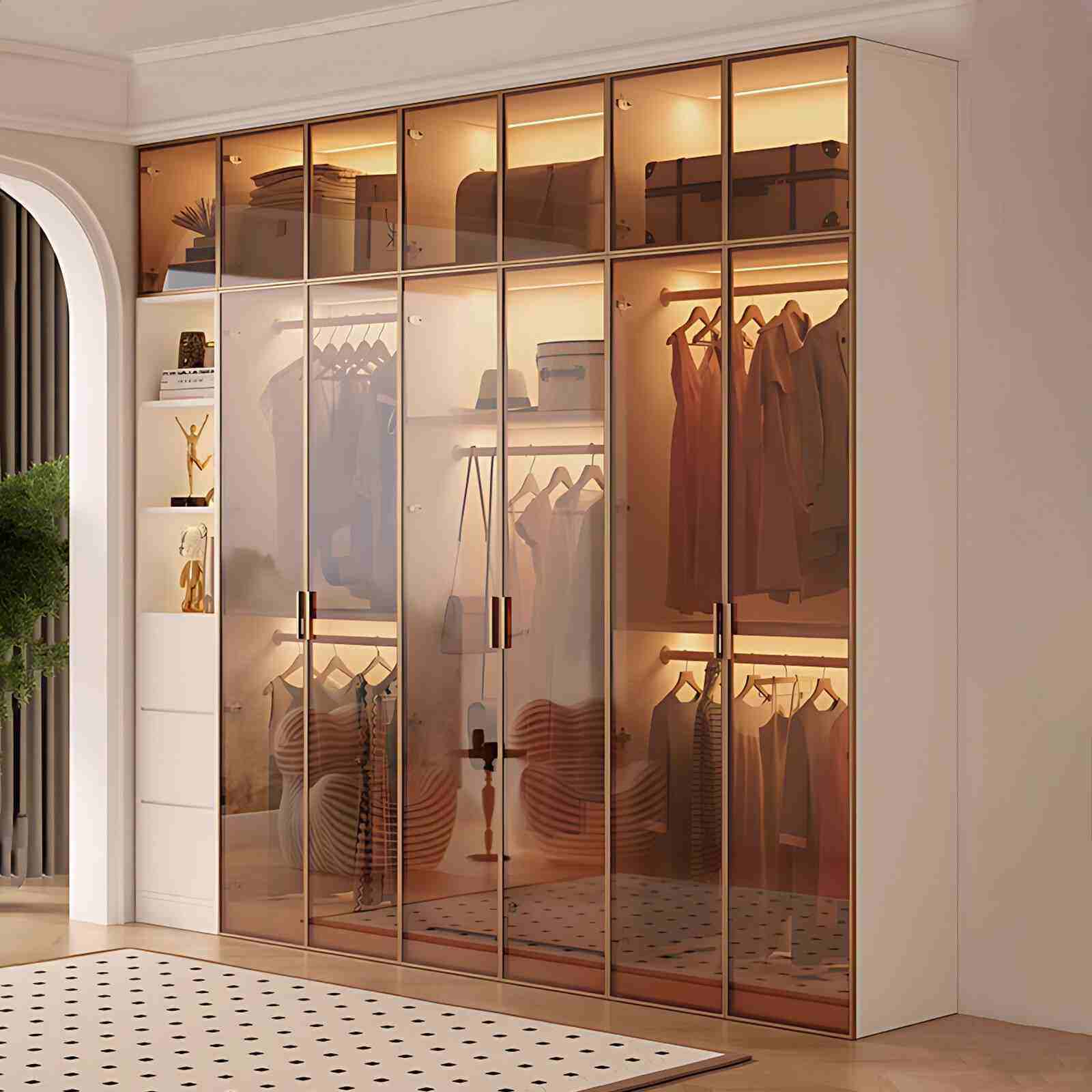

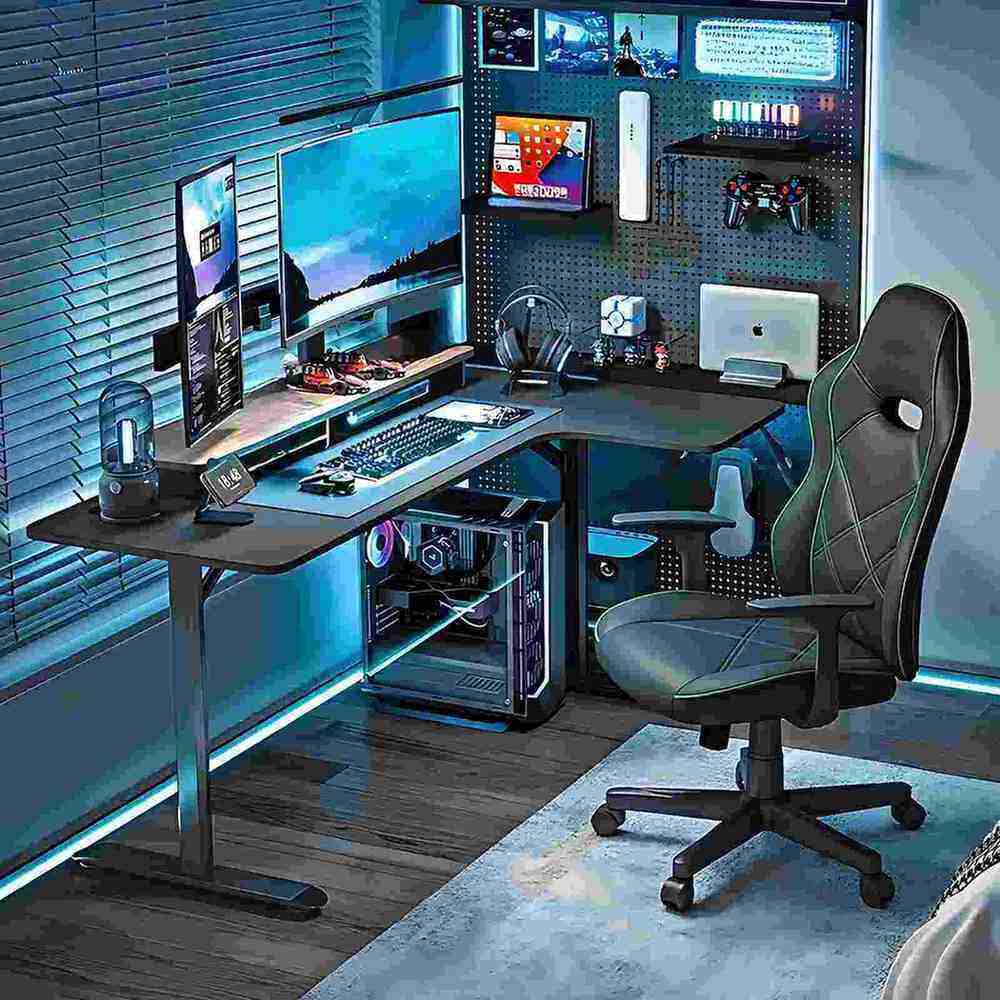
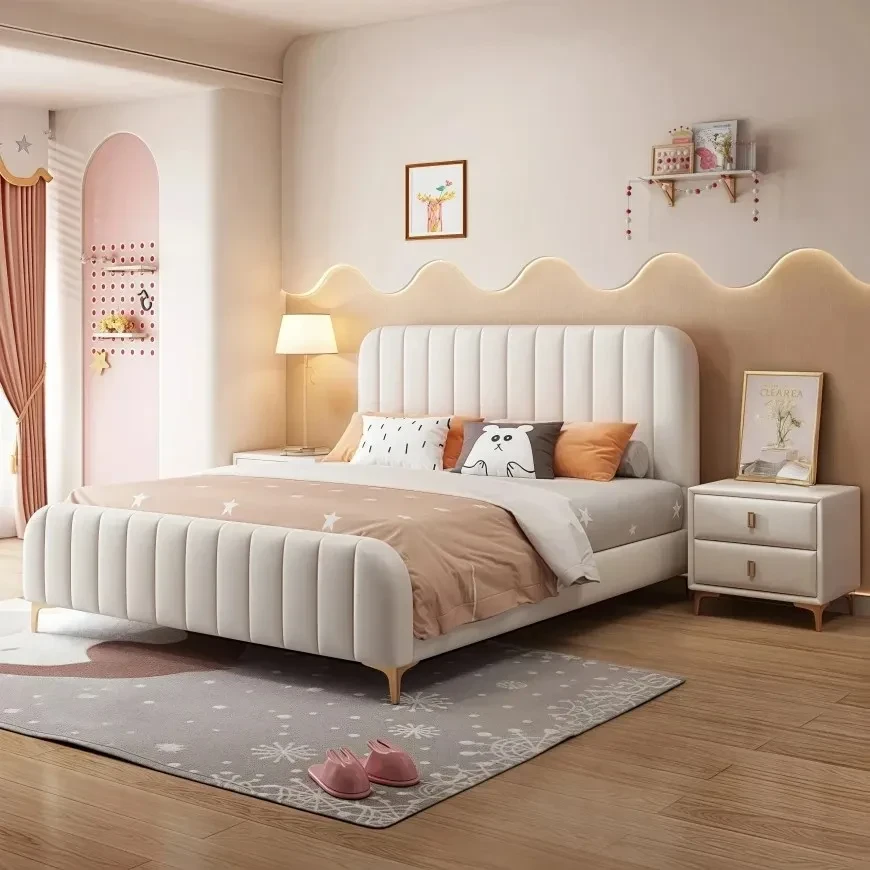
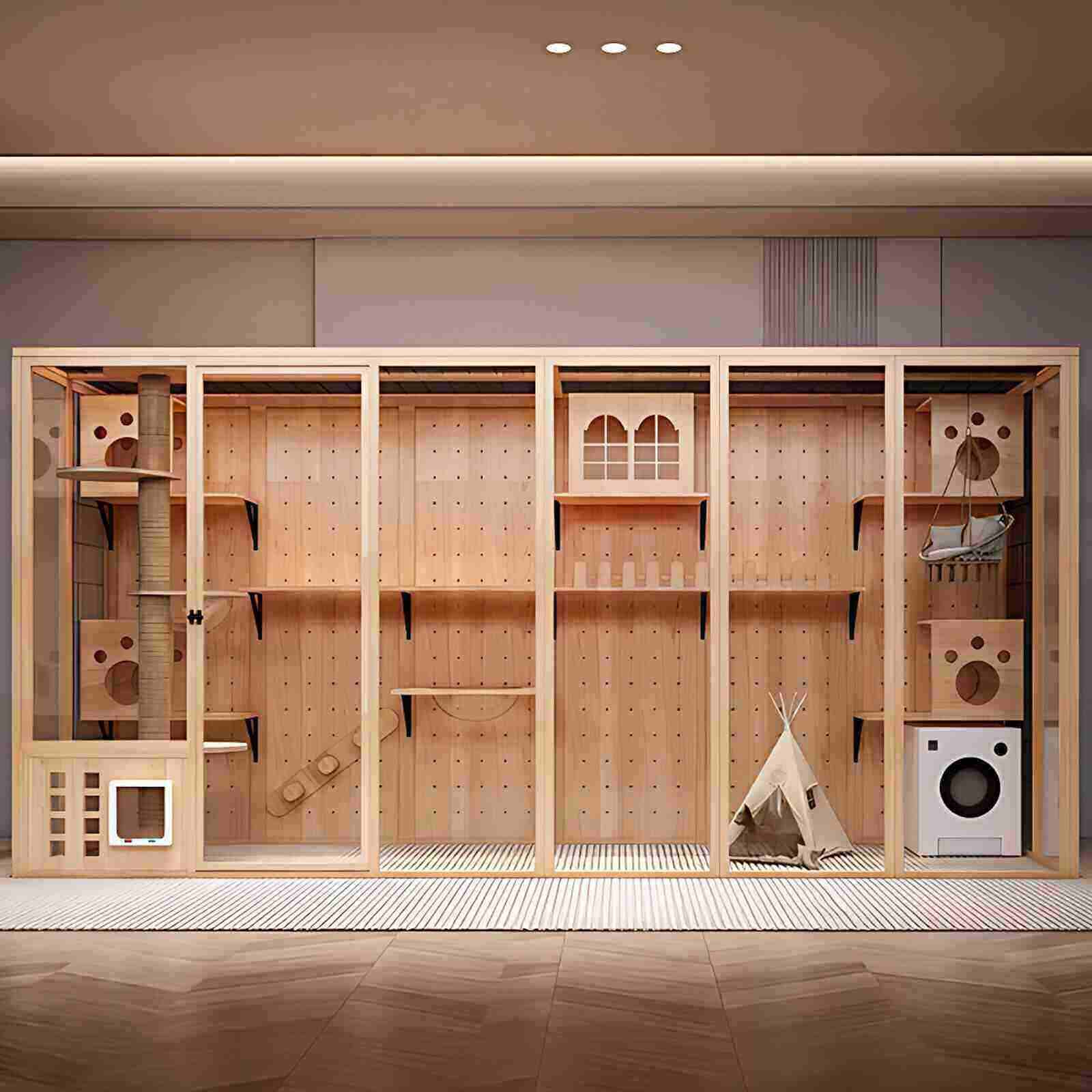
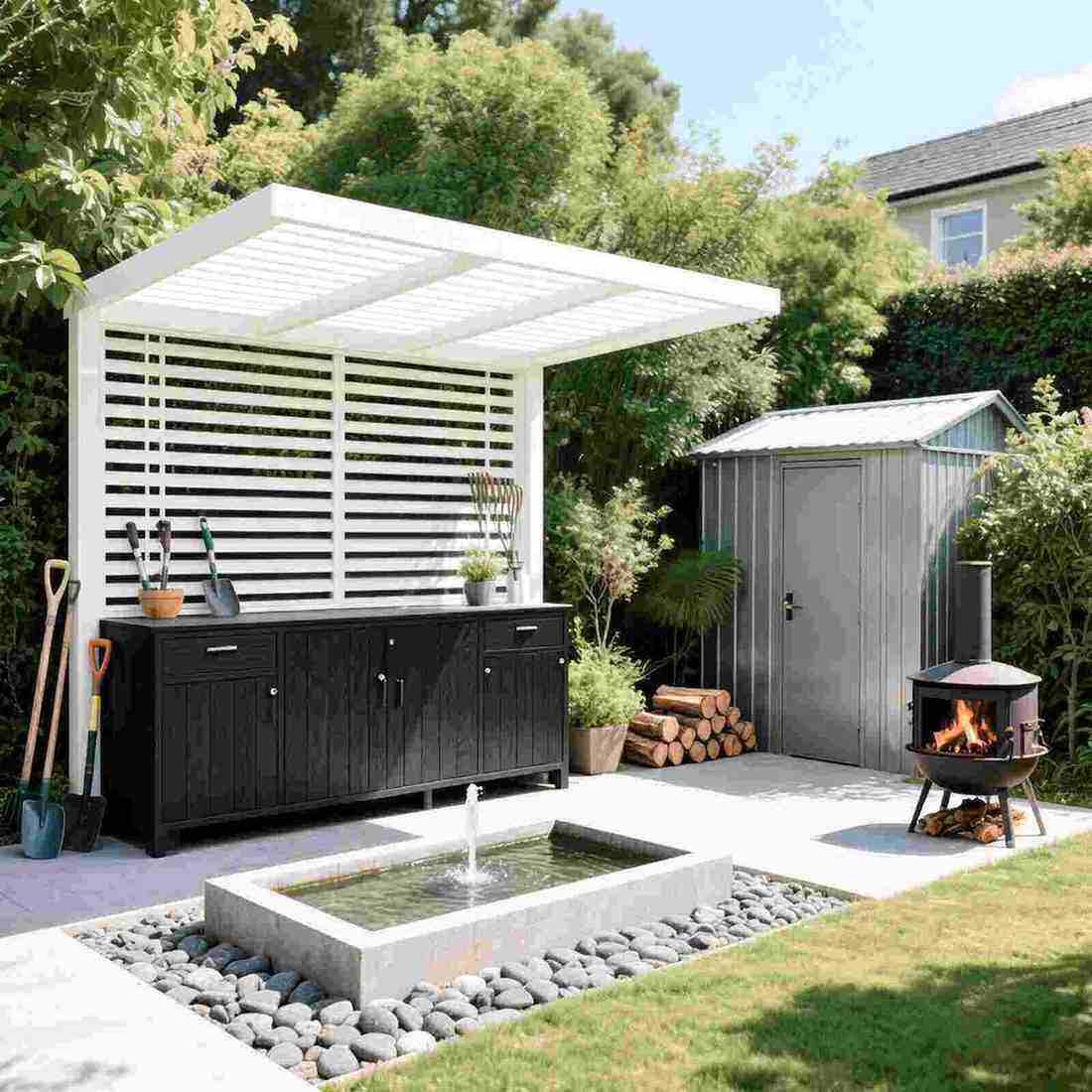
Creating satisfactory custom furniture requires a lot of preparation. First, you need to know how to choose the right materials. Currently, the most common types on the market are solid wood eco-boards, multi-layer solid wood boards, and particleboard, each with its own advantages. However, to choose good materials, simply knowing the material isn't enough; you also need to understand the three key factors that influence the quality of the materials!
Good quality boards also have excellent surface treatment. The surface is smooth and flat, with a smooth feel to the touch, without any particles, dents, or a prickly sensation to the fingers. The edges of the boards are clearly defined, and the packaging is clearly labeled with complete information such as the manufacturer's name, address, grade, and specifications.
The standard for judging the environmental friendliness of wood-based panels is the national standard, with the lowest standard, E1, requiring a formaldehyde emission level of no more than 0.124 mg/m³. According to authoritative testing, Fuxiang Eco-friendly Home Furnishings ENF series panels meet the new national standard for ENF grade (formaldehyde-free). (my country's GB/T 39600-2021 "Classification of Formaldehyde Emission from Wood-based Panels and Their Products" stipulates that the formaldehyde emission limit for ENF grade is ≤0.025 mg/m³, better protecting consumers' home environment.)
Environmental performance is only one factor in judging the quality of boards. While meeting the new national standards, it's even more important to compare the physical properties of the boards, such as nail-holding power, load-bearing capacity, resistance to deformation, and moisture and water resistance. These physical properties are the key factors affecting the quality of the boards, determining whether your cabinets will warp, crack, mold, or be stable in the future.
At the same time, improving the physical properties of boards is more expensive than improving their environmental performance. This is why, for the same environmental grade, boards from major brands are better and more durable than those from smaller brands.