
 USD
USD GBP
GBP
 EUR
EUR
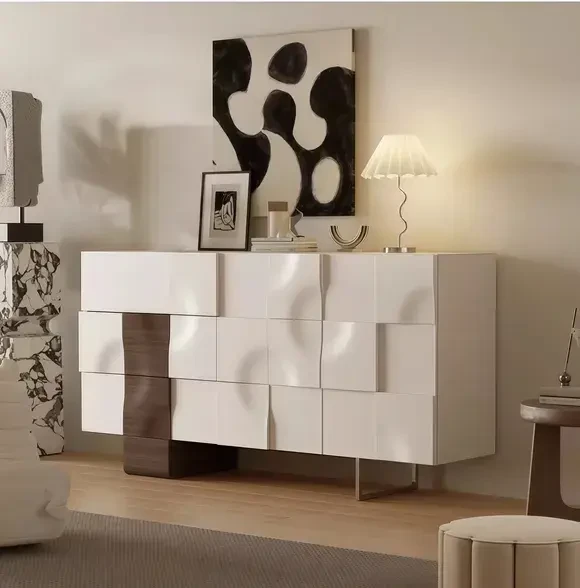
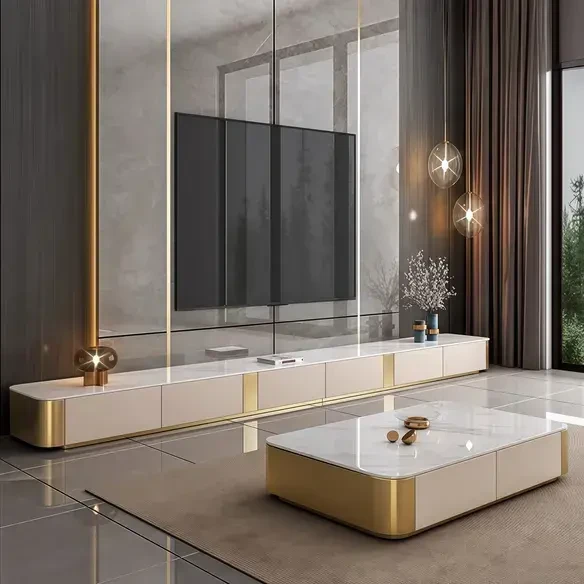
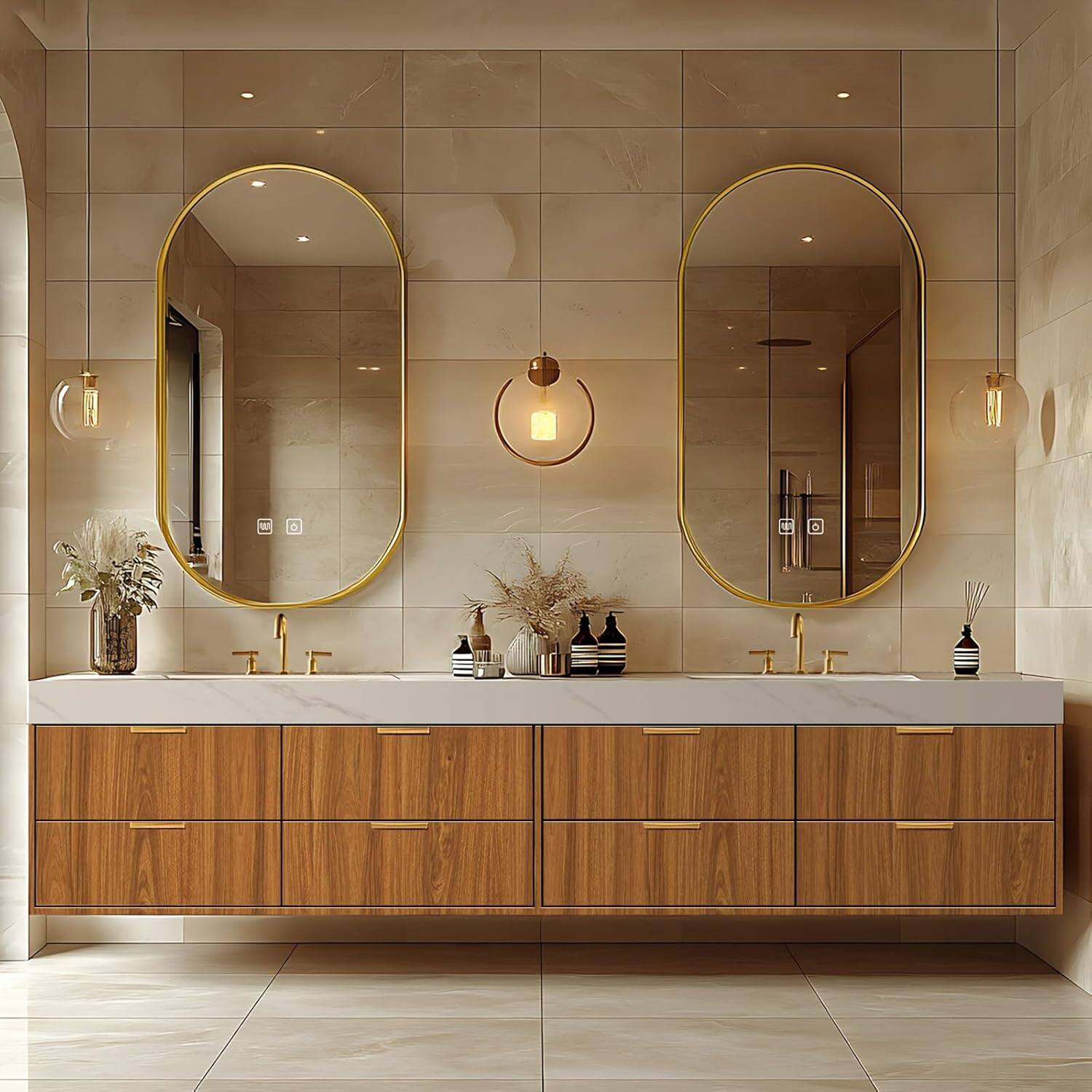
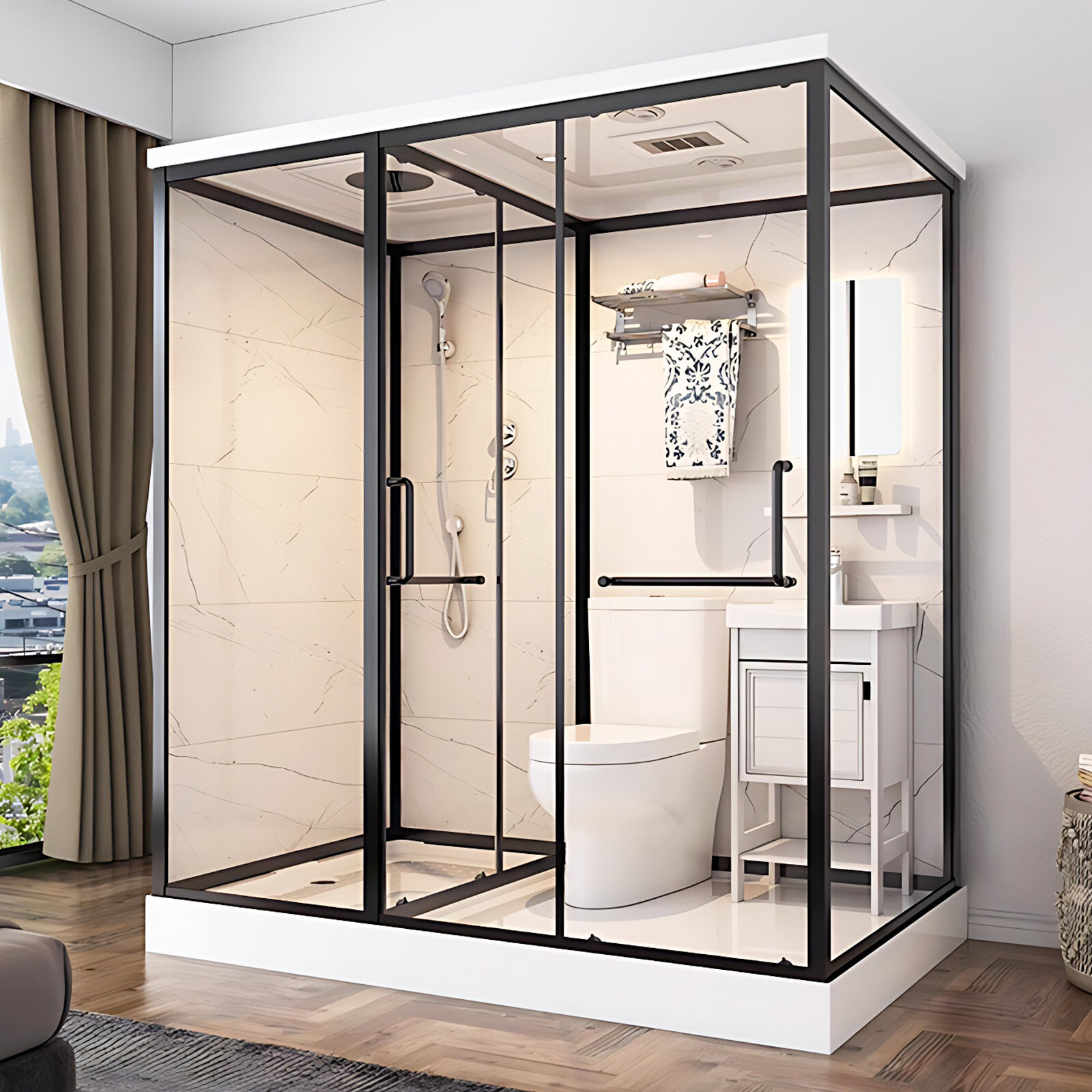
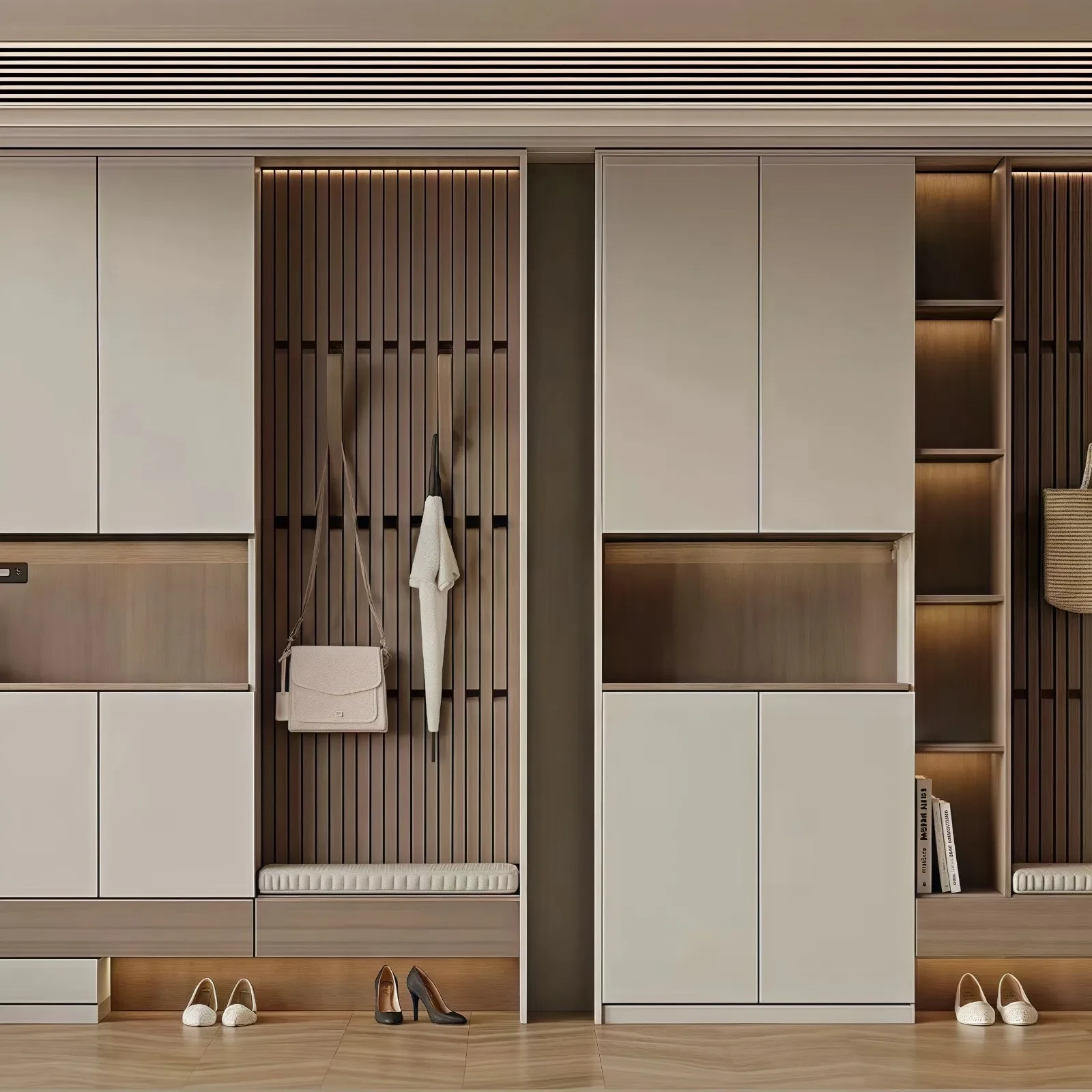
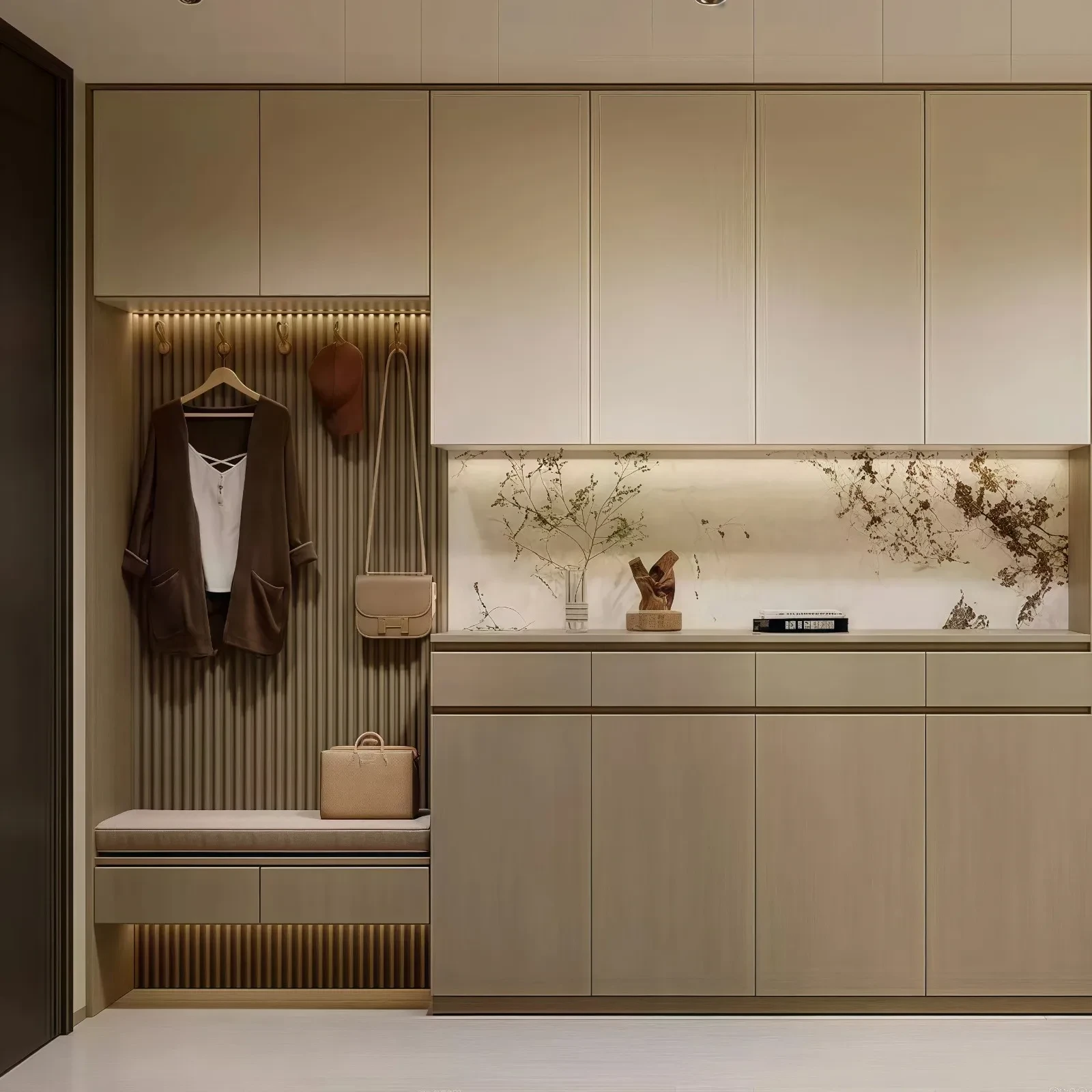
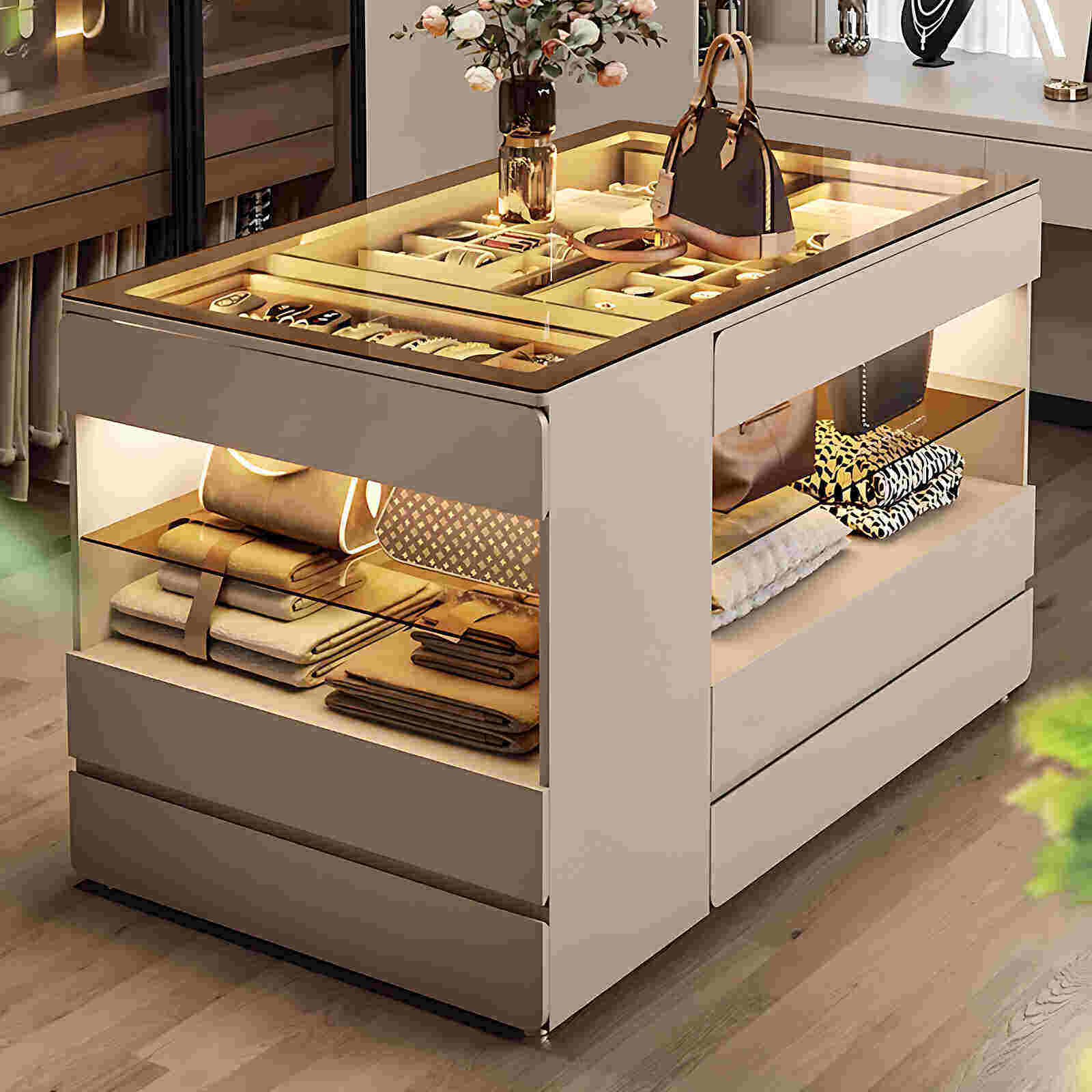
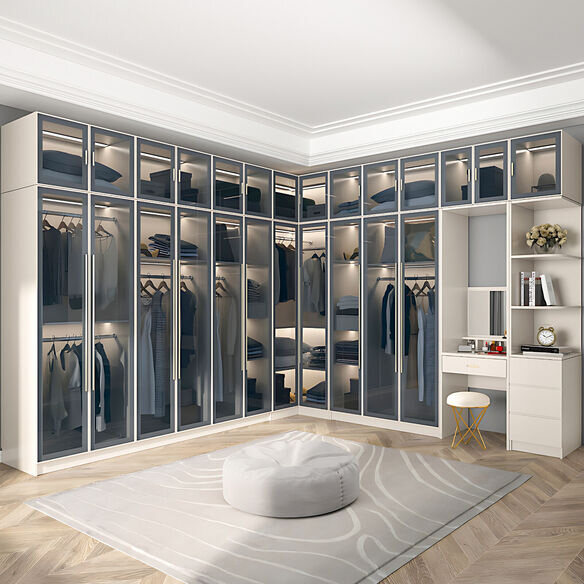
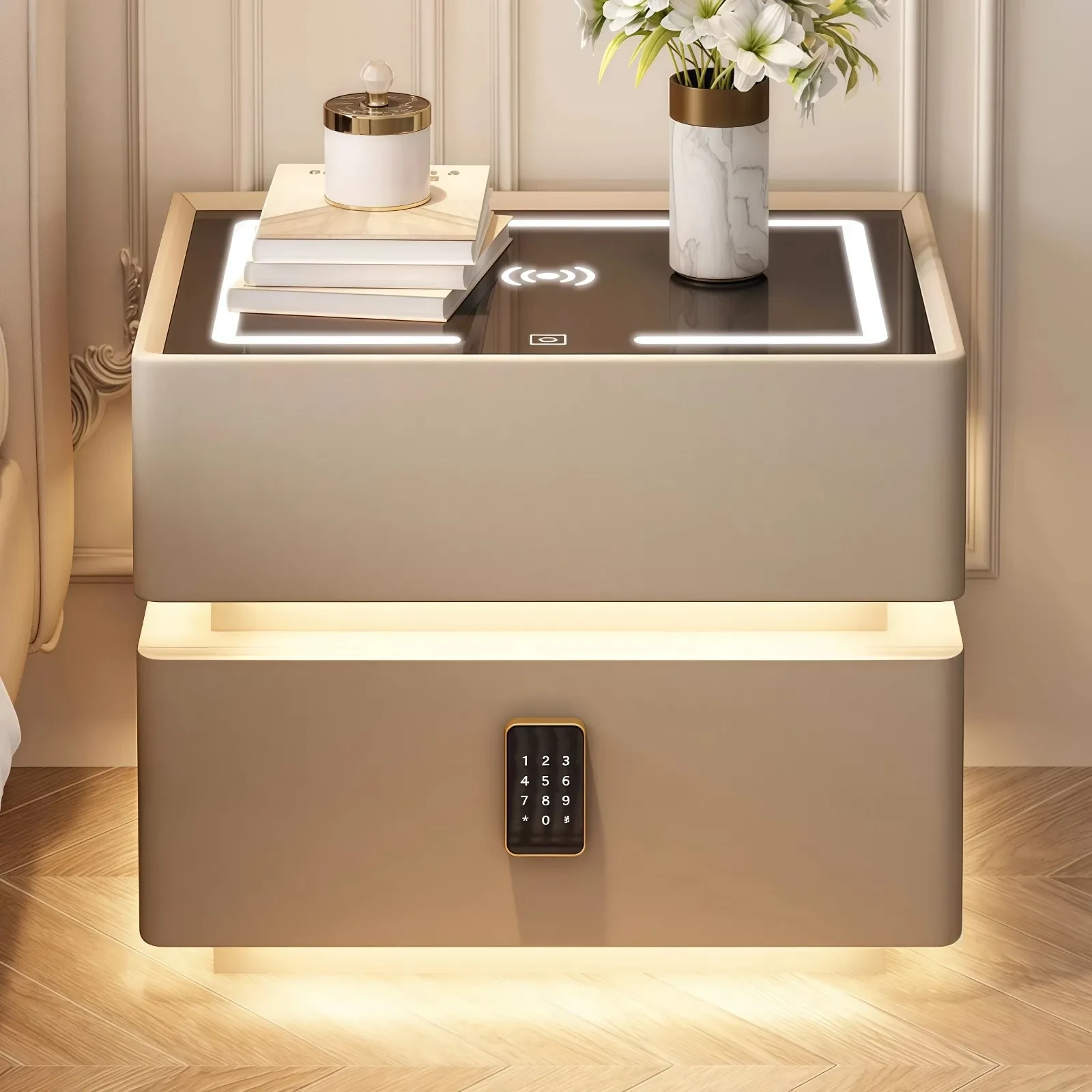
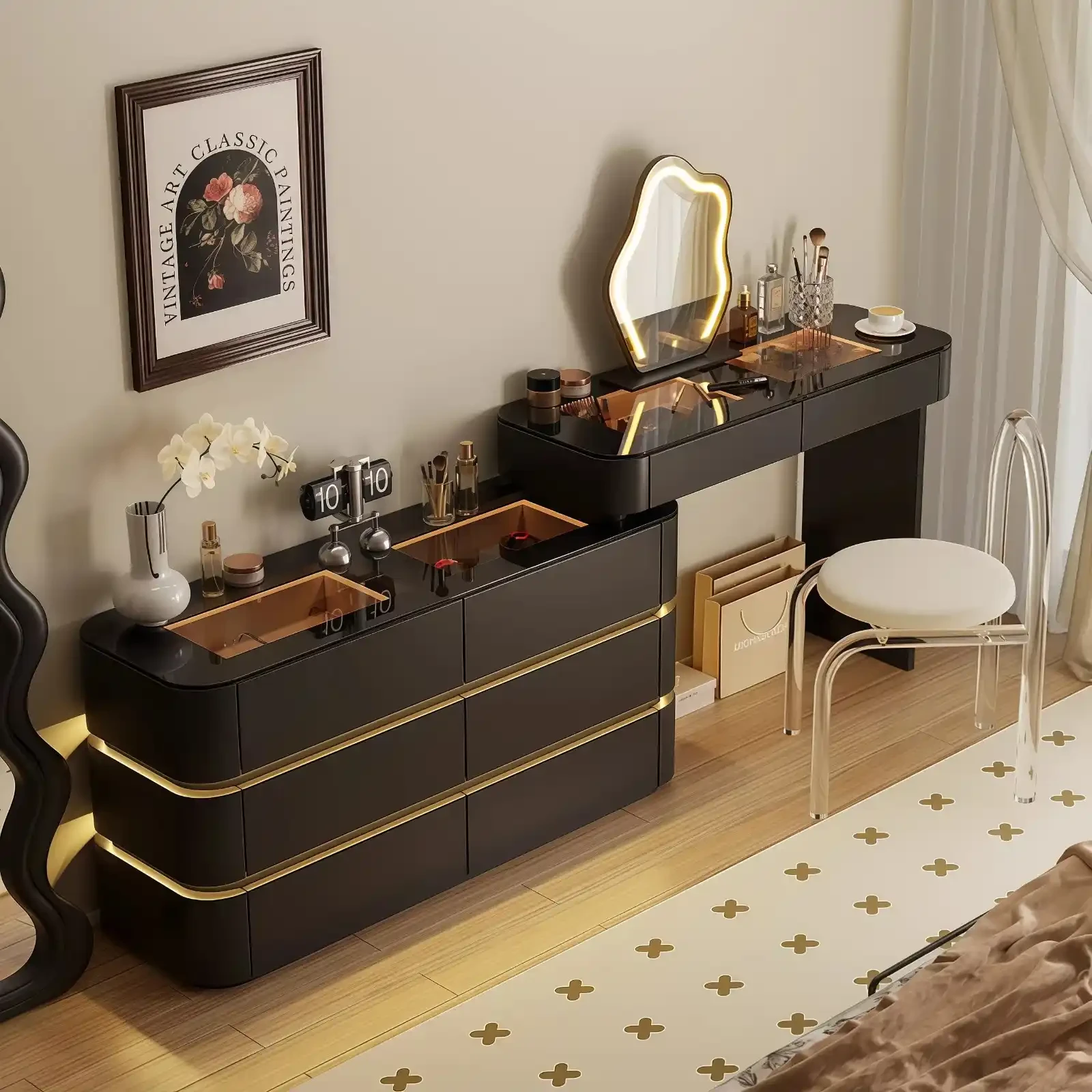
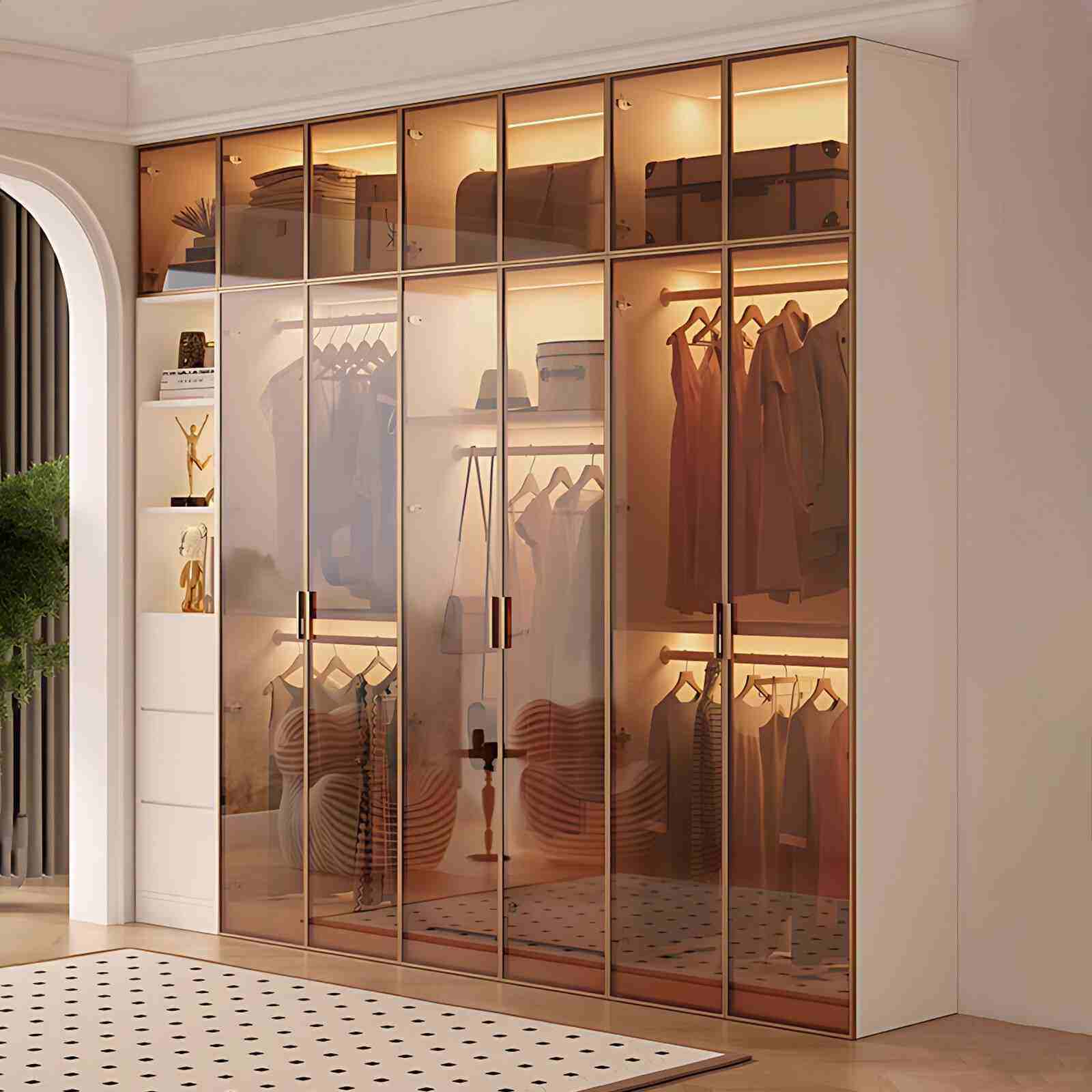
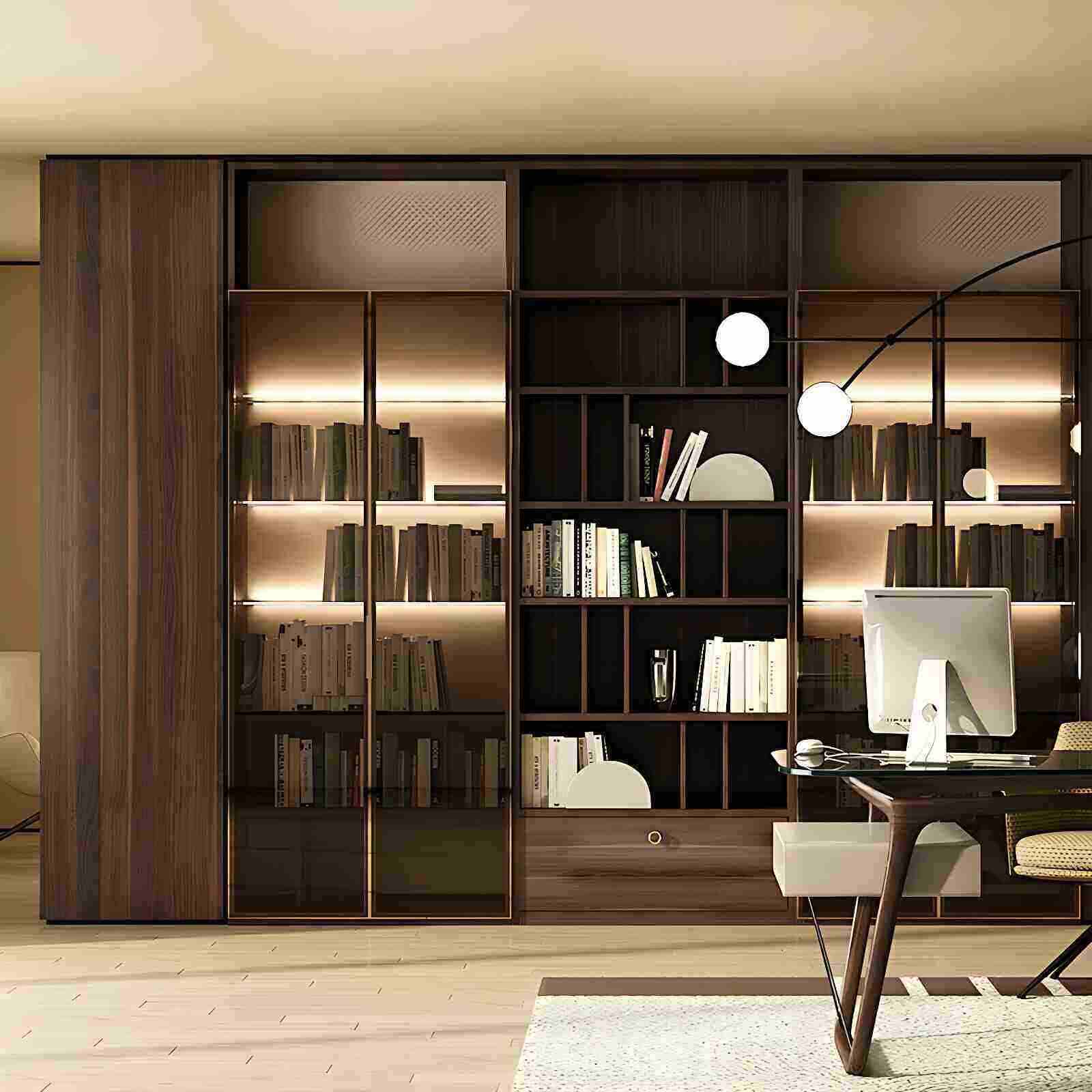
Today's Home Furnishing Focus: Stability and Durability
During the rainy season, the weather is humid and hot, making wooden furniture susceptible to moisture damage and warping. In northern regions with less rain and higher temperatures, furniture is also prone to cracking due to the unstable moisture content of the boards and the instability of the structure.
Deformation and cracking of wood panels will inevitably affect the usability and lifespan of furniture. Besides natural environmental factors, what other potential problems can be prevented from the product manufacturing stage?
[Important Note] Adverse Effects of Instable Performance
Unstable base materials and structure can affect the nail-holding power at cabinet joints. If the boards lack resistance to deformation and cracking, even the best furniture designs and home décor will not last, let alone improve the quality of home life. So what are the reasons for this?
1. Unreasonable moisture content of the substrate
If the moisture content of the substrate is unstable, or if it is not properly cured afterward, it will be unable to adapt to changes in dry and wet environments; furniture will also be prone to cracking and deformation when subjected to pressure or uneven humidity. If the moisture content of the board exceeds or falls below the ambient humidity, warping and deformation will be inevitable.
2. Unstable physical structure
In the manufacturing process of finished boards, logs are processed into strips, shavings, and fine particles, which breaks down the internal structural forces of the wood. If the physical structure and density of the substrate are not properly treated, the internal stress of the board cannot be eliminated, making it highly susceptible to changes during thermal expansion and contraction.
3. Substandard production process
If the manufacturing process, including drying, curing, gluing, hot and cold pressing, and sanding, is not strictly controlled or does not meet standards, the boards are prone to cracking and deformation. Poor waterproofing, carbonization of the finish, and edge chipping during processing will directly increase the cost and time of renovation.
[Solution] How does Da Wang Ye (a type of coconut) work?
[Substrate stability]
Premium raw materials (including imported ones) with uniform wood quality
The boards are selected using the 5A-grade material selection method, which involves on-site inspections from multiple dimensions such as forest coverage, relative humidity, climate rainfall, and health index. The wood is tested hundreds of times to select logs with superior material performance, thereby reducing the variable coefficient of the boards from the source.
Imported from Southeast Asia, the top-grade Malacca wood is uniform in texture and undergoes a 10-day low-temperature drying process, making it highly popular among consumers in both northern and southern China. The fir ecological board is made from 15-year-old timber, ensuring natural quality and standing the test of the market for 20 years, consistently a popular and best-selling product.
[Stable moisture content]
Scientific health preservation: 6-8% gold moisture content
Within the standard specified range, the smaller the water absorption thickness expansion rate, the stronger the stability of the board. The boards are made from high-density logs and undergo two natural curing cycles, each lasting about 15 days, before and after processing to ensure that the moisture content of the boards is balanced and stable.
The No. 1 log is made from subtropical evergreen trees with a uniform wood structure and a moisture content of 6%, which is considered the golden moisture content. It is known as "safe wood". The nail holding power of the product is several times higher than the national standard, and the 24-hour water absorption expansion rate is only 4.2%.
[Structural stability]
Multi-layer combination to eliminate internal stress in wood
We have innovatively developed mainstream new wood structures, using multi-layer structures, shaving structures, and core layer + core board structures to effectively eliminate internal structural stress in wood and create high-end environmentally friendly boards with super stability.
For example, A7 furniture boards have a 5-11 layer structure, with each layer reinforcing the product's performance. The high-end, new No. 1 solid wood board uses 5 layers of rotary-cut fine materials, pressed together in a crisscross pattern for flatness and reinforcement, resulting in a uniform and solid board density.
[Stable process]
Uniform coating by roller application and hot/cold pressing
The board uses soybean bio-adhesive and water-insoluble MDI adhesive, which has a high solids content and strong bonding, waterproof and environmental performance. After undergoing 8 production processes of uniform glue roller coating, moisture is prevented from entering, eliminating the risk of cracking when the product is exposed to humid environments.
Upgraded cold and hot pressing equipment for the boards enables intelligent and precise control of hot pressing temperature and time parameters. Three hot pressing processes are performed at a constant temperature of 130℃ for uniform pressing, significantly reducing the risk of board deformation and cracking.
- END -
When choosing materials to customize a whole-house home furnishing system including doors, walls, and cabinets, in addition to requirements for "stability," the "environmental protection level" of the materials will inevitably become a key factor affecting the quality of life. We will continue to explain this in the next issue.