
 USD
USD GBP
GBP
 EUR
EUR


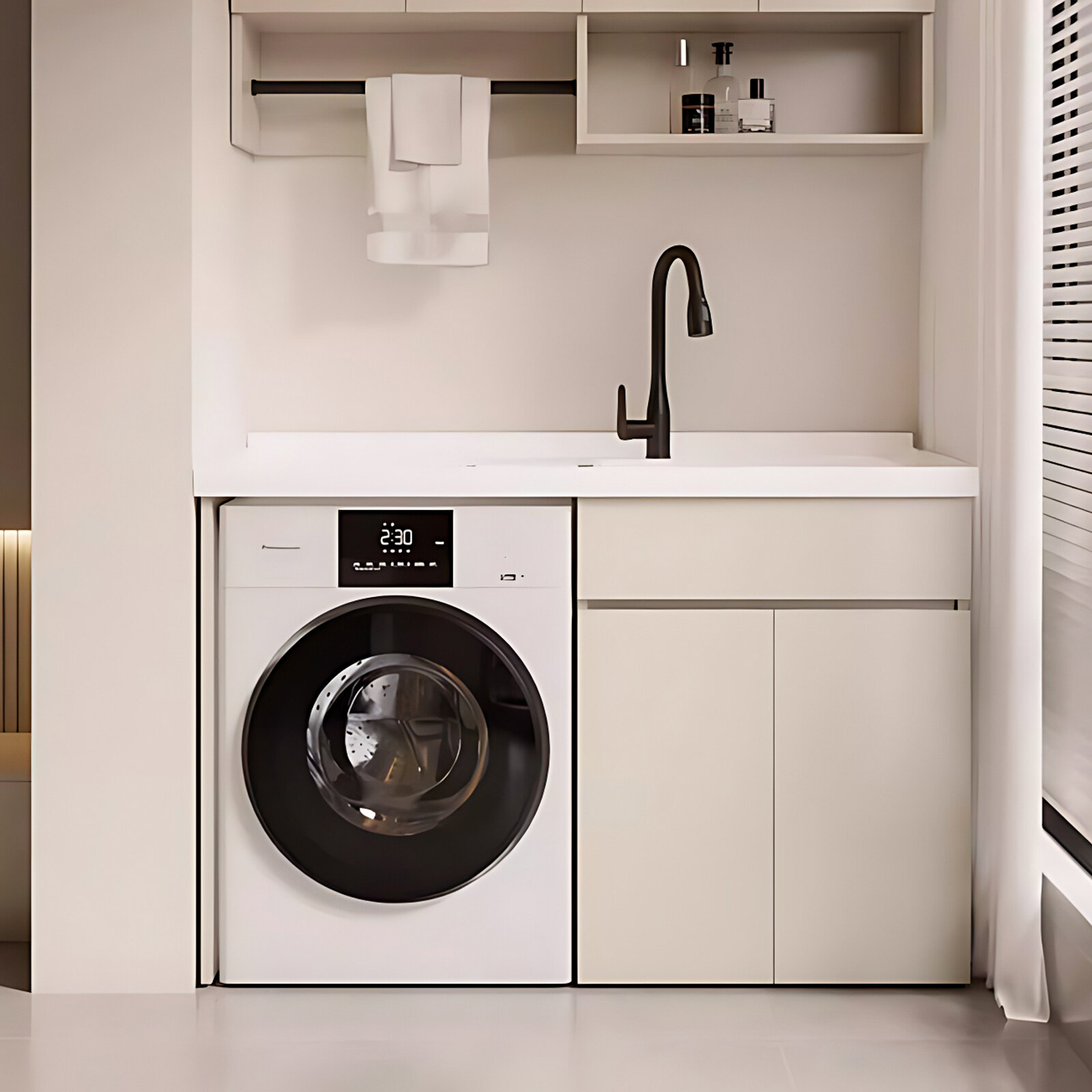
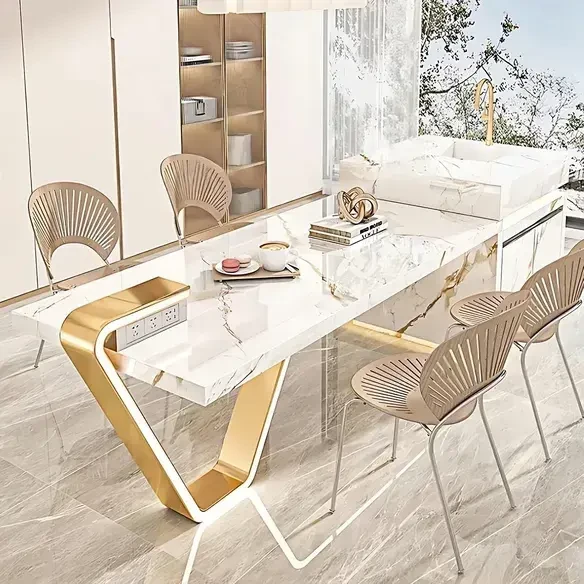
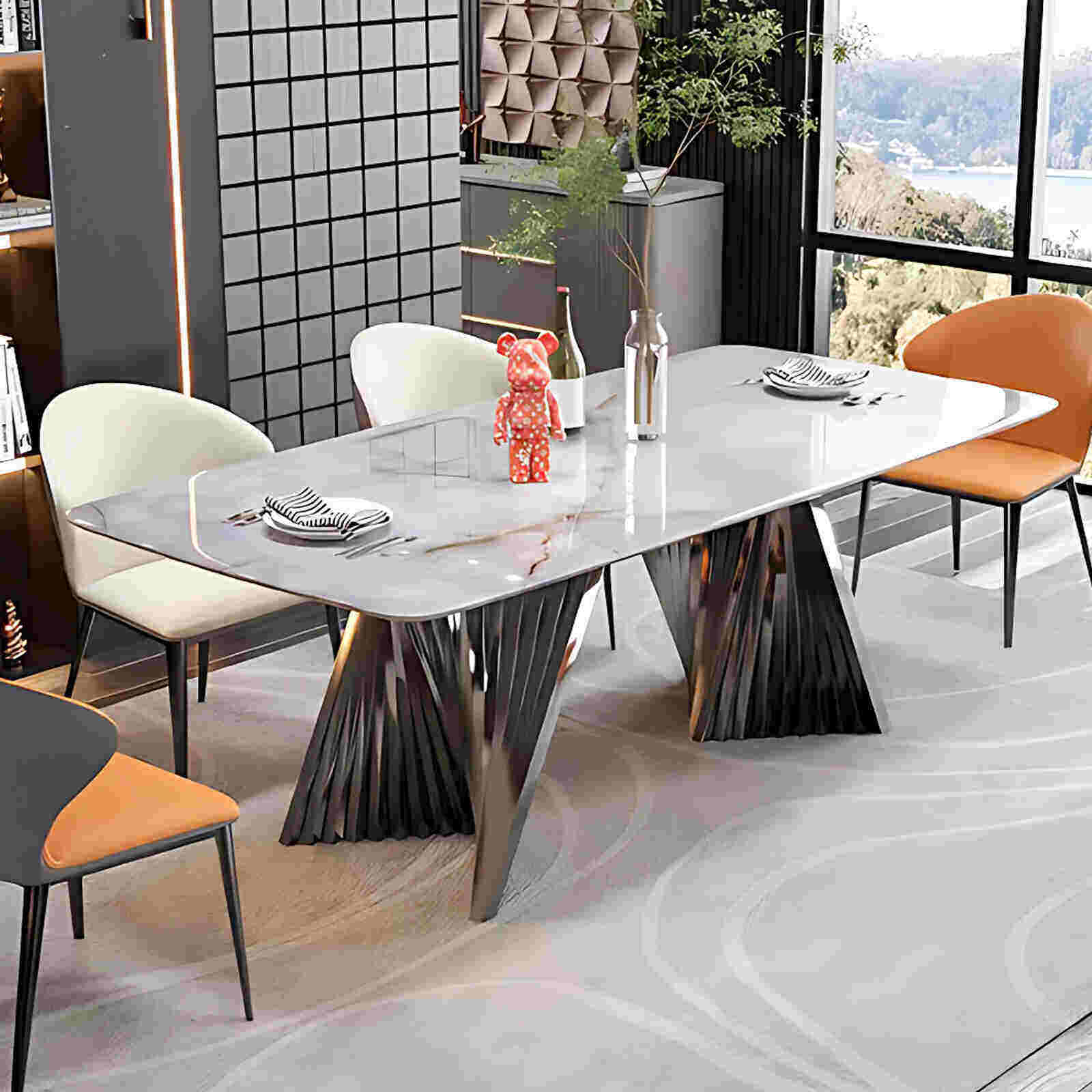
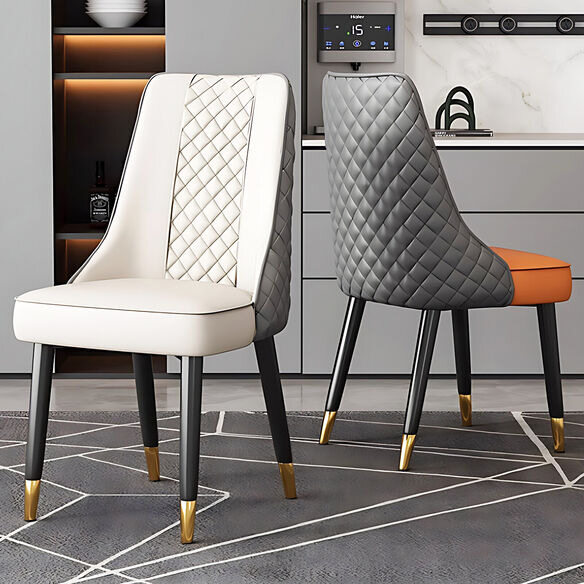
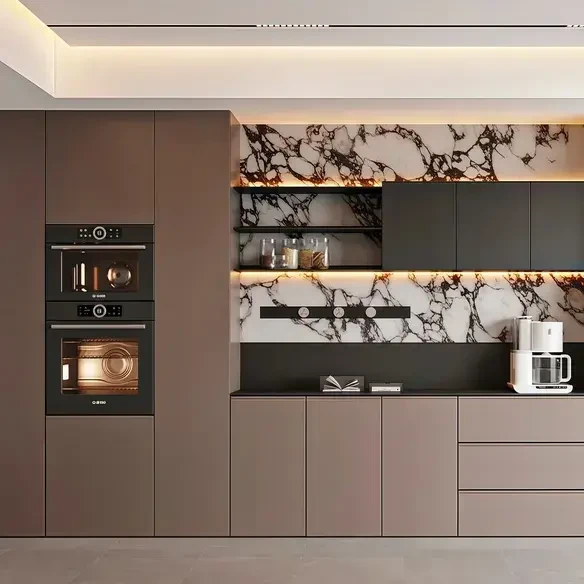
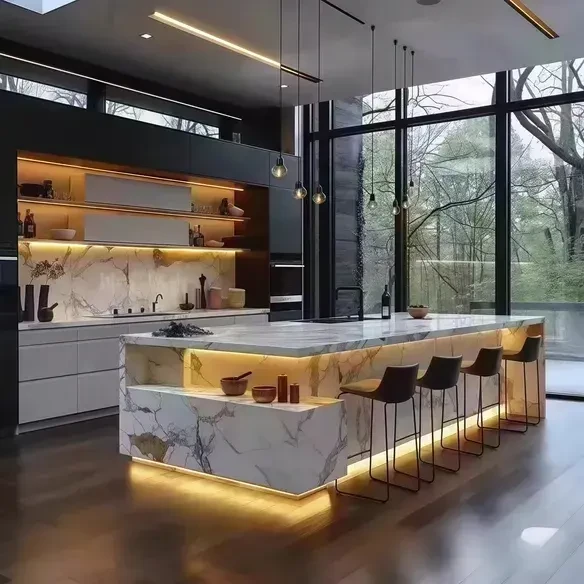
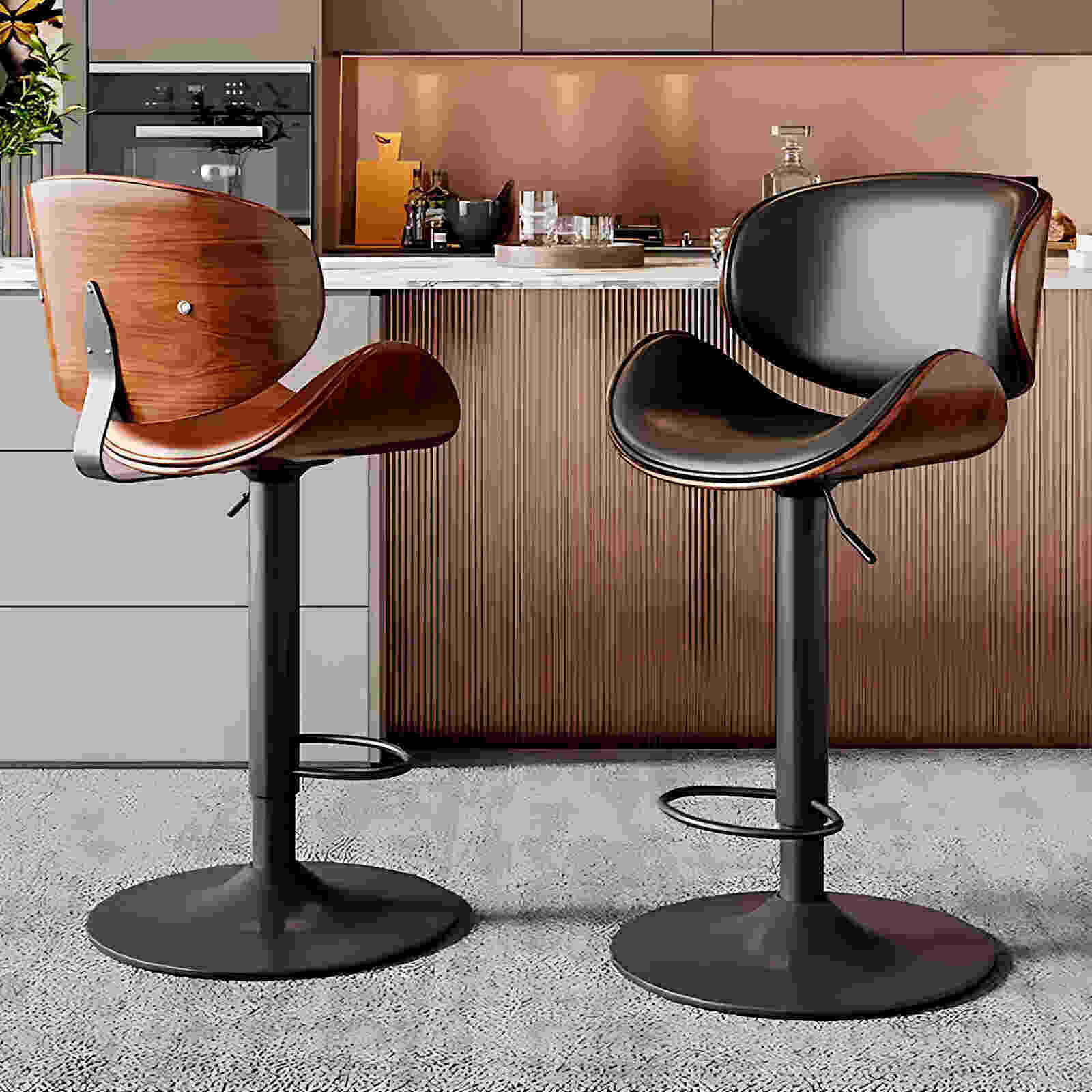



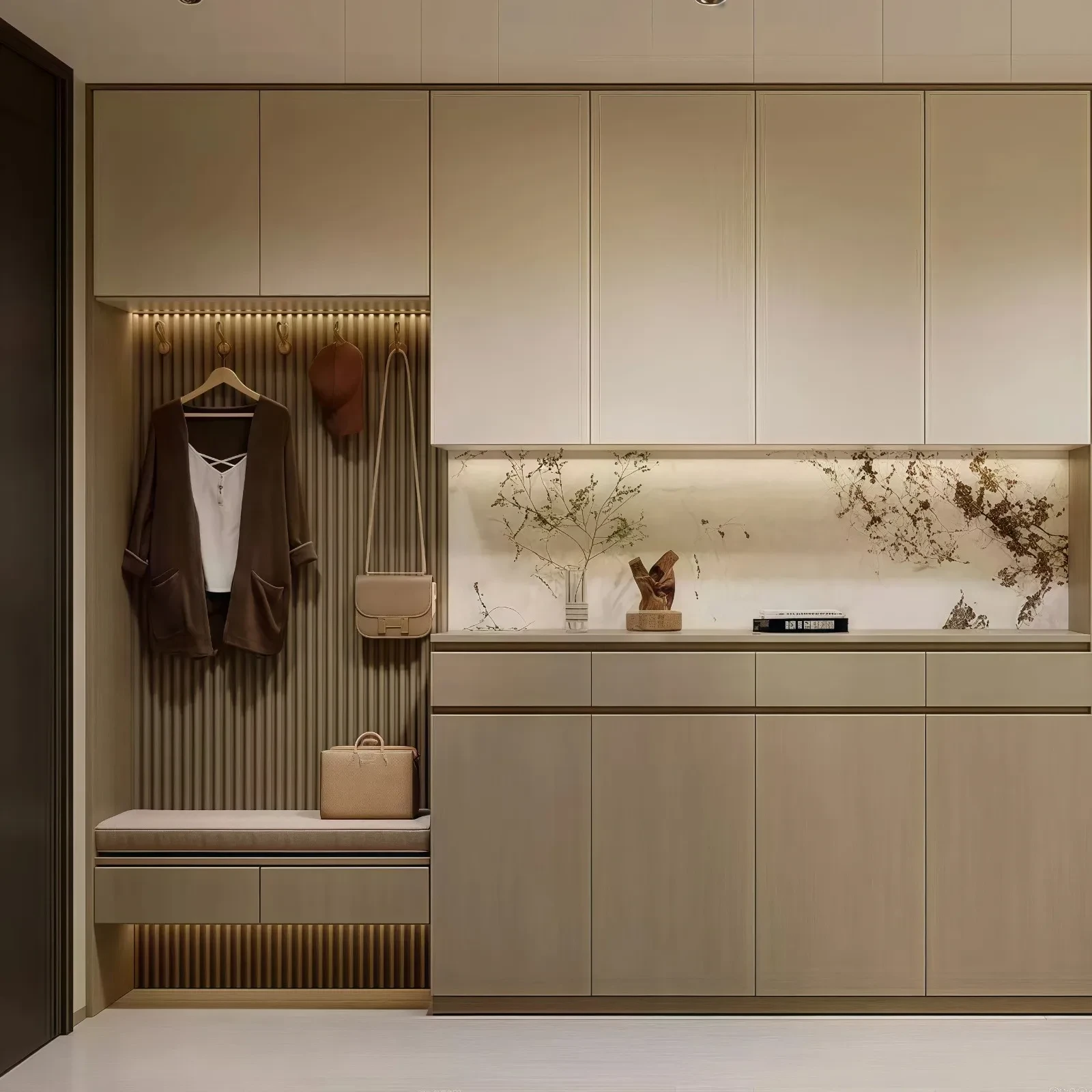
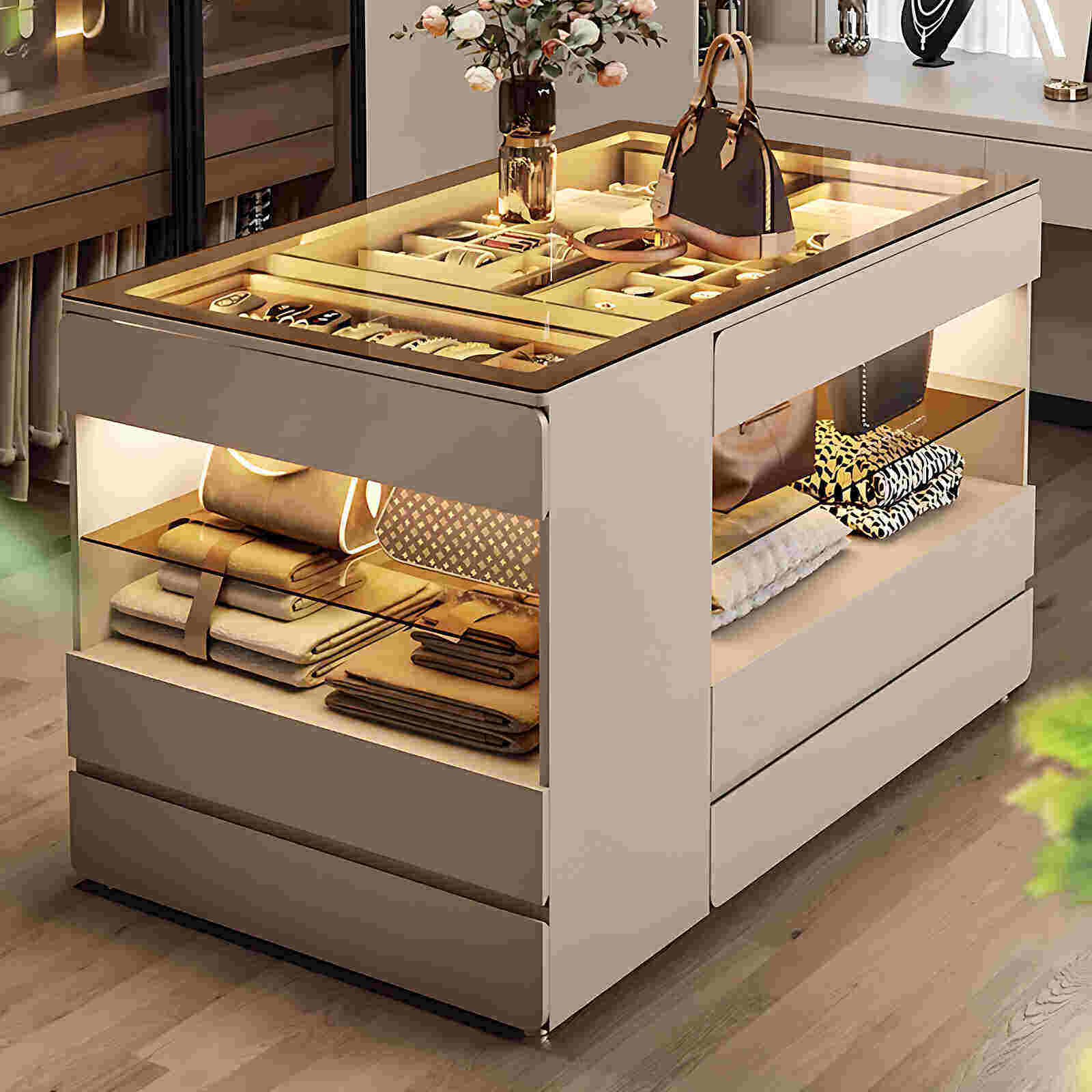



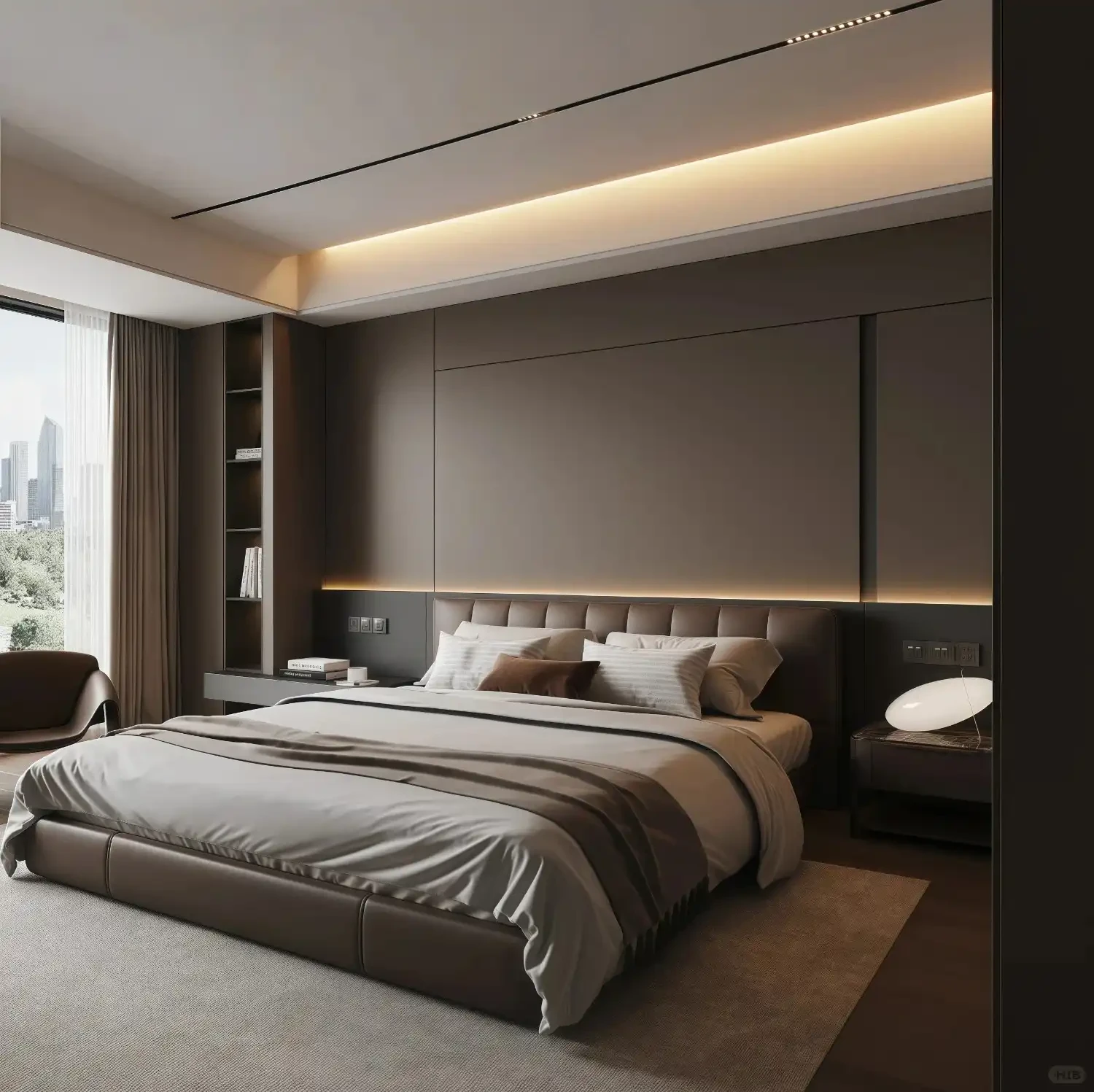

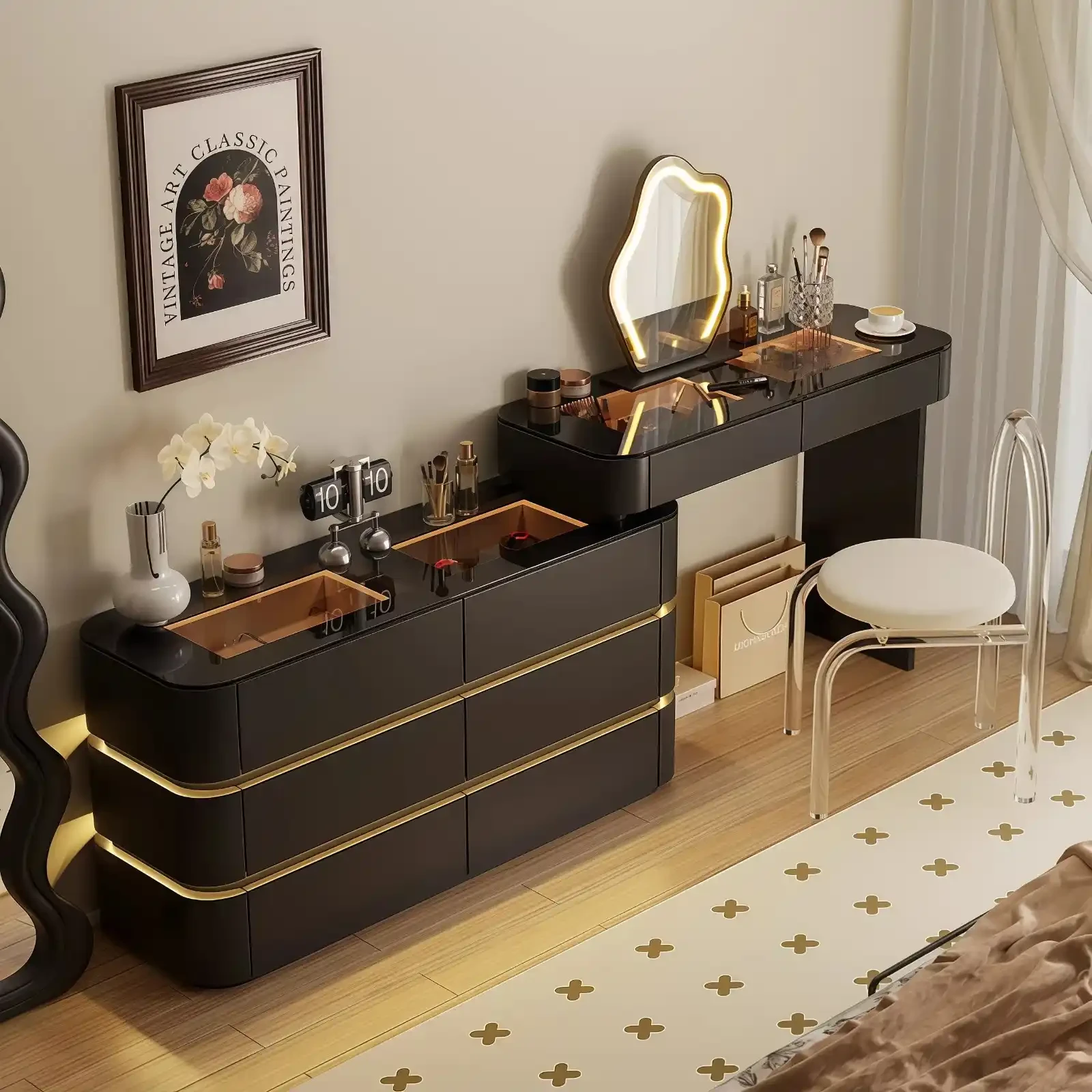
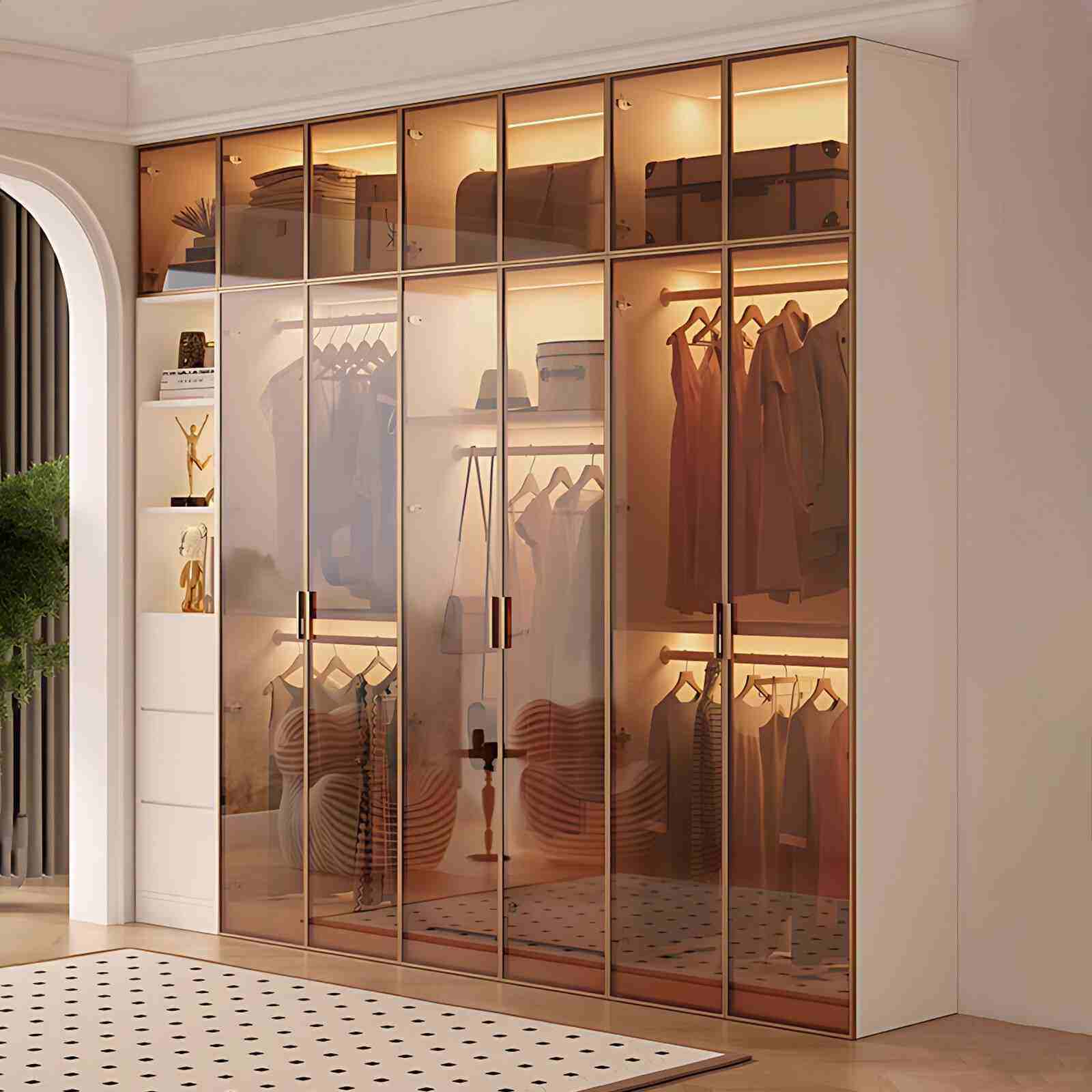
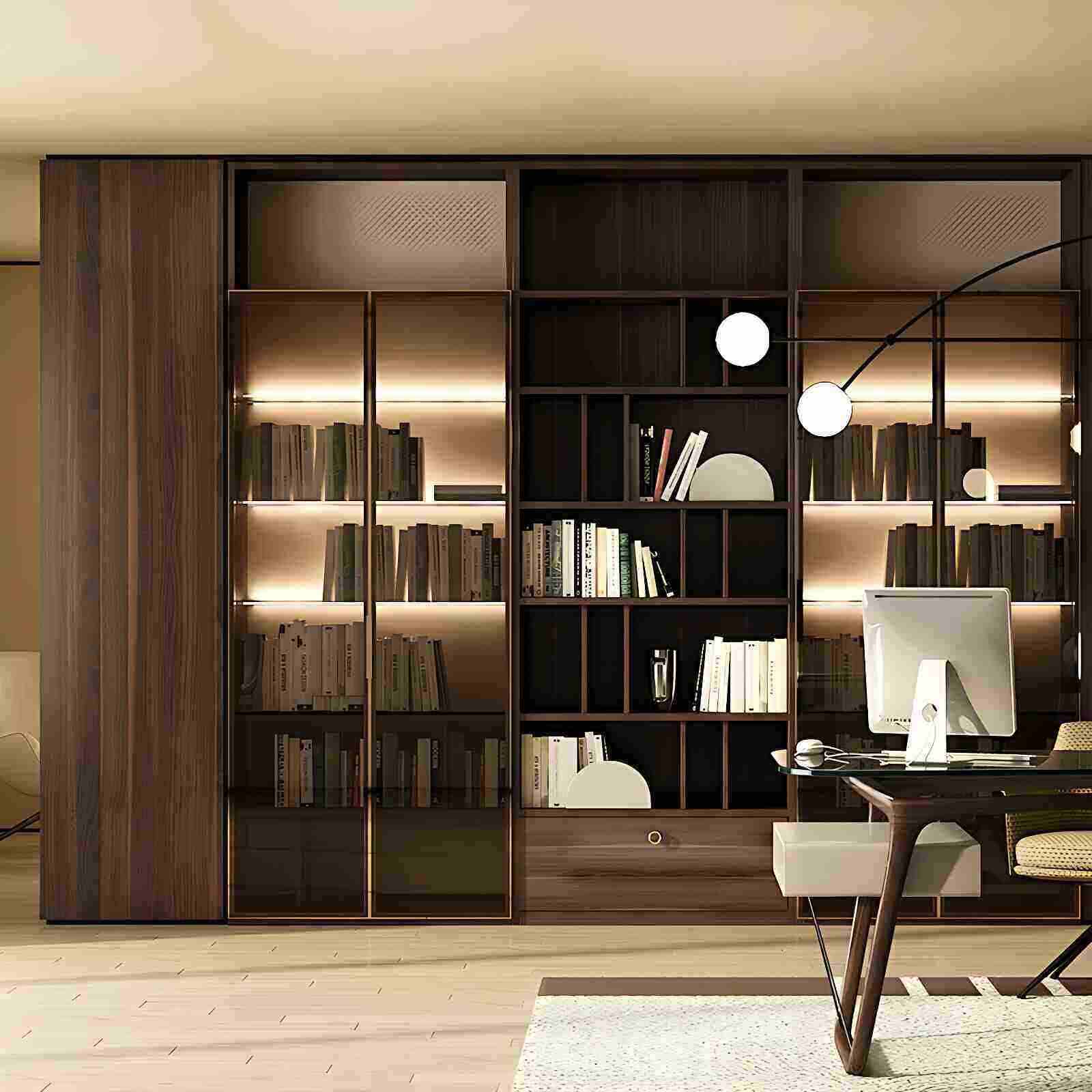

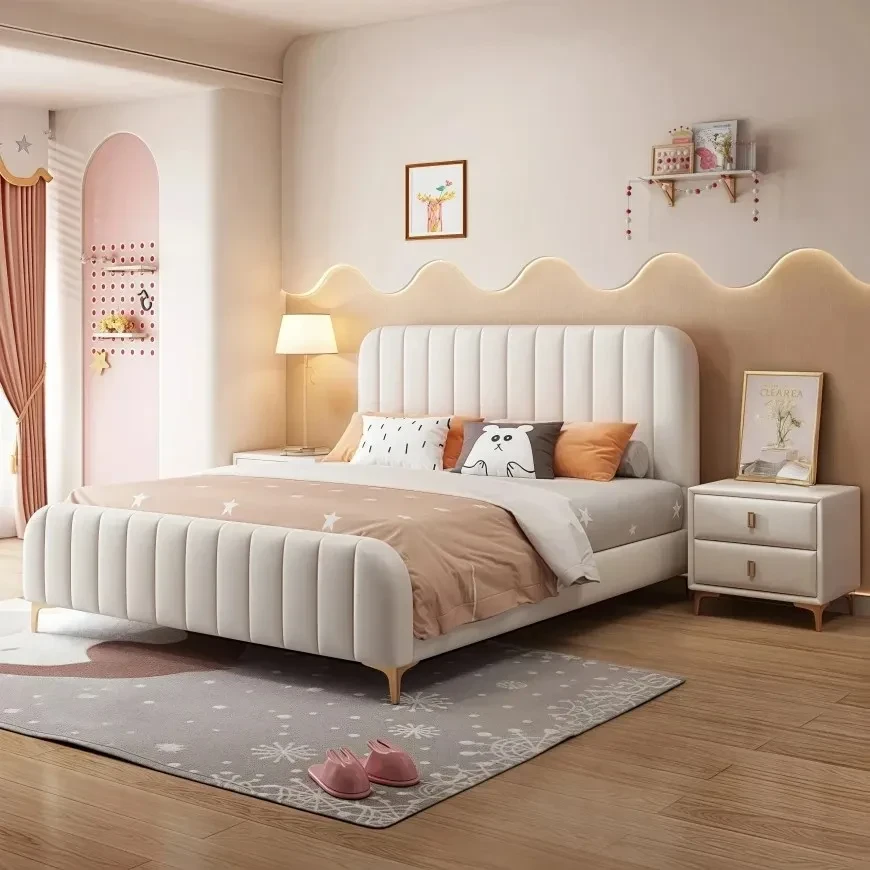
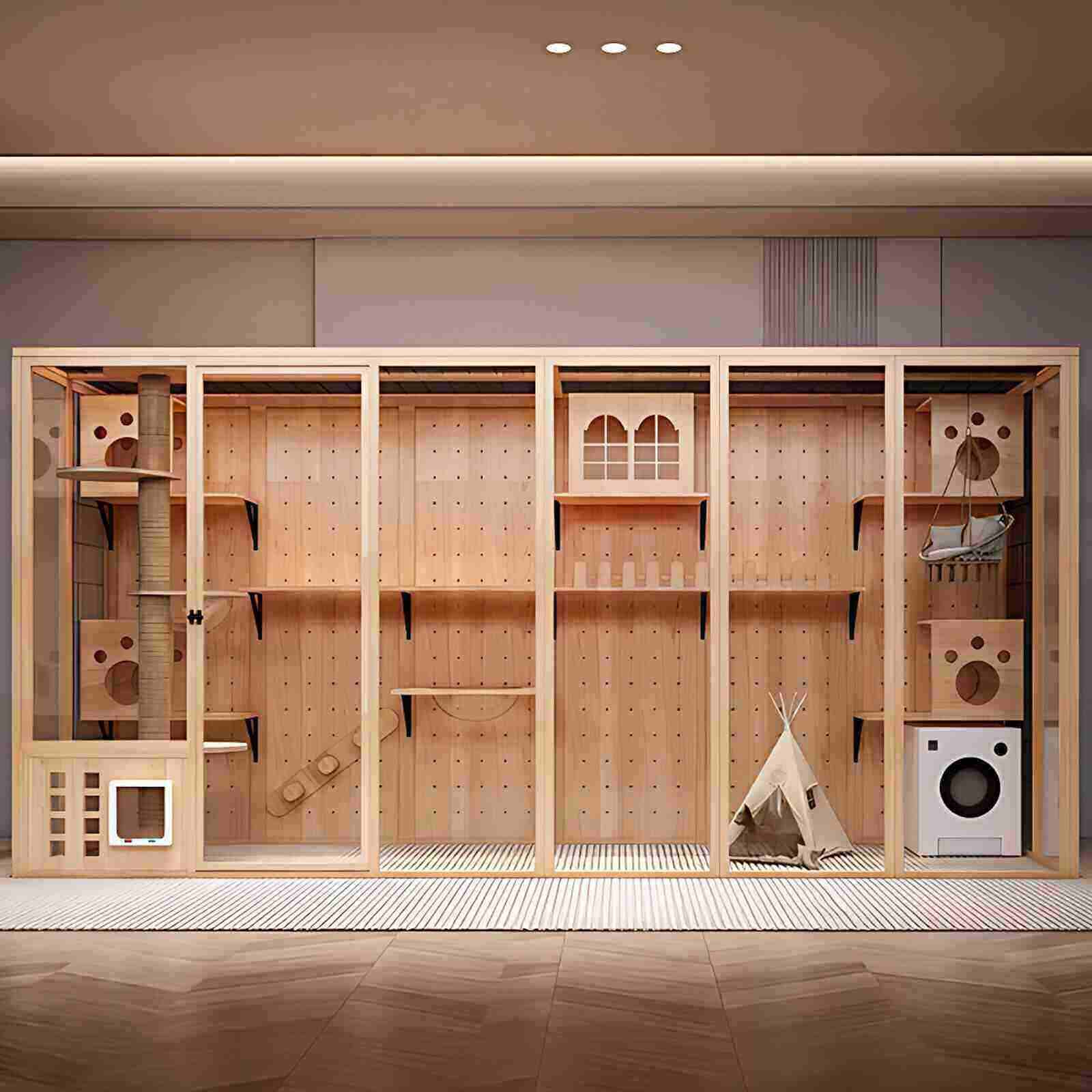
With economic development, more and more people have the practical need to move into spacious and bright houses. However, health problems caused by excessive levels of formaldehyde and other harmful substances in substandard decoration materials, leading to diseases such as leukemia, have cast a shadow over the "housewarming joy" of new homeowners. So, as consumers, how can we identify building materials during the decoration process, and how can we minimize the health risks caused by improper selection of building materials? Today, we'll talk about some commonly used decoration building materials and their formaldehyde content.
I. MDF (Medium-density Fiberboard)
Fiberboard, also known as medium-density fiberboard (MDF), has the highest formaldehyde content among wood-based panels. This is because the manufacturing process involves grinding wood or plant fibers into powder, then mixing and compacting these powders with adhesive. The large amount of adhesive used results in the highest formaldehyde content. If this type of fiberboard is used in interior decoration, formaldehyde levels are very likely to exceed safe limits. Fiberboard is commonly used in interior partition walls and wardrobe furniture; consumers should avoid choosing furniture made of fiberboard.
II. Particleboard
The second highest formaldehyde content is found in particleboard, also known as chipboard. Particleboard is made from small pieces of wood fiber material, which are then glued together under heat and pressure to form a composite board. Although it is not made from wood fiber powder like fiberboard, the wood particles are still bonded together with a large amount of glue. If unscrupulous manufacturers use inferior glue, the safety is not guaranteed at all. This type of particleboard is often used to make furniture cabinets.
III. Multilayer Board
The third source of formaldehyde is plywood. As the name suggests, this type of board is made by gluing thin wood veneers together, using a significant amount of glue, and its environmental friendliness is not guaranteed. It is also commonly used to make furniture cabinets.
IV. Blockboard
Fourth in formaldehyde content is plywood, also known as blockboard. This type of board is generally made by gluing together two solid wood veneers with a core of wood strips in between. The core typically uses less glue than the boards mentioned above, making it relatively more environmentally friendly. Because of its higher solid wood content, plywood is easier to work with and is frequently used by carpenters, finding wide applications in furniture, door frames, radiator covers, and curtain boxes.
V. Finger-jointed board
Finger-jointed boards rank fifth in formaldehyde content. During the splicing process, wood veneers are glued together in a finger-like pattern, resulting in a smaller glue surface and reducing the use of large amounts of adhesive, thus offering some assurance in terms of environmental friendliness. A well-known example in interior decoration materials is the finger-jointed, melamine-faced cedar solid wood board, which has lower formaldehyde content than any of the aforementioned types. Its core is typically made of solid cedar wood, with veneer on both sides, maintaining a natural wood-like appearance while offering higher strength and better workability. Combined with its lower price compared to solid wood, it has gradually become a mainstream environmentally friendly board material. Finger-jointed boards can be found in various high-end furniture and sliding doors.
VI. Solid wood boards
Solid wood panels have the lowest formaldehyde content. However, with the gradual shrinking of forest resources and the need for environmental protection, using a single piece of solid wood to make furniture has become a luxury.
It is believed that in the not-too-distant future, with the advancement of materials science, humanity may be able to completely break free from its dependence on natural trees. An environmentally friendly and durable material will completely replace natural wood, and that day should not be too far away.