
 USD
USD GBP
GBP
 EUR
EUR
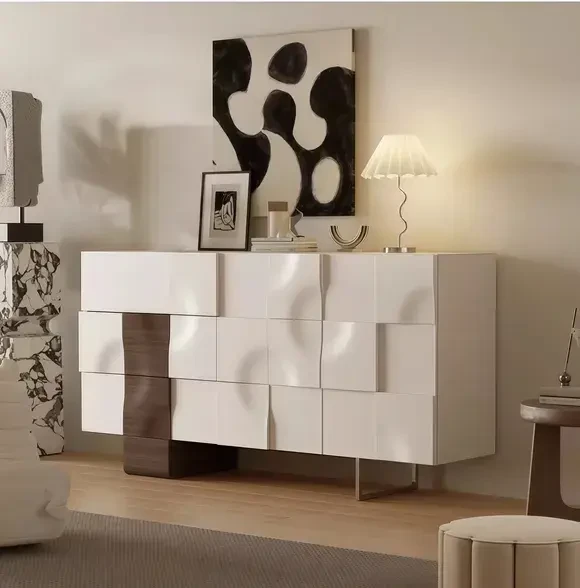
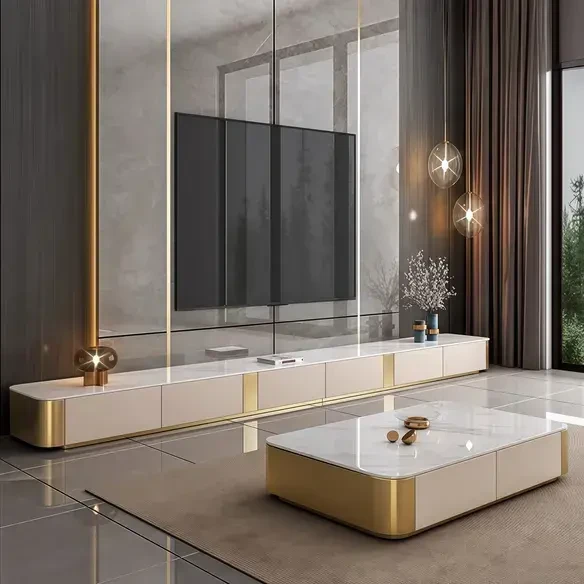
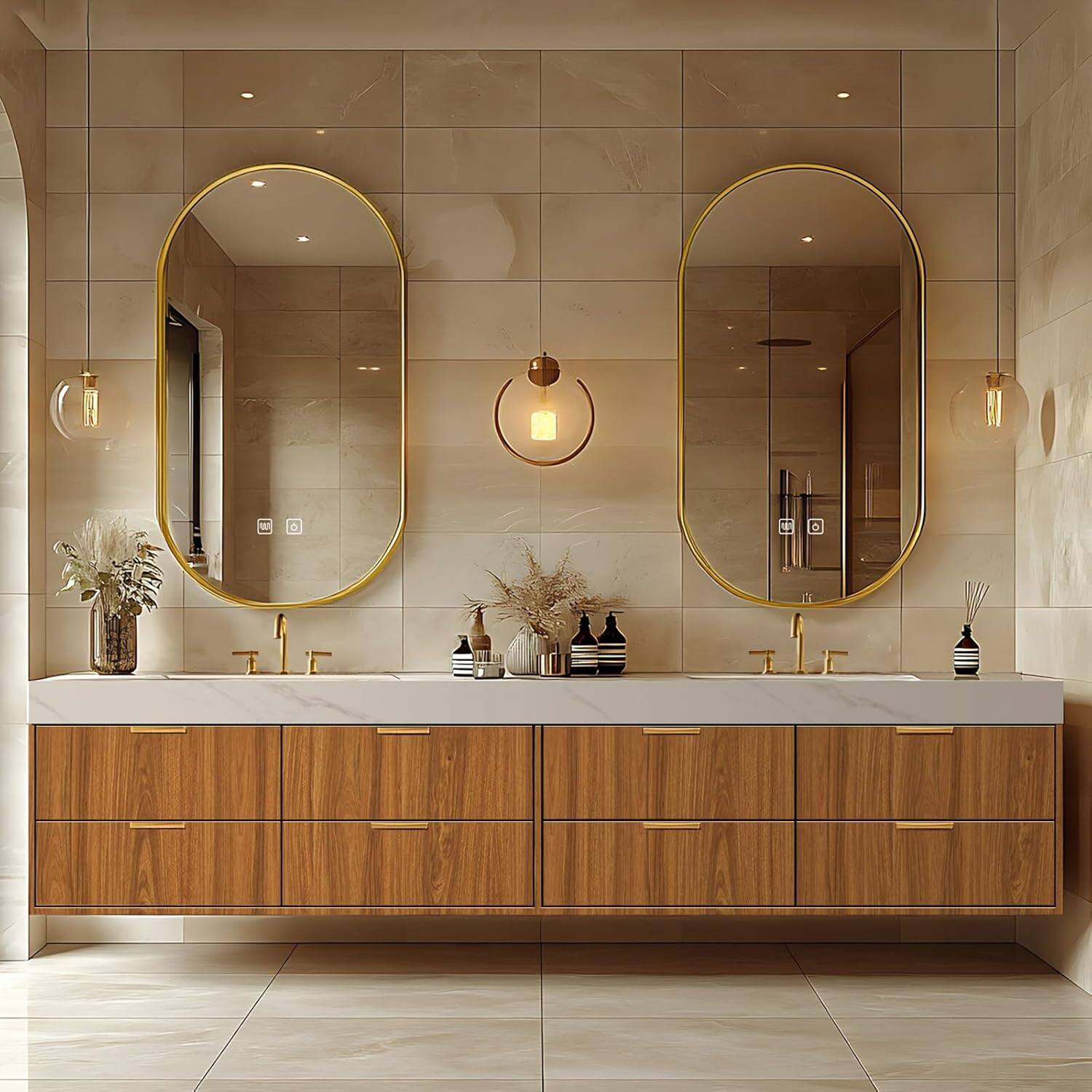
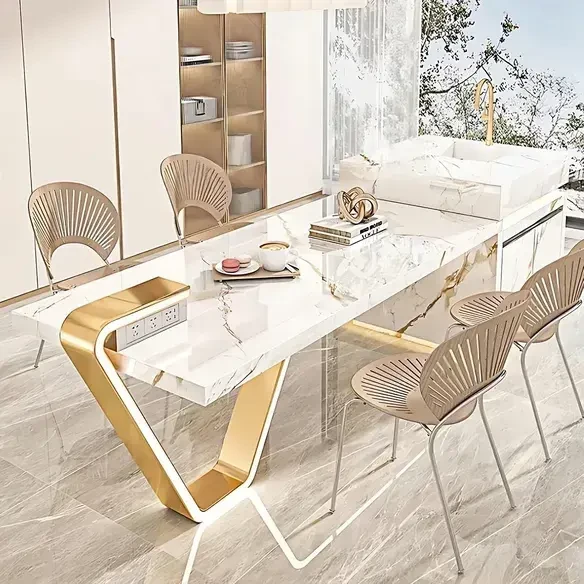
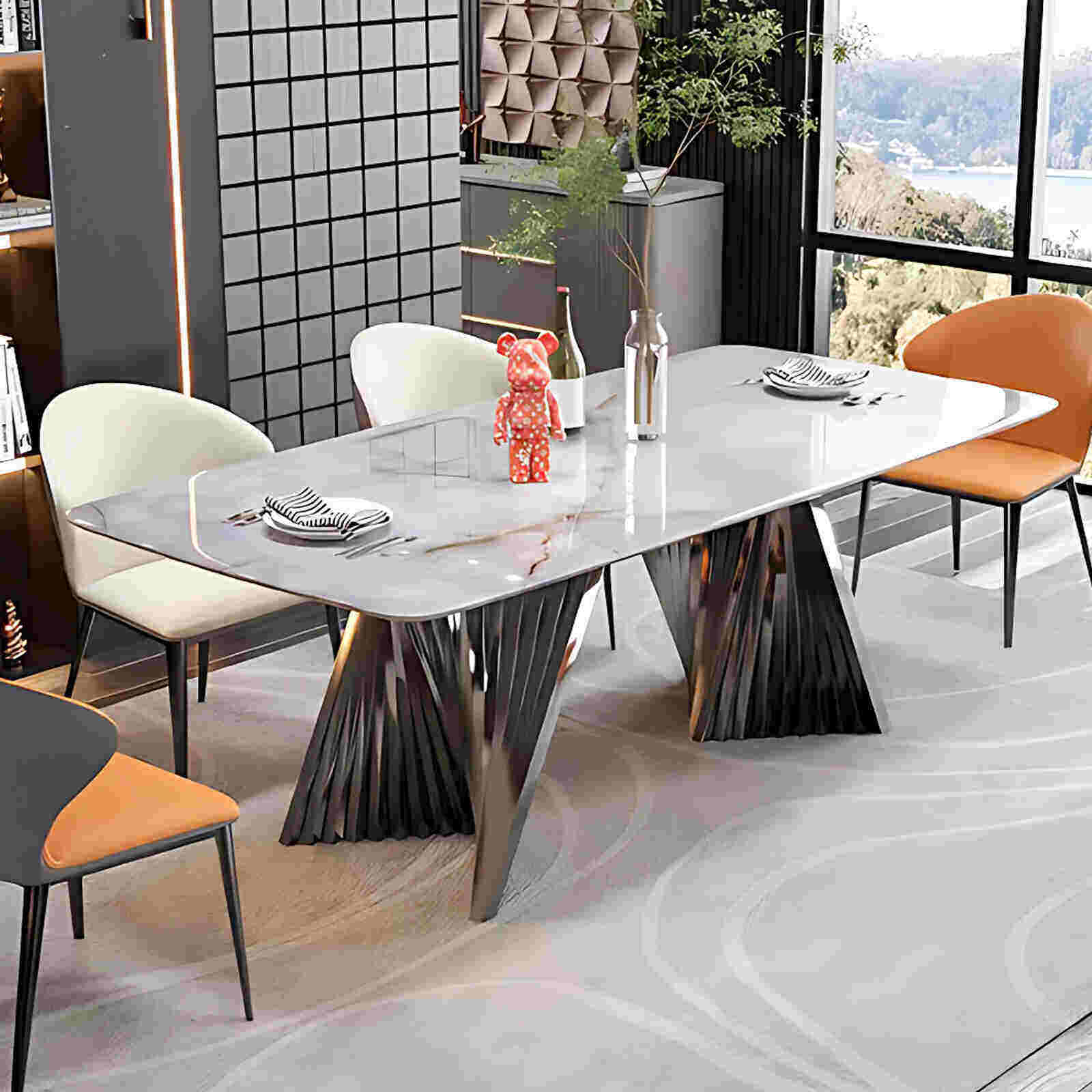
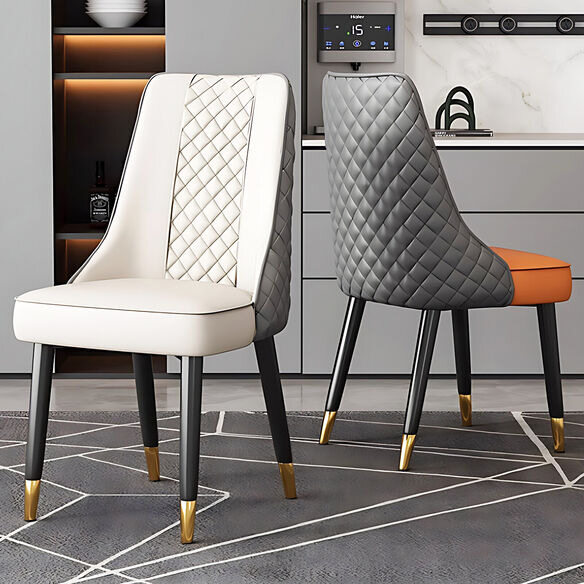
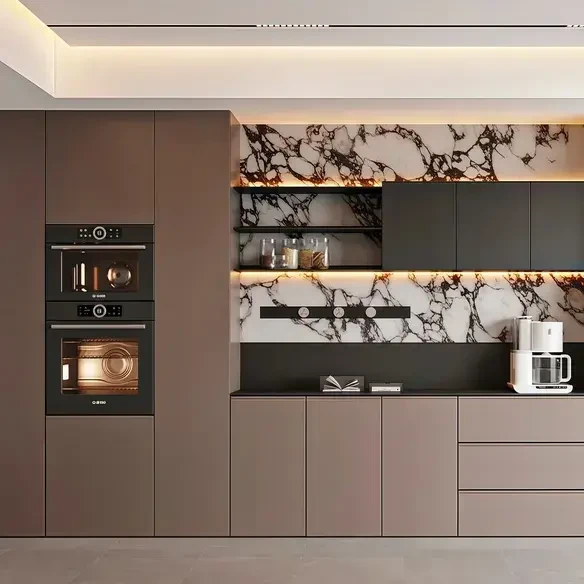
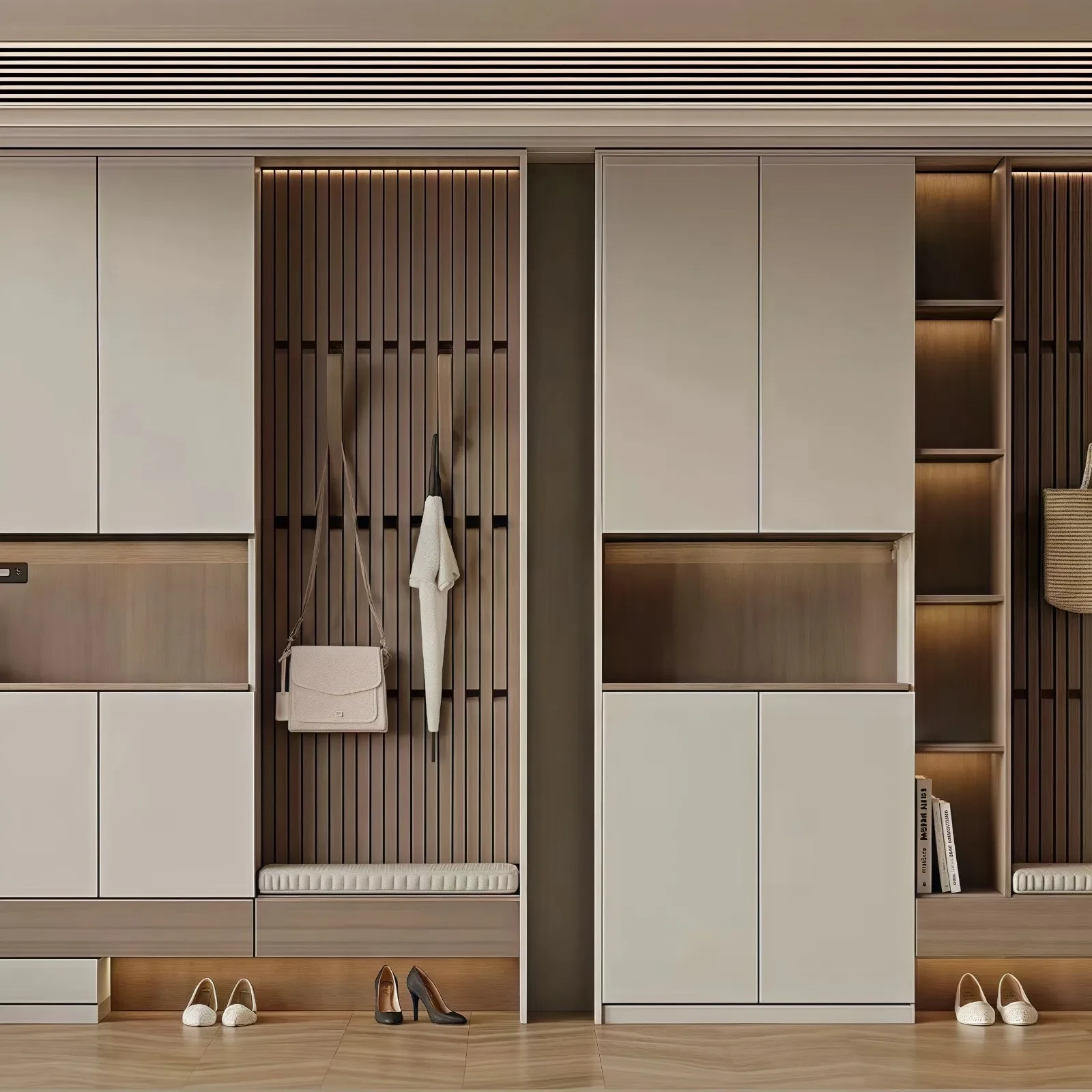
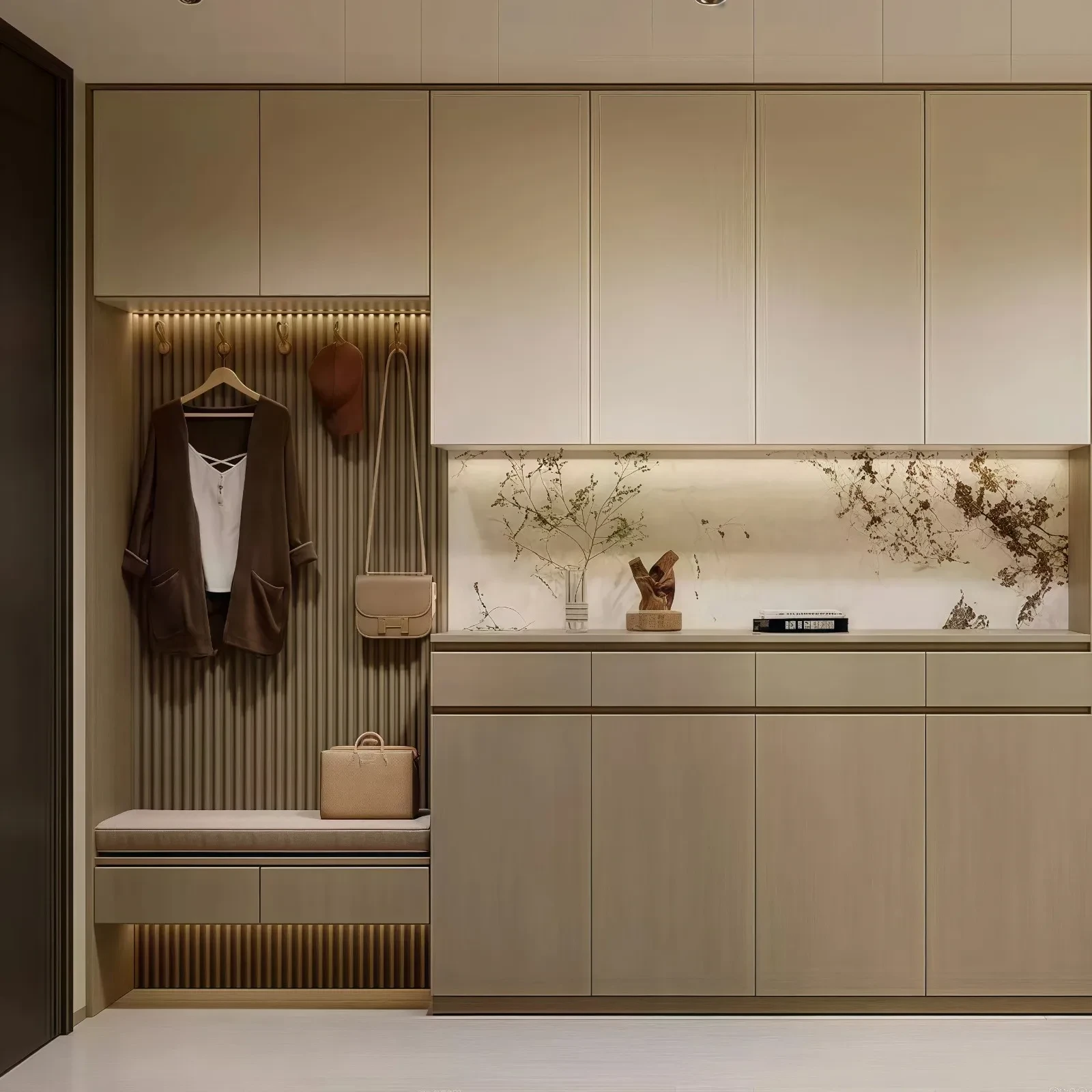
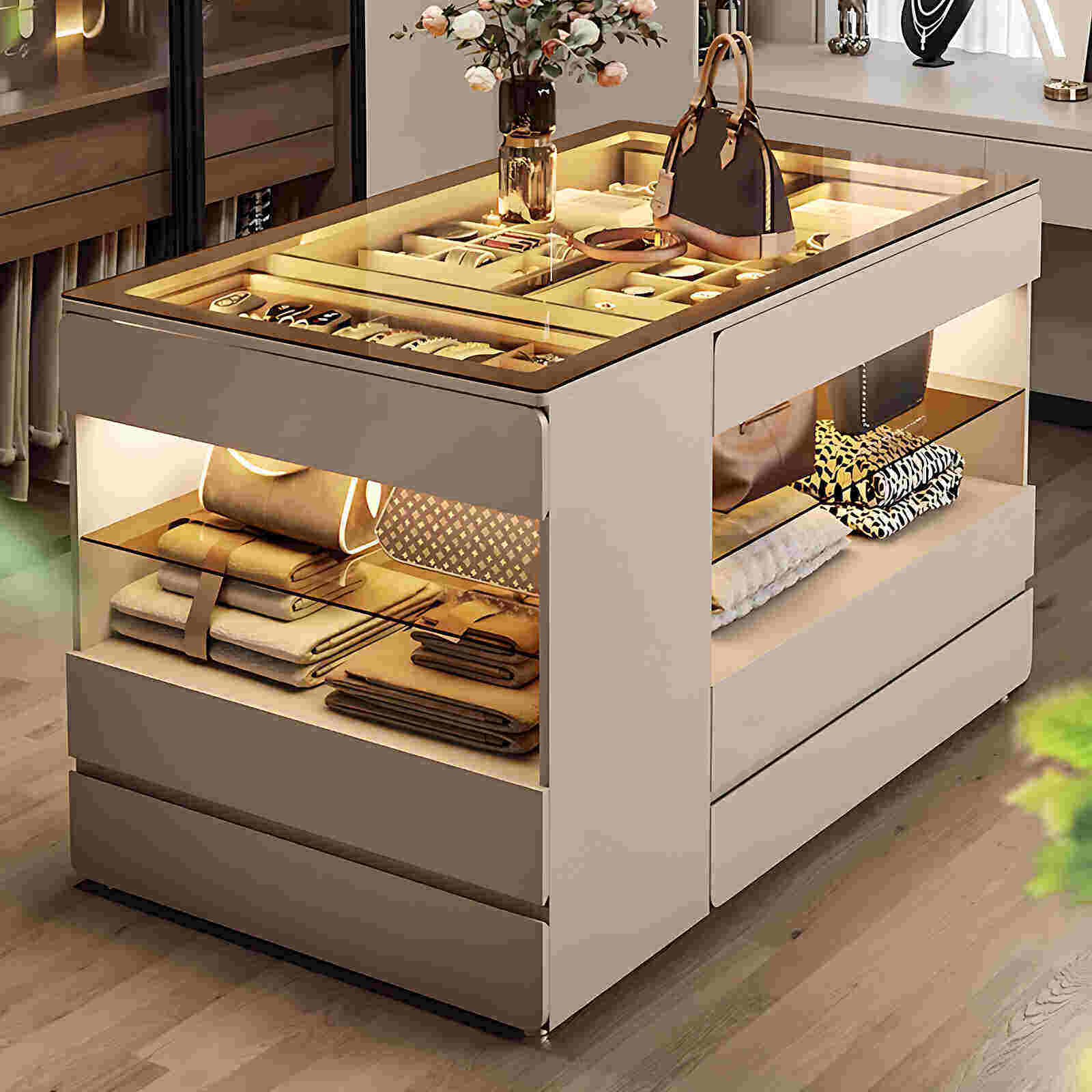
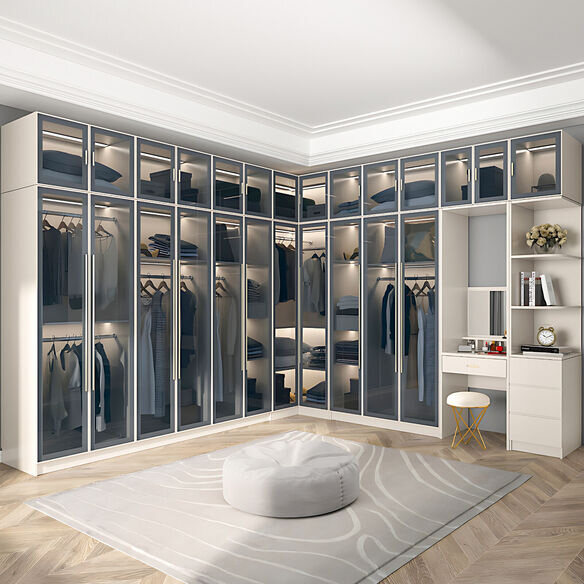
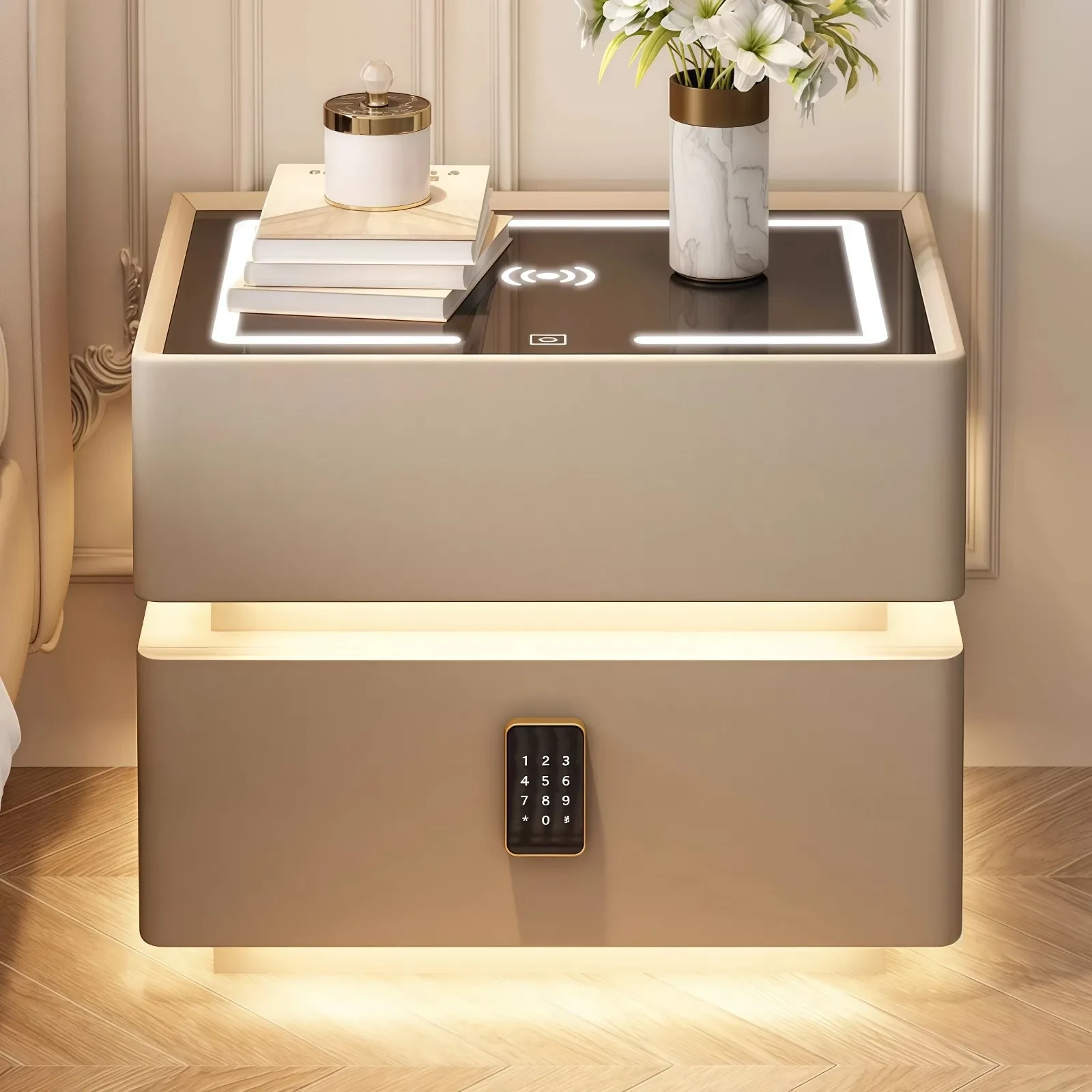
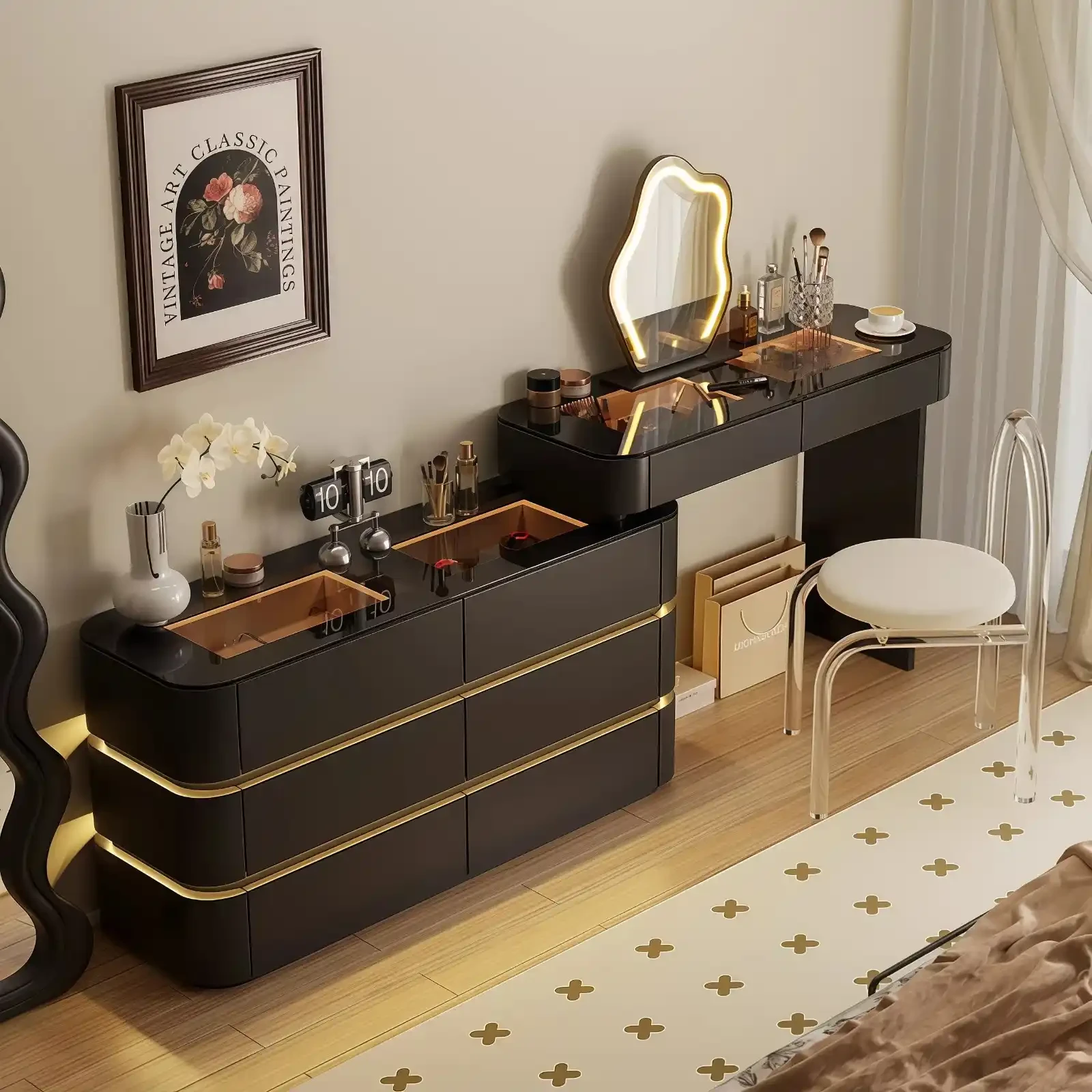
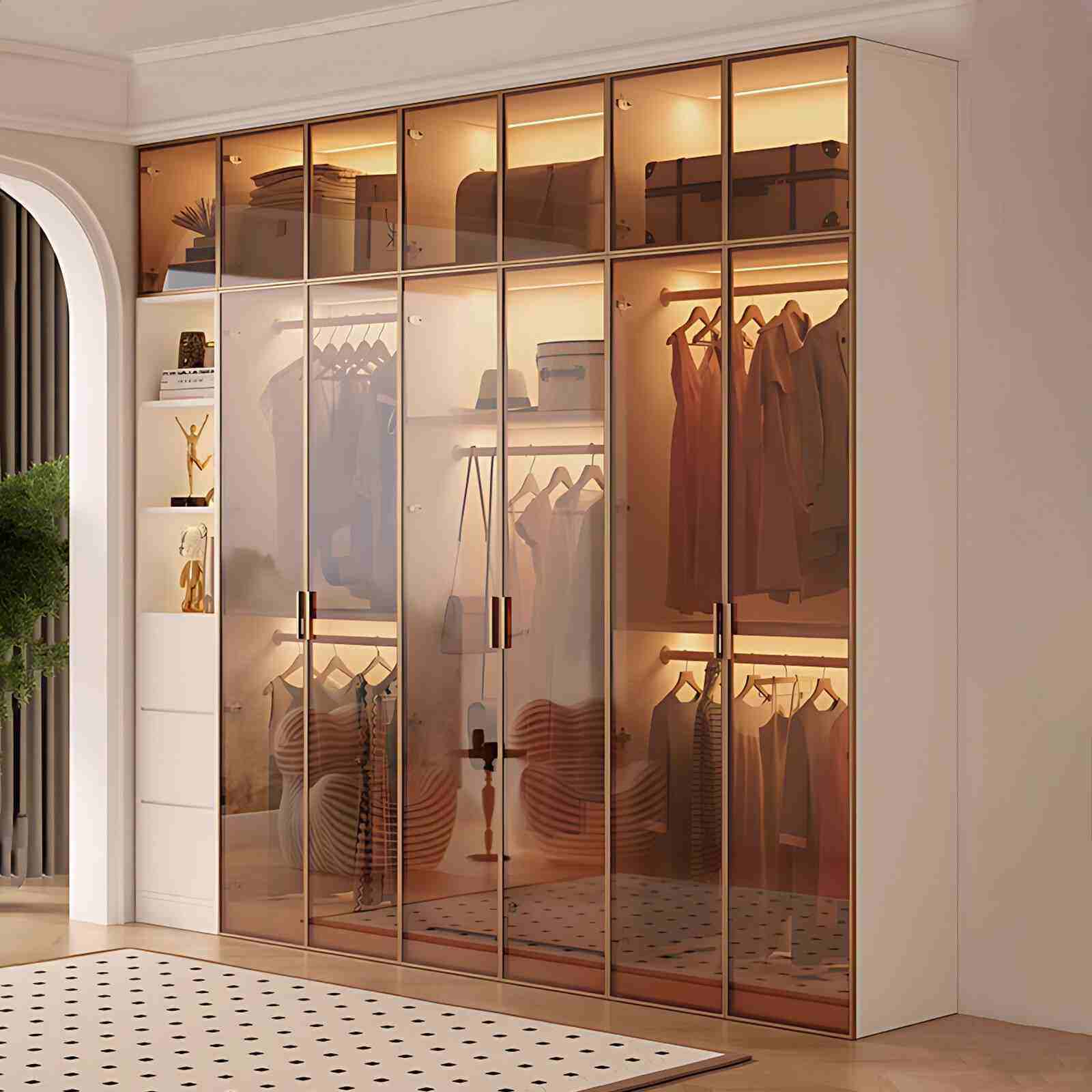
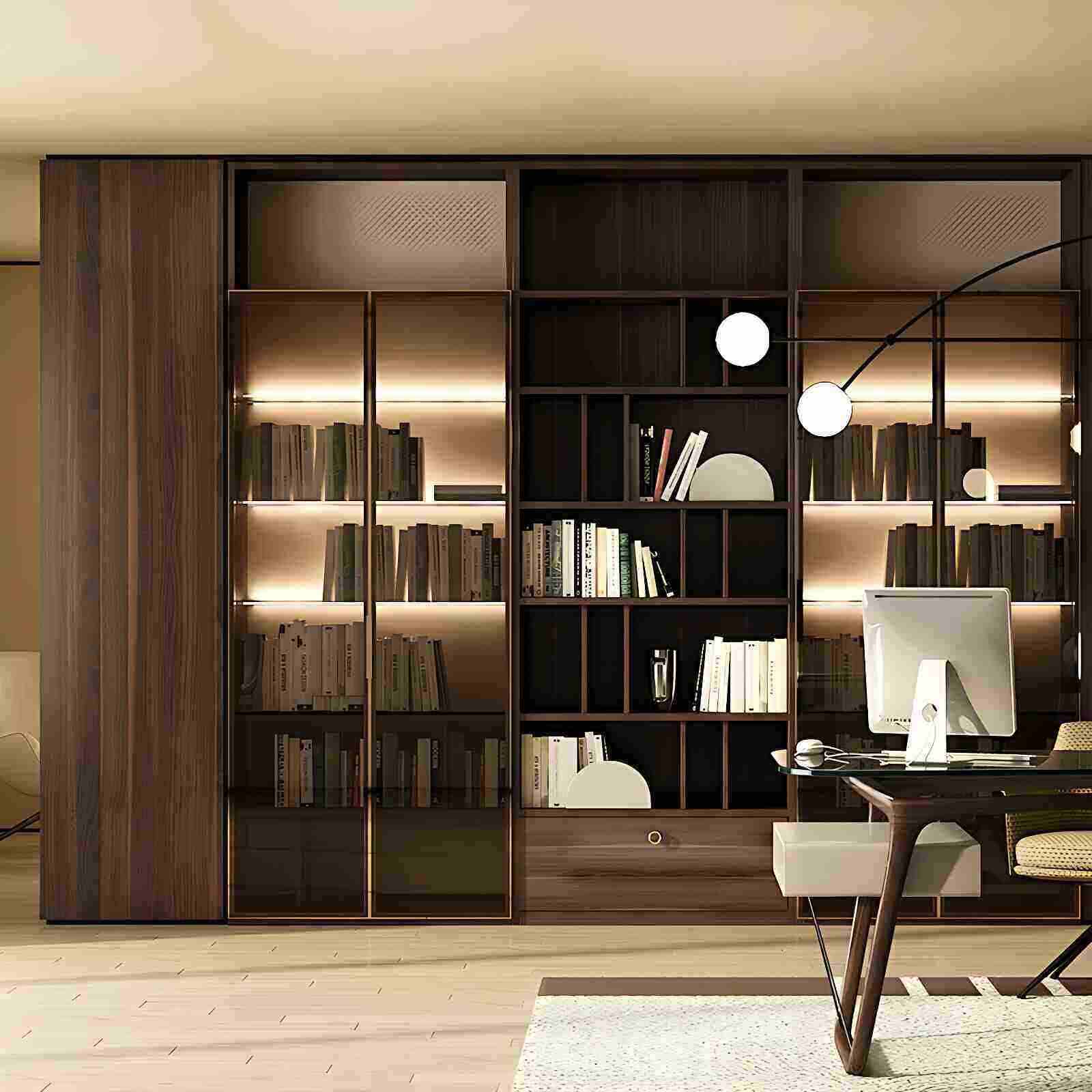
Some people may ask, which is better, cedar wood planks or eco-friendly boards?
Actually, asking this question is misleading. The core material of eco-boards includes cedar core plywood (what we commonly call cedar core plywood is actually cedar core blockboard), so the two are related and cannot be compared directly. See, if you ask this question, you're giving yourself away, aren't you? A seller can immediately tell if you're knowledgeable. Once a seller labels you as "uninformed," you might be about to be scammed! Therefore, today I'll explain the classification of boards. (Even if you choose custom furniture, understanding the basics of the core material is essential to taking control of your finances!)
base plate
The basic wood-based panels I usually refer to include plywood, particleboard, chipboard, chipboard, and engineered wood panels. Each type of panel differs in structure, manufacturing process, and glue usage, and each has its own advantages. It's fair to say that some panels have particularly outstanding advantages in certain aspects, while others have problems in certain areas. Next, I will briefly introduce these types of panels.
Plywood: A type of engineered wood product made by gluing together strips of wood of uniform thickness along the grain to form a core, with veneer or plywood on both sides. (Like a hamburger neatly covered with hot dogs) Image
Plywood: A multi-layered material composed of veneers, typically glued together with adjacent veneers glued together in roughly perpendicular directions of the grain. (Like distinct layers of a sliced cake) Image
Straight-core board: Made from high-quality imported natural poplar wood, processed into shavings using specialized equipment, and then manufactured through processes such as degreasing, drying, gluing, oriented strand laying, and hot pressing. (Like a Sachima pastry where each particle is clearly visible) Image
Particleboard: Currently, most custom-made furniture uses solid wood particleboard. It is made by cutting solid wood particles into regular lengths and sizes using specialized equipment, then drying, applying adhesive, and finally, using specialized equipment to lay the surface and core layers of wood shavings in a crisscross pattern before hot pressing. (Similar to high-quality compressed biscuits) Image
Particleboard: A type of engineered wood product made by cutting various branches, small-diameter timber, fast-growing wood, wood chips, etc., into fragments of a certain size, drying them, mixing them with adhesives, hardeners, waterproofing agents, etc., and pressing them under certain temperature and pressure. (Similar to ordinary compressed biscuits) Image
Plug-in engineered wood: This is a type of wood-based structural panel made by joining or gluing together solid wood strips with parallel grain to create panels of a specific size and shape. (It looks like a twisted rope.) [Image]
Decorative panels
Literally, it means decorative surface. Yes, it involves applying a decorative material (currently, decorative panels come in two types: decorative paper and wood veneer) to a base board. The most popular decorative panel on the market right now is the eco-friendly board, because it truly simplifies the entire renovation process. No painting is needed, no waiting is required, and there are no concerns about secondary pollution. Due to its outstanding advantages, it is naturally favored by many consumers.
Okay, that's all for today. If you have any questions about home renovation, feel free to leave a comment!