
 USD
USD GBP
GBP
 EUR
EUR
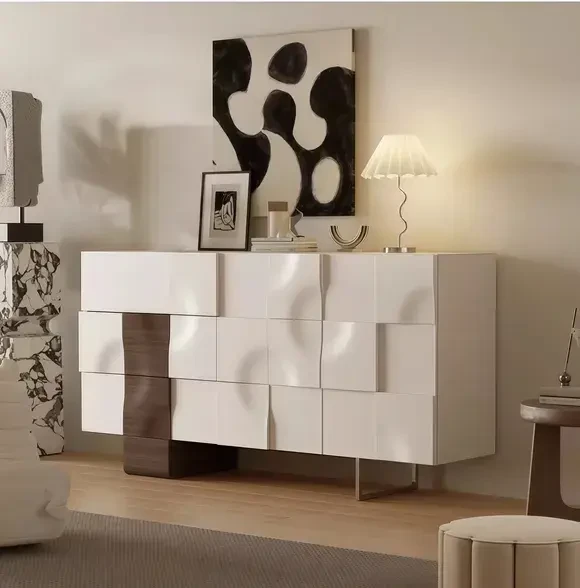
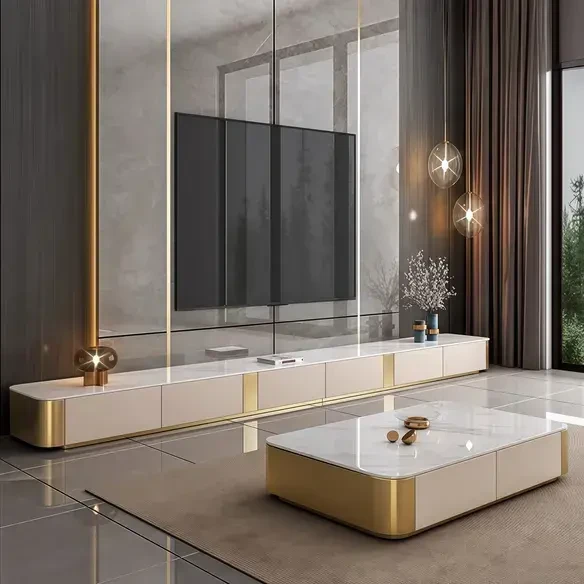
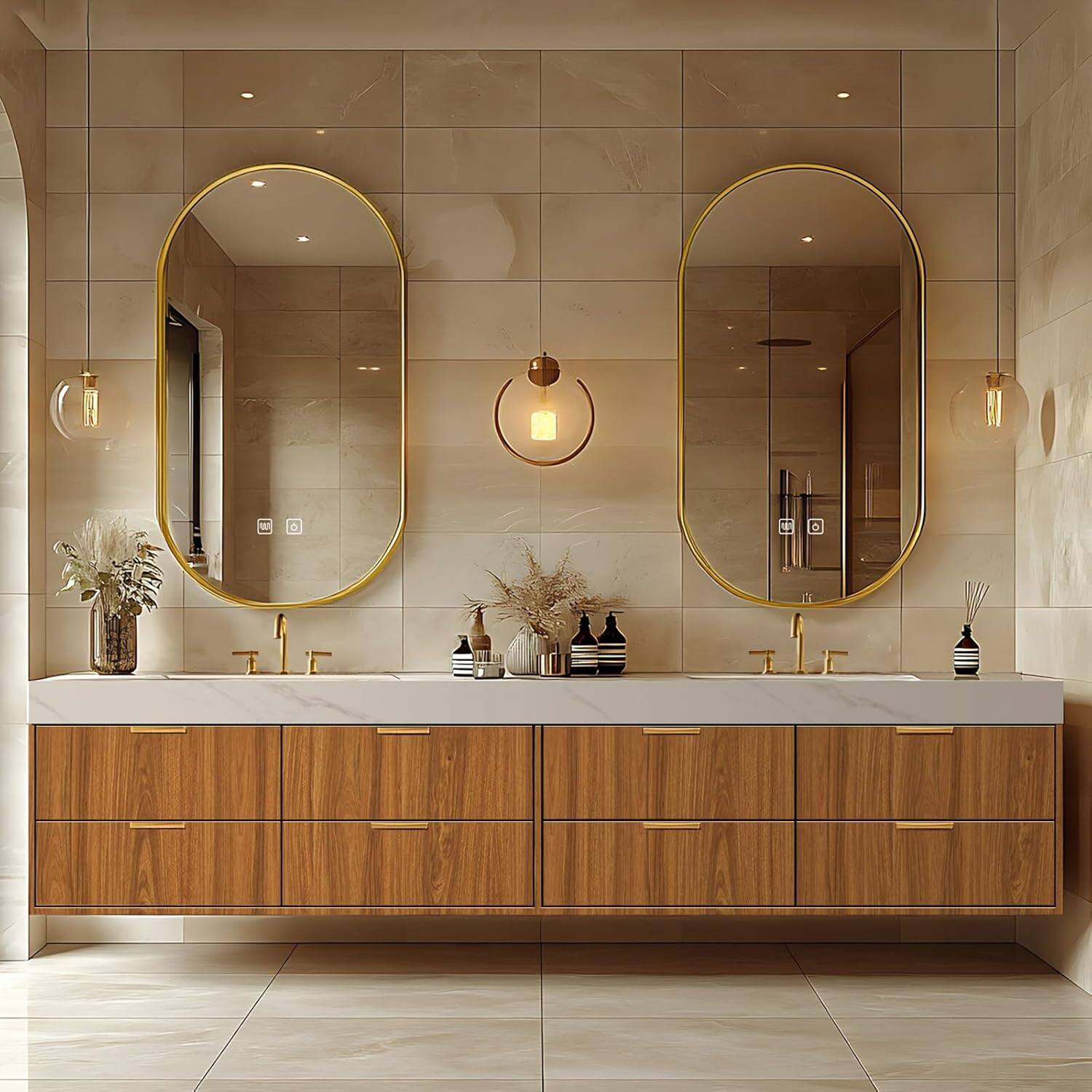
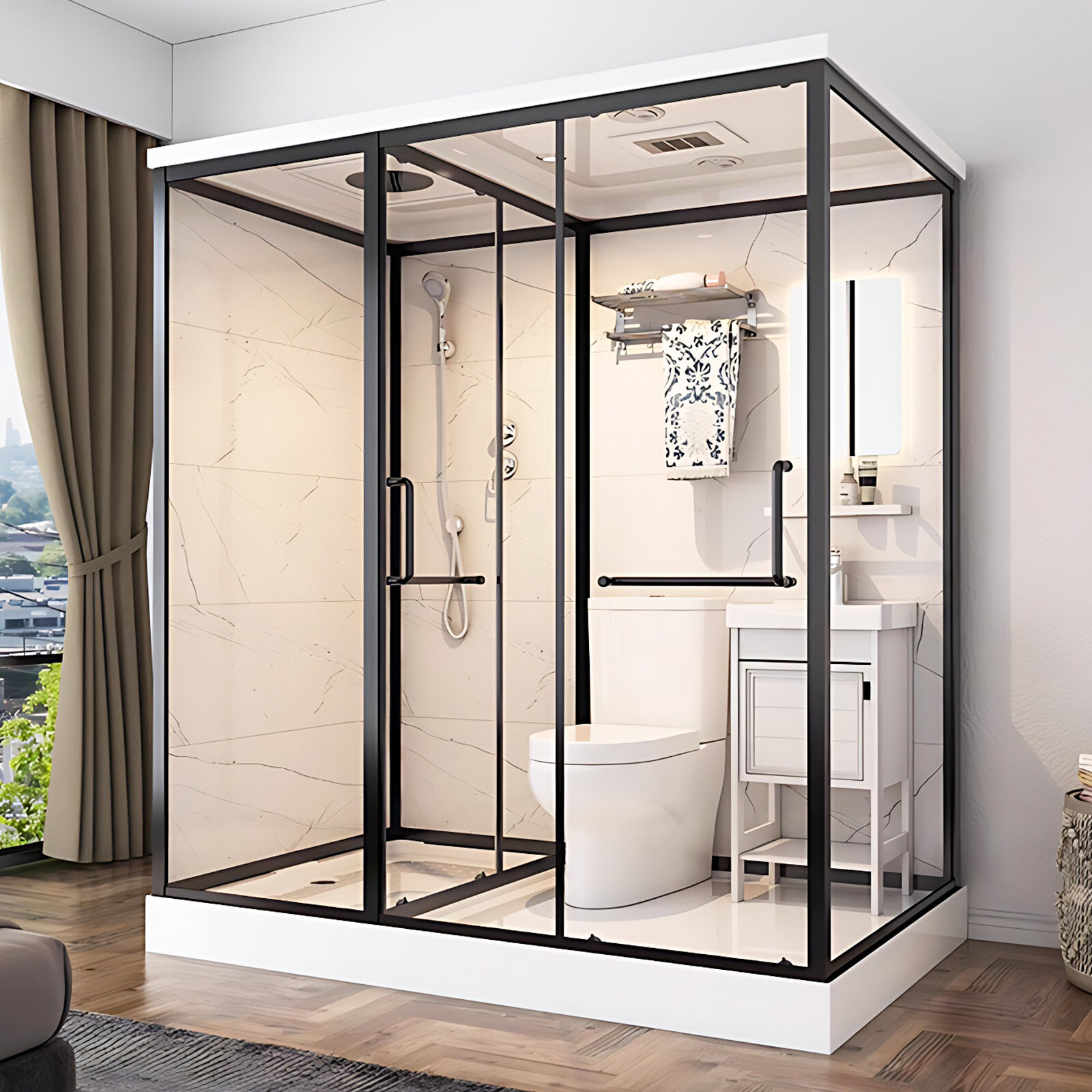
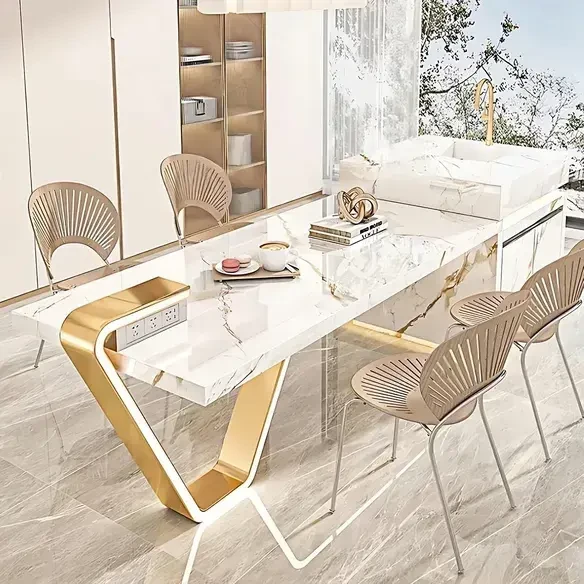
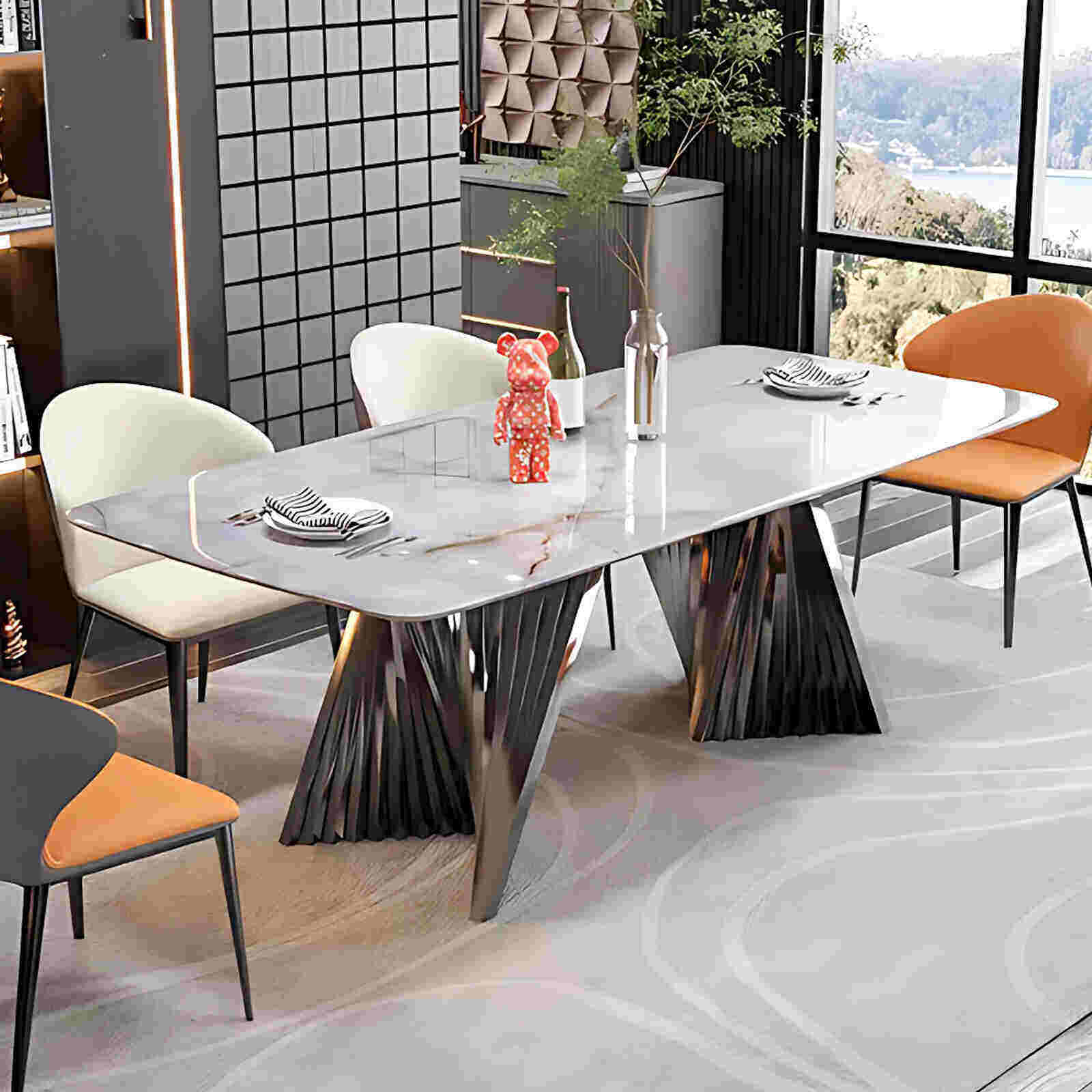
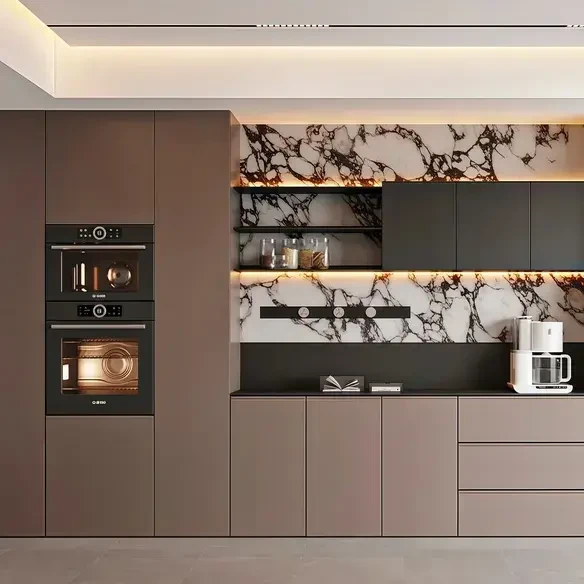
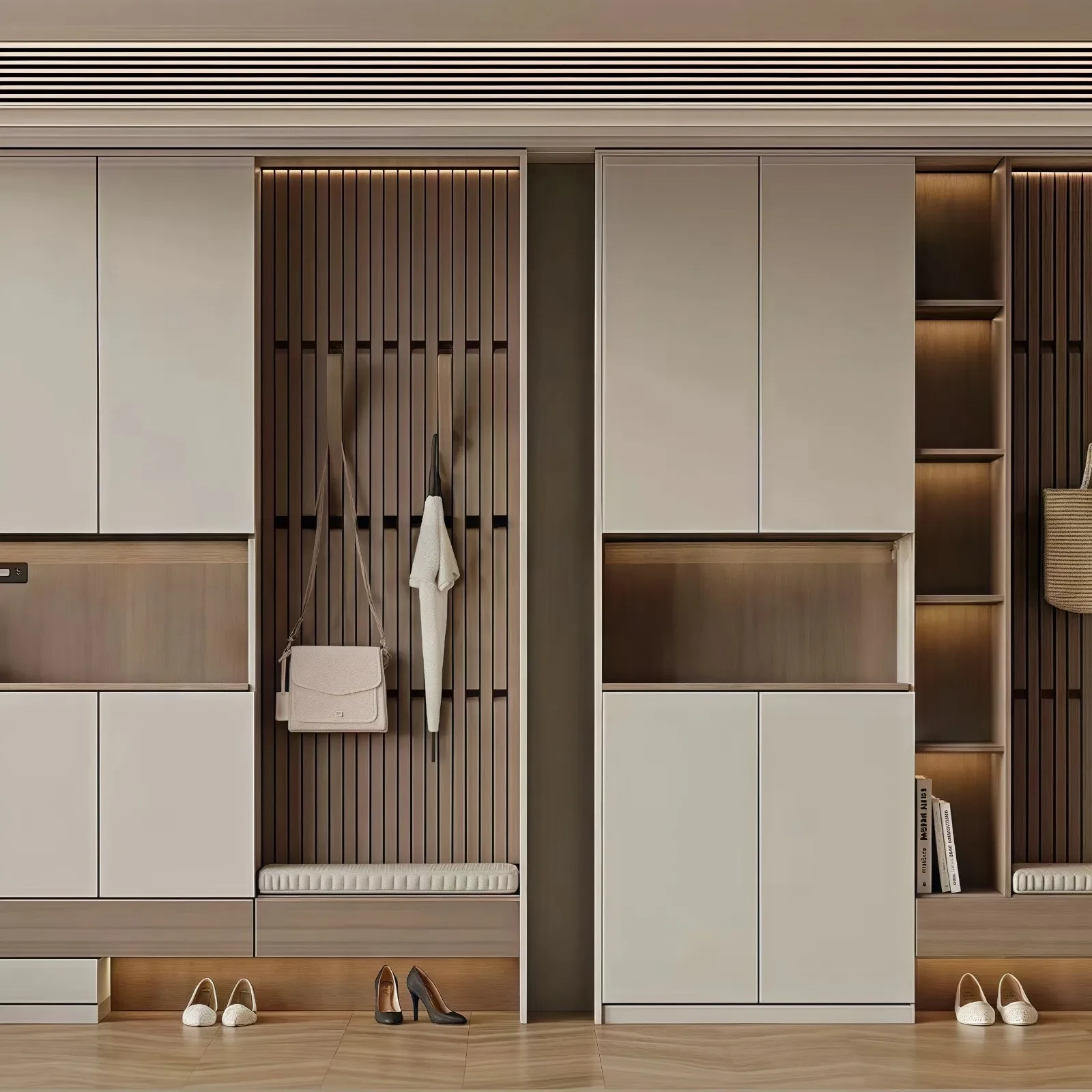
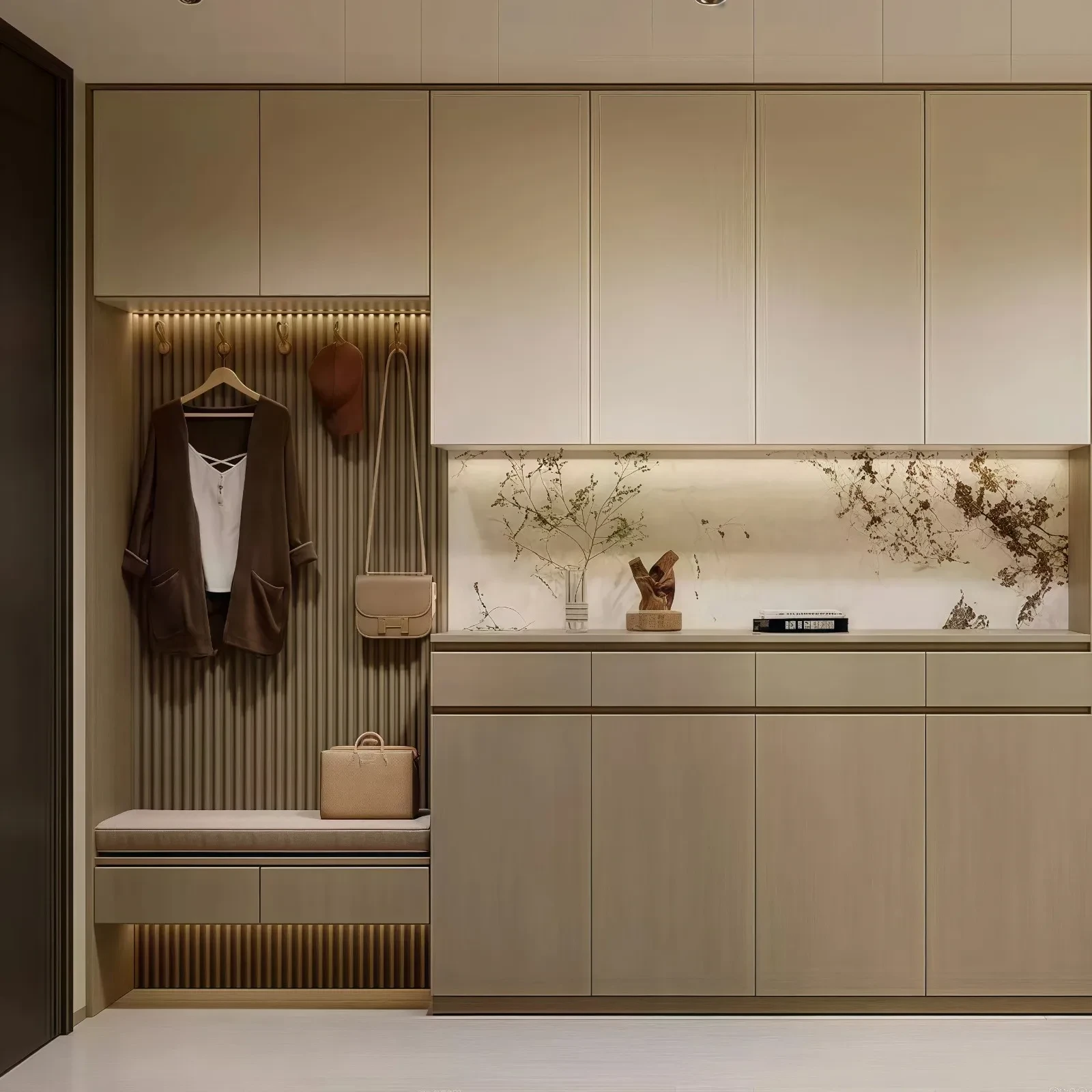
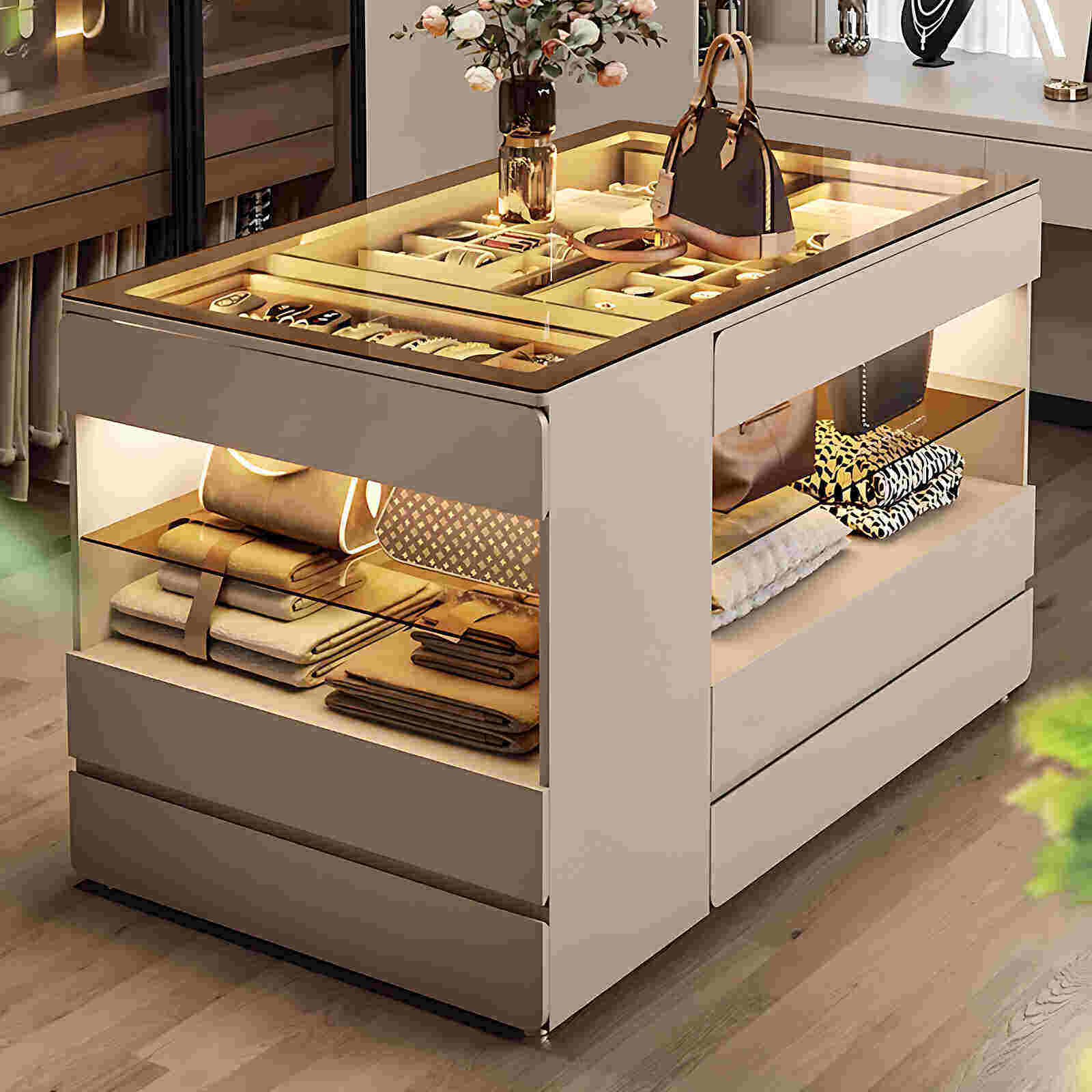
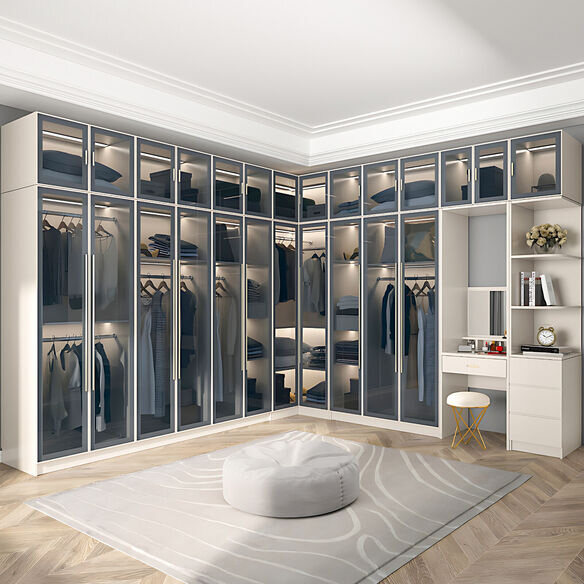
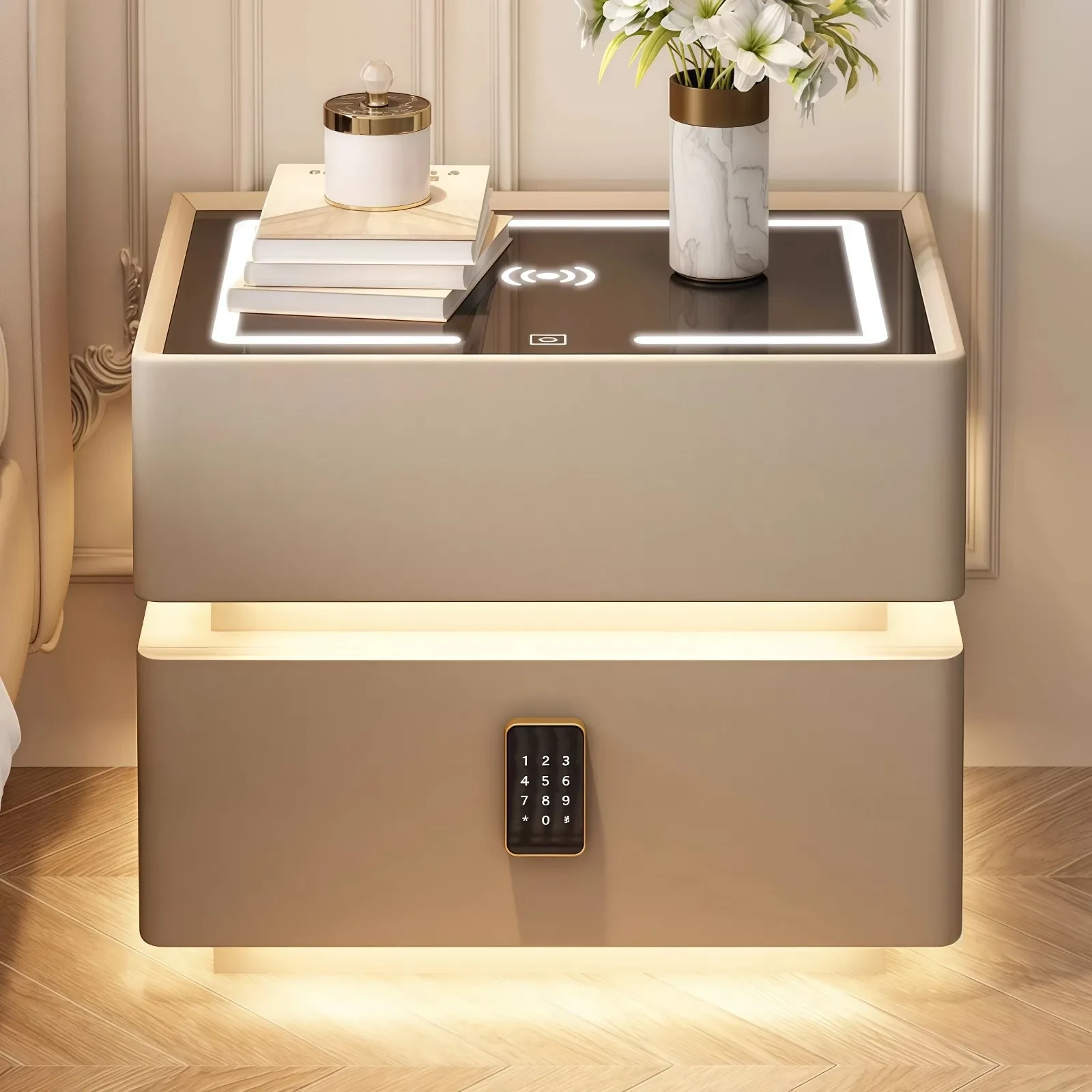
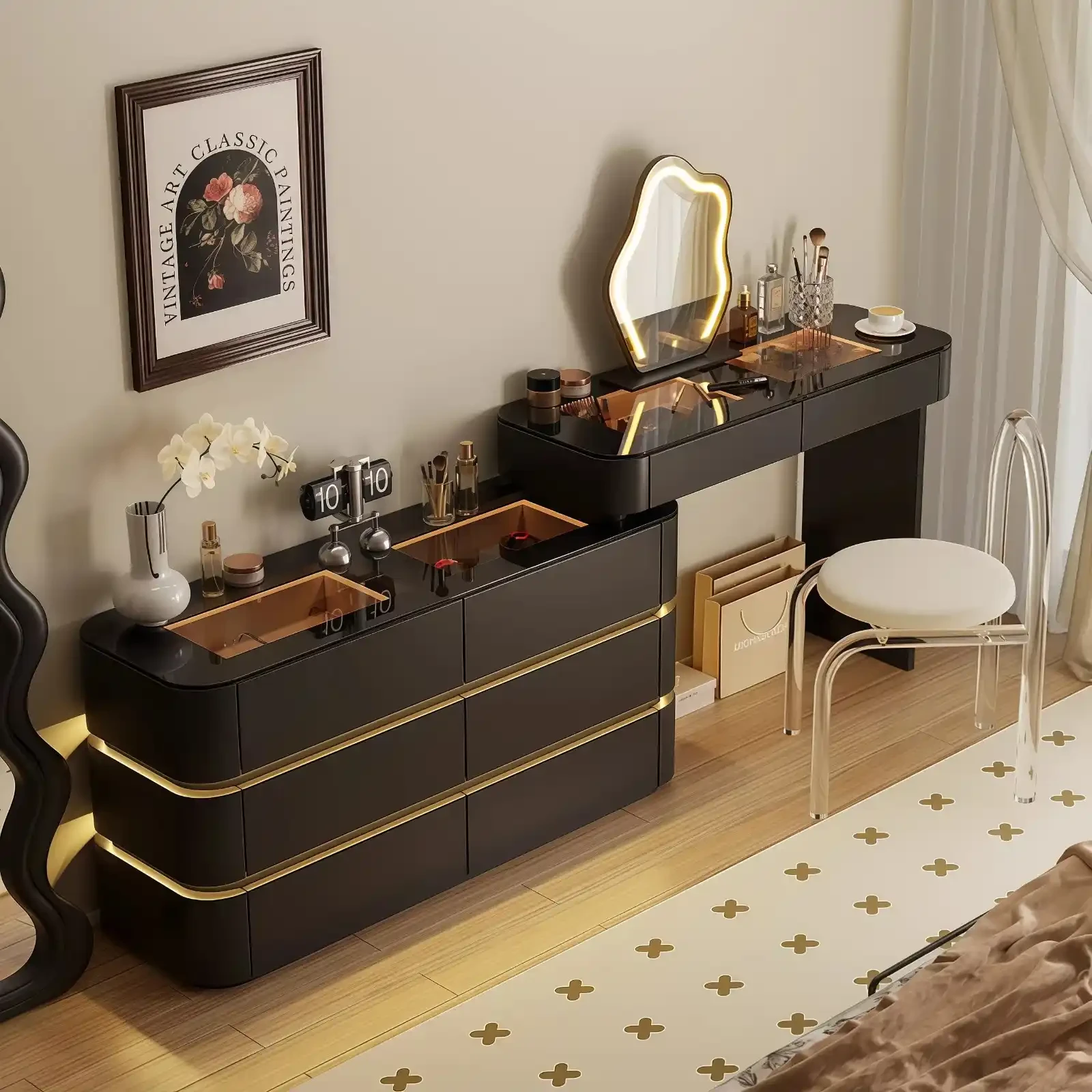
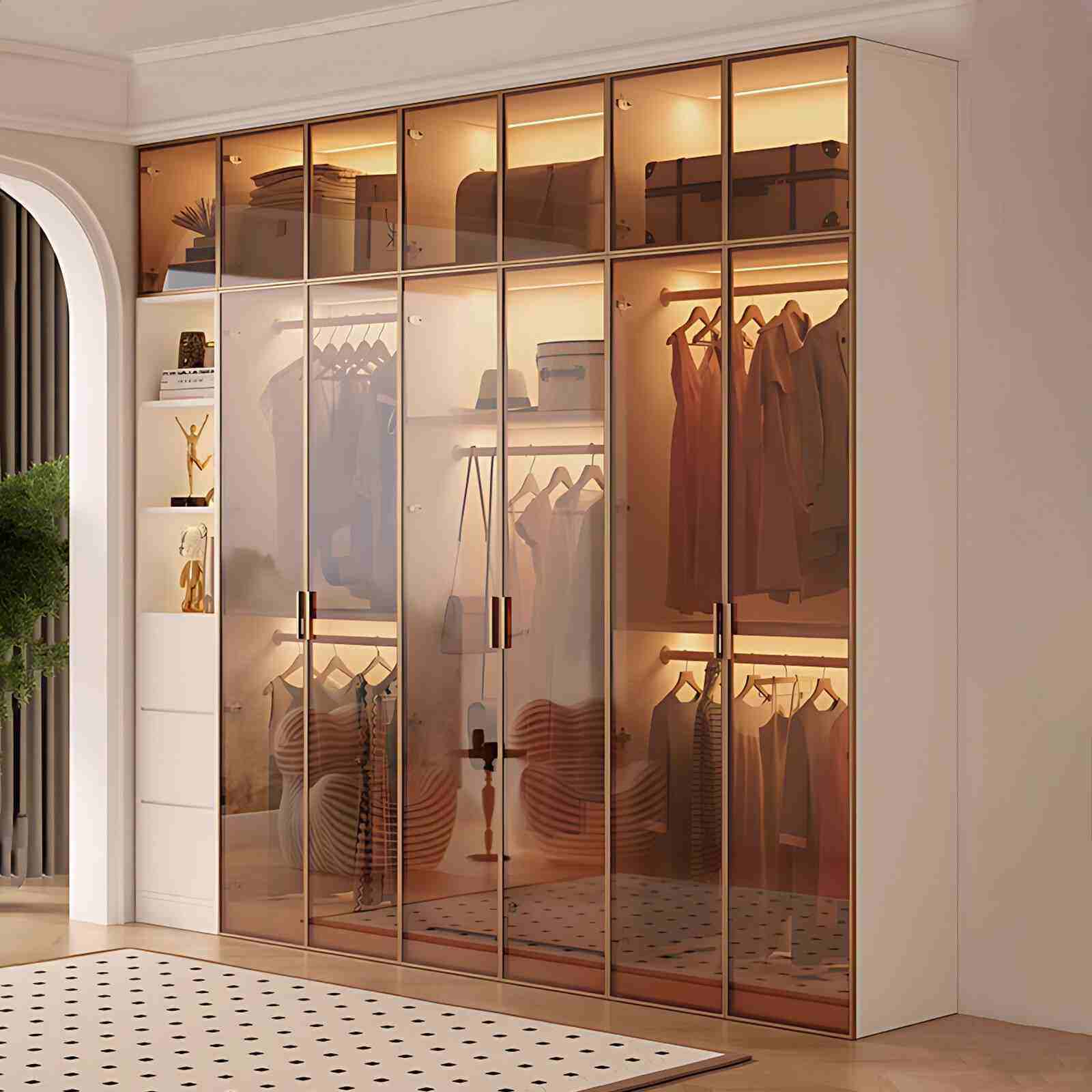
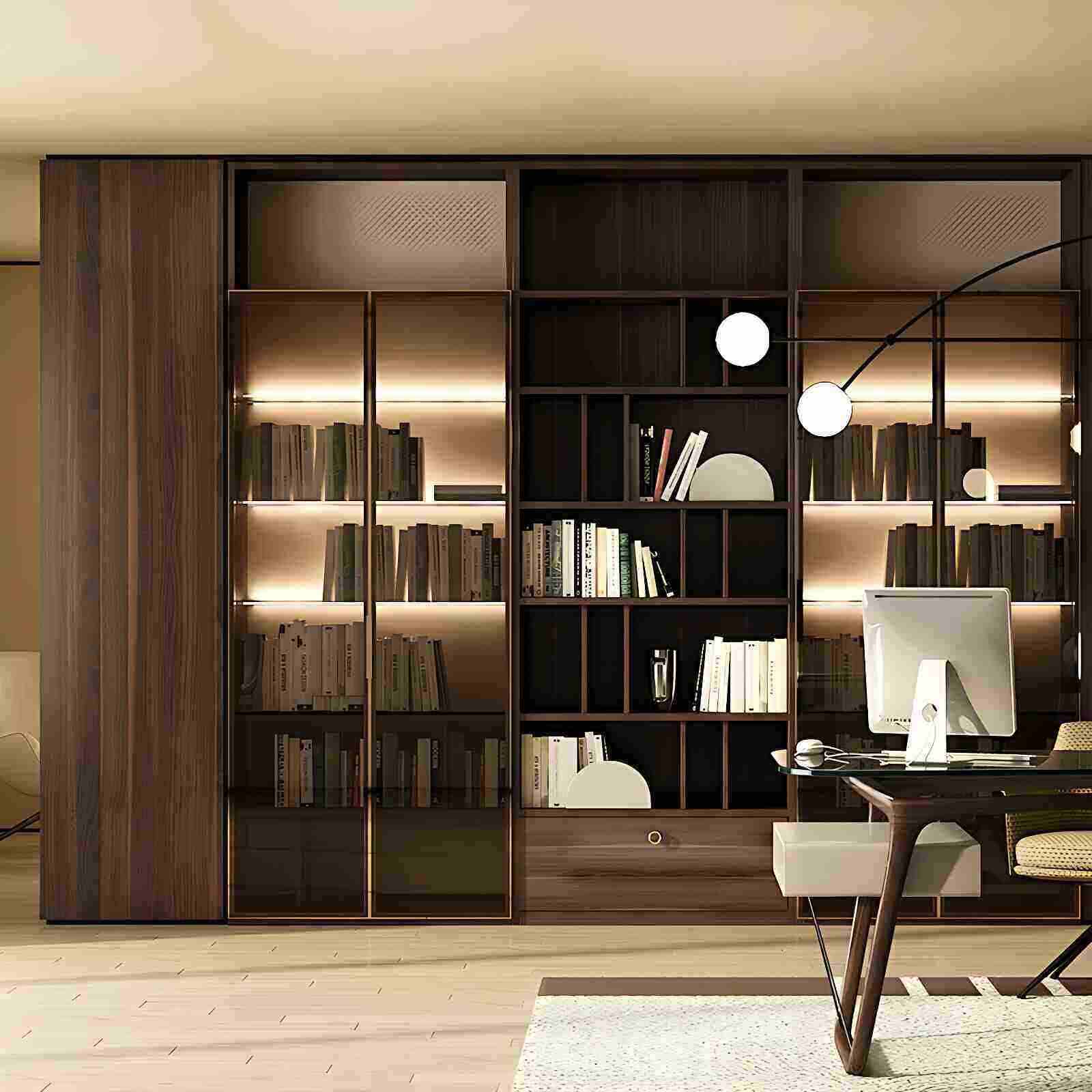
Choosing the right building materials is crucial for home renovation, and there are many types available on the market, such as fiberboard, fireproof board, and lightweight wall panels. Only by understanding the systematic classification of building materials can you correctly select the type that best suits your needs. Below is a more detailed classification of building materials, which we hope will be helpful.
1. Solid wood board
As the name suggests, solid wood boards are wood panels made from whole pieces of timber. These boards are sturdy, durable, and have natural grain, making them a top choice for interior decoration. However, due to their high cost and demanding construction techniques, they are not commonly used in renovations. Solid wood boards are generally classified according to their actual wood type and do not have uniform standard specifications.
2. Plywood
Plywood, also known as laminated board or thin-core board in the industry, is made of three or more layers of 1mm thick veneers or thin sheets glued and hot-pressed together. It is currently the most commonly used type of board material in handmade furniture making. Plywood is generally divided into six specifications: 3mm, 5mm, 9mm, 12mm, 15mm, and 18mm (1mm is equal to 1mm).
3. Decorative panels
Decorative panels, commonly known as veneers, are decorative boards made by precisely slicing solid wood boards into thin veneers approximately 0.2mm thick, using plywood as the base material, and then gluing them together. They are a special type of plywood, with a thickness of 3mm. Decorative panels are currently a high-end decorative material, distinct from painted finishes.
4. Plywood
Blockboard, commonly known in the industry as core board, is made by gluing and pressing two veneers together with a core of spliced wood panels. Blockboard is cheaper than plywood, making it a relatively inexpensive type of board. It has poor vertical (distinguished by the direction of the core material) bending and compressive strength, but higher horizontal bending and compressive strength.
5. Particleboard
Particleboard is a thin board made primarily from wood chips, mixed with glue and additives, and then pressed together. Based on the pressing method, it can be divided into two categories: extruded particleboard and flat-pressed particleboard. The main advantage of this type of board is its extremely low price. Its disadvantages are also obvious: very poor strength. It is generally unsuitable for making larger furniture or furniture with structural requirements.
6. MDF (Medium-density fiberboard)
MDF, also known as fiberboard, is a type of engineered wood product made from wood fibers or other plant fibers bonded together with urea-formaldehyde resin or other suitable adhesives. MDF is classified according to its density into high-density, medium-density, and low-density fiberboard (HDF). MDF is soft, impact-resistant, and easy to process. Abroad, MDF is a good material for furniture making; however, because China's standards for MDF are several times lower than international standards, the quality of MDF used in my country needs improvement.
7. Fireproof board
Fire-resistant boards are decorative panels made primarily of siliceous or calcareous materials, mixed with a certain proportion of fiber materials, lightweight aggregates, adhesives, and chemical additives, and manufactured using autoclaving technology. They are a relatively new type of material, increasingly used not only for their fire resistance. The installation of fire-resistant boards requires high-quality adhesives, and high-quality fire-resistant boards are more expensive than decorative panels. The typical thicknesses of fire-resistant boards are 0.8mm, 1mm, and 1.2mm.
8. Melamine board
Melamine board, also known as melamine-impregnated paper-faced engineered wood panel, is made by impregnating paper with different colors or textures in melamine resin adhesive, drying it to a certain degree of curing, and then laying it on the surface of particleboard, medium-density fiberboard, or hardboard, followed by hot pressing to form a decorative board. Melamine board is a wall decoration material. Currently, some people are using melamine board to imitate composite flooring for floor decoration, which is inappropriate.
The above classification of wood-based panels is for reference only. When choosing panels, you should also pay attention to other details. For example, substandard panels may have excessive formaldehyde content and poor water resistance. Therefore, if you are using a renovation company, you should agree beforehand that all auxiliary materials should be inspected by us after they arrive. If they appear dark and crumble when you scratch the edges, it's advisable to replace them immediately. The same applies to plywood; it should be clean and dense. Plywood is generally thin; if it feels very flexible when you bend it, it's recommended to use it.
However, even with detailed informational posts, many first-time home renovation novices still can't distinguish between good and bad building materials. Therefore, we still recommend choosing branded products, as brands have a reputation and are relatively more reliable in terms of quality and service, so consumers can buy with confidence!