
 USD
USD GBP
GBP
 EUR
EUR











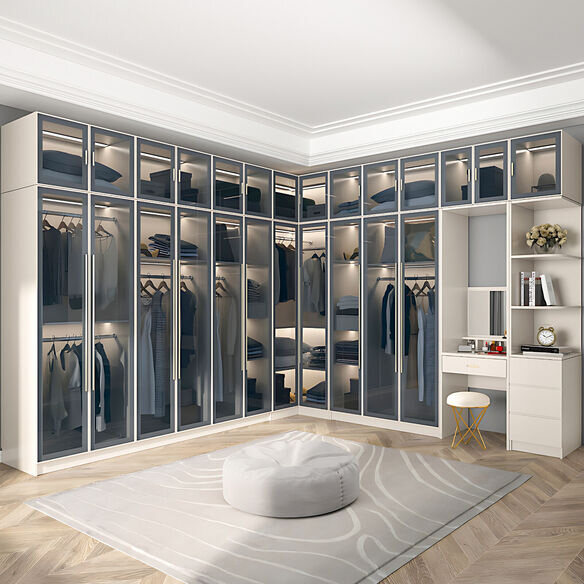

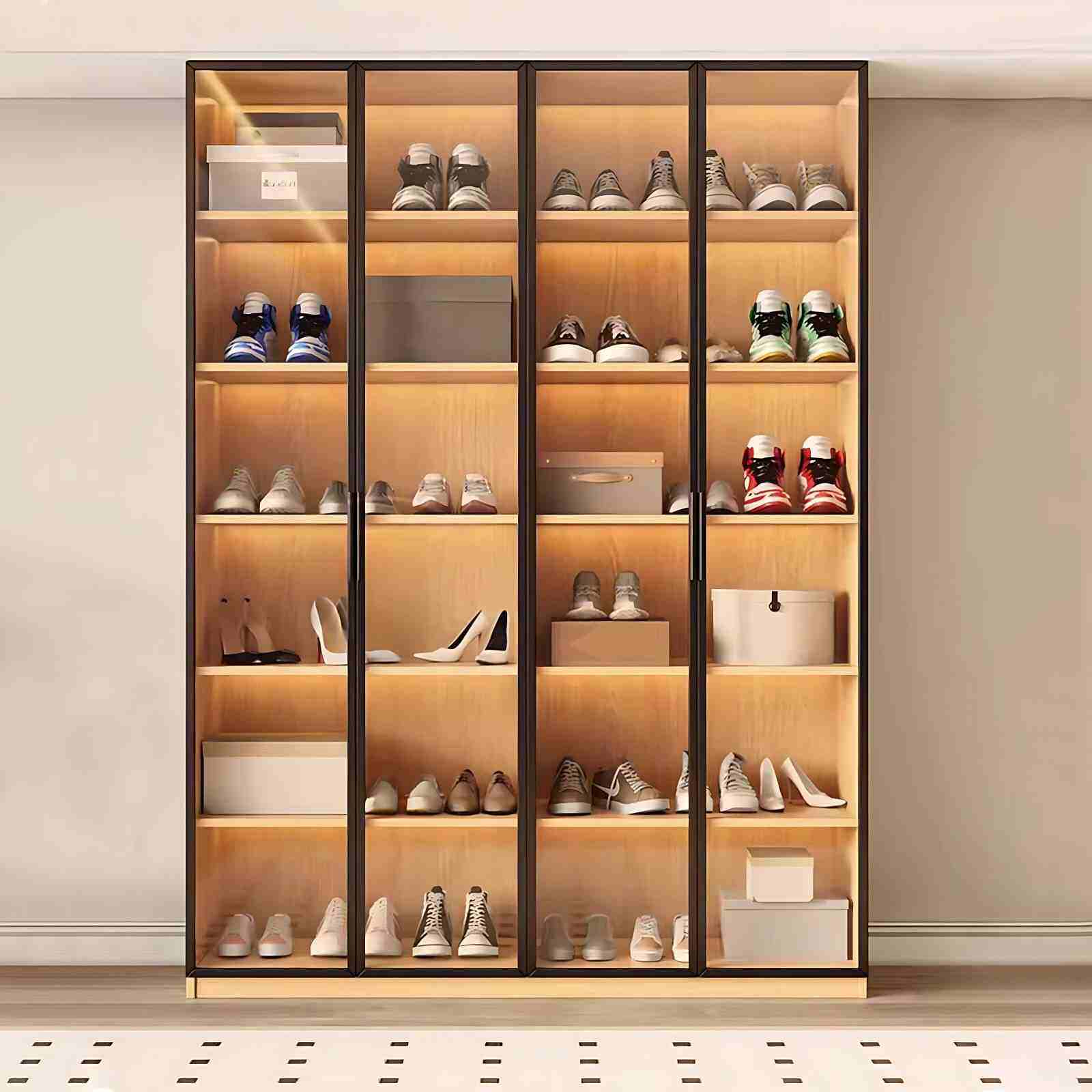
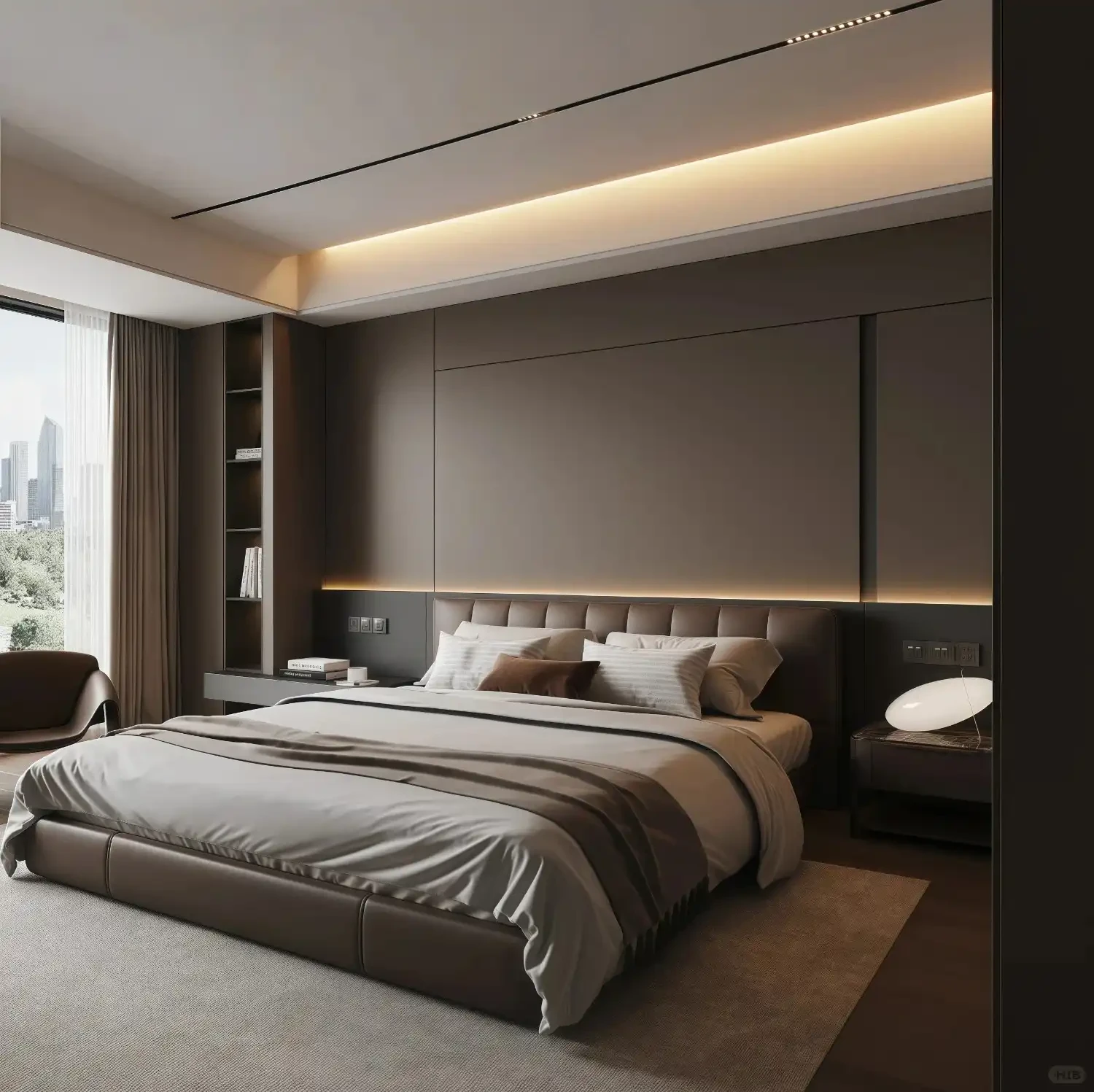



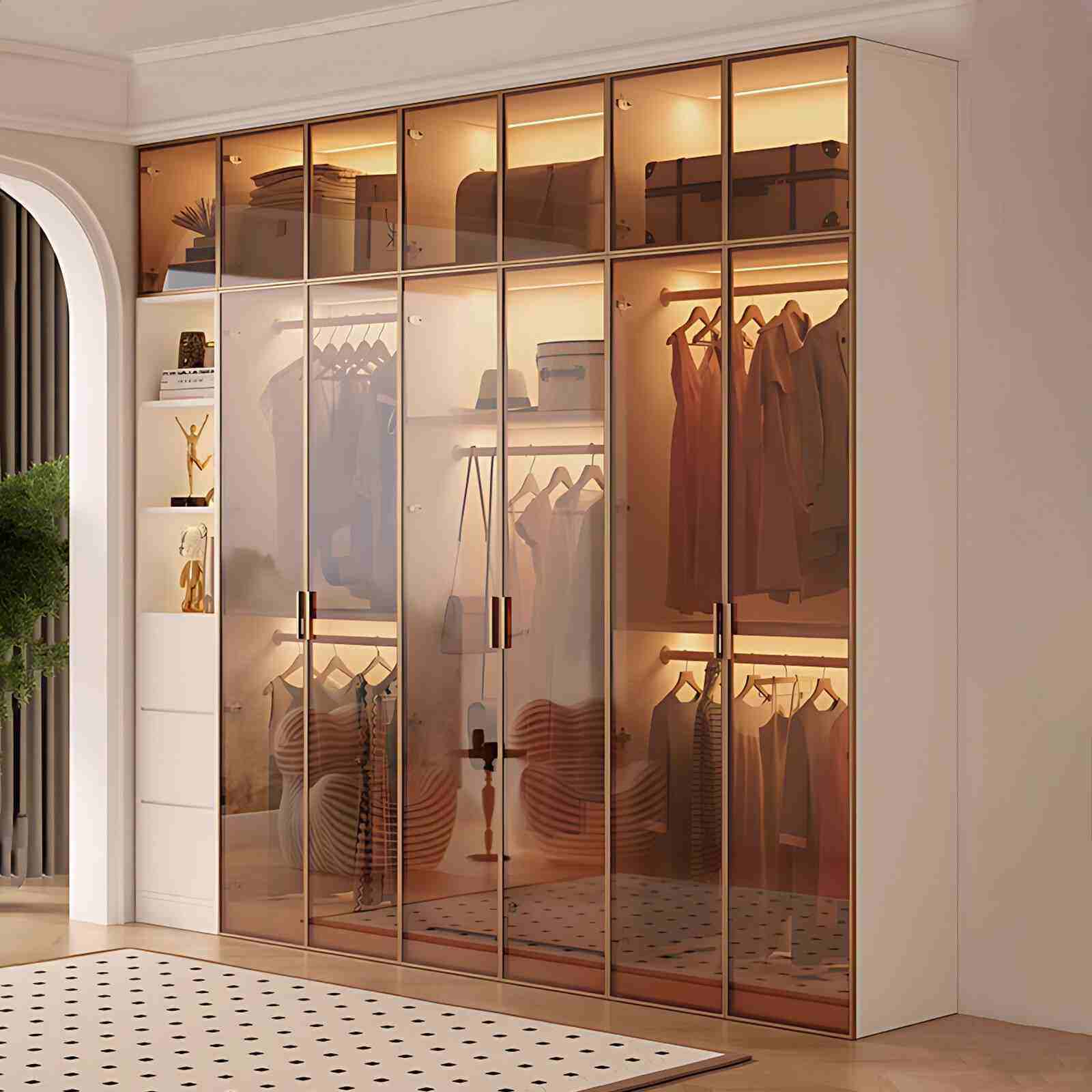

In recent years, fire accidents have occurred one after another, and the merciless fires have repeatedly taken away our property and even our loved ones.
In 2018 alone, my country's fire and rescue teams received 237,000 fire alarms, and 1,222 people died in residential fires.
Every fire brings pain.
Why are residential fires so serious?
Because interior decoration materials such as fabrics and panel furniture are mostly flammable, fires are difficult to control once they start. In addition, due to urbanization, buildings are becoming increasingly taller, which also increases the difficulty of firefighting.
What are the main causes of residential fires?
1. Electrical
Fires caused by electrical faults rank first among all fires in my country. Overloading of electrical equipment, poor contact at electrical wiring connections, short circuits, and improper use of electrical equipment are the direct causes of electrical fires.
According to relevant data, fires caused by electrical reasons account for 32.2% of all fires nationwide.
2. Smoking
Cigarette butts can ignite many flammable materials and account for a significant proportion of fire ignition causes. Specifically, there are three main reasons:
1) Throwing a smoldering cigarette butt into flammable materials can cause a fire;
2) Smoking in bed, especially after drinking alcohol, can cause a fire if the cigarette butt falls onto the bedding;
3) Fire accidents caused by smoking in high-risk fire areas where open flames are prohibited.
3. Careless use of fire in daily life
Careless use of fire in daily life mainly refers to improper use of fire in urban and rural households, such as: improper placement or installation of cooking utensils in the kitchen, violation of safety technical requirements in the use of stoves, etc., which can cause fires; and the burning of incense and offering sacrifices at home without supervision, which can cause incense ash to scatter and cause fires.
How do we save ourselves when a fire breaks out?
When a fire unfortunately occurs, we must remain calm and not panic. We should call 119 immediately to report the fire.
When escaping, never take the elevator. If you live on a high floor, never jump directly from the window. If your clothes catch fire, quickly roll around to extinguish the flames.
When the fire spreads, wet your clothes to avoid burns; cover your mouth and nose with a damp cloth, bend your body downwards to avoid toxic fumes above the air and avoid inhaling hot smoke; and rush out as quickly as possible through the stairs or fire escape routes.
If there is no way to escape, you can choose to wait for rescue on the balcony or terrace. In the event of a fire, it is often difficult to be heard when you call for help. You can use a bamboo pole to hold up brightly colored clothing (red is best) and shake it continuously, or use a flashlight or throw soft items such as clothing that are not likely to hurt people out of the window, or knock on basins, pots, bowls, etc. to attract attention.
What methods can be used to reduce the occurrence of fires?
According to the Fire Protection Law of the People's Republic of China, for indoor places with dense crowds, the decoration and renovation materials must be non-combustible or flame-retardant materials that meet national standards.
Therefore, consumers are especially reminded to choose flame-retardant materials as much as possible when decorating to reduce the risk of fire from the source.
Flame-retardant boards, through the covering effect of flame retardants, can effectively suppress the combustion of flames, slow the spread of fire, reduce the concentration and toxicity of smoke during material combustion, and create conditions for evacuation and escape from fire scenes.
The flame-retardant plywood meets the national standard GB 20286-2006 "Requirements and Labelling for Combustion Performance of Flame-Retardant Products and Components in Public Places" in terms of flame retardancy, smoke suppression and smoke toxicity. It is a new generation of practical safety protection board in the home building materials industry.