
 USD
USD GBP
GBP
 EUR
EUR
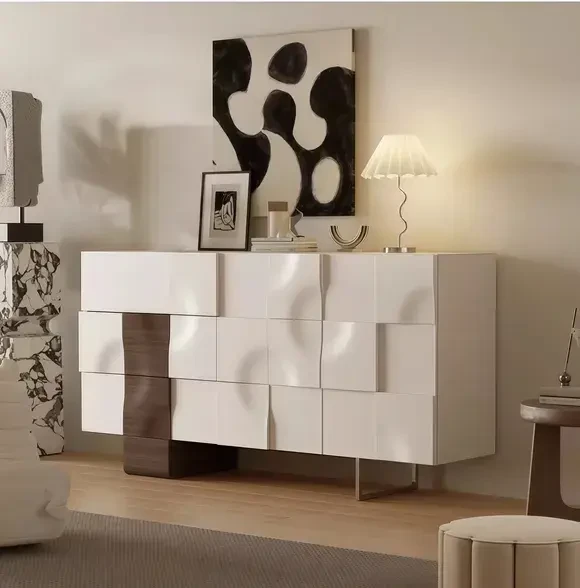
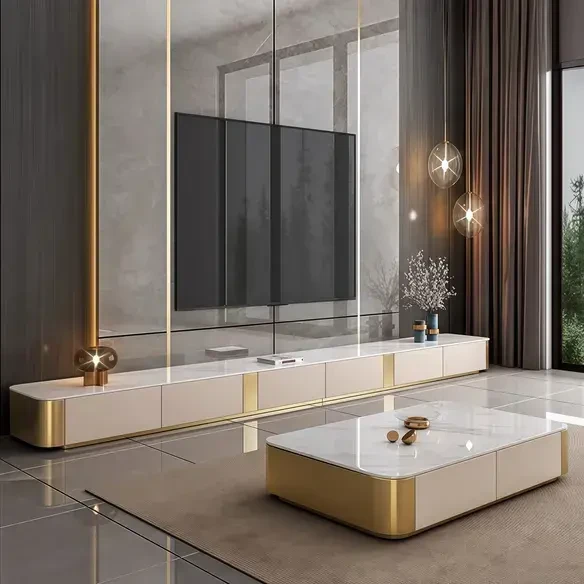
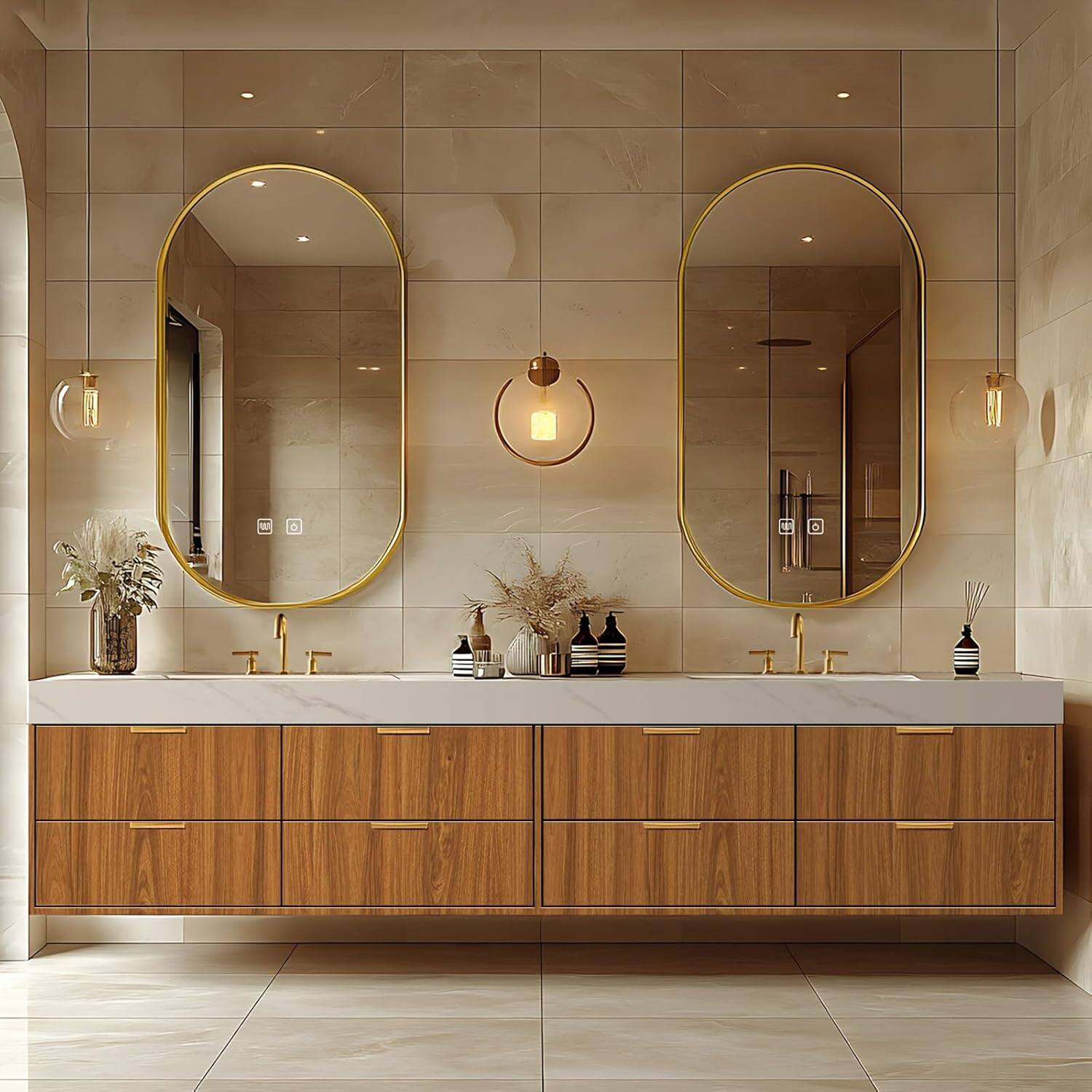
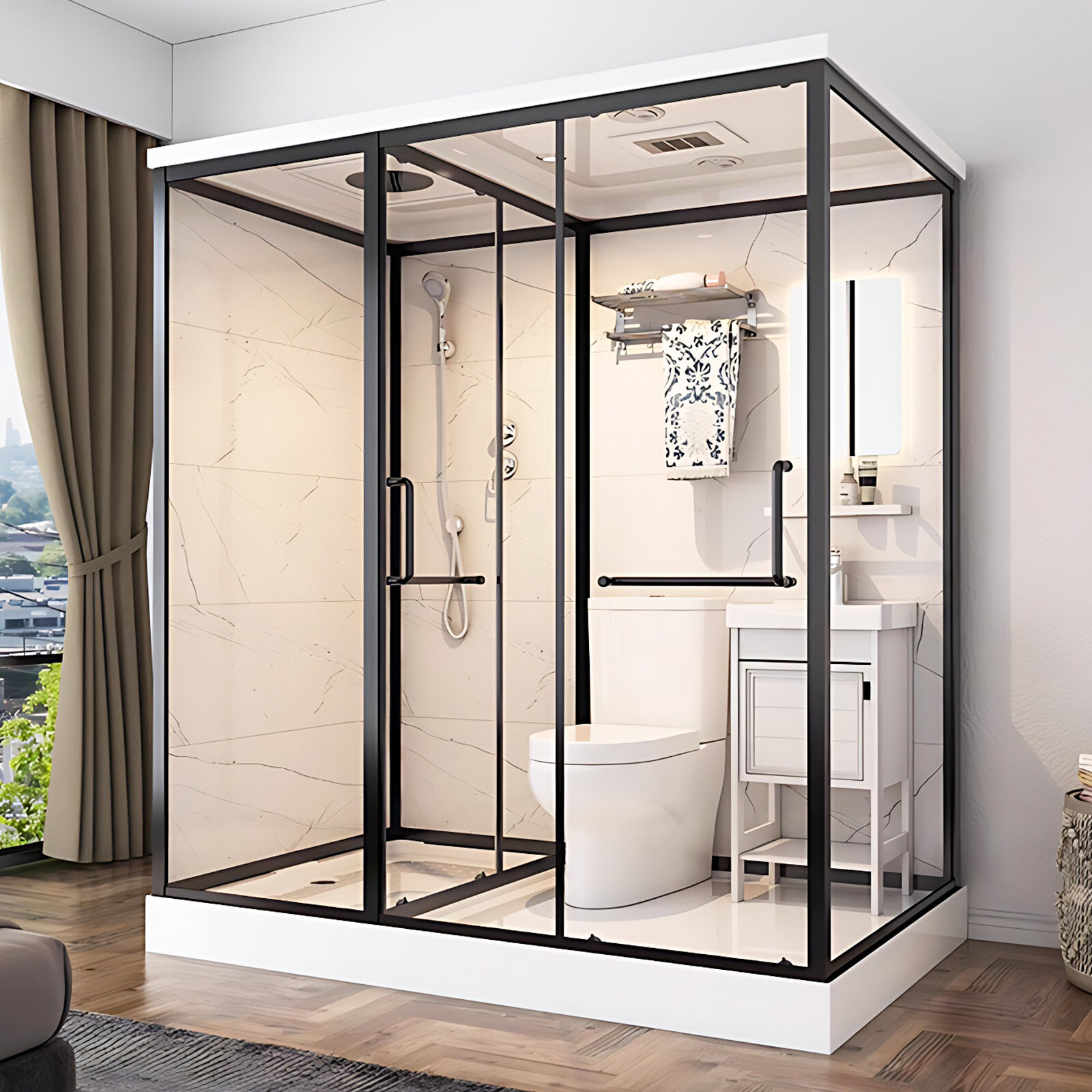
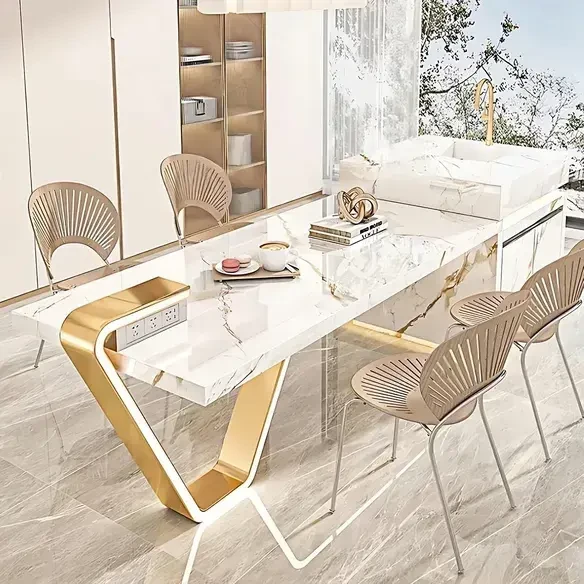
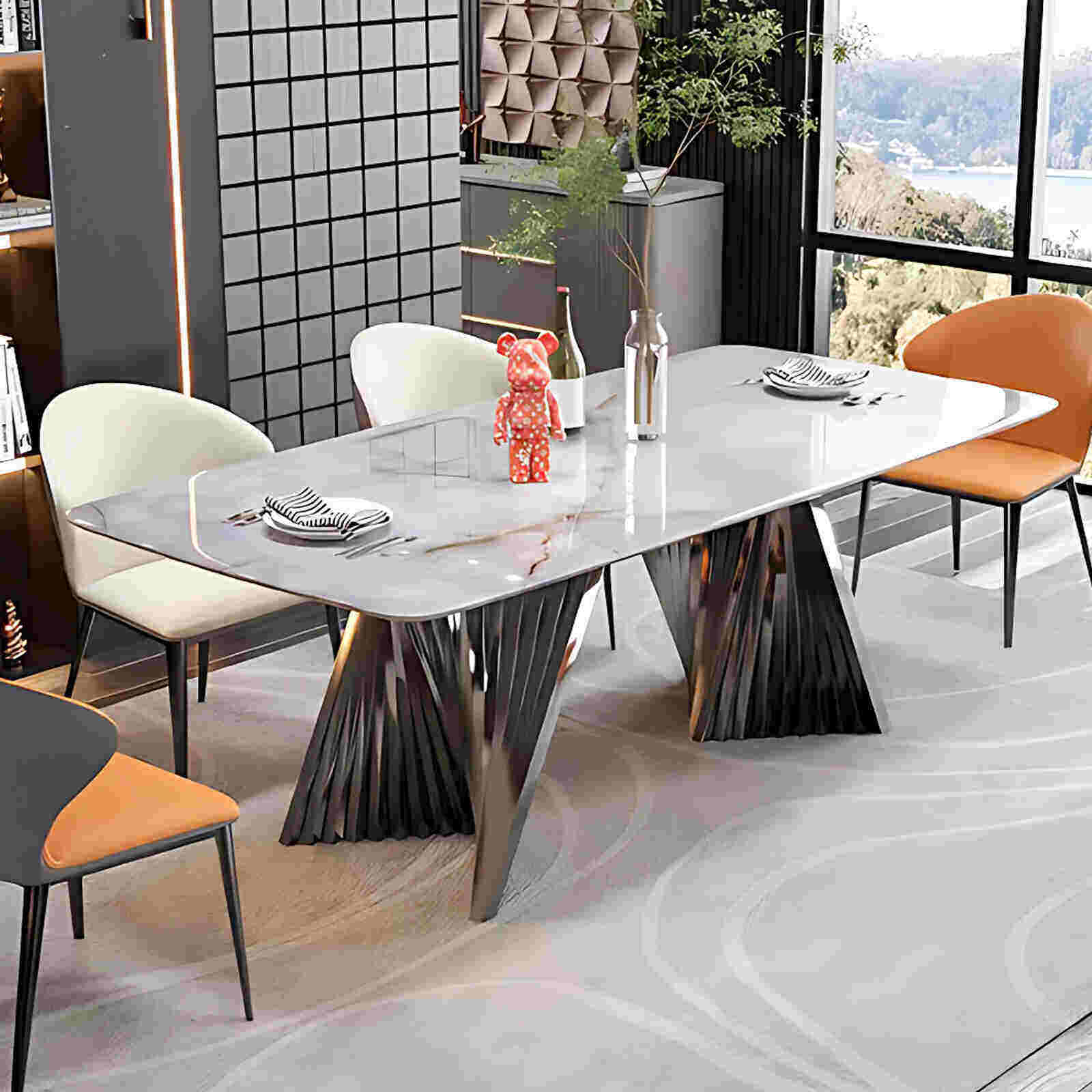
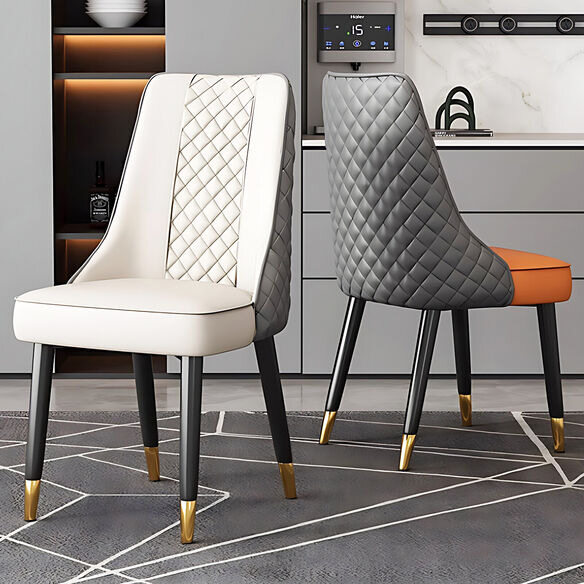
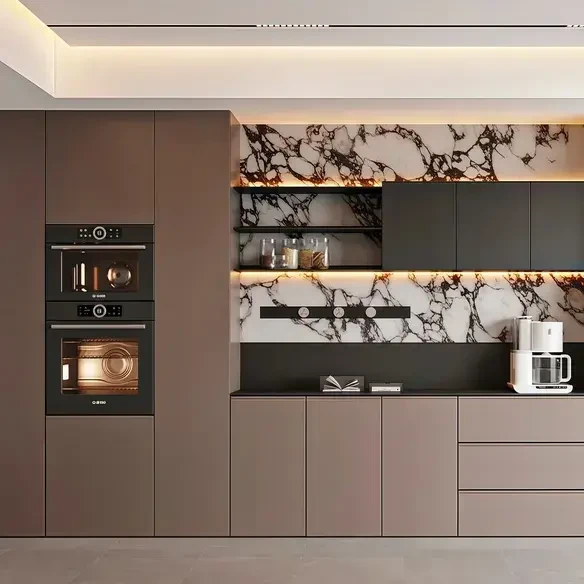
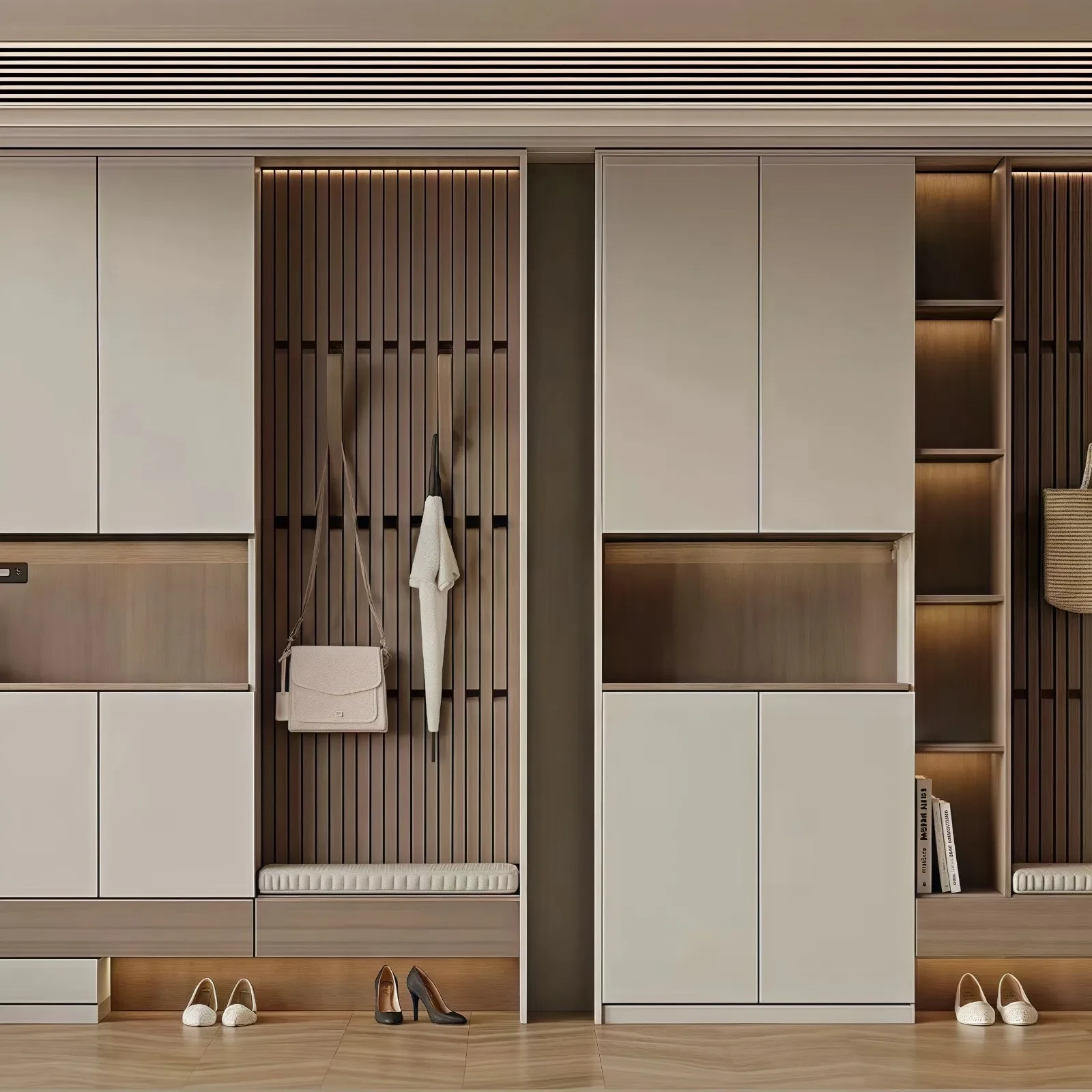
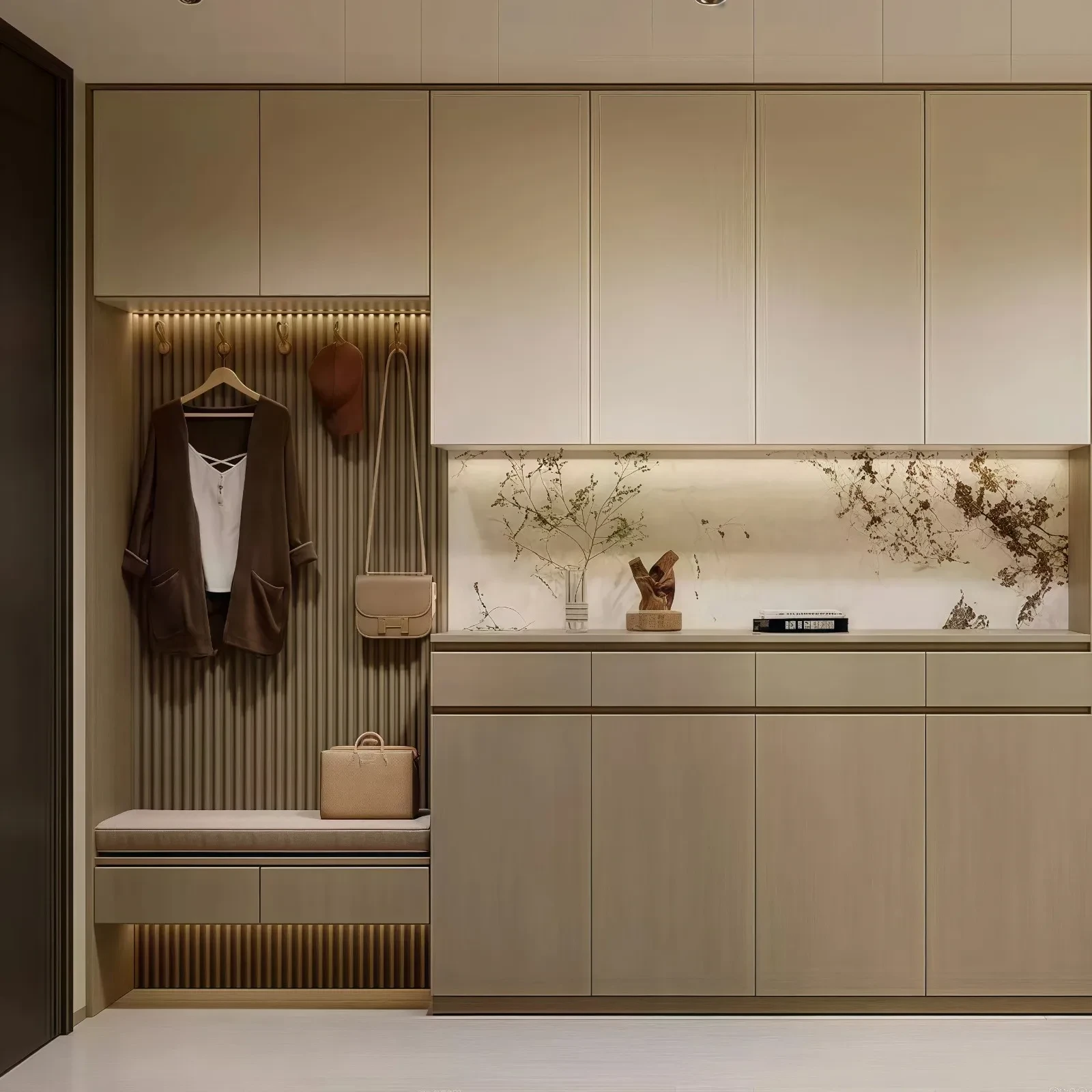
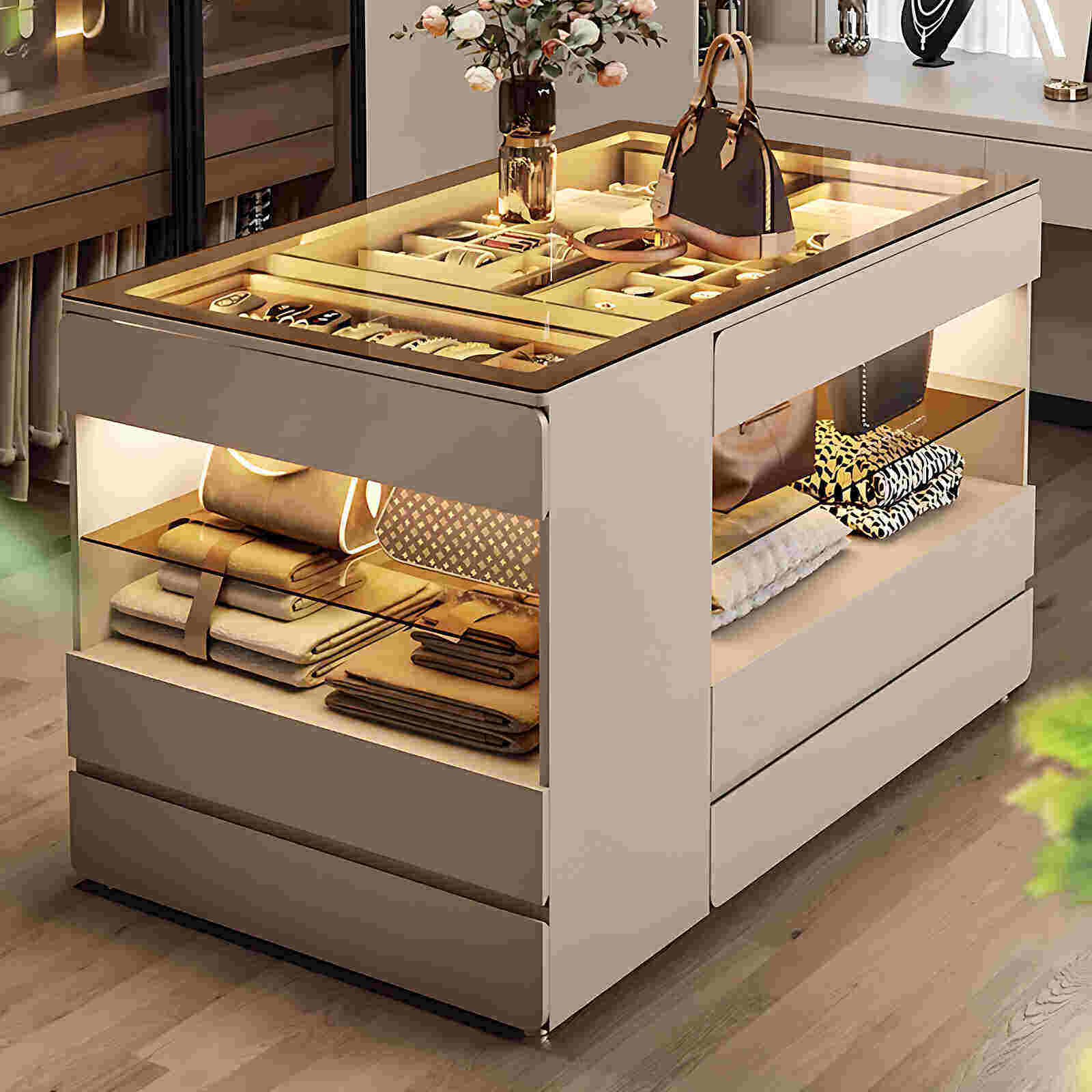
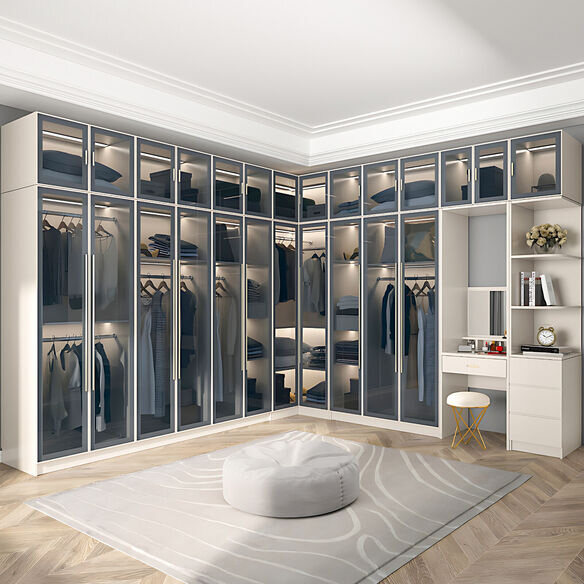
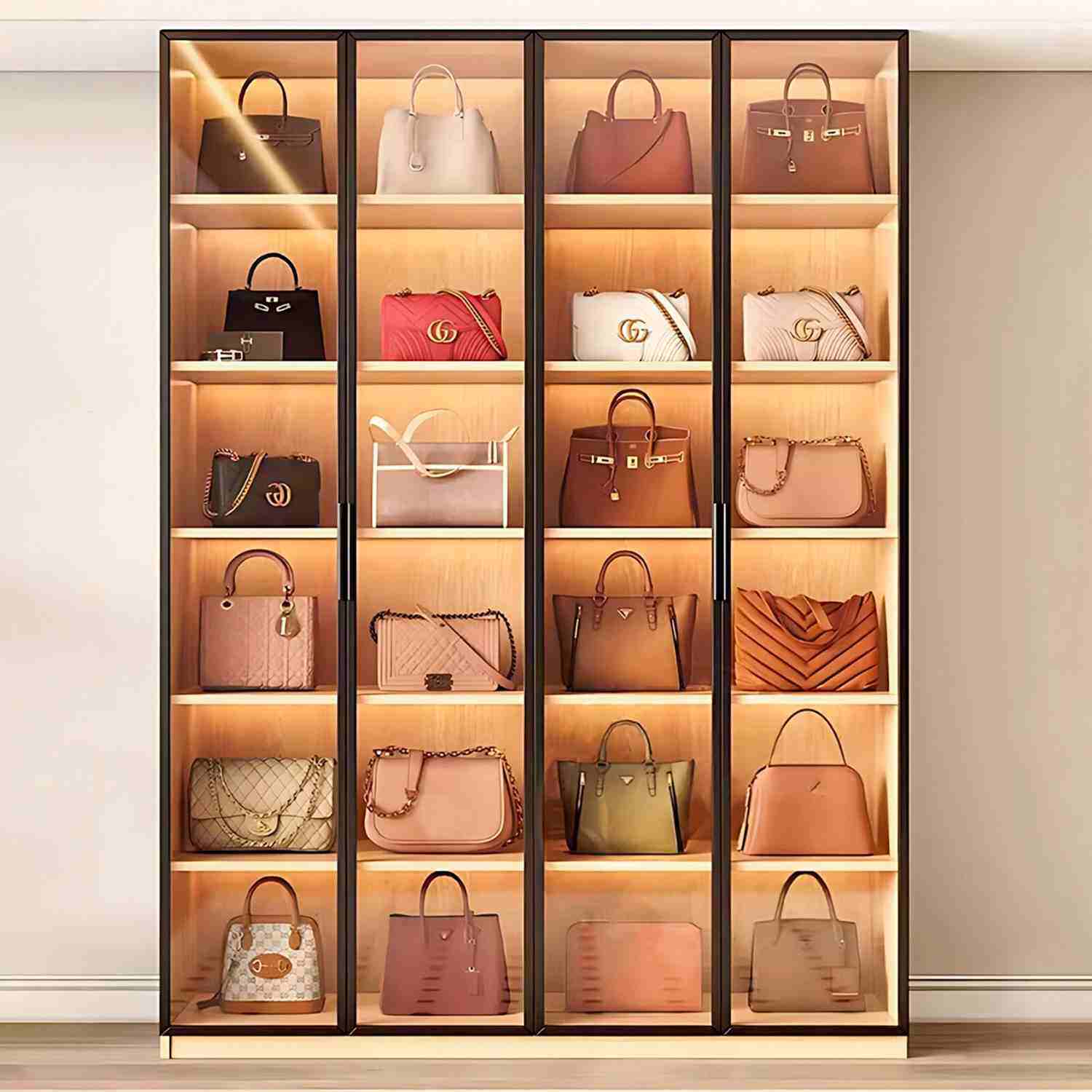
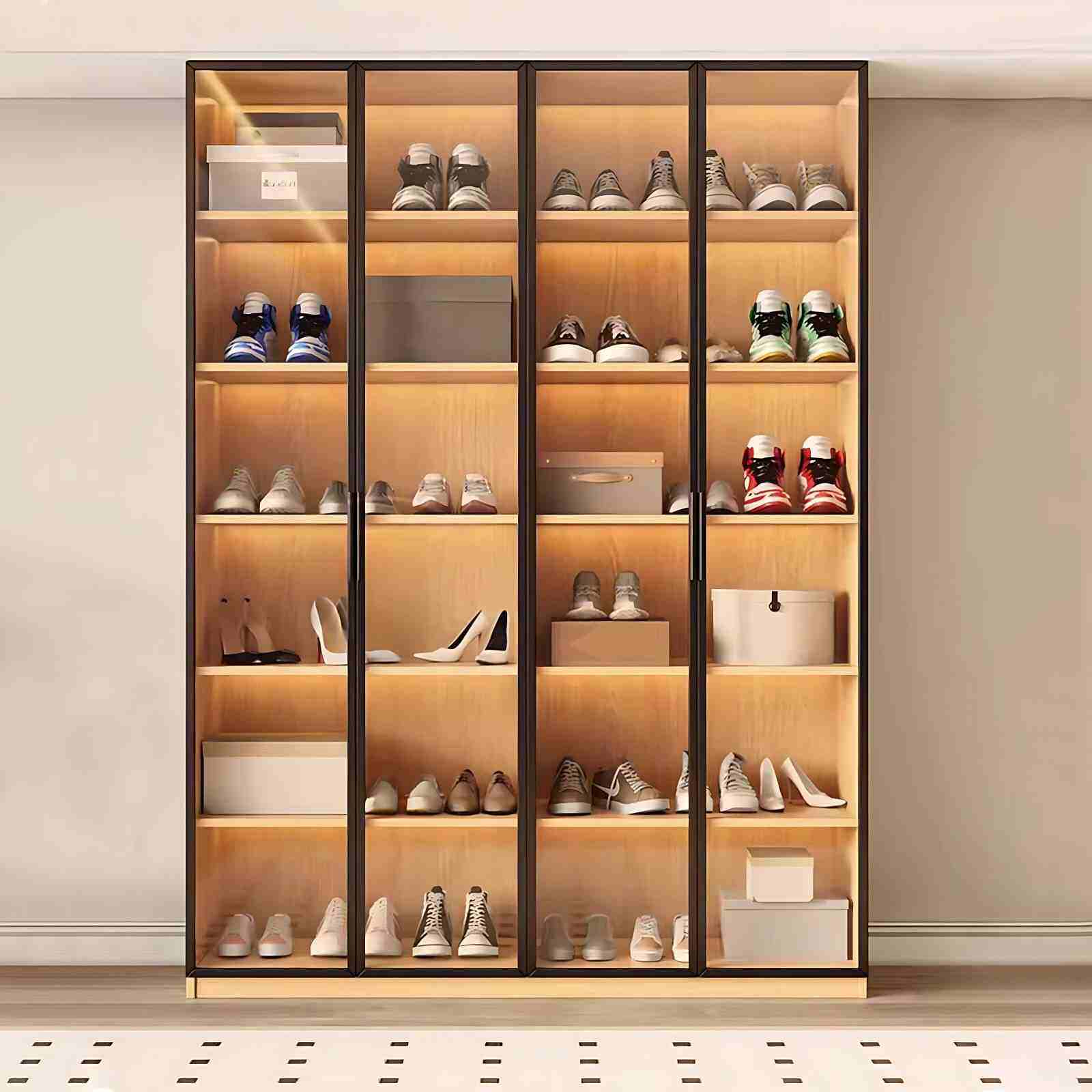
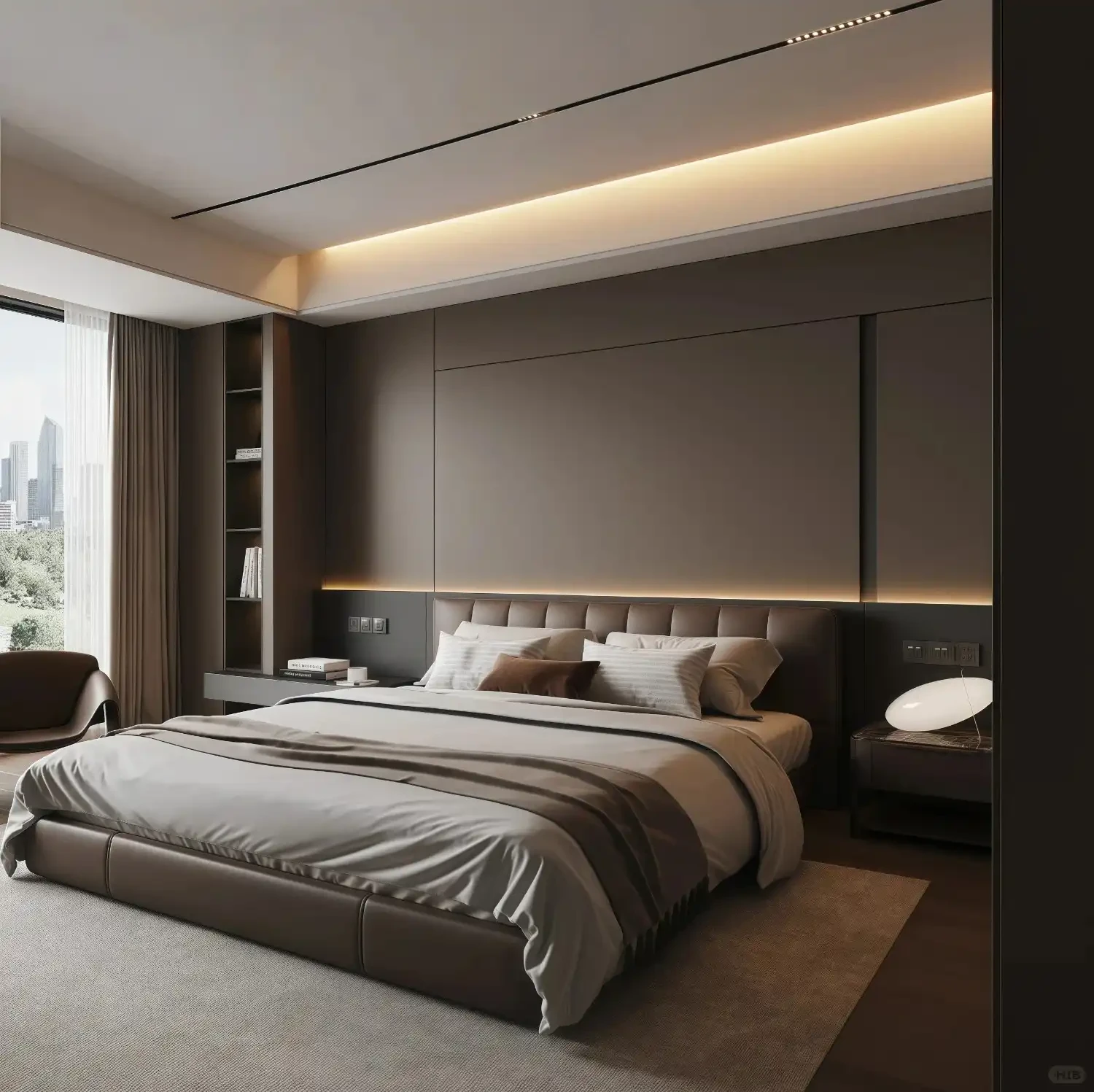
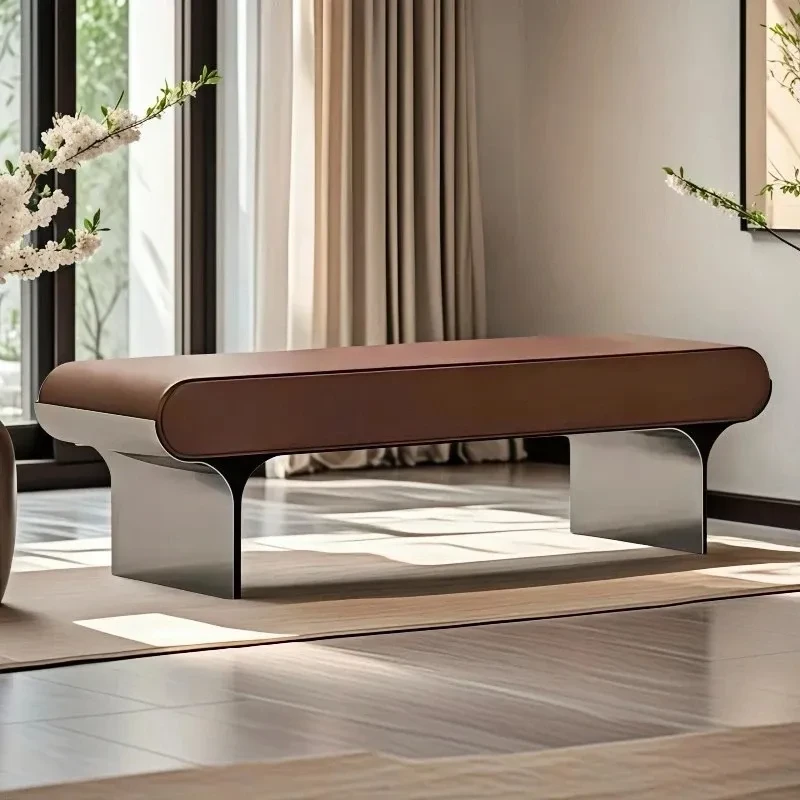
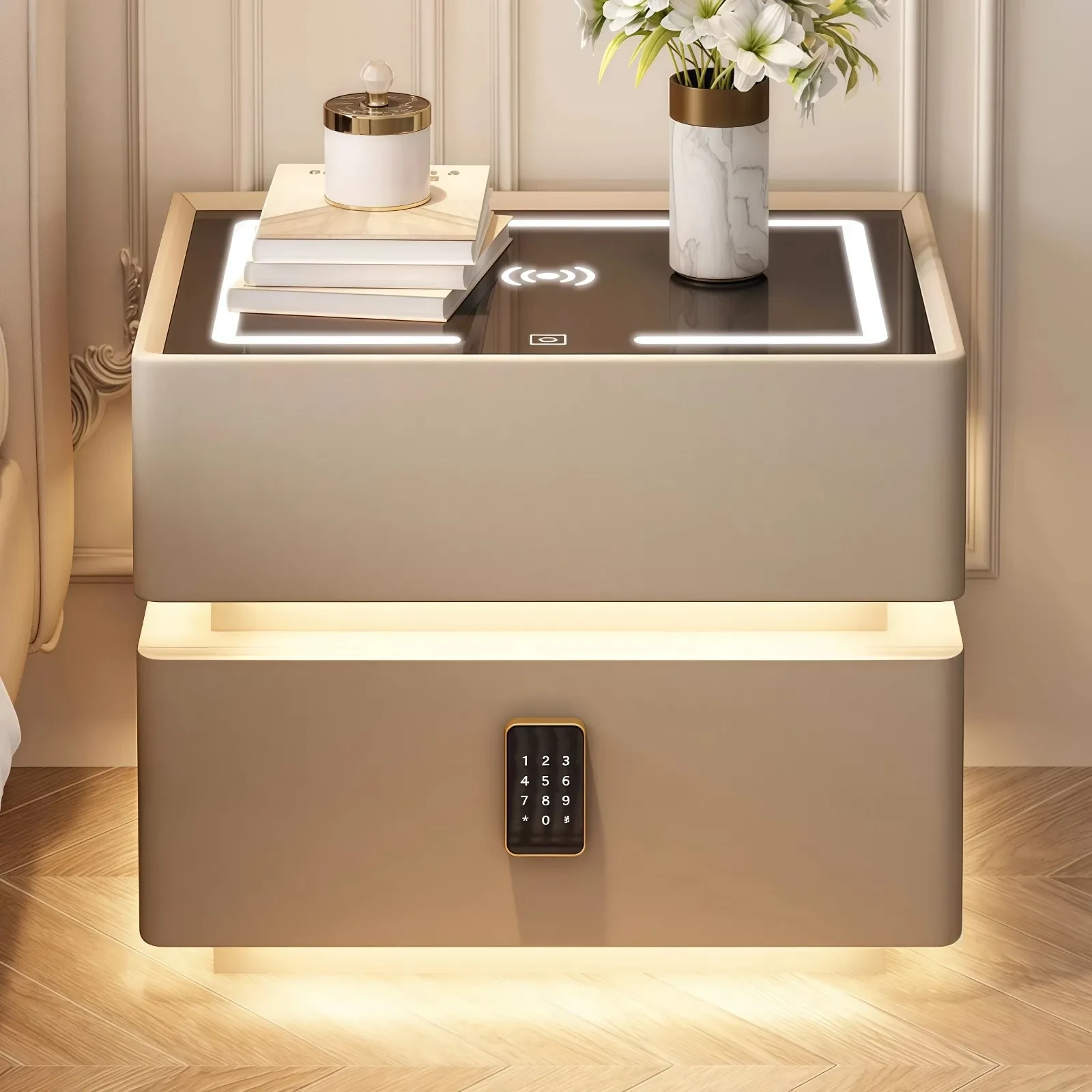
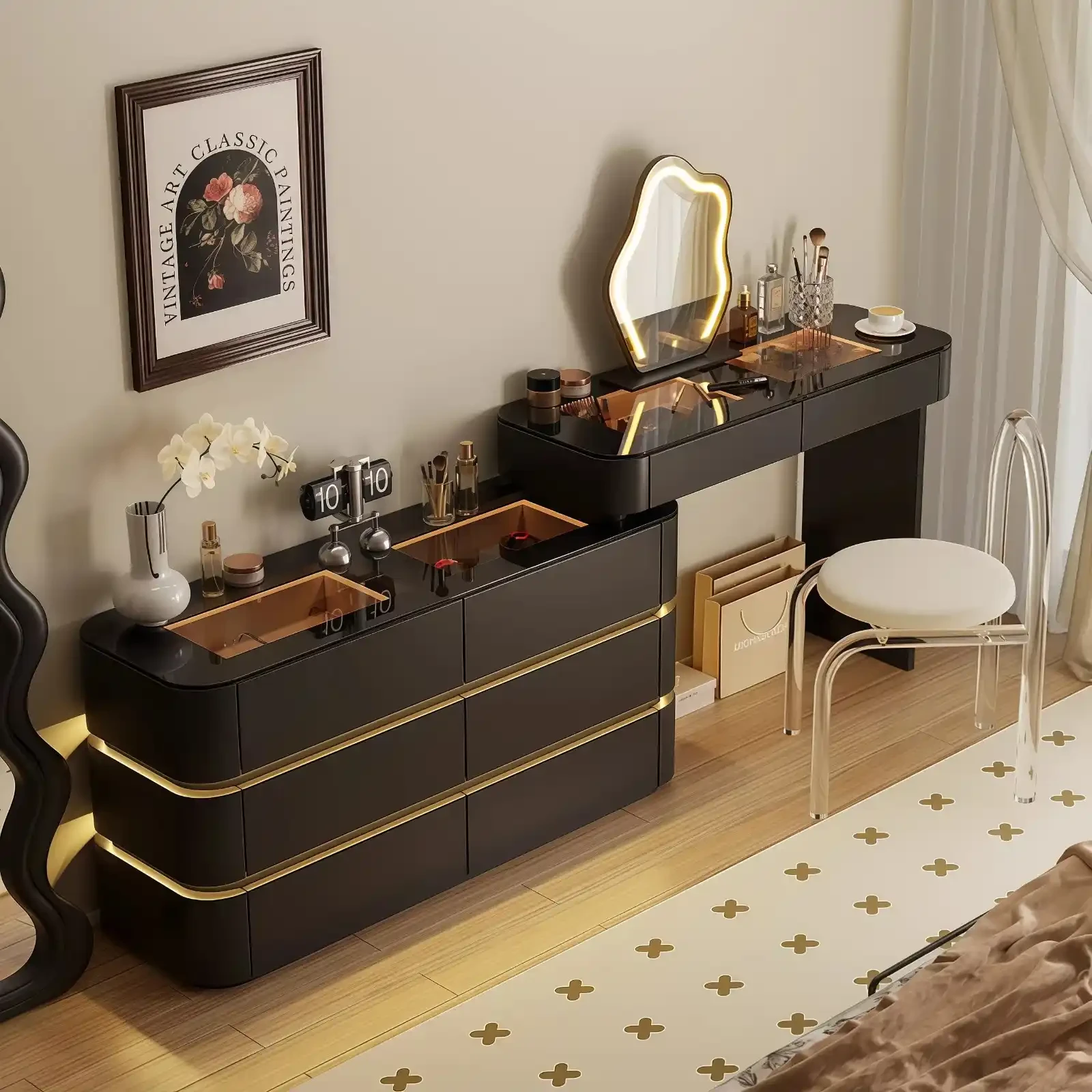
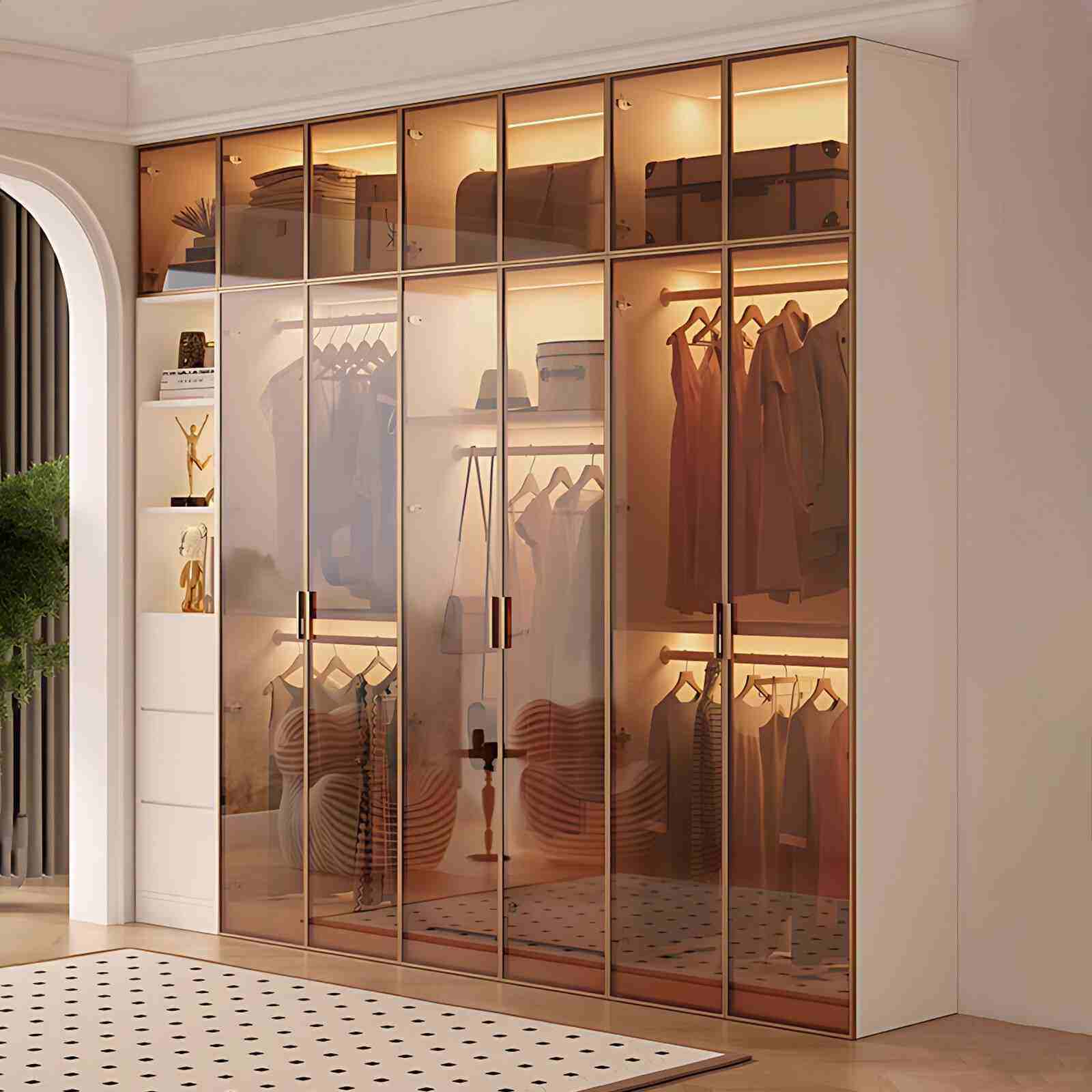
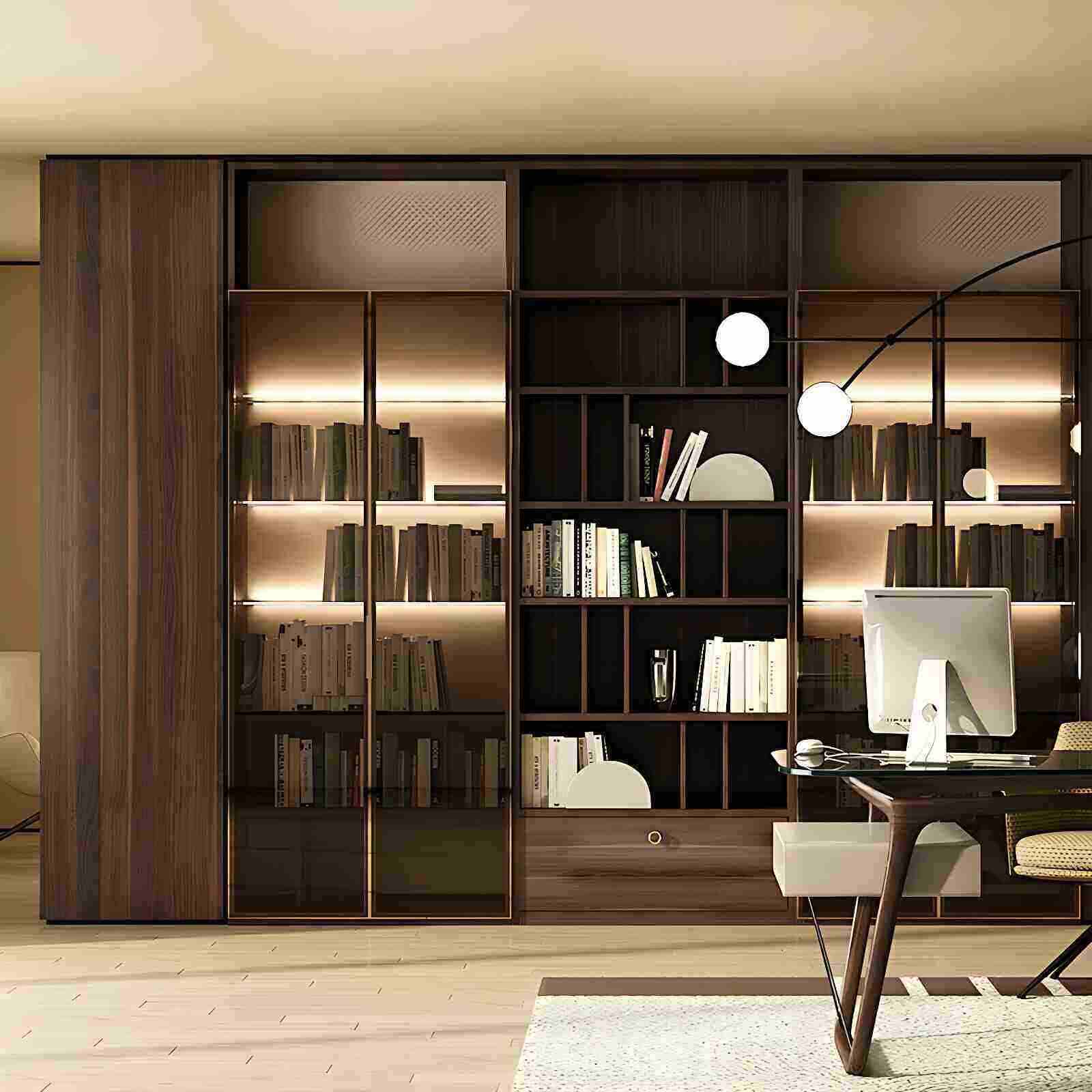
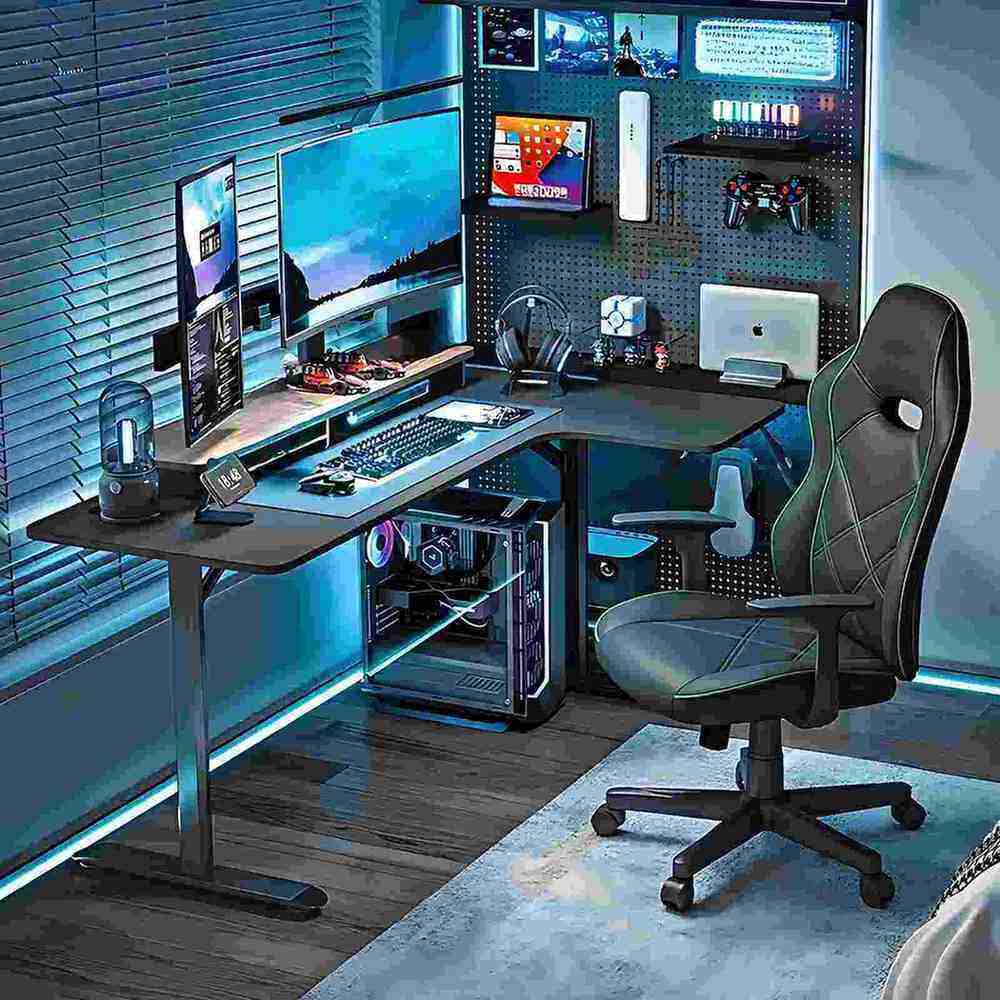
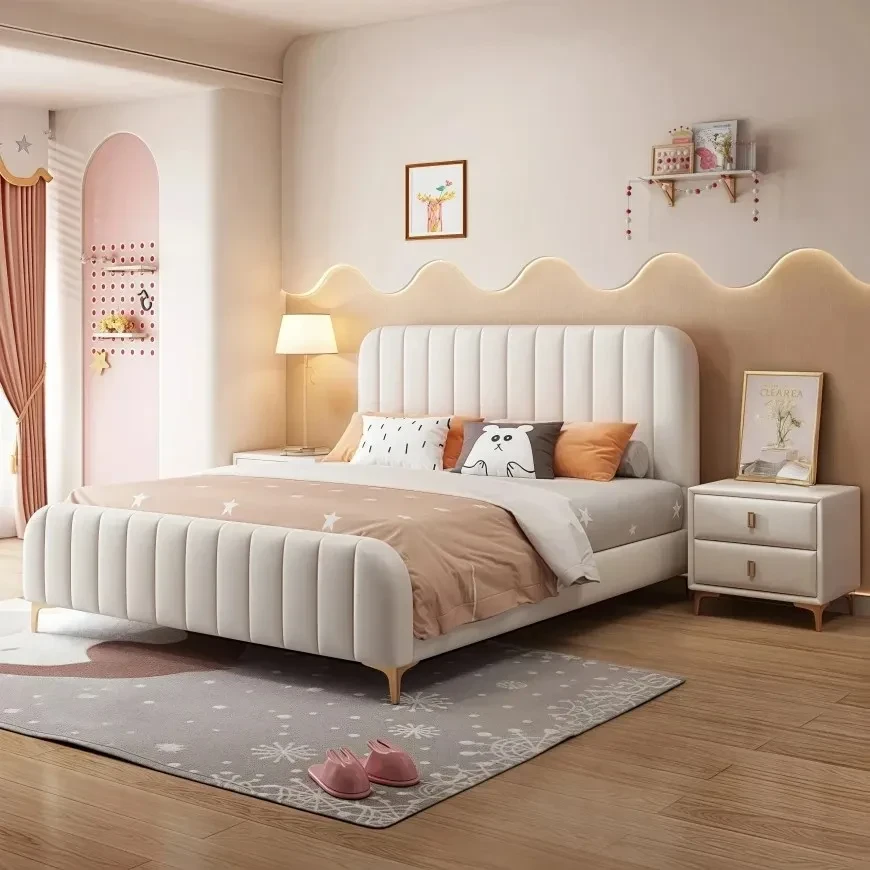
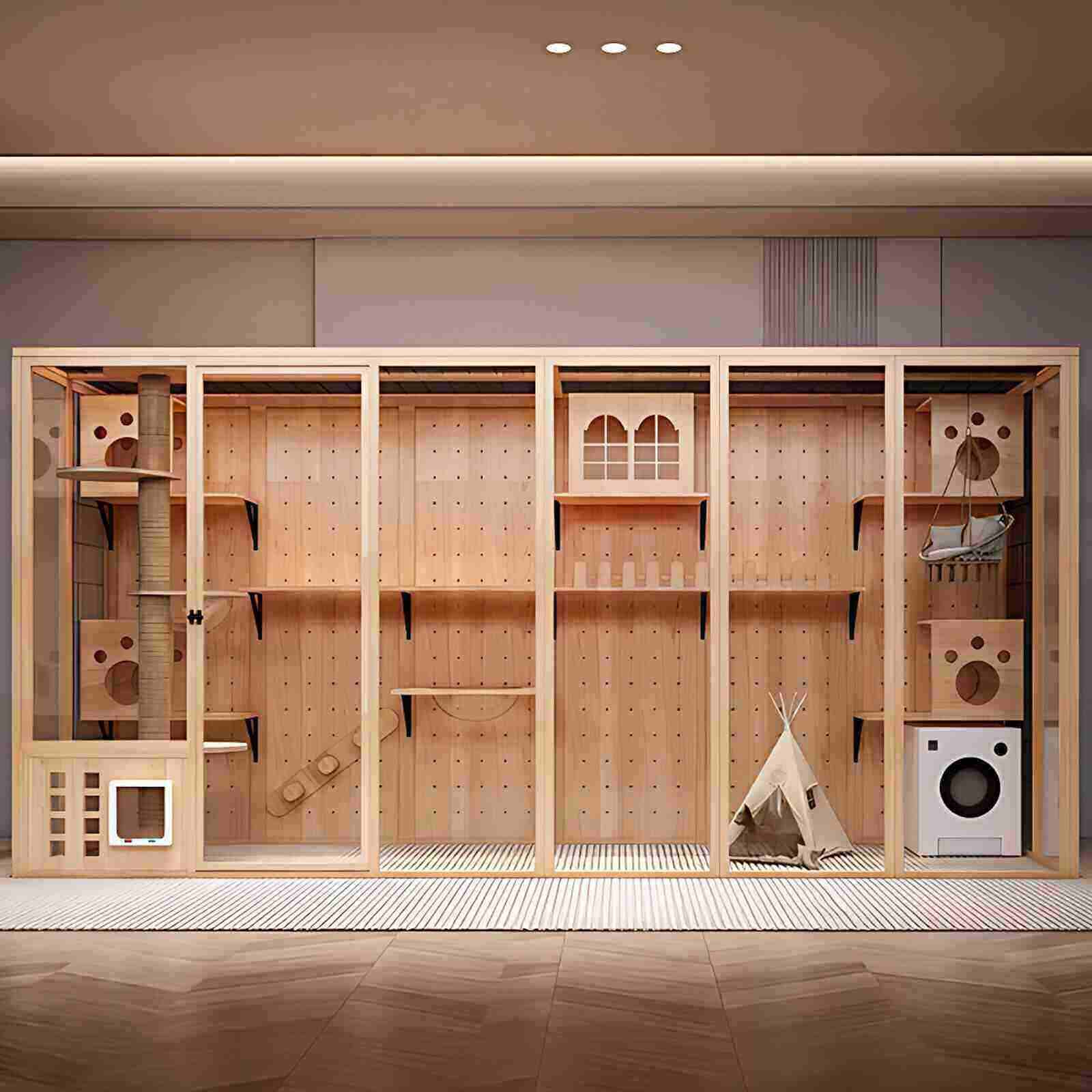
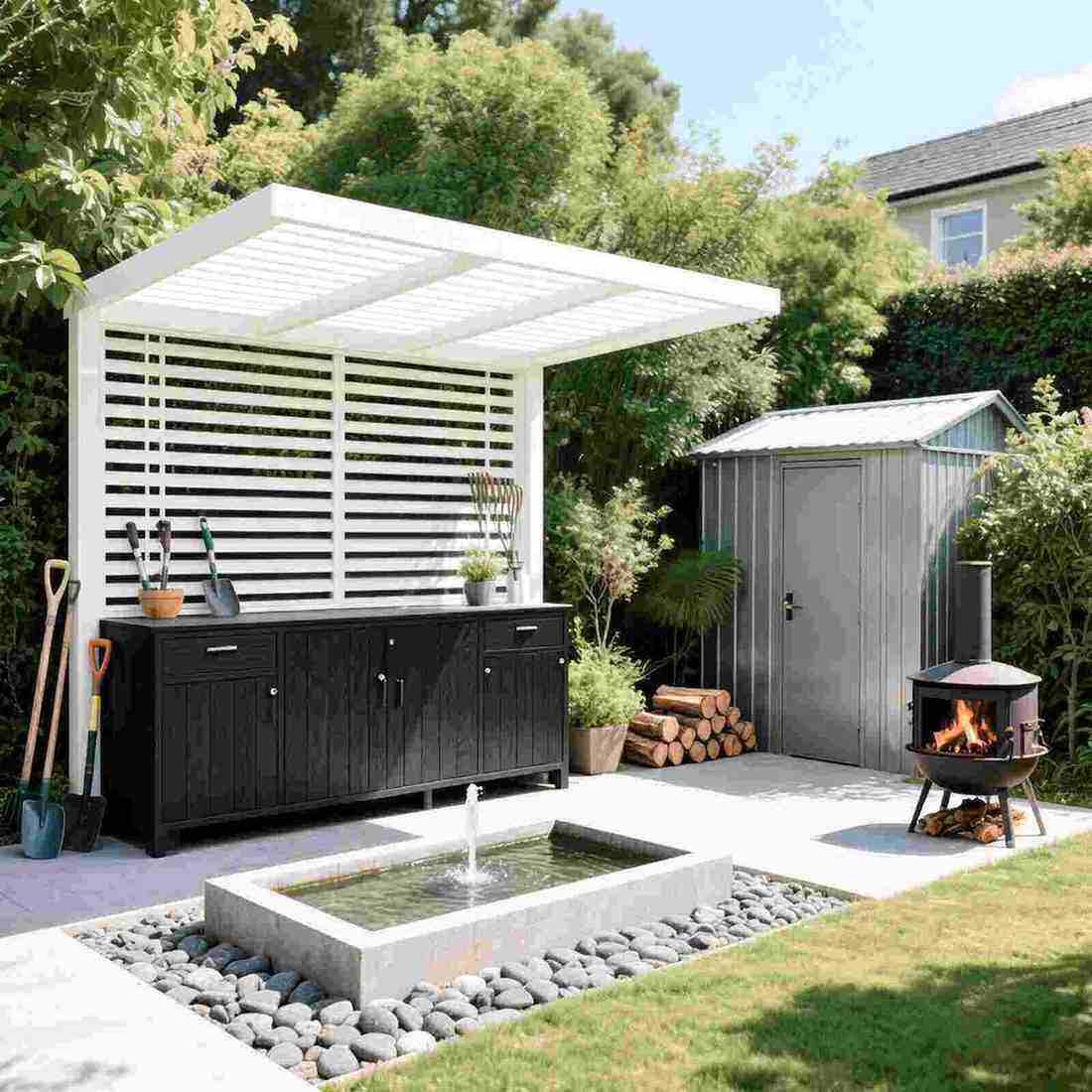
When decorating, every family inevitably needs to purchase various types of board furniture. Most families with elderly people or babies are very concerned about the environmental protection of furniture.
You can easily find tons of information about environmental standards for panel furniture online. But is it meaningful? No. The current industry environment is extremely chaotic, and people have virtually no concept of decoration, making it incredibly difficult to distinguish between genuine and fake products.
So how can ordinary homeowners choose environmentally friendly panel furniture? We need to know the following 5 points.
1. The E0 level does exist.
When purchasing building materials for home renovation, you'll definitely notice that many brands indicate the concepts of E0 or E1 grades. E0 is indeed clearly stated in the national standard. However, this standard is written for engineered wood flooring, and many manufacturers apply the same E0 standard to their building materials as a form of industry self-regulation.
2. Formaldehyde is not scary.
Formaldehyde is indeed toxic, but there's no need to be overly alarmed by it. Toxic substances need to reach a certain quantity to be harmful; formaldehyde is naturally present, so there's no need to worry excessively. Furthermore, there is no such thing as a substance with zero formaldehyde in the world.
The formaldehyde emission level of the national E0 standard can be completely blown away by opening the windows for two hours. There is no need to spend a lot of money on it during renovation, and even less need to be so scared that you dare not use the boards.
3. An E0 board is sufficient.
In China, as long as it's a major manufacturer, E0 or E1 grade boards are guaranteed in quality, so there's no need to worry after renovation.
On the contrary, it is more worrying to go out and buy boards to make cabinets yourself. Board trading is a large-scale business transaction between companies. Furniture factories have warehouses of several thousand square meters, which are used to store the boards they buy. If you buy one or two boards yourself, what you can get depends entirely on luck. You may be willing to spend money, but you may not be able to buy good stuff.
4. Using less glue does not necessarily mean it is safer.
There's a misconception circulating online that has become a "consensus": particleboard and chipboard use more glue, while blockboard and finger-jointed boards use less, therefore particleboard is inferior.
The first part of the sentence is correct, but the problem is-there isn't just one type of glue in the world. Urea-formaldehyde resin, which is cheap but releases a lot of formaldehyde, costs two to three thousand yuan per ton; good imported formaldehyde-free glue costs tens of thousands of yuan per ton.
The latter type of adhesive, even if used in a ton, is cleaner than the former, which requires two or three layers. Don't be misled by this claim during renovations. Environmentally friendly boards are made with high-quality base materials, use environmentally friendly adhesives in the production process, and are pressed at high temperatures, thus releasing residual formaldehyde more effectively.