
 USD
USD GBP
GBP
 EUR
EUR
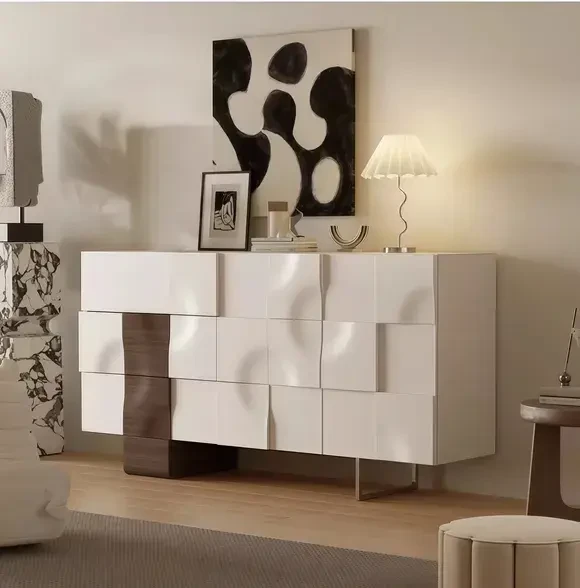
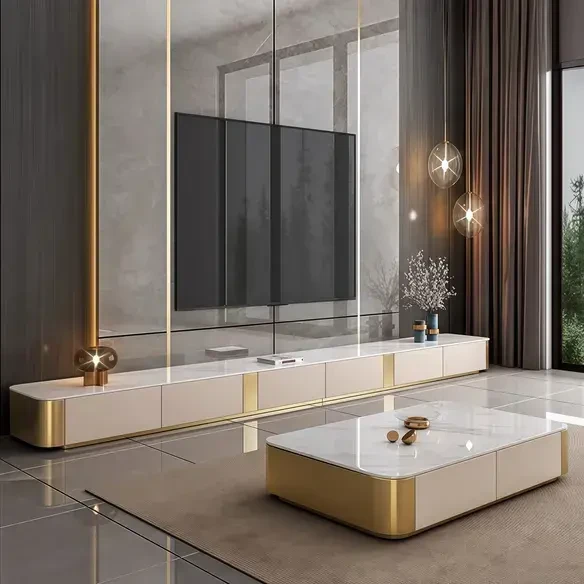
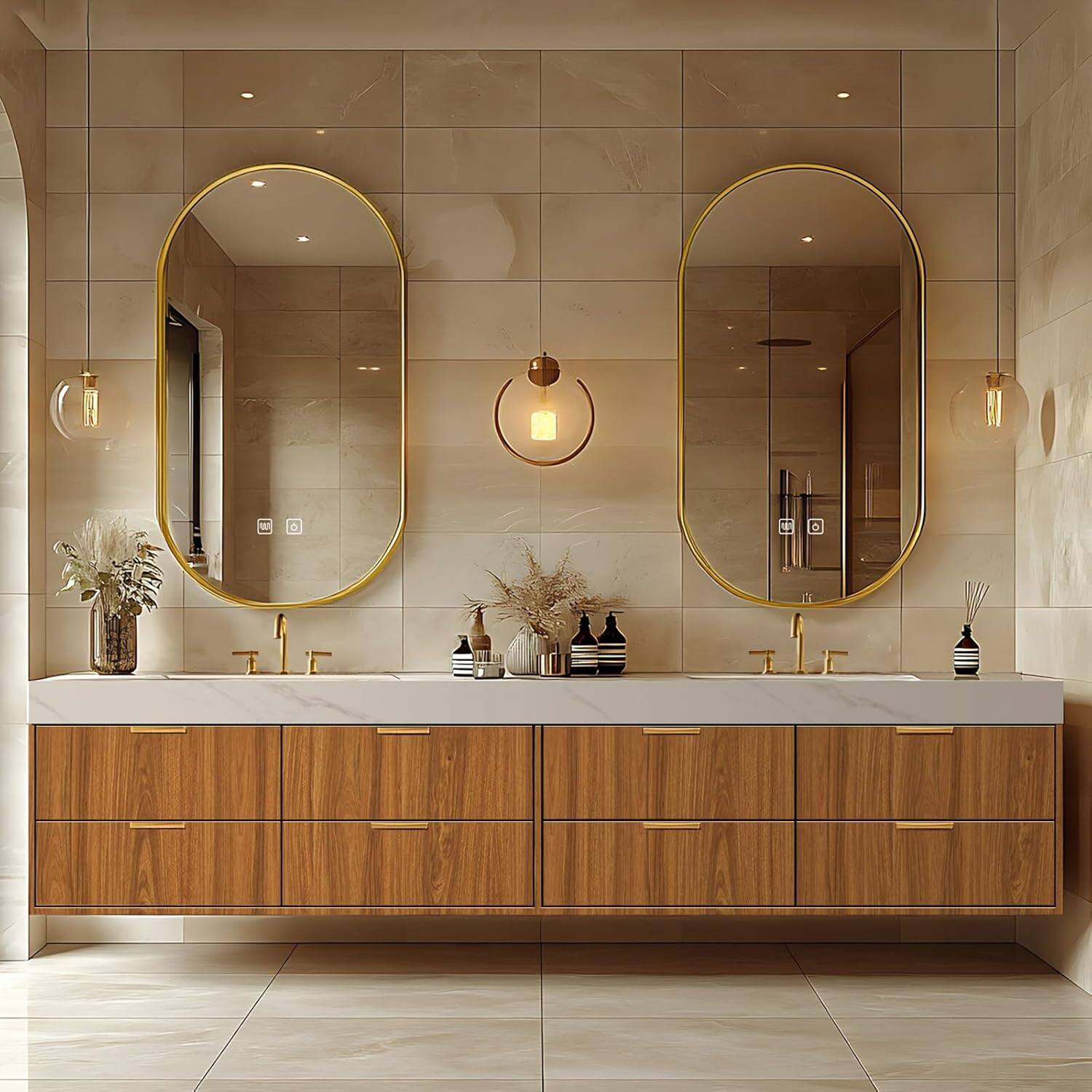
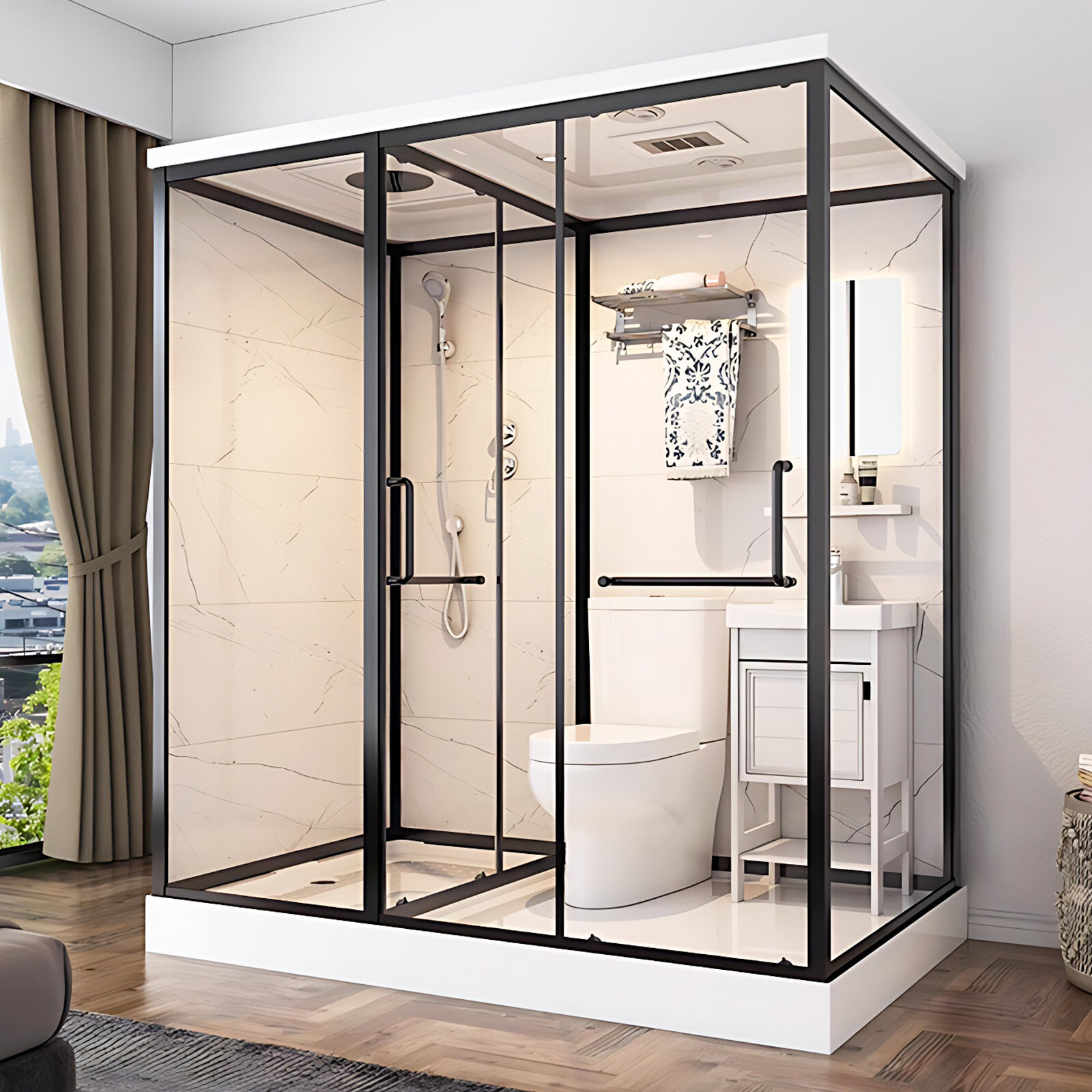
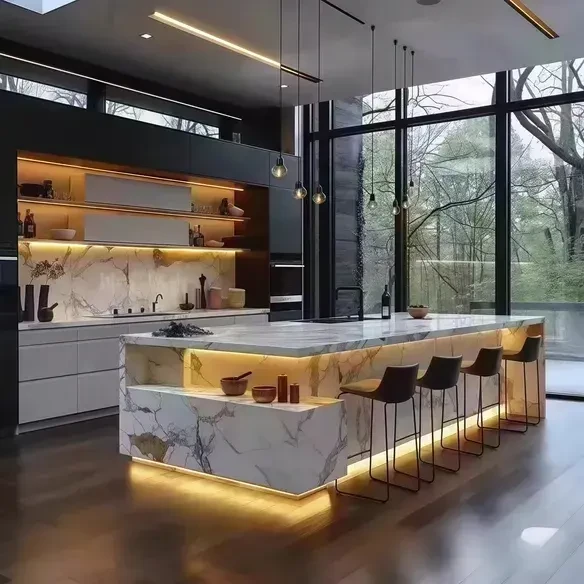

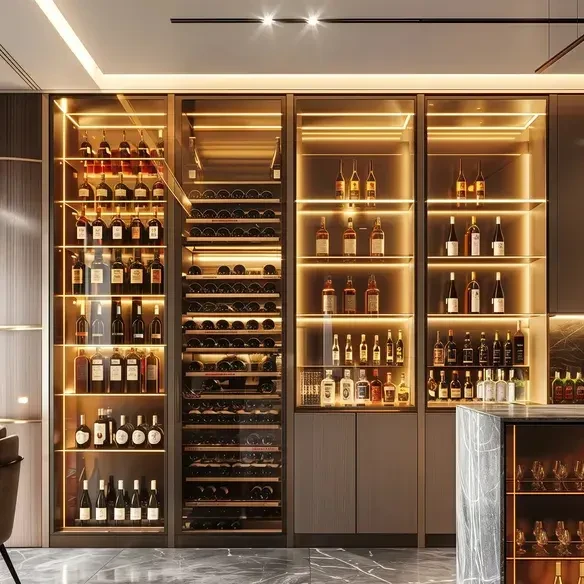
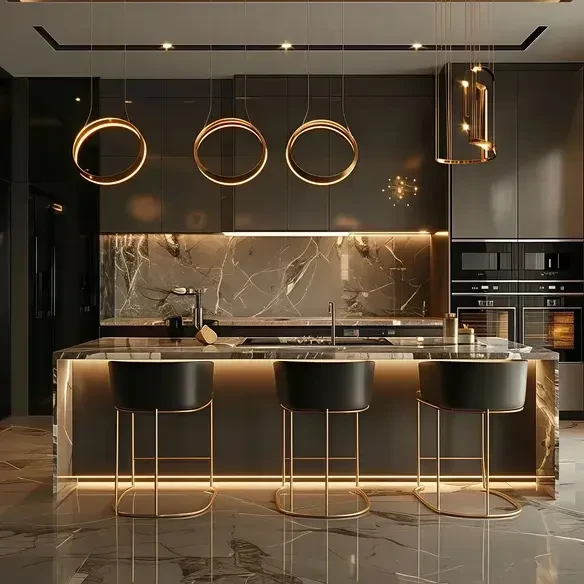

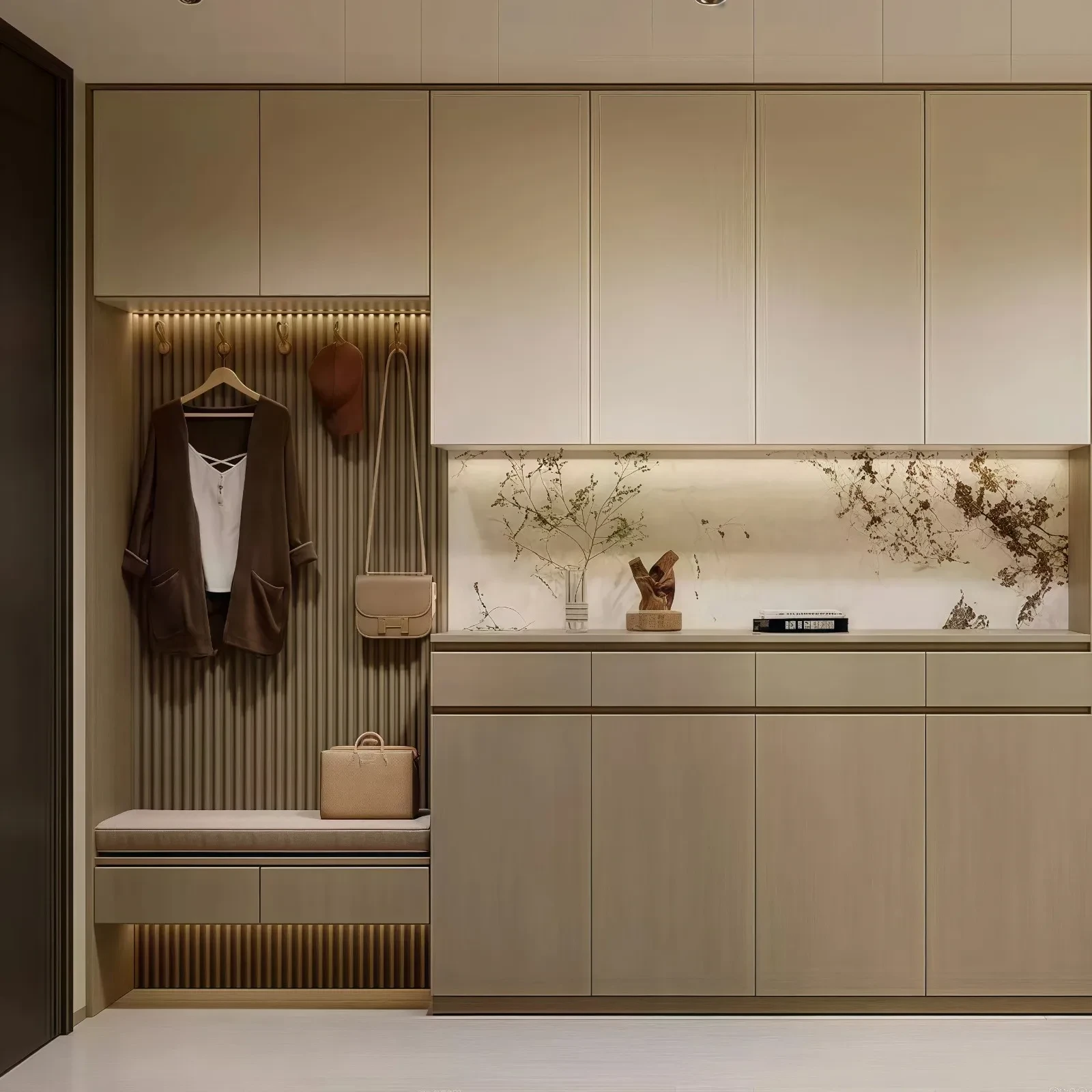
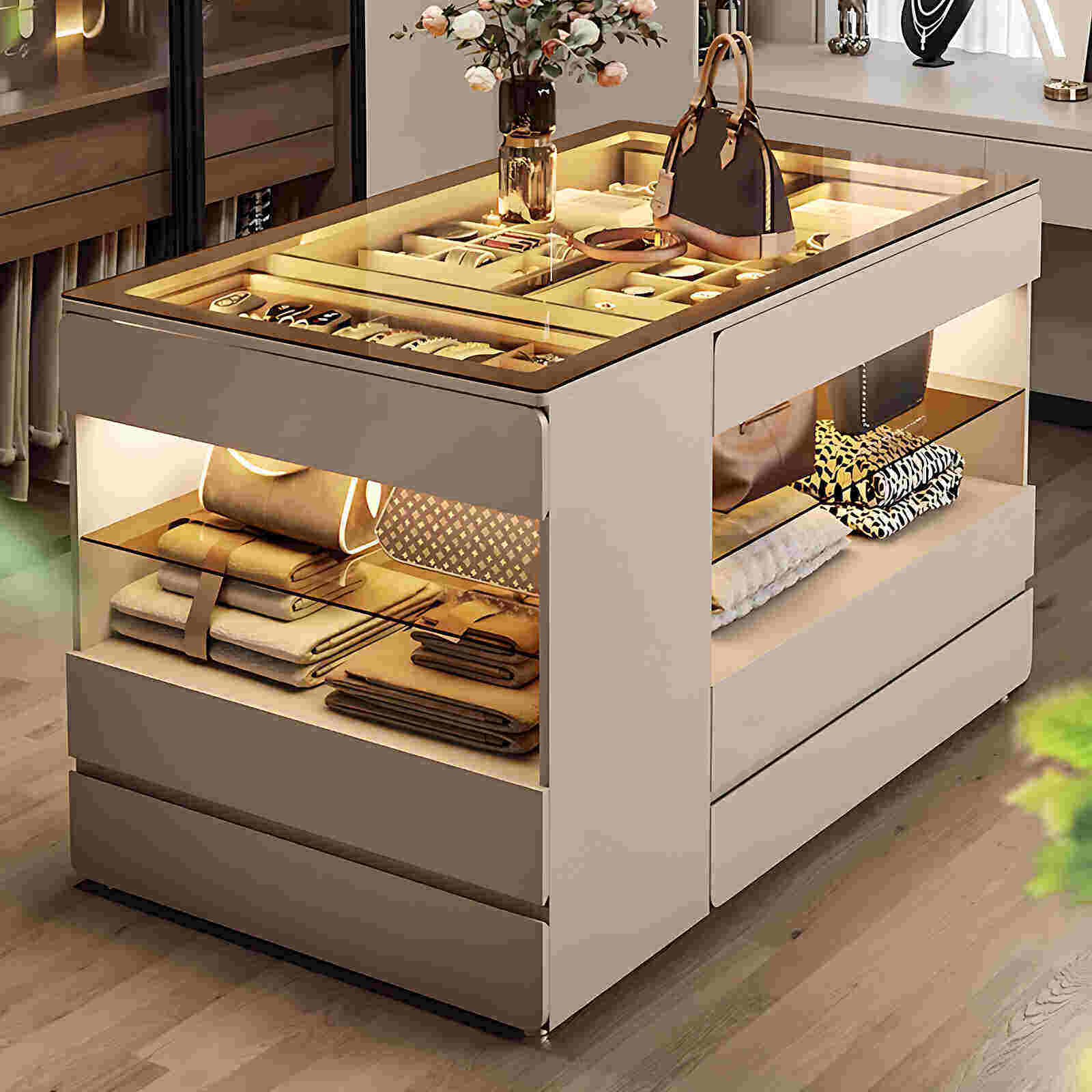
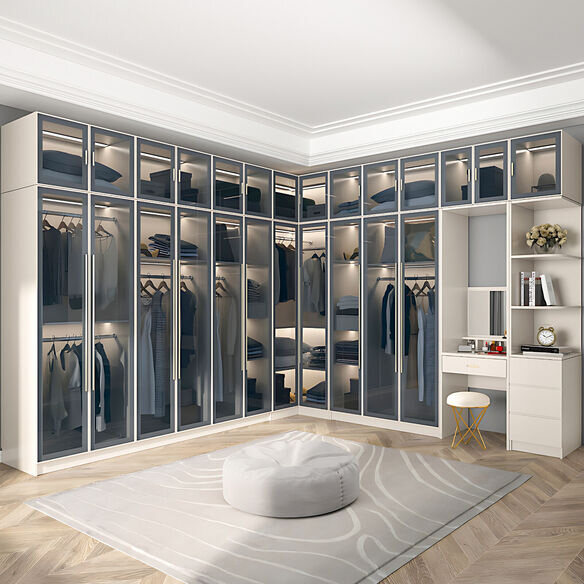
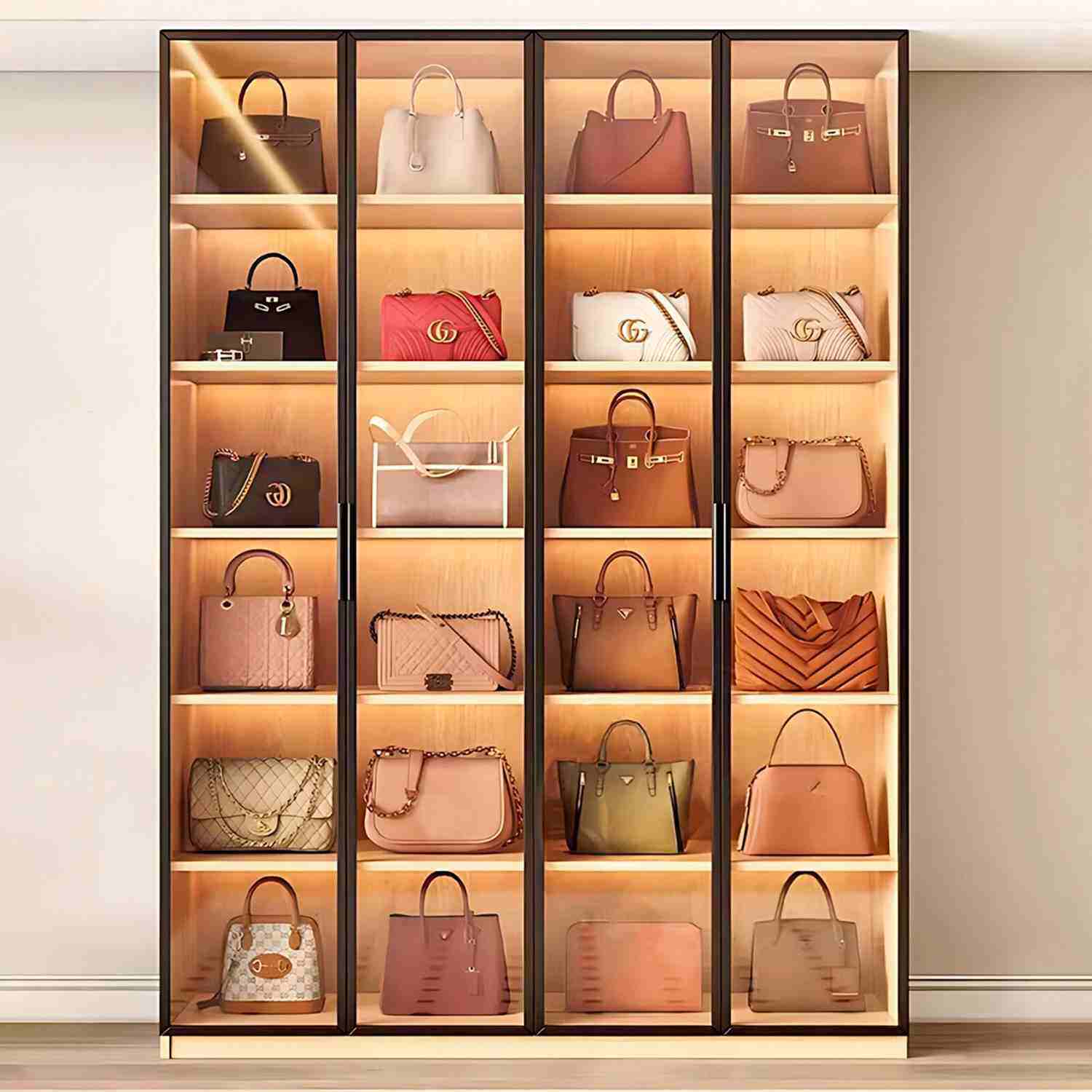
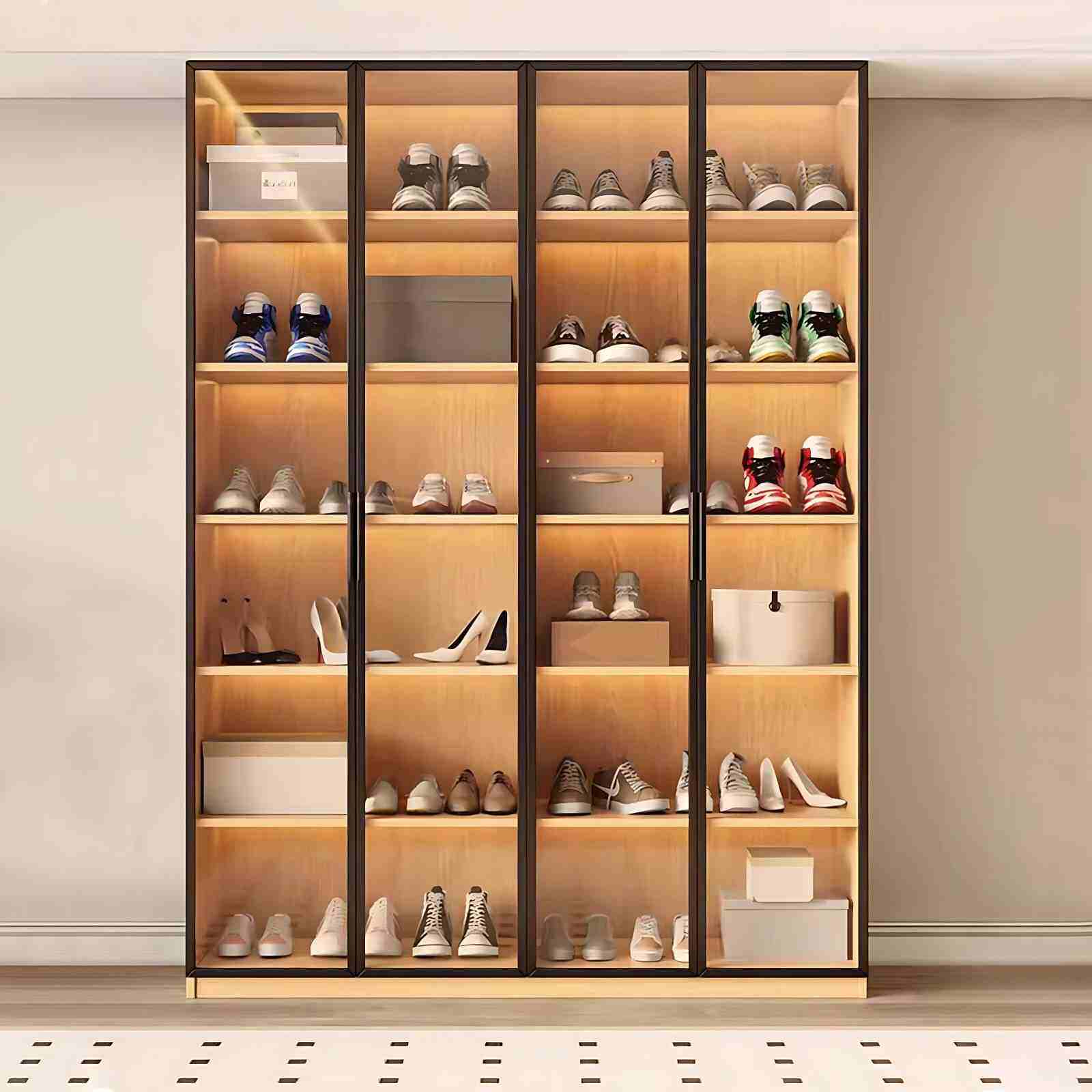
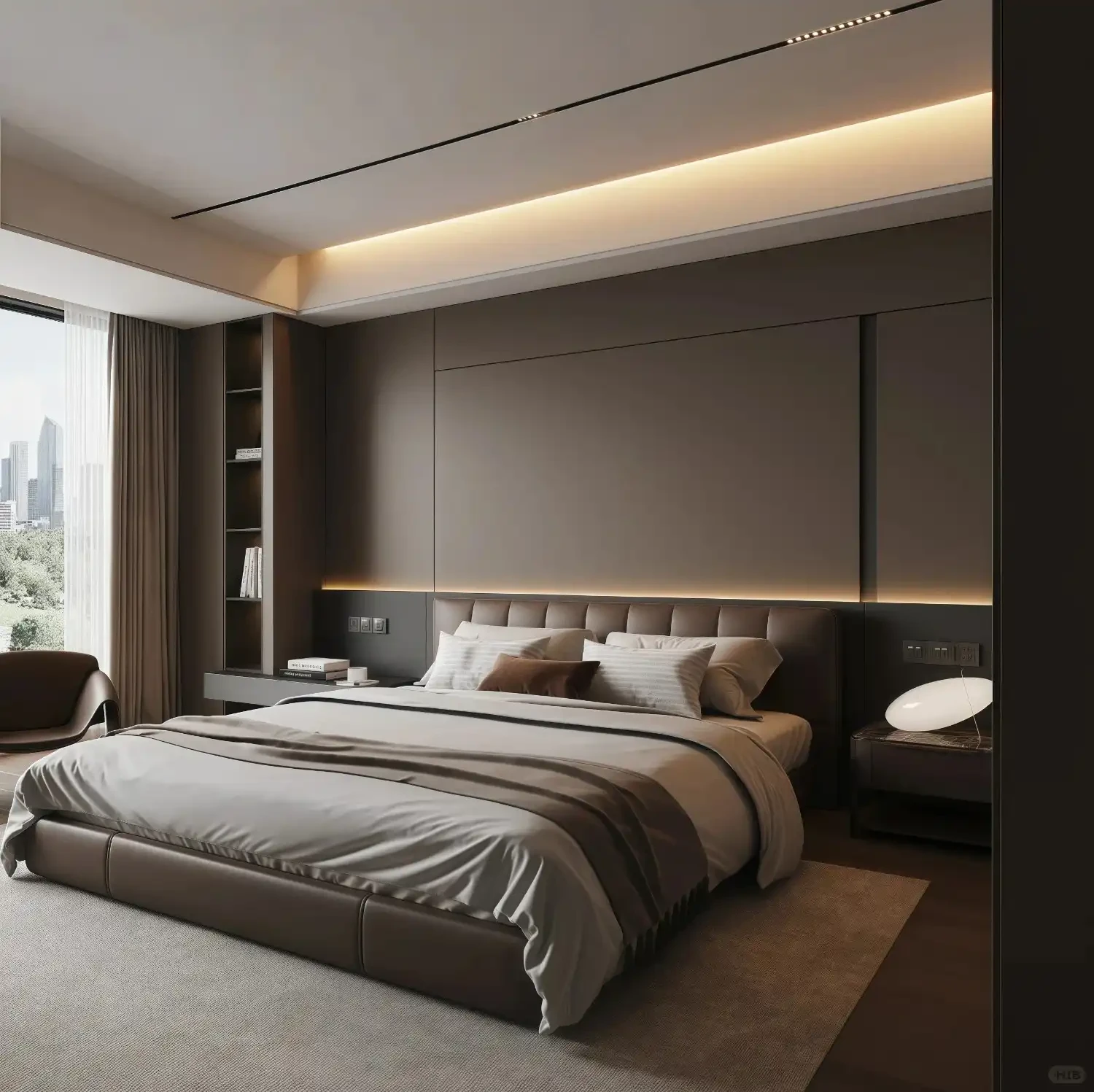
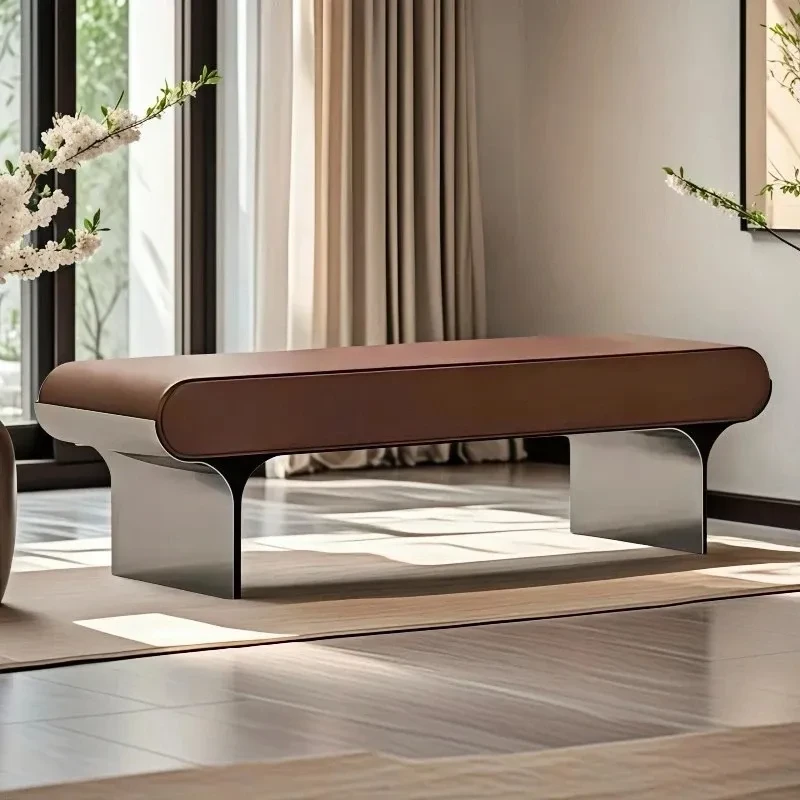
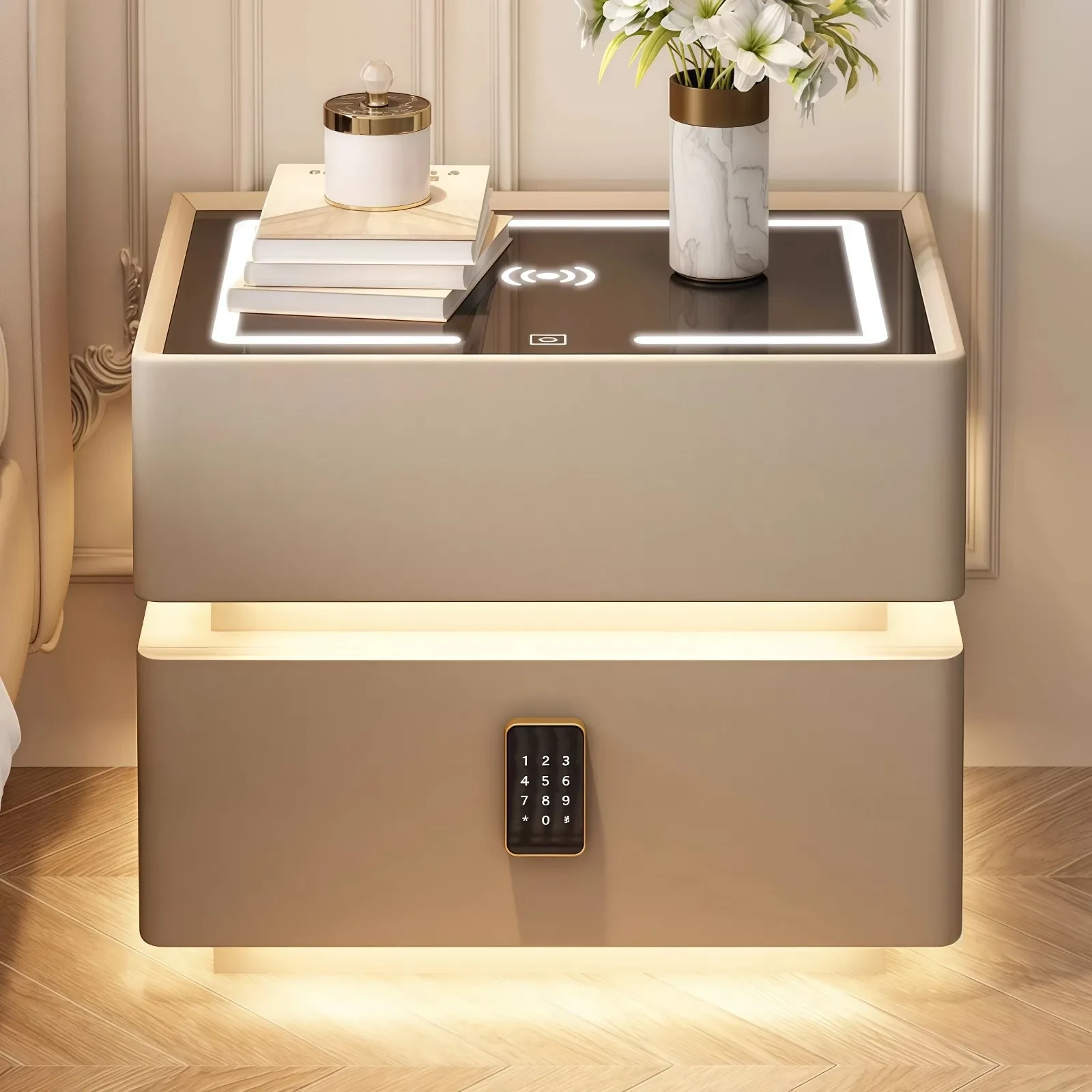
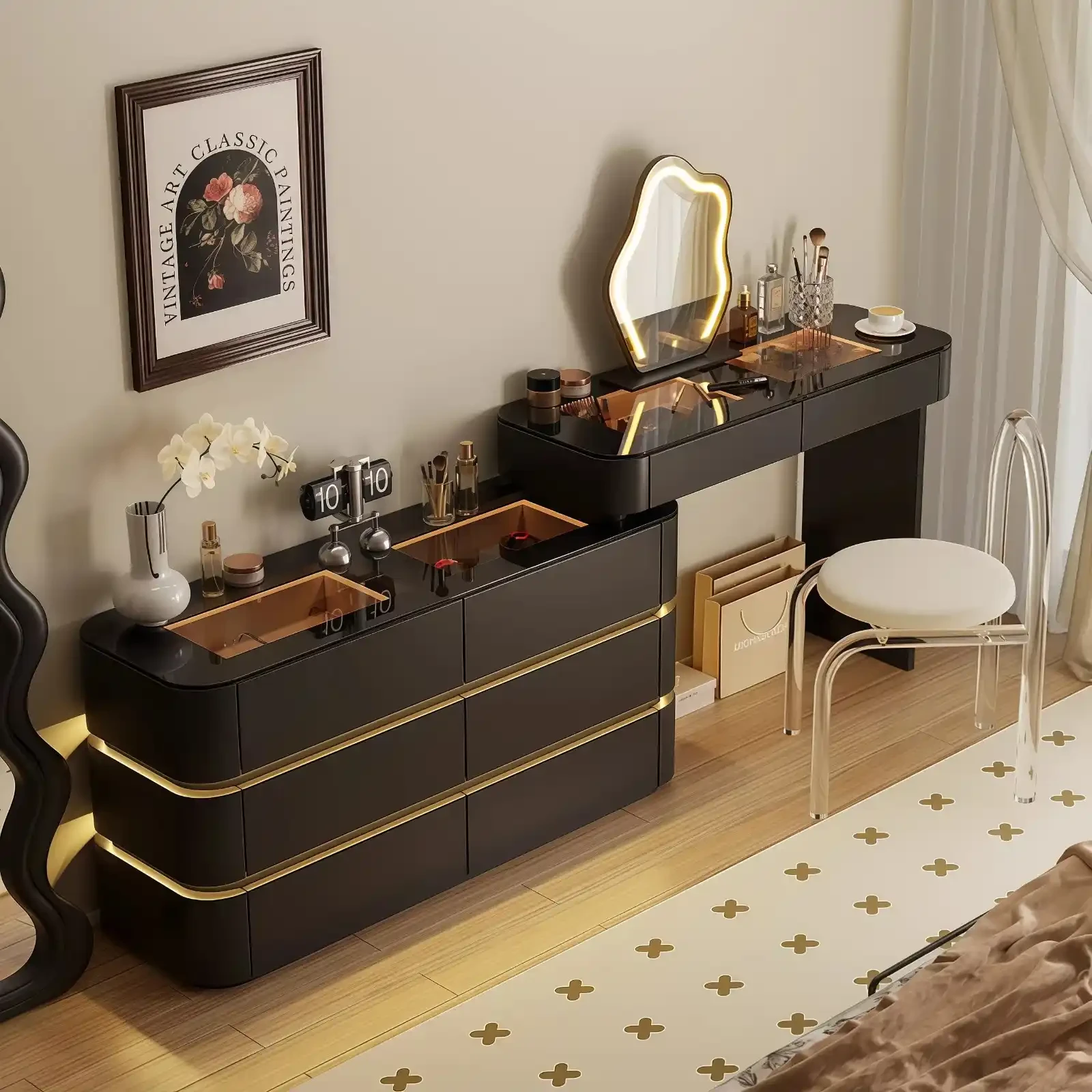
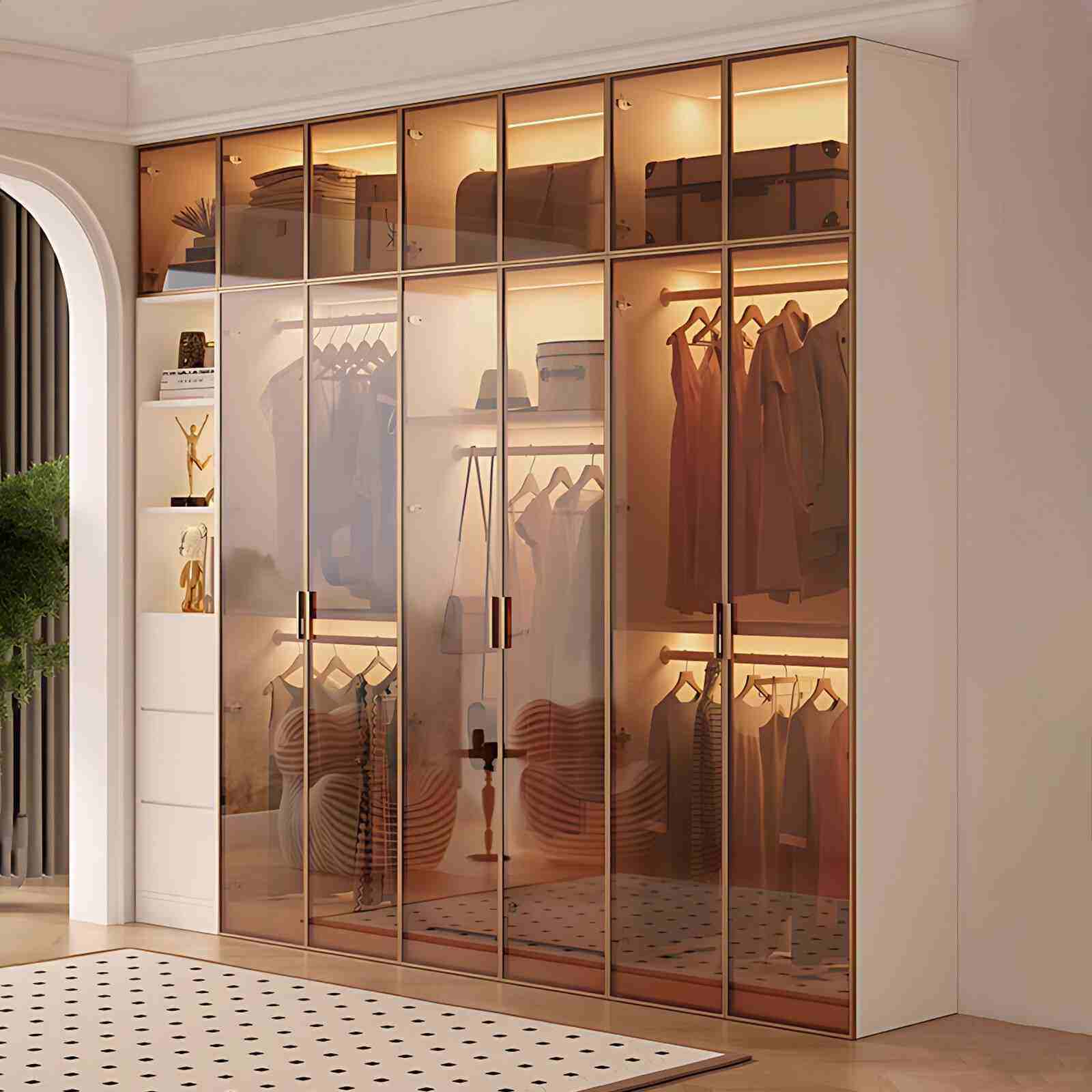
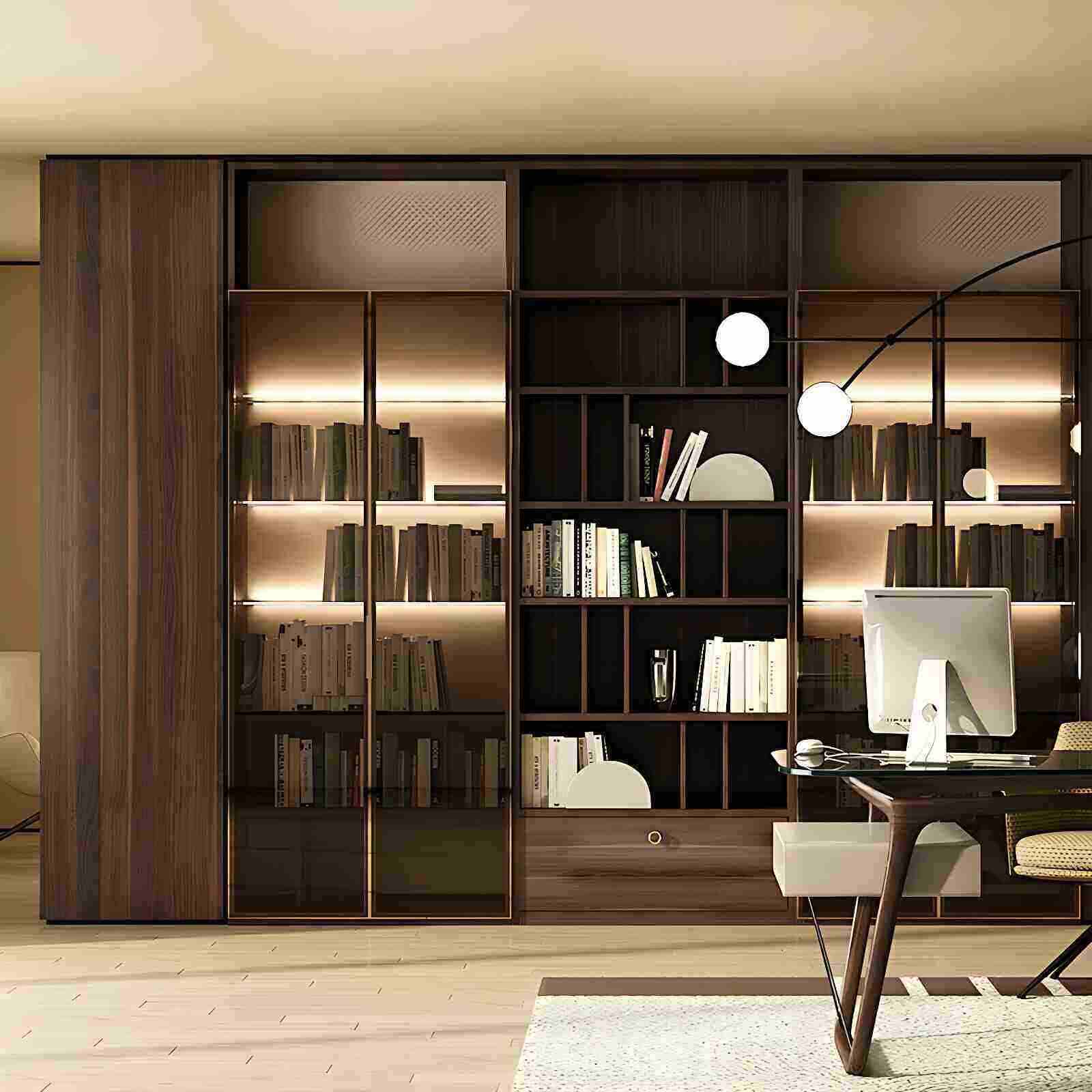

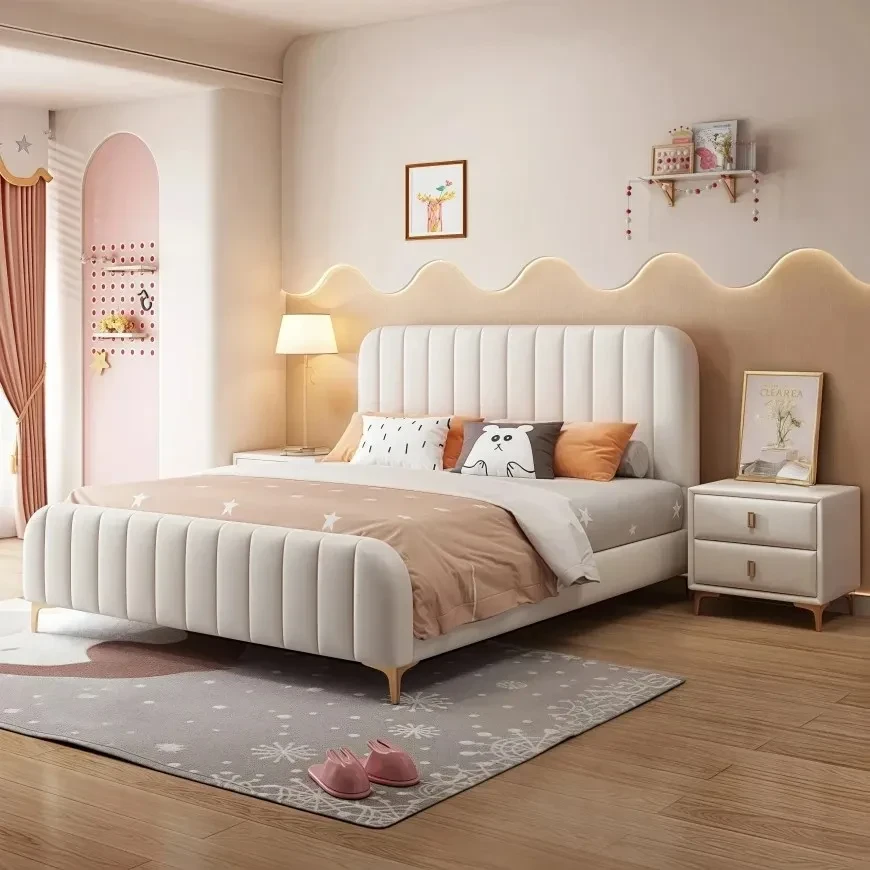
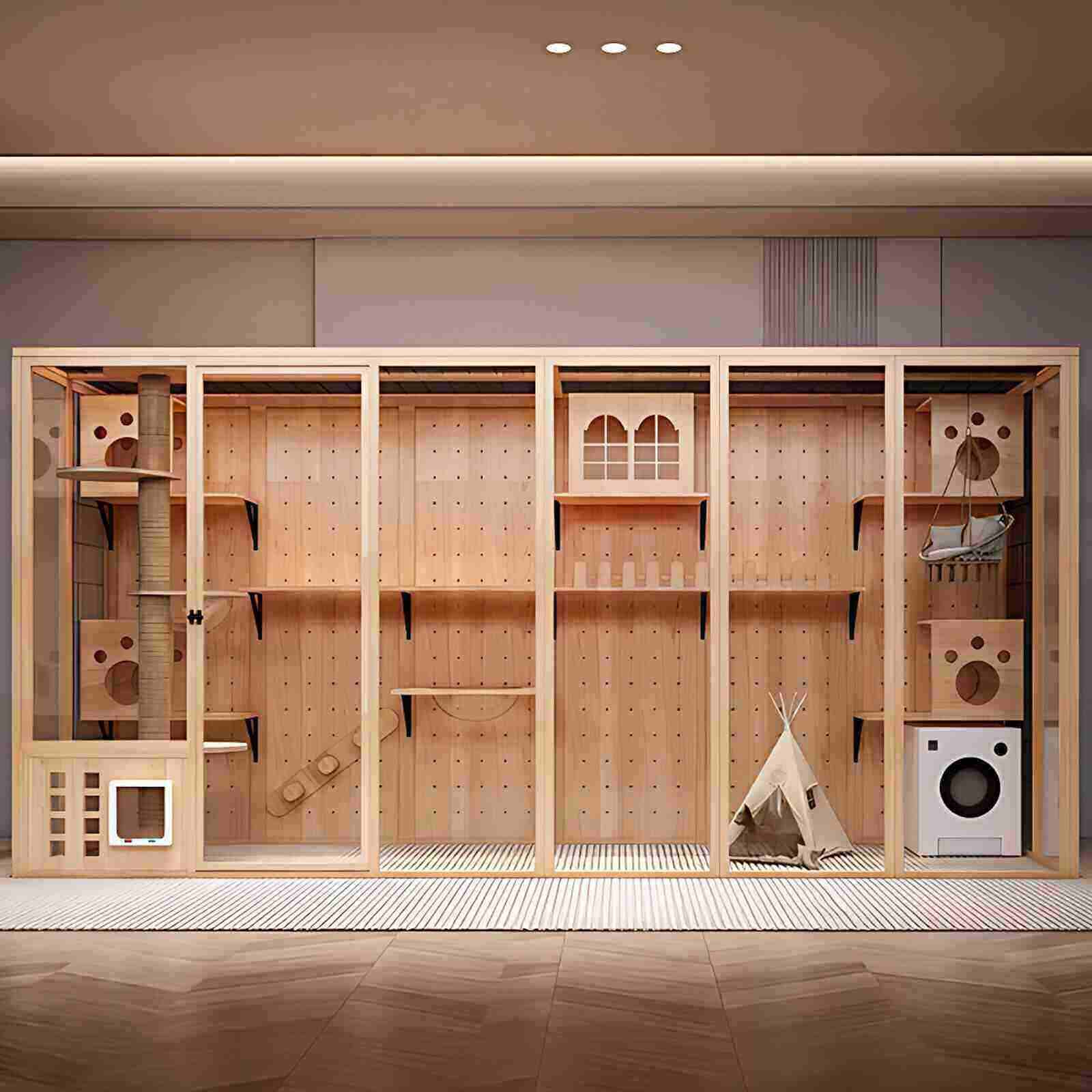
Whole-house customization is currently very popular in the market, and many people prioritize it when decorating their homes. However, the quality of whole-house customization mainly depends on the quality of the boards used, and whether it is environmentally friendly depends mainly on the formaldehyde content of the boards. You can judge whether the boards used in whole-house customization are environmentally friendly from the following aspects.
Check the edge banding process
The edge banding technology in whole-house customization mainly involves sealing the outer substrate of the boards with edge banding tape to prevent formaldehyde emissions. There are two types of edge banding: machine edge banding and manual edge banding. Machine edge banding is more stable and secure; manual edge banding is not as effective, uses more glue, and is prone to peeling.
We have introduced German HOMAG edge banding machines and PUR hot melt adhesive edge banding technology, which ensures high stability.
Check the amount of glue used
Most boards are engineered wood products, which are mainly made of wood boards and glue. The less glue used, the more wood is used, and therefore the lower the formaldehyde content.
Based on the raw materials and processing levels of various engineered wood products, the glue usage of the four main substrates, from highest to lowest, is as follows: Particleboard > Core Board > Multi-layer Board > Super Core Board. Regardless of the type of board, all materials are guaranteed to meet and exceed environmental standards.
This leads to the next point.
Check the quality of the glue
Traditional wood-based panels primarily use three types of adhesives: urea-formaldehyde resin, phenolic resin, and melamine resin. These adhesives use formaldehyde for support, which can react chemically in high-temperature, high-humidity environments, releasing formaldehyde and polluting indoor air. Therefore, summer is also a season with relatively high formaldehyde levels.
We use our independently developed soybean plant-based adhesive to reduce formaldehyde addition from the source of production, ensuring the environmental friendliness of our boards. This independently developed soybean plant-based adhesive has also received patent recognition.
What
Are imported boards always better than domestic boards?
Not necessarily! The introduction of the new national standard has set higher requirements for environmental protection standards in the home decoration industry. If home decoration companies want to have a place in this market, they must improve their production technology and make their products more environmentally friendly and of higher quality in order to win the favor of consumers.
Therefore, as China places increasing emphasis on the environmental protection level of wood-based panels, imported panels are not necessarily superior to domestic panels. To determine whether a panel is environmentally friendly, one must look at the composite materials and technology used.
TBB, a brand that has environmental protection ingrained in its DNA.
Personalized health solutions for a better home!