
 USD
USD GBP
GBP
 EUR
EUR
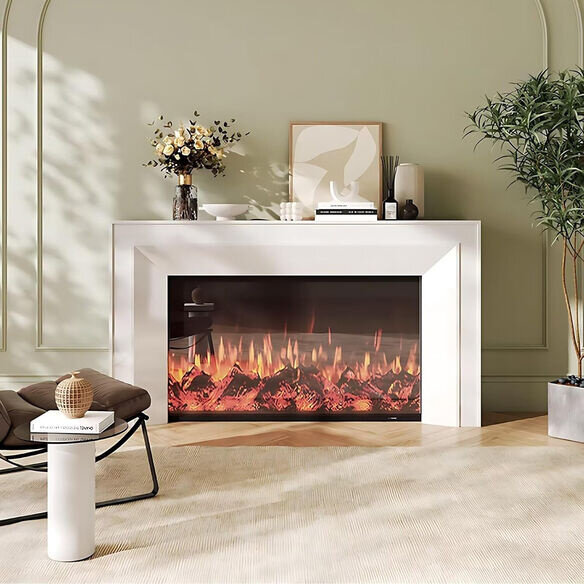
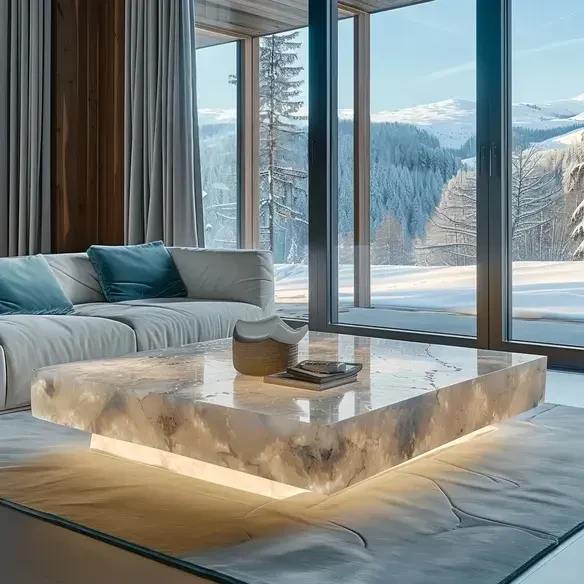
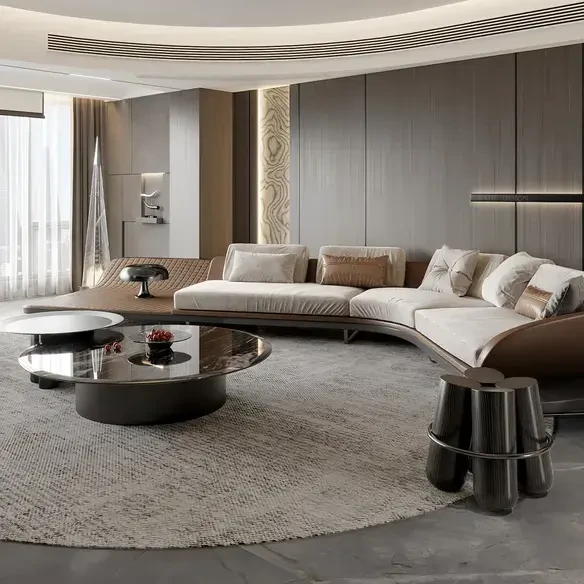
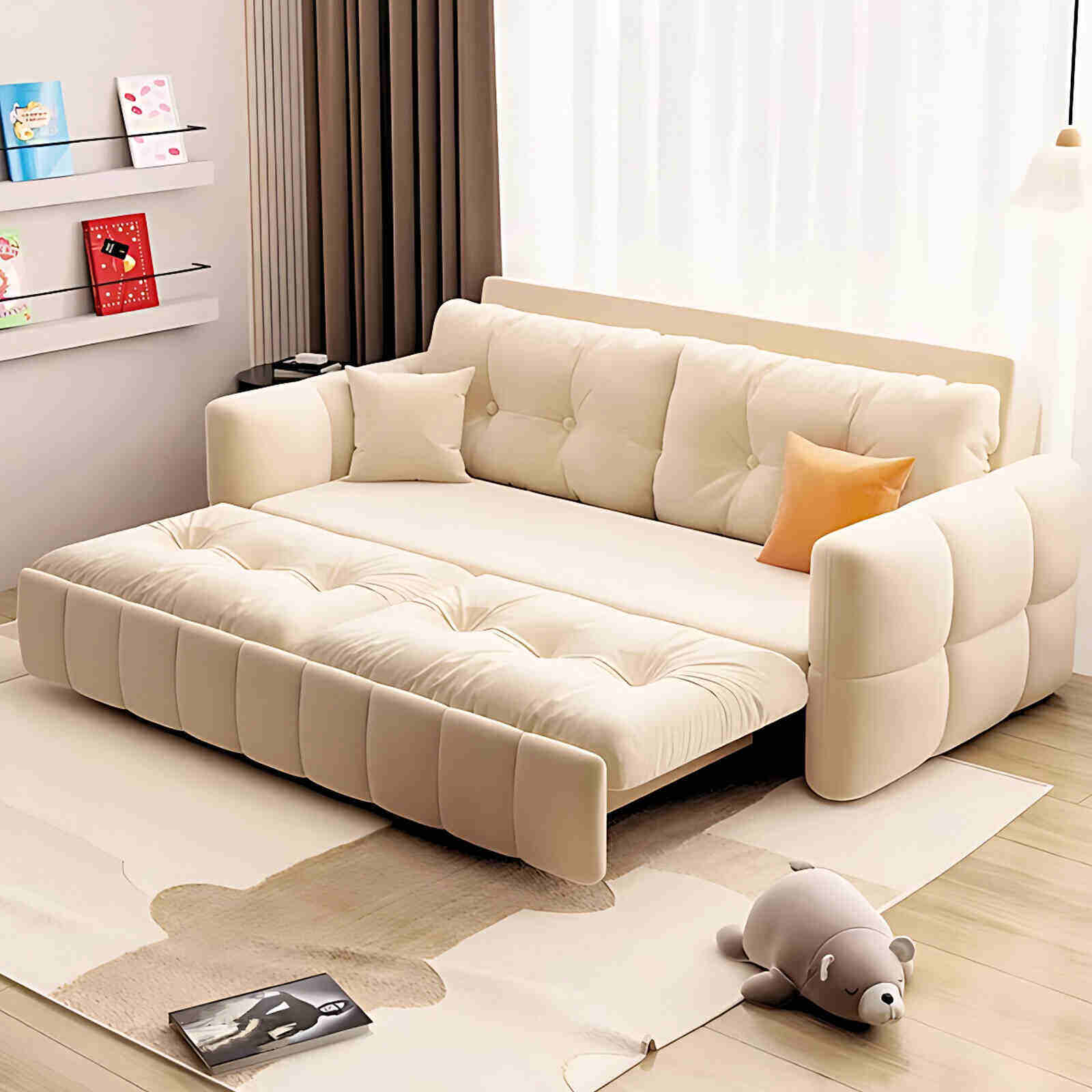
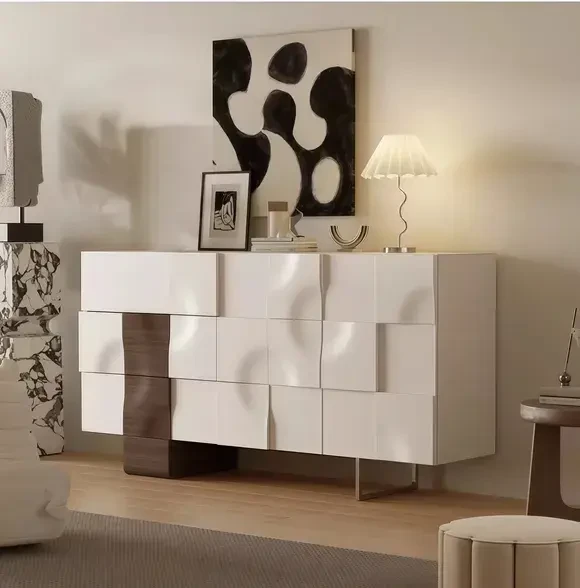
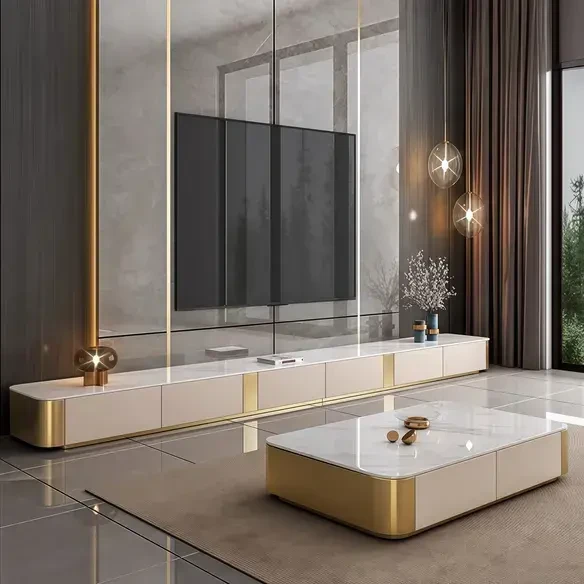
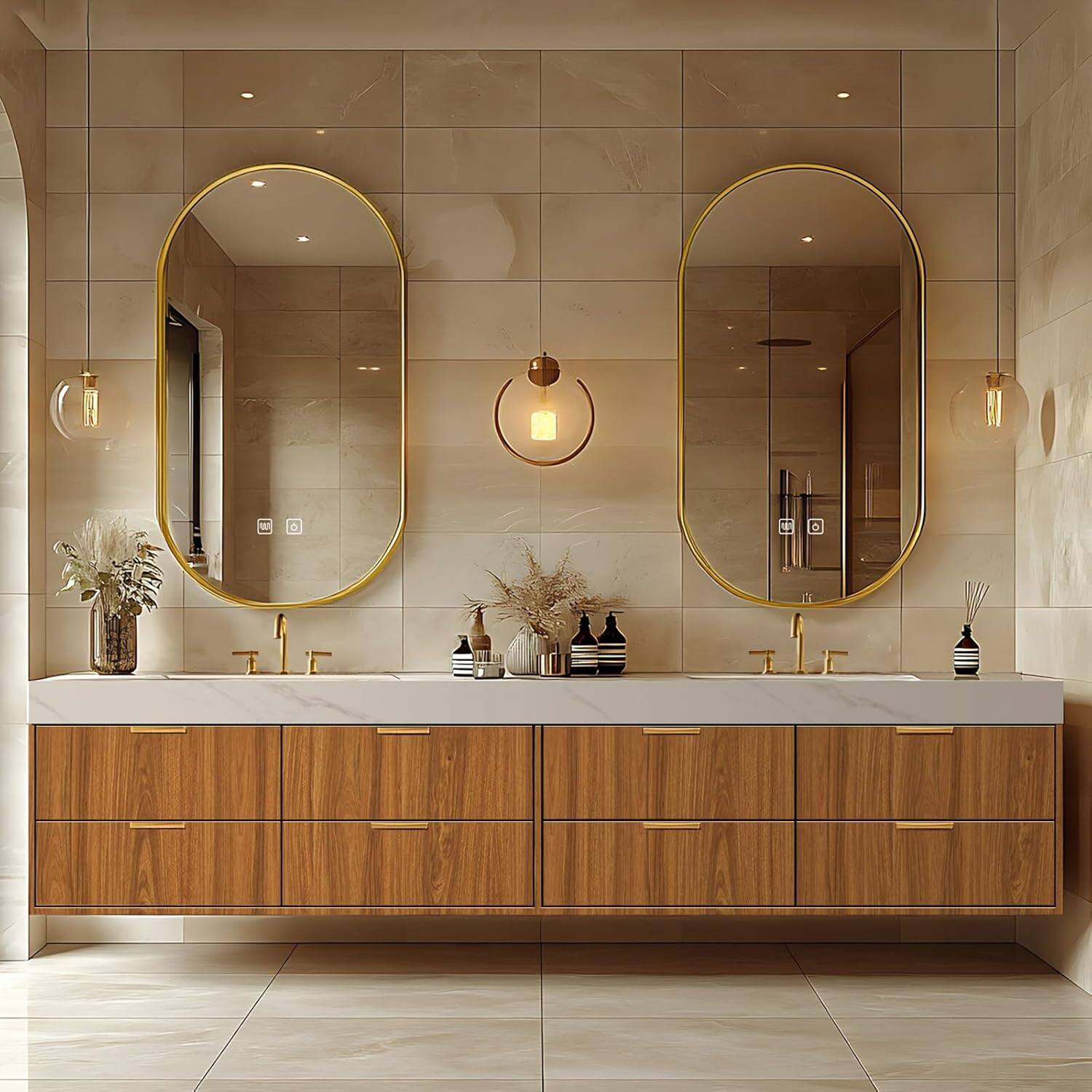
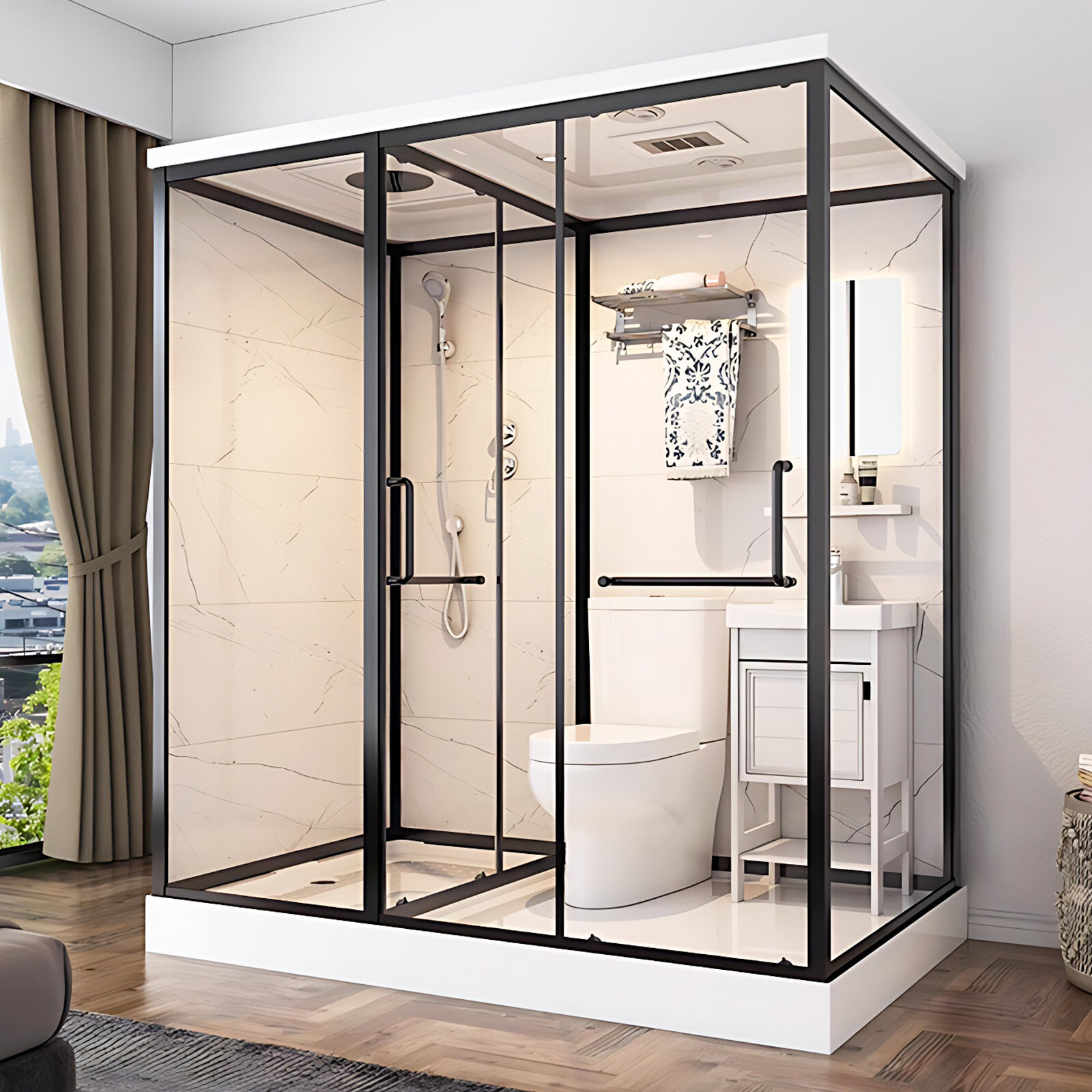
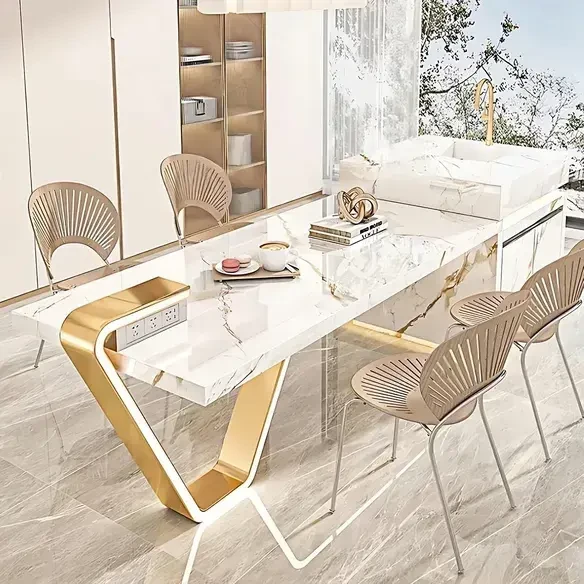
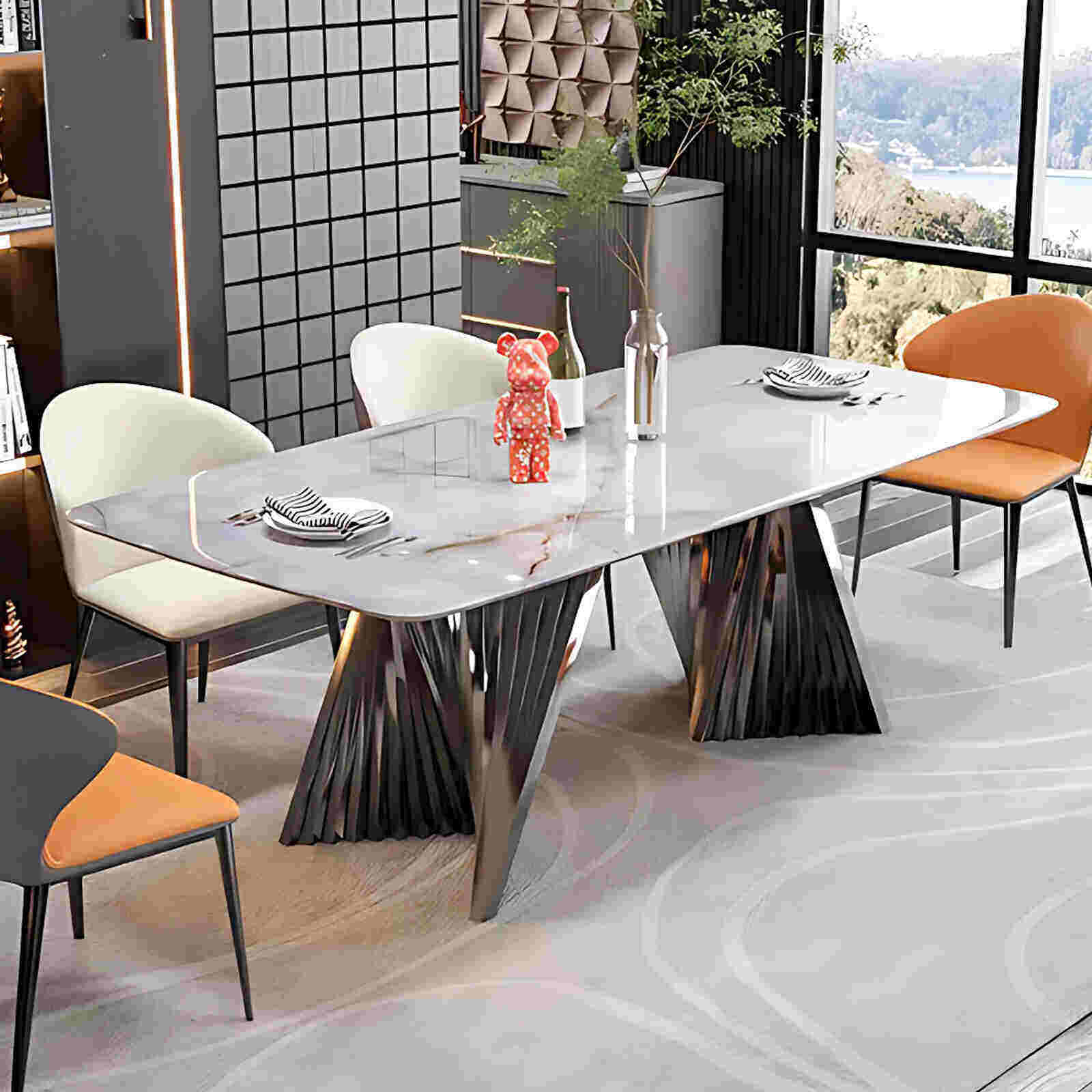
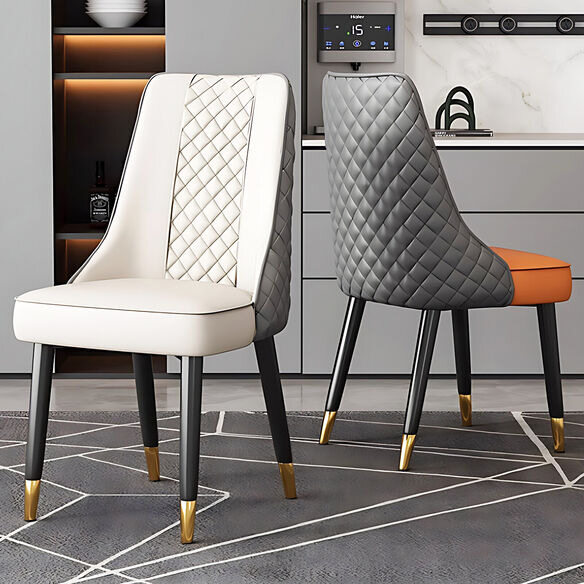
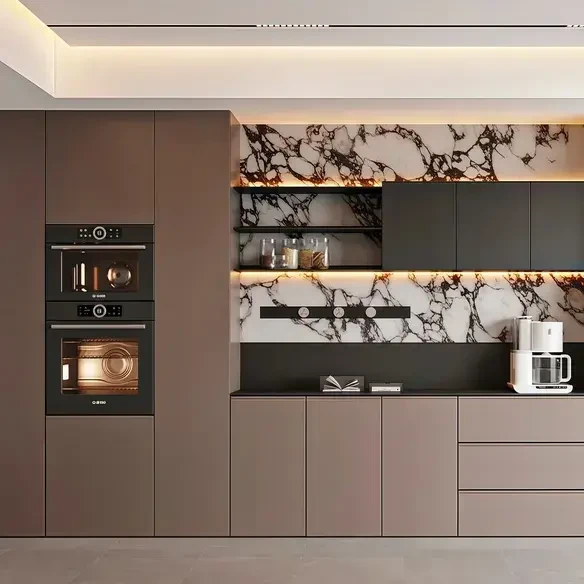
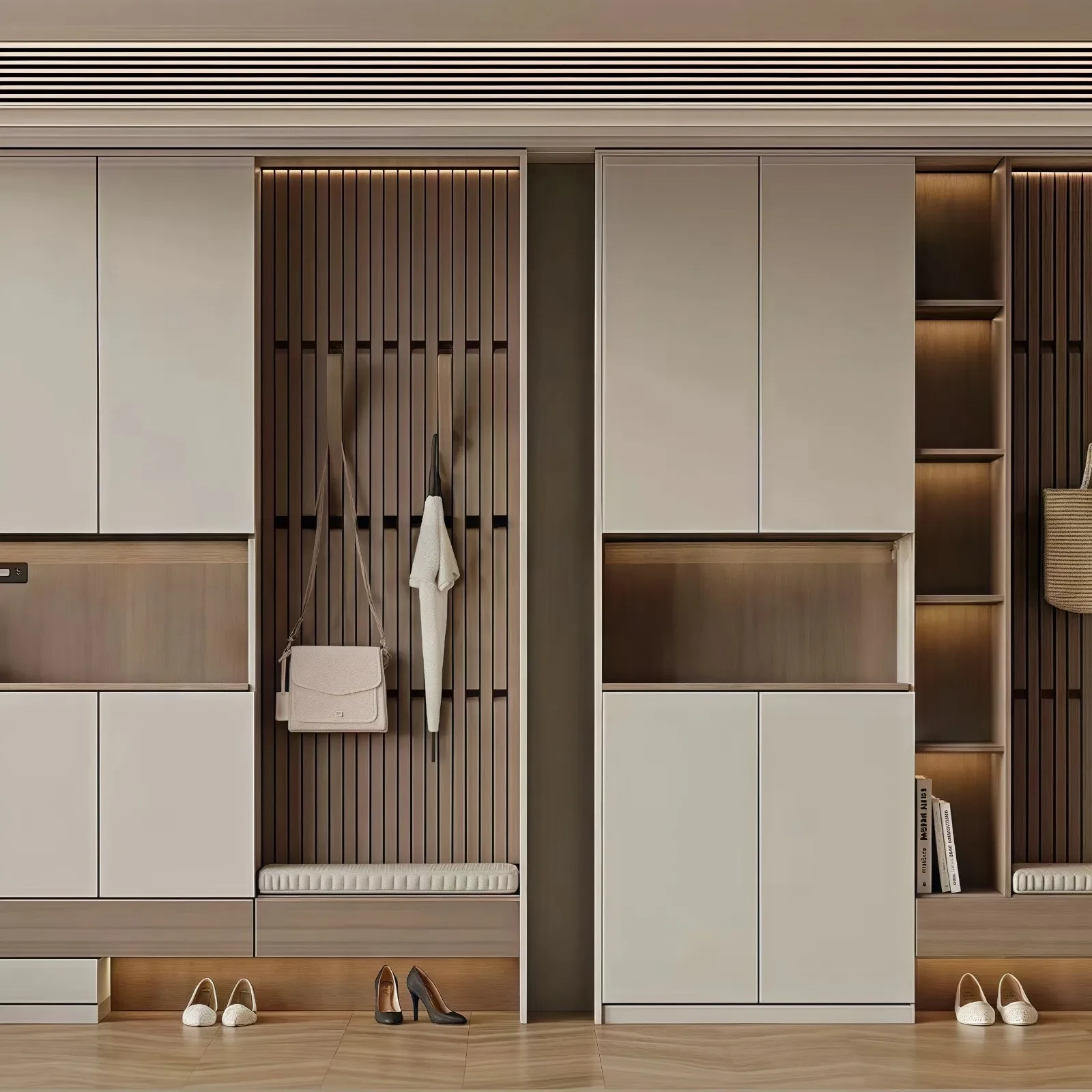
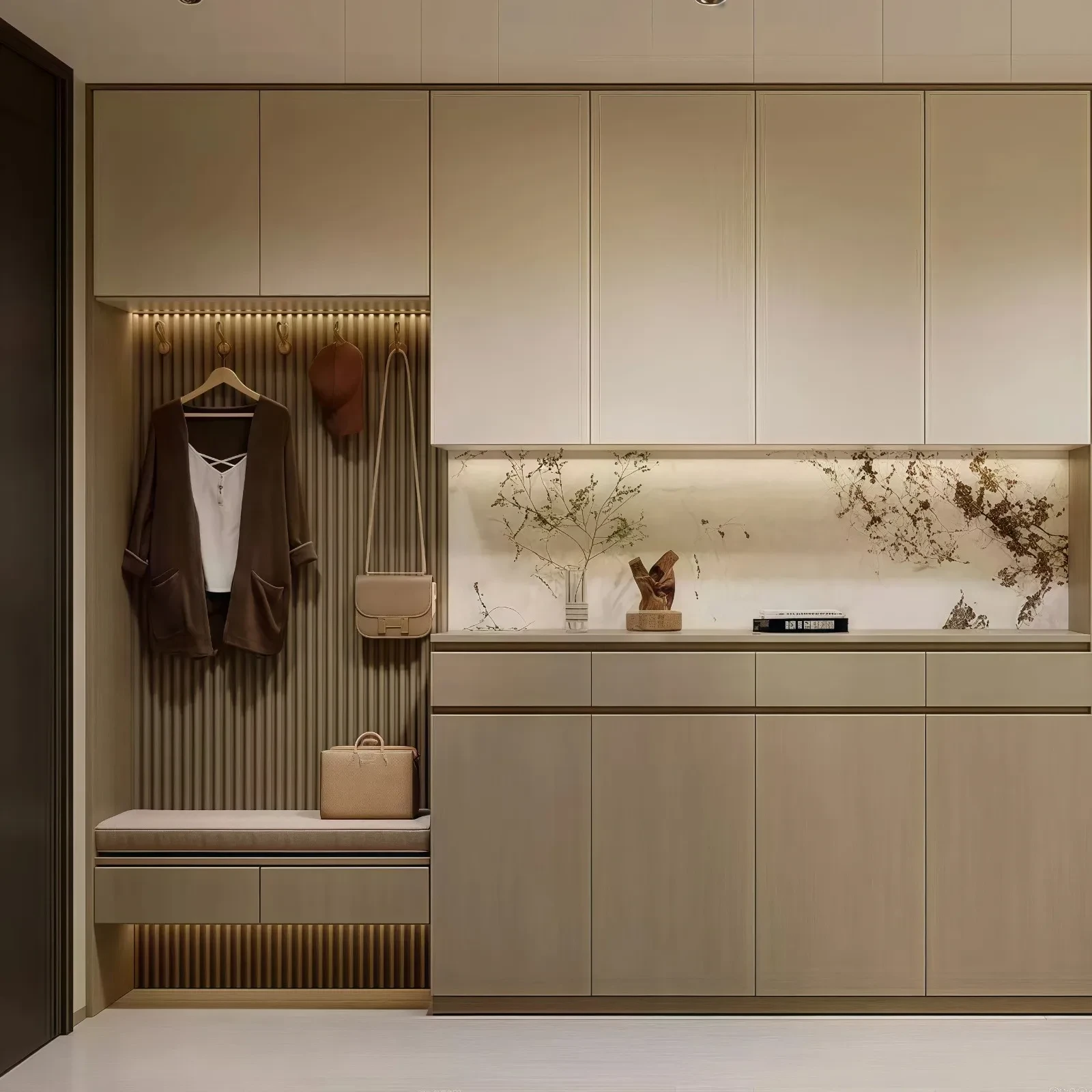
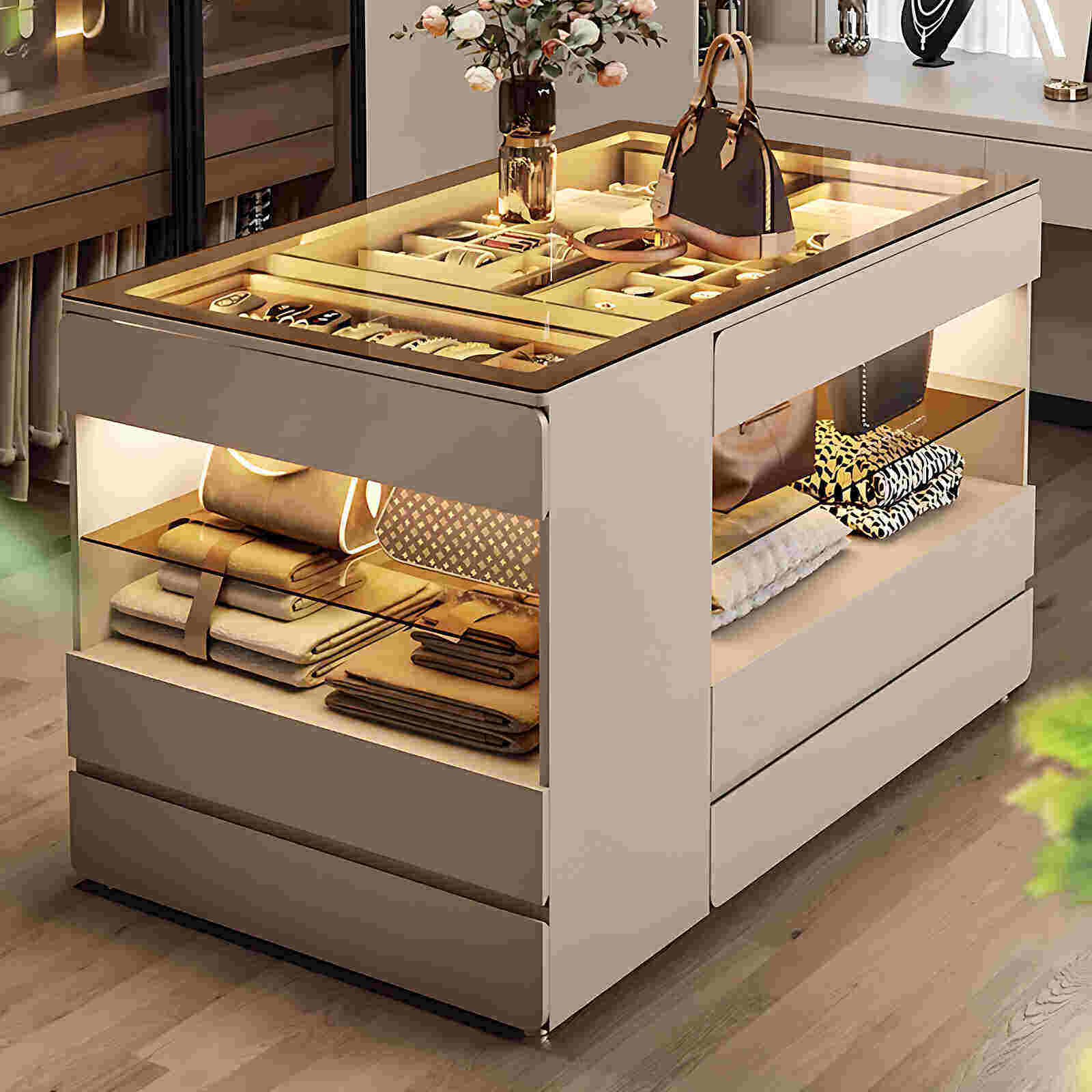
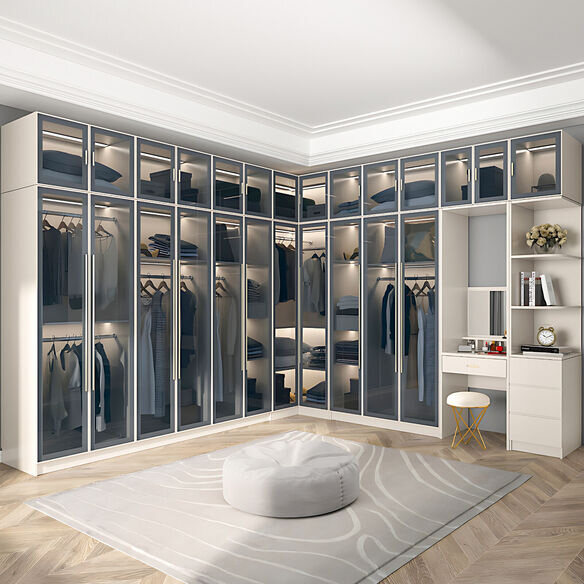
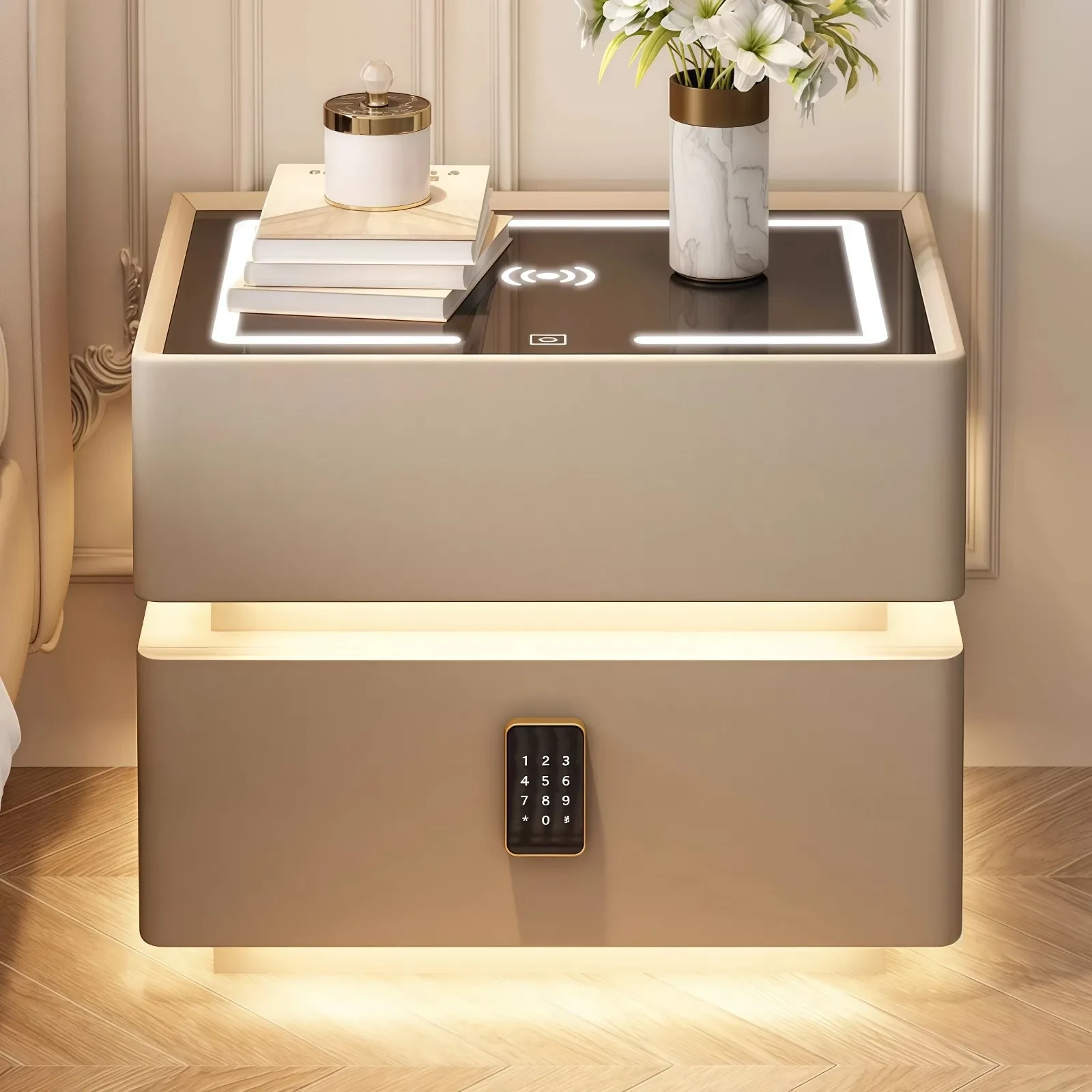
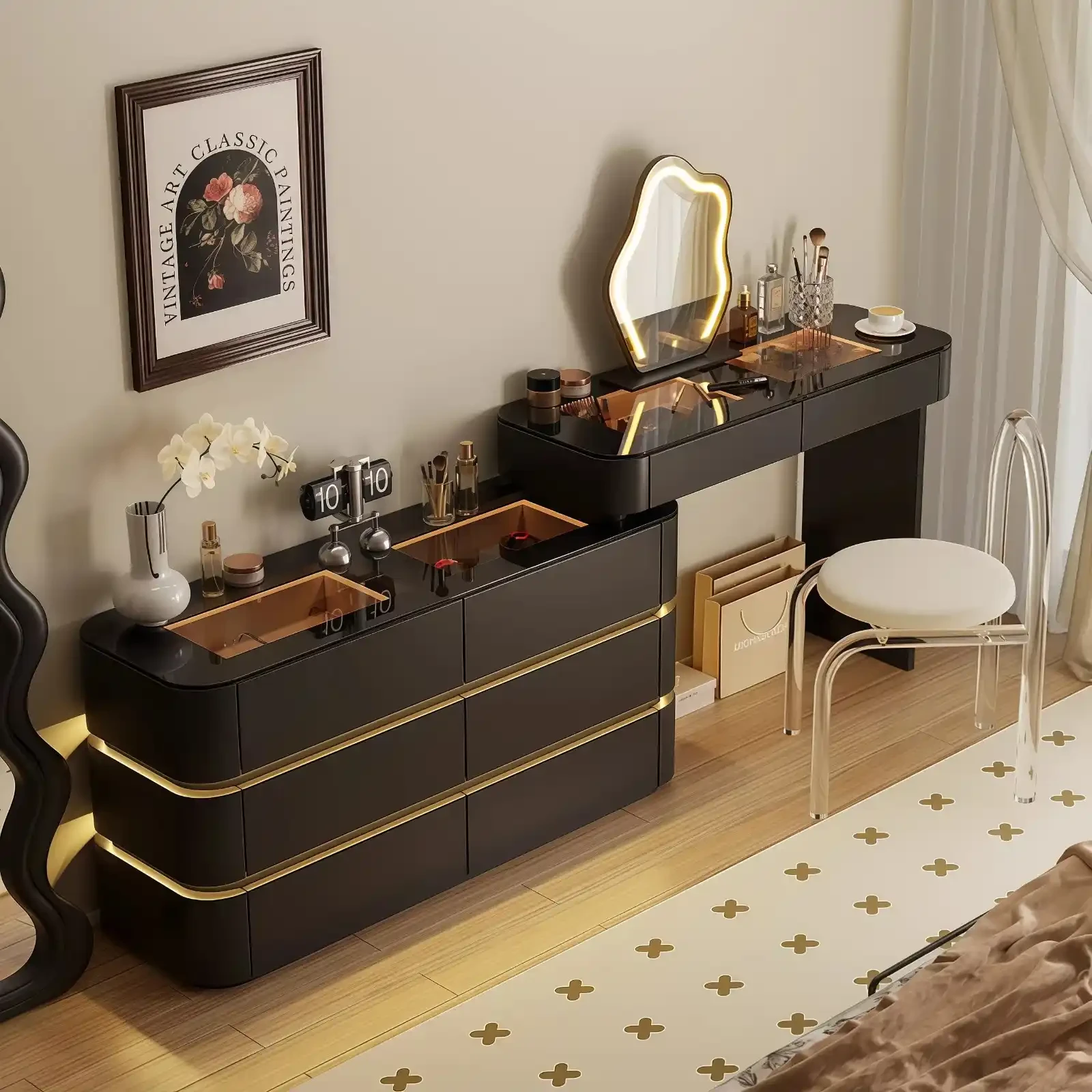
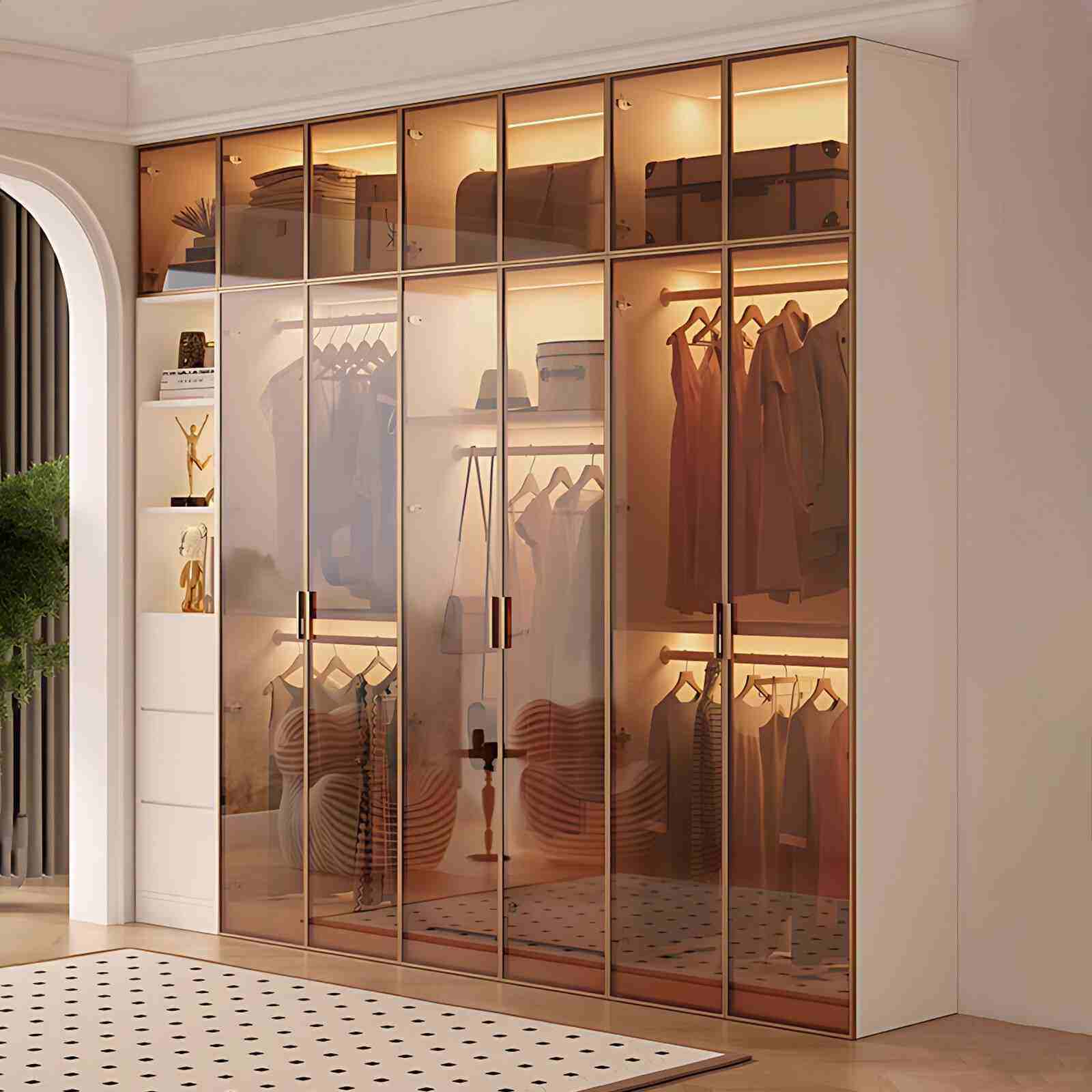
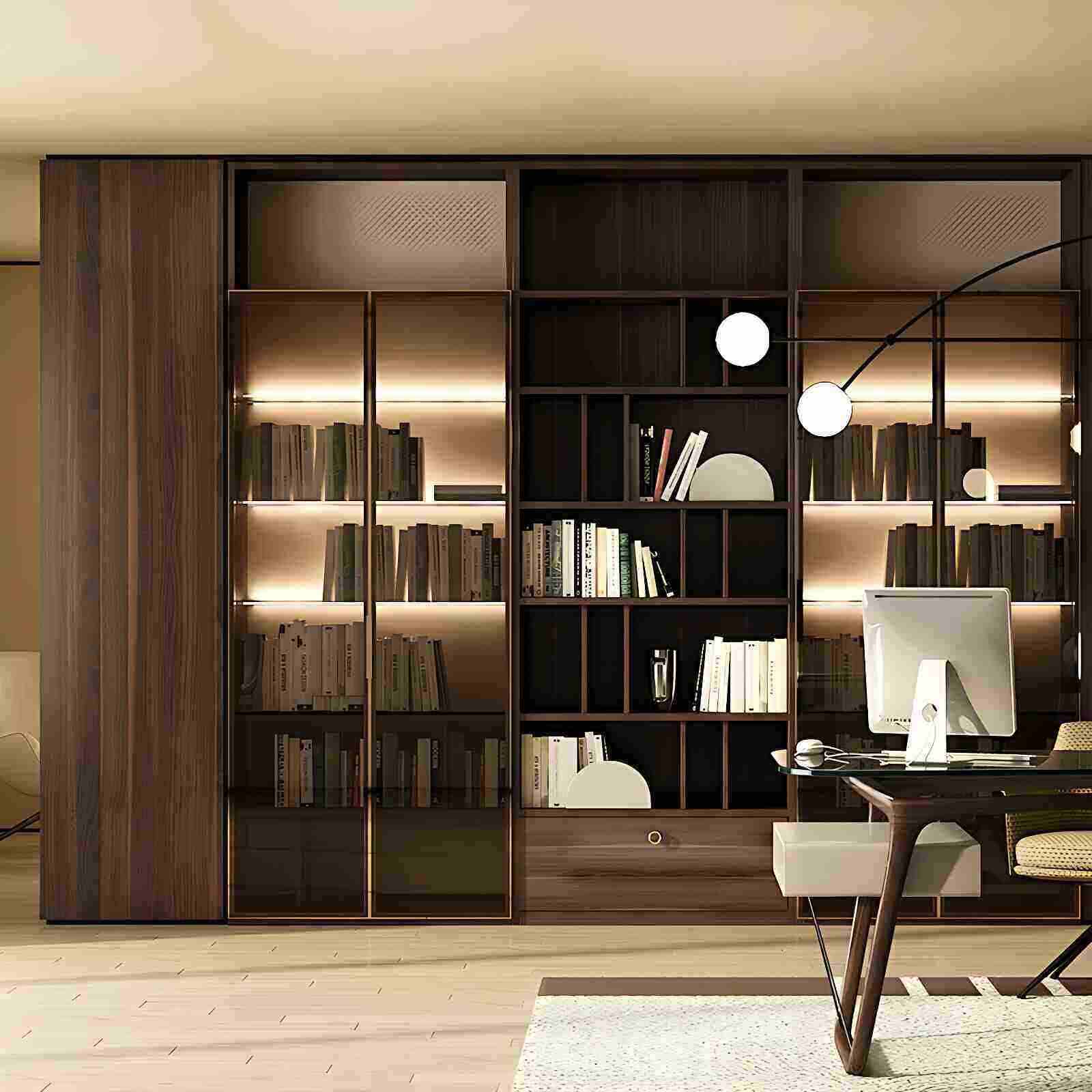
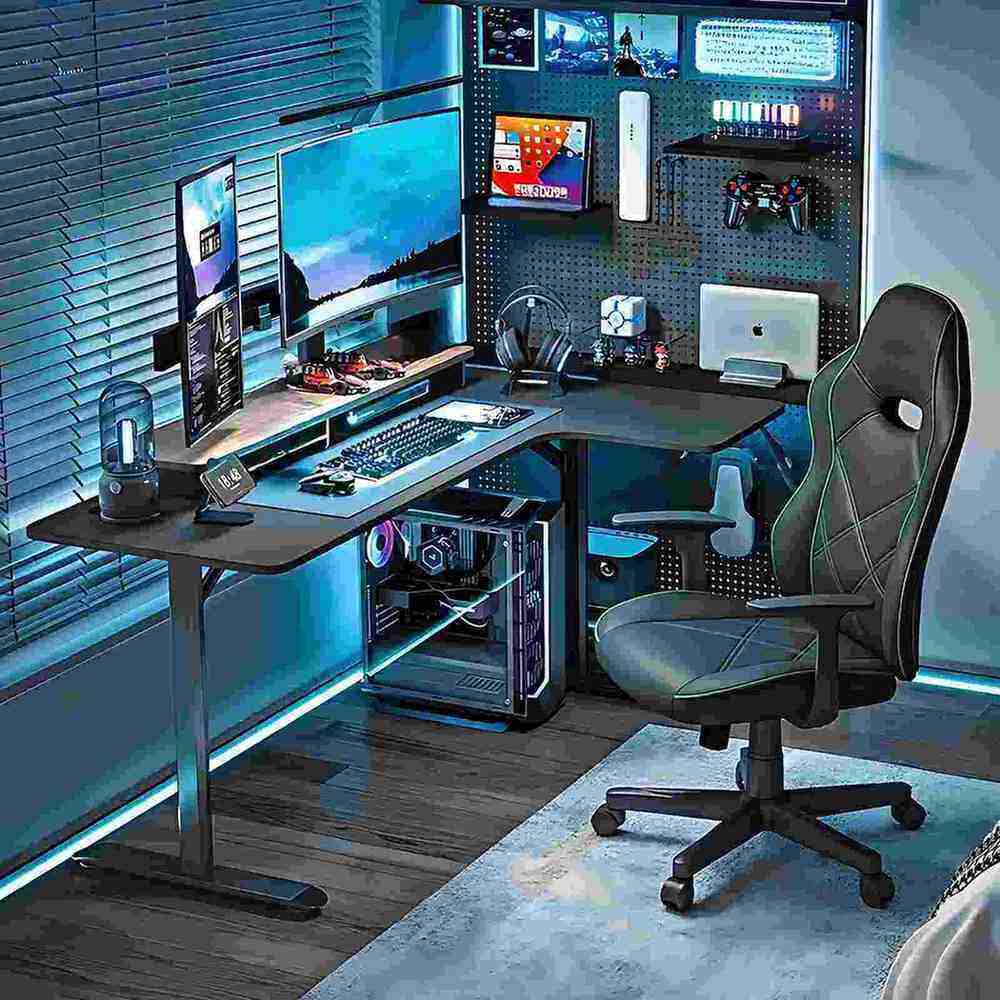
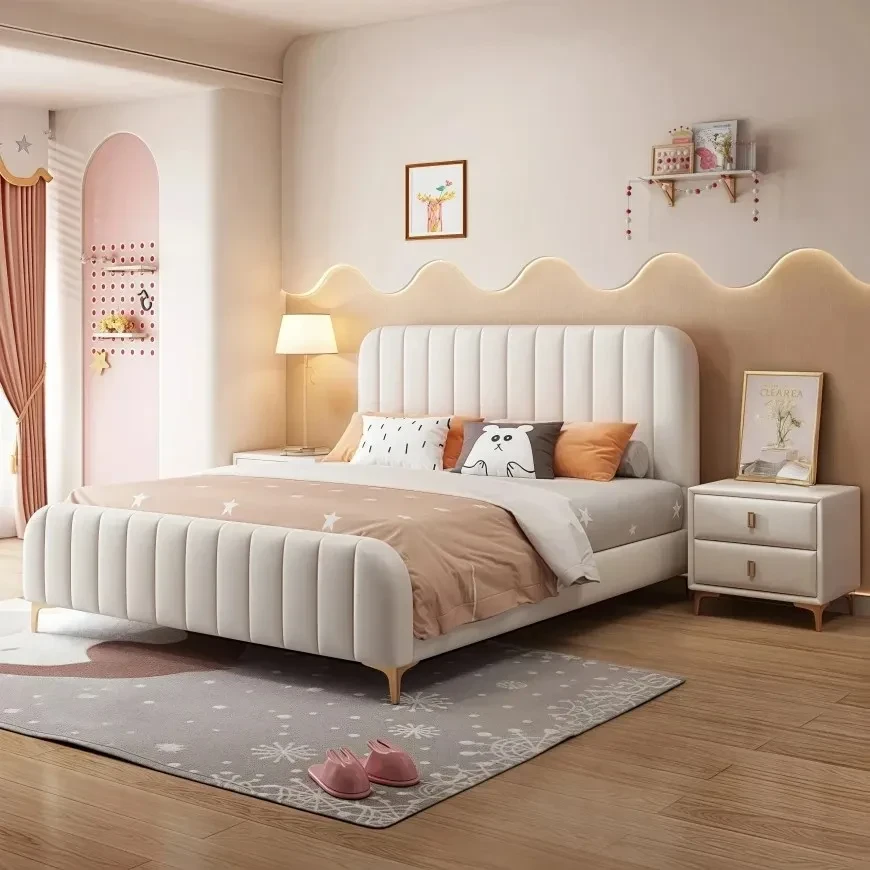
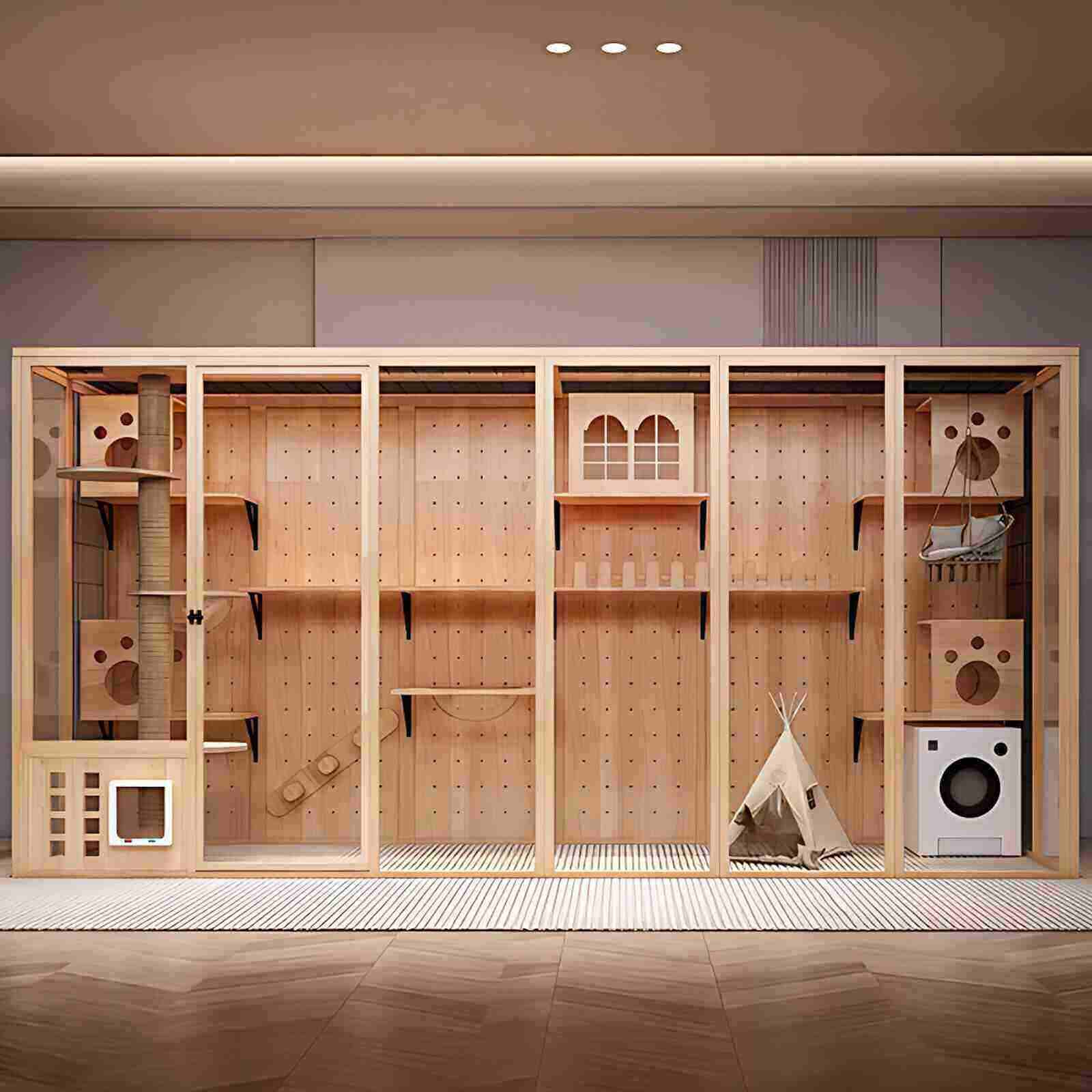
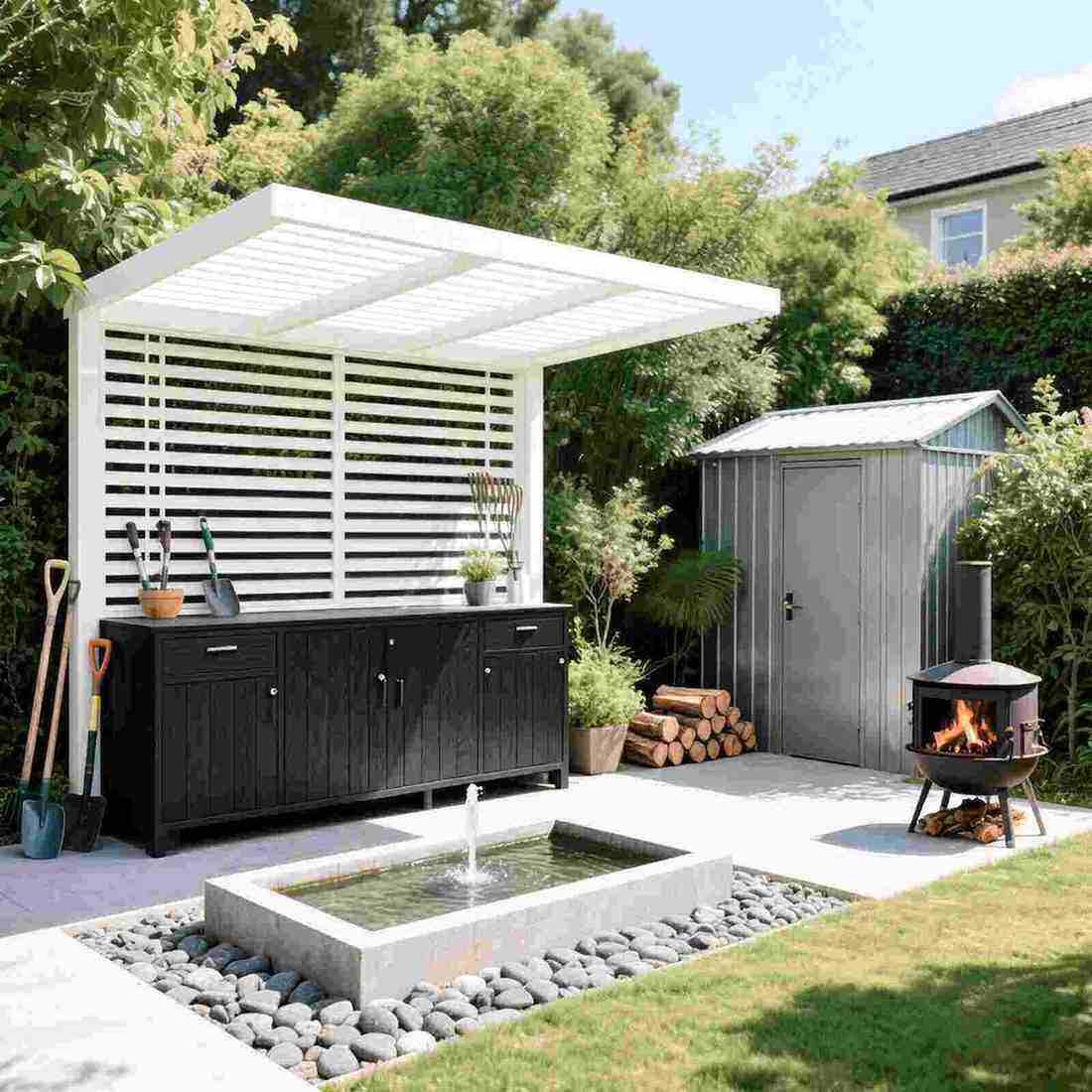
The impact of the pandemic has prompted people to reflect more deeply on their lives. "Health and environmental protection" have become basic needs, which has accelerated the rapid upgrading of environmental protection in the home furnishing industry. This also means that higher quality and more stringent environmental standards for healthy building materials have entered thousands of households.
To choose healthier and more environmentally friendly wood-based panels, we must first familiarize ourselves with their different environmental protection levels, such as E1, E0, F★★★★, and the even higher environmental standard-formaldehyde-free-that has recently sparked a "formaldehyde-free war" among major brands. Of course, these environmental standards are all formulated to address the formaldehyde emission levels that we so vehemently oppose.
E1, E0, F★★★★ Environmental Standards
E1 grade represents the lowest level of indoor environmental protection standards. The only mandatory national standard for the engineered wood products industry is GB18580-2017, which stipulates a formaldehyde emission limit of ≤0.124 mg/m³. This can be understood as a nationally mandated "safety standard," and boards meeting this limit can be used.
However, with consumers now having more stringent environmental requirements, the E1 standard can no longer meet people's environmental needs for their home environment.
E0 grade is a standard set by enterprises to pursue more environmental protection. It is generally tested using the 1m³ climate chamber method. When the formaldehyde emission is ≤0.06mg/m³, it meets the E0 grade standard.
The F-star certification is a series of certifications for the wood products industry under the Japanese JAS certification system. Compared to the E-level testing standards, it is more stringent and environmentally friendly. Among them, F★★★★ is the highest health level of environmental protection in Japanese standards, requiring formaldehyde emission to be ≤0.3mg/L.
As the saying goes, "no formaldehyde, no glue," especially for engineered wood products, which require glue for bonding to ensure stability. Inferior board manufacturers may use urea-formaldehyde resin as an adhesive.
However, urea-formaldehyde resin is formed by the condensation of formaldehyde and urea, containing a large amount of free formaldehyde. Producing a single standard 48-foot board requires at least 3-4 kg of formaldehyde to produce the urea-formaldehyde resin adhesive. Even using urea-formaldehyde adhesive with a low molar ratio cannot create formaldehyde-free, environmentally friendly boards.
MDI formaldehyde-free eco-friendly adhesive achieves formaldehyde-free substrate addition.
The emergence of MDI formaldehyde-free eco-friendly adhesive marked a turning point. MDI-based engineered wood products, due to their formaldehyde-free and environmentally friendly properties, were able to apply for the more stringent environmental standards of the US NAF formaldehyde-free exemption certification.
The US NAF formaldehyde-free exemption certification is currently the most stringent environmental standard in the world. It requires that no formaldehyde-containing glues or additives be used or added during the production of boards. Boards that have obtained NAF formaldehyde-free exemption certification do not even need to undergo additional testing when sold to the US market.
MDI adhesive is a formaldehyde-free, safe, stable, and high-strength polymer that is often used in aircraft interiors, refrigerator liners, and even in the medical field where high safety requirements are needed, such as in implants in heart valves and artificial blood vessels. Boards made with MDI adhesive are called formaldehyde-free boards.
The group standard T/CNFPIA 3002-2018 "Formaldehyde-free Wood-based Panels and Their Products" issued by the China Forest Products Industry Association requires that the formaldehyde emission of formaldehyde-free panels be ≤0.03mg/m³.
Why not zero?
Why not zero
Formaldehyde is ubiquitous in nature, including in trees and even in our bodies. The apples we eat contain formaldehyde, but this amount has absolutely no impact on our health.
The "formaldehyde-free battle" is in full swing, and many brands have launched their own "formaldehyde-free boards," such as Sophia's "Kangchun Board," Baidesheng's "Chunxiang Board," Holike's "Yuantai Board," Oppein's "Aixin Board," and Shangpin Home's "Kangjing Board," all of which use MDI formaldehyde-free eco-adhesive as an adhesive.
Creating high-quality formaldehyde-free boards
As a company that has focused on the board industry for 22 years and is a supplier of formaldehyde-free boards for many home furnishing brands, we have always adhered to the innovation and promotion of environmentally friendly boards and continuously promoted the upgrading and innovation of environmental protection standards in the home furnishing industry.
From E1 to E0, Japan's F★★★★, and now to the dual environmental honors of obtaining the US NAF formaldehyde-free exemption certification and the Swiss SGS international testing, every step has been a testament to the responsibility and commitment of a formaldehyde-free board advocate.
As the "formaldehyde-free battle" intensifies, formaldehyde-free boards are destined to enter the decoration of countless homes. But "formaldehyde-free" may only be the beginning. In the future, we will continue to dedicate ourselves to creating environmentally friendly boards that meet the diverse needs of consumers, bringing a healthier and safer living environment to millions of families.