
 USD
USD GBP
GBP
 EUR
EUR

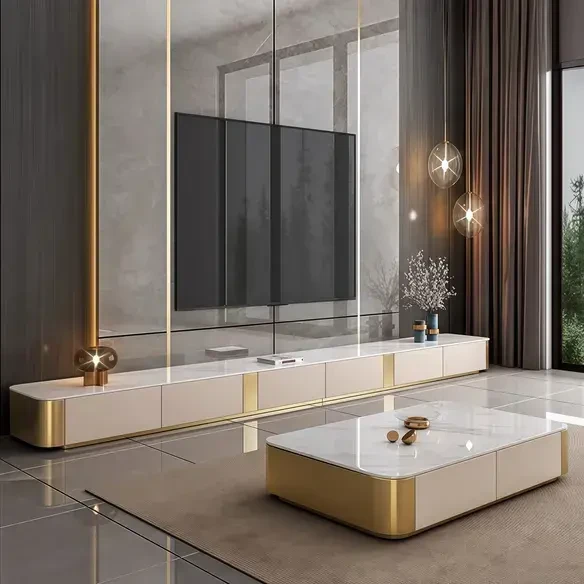
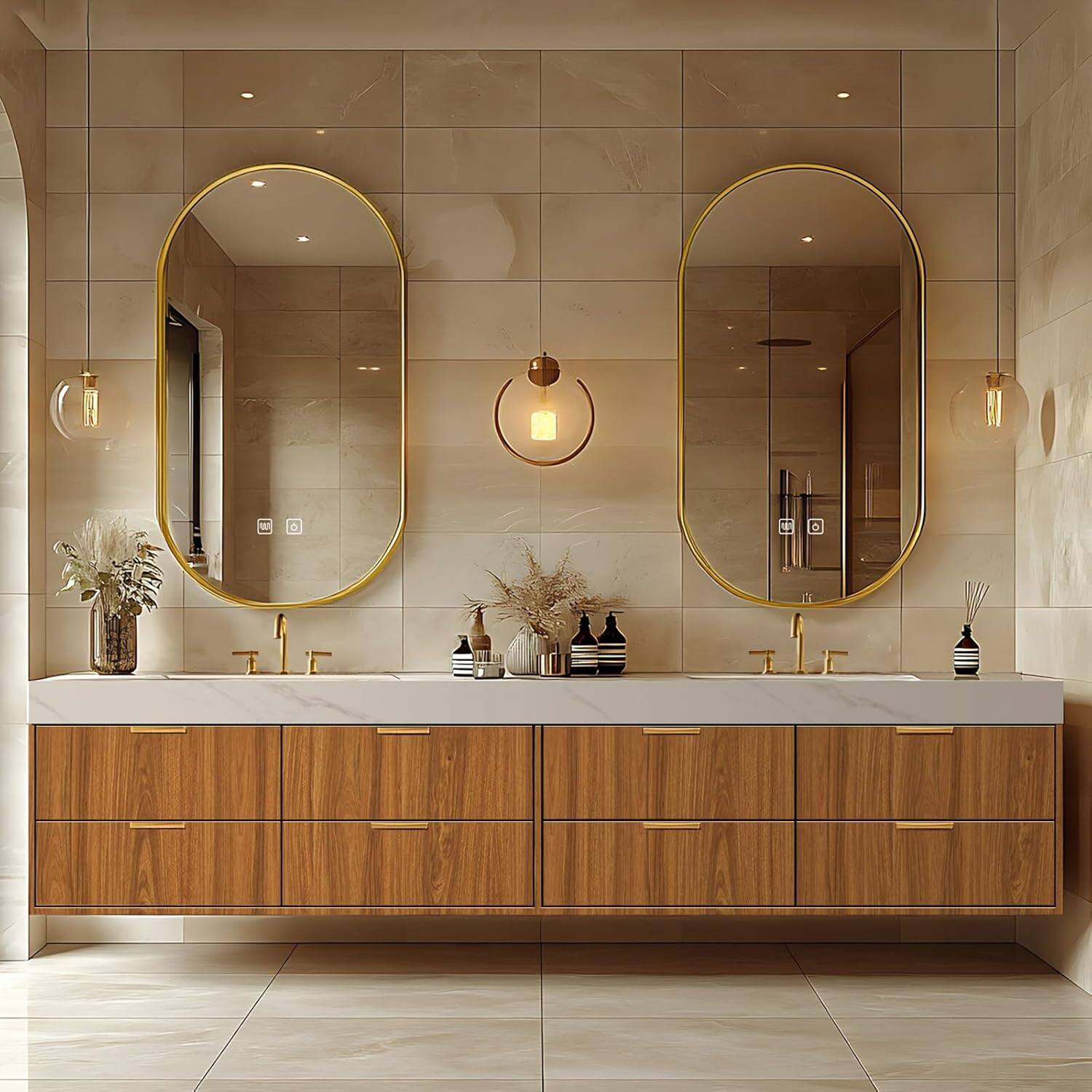
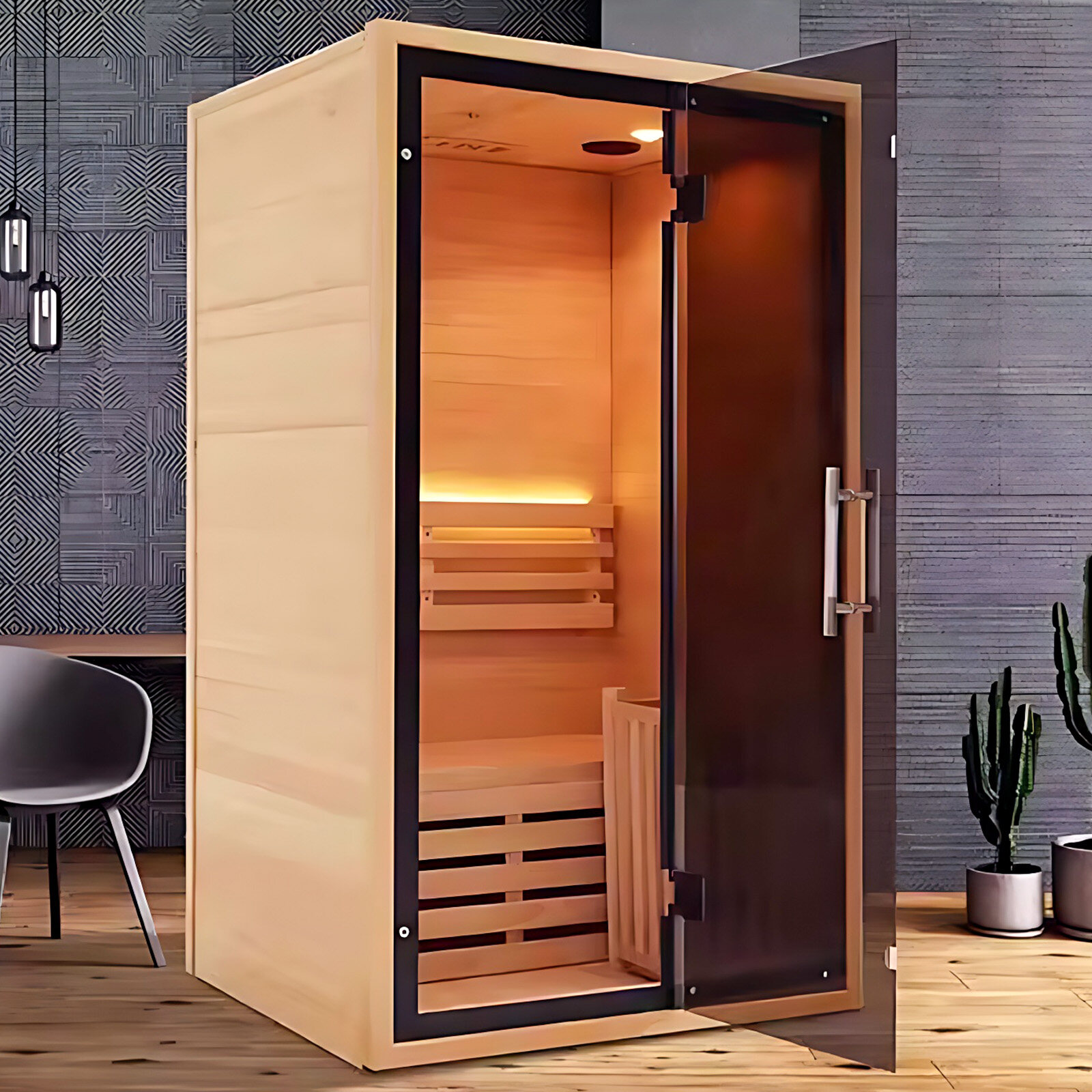
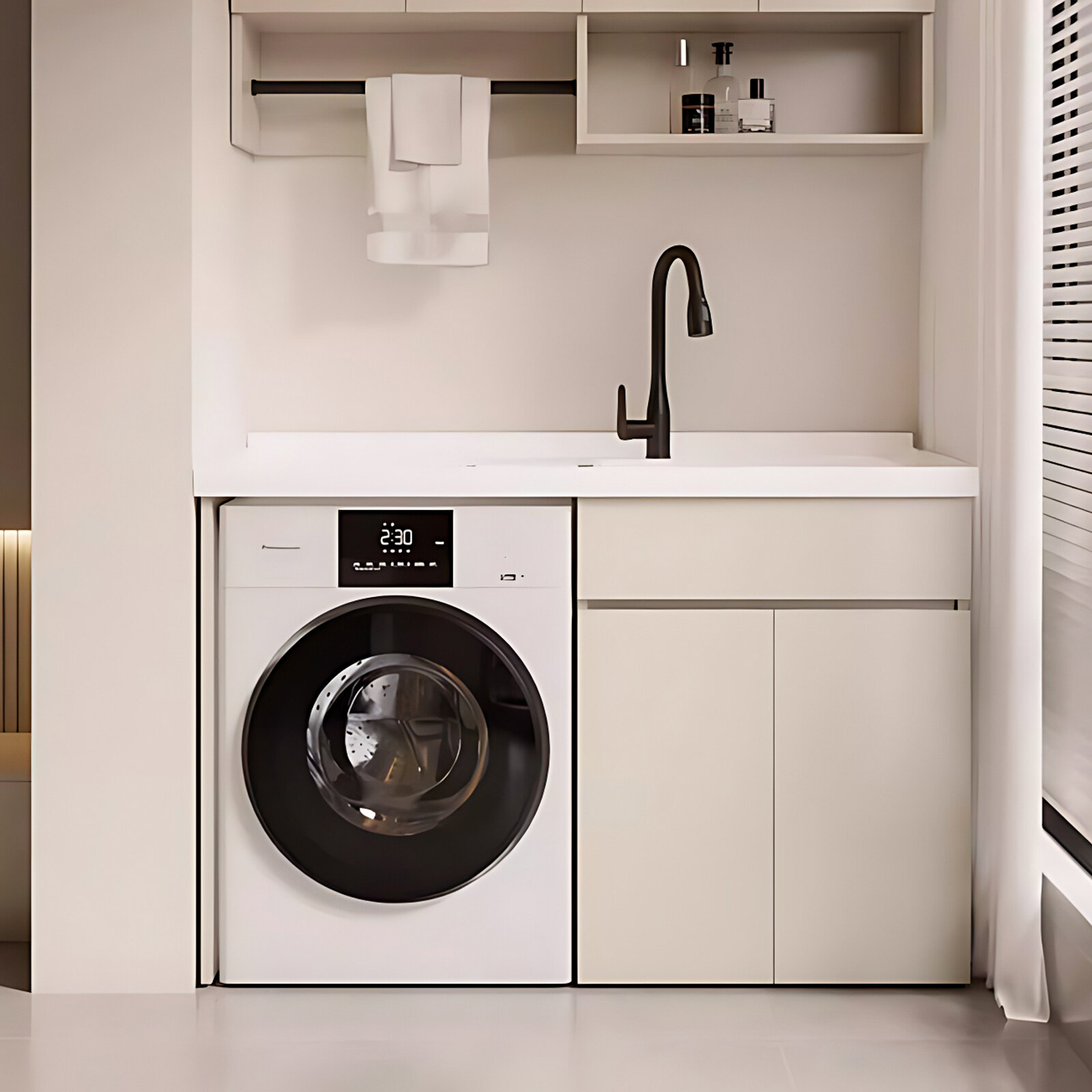
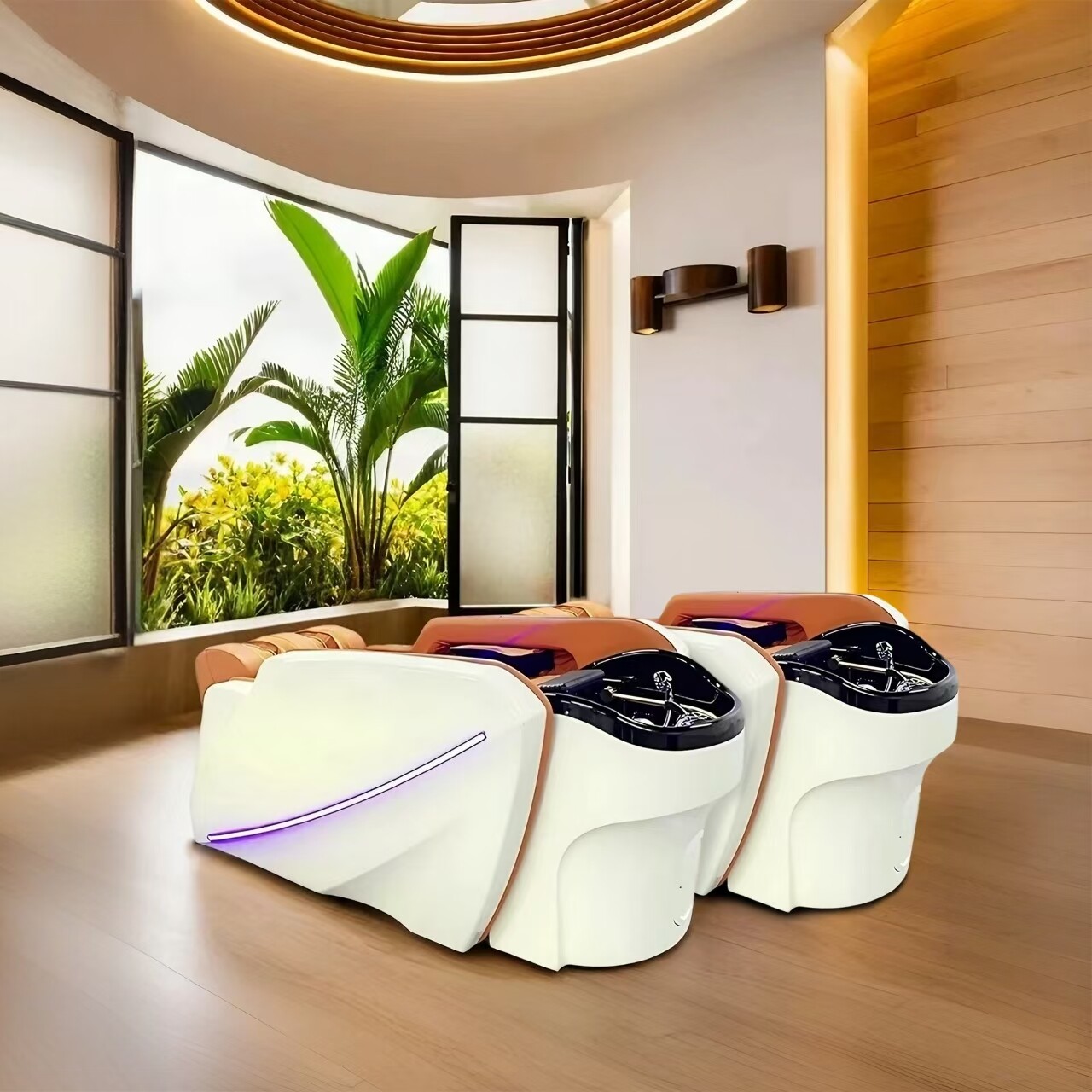

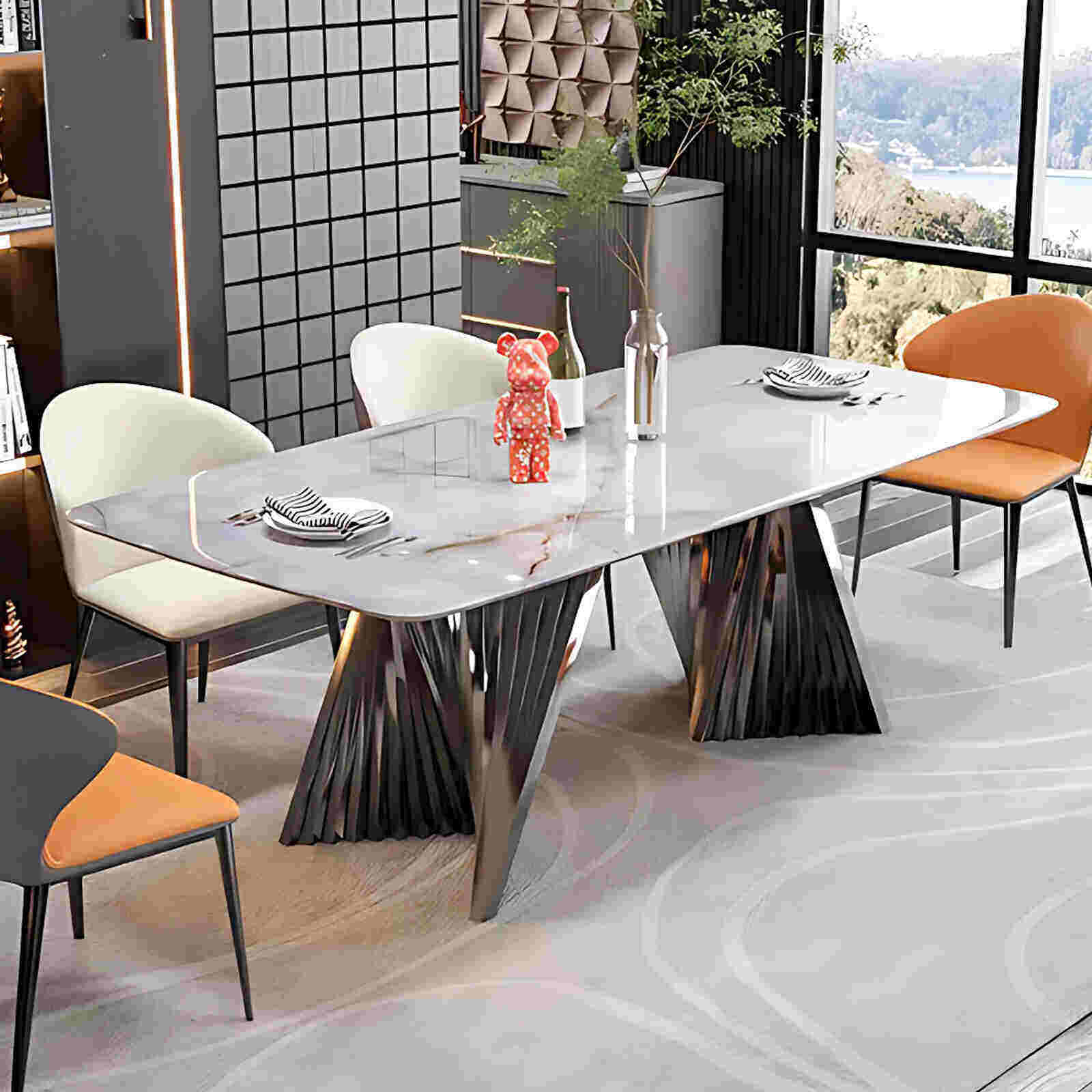
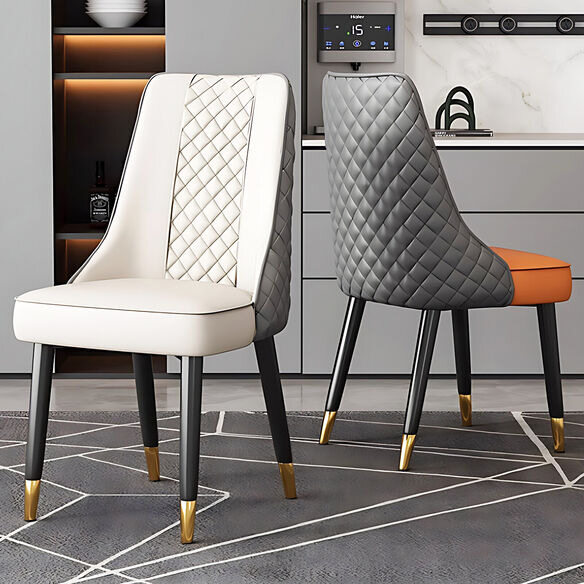
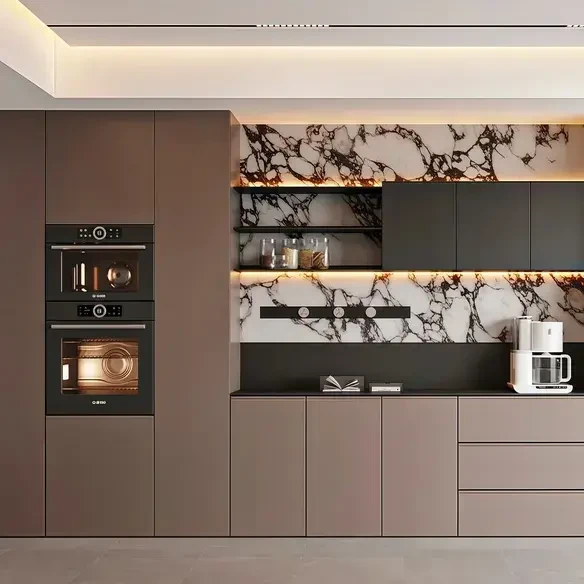
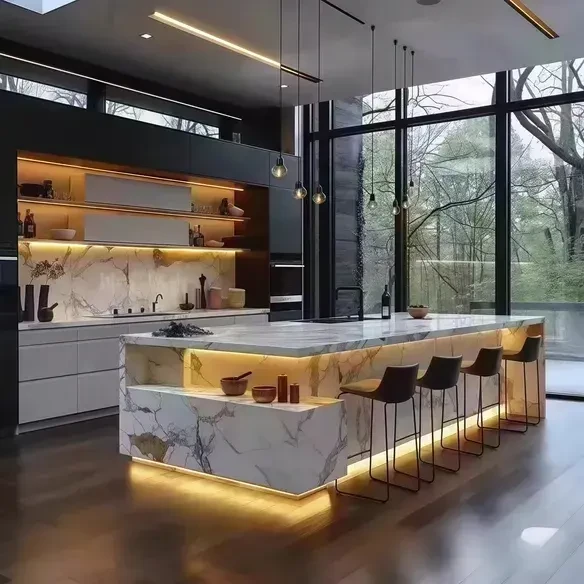
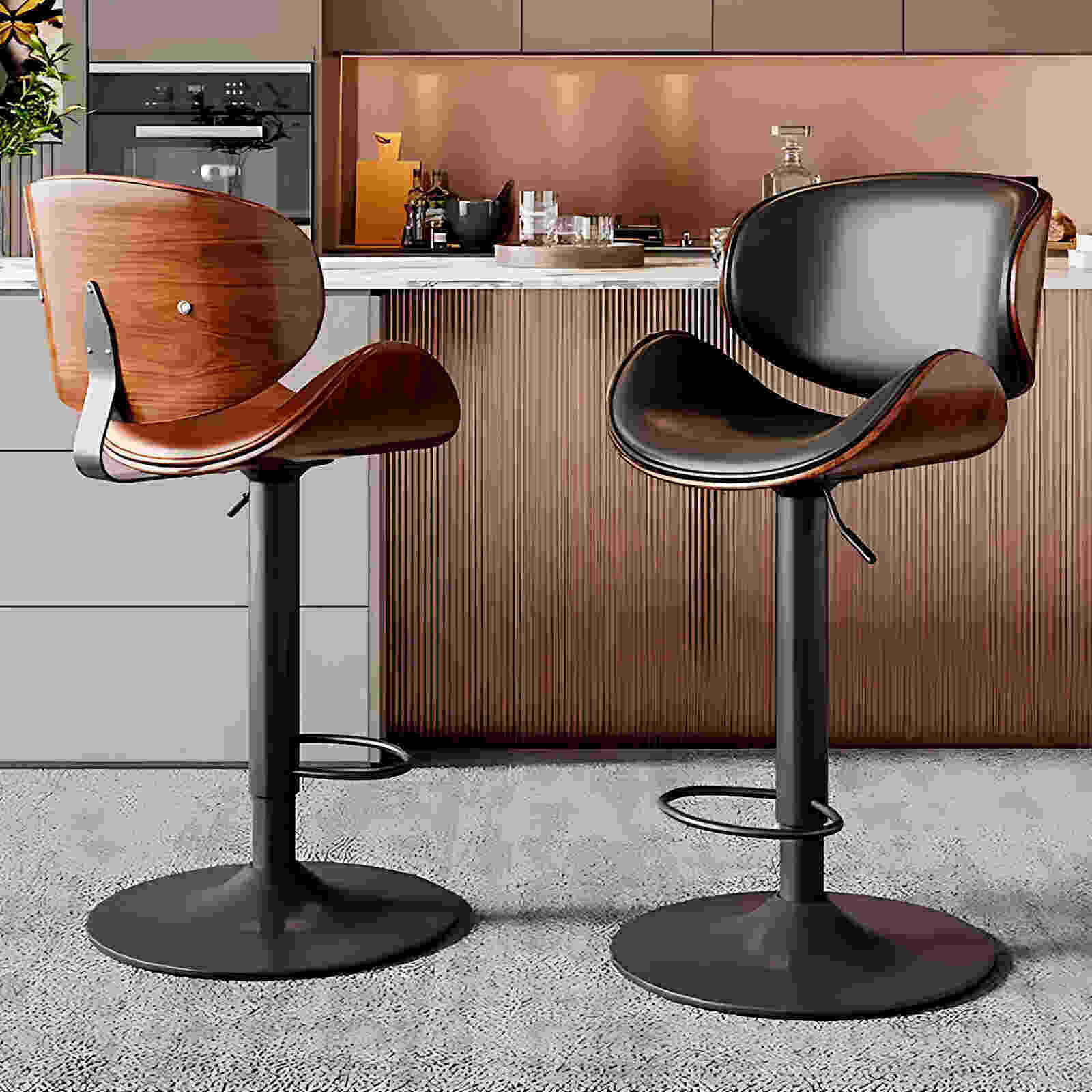
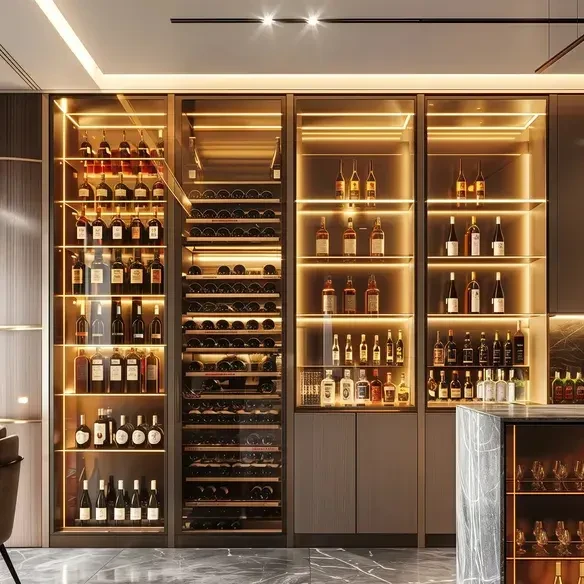
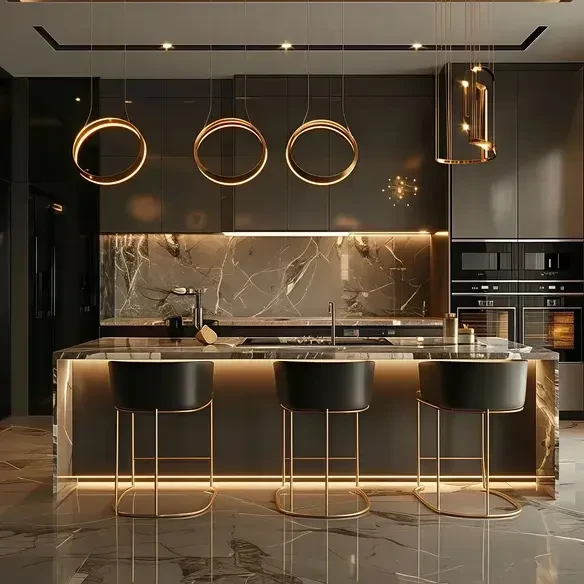
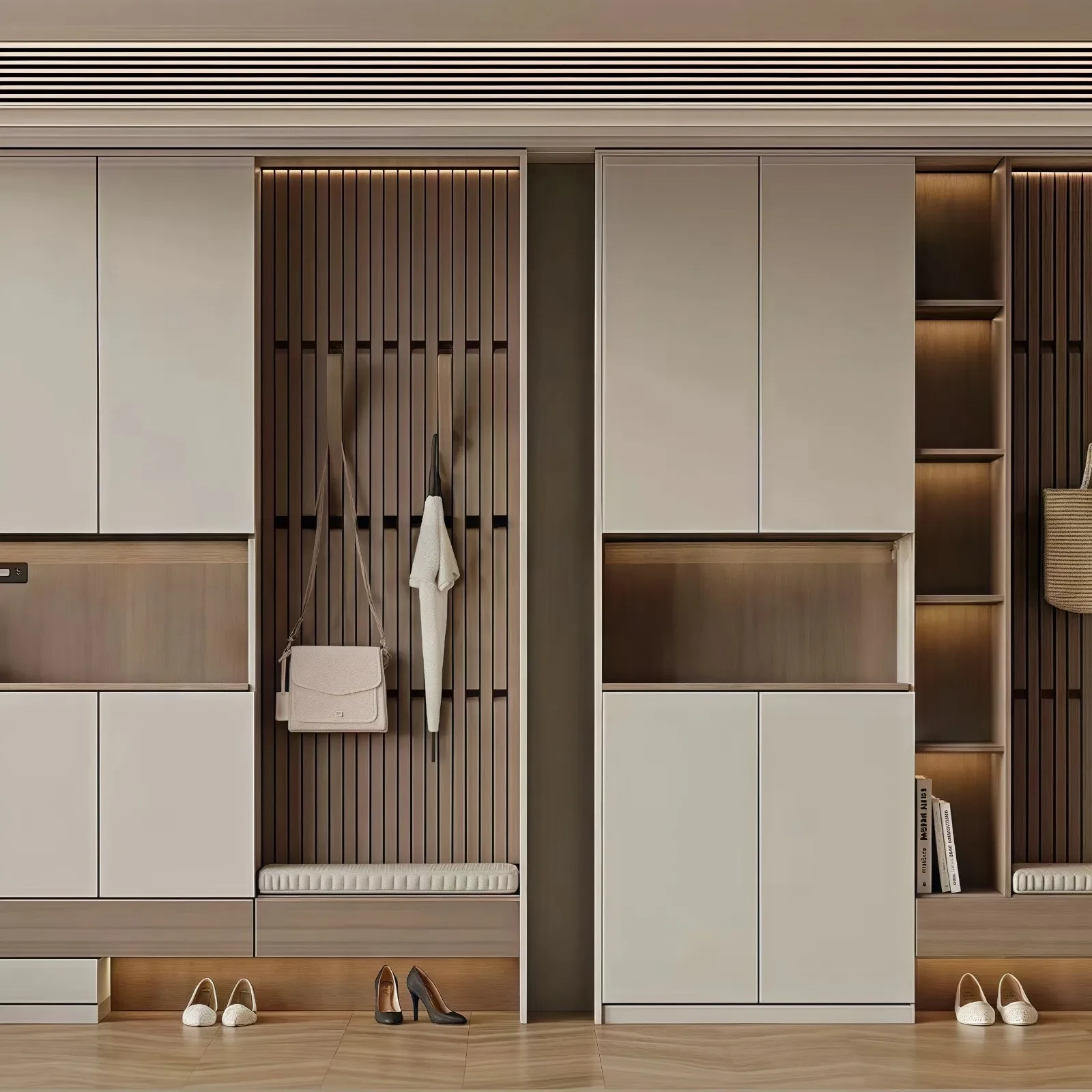
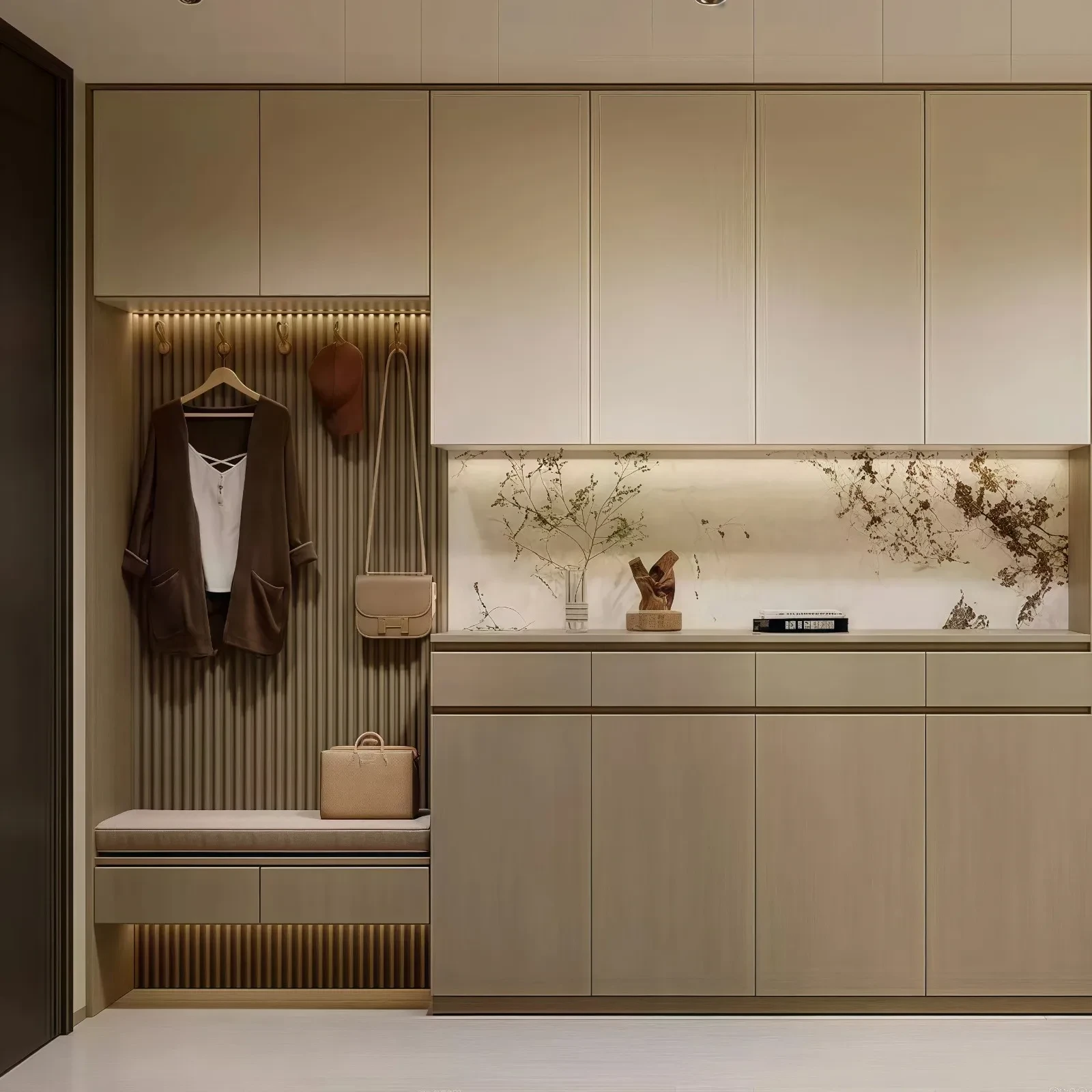
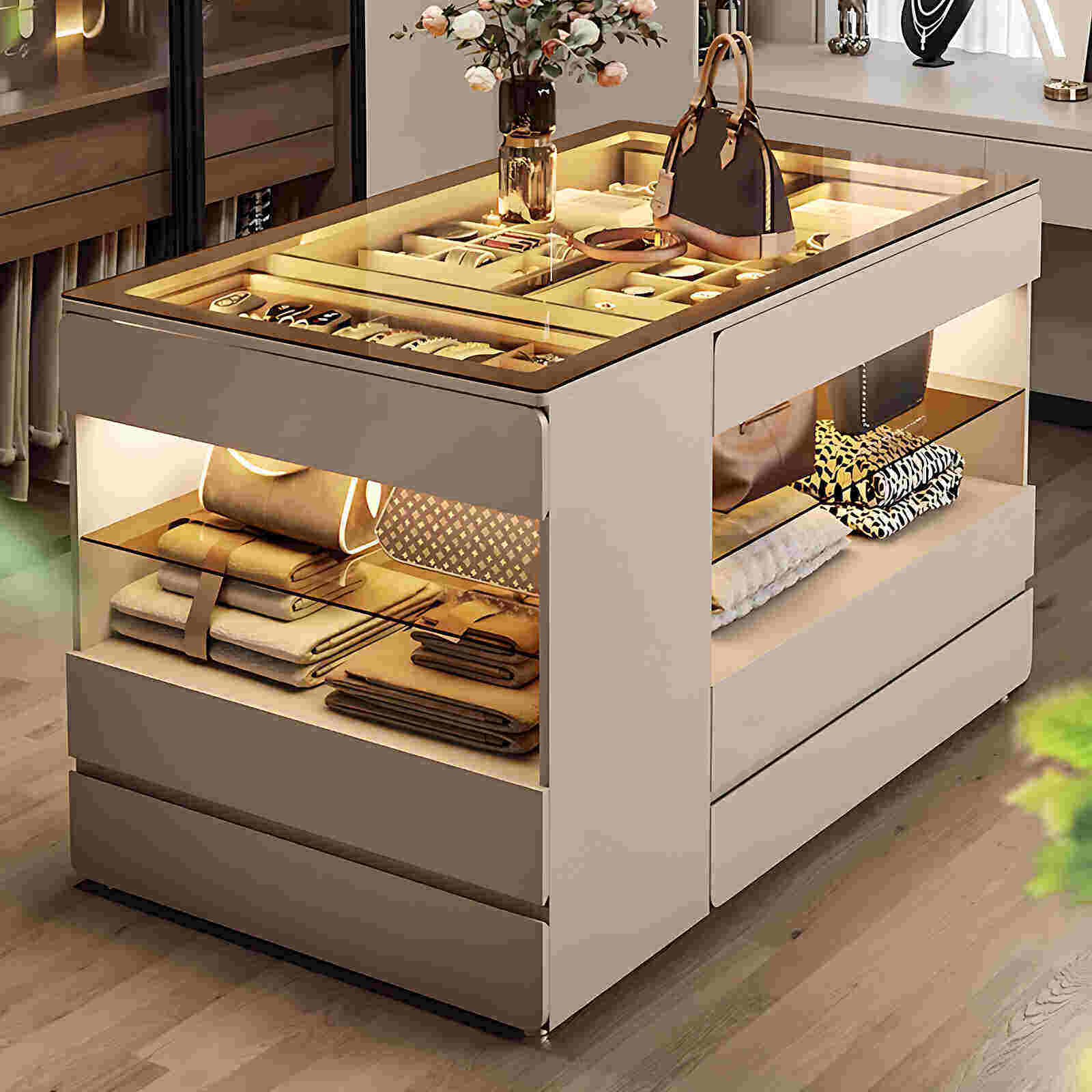
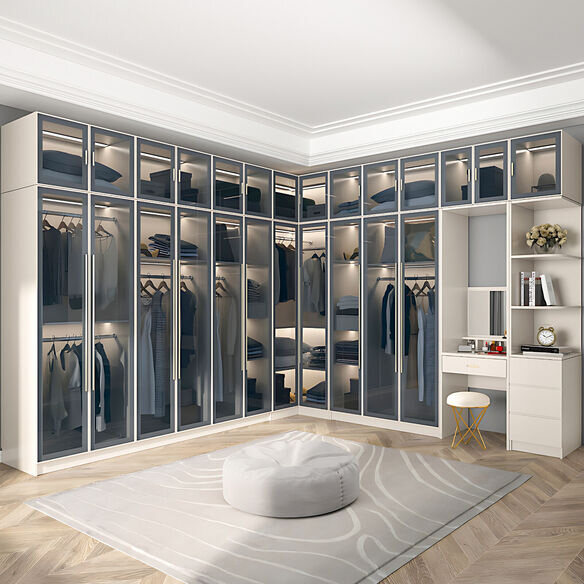
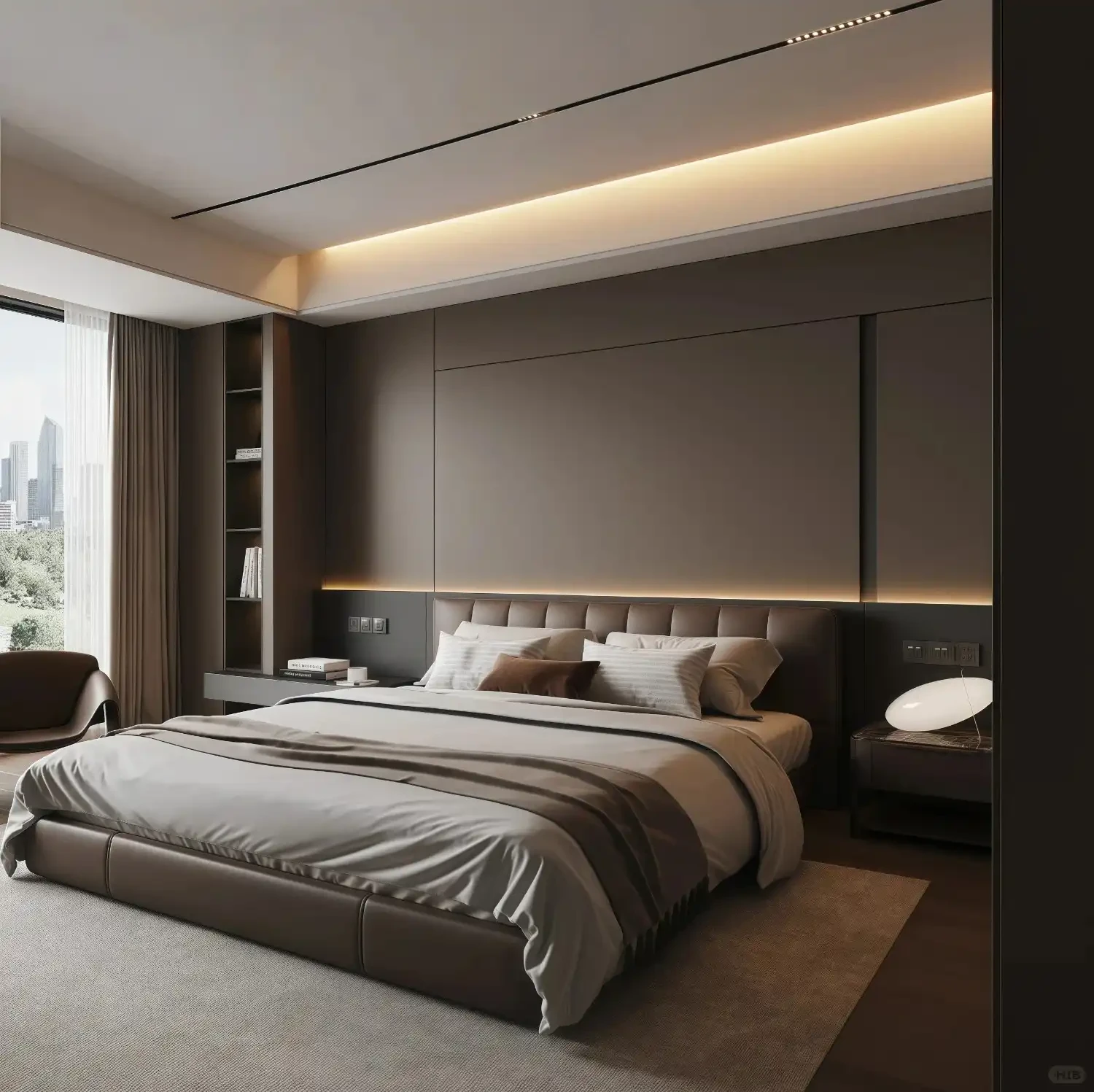
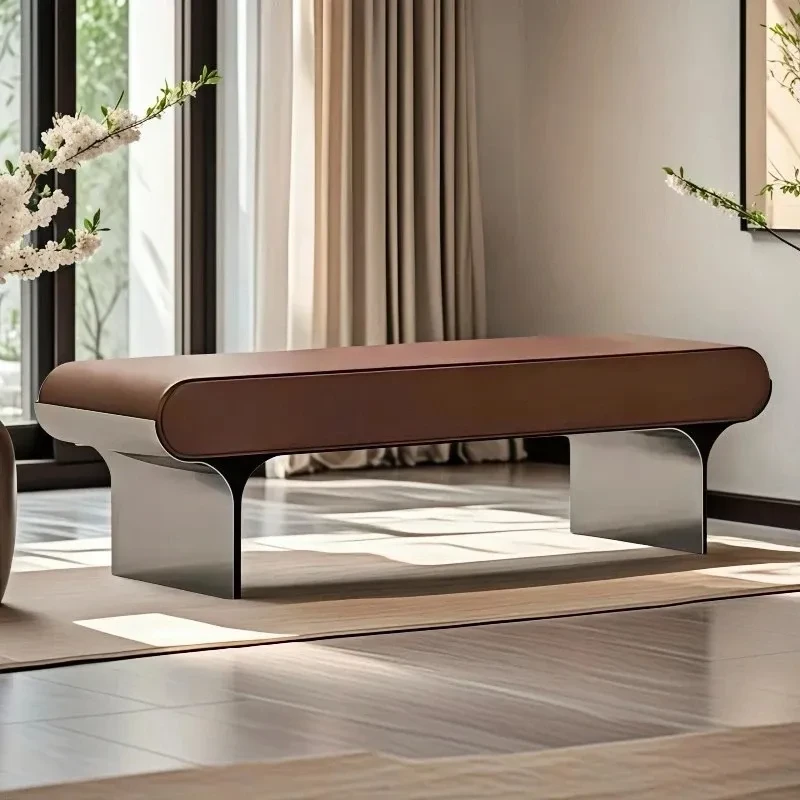
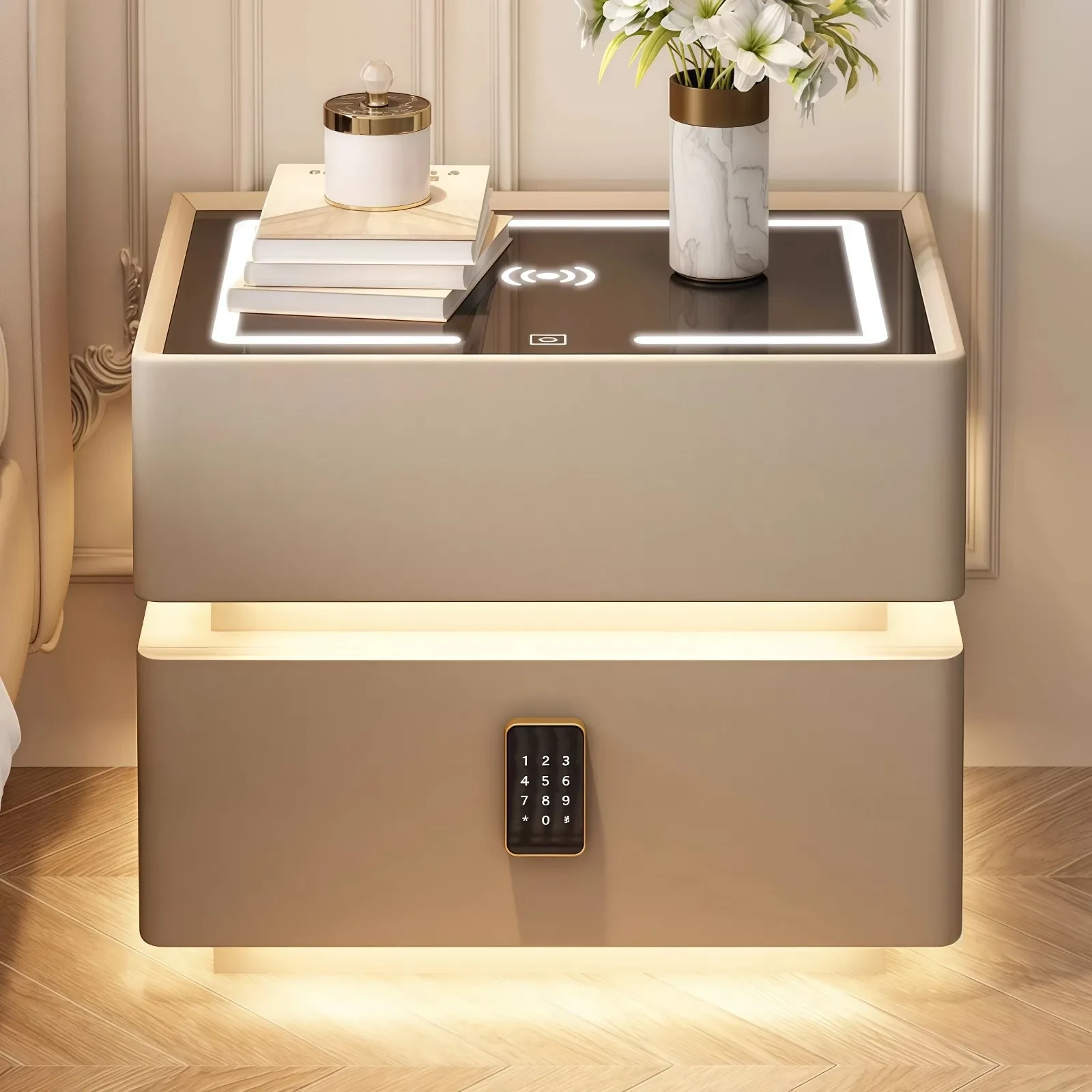
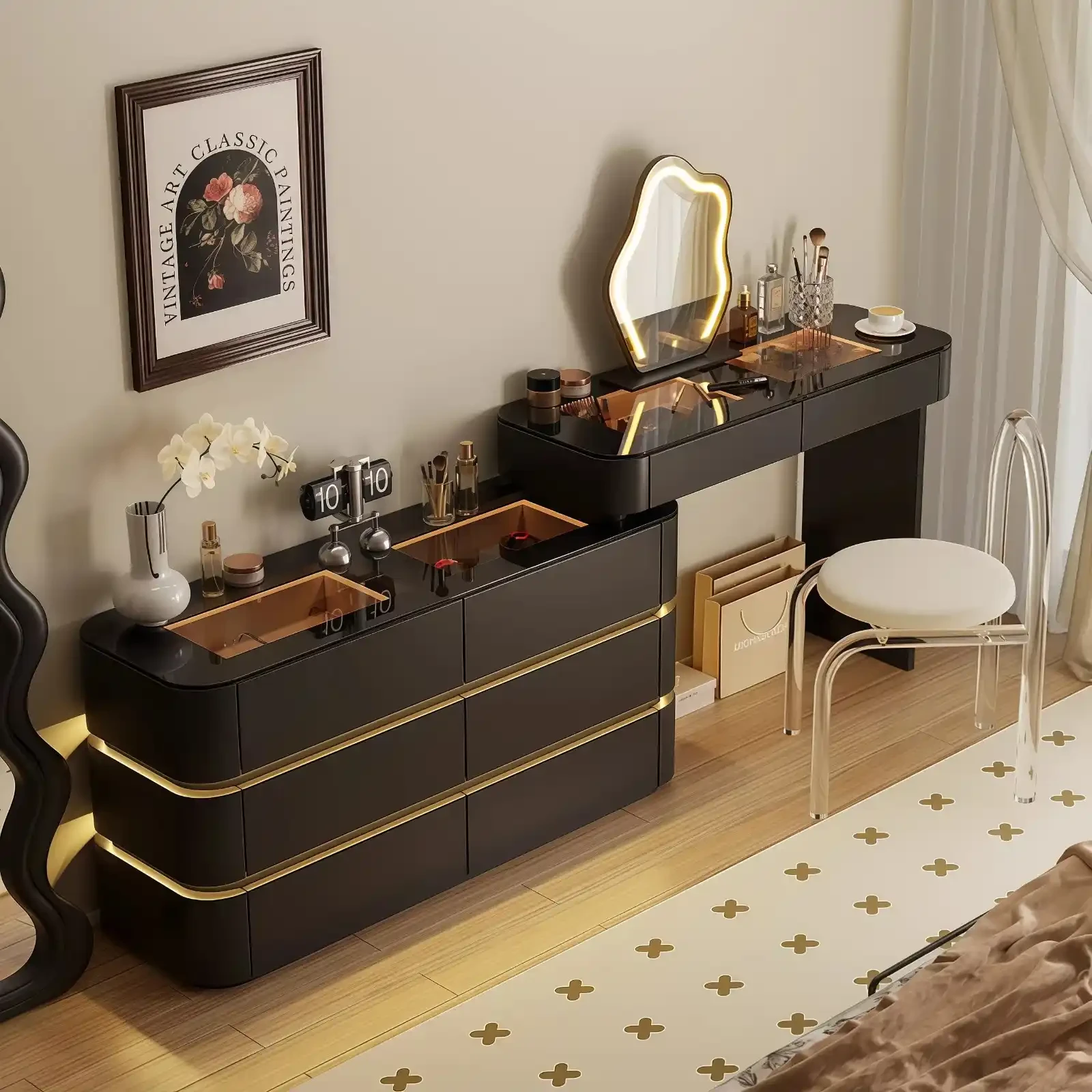
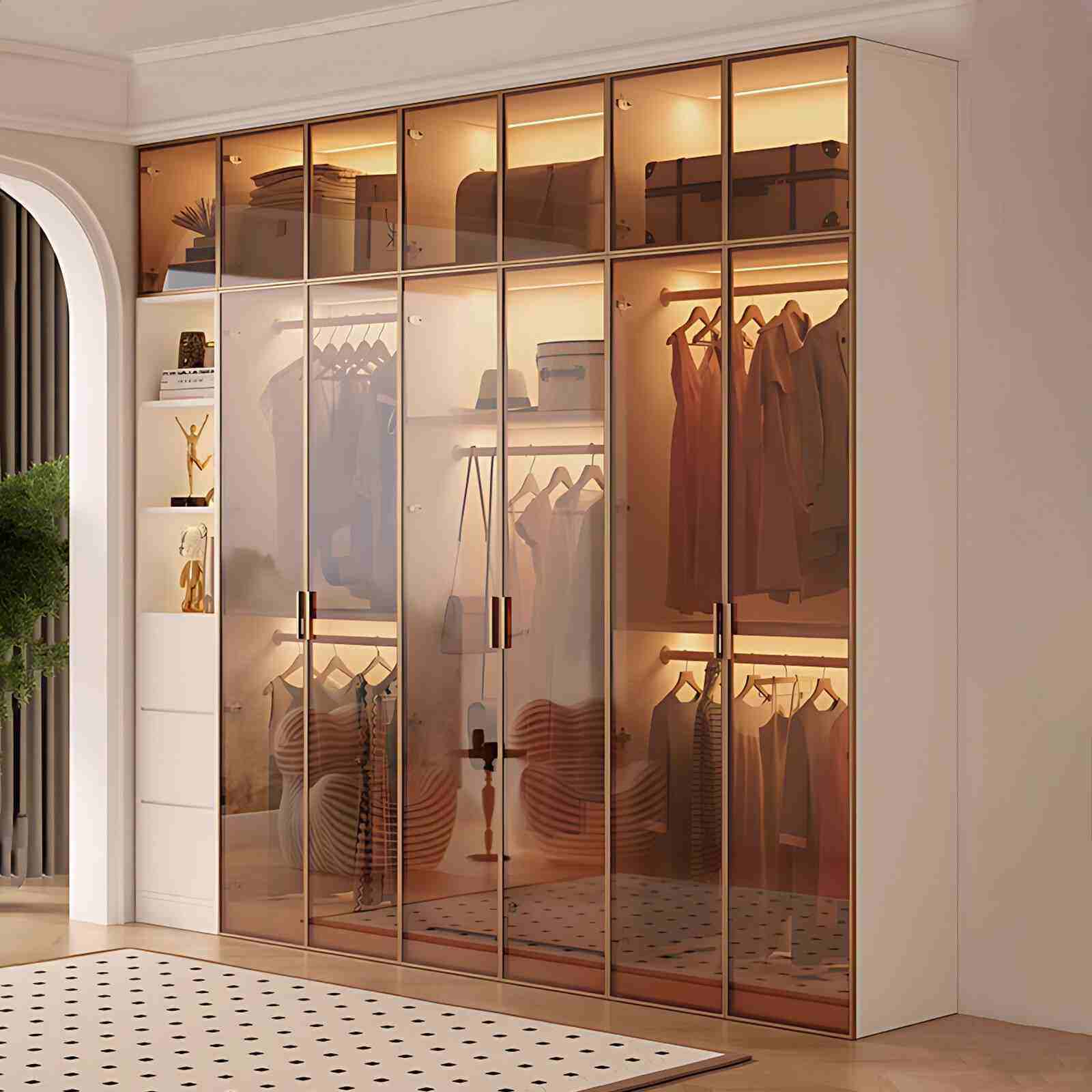
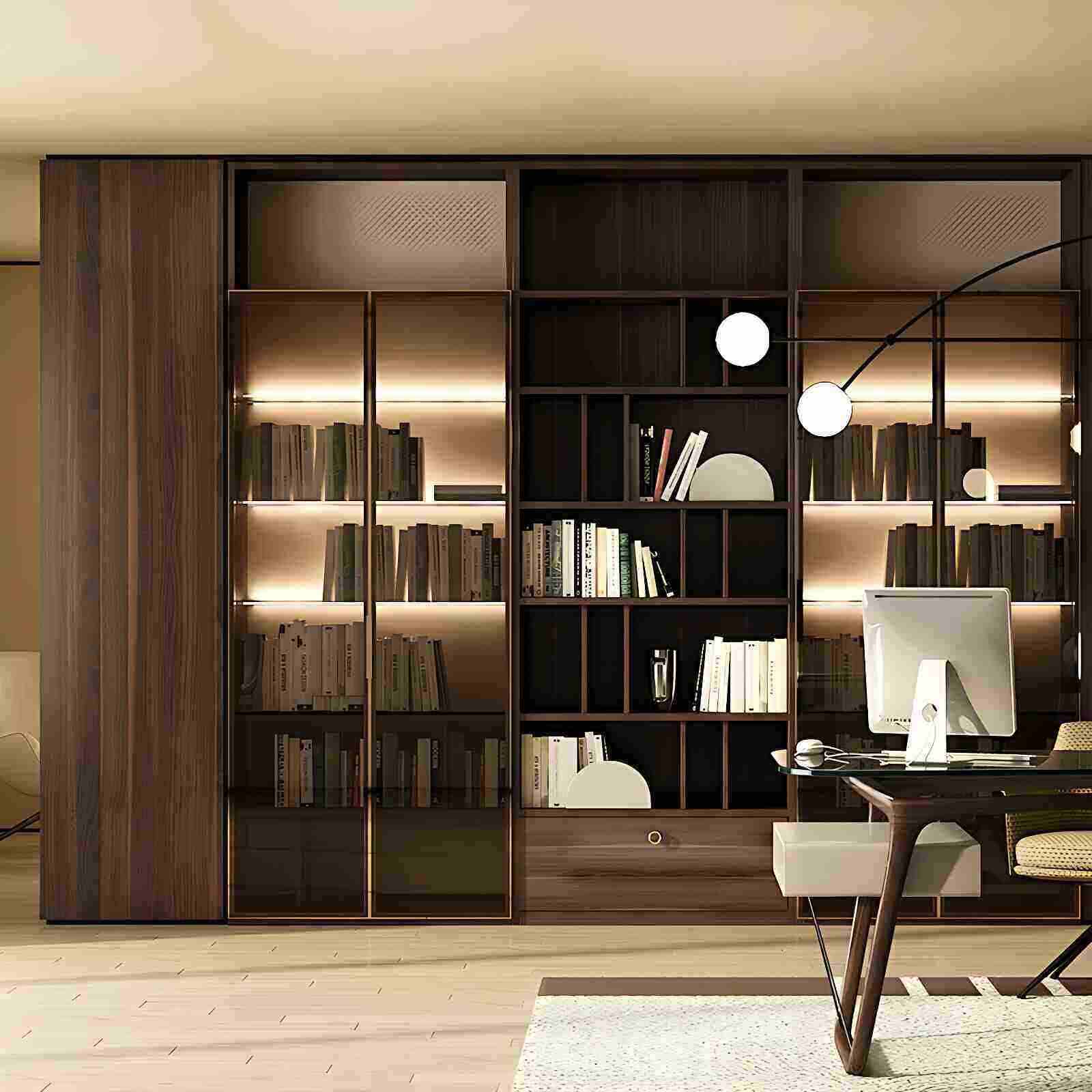

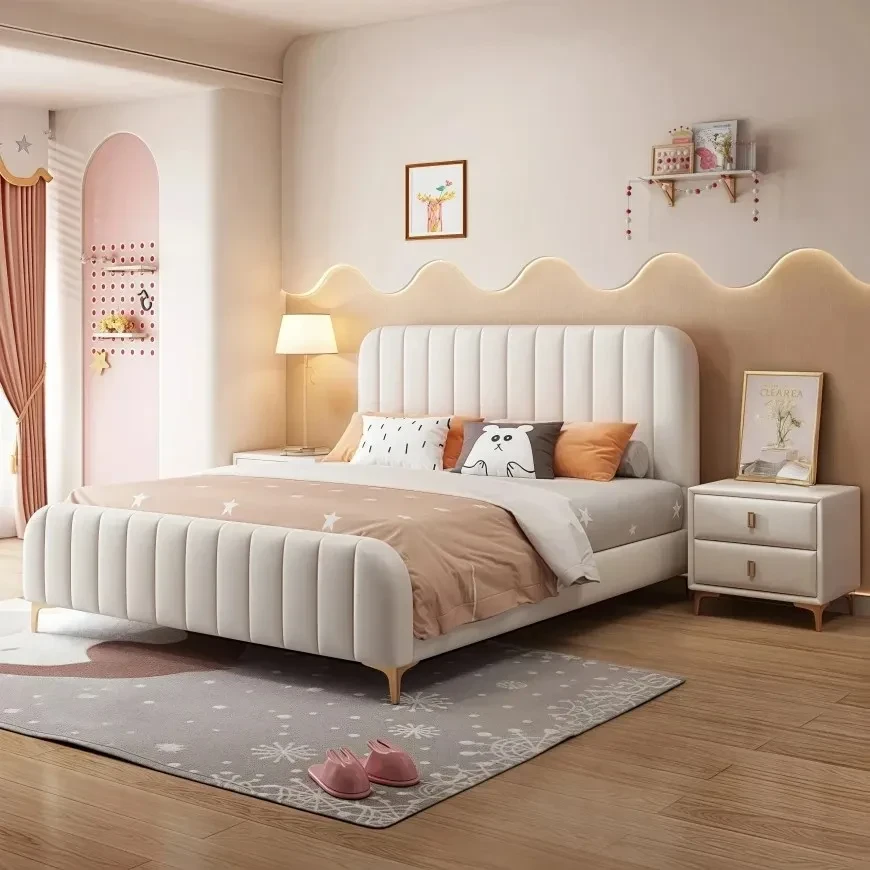
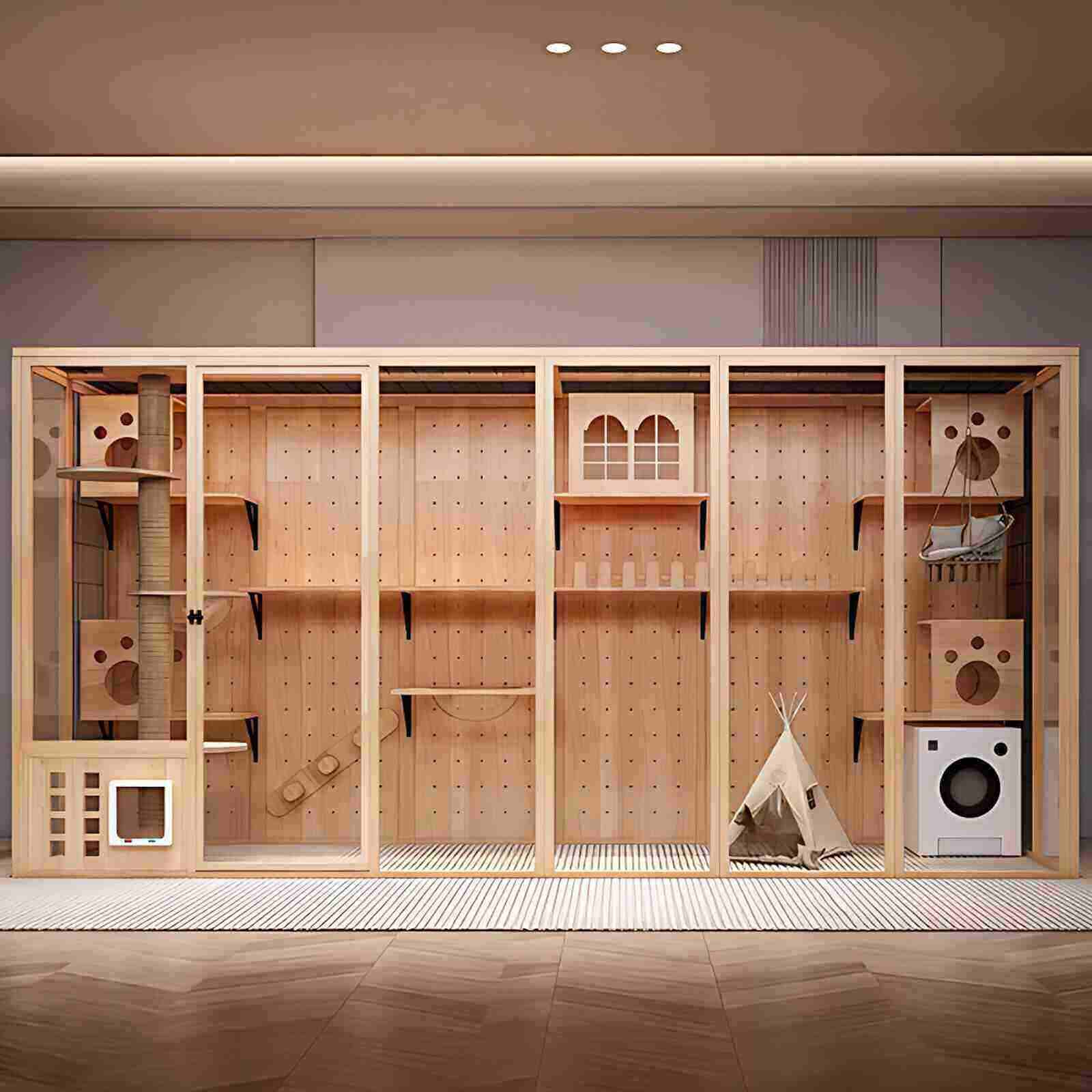
Flat-mounted panels are widely used in furniture, doors, flooring, wall panels, and ceilings. In recent years, the popularity of minimalist luxury styles, the trend of integrated quick-installation, and increasingly stringent environmental policies have accelerated the development of PUR flat-mounting technology in the home furnishing industry. New flat-mounting materials are constantly emerging, and different combinations of substrates and films place varying requirements on PUR. The saying "three parts glue, seven parts process" emphasizes the importance of process control for high-quality bonding. However, improper glue selection makes process control extremely difficult, affecting bonding quality and production efficiency. Therefore, correct glue selection can prevent many production problems from the outset, ensuring a higher process safety factor.
Many users prefer lower-priced PUR due to cost competitiveness, while others are willing to pay higher prices for imported brands for quality assurance and promotional benefits. Different PURs have different applications for different materials and working environments, and performance is not necessarily proportional to cost. To select the most suitable PUR product from the many available on the market, it is essential to have a thorough understanding of materials, equipment, workshop conditions, and process requirements, and to make a scientific selection to ensure that the chosen PUR product covers all requirements to the greatest extent possible and reduces risk.
Table 1. Common Material Types and Characteristics of Flat Panels in the Home Furnishing Industry
Material
As customization gains popularity, the home furnishing industry is using an increasing variety of materials. Plain laminates have evolved from being dominated by raw wood panels to include melamine-faced, metal, wood-plastic composites, stone-plastic composites, and inorganic materials. Laminates have also evolved from primarily high-gloss films to include thin PVC, fire-resistant boards, paper, wood veneer, fabric, aluminum foil, and galvanized steel. Furthermore, the market is seeing an increasing number of difficult-to-bond materials, such as films with a surface energy of around 30 mN/m and PVC foam boards. These new variables make the correct selection and use of PUR (Plain PVC) more challenging.
a. Material adhesion
b. Surface finish
High-gloss films aim for a surface finish as close to a mirror as possible, so it's advisable to choose PUR with low viscosity and good extensibility, especially for thinner high-gloss films. If it's a high-gloss colored film laminated to an impermeable substrate, users without air conditioning in summer can consider products with high initial tack. PURs with high initial tack usually also have higher viscosity, which can be compensated for by using a leveling roller to achieve a better high-gloss effect. If it's a transparent PET film laminated to a melamine board, while meeting the requirements of conventional high-gloss films, the adhesive layer needs to be transparent and have excellent resistance to yellowing, and there must be no visible impurities or bubbles in the adhesive layer.
c. Bubbling caused by non-breathable materials
Wood-based panels are mostly porous materials, providing channels for CO2 release and rarely causing bubbling issues. If both sides are made of non-breathable materials, PUR (Polyurethane Resin) formulations with low CO2 release and high initial tack must be selected. Special attention needs to be paid to plywood panels. Although the surface is porous wood veneer, the continuous adhesive film between the veneers has poor breathability. If the adhesive is not chosen properly, bubbling problems often occur in summer. It is worth noting that the breathability of wood-plastic composites and films varies, so sometimes, under the same processing conditions, certain substrates paired with certain films are more prone to bubbling. Special care must be taken with metal-to-metal composites. A lack of moisture in the adhesive layer in the middle may prevent it from curing, creating a potential bubbling hazard during end-use.
d. Surface particles caused by the substrate
e. Largely deformed membranes cause rebound.
equipment
There are three main types of roller coating systems in flat lamination production lines: ordinary three-roller coating machines, coating machines with sweeping rollers, and anilox roller coating machines. Of course, some customers also use scraping coating systems, such as those applying film to aluminum panels. There are also three types of pressure lamination systems: rubber rollers with steel rollers, continuous roller pressing, and cold presses. To ensure quality, high-end production lines are equipped with anti-static devices, effective preheating systems, and online corona treatment machines or primer coating devices. The selection and configuration of user equipment mainly depends on the materials. When the equipment has certain characteristics, the following factors need to be considered when selecting adhesives:
a. Due to equipment aging, the temperature of the coating roller cannot be raised, making it difficult to reduce the amount of high-viscosity adhesive applied, which increases costs and affects the surface finish. Therefore, it is necessary to select PUR with lower viscosity.
b. Anilox roller equipment is generally not used to produce high-gloss film, and adhesive leakage is prone to occur at the foot plate, so PUR with too low viscosity should not be used;
c. If the glue nozzle of the roller coating system is not close to the glue baffle, the glue at both ends of the coating roller is prone to aging and stringing when heated. PUR with good thermal stability should be selected.
d. Users with cold presses and who can accept pressure holding may consider choosing PUR with lower initial tack and higher overall cost performance;
e. Production lines lacking or with poor preheating systems should select PURs with good low-temperature wettability.
Workshop conditions
Workshop conditions vary depending on the user. Some will build insulated rooms to ensure relatively stable temperature and humidity conditions; some users have very basic workshop conditions, and the temperature inside the workshop may vary between 0 and 45 degrees Celsius within a year.
a. For users with large temperature differences in their workshops, a successful test application at a certain point in time does not guarantee that it will meet the requirements for normal use in the future. Therefore, extreme temperature conditions must be considered when selecting PUR. If we also consider the factors of material and equipment variation, it is generally difficult for a single PUR product to meet such a wide range of temperature conditions. When selecting adhesive, at least two versions, one for winter and one for summer, should be considered to meet the basic requirements of long open time in winter and high initial tack in summer, and the switching should be performed at appropriate times.
b. Undoubtedly, users with stable workshop temperature and humidity have more choices for PUR adhesives and can theoretically use more cost-effective PUR products, thus having a greater competitive advantage overall.
Process requirements
Even when producing similar products for the same buyer, different users have different processes. Some are limited by equipment and workshop conditions, some pursue efficiency or cost reduction, and others are influenced by operational habits. Special processes often impose specific requirements on certain characteristics of PUR.
a. In winter, customers of insulated rooms are generally in enclosed spaces, and the exhaust system is not turned on in order to keep the room warm. Therefore, the smoke and odor generated by the large-area exposure and heating of the roller coating can easily accumulate. Low-odor and environmentally friendly PUR is more preferred by operators.
c. For customers who need to keep the machine running during their lunch break, it is necessary to select PUR with good thermal stability. Even in the hot and humid rainy season, the viscosity should remain stable and the adhesive should be applied evenly after the equipment has been running idle for an hour.
In summary, the above analysis demonstrates that every detail of materials, equipment, workshop conditions, and processes plays a crucial role in adhesive selection. Correct adhesive selection is extremely important for smooth production and the stability of the final product. Using expensive adhesives does not guarantee quality, while excessively cheap adhesives often compromise product stability. Only through professional analysis and a scientific selection of the most suitable PUR can users maximize their competitive advantage.
This article is selected from the March/April 2021 issue of "Asian Panel & Furniture".
Please indicate the source if you wish to reprint.
Edited by Sharon