
 USD
USD GBP
GBP
 EUR
EUR
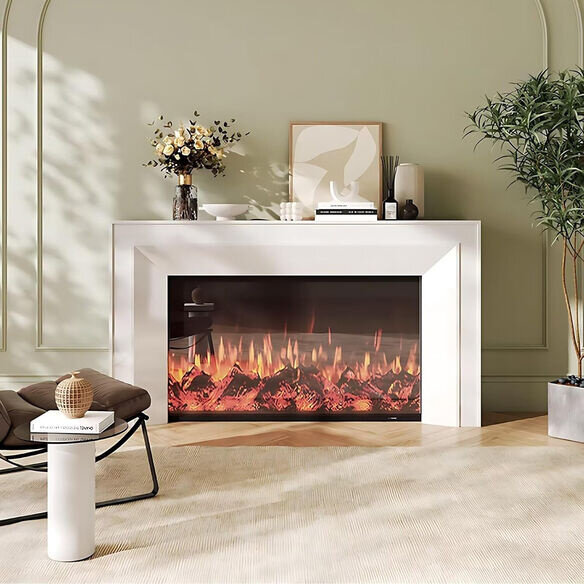
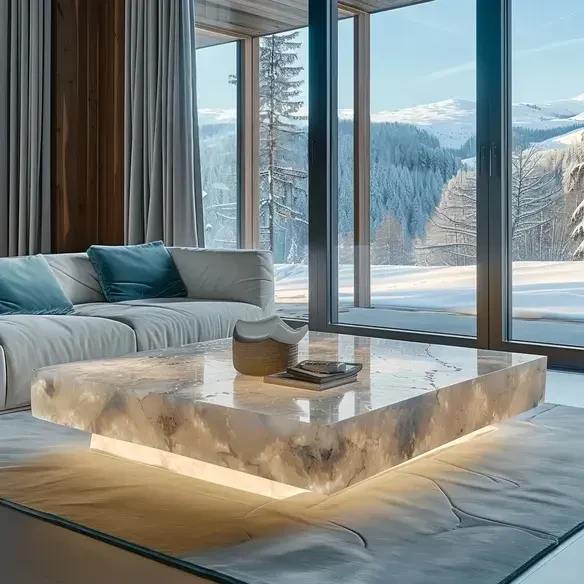
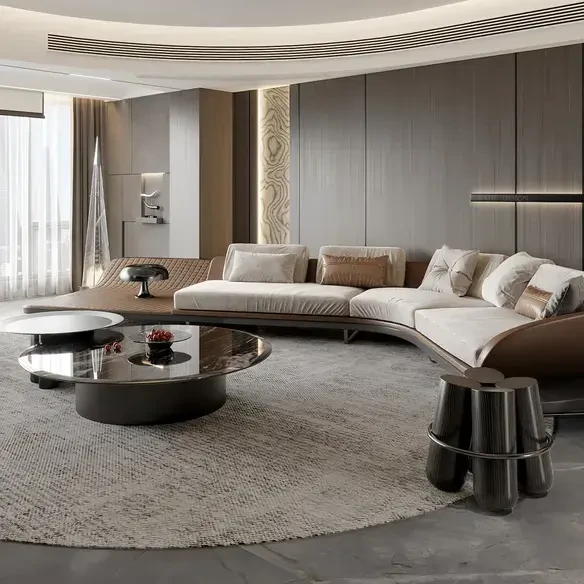
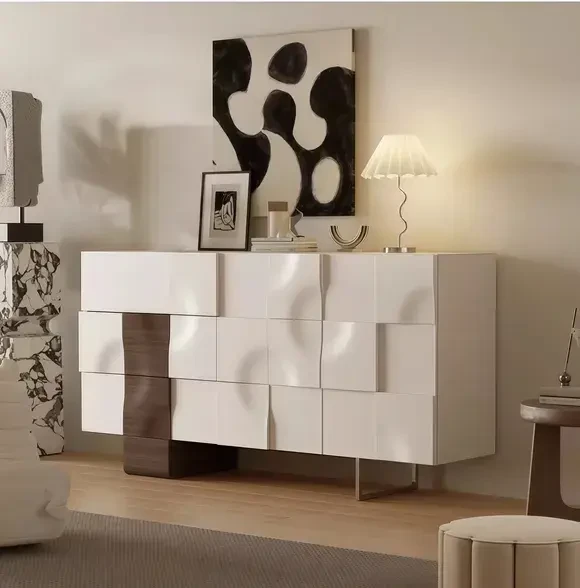
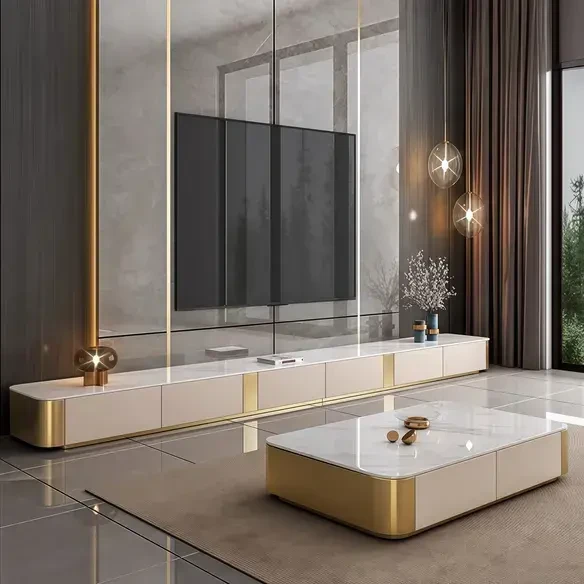
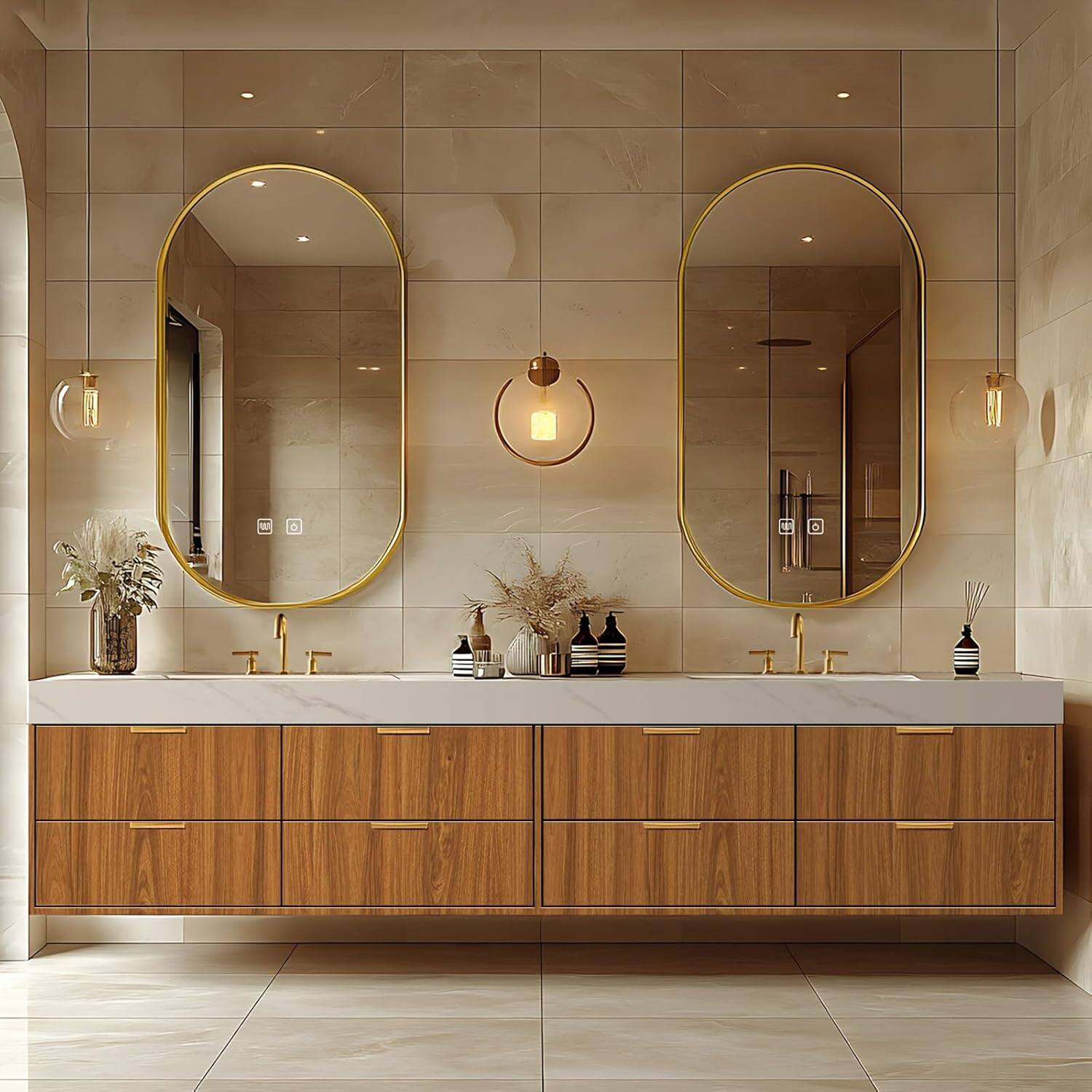
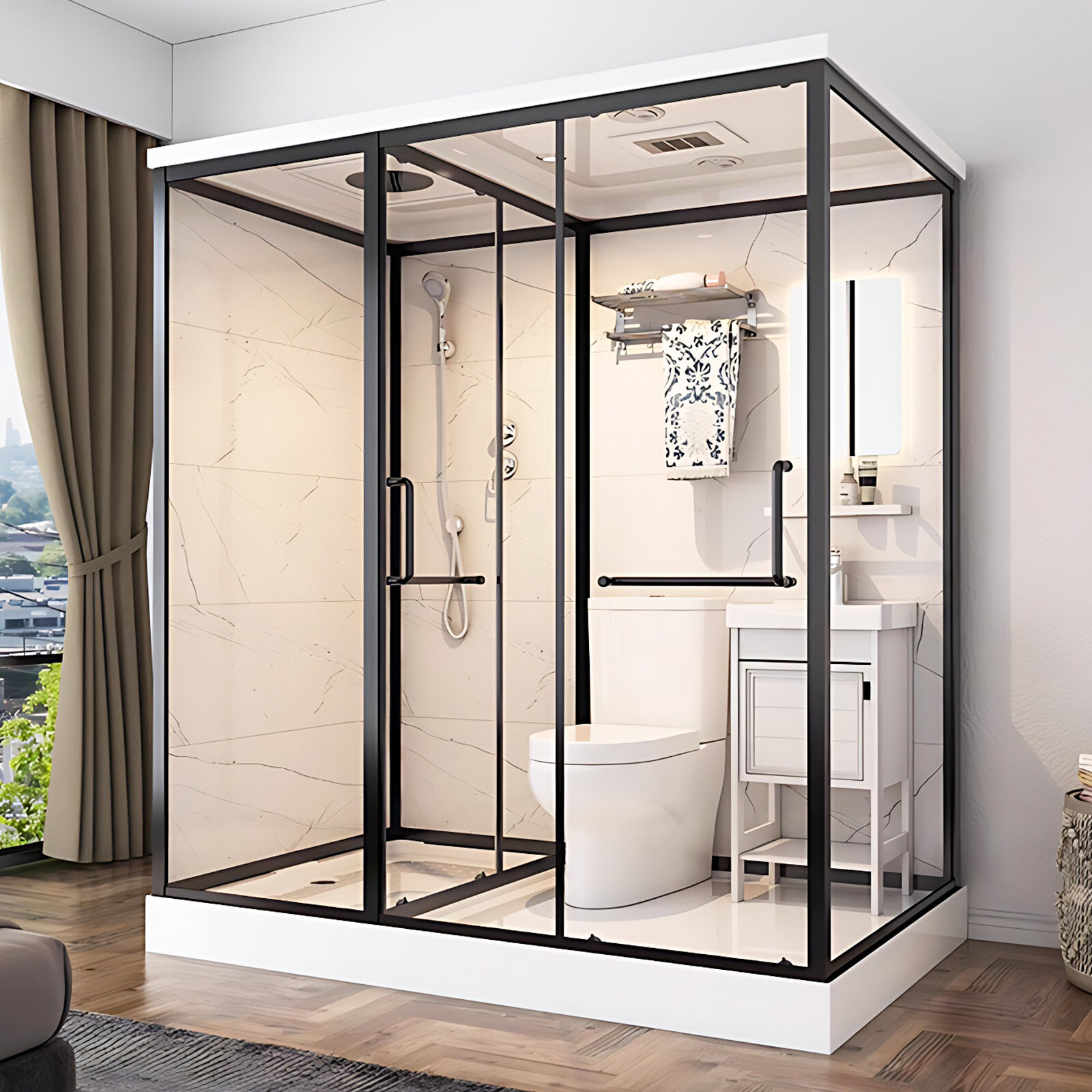
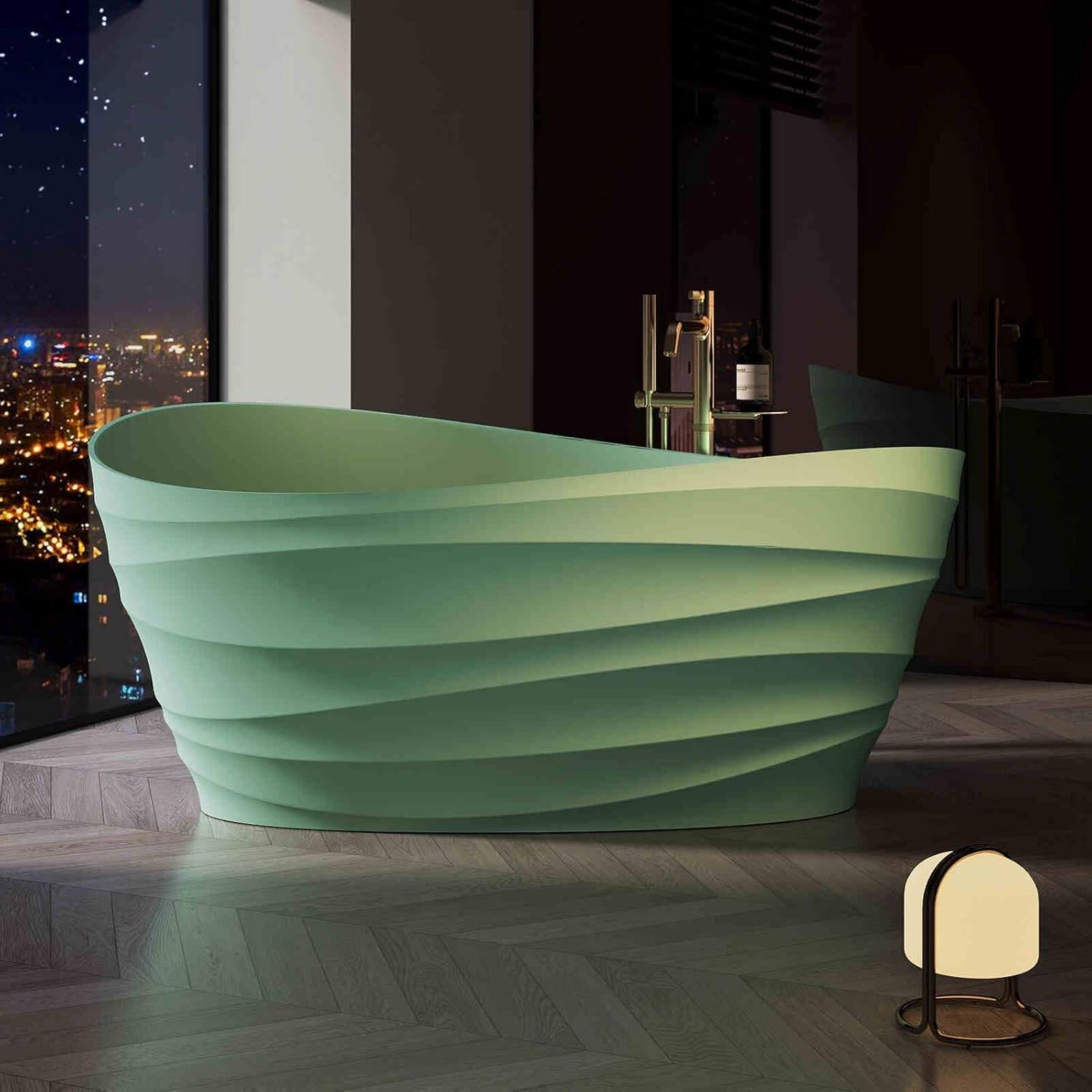
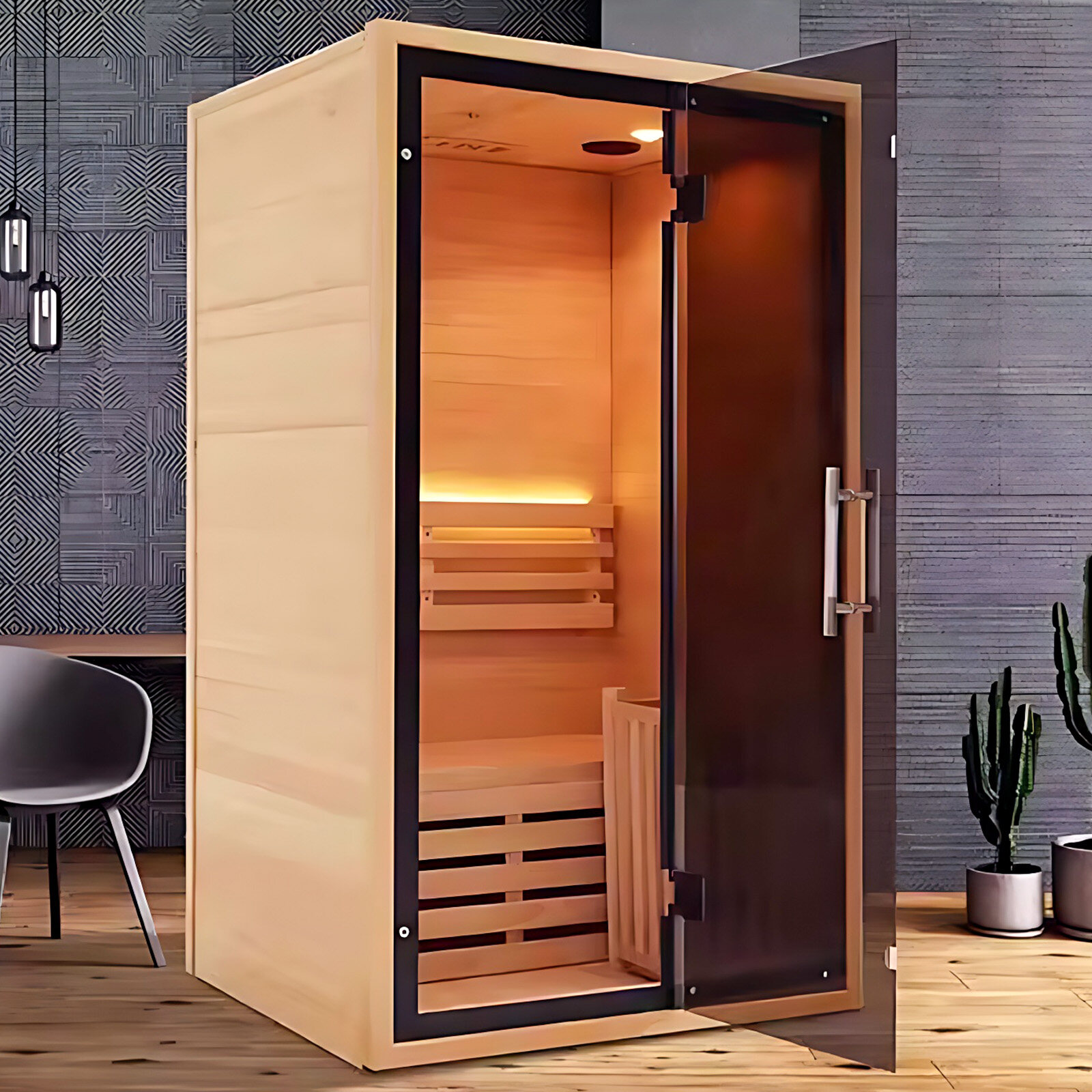
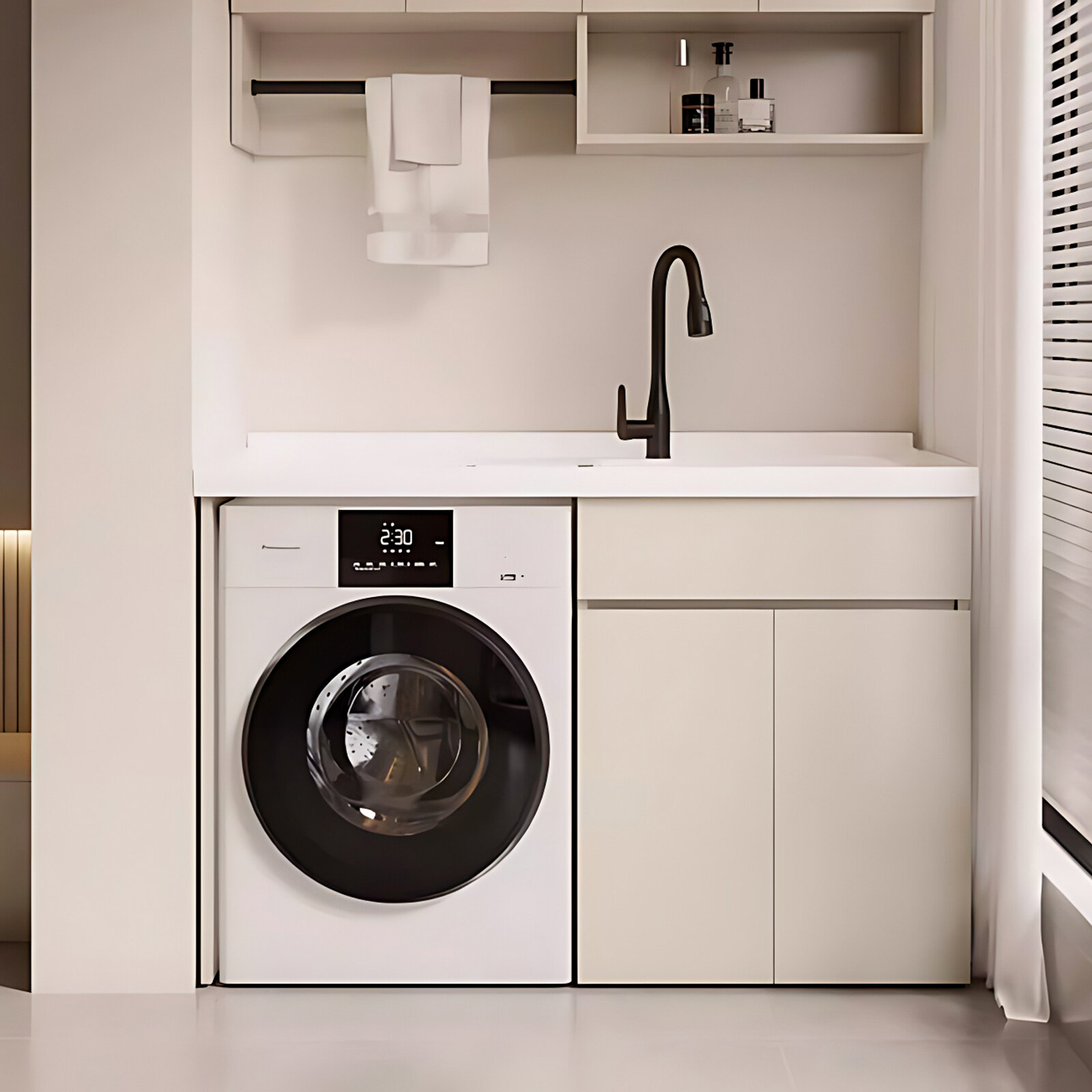
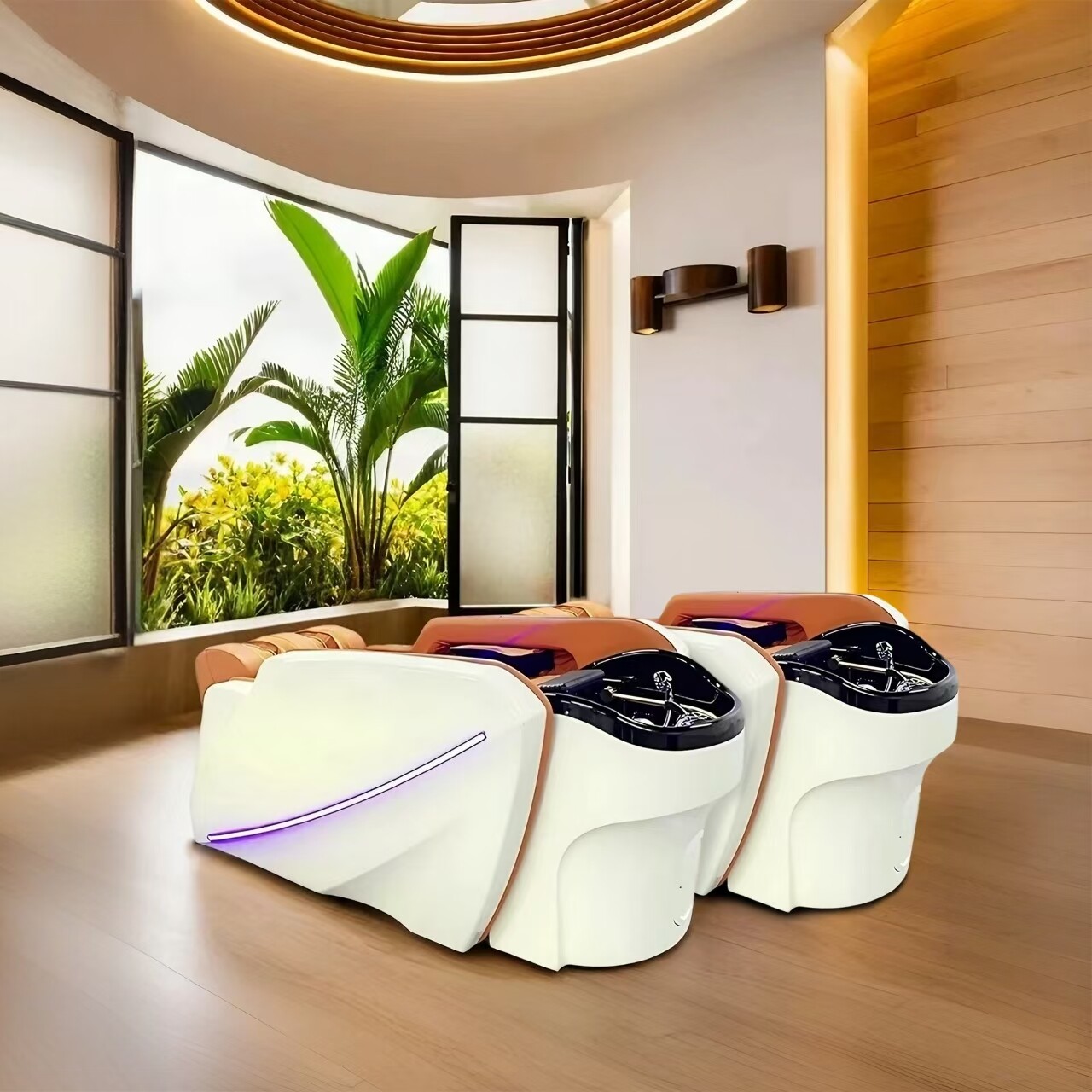
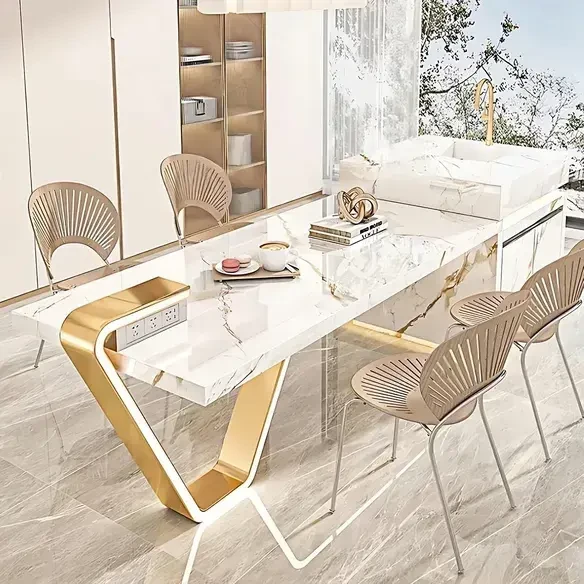
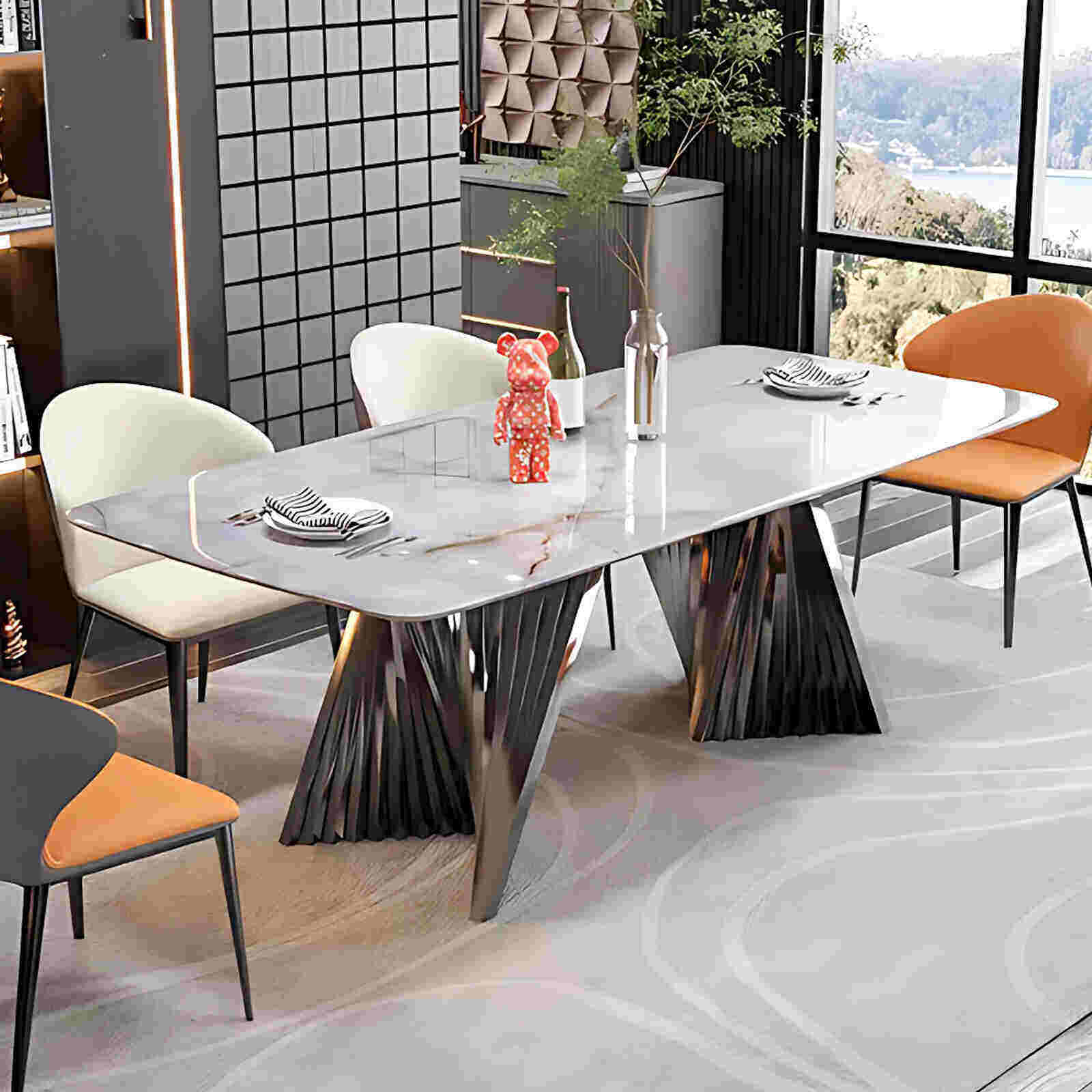
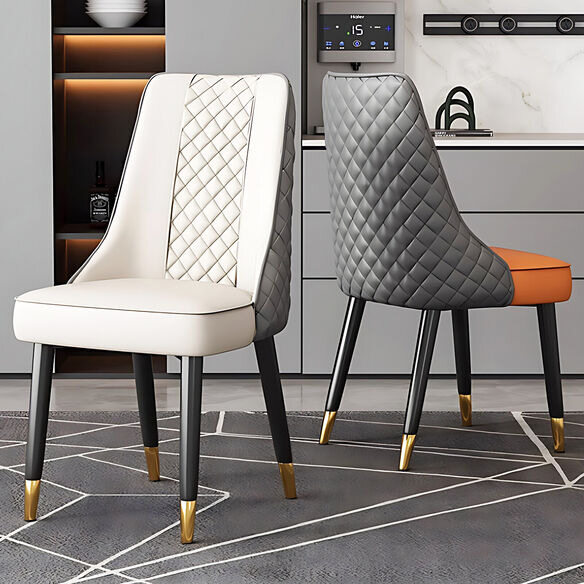
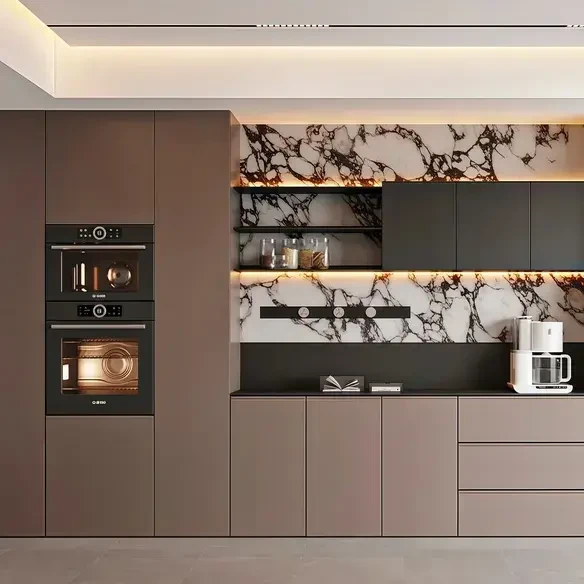
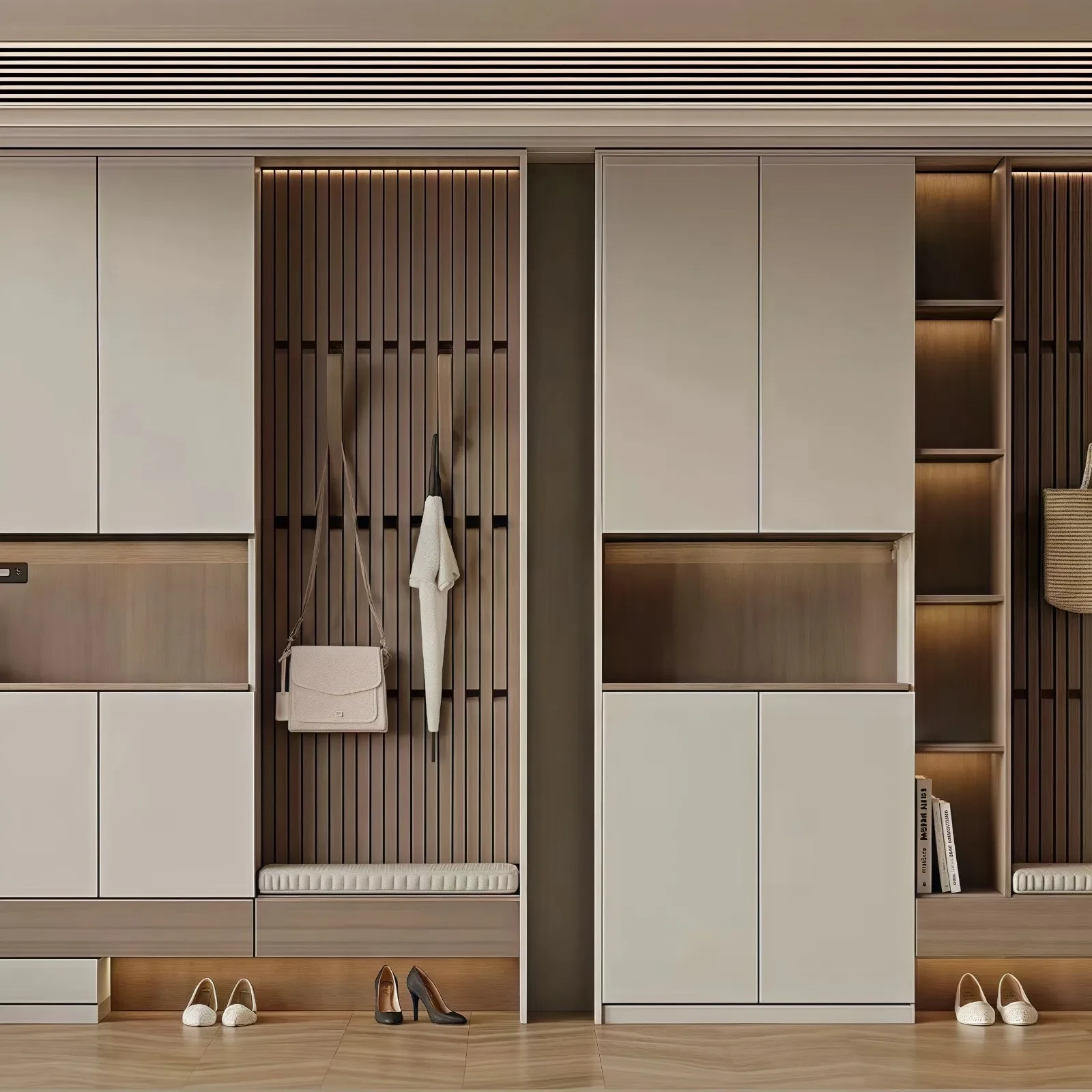
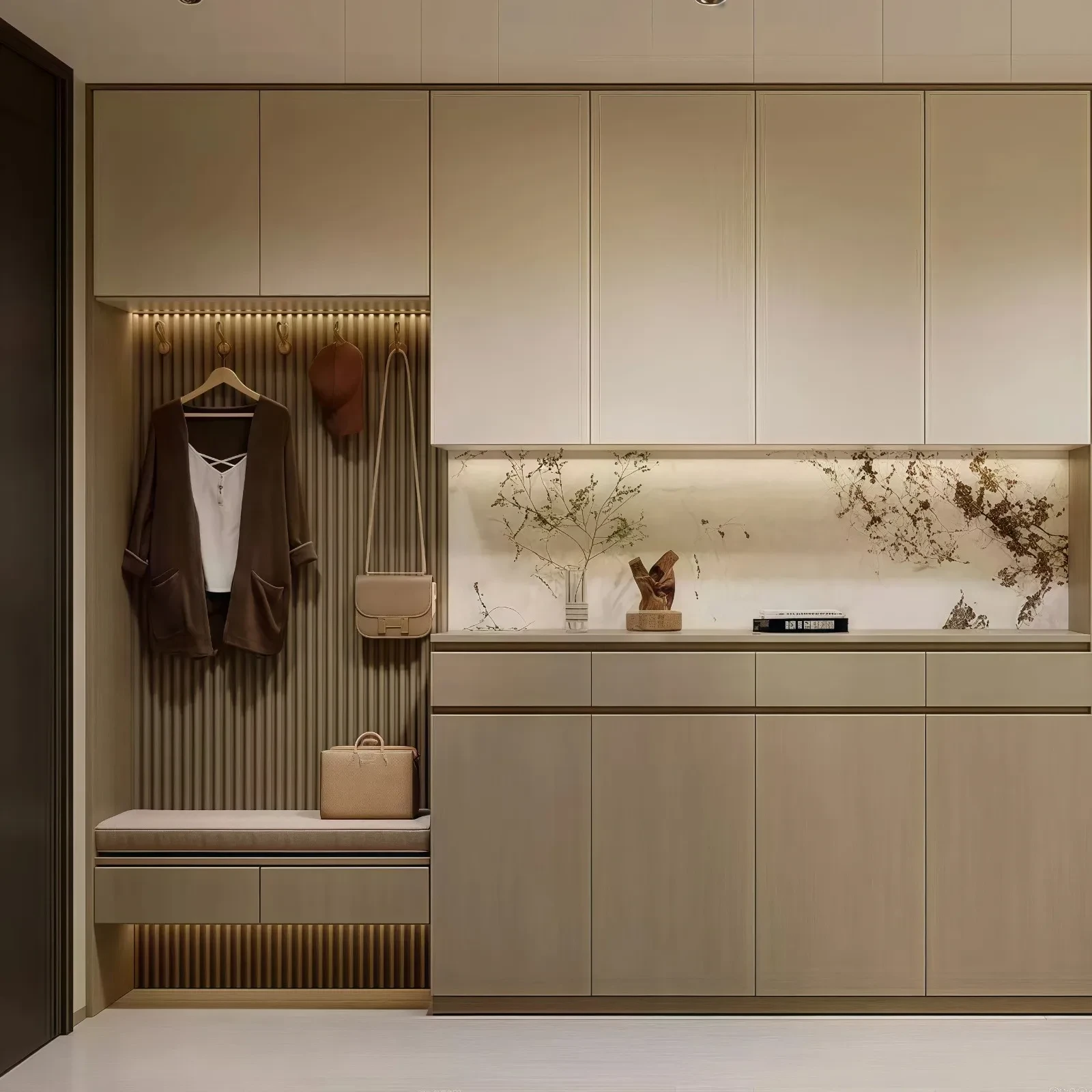
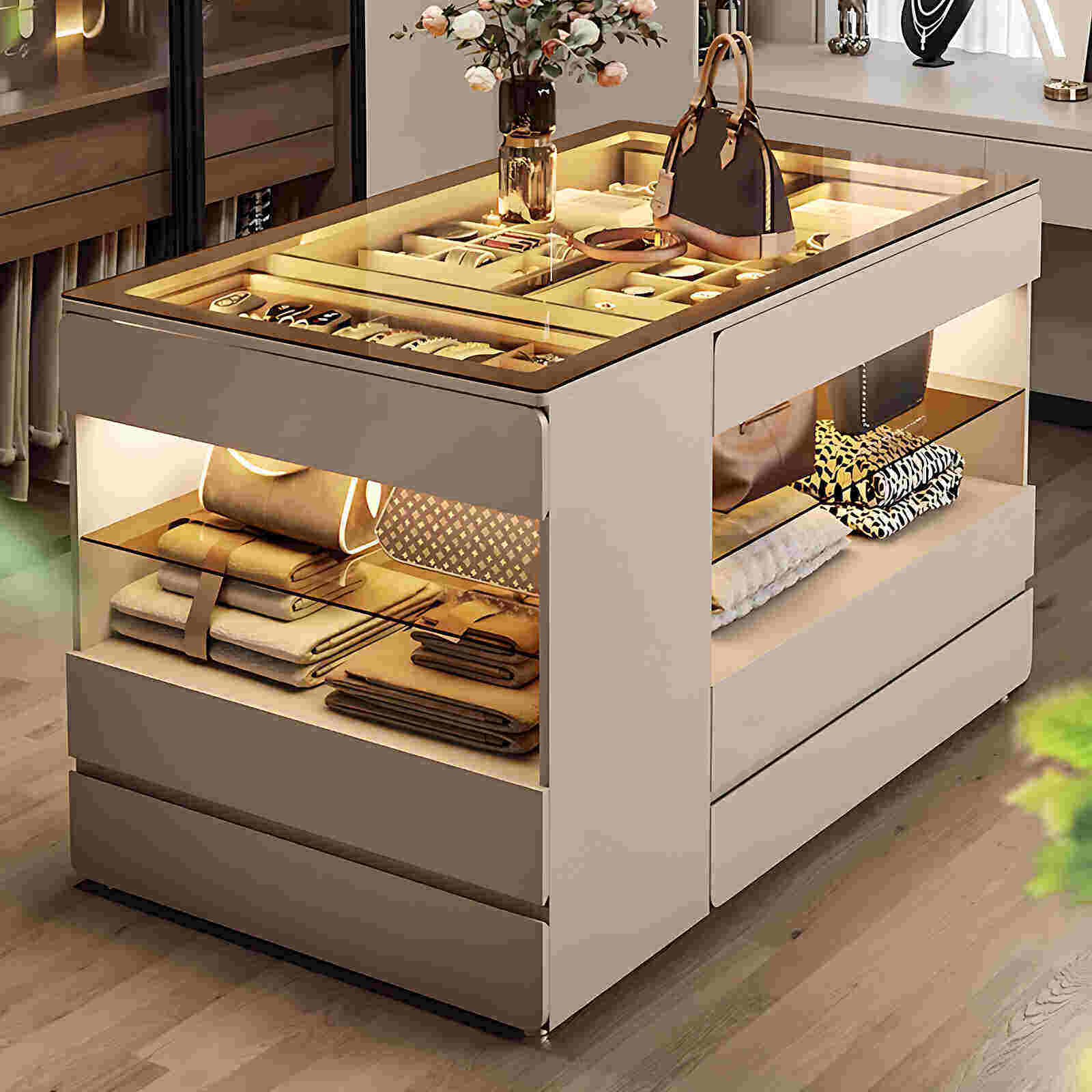
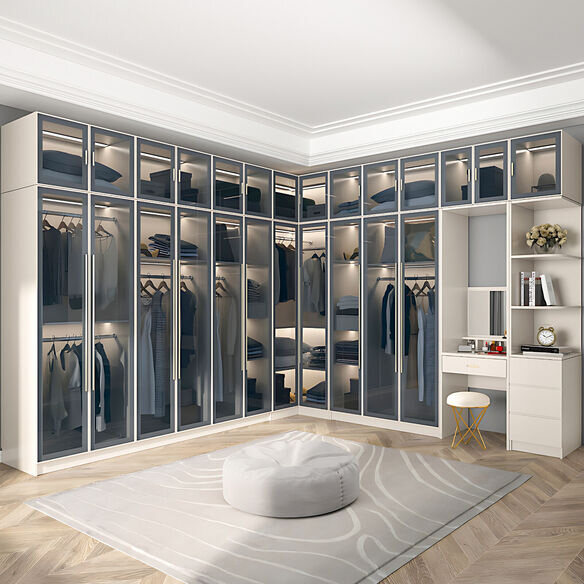
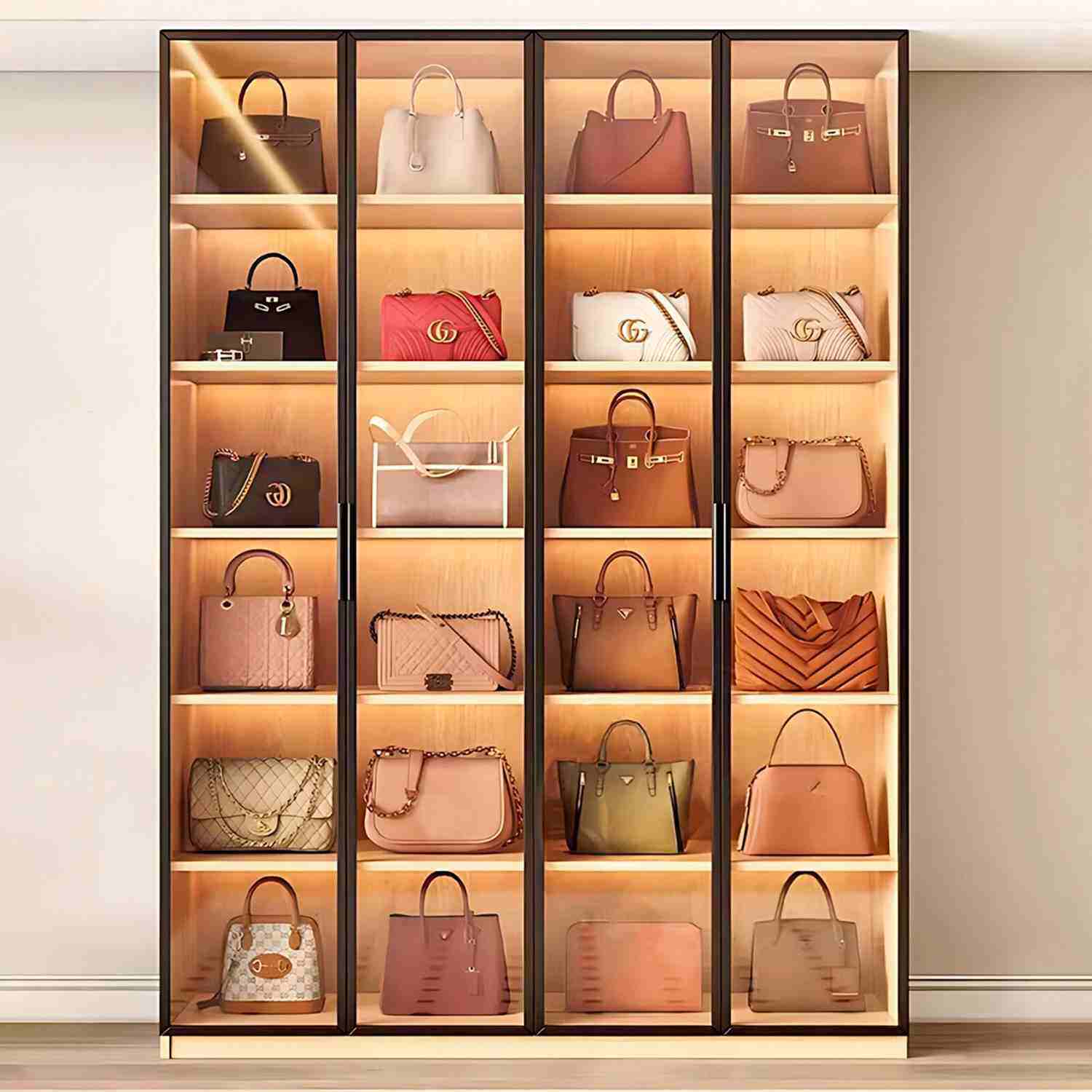
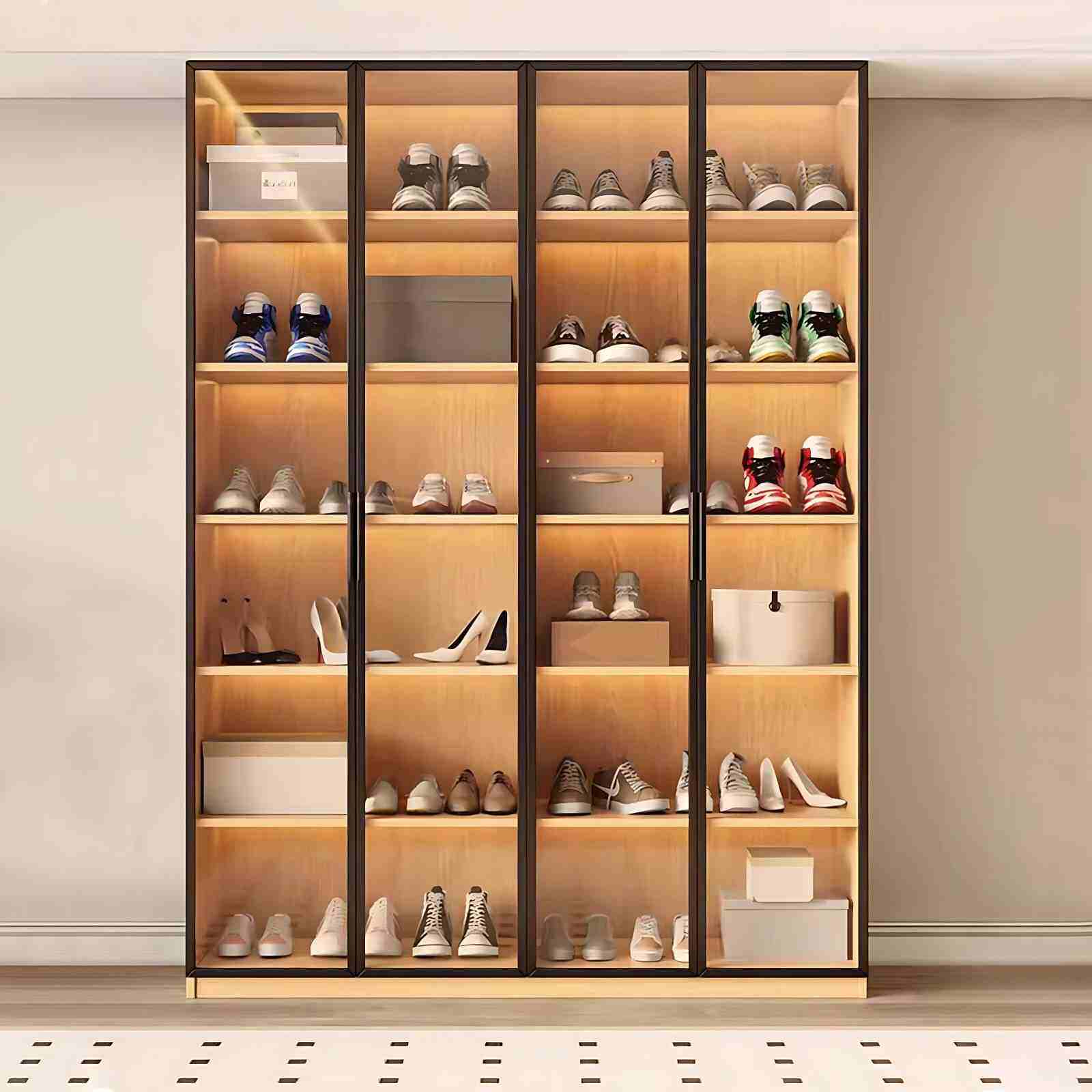
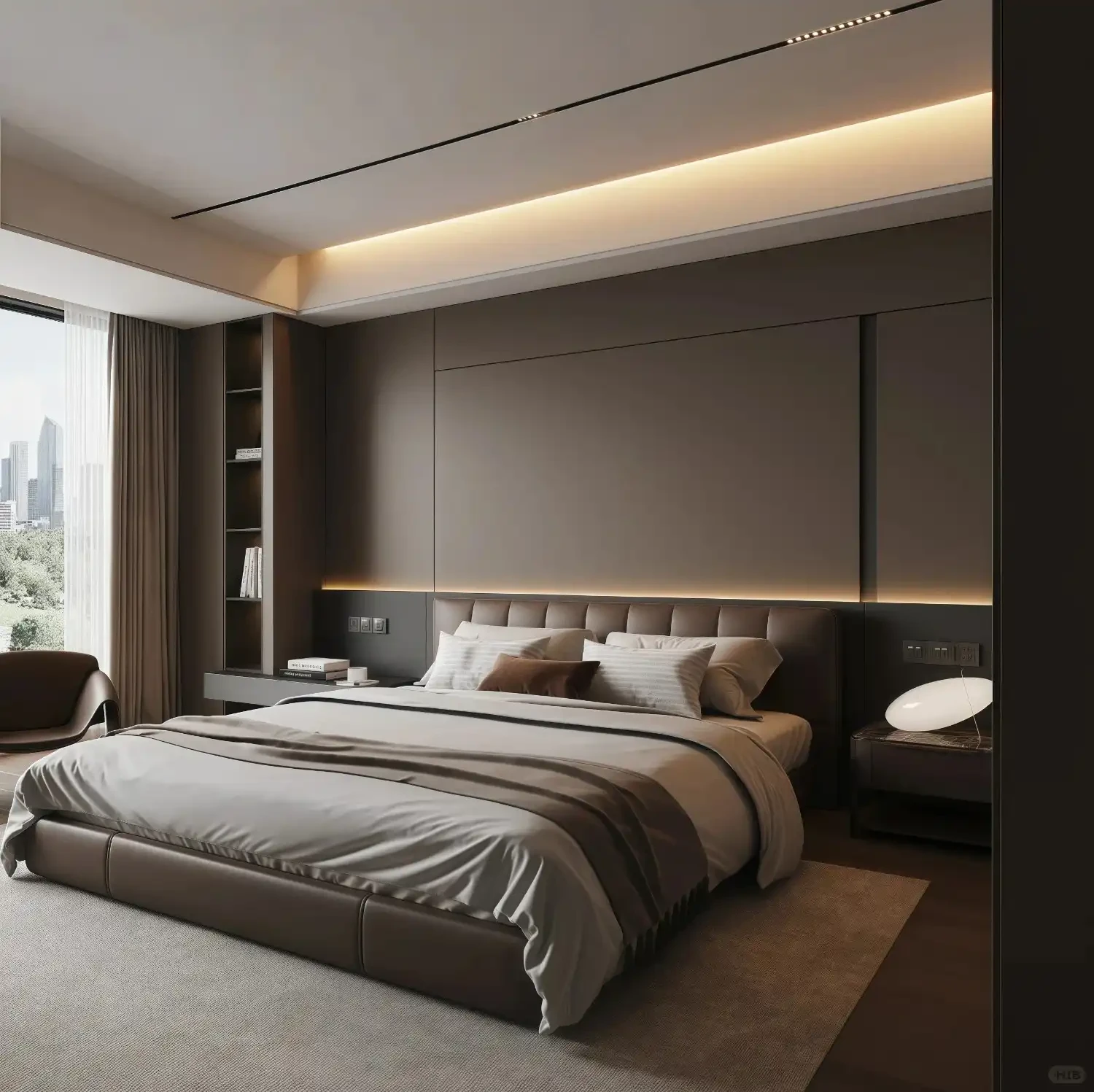
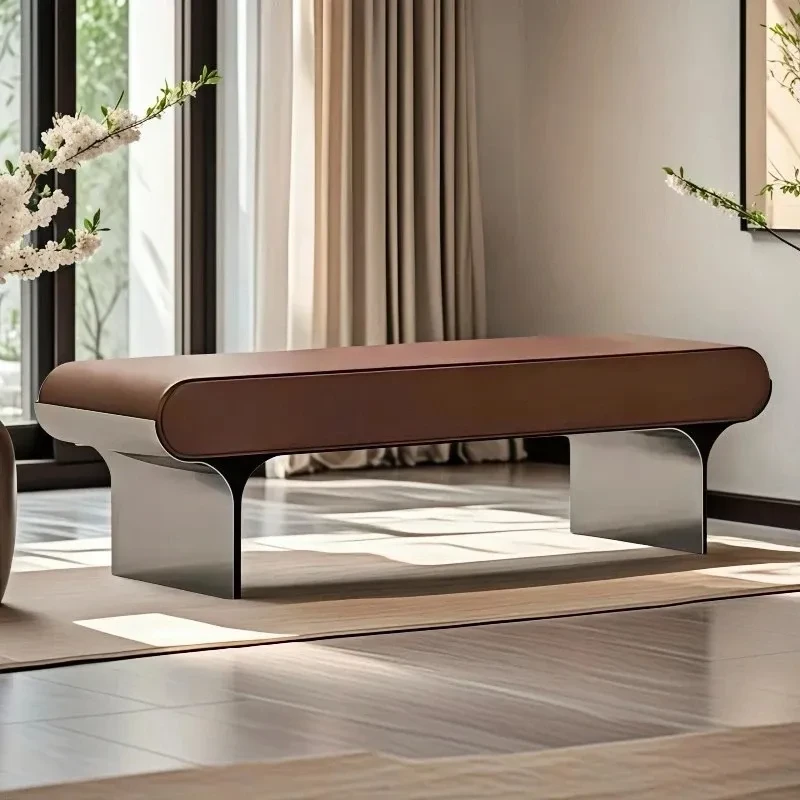
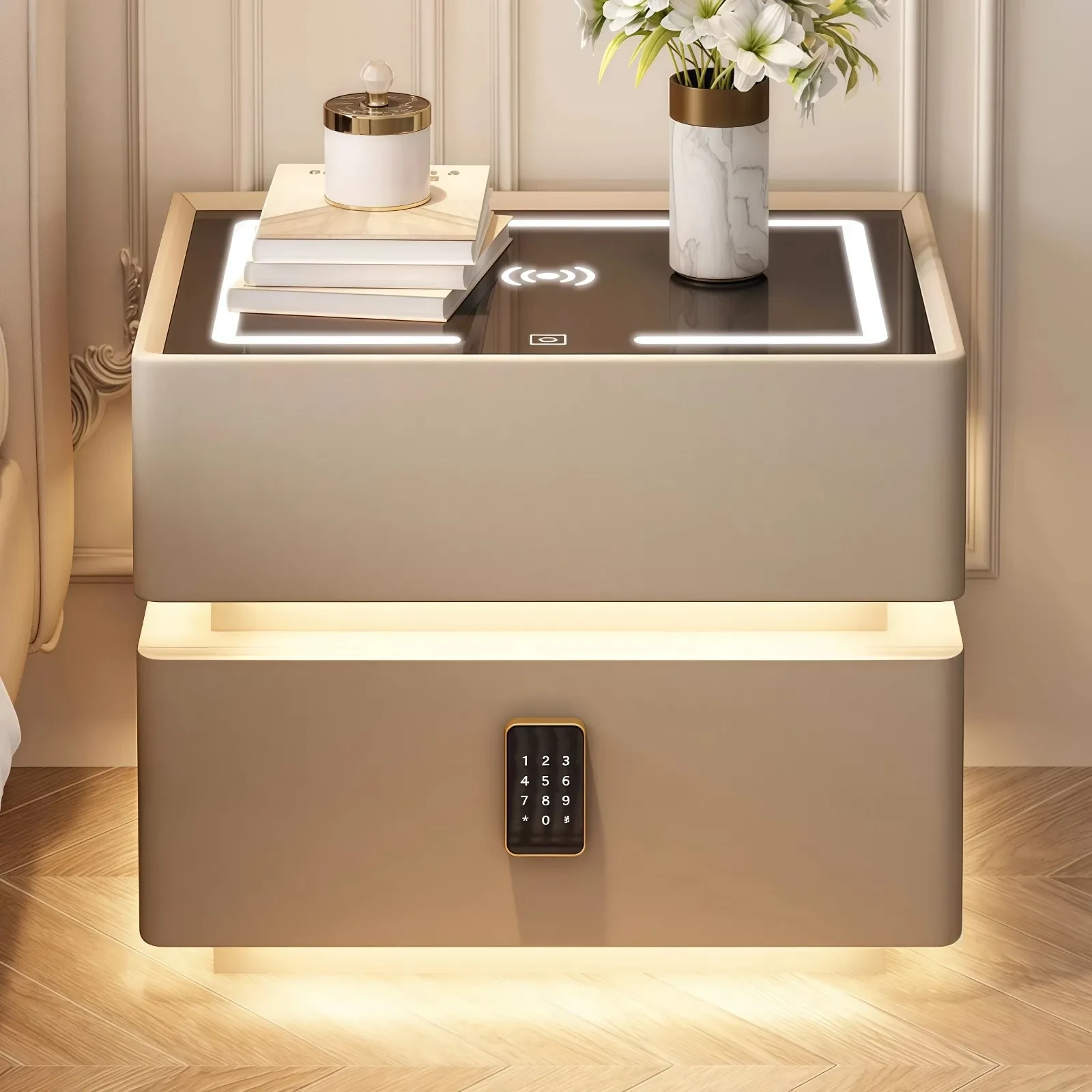
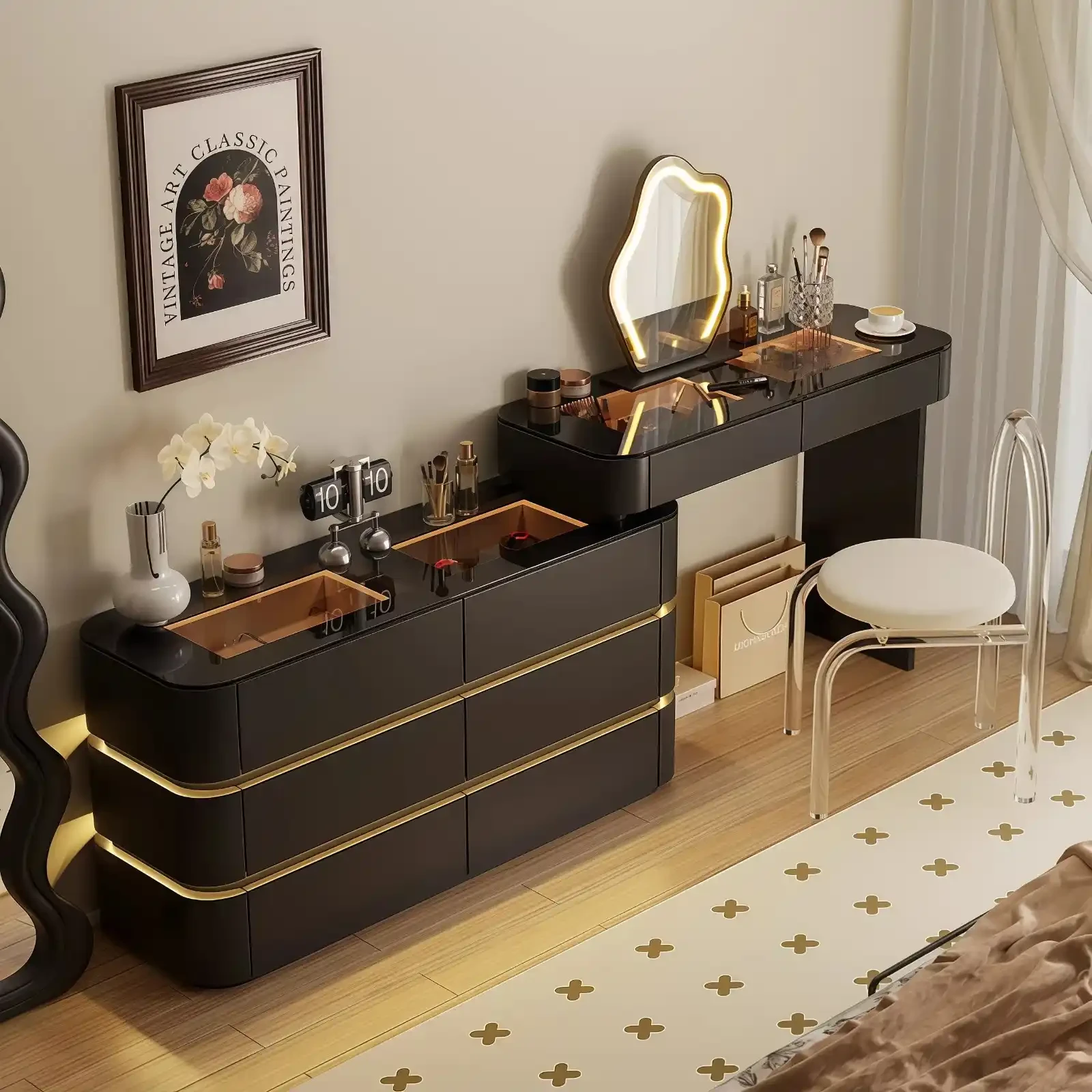
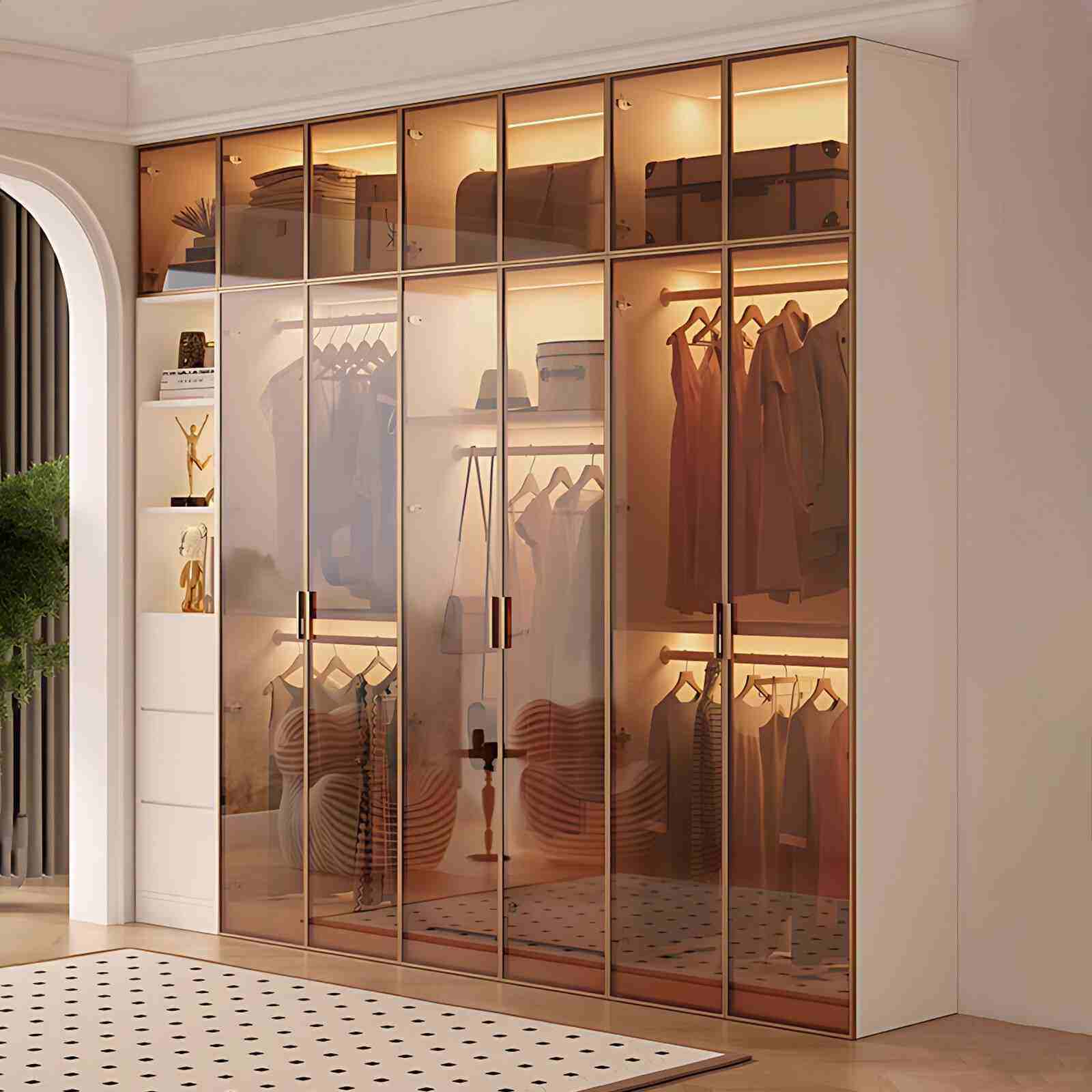
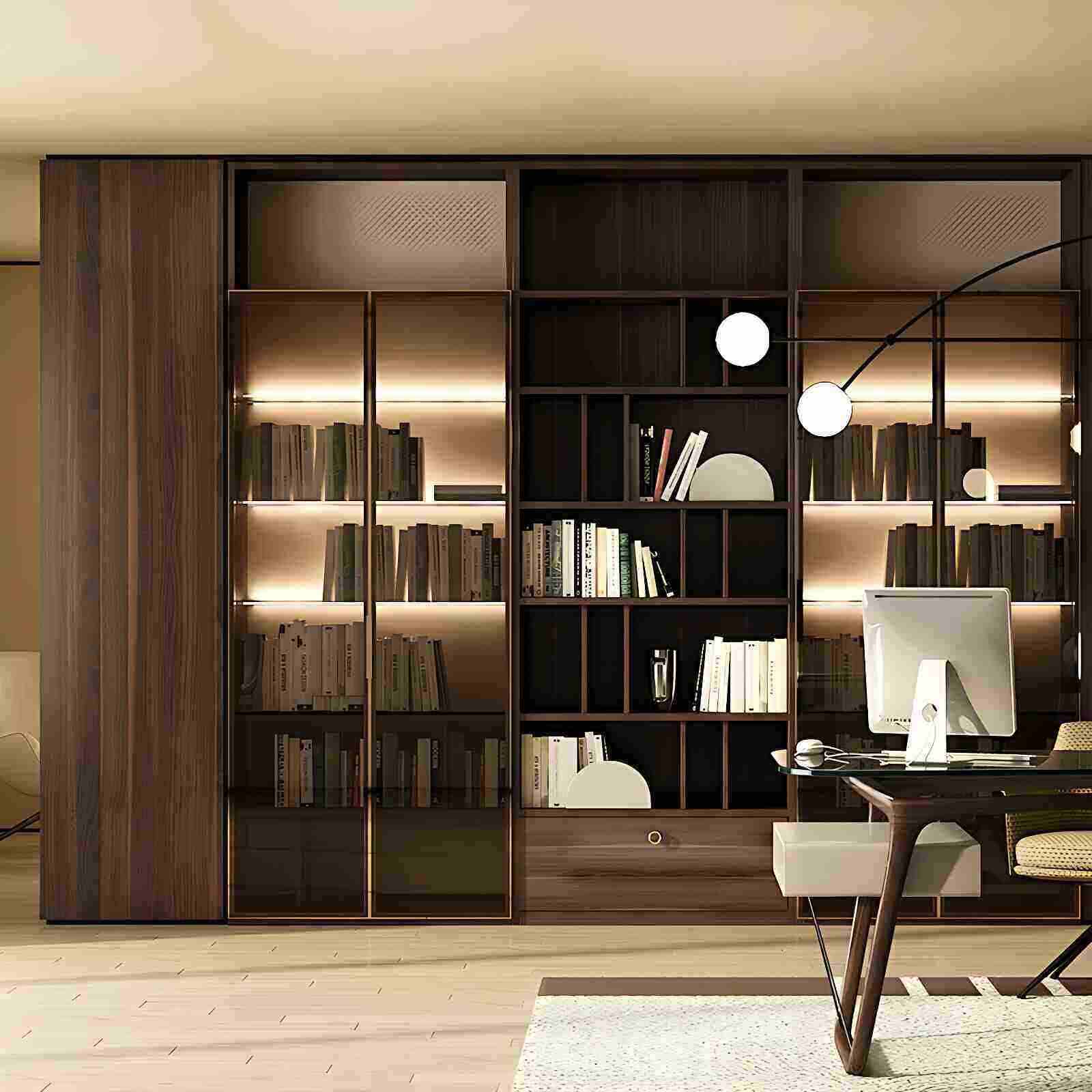
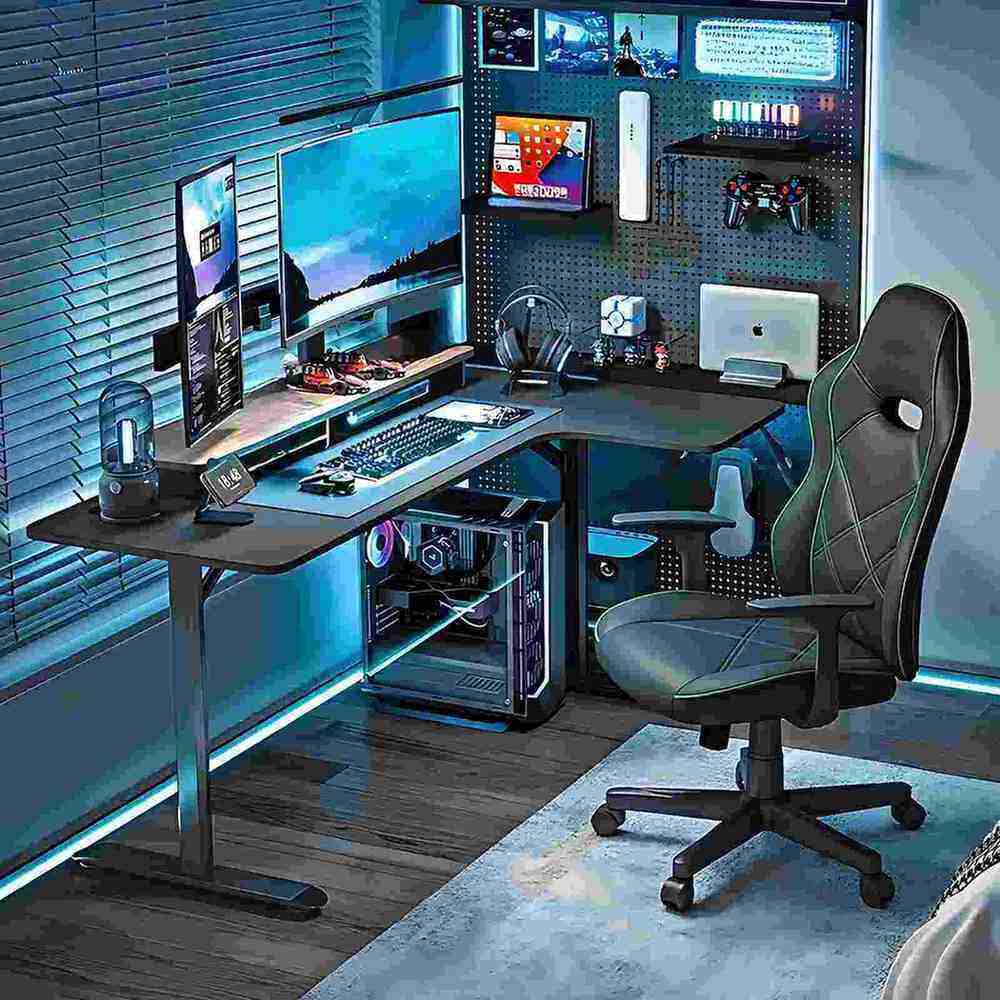
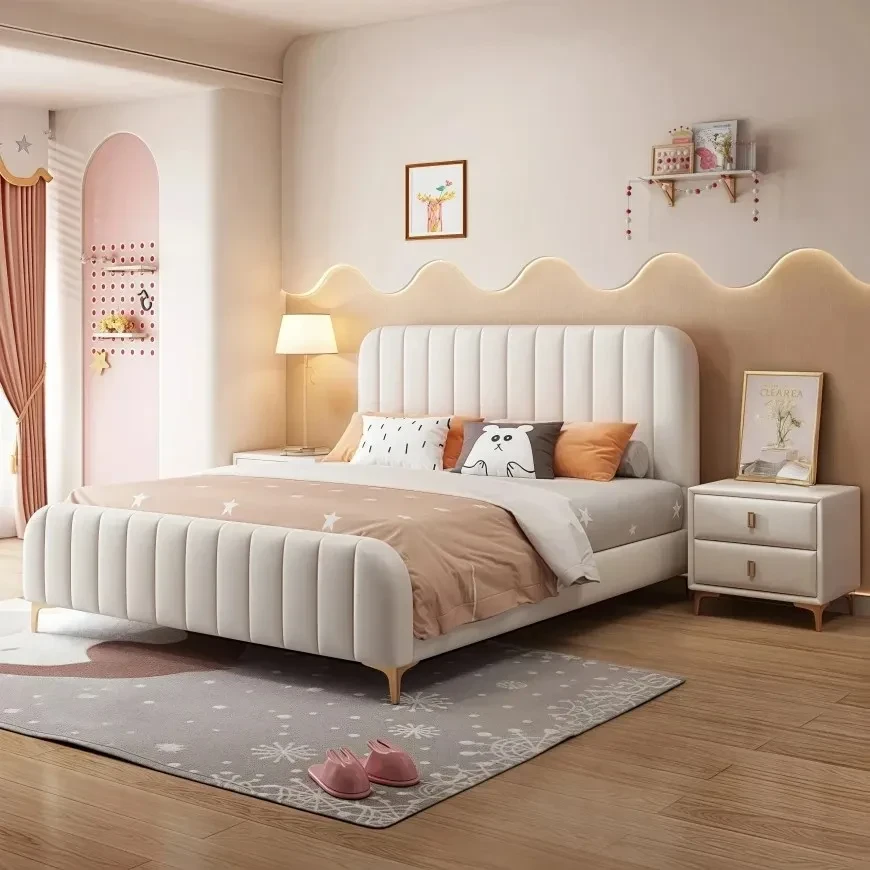
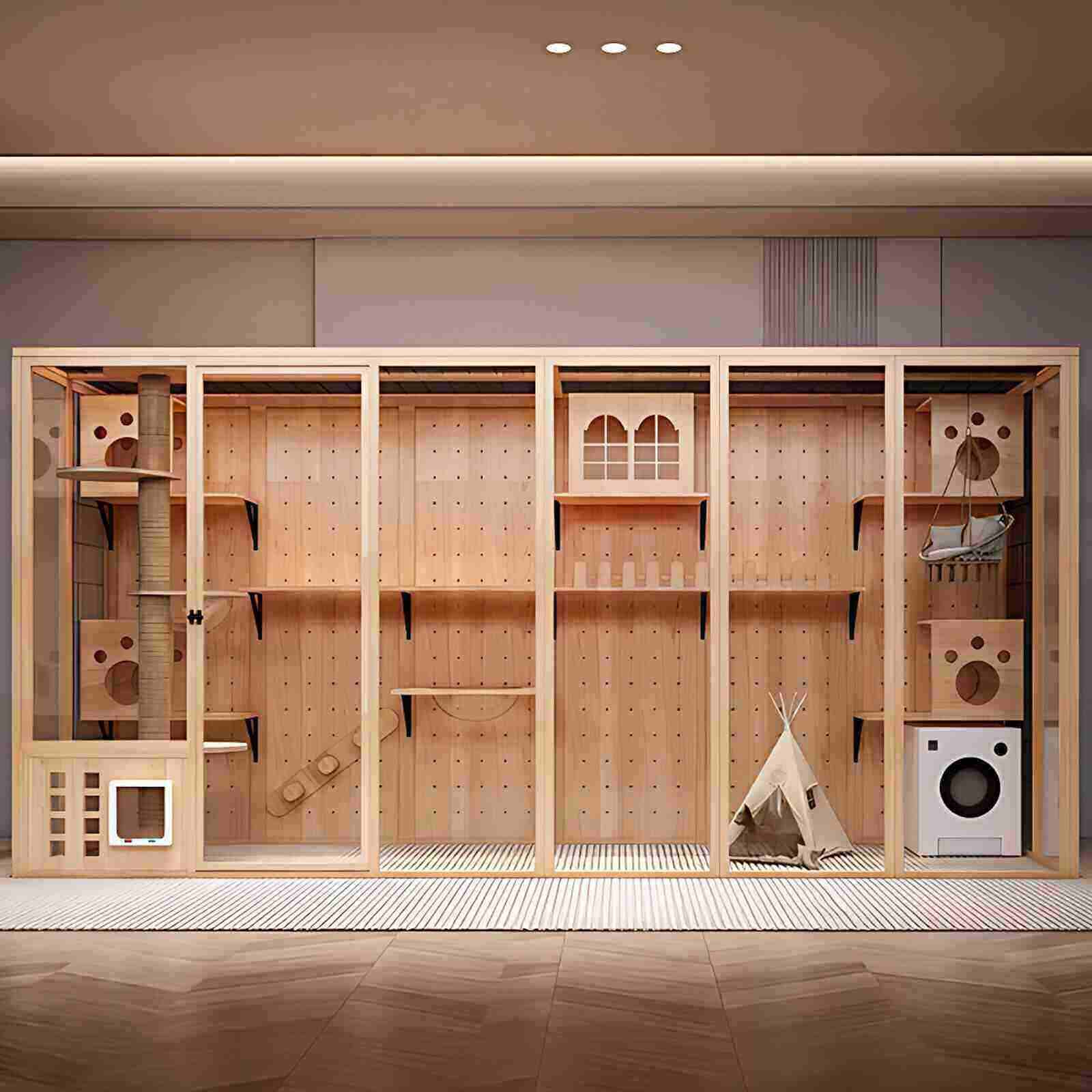
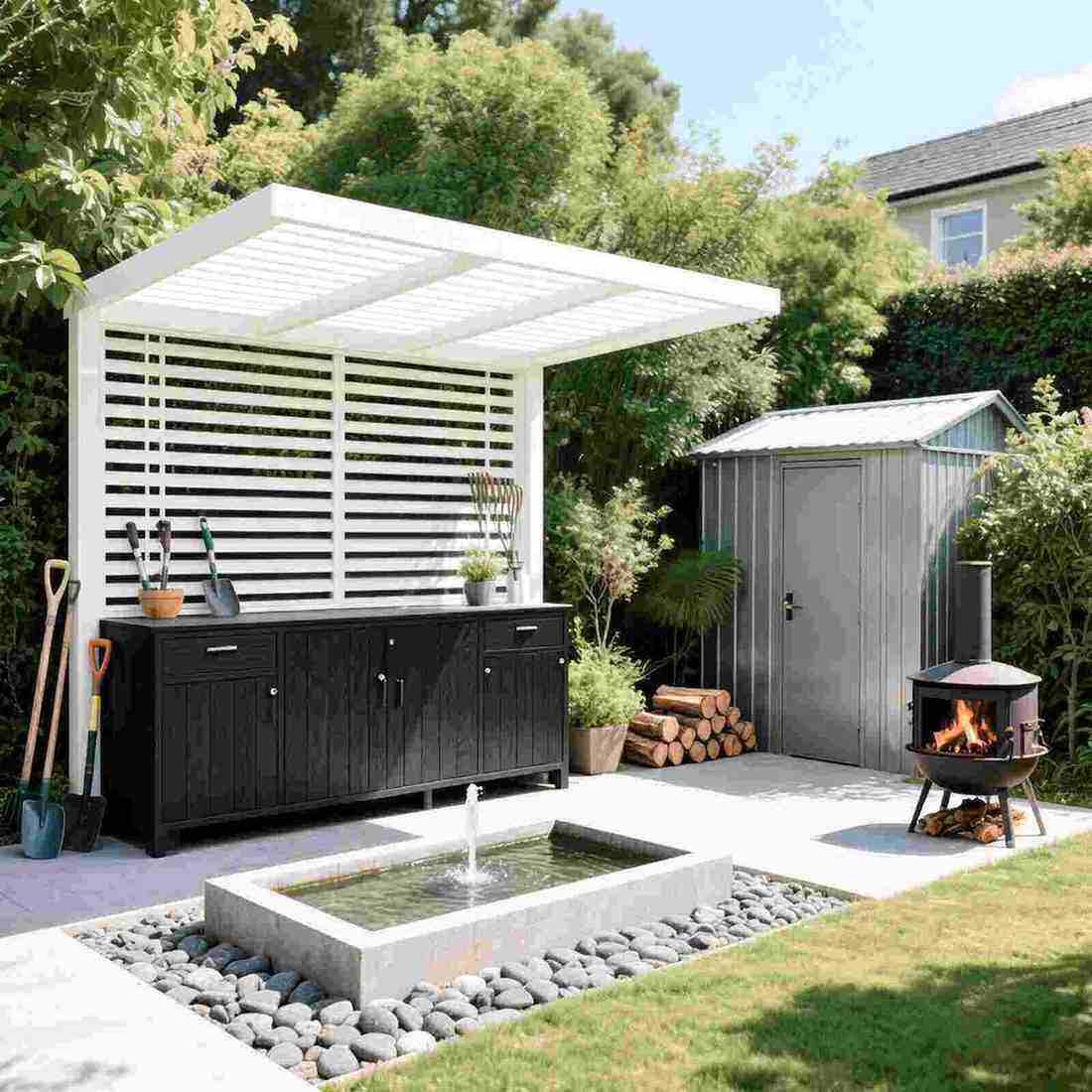
Throughout history, humanity's pursuit of a comfortable living environment has remained constant, and interior design materials have continuously evolved, from solid wood to engineered wood panels, and from engineered wood panels to decorative panels. The continuous exploration of the balance between natural environmental protection and the living environment in raw materials aims to enhance the living experience. So, what are some excellent decorative panels available?
Based on the material, there are mainly two types: wood veneer and decorative paper. Based on the texture, there are usually wood grain, stone grain, leather grain, fabric grain, solid color, etc. Among them, wood grain includes wood veneer texture and decorative paper wood grain, while decorative paper includes wood grain, stone grain, leather grain, fabric grain, solid color, etc. It sounds a bit complicated. Simply put, when we consumers choose, if we like the real feel of wood, then we should choose wood veneer panels. If we don't have any special requirements, we can choose panels with various textures and materials, according to personal preference.
Next, let's explore the different visual experiences brought about by different finishes.
01. Wood Grain
The main difference between wood veneer and decorative paper lies in the tactile experience. Wood veneer is closer to nature, presenting a rustic, natural, and tranquil feel. Engineered wood veneer, in particular, offers a richer range of options, satisfying more personalized customization needs. Decorative paper, while less appealing to the touch, offers a wider variety of textures, easily matching various interior design styles. Regardless of the material, wood-grain panels represent the most efficient and intimate way to connect with nature.
02. Stone Pattern
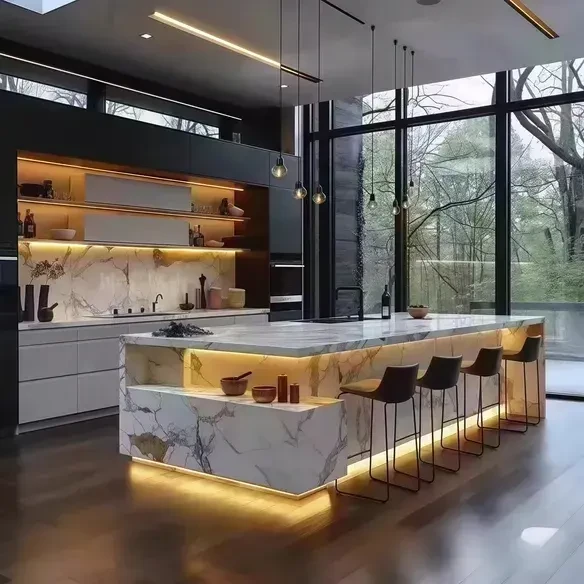
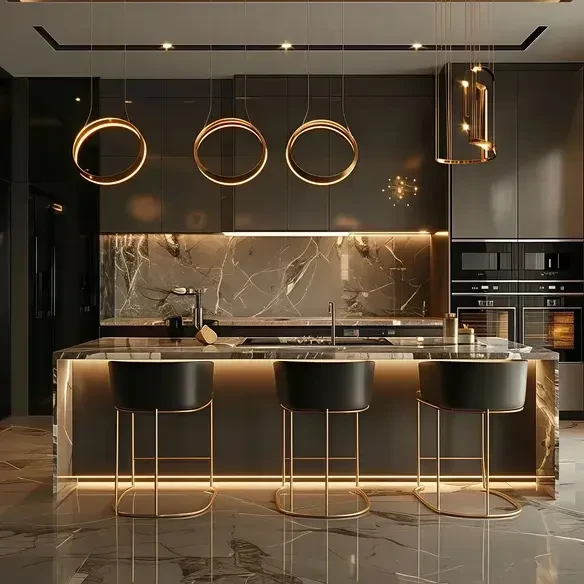
In contrast to wood grain, stone grain represents rationality. If wood grain represents sensuality, then stone grain represents rationality. Surveys have found that stone grain is particularly popular among male consumers, which aligns well with masculine traits. Furthermore, stone grain is well-suited for kitchens, as countertops are typically made of stone. Using stone-textured slabs creates a more unified look, making it less prone to mismatches. Stone is also more resistant to dirt, a significant advantage in areas with a lot of cooking activity.
03. Skin texture
Leather textures give a more upscale and fashionable feel. For example, the leather-textured veneer panels from brands like TBB have undergone further processing to enhance the realistic tactile experience, making the raised textures stimulate the fingertips and extend to the brain, bringing a more enjoyable experience every moment. Leather-textured veneer panels can be used for cabinet doors or as accents in open cabinets, showcasing a truly ingenious design aesthetic.
04. Fabric texture
Fabric textures can be simple or sophisticated, and the realistic embossed surface creates a truly lifelike effect. If you want the soft feel of cotton fabric while being easy to maintain, consider fabric-textured panels. They have a wide range of applications, a strong design appeal, and can be used as countertops and cabinet decorations to enhance your overall home décor.
05. Solid Color
Solid colors require no special craftsmanship; they abandon complex embellishments and use the simplest colors to create the purest space, restoring the simplest life. For example, blue brings a sense of intimacy and expresses the yearning for freedom in young people; yellow is full of vitality, and its bright hue embodies energy and aspiration, adding a touch of brilliance to the home.
Which one do you prefer?