
 USD
USD GBP
GBP
 EUR
EUR
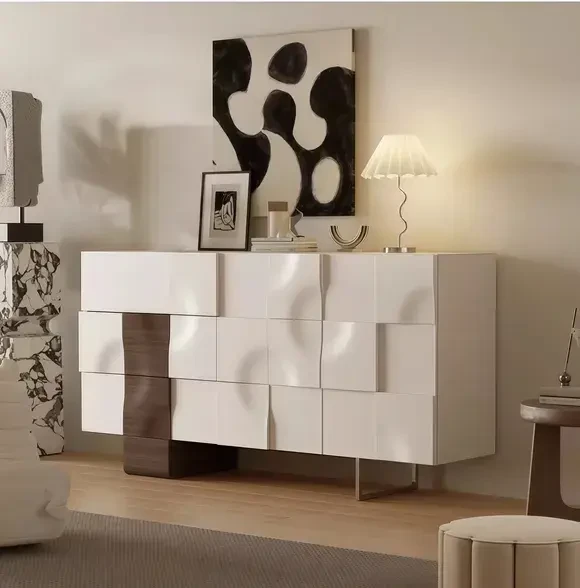
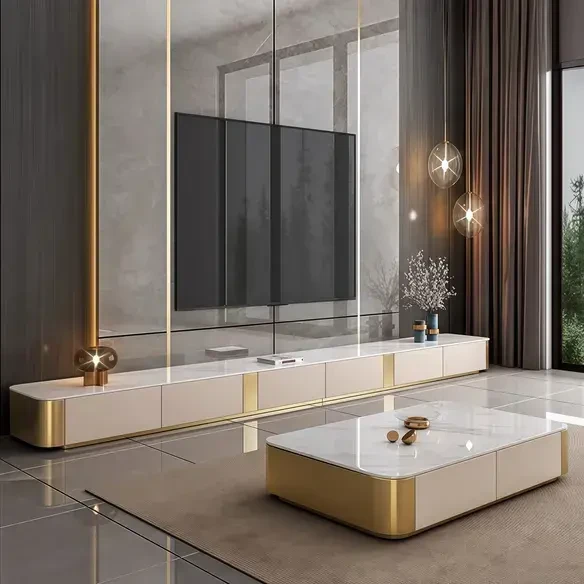
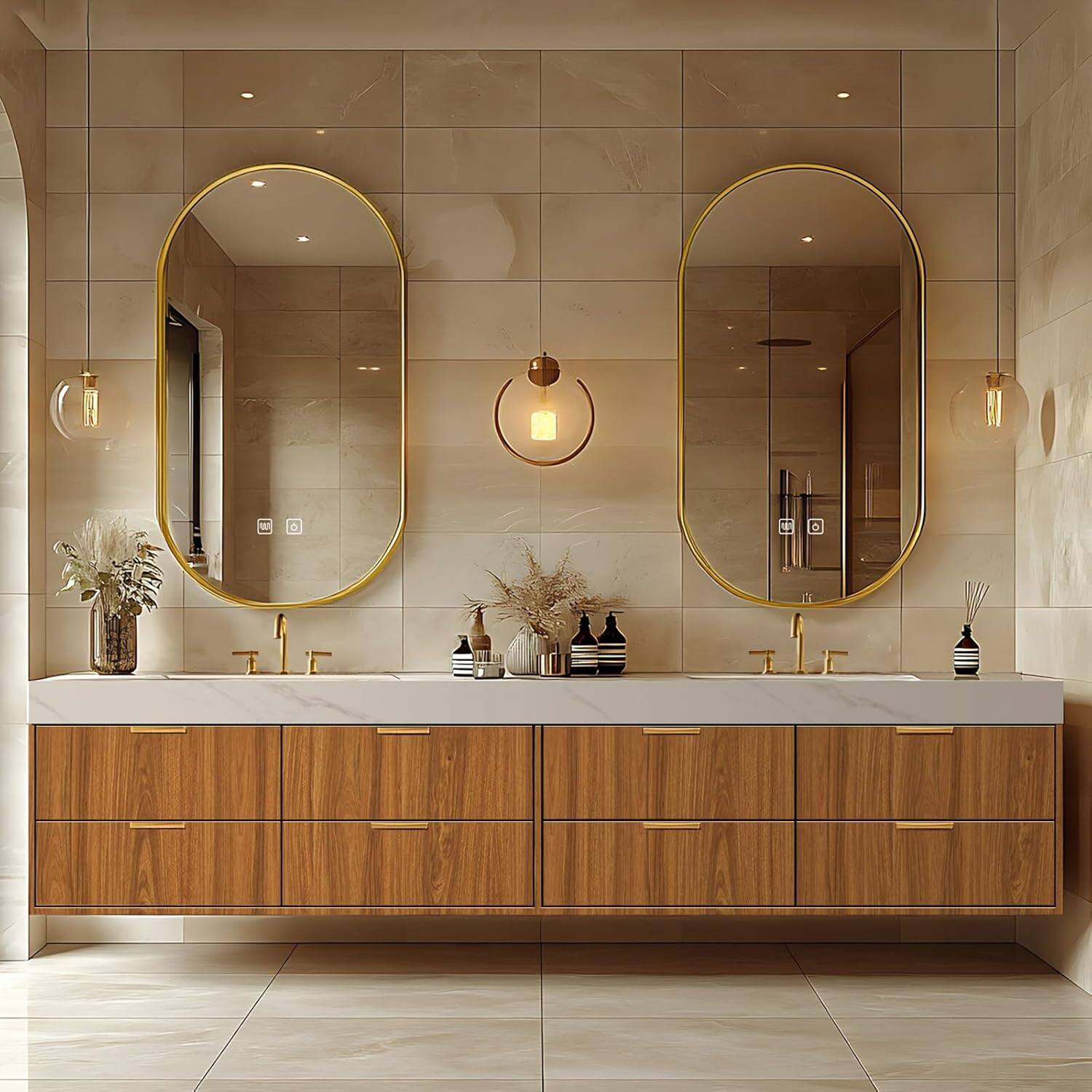
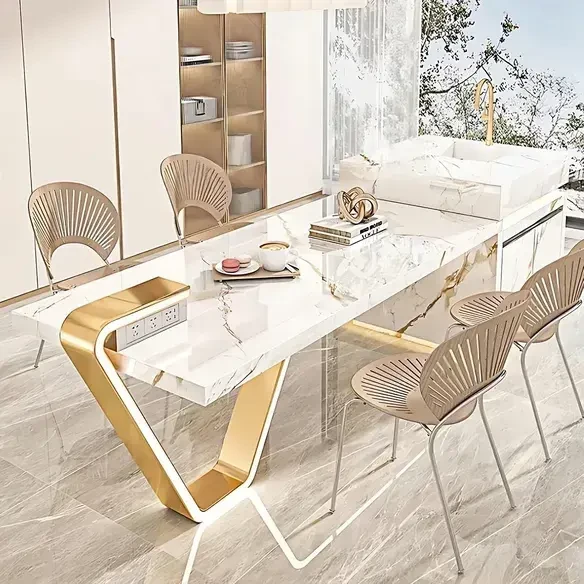
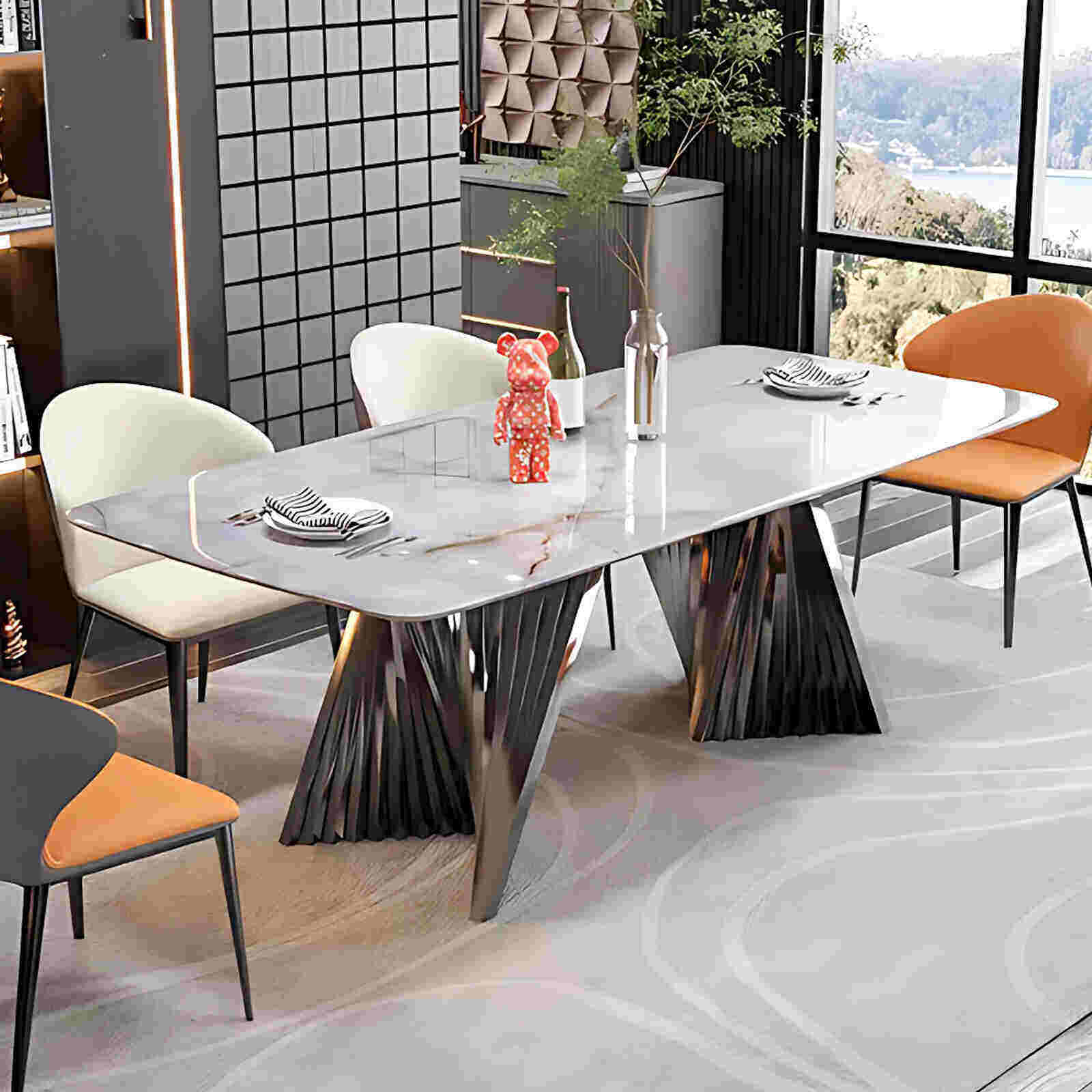
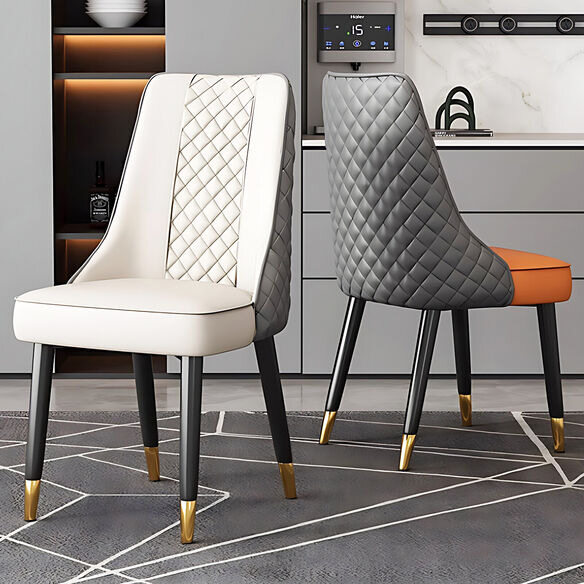
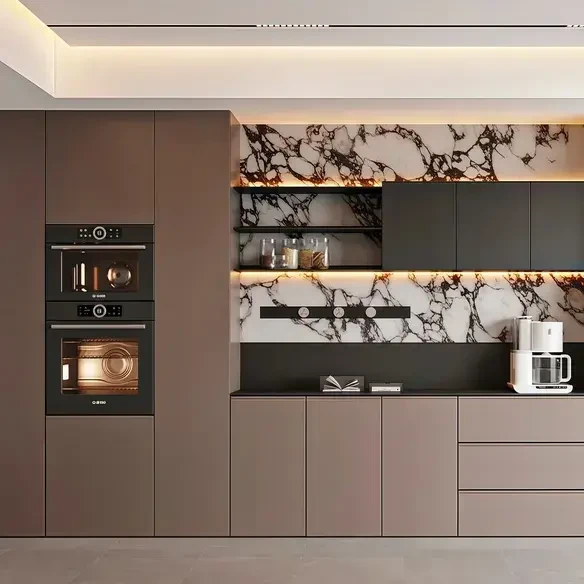
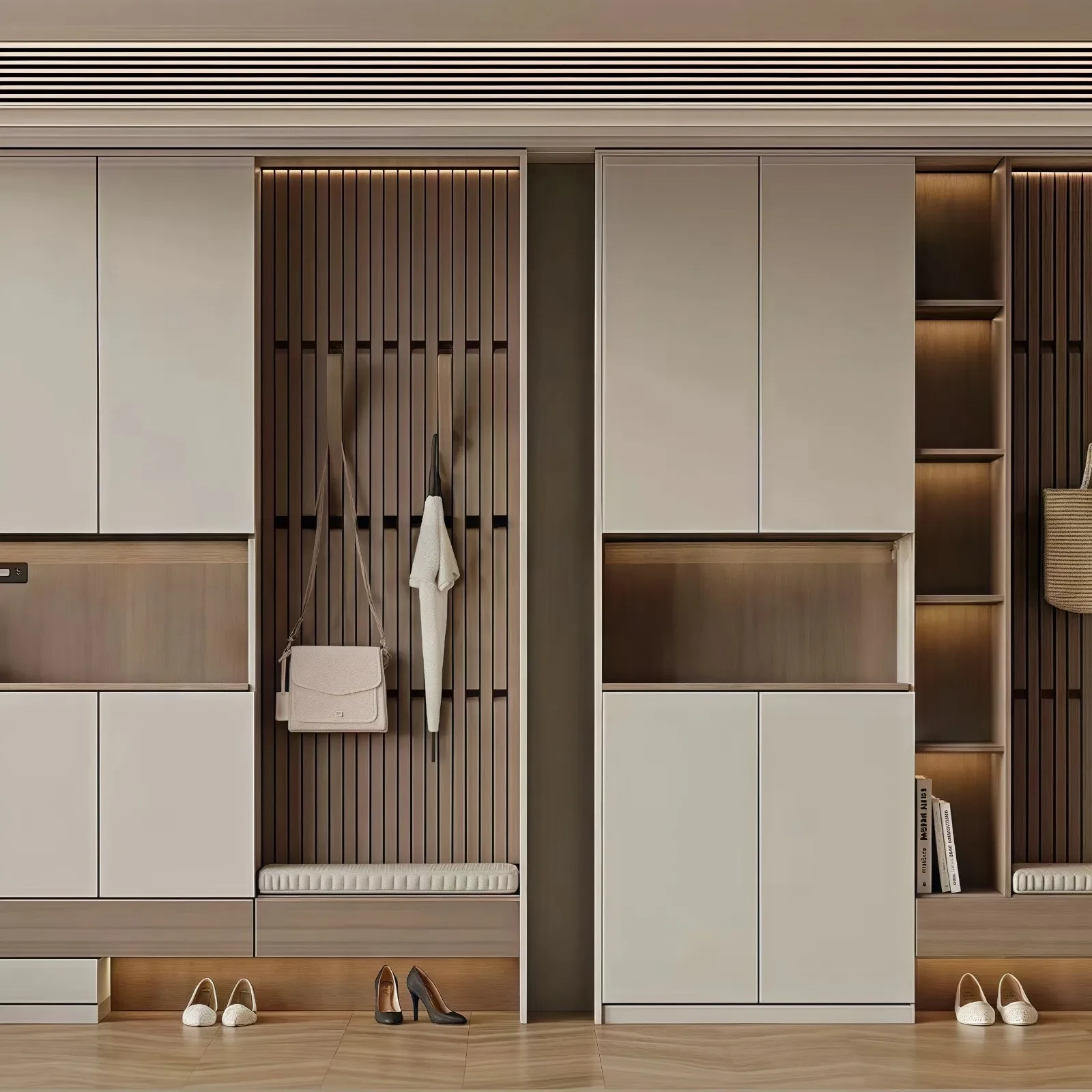
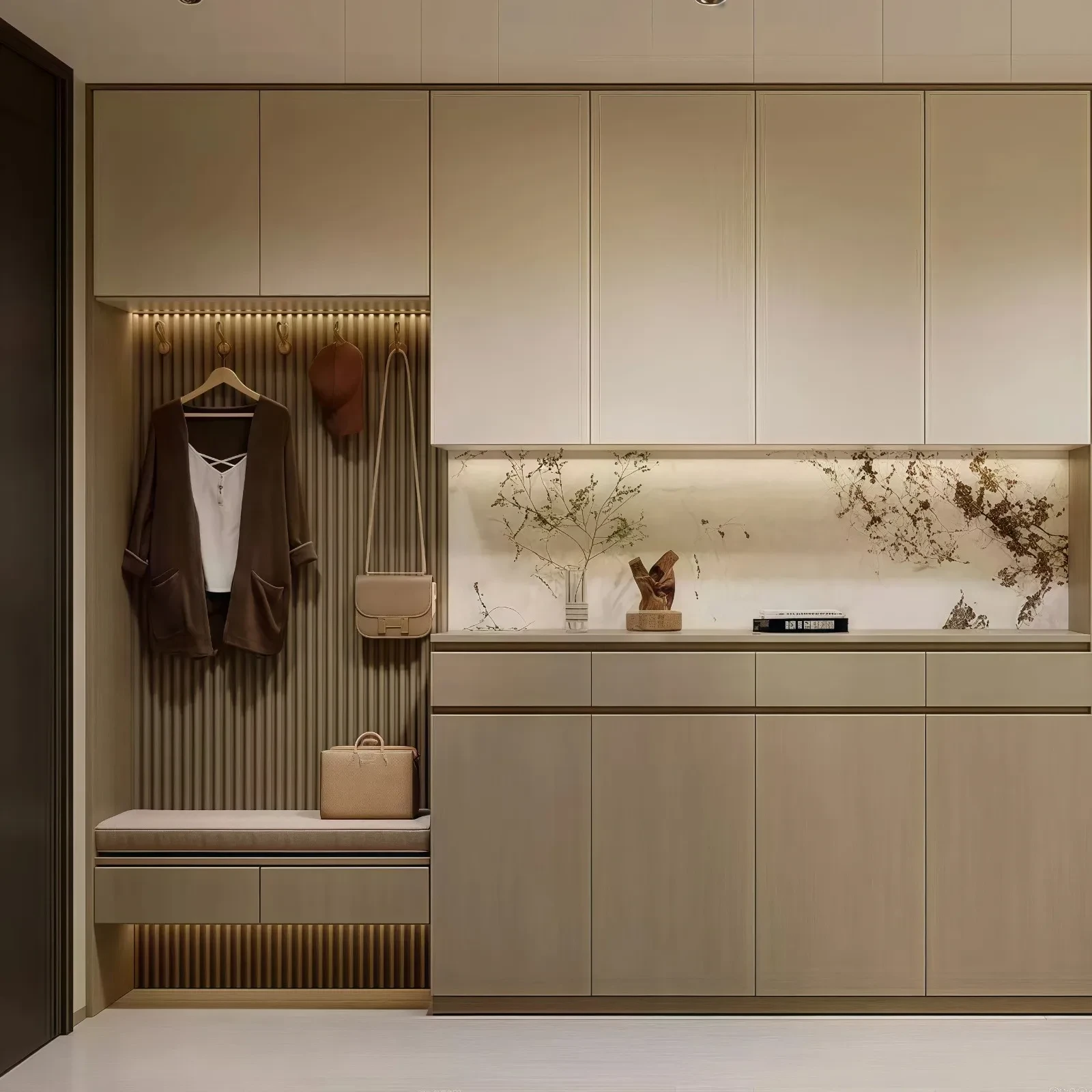
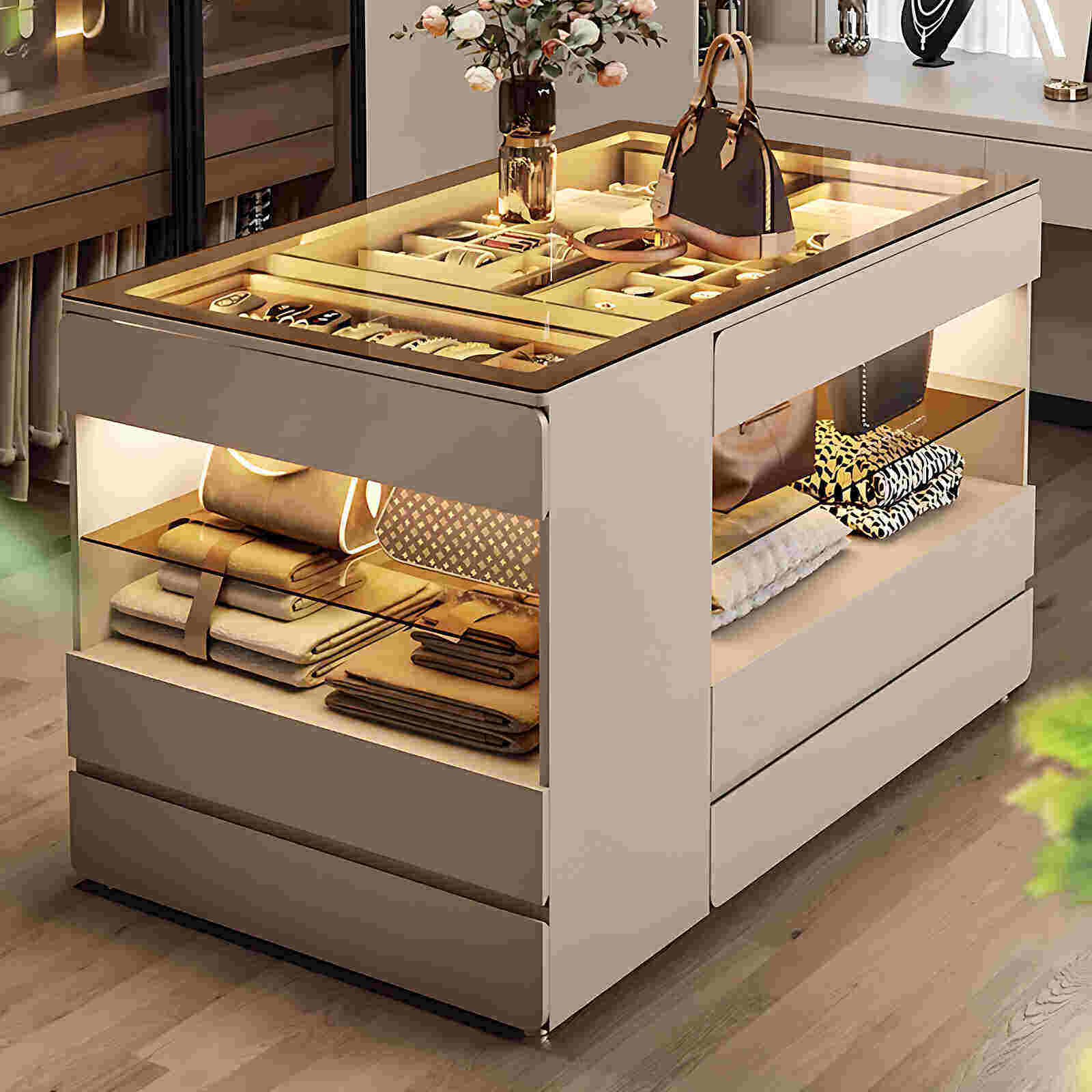
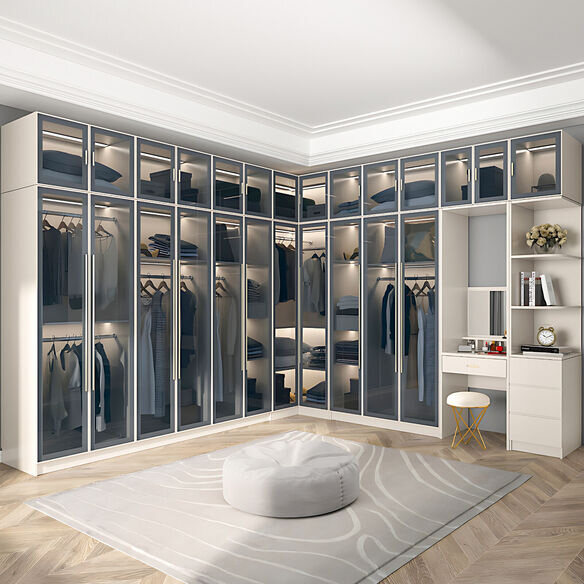
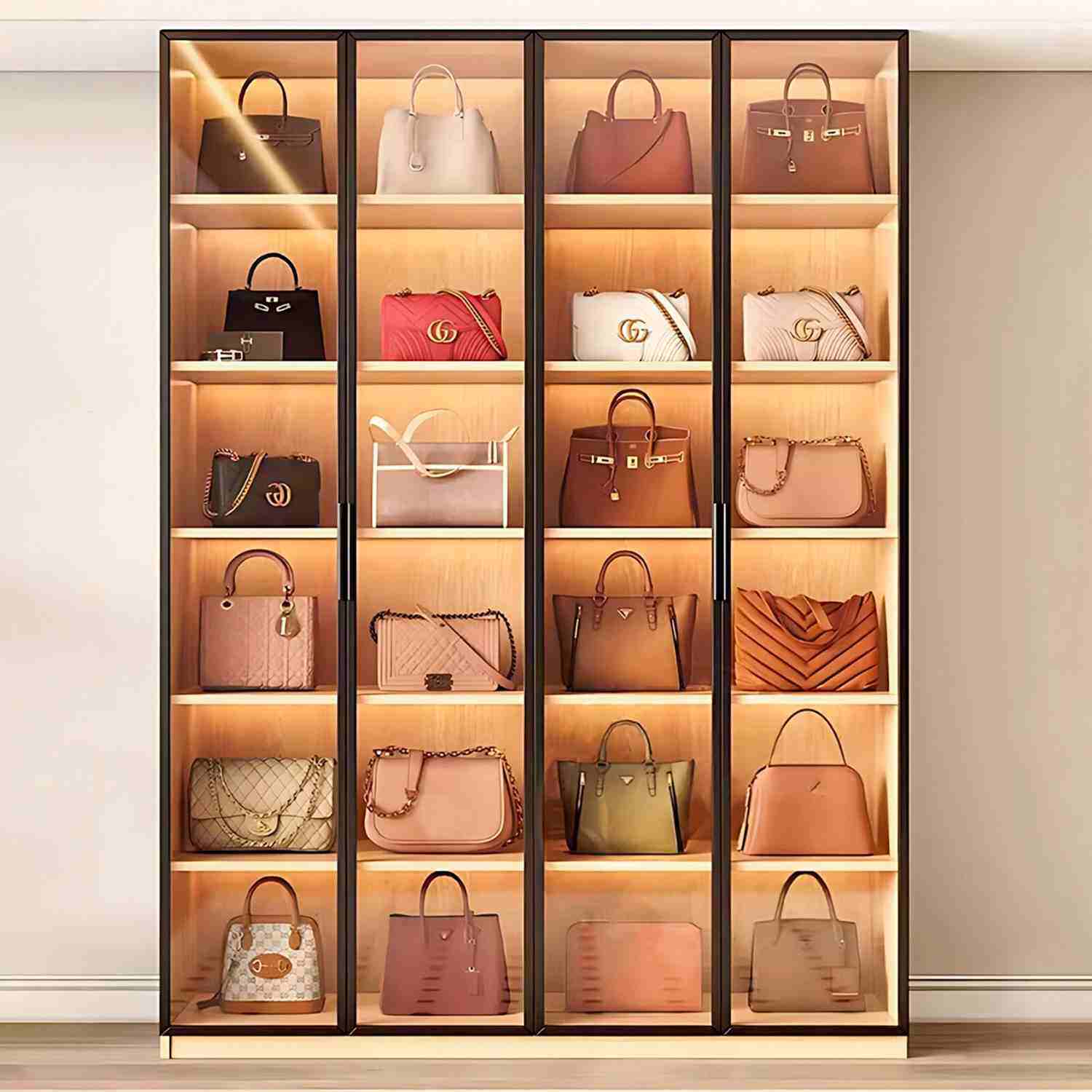
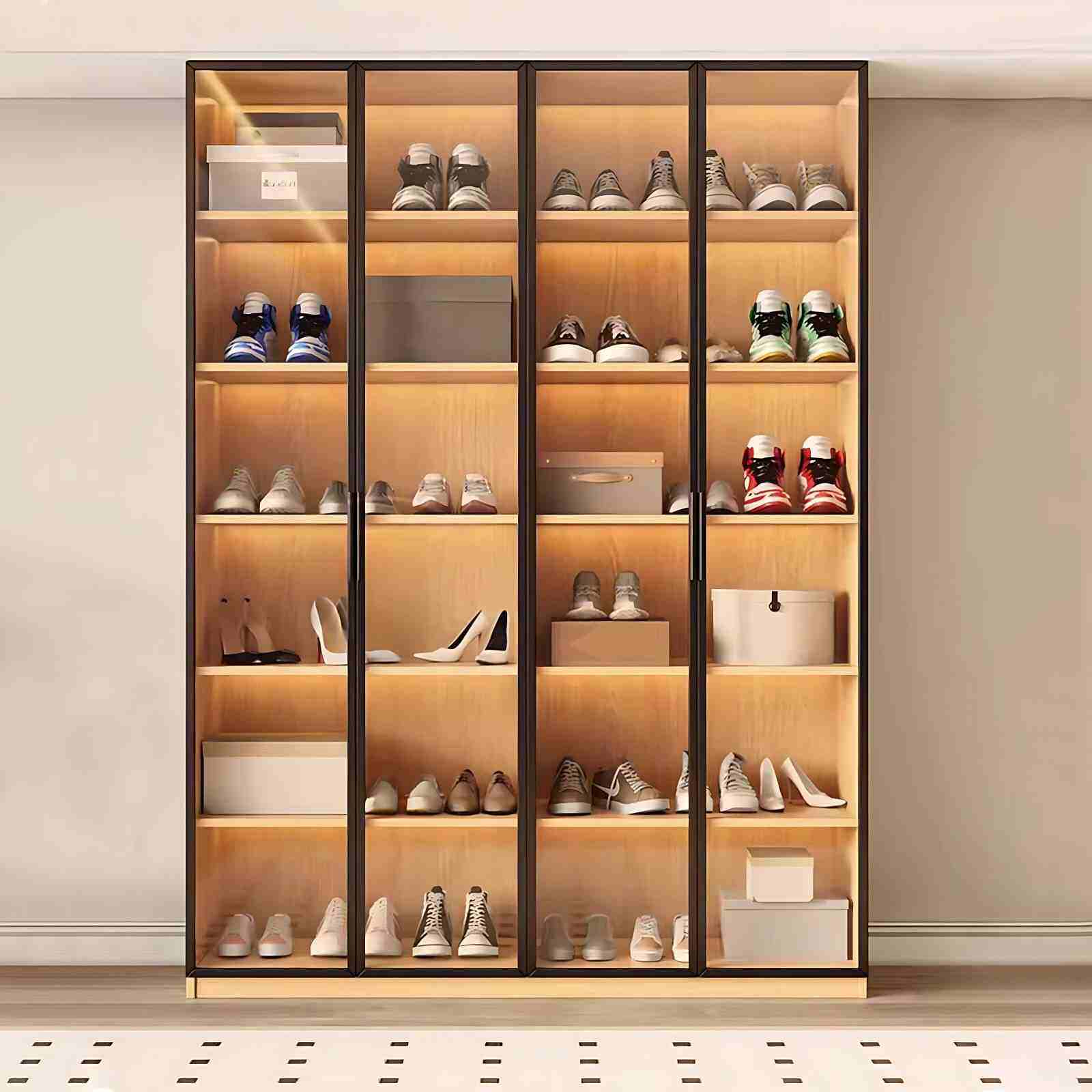
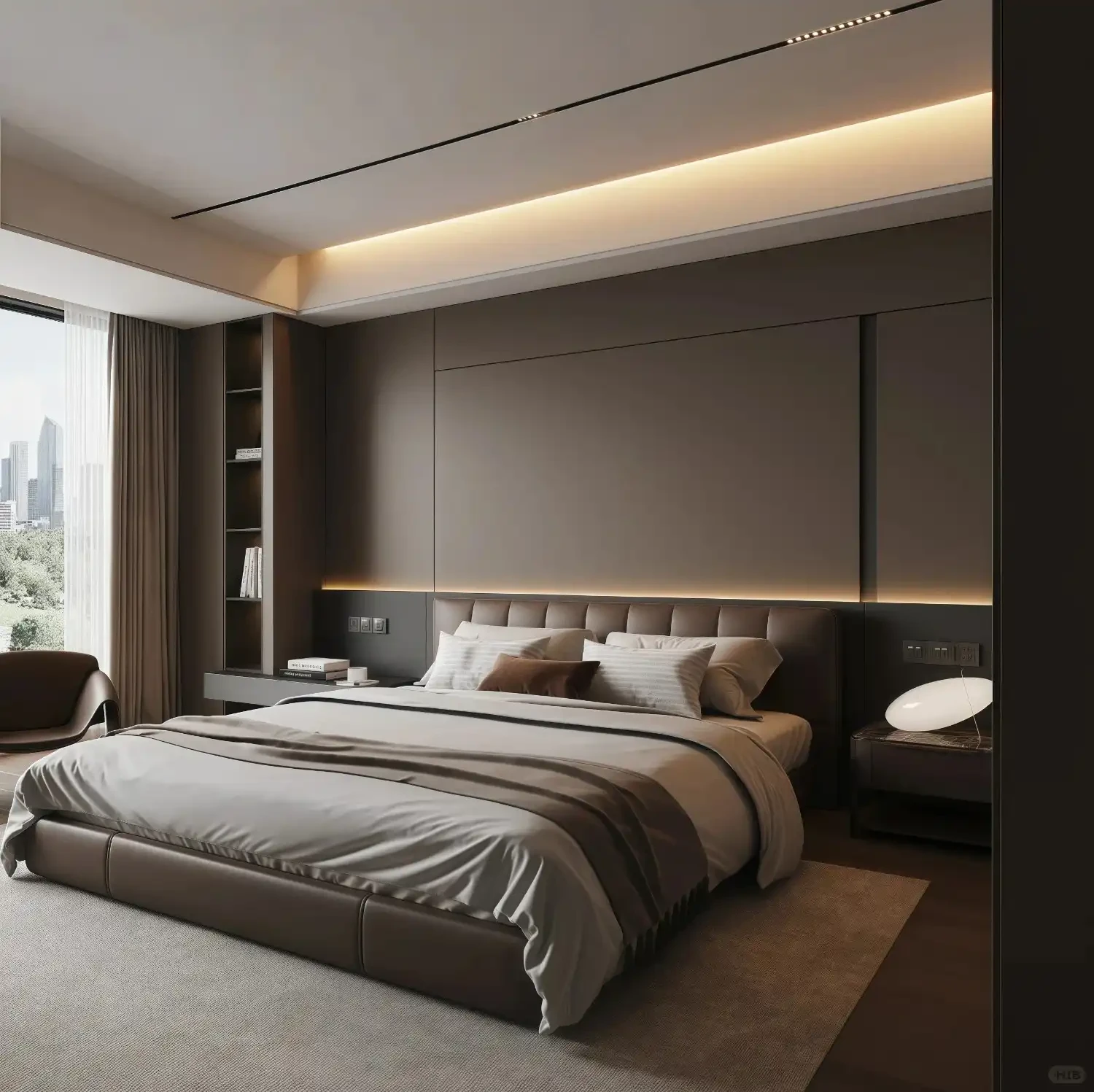
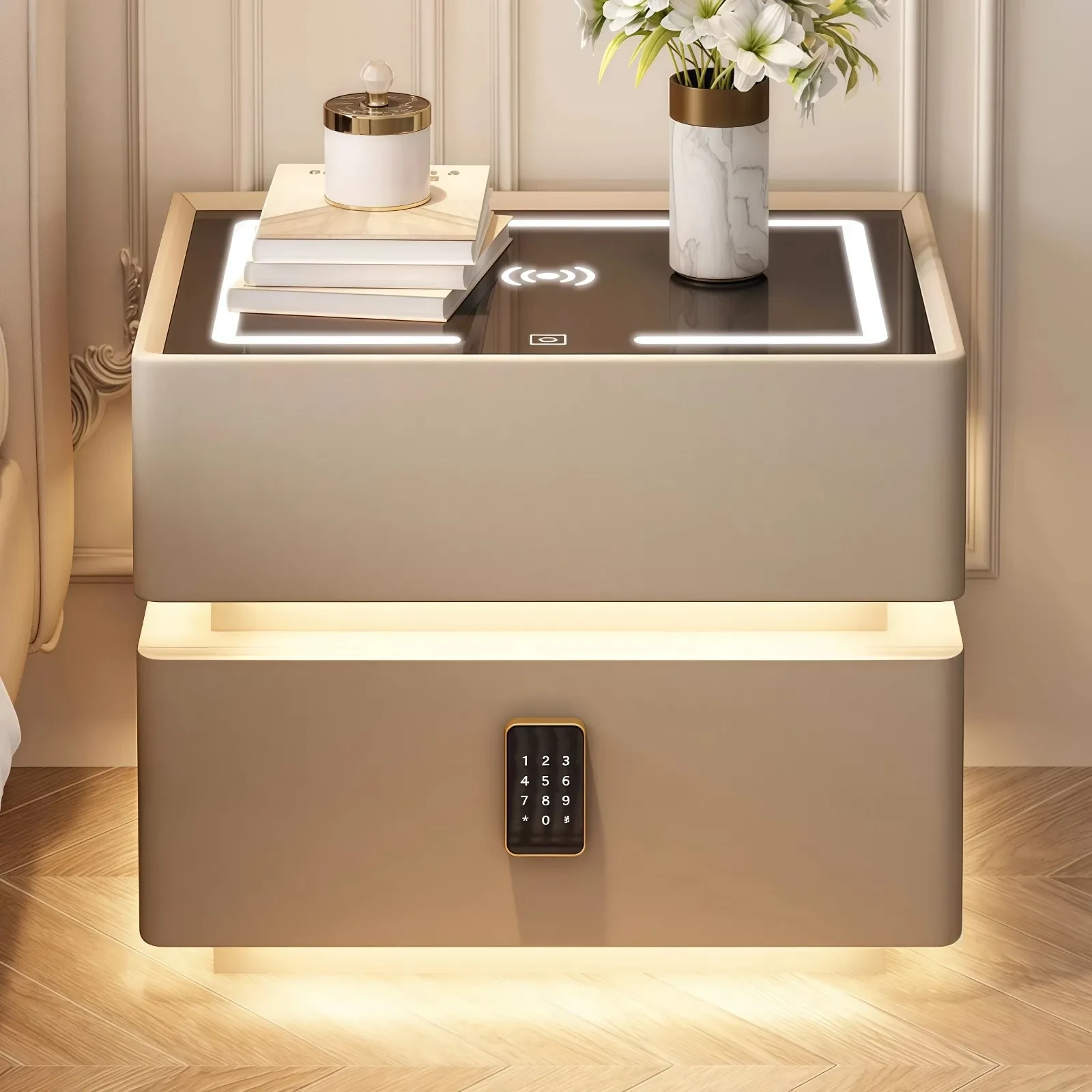
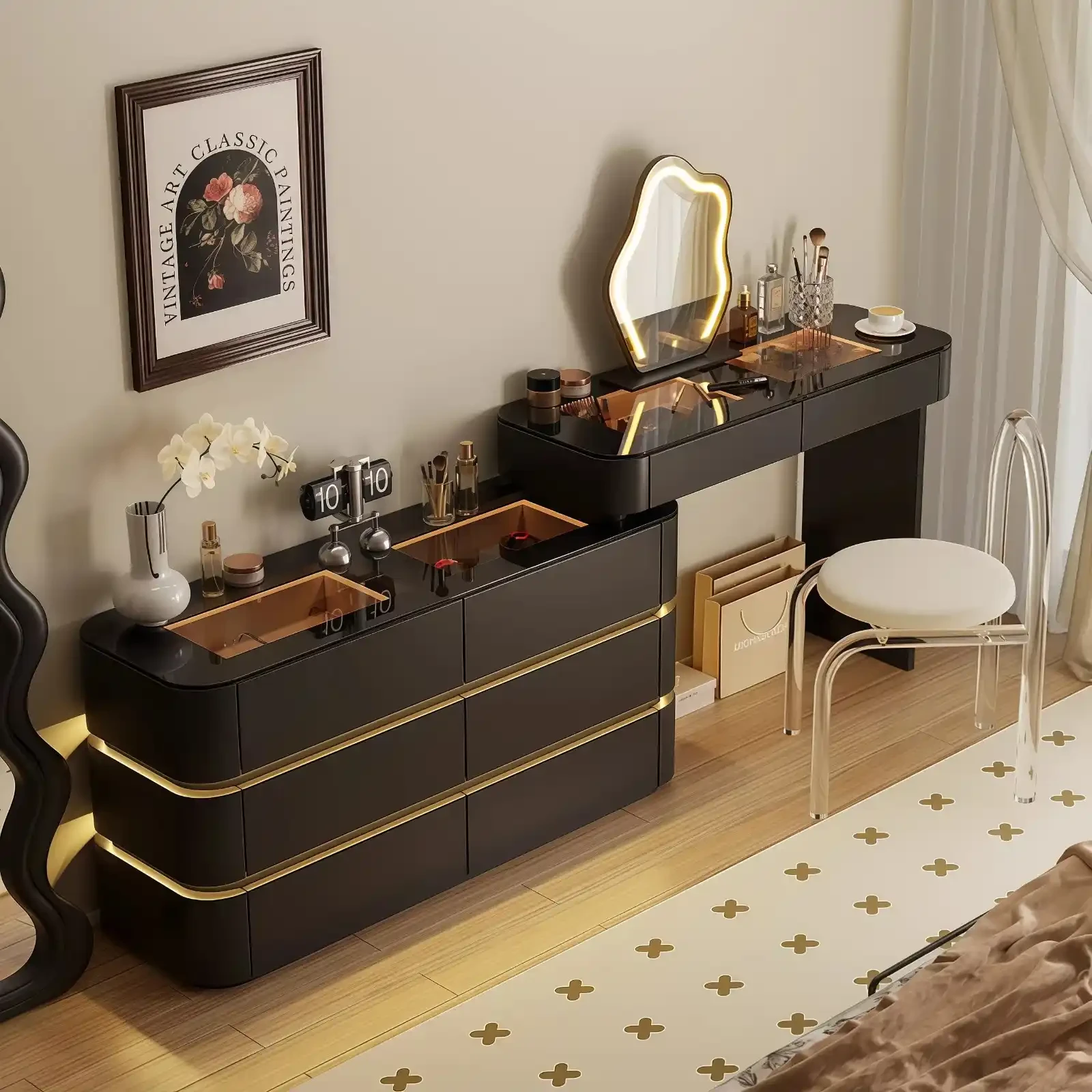
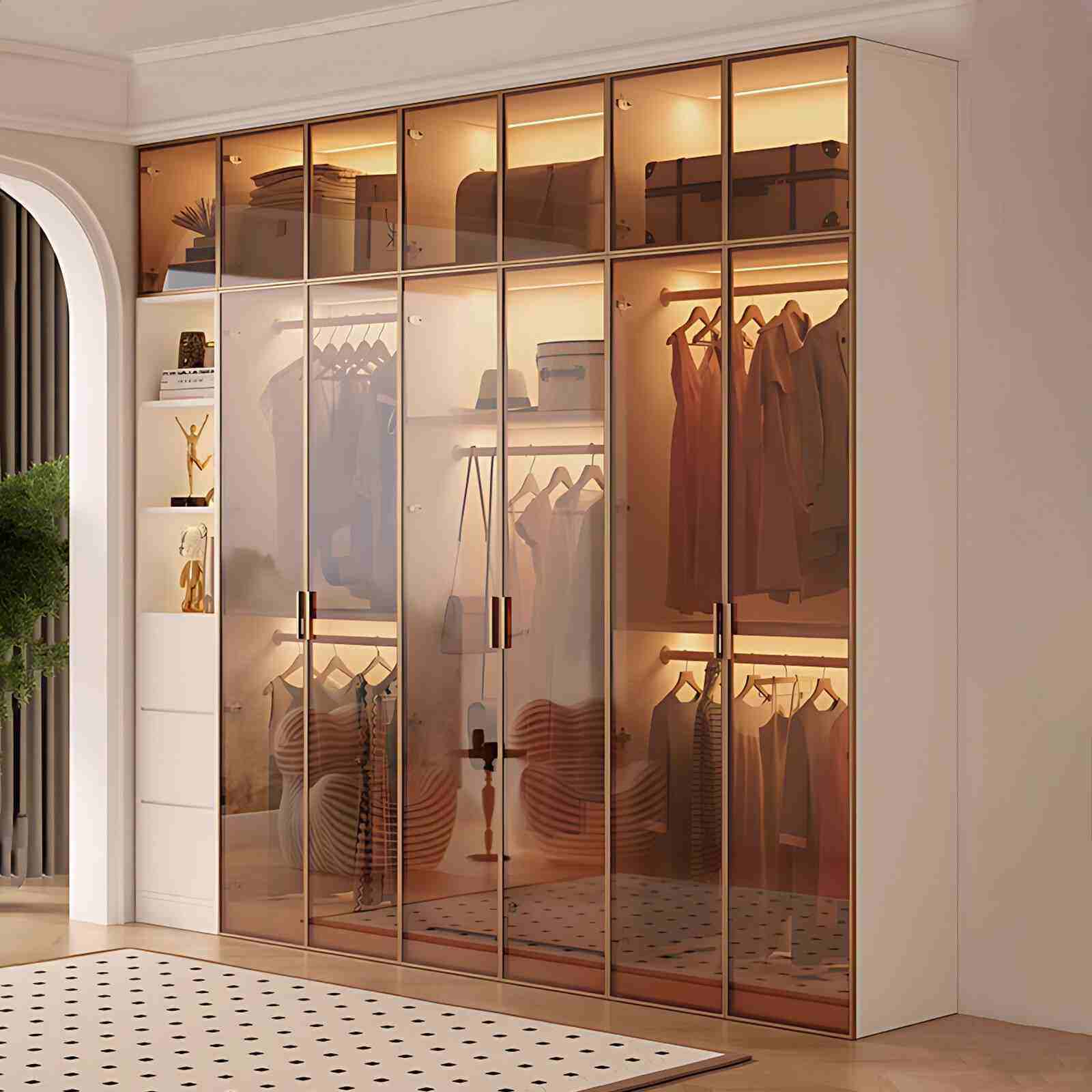
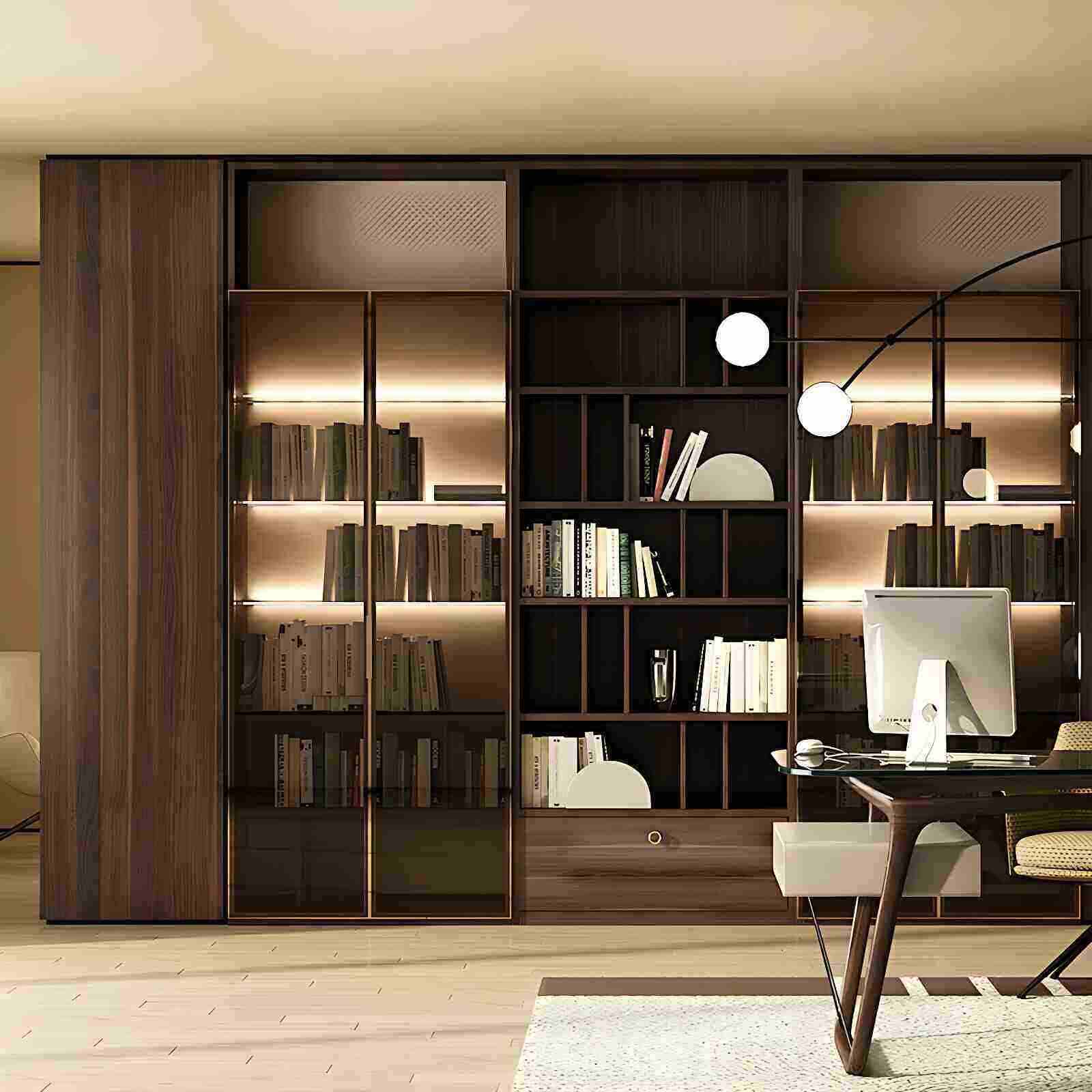
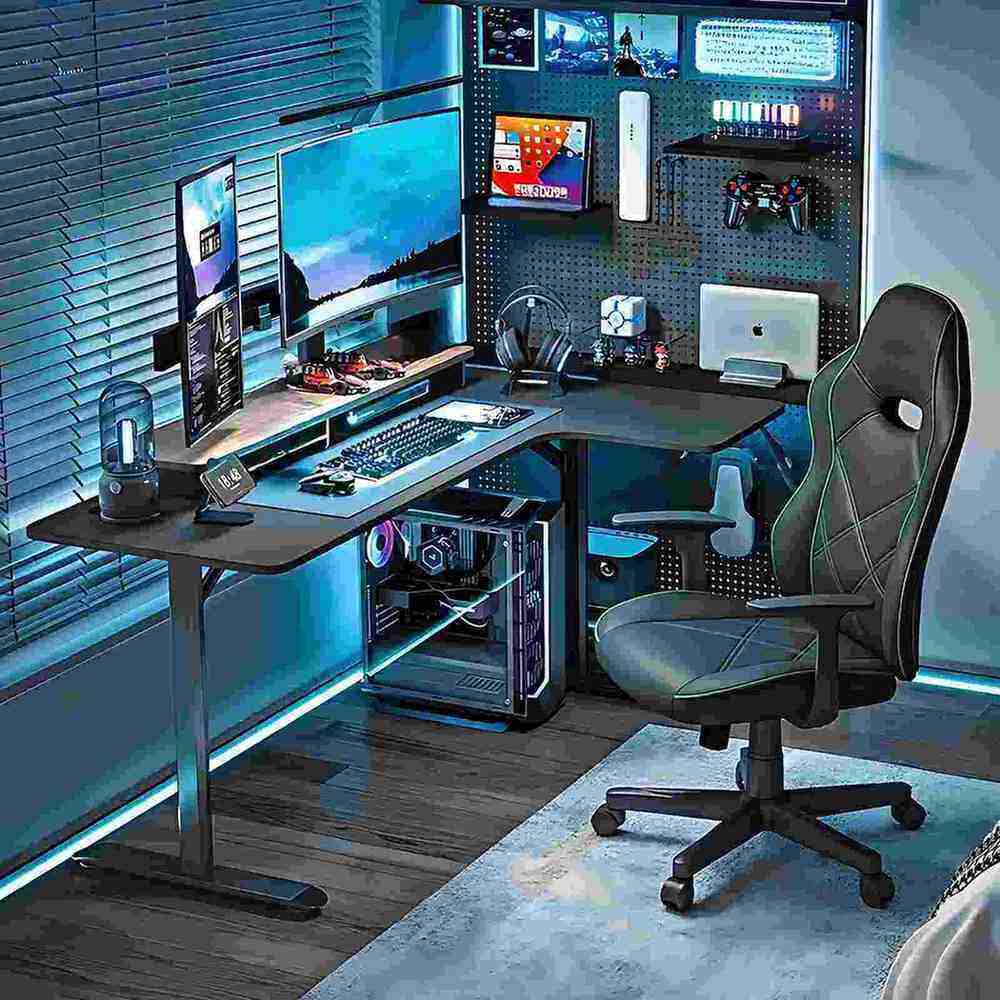
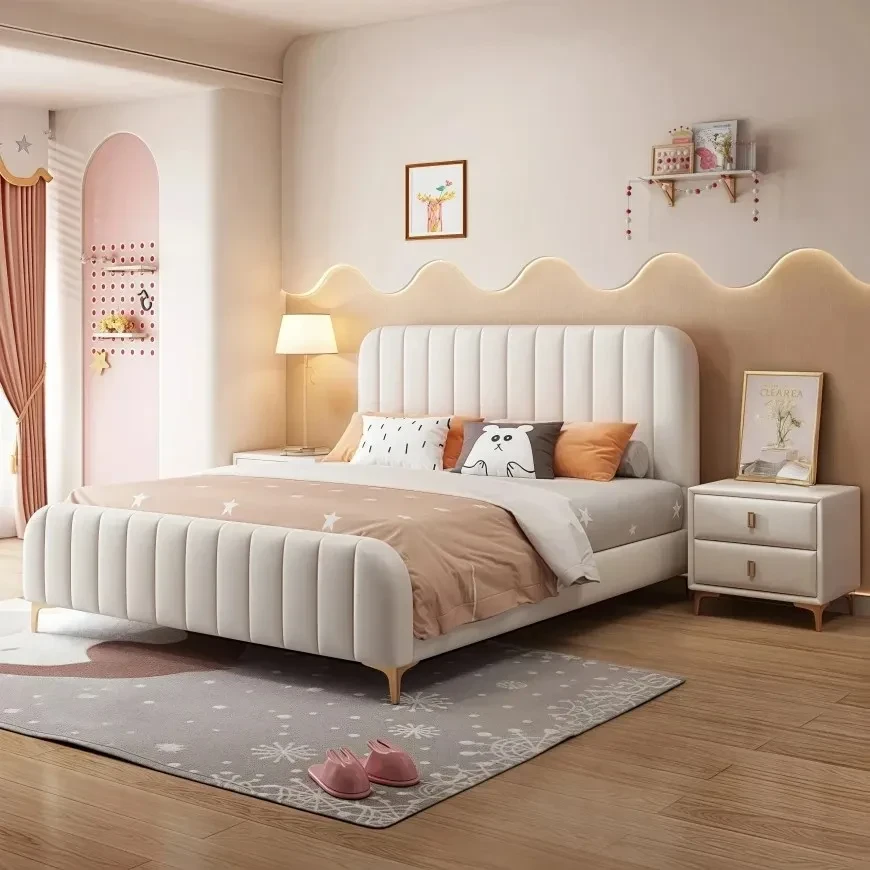
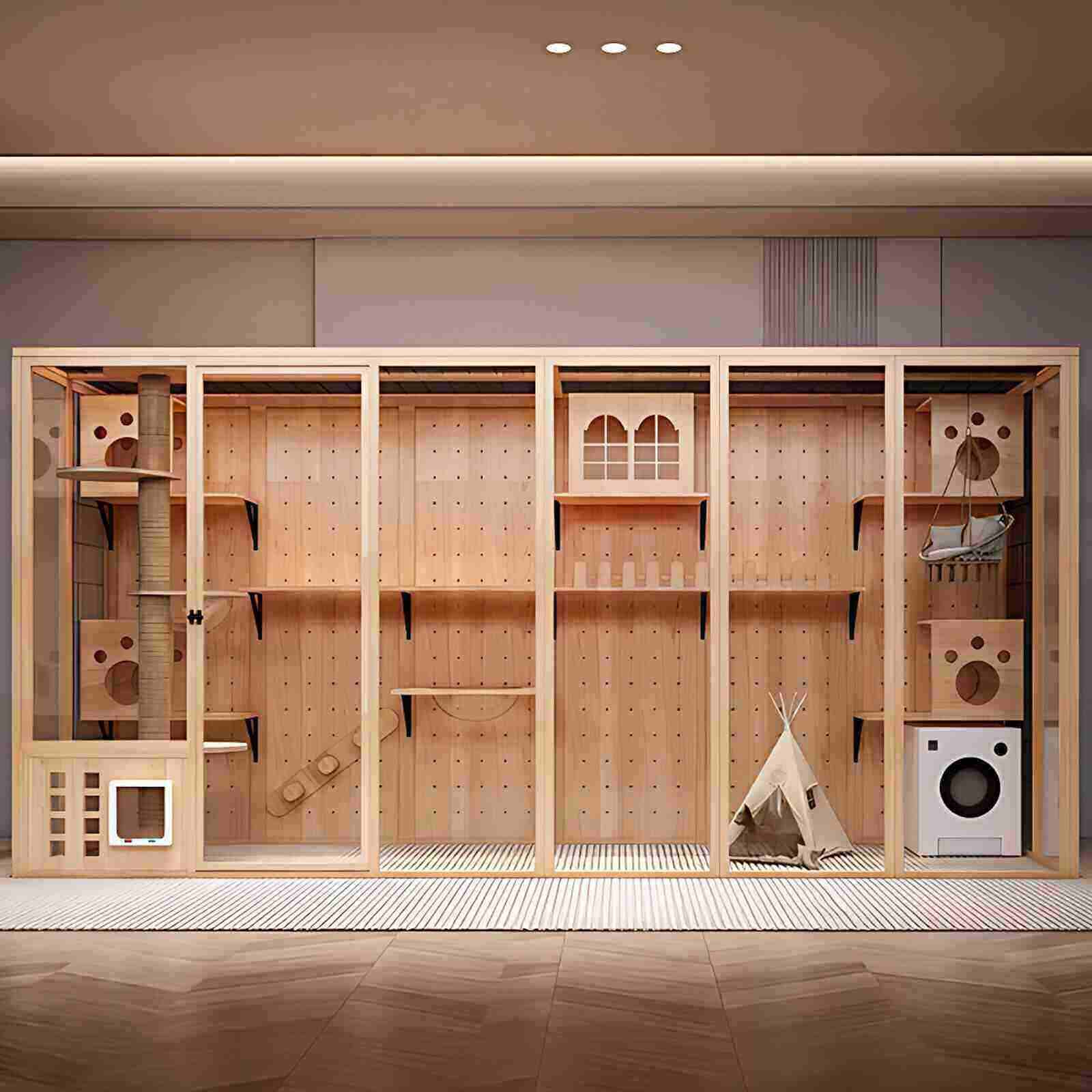
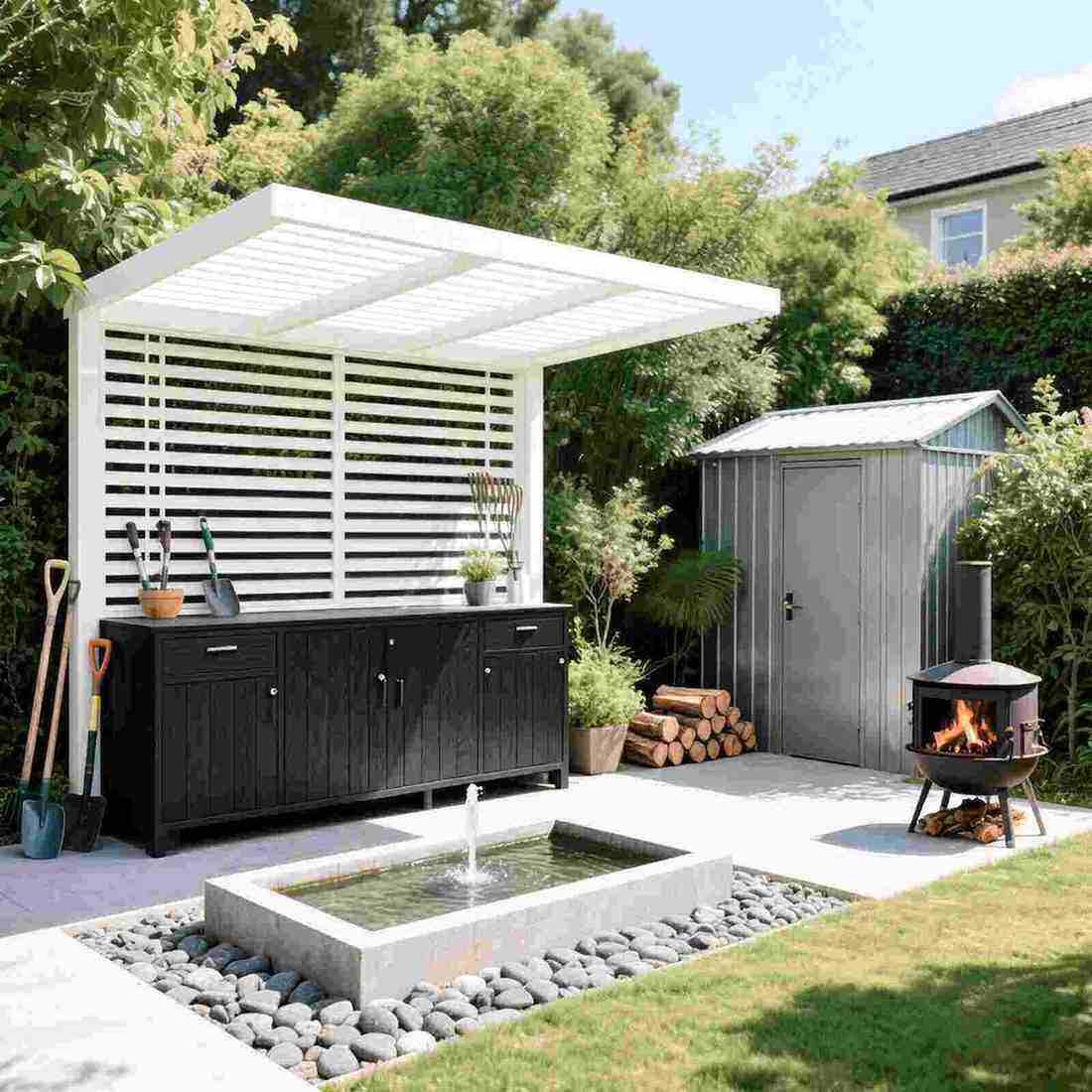
Many people are now realizing the benefits of self-selection of building materials. For example, many people research paint brands and quality, and compare prices. However, few people know what kind of board to use for wardrobes, whether it should be eco-board or particleboard. Many people have no idea about this and are completely confused, especially when a designer provides a shopping list. Because they don't understand, they suffer from decision paralysis and often just use whatever the designer recommends.
Aside from design, the true quality of wooden furniture depends on the type of wood used.
In fact, as long as the board material is qualified, either eco-board or particleboard can be used to make wardrobes. For example, many home improvement companies on the market use particleboard. However, if you want to say which is better, eco-board is of course better, but ultimately you have to weigh your own needs.
01. What are eco-friendly boards and particleboard?
Ecological board
Ecological board, also known as paint-free board, has a core made of solid wood spliced together from whole pieces of wood.
Particleboard
Particleboard, on the other hand, is made from wood scraps, and some unscrupulous merchants even use bark, rotten wood, and other inferior materials to pass it off as high-quality.
Some consumers only realize the difference between the high-quality and low-quality wooden doors they bought when the carpenters are installing them on-site.
Just by listening, it's obvious which one is better. However, no material is perfect; each has its own advantages and disadvantages. Below, we'll discuss the pros and cons of eco-boards and particleboards, and weigh the pros and cons accordingly.
02. Advantages and disadvantages of eco-friendly boards and particleboard
Particleboard
advantage:
1. Its decorative function is more prominent.
2. It is easier to perform further processing, such as creating quilted designs.
Particleboard may look indistinguishable from eco-board, but the differences become more apparent over time.
shortcoming:
1. More prone to environmental problems: Due to the large amount of glue used in particleboard, formaldehyde and other environmental issues are difficult to control.
2. Weak moisture-proof function
However, the existence of particleboard proves that there is demand for it. However, without the guidance of acquaintances or professionals, choosing a well-known brand can reduce the chances of encountering problematic boards.
Ecological board
advantage:
1. More environmentally friendly: Compared to particleboard, eco-boards use significantly less glue. If the glue is also environmentally friendly and formaldehyde-free, the entire board will be safer to use.
2. Strong load-bearing capacity and more durable: When we make furniture, we want it to be beautiful and practical. Furniture is a large item in the home, so the durability and load-bearing capacity of the board directly affect the lifespan of the furniture.
3. Not easily deformed, corrosion resistant, and has strong nail-holding power.
shortcoming:
Ecological boards have far fewer disadvantages than advantages. They require high-quality edge banding, and if not done well, cracking and other problems can easily occur. However, this is not an issue if you choose a well-known brand.
In short, apart from being slightly more expensive than particleboard, eco-friendly boards have advantages in all other aspects.
Recommendations for selecting wardrobe materials:
Preferred choices for custom wardrobes: Eco-friendly board > Particleboard > MDF
Custom wardrobe prices: Eco-friendly board > Particleboard = MDF
Environmentally friendly preferred: Eco-friendly board > Particleboard = MDF
Stress-bearing capacity priority: Eco-board > Logs > Plywood > Rice-based board > Particleboard > MDF