
 USD
USD GBP
GBP
 EUR
EUR
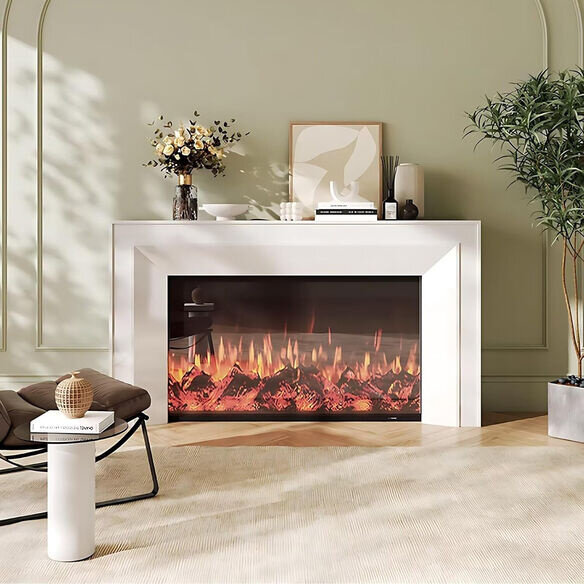


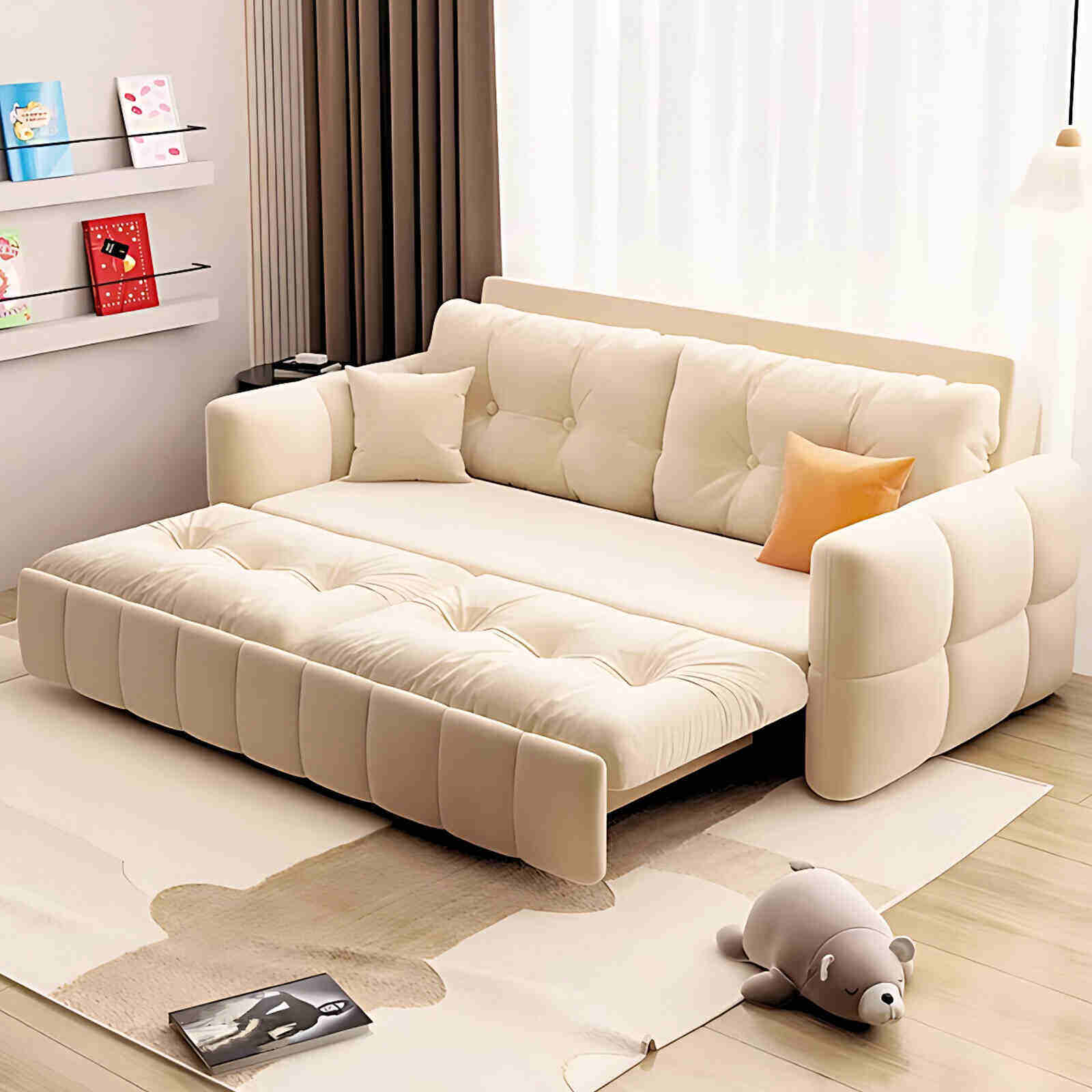
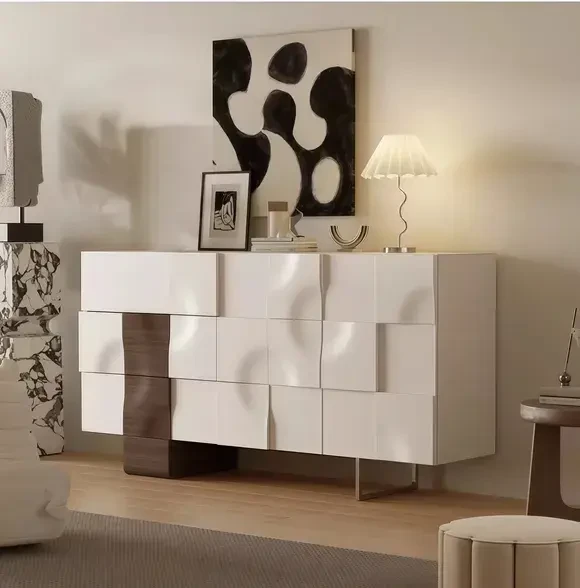
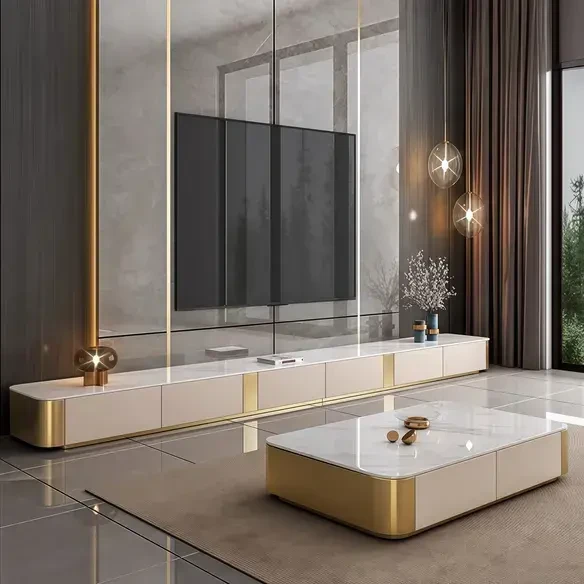
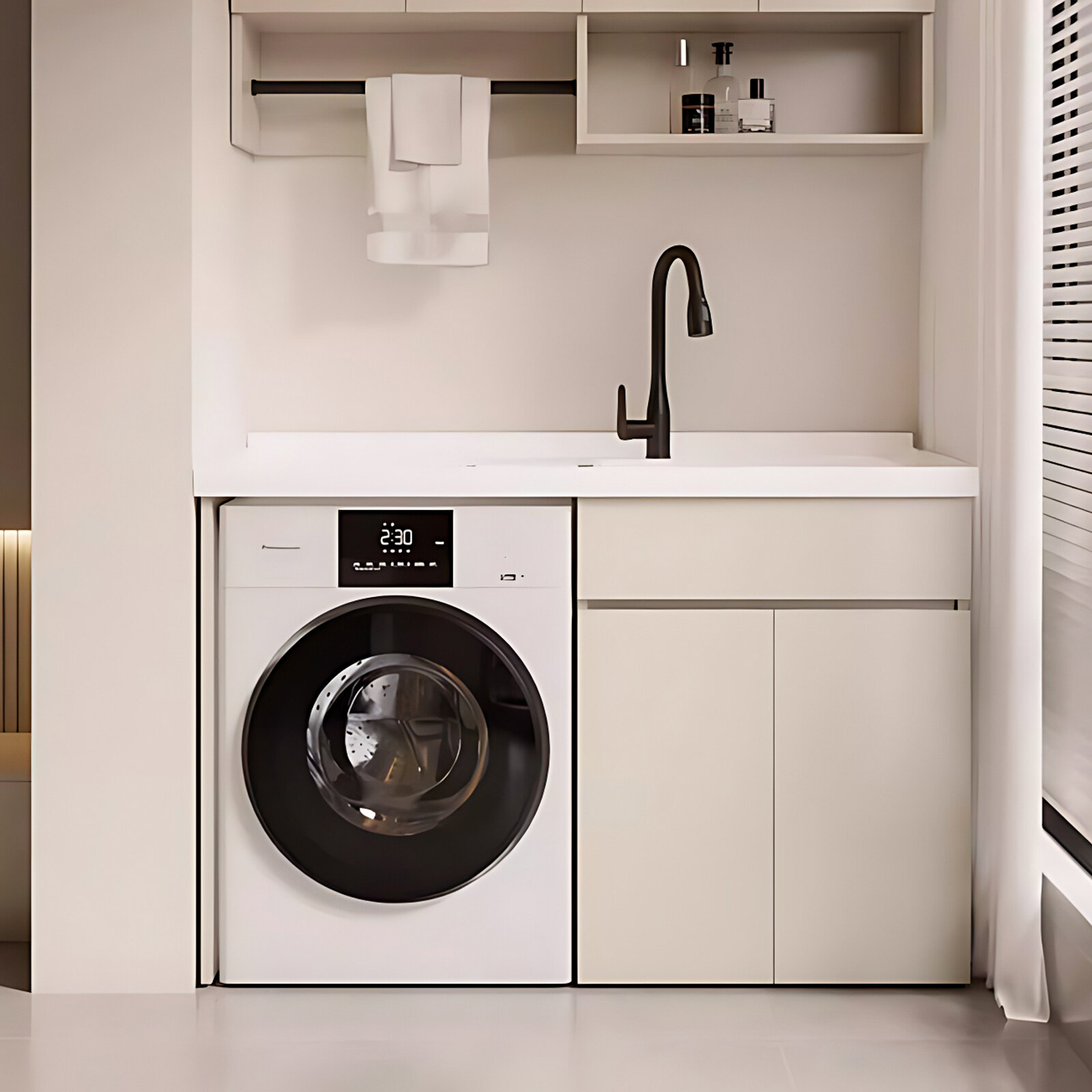
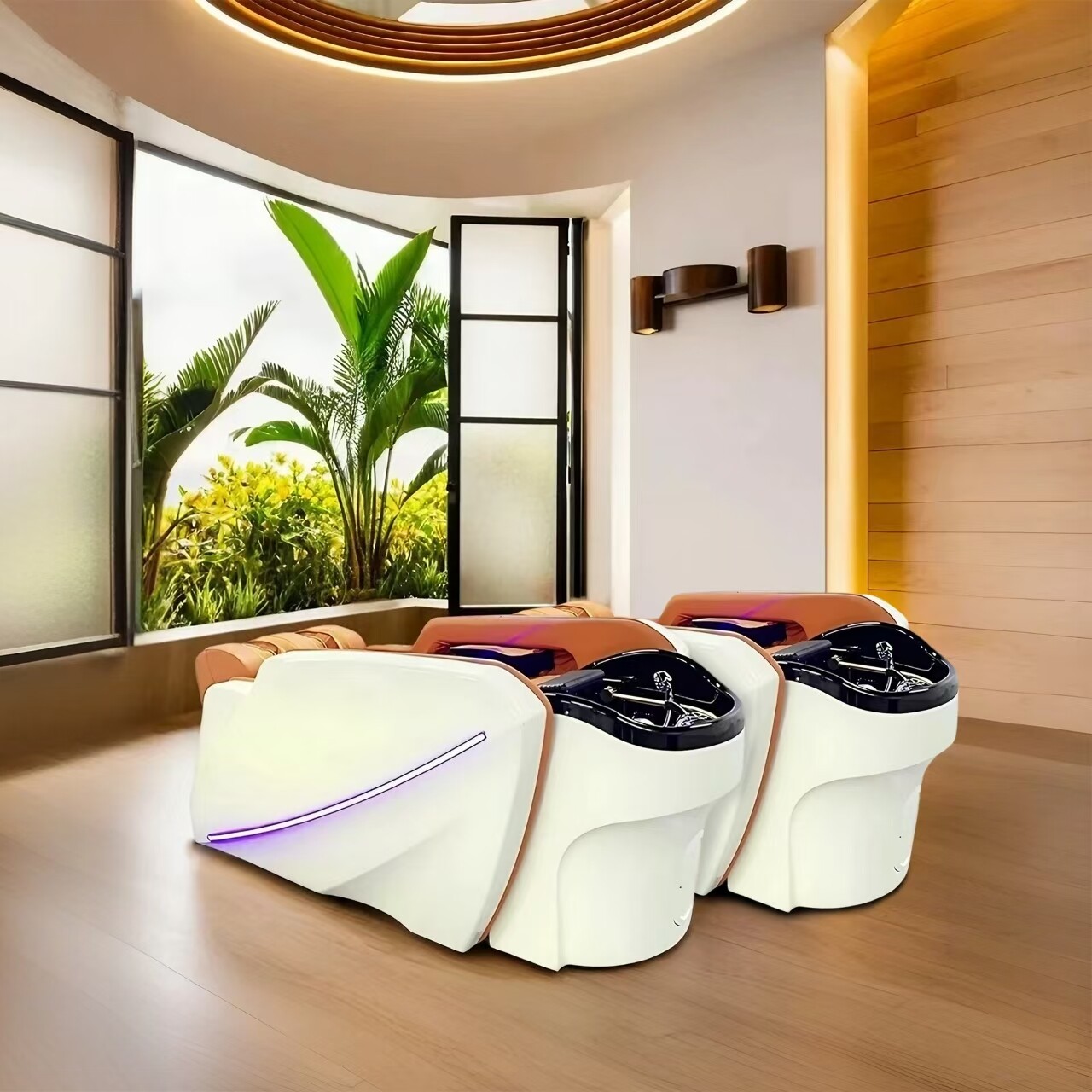
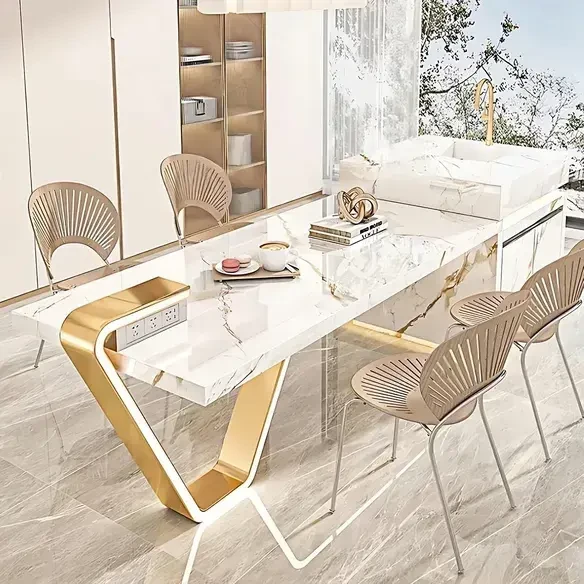
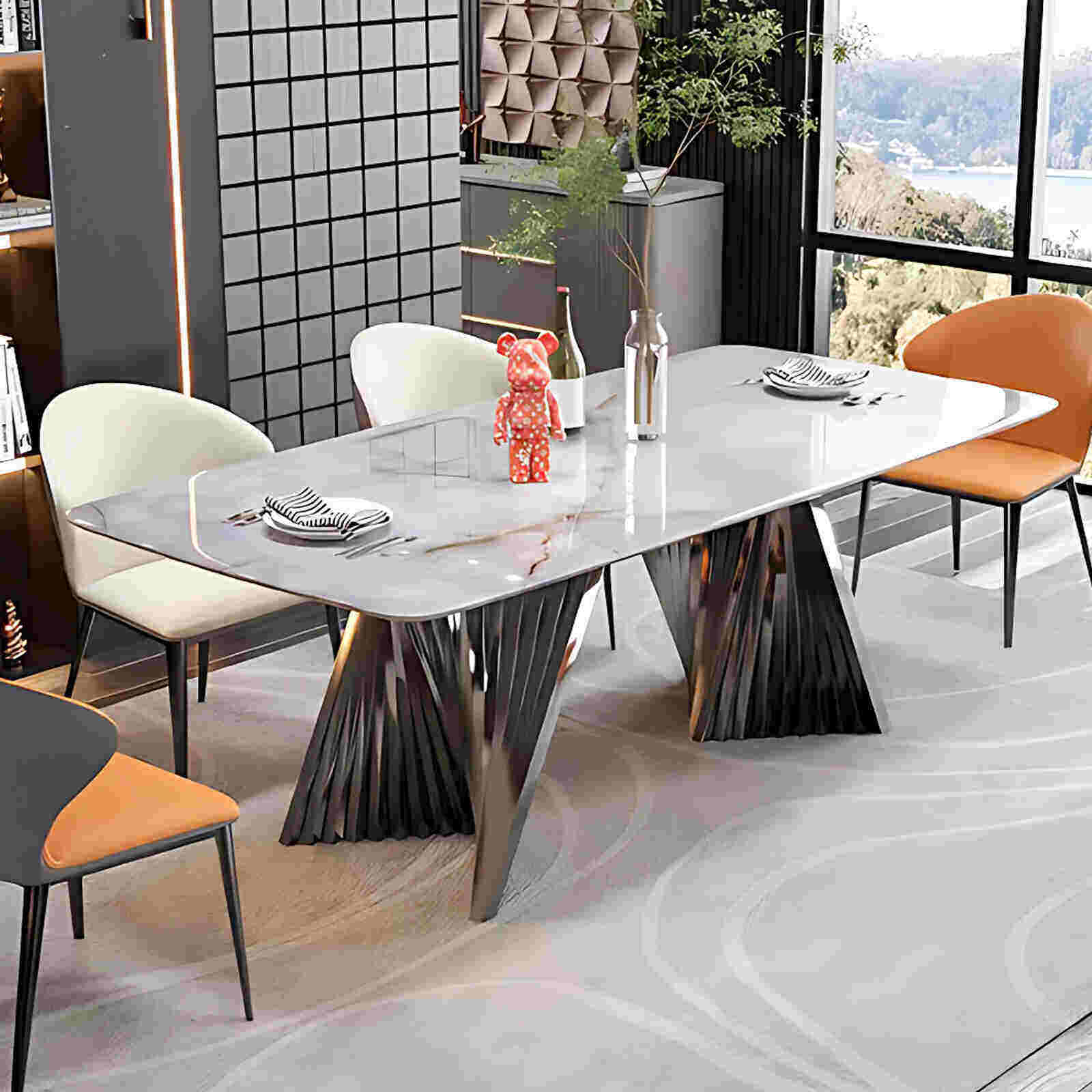
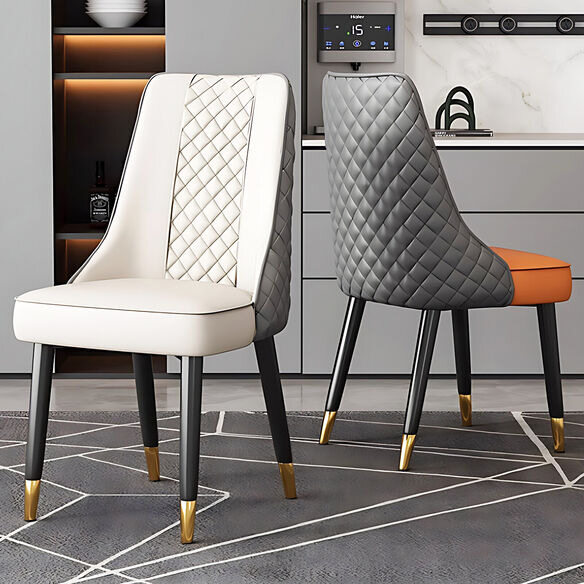
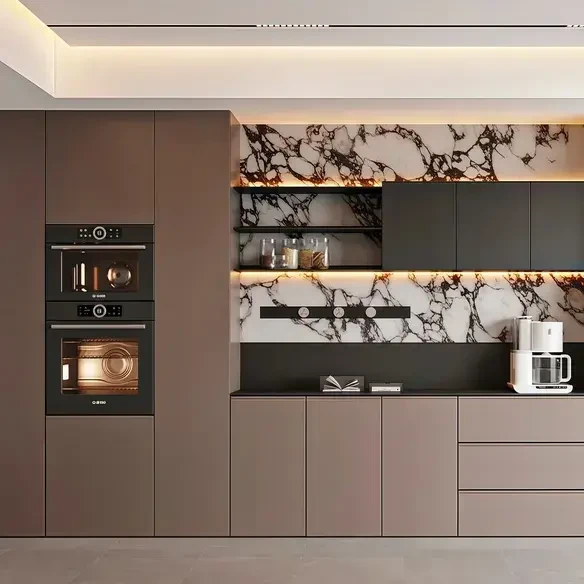
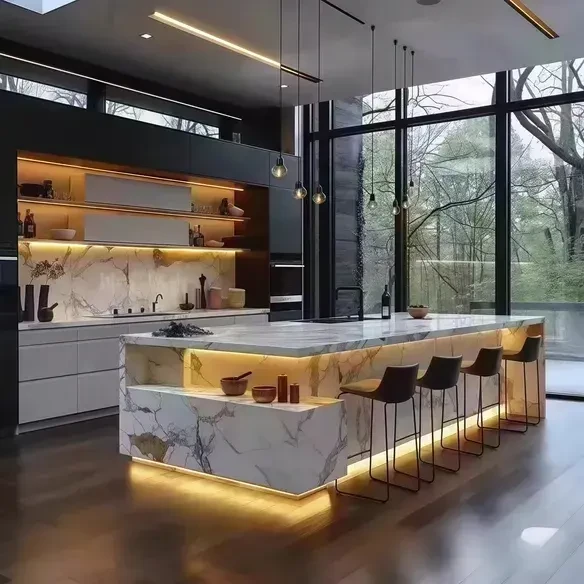
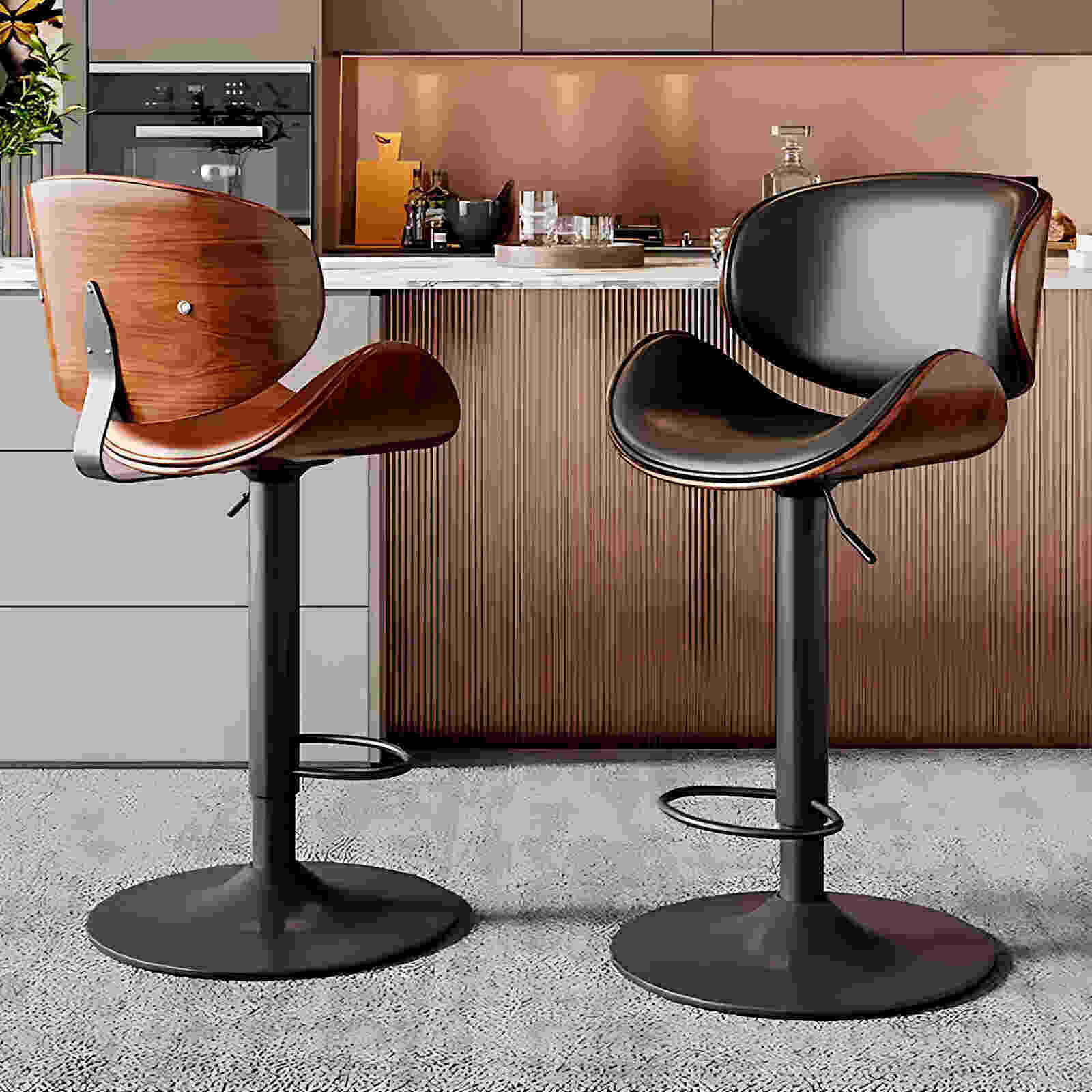

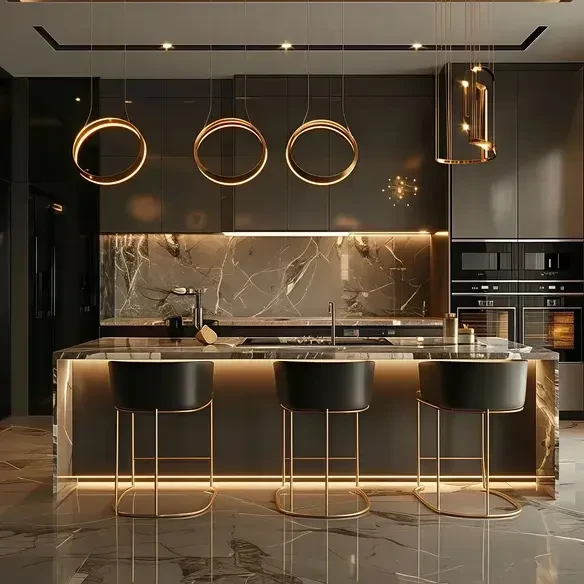

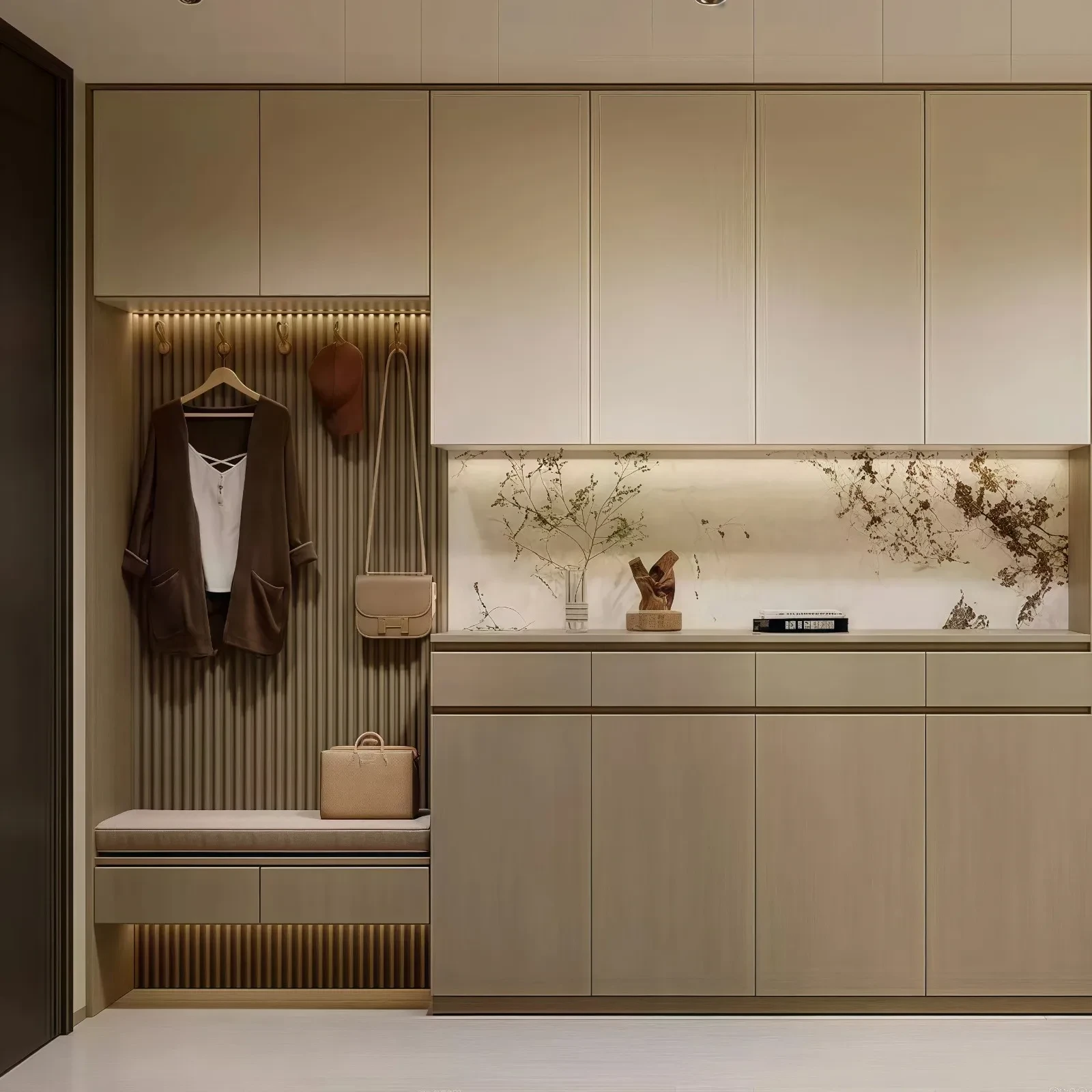
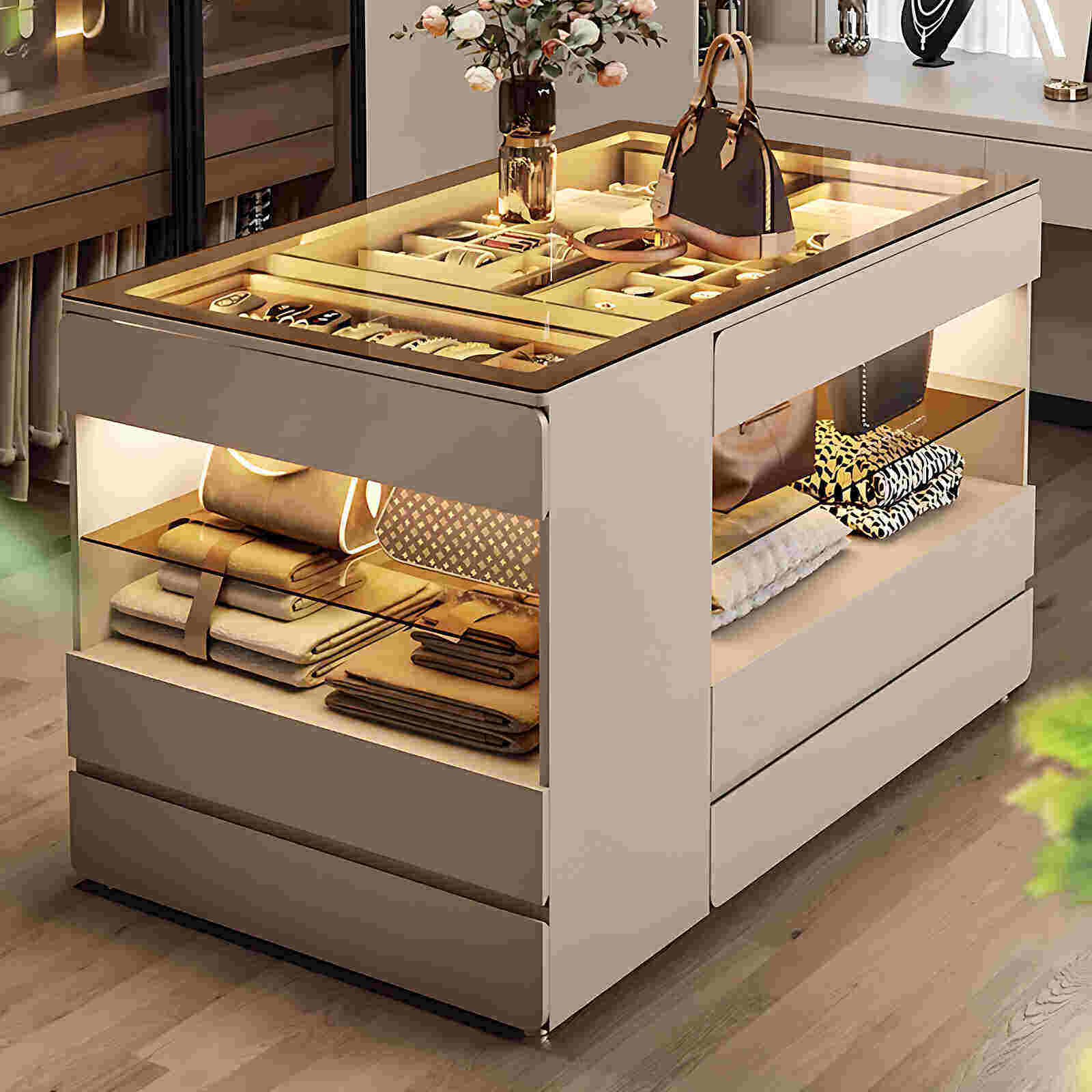
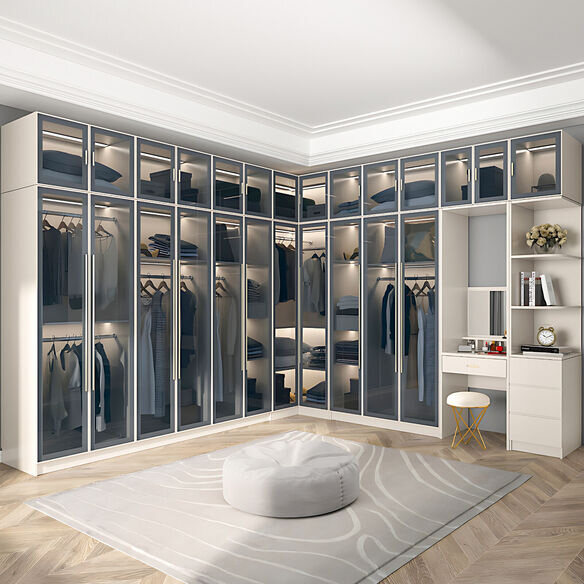
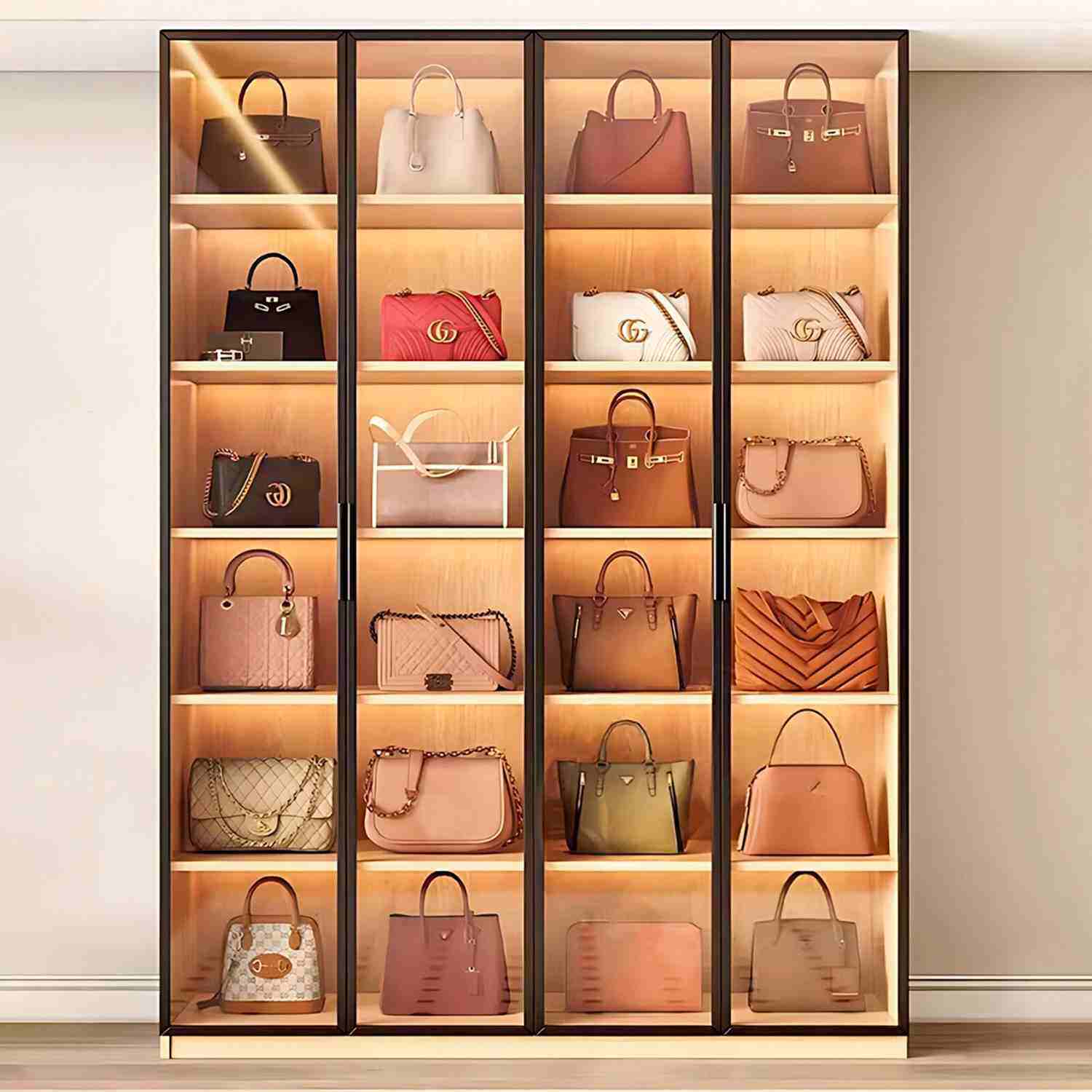

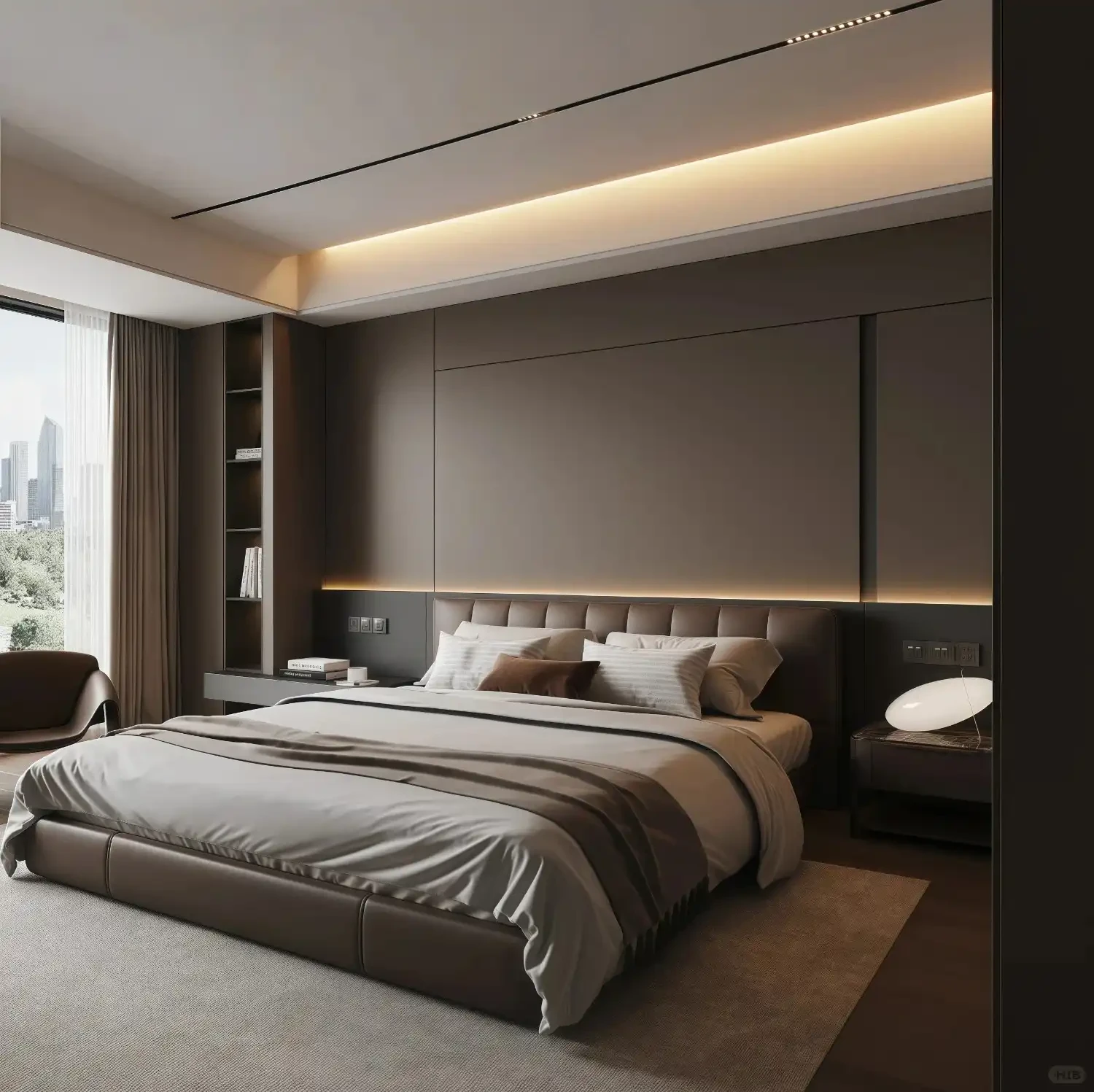
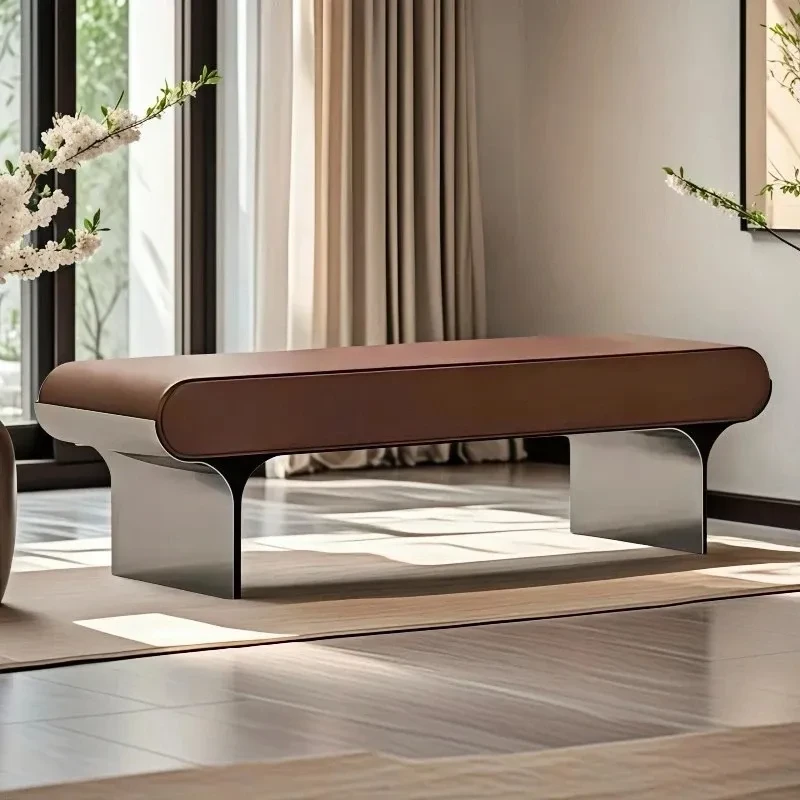
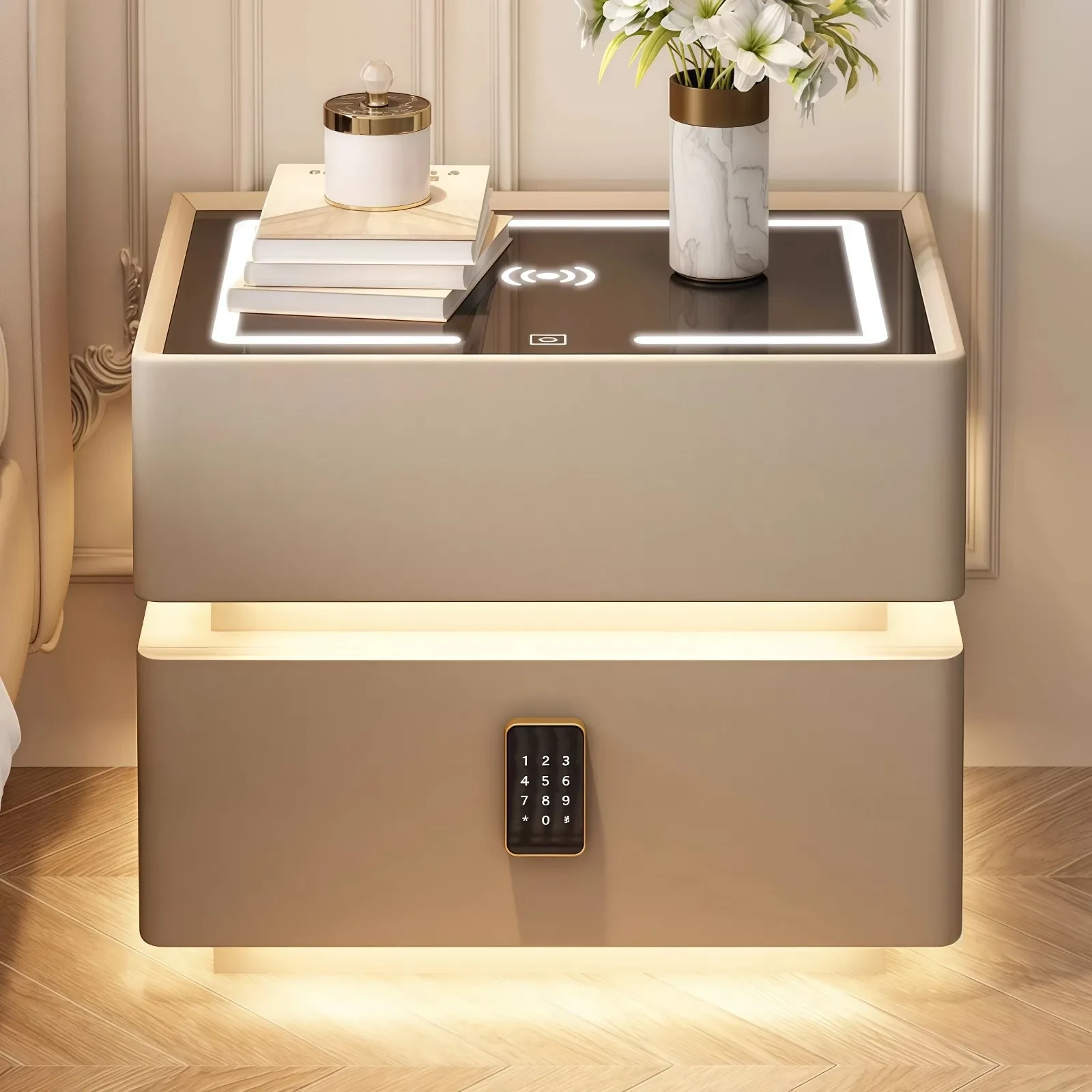
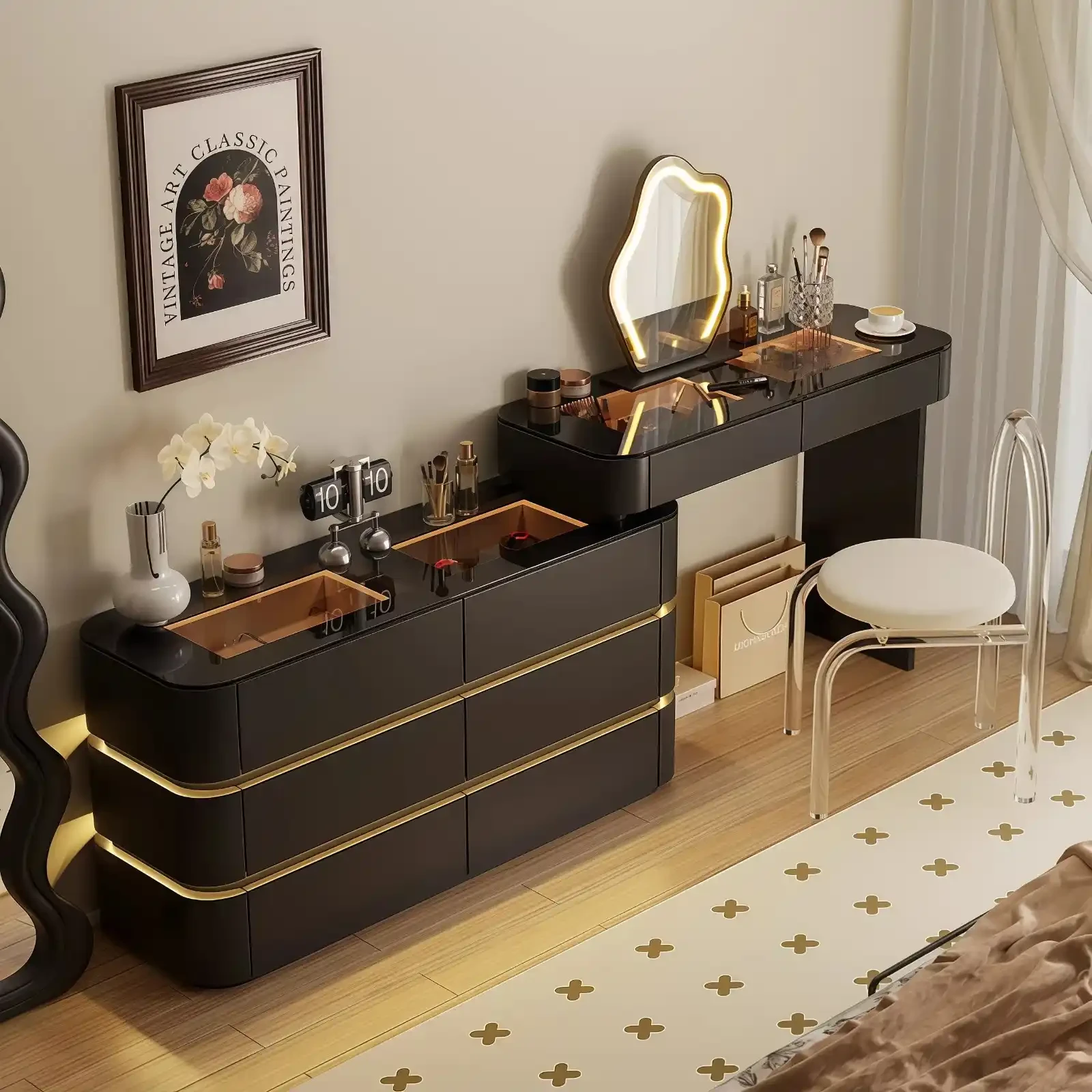



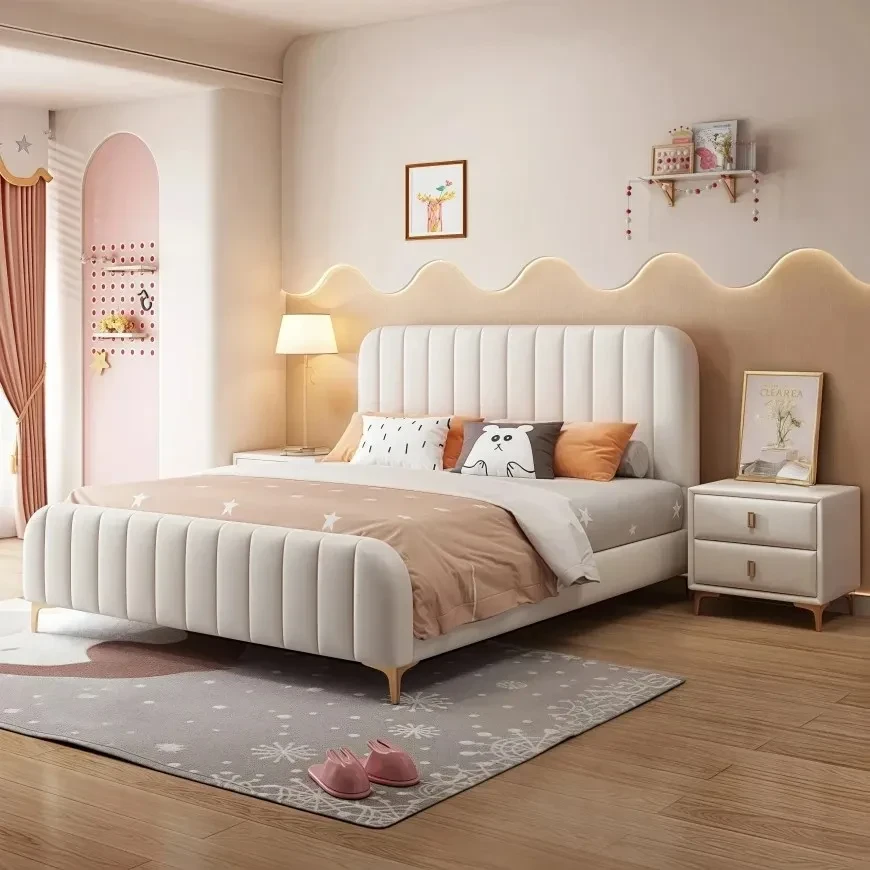
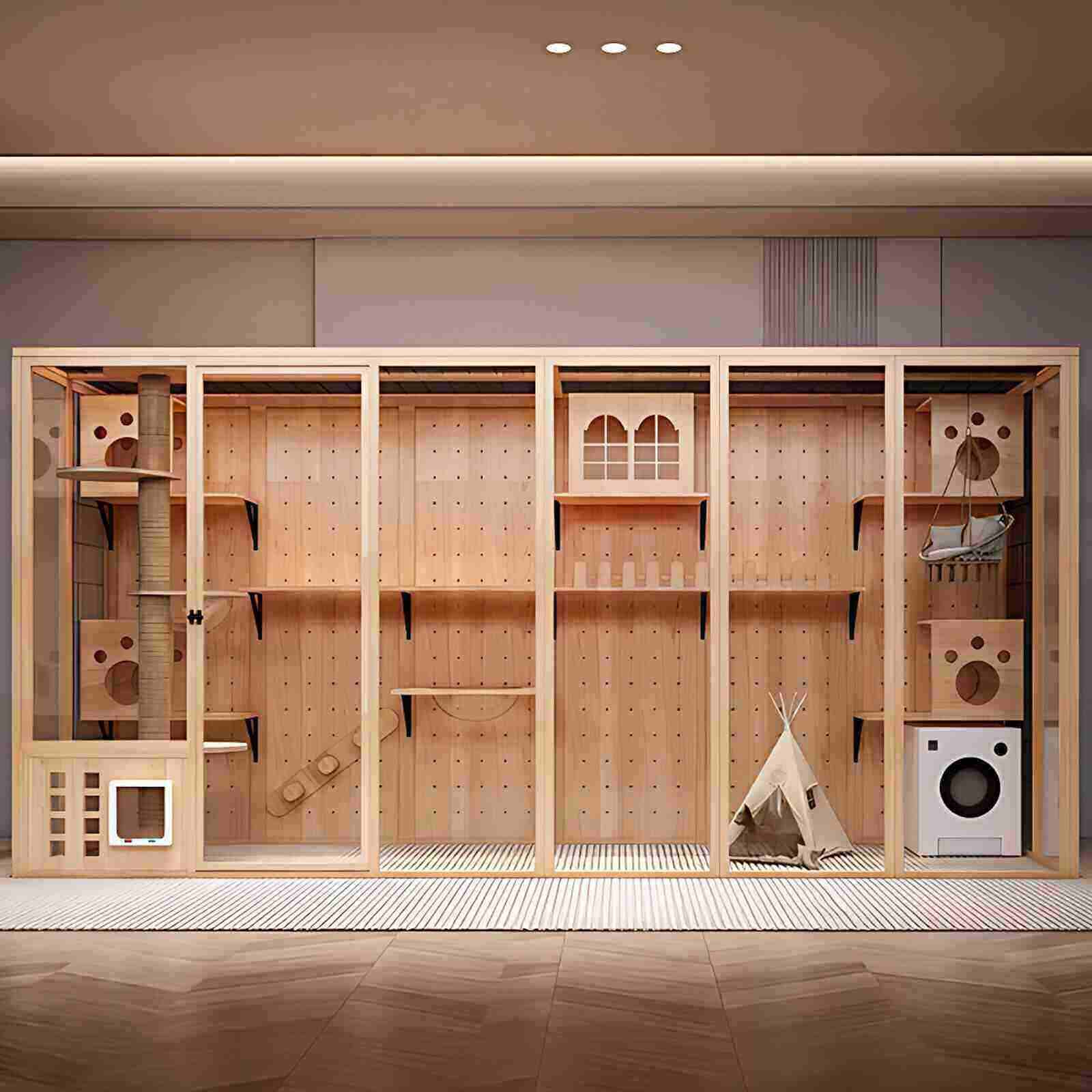
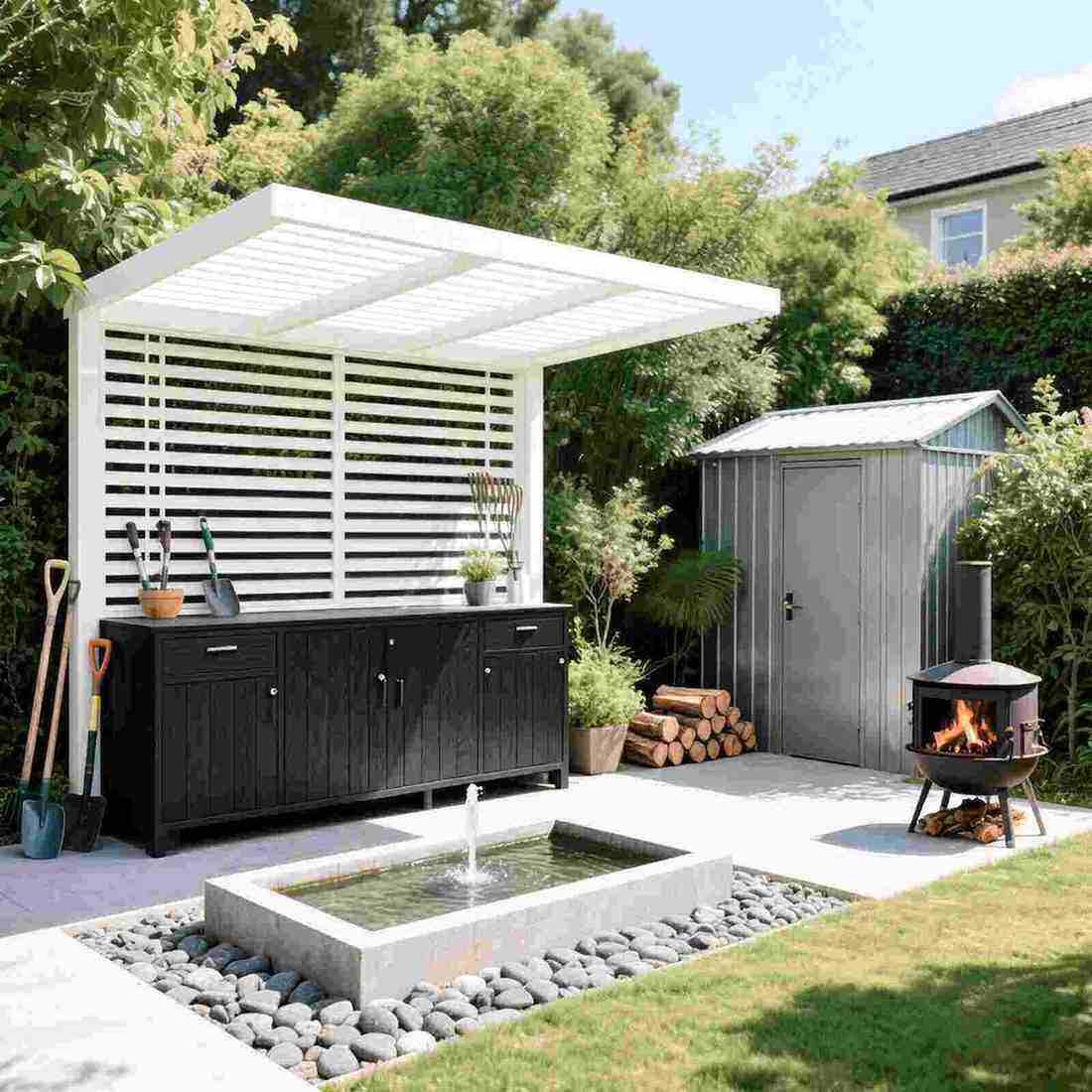
As times progress, technology advances, and people's overall quality improves, everyone is increasingly valuing health-the primary standard for quality of life. Currently, formaldehyde in the home is a major headache for many. Therefore, the government has established standards for the formaldehyde content of wood products. We have also made efforts in this regard, all for the sake of everyone's happiness and health!
Get to know the big bad guy - formaldehyde
Formaldehyde is a colorless gas with a strong, pungent odor. It is readily soluble in water, alcohol, and ether, and its volatilization can last for 3-15 years.
It is an important organic raw material, mainly used in the synthesis of adhesives, such as phenolic resins, urea-formaldehyde resins, synthetic fibers, the leather industry, pharmaceuticals, and dyes. It can be said to be ubiquitous in most home decoration materials.
E0 grade sheet material - statement
There are many conflicting opinions in the market regarding the concept of E0 grade boards. Merchants often use it as a gimmick, but some people say that there is actually no national or international standard for E0 grade boards.
Chinese National Standards
According to the latest information released by the Standardization Administration of China regarding E0, E1, and E2 environmental protection levels (the following content is from the website: http://www.sac.gov.cn)
3. GB/T 34722-2017, "Impregnated Paper-faced Plywood and Blockboard," states:
4. The GB/T18102-2007 standard for "Impregnated Paper Laminated Wood Flooring" states:
(Note: The statement that "the test specimen was sealed with formaldehyde-free aluminum tape on all four sides and the back" means that the issue of board damage or cutting during construction was not taken into consideration at all. Such a test can only obtain ideal laboratory data.)
In other words, if you buy wood panels after May 1, 2018, the new national standard only has one grade, which is E1. Don't be fooled anymore!
Compared to E1, E0 is often used as a marketing gimmick by many businesses, but its actual application is unclear. Given this, it's better to stick to the new national standard E1 and choose environmentally friendly materials, as at least in China, there is oversight.
Safety of E1 grade boards
1. Safety of E1 grade boards themselves
As mentioned above, E1 grade boards refer to a formaldehyde content of less than or equal to 0.124 mg/m3 (E0≤0.124 mg/m3). It does not mean that there is no formaldehyde, but because the formaldehyde release is extremely low, it has reached a safe standard.
2. Safety of E1 grade board materials in decoration
E1 grade boards meet national standards, but this only means that the boards meet national standards at the time of manufacture. In actual decoration, the boards are cut, spliced, reassembled, and painted, processes that damage the original structure and expose more of the internal materials to the air. Furthermore, edge banding and gluing processes add significant amounts of pollution.
3. Combined pollution after renovation
After all the renovations are completed, cumulative pollution can occur. Boards, curtains, latex paint... each building material can be a small source of pollution. Furthermore, purchased furniture can also become a potential source of pollution in the living space. Individually, one source may meet national standards; however, when all the pollutants in the same space are combined, they create a cumulative effect, potentially exceeding the limits.
Choose safety boards - live in a safe home
Most people believe that using environmentally friendly decorating materials equates to environmentally friendly home decoration, but the two are not synonymous. Whether a product itself is environmentally friendly is only a reference point for determining the overall environmental friendliness of the home; the final test before moving in is the most accurate indicator. Therefore, after the renovation is complete and furniture is in place, it is best to have formaldehyde tested by a reputable agency to ensure true peace of mind and a healthy living environment.