
 USD
USD GBP
GBP
 EUR
EUR
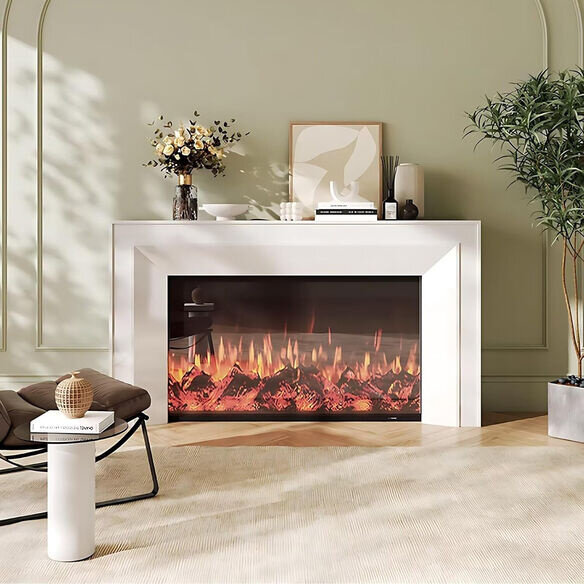
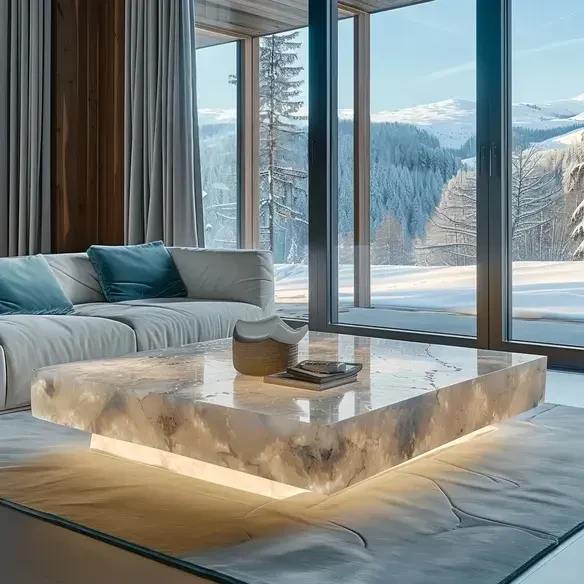
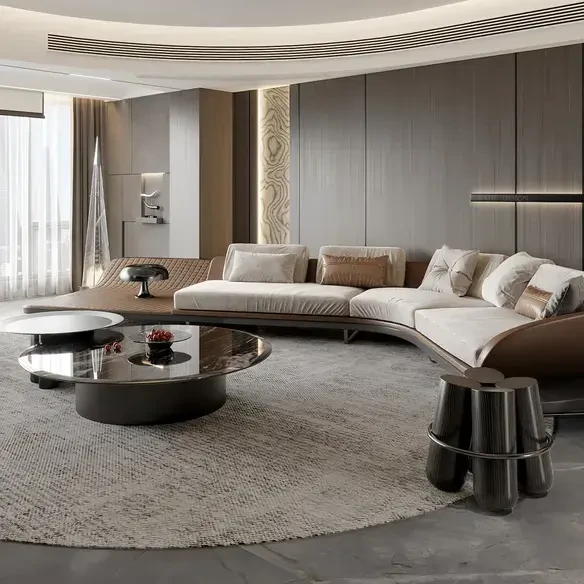
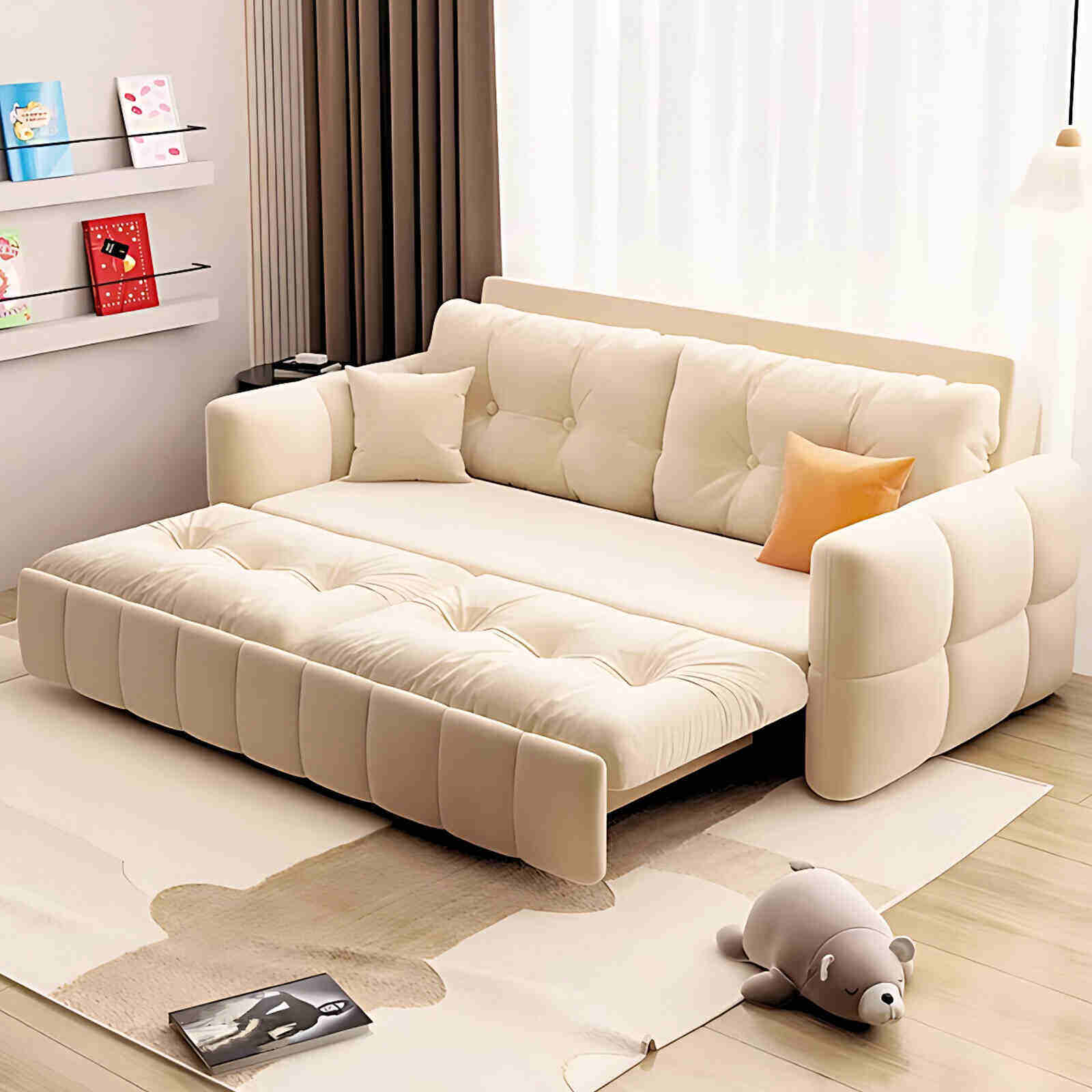
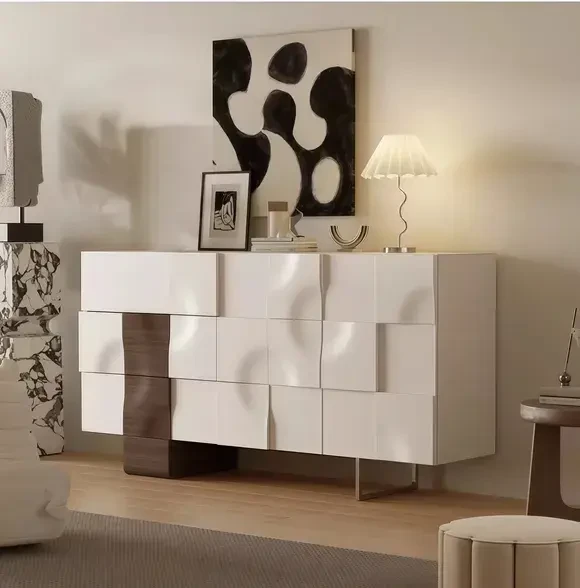
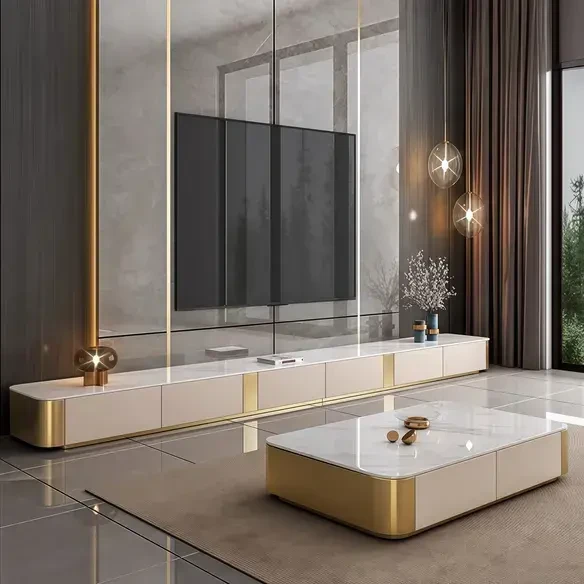
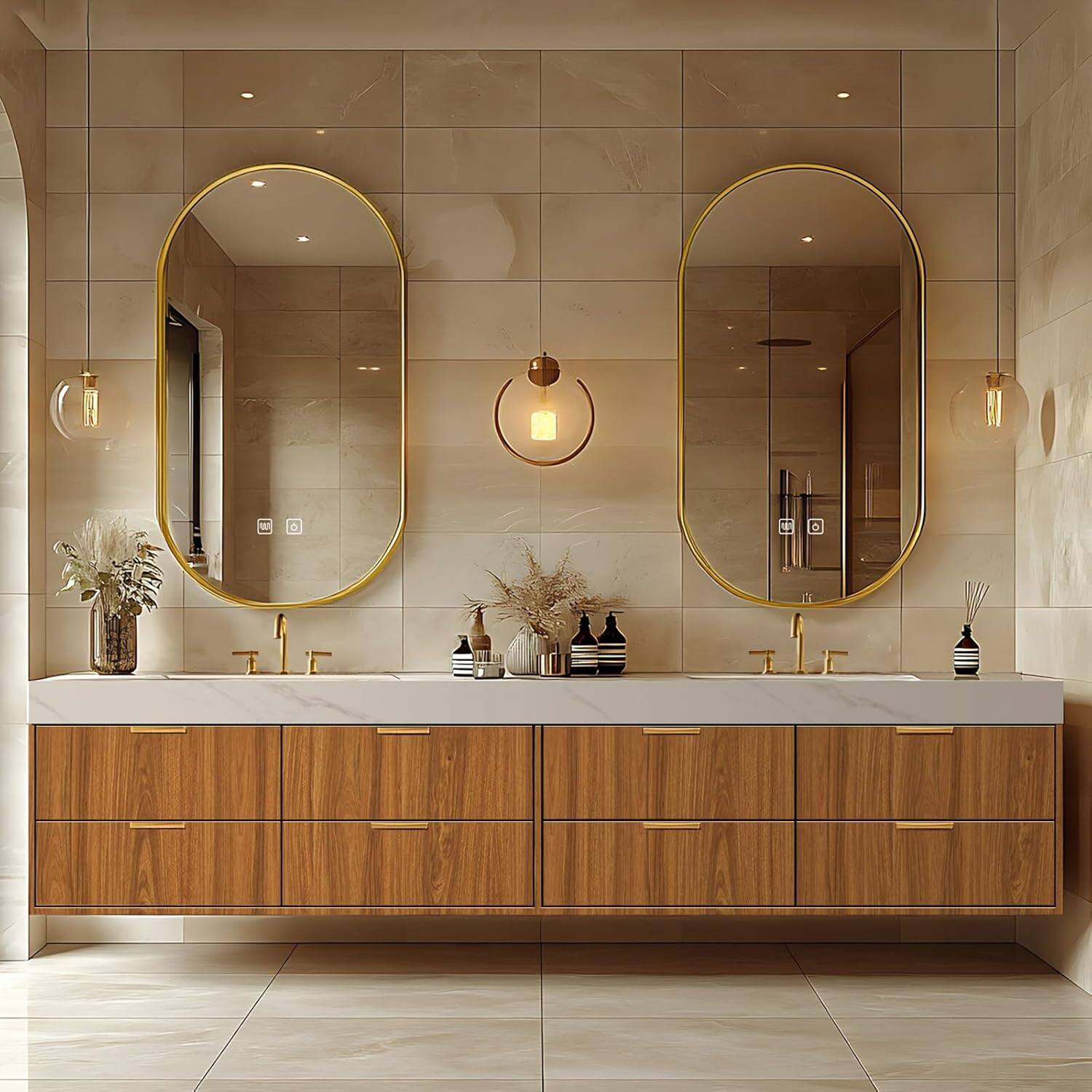
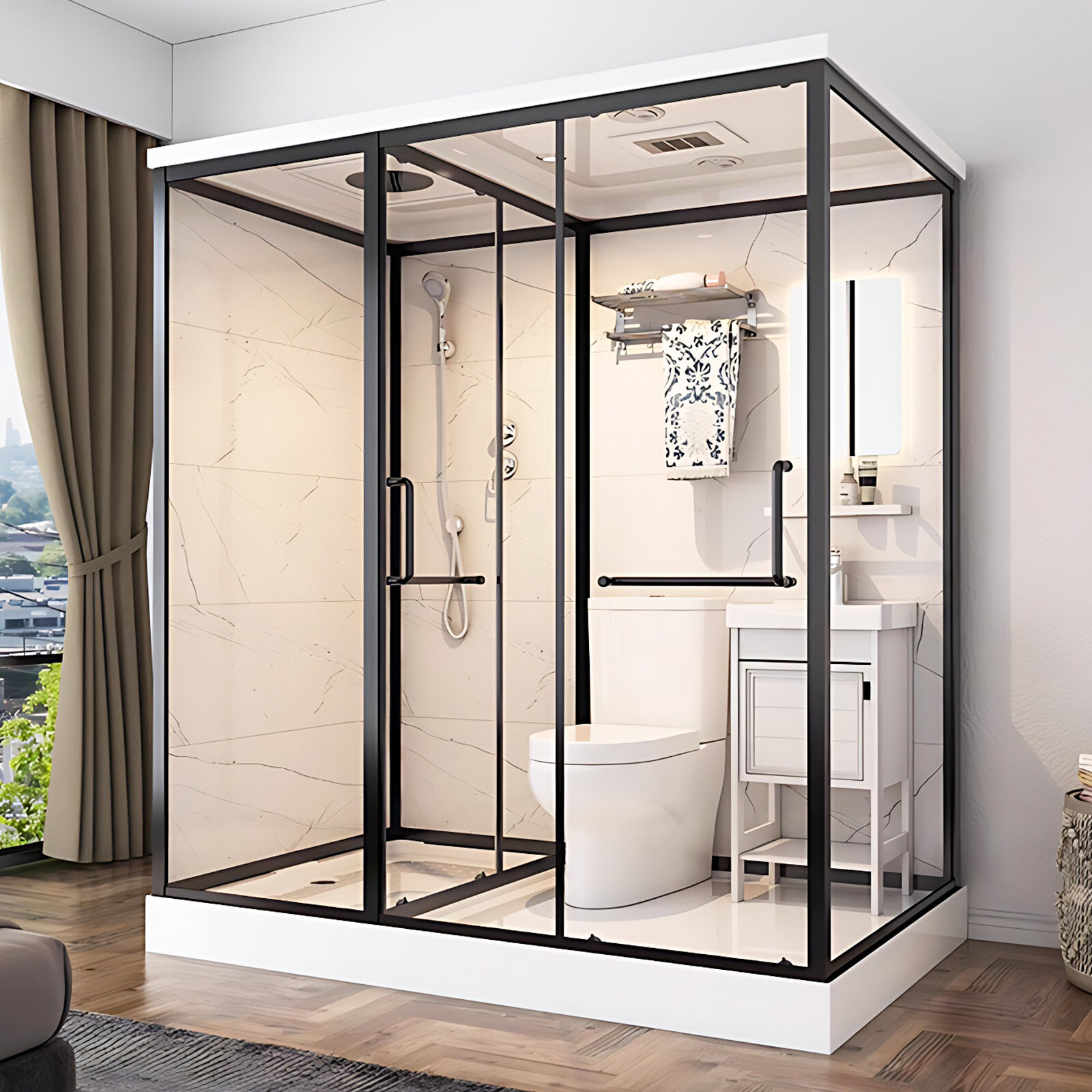
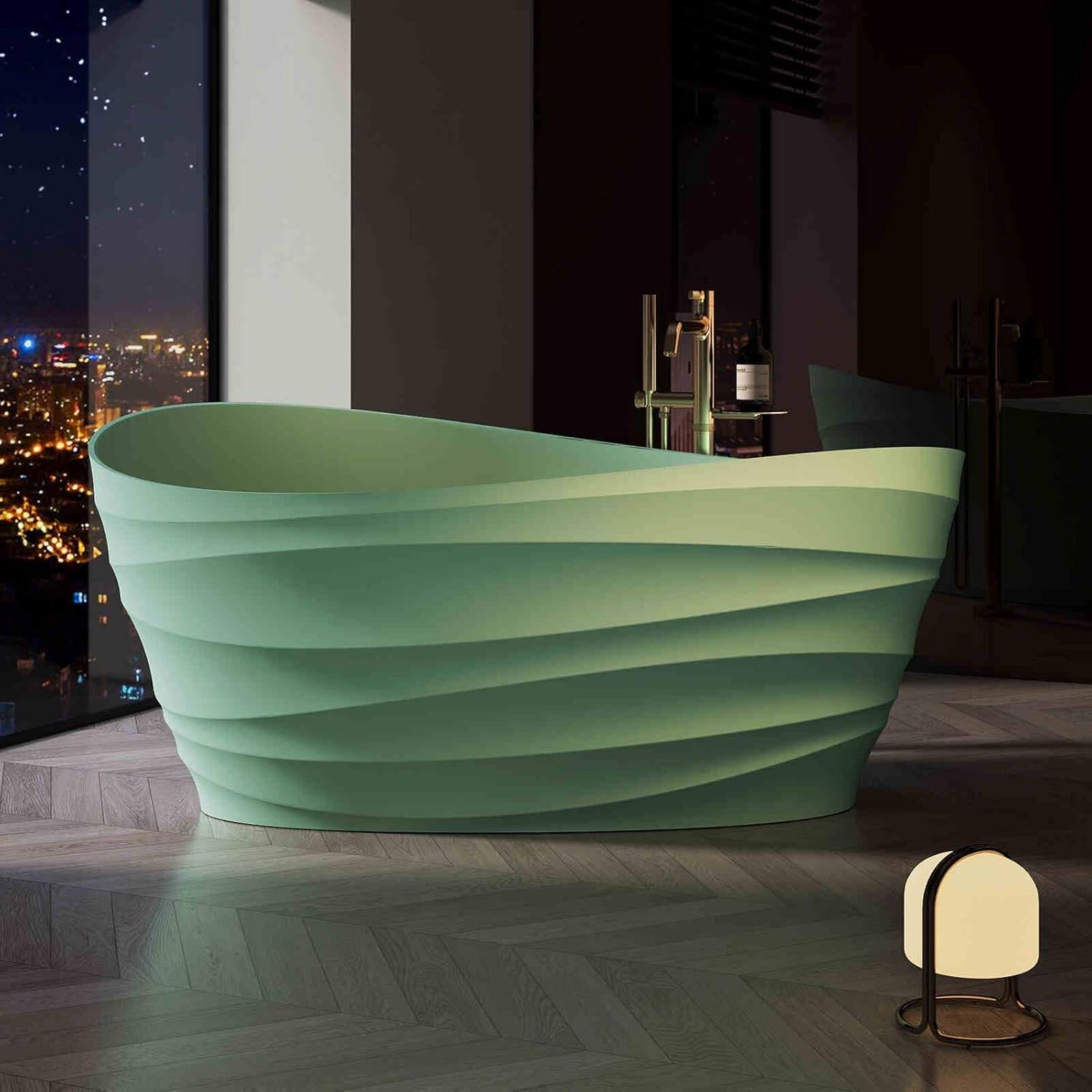
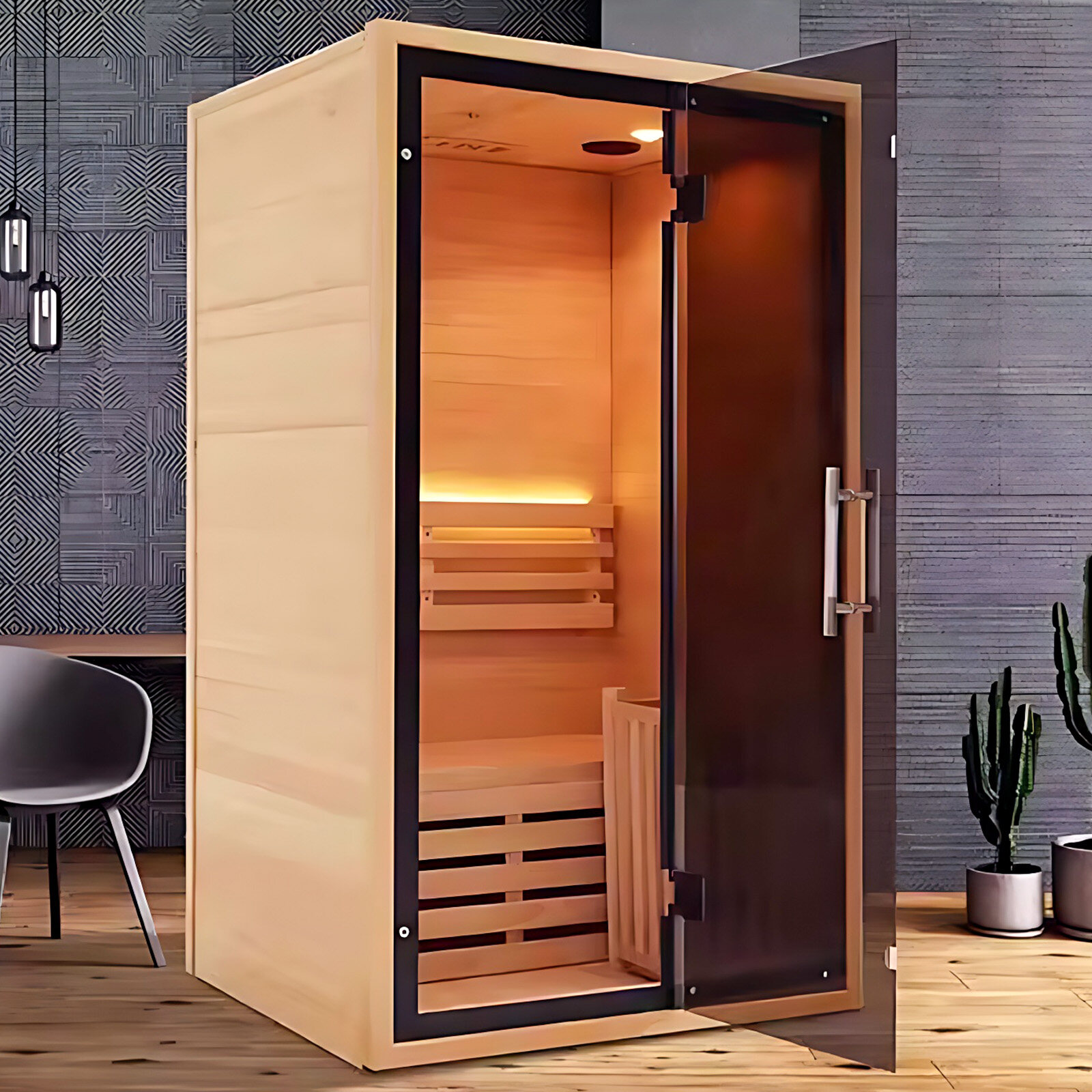
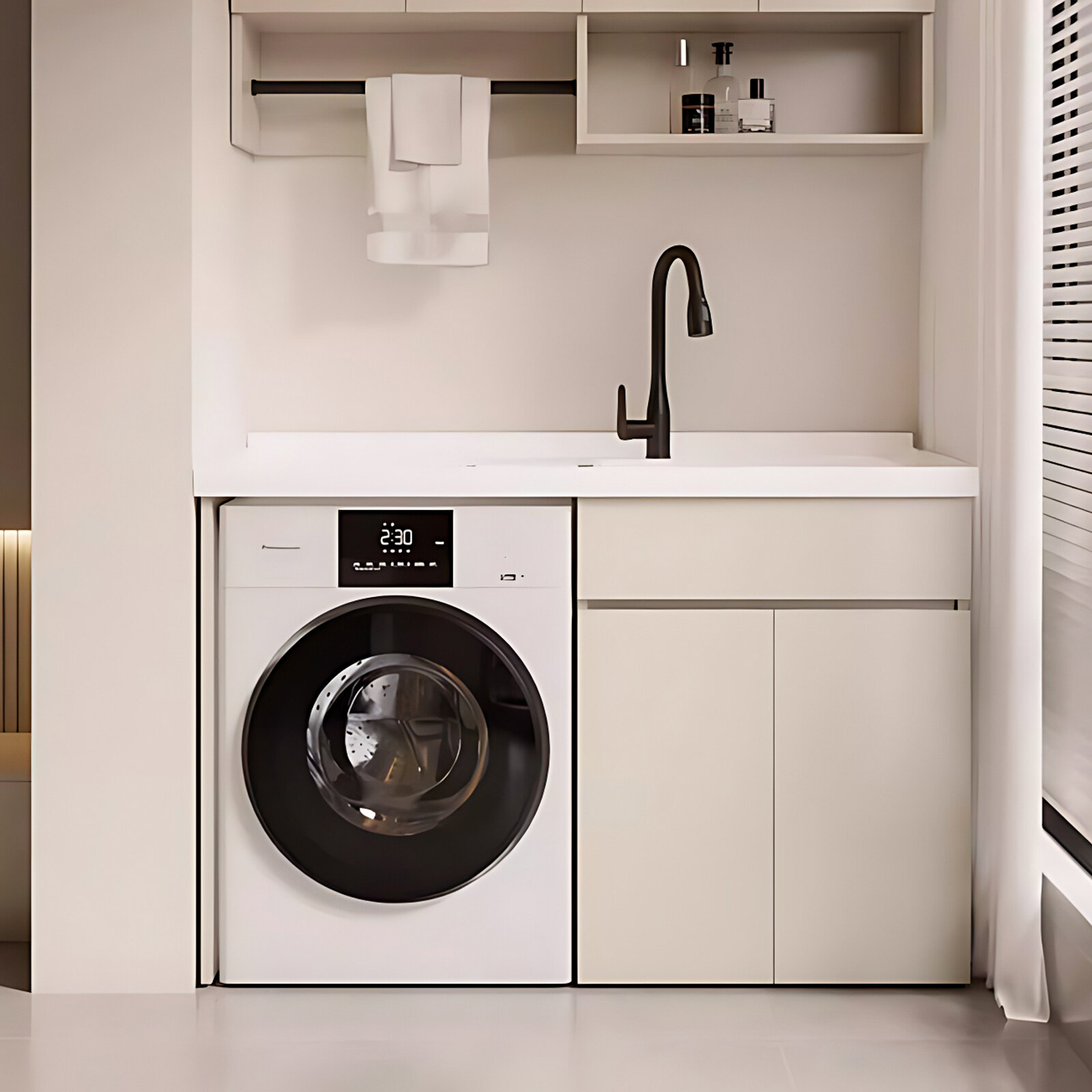
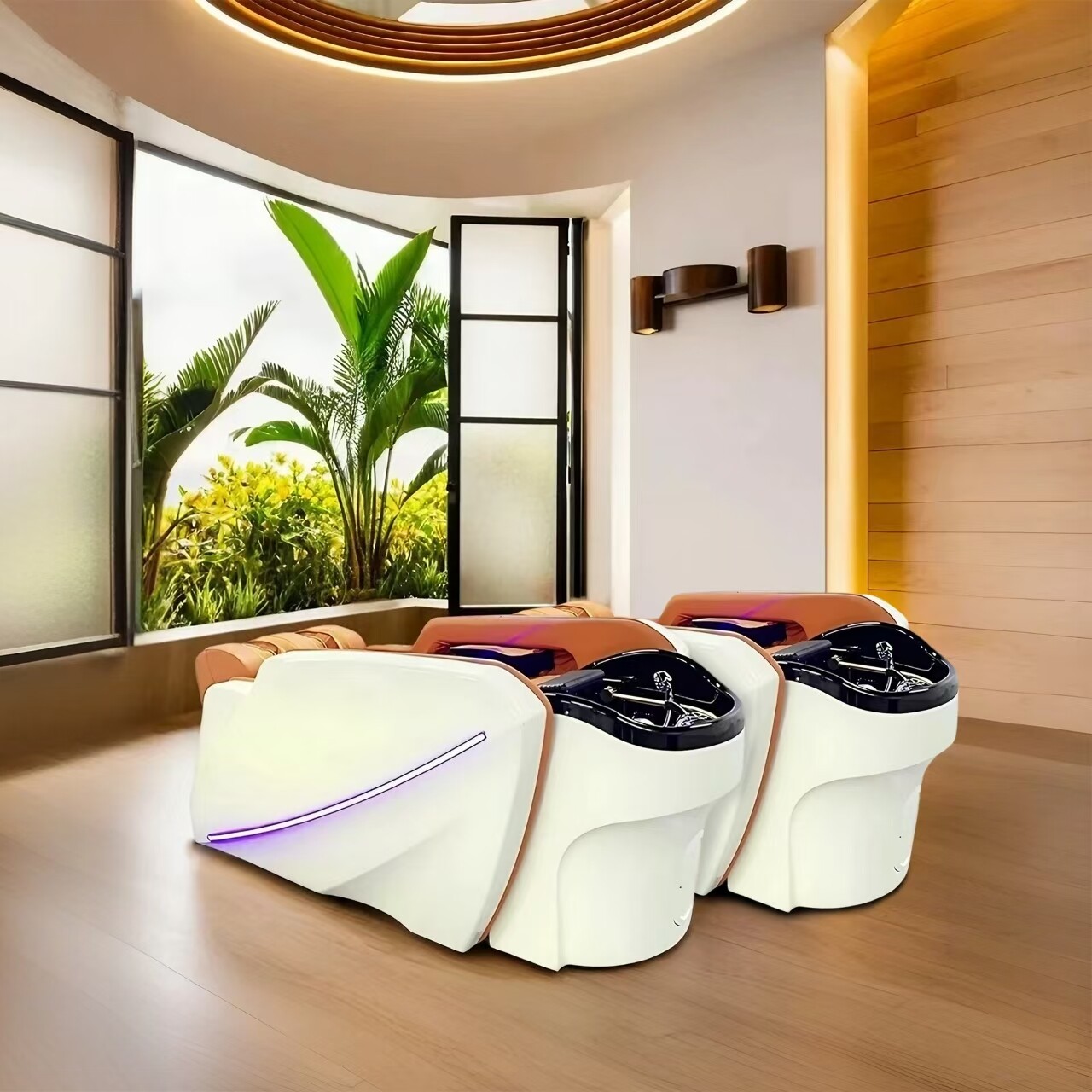
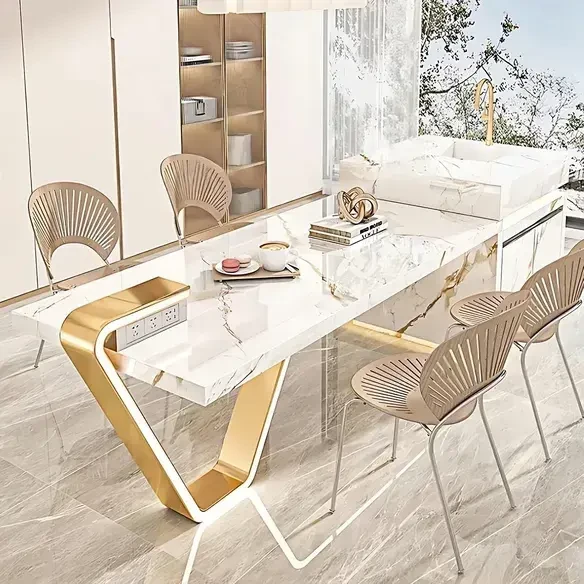
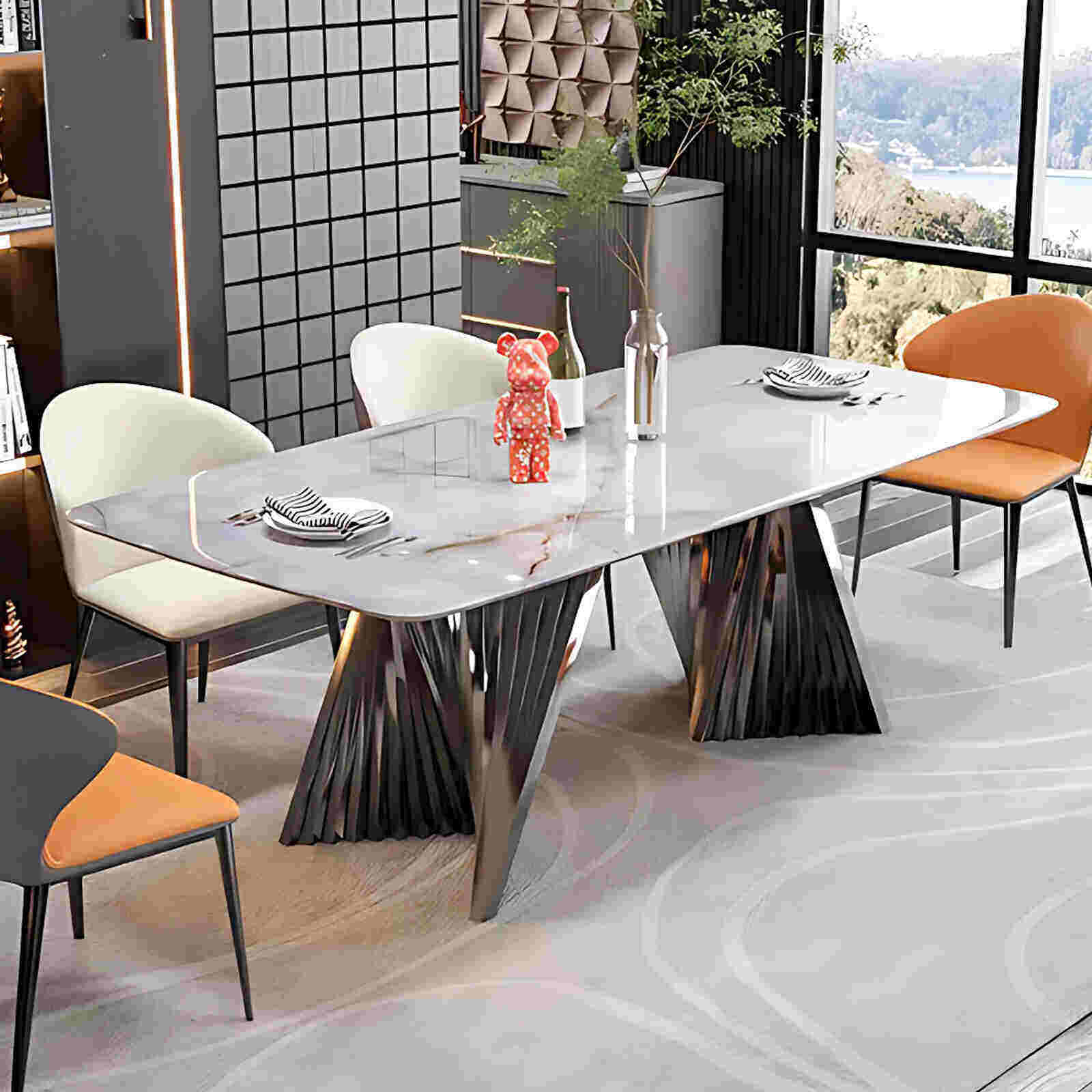
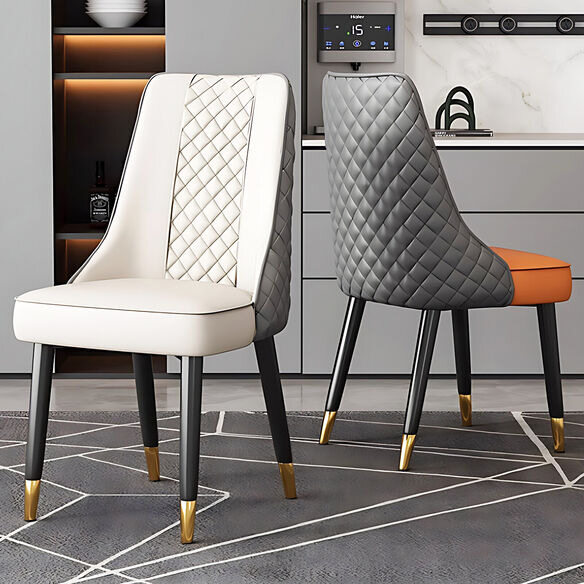
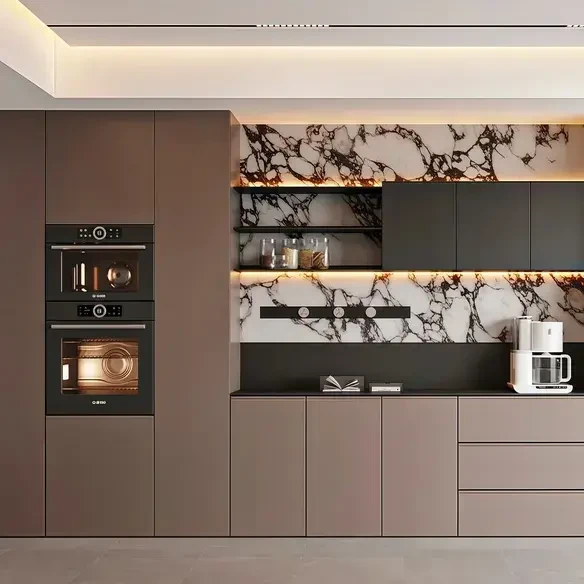
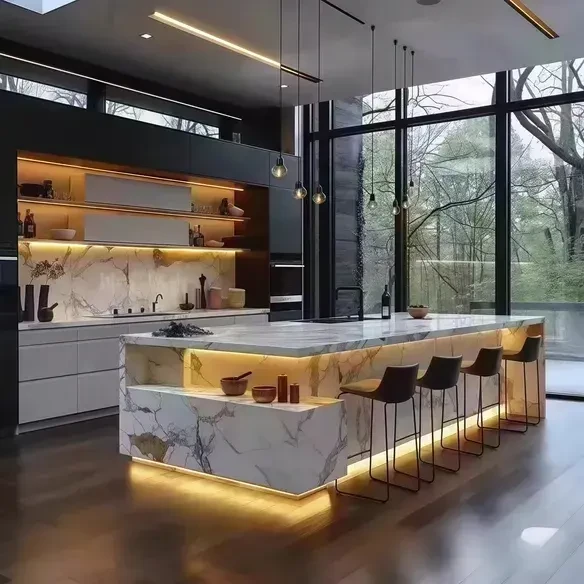
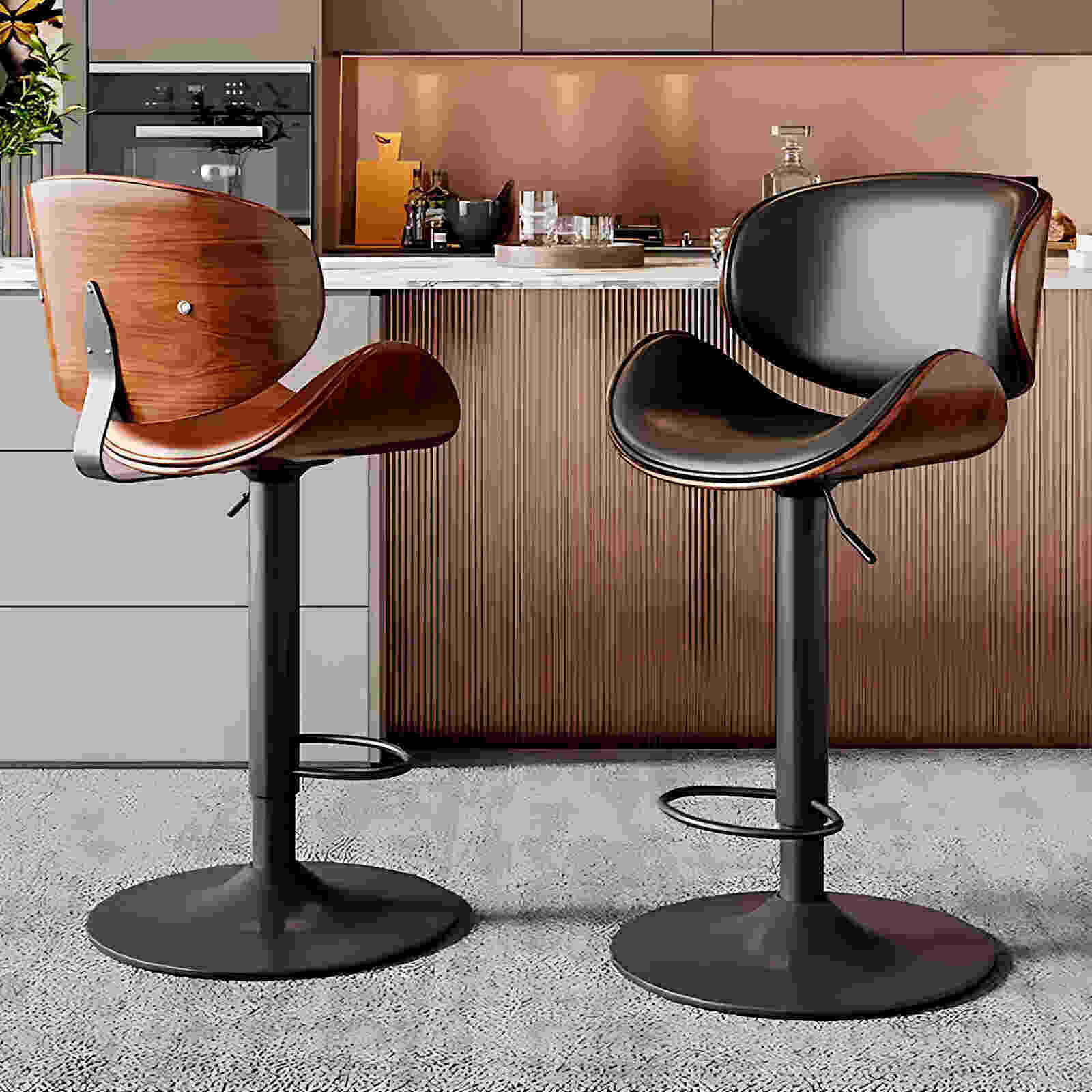
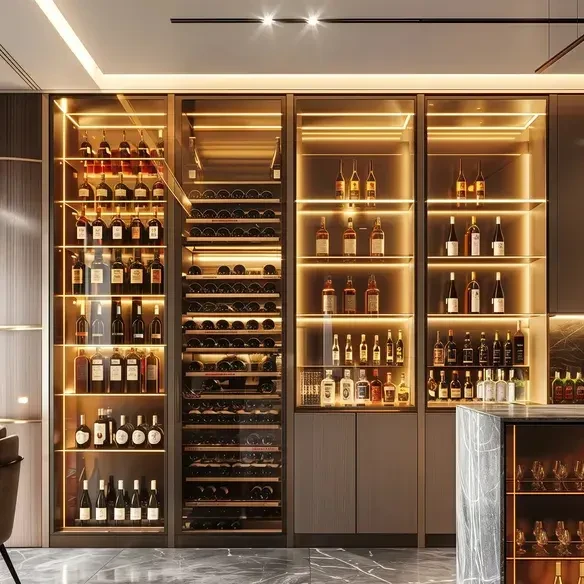
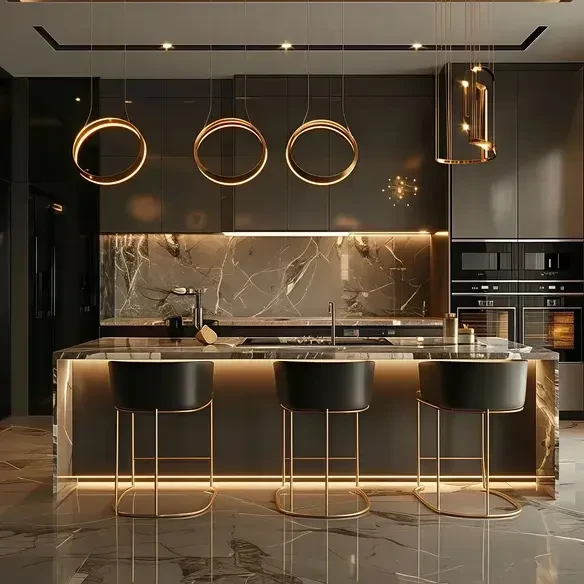
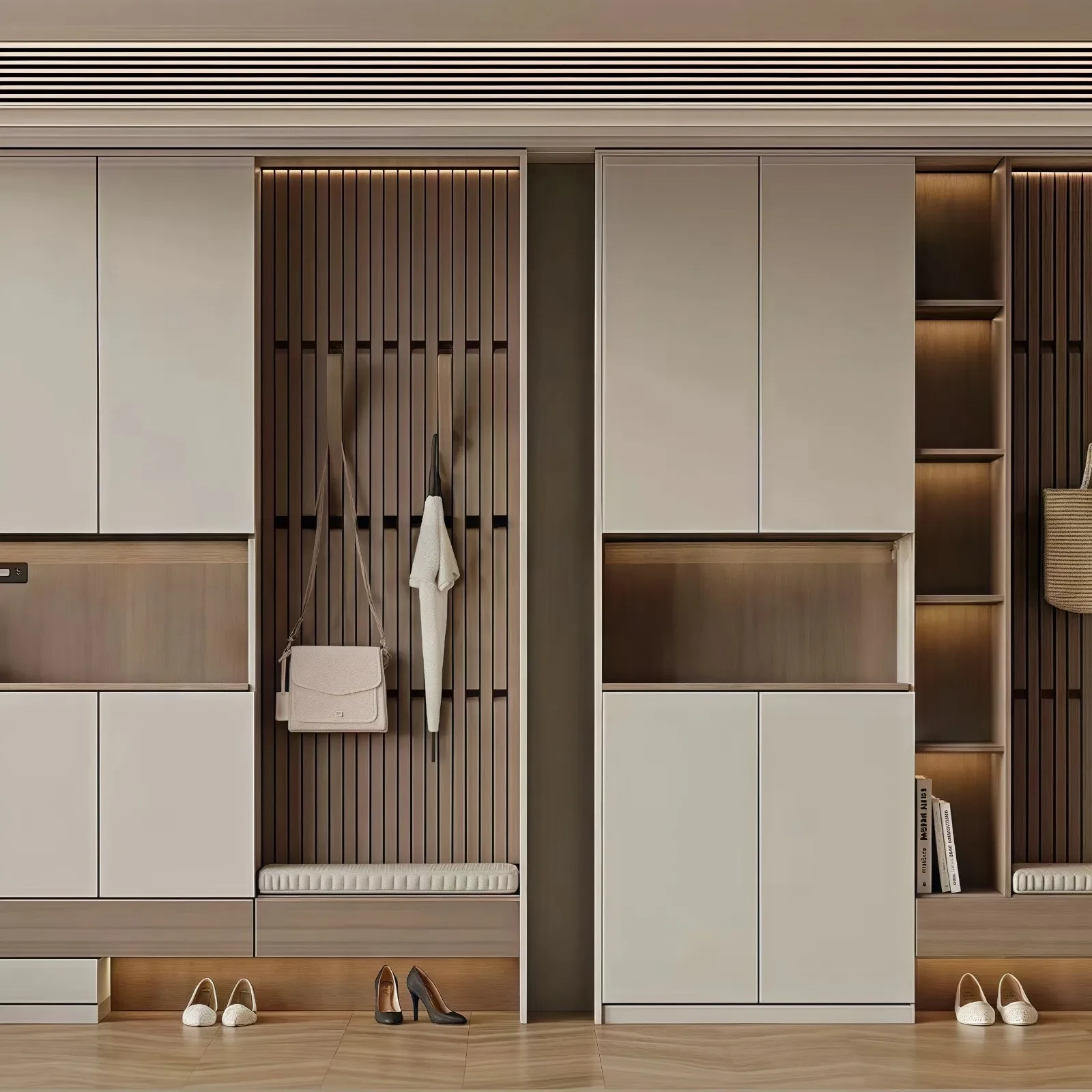
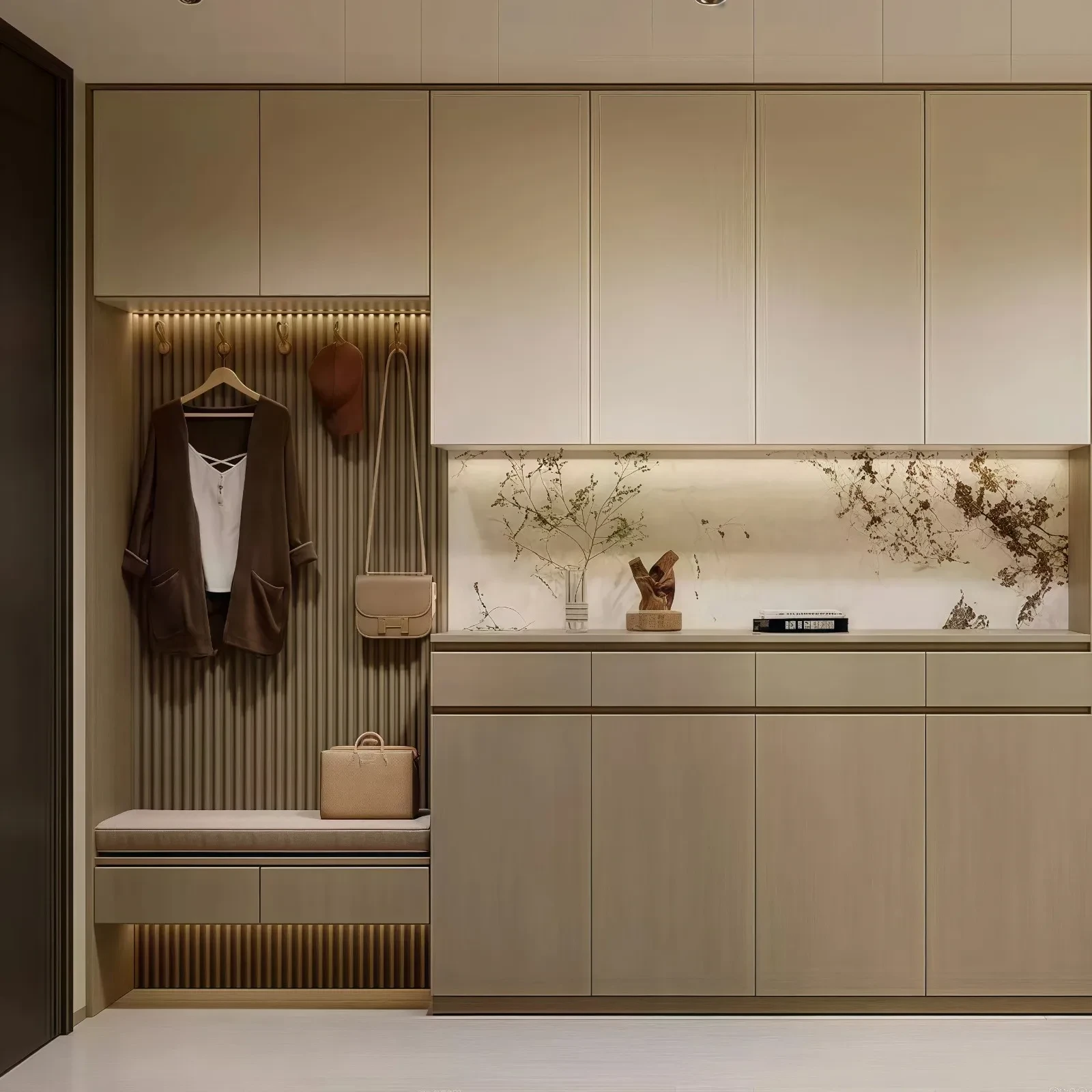
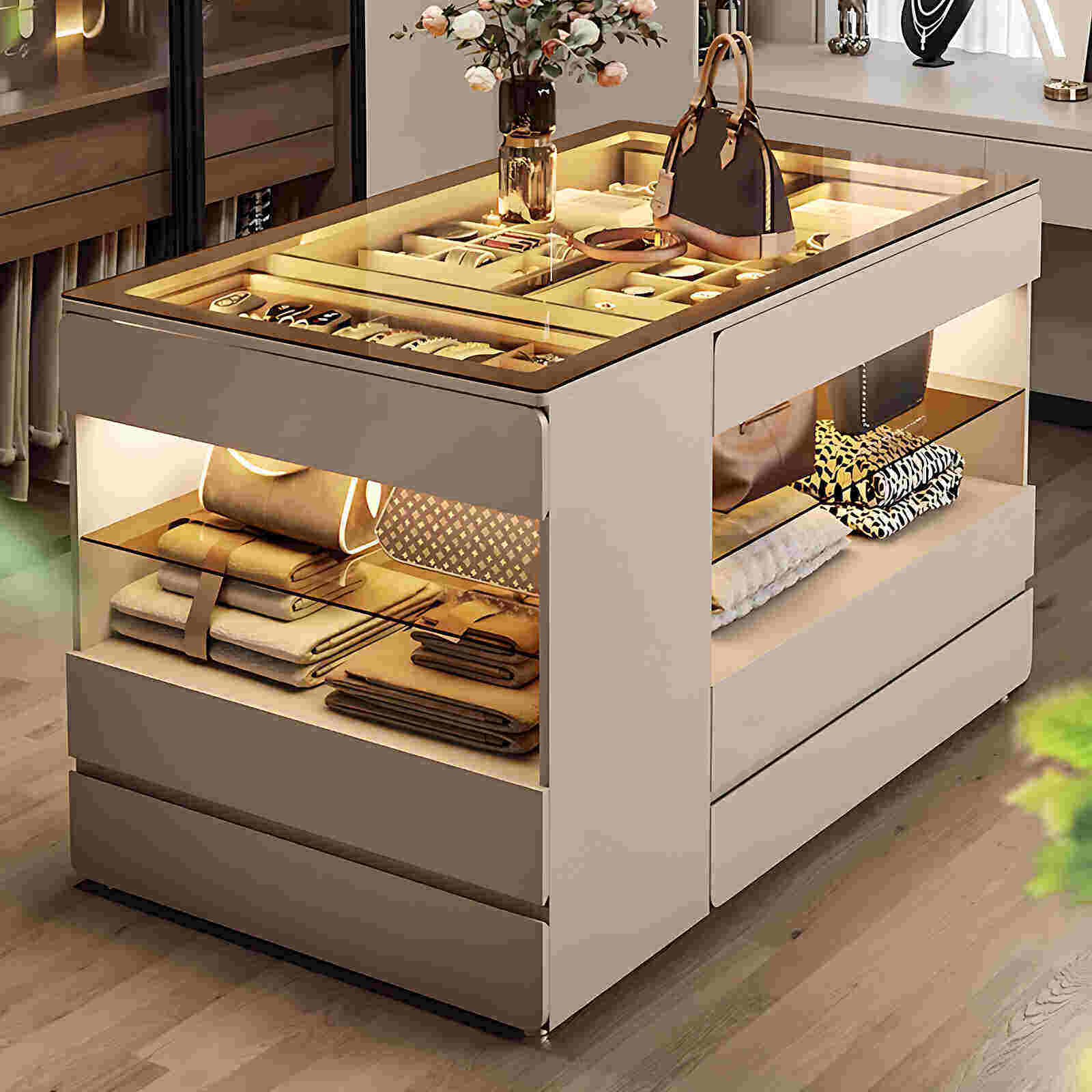
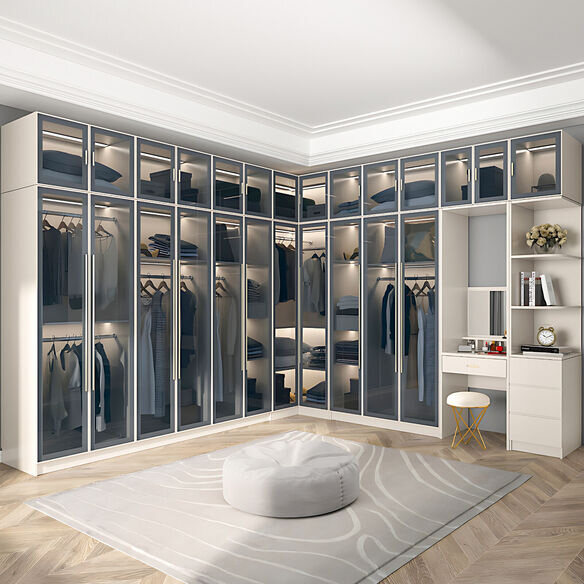
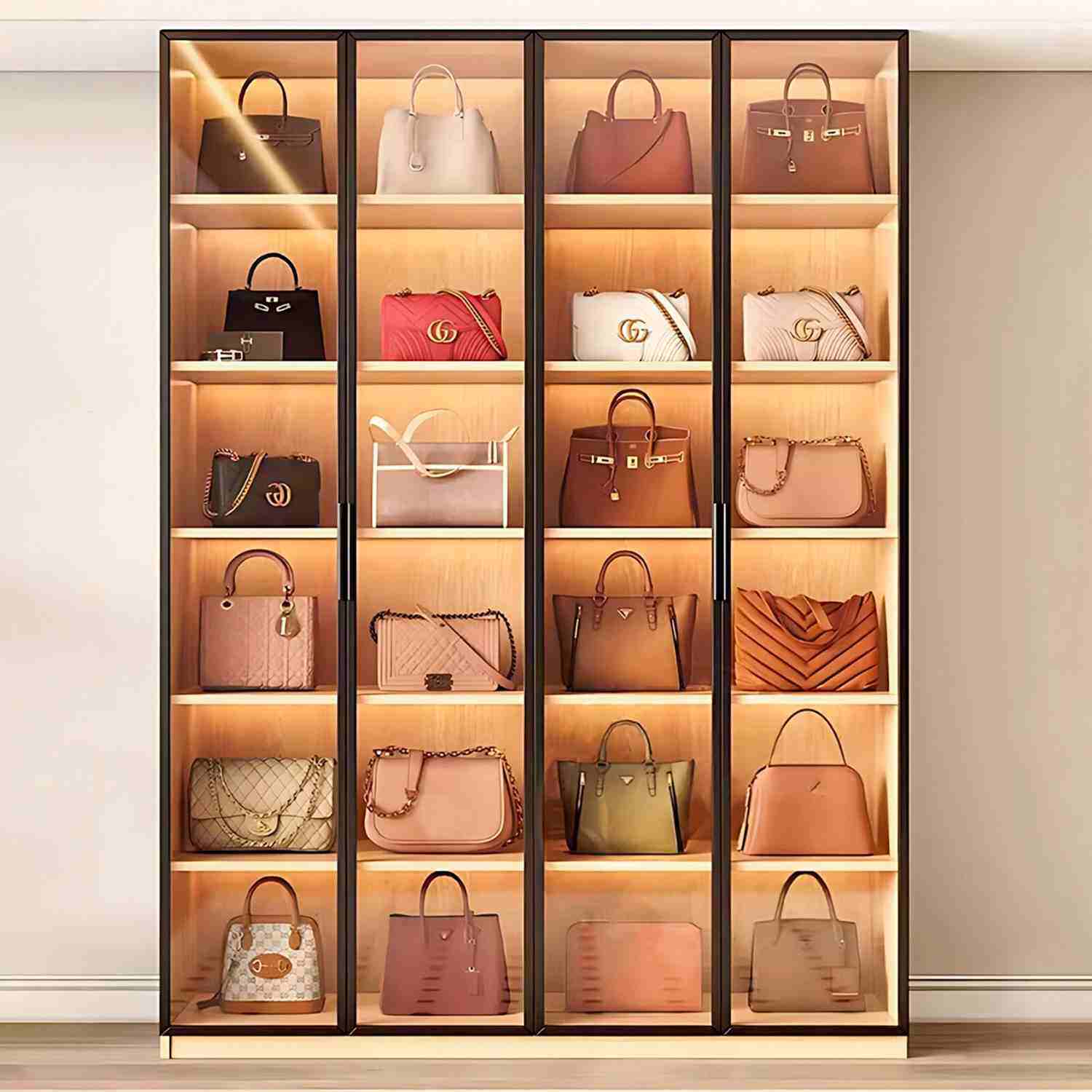
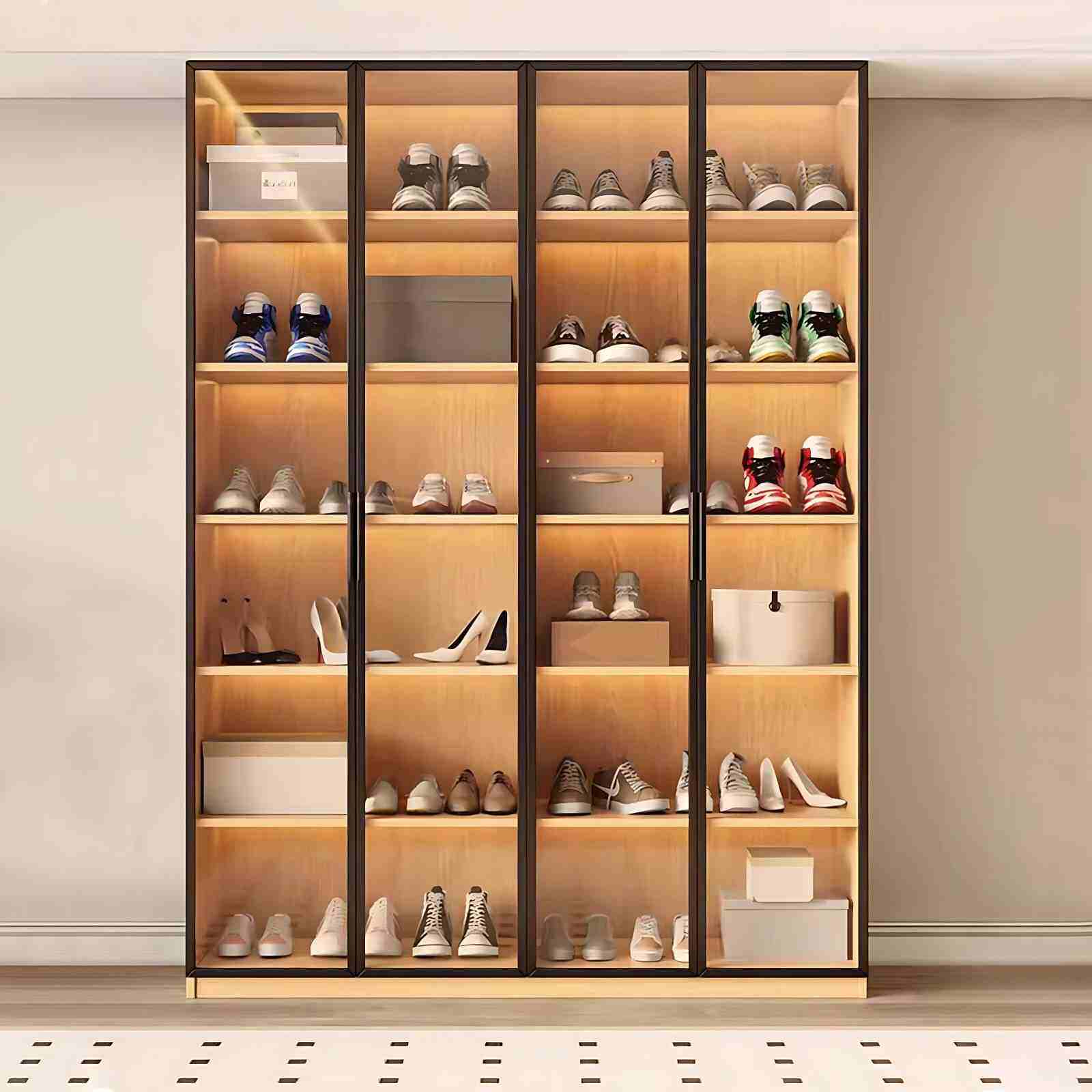
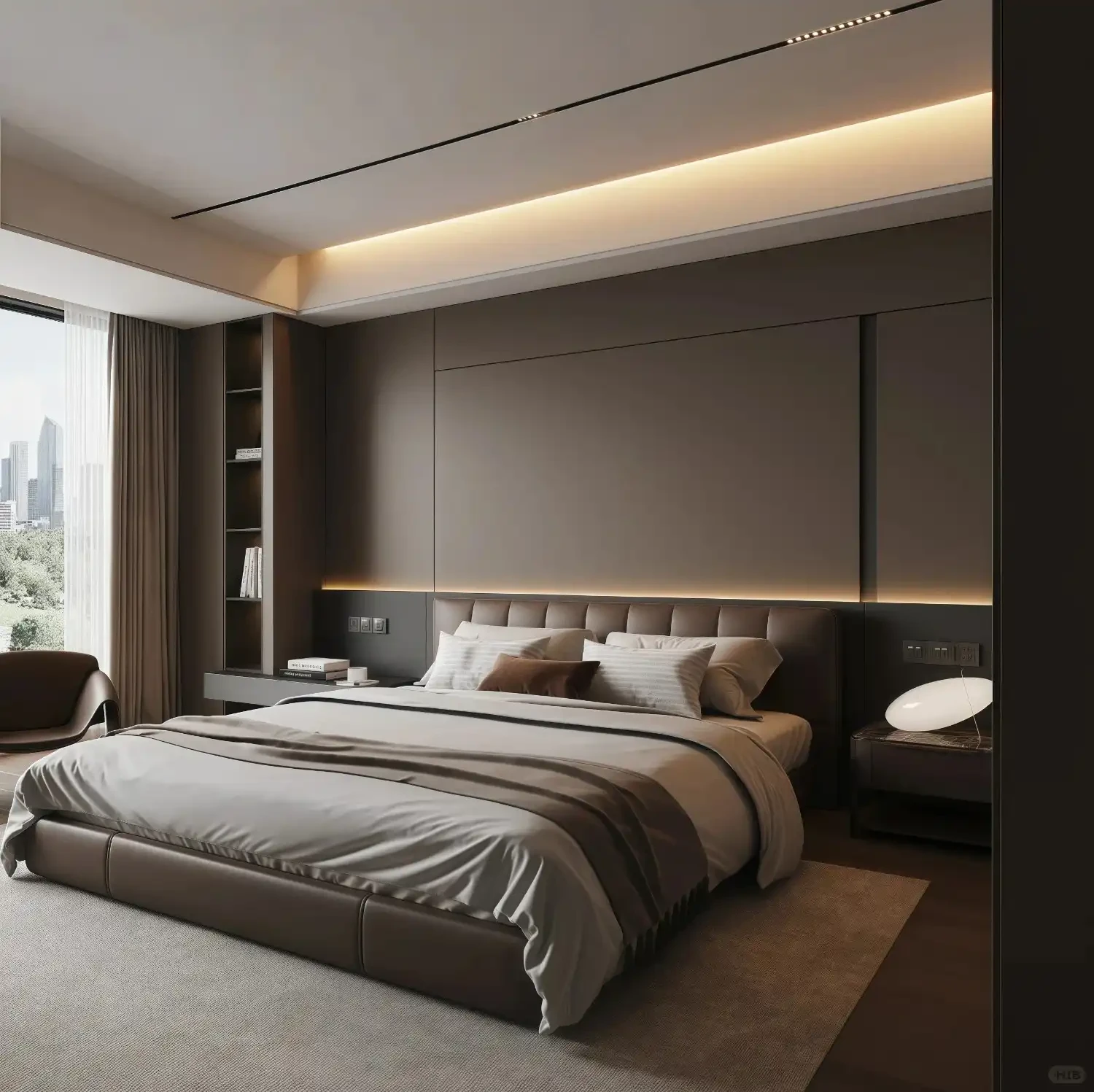
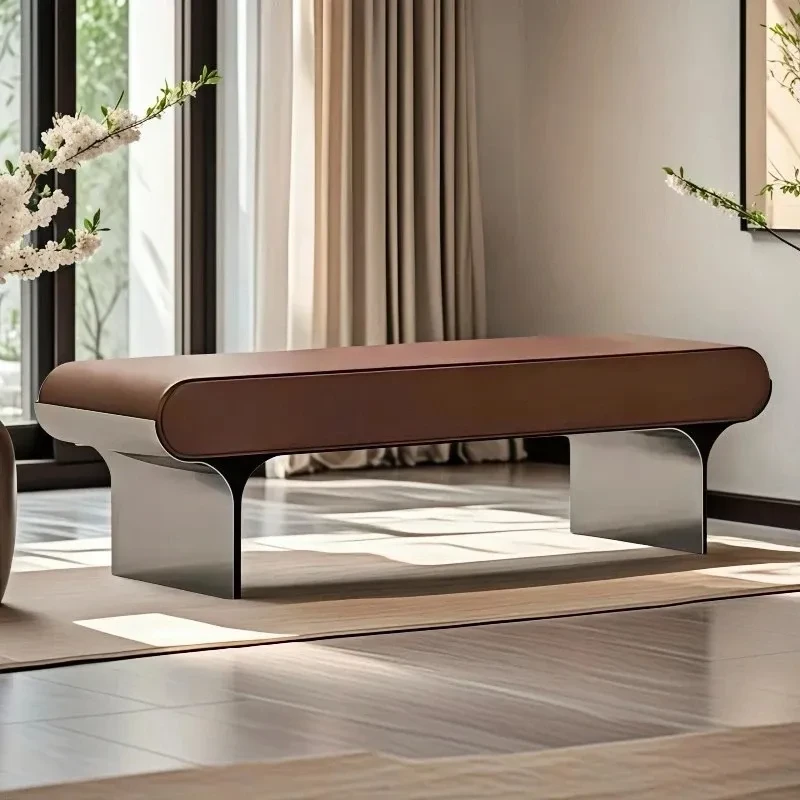
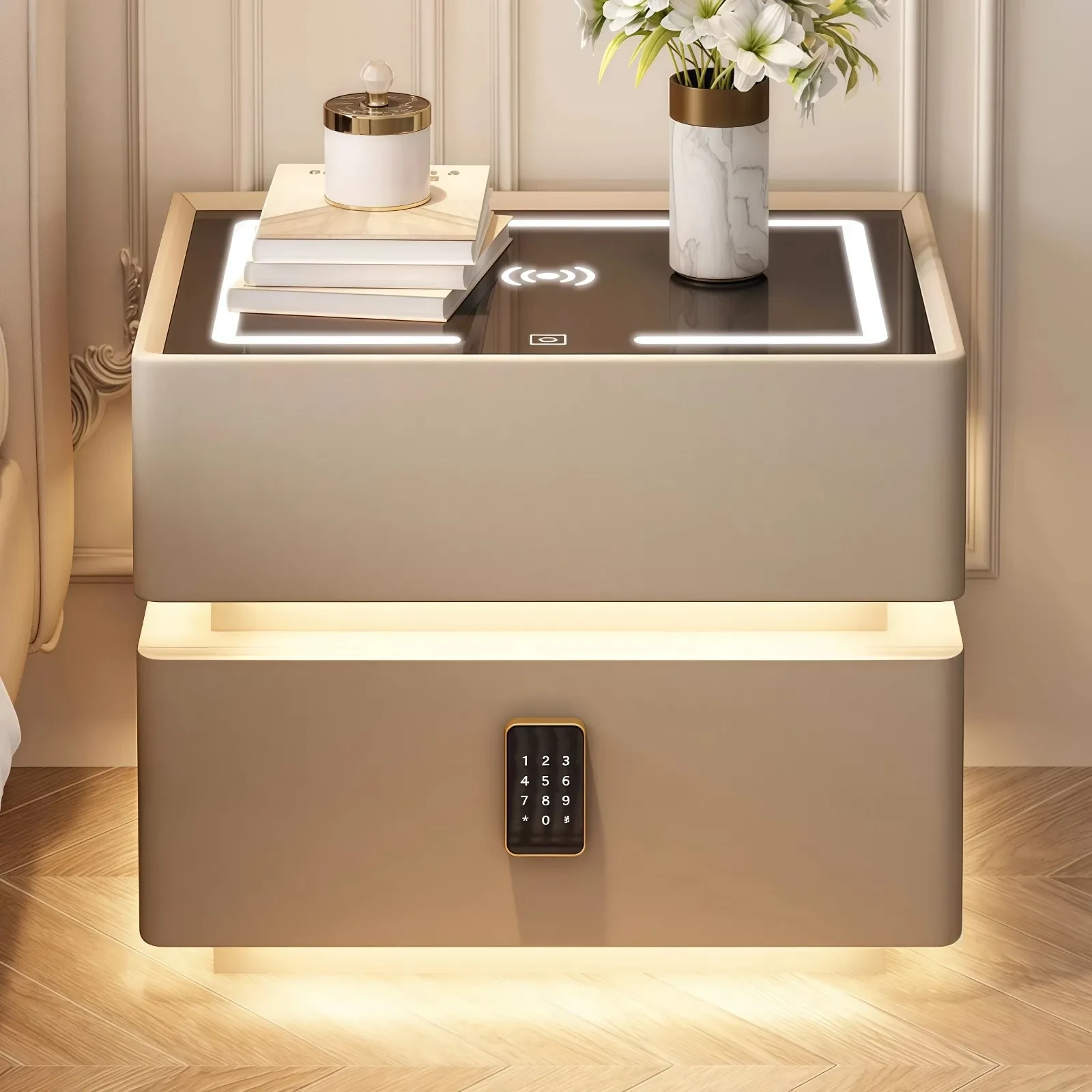
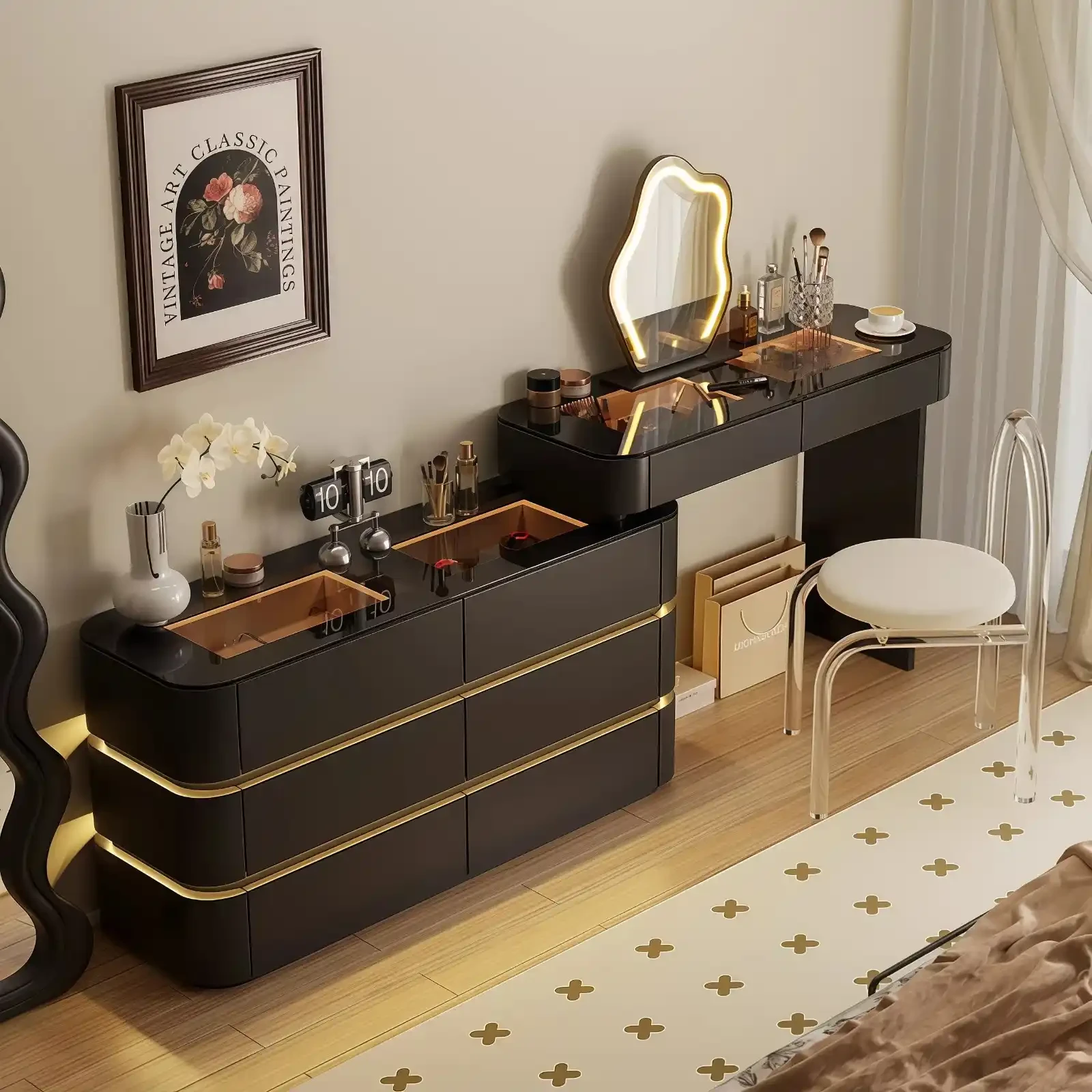
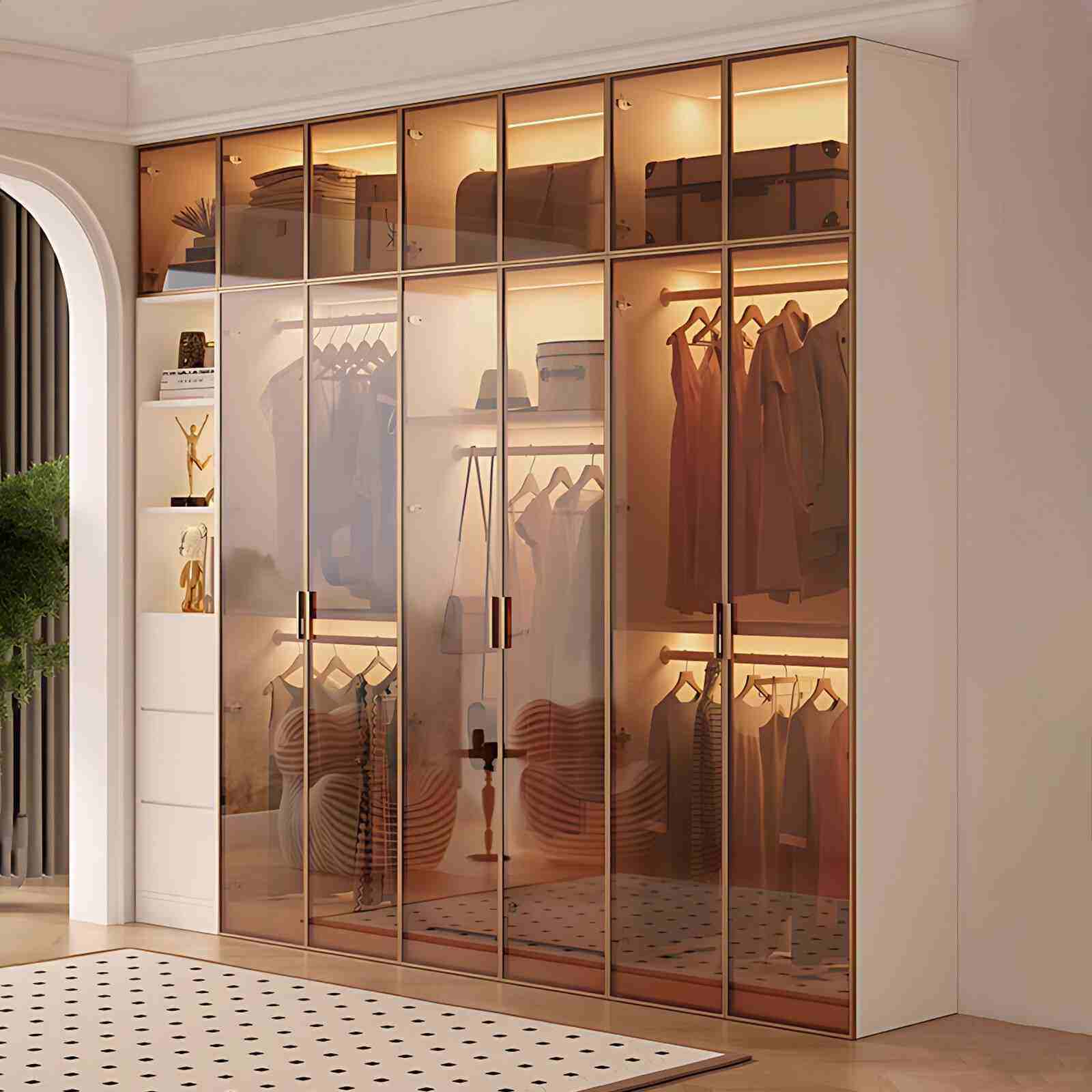
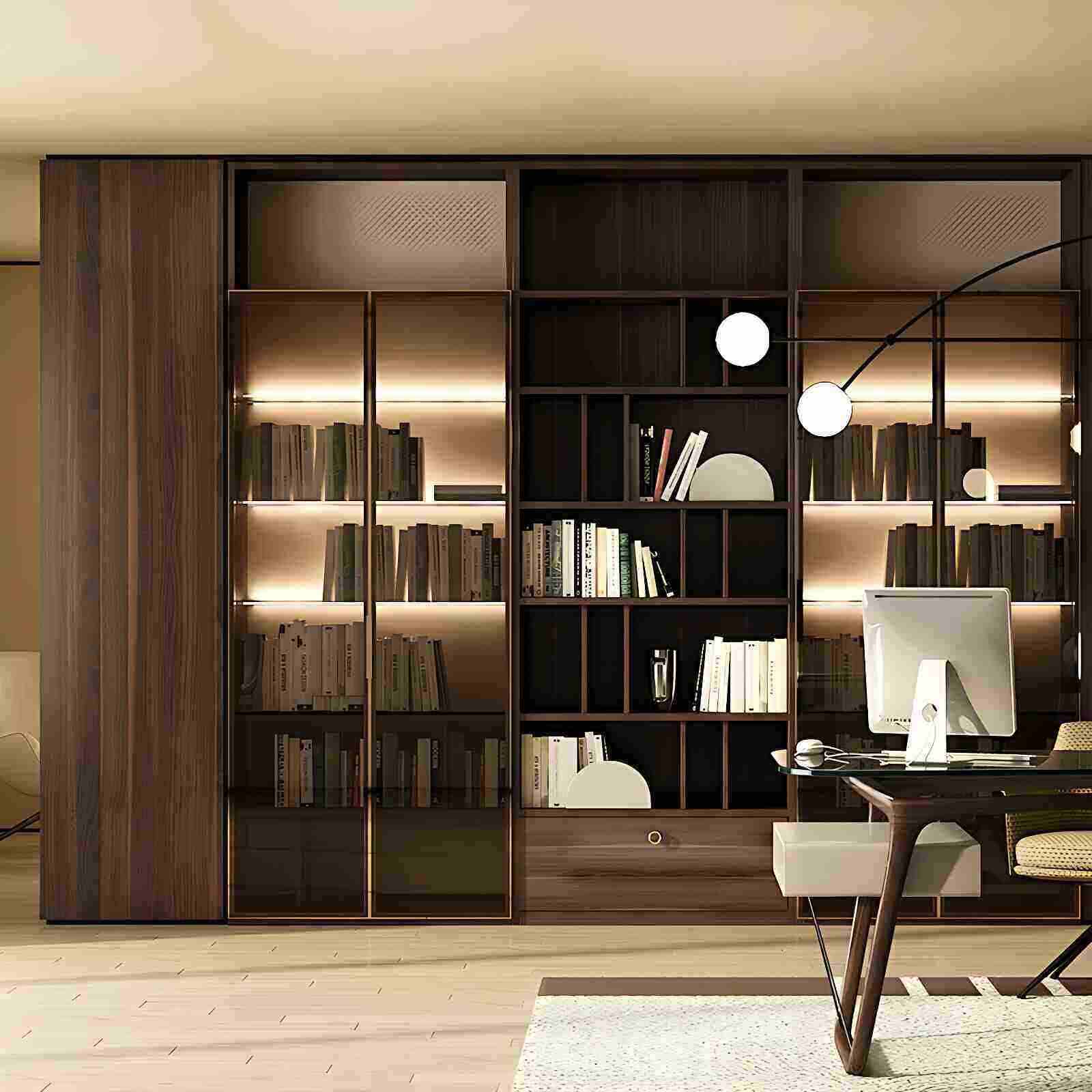
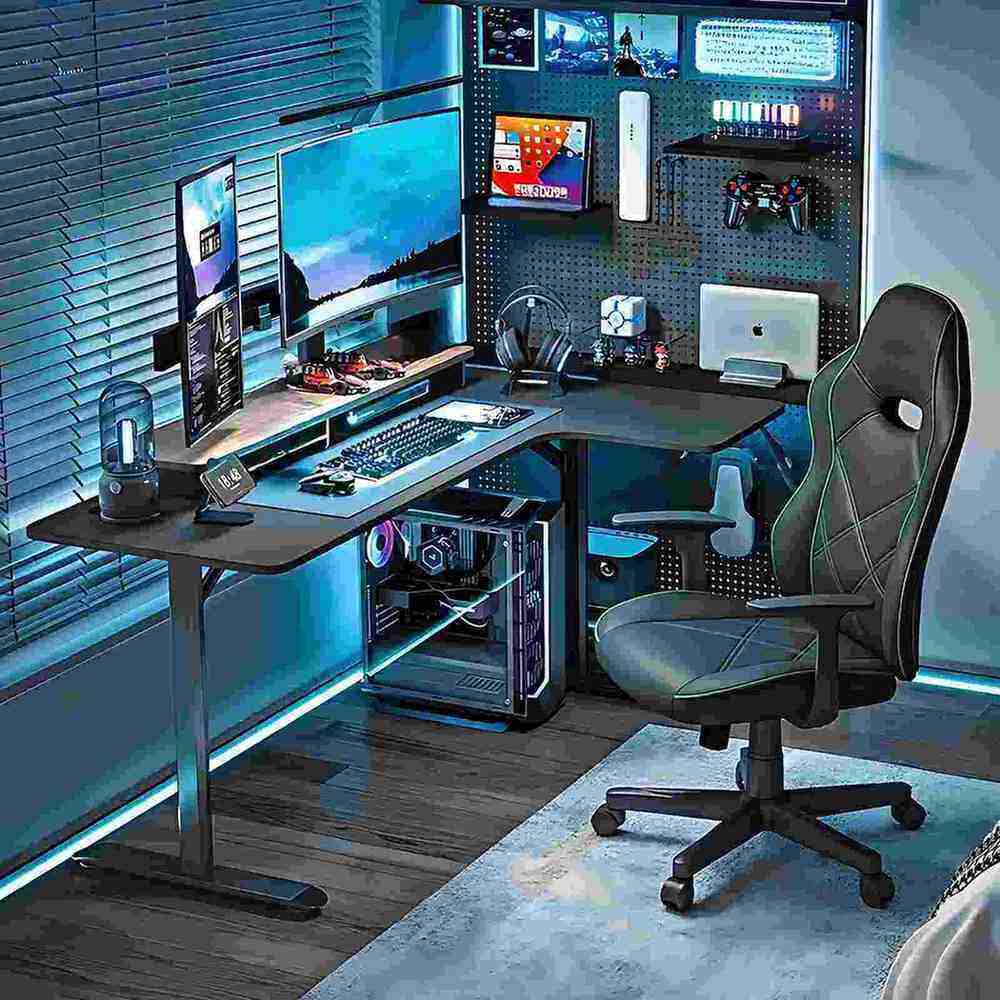
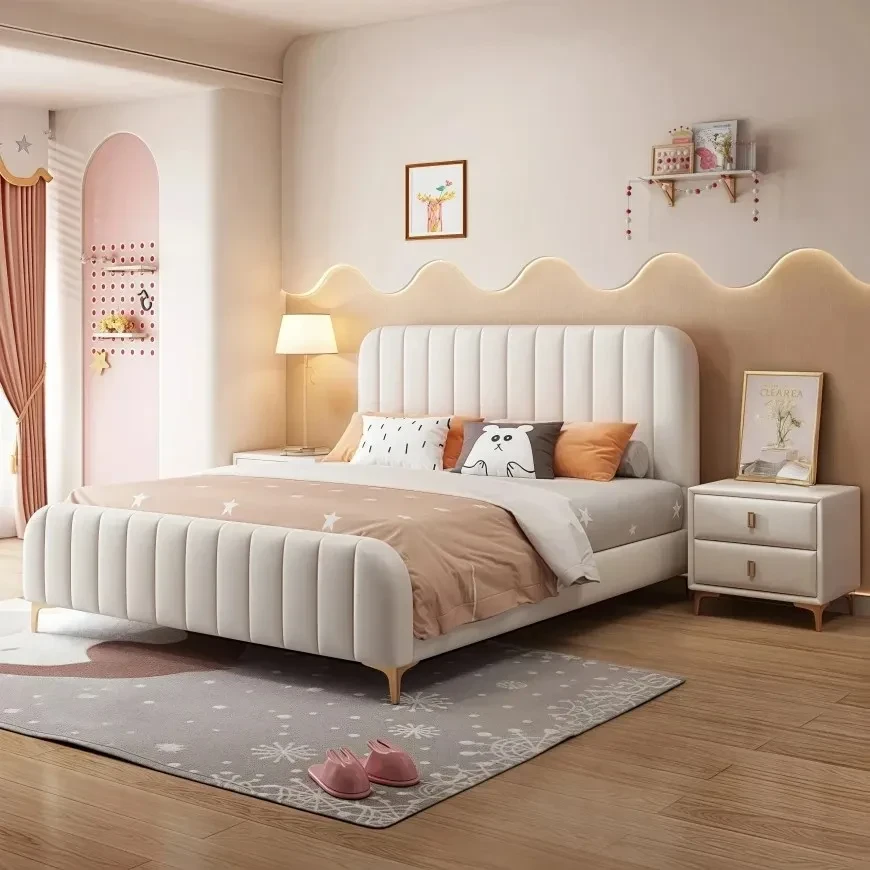
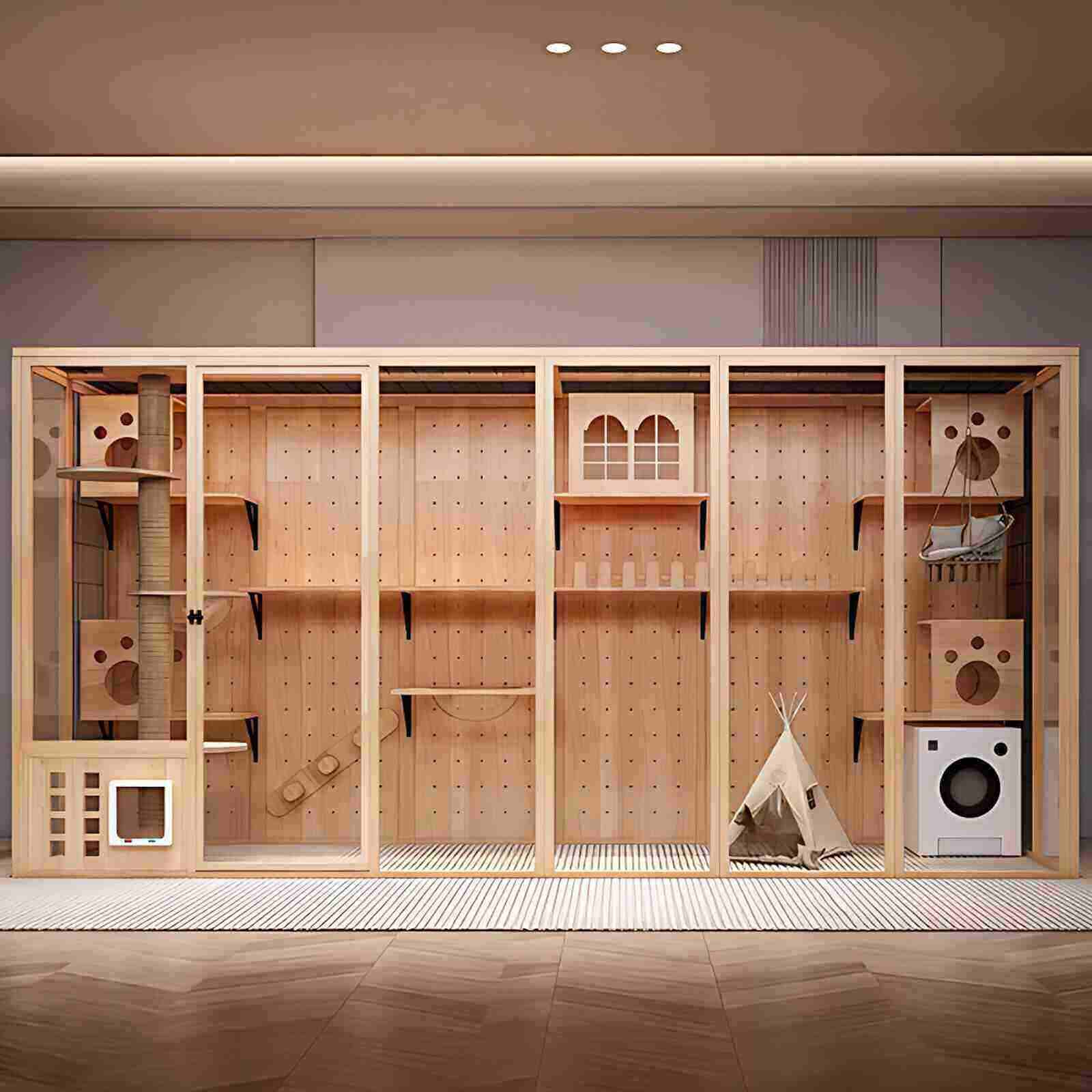
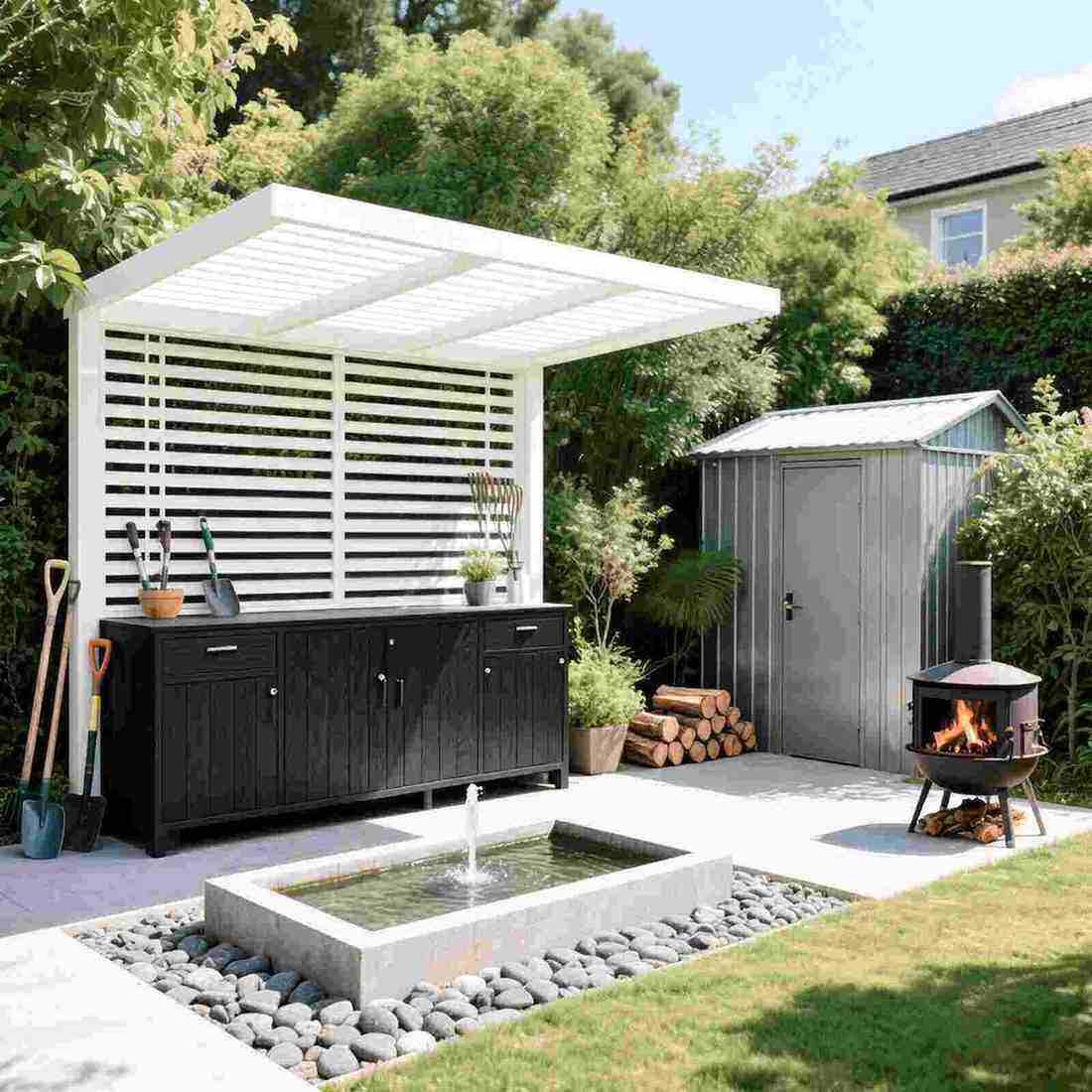
Customized furniture is now a mainstream trend in home decoration, with nearly 90% of people opting for it. However, choosing the right materials for customized furniture can be tricky, and those without renovation experience can easily fall into pitfalls. Today, we'll discuss the selection of materials for customized furniture!
Particleboard
Particleboard is a type of board made from wood and wood processing residues as raw materials, processed into shavings, glued together, and then hot-pressed under certain temperature and pressure.
advantage:
With its affordable price, heat insulation and sound absorption, smooth surface, high hardness, and resistance to deformation, it is a commonly used board material in furniture factories.
shortcoming:
It has a relatively high density, rough edges, and is easily hygroscopic.
Applicable scenarios:
It is commonly used in the manufacture of suspended ceilings and ordinary furniture (such as wardrobes and cabinets).
OSB
OSB stands for Oriented Shavings, which is a type of board made by drying, gluing, orienting, and hot-pressing shavings of a certain geometric shape.
advantage:
It has high strength, good toughness, strong nail holding power, is not easy to deform or crack, and has good environmental performance.
shortcoming:
The surface is rather rough and has a slight odor.
Applicable scenarios:
It can be used as a cabinet.
Multi-layer board
Multi-layer boards are three- or more layers of board material made by rotary cutting wood segments into veneers or slicing wood squares into thin wood, and then gluing them together with adhesives. They are usually an odd number of layers, and the fiber directions of adjacent veneers are glued together perpendicular to each other.
advantage:
It has strong tensile strength, clear texture, strong nail holding power, good tensile strength in the horizontal direction, and is easy to process.
shortcoming:
It is not advisable to make cabinet doors too tall.
Applicable scenarios:
It can be applied to bathroom panels, wardrobe panels, and furniture panels.
Ecological board
Ecological boards are made by cutting logs into strips, splicing them together and applying glue to form a core, laying an outer veneer paper on the surface of the core board, and then hot-pressing them together.
advantage:
It has high strength, strong nail-holding power, low moisture content, is easy to process, and has a wide range of applications.
shortcoming:
The edges are prone to bursting when trimmed.
Applicable scenarios:
The carpenter will build the cabinets on-site.
MDF
MDF, short for density fiberboard, is a type of board made from wood fibers or other plant fibers. The fibers are prepared, synthetic resin is applied, and the boards are pressed together under heat and pressure.
advantage:
Easy to process, easy to shape, and has a high degree of flatness.
shortcoming:
It is easily deformed, has poor nail-holding power, is not environmentally friendly, and expands when exposed to water.
Applicable scenarios:
It has a wide range of uses in construction, furniture manufacturing, etc., such as wall panels, flooring, cement formwork, ceilings, hollow door panels, furniture boards, etc.
The above are some of the commonly used boards for custom furniture, each with its own advantages and disadvantages. You can choose according to your actual requirements.