
 USD
USD GBP
GBP
 EUR
EUR
































Carpentry renovation
Among the various stages of home renovation, carpentry, including ceiling installation, cabinet making, decorative wall construction, and door installation, significantly impacts the overall quality of the renovation. Today, we'll briefly introduce some key points that homeowners are concerned about in this stage, including precautions during construction and material inspection.
Materials arrive on site
Disputes between homeowners and renovation companies/building material suppliers due to material quality issues are not uncommon during home renovations. To reduce such disputes and ensure that materials meet homeowners' requirements, homeowners need to put in extra effort when materials arrive on site and conduct rigorous checks. After finalizing the carpentry work for the renovation, each type of carpentry material should be inspected upon arrival, including verifying its quality, specifications, and quantity against the contract.
Home renovation contracts typically stipulate that the person responsible for inspecting and signing for carpentry materials upon arrival on site is essential to avoid unnecessary trouble or disputes later. During material inspection, the decorating company will notify the homeowner to visit the construction site, with the supervisor providing assistance and guidance. Only after the homeowner has inspected and approved the materials should the person responsible for inspection sign the carpentry material acceptance form. This completes the process. If the homeowner inspects the materials upon arrival but fails to complete the necessary procedures at the time, there will be no recourse if problems are discovered later.
Material Acceptance
When inspecting wood-based panels, first check the manufacturer's trademark, production address, and anti-counterfeiting marks. Then check the surface for flatness, warping, deformation, blistering, or dents. Finally, check for rot, cracks, wormholes, and knots. Additionally, high-quality sandwich panels have virtually no bark or hollow cores, and high-quality plywood is firm, resilient, and sturdy when handled.
When door and window materials arrive on site, firstly, the appearance should be inspected to check for any damage or breakage; secondly, the dimensions should be verified to check the four sides of the frame and the squareness and warping of the sash, so as to achieve quality control before installation; thirdly, the authenticity should be verified by identifying the materials according to different identification methods to avoid being replaced with inferior materials; fourthly, fasteners, hardware, reinforcing profiles and metal backing plates should be inspected to see if the surface has been treated with anti-corrosion measures.
Practicality first
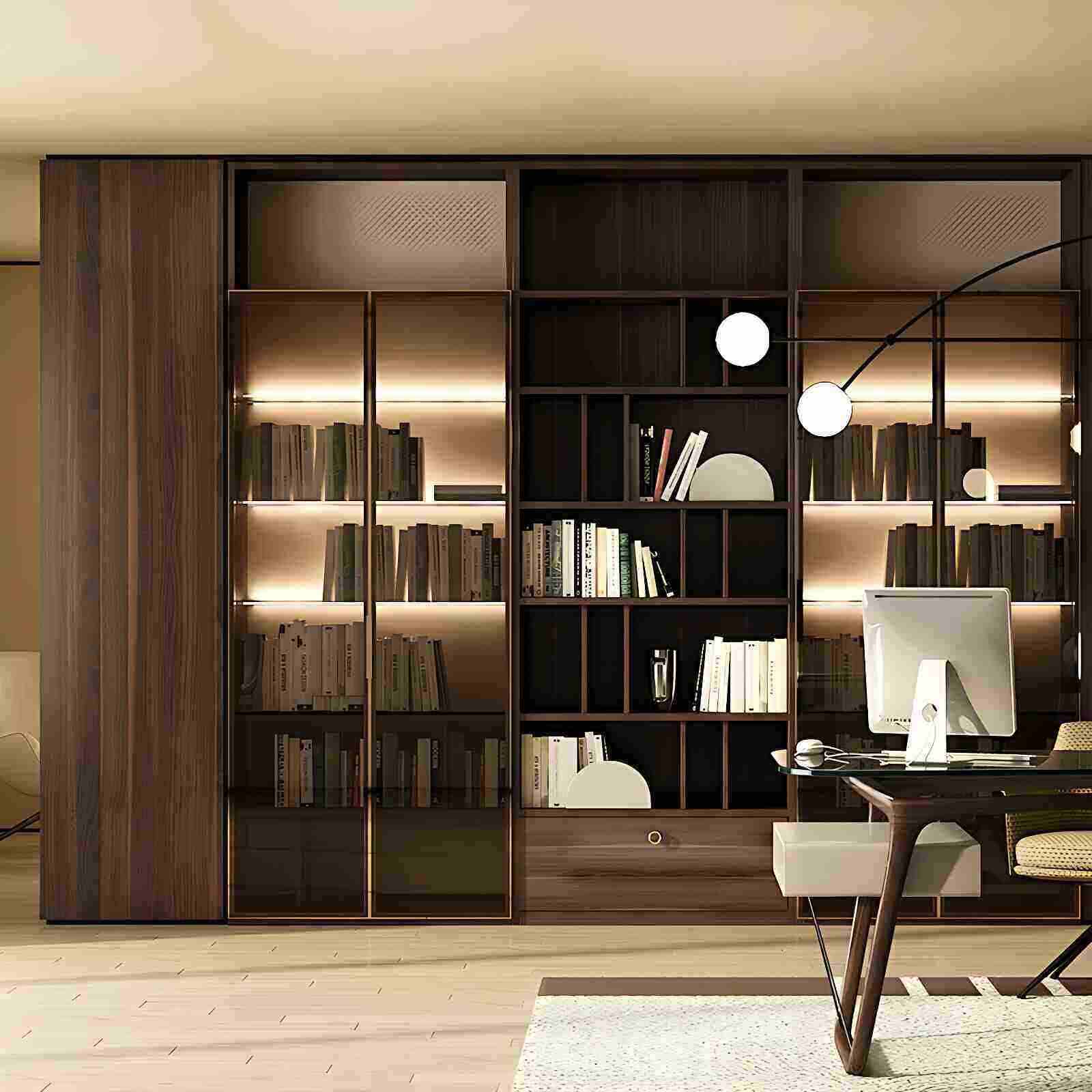
Many homeowners opt for wooden TV cabinets as their feature walls, fulfilling both the need for a decorative element and storage. However, these TV cabinets are often fixed to the wall, making future disassembly and modifications difficult. Therefore, it's recommended that homeowners planning or currently renovating avoid wall-mounted TV cabinets in the living room, as the dimensions are often difficult to control. It's best to buy a separate TV cabinet or have it made as a standalone unit; otherwise, replacing the TV can be a very troublesome process.
When designing a TV wall, it's best to consider the height of your TV cabinet and place the power outlets above it. Some homeowners have encountered similar problems: they didn't plan ahead when designing the TV wall, resulting in outlets being placed at the same height as the TV cabinet. As a result, the TV cabinet couldn't be placed flush against the wall, leaving a gap for plugs and cable TV outlets. Furthermore, the extra outlets on the TV wall became unusable due to inconvenience. Therefore, it's recommended to prioritize the dimensions of your TV cabinet during the home renovation planning and design phase.
Shed from wind and light
After the woodworking materials arrive on site, the storage location for the boards should be kept as ventilated as possible and should not be exposed to direct sunlight. This is because if the boards are placed in a sunny and well-ventilated place in hot weather, the moisture in the wood will evaporate quickly. Due to the change in the moisture content of the wood, even qualified boards will deform and crack.
Door and window materials also need to be handled carefully to avoid bumps and scratches. Generally, doors and windows should not be in direct contact with the ground; the bottom of doors and windows should be padded with a non-metallic anti-slip mat at least 30 mm thick. Furthermore, door and window frames and sashes should be placed upright at an angle of at least 70 degrees and should have anti-tipping measures. In addition, doors and windows of different sizes should not be stacked.
Ceiling materials
There are two types of keel needed for ceiling installation: one is pine keel, used when creating wooden ceiling designs; the other is light steel keel, which consists of main keel and secondary keel. Before installing aluminum or plaster ceilings, the keel materials must be prepared. Besides the necessary measurement and cutting of boards and wood, the preparation of the workbench is also crucial. First, mark the keel according to the required dimensions, then use a handheld cutting machine to cut the entire light steel keel.
After making the workbench, the next step is to cut the boards. The boards include plywood and calcium silicate board. Plywood cutting requires a workbench. First, measure the required dimensions, then adjust the position of the reference strip on the workbench according to the dimensions. Place the board to be cut on the push plate and turn on the cutting machine to cut the board. Cutting calcium silicate board is simpler. Just measure the required dimensions, mark them on the calcium silicate board, and then use a handheld cutting machine to cut along the marked positions. Finally, grind the edges.