
 USD
USD GBP
GBP
 EUR
EUR
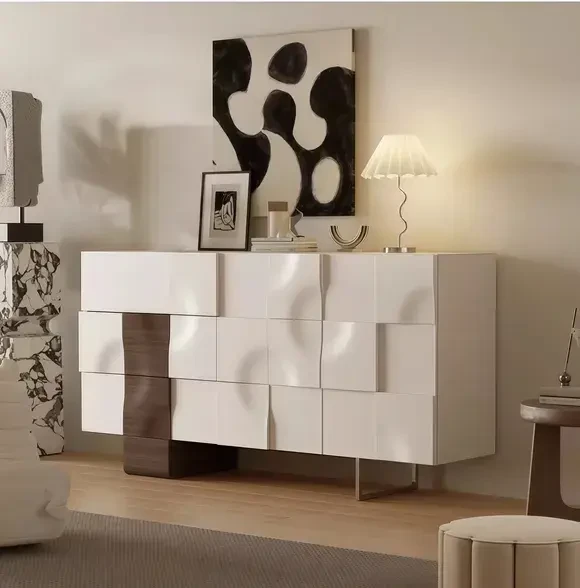
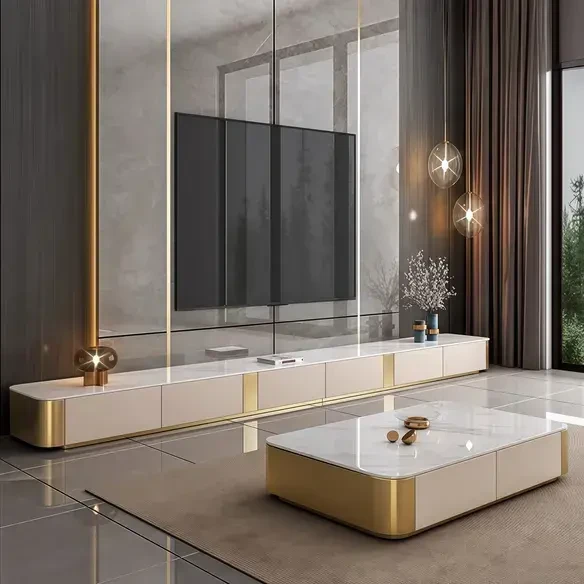
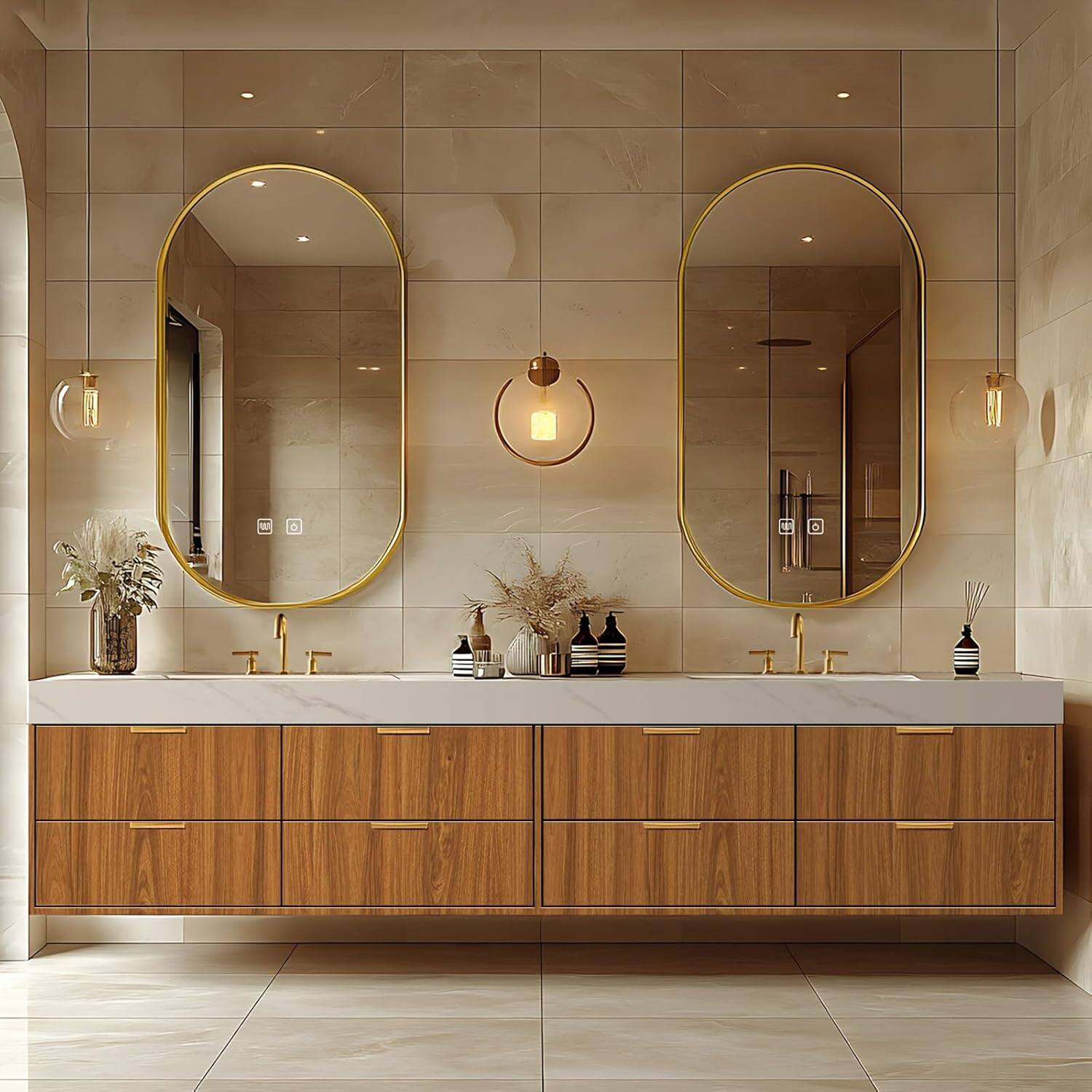
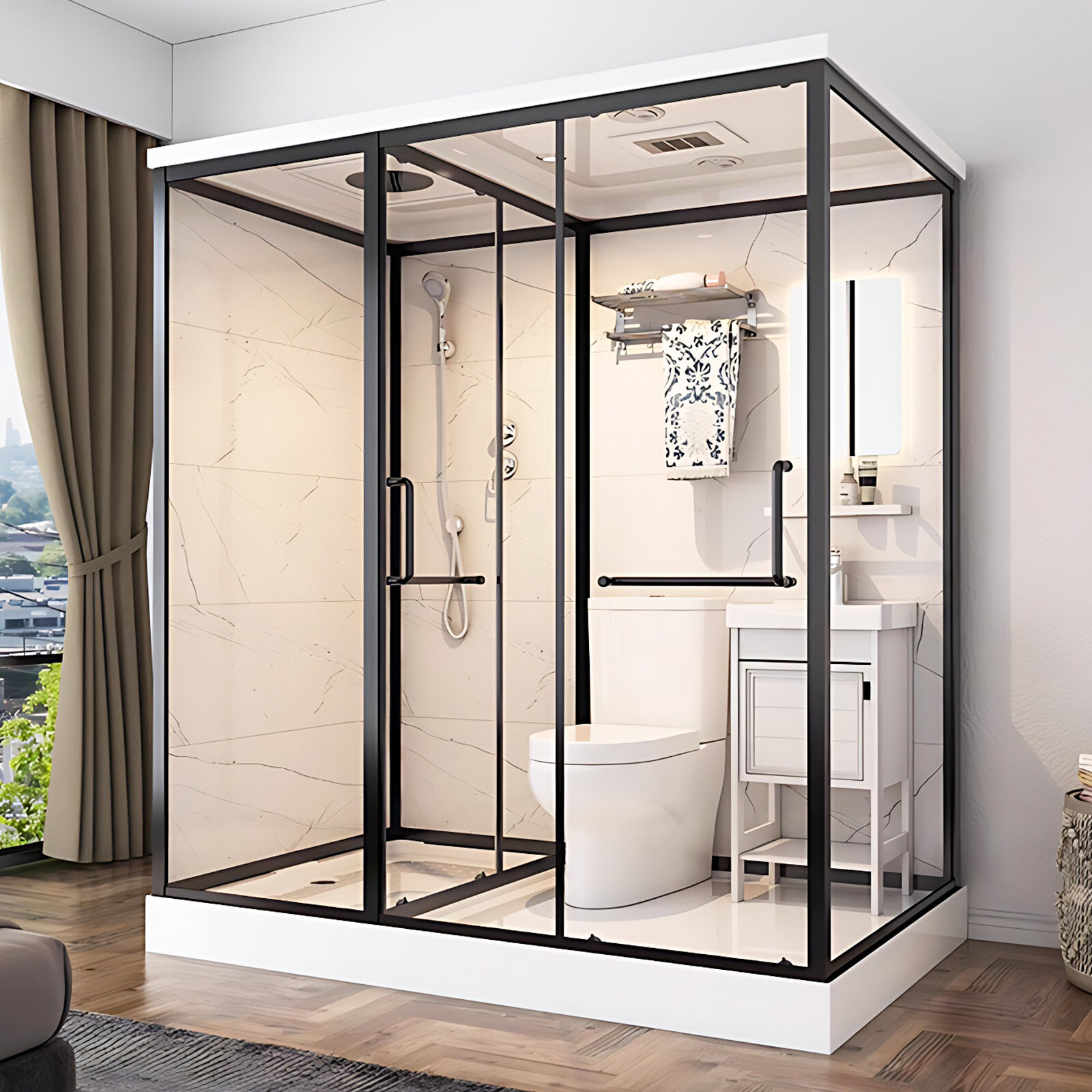
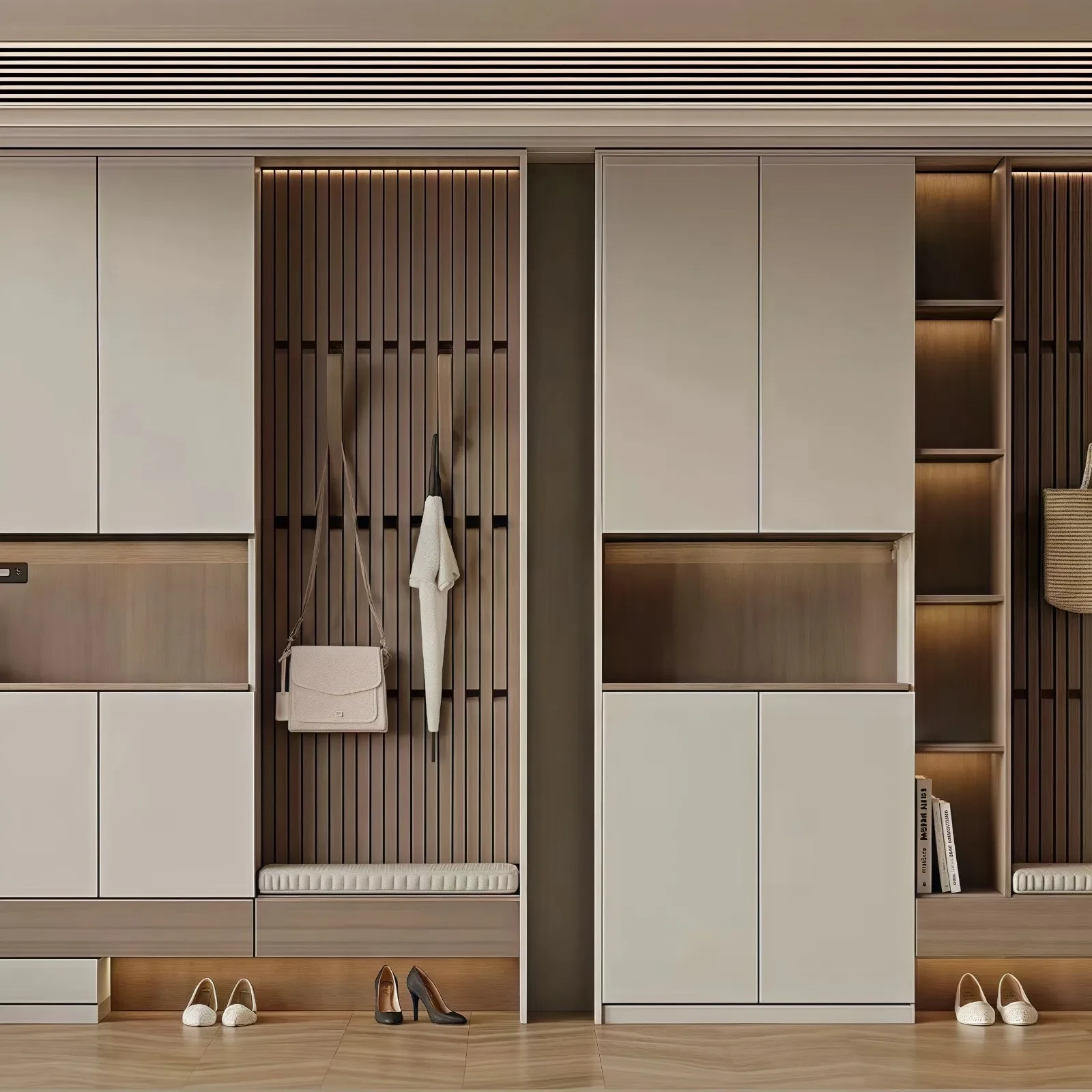
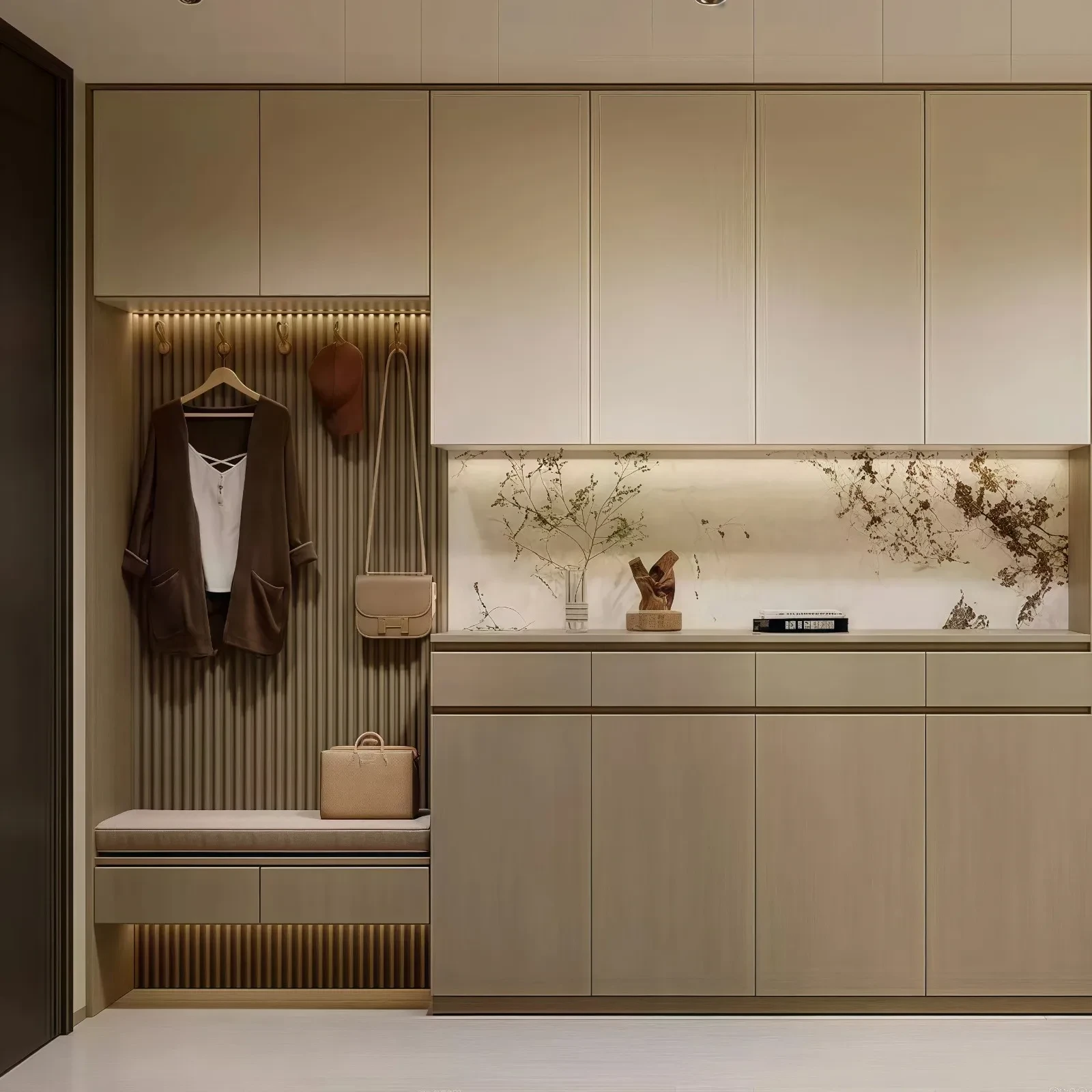
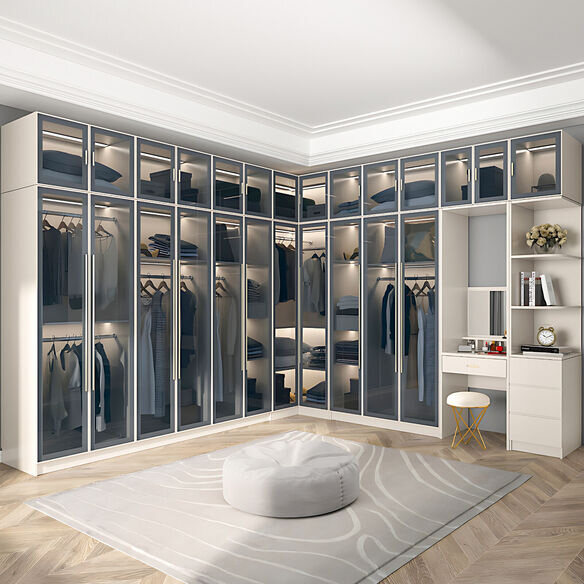
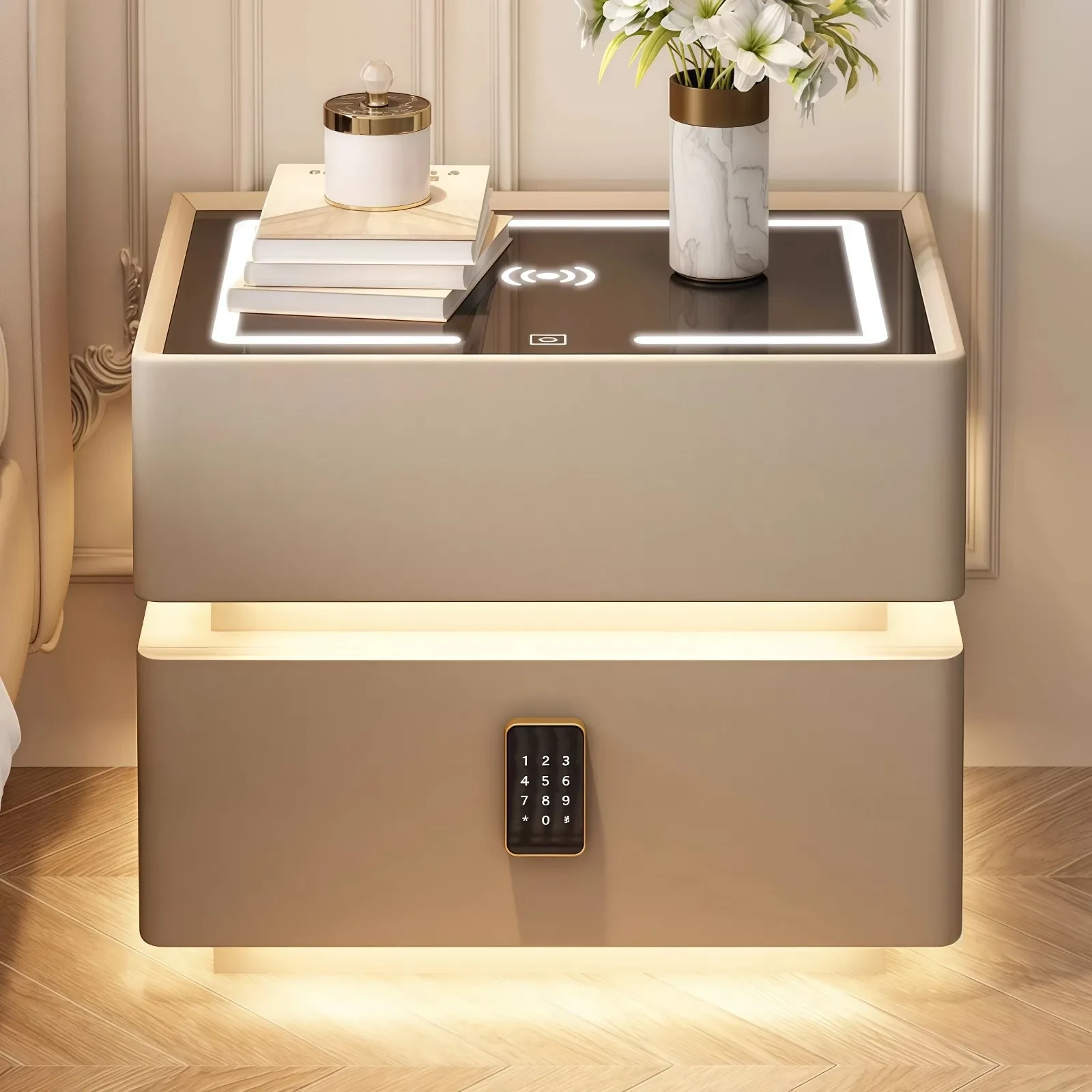
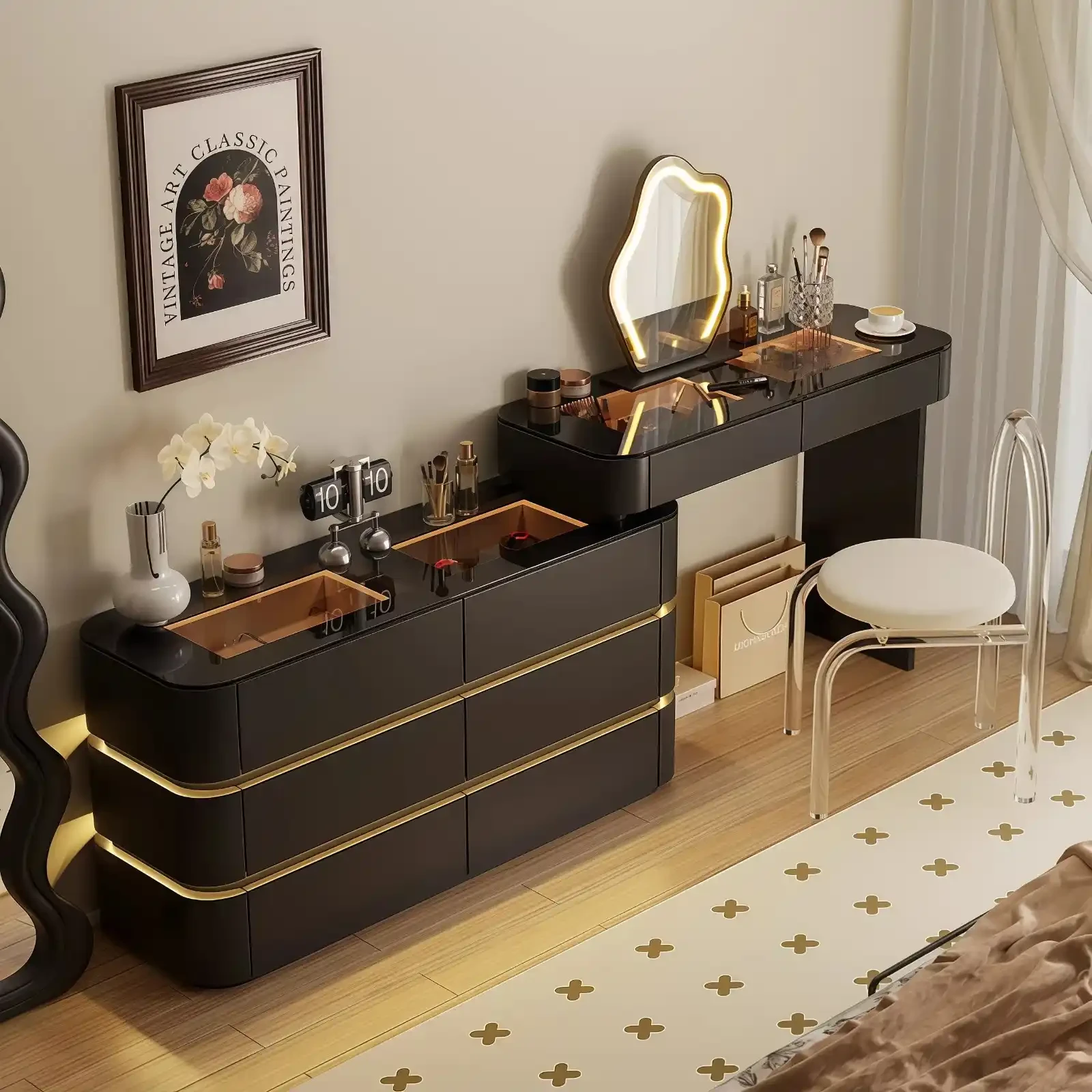
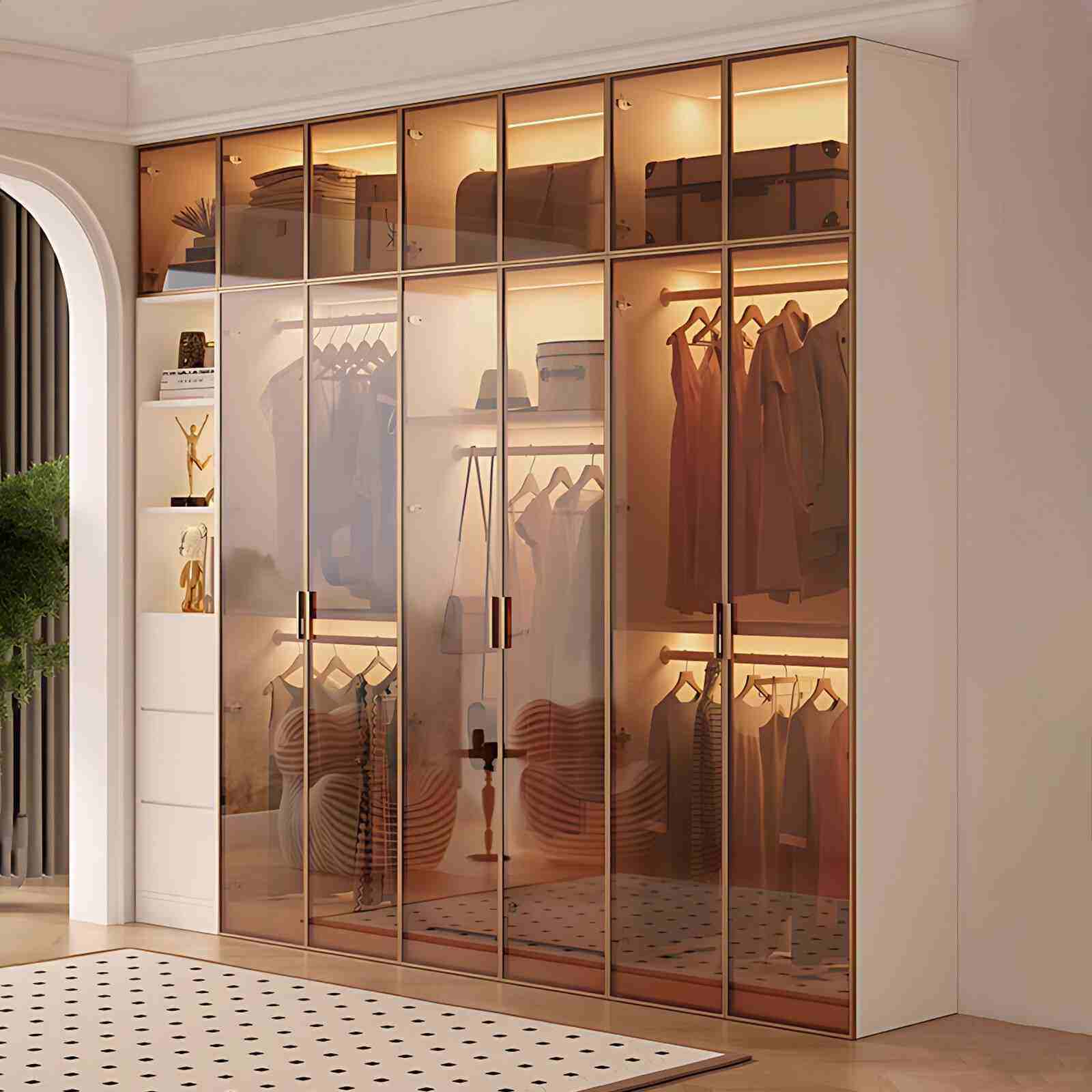
This year, the dry weather and frequent fires, especially the difficulties in fire rescue in high-rise buildings, have raised people's awareness and requirements for building fire safety to a new level, and people are paying more and more attention to fireproof boards.
What is a fireproof board?
Fireproof board is a new type of environmentally friendly board material, commonly known as fire-resistant board. It is not actually fireproof, but it is difficult to burn and can play a certain role in fire prevention.
Fireproof board is a fire-resistant building material used for surface decoration. It is made by pressing multiple layers of kraft paper impregnated with phenolic resin and a layer of decorative paper impregnated with melamine under high temperature and pressure. It is abbreviated as HPL and has a thickness of 0.2-1.6mm.
It is easy to use; simply press the fireproof board tightly against the substrate. Manufacturers can flexibly cut and apply it to the surface according to the required size and color.
Standards and requirements for fireproof boards
With increasing emphasis on building fire prevention in China and around the world, national fire departments are mandating fire safety inspections of enterprises and institutions before they are completed and put into operation. Among these inspections, the fire resistance rating of building materials is an important part of electrical fire safety testing.
my country's national standard GB8624-97 classifies the fire performance of building materials into four levels:
Grade A
Non-combustible building materials: materials that hardly burn.
B1 level
Flame-retardant building materials: Flame-retardant materials have good flame-retardant properties. They are difficult to ignite when exposed to open flames or high temperatures in the air, do not spread quickly, and stop burning immediately when the fire source is removed.
B2 level
Combustible building materials: Combustible materials have a certain flame-retardant effect. They will ignite and burn immediately when exposed to open flames or high temperatures in the air, easily leading to the spread of fire. Examples include wooden pillars, wooden roof trusses, wooden beams, and wooden stairs.
B3 level
Flammable building materials: They have no flame retardant effect, are extremely easy to burn, and pose a great fire hazard.
The pain point of high-end decoration - lack of available materials
The use of combustible organic wood-based panels in construction projects is strictly limited. Inorganic fireproof panels such as paper-faced gypsum board and calcium silicate board cannot meet the requirements of construction and application in terms of strength, toughness, water resistance, and secondary processing performance, which has led to some resistance to their promotion.
Currently, most fireproof boards on the market can only achieve a B1 fire rating, which is suitable for use in ordinary home decoration. However, for public places such as hotels, conference halls, and KTVs, the consequences of a fire are severe. Therefore, fire protection requirements are more stringent, and building materials must almost always meet an A-level fire rating.
Furthermore, the natural wood style has become increasingly popular in recent years, with themed hotels and KTVs emerging in large numbers. The interior design leans towards a natural and rustic style, with walls and ceilings no longer using flat, rigid melamine-impregnated paper, but instead opting for wood veneer with lively patterns. However, wood veneer is a flammable material and cannot meet fire safety requirements during inspections.
New materials are emerging in the market.
Is there a material that can solve the problem of failing to meet fire resistance standards while still allowing for the use of natural wood veneer for decoration?
Recently, a new material has come into our view. This material has aluminum foil laminated onto the back of natural wood veneer, which improves various properties while preserving the wood veneer texture.
Class A fireproof
Wood veneer and aluminum foil are bonded together using a special composite process. As a veneer material, it is applied to the surface of building panels and can meet the fire protection requirements of Class A fire resistance.
Super ductility
As we all know, wood veneer, as a natural material, is inherently brittle and easily cracks or even breaks when bent. However, wood veneer laminated with aluminum foil has greatly enhanced ductility, allowing it to be bent and folded, making it suitable for curved decorative walls and even right-angle bends.
The emergence of wood veneer fireproof boards has brought new options to high-end decoration in public places. Fireproof boards are no longer limited to monotonous melamine-impregnated paper; they can also have beautiful and varied wood veneer textures.
Fireproof boards can be used in many places, such as hotel lobby wall cladding, theater wall and ceiling decoration, library, conference room sound-absorbing panels, etc.
Manufacturers can either purchase aluminum foil wood veneer directly and process it themselves, or they can buy pre-treated wood veneer fireproof boards.
▲Fireproof wood veneer
▲Fireproof board with wood veneer
▲Fireproof and sound-absorbing panels wrapped in wood veneer
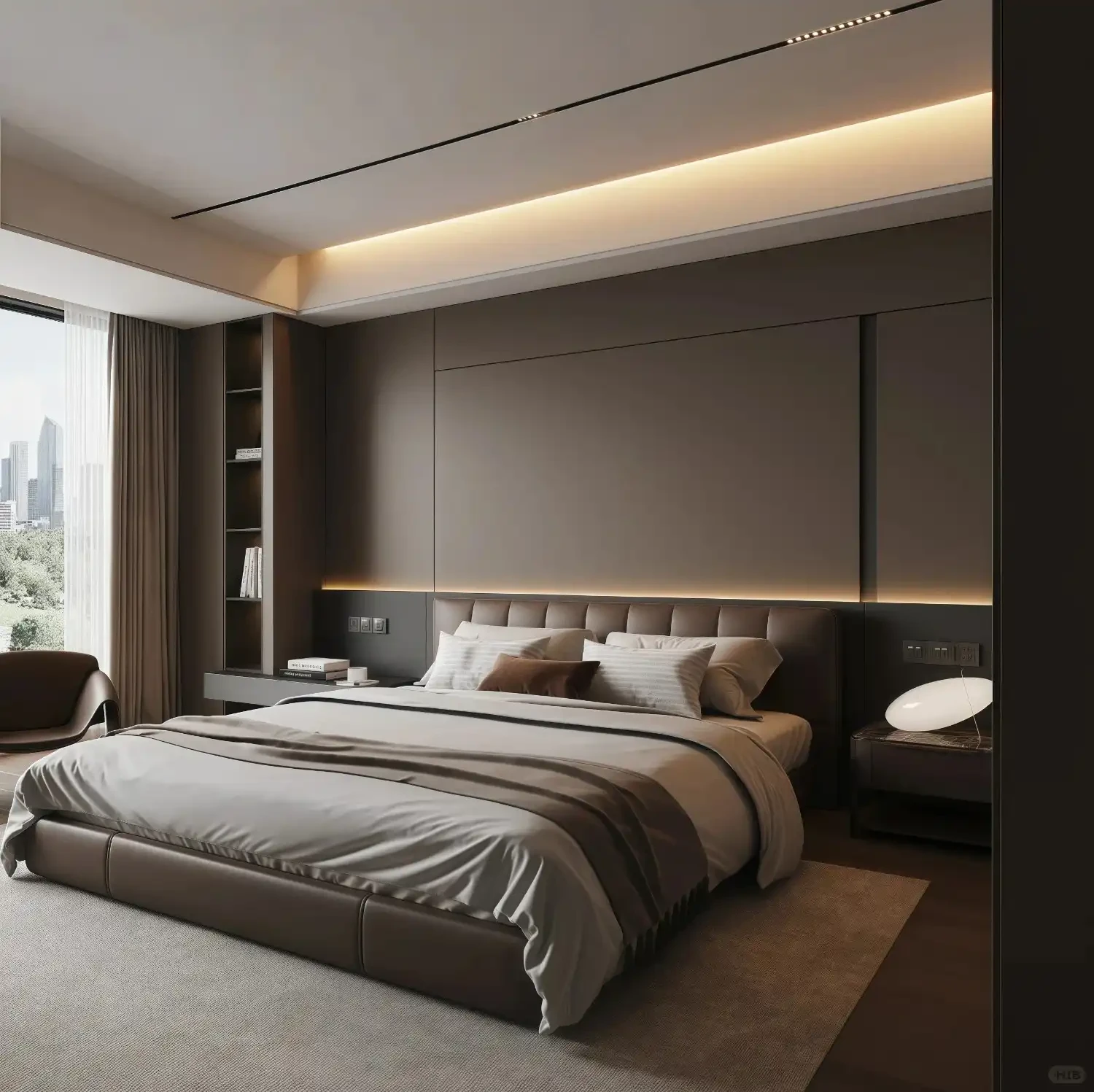
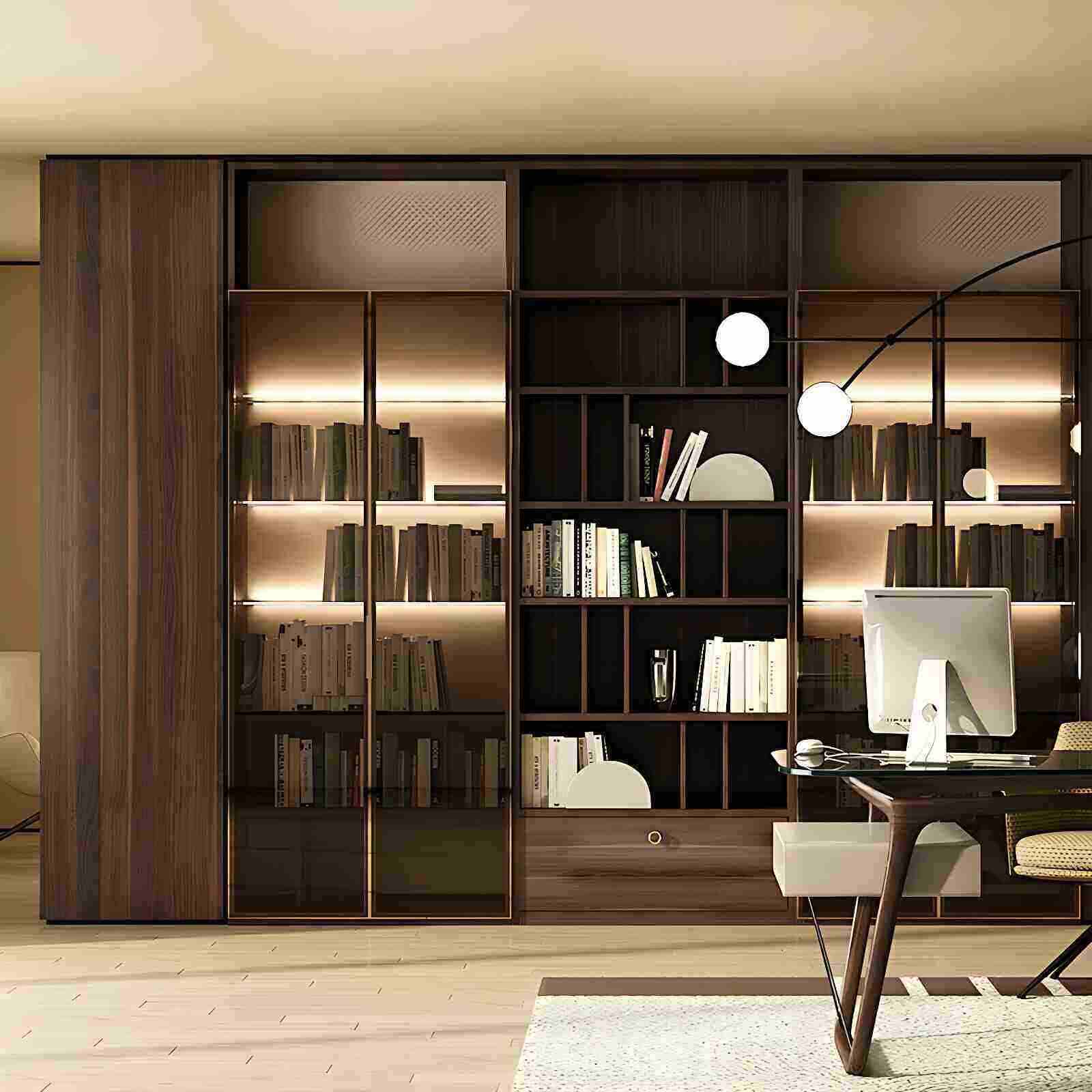
Let's admire some applications of wood veneer fireproof boards in engineering projects! A blend of nature and craftsmanship, where safety and aesthetics coexist!