
 USD
USD GBP
GBP
 EUR
EUR
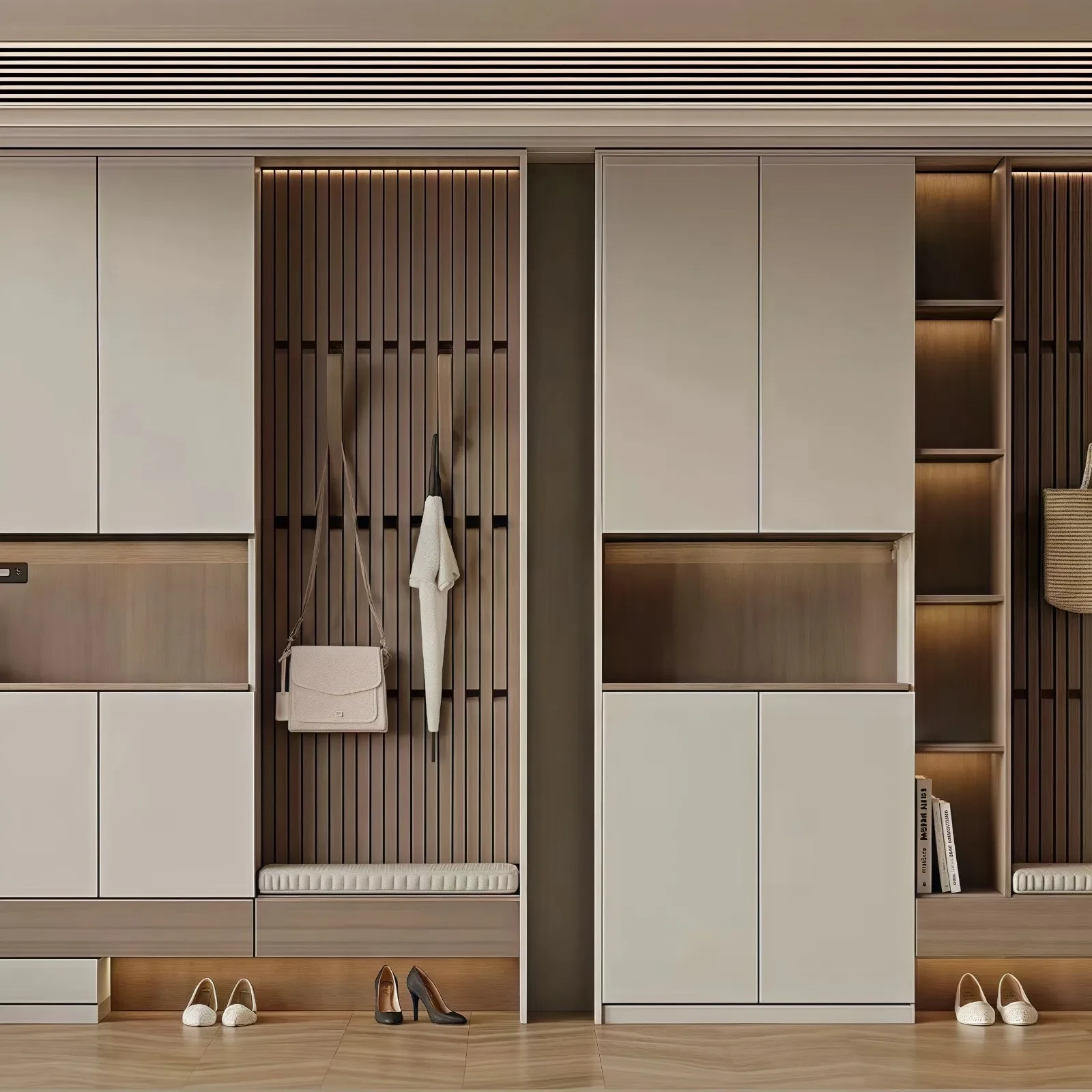
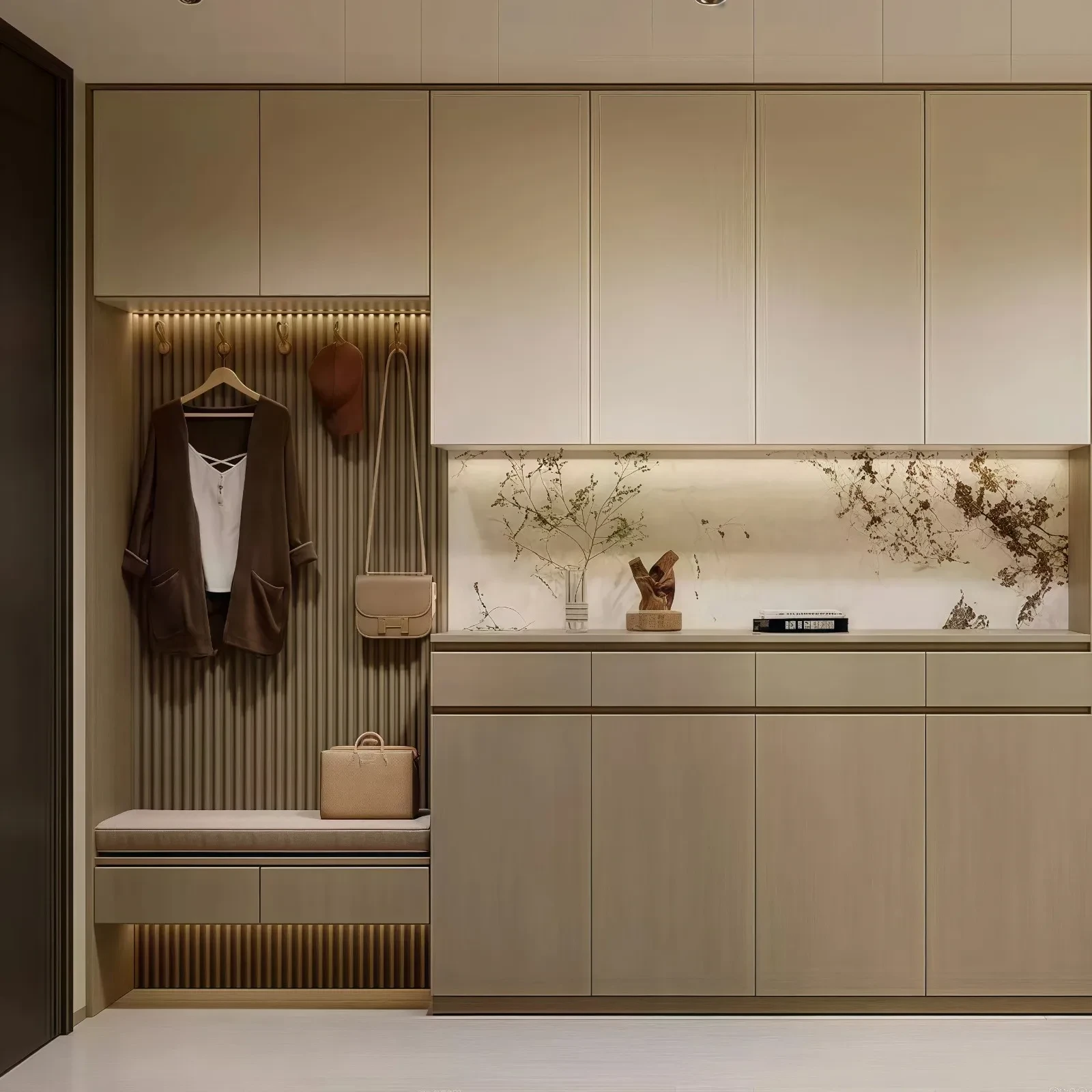
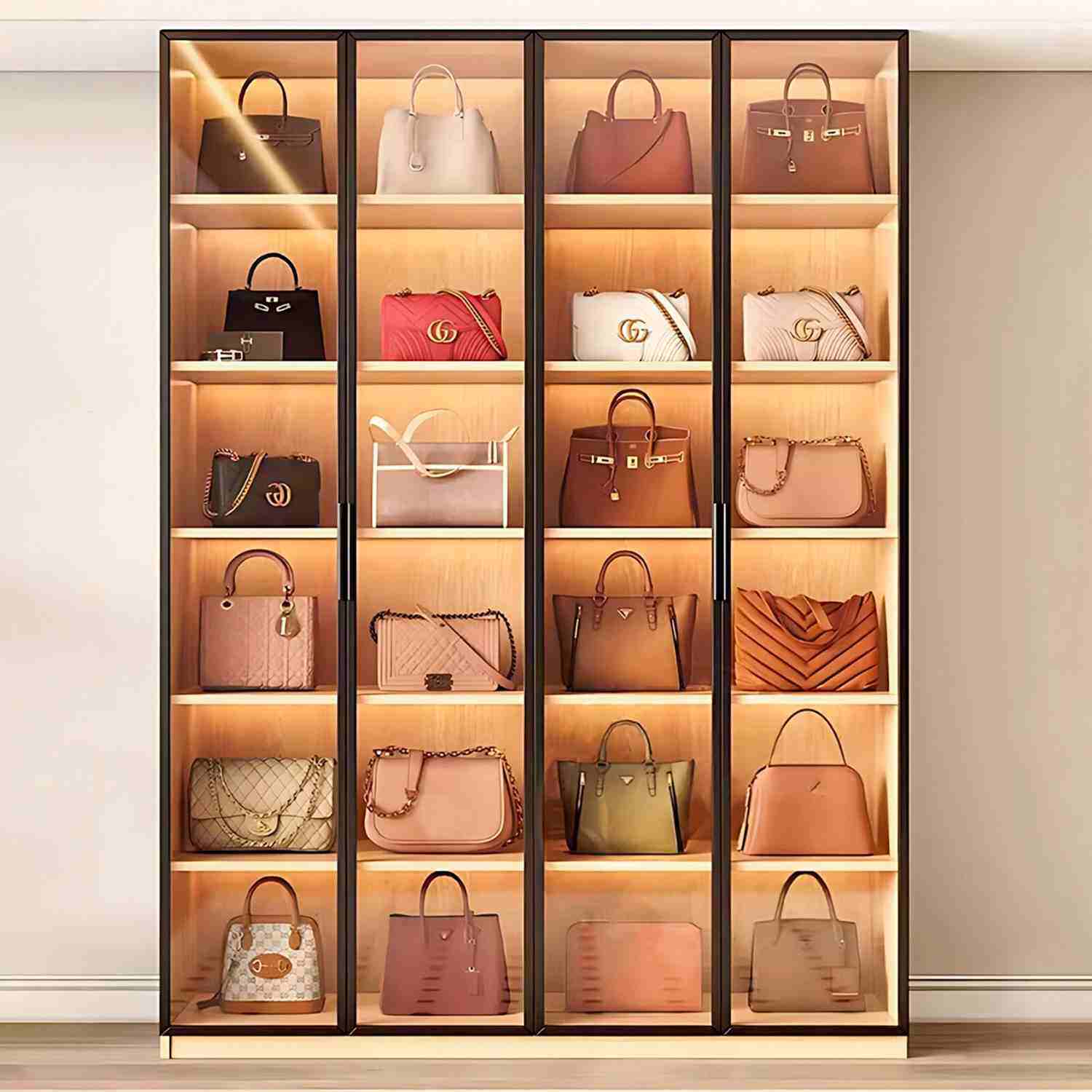
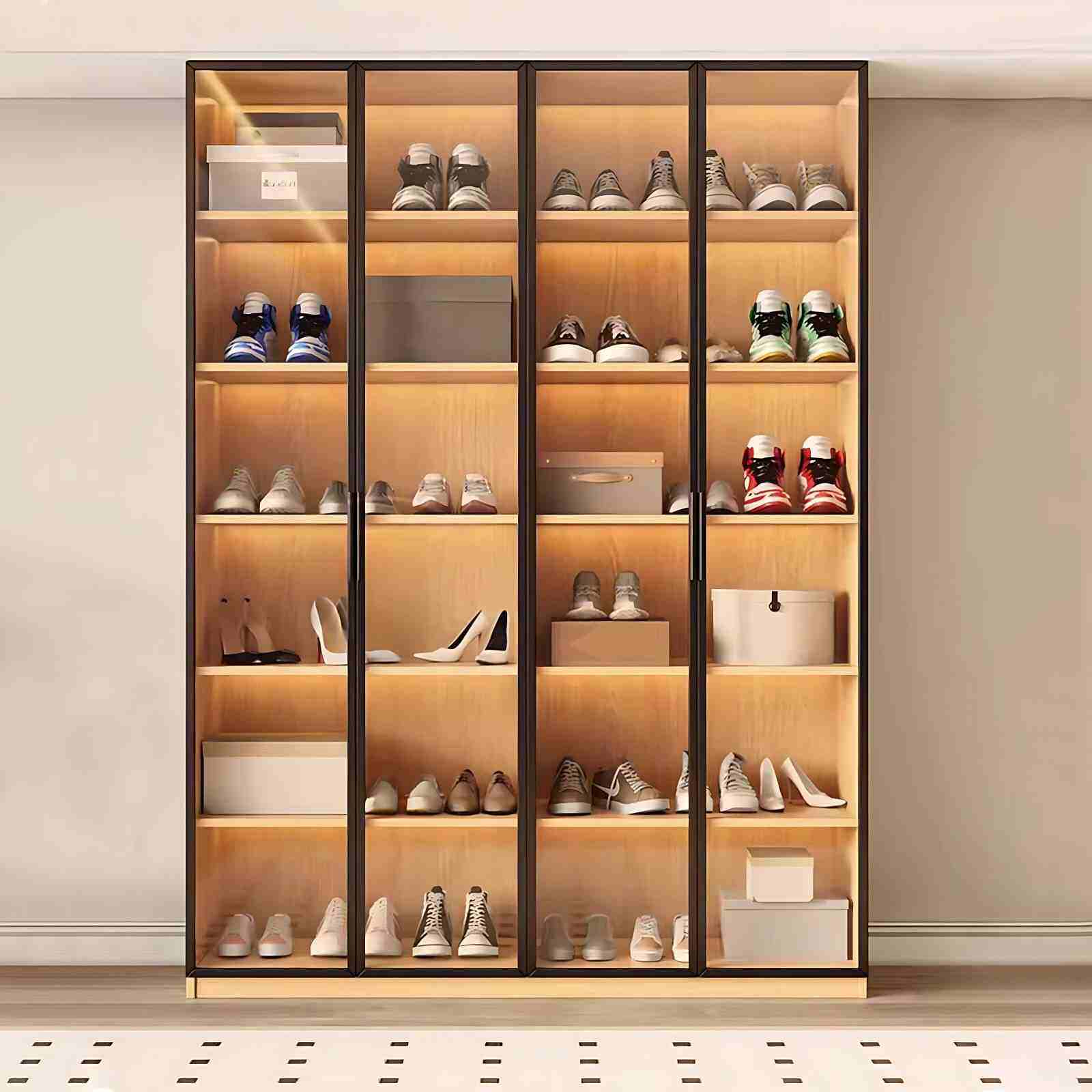
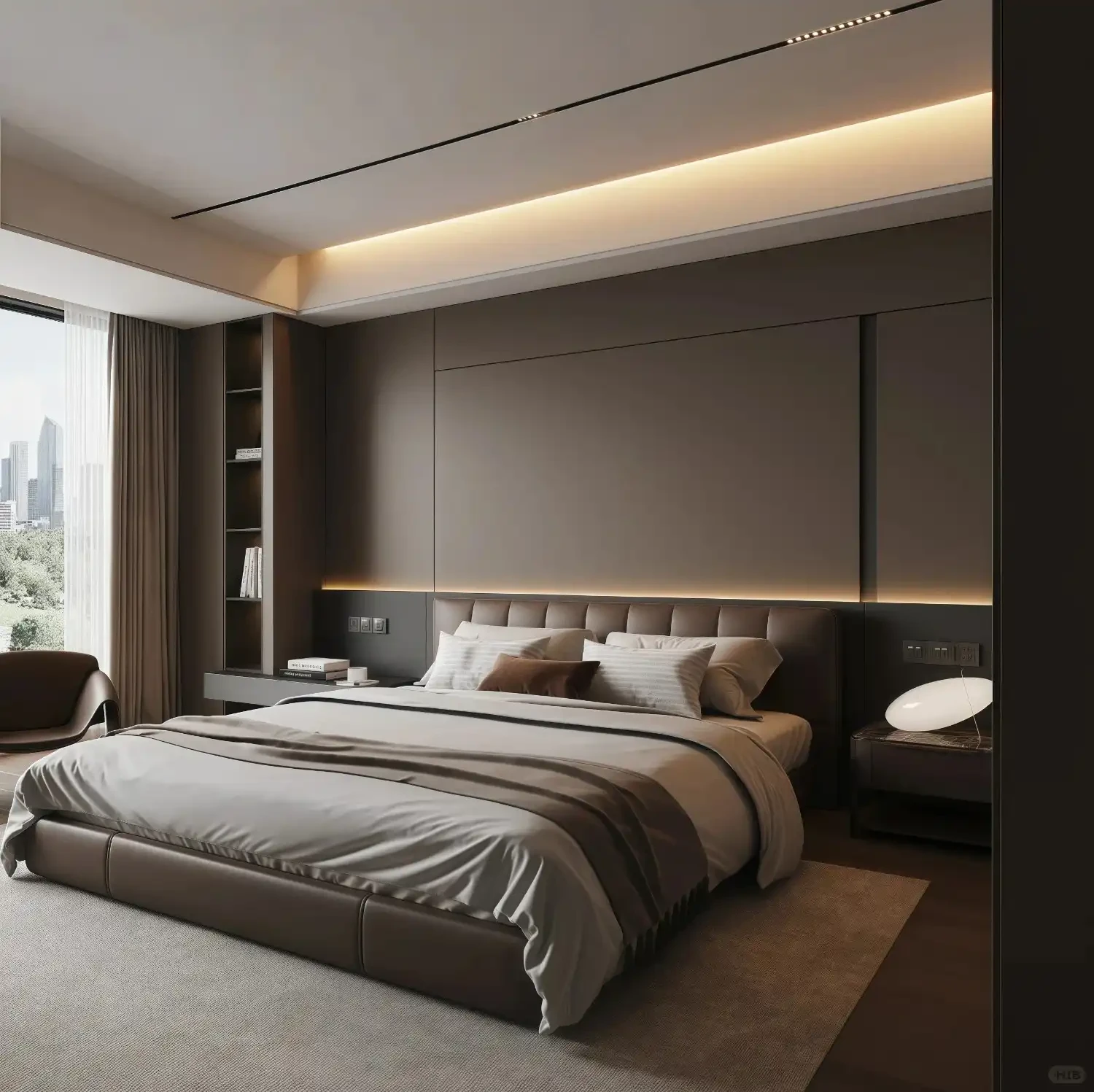
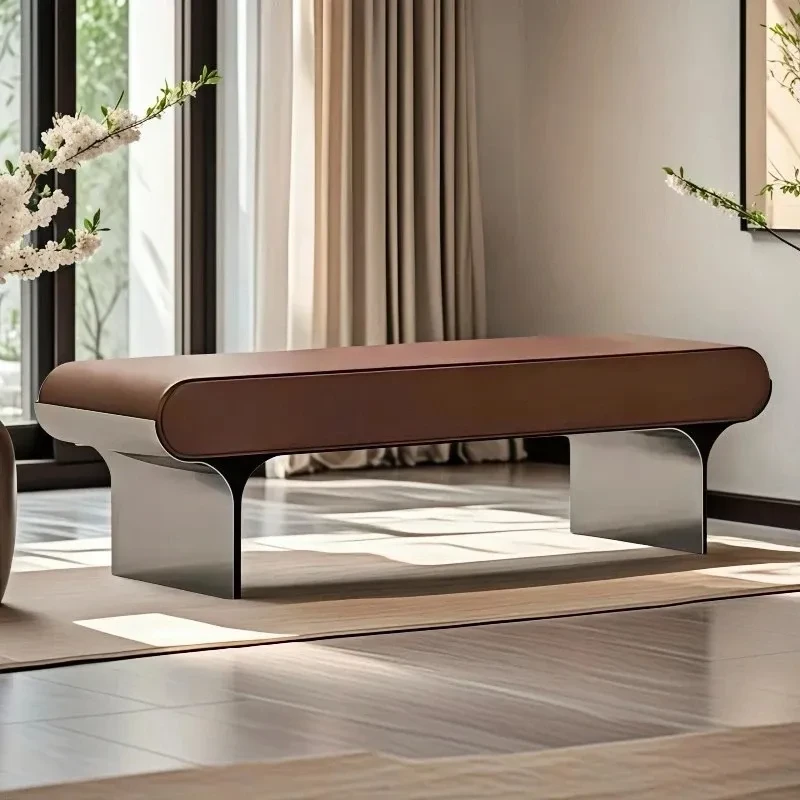
We often see sunken entryway designs in anime and Japanese dramas, like in "Crayon Shin-chan" and "Doraemon," where Shin-chan and Nobita sit on the steps in the entryway to change their shoes. Such a convenient design is sure to appeal to many.
So today we'll talk about sunken entryway designs.
Sunken entryways are a common feature in many Japanese homes, also known as "sinking areas." They utilize a difference in elevation to enhance the visual sense of depth and create a more layered spatial experience. Typically, there's a step at the entrance, about 15cm high. However, many home renovations with sunken designs, due to factors like ceiling height, typically have a step height of only 3-10cm.
There's a reason why sunken entryways are so popular in many home renovations these days.
1. Dust collection area
A sunken entryway is a natural dust trap for a home. The height difference between the entryway and the interior, along with the practice of changing shoes there, significantly reduces the amount of outside dust entering the house, keeping the interior space cleaner. Furthermore, the height difference also prevents dust from blowing inside, contributing to a cleaner environment.
2. Field Boundaries
A sunken entryway, with a certain height difference from the interior space, can easily draw a boundary between the two functional areas through the implication of materials and height, thus subtly separating the entryway from the interior area.
3. Aesthetics
A sunken entryway design provides a place to store frequently used shoes, neatly arranged along the steps, giving a clean and tidy impression. Furthermore, this type of entryway utilizes the height of the steps, breaking away from the traditional flat layout and cleverly using varying heights to divide the space, resulting in a beautiful and eye-catching design.
4. Serve as a shoe-changing stool
A sunken entryway features a raised step that can function as a shoe-changing bench. However, this design requires a relatively high depth; otherwise, it's essentially the same as sitting on the floor to change shoes. By using it as a shoe-changing bench, more entryway space is freed up, increasing storage space and making the limited space more practical.
At this point, many people might be getting excited, thinking about sunken entryways and such! However, the requirements and drawbacks of sunken spaces are also quite obvious. Those of you who were just getting excited might want to take a look first.
1. Safety hazards
Because of the sunken design, regardless of the height, there will be some unevenness, which may cause problems such as tripping for guests who are not used to it or for elderly people and children in the family.
2. Floor height
As mentioned earlier, a sunken entryway requires raising other areas to highlight the sunken area at the entrance. Therefore, there are certain requirements for the ceiling height; otherwise, raising the ceiling will result in a low ceiling and a feeling of oppression.
If raising the rest of the space isn't an option, then lowering the entryway is the only choice. However, high-rise apartments in China typically have leveled concrete slab floors, which can't be thinned. Combined with existing ceiling height limitations, this makes creating a sunken entryway less practical. Of course, if you have a detached house like a villa, then feel free to do as you please!
3. Cleaning issues
The difference in ground level may affect the operation of the robot vacuum cleaner, causing sunken spaces to need to be cleaned separately.
Having reviewed the advantages and disadvantages mentioned above, you should now have a clear understanding. Of course, the final decision on whether to choose a sunken entryway depends on your specific circumstances.