
 USD
USD GBP
GBP
 EUR
EUR
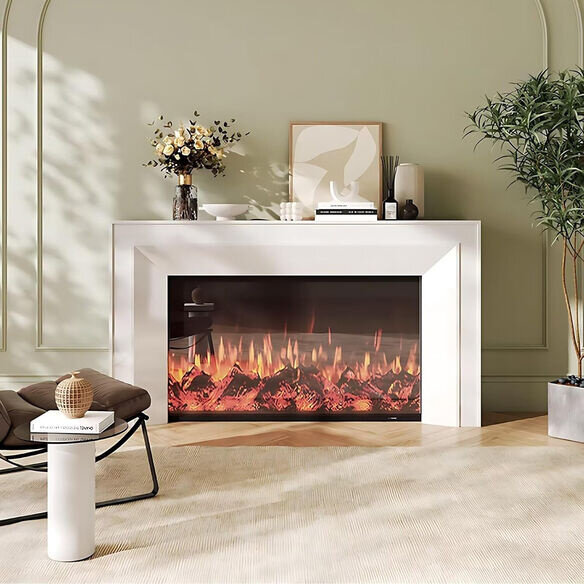
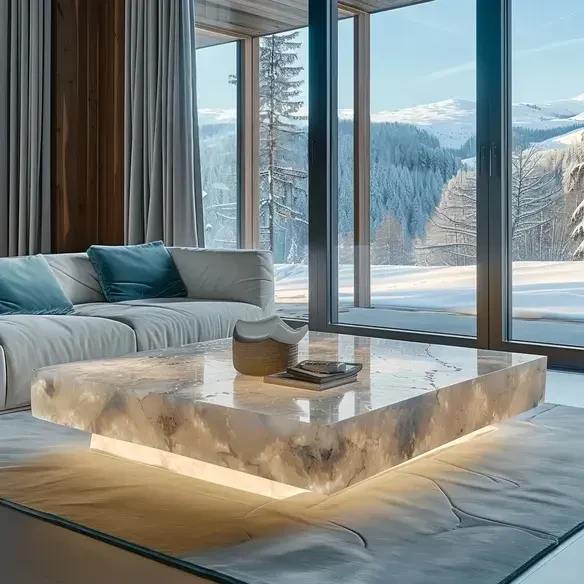
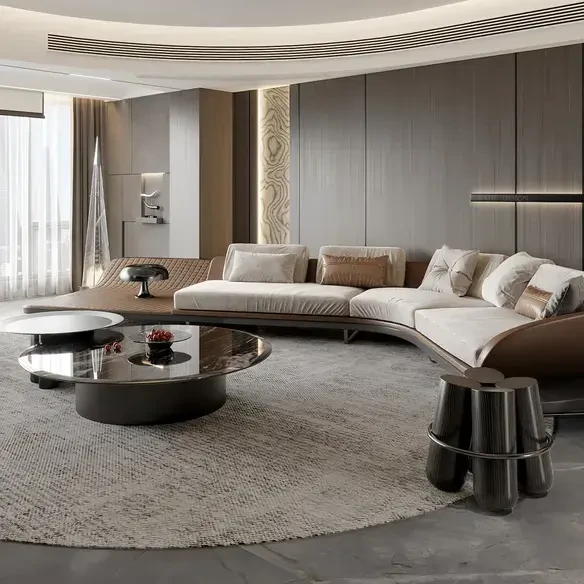
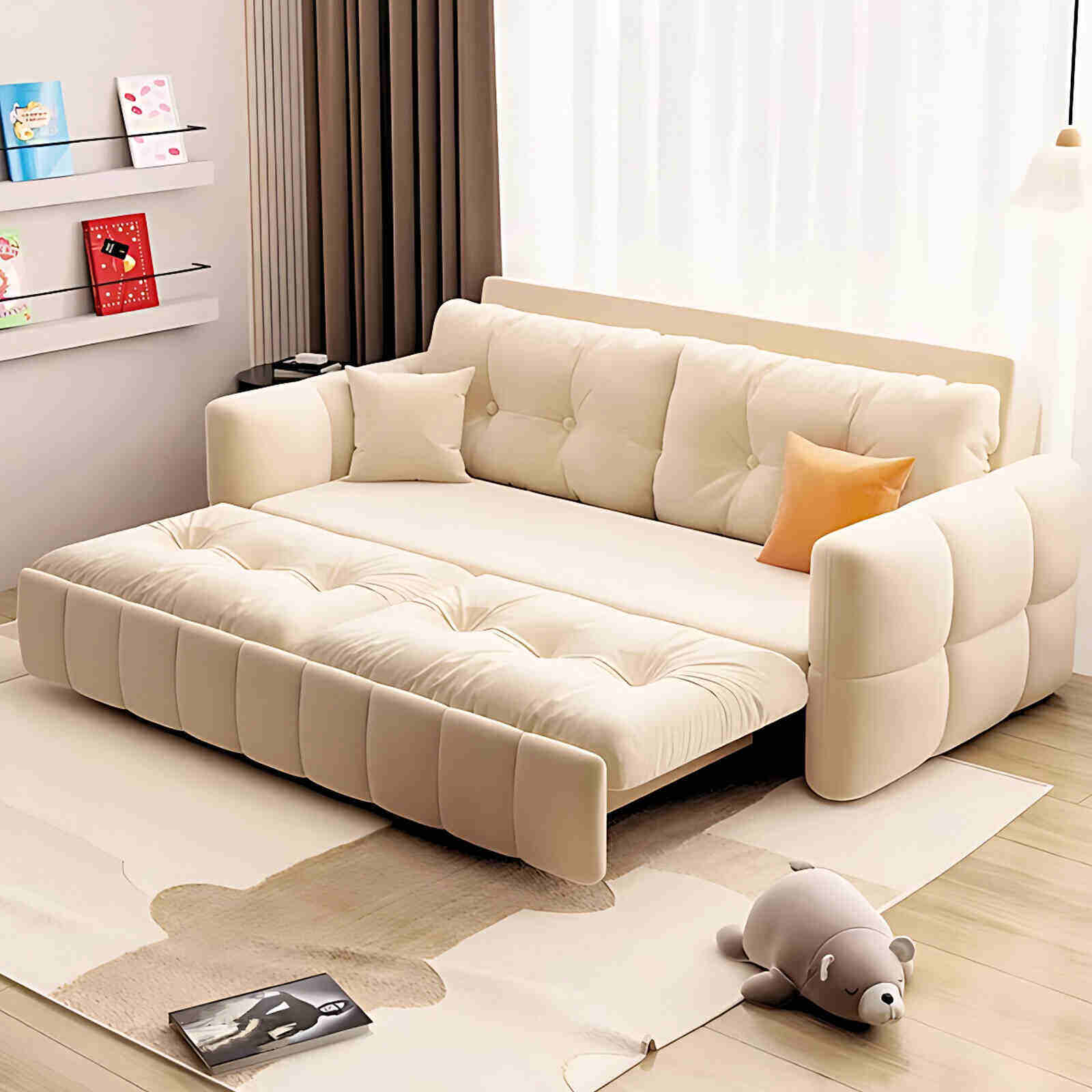
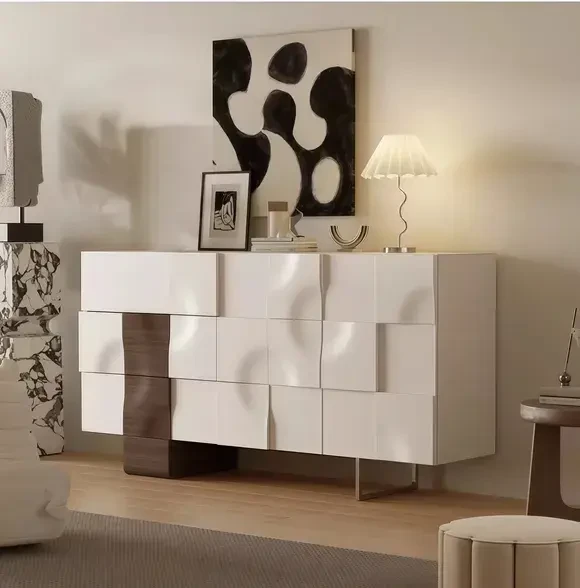
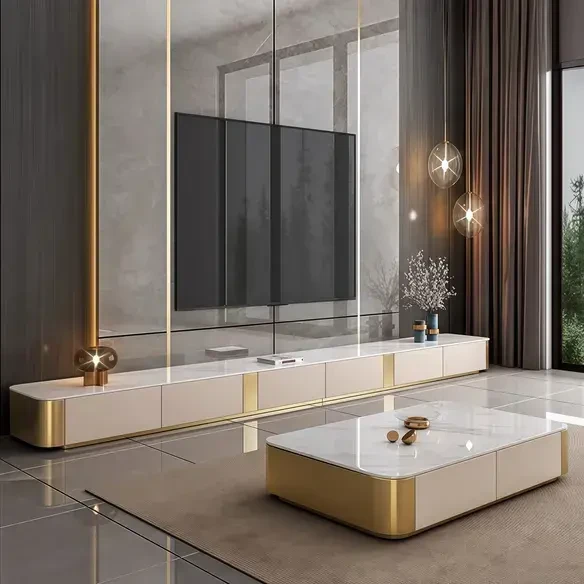
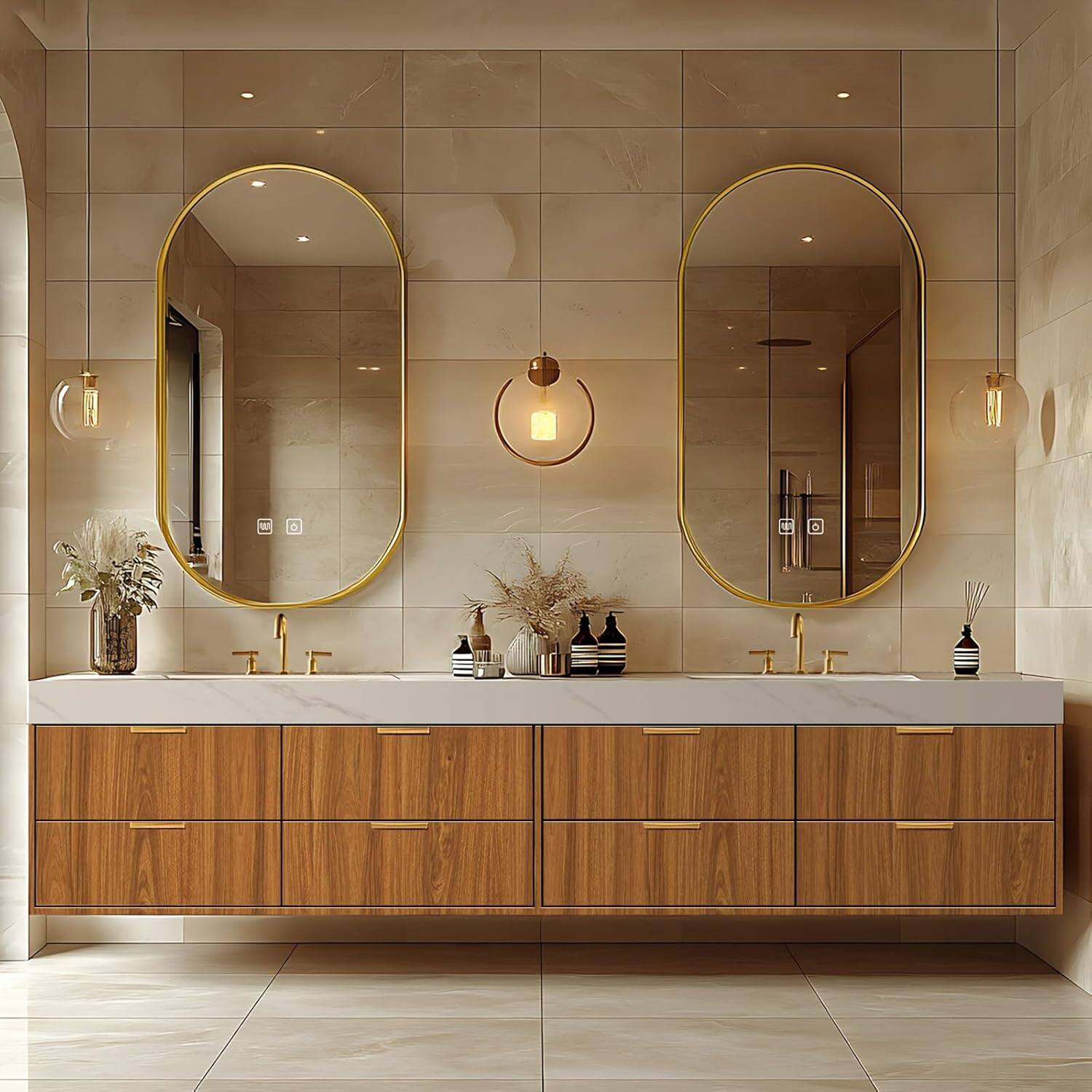
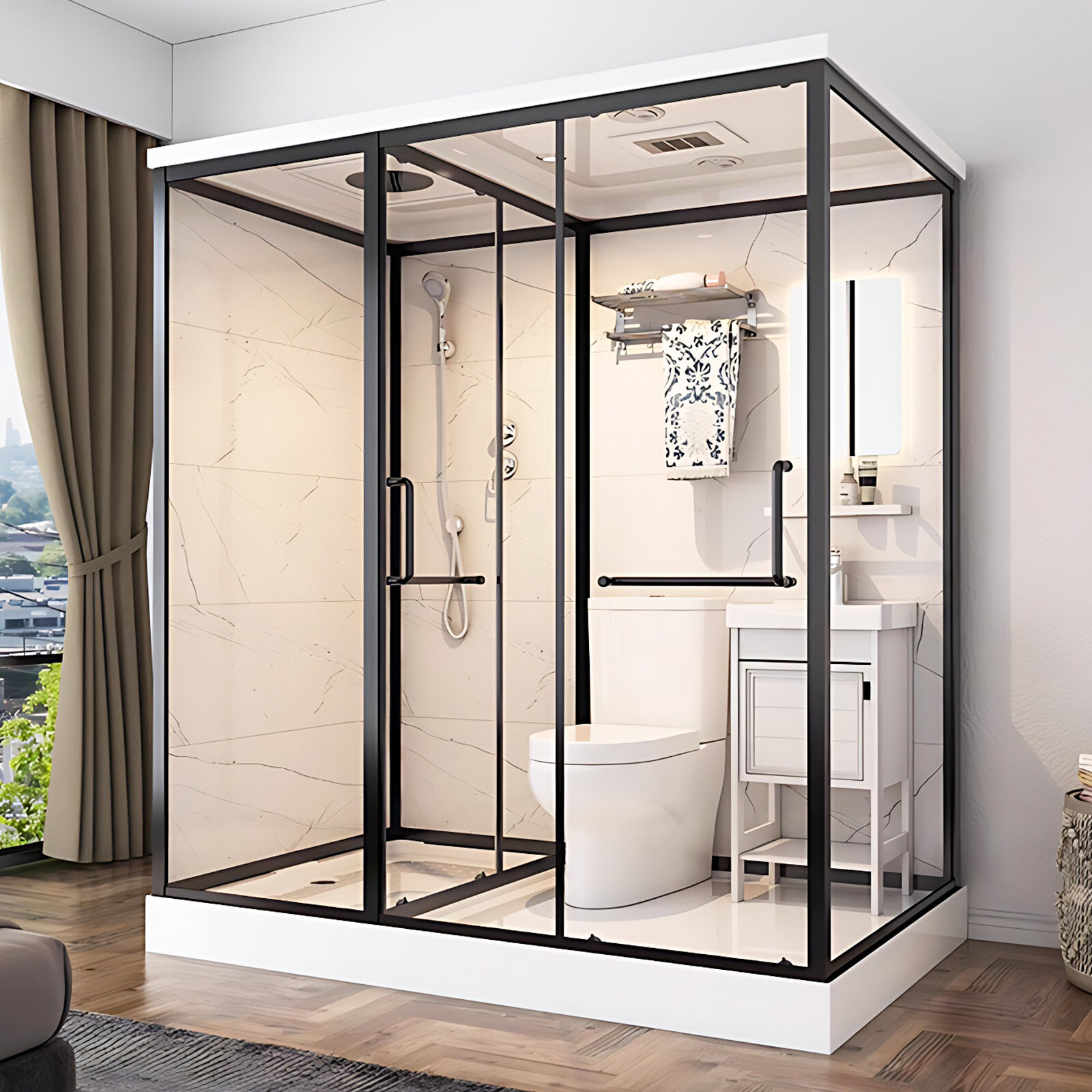
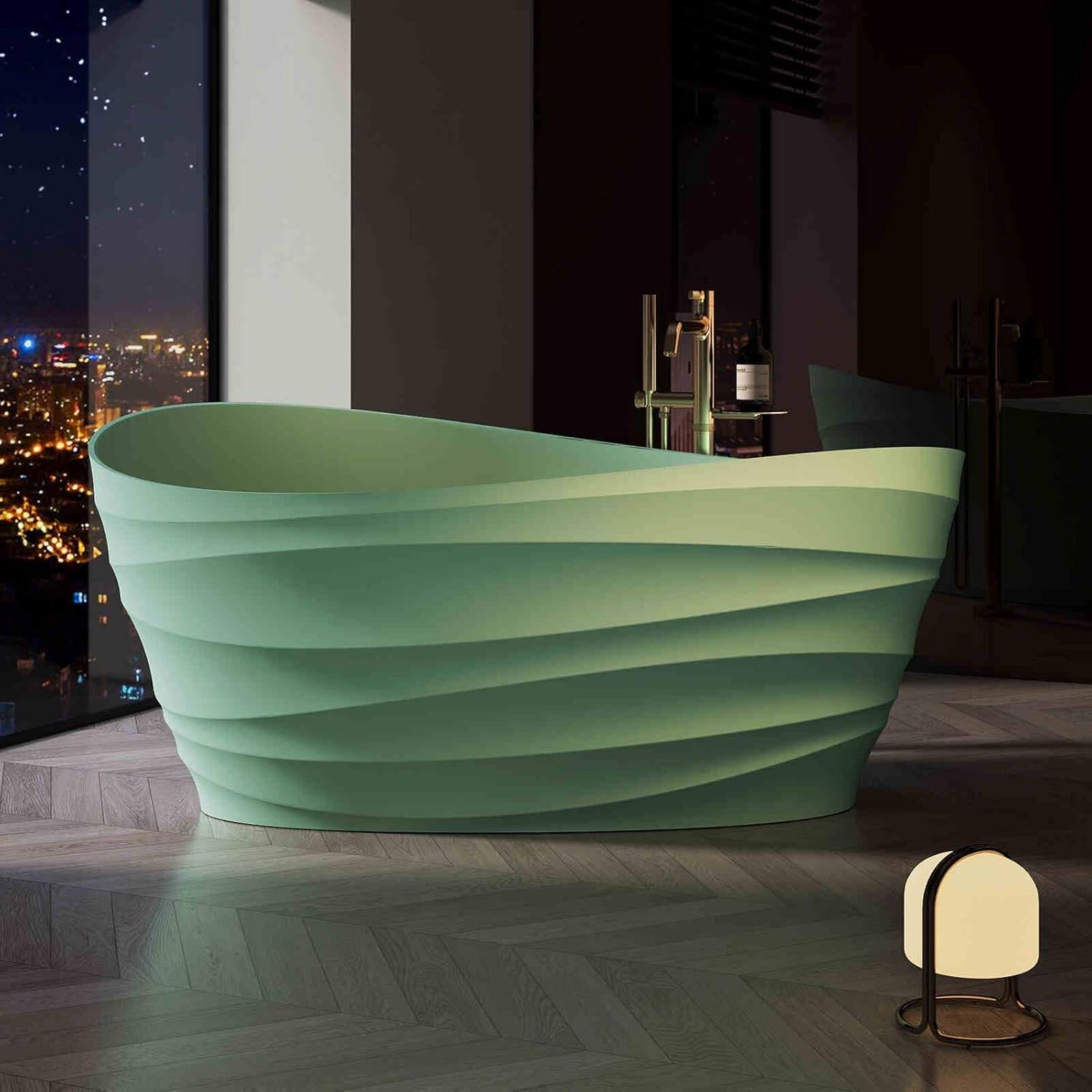
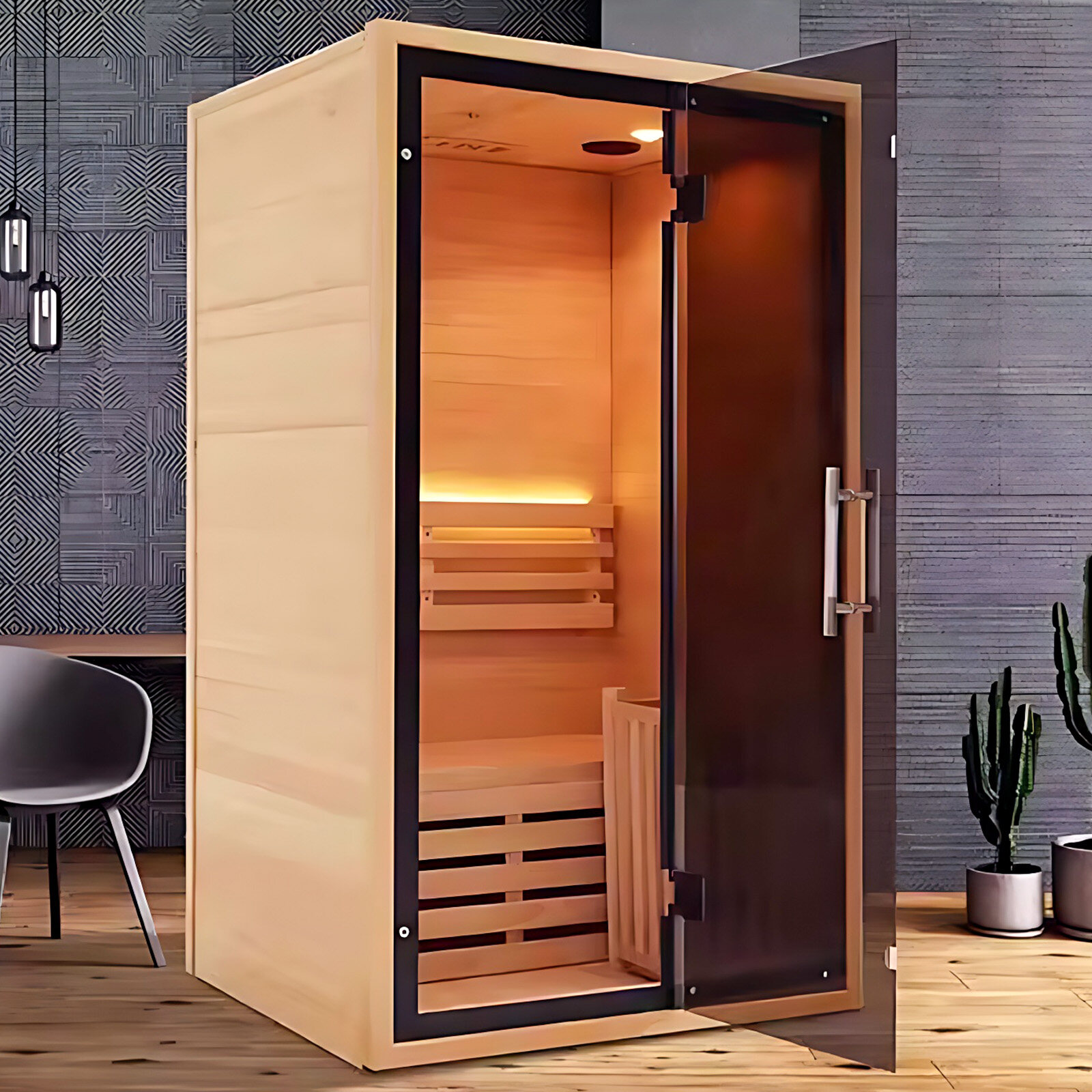
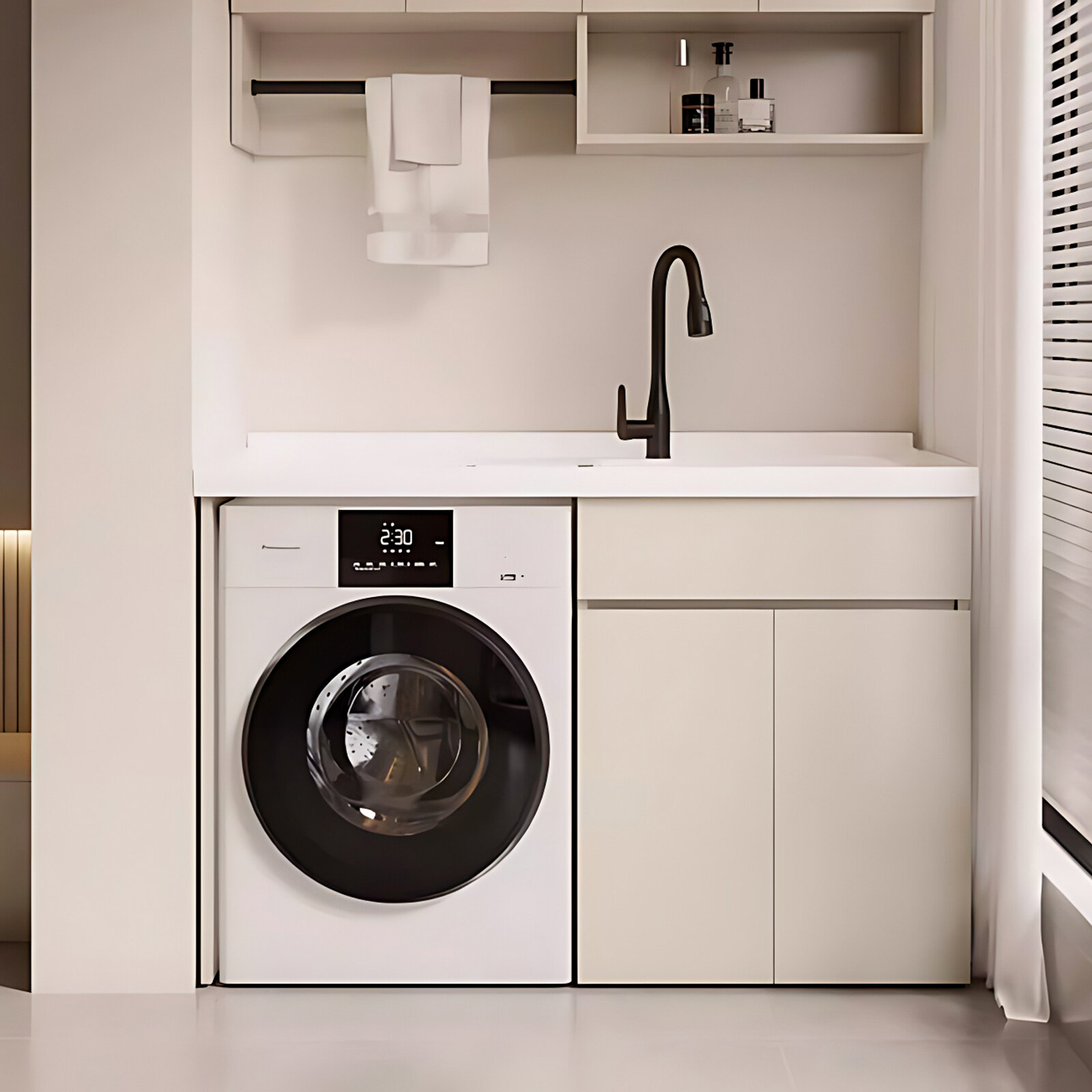
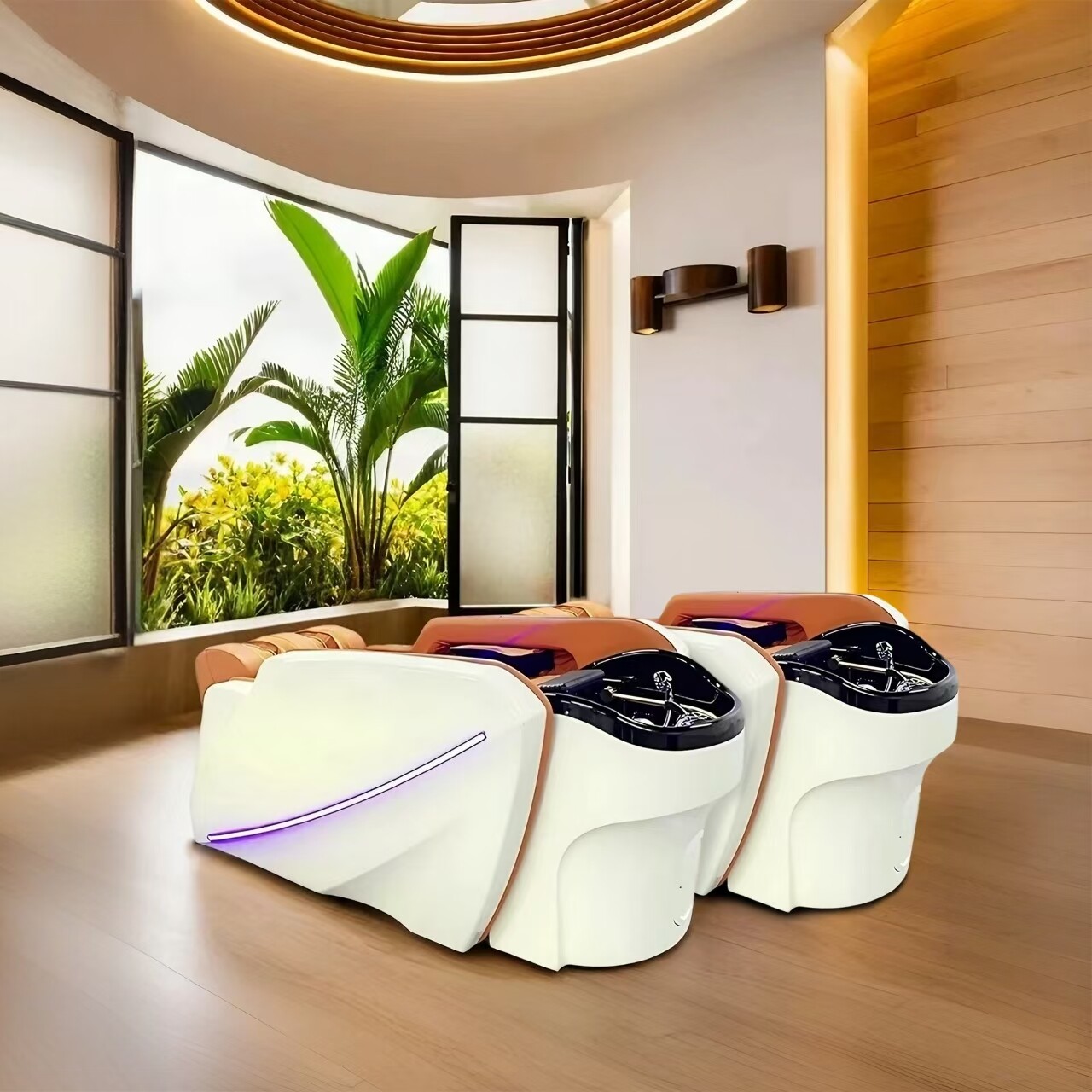
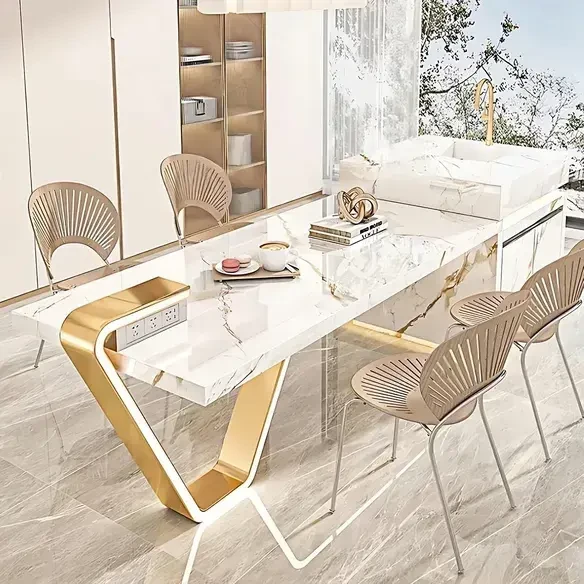
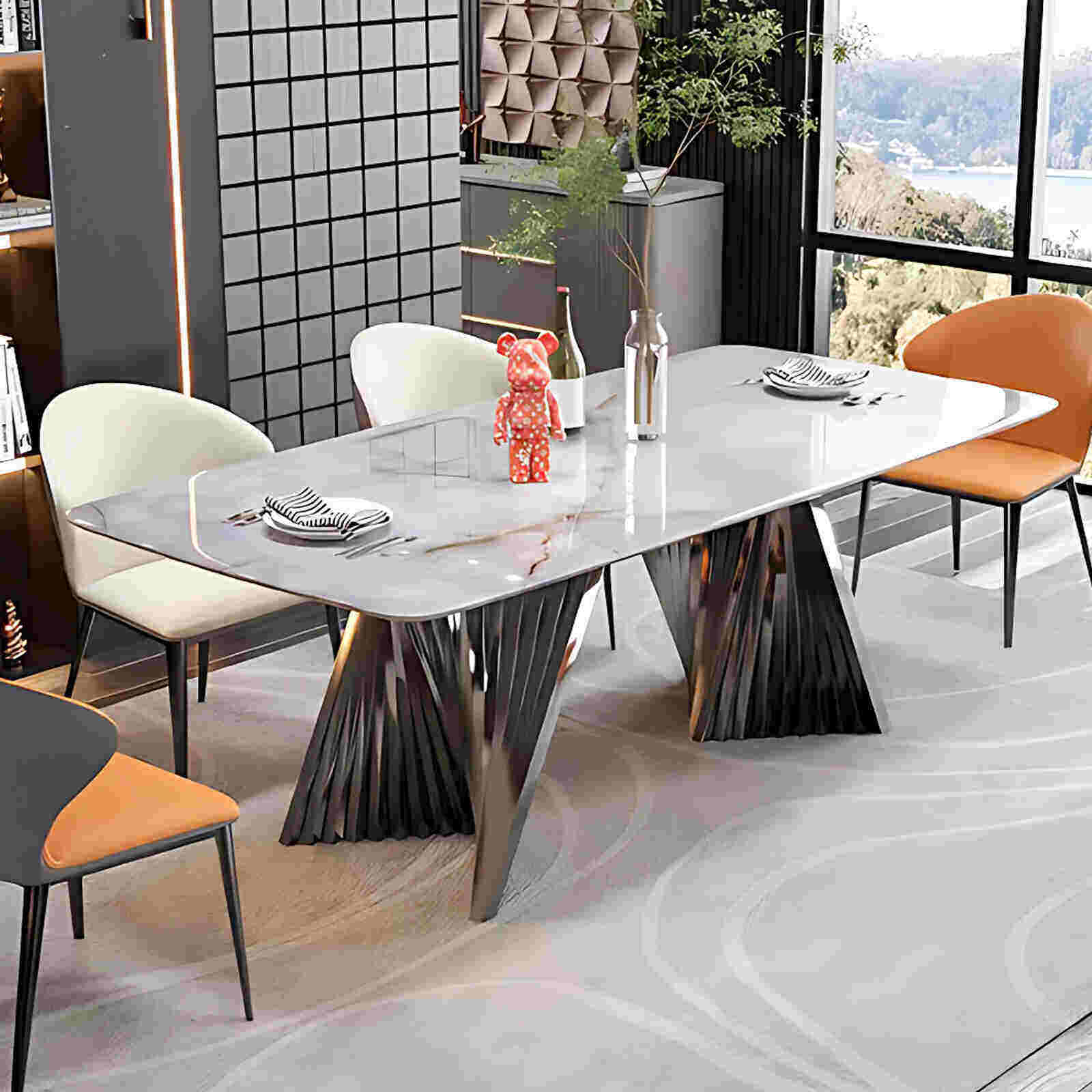
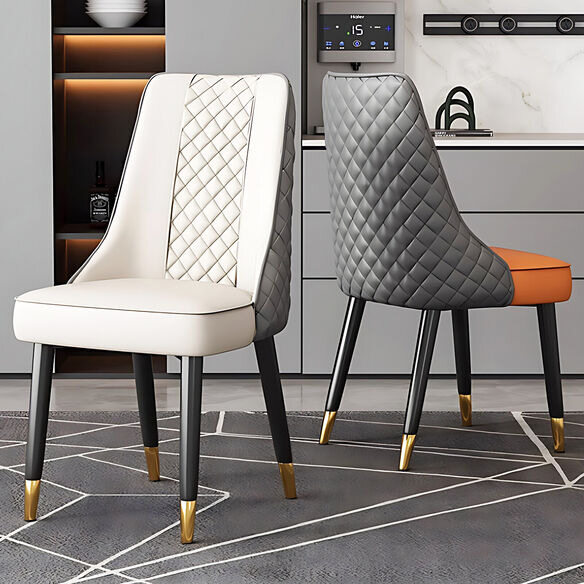
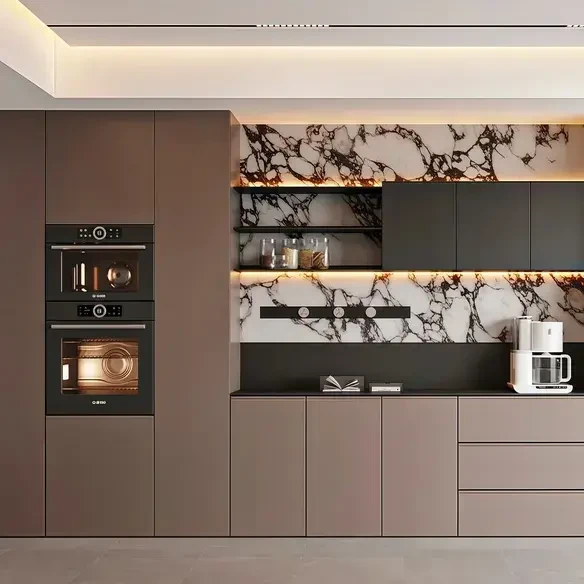
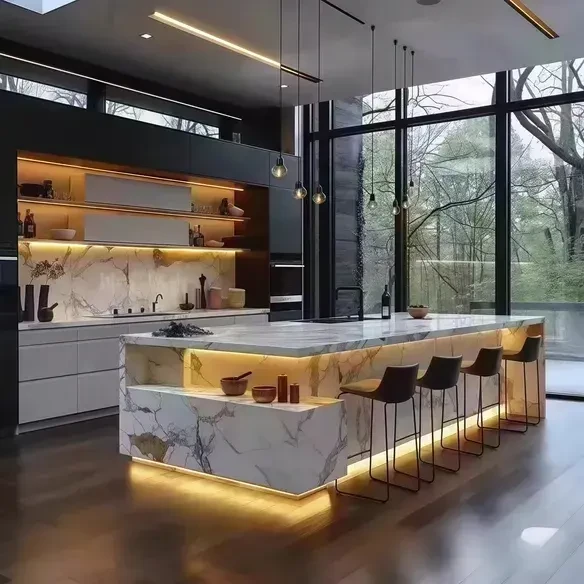
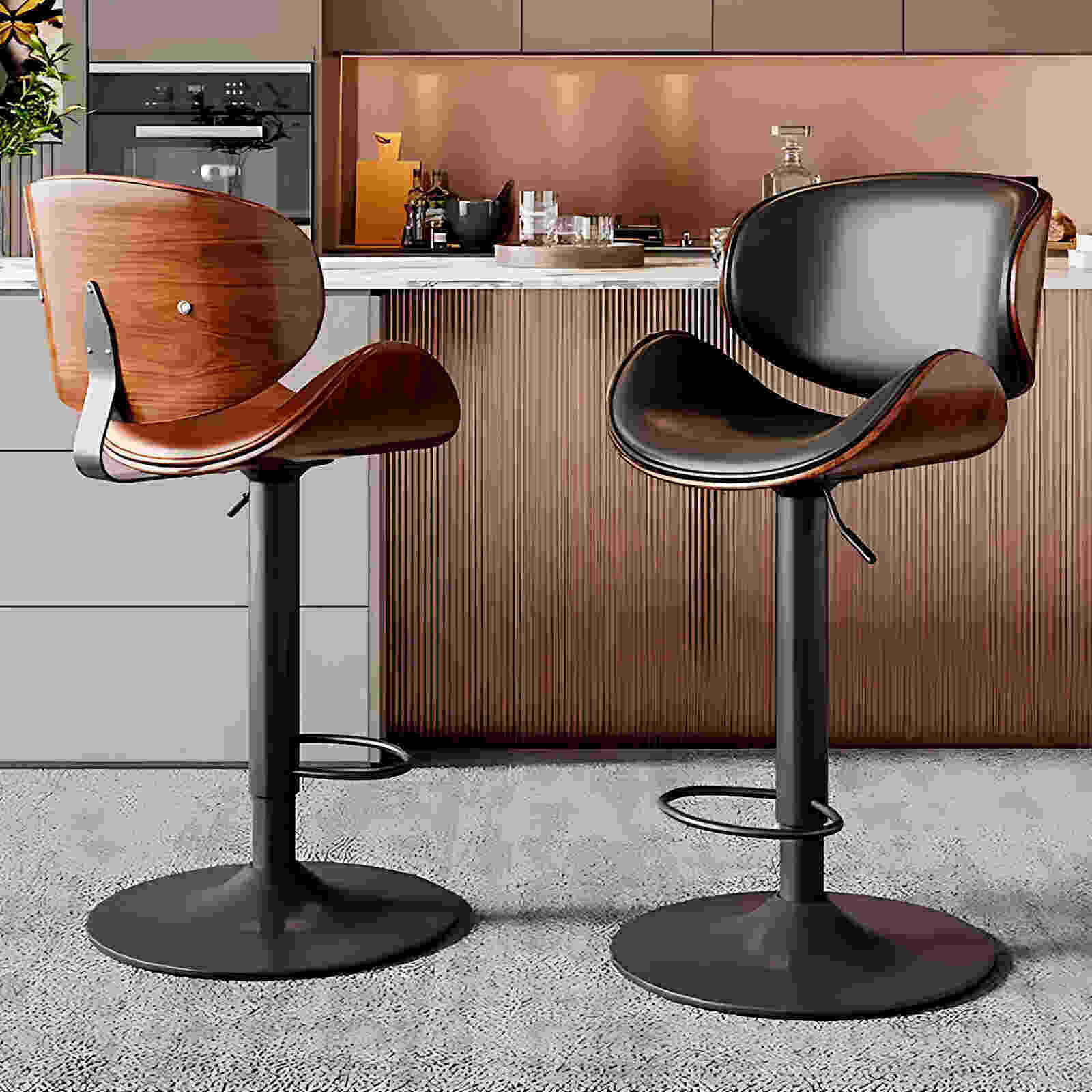
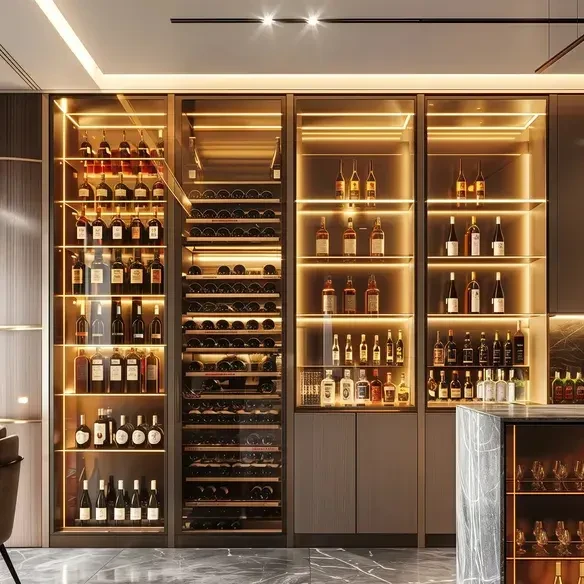
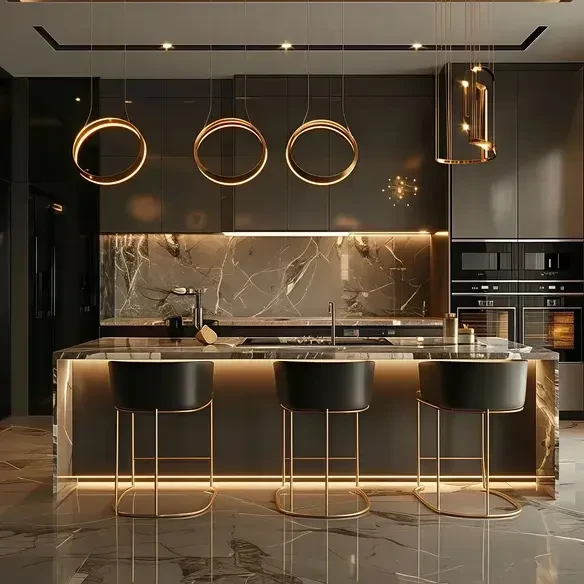
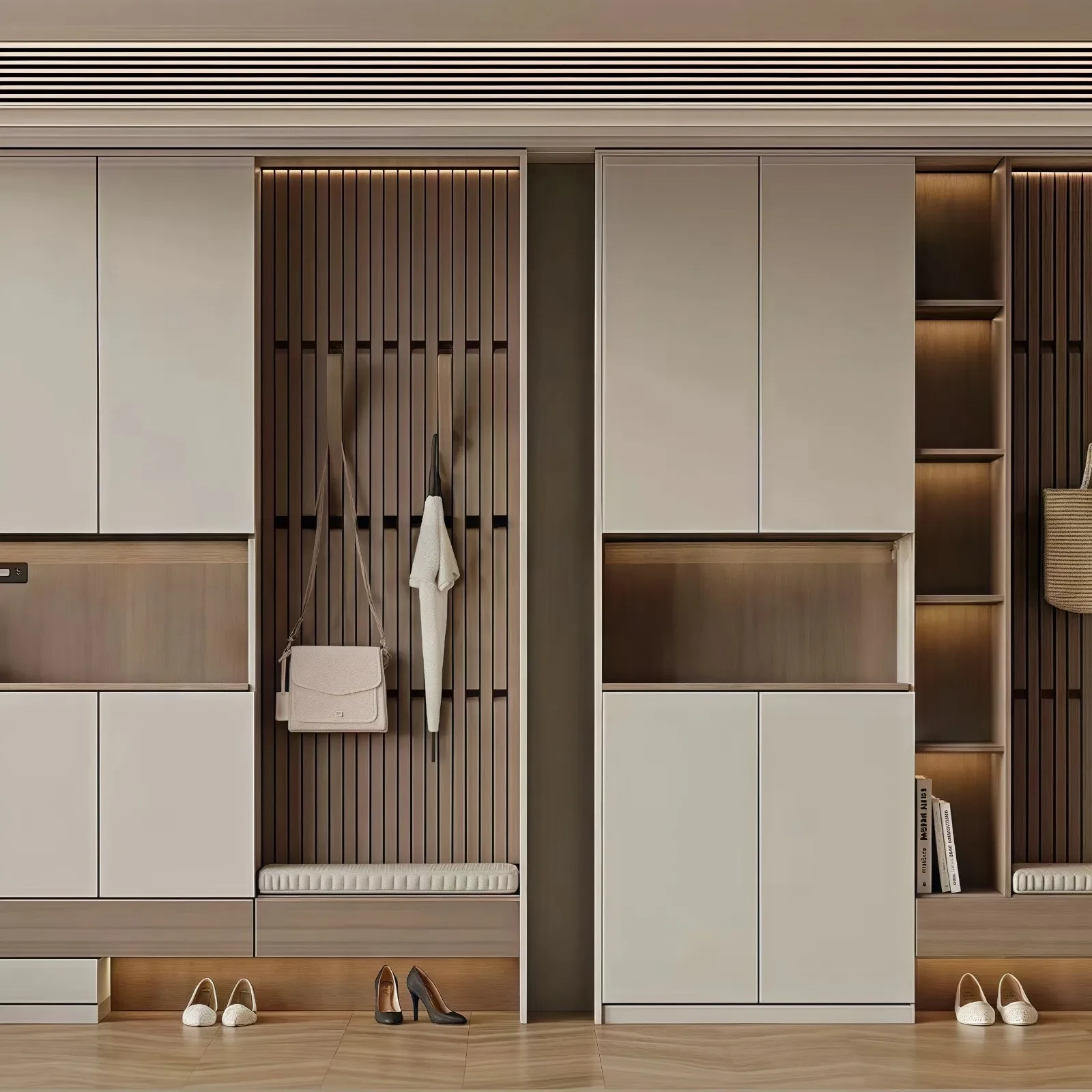
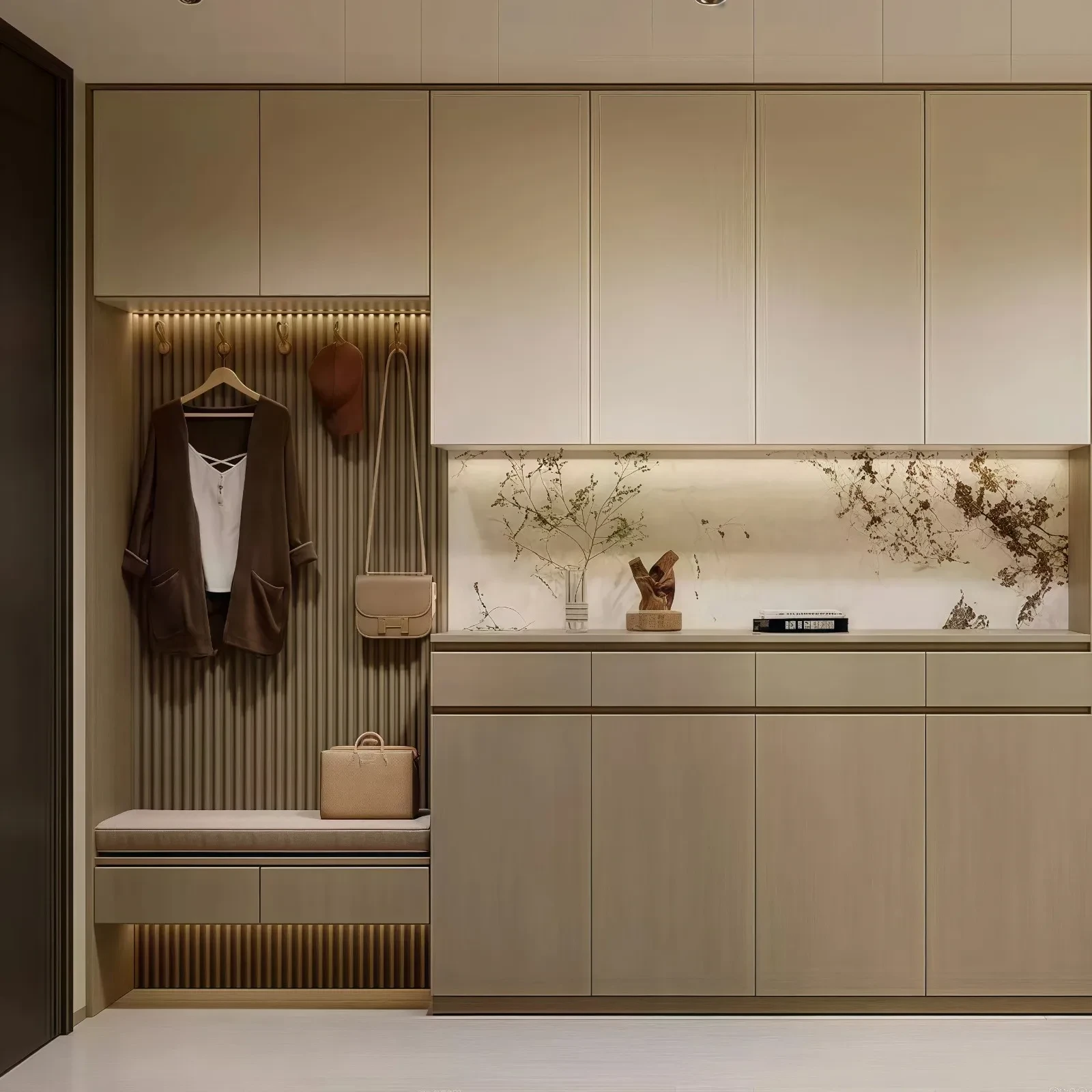
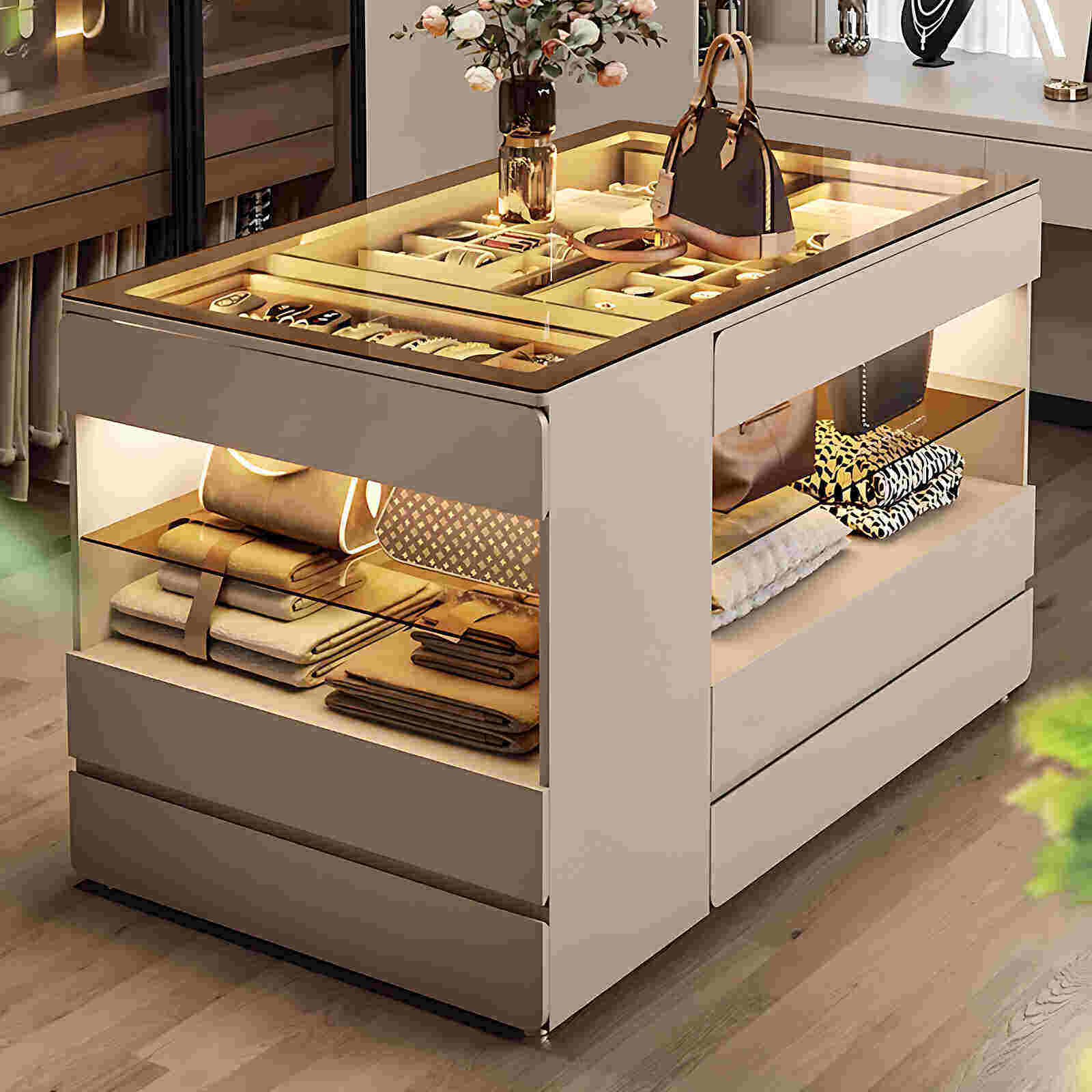
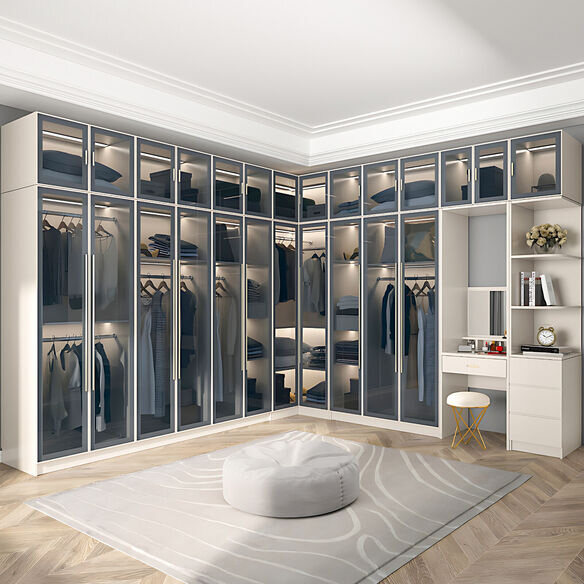
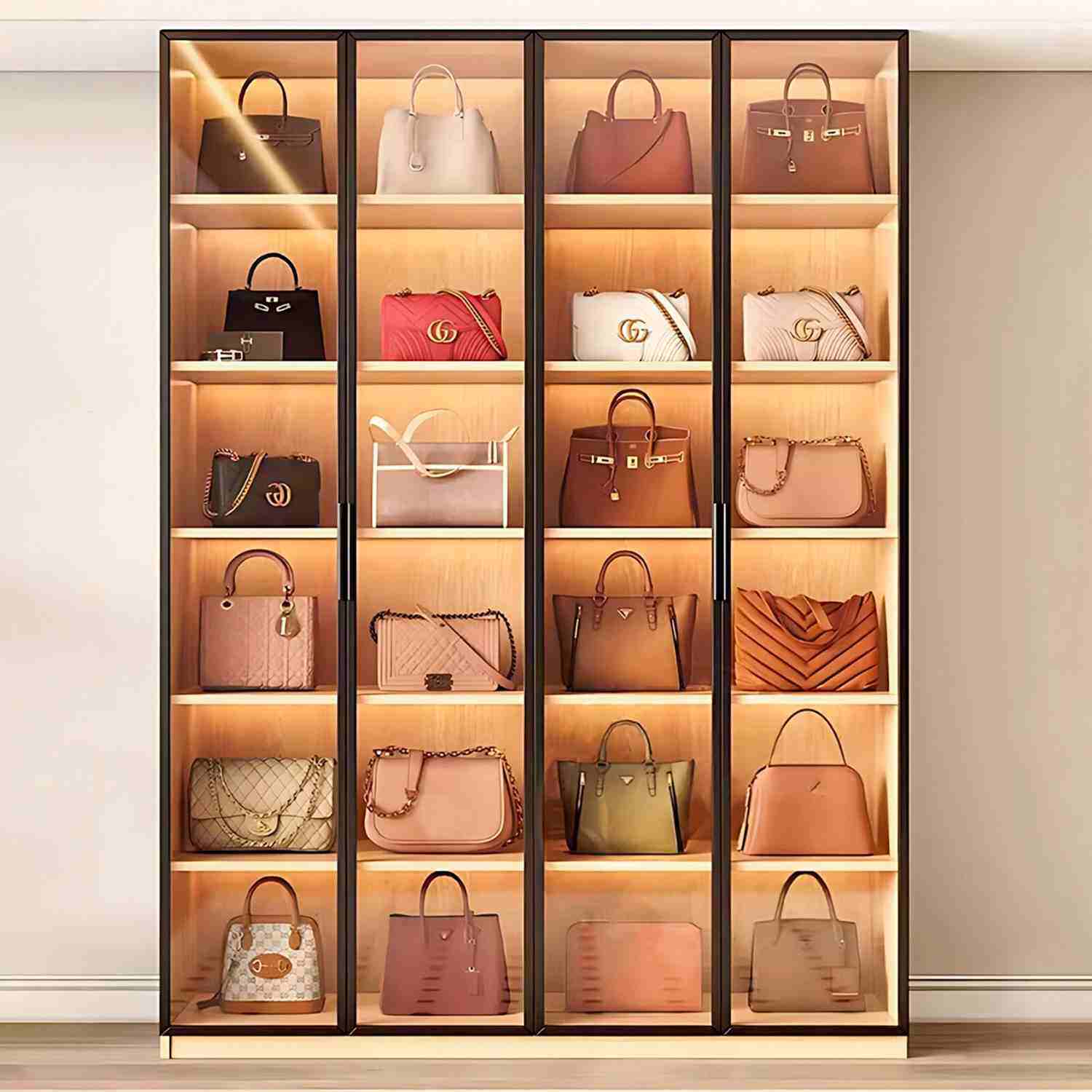
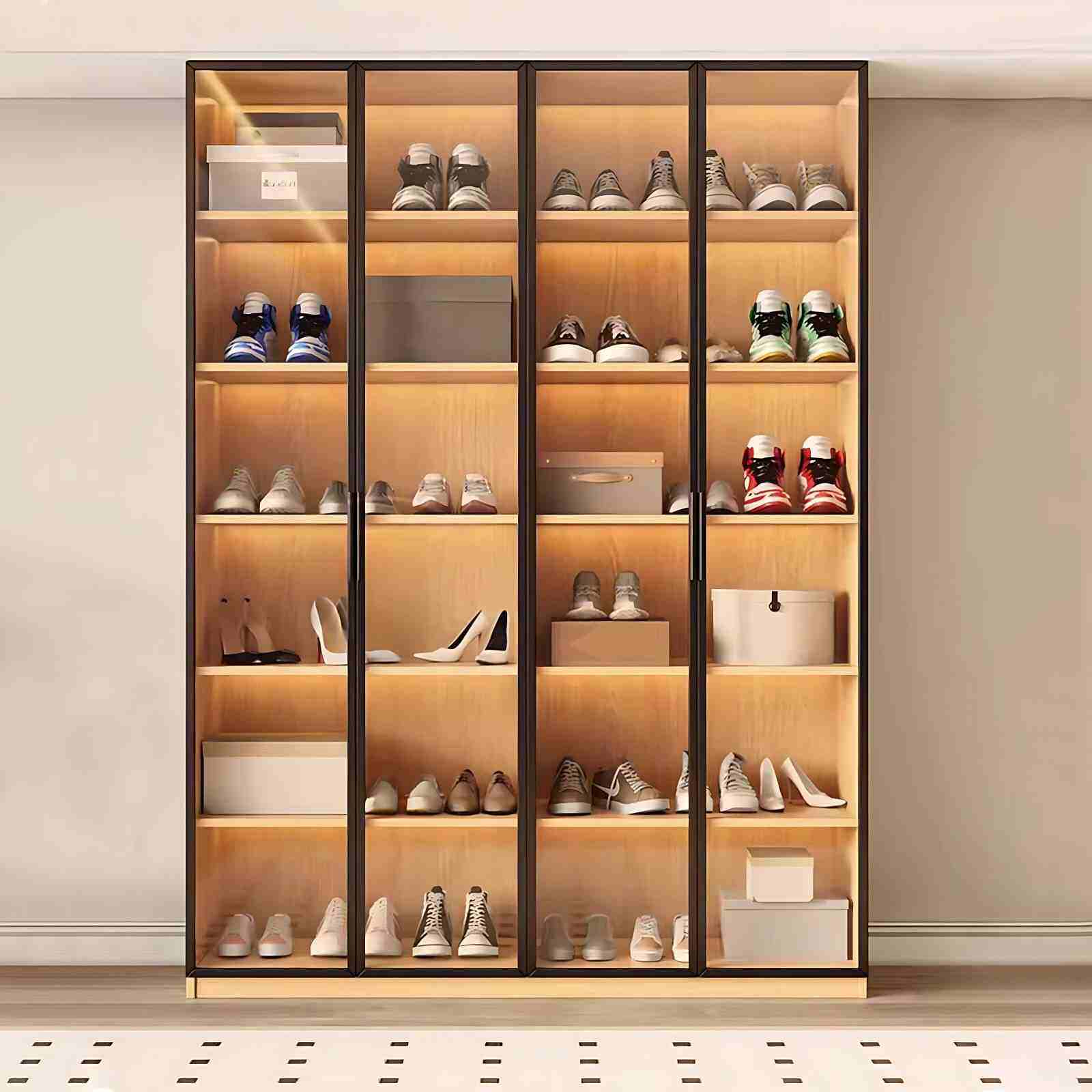
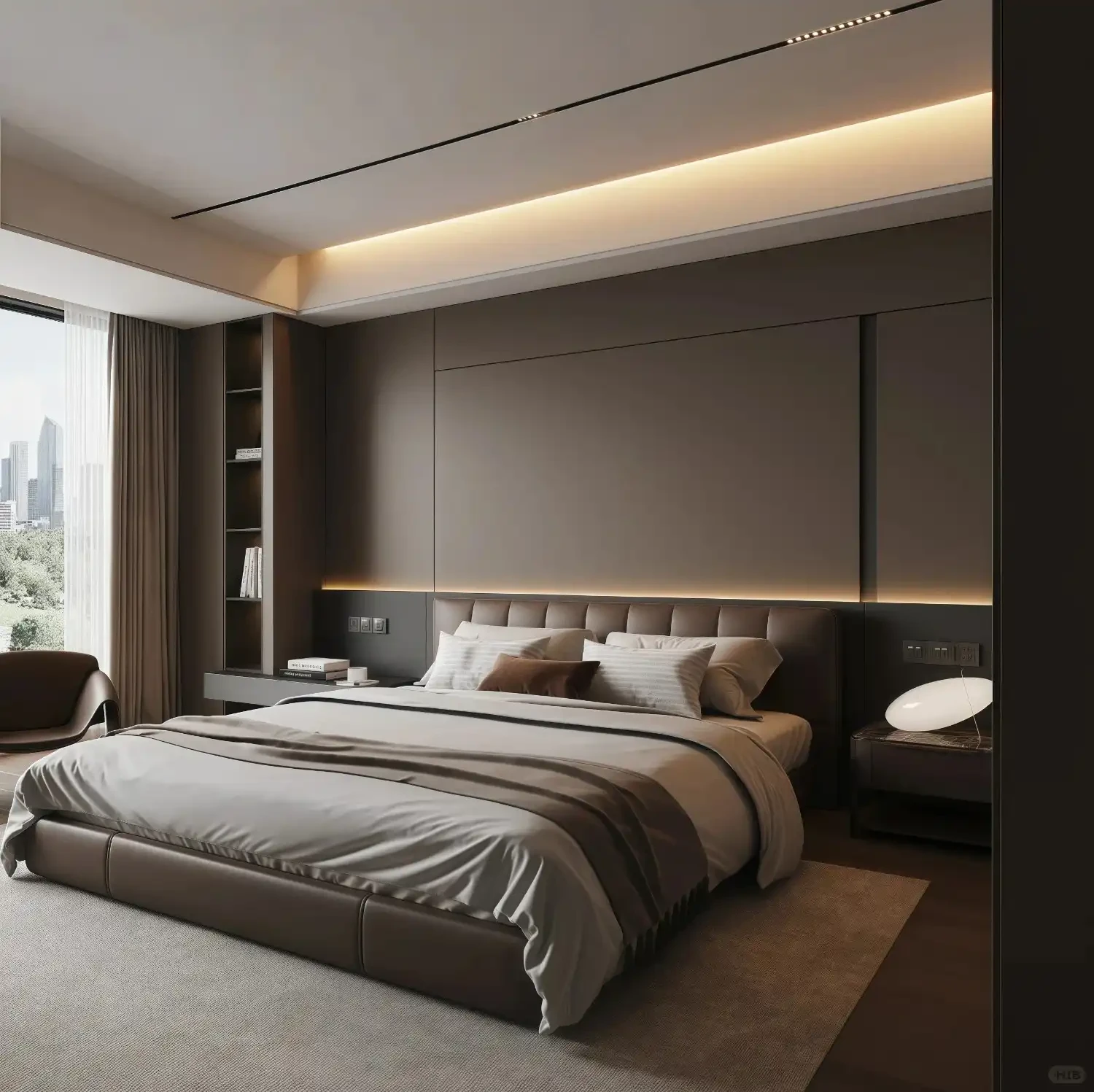
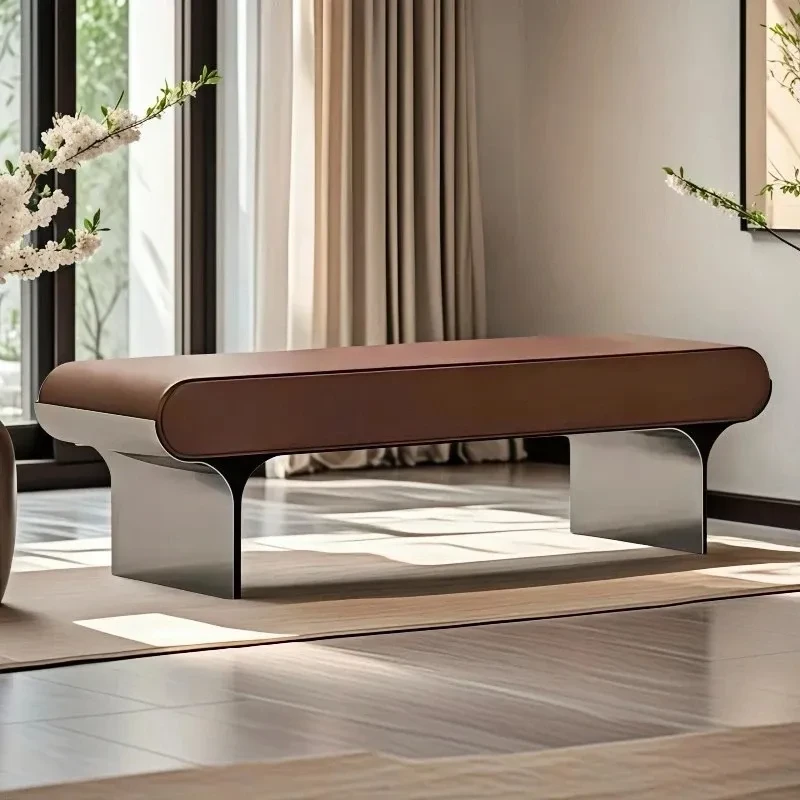
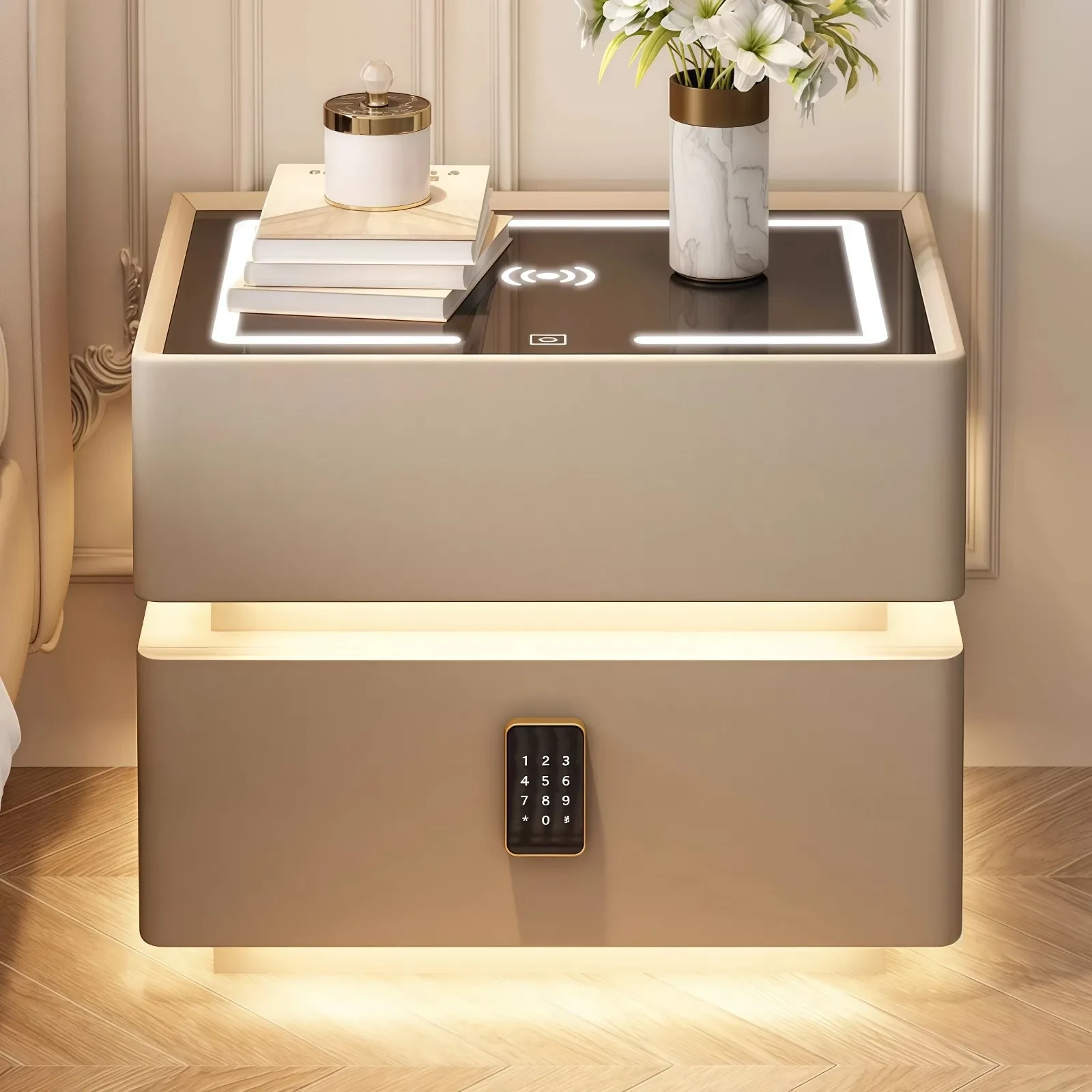
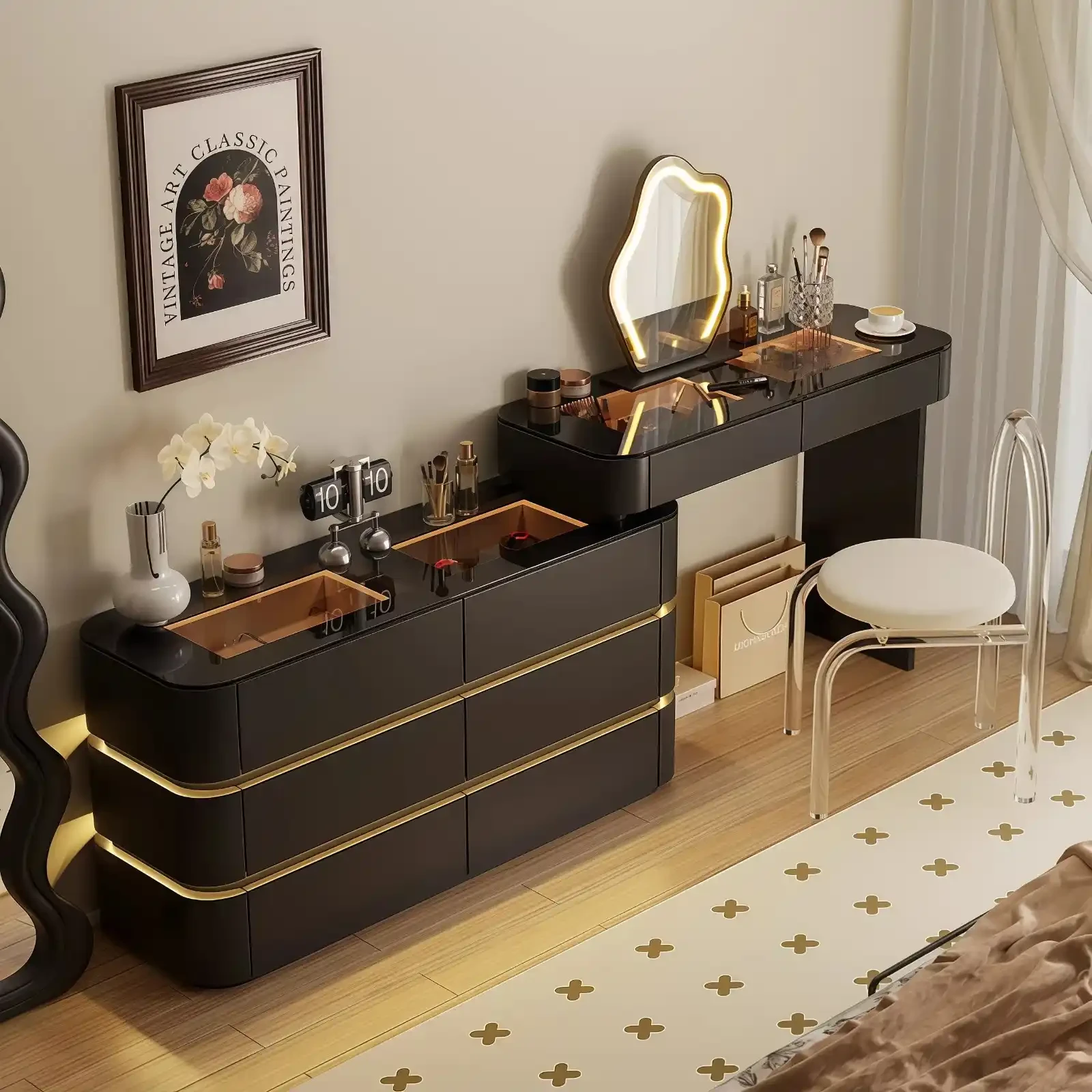
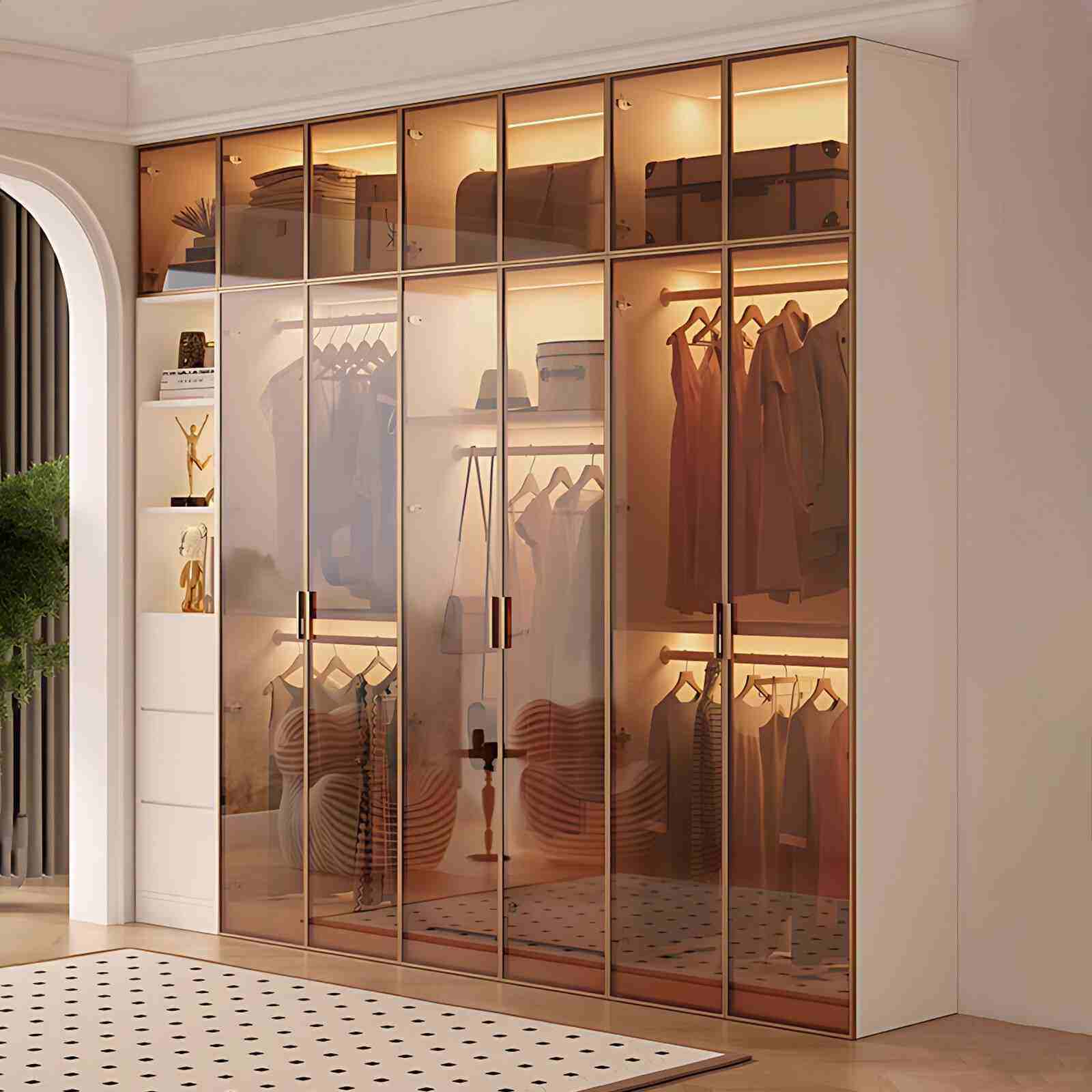
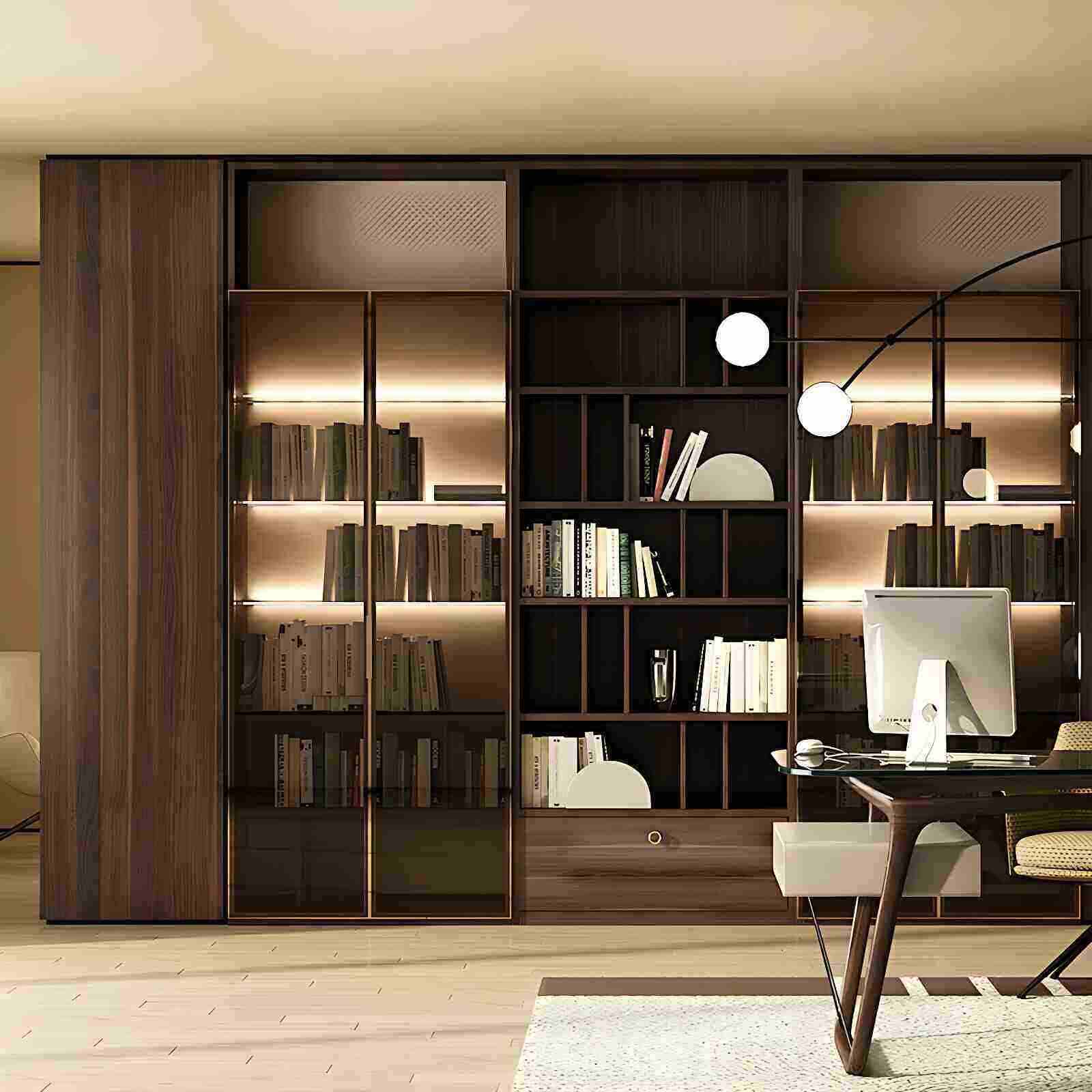
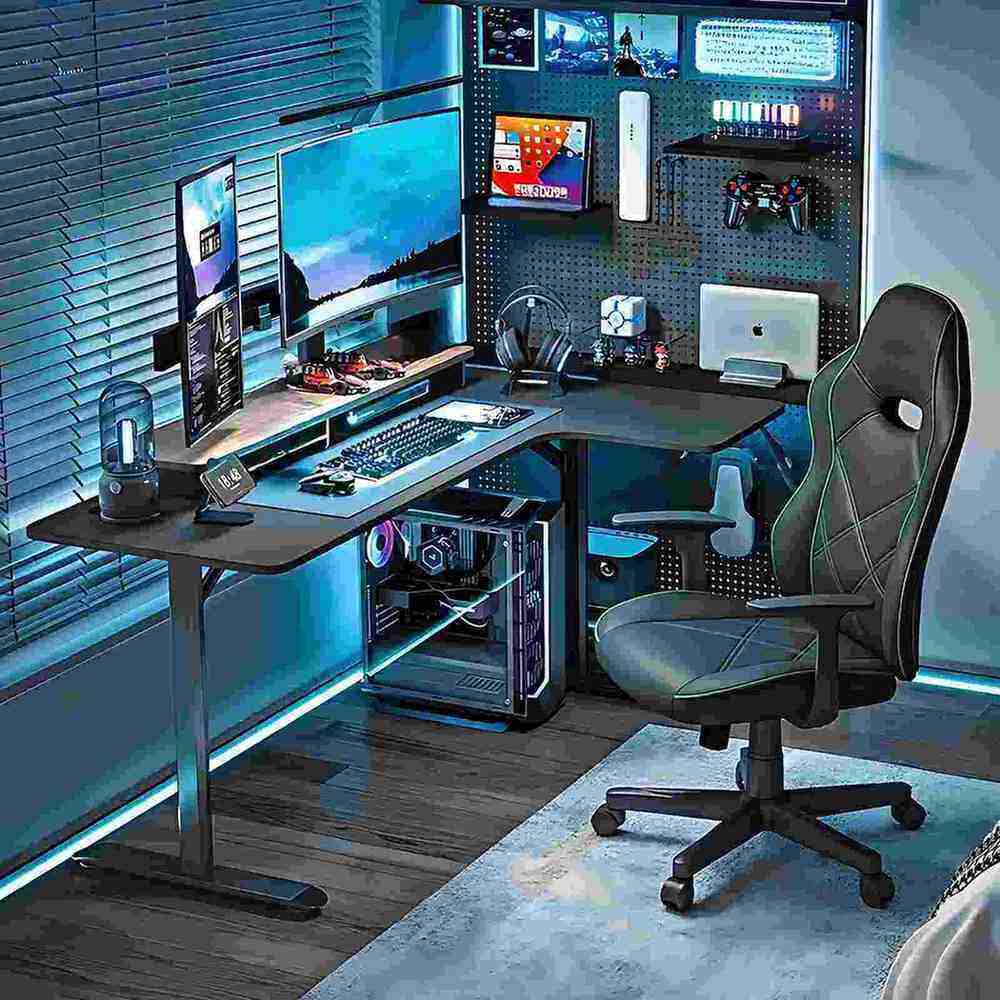
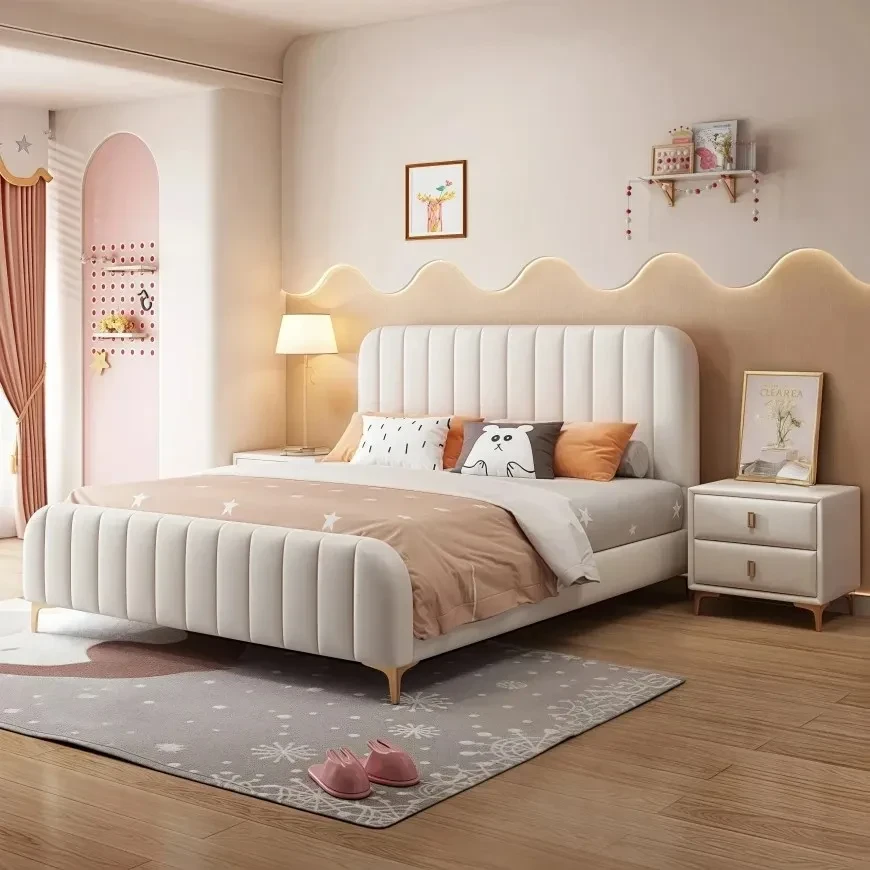
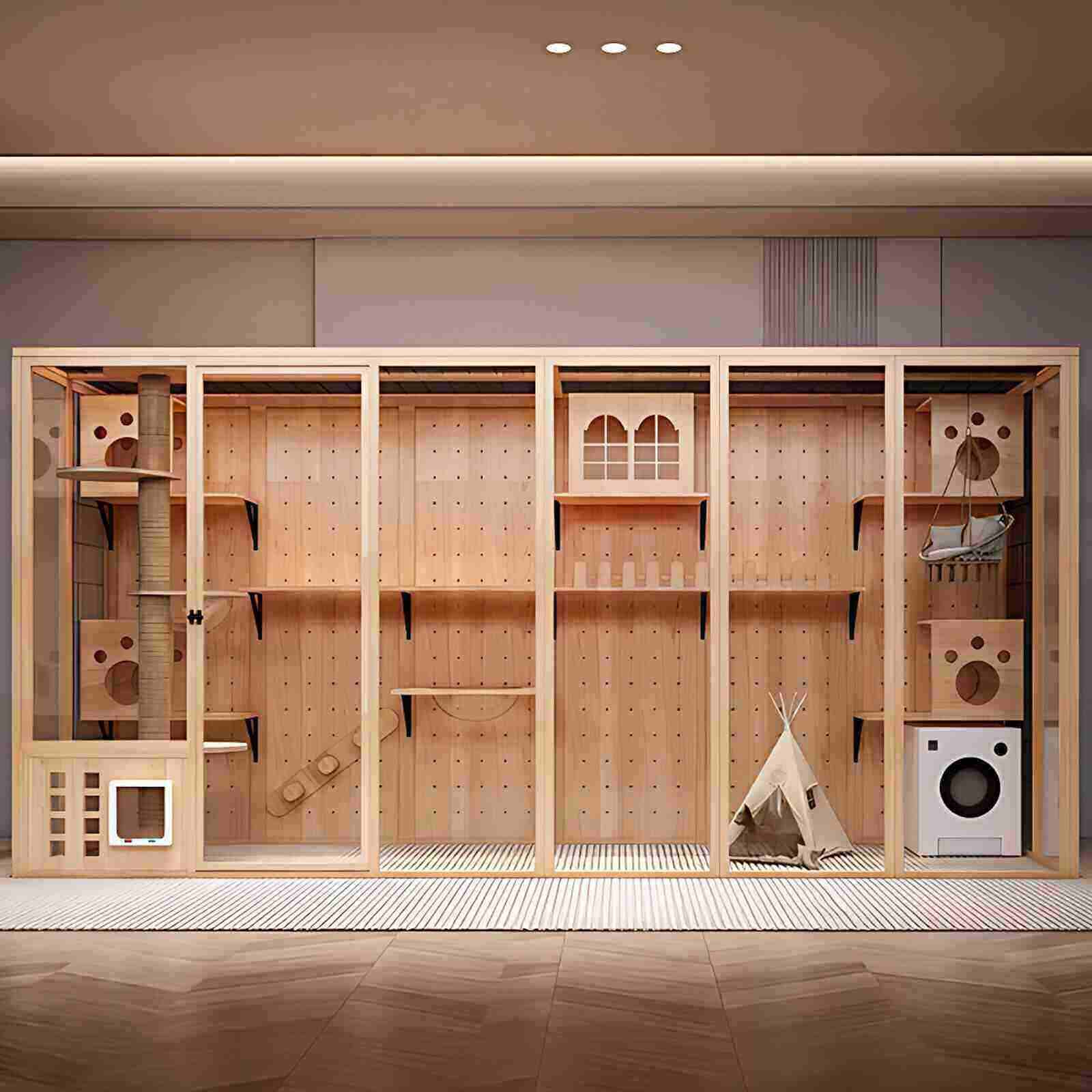
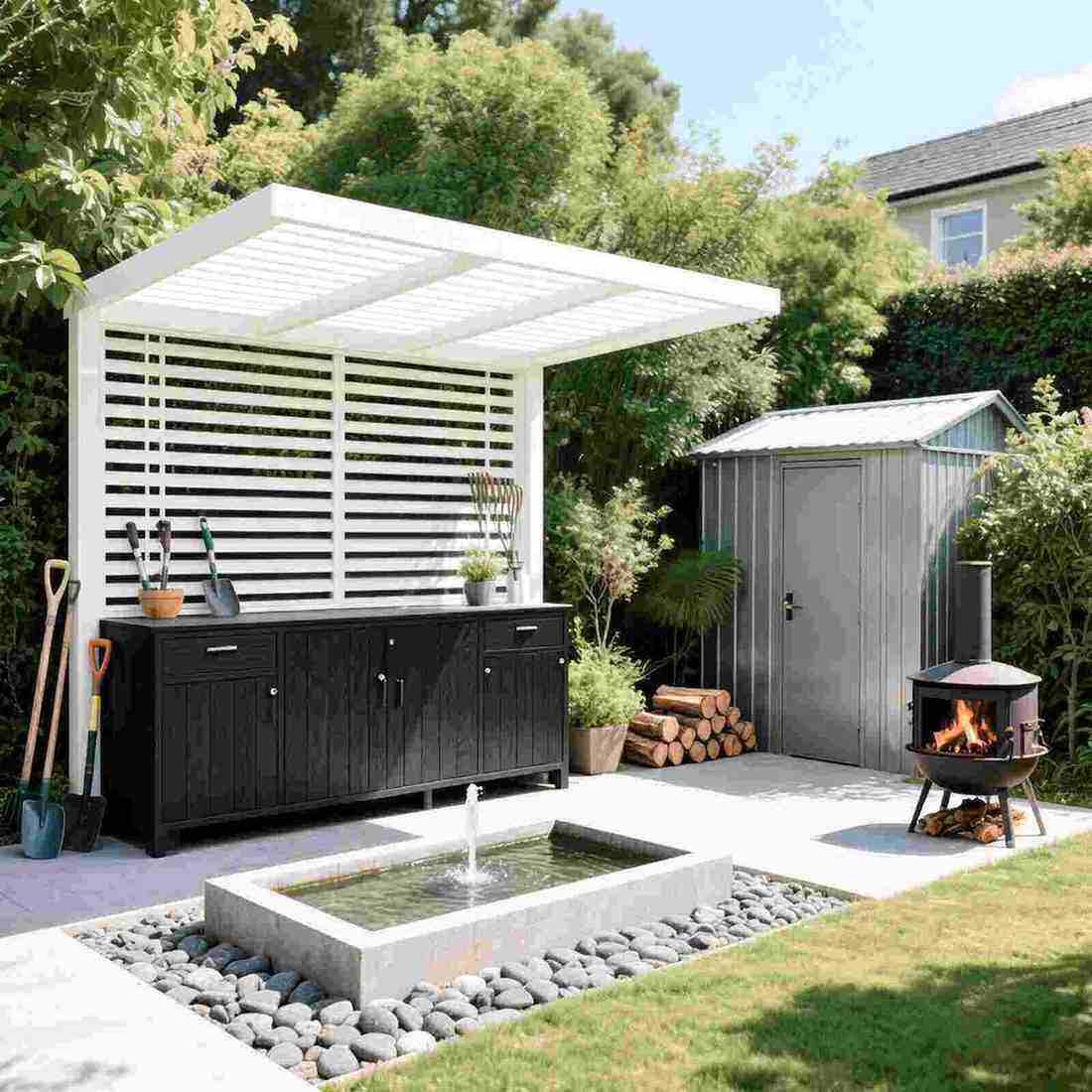
The presence of load-bearing walls is a significant factor affecting home decoration design, as they can restrict the space of bedrooms or living rooms, making them appear particularly large. To better utilize the space, first-time homebuyers often choose to use brick walls as interior partitions. However, this approach not only affects natural light but also creates a sense of oppression in the home.
Compared to brick wall partitions, cabinet partitions not only beautify living spaces and make the home more layered, but also bring unexpected effects to home zoning.
01 Living and Dining Room
Currently, the integrated living and dining room design is quite popular. This interconnected design maximizes space, opens up the visual space, and creates a better overall effect. However, an integrated design doesn't mean complete merging of the two areas; functional division is still necessary. Using partitions to clearly define the functions of the living and dining areas not only enhances the aesthetics of the home but also increases storage space.
Using a full wall as a partition may reduce natural light and result in poor lighting conditions in the space.
02 Bedroom
Walk-in closets are a common way to partition a bedroom. Some studio apartments are open-plan spaces, where open shelves can be used as partitions, increasing storage space while maintaining a sense of openness.
03 Entrance Hall
Some apartment layouts lack privacy, so using a shoe cabinet as a partition can not only protect privacy but also increase storage space and make it convenient to move around. If the indoor lighting is poor, a semi-open shoe cabinet is a good option, providing both storage and light.
Make good use of cabinets for interior partition design
Not only can it broaden one's horizons
Optimize visual experience
It can also greatly improve
Indoor space utilization
Why not give this a try for home renovation?