
 USD
USD GBP
GBP
 EUR
EUR

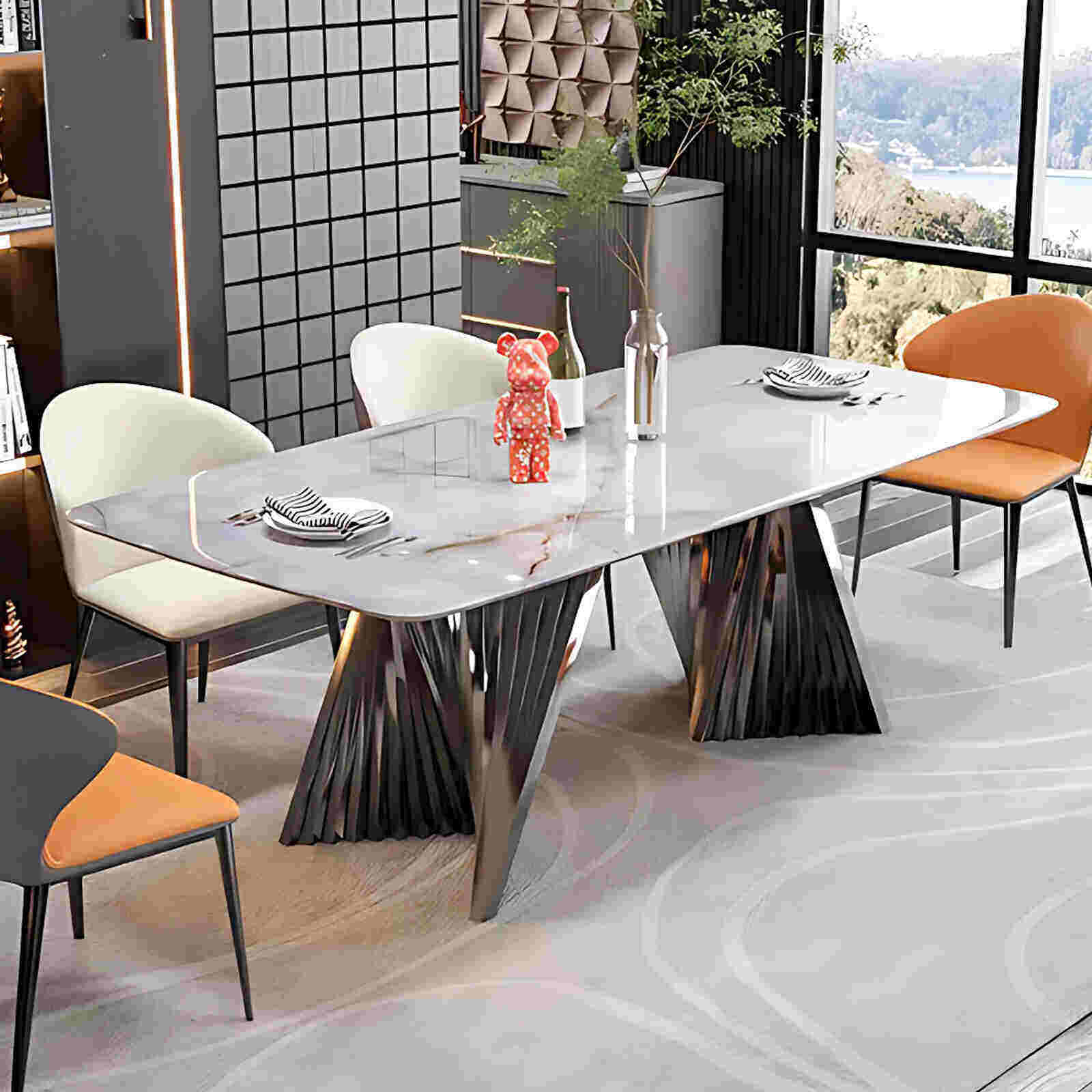
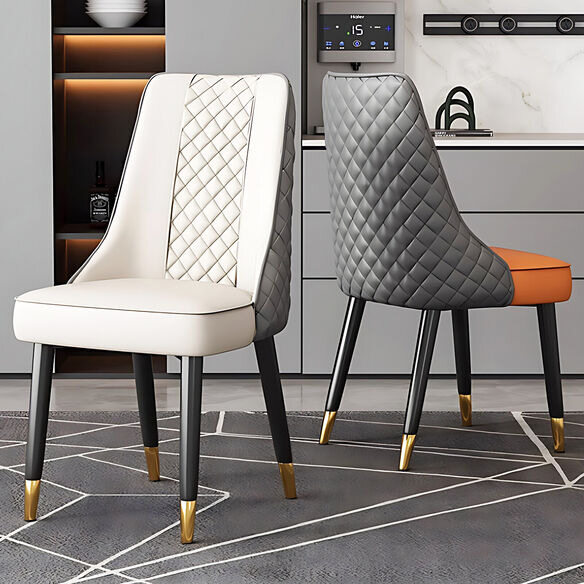
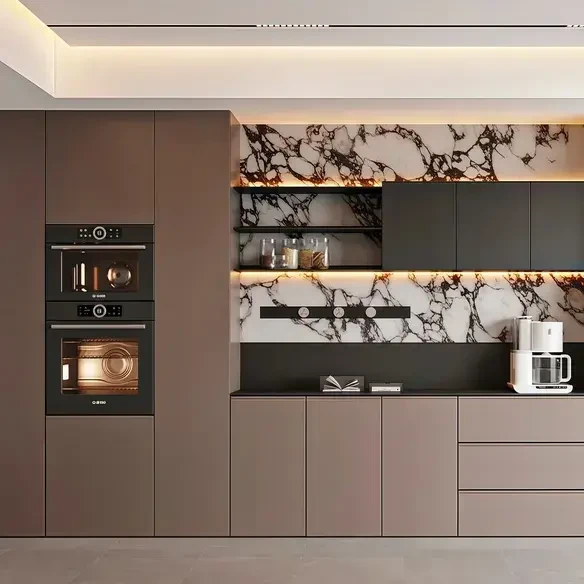
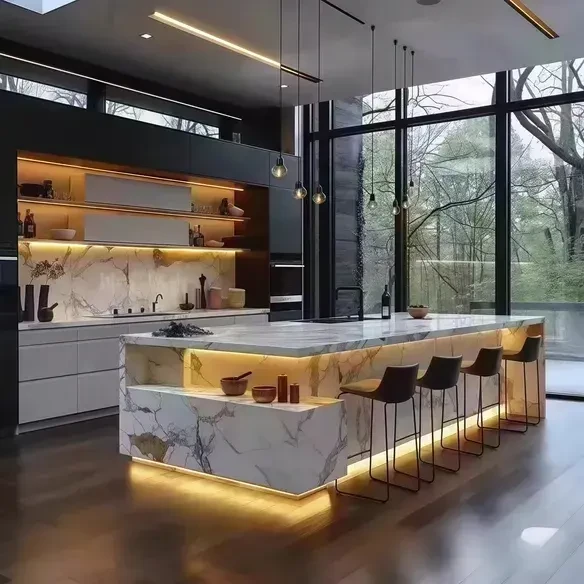
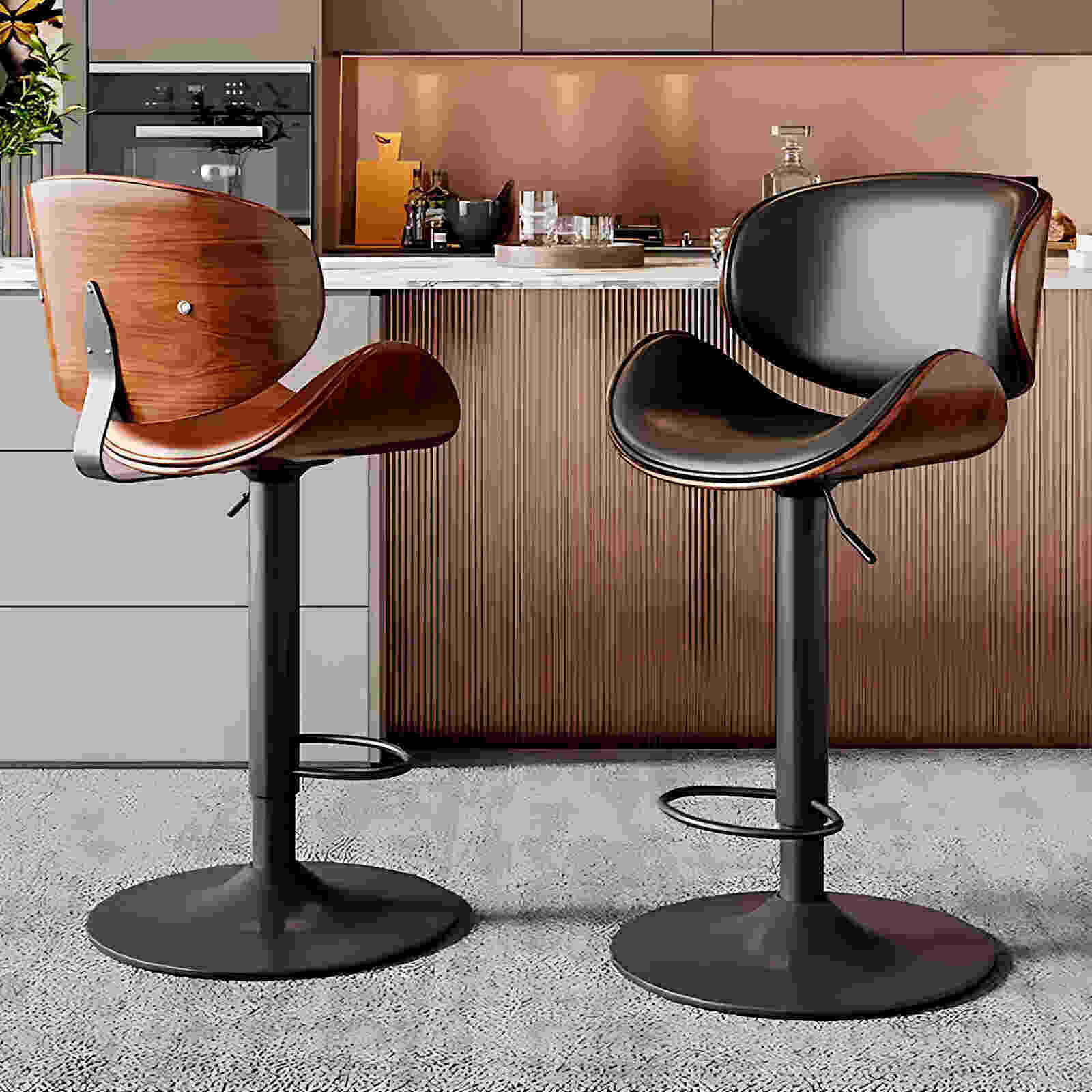
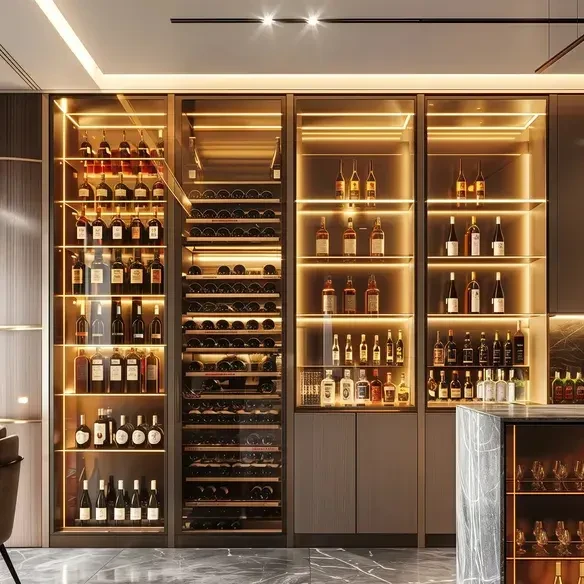
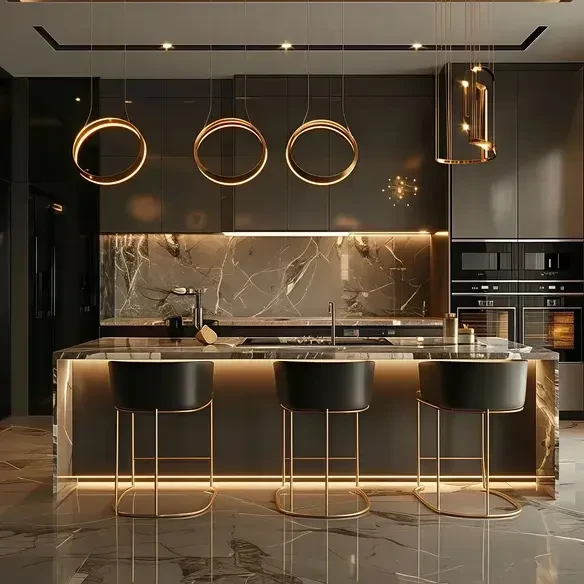
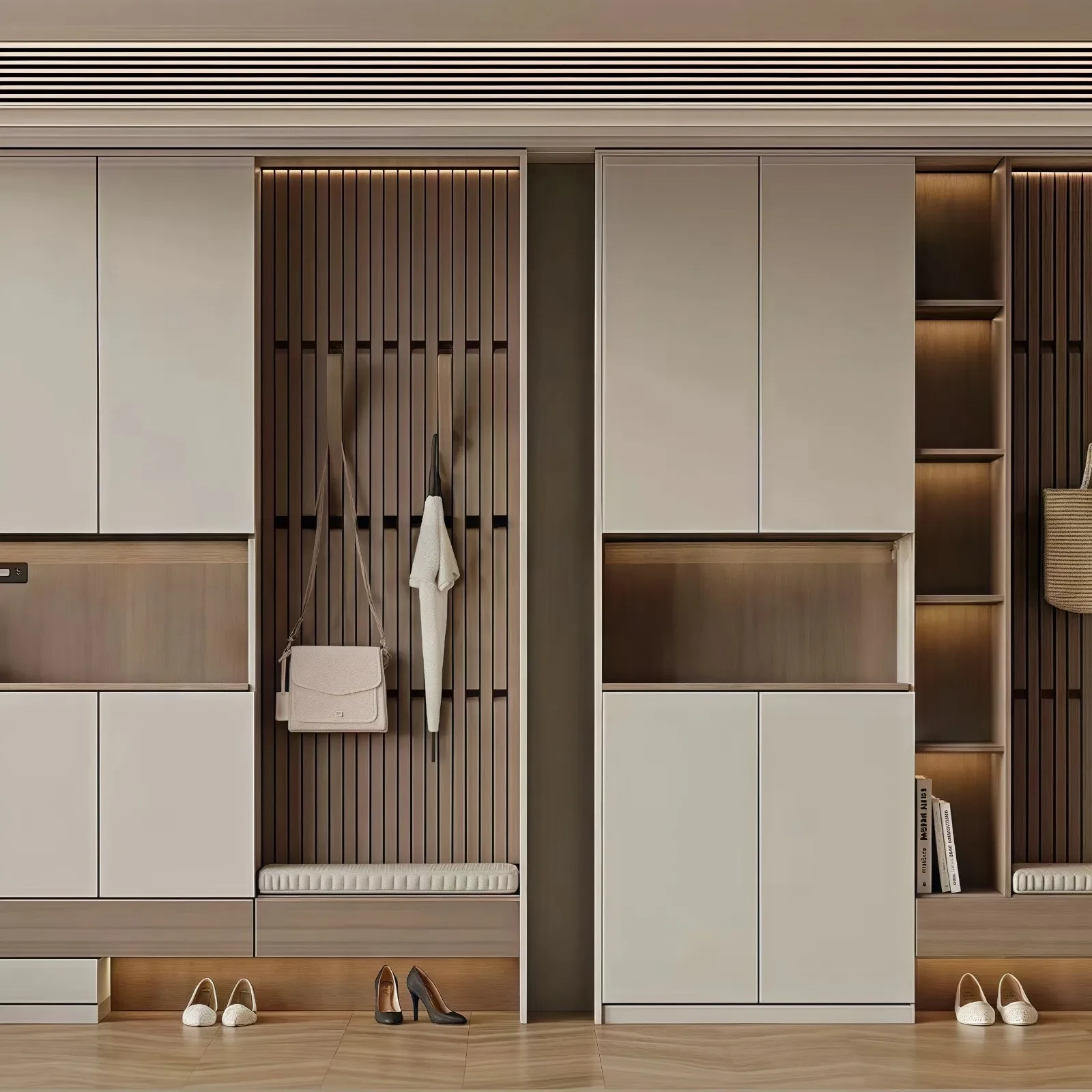
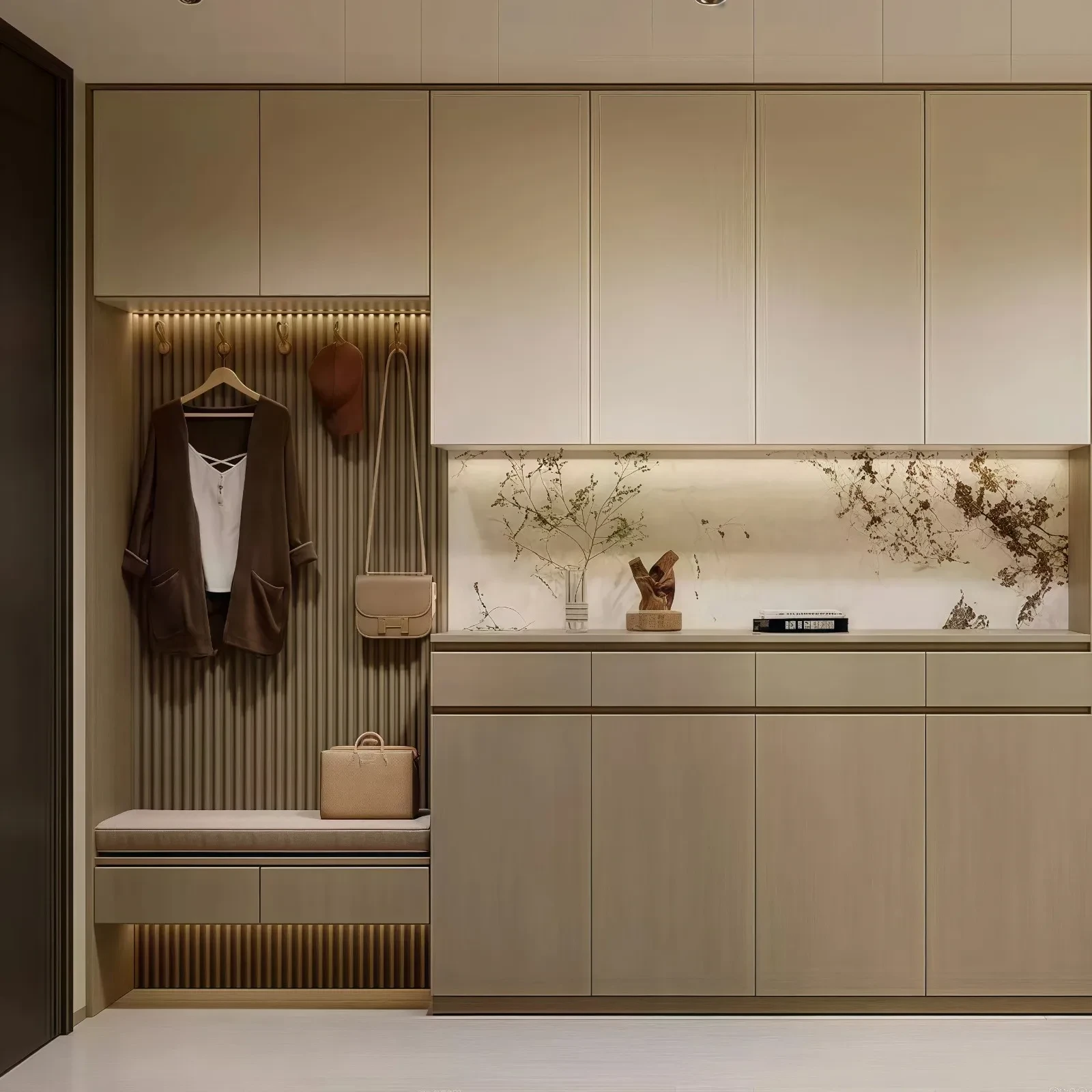
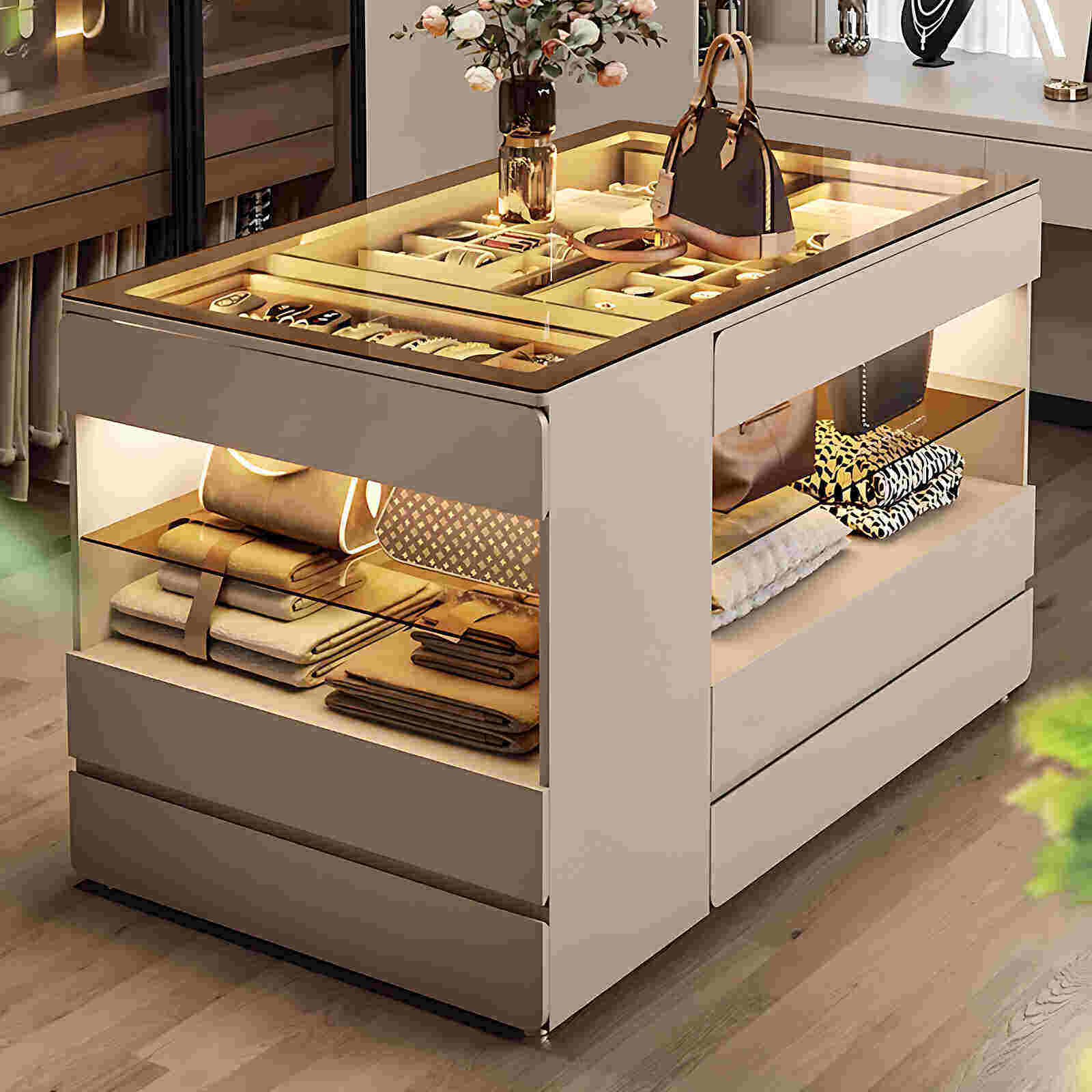
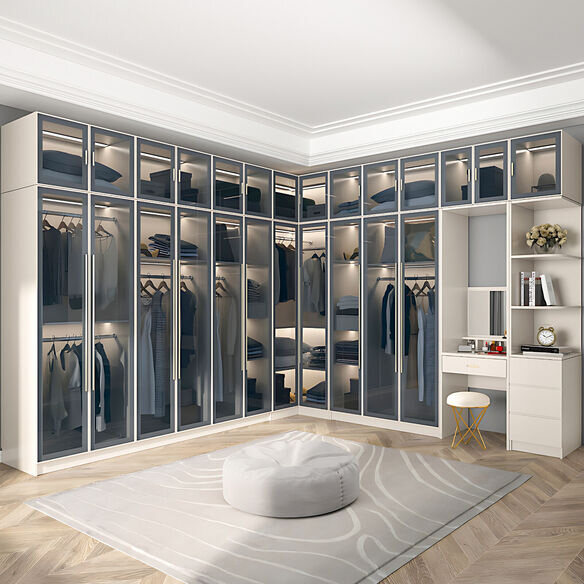
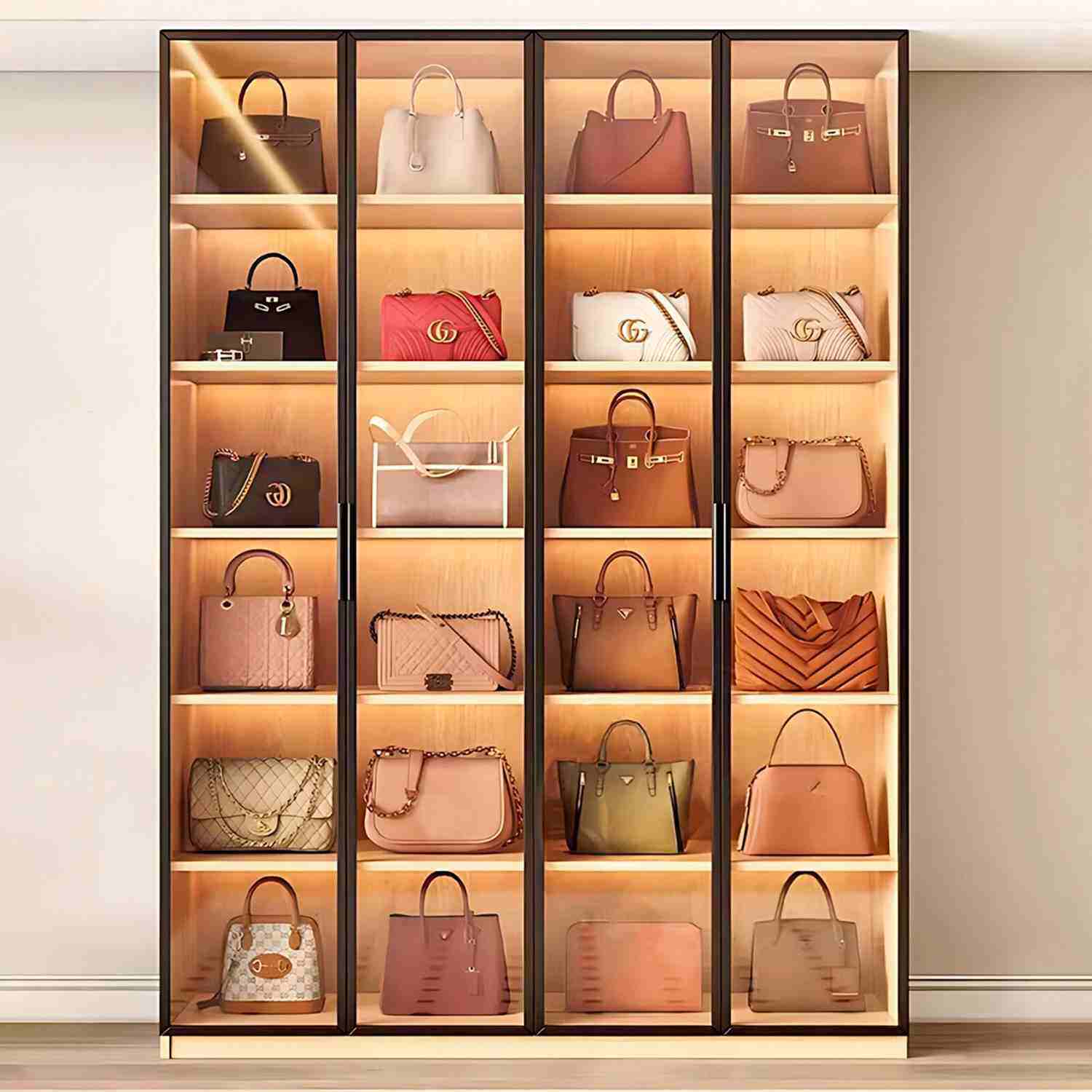
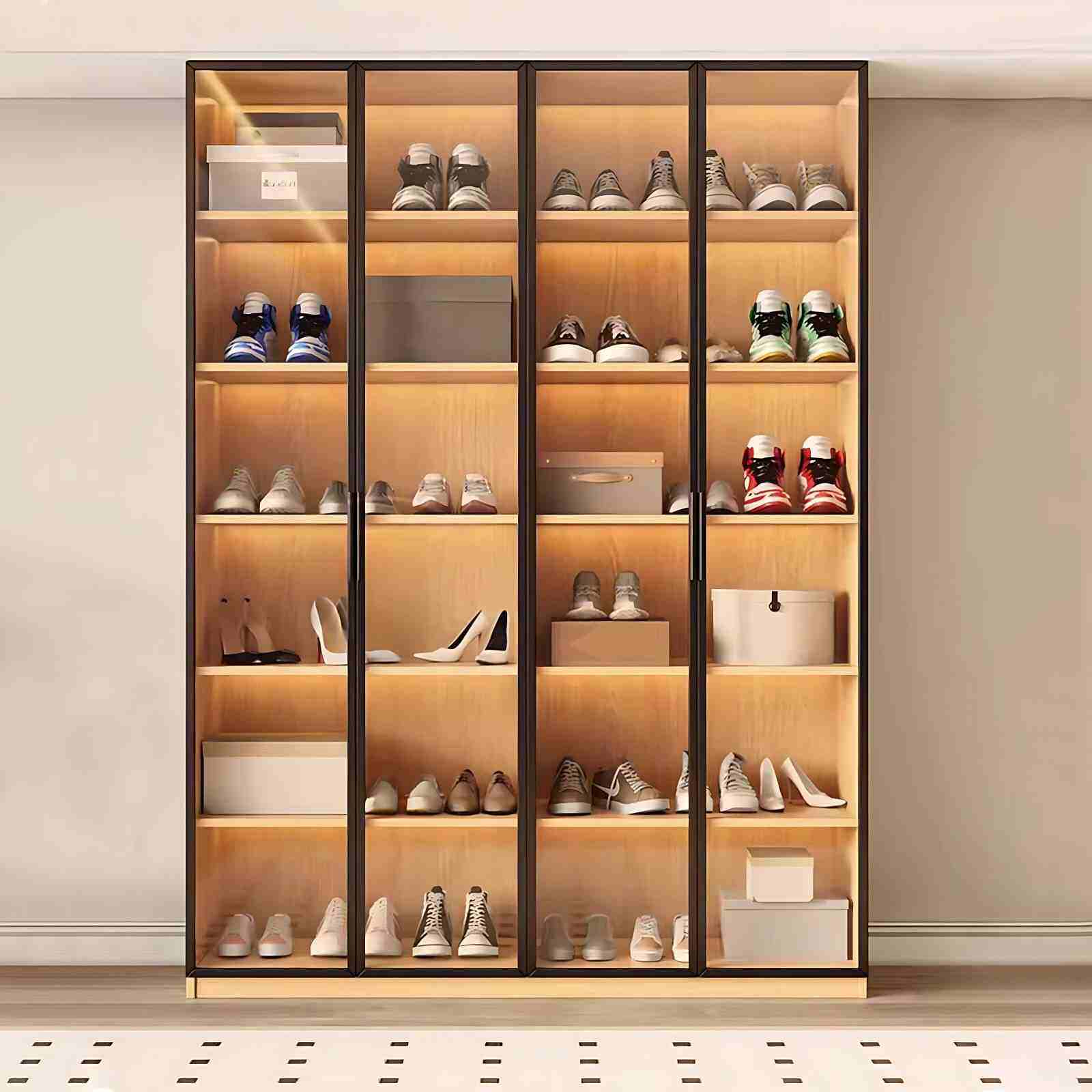
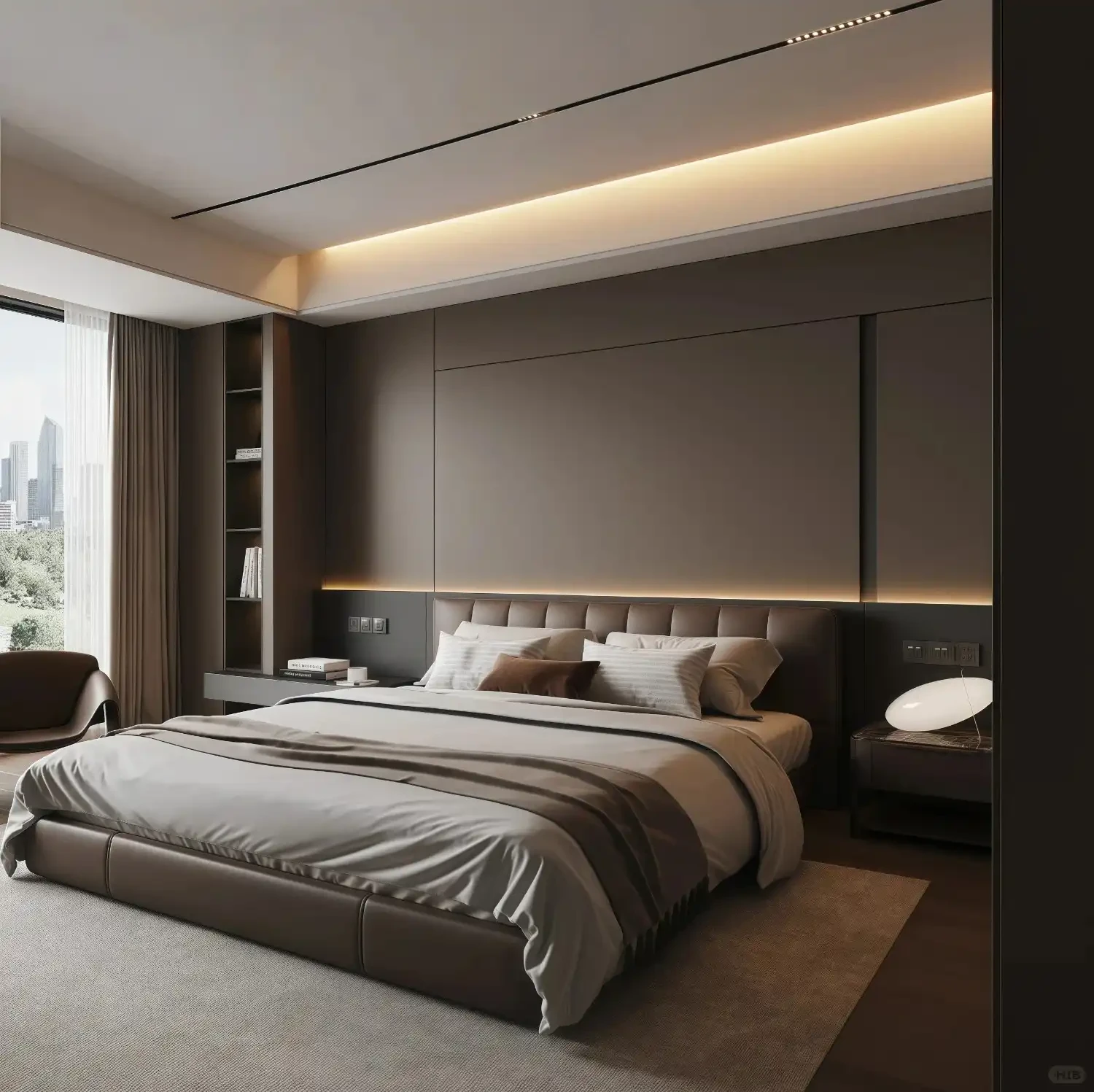
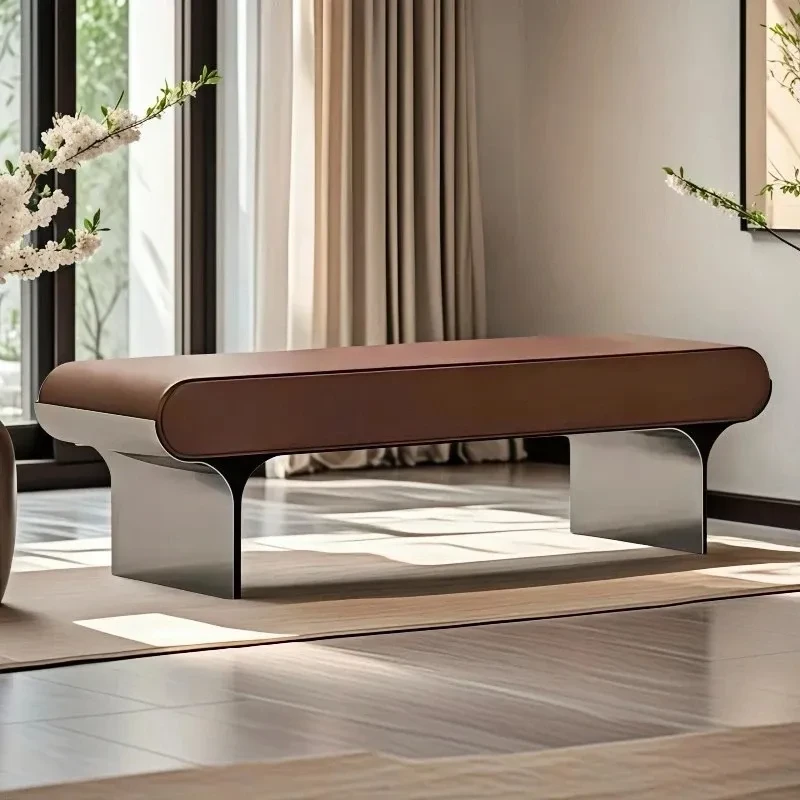
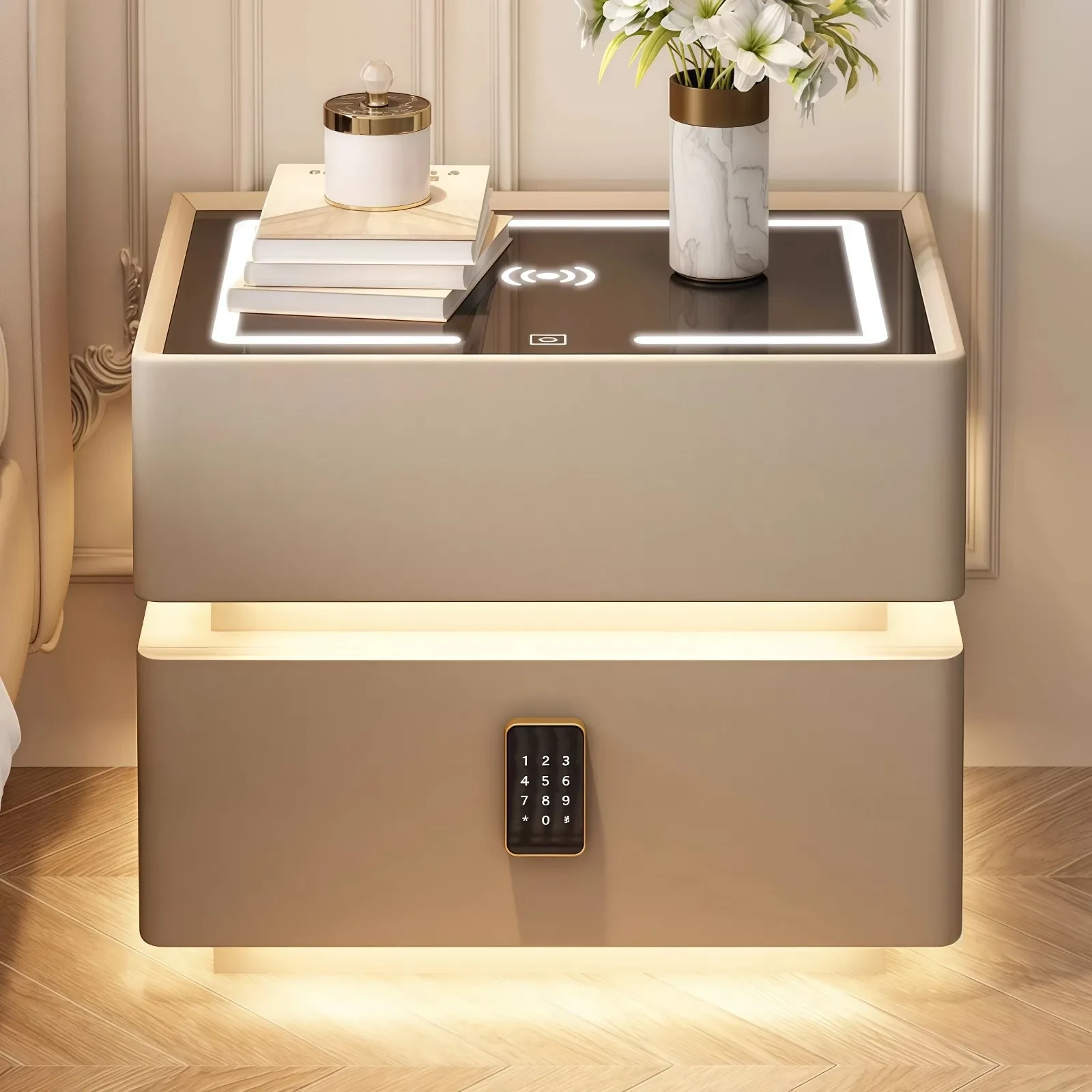
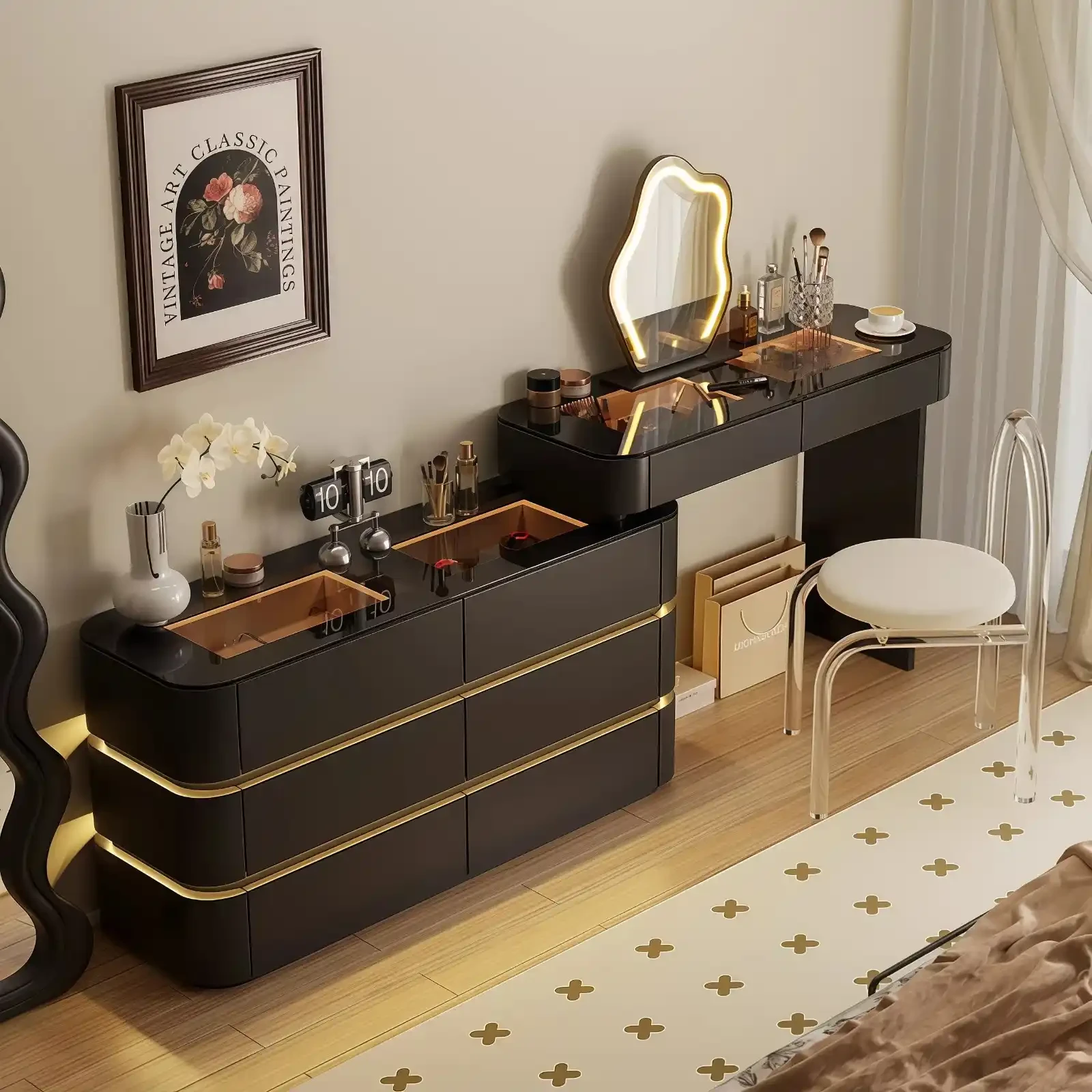
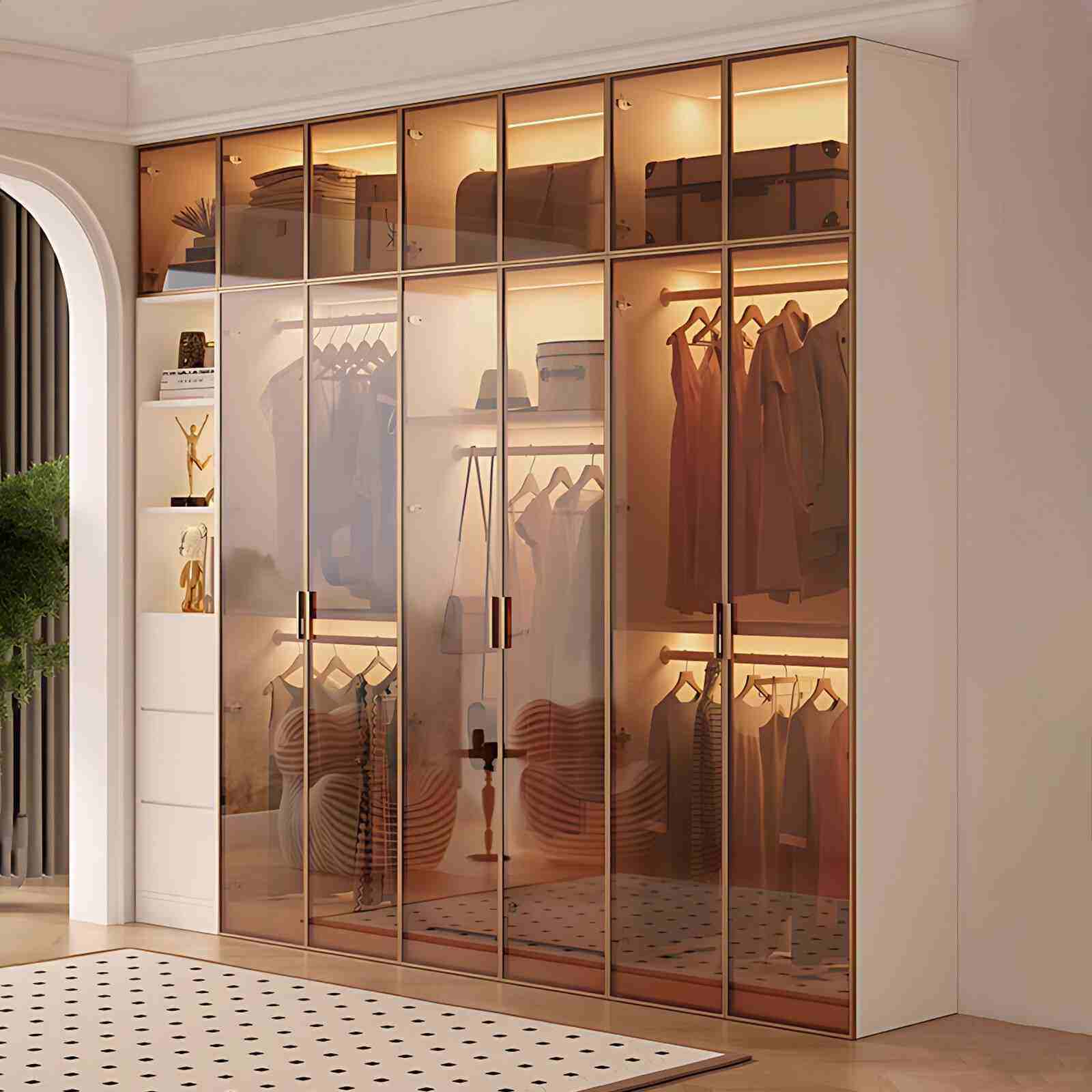
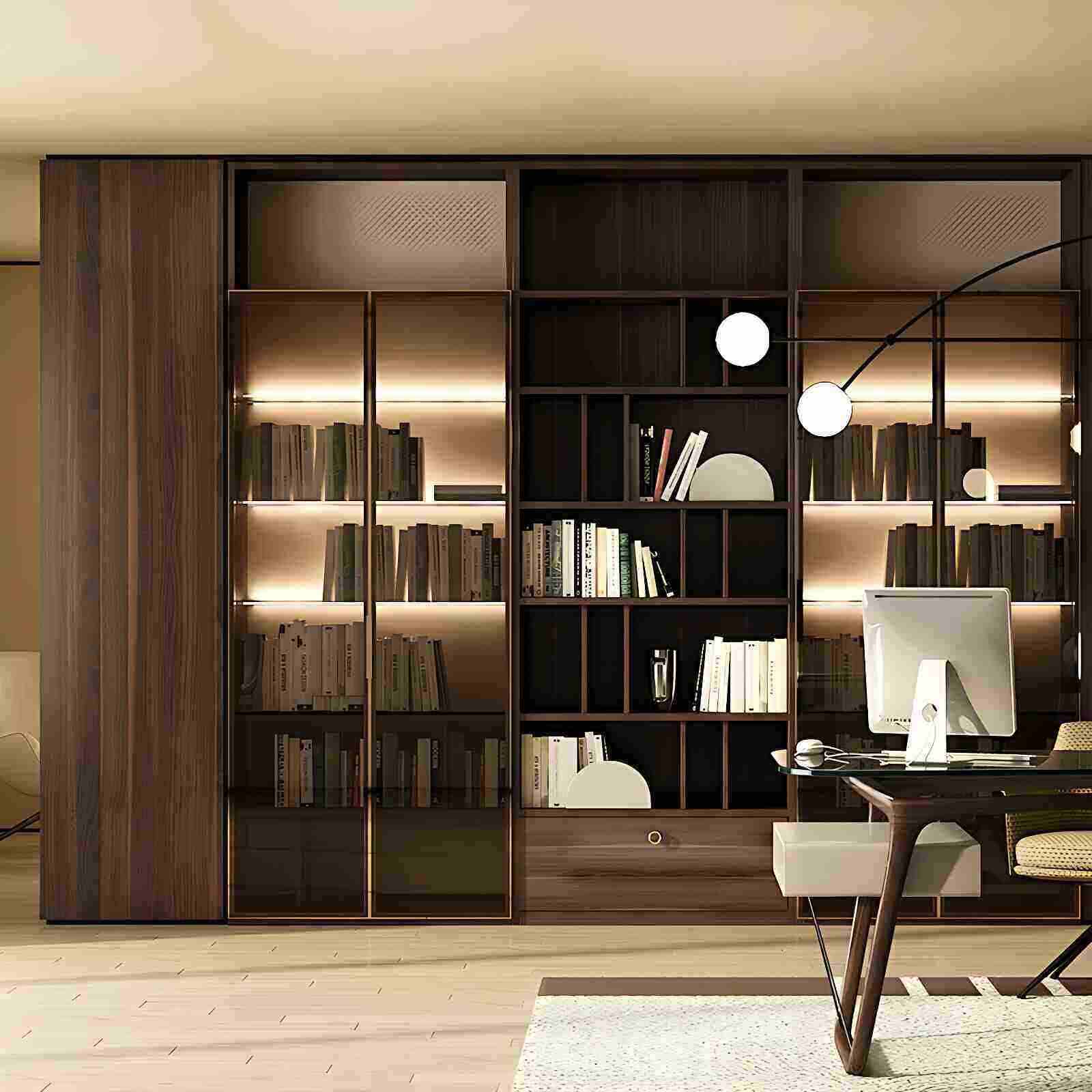
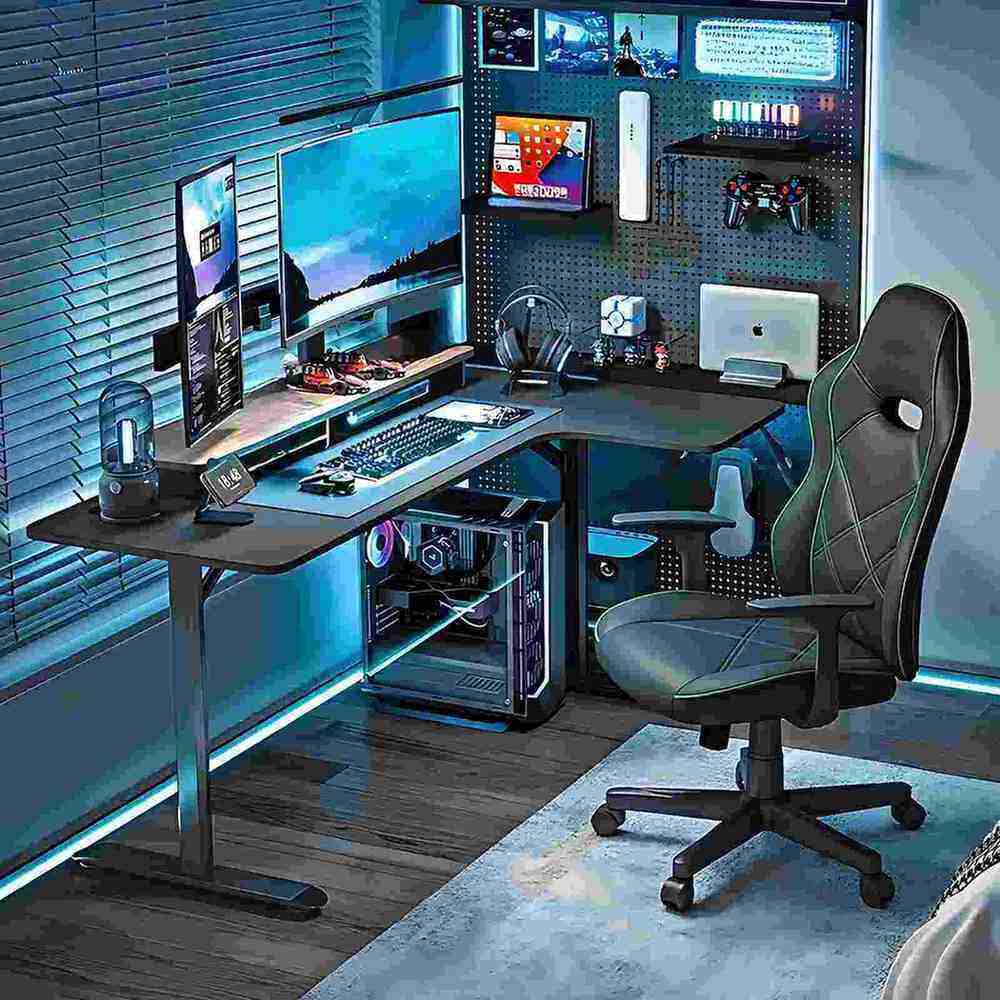
The content is excerpted from "Application of Oriented Straw Board in Furniture and Interior Decoration" in the 6th issue of the 2018 magazine "Forest Products Industry".
Authors: Zhao Guiling, Deng Zongji, Mao Lei, et al.
This paper introduces the basic characteristics of oriented strand board (OSB) and analyzes its shortcomings in the furniture and decorative materials market. It explores how to highlight the advantages of OSB through demand space analysis and development level positioning, determine the development strategy for OSB furniture and decorative materials according to market needs, and break through bottlenecks and solve the "bottleneck" problem in the development of the OSB furniture and decorative materials industry by focusing on key aspects of process development and its value orientation, adjusting the industrial structure, and increasing investment in OSB furniture and decorative materials. Finally, by analyzing the advantages and disadvantages of the OSB furniture and decoration market, it proposes key directions and strategies for developing this industry by leveraging its strengths and avoiding its weaknesses.
Oriented structural straw board (OSSB) is a type of structural board made from agricultural byproducts-wheat straw-through processing, orienting, and hot-pressing with isocyanate adhesive.
Strawberry board [1-3]. It has the characteristics of high performance, light weight, energy saving and environmental protection, and is one of the important renewable resources [4]. It can be widely used in many fields such as furniture, interior decoration, construction and packaging. Therefore, oriented strand board has become a new material with great development potential at home and abroad.
Basic Characteristics of OSSB Furniture and Finishing Materials
OSSB (Organic Solid Fiberboard) falls between medium-density fiberboard (MDF) and wood particleboard in terms of performance, exhibiting homogeneity and a very smooth surface. It possesses significant advantages in strength, stability, machinability, nail-holding power, veneer performance, and load-bearing capacity.
OSSB's market "shortcomings" in furniture and decorative materials
In recent years, the investment in the research and development of oriented strand board has accelerated and the production process has continued to improve, which has promoted the rapid development of the OSSB furniture and decorative materials industry, resulting in multiple indoor and outdoor application areas and a significant improvement in cost-effectiveness. However, overall, it is still far from meeting the huge market demand. 1) The price of upstream raw materials is high. At present, the price of high-quality industrial straw at the farm gate is about 350 to 600 yuan/t[5], especially in the paper, packaging and straw board enterprises. Moreover, the transportation, storage conditions and processing requirements are higher than those of wood. In addition, the price of adhesive materials based on isocyanate (MDI) is expensive, which raises the cost of boards. 2) OSSB furniture and decorative materials enterprises are small in scale and low in level, and the quality of products is uneven. There are still many problems in technological transformation investment, new product research and development, after-sales service and brand formation. 3) The development and use value in the field of interior design has not been fully utilized. These problems have limited the scale of OSSB furniture industry production and the development process of the decoration market to varying degrees, becoming a "shortcoming" in the development of the furniture and decoration industry.
Highlighting its strengths, OSSB determines its furniture and decorative materials development strategy based on market needs.
From a market demand perspective, OSSB furniture and decorative materials are most likely to expand their application breadth and depth in areas including cultural and sports venues, government agencies and schools, office buildings, commercial product displays, and home furnishings. The positioning and development strategy of OSSB furniture and decorative materials should not compete with solid wood products in terms of quality, but rather focus on low-carbon and environmentally friendly practices, targeting the general public and daring to compete with other engineered wood products.
Breaking through bottlenecks and solving the "bottleneck" problem in the development of the OSSB furniture and decorative materials industry.
Since OSSB industrial production is still in its early stages, furniture and decorative materials made from this board have not yet formed an independent, large-scale industry. Many companies rely on OSB furniture and decorative material production processes for their operations. Therefore, both at the micro and macro levels, these key issues that still constrain industrial development should be addressed first.
Wheat straw, as an abundant renewable resource, is an excellent substitute for wood. my country has rich wheat straw resources, and the OSSB furniture and decorative materials industry, using OSSB as a raw material, has great potential. By leveraging the strengths and mitigating the weaknesses of OSSB, its many characteristics can inject new vitality into the furniture industry and open up vast opportunities in the interior decoration field. It also represents an advantage for the furniture design, manufacturing, and environmental art design industries in exploring emerging markets.