
 USD
USD GBP
GBP
 EUR
EUR
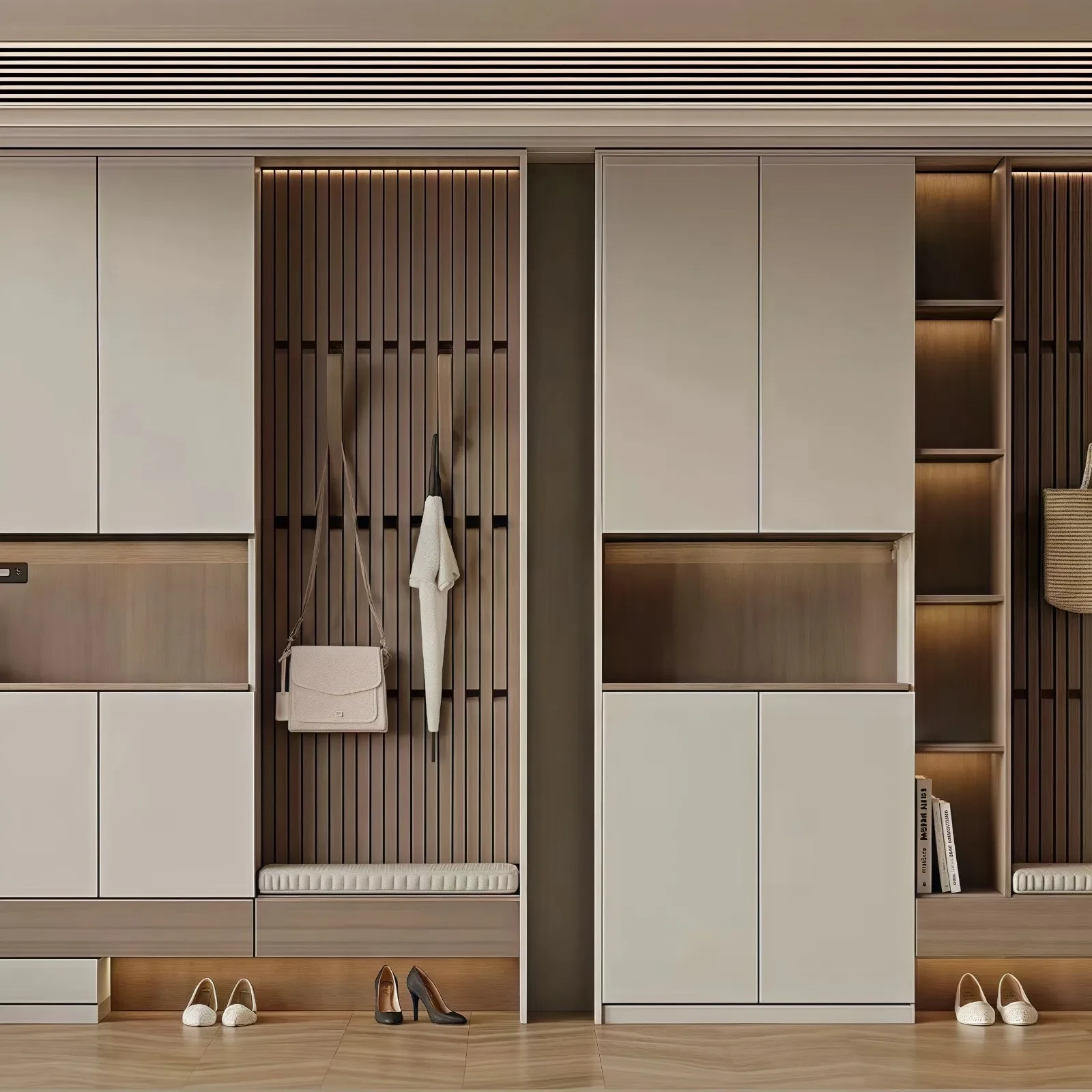
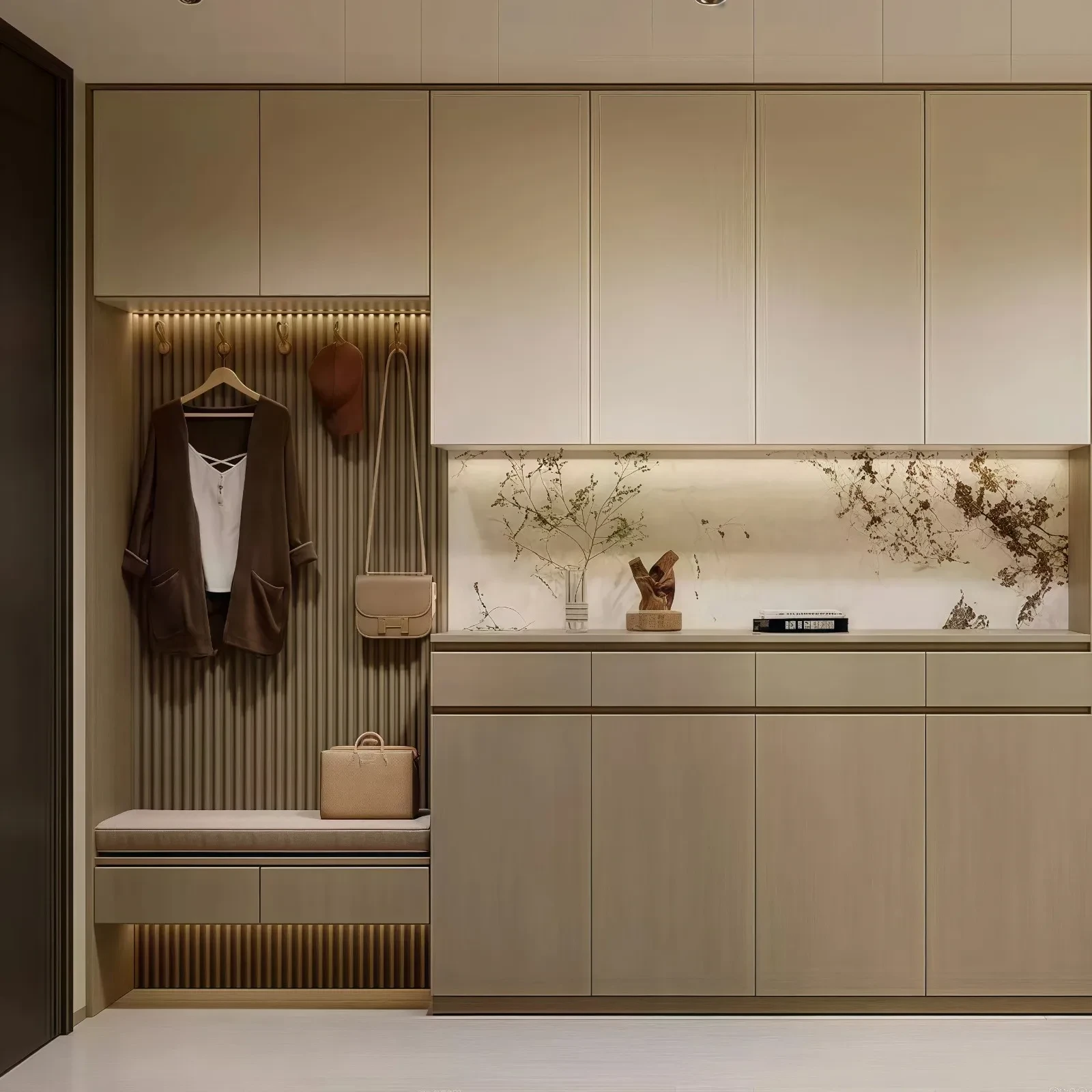
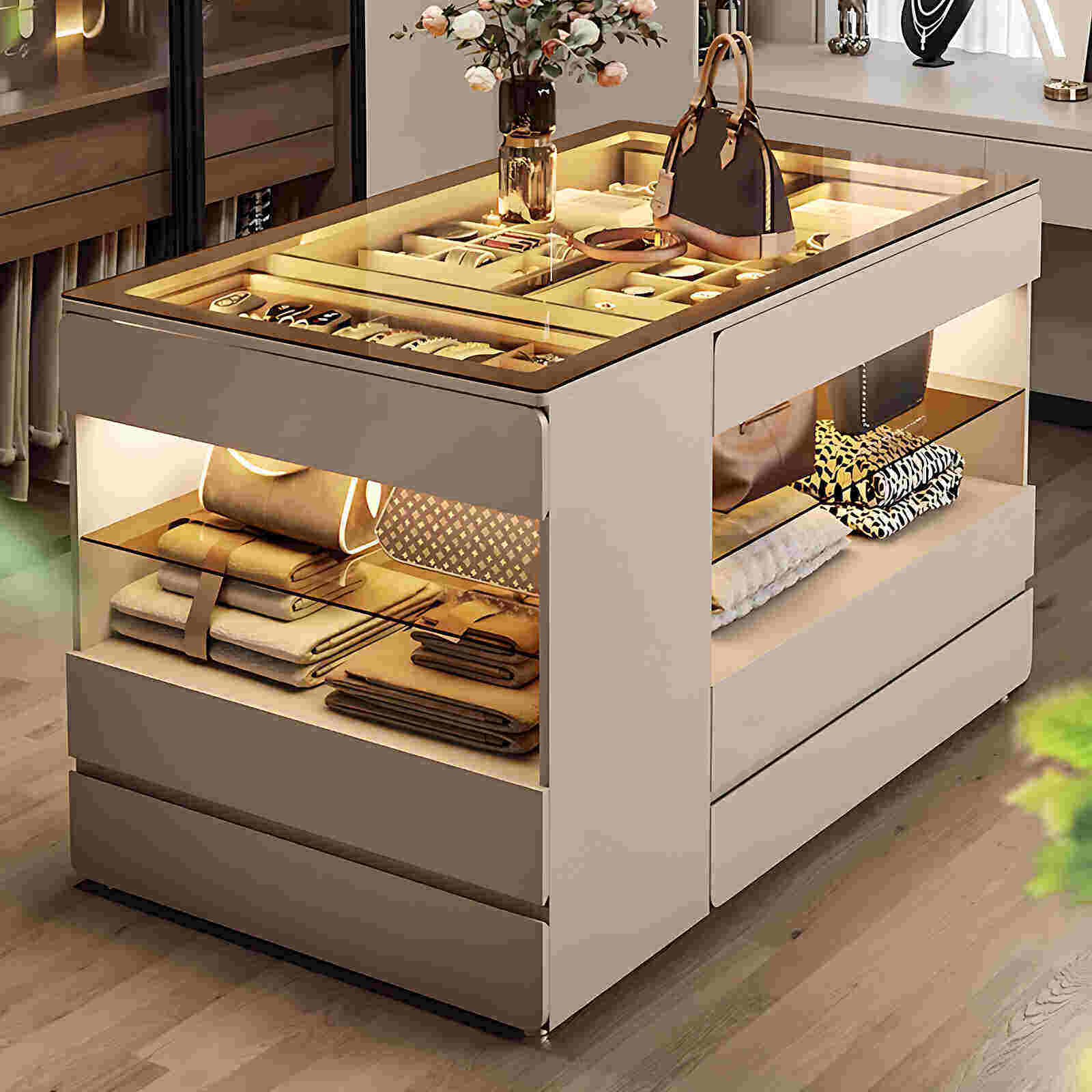
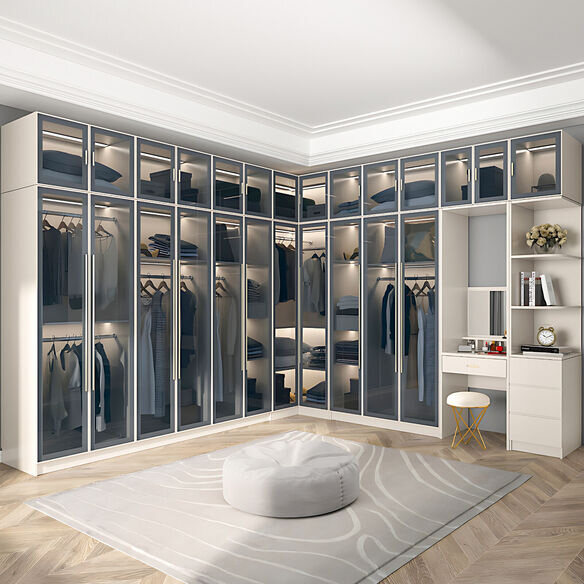
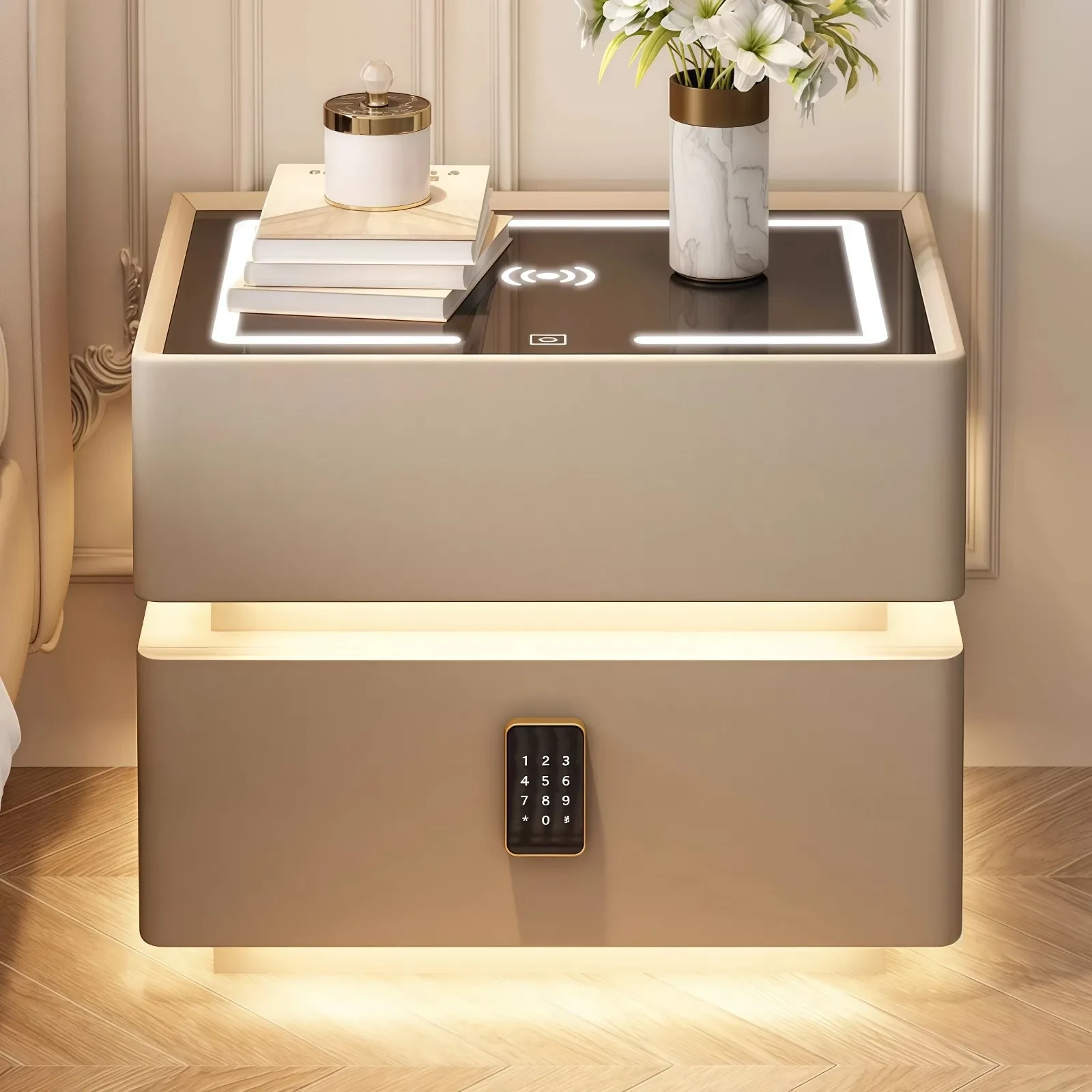
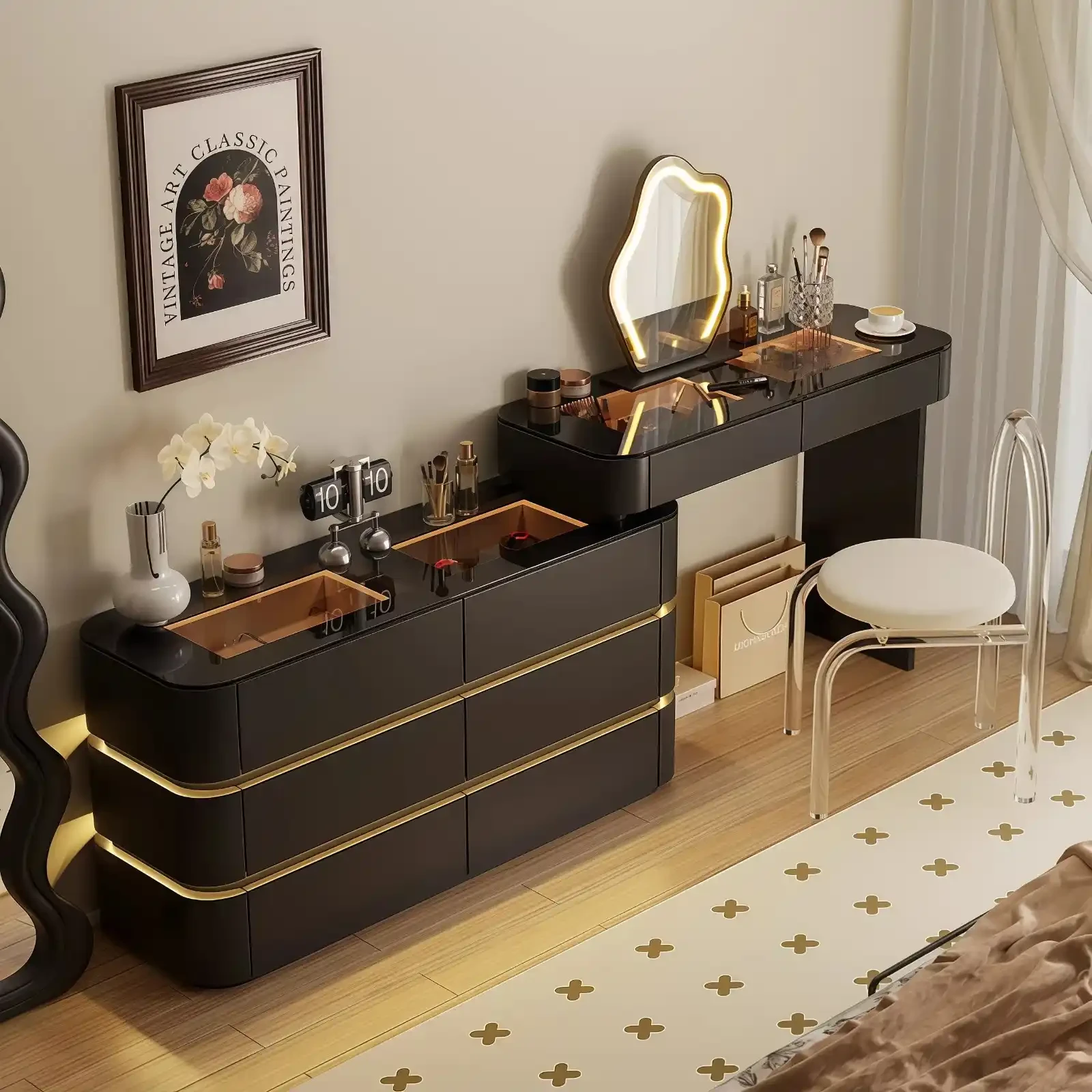
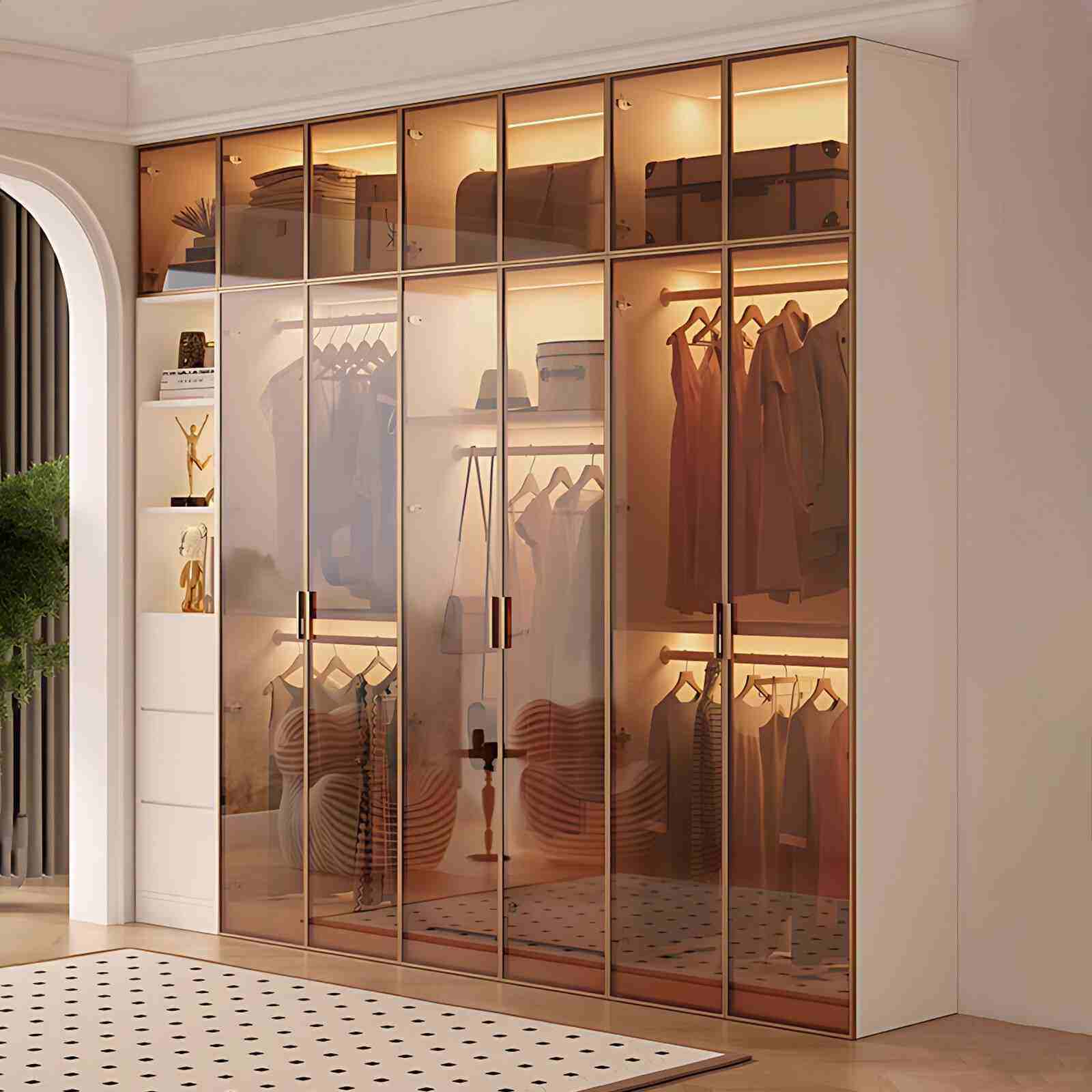
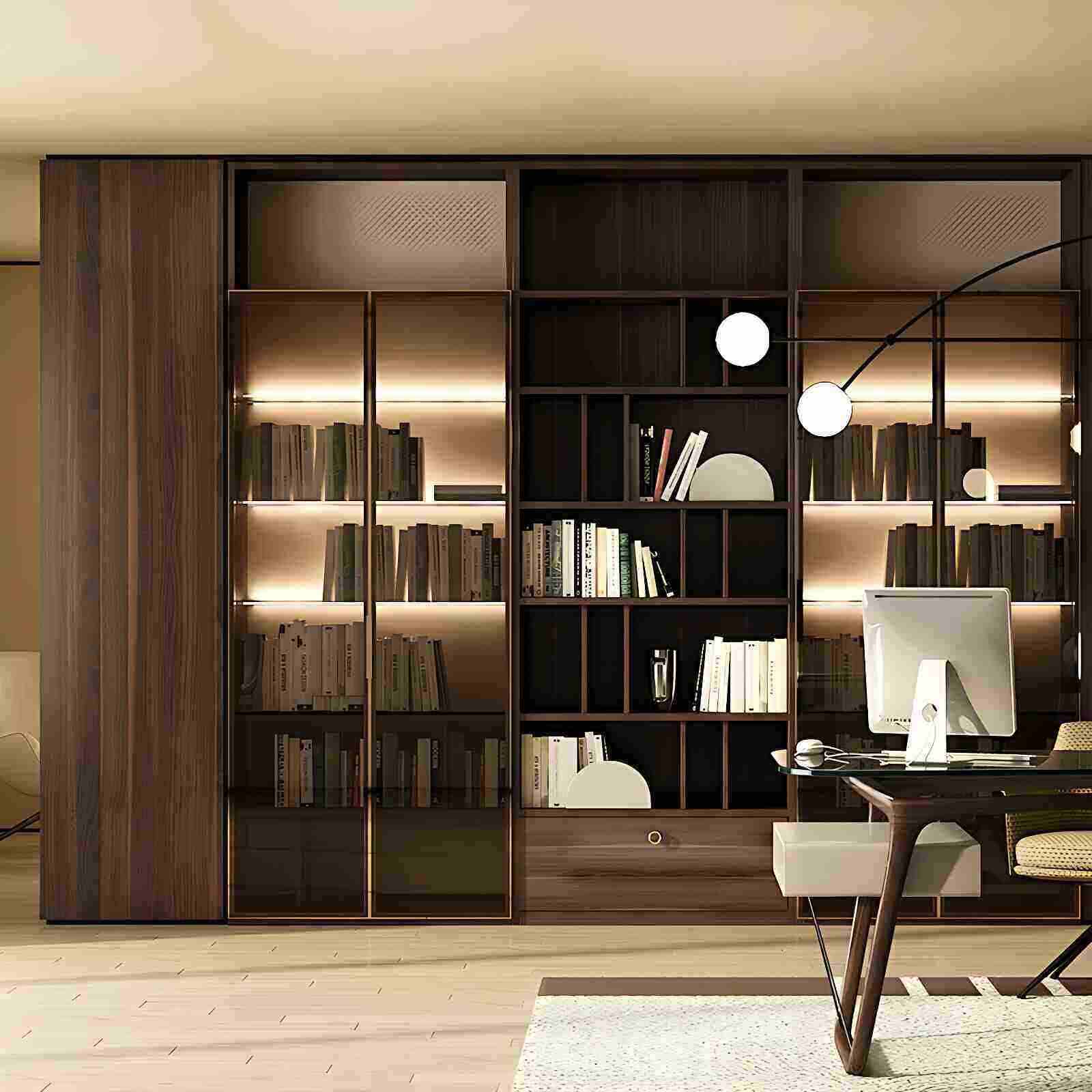
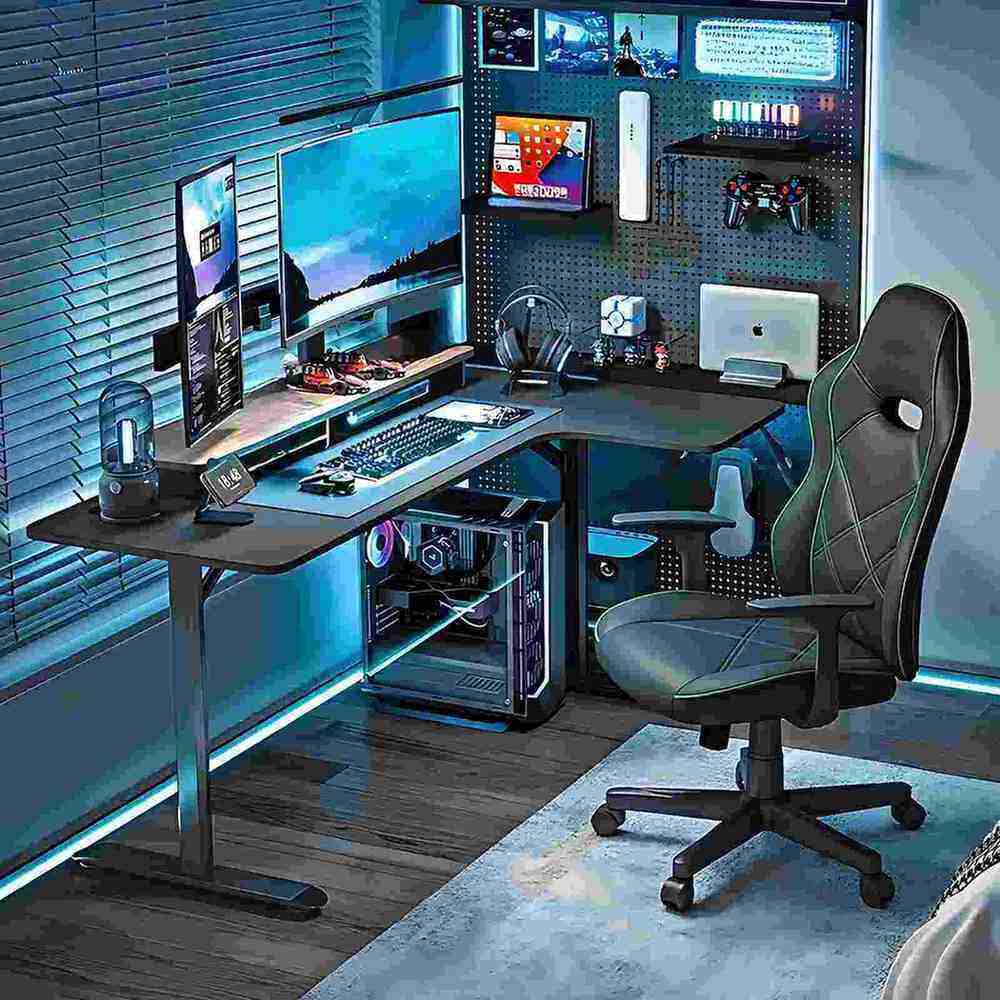
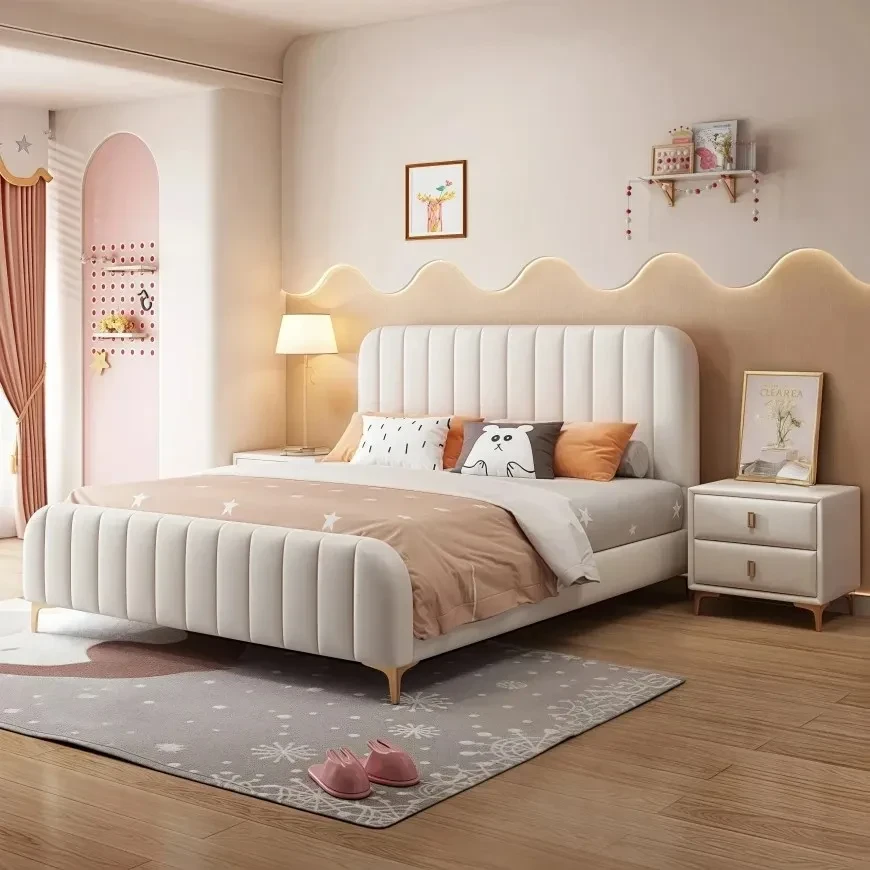
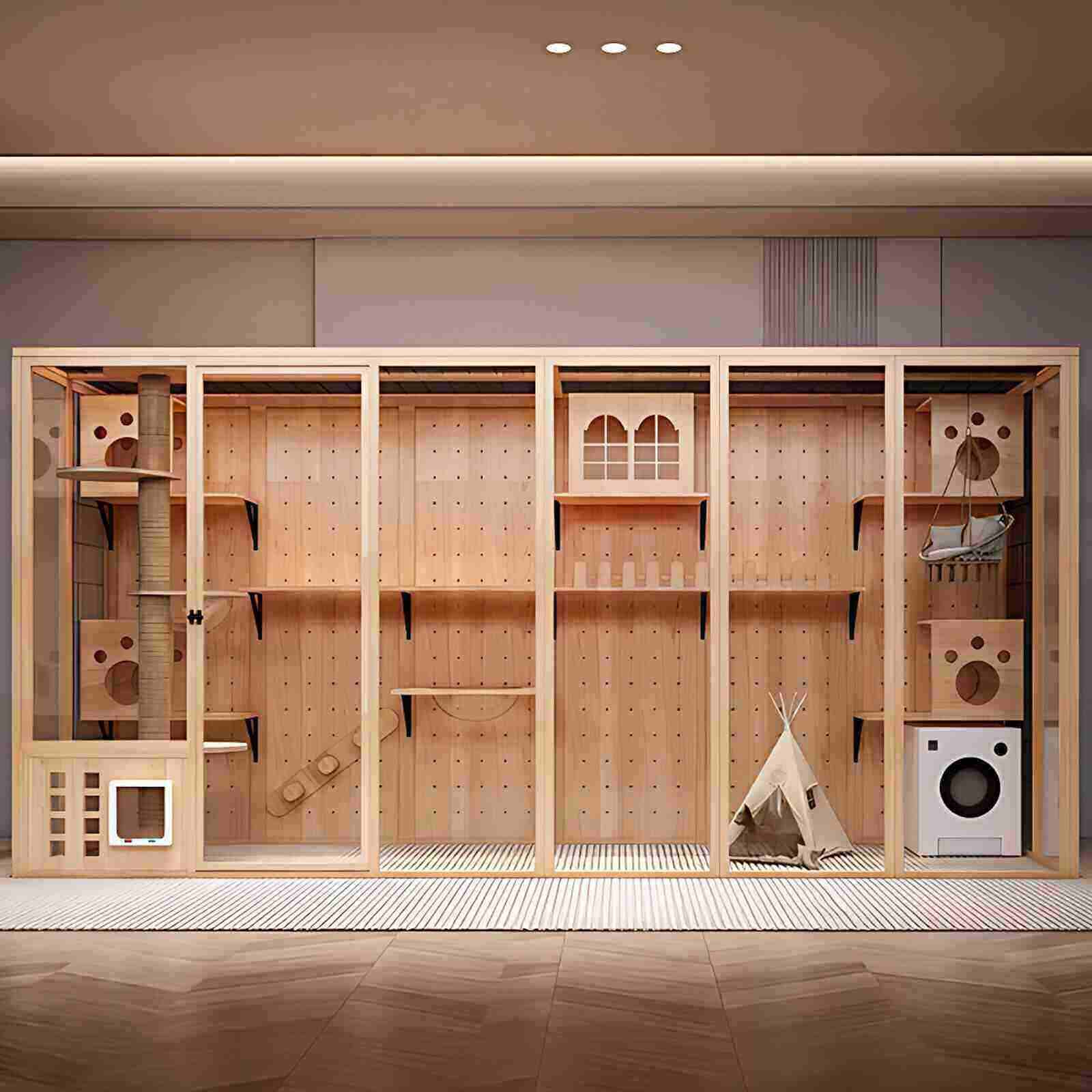
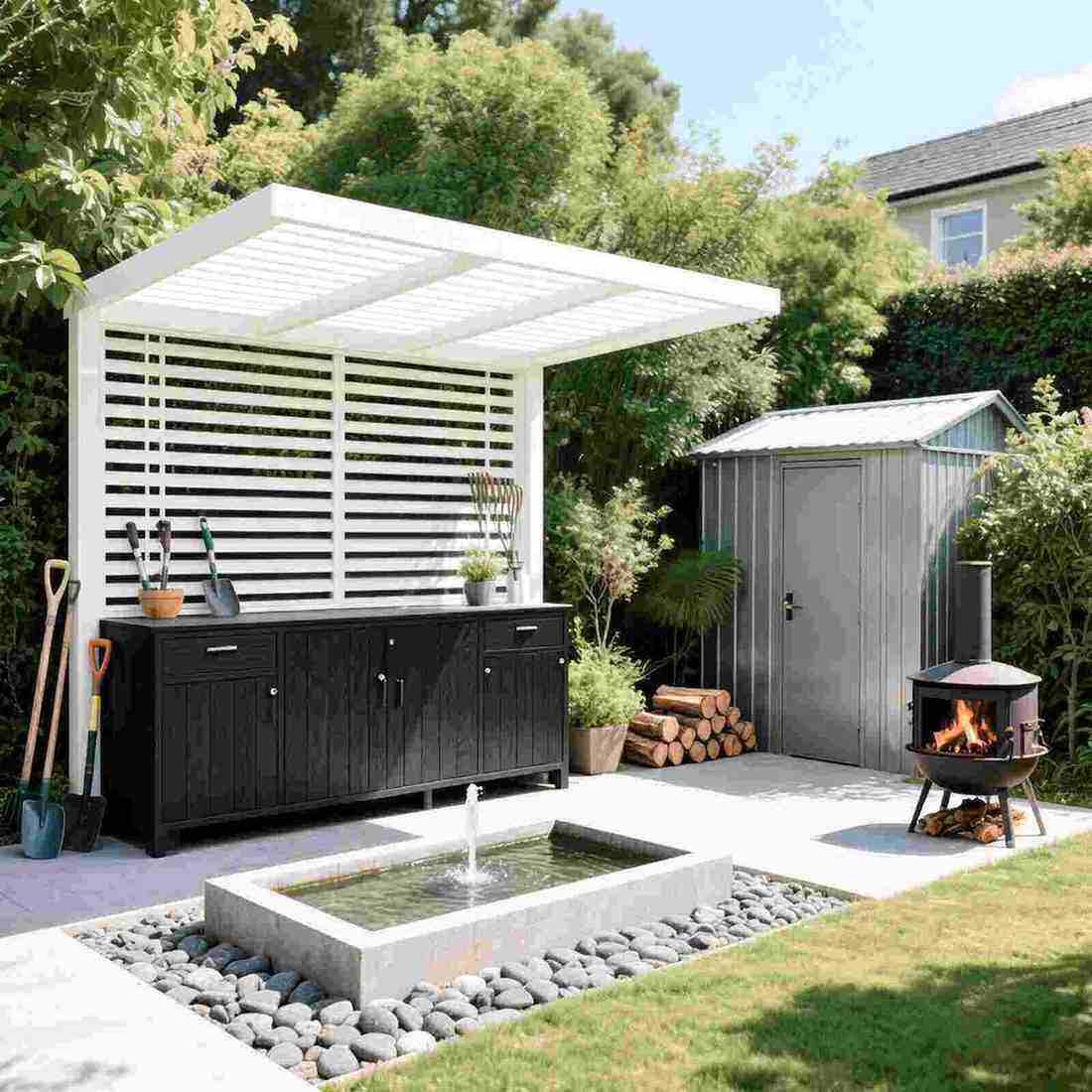
Introduction: By comparing formaldehyde-free particleboard with regular particleboard, this article introduces the performance advantages, processing technology, production cost, and application cases of formaldehyde-free particleboard in the production of customized home furnishings.
Customized home furnishings, with their personalized customization and maximized use of interior space, are highly favored by consumers, and the entire industry has developed rapidly in recent years. Particleboard, due to its uniform structure, good processing performance, and high cost-effectiveness, is widely used in the production and manufacturing of customized home furnishings.
Market feedback indicates that common urea-formaldehyde resin particleboard used in custom furniture has the following drawbacks: 1) Even if formaldehyde emissions meet national standards, indoor load-bearing capacity is still limited; 2) Non-moisture-resistant particleboard cannot be used to manufacture furniture for environments with high humidity, such as balcony cabinets and bathroom cabinets; 3) Non-load-bearing particleboard cannot be used to make furniture components with high load-bearing requirements. To address these issues, Sophia, in collaboration with particleboard manufacturers, has pioneered the application of formaldehyde-free particleboard in the production of custom furniture, achieving large-scale production.
This article takes formaldehyde-free particleboard produced with isocyanate (MDI) adhesive as an example, and compares it with ordinary particleboard to introduce the obvious performance advantages, good processing technology, higher production cost, and successful application cases of formaldehyde-free particleboard in customized home furnishing production applications.
1. Performance of formaldehyde-free particleboard
Formaldehyde-free particleboard has significant performance advantages compared to ordinary E0 and E1 particleboard: no formaldehyde is added during the production process, and its moisture resistance and mechanical properties are greatly improved. Formaldehyde-free particleboard produced by three different manufacturers (Manufacturer 1, Manufacturer 2, and Manufacturer 3) using MDI adhesive and E0 particleboard produced using ordinary melamine-modified urea-formaldehyde adhesive were compared and tested for various performance characteristics.
1.1 Formaldehyde emission
Formaldehyde emission was compared and tested using the 1 m³ climate chamber method as specified in GB18580-2017 "Formaldehyde Emission Limits in Wood-based Panels and Their Products for Interior Decoration and Renovation". The test results are shown in Table 1.
Table 1 shows that the highest formaldehyde content (FPC) in the formaldehyde-free particleboard from the three manufacturers was 0.02 mg/m³, and the lowest was undetectable. This is not only far lower than the national standard GB 18580-2017's 0.124 mg/m³, but also has a significant advantage compared to the more environmentally friendly E0 substrate currently on the market. Using formaldehyde-free particleboard in the production of customized home furnishing products can greatly improve the load-bearing capacity of indoor furniture boards, meeting the needs of customers with high load-bearing requirements.
1.2 The water absorption thickness swelling rate index shows significant advantages.
According to the performance requirements of furniture-type particleboard (P2) used in dry state in standard GB/T 4897-2015 "Particleboard", a water absorption thickness expansion rate test was conducted. At the same time, an additional test with a soaking time of 24 h was conducted for comparison. The test results are shown in Table 2.
As shown in Table 2, the test results of formaldehyde-free particleboard from all three manufacturers were lower than those of E0 substrate, especially the 24-hour immersion results of formaldehyde-free particleboard, which showed a significant advantage over E0 particleboard. The application of formaldehyde-free particleboard will greatly improve the moisture resistance of customized home furnishing products.
1.3 Significant advantages in mechanical performance indicators
According to the mechanical performance requirements of furniture-type particleboard (P2) used in dry state in GB/T 4897-2015, the mechanical properties of formaldehyde-free particleboard and E0 particleboard were compared and tested. The test results are shown in Table 3.
As shown in Table 3, the four mechanical performance test results of the MDI formaldehyde-free particleboard from the three manufacturers are all better than those of E0 particleboard and far exceed the national standard. This is expected to expand the application range of particleboard in customized home furnishing products and avoid quality problems such as product deformation caused by insufficient strength during the use of particleboard customized home furnishings.
2. Processing technology of formaldehyde-free particleboard
Due to its relatively loose internal structure, particleboard cannot be shaped and processed like fiberboard. In custom furniture products, it is generally only used as a flat surface finish. Finishing methods mainly include melamine-impregnated paper, flat hot pressing, PVC film, decorative veneer and leather lamination, paint spraying, and edge banding with EVA, PUR, or laser sealing. Therefore, the processing techniques involved in the application of particleboard in custom furniture mainly include cutting, hot pressing, flat lamination, edge banding, and drilling.
The processing technology for producing custom-made furniture using ordinary E0 particleboard has been successfully implemented on a large scale, and no special adjustments to the process parameters for MDI formaldehyde-free particleboard have been found. Therefore, it is clear that formaldehyde-free particleboard is the same as ordinary E0 particleboard.
3. Cost Analysis of Formaldehyde-Free Particleboard
MDI formaldehyde-free particleboard costs nearly 50% more to produce custom home furnishing products compared to E0 particleboard. The main reasons for this increased production cost are as follows:
1) Low production efficiency. Ordinary E0 particleboard and MDI formaldehyde-free particleboard have very different production processes due to the different adhesives used. When producing E0 particleboard with urea-formaldehyde glue, the hot pressing factor used by different manufacturers is (4~6) s/mm. When producing formaldehyde-free particleboard with MDI glue, the hot pressing factor used by manufacturers is (5~8) s/mm due to the slow curing speed of MDI glue, resulting in a 20%~30% reduction in production efficiency[1].
2) High raw material prices. According to feedback from particleboard manufacturers, the raw material cost for producing formaldehyde-free particleboard using MDI adhesive is more than double that of producing particleboard using urea-formaldehyde adhesive. For example, in March 2019, the cost of producing one cubic meter of particleboard using MDI adhesive was approximately 435 yuan, while the cost of urea-formaldehyde adhesive was approximately 200.17 yuan, representing a 117% difference in adhesive cost alone.
3) The production process of MDI formaldehyde-free particleboard is more difficult to control than that of urea-formaldehyde glue particleboard, resulting in increased labor costs and equipment wear and tear (consumption of spare parts) by 10% to 20%.
4. Application of formaldehyde-free particleboard
Sofia, a leading company in the customized home furnishing industry, has successfully applied formaldehyde-free particleboard substrates to customized home furnishing products and achieved large-scale production. Below are examples of Sofia's application of formaldehyde-free substrates in customized home furnishing production. Figure 1 shows the play area project of the Pediatric Hematology Department of Wuhan Union Hospital; Figure 2 shows a classroom of Tongbu Boarding Primary School in Linxi County, Chifeng City, Inner Mongolia Autonomous Region; Figure 3 shows a student dormitory at Yagada International Preparatory School.
5 Conclusion
With the development of the times, consumers are paying increasing attention to product quality and safety. The "formaldehyde-free" characteristic of formaldehyde-free substrates not only responds to market demand but also reflects technological innovation in the industry. It is recommended that the industry jointly promote the application of formaldehyde-free substrates, jointly improve their production technology, mature processes, and reduce costs. This will allow for the widespread application of formaldehyde-free substrates in the production of customized furniture, meeting the needs of an increasing number of consumers, specific venues, and professional institutions in fields such as medical care and children's health.
Authors: Lin Qiulan, Li Xinbing, Zhang Ting
Company: Sophia Home Furnishings Co., Ltd.
Source: China Wood-based Panels, Issue 5, 2019