
 USD
USD GBP
GBP
 EUR
EUR
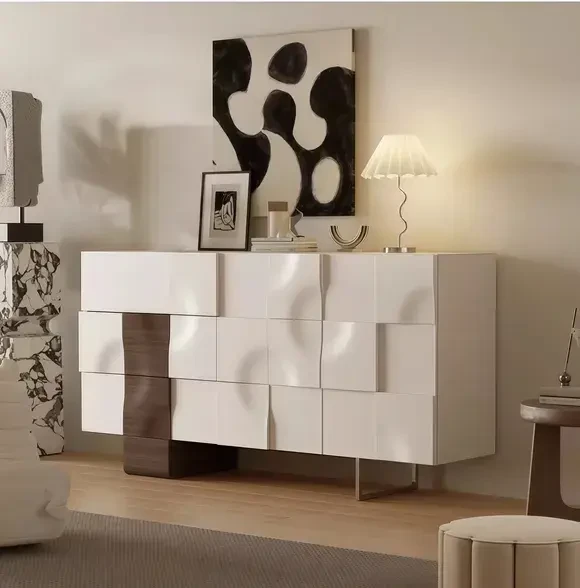
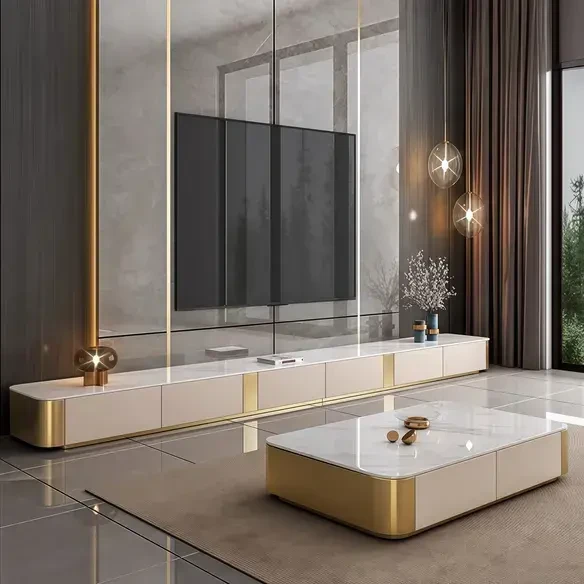
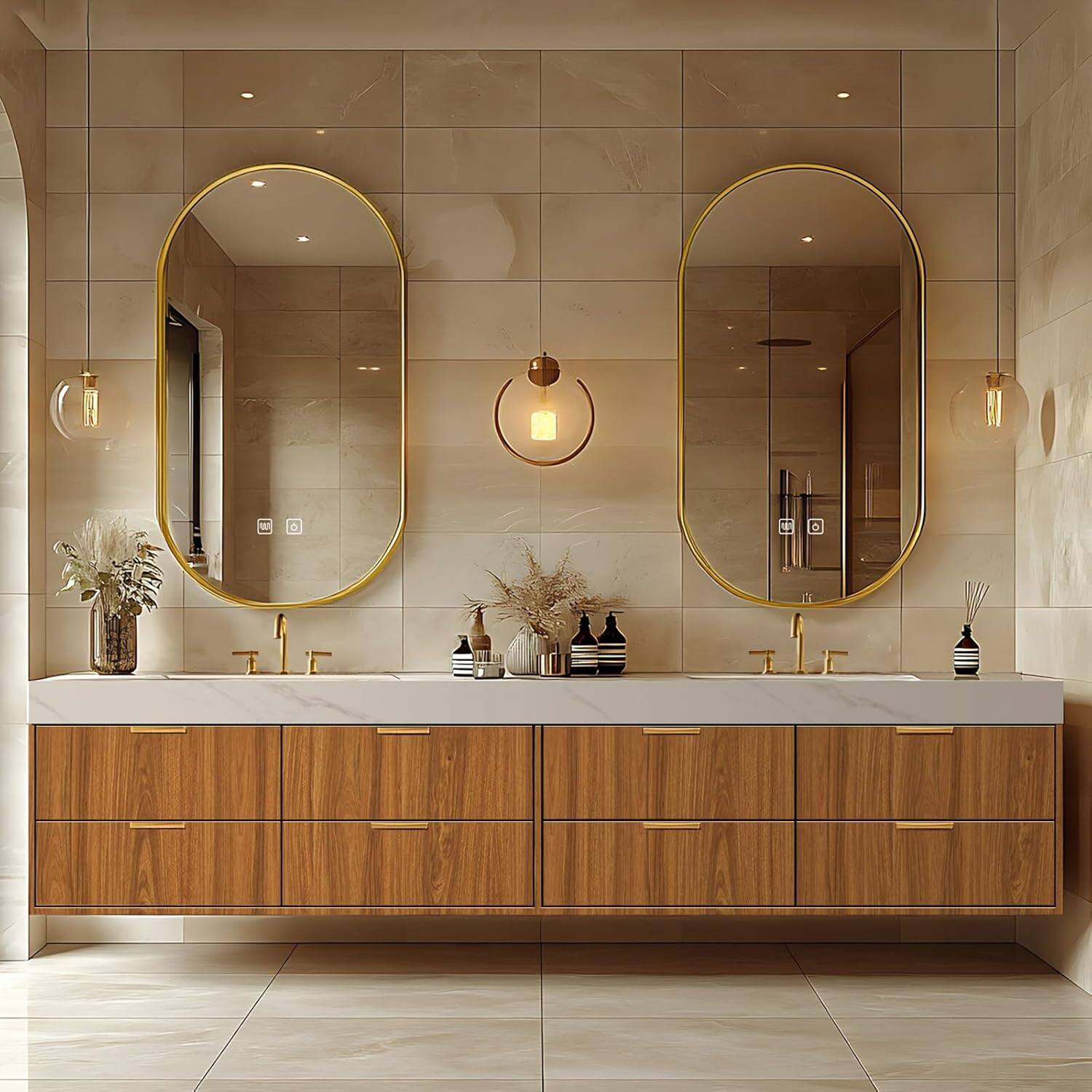
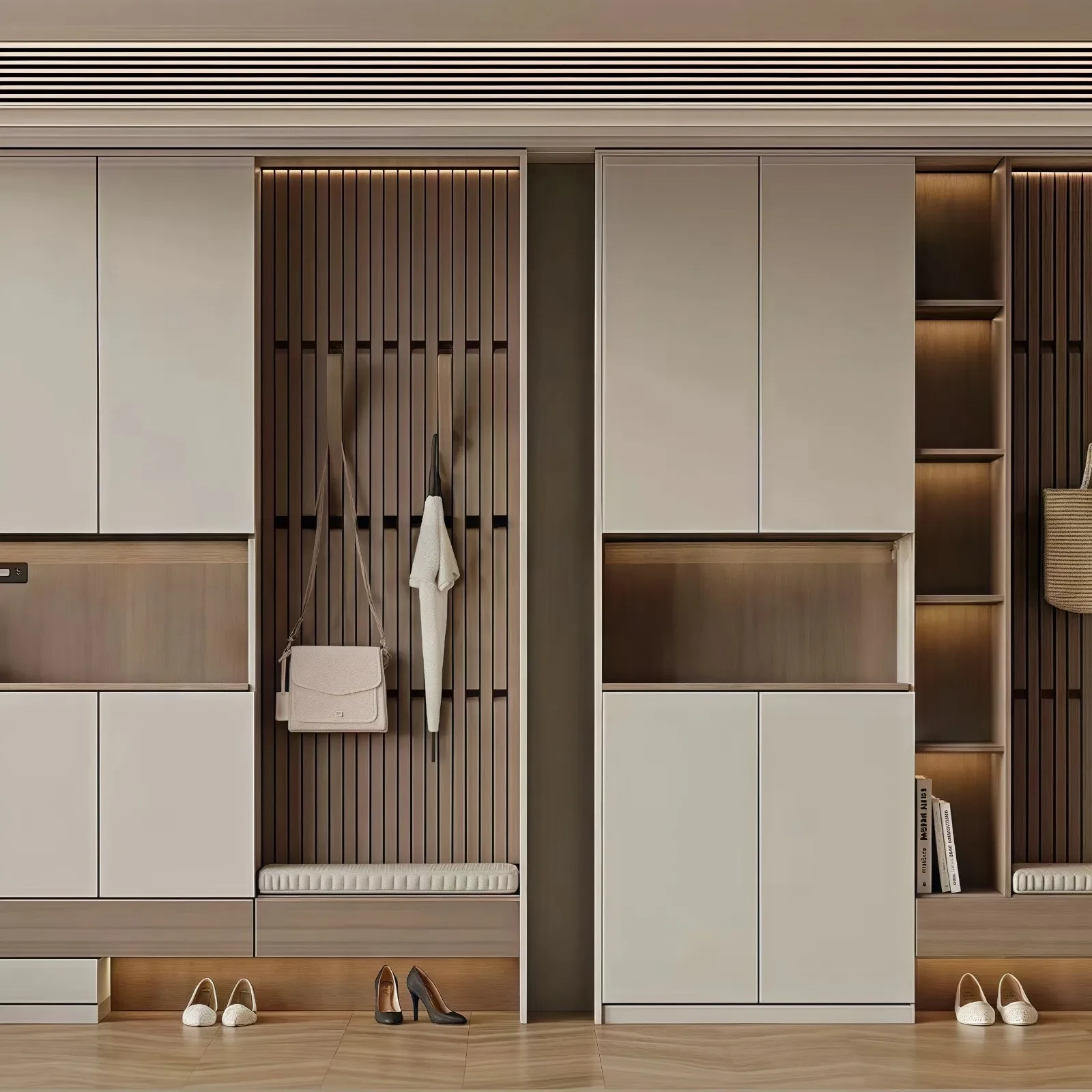
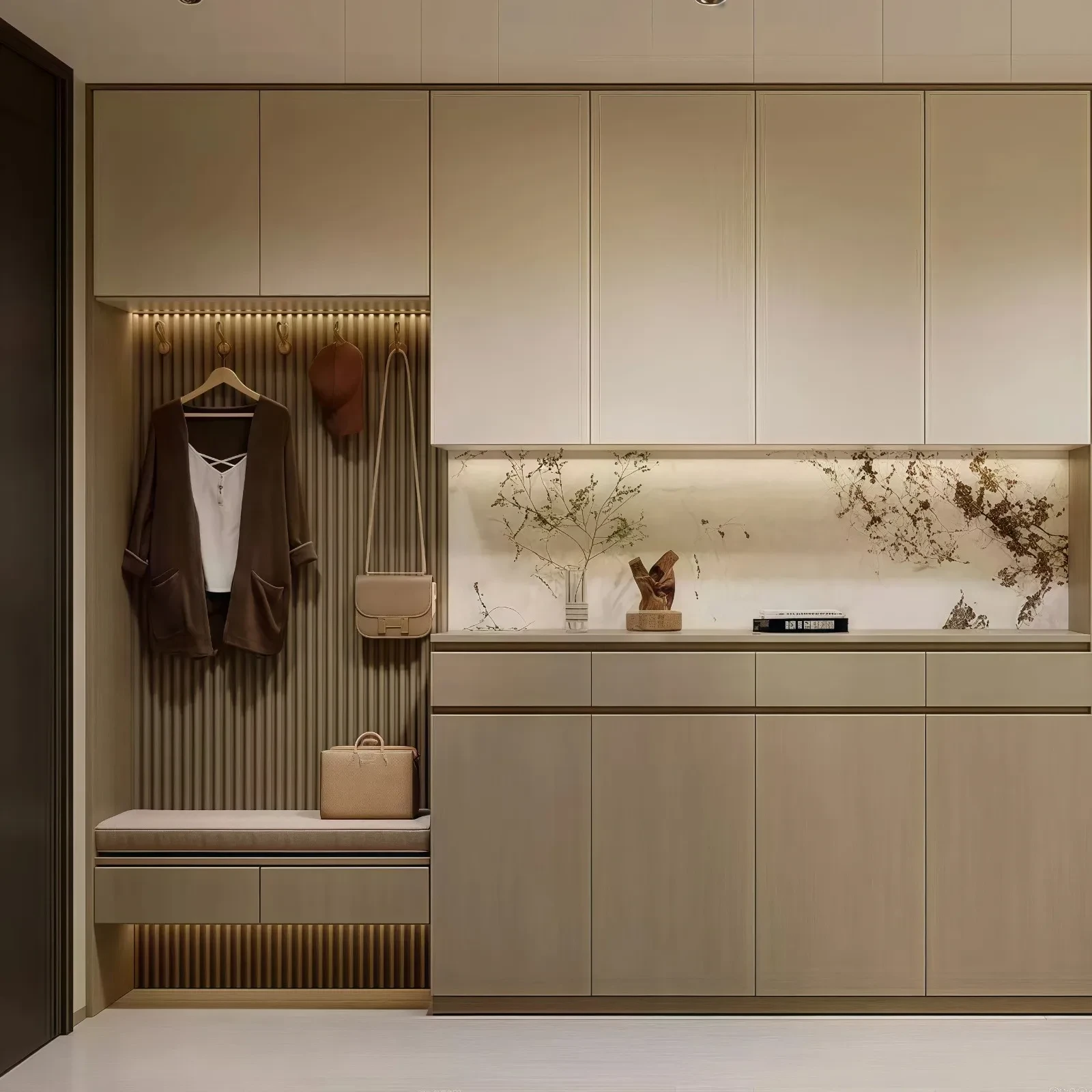
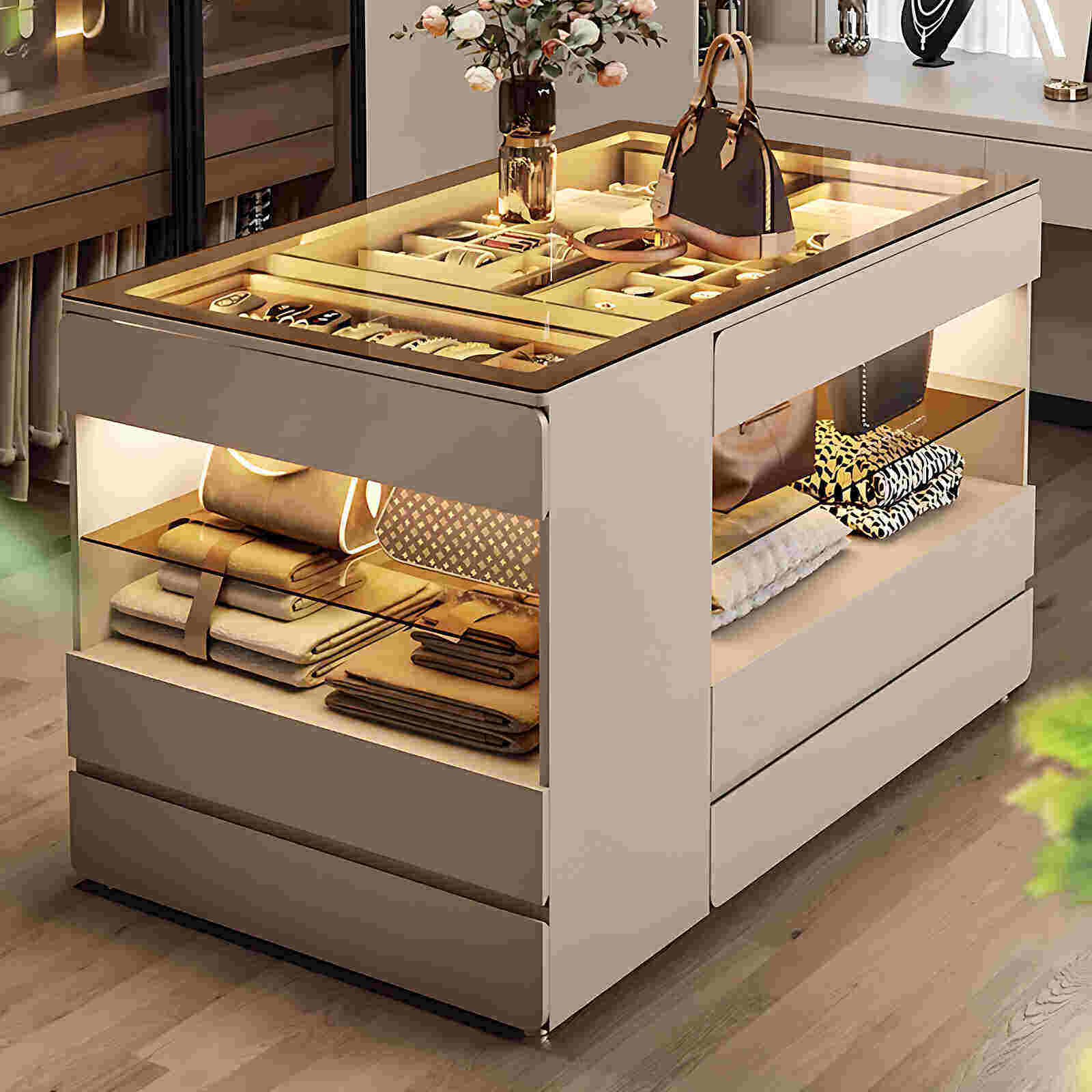
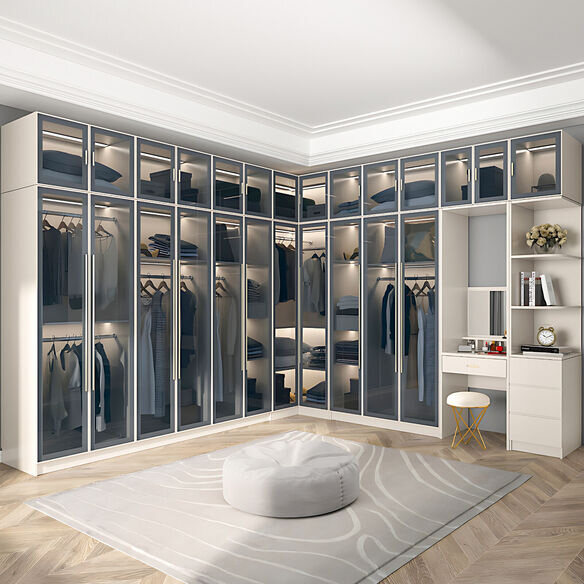
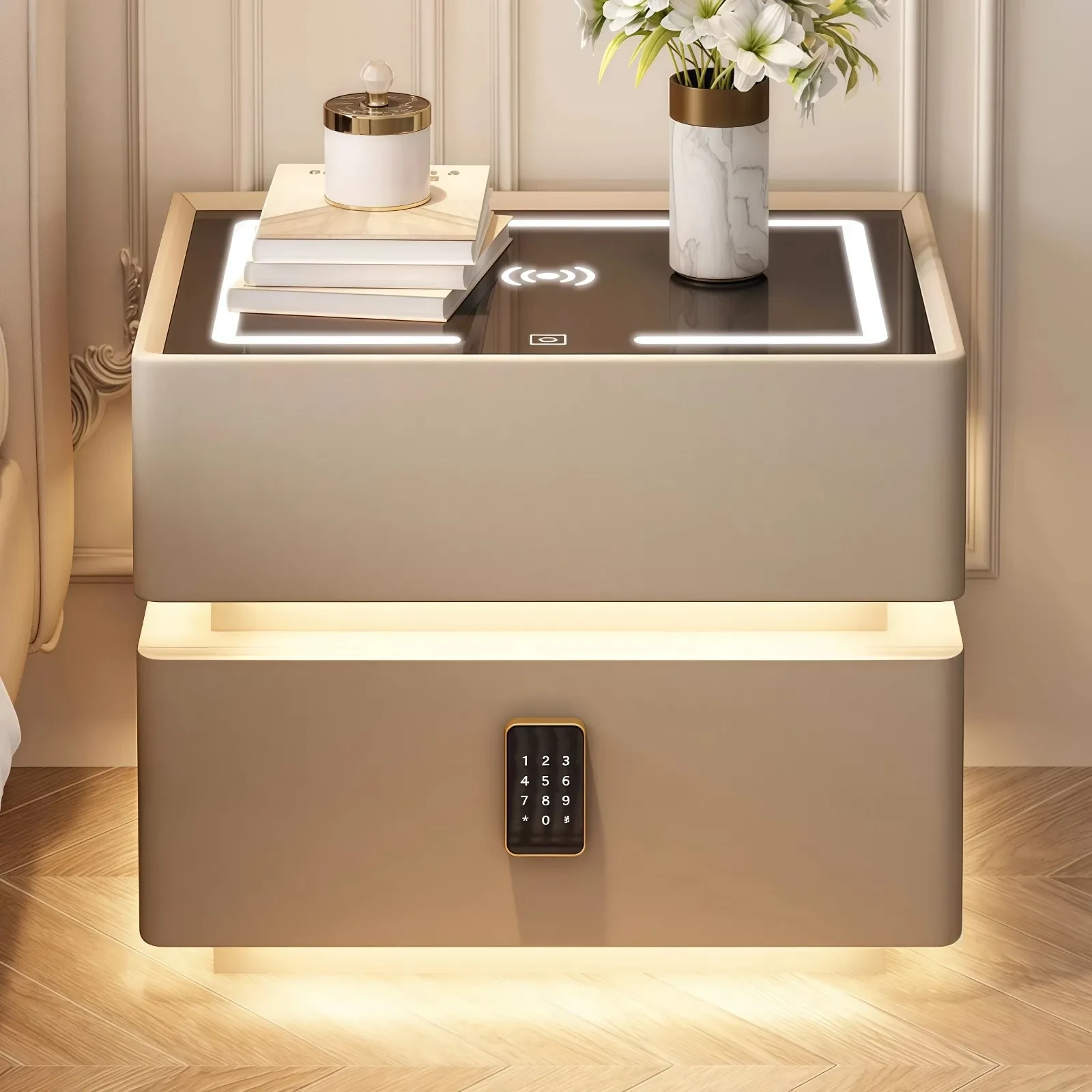
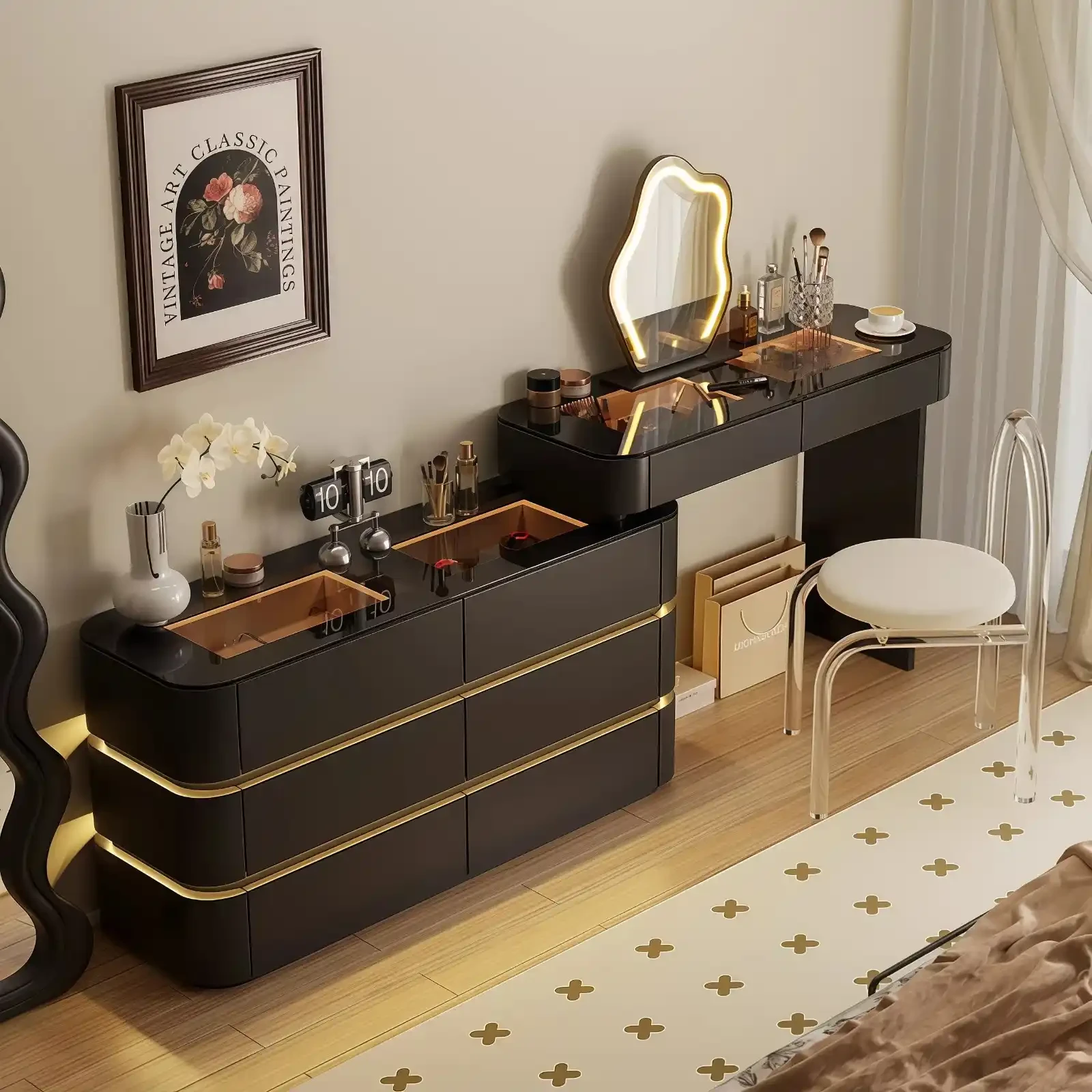
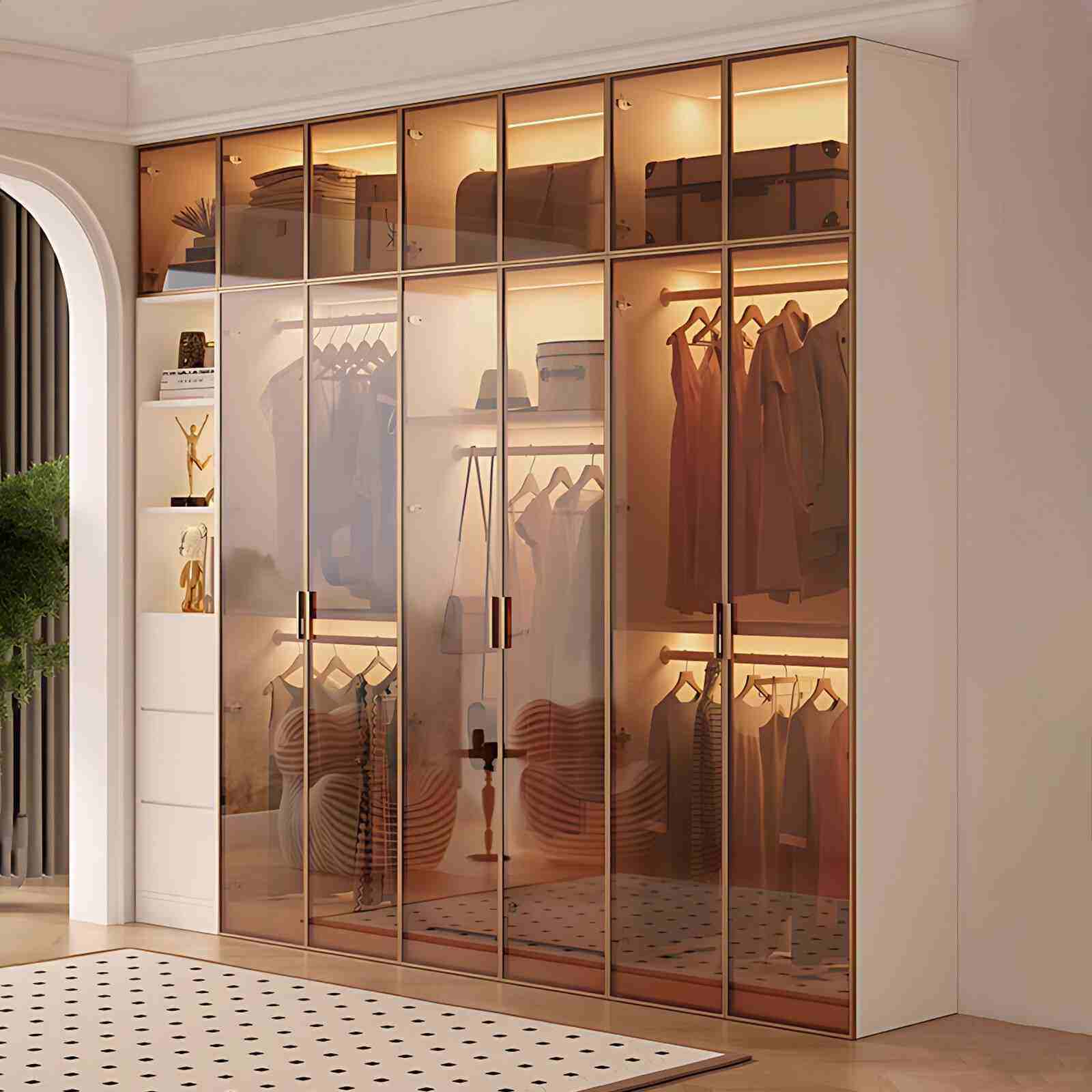
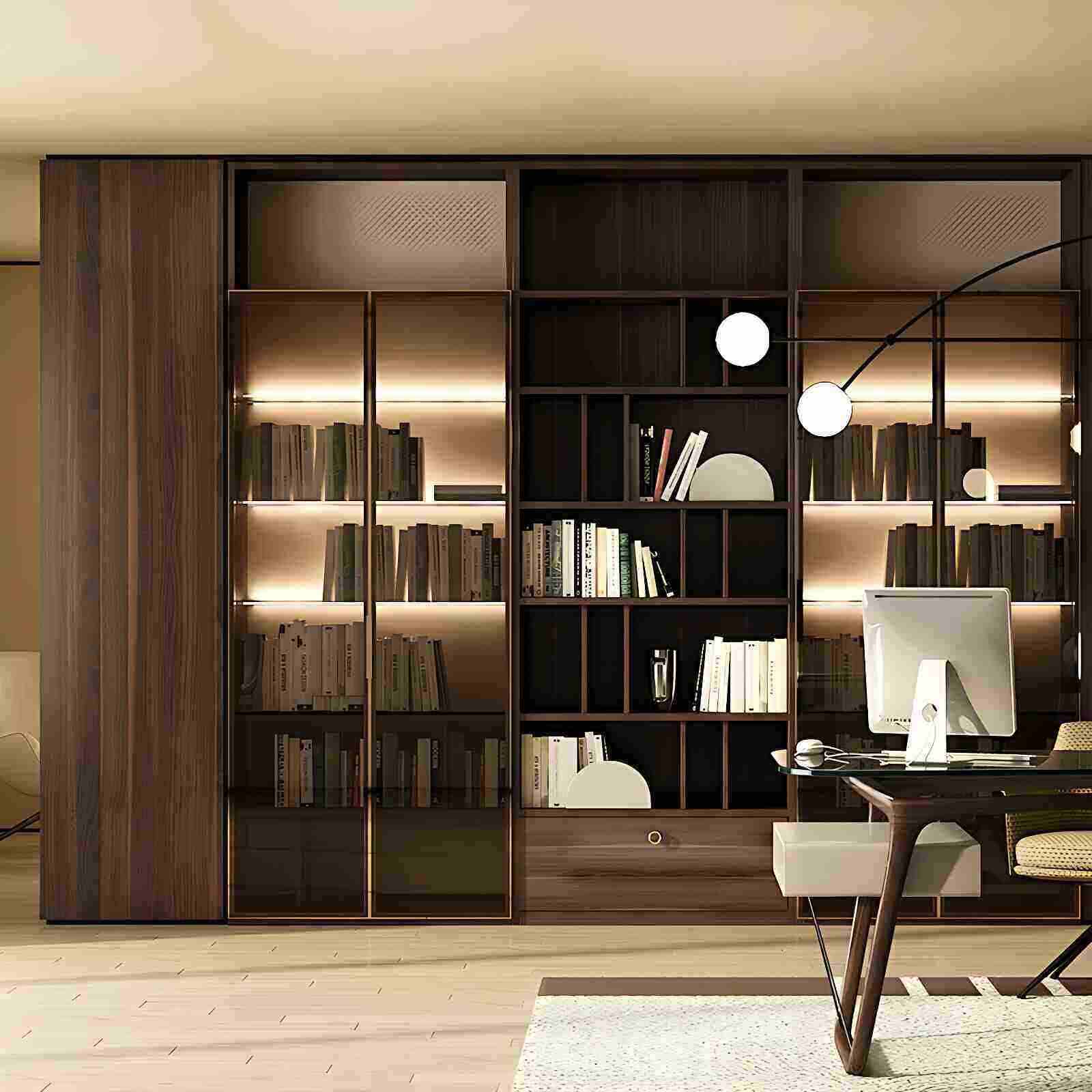
Many consumers are easily confused when they go to building materials markets to order custom cabinets because there are so many materials available. Even the same type of cabinet panel can have a wide variety of names, some of which are misleading or deceptive. Here, we'll provide a general overview for consumers.
There are only two types of wood panels: solid wood and engineered wood panels. Particleboard, MDF, blockboard, solid wood veneer, and wood-based panels are all engineered wood panels. So don't be alarmed when you hear about engineered wood panels, and don't assume they're garbage. Aside from the somewhat low-end name, once you understand them, you'll find that engineered wood panels represent an environmental milestone in modern furniture history.
Why is engineered wood considered a milestone in environmental protection? Just imagine, solid wood grows slowly, often taking decades or even centuries. If every family wanted solid wood, the forests on Earth would probably have disappeared long ago.
This article will share information about eight types of boards that are most commonly used by consumers: particleboard, MDF, plywood, blockboard, fiberboard, multi-layer solid wood board, cedar board, and melamine board.
(1) Particleboard
What is particleboard? Some consumers might say that particleboard is just chipboard, right? Yes and no. Particleboard is just one type of chipboard, and also the best type. I wrote an article about the classification of chipboard four years ago:
Based on the raw materials used in particleboard, it can be classified into:
Wood Particleboard
sugarcane bagasse particleboard
Flax shavings particleboard
cotton stalk particleboard
Bamboo particleboard
cement particleboard
gypsum particleboard
Based on their internal structure, particleboard can be classified into:
Single-layer particleboard
Three-layer particleboard
Gradient structure particleboard (the particles can be seen to decrease in size from large to small or from small to large when viewed from the side).
Oriented strand board (generally refers to wood chips that are regularly interwoven and hot-pressed together)
Waffle particleboard (meaning large pieces of particleboard)
Molded particleboard
Solid wood particleboard belongs to the category of wood chipboard and oriented strand board (OSB). It's a type of engineered wood product made by cutting wood into small chips of a specific size using machinery, then cross-linking them, applying glue, and hot-pressing them. It's a standard component in the custom furniture industry, including imported brands like Nolte and Boffman. Therefore, consumers shouldn't assume solid wood particleboard is inferior. If it were of poor quality or environmentally unfriendly, how could the entire industry use it, and how could major global brands use it?
So what exactly are the advantages of particleboard?
It has good moisture resistance (because the base material of solid wood particleboard is small wood chips, which still retain a large number of wood fibers. Wood fibers have a low water absorption rate. Just like why wooden boats can cross oceans, it is because wood has a low water absorption rate. Therefore, solid wood particleboard has good moisture resistance).
It has strong load-bearing capacity and good nail-holding power (because the base material is small wood chips, and it is made by hot pressing hundreds of tons of interlaced wood chips, so it is very hard and has a very strong nail-holding power).
Environmentally friendly (solid wood particleboard is not in powder form, so it requires less glue, making it relatively more environmentally friendly).
Of course, particleboard is not without its drawbacks:
It looks ugly (indeed, it's riddled with holes when viewed from the cross-section and isn't aesthetically pleasing at all, but after edge banding and finishing, these problems disappear, so why worry about it? Just like people need to wear clothes, if a person were naked, I doubt they would look much better than someone made of particleboard, haha o(* ̄︶ ̄*)o)
The processing equipment requirements for particleboard are high (indeed, the equipment used for cutting wood generally uses German-imported HOMAG cutting machines, which cost millions, making it unaffordable for most small brands. This is why small brands and manufacturers don't use particleboard-to save money, because they don't have the funds. However, the high requirements for processing equipment for particleboard aren't necessarily a disadvantage for consumers, as this isn't an issue for large brands. Large brands tend to keep things simple for consumers and handle the complexities themselves. This is why I consistently advocate choosing large brands; it's the simplest and most effective way to avoid pitfalls).
It's not easy to shape solid wood particleboard (because it's very hard and has a crisscrossing structure, making it difficult to shape; it's generally used for load-bearing cabinet bodies, not door panels. Door panels require styling, but cabinet bodies don't; this is about making the best use of resources).
(2) Medium fiberboard
What is MDF (Medium-density Fiberboard)? MDF is a type of fiberboard, and it also has different classifications:
Low-density fiberboard (LDF) is commonly used for packaging cartons or low-quality furniture.
Medium-density fiberboard (MDF) has moderate hardness, good flexibility, and is easy to shape, so it is generally used as the door panel of panel furniture.
High-density fiberboard (HDF) has the highest hardness and is generally used for wood flooring.
Medium-density fiberboard (MDF) is generally made by cutting and separating plant fibers such as wood into powder using a machine, then gluing and hot-pressing them into a engineered wood product. Consumers can also learn about the advantages and disadvantages of MDF:
Benefits of MDF:
It has good flexibility (because door panels are frequently pushed and pulled open and closed, if they are too stiff, they are prone to cracking, so this advantage of MDF can be taken advantage of).
It is easy to shape (because of its powdery structure and very smooth surface, it is easy to shape, which perfectly meets consumers' needs for different door panel designs).
Disadvantages of MDF:
It has poor moisture resistance (because it is in powder form, it is highly absorbent and therefore not moisture-proof, but this is no longer a problem after the MDF is finished and edge-banded).
Poor load-bearing capacity and nail-holding power (also due to the characteristics of the substrate and powdery structure, so MDF cannot be used as cabinet body, but it is perfectly fine as door panel).
It's less environmentally friendly (because it's in powder form, it requires more glue, making it less environmentally friendly; however, this can be addressed through edge sealing and finishing).
(3) Plywood
What is plywood? Plywood, also known as blockboard, is a type of engineered wood product. Some more upscale versions are called eco-friendly solid wood boards or Malacca plywood. In essence, it's just plywood. Plywood is generally made by cutting wood into strips, splicing the strips together, gluing them, and then gluing high-quality veneers with textured finishes onto both sides.
Let me state my position first: I do not recommend using plywood. This is because plywood, whether used for cabinet bodies or door panels, has the following fatal flaws:
Not environmentally friendly (plywood is made of inferior wood strips of different sizes spliced together, with poor flatness and requiring a lot of glue to bond them. Since major brands have long since phased out plywood, only small manufacturers use it now. However, small manufacturers have poor economic strength and cannot afford imported machinery and glue, so the formaldehyde emission level must be very high).
Poor load-bearing capacity and nail-holding power (because the wood strips of the plywood are of inferior quality, the wood strips themselves have many defects and even insects, and the lengths are not uniform, so the gaps are large. In addition, the surface is only covered with a very thin veneer, so the nail-holding power is very poor and it can't hold the nails at all, not to mention the load-bearing capacity).
Of course, it's not to say that plywood has no advantages; it does have its merits. Anyway, why would small manufacturers and small brands use it?
The requirements for raw materials are low (so any fast-growing wood strips or waste wood can be used, because there are no standards, and consumers can't see it after bleaching anyway).
It has low requirements for processing equipment (so it doesn't need any imported German HOMAG equipment; any saw blade can cut it, and the equipment cost is extremely low).
It looks high-end (because it is made of spliced wood strips, it feels like solid wood and looks more upscale, which is an important reason why many consumers who do not know much about woodwork like it. Insiders see the details, while laymen like to see the spectacle and look at the surface).
(4) Core board
Blockboard, also known as plywood, is made by processing wood strips into specific dimensions, splicing them together using a panel joining machine, and then pressing them together with glue using cold and hot presses. Advantages: Good nail-holding power, high strength, durable, sound-absorbing, and heat-insulating properties. Blockboard has a low moisture content (10%-13%) and is easy to process. Disadvantages: It uses a large amount of urea-formaldehyde resin in its production, resulting in high formaldehyde emissions, lower environmental standards, and a relatively pungent odor. The veneer materials vary, leading to inconsistent density and a tendency to warp and deform, affecting appearance and usability. The surface of blockboard is also relatively rough, requiring on-site carpentry work.
(5) MDF
MDF, also known as fiberboard, can be classified into high-density, medium-density, and low-density fiberboard based on its density. Currently, medium-density fiberboard, commonly referred to as MDF, is the most commonly used type on the market.
Advantages: Smooth and even surface, easy to finish and glue. Various wood veneers, adhesive films, decorative panels, thin metal sheets, melamine boards, etc., can be glued to the surface of MDF. Disadvantages: The interior is made of wood fibers, which is slightly inferior to solid wood particleboard. It has higher moisture absorption, water absorption, and thickness expansion rate. Because it requires a large amount of adhesive, and the powdered fibers are difficult to release after compression, its environmental friendliness is not guaranteed to some extent.
(6) Multi-layer solid wood boards
Multi-layer solid wood boards are made by gluing three or more layers of veneer or thin boards together under high temperature and pressure. The main substrate is cross-laminated plywood, reinforced with high-polymer environmentally friendly adhesives, and finished with a high-quality solid wood veneer. The process involves several steps, including cold pressing, hot pressing, sanding, and curing. Advantages: The use of cross-laminated veneers and high-temperature, high-pressure pressing results in a stable structure, resistance to deformation, high strength, good internal quality, good flatness, and strong stability, reducing the use of adhesives. The use of high-polymer adhesives in the production process reduces formaldehyde content, making it environmentally friendly.
Disadvantages: Due to its relatively high production cost, its price is relatively high compared to other boards.
(7) Fir plank
Fir plywood, also known as fir engineered wood or fir finger-jointed board, is a large-format, thick board made by joining short pieces of wood together with finger joints. Its process, which avoids the use of large amounts of glue and adhesives, makes it one of the most environmentally friendly decorative materials for interior decoration. Currently, fir wood is commonly used, hence the common name "fir plywood."
Advantages: Made entirely of high-quality wood, using only 70% of the glue found in plywood, making it an environmentally friendly product. Durable, resistant to insects and warping, with a smooth and even surface. No additional veneer is needed when making furniture, saving labor and materials, making it economical and affordable.
Disadvantages: Poor quality, low-priced integrated boards have substandard moisture content, are prone to deformation, and will crack over time.
(8) Paint-free board
Melamine-faced boards are decorative panels made by soaking paper of different colors or textures in melamine resin adhesive, drying it to a certain degree of curing, laying it on a board, and then hot-pressing it. Therefore, they are often called melamine boards.
Advantages: Natural texture, clear wood grain, no color difference on the product surface, self-extinguishing after being removed from fire, washable, wear-resistant, moisture-proof, corrosion-resistant, acid-proof, alkali-proof, dust-free, and not prone to mold or blackening. Furthermore, it eliminates the need for painting, saving on labor and paint costs after application and shortening construction time.
Disadvantages: High price, short lifespan, relatively delicate, and very difficult to repair once damaged.