
 USD
USD GBP
GBP
 EUR
EUR









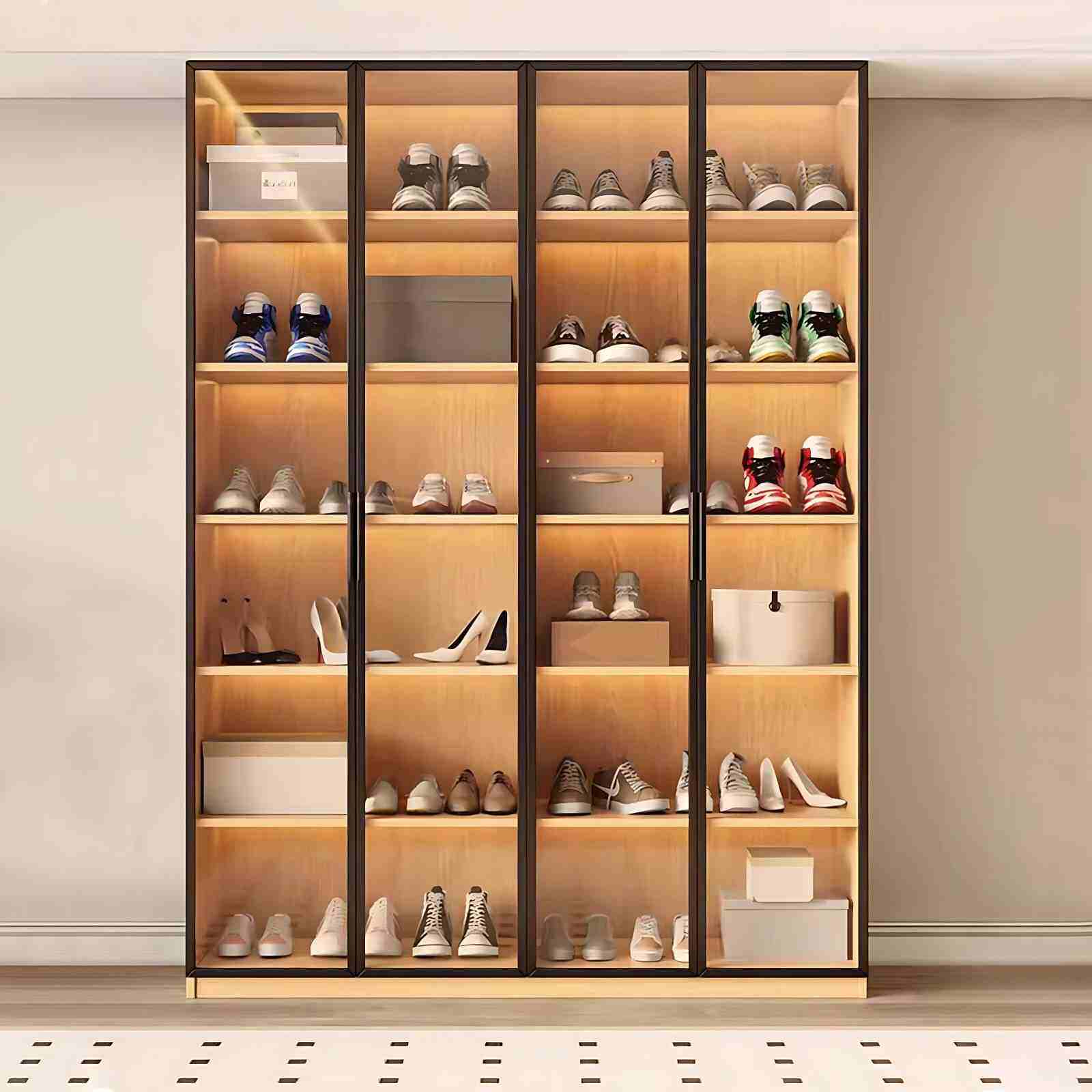
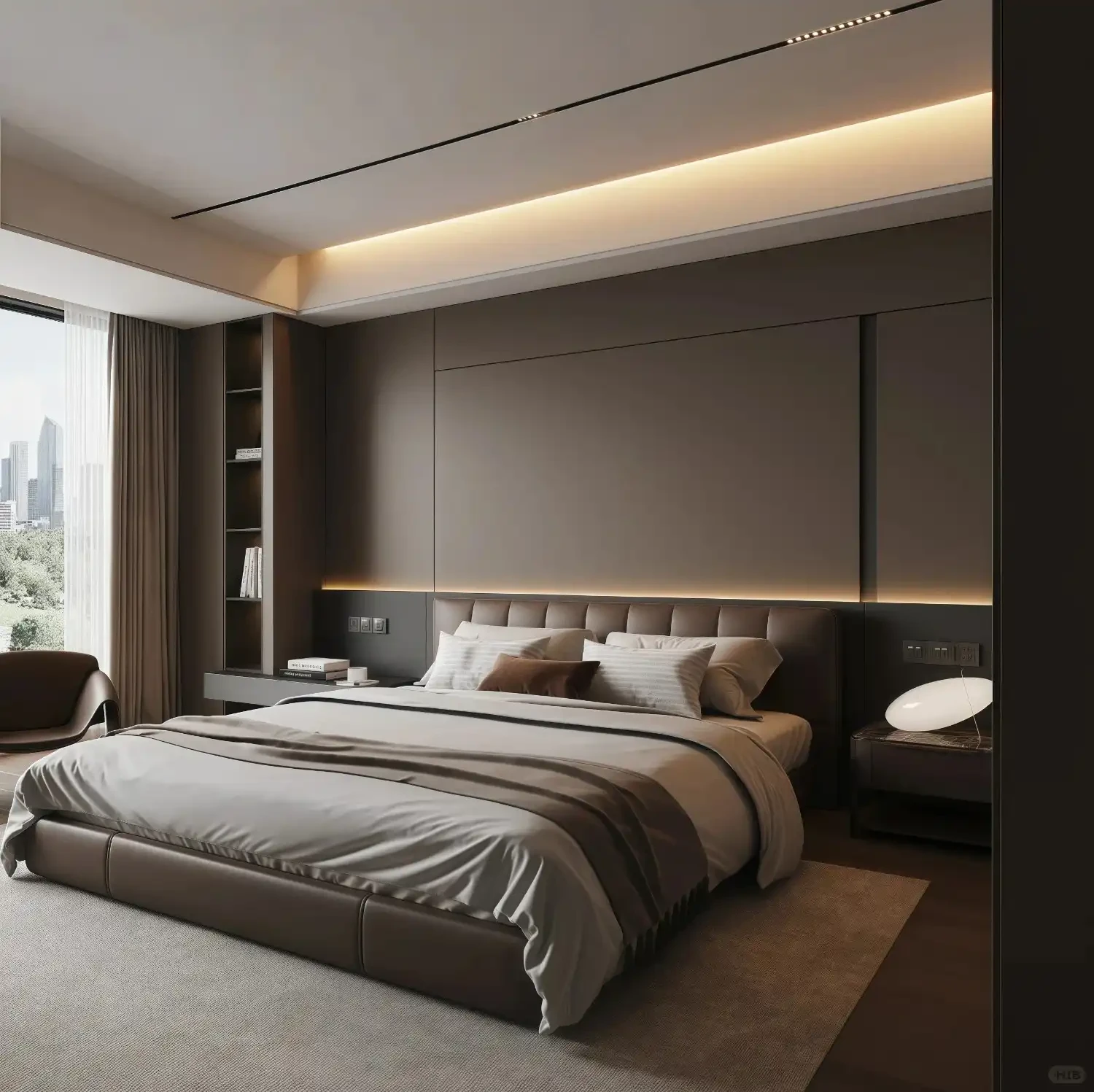



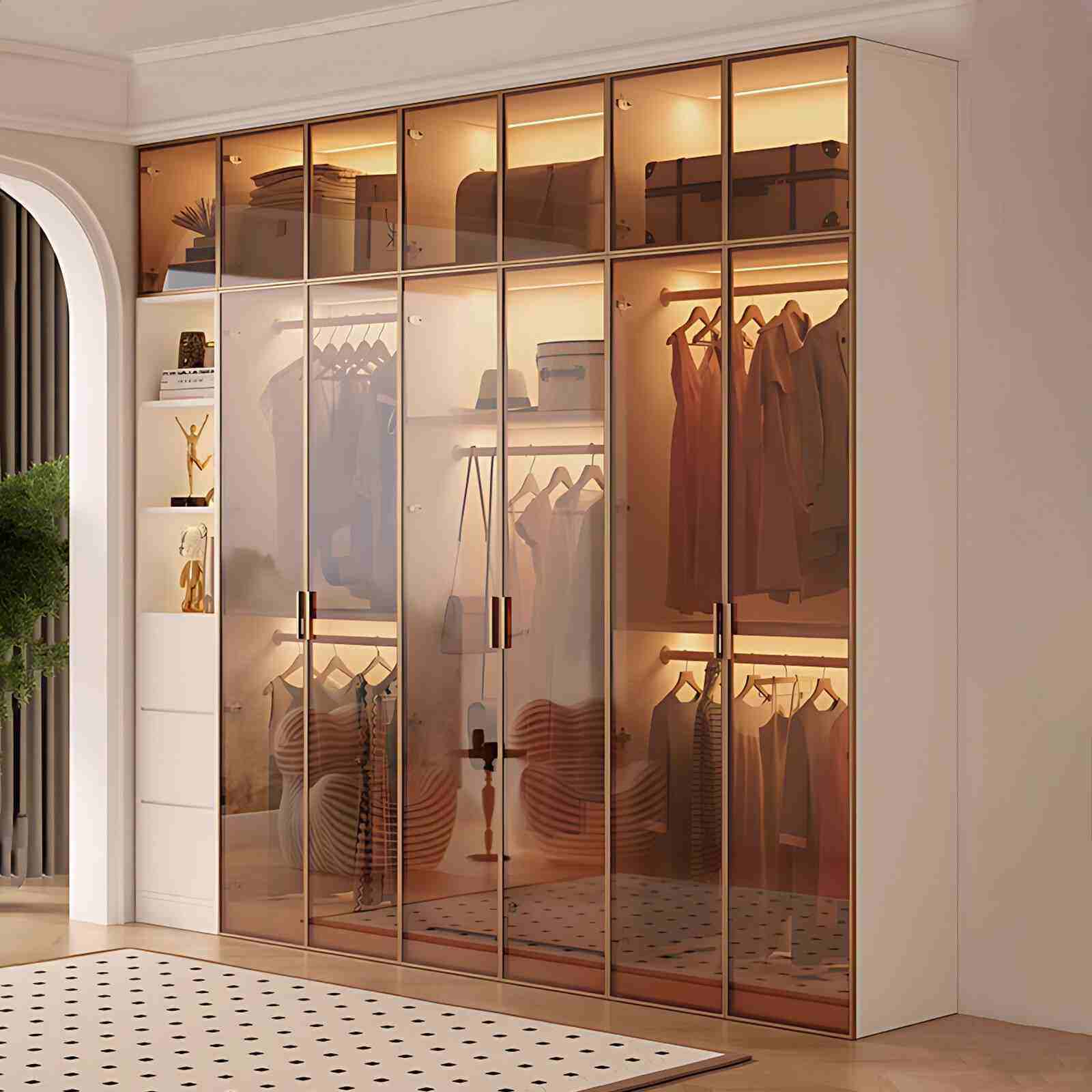
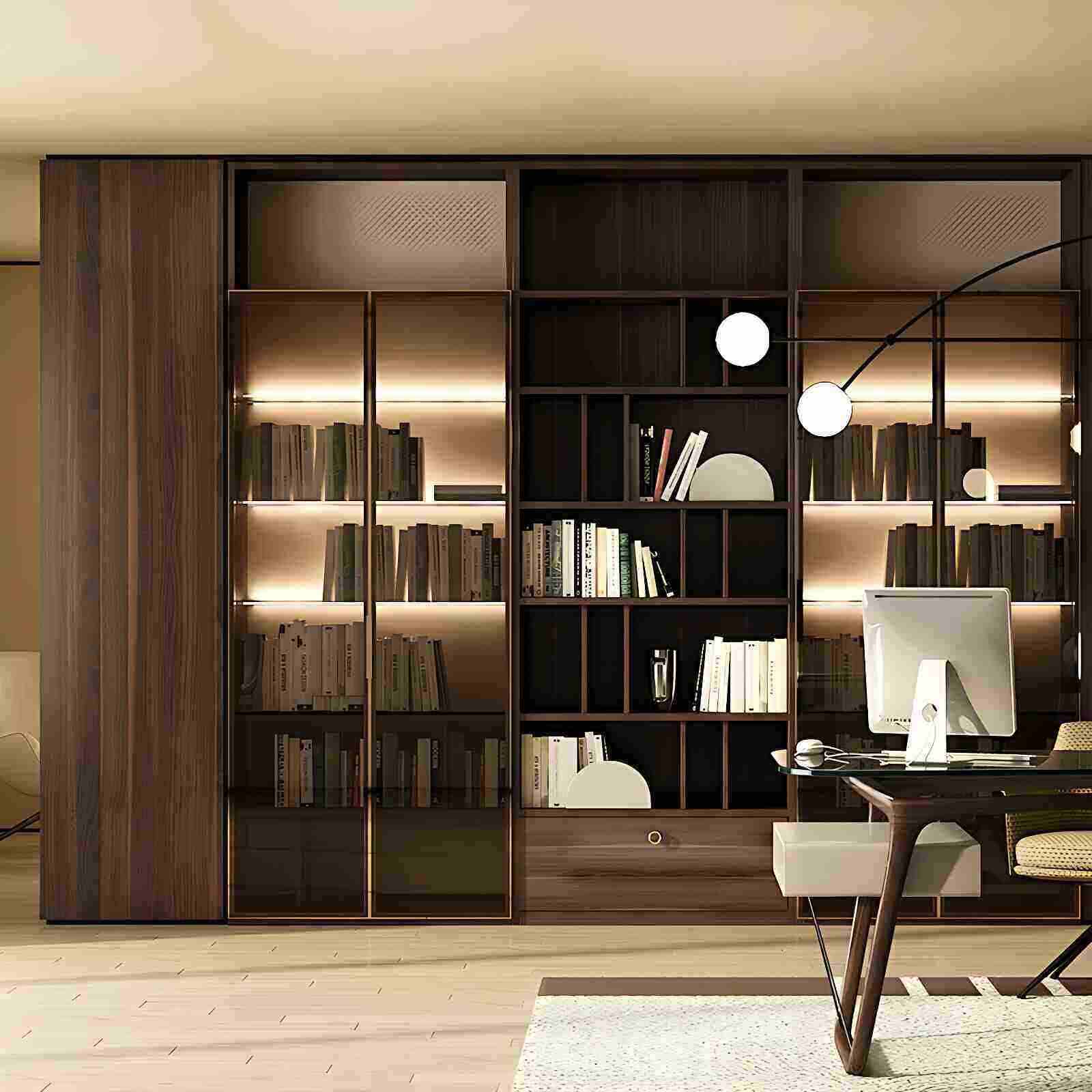

Flame-retardant boards, with their functions of suppressing open flames, reducing heat, and delaying fires, have become one of the best-selling building materials. However, many consumers fall into common misconceptions when purchasing flame-retardant boards. Below, Weiye brand flame-retardant boards will share some common mistakes to avoid when choosing flame-retardant boards.
1. Is flame-retardant board the same as fireproof board?
Consumers often confuse flame-retardant boards with fire-resistant boards. While fire-resistant boards possess some fire resistance, they can still burn and cannot be used as flame-retardant boards. Furthermore, there are no national or industry standards for fire-resistant boards. Flame-retardant boards, also known as flame-retardant plywood, are manufactured strictly according to industry standards. They effectively suppress open flames, prevent the spread of fire, and inhibit smoke and toxic substances, buying time for people to escape. Therefore, national regulations mandate the use of compliant flame-retardant boards in public places.
II. Does a board with a red stamp equal a flame-retardant board?
Flame-retardant boards all have a red stamp, which can easily lead to the misconception that all boards with a red stamp are flame-retardant. However, this is not the case. The red stamp is simply an external identification mark for flame-retardant boards, allowing consumers to obtain information such as the brand, manufacturer, flame-retardant rating, production standards, and product characteristics. Therefore, boards with a red stamp are not necessarily flame-retardant boards.
3. Purchasing flame-retardant boards = Should you choose Class A flame-retardant boards?
Flame-retardant boards, as flame-retardant materials, can be classified into Class A, Class B1, Class B2, and Class B3. Class A is a non-combustible material with the best flame-retardant performance, but it is expensive and rarely used. Class B1 flame-retardant boards are non-flammable materials. After relevant tests and regulations by the Ministry of Public Security, Class B1 flame-retardant boards fully meet fire safety requirements, and consumers generally only need to purchase Class B1 flame-retardant boards.
IV. Is flame-retardant MDF the same as flame-retardant plywood?
Some consumers mistakenly believe that flame-retardant MDF is the same as flame-retardant plywood. In fact, flame-retardant boards on the market generally refer to flame-retardant plywood. Flame-retardant MDF is a type of engineered wood product made from wood fibers or other plant fibers bonded together with a large amount of glue. It is inexpensive, but its environmental performance, nail-holding power, and flame-retardant properties are inferior to those of flame-retardant plywood made with high-quality veneer and impregnated with flame retardants.
The above are common misconceptions consumers encounter when purchasing flame-retardant boards. As one of China's top ten flame-retardant board brands, we remind consumers to be discerning, do their research, and avoid making mistakes when buying flame-retardant boards.